12 Sustainable Garden Design Ideas for Modern Homes
Sustainable Garden Design Ideas are becoming increasingly important as people look for ways to create beautiful outdoor spaces while protecting the environment. Modern gardens are no longer only places filled with decorative plants and attractive landscapes. They are becoming living ecosystems that support biodiversity, conserve water, improve soil health, produce food, and create healthier environments for people and wildlife.
Traditional gardening methods often depend on excessive water usage, chemical fertilizers, imported plants, and regular maintenance practices that can negatively affect nature. In contrast, sustainable gardening focuses on working with natural systems instead of controlling them. It encourages gardeners to choose plants carefully, use resources efficiently, reduce waste, and design spaces that remain productive for many years.
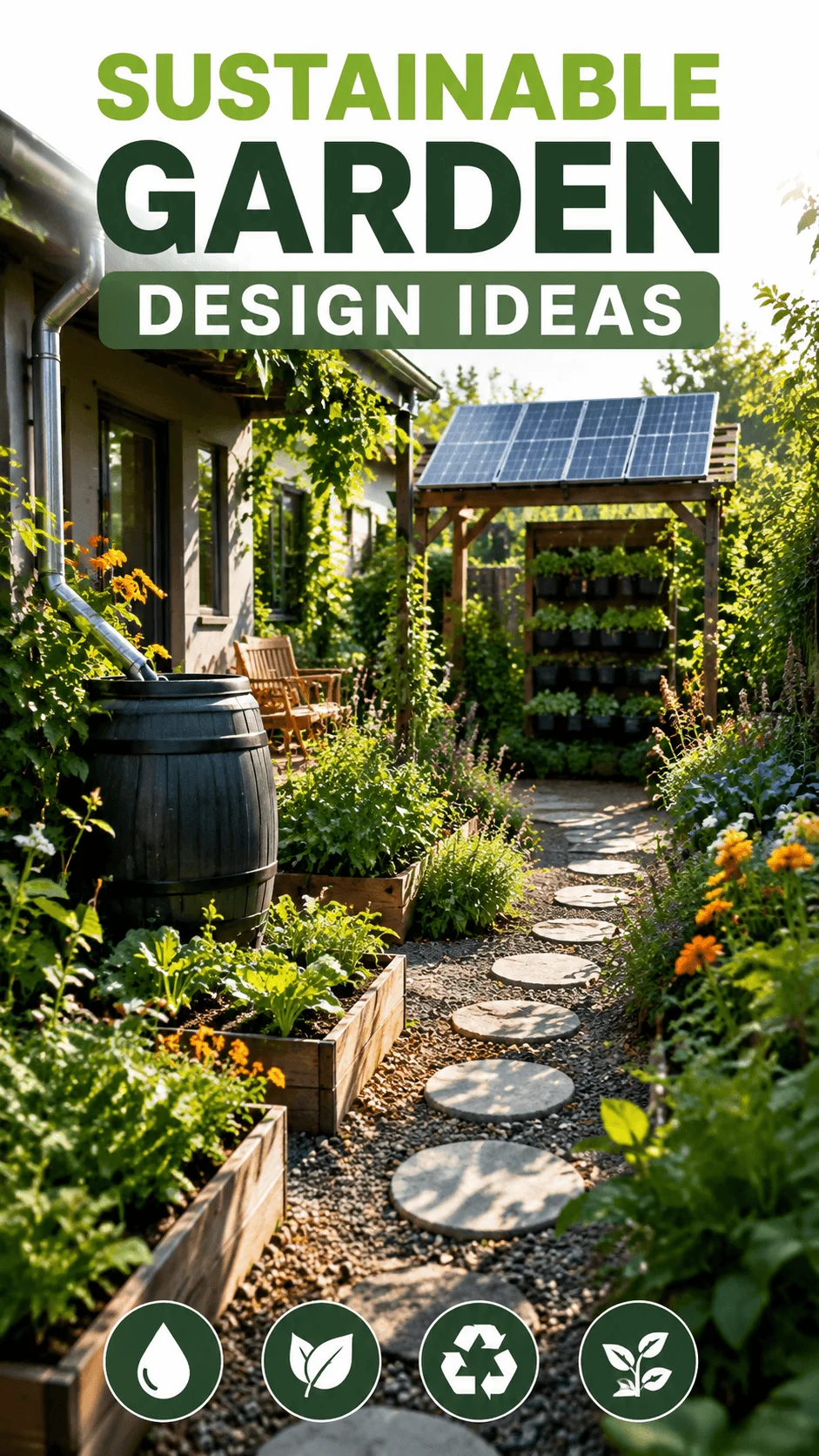
The growing interest in environmentally responsible lifestyles has changed the way homeowners, designers, and communities think about outdoor spaces. Today, gardens are being designed to handle climate challenges, support pollinators, store carbon, and provide practical benefits such as fresh food production. These changes have made sustainable garden planning one of the most exciting areas in modern landscape design.
In 2026, sustainable gardens are moving beyond simple eco friendly improvements. New approaches combine traditional gardening knowledge with advanced technology, regenerative practices, and creative design solutions. From smart irrigation systems to wildlife friendly landscapes and self sustaining food gardens, these concepts are helping people create outdoor spaces that benefit both humans and nature.
Understanding the Importance of Sustainable Garden Design
A sustainable garden is designed with long term environmental responsibility in mind. Instead of focusing only on appearance, it considers the complete relationship between plants, soil, water, climate, wildlife, and human needs.
A well designed sustainable garden reduces pressure on natural resources by using water efficiently, improving soil quality, and minimizing unnecessary waste. It also creates habitats for insects, birds, and other small creatures that play important roles in maintaining healthy ecosystems.
One of the biggest advantages of sustainable gardening is its ability to adapt to changing environmental conditions. Rising temperatures, irregular rainfall patterns, and increasing pressure on natural resources have made traditional gardening methods more difficult in many regions. Sustainable approaches help gardens survive these challenges by selecting suitable plants, improving soil structure, and creating balanced ecosystems.
These gardens also provide personal benefits. They can improve mental wellbeing, encourage outdoor activities, provide fresh organic food, and create peaceful spaces where people can connect with nature. As more people understand these benefits, the demand for creative and practical sustainable garden design ideas continues to grow.
Creating Native Plant Gardens for Natural Biodiversity
Native plant gardens are becoming one of the most popular sustainable landscaping trends because they work together with local ecosystems. Native plants naturally grow in a particular region, which means they are already adapted to local weather conditions, soil types, and wildlife needs.
Many traditional gardens rely on exotic plants that require additional water, fertilizers, and maintenance because they are not naturally suited to the environment. Native plants usually require fewer resources because they have evolved to survive in their surroundings.
A garden filled with native flowers, grasses, shrubs, and trees can provide food and shelter for birds, butterflies, bees, and other beneficial insects. Pollinators depend on these plants for nectar and pollen, making native gardens an important solution for protecting declining wildlife populations.
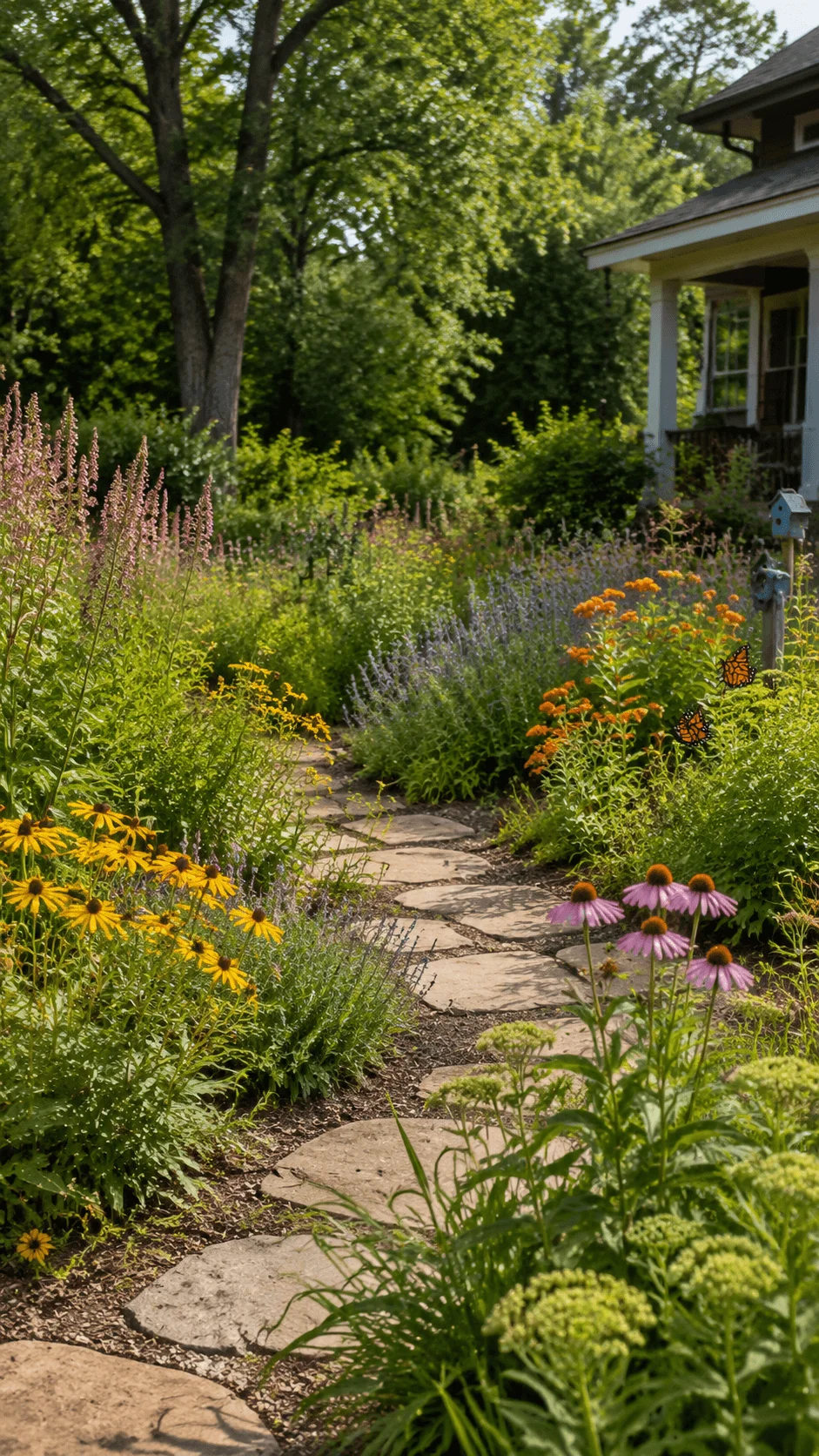
Designing a native plant garden does not mean creating a messy or uncontrolled space. Gardeners can arrange native plants in attractive patterns by combining different heights, colors, textures, and seasonal features. A carefully planned native landscape can look modern while still supporting natural processes.
Homeowners can begin by researching plants that naturally grow in their area. Choosing a mixture of flowering plants, ground covers, shrubs, and trees creates a balanced environment where different species can thrive throughout the year.
Native plant gardens also reduce maintenance costs because they usually need less watering and fewer chemical treatments. Over time, they become stronger and more independent, making them an excellent choice for people who want a beautiful garden with minimal environmental impact.
Designing Gardens That Adapt to Climate Challenges
Climate change has become one of the biggest factors influencing modern garden planning. Extreme heat, drought periods, heavy rainfall, and unpredictable weather conditions are forcing gardeners to rethink traditional landscaping approaches.
Climate resilient garden design focuses on creating outdoor spaces that can survive difficult environmental conditions while continuing to provide beauty and ecological benefits. Instead of fighting against natural changes, these gardens prepare for them.
One important strategy involves selecting plants that can tolerate local climate conditions. Drought resistant plants, heat tolerant species, and weather adaptable varieties help gardens remain healthy even during challenging periods.
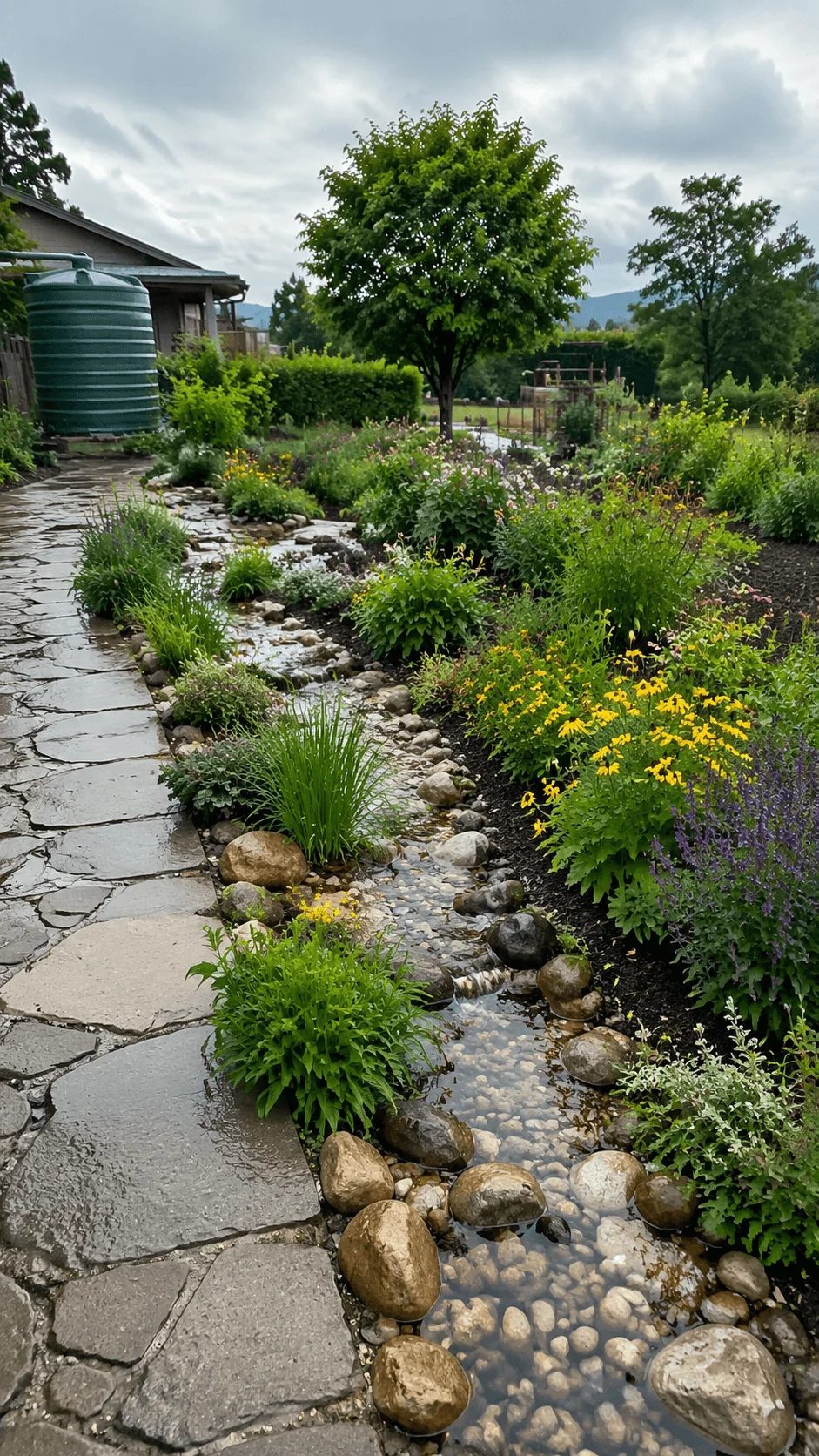
Water management also plays a major role in climate resilient gardening. Features such as rain gardens, permeable pathways, and water collection systems help manage rainfall effectively. These solutions reduce water waste and prevent problems caused by heavy storms.
Soil improvement is another important part of climate adaptation. Healthy soil stores more water, supports stronger plant growth, and reduces the need for artificial fertilizers. Adding compost, organic materials, and natural soil improvements helps gardens become more resistant to environmental stress.
Modern sustainable garden design ideas increasingly focus on creating landscapes that can recover naturally after extreme weather events. Instead of replacing damaged plants repeatedly, resilient gardens use strong ecosystems that can regenerate over time.
Moving Beyond Sustainability Toward Restoration
Regenerative gardening represents a new approach that goes beyond simply reducing environmental damage. While traditional sustainable practices aim to protect resources, regenerative methods actively improve soil, increase biodiversity, and restore natural systems.
The main goal of regenerative garden design is to create a garden that gives back more than it takes. Healthy soil, diverse plant life, and natural cycles become the foundation of this approach.
Soil plays a central role in regenerative gardening. Many modern gardening systems focus heavily on plants while ignoring the importance of underground ecosystems. However, soil contains millions of microorganisms that support plant growth, store carbon, and maintain ecological balance.
Regenerative gardens use methods such as composting, mulching, cover planting, and reduced soil disturbance to improve soil health naturally. These practices increase organic matter and help gardens become more productive over time.
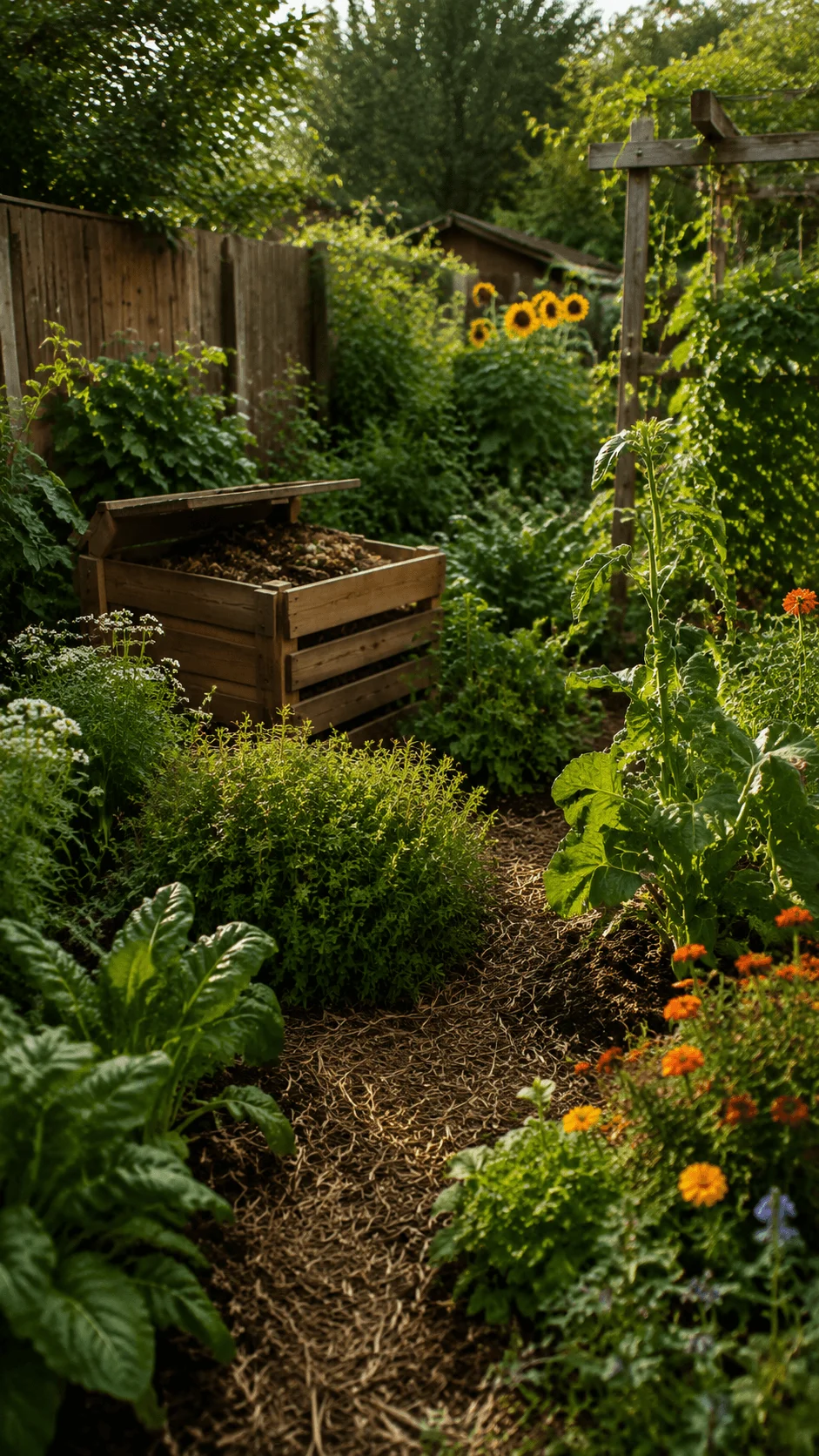
Another important element is biodiversity. A regenerative garden does not depend on a single type of plant. Instead, it includes different species that support each other and create a stronger ecosystem.
For example, flowering plants can attract pollinators, trees can provide shade, ground covers can protect soil, and compost systems can return nutrients back into the garden. Each element has a role in maintaining balance.
Regenerative gardening is becoming popular because people are beginning to understand that gardens can contribute to environmental restoration. A thoughtfully designed garden can capture carbon, improve local ecosystems, and create a healthier relationship between humans and nature.
Combining Gardening With Innovation
Technology is changing the way people design and maintain gardens. Smart sustainable gardens combine traditional gardening knowledge with digital tools that improve efficiency and reduce resource waste.
Smart irrigation systems are one of the most useful innovations in modern gardening. These systems can monitor soil moisture levels and provide water only when plants need it. This prevents overwatering and helps conserve one of the planet’s most valuable resources.
Artificial intelligence is also becoming part of garden planning. AI based tools can help homeowners select suitable plants, design layouts, analyze sunlight patterns, and create maintenance plans based on local conditions.
Sensors provide another opportunity for smarter gardening. Soil sensors can measure moisture, temperature, and nutrient levels, allowing gardeners to make better decisions instead of relying on guesswork.
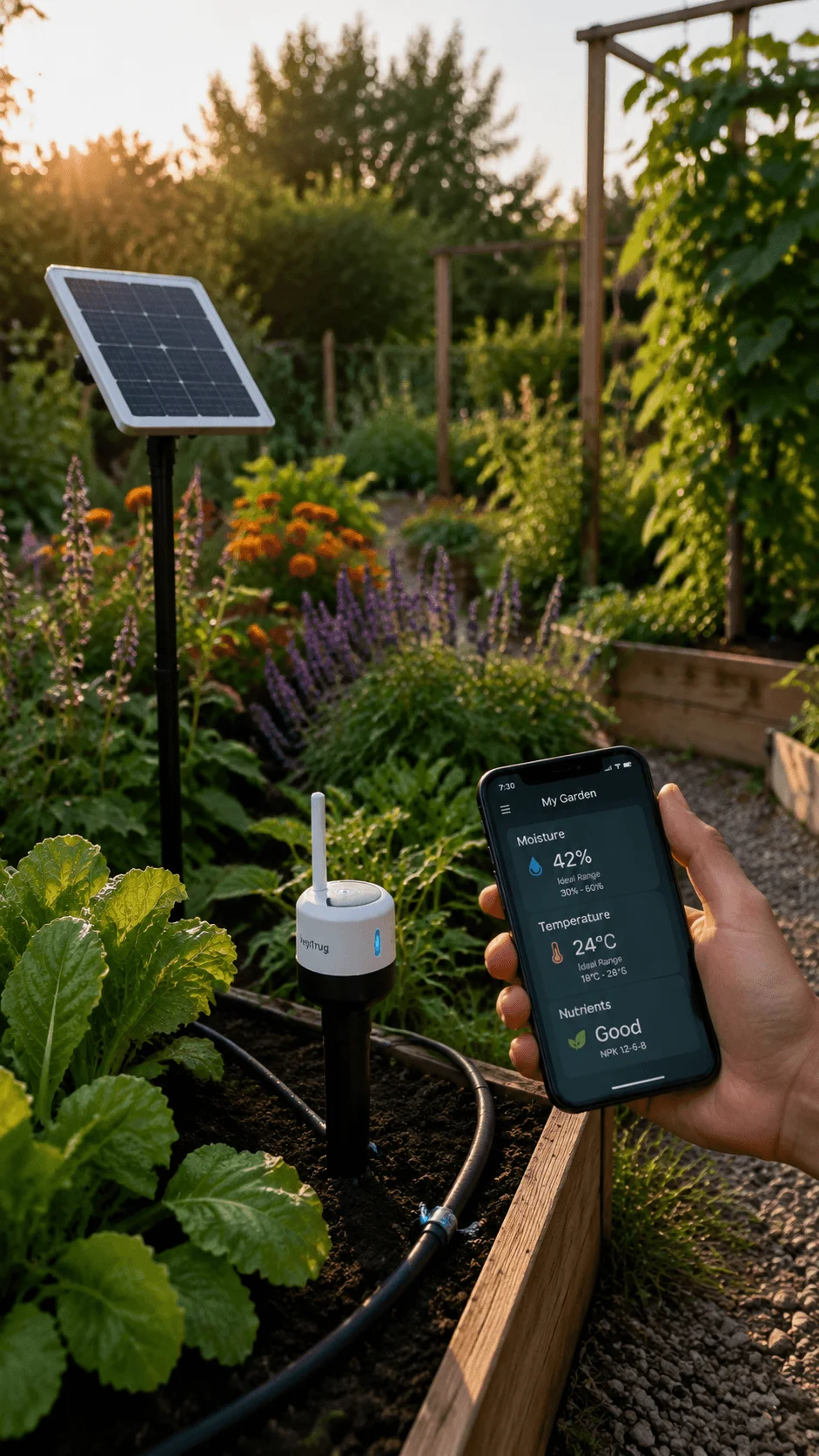
Solar powered technology is also becoming more common in sustainable outdoor spaces. Solar lighting, renewable energy features, and efficient garden equipment help reduce dependence on traditional energy sources.
Smart technology does not replace natural gardening methods. Instead, it supports them by helping people use resources more responsibly. When combined with ecological design principles, technology can make gardens more productive, efficient, and easier to maintain.
Rainwater Harvesting and Water Saving Garden Solutions
Water conservation has become one of the most important aspects of modern gardening. As many regions experience water shortages and changing rainfall patterns, gardeners are searching for solutions that reduce dependency on traditional water supplies. Water saving garden ideas are now a major part of sustainable garden planning because they help protect natural resources while keeping plants healthy.
Rainwater harvesting is one of the most effective approaches. Instead of allowing rainwater to flow away from roofs and hard surfaces, gardeners can collect and store it for future use. Rain barrels, underground storage systems, and rain gardens can capture rainfall and provide a natural water source for plants.
Rain gardens are especially valuable because they allow water to slowly enter the soil instead of creating surface runoff. They are usually planted with water tolerant native plants that can survive both wet and dry conditions. These gardens help reduce flooding, improve groundwater levels, and create habitats for wildlife.
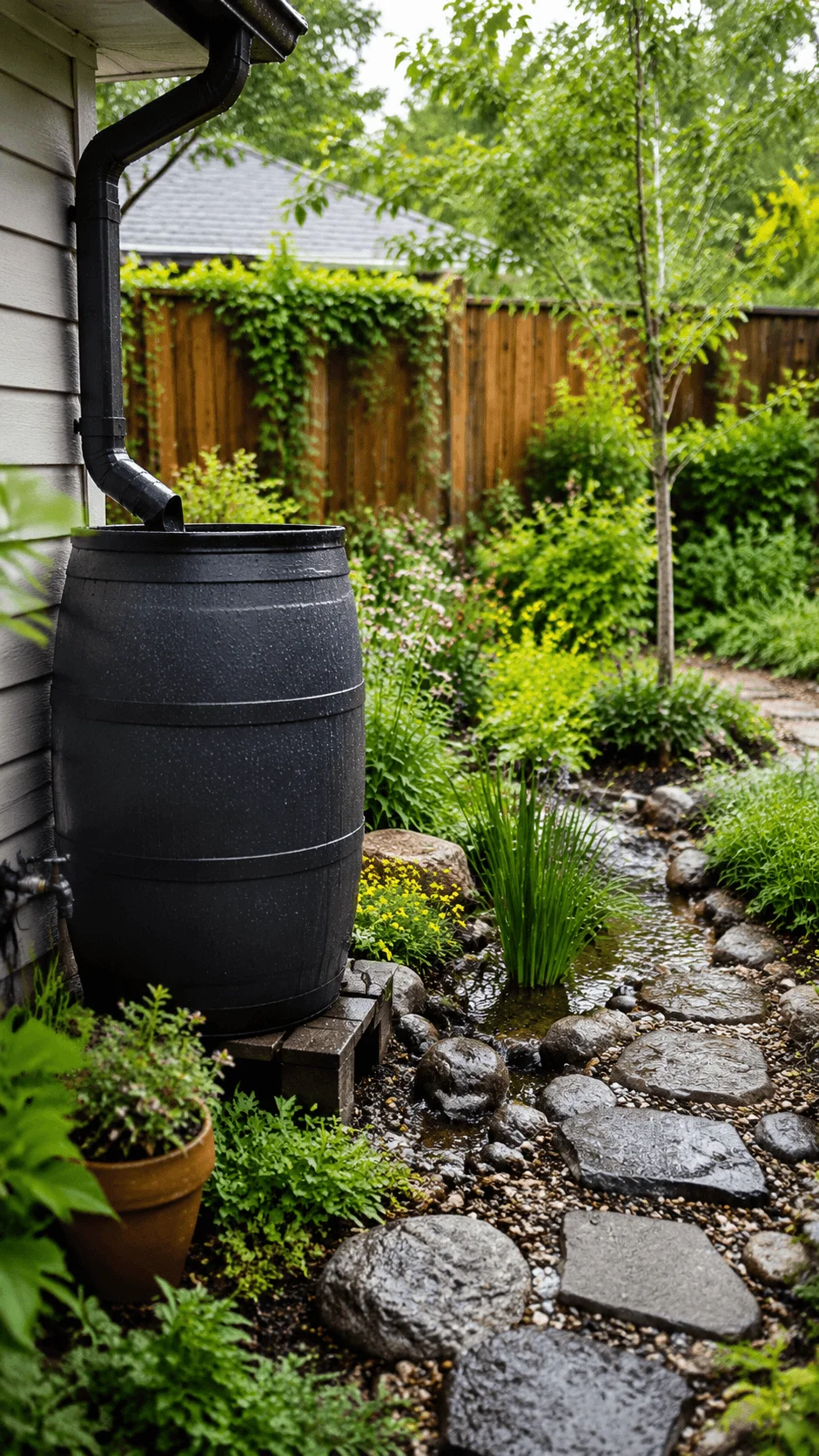
Another important technique is choosing plants carefully. Many traditional gardens include species that require frequent watering, especially during hot seasons. Sustainable gardens focus on drought tolerant plants that can survive with limited irrigation.
Mulching is another simple but powerful method. Organic mulch made from leaves, wood chips, or compost protects soil from evaporation, keeps plant roots cooler, and reduces the need for frequent watering.
Efficient irrigation systems also improve water management. Drip irrigation delivers water directly to plant roots, reducing waste compared with traditional sprinklers. When combined with smart sensors, irrigation systems can provide the exact amount of water needed.
Water conservation does not mean creating a dry or unattractive garden. A carefully designed water efficient landscape can include colorful flowers, productive plants, beautiful pathways, and relaxing outdoor spaces while using fewer resources.
Creating Gardens That Provide Beauty and Nutrition
One of the fastest growing trends in sustainable gardening is the development of edible landscapes. Instead of separating decorative plants and food producing areas, modern gardeners are combining both into attractive and productive spaces.
Sustainable edible gardens allow homeowners to grow fruits, vegetables, herbs, and useful plants while reducing dependence on commercially produced food. These gardens support local food systems and reduce environmental impacts connected with transportation and packaging.
Edible landscaping can take many forms. A backyard can include fruit trees mixed with flowering plants, herbs placed along pathways, vegetables grown in raised beds, and climbing plants used as natural decorations.
Food forests are another emerging concept. They copy natural forest systems by combining different layers of plants. Tall trees provide shade, smaller fruit trees produce food, shrubs fill middle spaces, ground covers protect soil, and herbs create additional diversity.
This approach creates a self supporting environment where different plants help each other. Some plants improve soil quality, some attract pollinators, and others provide protection from extreme weather.
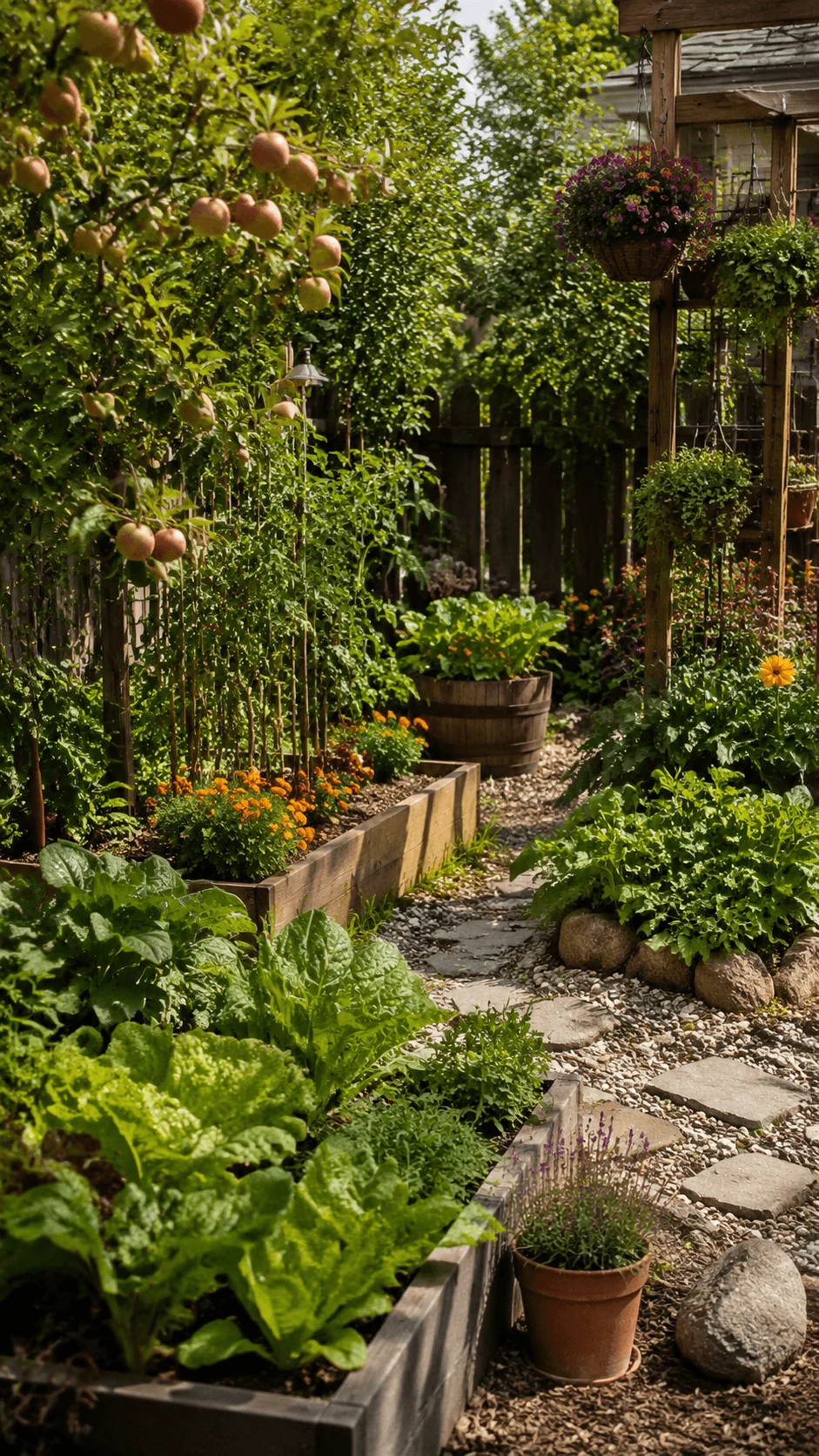
Urban homeowners can also benefit from edible garden designs. Even small balconies, rooftops, and compact yards can produce herbs, vegetables, and small fruit plants through containers and vertical growing systems.
Sustainable edible gardening also encourages people to develop a stronger connection with food production. Growing even a small amount of food helps people understand natural cycles and appreciate the importance of responsible resource use.
Creating Outdoor Spaces That Support Nature
Modern gardens are increasingly being designed as habitats rather than simple decorative spaces. Wildlife friendly garden design focuses on creating environments where birds, insects, and other beneficial creatures can find food, shelter, and water.
Biodiversity plays a critical role in maintaining healthy ecosystems. Pollinators such as bees and butterflies support plant reproduction, while birds and beneficial insects help control pests naturally.
A wildlife friendly garden can include native flowering plants, bird feeders, small water features, insect hotels, and areas with natural materials. These elements create safe spaces for different species throughout the year.
Many gardeners make the mistake of removing every natural element from their outdoor spaces. Fallen leaves, small branches, and certain wild plants can actually provide important habitats. Sustainable gardens often use a balanced approach where nature is encouraged instead of completely controlled.
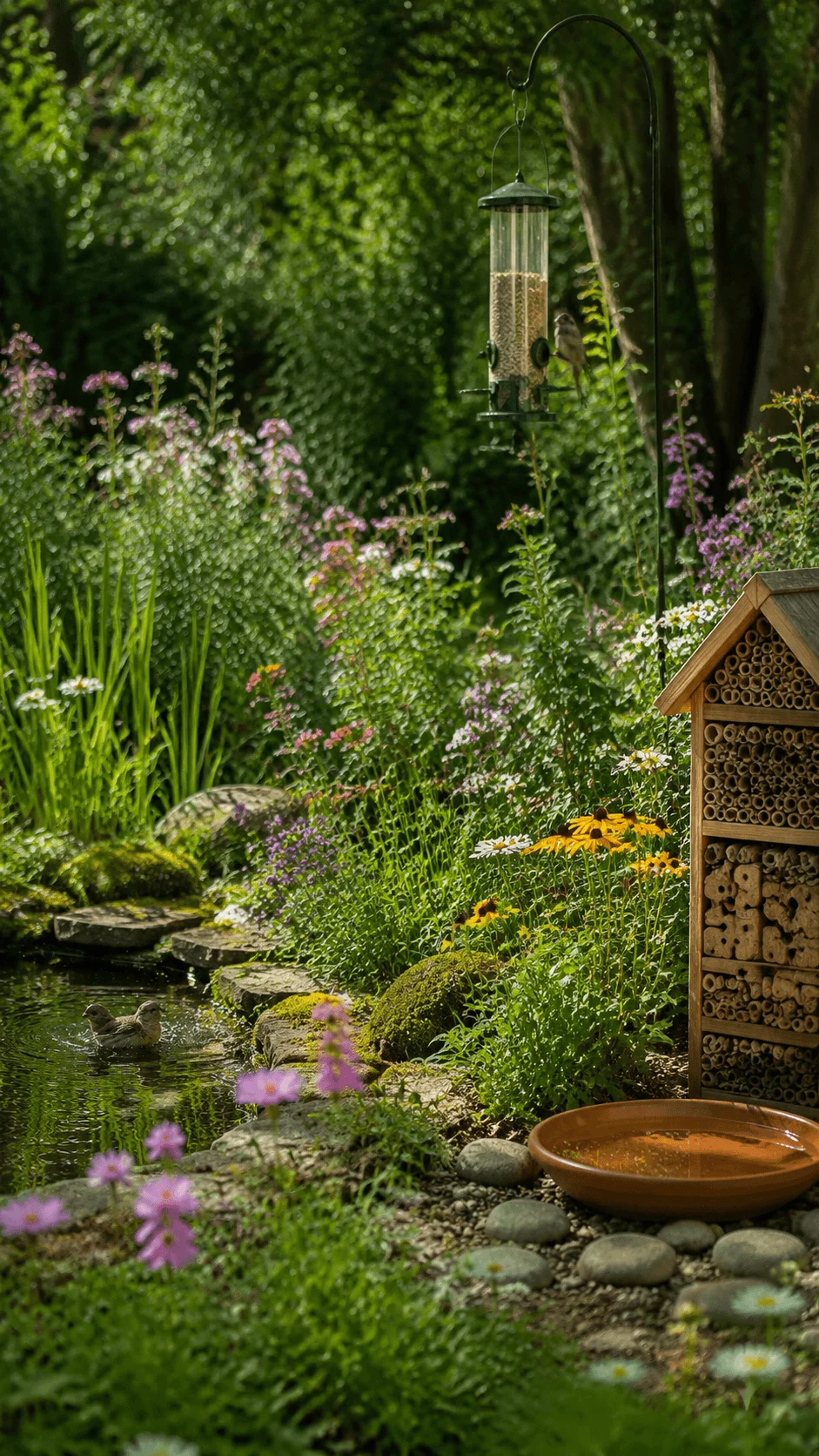
Pollinator gardens are especially popular because declining insect populations have raised environmental concerns worldwide. Planting flowers that bloom during different seasons ensures that pollinators have access to food throughout the year.
Wildlife friendly gardens also create educational opportunities. Families and children can observe insects, birds, and natural processes directly, helping develop greater environmental awareness.
Growing More Plants in Limited Areas
Urbanization has increased the demand for creative gardening solutions that work in small spaces. Vertical gardening allows people to grow plants upward instead of spreading them across large areas.
Vertical sustainable gardens are becoming popular in apartments, balconies, rooftops, and small homes where traditional gardens may not be possible. They maximize available space while adding greenery to urban environments.
Living walls are one example of vertical gardening. These structures use planted surfaces to create green areas on walls and buildings. They can improve air quality, reduce heat, and create attractive outdoor features.
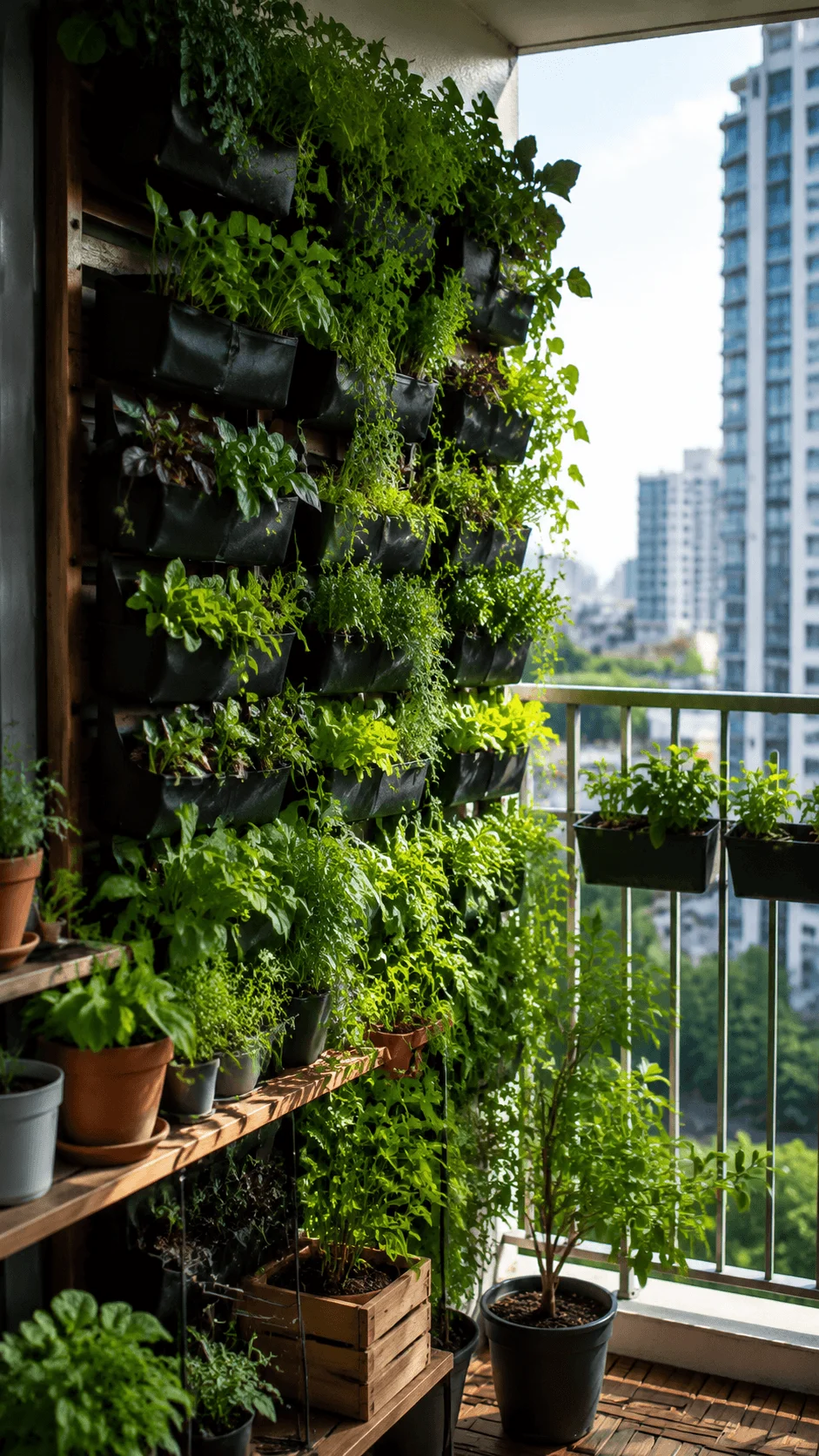
Vertical gardens can also be used for food production. Herbs, leafy vegetables, strawberries, and climbing plants can grow successfully in vertical systems when they receive proper sunlight and care.
Recycled materials can make vertical gardens even more sustainable. Old containers, wooden structures, and reused materials can become creative planting solutions instead of becoming waste.
These gardens show that sustainability is possible even in highly populated areas. They allow people to enjoy nature while making efficient use of limited space.
Creating Eco Friendly Gardens Anywhere
Small spaces should not prevent people from creating sustainable outdoor areas. Many modern sustainable garden ideas focus on helping urban residents develop green spaces regardless of property size.
Container gardening is one of the easiest solutions for small areas. Pots, recycled containers, and raised beds can support herbs, vegetables, flowers, and even small trees.
Multi functional designs are also becoming popular. A small garden can combine seating areas, food production, wildlife support, and decorative plants within the same space.
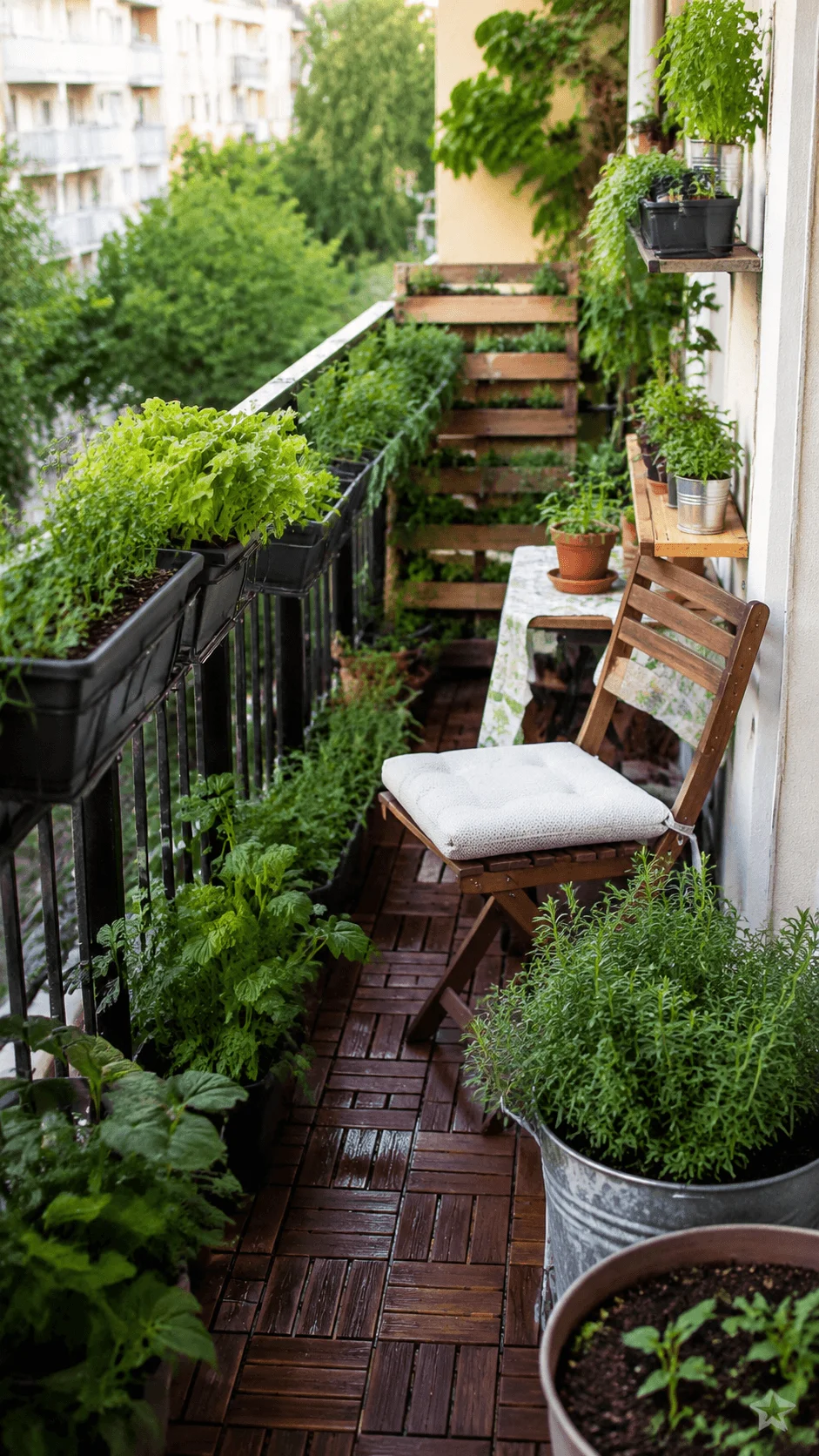
Choosing the right plants is important for small gardens. Compact varieties, vertical growing plants, and low maintenance species help maximize productivity without overcrowding the area.
Small gardens can also contribute to environmental improvement. Even a balcony garden can support insects, reduce urban heat, and improve personal wellbeing.
The future of sustainable gardening will increasingly focus on helping people create meaningful green spaces regardless of where they live.
Creating Closed Loop Gardening Solutions
Circular gardening focuses on reducing waste by creating systems where resources continue to be reused. Instead of throwing away organic materials, gardeners return them back into the natural cycle.
Composting is one of the simplest examples of circular gardening. Food scraps, fallen leaves, and garden waste can become valuable compost that improves soil health.
Reusing materials is another important principle. Old containers, wooden structures, and natural materials can be transformed into garden features instead of becoming waste.
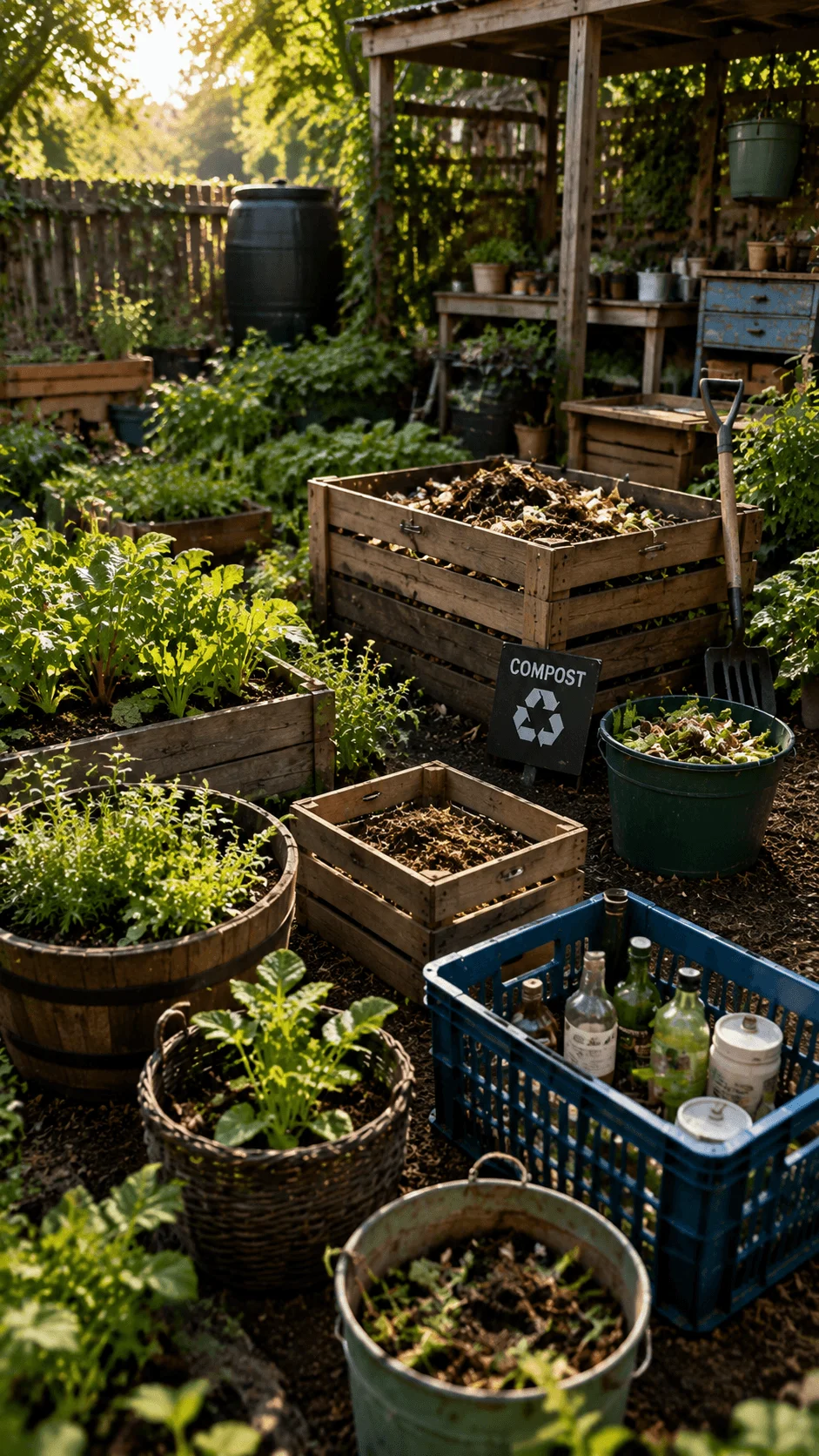
Circular gardens encourage people to think differently about consumption. Instead of constantly buying new products, gardeners can use existing resources creatively.
This approach supports environmental responsibility by reducing landfill waste and improving resource efficiency.
Designing Gardens That Feel Like Natural Ecosystems
Naturalistic garden design is becoming increasingly popular because people are moving away from highly controlled landscapes. These gardens imitate natural environments by using diverse plants, layered arrangements, and organic structures.
Naturalistic gardens often include wildflowers, grasses, native plants, and irregular planting patterns. They create a softer appearance while providing important ecological benefits.
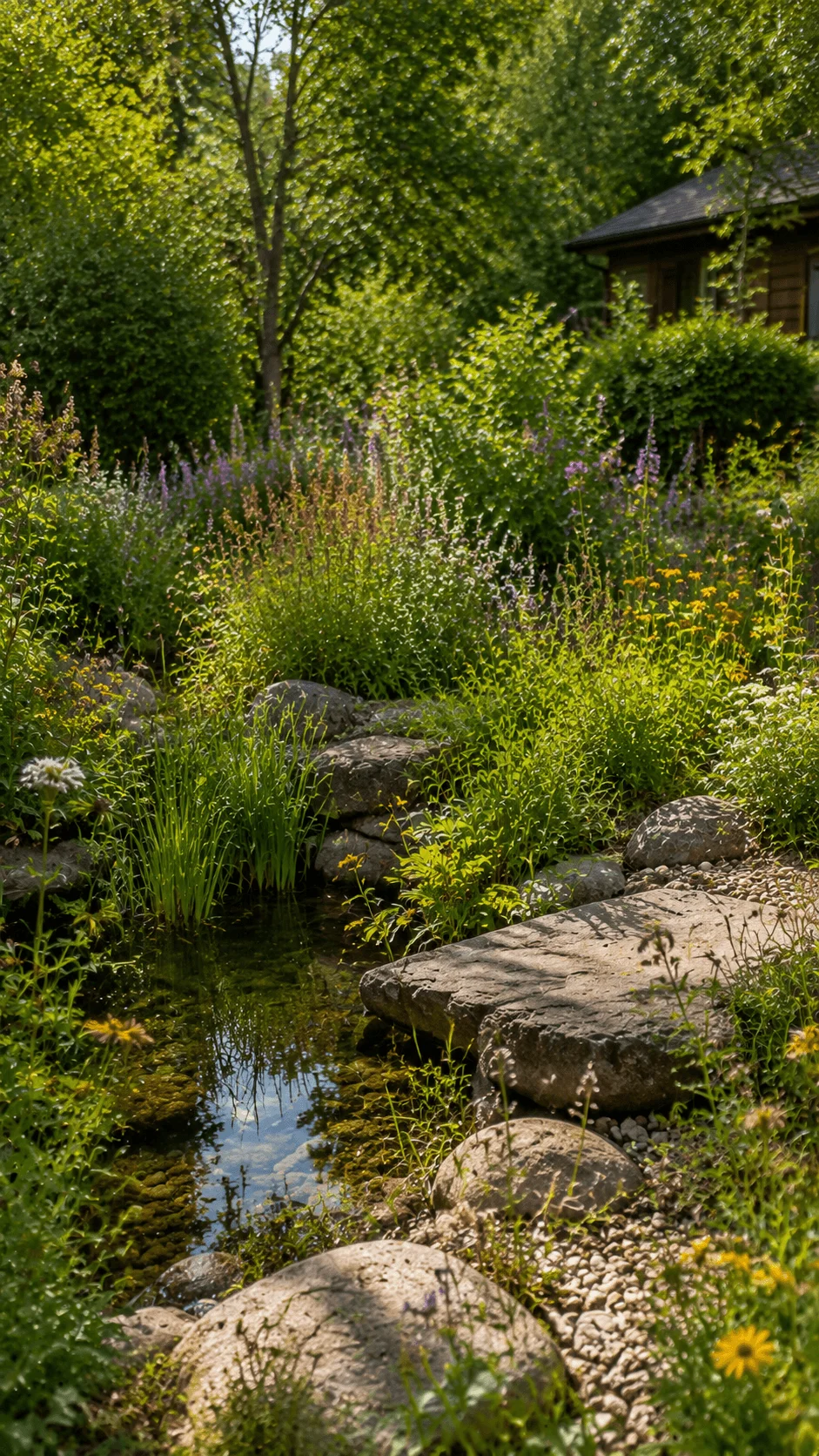
These gardens require less maintenance because they work with natural processes. Plants support each other, soil improves naturally, and wildlife becomes part of the ecosystem.
Naturalistic designs prove that sustainable gardens can be both beautiful and environmentally valuable.
Using Renewable Energy Outdoors
Renewable energy is becoming an important part of modern garden planning. Solar powered garden features allow homeowners to reduce energy consumption while improving outdoor spaces.
Solar lighting is one of the easiest ways to introduce renewable energy into a garden. Solar powered water features and efficient outdoor equipment can also reduce dependence on traditional electricity sources.
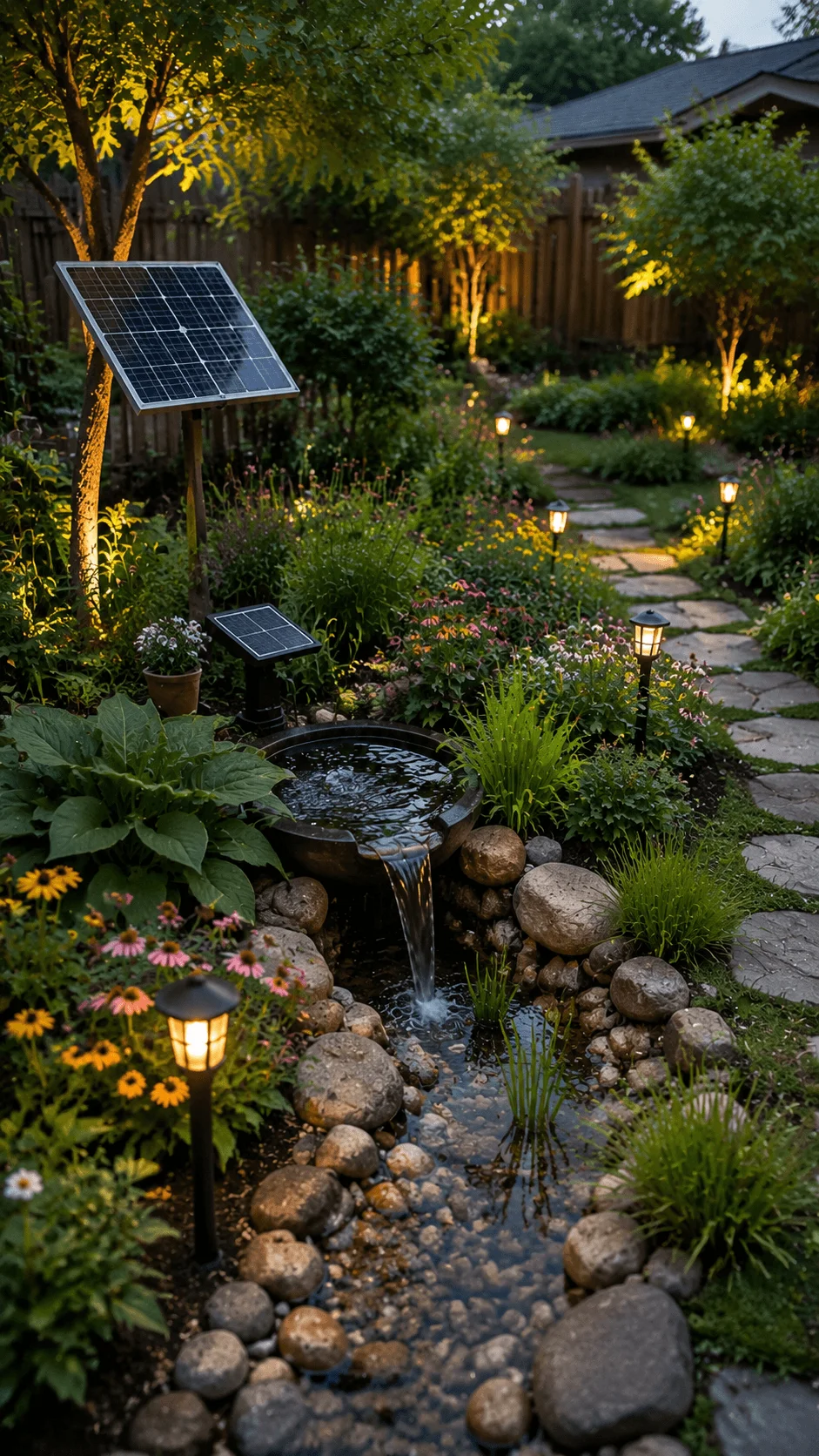
Energy efficient garden designs consider the complete environmental impact of outdoor spaces. They combine smart technology, efficient materials, and renewable solutions.
Future Trends in Sustainable Garden Design
The future of sustainable gardens will focus on creating ecosystems that provide multiple benefits at the same time. Gardens will increasingly combine food production, biodiversity protection, climate adaptation, and technology.
Artificial intelligence will help people design gardens based on climate conditions, available space, and personal goals. Smart irrigation and monitoring systems will make resource management easier.
Carbon positive gardens may become more common as people look for ways to actively improve the environment. These gardens can capture carbon through healthy soils, trees, and regenerative practices.
Communities may also adopt shared sustainable gardens that improve food security and create stronger connections between people.
Common Mistakes in Sustainable Garden Design
Many people misunderstand sustainability and assume that simply adding plants creates an environmentally friendly garden. However, successful sustainable gardening requires thoughtful planning.
Choosing unsuitable plants is a common mistake. Plants that cannot survive local conditions often require extra water and maintenance.
Overusing artificial products can also reduce sustainability. Gardeners should consider natural materials and reusable solutions whenever possible.
Ignoring soil health is another problem. Healthy soil is the foundation of a successful garden, and improving it should always be a priority.
Another mistake is creating gardens that look attractive but provide little ecological value. Sustainable gardens should support nature while meeting human needs.
How Beginners Can Start Creating a Sustainable Garden
Starting a sustainable garden does not require a large budget or professional knowledge. Small changes can create meaningful improvements over time.
Beginners can start by choosing native plants, creating compost, collecting rainwater, reducing chemical use, and planting species that support wildlife.
The most important step is understanding the local environment. Learning about climate, soil, sunlight, and available resources helps create a garden that can succeed naturally.
Sustainability is a journey rather than a single project. Gardens can continue improving as gardeners learn and introduce new ideas.
Conclusion
Sustainable Garden Design Ideas represent a major shift in how people think about outdoor spaces. Modern gardens are becoming more than decorative areas because they now provide environmental, social, and practical benefits.
By using native plants, improving soil health, conserving water, supporting wildlife, and adopting smart technologies, gardeners can create spaces that work with nature instead of against it. These approaches help protect resources while creating healthier environments for people and future generations.
The future of gardening will depend on creativity, responsibility, and a deeper understanding of natural systems. Whether someone owns a large backyard or a small balcony, every sustainable choice can contribute to a greener planet.
Small actions such as planting native species, reducing waste, collecting rainwater, and growing food can create meaningful change. Sustainable gardens prove that environmental protection can begin at home, one plant and one decision at a time.