12 Sustainable Product Design Ideas For 2026 Future Trends
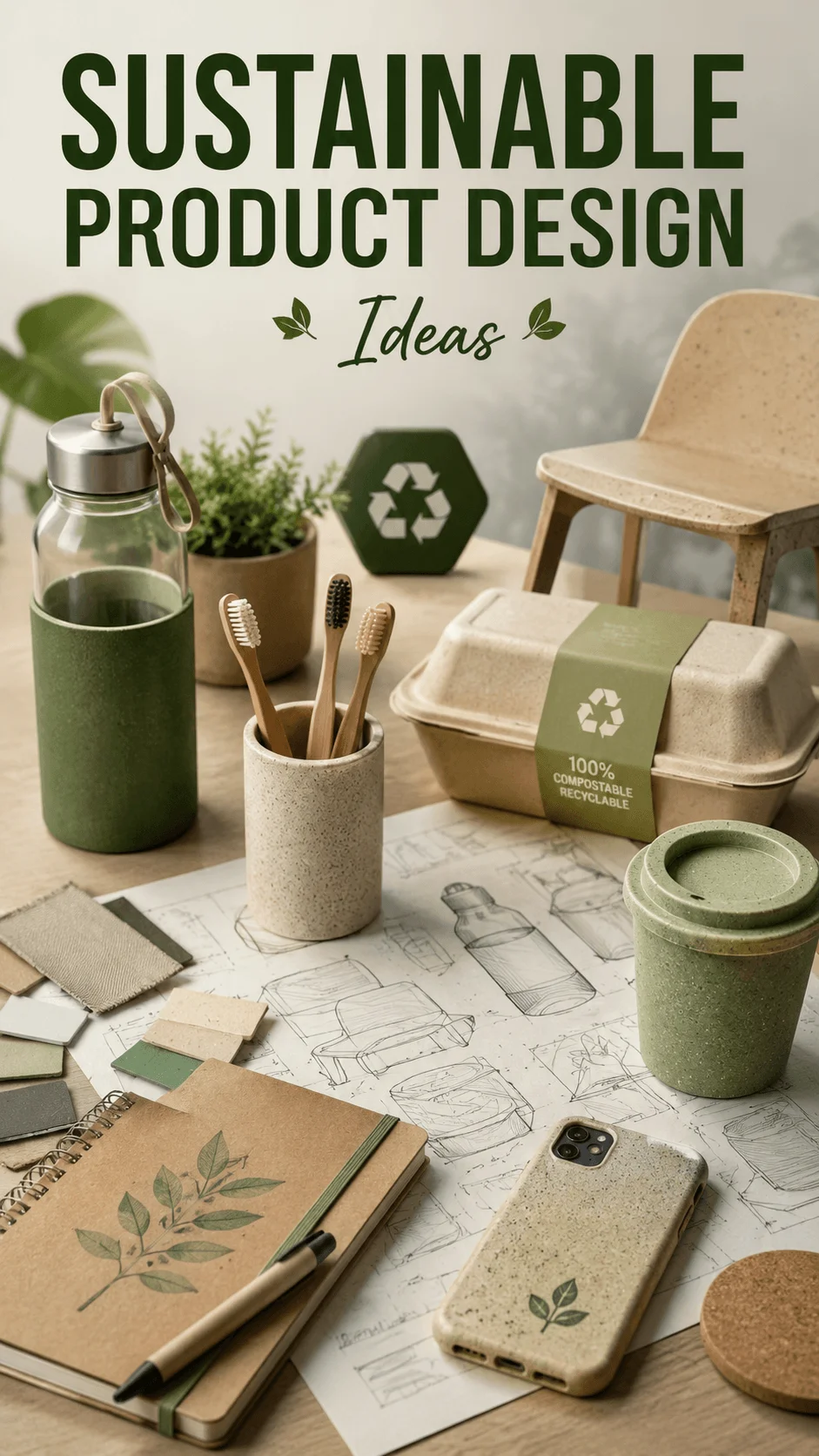
Sustainable Product Design Ideas are becoming one of the most important areas of modern innovation as designers, businesses, and consumers look for better ways to create products that protect natural resources and reduce environmental damage. Traditional product development often focuses on low cost production and quick consumption, but the future of design is moving toward solutions that consider materials, manufacturing processes, product lifespan, and environmental impact.
Today, sustainable product design is not only about using recycled materials or creating eco friendly packaging. It represents a complete change in the way products are imagined, developed, produced, used, and reused. Designers are exploring advanced technologies, renewable materials, circular systems, and intelligent solutions to create products that provide value while reducing harm to the planet.
The demand for responsible products is increasing because people are becoming more aware of climate challenges, waste problems, and the impact of everyday consumption. Businesses are also recognizing that sustainable innovation can improve brand reputation, reduce resource costs, and create stronger connections with customers.
The latest sustainable product design ideas combine creativity with science and technology. From artificial intelligence powered designs to biomaterials created from natural resources, modern designers are developing products that represent a more responsible future. These innovations are changing industries such as fashion, electronics, packaging, furniture, healthcare, and consumer goods.
This article explores 12 innovative sustainable product design ideas that are shaping the future in 2026. These concepts show how design can move beyond traditional manufacturing and create products that support a healthier relationship between humans, technology, and nature.
What Are Sustainable Product Design Ideas And Why Do They Matter?
Sustainable Product Design Ideas focus on creating products that minimize environmental impact while maintaining functionality, quality, and user satisfaction. Unlike traditional design approaches that often consider only appearance, cost, and performance, sustainable design looks at the complete lifecycle of a product.
A sustainable product begins with responsible material selection. Designers carefully choose resources that create less pollution, require less energy, and have better end of life possibilities. Instead of depending heavily on materials that create long term waste, modern designers are exploring renewable resources, recycled materials, biodegradable alternatives, and innovative biomaterials.
The manufacturing stage is another important part of sustainable design. Companies are developing production methods that reduce energy consumption, lower emissions, and minimize unnecessary waste. Efficient manufacturing processes help businesses create products that require fewer resources while maintaining high quality.
Product lifespan has also become a major focus. Many traditional products are designed for short term use, which leads to increased waste. Sustainable design encourages durability, repairability, and adaptability. Products that can be repaired, upgraded, or reused remain valuable for a longer period and reduce the need for constant replacement.
Another important aspect is circular thinking. Instead of following the traditional model where products are created, used, and thrown away, sustainable designers are developing circular systems. These systems allow materials to return into production cycles through recycling, refurbishment, and reuse.
For example, a sustainable electronic device may include replaceable components so users can repair the product instead of buying a completely new one. Similarly, sustainable packaging may use materials that can be reused multiple times or safely return to natural systems.
Sustainable product design ideas matter because products influence almost every aspect of modern life. Furniture, clothing, electronics, packaging, and household items all require resources during production. Better design decisions can significantly reduce environmental pressure while creating products that are more valuable and efficient.
The future of design is not only about creating attractive products. It is about developing solutions that respect natural systems and consider the impact of every design decision.
Future Sustainable Product Design Trends Transforming 2026
The year 2026 represents an important stage in sustainable innovation because technology and environmental responsibility are becoming closely connected. Future sustainable product design trends are moving beyond simple eco friendly alternatives and focusing on intelligent systems, advanced materials, and complete lifecycle solutions.
One major factor driving this change is consumer awareness. Modern customers increasingly want products that reflect their values. They are interested in knowing where materials come from, how products are made, and what happens after they are no longer needed. This demand is encouraging companies to invest in transparent and responsible design practices.
Another important trend is the growth of the circular economy. Businesses are moving away from the traditional take make waste approach and exploring systems where materials continue to provide value. Circular economy product design ideas focus on creating products that can return into production cycles instead of becoming waste.
Technology is also playing a major role in sustainable innovation. Artificial intelligence, advanced manufacturing, smart sensors, and digital tracking systems are helping designers create more efficient products. These technologies allow companies to analyze materials, reduce waste, and improve product performance before manufacturing begins.
New material development is another powerful trend. Researchers and designers are exploring alternatives such as mushroom based materials, plant fibers, algae based materials, and biodegradable composites. These materials provide opportunities to replace harmful resources with renewable options.
Repairability and durability are also becoming essential design priorities. Consumers and governments are increasingly supporting products that last longer and can be maintained easily. This approach reduces waste and encourages companies to create higher quality products.
The combination of sustainability and technology is creating a new generation of products. Smart devices can help users reduce energy consumption, while advanced materials can lower environmental impact. Together, these developments are creating a future where products are not only useful but also responsible.
12 Innovative Sustainable Product Design Ideas For The Future
AI Powered Sustainable Product Design Ideas
Artificial intelligence is becoming one of the most influential technologies in modern sustainable design. AI powered sustainable design allows creators to analyze information, test concepts, and develop products with improved environmental performance.
Traditional product development often requires multiple physical prototypes, which can consume materials and energy. AI changes this process by allowing designers to create digital simulations before manufacturing begins. Designers can test different materials, shapes, and production methods virtually, reducing unnecessary waste during development.
AI can also help identify better material choices. A designer creating a new product can use artificial intelligence systems to compare different materials based on factors such as durability, carbon impact, recyclability, and resource consumption. This helps create products that perform well while creating less environmental damage.
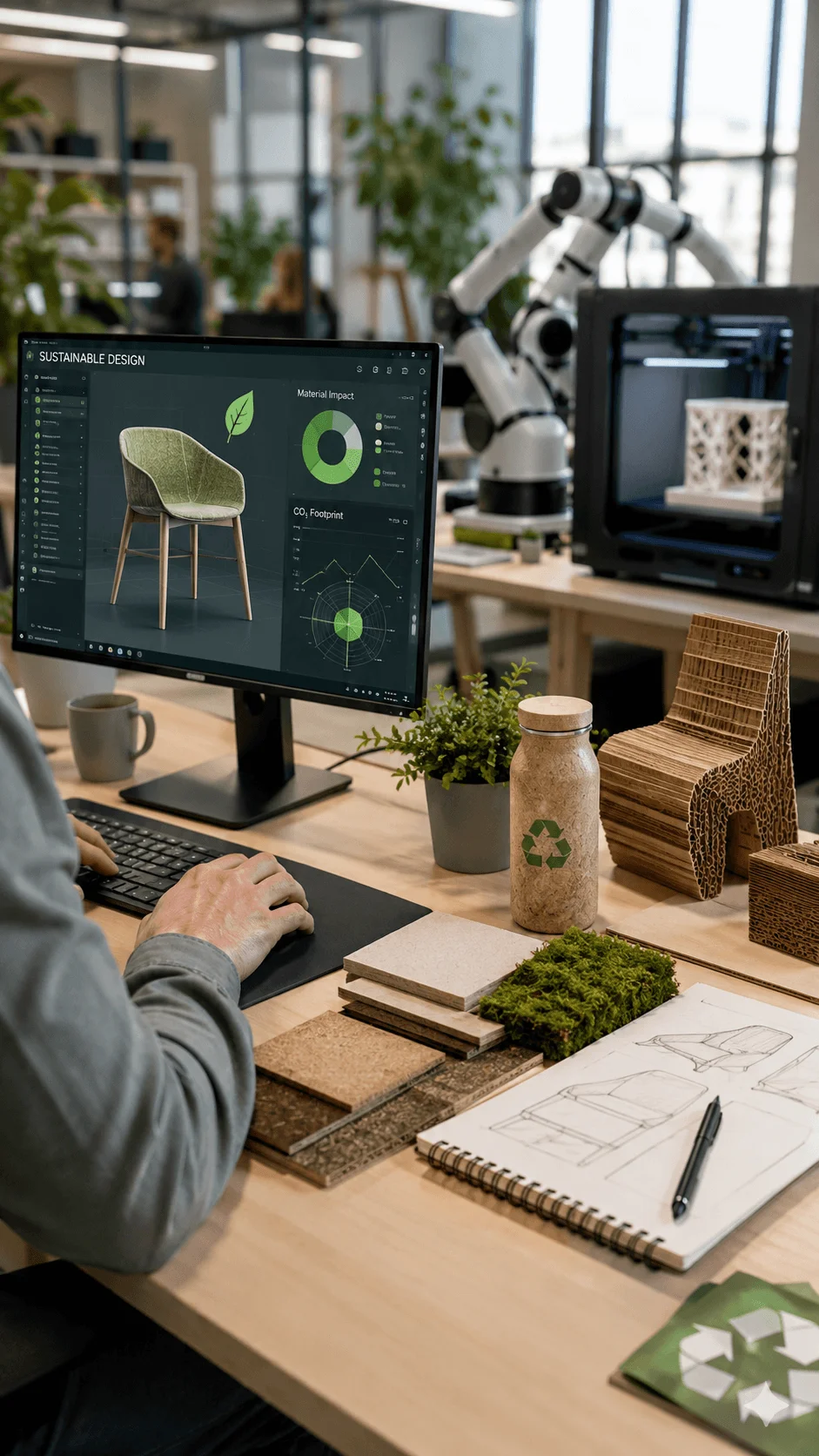
Another important application is manufacturing optimization. AI systems can analyze production processes and identify areas where companies can reduce waste, save energy, and improve efficiency. This is especially valuable for industries that produce large quantities of consumer products.
For example, a furniture company can use AI to design a chair that uses less material while maintaining strength. A packaging company can use AI to create packaging structures that require fewer resources while still protecting the product.
AI also supports personalized sustainable products. Instead of producing large quantities of identical items, companies can use intelligent systems to create products based on specific customer needs. This reduces overproduction and unnecessary inventory.
The combination of artificial intelligence and sustainability represents a major shift in product development. As AI technology continues to improve, designers will have more powerful tools to create innovative solutions that balance human needs with environmental responsibility.
Circular Economy Product Design Ideas For A Sustainable Future
Circular economy product design ideas are changing the way industries think about production and consumption. The traditional manufacturing model follows a straight path where resources are extracted, transformed into products, used, and eventually discarded. Circular design creates a different approach where products and materials remain valuable for as long as possible.
The main goal of circular design is to eliminate waste by keeping resources inside continuous cycles. Designers focus on creating products that can be repaired, reused, upgraded, refurbished, or recycled instead of being thrown away.
A major example of circular design can be seen in modular electronics. Instead of replacing an entire device when one component becomes outdated or damaged, modular products allow users to replace individual parts. This extends product lifespan and reduces electronic waste.
Furniture design is also adopting circular principles. Modern furniture companies are creating products that can be easily disassembled, repaired, and recycled. This allows materials to return into production systems instead of ending up in landfills.
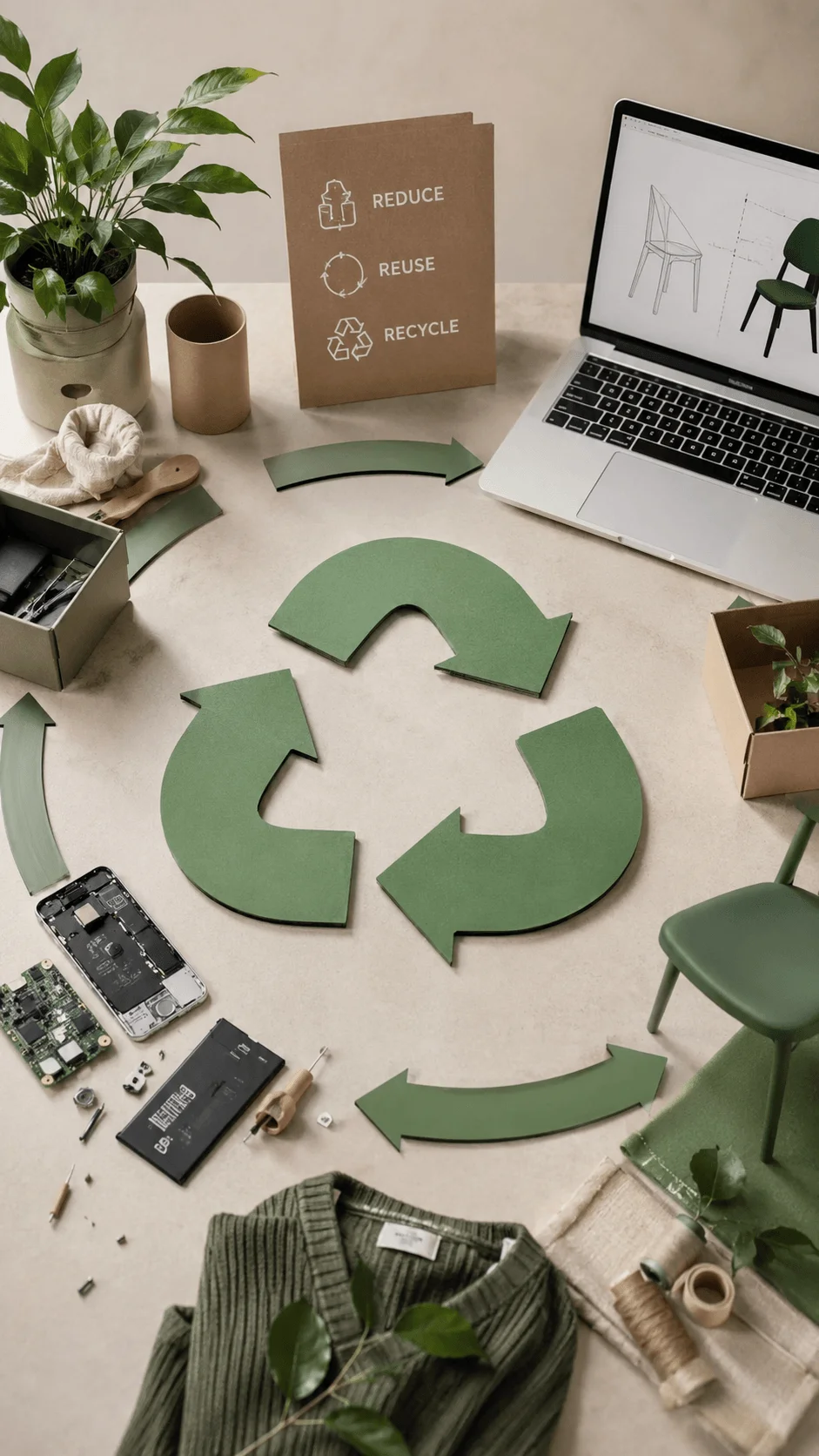
Packaging is another area where circular thinking is growing. Companies are exploring reusable packaging systems where containers can be returned, cleaned, and used again. This reduces dependence on single use materials and lowers waste generation.
Circular design also changes the relationship between companies and customers. Businesses are beginning to offer repair services, product take back programs, and refurbishment options. These approaches create long term value while reducing environmental impact.
The future of sustainable products will depend heavily on circular thinking. By designing products with their entire lifecycle in mind, companies can create solutions that benefit both consumers and the environment.
Biomaterial Sustainable Product Design Concepts
Biomaterial sustainable product design concepts are becoming one of the most exciting areas of environmental innovation. Designers and researchers are exploring natural materials that can replace traditional resources with more renewable and environmentally responsible alternatives.
For many years, industries have depended heavily on materials such as petroleum based plastics, synthetic fibers, and other resources that create long term environmental challenges. Biomaterials provide a new direction by using resources that come from plants, fungi, algae, agricultural waste, and other biological sources.
One of the most popular examples is mycelium based material. Mycelium is the root structure of fungi and can be grown into lightweight, durable materials that can replace certain types of packaging, furniture components, and decorative products. These materials require fewer resources during production and can naturally return to the environment after use.
Plant based materials are also gaining attention. Designers are experimenting with materials made from agricultural waste such as rice husks, corn fibers, sugarcane waste, and plant cellulose. These solutions transform waste materials into valuable resources instead of allowing them to become environmental problems.
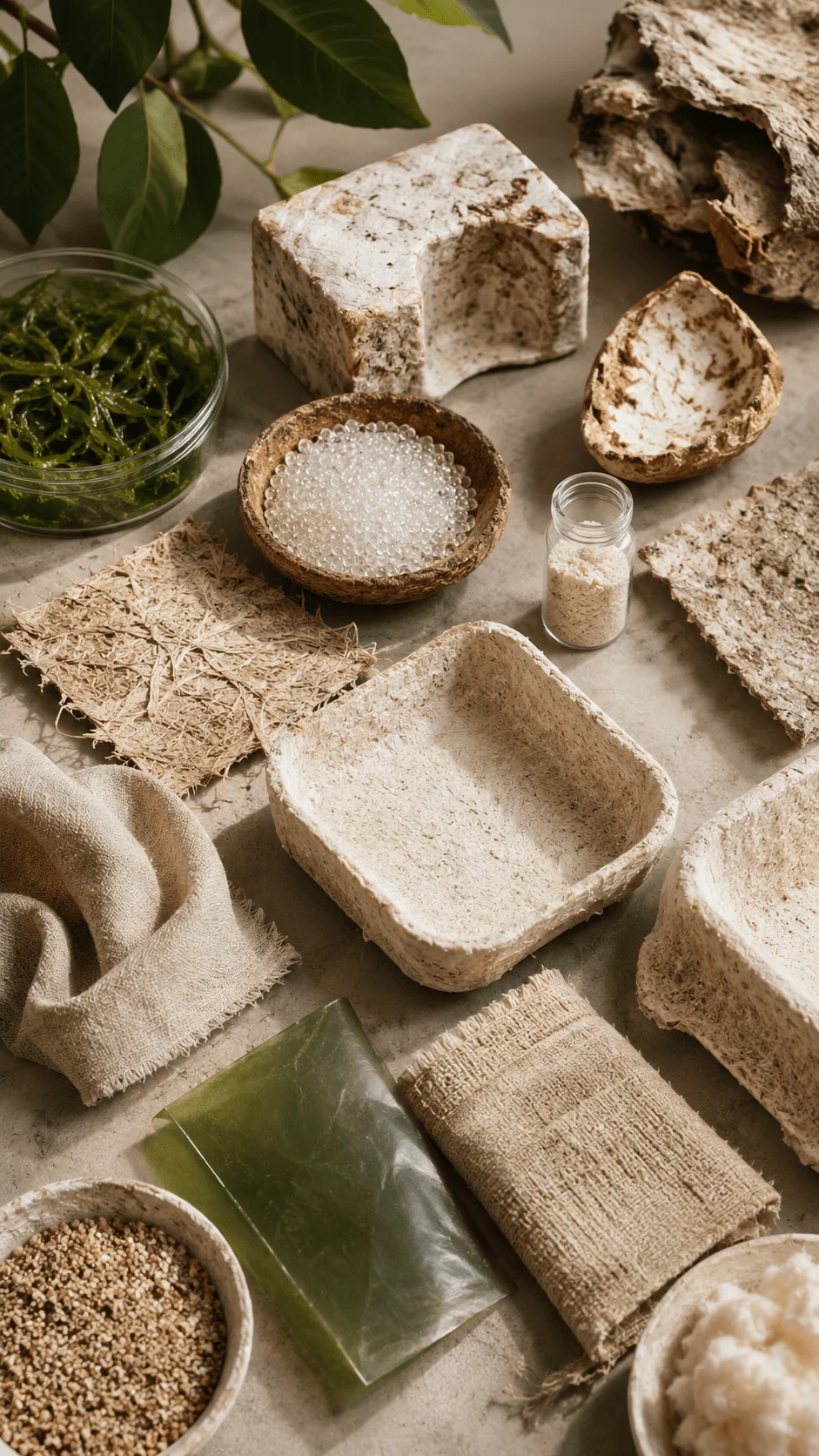
Algae based materials represent another emerging opportunity. Algae grows quickly and can be used to develop alternatives for packaging, textiles, and other consumer products. Researchers are studying ways to use algae materials because they require fewer resources and can support renewable production systems.
The importance of biomaterial innovation goes beyond replacing harmful materials. It represents a complete change in how designers think about resources. Instead of viewing nature only as a source of raw materials, future designers are learning how to work with natural systems responsibly.
As technology improves, biomaterials will become stronger, more affordable, and suitable for more industries. These developments will make biomaterial product design ideas an important part of the future of sustainable innovation.
Regenerative Product Design Concepts Inspired By Nature
Regenerative product design concepts represent the next step beyond traditional sustainability. While sustainable design focuses on reducing negative environmental effects, regenerative design aims to create products that actively contribute to environmental improvement.
This approach considers products as part of larger natural systems. Designers are exploring ways to create products that support biodiversity, restore resources, and work together with ecological processes.
For example, a regenerative product may use materials that improve soil quality after disposal instead of creating pollution. Packaging created from compostable natural materials can return nutrients to the environment after use.
Another example is products created from agricultural waste. Instead of burning or discarding leftover farming materials, designers can transform them into useful products. This reduces waste while creating additional value for farmers and communities.
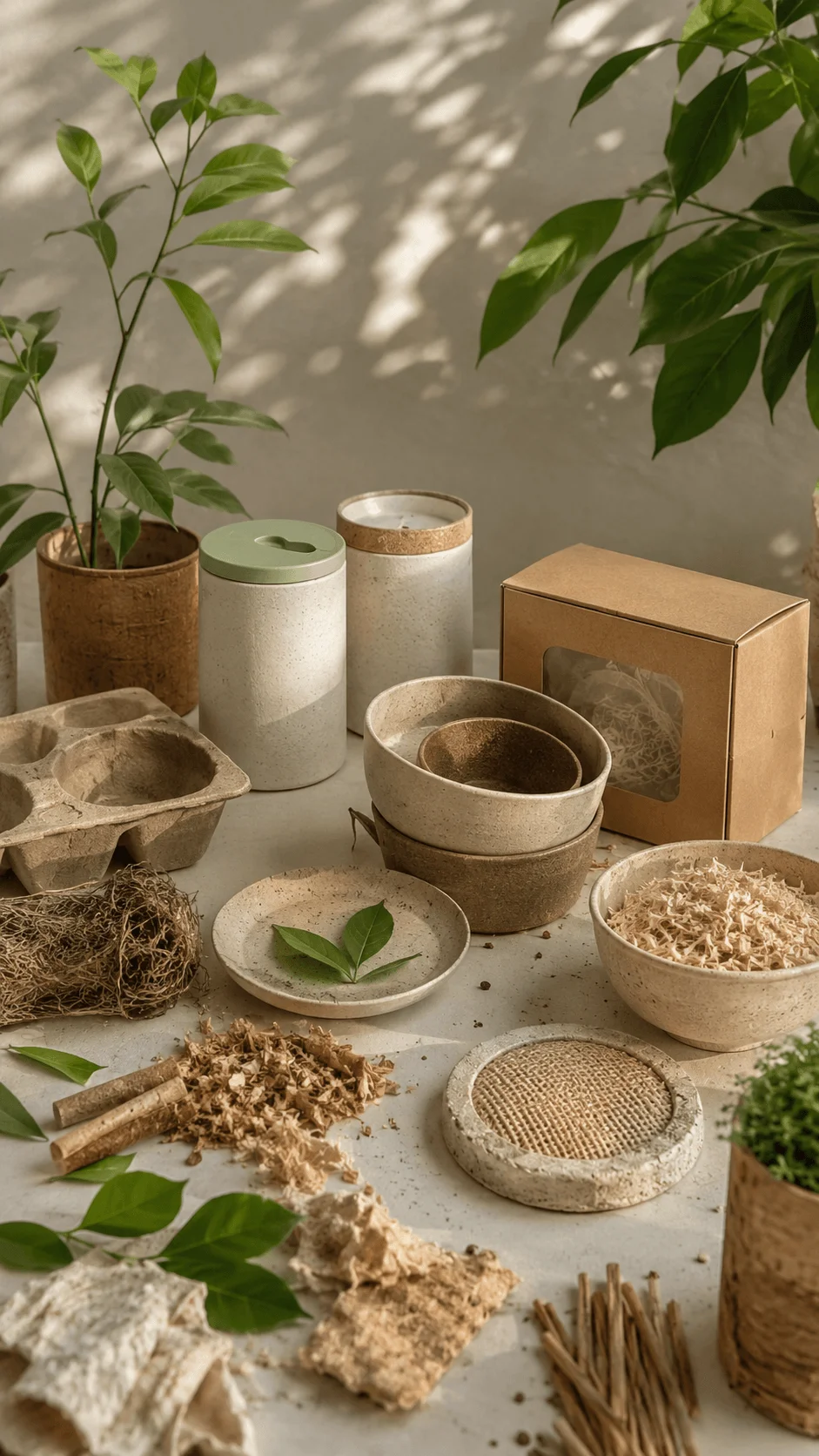
Nature inspired solutions are also influencing regenerative design. Designers study ecosystems where nothing is wasted and every element supports another process. These principles encourage the creation of products that follow similar cycles.
Regenerative design is especially important because environmental challenges are becoming more complex. Reducing harm is no longer enough. Future industries need solutions that actively repair and improve natural systems.
Although regenerative product design is still developing, it represents a powerful vision for the future. It encourages designers to think beyond short term benefits and create products that support long term environmental health.
Zero Waste Product Design Ideas And Material Innovation
Zero waste product design ideas focus on eliminating unnecessary waste throughout the entire product lifecycle. Instead of designing products that eventually become waste, zero waste approaches create systems where materials remain useful for as long as possible.
One important area of zero waste design is packaging innovation. Many companies are replacing single use packaging with refillable, reusable, and compostable alternatives. These designs reduce the amount of material entering waste systems.
Refill systems are becoming increasingly popular in personal care, cleaning products, and household goods. Instead of purchasing a completely new container every time, customers can refill existing containers. This reduces material consumption and encourages responsible purchasing habits.
Designers are also focusing on efficient material usage. Advanced manufacturing techniques allow products to be created with fewer resources while maintaining strength and quality. This reduces production waste and improves overall efficiency.
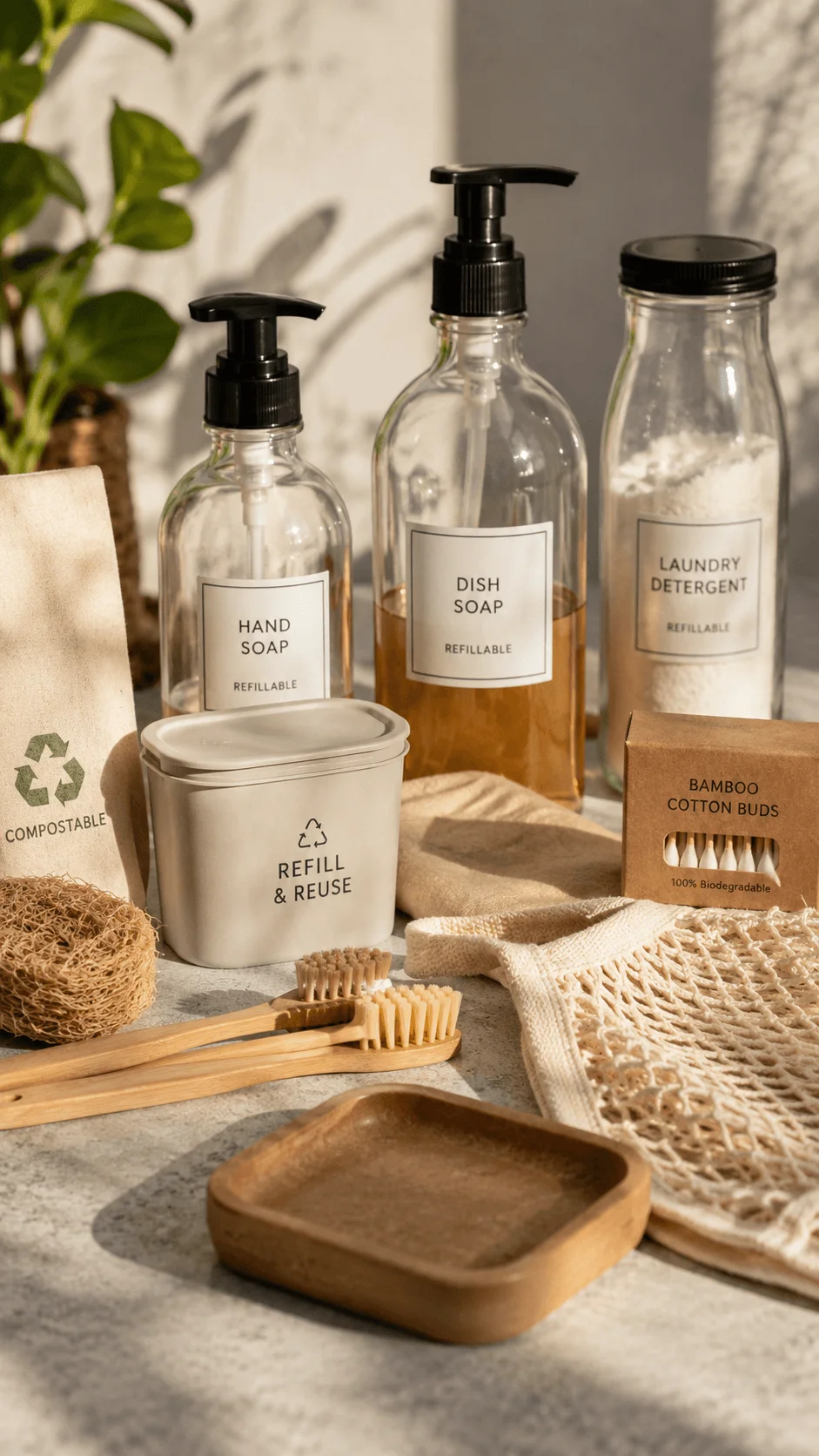
Zero waste thinking also encourages designers to rethink product size, structure, and function. A well designed product uses only the necessary amount of material and avoids unnecessary decorative elements that increase waste.
The future of zero waste design will depend on creative solutions that combine material science, consumer behavior, and responsible manufacturing. As businesses search for better alternatives, zero waste product concepts will continue growing.
Modular Sustainable Product Designs For Longer Product Lifespan
Modular sustainable product designs are becoming increasingly important because they focus on extending the useful life of products. Instead of replacing an entire product when one part fails, modular systems allow individual components to be repaired, upgraded, or replaced.
This approach reduces waste and saves resources because users can maintain their products for longer periods. It also creates products that adapt to changing needs.
Electronics provide one of the clearest examples of modular design. Traditional electronic devices often become outdated because one component stops working or technology advances. Modular electronics allow users to replace specific parts instead of purchasing a completely new device.
Furniture is another area where modular design is growing. Modular furniture systems allow customers to adjust, expand, or modify products according to their changing requirements. This creates more flexible and longer lasting solutions.
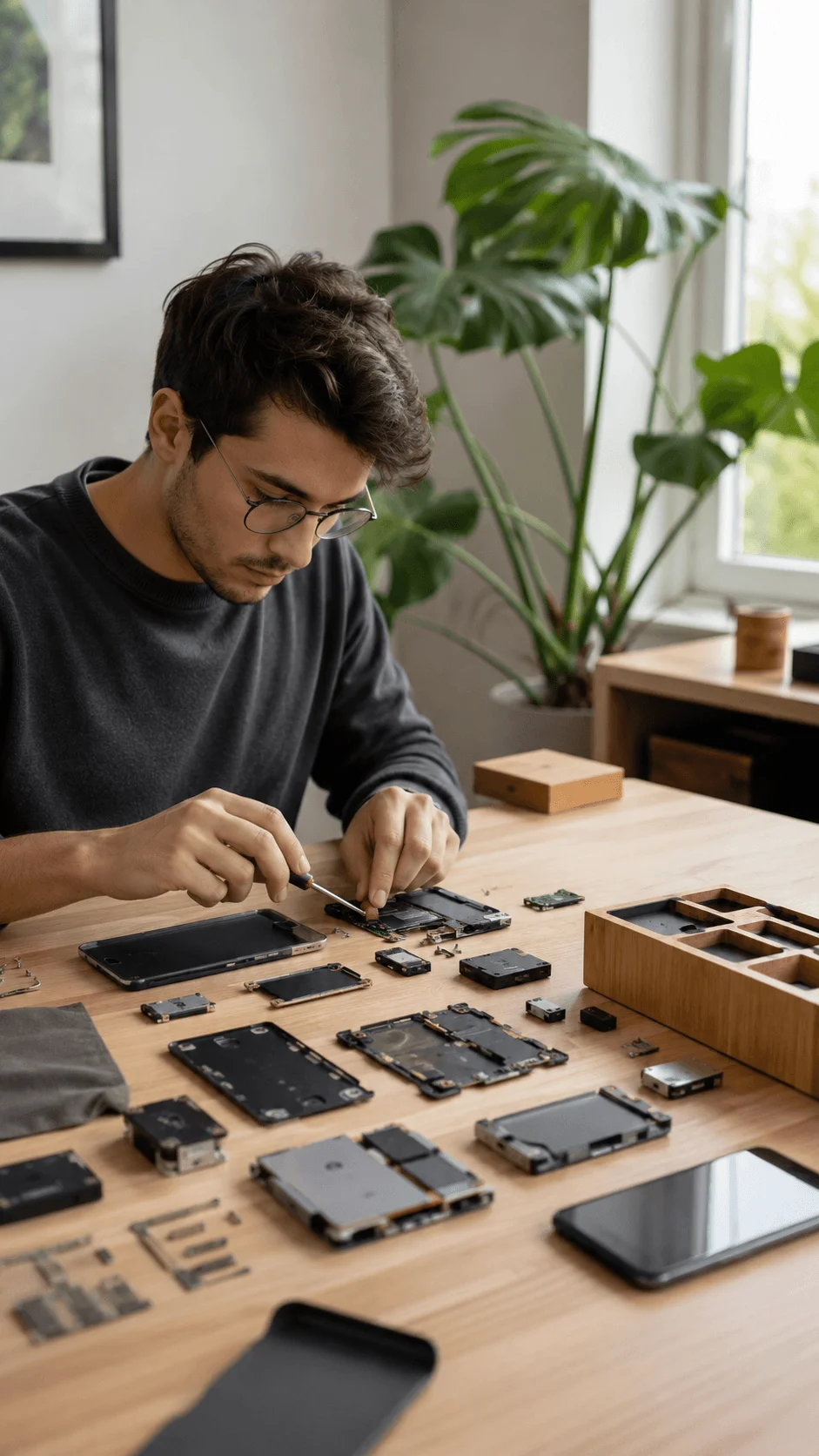
Modular design also supports businesses by creating stronger relationships with customers. Companies can provide repair services, replacement parts, and upgrades, which creates long term value.
As consumers become more aware of waste problems, modular products will become more attractive. These designs represent a move toward durability, adaptability, and responsible consumption.
Smart Eco Friendly Product Design Ideas Using Technology
Smart eco friendly product design ideas combine sustainability with advanced technology. Modern products are becoming more intelligent, allowing users to monitor and reduce their environmental impact.
Smart sensors, automation systems, and connected technologies are helping people use resources more efficiently. For example, smart home devices can monitor energy consumption and help users reduce unnecessary electricity usage.
Water management products are another example. Smart systems can detect water consumption patterns, identify leaks, and improve efficiency. These technologies help households reduce resource waste.
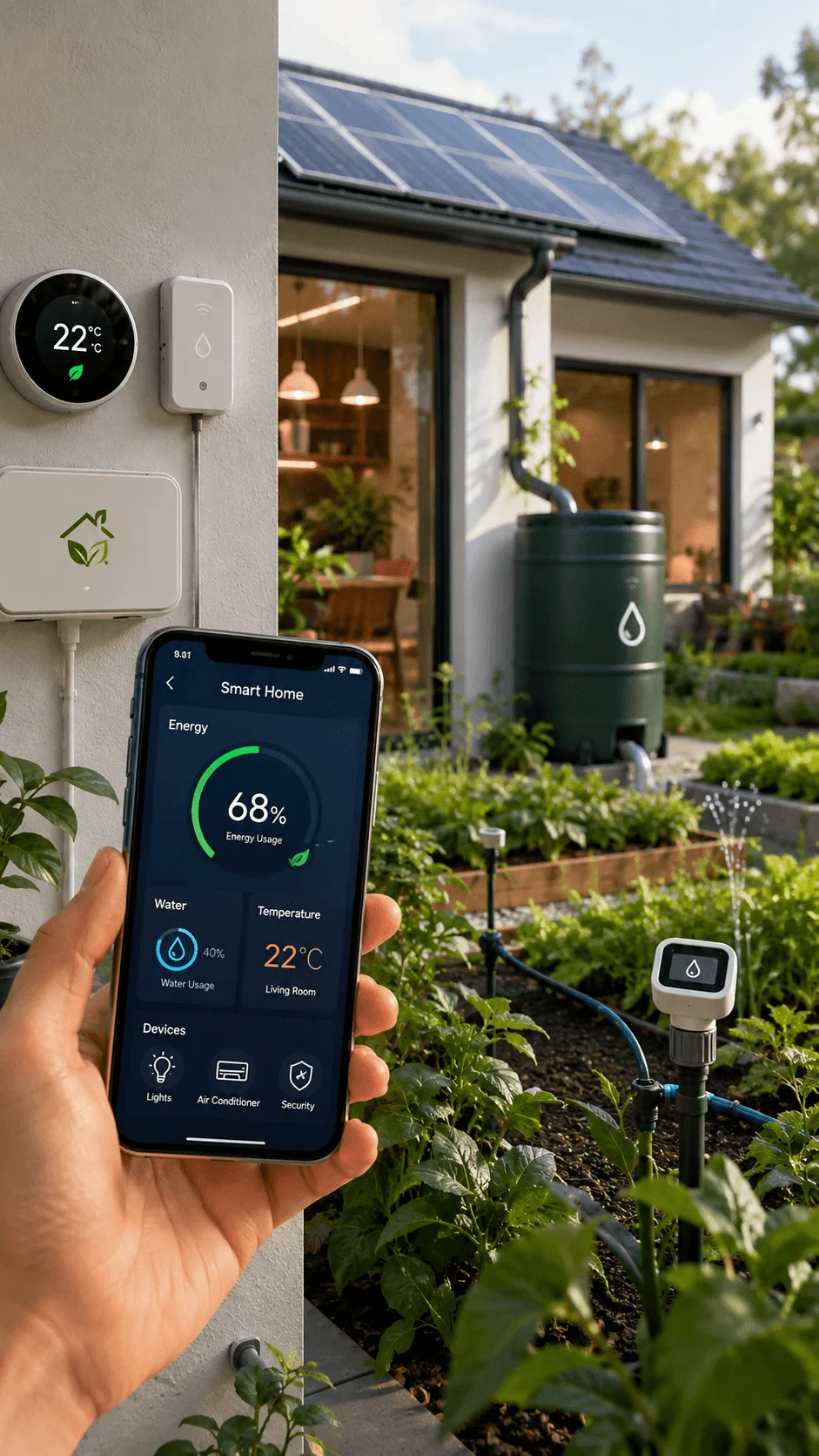
Smart agricultural products are also becoming important. Sensors and digital systems can help farmers use water, fertilizers, and energy more efficiently. This supports sustainable food production.
Technology also improves product performance. A smart device can adjust its operation based on user behavior, reducing unnecessary energy consumption.
The combination of technology and sustainability creates opportunities for products that are not only environmentally responsible but also more convenient and efficient.
Upcycled Product Design Ideas Using Waste Materials
Upcycled product design ideas focus on transforming discarded materials into valuable products. Unlike traditional recycling, which often breaks materials down into new forms, upcycling preserves the original material value and gives it a new purpose.
Designers are using waste materials from industries, households, and manufacturing processes to create unique products. Old furniture, discarded fabrics, industrial leftovers, and unused materials can become new items with creative designs.
Fashion is one industry where upcycling has become highly popular. Designers are creating clothing and accessories from leftover fabrics and unwanted garments. This reduces textile waste while creating products with unique stories.
Furniture designers are also using reclaimed wood, recycled metals, and discarded materials to create sustainable pieces. These products often have distinctive appearances because of their original material history.
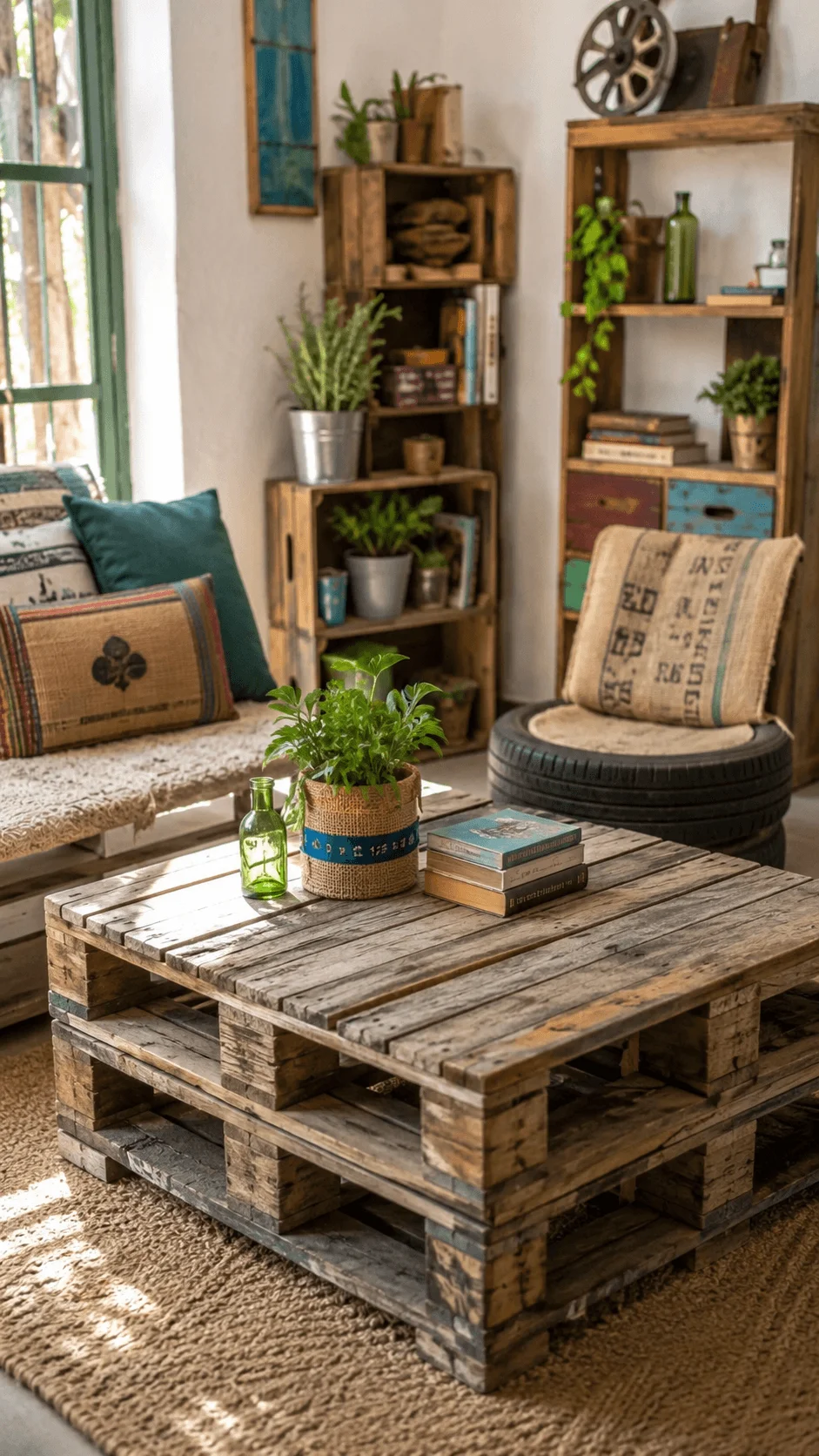
Upcycling also encourages consumers to rethink waste. Instead of viewing discarded materials as useless, people can recognize their hidden value.
As sustainability becomes more important, upcycled products will continue gaining attention because they combine creativity, environmental responsibility, and originality.
3D Printed Sustainable Product Design Innovations
3D printing is changing the future of manufacturing by allowing designers to create products with greater efficiency and less waste. Sustainable 3D printing focuses on using materials carefully and producing items only when needed.
Traditional manufacturing often creates excess material waste because products are cut from larger material pieces. 3D printing builds products layer by layer, which allows more precise material usage.
Designers are also exploring recycled materials for 3D printing. Waste plastics and other recovered materials can be transformed into new products instead of entering disposal systems.
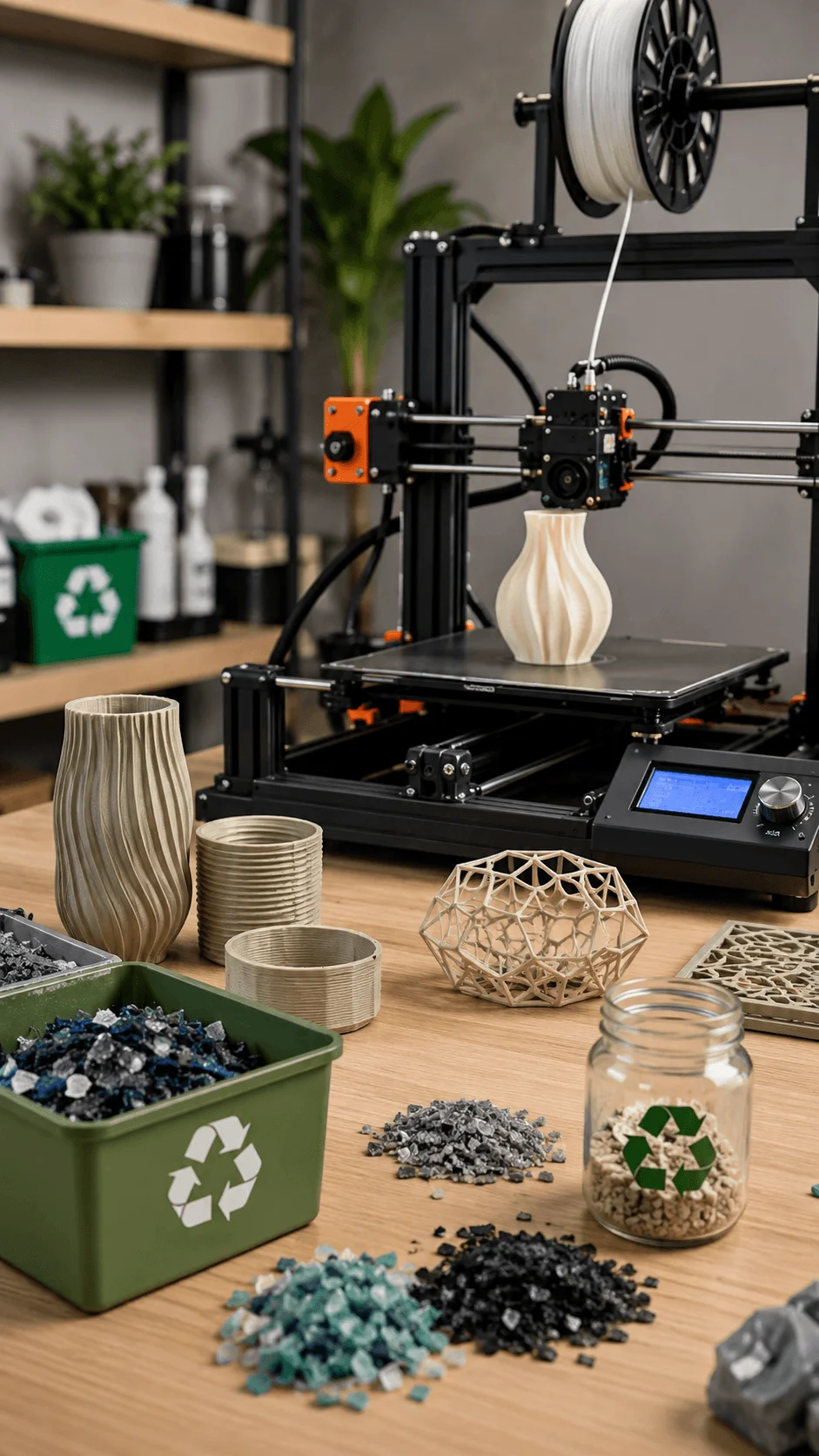
Another advantage of 3D printing is local production. Products can be created closer to customers, reducing transportation requirements and associated emissions.
Customization is another important benefit. Designers can create products based on specific user needs instead of producing large quantities of identical items.
As technology improves, sustainable 3D printing will support industries such as healthcare, furniture, architecture, and consumer products.
Digital Product Passport Sustainable Design Concepts
Digital product passport sustainable design concepts are becoming an important part of future transparency and circular systems. A digital product passport provides information about a product’s materials, production process, repair options, and recycling instructions.
Consumers increasingly want to understand the environmental impact of their purchases. Digital product passports help provide this information clearly.
For businesses, these systems improve material tracking and support recycling processes. Companies can understand where products are located, what materials they contain, and how they can be recovered.
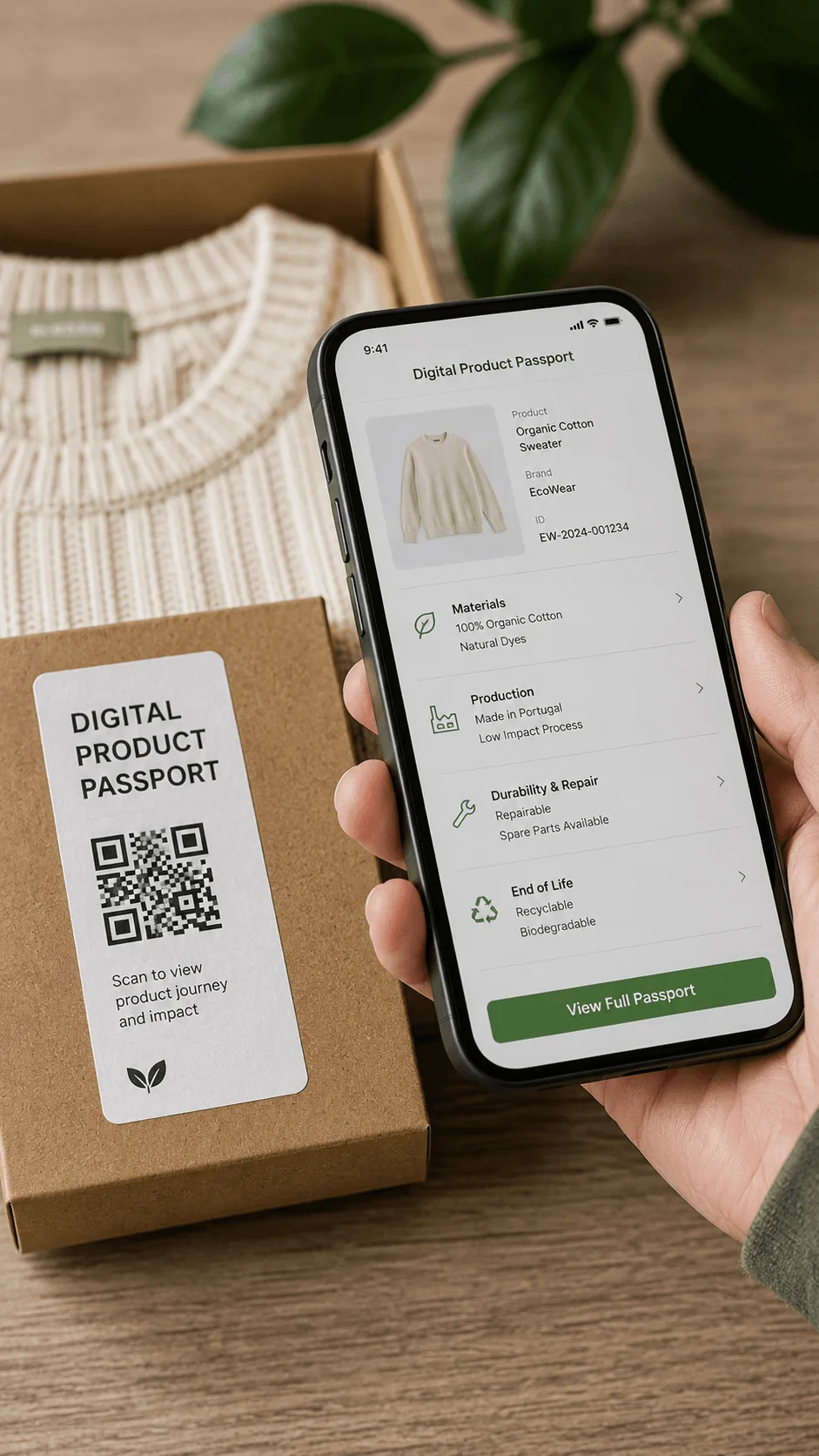
Digital product passports are especially valuable for electronics, fashion, automotive products, and industrial equipment.
This technology supports the future of circular economy systems because better information allows better resource management.
Nature Inspired Sustainable Product Design Concepts
Nature inspired sustainable product design concepts use ideas from natural systems to create efficient and responsible products. This approach is often known as biomimicry.
Nature has developed solutions over millions of years. Designers study plants, animals, and ecosystems to discover methods for reducing waste and improving efficiency.
For example, some building designs use natural ventilation principles inspired by ecosystems. Product designers also study lightweight structures found in nature to create stronger products with fewer materials.
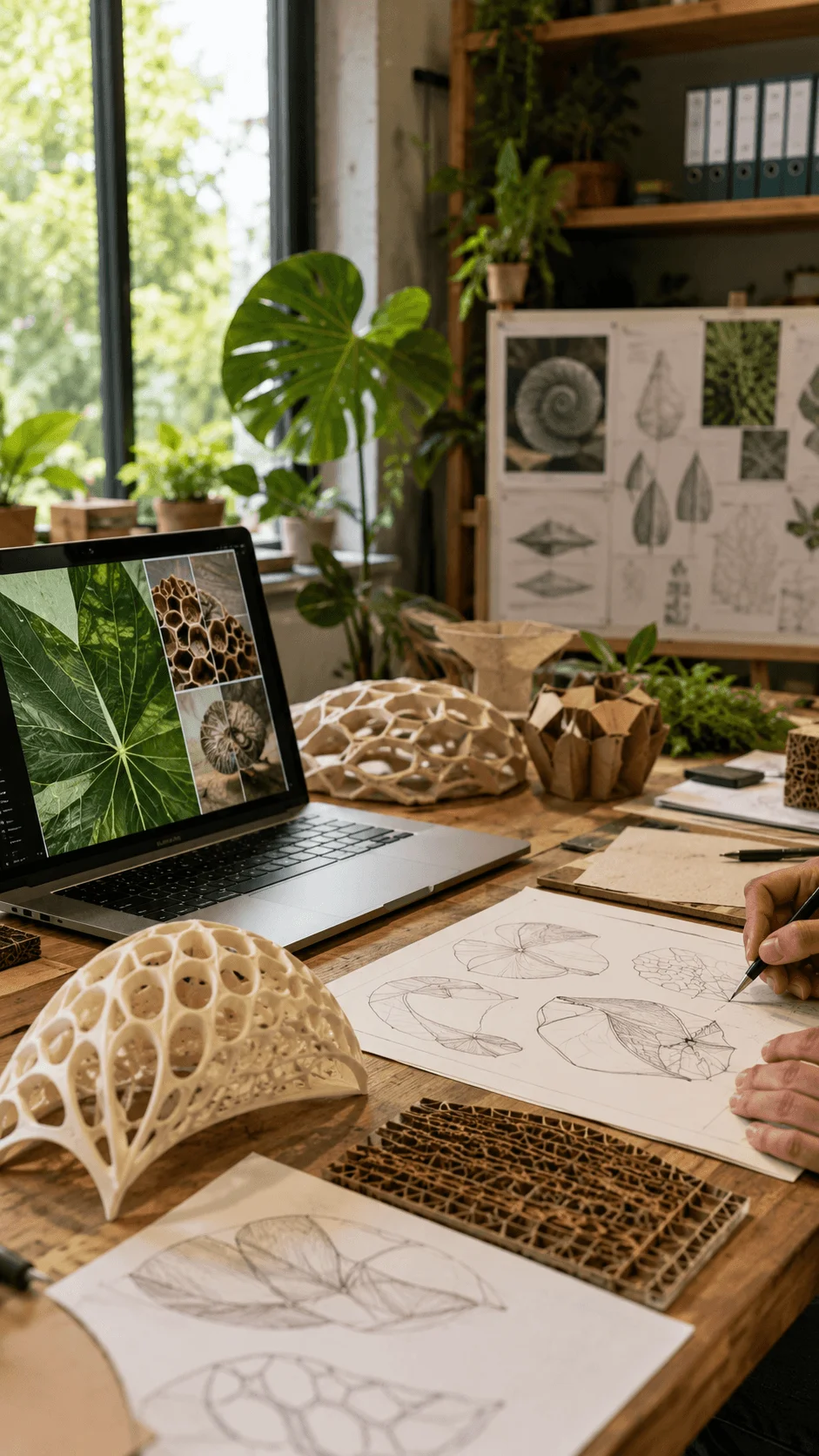
Plant structures inspire packaging designs, while animal systems inspire movement, energy efficiency, and material performance.
Nature inspired design helps designers create solutions that work with environmental principles instead of against them.
Repairable Product Design Ideas For A Circular Future
Repairable product design ideas are becoming more important as consumers and governments encourage longer lasting products. Many modern products are replaced too quickly because repairing them is difficult or expensive.
Repair focused design changes this approach by creating products with accessible components, replaceable parts, and clear maintenance options.
Electronics are one of the biggest areas where repairability matters. Devices designed for easy repair can reduce electronic waste and extend product lifespan.
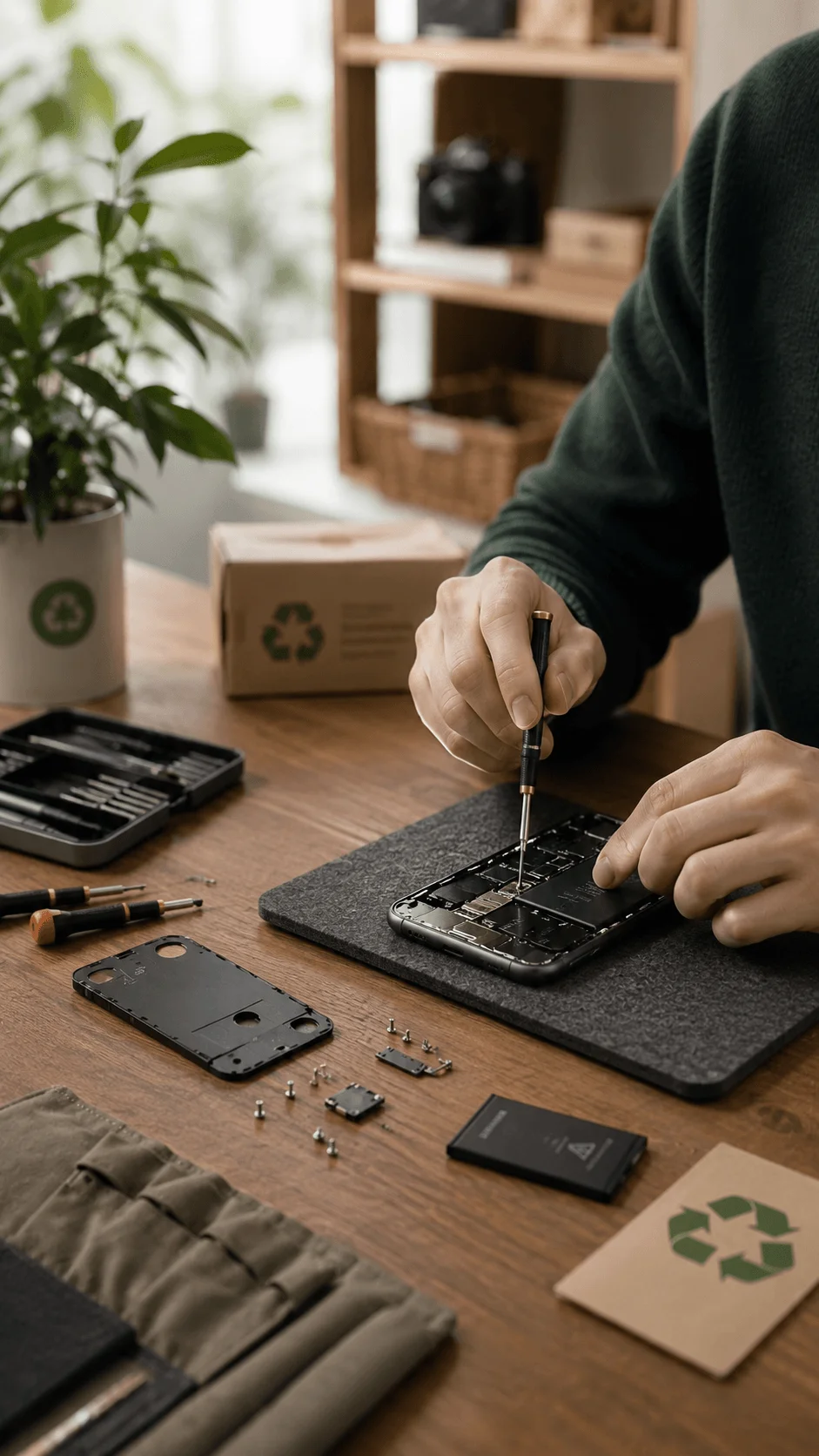
Repairable products also provide financial benefits for consumers because they reduce the need for frequent replacements.
Businesses are discovering that repair services can create new opportunities while improving customer trust.
A future focused design approach recognizes that a successful product should not only work well when new but should also remain valuable throughout its entire lifecycle.
How Sustainable Product Design Ideas Will Shape The Future Of Businesses
Sustainable product design ideas are becoming a major competitive advantage for modern businesses. Companies that adopt responsible design practices can improve their reputation, attract environmentally conscious customers, and prepare for future market changes.
Consumers are increasingly choosing brands that demonstrate environmental responsibility. A well designed sustainable product can communicate quality, innovation, and commitment toward a better future.
Sustainable design can also reduce business costs. Efficient material usage, reduced waste, and improved manufacturing processes help companies save resources.
Businesses that invest in sustainable innovation are better prepared for future regulations and changing customer expectations. Sustainability is becoming not only an environmental responsibility but also a strategic business opportunity.
Future Possibilities Of Sustainable Product Design Innovation
The future of sustainable product design will continue to combine technology, creativity, and environmental responsibility. Artificial intelligence will support smarter decisions, while advanced biomaterials will create alternatives to traditional resources.
Future products may become more adaptive, personalized, and connected. Smart systems will help users reduce consumption, while circular manufacturing will keep materials in continuous use.
Carbon negative products, regenerative systems, and intelligent manufacturing methods will continue shaping the next generation of design.
The future will not focus only on creating products that solve human problems. It will focus on creating products that also support the health of the planet.
Conclusion
Sustainable Product Design Ideas are transforming the way designers and businesses think about the future of products. Modern innovation is moving away from disposable systems and toward solutions that value durability, responsibility, and environmental balance.
From AI powered design and biomaterials to circular systems and repairable products, these approaches show that sustainability and creativity can work together. Future products will not only need to perform well but also respect natural resources and support long term environmental goals.
As technology continues to advance, sustainable design will become an essential part of every industry. Businesses that embrace these changes will have opportunities to create meaningful products, build stronger relationships with customers, and contribute to a healthier planet.
The future of design belongs to those who understand that every product has an impact. By combining innovation with responsibility, sustainable product design can help create a world where products provide value without damaging the environment.