Sustainable Agriculture Project Ideas for Schools and Students
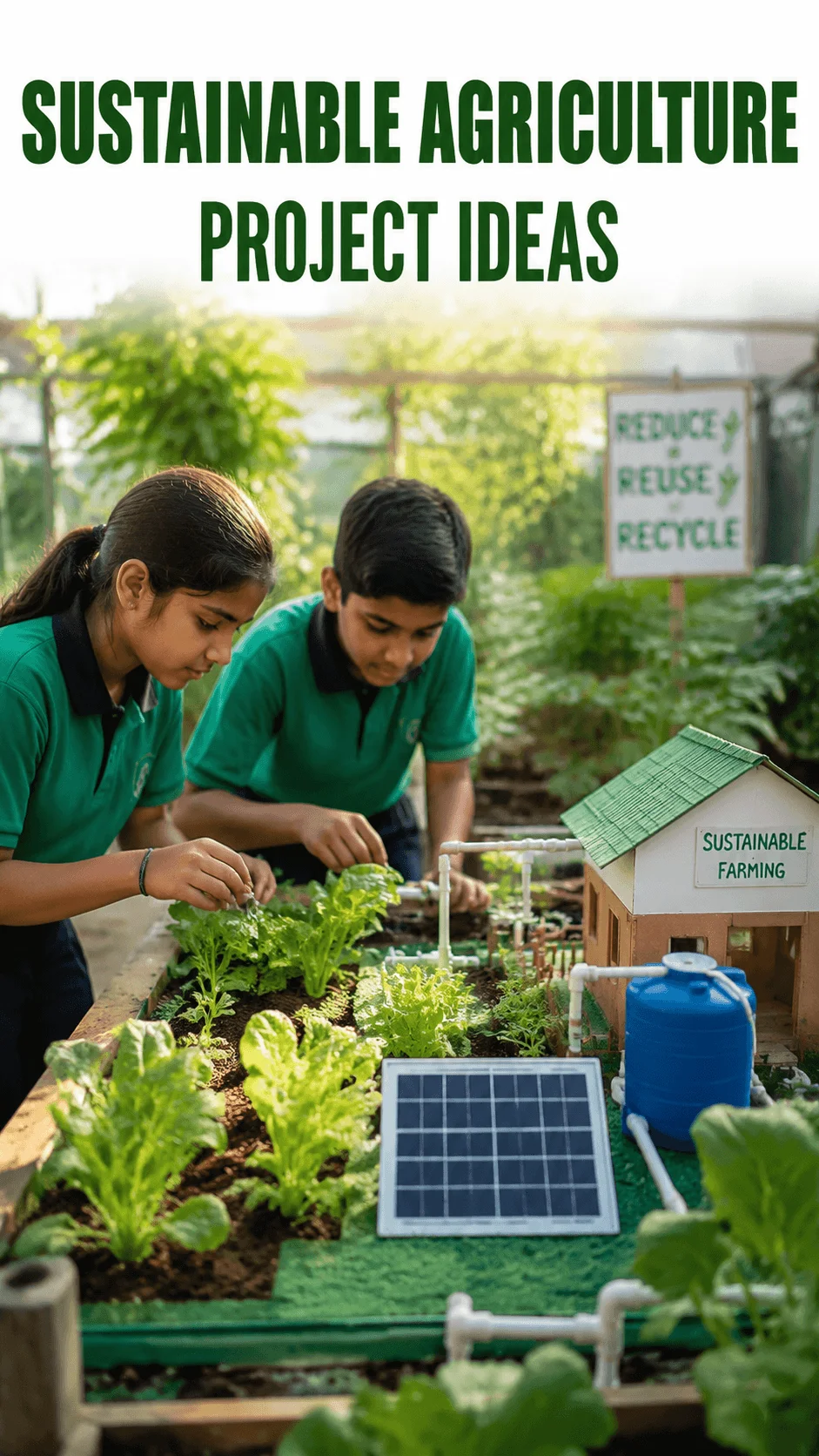
Sustainable Agriculture Project Ideas are becoming one of the most effective ways to teach students about food production, environmental conservation, and responsible use of natural resources. As communities around the world look for smarter ways to grow food while protecting the planet, schools and science fairs are encouraging students to explore innovative agricultural solutions through practical projects. These activities help learners understand real world challenges such as climate change, water shortages, soil degradation, and biodiversity loss while developing valuable problem solving skills. Instead of relying only on textbooks, students gain hands on experience by designing models, conducting experiments, and observing how sustainable farming practices can improve the environment. Whether you are preparing a classroom assignment, a science fair exhibit, or a personal learning project, these ideas offer meaningful opportunities to explore the future of agriculture. By combining creativity with scientific knowledge, students can discover how small innovations today can contribute to healthier ecosystems and a more sustainable food system for future generations.
What Are Sustainable Agriculture Projects
Sustainable agriculture projects are educational activities that demonstrate farming methods designed to protect natural resources while maintaining productive food systems. These projects introduce students to modern agricultural practices that focus on conserving water, improving soil quality, reducing pollution, and supporting biodiversity. Unlike traditional farming demonstrations that often emphasize crop production alone, sustainable agriculture projects encourage learners to consider the long term impact of farming on both people and the environment.
Schools are increasingly adopting these projects because they combine science, technology, environmental education, and practical learning into one engaging experience. Students develop observation skills as they monitor plant growth, compare farming methods, and evaluate the effects of different environmental conditions. At the same time, they gain a deeper understanding of how responsible farming practices can help solve global challenges such as food insecurity and climate change.
Modern agriculture continues to evolve with the introduction of artificial intelligence, smart irrigation systems, precision farming, and renewable energy solutions. As these technologies become more common, students benefit from learning about innovations that are shaping the future of food production. Sustainable agriculture projects provide an opportunity to explore these advancements while encouraging critical thinking and creativity.
Another important advantage of these projects is that they promote environmental responsibility from an early age. Students learn that healthy soil, clean water, diverse ecosystems, and efficient resource management all work together to create resilient farming systems. This knowledge inspires young learners to appreciate the importance of protecting natural resources while meeting the growing demand for food.
Why Sustainable Farming Project Ideas Matter
Sustainable farming project ideas help students understand that agriculture is closely connected to environmental health and human wellbeing. Every farming decision affects soil quality, water availability, wildlife habitats, and even the stability of local climates. Through project based learning, students discover how thoughtful agricultural practices can reduce negative environmental impacts while supporting productive harvests.
One of the greatest benefits of these projects is their ability to connect classroom lessons with real world applications. Concepts such as photosynthesis, ecosystems, renewable resources, and water conservation become much easier to understand when students observe them in practical situations. This approach encourages curiosity and helps learners develop scientific thinking through experimentation and observation.
These projects also introduce students to innovative farming techniques that many professional farmers now use to increase efficiency while protecting natural resources. From smart irrigation systems to regenerative soil management, students gain insight into solutions that address some of today’s most pressing environmental challenges. As global populations continue to grow, the need for sustainable food production becomes increasingly important, making these educational projects more valuable than ever.
Beyond scientific knowledge, sustainable farming activities encourage teamwork, creativity, communication, and problem solving. Students learn how to analyze results, identify challenges, and improve their designs over time. These valuable skills extend far beyond agriculture and prepare learners for future careers in science, engineering, environmental management, and technology.
Innovative Sustainable Agriculture Project Ideas
1. AI Powered Smart Irrigation Project
Artificial intelligence is transforming agriculture by helping farmers make better decisions about when and how much to water their crops. An AI Powered Smart Irrigation Project introduces students to this exciting technology by demonstrating how sensors and intelligent systems can improve water management. Instead of watering plants on a fixed schedule, smart irrigation systems monitor soil moisture levels and provide water only when plants actually need it.
This project highlights one of the biggest challenges facing agriculture today, which is water conservation. Many regions experience unpredictable rainfall and increasing water shortages, making efficient irrigation more important than ever. By studying how smart systems reduce unnecessary watering, students learn that technology can protect valuable natural resources while supporting healthy plant growth.
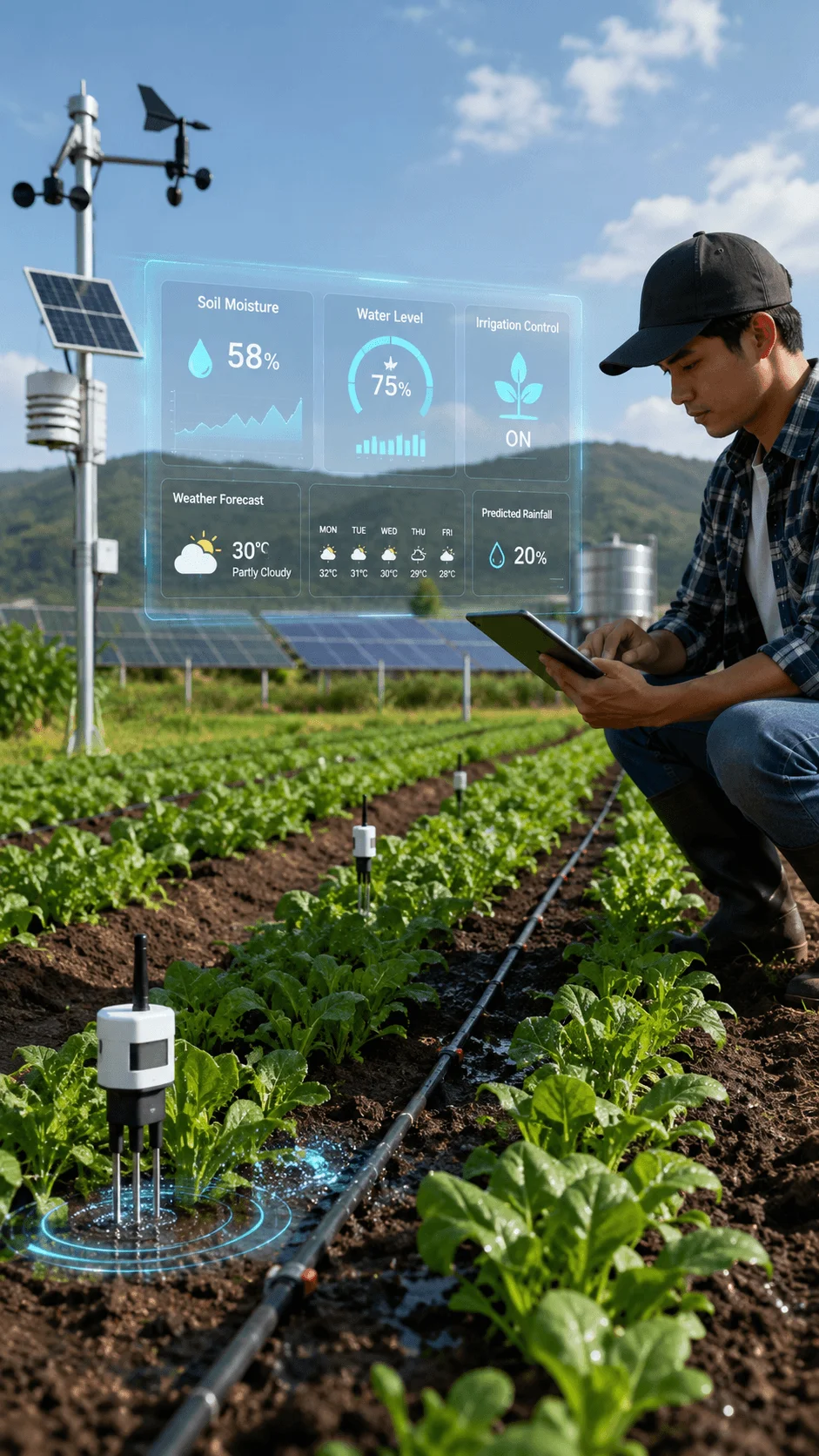
Students also gain insight into the growing role of artificial intelligence in agriculture. Modern farms increasingly rely on digital tools to monitor crops, predict weather conditions, and improve productivity. Exploring these innovations helps learners understand that farming is becoming more data driven and environmentally responsible.
As one of the fastest growing agricultural technologies in 2026, smart irrigation demonstrates how science and technology work together to create more sustainable food production systems. This project encourages students to think creatively about future farming solutions while developing a deeper appreciation for responsible water management.
2. Climate Smart Agriculture Project Demonstration
Climate change has created new challenges for farmers around the world, making climate smart agriculture one of the most important topics in modern farming. This project allows students to compare traditional farming methods with practices designed to improve resilience against changing weather conditions. Through observation and analysis, they discover how different agricultural approaches can influence crop health, soil quality, and resource conservation.
Climate smart agriculture focuses on increasing productivity while reducing environmental impact. Students learn how techniques such as mulching, efficient irrigation, drought tolerant crops, and improved soil management help farms adapt to extreme temperatures and unpredictable rainfall. These methods also contribute to healthier ecosystems by reducing water waste and protecting valuable farmland.
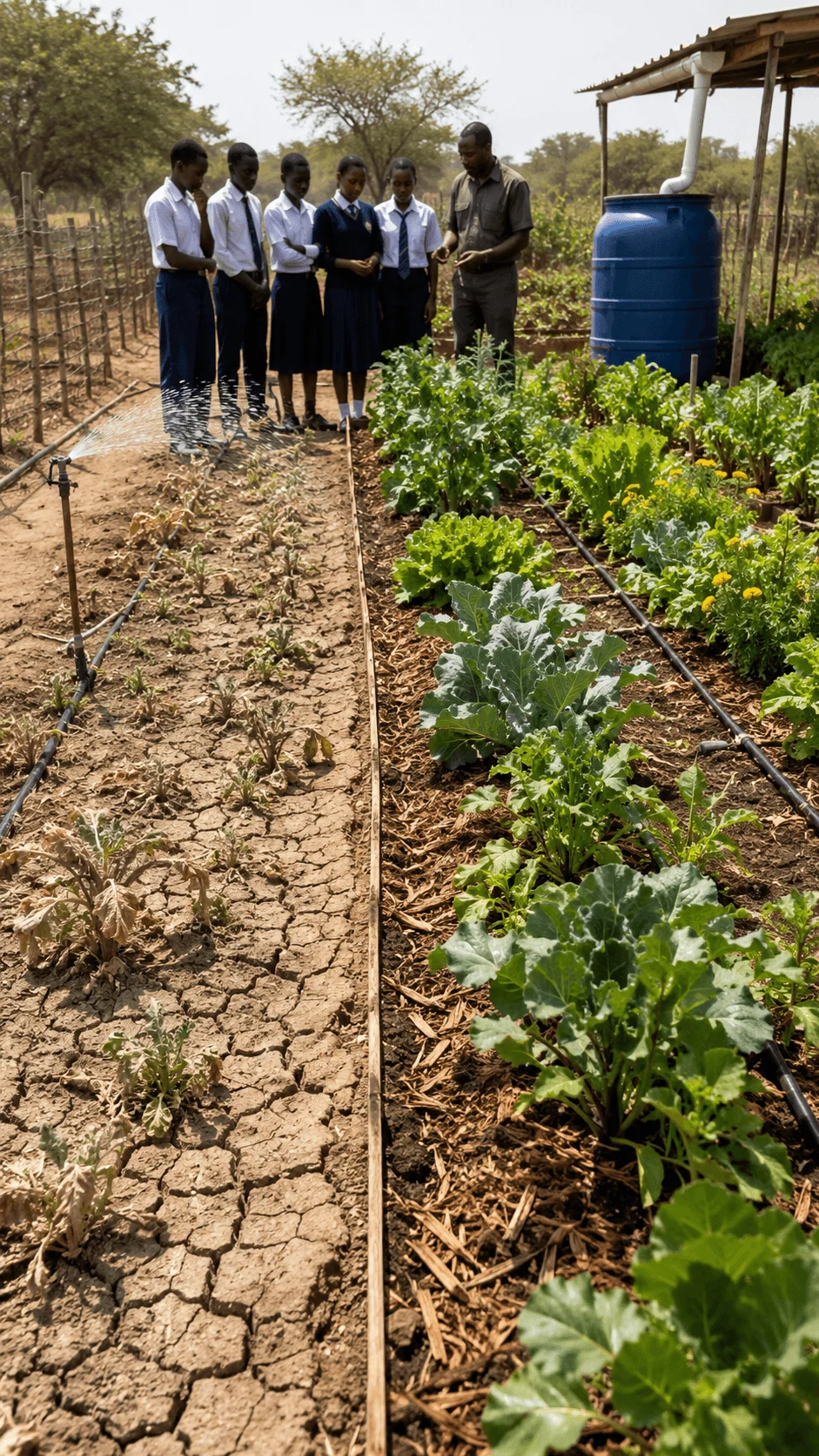
The project encourages learners to think critically about the relationship between agriculture and climate. They begin to understand that farming does not simply respond to environmental changes but can also play an important role in reducing greenhouse gas emissions and protecting natural resources.
Because governments, researchers, and agricultural organizations continue investing in climate resilient farming, this project reflects one of the most significant sustainability trends in 2026. It provides students with practical knowledge about how innovation can help secure future food supplies while protecting the environment.
3. Regenerative Agriculture Garden Project
Regenerative agriculture focuses on restoring natural ecosystems while producing healthy food. Unlike conventional farming methods that may gradually reduce soil quality, regenerative practices work to rebuild fertile soil, increase biodiversity, and improve the long term health of agricultural land. This project introduces students to these principles through a small demonstration garden that showcases environmentally responsible farming techniques.
Students explore practices such as compost application, natural fertilizers, cover crops, and reduced soil disturbance. These methods encourage healthy microbial activity beneath the soil surface, creating stronger plants and improving water retention. As learners observe changes over time, they develop a greater appreciation for the living systems that support successful agriculture.
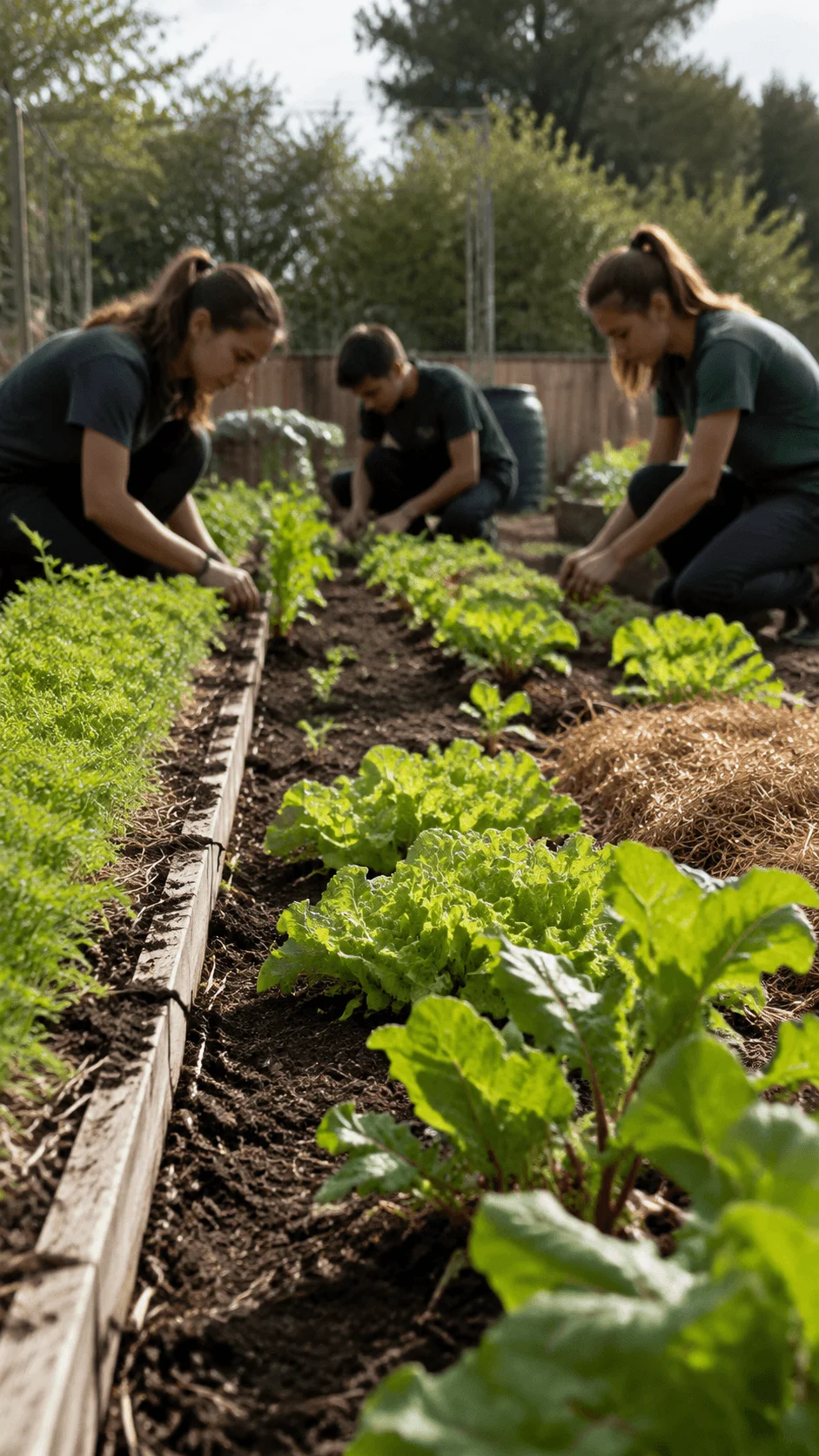
One of the most valuable lessons from this project is that healthy soil forms the foundation of sustainable food production. Rich soil stores nutrients more effectively, supports beneficial organisms, and helps plants become more resistant to environmental stress. Students discover that protecting soil today creates lasting benefits for future harvests.
Regenerative agriculture has gained worldwide attention because it addresses several environmental challenges at the same time. It improves soil health, supports biodiversity, captures carbon, and increases farm resilience. This growing global interest makes it one of the most relevant sustainable agriculture topics for students to explore in 2026.
4. Agroforestry Project Ideas for Schools
Agroforestry combines trees with crops to create productive farming systems that benefit both agriculture and the environment. This project helps students understand how different plants can work together to improve soil quality, provide wildlife habitats, and increase farm productivity. Instead of viewing trees and crops as separate elements, learners discover how they support one another within a balanced ecosystem.
Trees help protect farmland by reducing soil erosion, improving moisture retention, and providing shade during periods of intense heat. Their roots stabilize the soil while fallen leaves naturally enrich the ground with organic matter. These benefits create healthier growing conditions for surrounding crops and reduce the need for synthetic inputs.
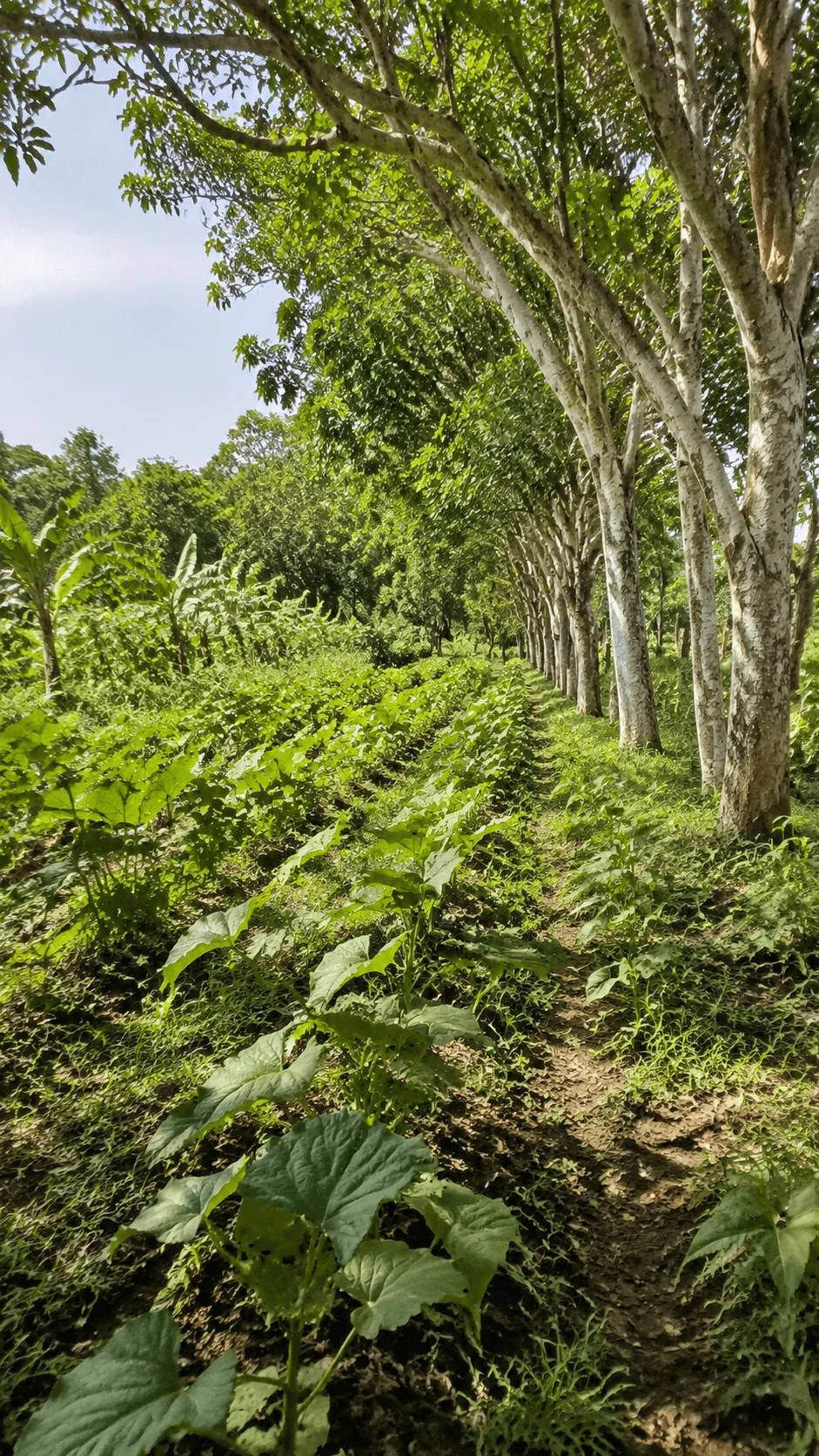
Students also learn that agroforestry supports biodiversity by creating habitats for birds, insects, and beneficial pollinators. A greater variety of living organisms contributes to healthier ecosystems and stronger agricultural systems. Observing these natural relationships encourages learners to appreciate the importance of ecological balance in food production.
As sustainable farming continues to evolve, agroforestry has become an increasingly popular strategy for improving climate resilience while protecting natural resources. This project introduces students to an agricultural approach that combines environmental conservation with long term productivity, making it an excellent example of future focused farming.
5. Vertical Farming with LED Lights
Vertical farming demonstrates how food can be produced in limited spaces by growing plants in stacked layers rather than across large fields. This innovative project introduces students to one of the fastest developing forms of urban agriculture. As cities continue expanding and farmland becomes more limited, vertical farming offers a practical solution for producing fresh food closer to consumers.
Students learn how controlled indoor environments support plant growth throughout the year regardless of weather conditions. LED lighting provides plants with the specific wavelengths needed for healthy development while using less energy than traditional lighting systems. This controlled approach allows farmers to optimize growing conditions and improve crop quality.
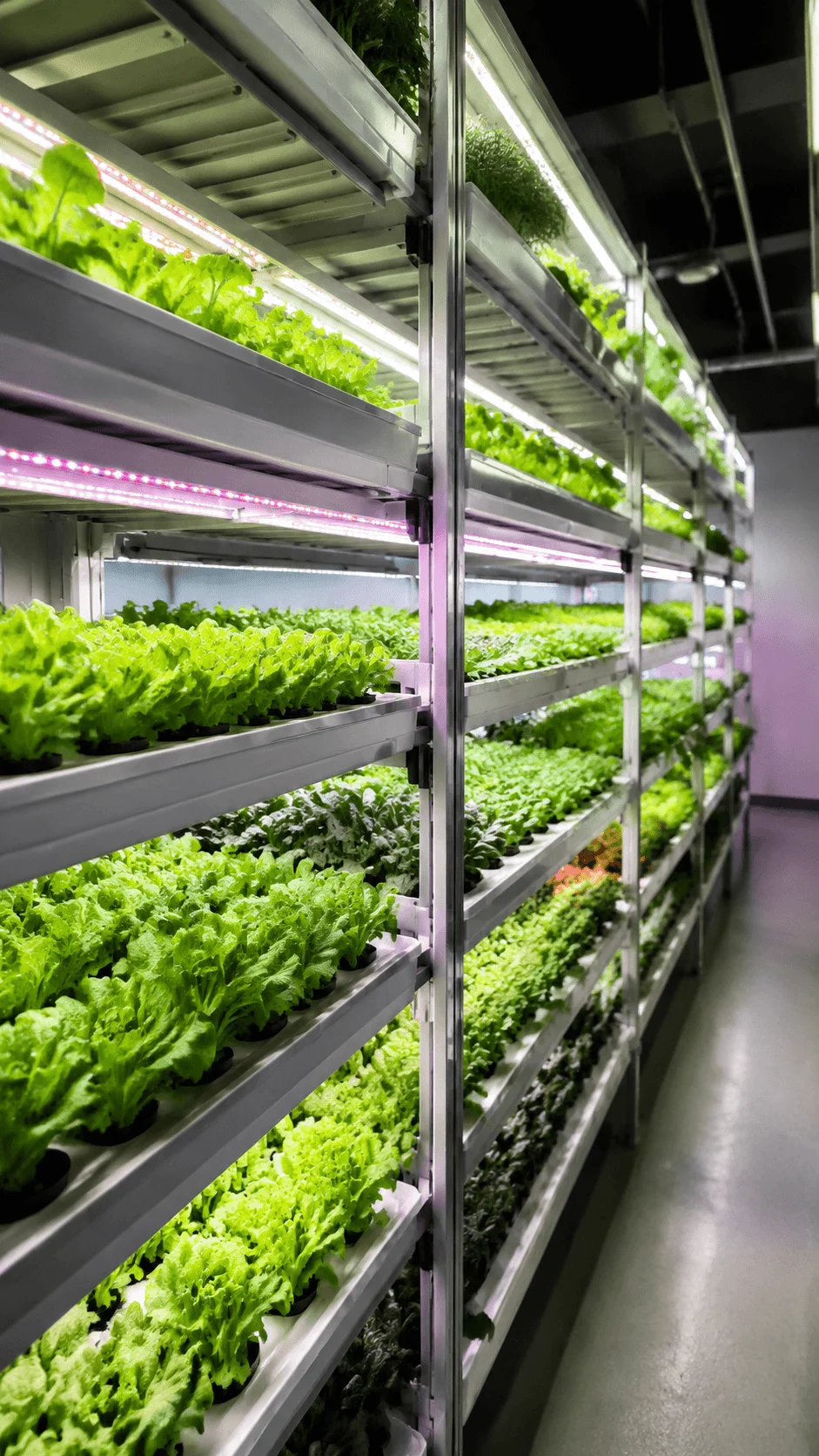
Another important lesson from this project is efficient resource management. Vertical farming often uses significantly less water than conventional agriculture because water can be carefully monitored and reused. The controlled environment also reduces exposure to pests, decreasing the need for chemical pesticides and creating cleaner food production systems.
The rapid growth of urban populations has increased interest in vertical farming around the world. By exploring this project, students gain insight into how technology and innovative design can help address future food security challenges while reducing environmental impact.
6. Hydroponic Sustainable Food Production Project
Hydroponic farming replaces traditional soil with nutrient rich water solutions, allowing plants to grow efficiently in carefully controlled environments. This project introduces students to an advanced farming method that demonstrates how food production can become more sustainable while using fewer natural resources.
One of the most impressive features of hydroponics is its ability to conserve water. Since the water continuously circulates within the system, far less is lost through evaporation or runoff compared with conventional farming. Students quickly recognize how this technology can help regions facing water scarcity while still supporting healthy crop growth.
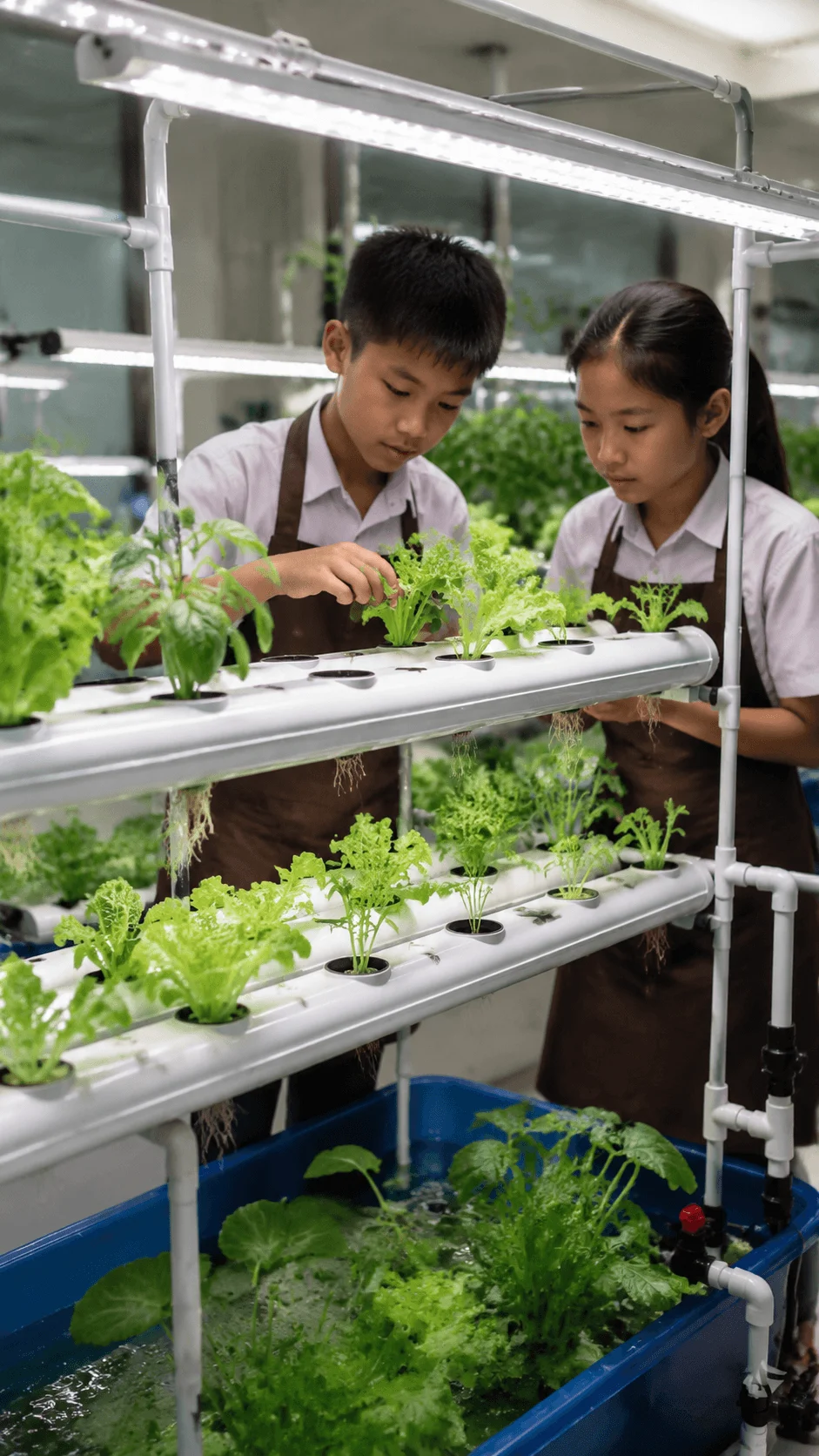
The project also highlights the importance of precision in modern agriculture. Plants receive carefully balanced nutrients directly through the water, allowing them to grow faster and more consistently. Students observe how environmental factors such as light, temperature, and nutrient levels influence plant development, creating valuable opportunities for scientific investigation.
Hydroponic farming continues to gain popularity because it allows fresh vegetables and herbs to be grown in homes, schools, greenhouses, and urban environments where traditional farmland may not be available. As sustainable food production becomes increasingly important, this project gives students a practical understanding of one of agriculture’s most promising innovations.
7. Biochar Soil Improvement Project
Biochar has become one of the most promising innovations in sustainable farming because it improves soil quality while helping reduce carbon in the atmosphere. This project introduces students to the concept of transforming organic materials into biochar and studying how it affects plant growth. By comparing ordinary soil with biochar enriched soil, students can observe differences in moisture retention, plant health, and overall soil condition.
One of the main reasons biochar has attracted global attention is its ability to improve soil fertility for many years. It creates tiny spaces within the soil that hold water and nutrients, allowing plants to access them more efficiently. This reduces nutrient loss and supports stronger root development.
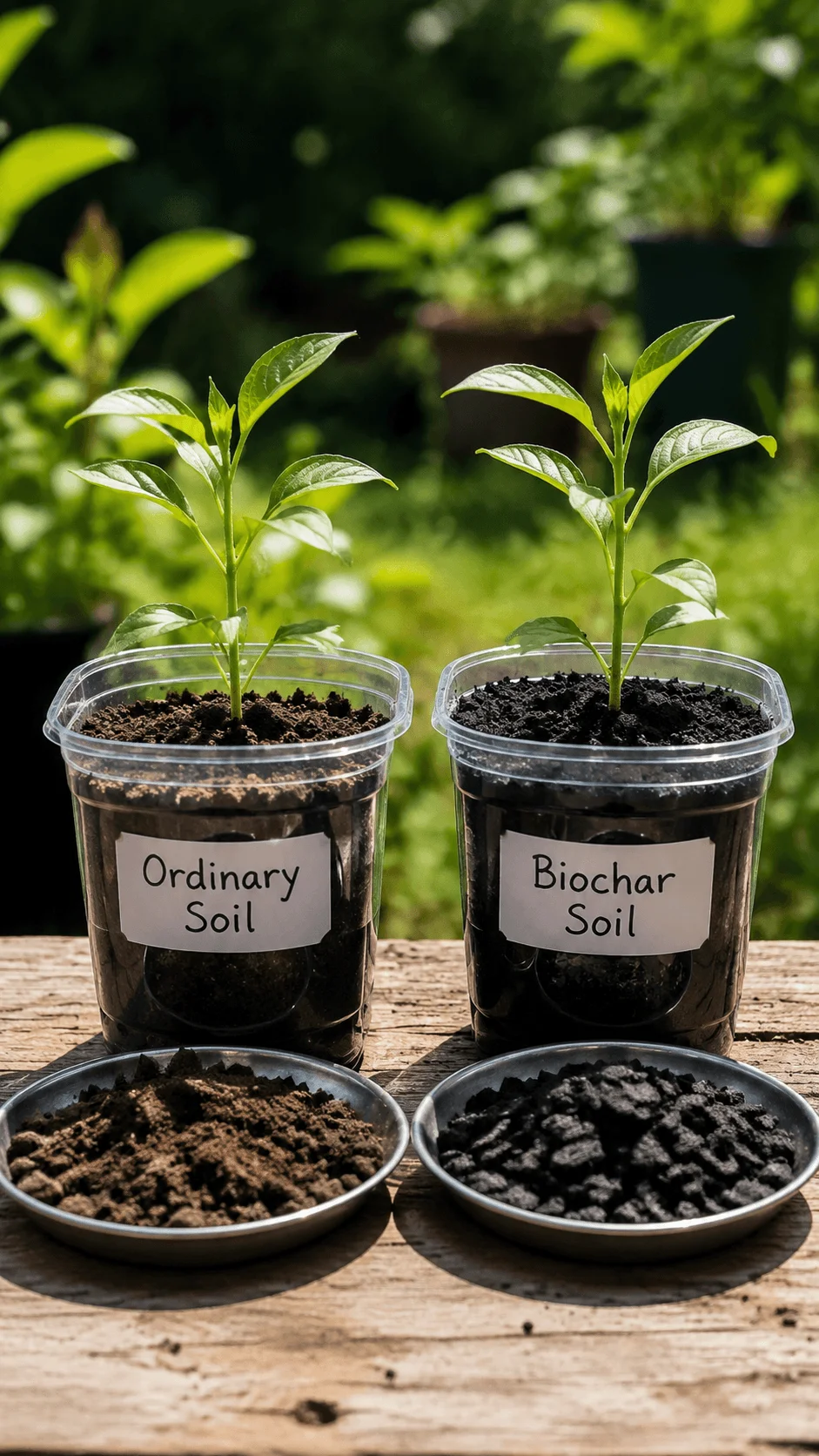
Students also learn about the connection between agriculture and climate action. Biochar stores carbon in the soil instead of releasing it into the atmosphere, making it an environmentally responsible farming practice. Scientists continue researching its long term benefits, and many sustainable farming experts consider it an important tool for improving agricultural productivity while protecting the environment. This project gives students an opportunity to explore both environmental science and modern agricultural innovation through a practical demonstration.
8. Pollinator Friendly Farm Project
Healthy farms depend on healthy pollinator populations. Bees, butterflies, and many other insects play an essential role in helping flowering plants produce fruits, vegetables, and seeds. A Pollinator Friendly Farm Project helps students understand why protecting these valuable species is necessary for maintaining productive agricultural systems.
Students can design a small garden that includes flowering plants which attract pollinators throughout different seasons. As they observe visiting insects, they begin to understand the relationship between pollinators, plants, and food production. This simple project also demonstrates how biodiversity strengthens ecosystems by supporting many different forms of life.
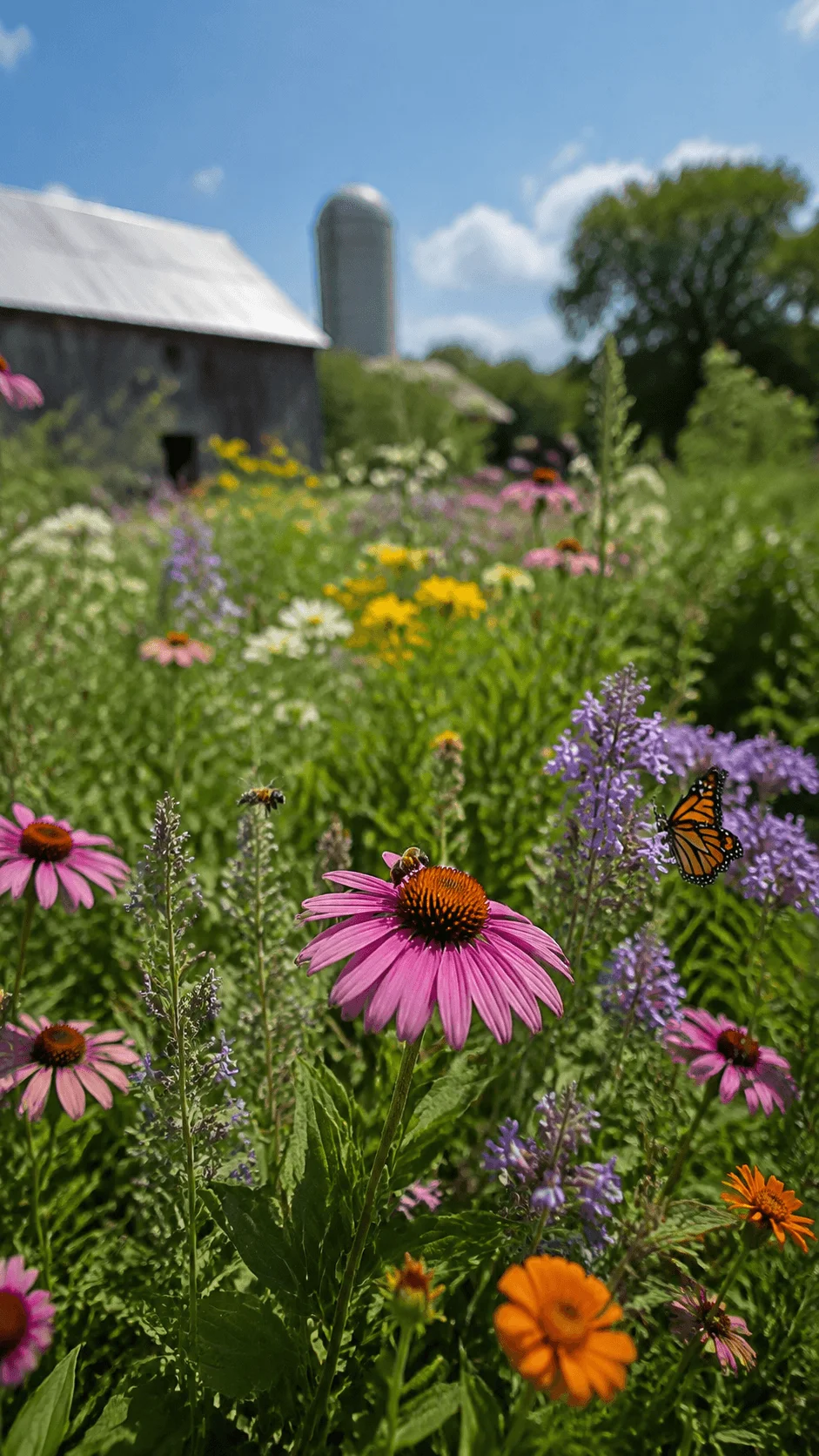
Pollinator conservation has become increasingly important because habitat loss, pollution, and climate change continue affecting insect populations worldwide. Farmers and environmental organizations now encourage the creation of pollinator friendly spaces to support healthier agricultural landscapes.
This project teaches students that successful farming depends on more than soil and water alone. Every living organism contributes to a balanced ecosystem, and protecting pollinators helps secure future food supplies while preserving biodiversity for generations to come.
9. Food Waste to Organic Compost Project
Every day, homes, schools, and restaurants produce large amounts of food waste that often ends up in landfills. A Food Waste to Organic Compost Project demonstrates how these materials can become a valuable resource instead of being treated as waste. Students discover that fruit peels, vegetable scraps, dried leaves, and other natural materials can break down into nutrient rich compost that improves soil quality.
As decomposition takes place, beneficial microorganisms convert organic matter into a natural fertilizer that supports healthy plant growth. Students learn that compost improves soil structure, increases water retention, and provides essential nutrients without relying on synthetic fertilizers.
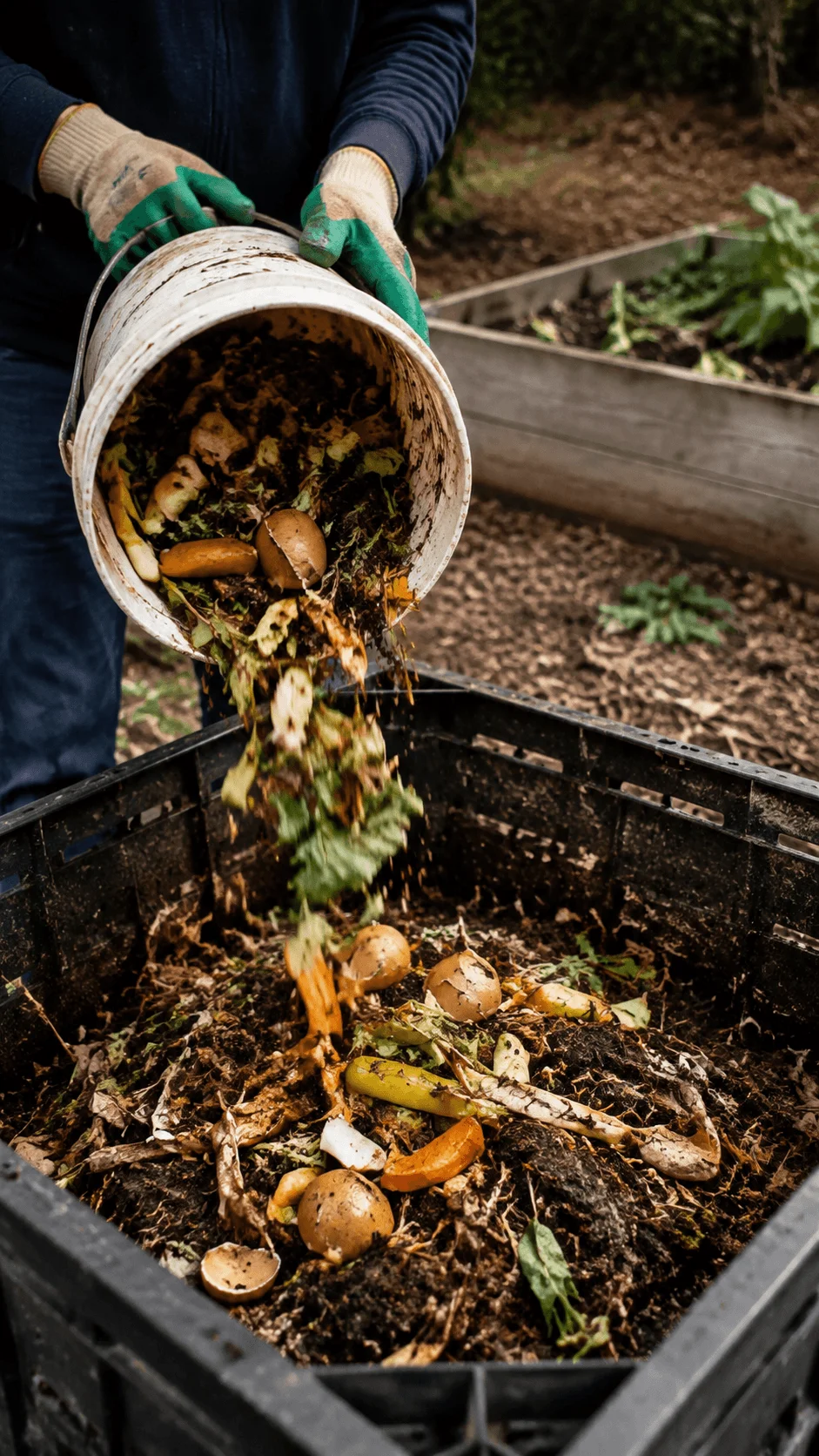
This project also introduces the concept of a circular food system where resources are reused rather than discarded. Instead of contributing to waste, leftover organic materials return to the soil and help grow future crops. Understanding this cycle encourages students to think more responsibly about everyday waste and environmental conservation.
Composting remains one of the simplest yet most effective sustainable farming practices because it reduces landfill waste while supporting healthier agricultural systems. It also demonstrates that even small actions at home or school can make a meaningful contribution to environmental sustainability.
10. Carbon Farming Project
Carbon farming focuses on agricultural practices that capture and store carbon while improving the health of farmland. This project introduces students to one of the most important environmental strategies being discussed around the world. They learn that agriculture can become part of the solution to climate change by adopting farming methods that naturally increase the amount of carbon stored in soil and vegetation.
Students explore practices such as planting trees, growing cover crops, improving soil management, and using organic matter to increase soil carbon. These approaches strengthen soil health while helping farms become more resilient during changing weather conditions.
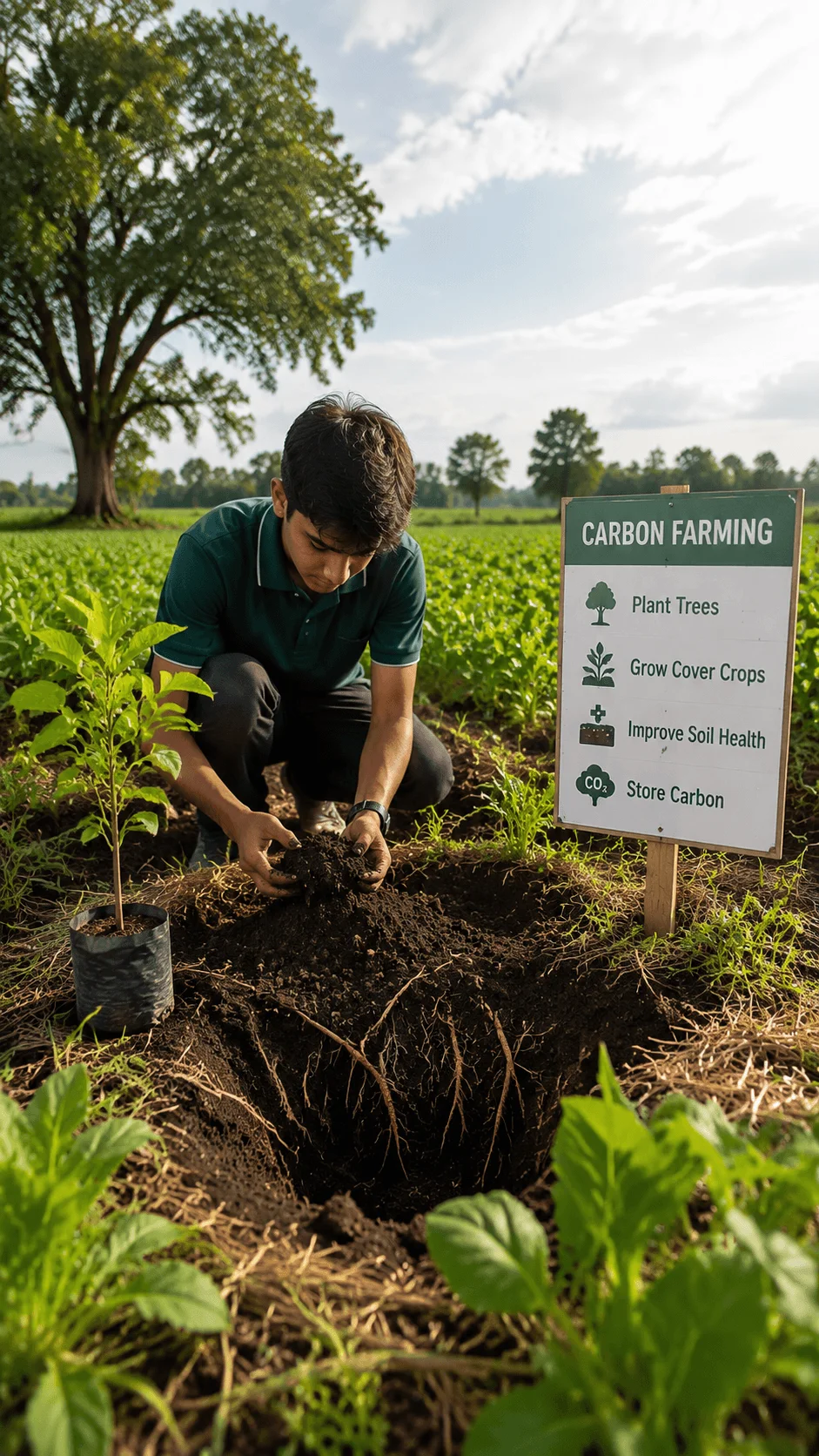
The project encourages learners to think about agriculture beyond food production alone. They discover that farms also provide environmental services by protecting ecosystems, improving biodiversity, and supporting climate stability. This broader understanding helps students recognize the important role farmers play in protecting natural resources.
As governments and agricultural organizations continue promoting carbon friendly farming practices, this project reflects one of the fastest growing sustainability trends in modern agriculture. It combines environmental science with practical farming knowledge, making it an excellent topic for school projects and science exhibitions.
11. Precision Agriculture Drone Mapping Project
Technology has transformed farming in remarkable ways, and precision agriculture represents one of the most exciting developments in modern food production. This project introduces students to the use of drones and digital mapping for monitoring crops, identifying problems, and improving farm management.
Students learn that drones can capture detailed images of fields, allowing farmers to detect unhealthy plants, monitor irrigation, and identify pest problems before they spread. Instead of treating an entire field the same way, farmers can respond only where attention is needed. This improves efficiency while reducing unnecessary use of water, fertilizers, and other resources.
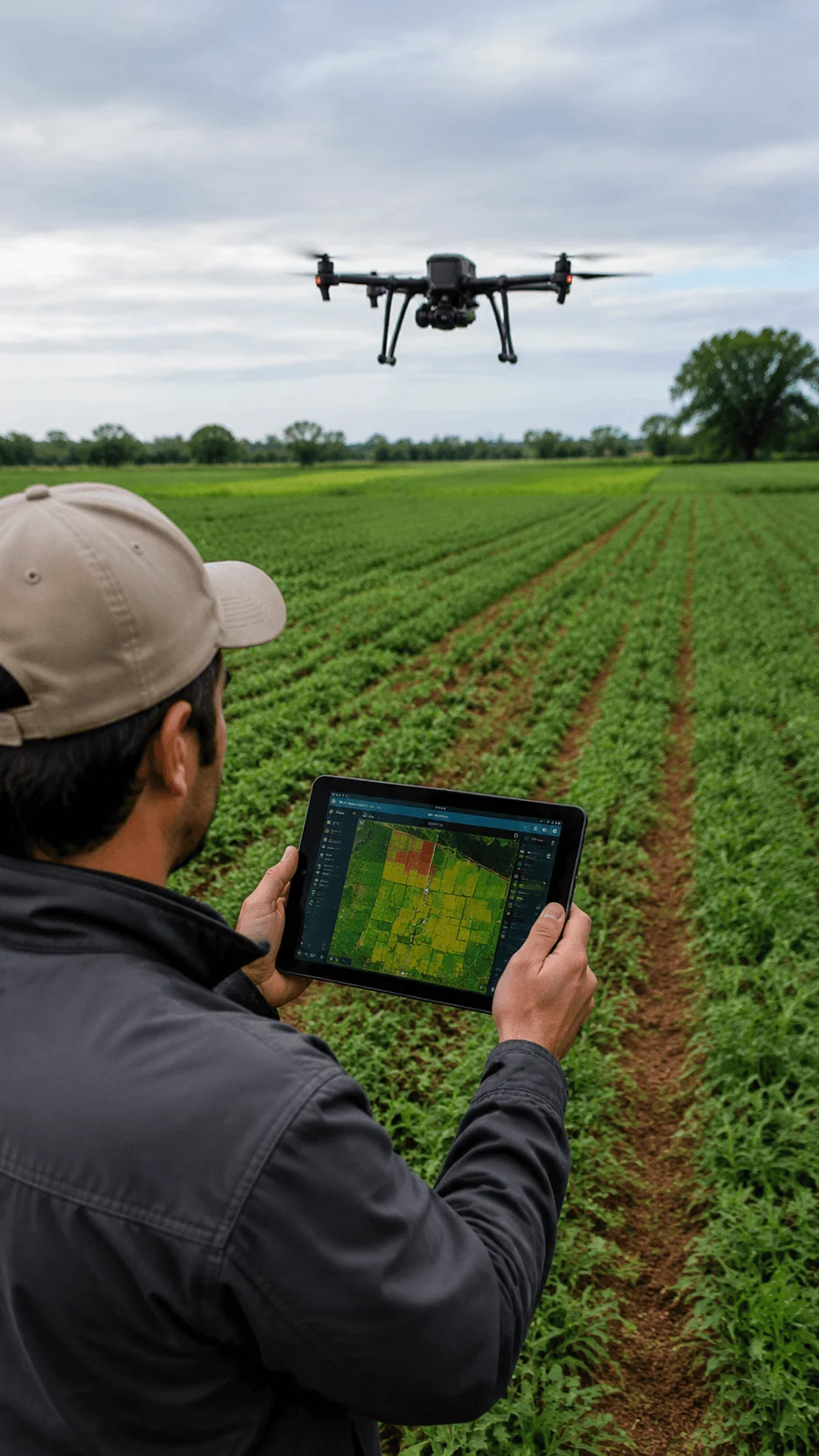
The project also highlights how data has become an important part of agriculture. Satellite imagery, sensors, and mapping software help farmers make informed decisions that increase productivity while protecting the environment. Students gain valuable insight into the growing connection between technology, artificial intelligence, and sustainable farming.
As precision agriculture becomes more common across the world, this project demonstrates how innovation supports responsible food production. It encourages students to view agriculture as a modern industry driven by science, technology, and environmental stewardship.
12. Biodiversity Farm Monitoring Project
A healthy farm supports much more than crops alone. Birds, insects, earthworms, microorganisms, and native plants all contribute to balanced ecosystems that improve agricultural productivity. A Biodiversity Farm Monitoring Project encourages students to observe and record the variety of living organisms found within a farming environment.
Students compare different areas of land and identify how farming practices influence biodiversity. They may notice that fields with greater plant diversity often attract more beneficial insects and birds while supporting healthier soil. These observations demonstrate that protecting wildlife can also improve agricultural success.
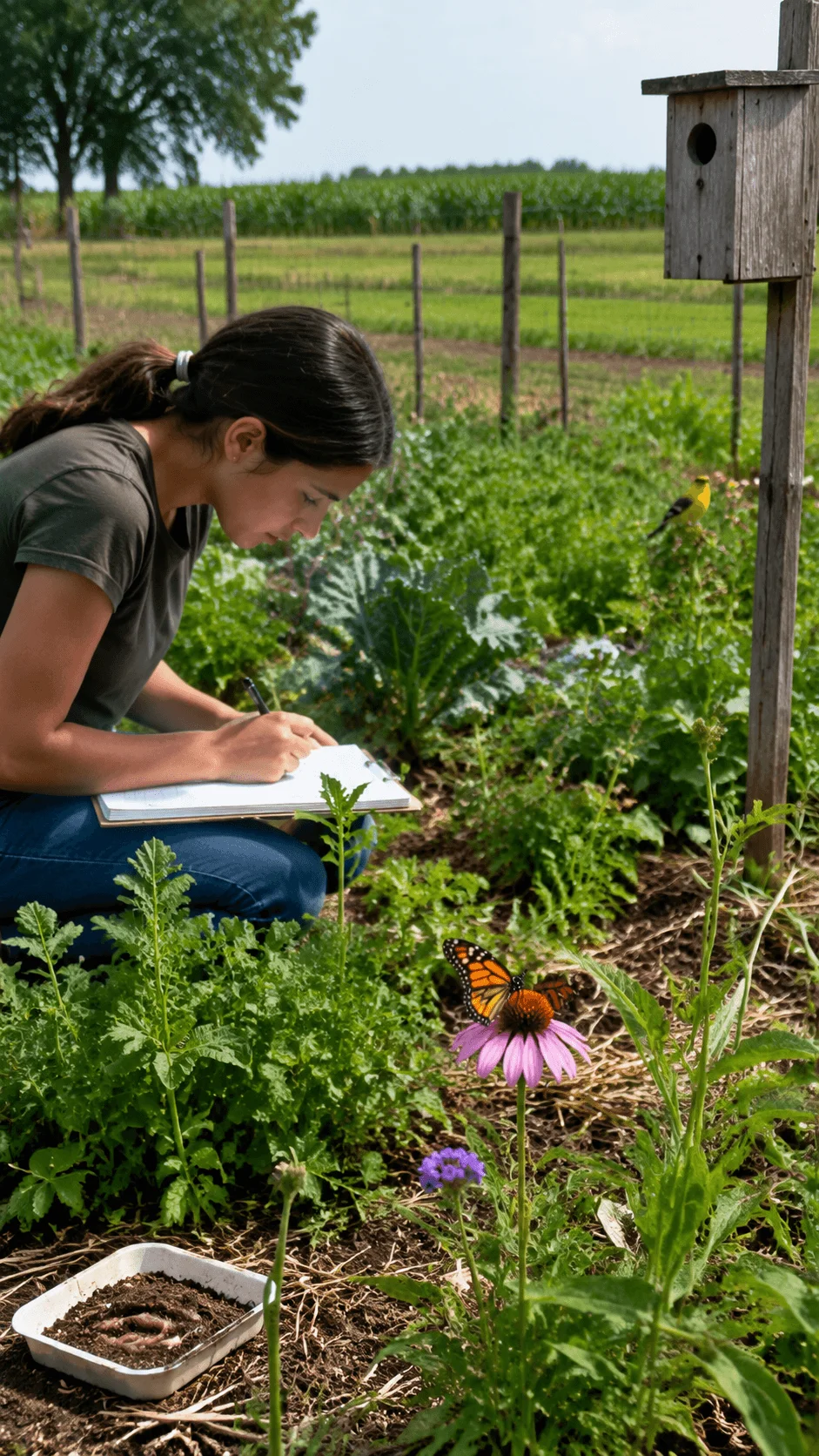
The project teaches an important lesson about ecological balance. Every organism performs a valuable function, whether it pollinates flowers, controls pests, or improves soil health. By understanding these natural relationships, students gain a deeper appreciation for sustainable farming systems that work alongside nature instead of against it.
Growing concern about biodiversity loss has made this project especially relevant in 2026. It encourages students to recognize that successful agriculture depends on healthy ecosystems, making biodiversity conservation an essential part of future farming.
Benefits of Sustainable Agriculture Projects
Sustainable Agriculture Project Ideas provide students with valuable knowledge that extends far beyond the classroom. They combine environmental science, technology, biology, and practical problem solving into engaging learning experiences that prepare students for real world challenges. Instead of memorizing concepts, learners apply their knowledge through observation, experimentation, and critical thinking.
These projects also strengthen environmental awareness by showing how responsible farming protects soil, conserves water, supports biodiversity, and reduces pollution. Students begin to understand that every farming decision influences the health of surrounding ecosystems and local communities. This awareness encourages more responsible attitudes toward natural resource management.
Another important benefit is the development of essential life skills. Students improve their ability to analyze information, communicate ideas, work collaboratively, and solve problems creatively. They also gain confidence by designing experiments and presenting their findings.
As agriculture continues adopting advanced technologies such as artificial intelligence, digital monitoring, and sustainable resource management, these projects prepare students for future careers in environmental science, agricultural technology, engineering, and conservation. They inspire curiosity while demonstrating that innovation and sustainability can work together to create healthier food systems.
Tips for Creating a Successful Sustainable Agriculture Science Project
A successful project begins with selecting a topic that matches both personal interests and educational goals. Students often produce their best work when they choose projects that address real environmental challenges and allow them to observe meaningful results over time.
Careful planning is equally important. Recording observations regularly helps students identify patterns, compare results, and draw accurate conclusions. Clear documentation also strengthens science fair presentations by providing evidence to support their findings.
Students should focus on understanding the scientific principles behind their project rather than simply creating an attractive display. Explaining why a farming method improves sustainability demonstrates deeper learning and makes presentations more engaging.
Creativity also plays an important role. Combining traditional farming knowledge with modern technologies such as artificial intelligence, hydroponics, renewable energy, or precision agriculture can produce innovative projects that stand out from more common science fair displays.
Finally, students should remember that sustainable agriculture is about long term environmental responsibility. Every project should encourage efficient use of natural resources while protecting soil, water, wildlife, and future food production. Even simple demonstrations can inspire meaningful discussions about creating a healthier and more sustainable world.
Conclusion
Sustainable Agriculture Project Ideas provide an excellent opportunity for students to explore the future of farming while developing a deeper understanding of environmental responsibility. These projects demonstrate that agriculture is no longer limited to traditional growing methods. Modern innovations such as artificial intelligence, precision farming, hydroponics, carbon farming, and regenerative agriculture are transforming how food is produced while protecting valuable natural resources.
Each project introduces important scientific concepts while encouraging creativity, observation, and critical thinking. Students learn that healthy soil, clean water, thriving biodiversity, and responsible resource management all contribute to sustainable food production. More importantly, they discover that even small innovations can create positive environmental change when supported by scientific knowledge and thoughtful planning.
As communities continue searching for solutions to climate change, food security, and environmental conservation, the importance of sustainable agriculture will continue to grow. Exploring these project ideas allows students to become active participants in building a more resilient future instead of simply learning about it in textbooks.
Whether you are preparing a classroom assignment, a science fair presentation, or a personal learning project, Sustainable Agriculture Project Ideas offer meaningful ways to combine education with real world impact. By putting these ideas into practice, you can develop valuable skills while contributing to a healthier environment and a more sustainable future for generations to come.