12 Eco Friendly Activities for Kindergarten
Kindergarten is an ideal time to introduce children to simple environmental habits through eco friendly activities for kindergarten that feel more like play than formal lessons. Young children naturally enjoy exploring nature, growing plants, sorting objects, observing animals, and creating things with their hands. When teachers and parents turn these interests into sustainable learning experiences, children can begin understanding important ideas such as caring for nature, reducing waste, saving water, and respecting living things. The best activities do not require expensive supplies or complicated preparation. Instead, they give children opportunities to explore, ask questions, make observations, and develop positive habits through everyday experiences.
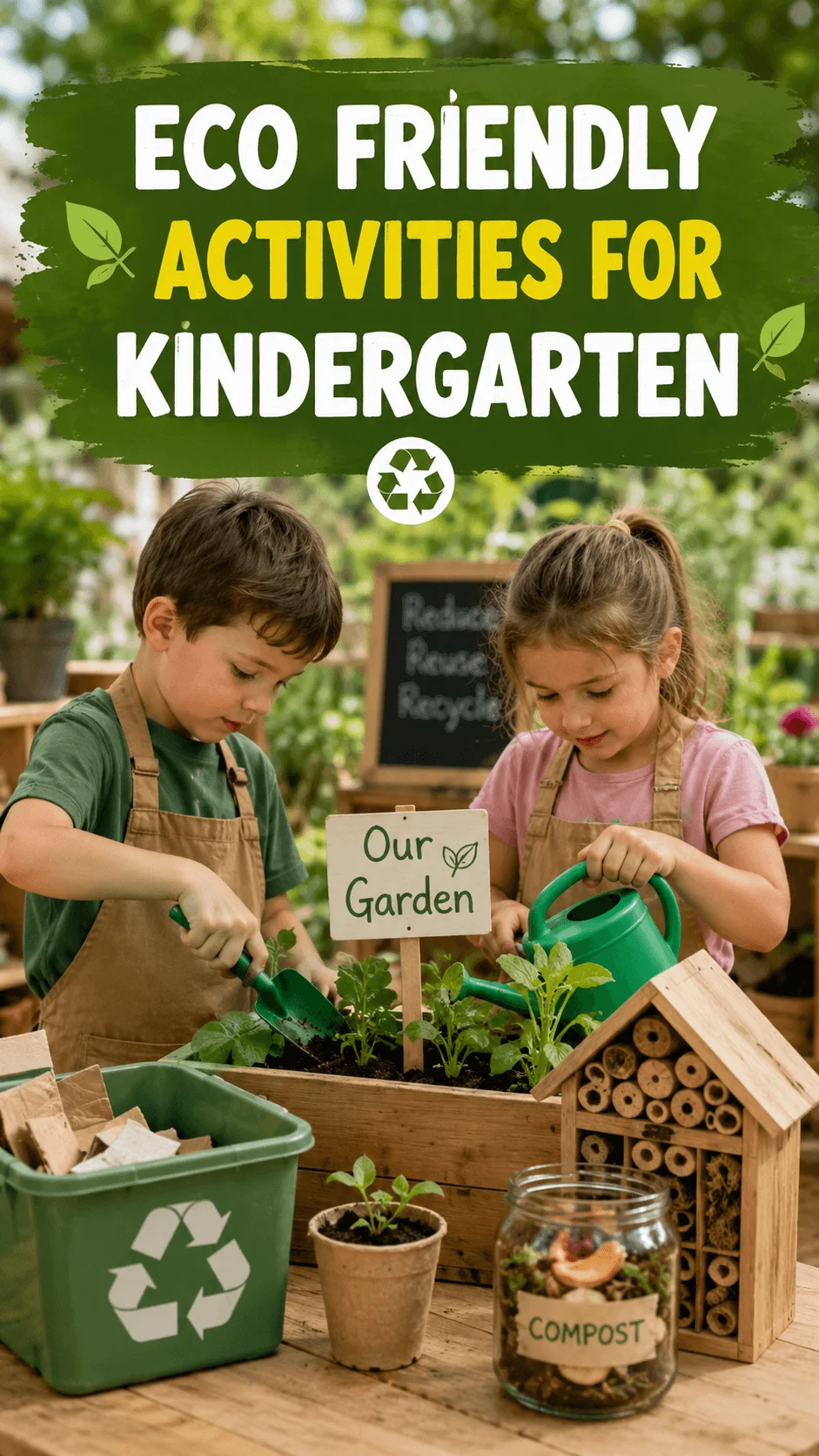
Sustainability education for young children has also moved beyond simple recycling crafts. Modern environmental learning can include gardening, composting, biodiversity, weather observation, nature exploration, reuse, and responsible use of resources. These experiences help children see that the environment is not something distant or complicated. It is the garden they water, the insects they observe, the paper they reuse, and the food scraps they help sort.
Why Eco Friendly Activities Matter in Kindergarten
Children learn especially well when they can see and experience an idea instead of only hearing about it. A short explanation about saving water may be useful, but watching a plant grow and understanding that it needs water creates a much more memorable experience.
Well planned sustainable activities for kindergarten can introduce environmental concepts without making children feel overwhelmed. At this age, the goal is not to teach complicated climate science or environmental policy. The goal is to help children develop curiosity and responsibility.
A child who learns to care for a classroom plant can begin to understand responsibility. A child who sorts reusable and recyclable materials can start thinking about what happens after something goes into a trash bin. A child who watches birds or insects can develop greater appreciation for living things.
These small experiences can become building blocks for lifelong environmental awareness.
1. Create a Mini Classroom Garden
A mini classroom garden is one of the most engaging eco friendly activities for kindergarten because it combines nature, science, responsibility, and hands on learning in one simple project.
The garden does not need to take up a large area. Teachers can use a sunny classroom window, outdoor corner, balcony, or small garden bed. Children can grow easy plants such as herbs, flowers, lettuce, beans, or other plants suitable for the local climate.
The most valuable part of the activity is not simply planting the seeds. Children can become involved in the entire growing process. They can help add soil, place seeds, observe changes, water plants when necessary, and talk about what they see.
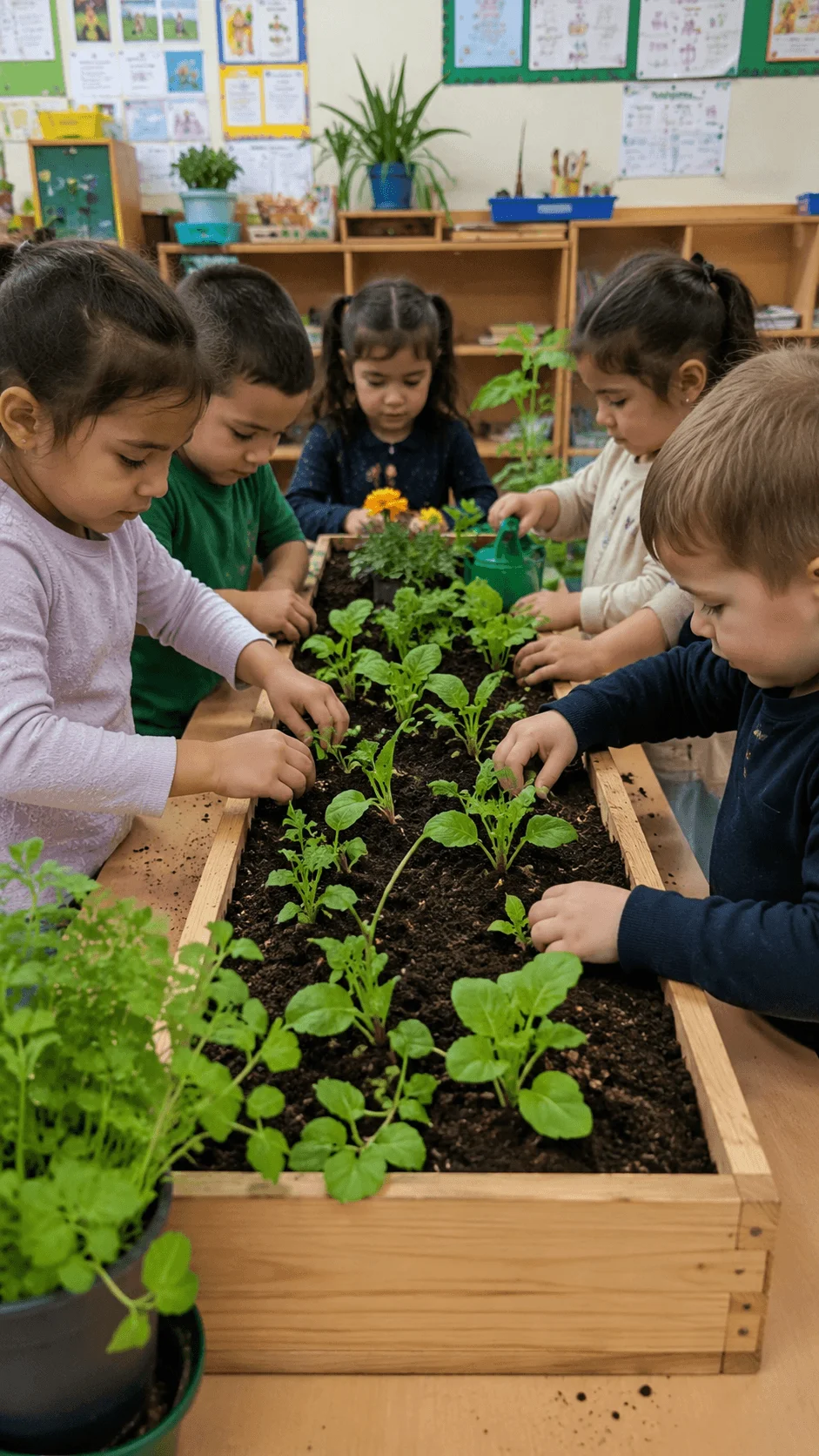
Over time, children may notice that tiny seeds develop roots and shoots before becoming larger plants. This creates an excellent opportunity to introduce basic plant science in a way they can understand.
Teachers can also connect the garden with discussions about food. If children grow herbs or vegetables, they can learn that some of the food people eat comes directly from plants. This can help them develop greater appreciation for natural resources and the work involved in producing food.
The garden can become an ongoing classroom responsibility rather than a one day project. Children can observe the plants every week and discuss changes in size, color, leaves, flowers, or growth.
2. Try a Worm Composting Observation
Worm composting offers a fascinating way to teach children about food waste and natural decomposition. It may sound complicated at first, but teachers can simplify the concept for kindergarten children.
A supervised classroom worm composting system allows children to observe how worms and other natural processes help break down suitable organic material. The teacher should manage the composting system and explain what materials belong inside it.
The educational value comes from helping children understand that some things we call “waste” can have another purpose. Instead of viewing every food scrap as something useless, children can learn that certain organic materials can return nutrients to the soil.
Teachers can introduce the activity with a simple conversation about what happens after people finish eating. Children can look at examples of suitable food scraps and discuss whether each item belongs in the composting system.
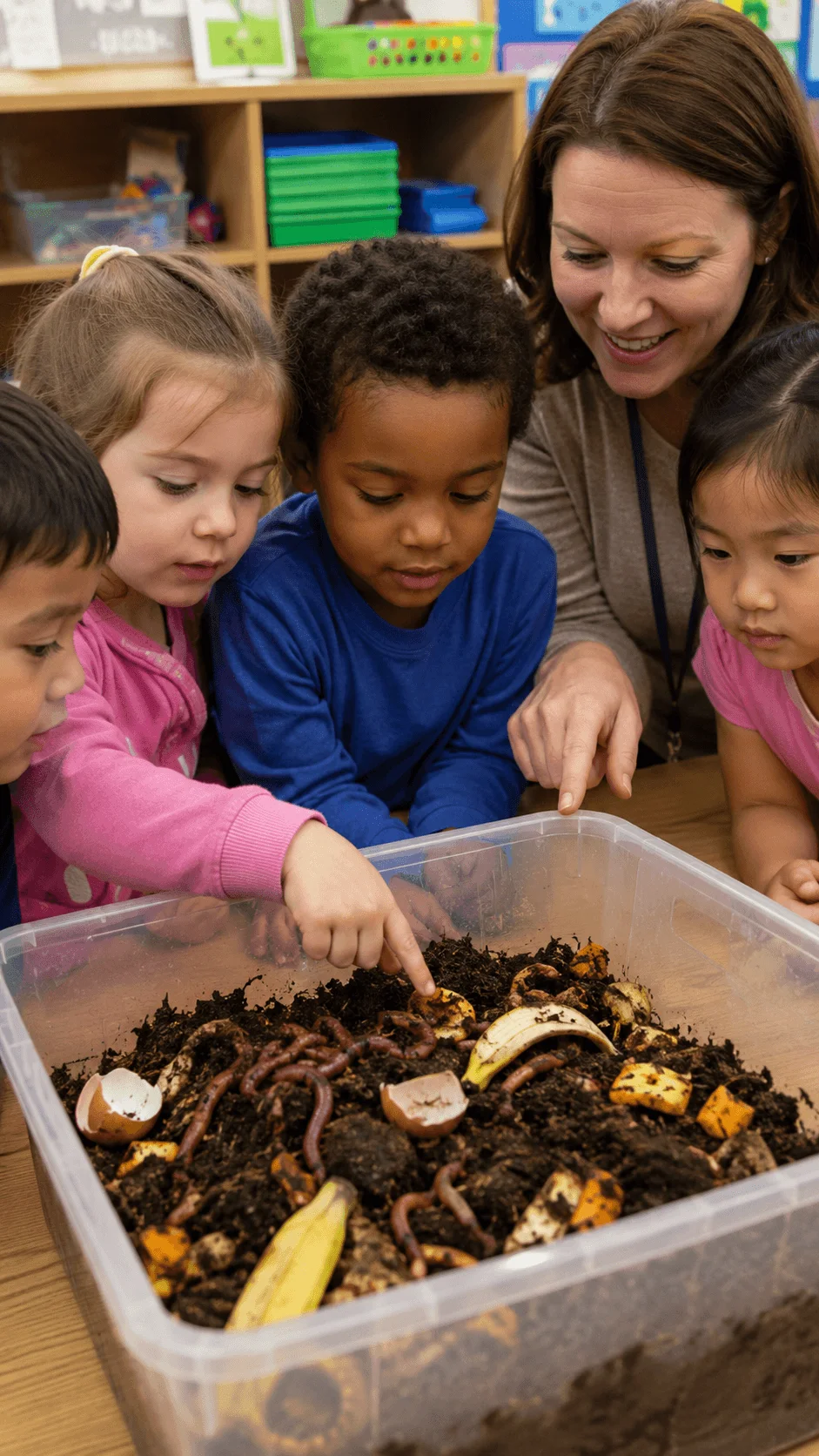
The worms themselves can also encourage curiosity. Children may want to know where worms live, what they eat, how they move, and why they are useful in nature.
This makes worm composting more than a waste activity. It becomes an introduction to decomposition, soil, food cycles, and living organisms.
Because children should not handle composting materials without appropriate supervision, teachers should manage hygiene and make sure children follow simple classroom rules.
3. Organize a Nature Treasure Hunt
Nature treasure hunts are simple nature activities for kindergarten that can turn an ordinary outdoor walk into an exciting learning experience.
Instead of asking children to collect everything they find, teachers can encourage them to observe different colors, shapes, textures, plants, insects, sounds, and natural patterns. For example, children might look for something green, something rough, a small leaf, a flower, a bird, or evidence that an animal has visited the area.
Observation should remain the main goal. Teachers can encourage children to leave living plants, animals, and important habitat materials where they find them.
The activity can also support early science skills. Children can compare objects, describe textures, notice differences, and ask questions about what they see.
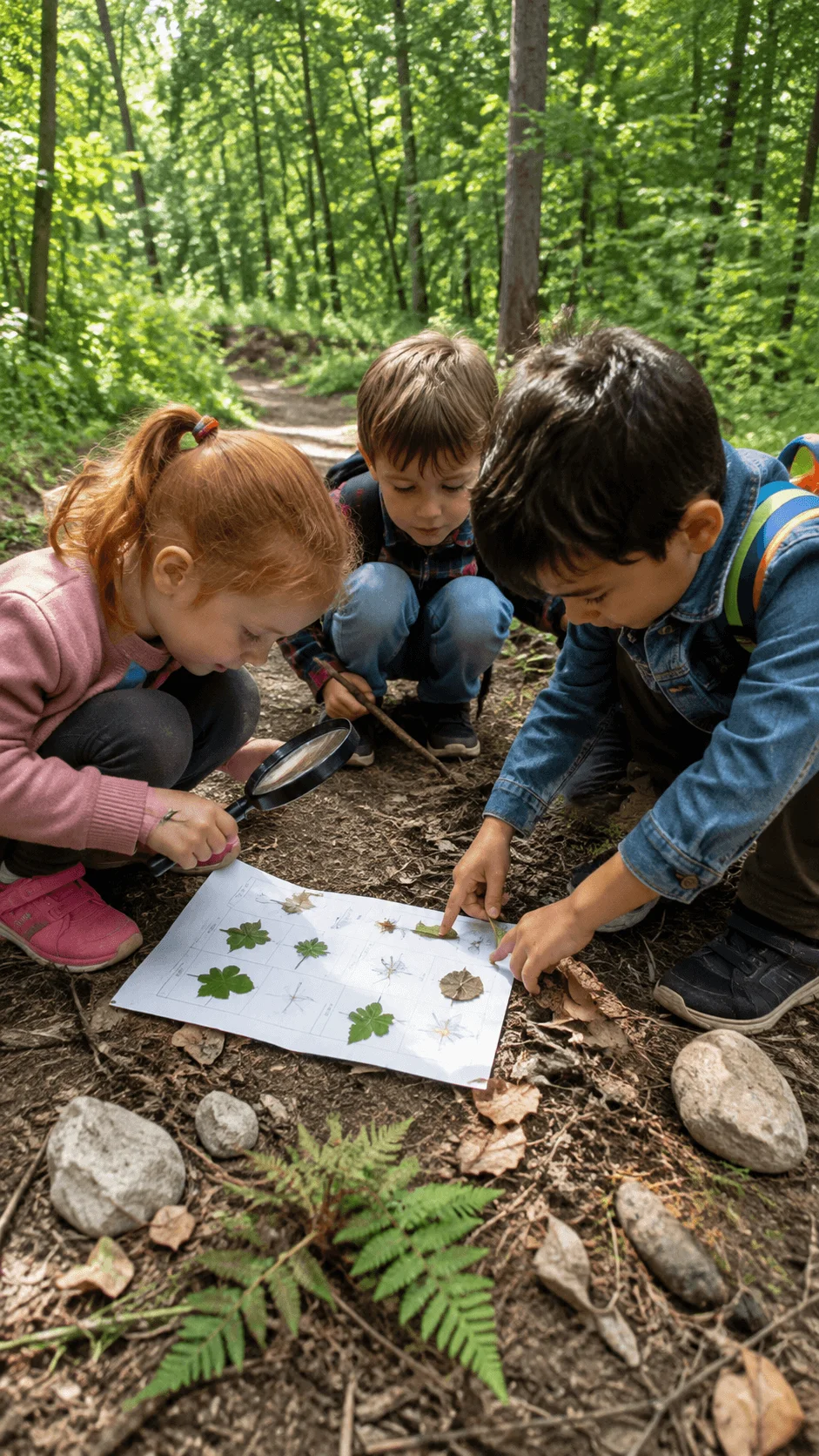
A nature treasure hunt can become even more interesting when teachers ask open ended questions. Instead of simply asking children what they found, they can ask what the object feels like, where it came from, or what might use it as part of its habitat.
This encourages children to think rather than simply identify objects.
The activity can also introduce the idea that nature contains many interconnected living things. A leaf may provide shelter for an insect, flowers may attract pollinators, and trees can provide homes for birds.
4. Build a Mini Insect Hotel
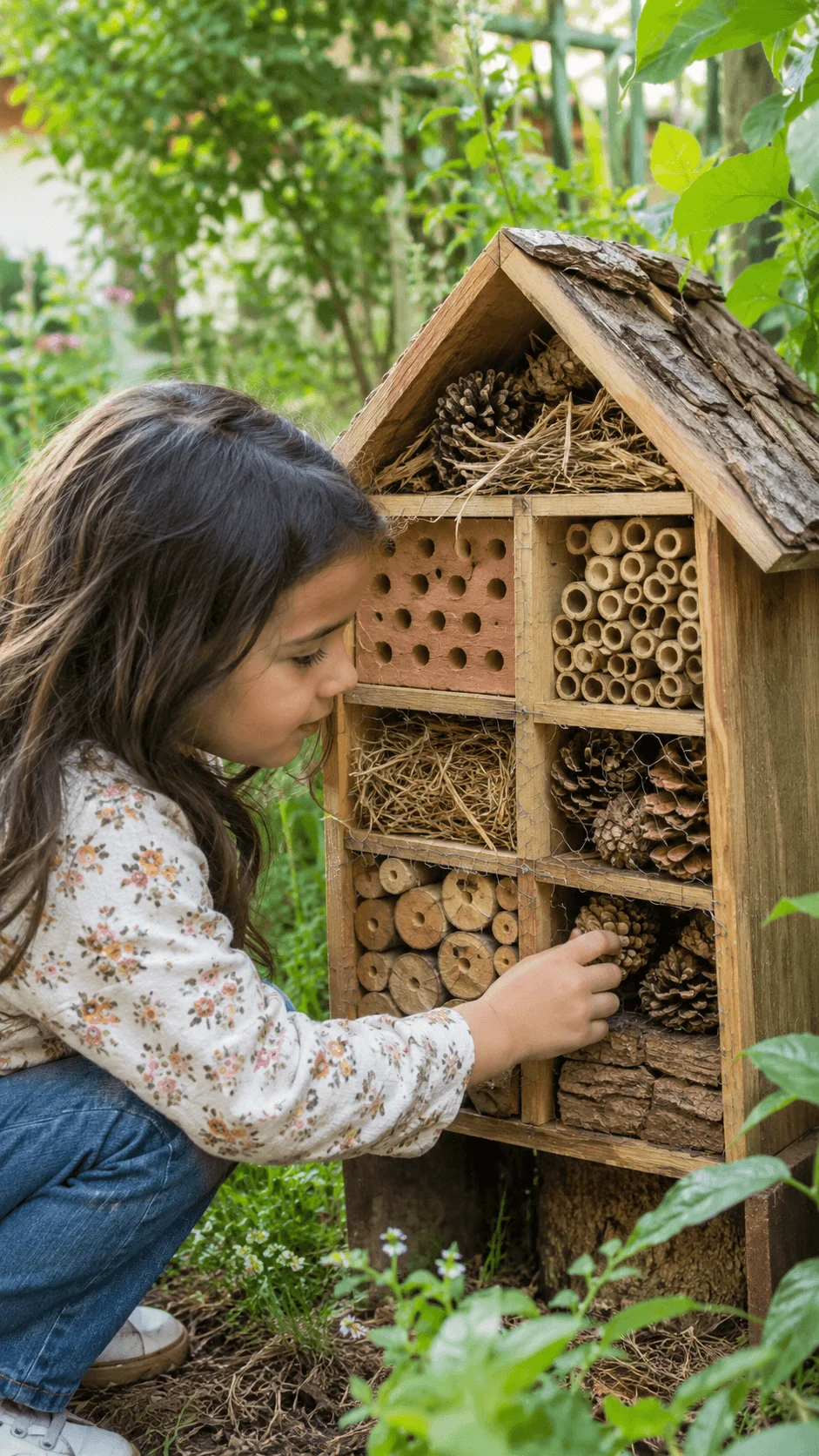
A mini insect hotel is one of the more creative biodiversity activities for kindergarten and offers children an opportunity to learn about small creatures that they might normally overlook.
An insect hotel provides suitable shelter for certain insects and other small organisms. Teachers can prepare a simple structure using appropriate natural materials such as untreated wood pieces, hollow plant stems, or other safe materials.
Children can help arrange materials under adult supervision and then place the finished habitat in a suitable outdoor location.
The educational experience continues after construction. Children can periodically observe the structure and look for signs of insect activity.
This creates an excellent connection between sustainability and biodiversity. Children can learn that gardens and outdoor spaces are homes for many different organisms, not just plants.
Teachers can explain biodiversity in simple language by describing it as the variety of living things found in an environment.
Children do not need to memorize complicated scientific definitions. They simply need opportunities to notice that butterflies, beetles, bees, worms, birds, plants, and other organisms can all have different roles in nature.
The insect hotel can also inspire children to become more careful observers. They may begin noticing insects in other parts of the garden and asking questions about where those creatures live.
5. Measure and Observe Rainfall
Rainfall measurement is an excellent environmental science activity because it connects weather, water, measurement, and nature.
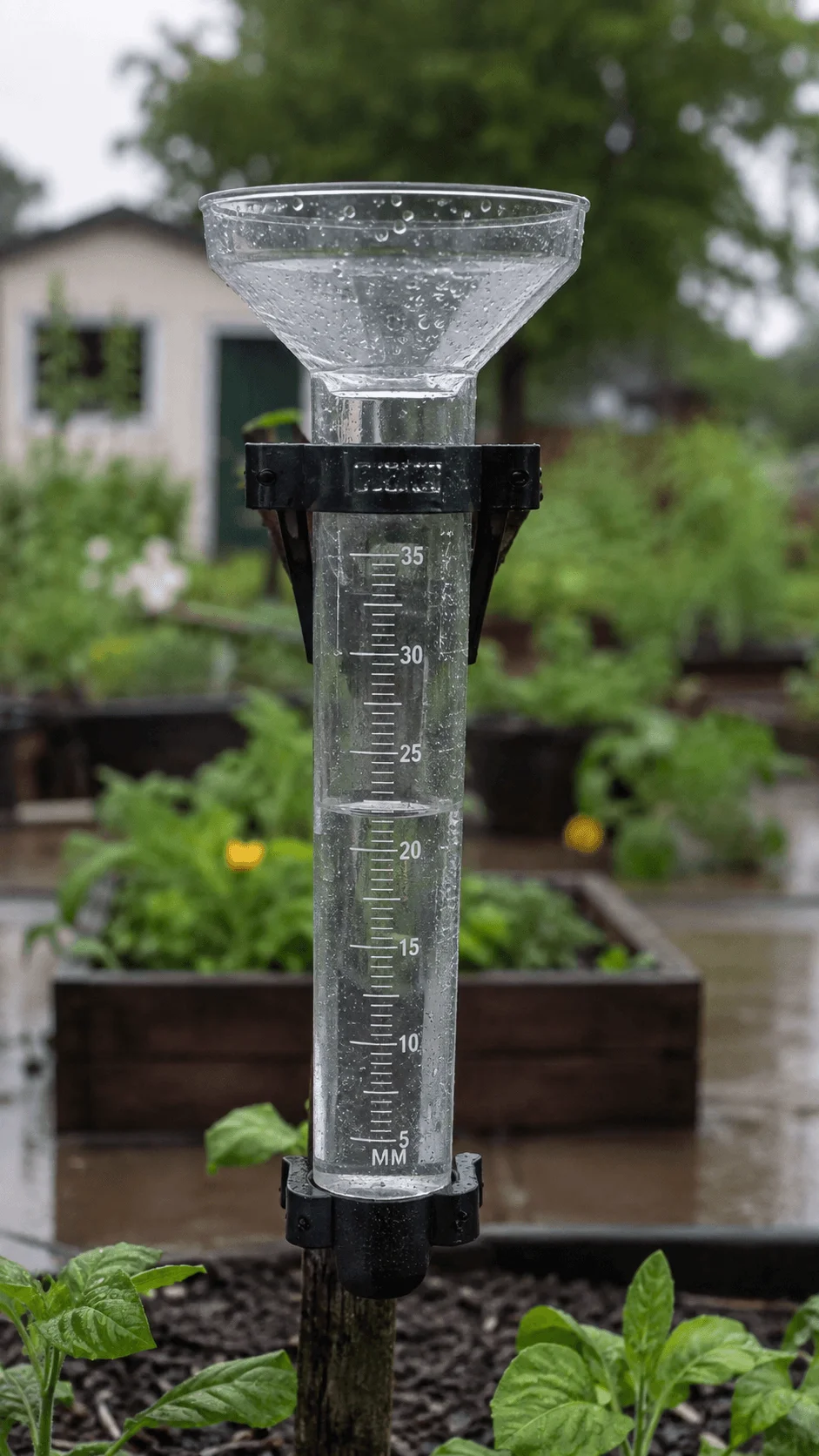
Teachers can use a simple rain gauge designed for educational use or prepare a suitable observation container in a safe outdoor location. Adults should handle placement and ensure the container does not create a hazard.
After rainfall, children can observe the collected water and compare amounts from different days.
For kindergarten children, the goal does not need to involve complicated measurements. Teachers can introduce basic concepts such as more, less, empty, and full.
Children can also create a simple classroom weather record. They might observe whether the day was sunny, cloudy, rainy, or windy and discuss how weather affects plants and outdoor activities.
This activity creates a natural opportunity to discuss why water matters. Plants need water to grow, animals need water to survive, and people use water every day.
Teachers can then introduce simple water conservation habits. Children might learn to turn taps off properly, avoid unnecessary water use, and understand that clean water is a valuable resource.
Rainfall observation can therefore connect a basic weather activity with broader sustainability learning.
6. Make Recycled Paper
Recycled paper making is a classic activity that still works well when teachers want to introduce children to reuse and resource conservation.
Children can help transform suitable used paper into new sheets through a teacher managed paper making process. Adults should handle any equipment or steps that could create safety concerns.
The most important learning opportunity comes from explaining why people reuse paper.
Children use paper every day for drawing, writing, coloring, and classroom activities. Showing them that old paper can sometimes become part of something new helps make the concept of reuse tangible.
Teachers can begin by showing children clean examples of used paper and asking what they think could happen to it instead of throwing it away.
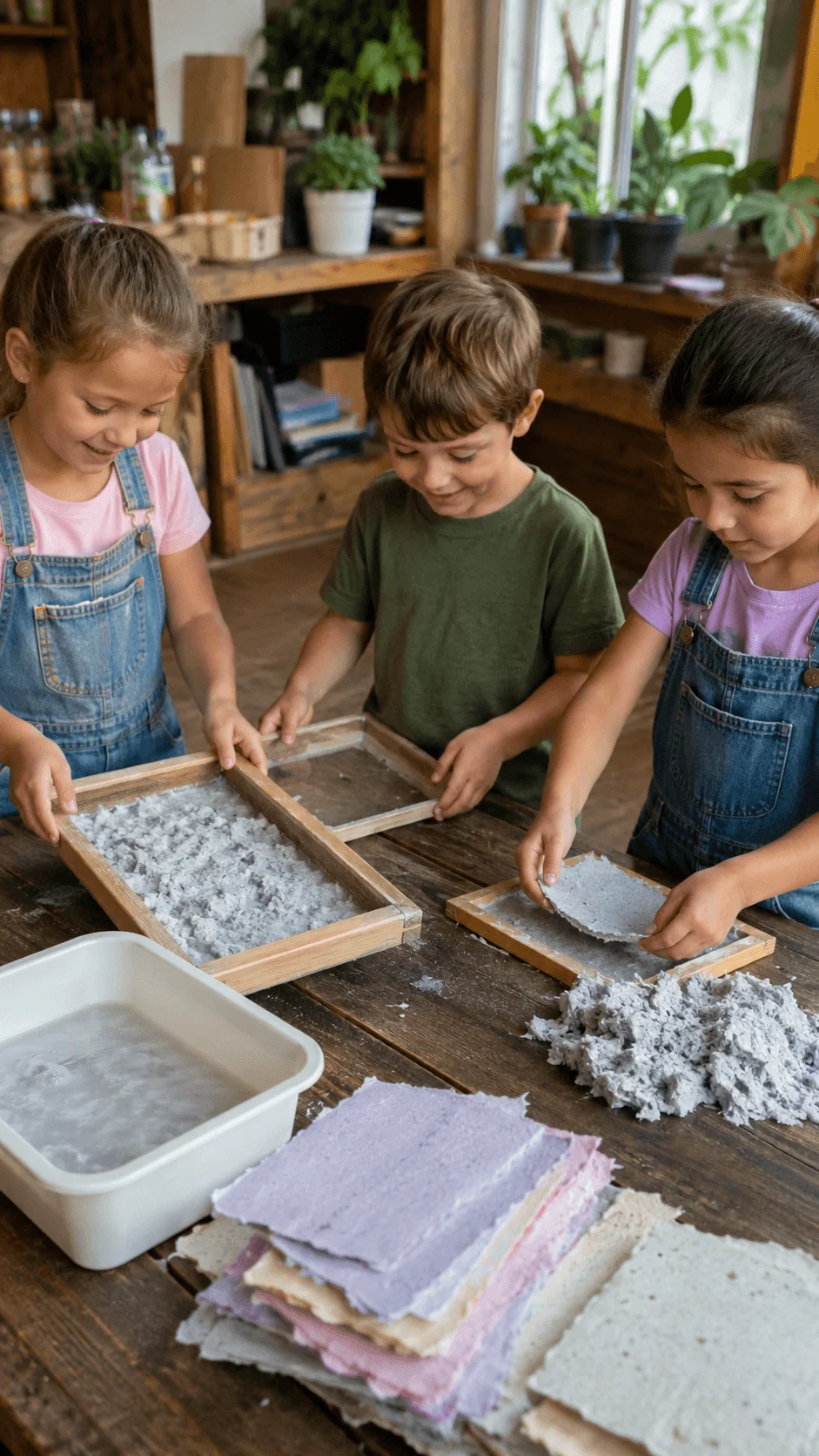
After making new paper, children can use the finished sheets for artwork, simple cards, or classroom displays.
The project combines creativity with environmental learning. Children are not simply hearing that recycling matters. They are seeing a material change from one form into another.
It can also encourage children to think differently about everyday objects. Something that looks finished may still have another useful purpose.
7. Explore Nature Through Printing and Art
Nature based art gives kindergarten children a creative way to explore environmental ideas while using textures and patterns from the natural world.
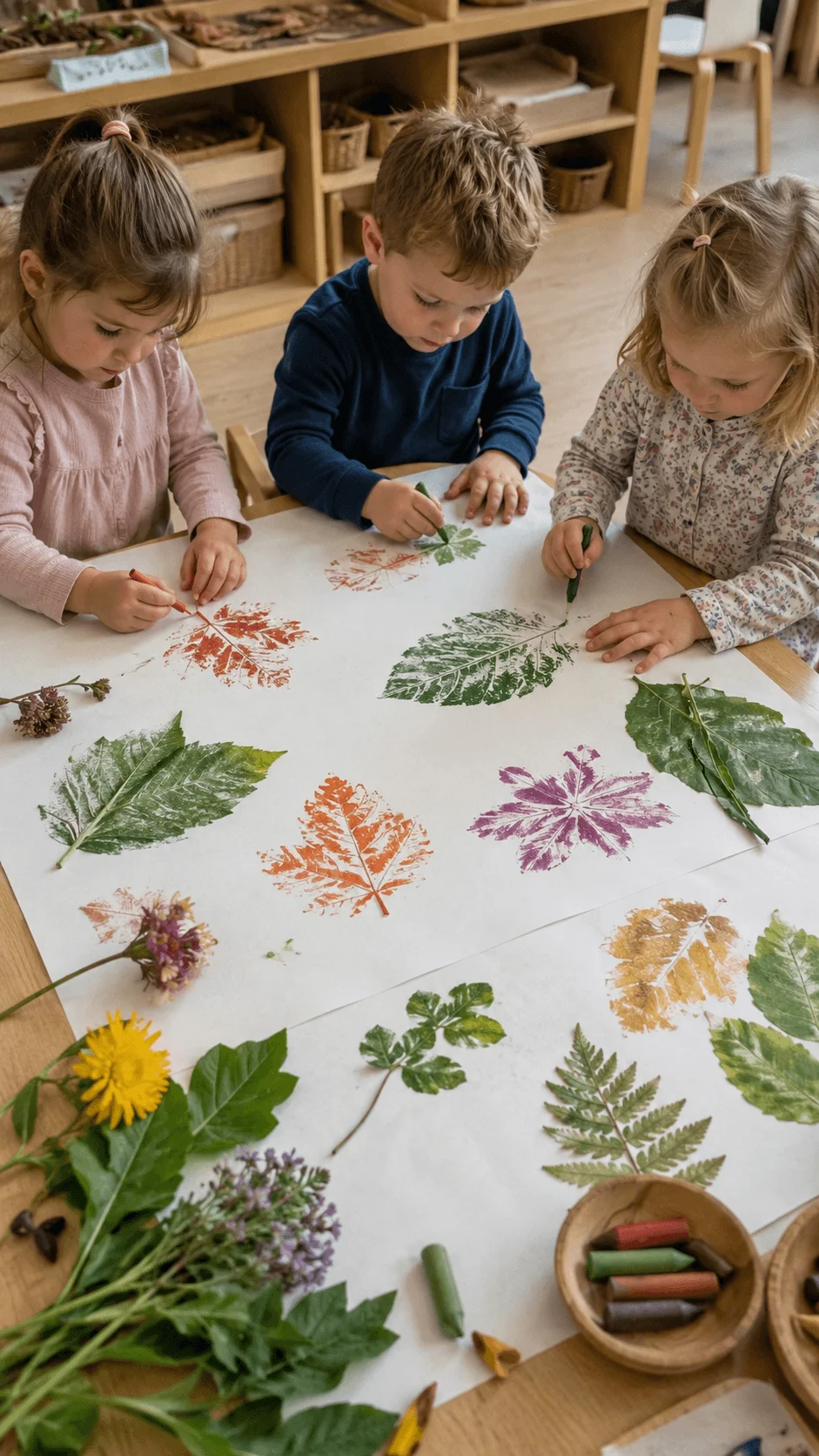
Children can create prints inspired by leaves, safe natural textures, flowers, bark patterns, or other suitable objects. Teachers should encourage responsible collection and avoid removing living plants or disturbing habitats.
The activity can begin with an outdoor observation session. Children can look closely at different leaves and compare their shapes, lines, sizes, and textures.
Back in the classroom, they can use those observations as inspiration for artwork.
This activity supports both creativity and environmental awareness. Children begin to recognize that nature contains countless patterns and colors that can inspire art without requiring large quantities of manufactured craft materials.
Teachers can also connect the artwork with science. For example, they can discuss why leaves have different shapes or how plants change during different seasons.
Nature art can become an ongoing classroom theme. Children can create seasonal artwork based on what they observe outdoors, giving them another reason to pay attention to changes in their environment.
8. Turn Recycling Into a Classroom Sorting Game
Recycling games for kindergarten can make an otherwise ordinary lesson much more interactive.
Teachers can prepare clean and safe examples of common classroom materials and create a simple sorting activity. Children can examine each item and decide which category it belongs to according to the recycling system used in their local area.
The activity should focus on learning rather than winning.
Children can discuss why certain materials belong in particular categories and why some items should not go into recycling containers.
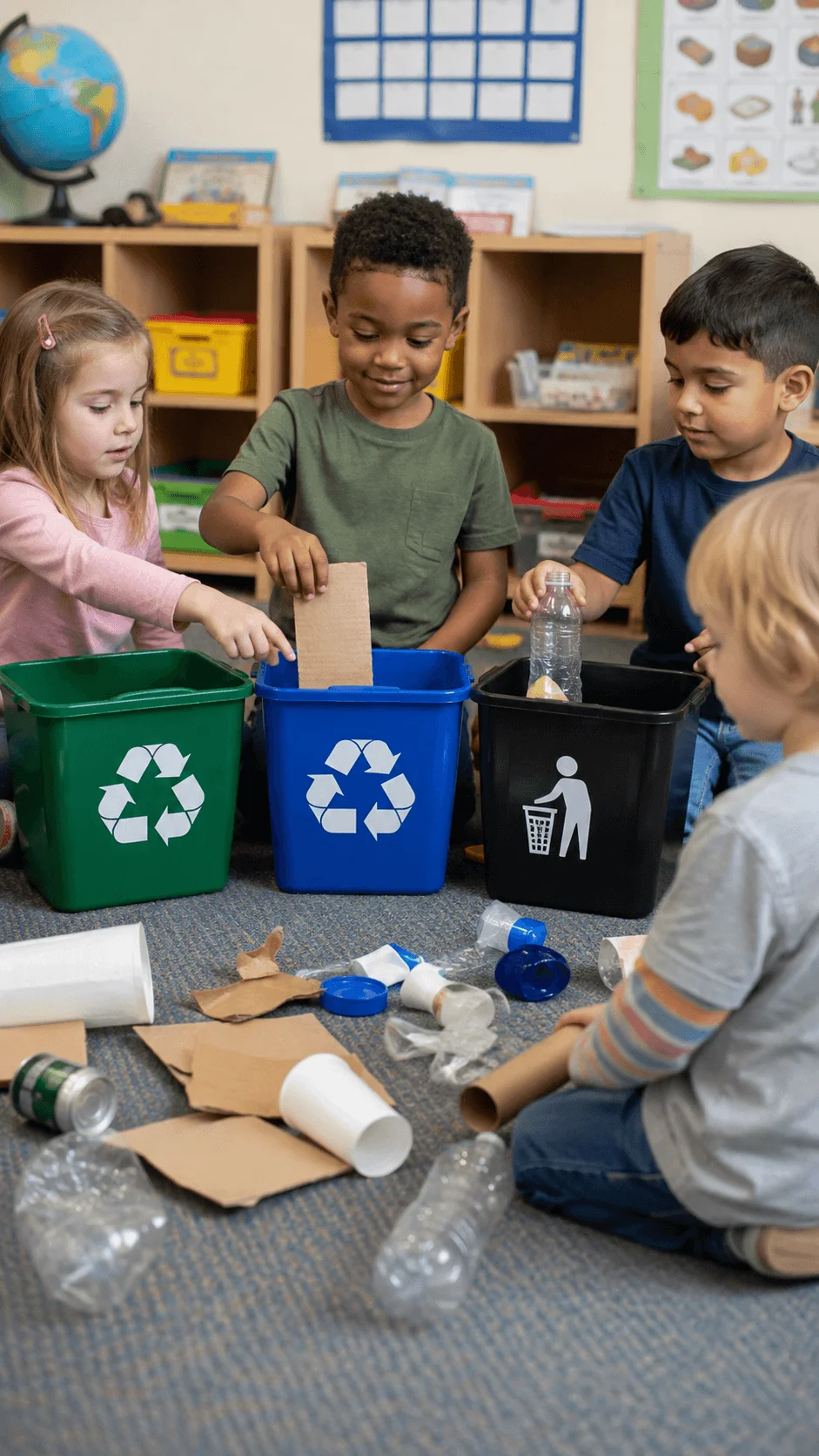
This creates an opportunity to introduce the broader idea of responsible waste management. Recycling is useful, but children can also learn that reducing unnecessary consumption and reusing materials can be important choices.
Teachers can make the game more engaging by presenting different classroom scenarios. For example, children might decide what to do with a piece of paper that has only been used on one side.
Instead of immediately throwing it away, they can discuss whether the paper could be reused for drawing or another classroom task.
This encourages children to think about waste before it happens.
9. Start Seeds in Recycled Containers
Growing seeds in clean reused containers is one of the simplest eco friendly kindergarten activities because it combines gardening with the idea of reuse. Instead of buying a new planter for every seed, teachers can introduce children to the idea that some everyday containers can receive a second purpose.
Suitable clean containers can become temporary growing spaces for seeds. Children can help prepare the containers, add suitable growing material, place seeds, and observe what happens over the following days. Adults should make sure containers are clean, safe, and appropriate for classroom use.
The most exciting part for children is usually watching the first signs of growth. A seed that initially looks small and inactive can eventually produce roots and a young shoot. This gives teachers a natural opportunity to explain that plants are living organisms with particular needs.
Children can learn that plants need appropriate amounts of water, light, air, and suitable growing conditions. They can also compare plants and notice that not every seed grows at exactly the same rate.
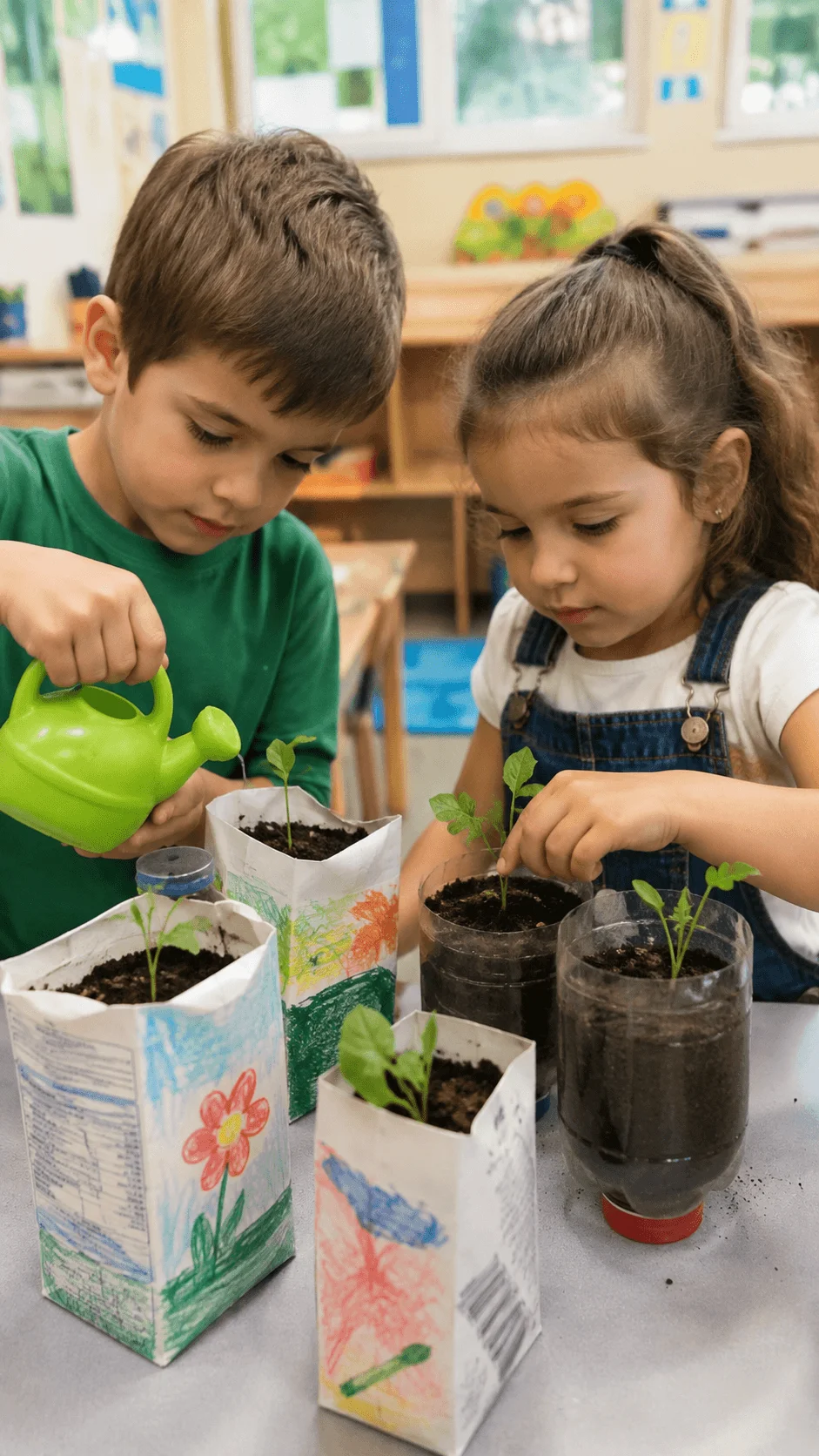
The recycled container adds another lesson. Children begin to understand that an object does not always need to become waste after its first use. A container that might otherwise be discarded can sometimes serve another useful purpose.
Teachers can turn the project into a long term observation activity by keeping the plants in a visible classroom location. Children can check their plants regularly and talk about changes they notice.
This makes seed growing much more than a simple craft. It becomes a combination of environmental education, early science, responsibility, and observation.
10. Create a Simple Bird Feeder
A bird feeder can introduce children to wildlife and biodiversity while encouraging them to pay closer attention to the living things around their school or home.
For this activity, teachers can create or use a suitable bird feeder and place it in an appropriate outdoor location. Adults should select suitable food and follow local wildlife guidance because feeding birds can have different considerations depending on the area.
Once the feeder is ready, children can observe from a respectful distance. They might notice different bird sizes, colors, behaviors, or sounds.
The activity provides an excellent opportunity to discuss habitats. Children can learn that birds need food, water, shelter, and safe places to live.
Teachers can ask children what they think birds might need during different seasons. They can also encourage children to look at nearby trees, bushes, flowers, and other features that may provide habitat.
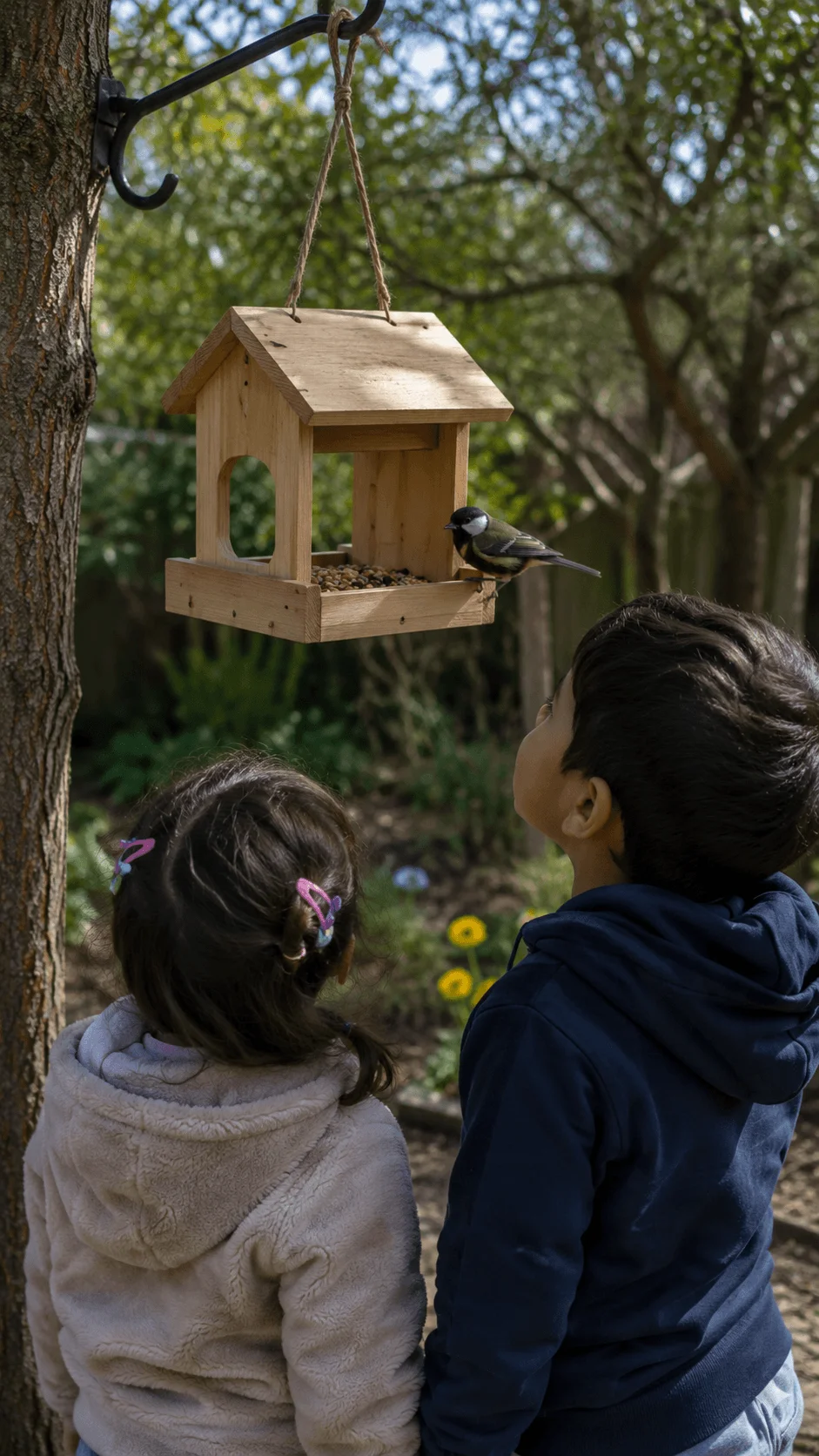
Bird observation can become a regular classroom routine. Children might spend a few minutes looking outside each week and describing what they notice.
This helps develop patience and observation skills. Instead of simply being told that wildlife is important, children get the opportunity to watch living creatures in their own environment.
The activity also strengthens the connection between biodiversity and sustainability. A healthy environment supports many different forms of life, and children can begin to understand that humans share outdoor spaces with other living things.
11. Try a Food Scrap Compost Sorting Activity
Food waste provides another practical opportunity to introduce composting activities for kindergarten.
Teachers can create a simple classroom sorting exercise using clean examples or pictures of common food scraps. Children can discuss which materials might be suitable for a composting system and which materials should go somewhere else.
The activity works particularly well because children already understand food. They see snacks and meals every day, so the concept feels familiar.
Teachers can explain that some parts of food can break down naturally and become part of a composting process. The explanation does not need to involve complicated scientific terminology.
The main idea is simple: some organic materials can return nutrients to the soil instead of becoming ordinary trash.
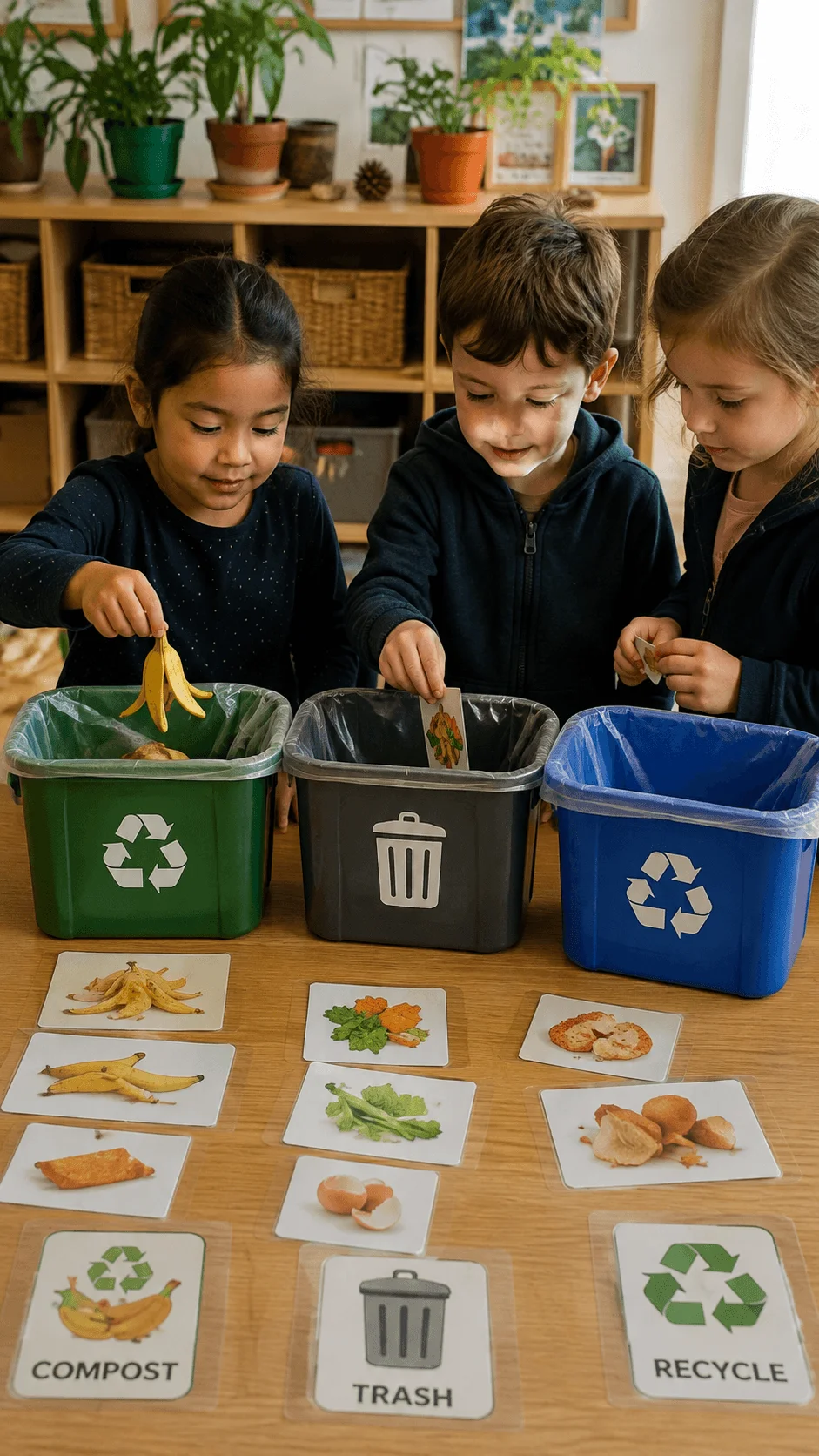
Children can also learn to think before throwing something away. When they finish eating a fruit or vegetable, they can begin asking whether the remaining part has another possible use.
This lesson can connect naturally with a classroom garden. Compost supports healthy soil, while healthy soil helps plants grow. Plants can produce food, people can eat the food, and suitable leftovers can return to a natural cycle.
This creates a simple story about resources that children can understand.
Teachers can make the activity interactive by showing pictures of different foods and asking children where each item should go. The discussion can also encourage children to think about how much food people waste and why using food responsibly matters.
The goal should not be to make children feel guilty about food waste. Instead, the activity should encourage curiosity and responsible habits.
12. Combine a Nature Story With an Outdoor Cleanup Mission
Combining storytelling with an outdoor activity can make environmental learning more meaningful for young children.
A teacher can begin by reading an age appropriate story about a forest, garden, park, ocean, animal habitat, or another natural environment. The story can introduce the idea that different living things depend on clean and healthy surroundings.
After the story, the class can participate in a supervised outdoor cleanup activity.
Children can help identify suitable litter in an approved area while adults manage anything unsafe or unsuitable for children to handle. The focus should remain on teamwork and caring for shared spaces.
This is one of the more useful environmental activities for kindergarten because it connects imagination with real world action.
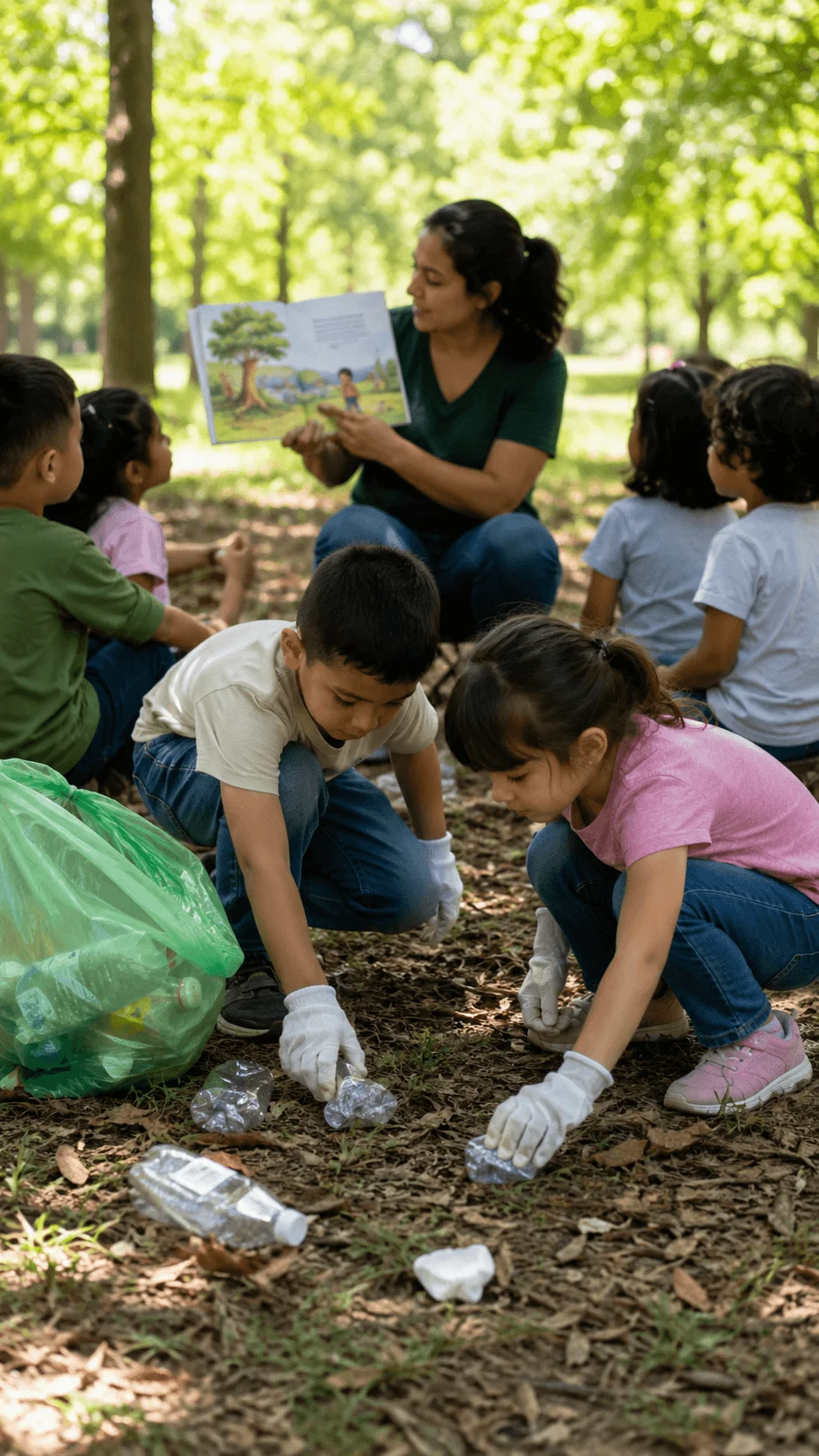
Children can discuss how litter affects outdoor spaces and why people should use waste containers responsibly. Teachers can also introduce the idea that preventing litter in the first place is better than simply cleaning it up later.
The activity can end with another short discussion. Children can talk about what they noticed and how the outdoor space looked before and after the activity.
Teachers can also connect the experience to everyday habits. Children can learn that caring for nature does not always require a large project. Small choices, such as putting waste in the correct place and reusing materials, can become part of responsible daily behavior.
The storytelling element makes the activity particularly memorable because children first encounter the idea through imagination and then experience a related action themselves.
Why Eco Friendly Activities Are Important for Kindergarten Children
The value of eco friendly activities for kindergarten goes beyond teaching children how to recycle or save resources. These experiences can support many areas of early childhood development at the same time.
When children grow plants, they practice observation and patience. When they sort materials, they develop classification skills. When they investigate insects, birds, and plants, they build curiosity about the natural world.
Sustainability activities can also support early science learning. Children naturally ask questions such as why plants grow, where worms live, where rain comes from, and what happens to food scraps.
These questions create opportunities for teachers to introduce scientific concepts in simple and meaningful ways.
Environmental activities can also encourage responsibility. Taking care of a classroom plant gives children a small responsibility that they can understand. They can see that living things depend on appropriate care.
Teamwork is another important benefit. Many classroom sustainability projects work best when children participate together. One child might help water plants while another observes changes or records what the class notices.
Creativity also plays an important role. Nature art, recycled paper, reused containers, and other projects allow children to create something while thinking about materials differently.
Perhaps most importantly, these experiences can help children develop a stronger connection with nature.
A child who regularly observes insects, plants, birds, rain, and soil may become more interested in the environment around them. That connection can provide a foundation for more advanced environmental learning as they grow older.
How to Make Eco Friendly Activities Part of Everyday Kindergarten Learning
Sustainability does not need to appear only during Earth Day or environmental awareness weeks.
Teachers can make sustainable activities for kindergarten part of ordinary classroom routines.
A classroom garden can become a regular responsibility. Children can observe plants during the week and discuss changes they notice.
Waste sorting can become part of classroom cleanup. Instead of treating waste disposal as an automatic action, teachers can encourage children to think about whether an item can be reused or belongs in a particular recycling or waste container.
Water conservation can also become part of daily routines. Teachers can remind children to use only the water they need and make sure taps are properly turned off.
Classroom art provides another opportunity. Teachers can keep suitable clean materials that children can reuse for creative projects.
For example, cardboard, paper pieces, containers, and other safe materials can become part of imaginative play or art activities.
Outdoor observation can also become a regular habit. Even a few minutes spent looking at plants, clouds, insects, or birds can help children develop greater awareness of their surroundings.
The key is consistency.
Children do not need a complicated sustainability lesson every day. Small repeated experiences can gradually make environmentally responsible behavior feel normal.
Tips for Choosing the Right Eco Friendly Activities for Kindergarten
The best eco friendly activities for kindergarten should match the children’s developmental stage and the resources available to the teacher.
Simple activities often work better than projects that involve too many steps. Young children benefit from being able to see a clear connection between what they do and what they learn.
Safety should always come first. Teachers should inspect materials before children use them and provide close supervision for activities involving outdoor environments, composting systems, containers, or unfamiliar natural materials.
It is also useful to consider the local environment. A school in a warm climate may have different gardening opportunities from one in a colder region. Similarly, local recycling rules can differ, so teachers should teach children according to the system used in their community.
Teachers should also avoid turning sustainability into something frightening. Young children do not need to carry the emotional burden of large environmental problems.
Instead, focus on positive actions.
Children can learn that they can care for plants, respect animals, reuse materials, reduce unnecessary waste, and use resources thoughtfully.
Activities should also allow children to participate rather than simply watch.
If a teacher does every step while children observe, the learning opportunity becomes smaller. Whenever possible, children should have an appropriate role in the activity.
Most importantly, allow children to ask questions.
A child’s question about a worm, leaf, bird, seed, or piece of paper can lead to an excellent learning conversation.
Conclusion
Eco friendly activities for kindergarten can turn ordinary classroom experiences into meaningful opportunities for environmental learning. Children do not need complicated lessons to begin understanding sustainability. They can learn through planting seeds, watching insects, observing birds, sorting waste, measuring rainfall, reusing materials, and caring for the spaces around them.
The 12 activities in this guide also show that sustainability is much broader than recycling. Gardening introduces children to plants and food. Composting helps them understand natural cycles. Biodiversity activities encourage respect for wildlife. Rainfall observation creates an early connection with water and weather. Nature based art combines creativity with environmental awareness.
The most effective approach is to make these experiences practical and enjoyable. When children can touch, observe, create, grow, sort, and explore, environmental concepts become easier to understand and remember.
Teachers and parents can start with one simple activity and gradually introduce others throughout the school year. A small classroom garden, a nature observation routine, or a recycling game can become the beginning of a much larger learning journey.
By making sustainability part of everyday childhood experiences, adults can help children develop curiosity, responsibility, and respect for the natural world. These simple eco friendly kindergarten activities may seem small, but they can help create positive habits that continue as children grow.