Eco Friendly Garden Ideas on a Budget for 2026
Creating a beautiful garden does not have to mean spending a fortune on plants, landscaping materials, irrigation systems, and decorative features. With the right approach, eco friendly garden ideas on a budget can help you create an attractive outdoor space while using fewer resources and giving more back to nature. From growing plants from seeds to reusing natural materials, sustainable gardening can often save money as well as reduce waste.
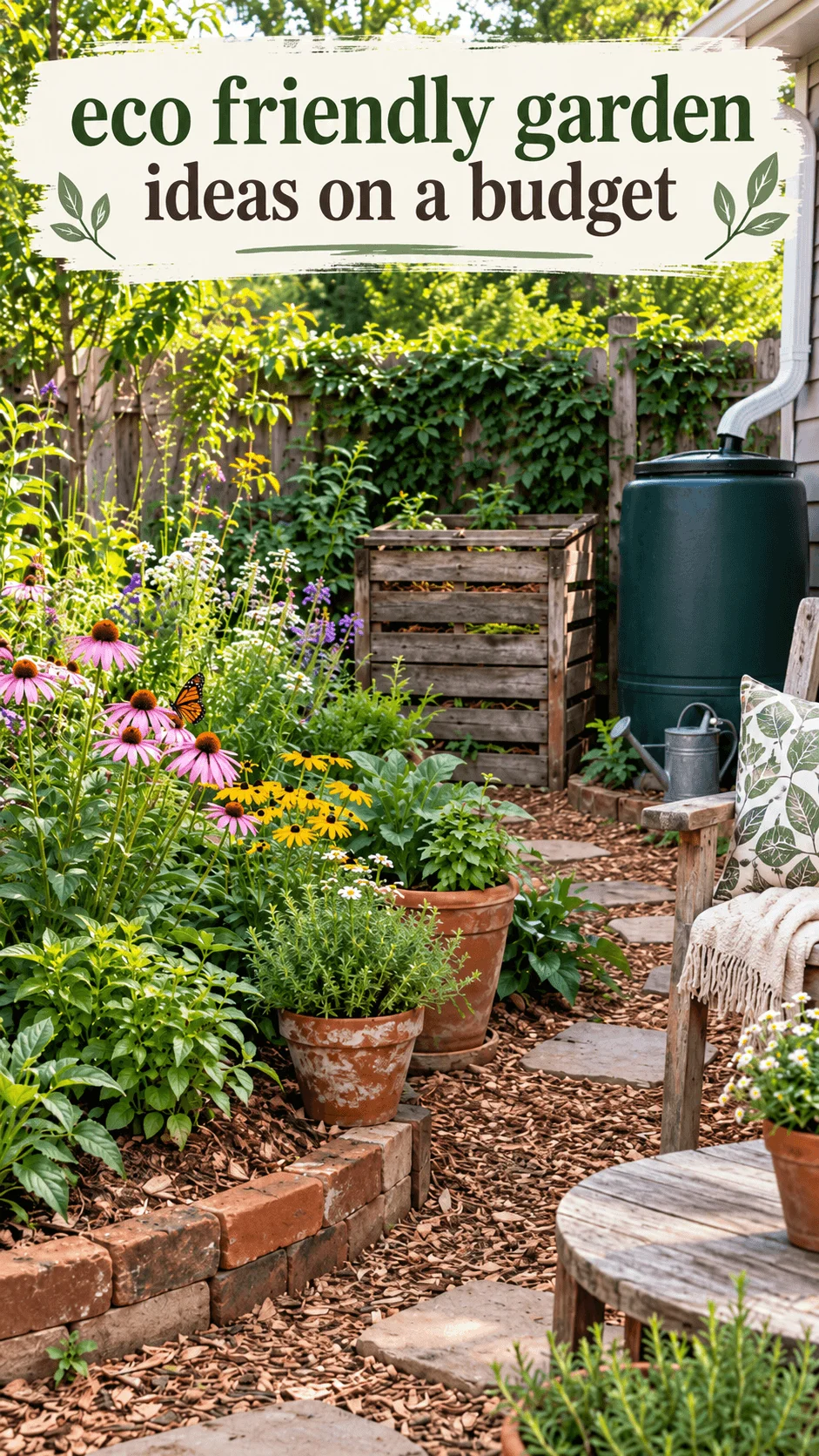
A budget friendly eco garden also gives you more freedom to experiment. You do not need to transform your entire yard in one weekend. You can start with one small corner, use materials you already have, and gradually develop a garden that supports wildlife, conserves water, improves soil, and suits your lifestyle. Many of the gardening approaches gaining attention in 2026 focus on exactly this kind of natural, resource conscious design.
Why Sustainable Garden Ideas Can Save Money
Sustainable gardening and saving money often work together. A conventional garden can require regular purchases of fertilizers, pesticides, new plants, containers, landscaping materials, and other supplies. An eco friendly garden can reduce some of these expenses by making better use of resources that already exist around you.
For example, fallen leaves can become useful organic material instead of garden waste. Kitchen scraps can contribute to homemade compost. Established plants can provide cuttings or divisions for new planting areas. Friends and neighbors can exchange seeds and plants instead of buying everything from a garden center.
Water conservation can also reduce the resources needed to maintain a garden. Choosing plants that suit your local growing conditions can make them easier to maintain than plants that constantly need special care.
The goal does not involve creating a perfect garden. Instead, it involves designing a space where natural processes do more of the work.
12 Eco Friendly Garden Ideas on a Budget
Create a Rewilded Garden Corner on a Budget
Rewilding has become an increasingly popular approach to garden design because it allows outdoor spaces to look more natural while creating opportunities for wildlife. You do not need a huge property to experiment with rewilding. A small section of your yard can become a valuable natural area.
Choose a corner that you normally spend a lot of time maintaining and consider allowing it to become less formal. You can introduce suitable native plants, flowering species, grasses, fallen leaves, and other natural elements. Instead of trying to make every part of the space look perfectly controlled, allow some plants to grow naturally.
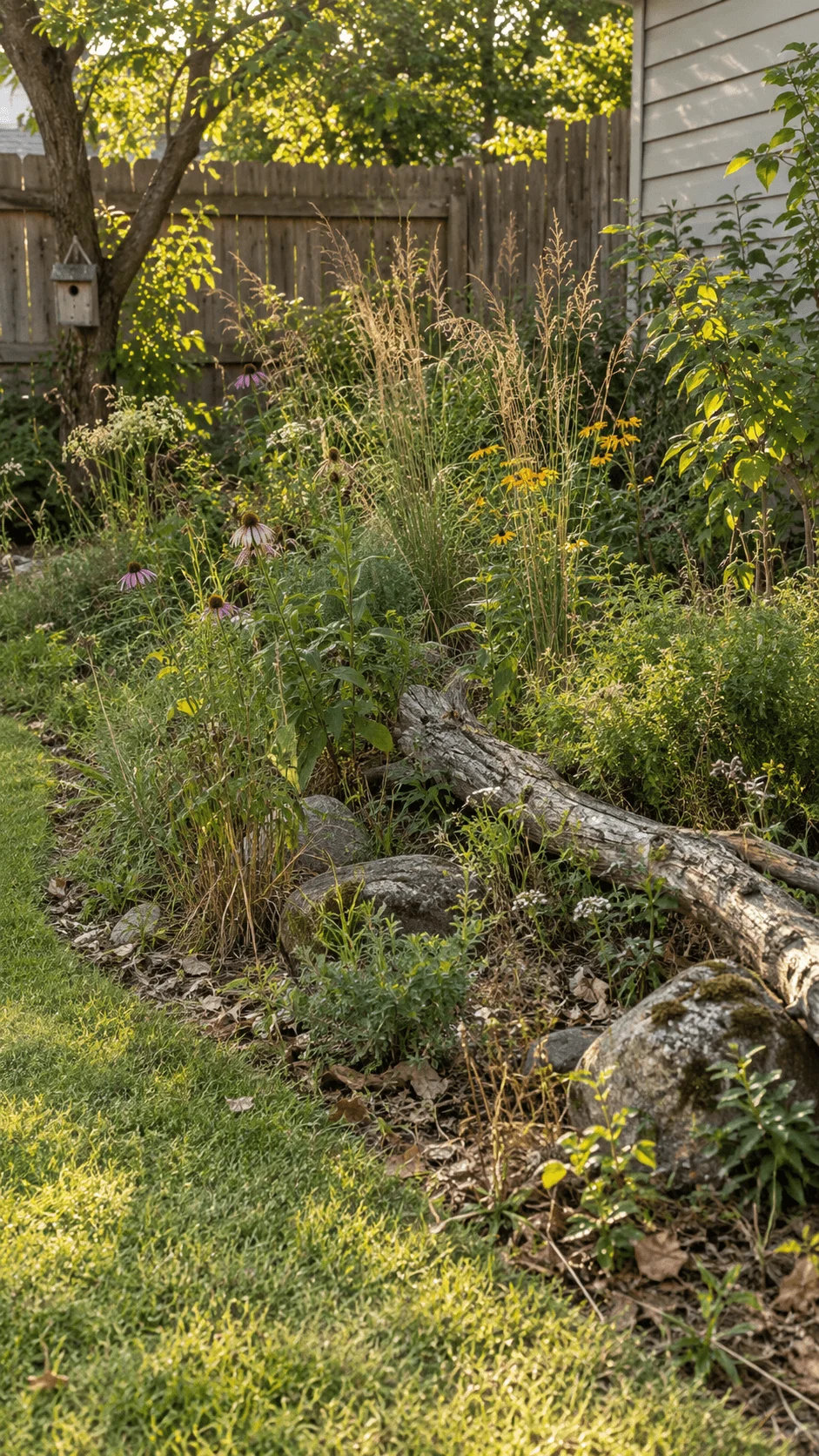
This approach can also reduce your gardening workload. A highly manicured area may require frequent mowing, trimming, watering, and replacement planting. A carefully planned natural corner can require considerably less intervention once the plants establish themselves.
You can create this space without buying expensive garden decorations. Fallen branches, natural stones, logs, and leaf litter can add structure while providing shelter for small creatures.
The key involves choosing plants that suit your local environment. Rewilding does not mean allowing invasive plants to spread unchecked. A thoughtful natural garden combines freedom with sensible plant selection and basic maintenance.
Try Chaos Gardening With Affordable Seeds
Chaos gardening has attracted attention because it offers a relaxed alternative to highly structured flower beds. Instead of carefully arranging every plant according to height, color, and spacing, gardeners allow a mixture of suitable plants to grow together and develop in a more unpredictable way.
This idea works particularly well for cheap eco friendly garden ideas because seeds usually cost less than mature plants. You can also make the approach even more affordable by saving suitable seeds from your existing garden and exchanging seeds with other gardeners.
Choose seeds that can grow successfully in your climate and soil conditions. Rather than scattering completely random plants, select a mixture that can coexist reasonably well. Native flowers, herbs, vegetables, and other suitable species can create a lively planting area.
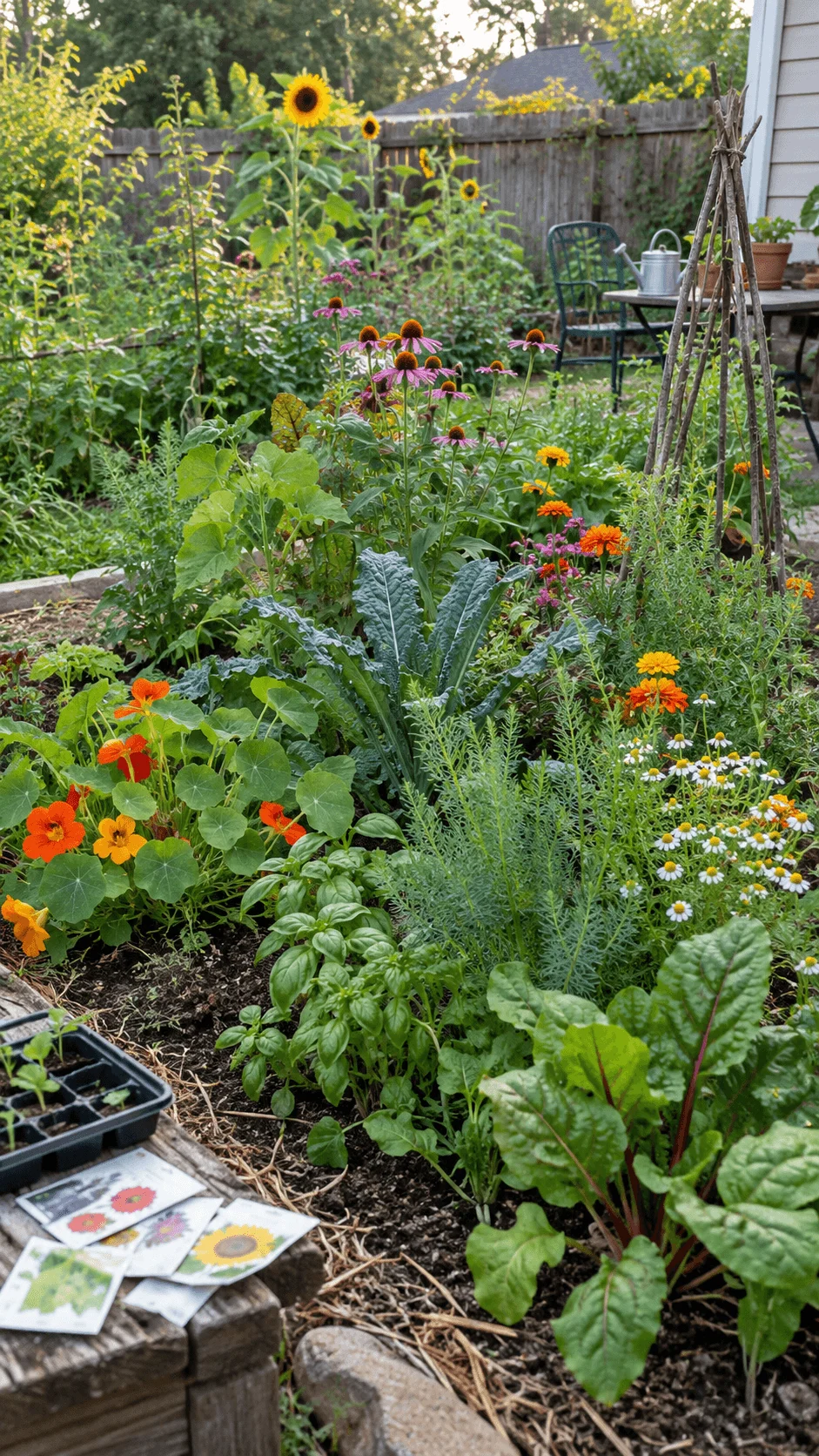
The beauty of chaos gardening comes from its informal appearance. Plants can grow at different heights and bloom at different times, creating movement and variety throughout the season.
It also provides an opportunity to learn. Some plants may thrive while others struggle, giving you useful information about your garden’s conditions. You can save seeds from successful plants and use them in future seasons.
This makes chaos gardening more than a trend. It can become an inexpensive way to experiment with planting while creating a garden that feels natural rather than overly designed.
Grow a Native Mini Meadow From Affordable Seeds
A small native meadow can transform an ordinary patch of lawn into a more natural planting area. Instead of removing your entire lawn, start with a manageable section where you can introduce suitable native grasses and flowering plants.
Native plants can offer an advantage because they have evolved within local environmental conditions. Depending on your location, they may handle local weather and soil conditions more effectively than plants that require intensive care.
Starting with seeds can also reduce the initial cost. Mature plants can become expensive when you need enough of them to cover a large area. Seeds allow you to grow many plants gradually.
Before planting, learn which species naturally grow in your region. A native meadow should not simply consist of any wildflower seed mixture. Choose species that suit your soil, sunlight, moisture levels, and local ecosystem.
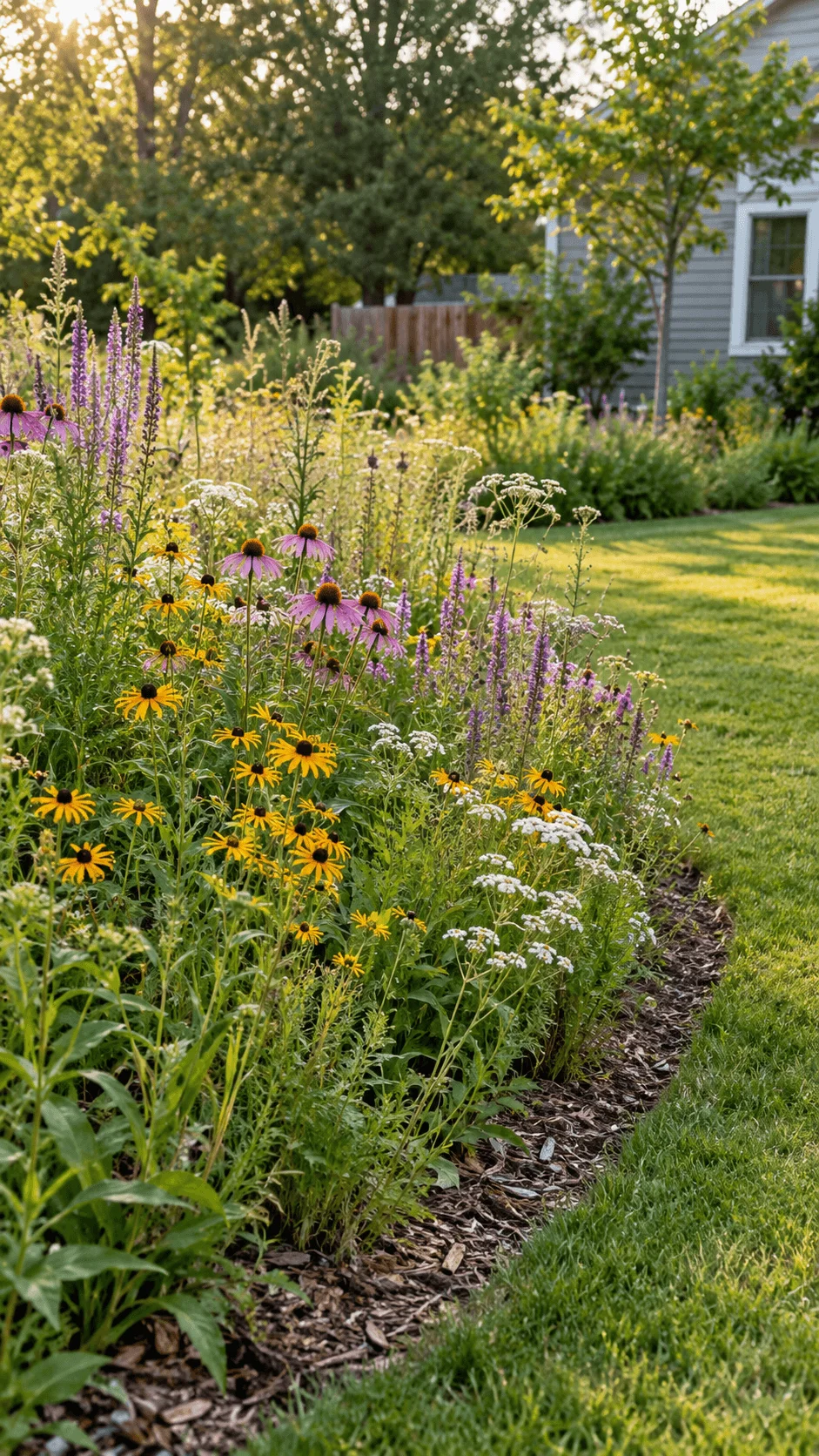
A mini meadow can also provide seasonal interest. Different plants may flower at different times, while grasses can provide texture after flowering plants finish blooming.
Reducing a small amount of lawn can also reduce mowing. You can keep pathways or frequently used areas neatly maintained while allowing the meadow section to develop a more natural character.
For homeowners searching for a native plant garden on a budget, this approach offers a practical way to begin without committing to a major landscape renovation.
Build a No Dig Garden With Free Materials
No dig gardening is another useful approach for anyone interested in low cost sustainable gardening. Instead of repeatedly turning and disturbing the soil, you build a growing area by placing organic materials over the existing surface.
One of the biggest advantages for budget gardeners involves the materials. You can often use cardboard, homemade compost, fallen leaves, grass clippings, and other suitable organic matter that you already have access to.
Start by choosing an area where you want to create a new bed. Remove materials that could cause problems, such as persistent invasive weeds, and prepare the surface appropriately. Then place plain cardboard over the area and add layers of organic material above it.
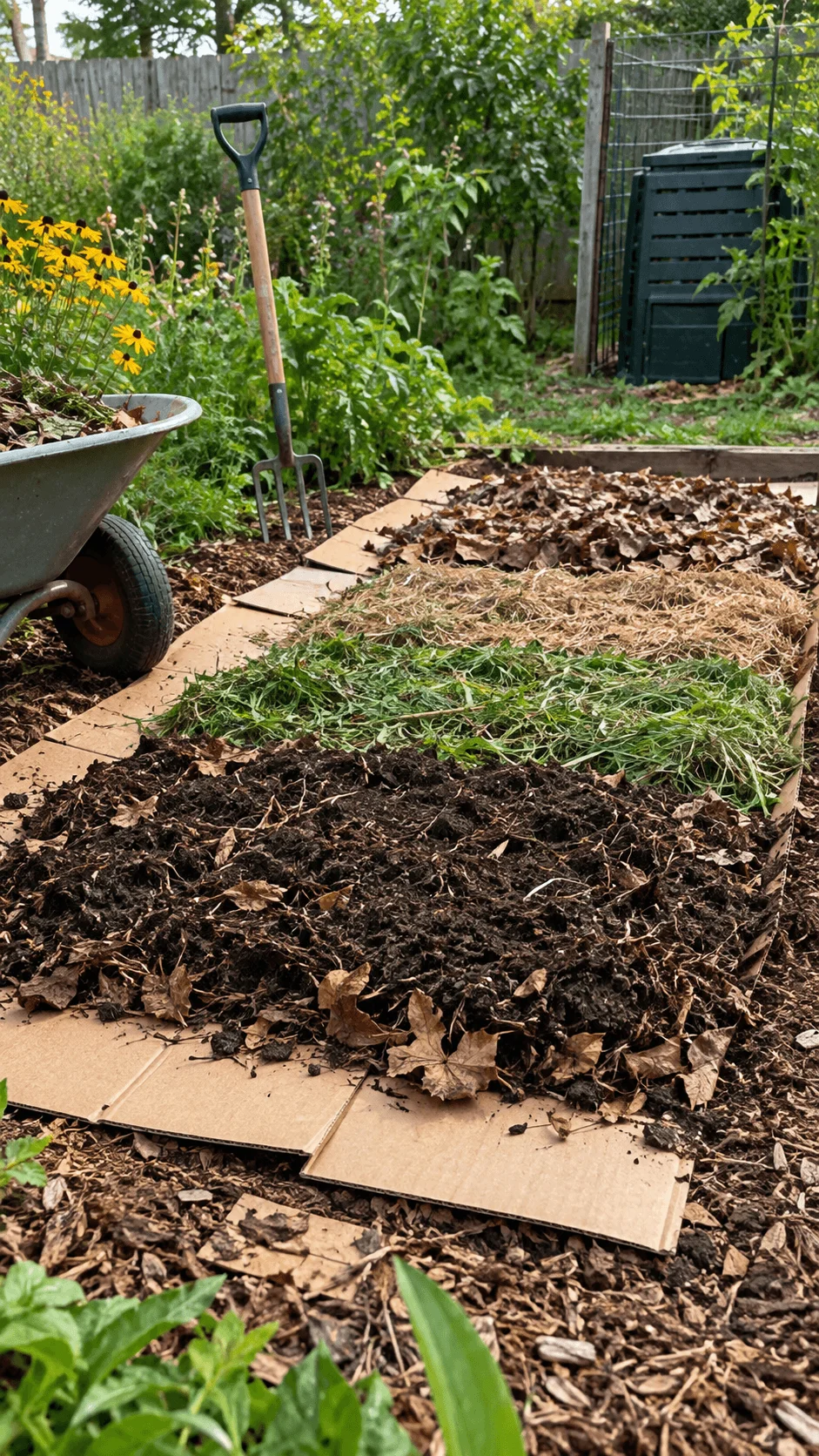
As the materials break down, they contribute organic matter to the soil. The garden bed can gradually become a productive growing area without requiring extensive digging.
This approach can also make garden expansion easier. Instead of purchasing expensive soil for every new bed, you can build soil gradually with organic materials.
A no dig garden on a budget works particularly well for vegetables, herbs, flowers, and other plants that appreciate fertile growing conditions.
However, avoid treating every piece of cardboard or organic waste as suitable. Remove tape, plastic, glossy coatings, and materials that could introduce unwanted substances into the garden.
Create a Low Cost Pollinator Garden
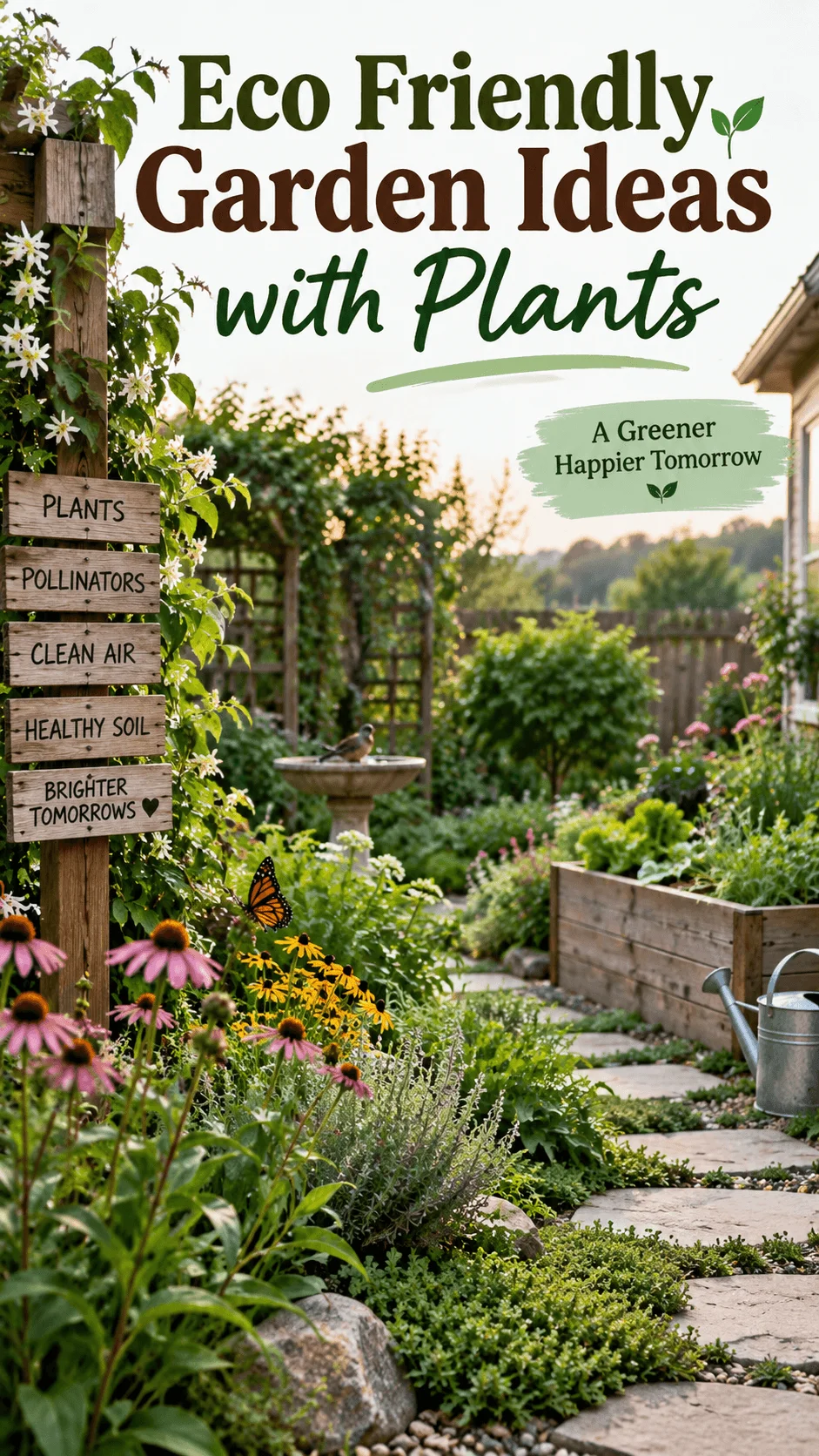
Pollinator gardens remain one of the most useful ways to combine beauty with ecological value. Bees, butterflies, and other pollinating insects can benefit from gardens that provide suitable flowers, shelter, and food throughout the growing season.
You do not need a large property or an expensive collection of plants. A small flower bed, container area, or sunny corner can become the foundation of a pollinator friendly space.
Seeds provide one of the most affordable ways to begin. You can also divide established perennial plants when appropriate or exchange plants with friends and other gardeners.
Think about flowering periods when choosing plants. A garden with several species that bloom at different times can provide resources across more of the growing season.
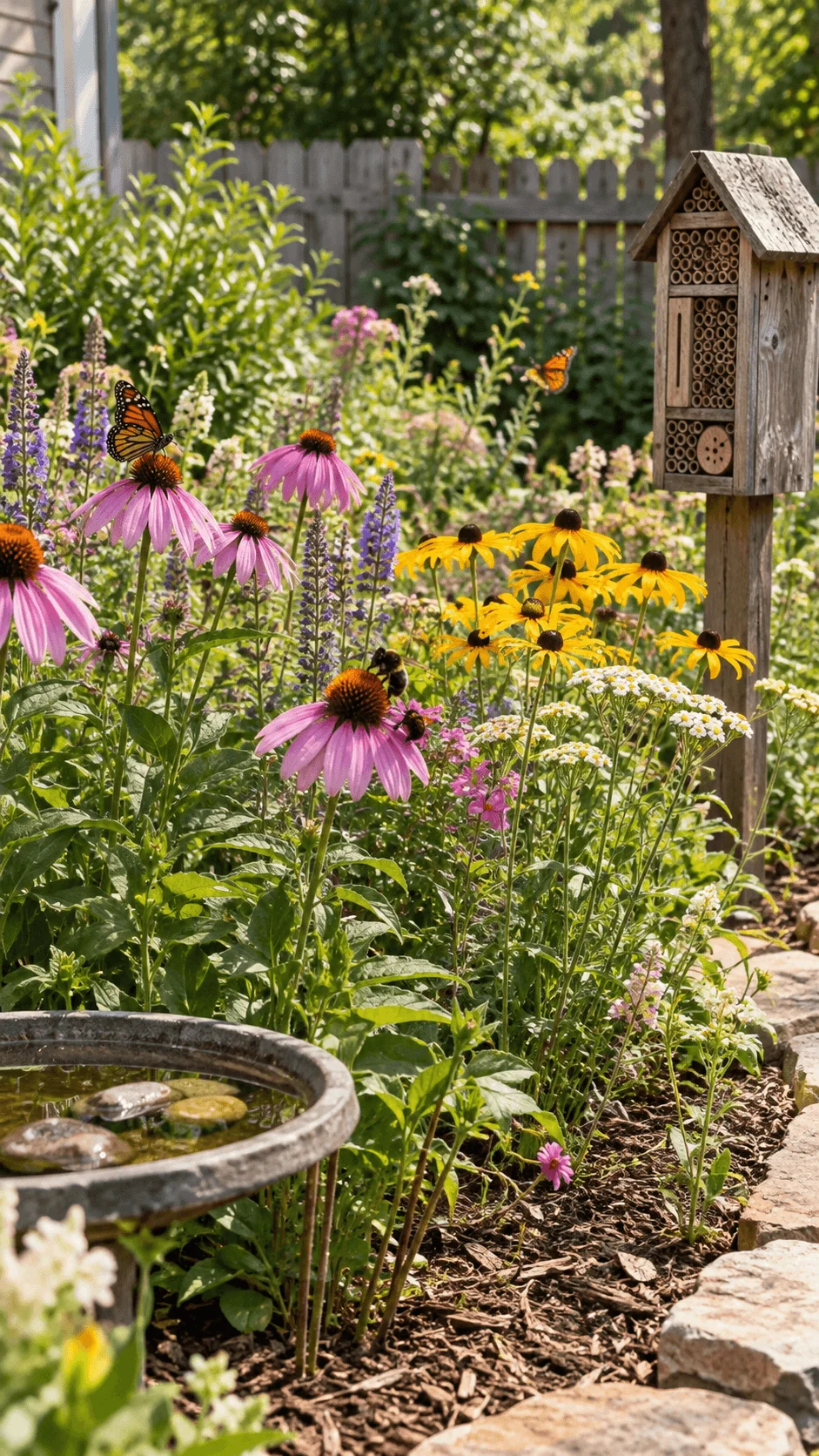
Avoid creating a garden that depends entirely on appearance. Flowers with different shapes and structures can provide a more useful environment for different types of insects.
You can also reduce unnecessary spending by avoiding decorative products that provide little ecological value. Let the plants become the main attraction.
For anyone searching for cheap pollinator garden ideas, starting small and expanding gradually can make the project much more manageable.
Try Foodscaping Instead of a Separate Vegetable Garden
Foodscaping offers another interesting way to rethink garden design. Instead of keeping vegetables and herbs in one hidden section, you can incorporate edible plants into the ornamental landscape.
Herbs can grow alongside flowers. Strawberries can work as attractive ground cover in suitable conditions. Berry producing plants can become part of a garden border. Leafy vegetables can grow in decorative containers or mixed planting beds.
This approach makes especially good sense for small gardens because the same space can serve several purposes. You can enjoy attractive plants while also growing food.
Foodscaping can reduce the temptation to purchase large numbers of ornamental plants because edible species become part of the garden’s visual design.
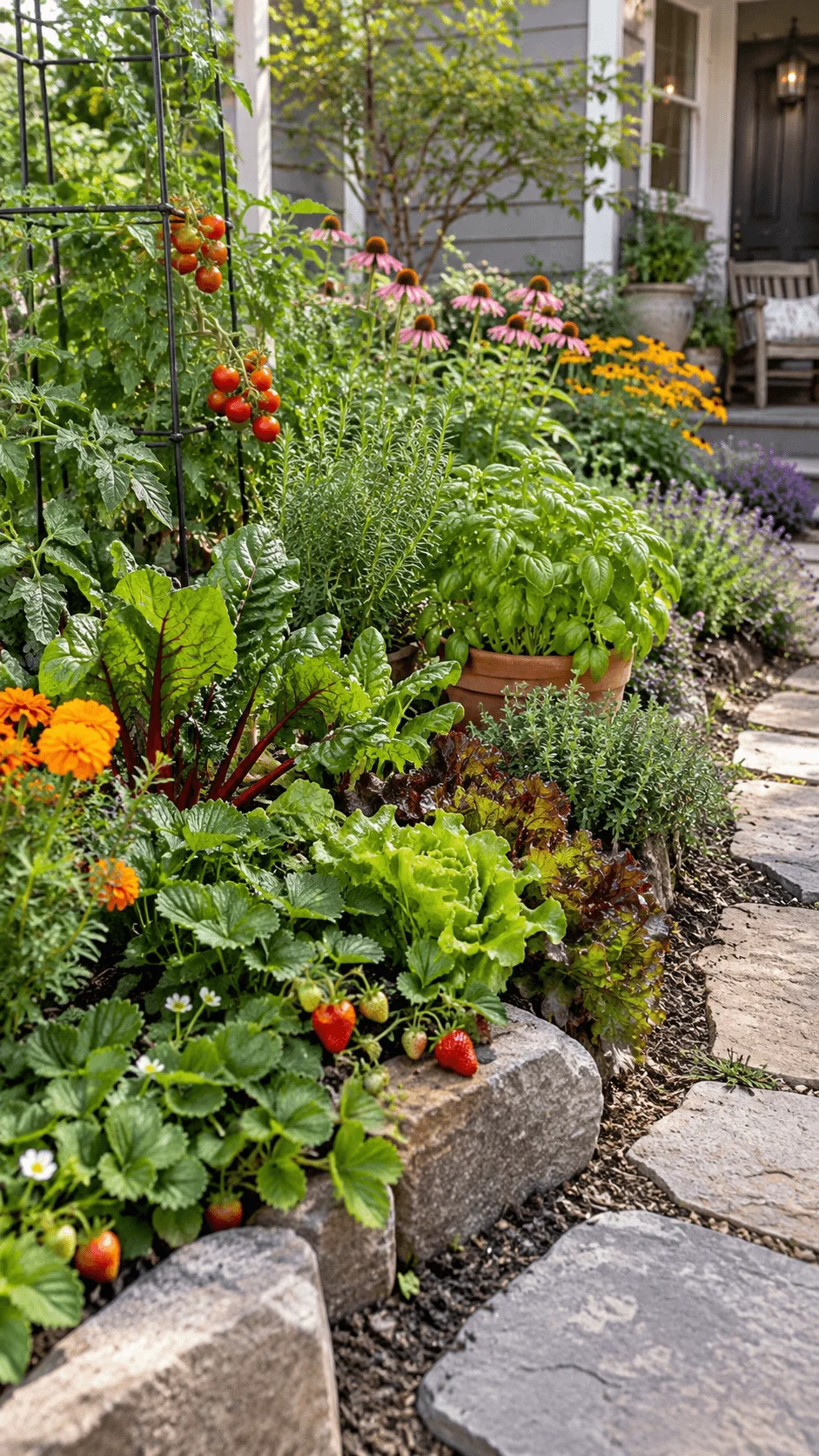
It also encourages you to think about plants as useful landscape features rather than objects that only provide decoration.
Choose edible plants according to your climate, available sunlight, soil conditions, and household needs. There is little value in growing something simply because it looks attractive online if it struggles in your environment.
A thoughtful foodscape can make a garden feel productive, colorful, and personal while helping you get more value from every available section.
Turn Fallen Leaves Into Free Garden Mulch
Fallen leaves often end up in garden bags even though they can provide valuable organic material. Instead of treating every leaf as waste, gardeners can use suitable leaves as mulch or add them to compost.
Leaf mulch can help cover exposed soil and reduce moisture loss. As organic material breaks down, it also contributes to soil health.
This idea requires almost no financial investment. Your garden produces the material naturally each year.
You can collect leaves from your own yard and use them around appropriate plants. Shredding leaves can help them break down more efficiently and make them easier to spread.
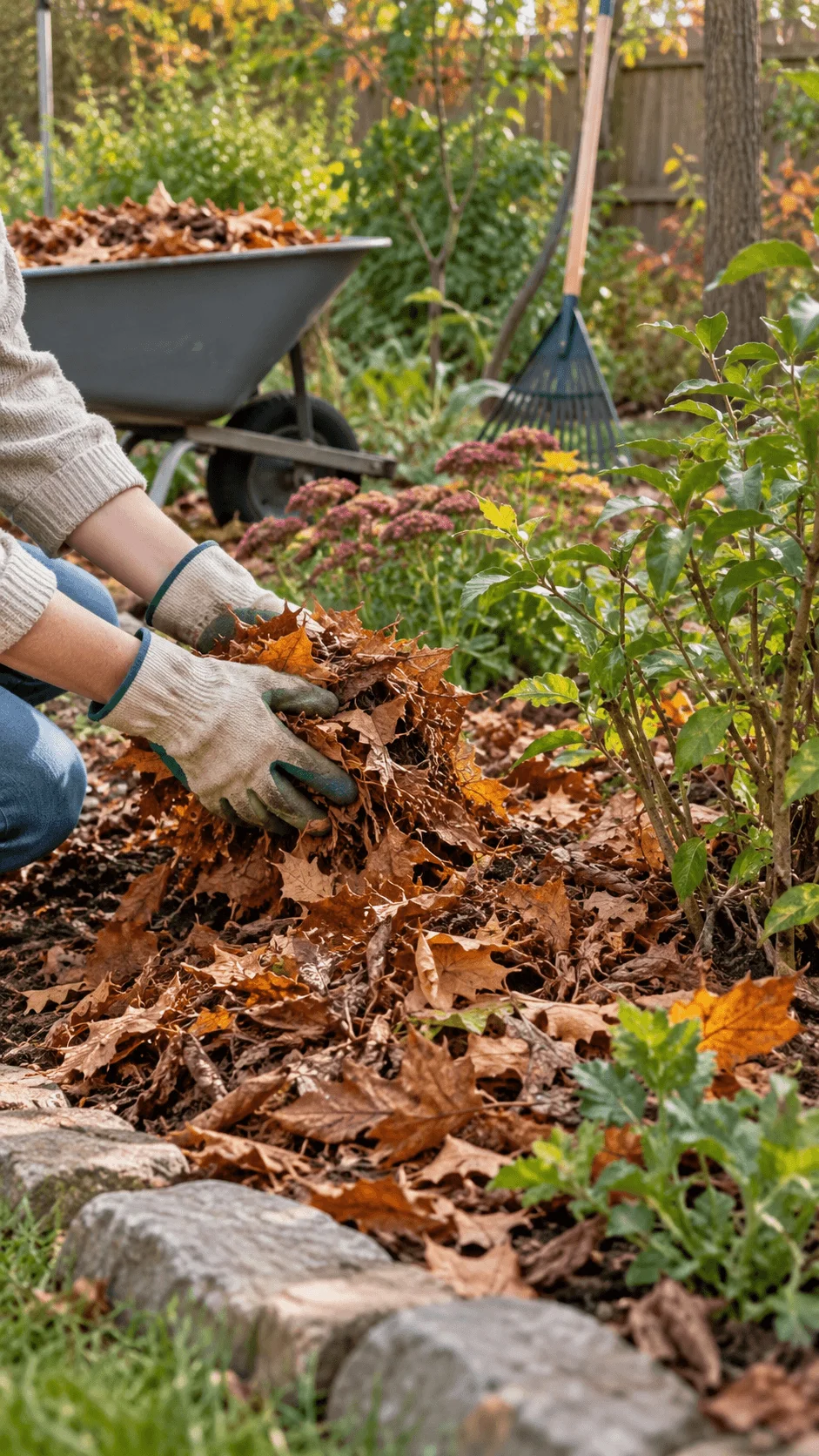
However, avoid creating extremely thick layers that prevent water or air from reaching the soil. Keep mulch away from direct contact with plant stems and trunks.
Using leaves effectively fits perfectly into eco friendly garden ideas on a budget because it turns something many people throw away into a useful garden resource.
It also demonstrates an important principle of sustainable gardening: before buying something new, look at what your garden already provides.
Create a DIY Water Saving Garden
Water wise gardening has become increasingly important as gardeners look for ways to create landscapes that remain attractive without demanding constant watering. A water saving garden can also help reduce maintenance and make your outdoor space more resilient during periods of dry weather.
You do not need an expensive irrigation system to make your garden more efficient. Start by choosing plants that naturally suit your local climate and the amount of rainfall your area receives. Plants that already tolerate your local conditions usually require less intervention than species that need constant watering.
The arrangement of your plants also matters. Group plants with similar water requirements together instead of placing thirsty plants next to species that prefer drier conditions. This allows you to water different areas according to their actual needs.
Mulching provides another affordable solution. Organic mulch can cover exposed soil and help slow moisture loss. You can make mulch from suitable garden materials instead of purchasing decorative products.
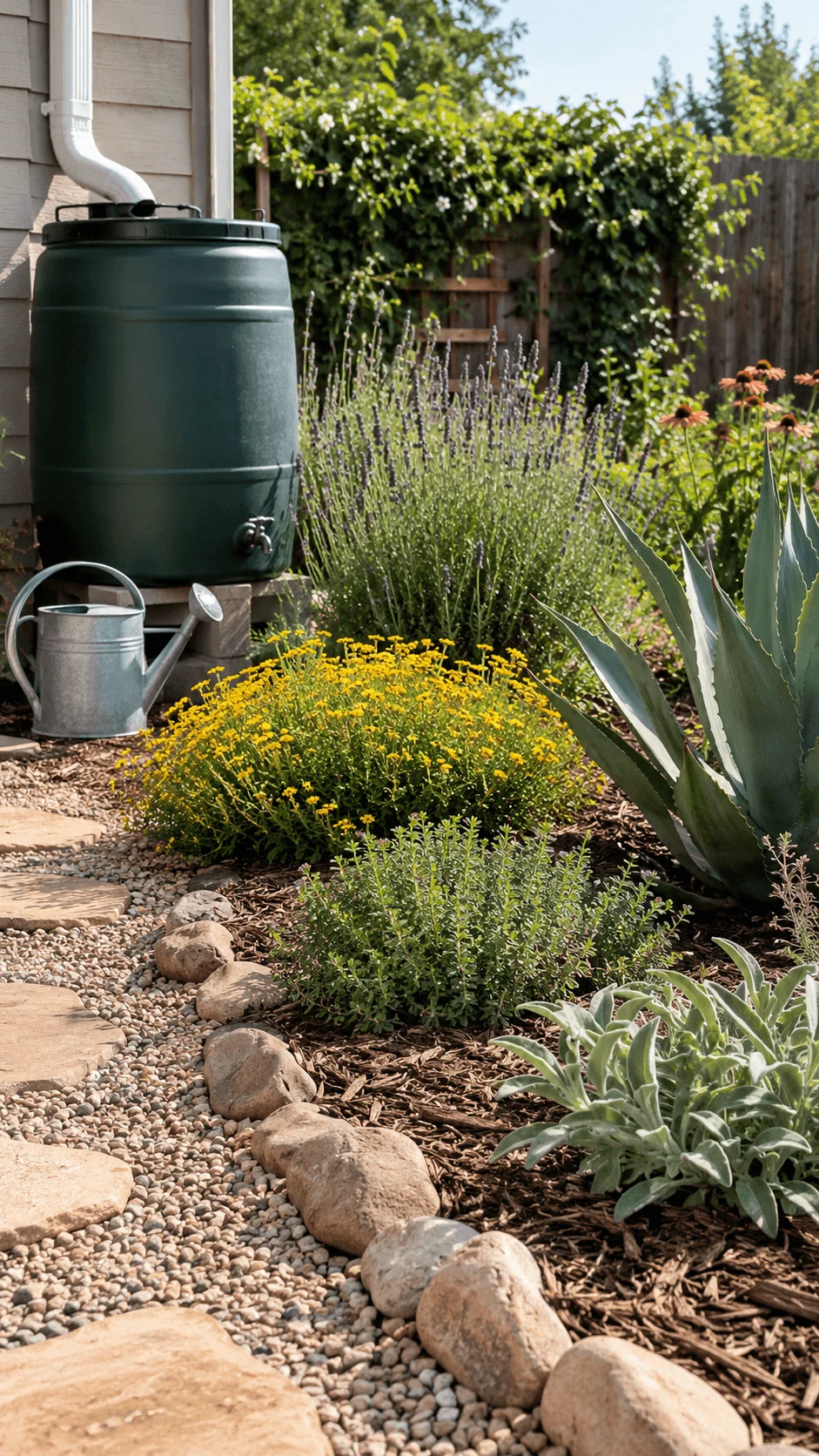
Watering at appropriate times can also improve efficiency. Rather than repeatedly giving plants small amounts of water, gardeners can often benefit from deeper watering when conditions and plant requirements allow.
Rainwater collection can complement these practices where local regulations and conditions permit. Even a simple collection system can provide an additional source of water for suitable garden uses.
The most important part of a water saving garden involves designing the space around the conditions you already have. Instead of constantly fighting heat, dryness, or limited rainfall, select plants and gardening methods that work with those conditions.
This makes water saving garden ideas on a budget especially useful for gardeners who want to reduce both water consumption and long term maintenance.
Build a Tiny Wildlife Habitat From Garden Waste
You do not need an expensive wildlife house or elaborate garden installation to make your outdoor space more welcoming to nature. A small habitat created from natural garden materials can provide useful shelter while giving unwanted garden waste another purpose.
Look around your property for suitable branches, logs, stones, fallen leaves, pinecones, and other natural materials. You can arrange these materials in a quiet corner where they will not interfere with everyday activities.
A small pile of branches can create sheltered spaces. Logs can provide places for organisms to live and decompose naturally over time. Leaves can cover the soil and create additional habitat.
You can also leave some seed heads standing after flowering rather than cutting everything down immediately. These structures can add winter interest while providing resources for wildlife.
The important thing involves keeping the habitat natural and safe. Do not place treated timber, painted materials, sharp waste, or potentially contaminated objects into the garden.
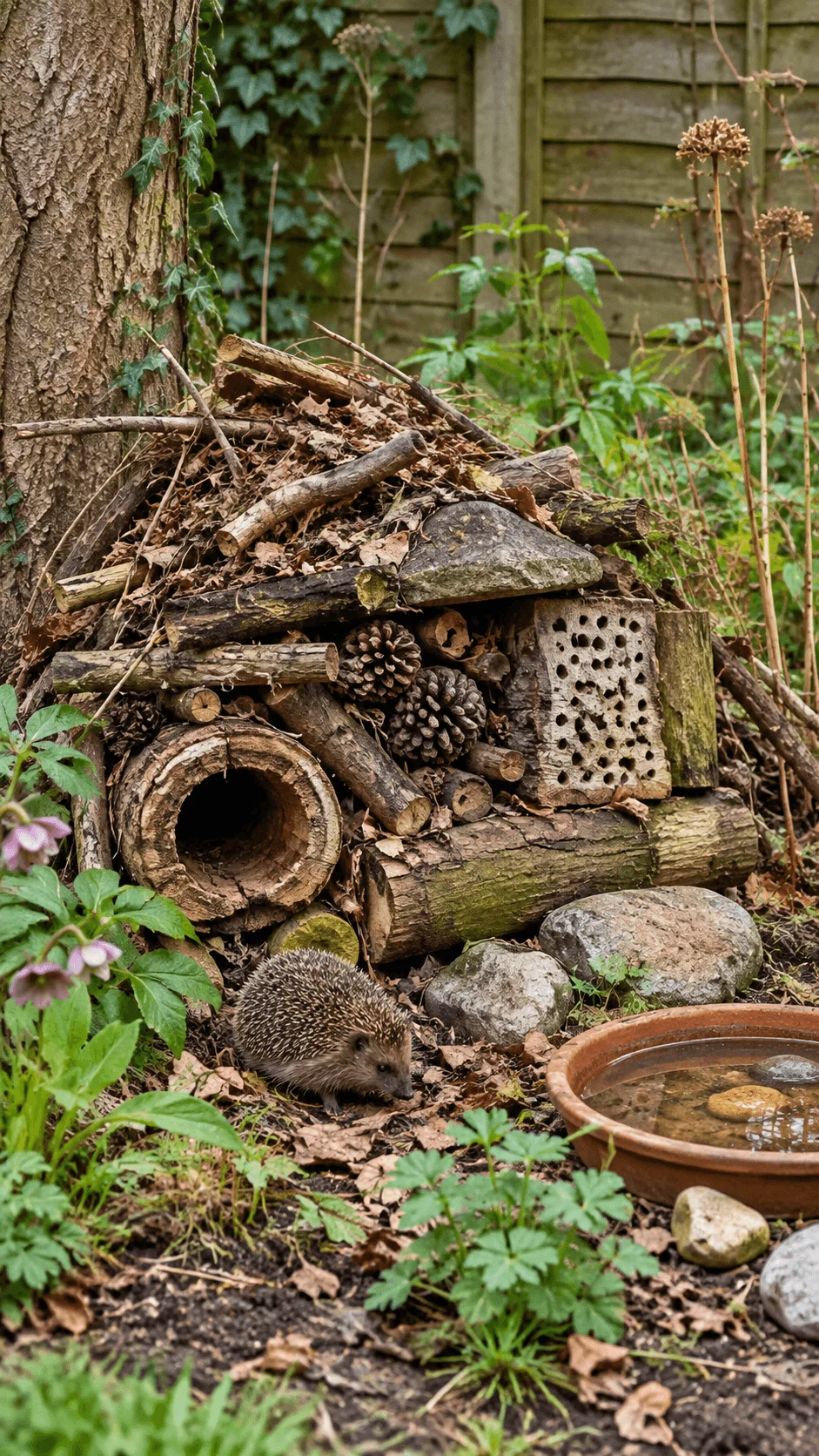
A wildlife habitat also works well alongside other budget wildlife garden ideas. You can combine it with native flowers, a small meadow, water sources, and natural ground cover to create a more diverse garden.
The project can cost almost nothing because the garden itself supplies many of the materials. More importantly, it changes the way you view garden waste. Instead of removing every natural object, you can allow some materials to become part of the garden’s ecosystem.
Propagate Plants Instead of Buying New Ones
Buying mature plants can quickly become one of the most expensive parts of creating a garden. Propagation provides an opportunity to expand your collection using plants you already own.
Depending on the species, you can grow new plants from seeds, cuttings, divisions, or other suitable propagation methods. You do not need advanced equipment to begin. A few basic containers, suitable growing material, and patience can take you surprisingly far.
Plant division works well for certain established perennials. When a plant has become large enough to divide safely, you may be able to create several smaller plants from one established specimen.
Cuttings provide another option for suitable plants. Some species can develop roots from carefully prepared cuttings under appropriate conditions.
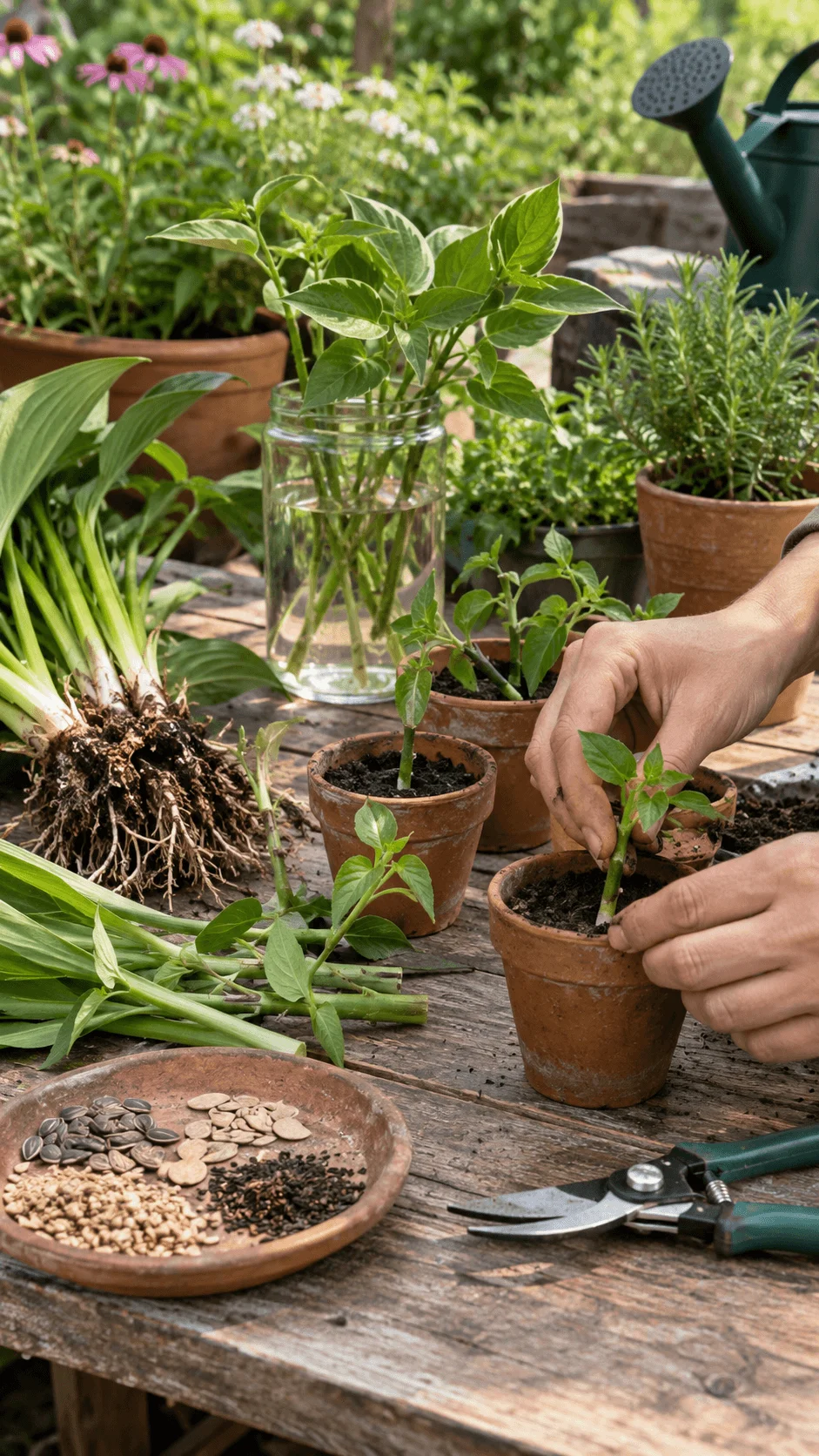
Seed saving can also reduce future costs. When plants produce mature seeds, you can collect and store suitable seeds for future growing seasons. Always check whether the particular plant produces reliable seed and whether the resulting plants will remain true to the parent.
Plant exchanges can make propagation even more useful. Friends, family members, neighbors, and local gardening communities may have plants they are willing to share.
This approach transforms gardening into a gradual process rather than a shopping project. You can start with a few plants and slowly expand your garden over several seasons.
For people looking for eco friendly garden ideas on a budget, growing more plants from what they already have can be one of the most practical strategies available.
Use Reclaimed and Natural Materials
Garden design does not always require brand new materials. Reclaimed and natural materials can add character while reducing the amount of new material you need to purchase.
Old bricks can become simple garden edging or pathways. Suitable reclaimed timber can create borders or other garden structures when it is safe for the intended use. Old terracotta containers can continue serving as planters even when they no longer look perfect.
Natural stones can also create attractive borders, small pathways, or visual transitions between different areas of the garden. Fallen branches can become rustic edging or habitat material when they are suitable and safe.
The key involves choosing materials thoughtfully rather than filling the garden with random objects. A sustainable garden can still look intentional and attractive.
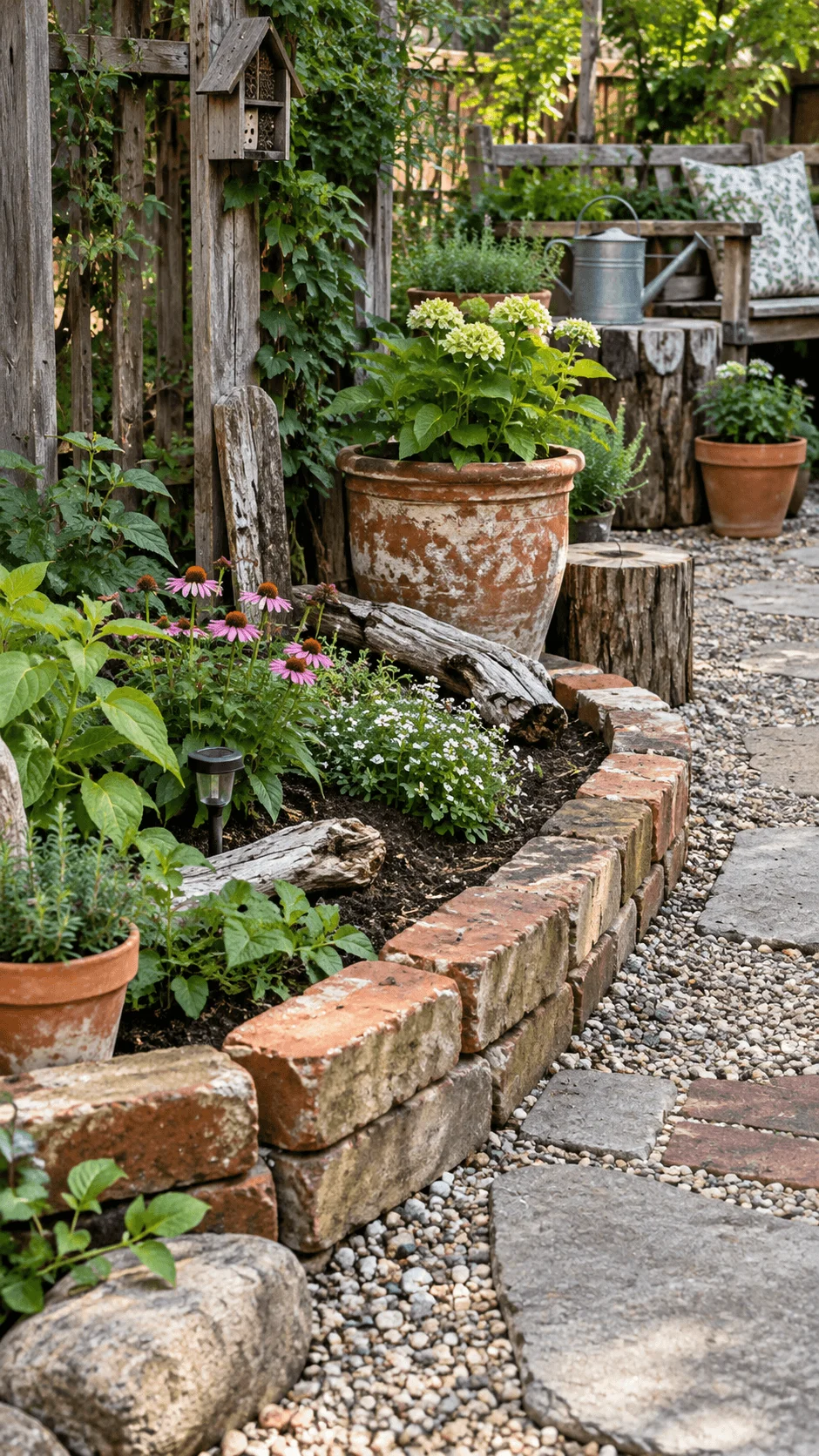
For example, a collection of similar reclaimed bricks can create a simple border around a flower bed. A few natural stones can define a small seating area. An old container can become a focal point when paired with an appropriate plant.
Before reusing anything, consider where it came from and whether it is safe around plants, soil, children, and pets. Avoid materials that may contain harmful coatings or treatments.
Reusing materials also gives your garden a distinctive appearance. Instead of buying identical products that appear in thousands of other gardens, you can create features with history and character.
This makes recycled garden ideas on a budget useful for both sustainability and garden design.
Create a Small Climate Resilient Garden
Climate resilient gardening represents a broader shift in how people think about outdoor spaces. Instead of designing a garden that requires constant intervention, gardeners can select plants and techniques that help the landscape handle local environmental challenges.
Start by observing your garden. Notice which areas receive strong sunlight, which stay shaded, where water collects, and which areas dry out quickly. These observations can guide your plant choices.
Select plants that match those conditions instead of trying to force every part of the garden to support the same species. A plant that naturally suits a dry sunny area will generally make more sense there than one that needs frequent watering.
Improving soil can also increase resilience. Adding suitable organic matter can help create healthier growing conditions. Mulching can protect exposed soil and help regulate moisture.
Shade can provide another natural advantage. Existing trees, shrubs, structures, and carefully selected planting can create cooler areas within the garden.
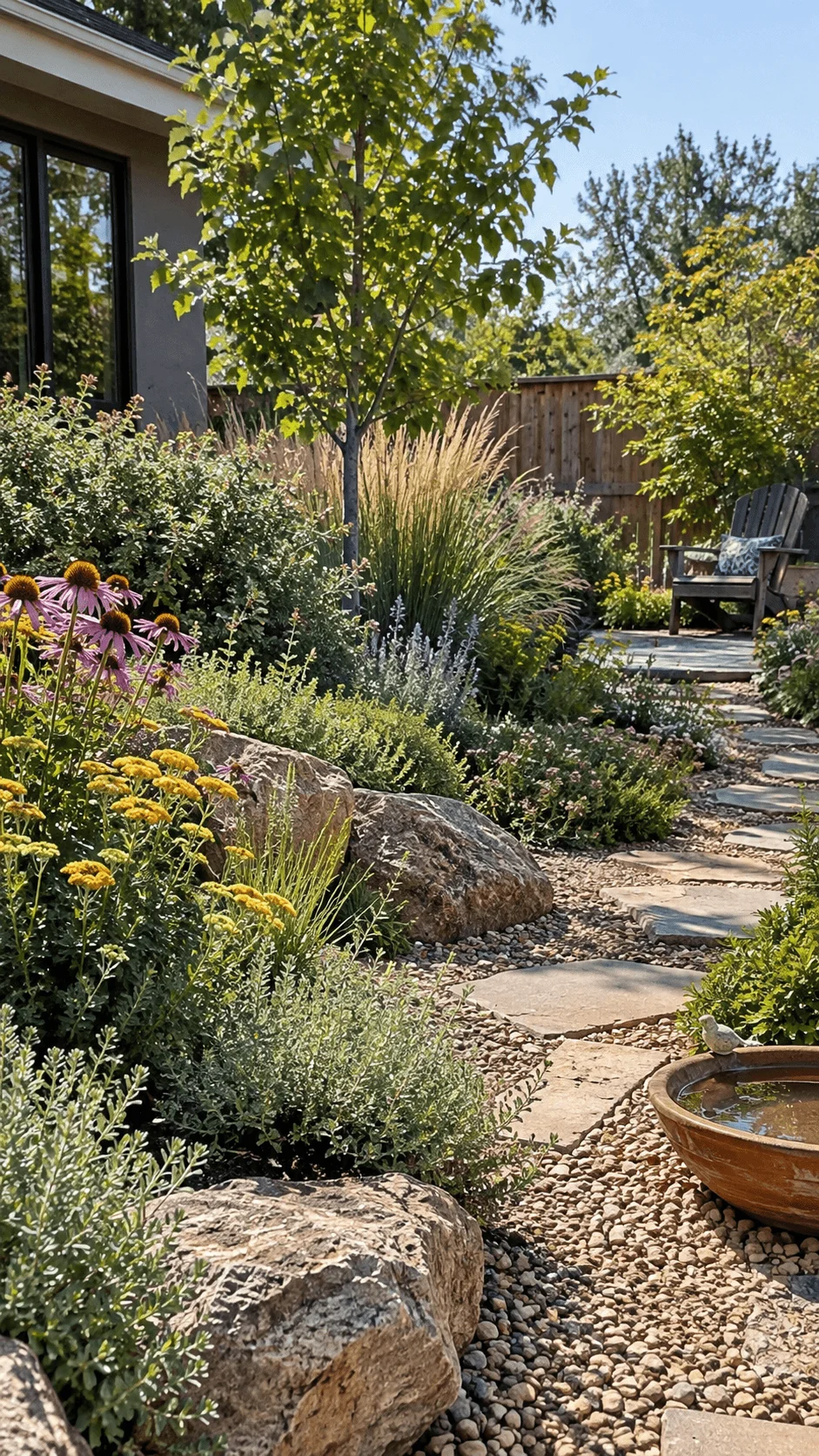
You can also reduce your dependence on large areas of thirsty lawn. Replacing even a small section with suitable ground cover, native plants, edible plants, or a natural meadow can change how much maintenance that area requires.
The goal does not involve creating a completely maintenance free garden. Every garden needs some care. Instead, climate resilient garden ideas focus on making the garden better suited to the conditions it experiences.
This approach can save money because you spend less time replacing plants that repeatedly fail. Instead, you invest gradually in plants and systems that have a better chance of succeeding.
How to Start an Eco Friendly Garden Without Spending Much
Starting a sustainable garden does not require a complete landscape makeover. In fact, trying to change everything at once can make the project unnecessarily expensive.
Begin by looking at what you already have. Existing plants, containers, leaves, branches, compostable materials, stones, and unused areas can all provide opportunities.
Choose one small section of the garden as your starting point. You might create a pollinator bed, rewild a corner, establish a mini meadow, or build a small foodscape.
Then observe the area before buying anything. Pay attention to sunlight, soil moisture, drainage, wind, and existing vegetation. This simple observation can prevent expensive mistakes later.
Use seeds whenever they make sense, especially when you want to establish many plants. Propagate suitable plants from your existing garden and exchange extras with other gardeners.
Make use of organic materials already available to you. Fallen leaves can become mulch or compost material. Suitable garden waste can become habitat. Cardboard can contribute to a no dig growing area.
When you do need to purchase something, prioritize items that solve a genuine problem. Avoid buying garden products simply because they are marketed as sustainable.
A beautiful garden can develop gradually. One small planting area can eventually become two, then three. Over several seasons, these small improvements can create a much larger transformation without requiring a large upfront budget.
Common Mistakes to Avoid With a Budget Eco Garden
One common mistake involves buying too many plants at the beginning. Mature plants can make a garden look finished quickly, but purchasing large quantities can consume your entire budget. Seeds, propagation, divisions, and plant exchanges can help you grow gradually.
Another mistake involves choosing plants simply because they look attractive online. A plant may thrive in one region and struggle badly in another. Always consider your local climate, soil, sunlight, and water conditions before introducing new species.
Some gardeners also assume that an eco friendly garden should receive no maintenance. Sustainable gardening still requires observation and occasional care. You may need to remove invasive plants, manage overcrowding, prune certain species, or adjust watering practices.
Using every recycled object in the garden can create another problem. Reuse should serve a purpose. A garden filled with unsuitable containers and miscellaneous household objects may become difficult to maintain. Choose reclaimed materials that genuinely contribute to the design or function of the space.
Overwatering can also undermine a water wise garden. More water does not automatically mean healthier plants. Learn what your plants actually need and pay attention to soil conditions.
Removing every fallen leaf can also eliminate useful organic material and habitat. Instead of automatically clearing everything, decide which areas benefit from remaining natural materials.
Finally, do not feel pressured to follow every gardening trend. A sustainable garden should suit your property and your lifestyle. The best sustainable garden ideas on a budget are the ones you can maintain successfully over time.
Conclusion
Creating a sustainable outdoor space does not require an expensive landscape designer, a complete garden renovation, or a long shopping list. The best eco friendly garden ideas on a budget often begin with resources that are already available.
You can start by allowing one corner to become more natural, growing plants from affordable seeds, replacing a small section of lawn with native planting, or creating a simple pollinator garden. Fallen leaves can become mulch, garden waste can become wildlife habitat, and established plants can provide material for propagation.
The most effective approach involves thinking differently about what a garden needs. Instead of constantly buying new products, look for opportunities to reuse materials, conserve water, improve soil naturally, grow your own plants, and work with the conditions your garden already provides.
You do not need to complete everything at once. Start with one affordable change and observe how your garden responds. Over time, those small decisions can develop into a beautiful, productive, wildlife friendly outdoor space.
With patience and thoughtful planning, eco friendly garden ideas on a budget can help you create a garden that costs less to maintain while giving more back to the natural environment.