Eco Friendly Garden Ideas and Plants
Modern gardens are becoming more than attractive outdoor spaces. They can support wildlife, improve soil health, conserve water and provide fresh food while still looking beautiful. These eco friendly garden ideas for 2026 focus on creating gardens that work more naturally with the surrounding environment instead of depending heavily on chemicals, excessive watering or constant maintenance. From native plant gardens and mini meadows to regenerative soil practices and rain gardens, today’s sustainable gardening movement offers practical ways to make almost any outdoor space more environmentally responsible.
Eco friendly gardening has also changed considerably in recent years. Gardeners are moving beyond simple composting and recycling ideas and thinking more carefully about how an entire garden functions. Plant selection, soil health, water movement, wildlife habitat and climate conditions can all work together. The result can be a garden that needs fewer resources while providing greater value for people and nature.
12 Eco Friendly Garden Ideas for 2026
The most interesting gardening trends in 2026 focus on biodiversity, resilience and multifunctional spaces. Instead of designing every section of a garden for one purpose, gardeners are creating spaces where plants, insects, birds, soil organisms and people can benefit from the same environment.
These approaches can work in large backyards, small yards, patios and even balconies. You do not need to completely redesign an outdoor space to make it more sustainable. Adding the right plants, improving the soil and changing how you manage water can gradually transform an ordinary garden into a healthier ecosystem.
Create a Keystone Native Plant Garden
Native plants have always played an important role in sustainable gardening, but the idea of choosing keystone native plants takes the concept further. Rather than selecting native species simply because they belong to the local region, gardeners can focus on species that provide especially valuable food or habitat for local wildlife.
A keystone plant can support many forms of life throughout the garden. Certain trees, shrubs and flowering plants provide food for insects, while those insects become an important food source for birds and other animals. This creates connections throughout the garden instead of treating every plant as an isolated decoration.
Trees can have an especially large influence because they provide shade, shelter, nesting areas and organic material. Native shrubs can add another layer of habitat, while flowering perennials can provide seasonal food for insects. When these plants grow together, they create a much richer environment than a garden containing only a few ornamental species.
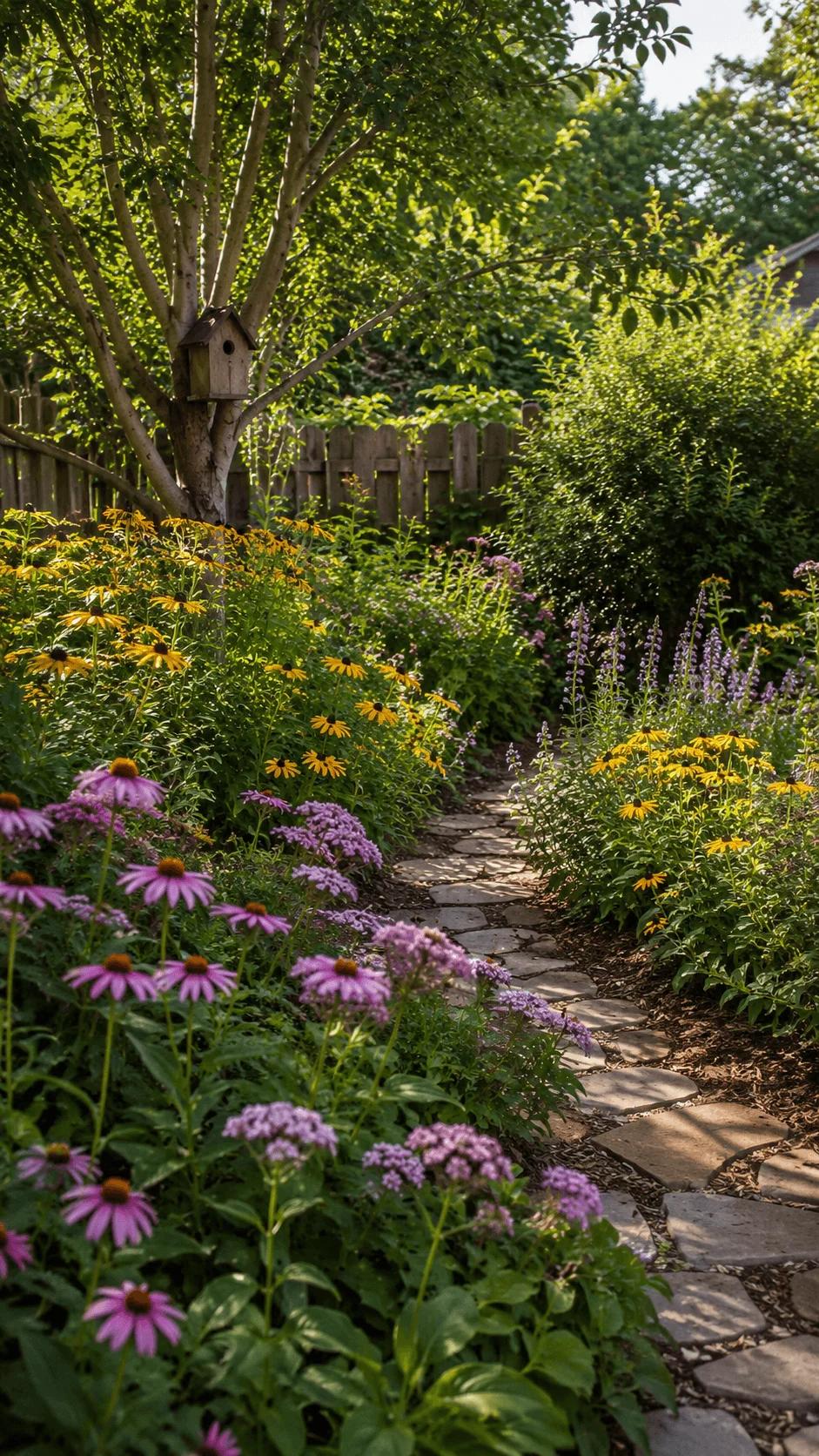
The appearance of a native garden can also be surprisingly sophisticated. Native plants come in different heights, textures, shapes and flowering periods, allowing gardeners to create attractive borders and focal points. A natural appearance does not mean an untidy garden. Thoughtful placement can create a structured design while still supporting biodiversity.
When choosing native plants, always consider your local environment. A plant that performs naturally in one region may struggle somewhere with different temperatures, soil conditions or rainfall. Local native plant nurseries and regional gardening organizations can help identify species that naturally belong in your area.
Design a Climate Resilient Garden
Climate resilient gardening is becoming one of the most important directions in modern garden design. Weather patterns can place greater stress on plants through periods of intense heat, drought, heavy rain and sudden temperature changes. A resilient garden aims to handle these conditions more effectively.
The basic principle is simple. Instead of choosing plants first and then trying to change the garden to suit them, choose plants that naturally fit the conditions already present.
For example, a sunny area with dry soil needs different plants from a shaded area that stays moist. A garden that receives heavy rainfall also needs different drainage strategies from a garden where water remains scarce for long periods.
Climate resilient design also involves creating healthy soil. Soil containing plenty of organic matter can hold moisture more effectively and provide a better environment for plant roots. Mulching can help protect the surface from drying quickly while also moderating soil temperature.
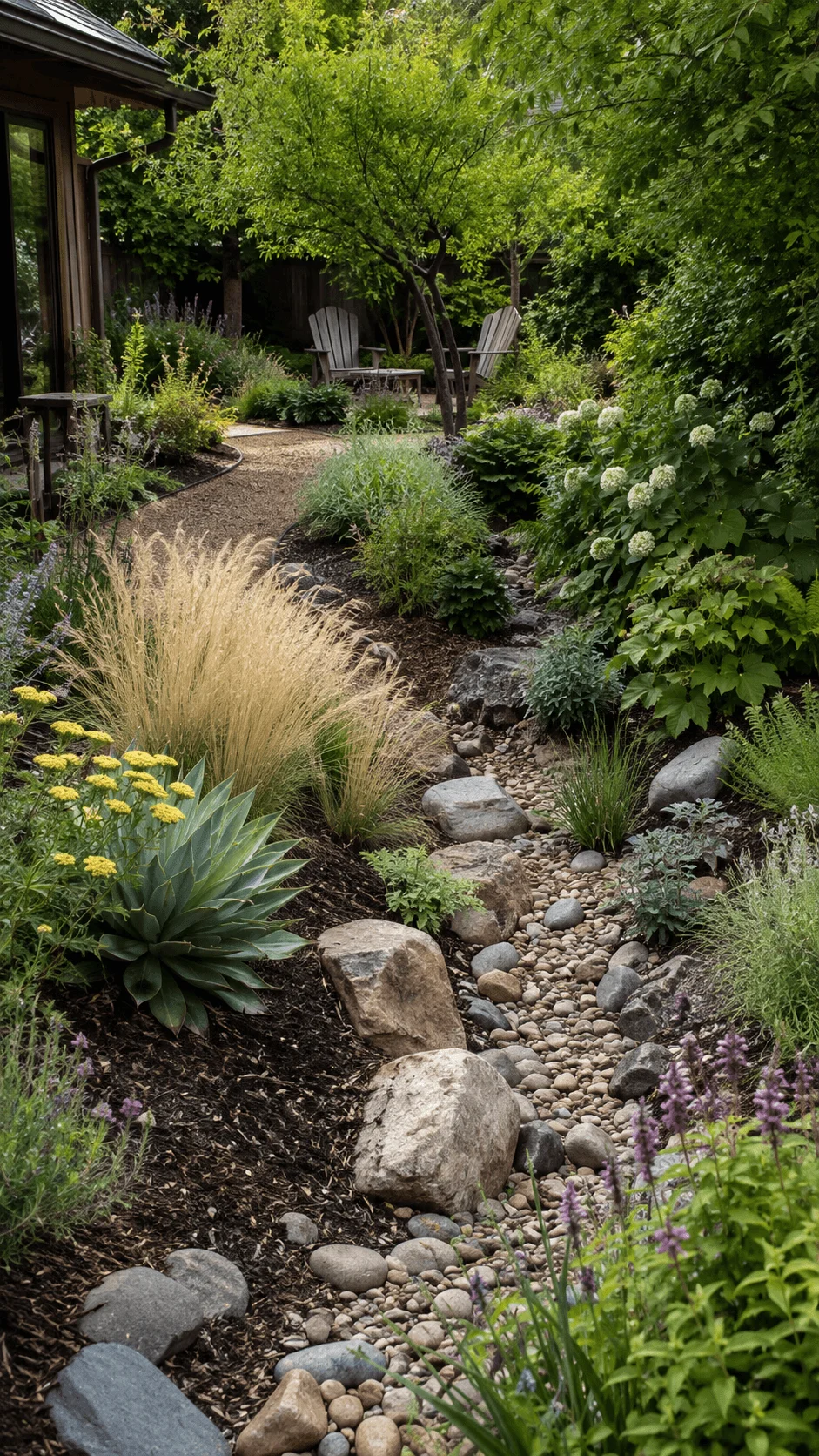
Plant diversity can make a resilient garden even stronger. If a garden contains many different species, one difficult weather event is less likely to affect every plant in exactly the same way. Some plants may tolerate heat better, while others perform well during cooler or wetter periods.
A climate resilient garden can also become easier to maintain. When plants naturally suit their environment, gardeners often spend less time correcting problems caused by unsuitable conditions. The goal is not to create a garden that never needs attention. The goal is to create a garden that works with nature rather than constantly fighting it.
Grow a Mini Meadow Garden
A mini meadow is an excellent choice for gardeners who want to create a natural looking space without turning the entire yard into a wild landscape. Instead of maintaining every part of the property as closely cut lawn, you can dedicate a section to flowering plants and grasses.
Mini meadows can provide seasonal color and movement while creating habitat for insects. Flowers attract pollinators, while grasses and other plants offer shelter close to the ground. As the seasons change, different plants can bloom and provide changing colors and textures.
The idea works particularly well along the edge of a lawn, beside a fence or in an unused corner. A small area can still make a noticeable difference to the character of a garden.
The most successful meadow style gardens usually avoid creating a random mixture of plants. Think about height, flowering periods and texture when designing the space. Taller plants can form a background while shorter flowers fill the front. Grasses can connect the different areas and provide structure after many flowers finish blooming.
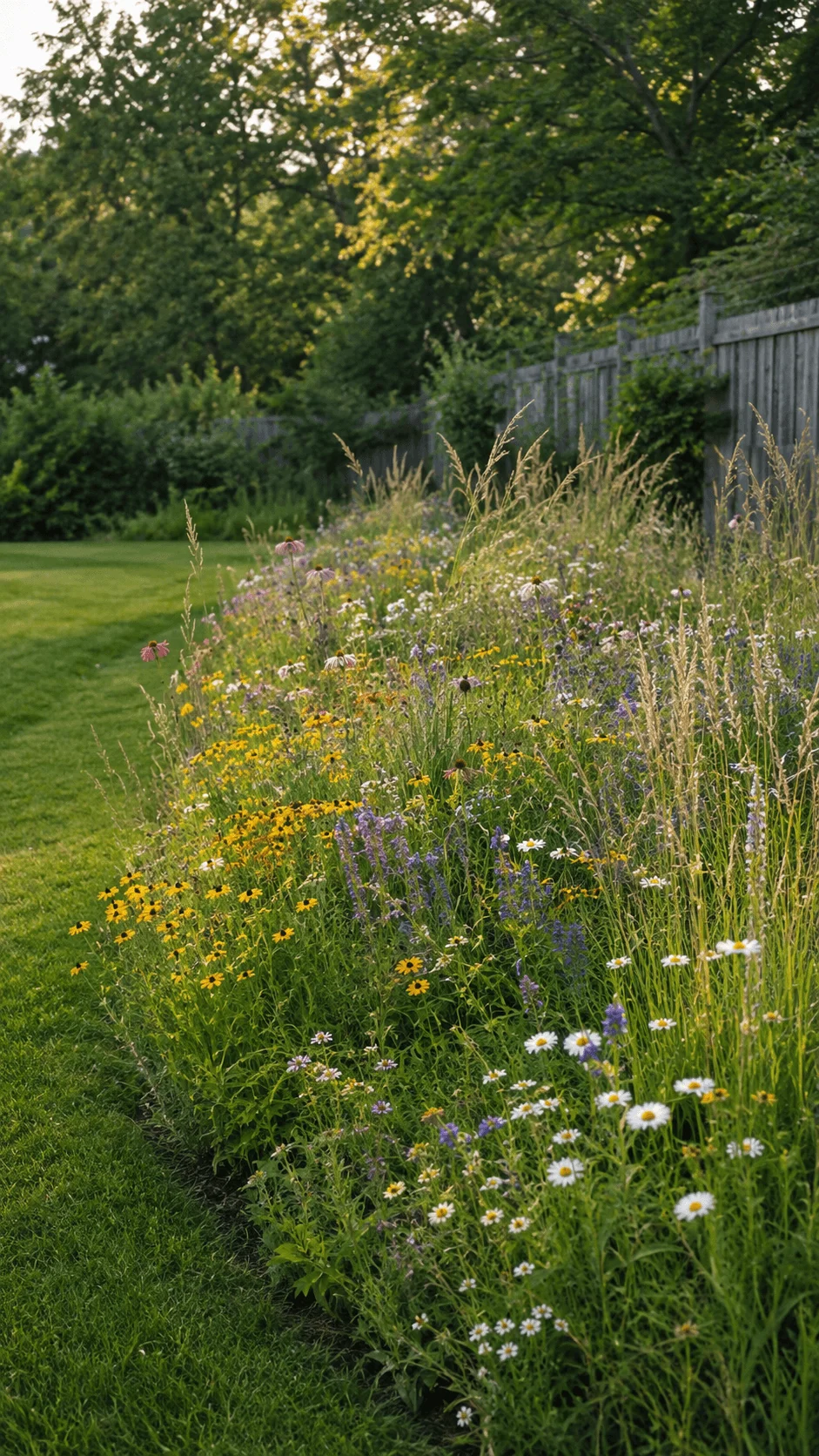
Native wildflowers can be particularly valuable because they already suit the local ecosystem. However, gardeners should avoid assuming that every wildflower mixture sold for one region will work equally well in another.
A mini meadow can also reduce the need for frequent mowing in the area where it grows. This does not mean that every lawn should disappear. Keeping some open lawn can remain useful for walking, playing and other activities. The more sustainable approach often involves finding a practical balance between lawn and natural planting.
Create an Eco Friendly Pollinator Garden
Pollinator gardens remain popular, but modern designs are becoming more focused on creating complete habitats rather than simply planting colorful flowers. Bees, butterflies and other insects need more than nectar during a short flowering season.
A strong pollinator garden provides food across different parts of the year. Choosing plants with different flowering periods can help ensure that food remains available as the seasons change. This creates a garden that continues to serve pollinators instead of reaching one short peak and then becoming largely inactive.
Host plants also deserve attention. Some insects depend on particular plants during parts of their life cycle, so adding host species can make a garden more useful than a collection of nectar rich flowers alone.
Plant structure matters too. Different heights and forms can provide shelter from wind and weather. Ground level vegetation can offer cover, while shrubs can create protected areas above the soil.
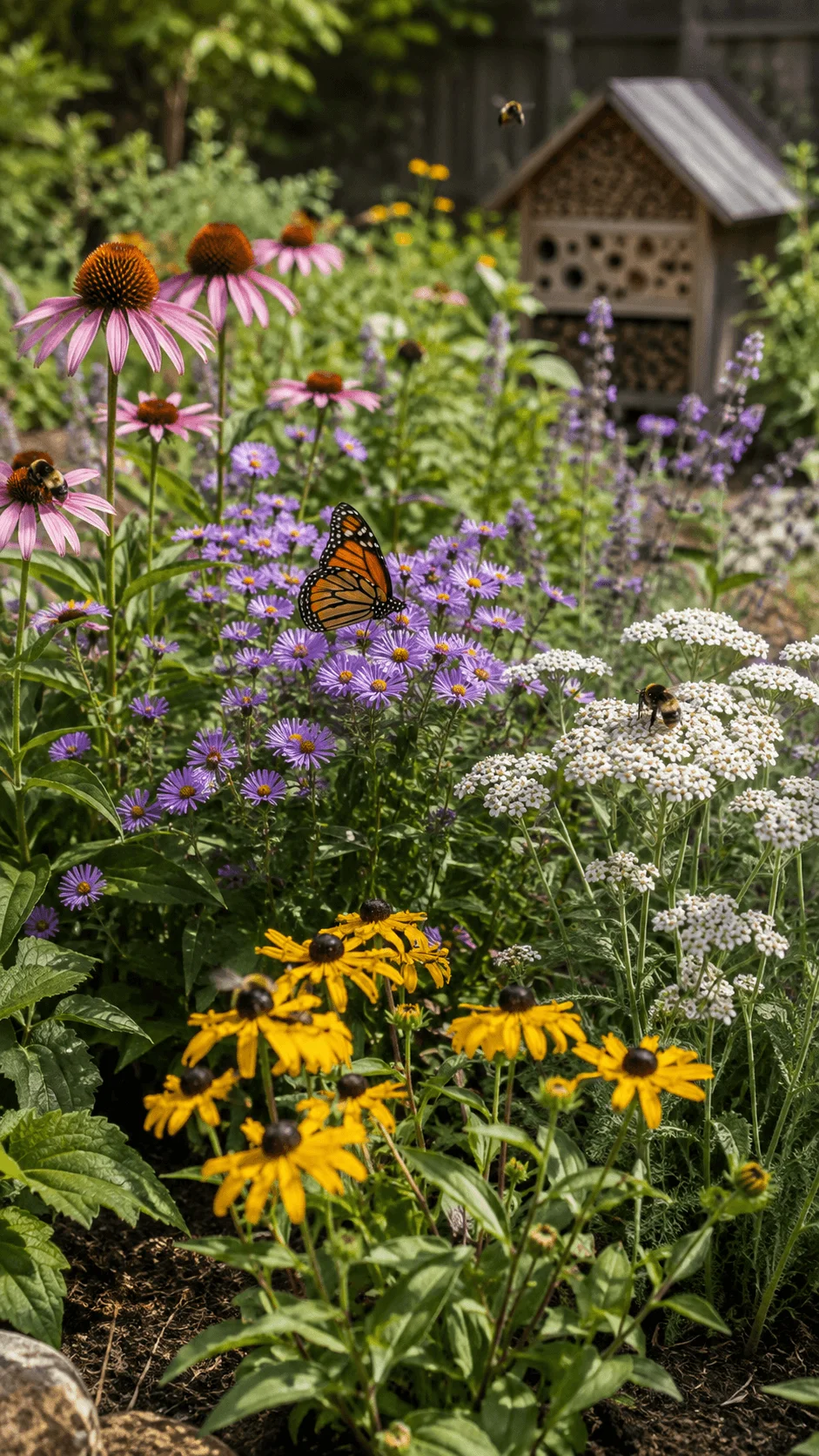
Avoid designing the entire garden around a single type of insect. A diverse planting scheme can support many different pollinators and other beneficial organisms. Native flowering plants can be especially valuable because local insects have developed relationships with many regional plant species.
You can create a pollinator garden in a large border or a few containers. Even a small patio can contain flowering plants that provide food for visiting insects. The key is to think about the garden as a habitat rather than simply a decorative flower display.
Try Regenerative No Dig Gardening
Healthy soil forms the foundation of many successful sustainable gardens. Regenerative gardening places greater emphasis on protecting soil organisms, maintaining organic matter and reducing unnecessary disturbance.
Traditional gardening can sometimes involve repeatedly digging and turning soil. While digging has specific uses, excessive disturbance can disrupt the structure of the soil and affect organisms living within it. No dig gardening takes a different approach by minimizing unnecessary disturbance.
Compost plays an important role in this system. Adding suitable organic material can improve soil structure and provide nutrients for plants. Mulch can protect the soil surface while gradually contributing organic matter as it breaks down.
A regenerative garden also treats fallen leaves and other natural material as useful resources instead of automatically viewing them as waste. Some leaves can remain around plants or enter a compost system where they contribute to future soil improvement.
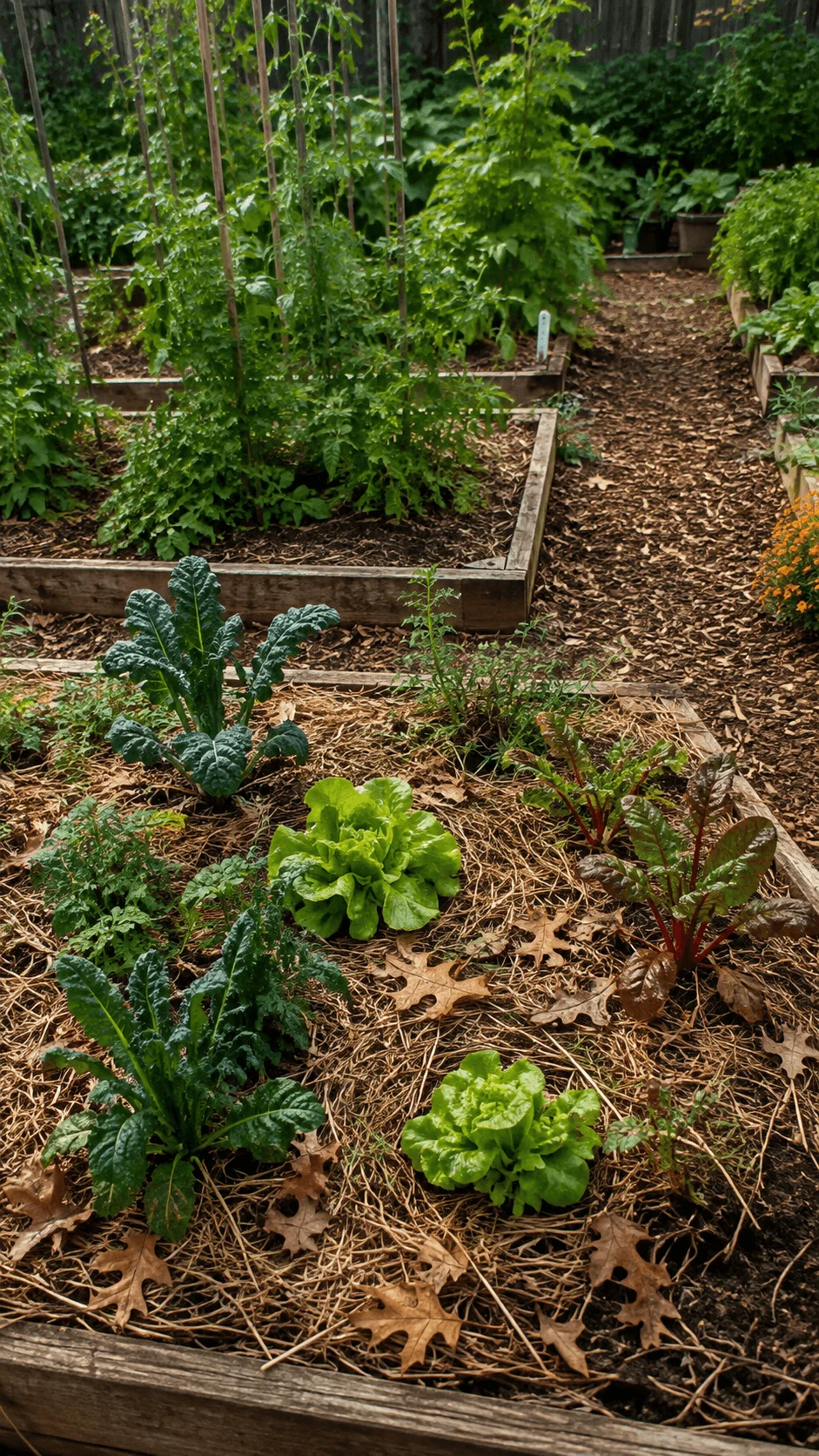
The appearance of a regenerative garden can vary widely. It might contain vegetables, flowers, herbs, shrubs or a mixture of all four. What matters most is how the gardener manages the soil and resources beneath the plants.
No dig methods can be particularly useful in edible gardens because they encourage gardeners to think about long term soil fertility rather than relying entirely on repeated digging and external inputs. Over time, a healthier soil environment can support stronger root development and more productive plants.
Build a Rain Garden and Harvest Rainwater
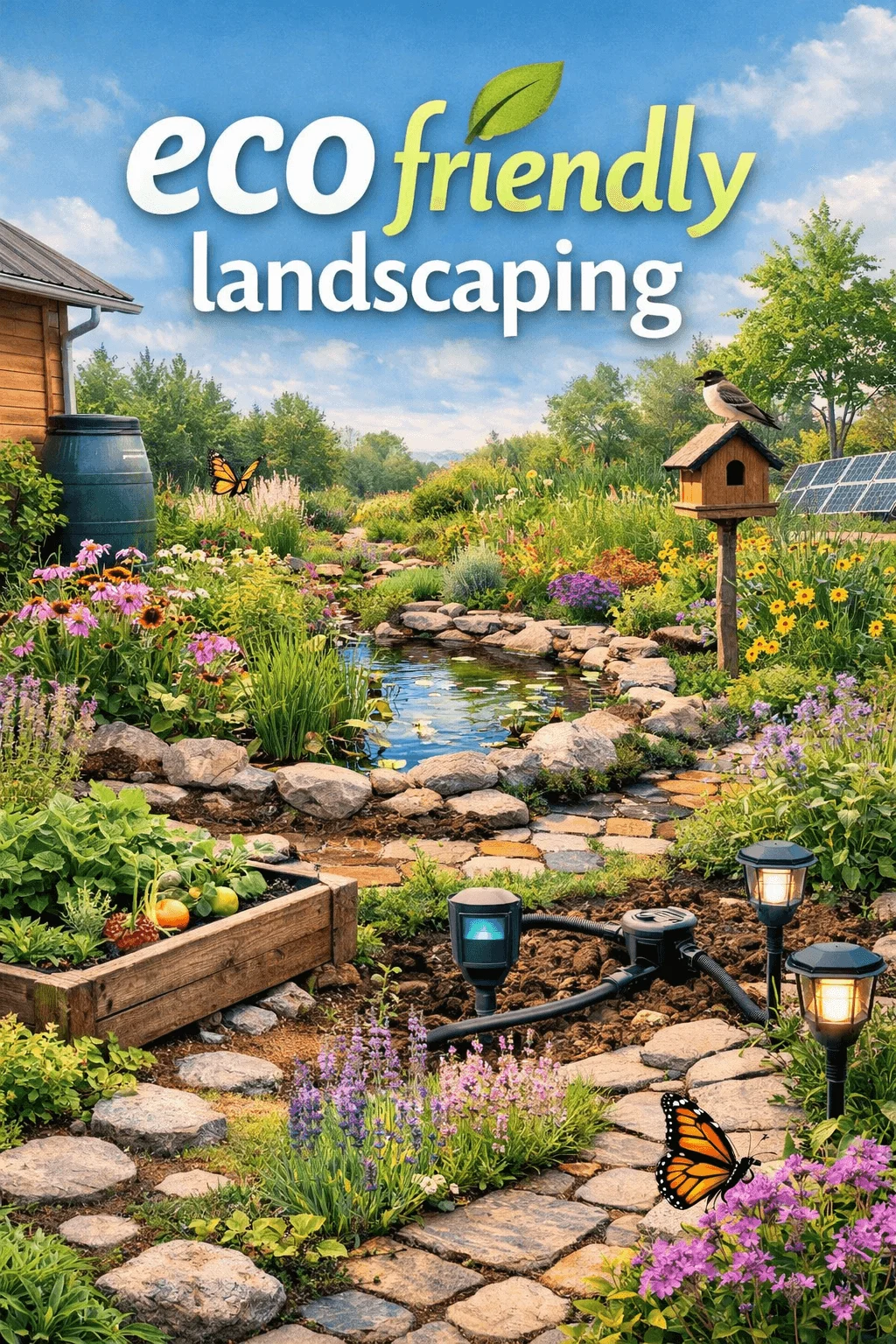
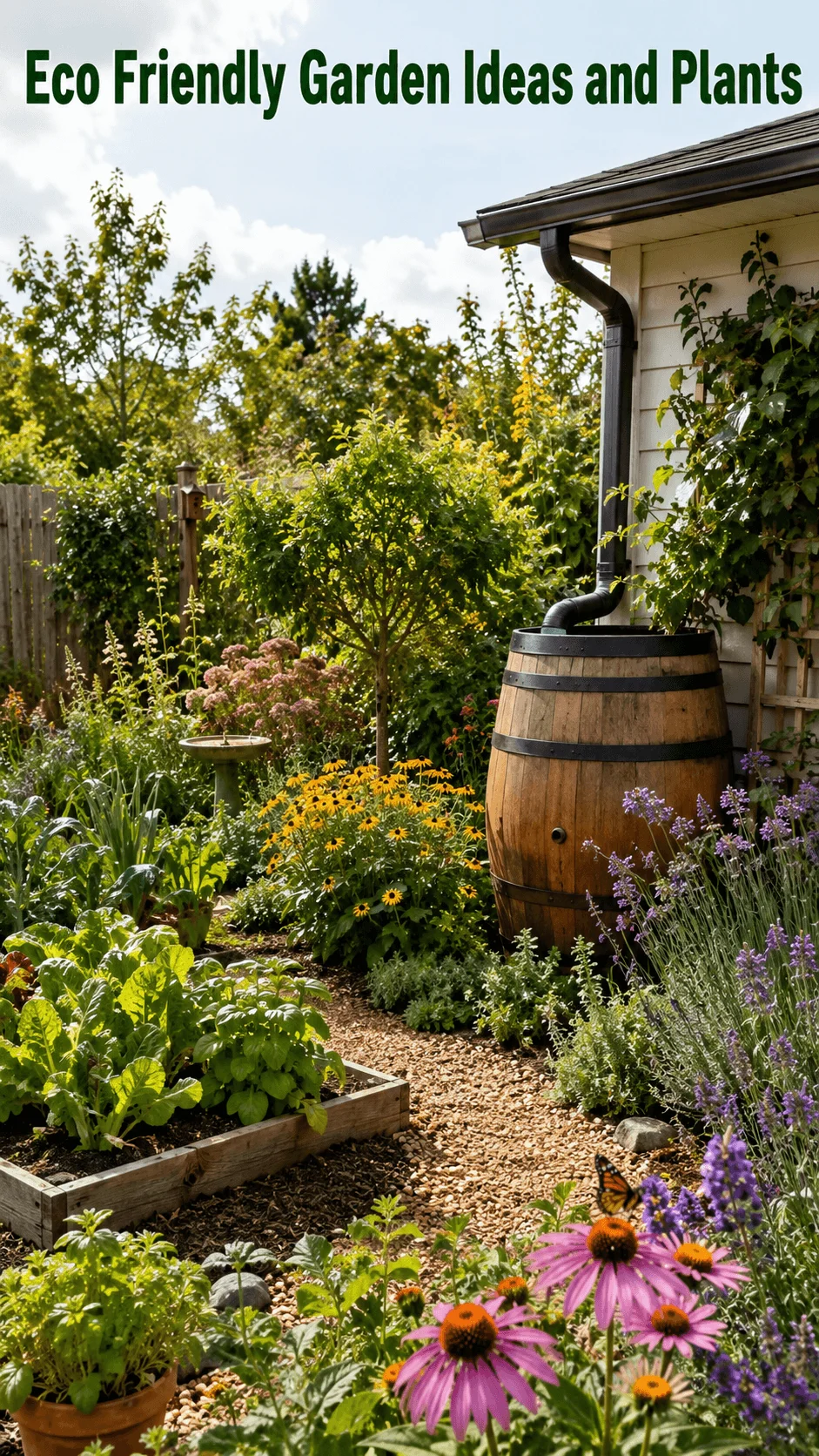
Water conservation is another major part of sustainable garden design. A rain garden uses the natural movement of rainwater as part of the landscape rather than allowing all runoff to disappear immediately.
A rain garden usually sits in a location where water naturally collects or moves after rainfall. Plants suited to changing moisture conditions can grow in this area and help create an attractive transition between wetter and drier parts of the garden.
The design can be especially useful when combined with rainwater collection. A rain barrel or suitable storage system can capture water from a roof or other appropriate surface for later garden use.
The important point is to design water management around the specific property. Observe where water flows during rainfall. Look for areas that dry quickly and areas where water remains for longer. This information can help determine where moisture loving plants, drainage improvements or water storage could provide the greatest benefit.
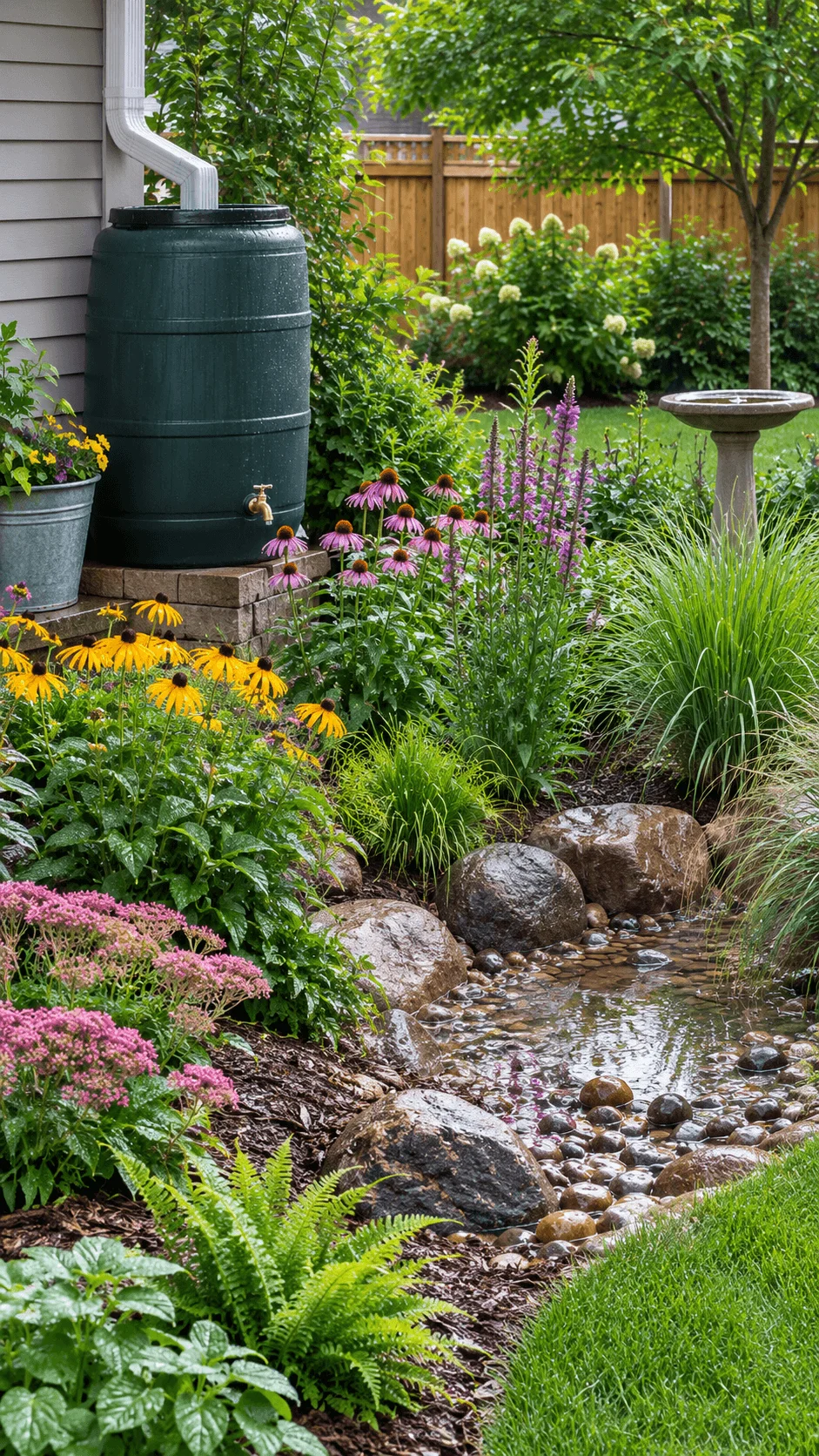
Rain gardens can also become attractive focal points. They do not need to look like drainage infrastructure. With thoughtful planting, they can include flowering plants, grasses and shrubs that create texture and seasonal interest.
These water focused sustainable garden ideas can help gardeners make better use of rainfall while reducing unnecessary reliance on treated water for irrigation.
Best Eco Friendly Garden Plants for a Sustainable Garden
Choosing the right plants is one of the most important decisions when creating a sustainable garden. There is no single plant list that works for every location. A better approach involves selecting species that naturally match the conditions of the garden.
Native plants are an excellent starting point because they can support local ecosystems and often suit regional growing conditions. Pollinator plants can add seasonal food for insects, while shrubs and trees can provide shelter and additional habitat.
Drought tolerant plants can work well in areas where water remains limited, particularly when gardeners combine them with good soil preparation and mulch. Groundcovers can reduce exposed soil and may provide alternatives to large areas of lawn.
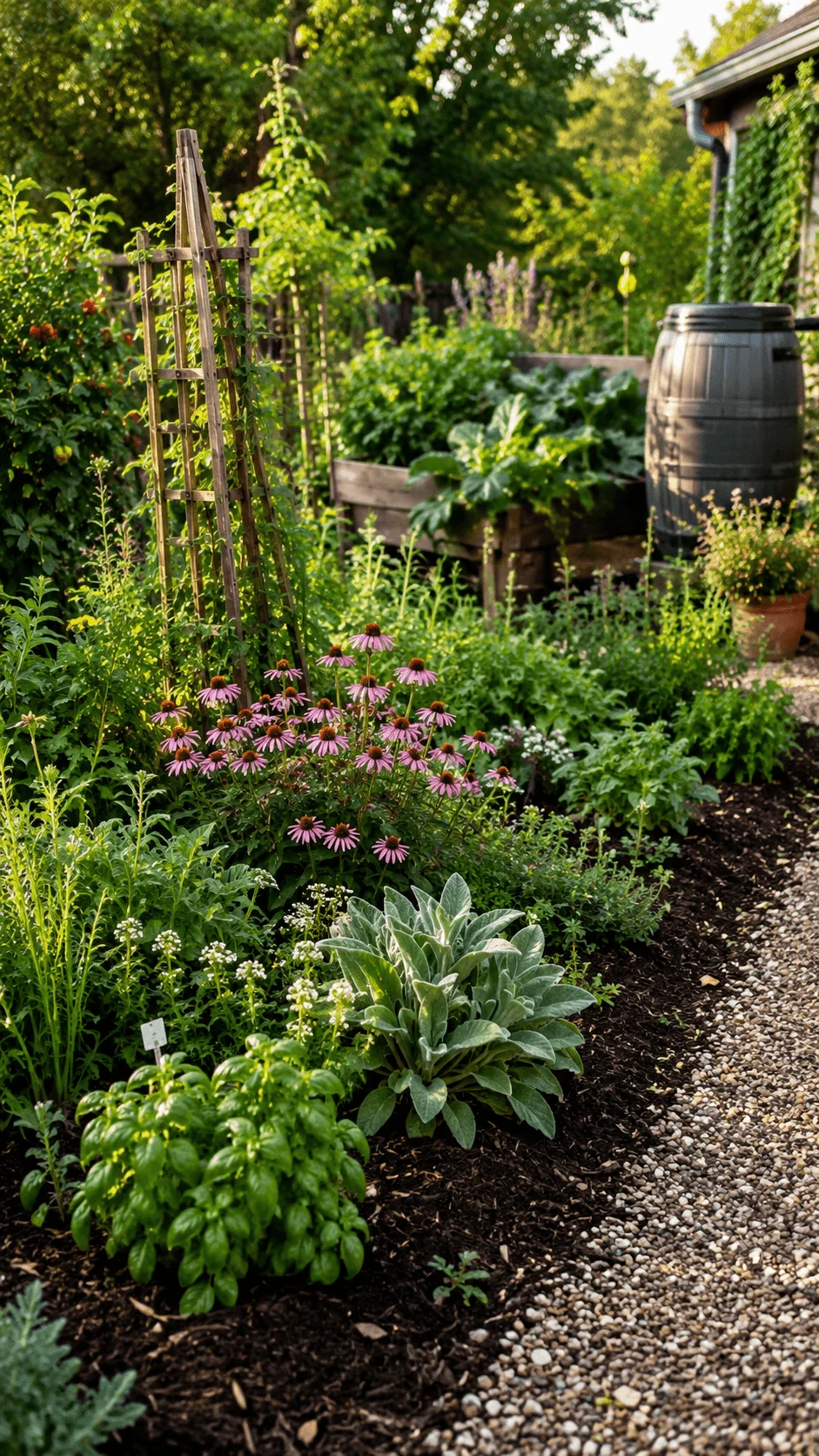
Edible plants can also make a garden more useful. Herbs, vegetables, berries and fruit trees can provide food while contributing to the overall planting design.
The most sustainable garden is not necessarily the one containing the greatest number of environmentally themed products. It is the garden where the plants, soil, water and wildlife work together naturally.
Replace Traditional Lawn With Eco Friendly Plants
Traditional lawns can create a large area that looks neat and open, but they may also require regular mowing, watering and maintenance. One of the most practical eco friendly garden ideas is to reduce the amount of lawn and replace some areas with plants that provide greater ecological value.
You do not need to remove every section of grass. A gradual approach often works better. Keep lawn where you need open space for walking, relaxing or playing, then transform less useful sections into planted areas.
Groundcovers, native flowers, ornamental grasses and low growing perennials can create an attractive alternative. These plants can add texture and seasonal interest while providing habitat for insects and other wildlife.
The design can also look more intentional when different plants form distinct areas. A low growing groundcover can create a soft edge around a path, while taller native flowers can provide a colorful background. Ornamental grasses can add movement and structure between flowering plants.
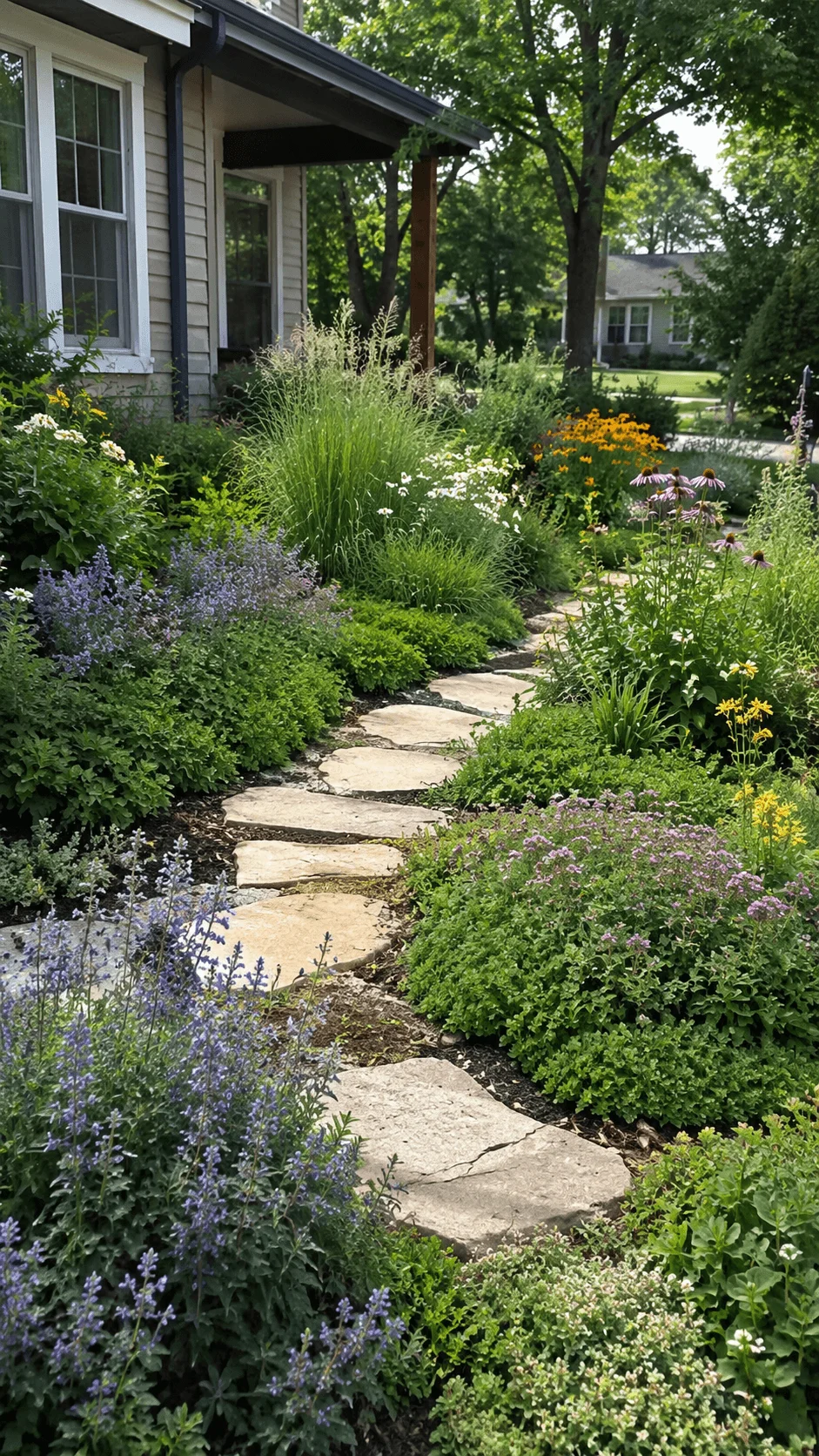
Replacing lawn also gives you an opportunity to rethink the entire garden. Instead of maintaining a large single surface, you can create several connected planting areas with different purposes. One area might support pollinators, another could contain herbs, while another could provide habitat for birds.
The best lawn alternative depends heavily on climate and usage. A plant that works well as groundcover in a cool region may struggle in a hot climate. Consider sunlight, rainfall, soil and foot traffic before choosing a replacement.
Create an Eco Friendly Edible Landscape
Edible landscaping combines food production with garden design. Instead of placing vegetables and herbs in a separate area that looks completely different from the rest of the garden, you can integrate useful plants throughout your landscape.
This approach has become increasingly attractive because a garden can serve several purposes at once. Fruit trees can provide shade and food, herbs can grow along pathways, berries can create attractive borders and vegetables can grow among flowers.
An edible landscape does not have to resemble a traditional vegetable garden. You can use different plant heights and textures to create a decorative composition. Rosemary, thyme, sage and other herbs can provide foliage and fragrance while also producing food. Fruit trees can act as focal points, while berry producing shrubs can form boundaries.
Flowers can also play an important role. Some flowering plants attract pollinators that benefit nearby edible crops. This creates a more connected garden where ornamental and productive plants work together.
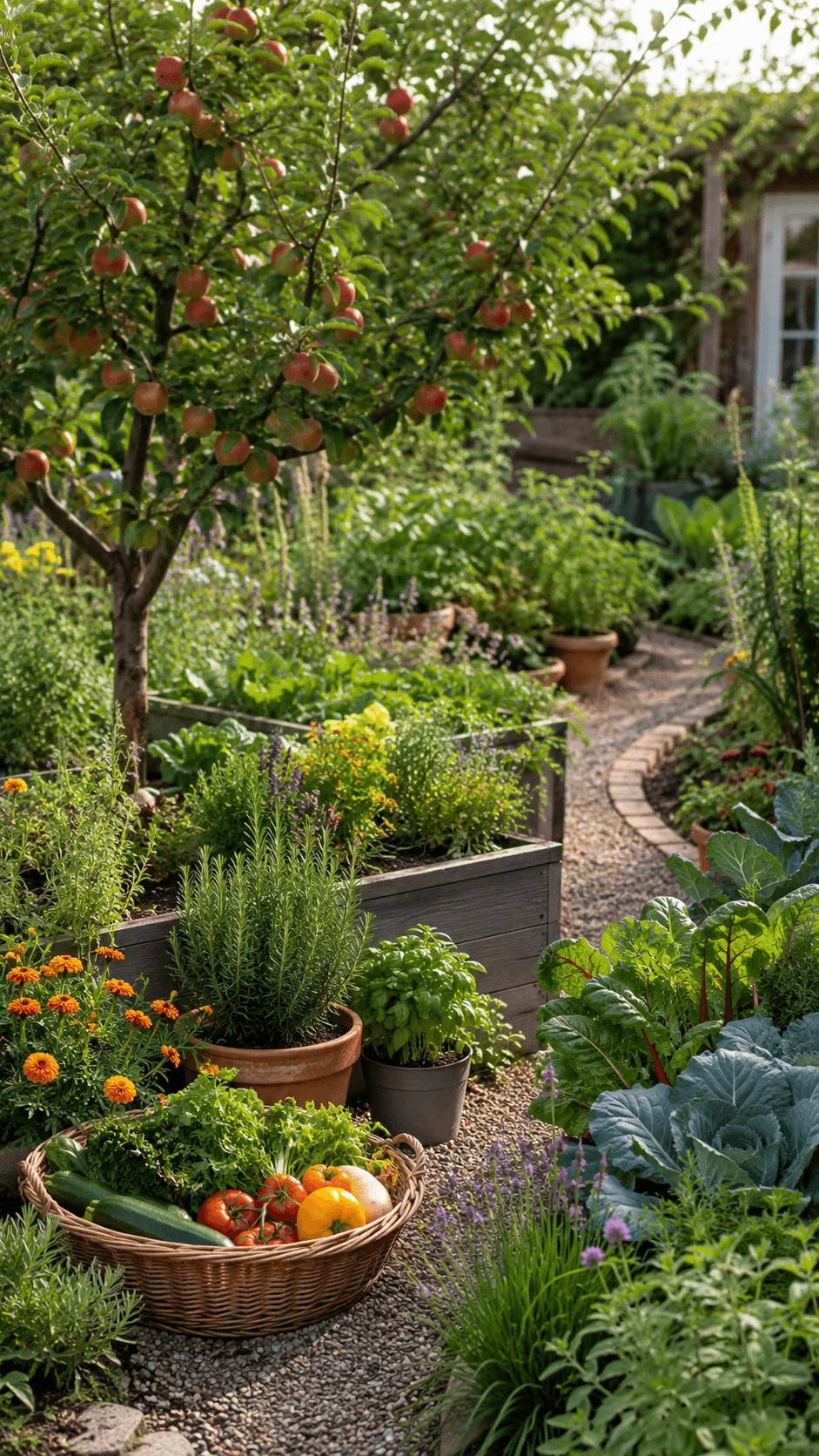
Container growing makes this approach accessible to people with small spaces. Herbs, compact vegetables and some fruiting plants can grow successfully in suitable containers when they receive enough sunlight and proper moisture.
An edible landscape also encourages gardeners to think about seasonality. Rather than expecting every area to look identical throughout the year, you can design the garden around changing harvests and flowering periods. This creates a dynamic outdoor space that changes naturally with the seasons.
Try a Green on Green Sustainable Garden
A green on green garden focuses on foliage rather than depending heavily on brightly colored flowers. This trend creates visual interest through differences in leaf shape, texture, size and shade.
At first, a garden containing mostly green plants might sound simple. In practice, it can create an elegant and calming landscape when gardeners combine plants with contrasting forms.
Large leaves can create a bold visual statement beside narrow grass like foliage. Soft groundcovers can contrast with upright plants, while shrubs can provide structure behind lower perennials. Evergreen plants can maintain structure during periods when many flowering species become dormant.
This approach can also work beautifully with sustainable planting. Gardeners can select native foliage plants, ornamental grasses and other species that suit local growing conditions.
A green on green garden does not mean eliminating flowers completely. Seasonal flowers can appear among the foliage and provide occasional bursts of color. The difference is that flowers do not carry the entire visual design.
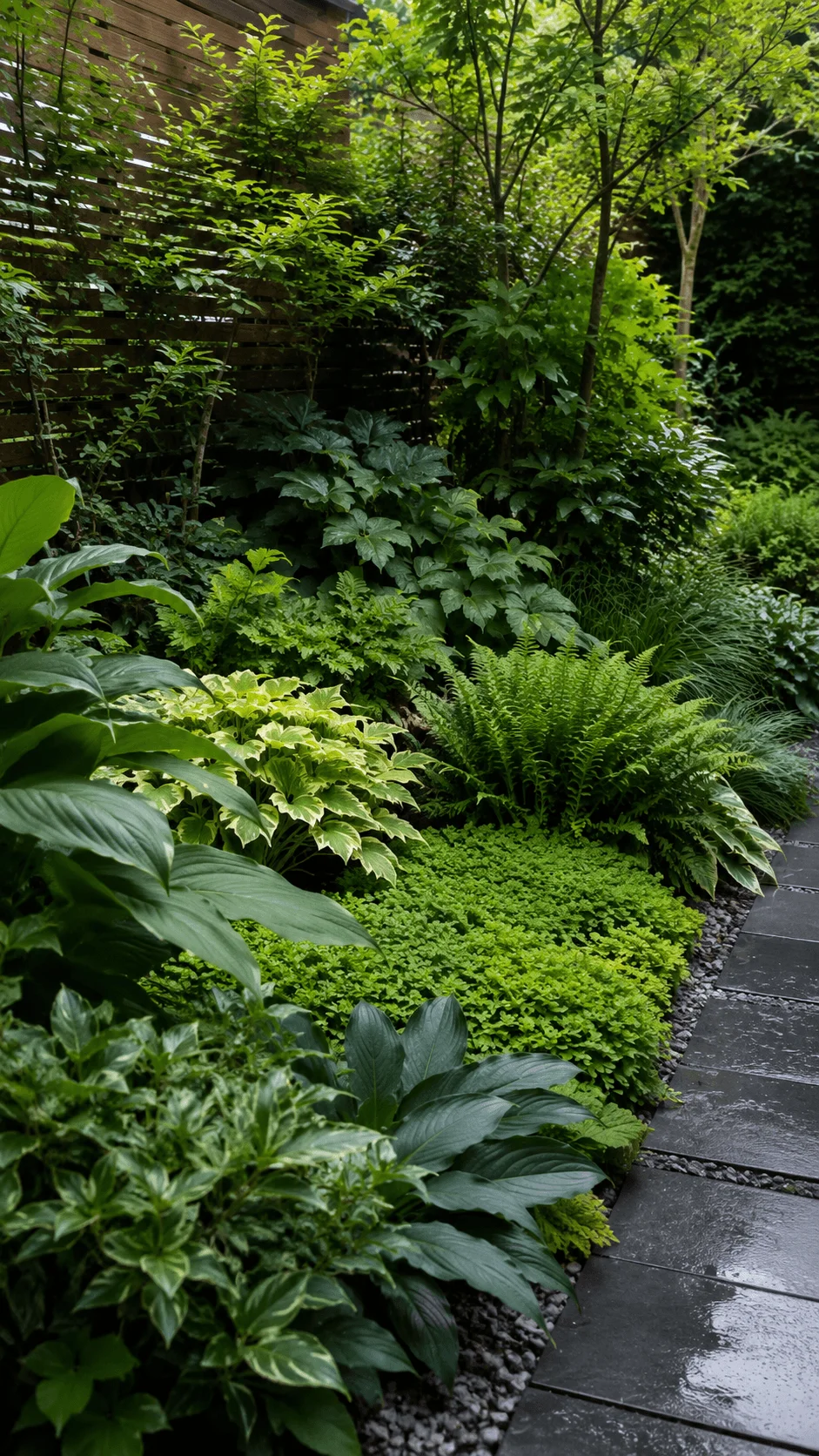
This can make the garden feel more natural and cohesive. Instead of constantly changing plants to create new color combinations, you can rely on foliage structure that remains interesting for longer periods.
For small spaces, this approach can be particularly effective. A limited number of carefully selected plants can create a sophisticated appearance without overcrowding the garden.
Create an Eco Friendly Container and Micro Garden
Small outdoor spaces can still support sustainable gardening. Containers, balconies, patios and compact yards provide opportunities to grow plants while using limited resources.
One of the most useful eco friendly garden ideas for small yards involves creating several functions within a limited area. A container can hold herbs, another can support flowers for pollinators and another can grow a compact vegetable.
Vertical growing can make better use of walls and other unused areas. Trellises can support suitable climbing plants while keeping the ground available for other species.
Containers also allow gardeners to control growing conditions more precisely. You can choose appropriate soil, place plants according to sunlight and move containers when conditions change.
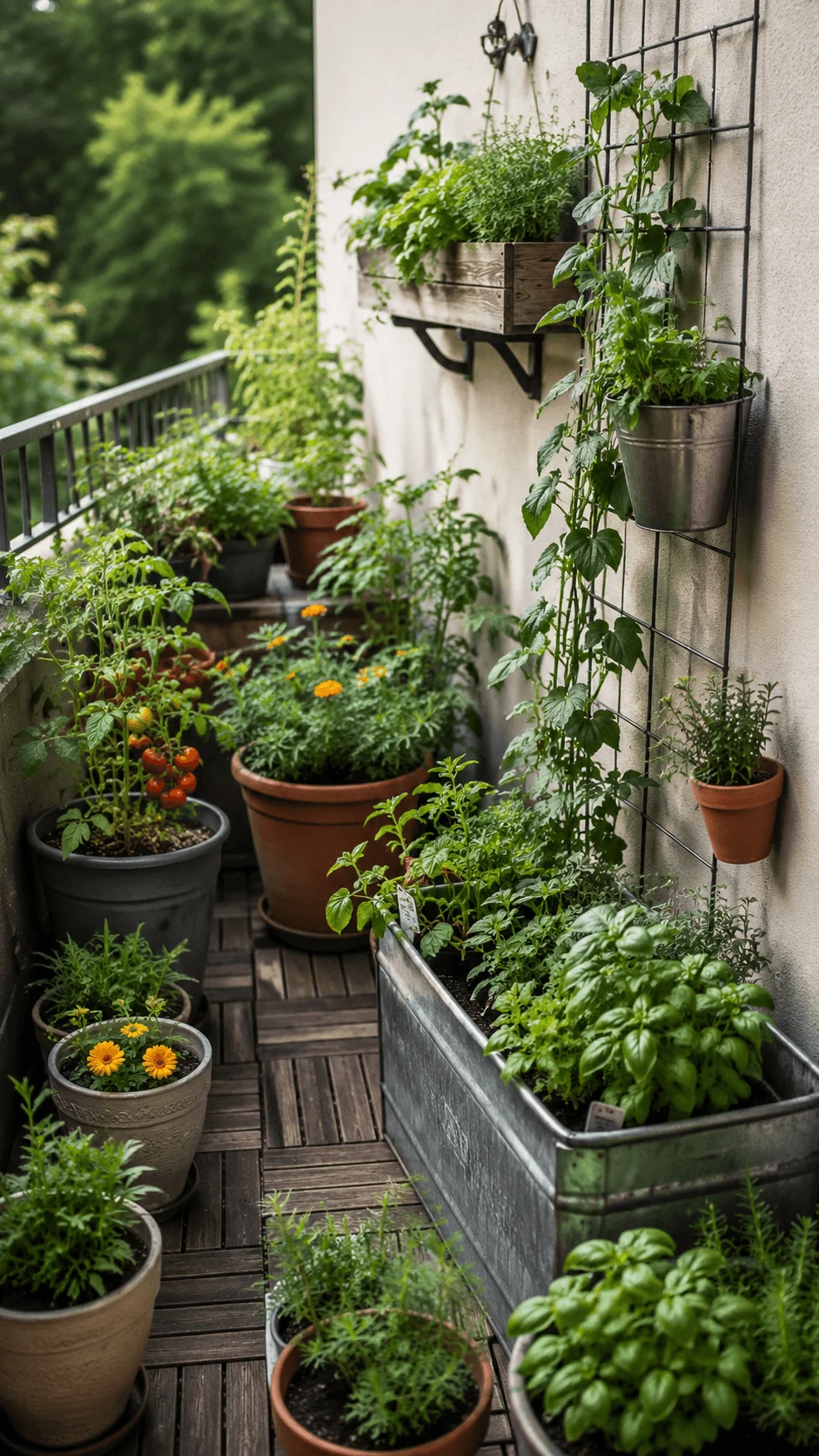
However, sustainable container gardening requires thoughtful water management because containers can dry out faster than garden beds. Using suitable mulch, choosing plants that match the available conditions and watering according to actual moisture levels can help prevent waste.
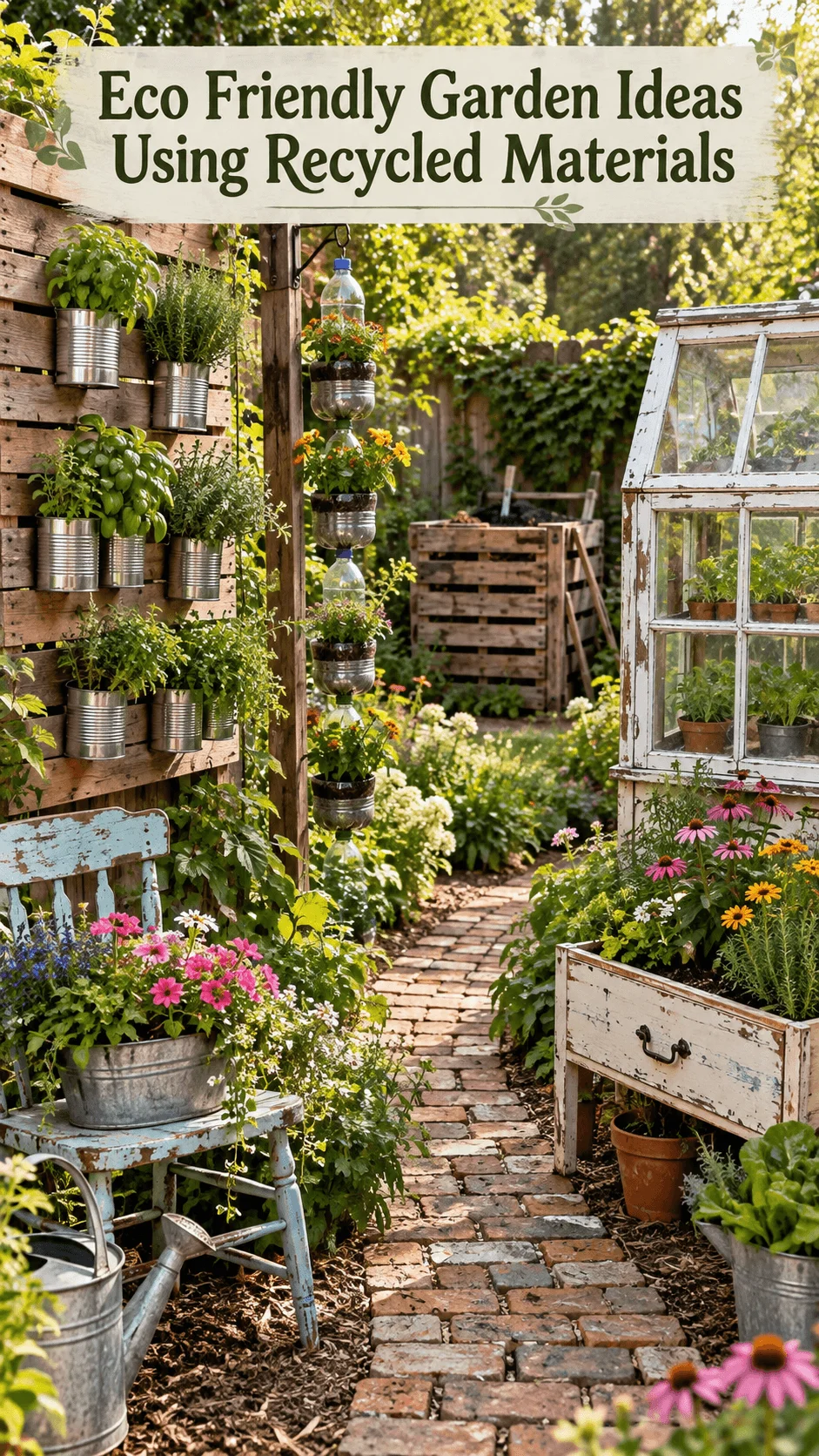
Reusing suitable containers can also reduce the need to purchase new gardening materials. Old containers, wooden boxes or other safe items can sometimes become useful planters when they provide adequate drainage and do not contain harmful substances.
A micro garden can become much more than a collection of pots. Grouping plants according to their needs can create a miniature ecosystem that combines food production, beauty and habitat.
Build a Layered Wildlife Habitat Garden
A wildlife friendly garden becomes more valuable when it provides several different layers of vegetation. Instead of planting flowers at one height, you can create a vertical structure that resembles the complexity of a natural ecosystem.
Tall trees form the upper layer and can provide shade, shelter and nesting opportunities. Shrubs create another level where birds and insects can find protection. Flowering perennials provide seasonal food, while grasses and groundcovers create habitat close to the soil.
This layered approach can also improve the appearance of the garden. Different heights create depth and make a small garden feel more substantial. Plants can overlap visually without appearing random when you arrange them according to mature size.
Wildlife also benefits from the variety. Birds may use shrubs for shelter, insects may use flowering plants for food and soil organisms can thrive beneath layers of organic material.
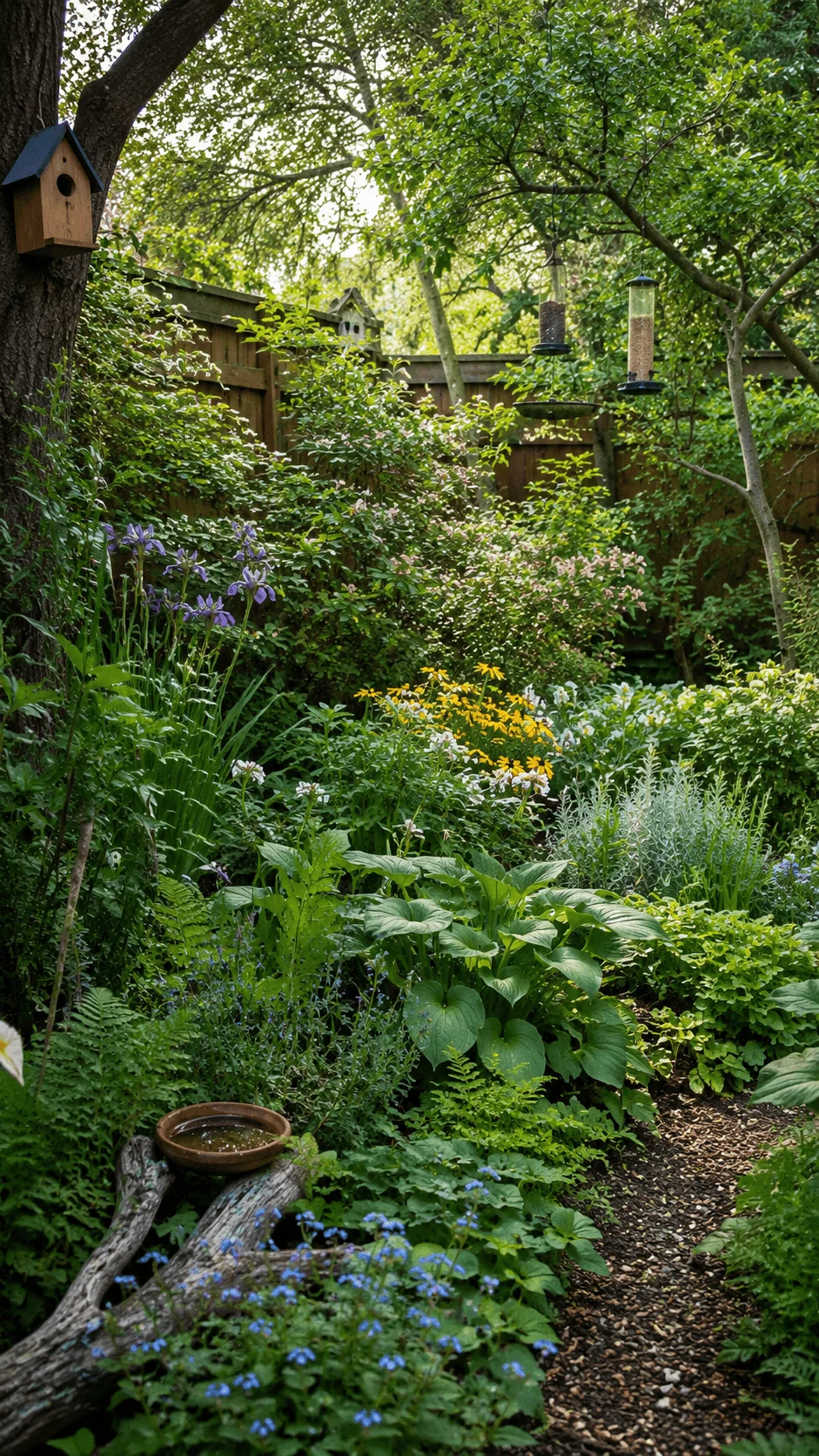
You can create this concept even without large trees. A small garden might use one compact shrub, several medium height plants and a groundcover layer. Containers can also create miniature habitat zones on patios and balconies.
The goal is to think beyond individual plants. A wildlife habitat works because different elements connect. Food, shelter, water and safe areas can exist close together.
Reducing excessive tidiness can also help. Leaving some natural plant material through parts of the year can provide shelter for small organisms. Sustainable gardening does not require every fallen leaf or spent flower to disappear immediately.
How to Choose Plants for a Sustainable Garden
Selecting sustainable garden plants requires more thought than simply choosing species labeled as eco friendly. Start by examining the conditions where the plant will grow.
Sunlight is one of the most important factors. Some plants need several hours of direct sunlight, while others perform better in shade. Planting a species in the wrong light conditions can lead to weak growth and increased maintenance.
Soil also matters. Check whether your soil drains quickly or holds moisture. Consider its texture and organic matter. Improving soil gradually with appropriate organic material can create better conditions for roots.
Local climate should guide plant selection as well. Temperature, rainfall and seasonal changes influence which species can survive and thrive.
Native plants deserve particular attention because they form part of the local ecological system. However, native does not automatically mean suitable for every location within a region. Choose plants according to the specific conditions of your property.
Think about mature plant size as well. A small plant at a garden center can eventually become much larger. Giving plants enough space reduces crowding and can lower the need for frequent pruning.
Finally, consider maintenance. A sustainable garden should fit the amount of time you can realistically spend caring for it. Choosing plants that suit your conditions can make maintenance easier and reduce unnecessary intervention.
Conclusion
The most exciting eco friendly garden ideas for 2026 focus on creating outdoor spaces that work with nature rather than against it. Native planting, climate resilience, meadow gardens, pollinator habitats, regenerative soil care and responsible water management can all contribute to a healthier landscape.
The biggest change is the way gardeners now think about the purpose of a garden. A garden can provide beauty while also supporting insects, birds and soil organisms. It can produce food, manage rainfall, conserve water and create habitat without sacrificing visual appeal.
You do not need a large yard or an unlimited budget to make these changes. A small section of lawn can become a native planting area. A few containers can support herbs and pollinator plants. A compost system can turn organic waste into valuable soil material. A rain barrel can help capture rainfall for appropriate garden use.
The most effective approach is to begin with the conditions you already have. Observe your sunlight, soil, rainfall and available space, then choose plants and features that naturally fit those conditions. This simple strategy can reduce maintenance while helping your garden become more resilient.
Ultimately, sustainable gardening is not about creating a perfect landscape. It is about making thoughtful choices that allow plants, wildlife, soil and people to share the same space. By gradually applying these eco friendly garden ideas, you can create an outdoor environment that remains beautiful while becoming more useful, resilient and supportive of nature.