Eco Friendly Garden Ideas for Front Yard 2026
Your front yard can do much more than improve the appearance of your home. With the right eco friendly garden ideas for front yard, you can create an inviting outdoor space that saves water, supports wildlife, improves soil and reduces unnecessary maintenance. In 2026, homeowners are increasingly moving away from resource intensive lawns and choosing native plants, natural materials, pollinator friendly spaces and climate resilient designs that make their yards both beautiful and useful.
A sustainable front yard does not have to look wild or unfinished. Thoughtful plant combinations, attractive pathways, natural textures and well planned garden beds can create a polished landscape with plenty of curb appeal. The best designs work with the conditions already present in the yard instead of constantly fighting them.
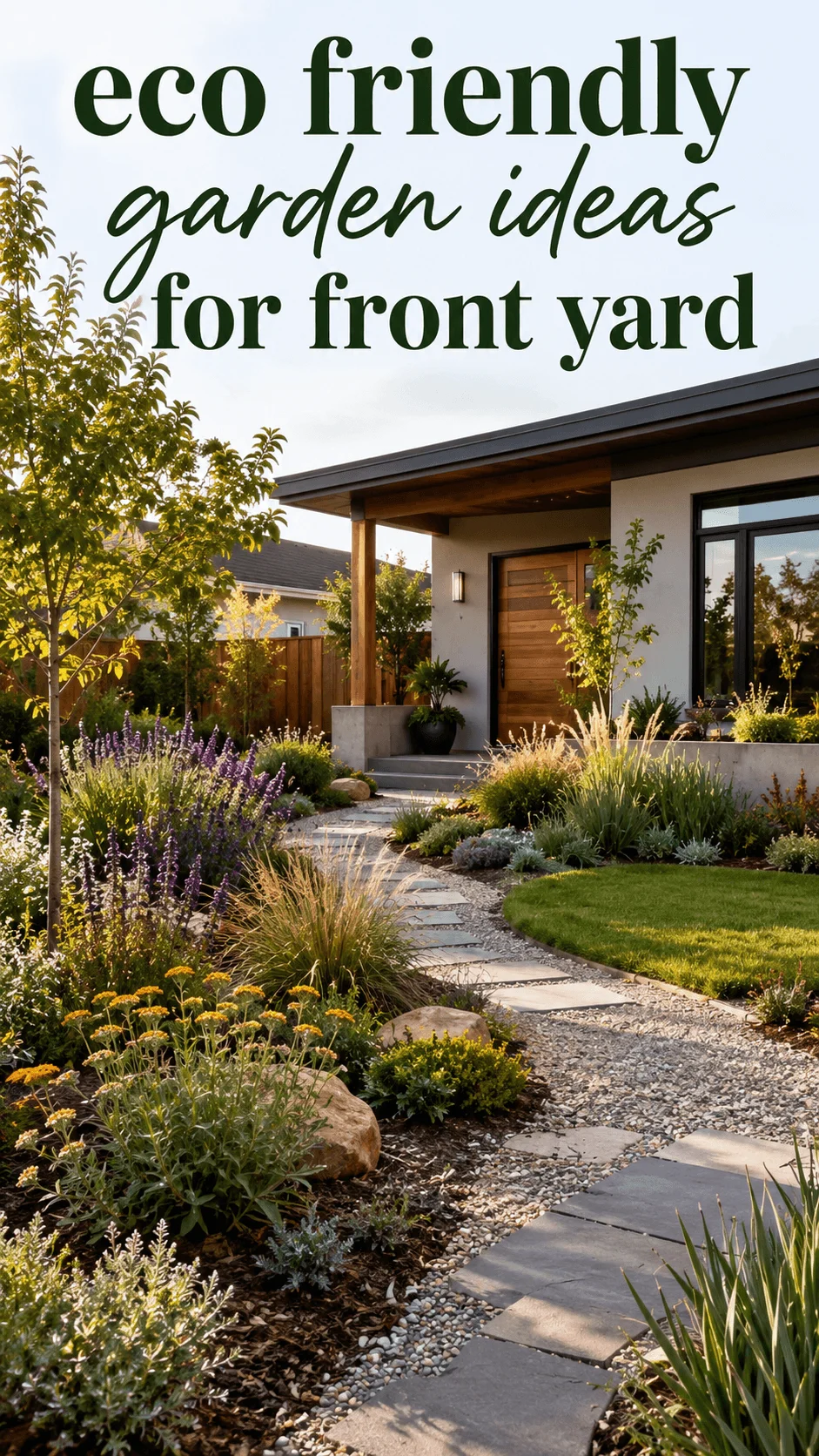
From native plant gardens and low mow landscapes to rain gardens and edible planting, there are many ways to make a front yard more environmentally responsible. The following ideas can help you create a landscape that looks beautiful while working in harmony with nature.
Native Plant Front Yard Garden Ideas
Native plants are becoming one of the most important choices for homeowners who want a more sustainable front yard. These plants naturally occur in a particular region and have adapted to the local climate, soil conditions and seasonal patterns. That makes them especially useful when you want to create a garden that requires fewer artificial inputs.
A native plant garden can include much more than a collection of wildflowers. You can combine native shrubs, grasses, flowering perennials, groundcovers and small trees to create different layers throughout the yard. Taller plants can provide structure toward the back of a garden bed, while medium sized flowers can fill the middle and low growing groundcovers can soften the edges.
This layered approach creates visual depth while giving your front yard a more natural appearance. You can also select plants with different flowering periods so the garden continues to provide color and interest throughout the growing season.
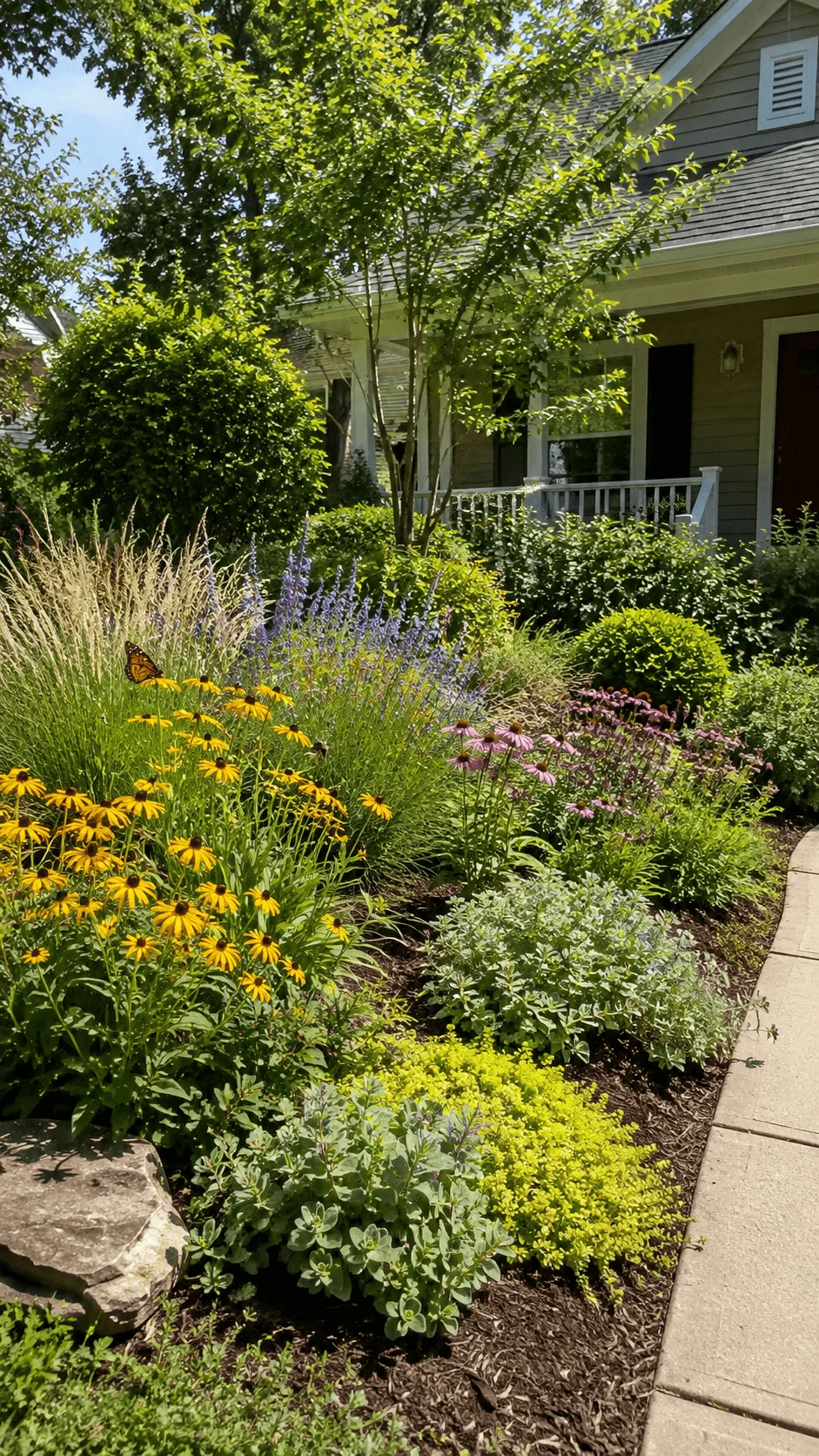
Native plants can also provide valuable resources for local wildlife. Birds may use native shrubs for shelter or food, while flowers can provide nectar and pollen for insects. By choosing species suited to your area, you can make your front yard part of a larger network of habitat.
Before planting, pay attention to your yard’s sunlight, soil and moisture conditions. A native plant that thrives in a sunny, dry location may struggle in a shaded area with damp soil. Choosing plants according to the conditions of each part of the yard can make the garden easier to maintain and more successful over time.
Low Mow and No Mow Front Yard Garden Ideas
Traditional lawns can create a large maintenance burden because they often require regular mowing, watering and other forms of care. A low mow or no mow landscape offers an alternative while still leaving homeowners with an attractive front yard.
You do not have to remove every section of grass to adopt this approach. One practical option is to reduce the lawn gradually and replace selected areas with planting beds, native groundcovers or ornamental grasses. Keeping a smaller central lawn can preserve the familiar appearance of a traditional front yard while reducing the amount of grass that needs regular maintenance.
Another option involves creating a meadow inspired area with carefully selected plants. Native grasses and flowering plants can create movement and seasonal interest while providing resources for pollinators and other wildlife.
The key to a successful low mow front yard is intentional design. Clearly defined planting areas, attractive borders and pathways can make the landscape appear planned rather than neglected. A curved garden bed around a small lawn, for example, can create a softer transition between the home and the landscape.
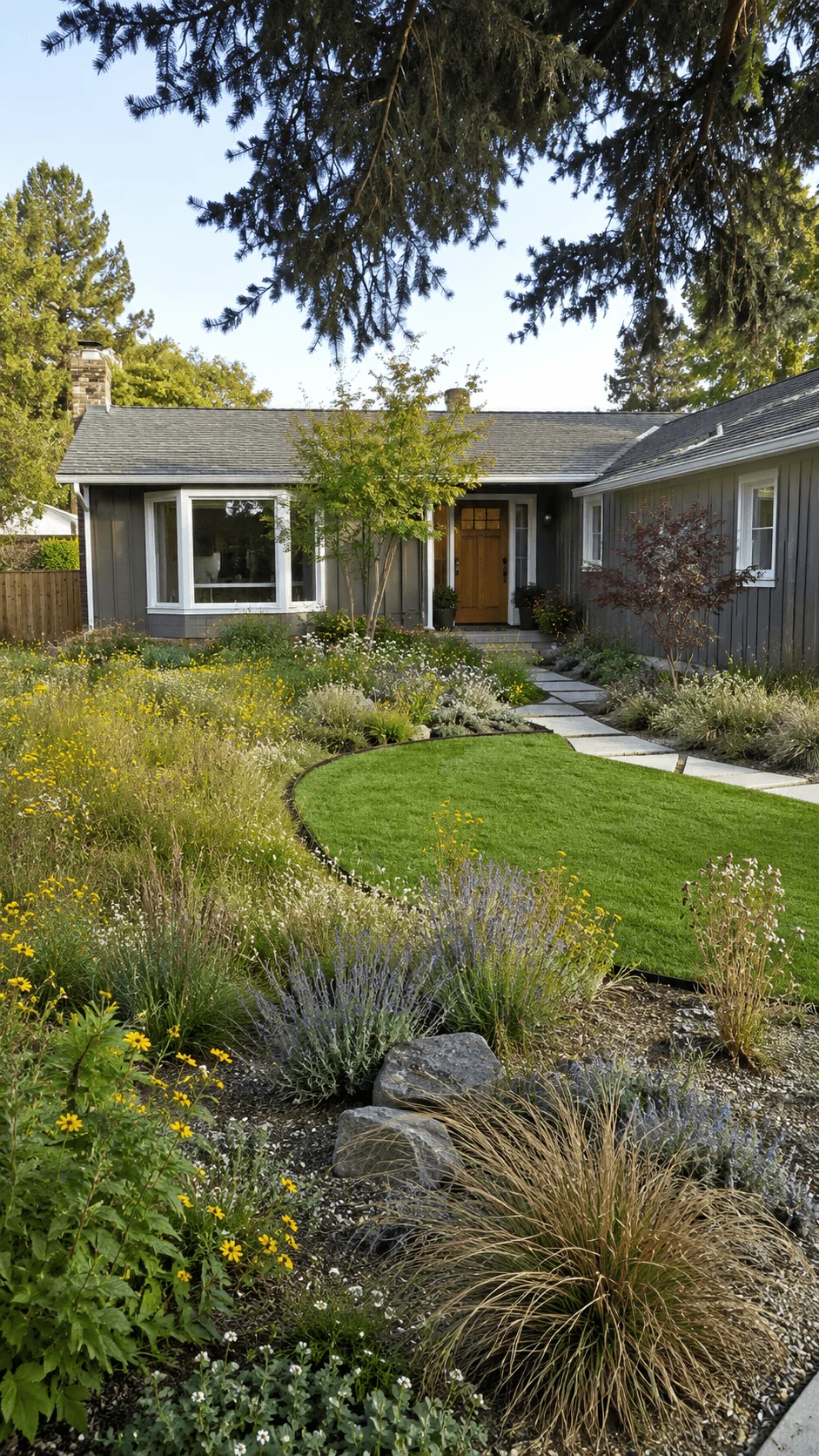
Low mow designs can also work particularly well for homeowners who want to spend less time maintaining their yards. Once suitable plants become established, many areas may require less frequent intervention than a large conventional lawn.
Pollinator Friendly Front Yard Garden Ideas
A pollinator friendly garden can turn an ordinary front yard into a colorful and lively outdoor space. Bees, butterflies and other pollinating insects depend on flowering plants for food, so adding a diverse selection of suitable flowers can provide useful habitat.
When planning pollinator friendly front yard garden ideas, focus on variety rather than planting only one type of flower. Different flowers provide different shapes, colors and bloom periods. A combination of plants that flower at different times can give pollinators access to food throughout more of the season.
Native flowering plants are particularly valuable because local insects often have close relationships with plants that evolved in the same region. You can combine flowering perennials with shrubs, grasses and groundcovers to create a more diverse environment.
The visual design matters too. Instead of scattering individual plants randomly, arrange flowers in groups or repeating clusters. Repetition creates a stronger visual rhythm and helps the garden feel more intentional.
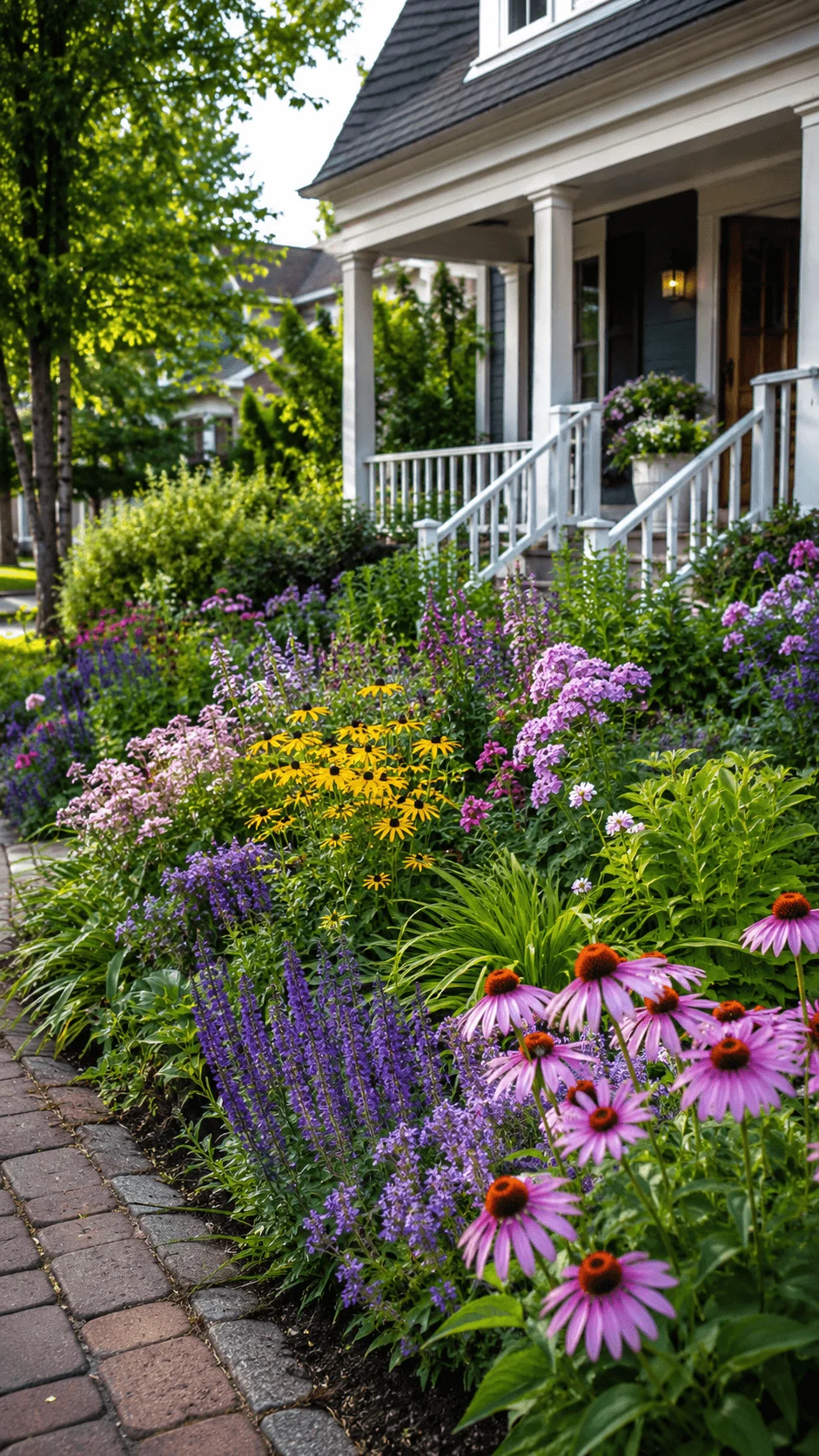
You can also place pollinator plants along pathways, around trees or near the entrance to your home. This makes the garden part of the overall front yard design rather than a separate feature hidden in one corner.
Avoid treating every insect as a problem. A healthy pollinator garden naturally attracts a variety of insects, and many of them play important roles in the ecosystem. Choosing appropriate plants and allowing the garden to develop some natural diversity can create a healthier landscape.
Climate Resilient Front Yard Landscaping
One of the most interesting directions in sustainable landscaping is the move toward climate resilient garden design. Instead of choosing plants purely because they look attractive in a garden center, homeowners can consider how well their landscape will cope with local heat, drought, heavy rainfall and changing weather patterns.
Climate resilient front yard landscaping starts with understanding the conditions of your property. Observe where water collects after rain, which areas dry quickly and where the strongest sunlight reaches during the day. These observations can help you select suitable plants and decide where different landscape features should go.
You can combine several sustainable features to make the garden more resilient. Native plants can provide better adaptation to local conditions, while mulch can help protect soil and reduce moisture loss. Trees can provide shade, and rain gardens can help manage runoff in suitable locations.
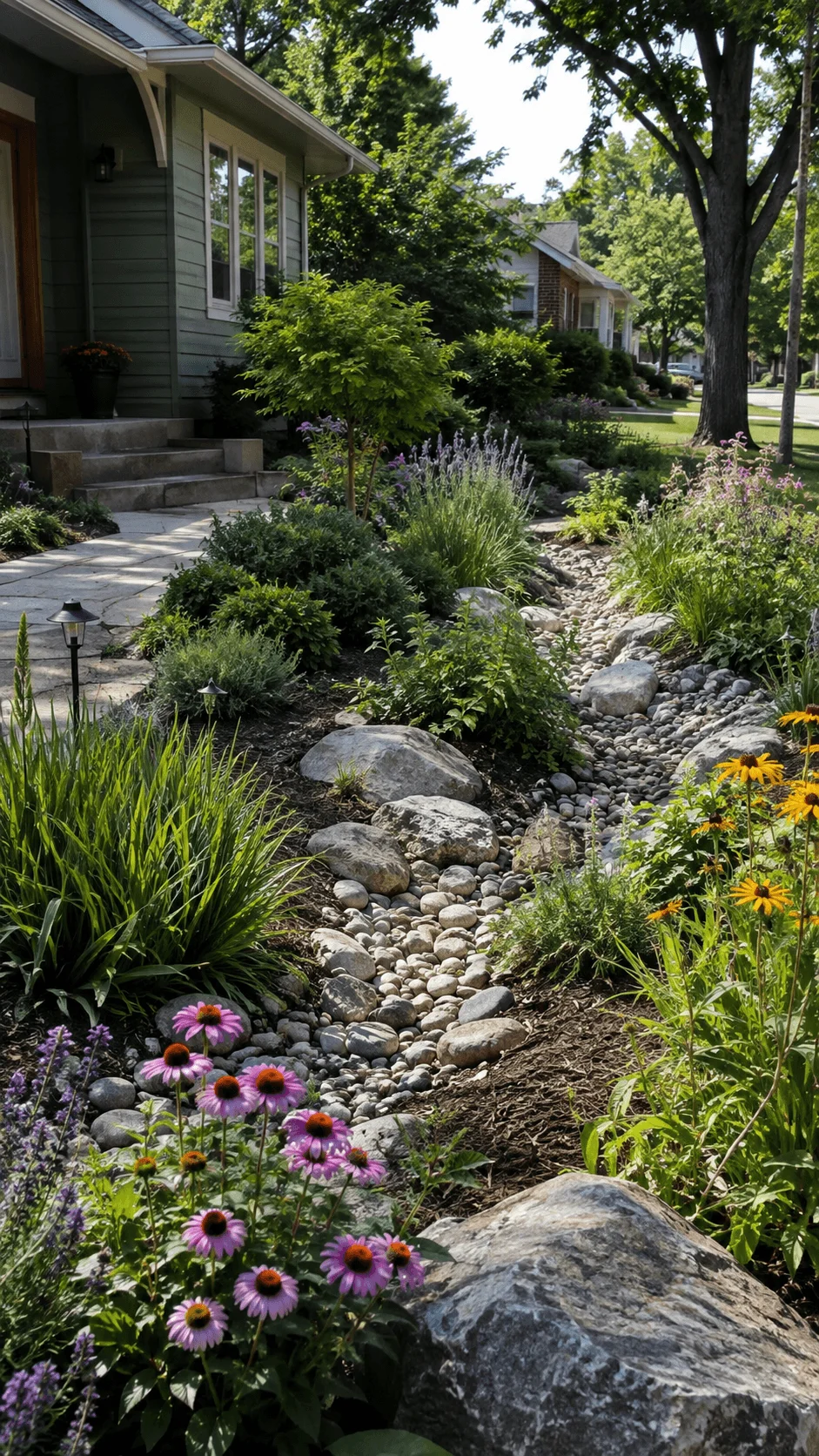
Plant diversity also matters. A yard containing many different species may respond differently to weather stress than a landscape dominated by one type of plant. If one plant struggles during an unusually hot or wet period, other species may continue to thrive.
The result can be a front yard that needs less constant intervention. Instead of trying to maintain identical conditions everywhere, climate friendly garden design works with the natural characteristics of the site.
Rain Garden Ideas for Front Yard
A rain garden can combine water management with attractive planting. It usually consists of a shallow landscaped area designed to temporarily collect and absorb rainwater.
Rainwater from roofs and other hard surfaces can sometimes create runoff that moves quickly across a property. A properly designed rain garden can help slow that water down and allow it to soak into the soil.
The location matters greatly. You need to understand how water moves through your property before deciding where to create one. A rain garden should also use plants that can tolerate the moisture conditions expected in that location.
Native plants often work well because many species can handle changing moisture levels once established. You can combine grasses, flowering plants and shrubs to create an attractive planting area rather than making the feature look like a simple drainage ditch.
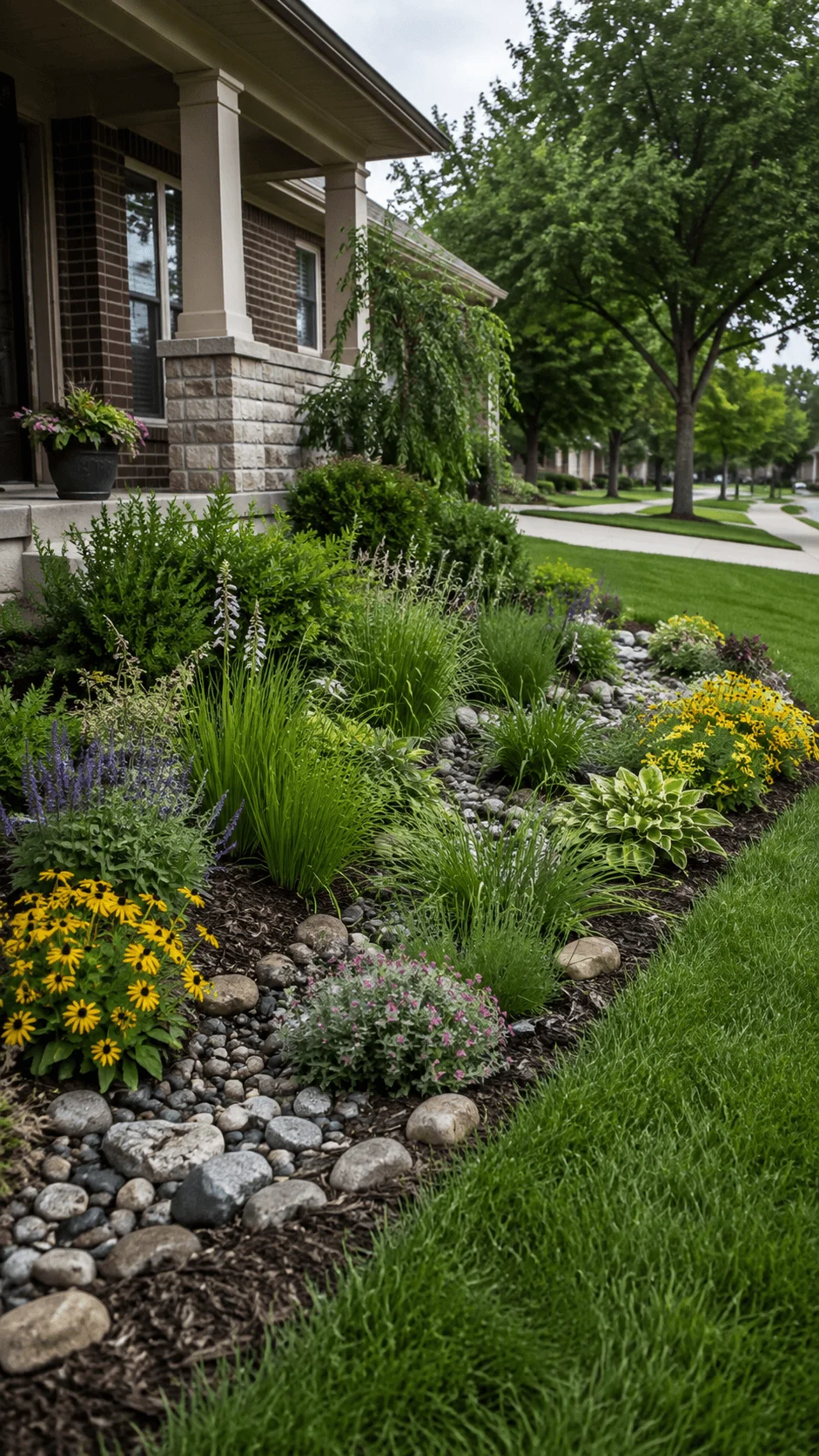
A rain garden can become a visual focal point when you give it a defined shape and combine plants with different heights and textures. Curved edges can soften the appearance, while a nearby pathway can connect the feature with the rest of the front yard.
This approach is especially useful for homeowners who want their garden to provide a practical environmental function while still contributing to curb appeal.
Drought Tolerant Xeriscape Front Yard Ideas
Xeriscaping has become increasingly popular as homeowners look for ways to reduce water use without giving up attractive landscaping. Modern xeriscaping goes far beyond covering the entire yard with rocks.
A successful xeriscape can combine drought tolerant flowers, native grasses, shrubs, groundcovers, gravel, stone and mulch. The goal is to select plants that can thrive with the amount of water naturally available in the landscape.
Plant arrangement plays an important role. You can place taller drought tolerant plants near the house or property boundary and use lower growing plants closer to pathways. Repeating similar plants throughout the garden can create a cohesive appearance.
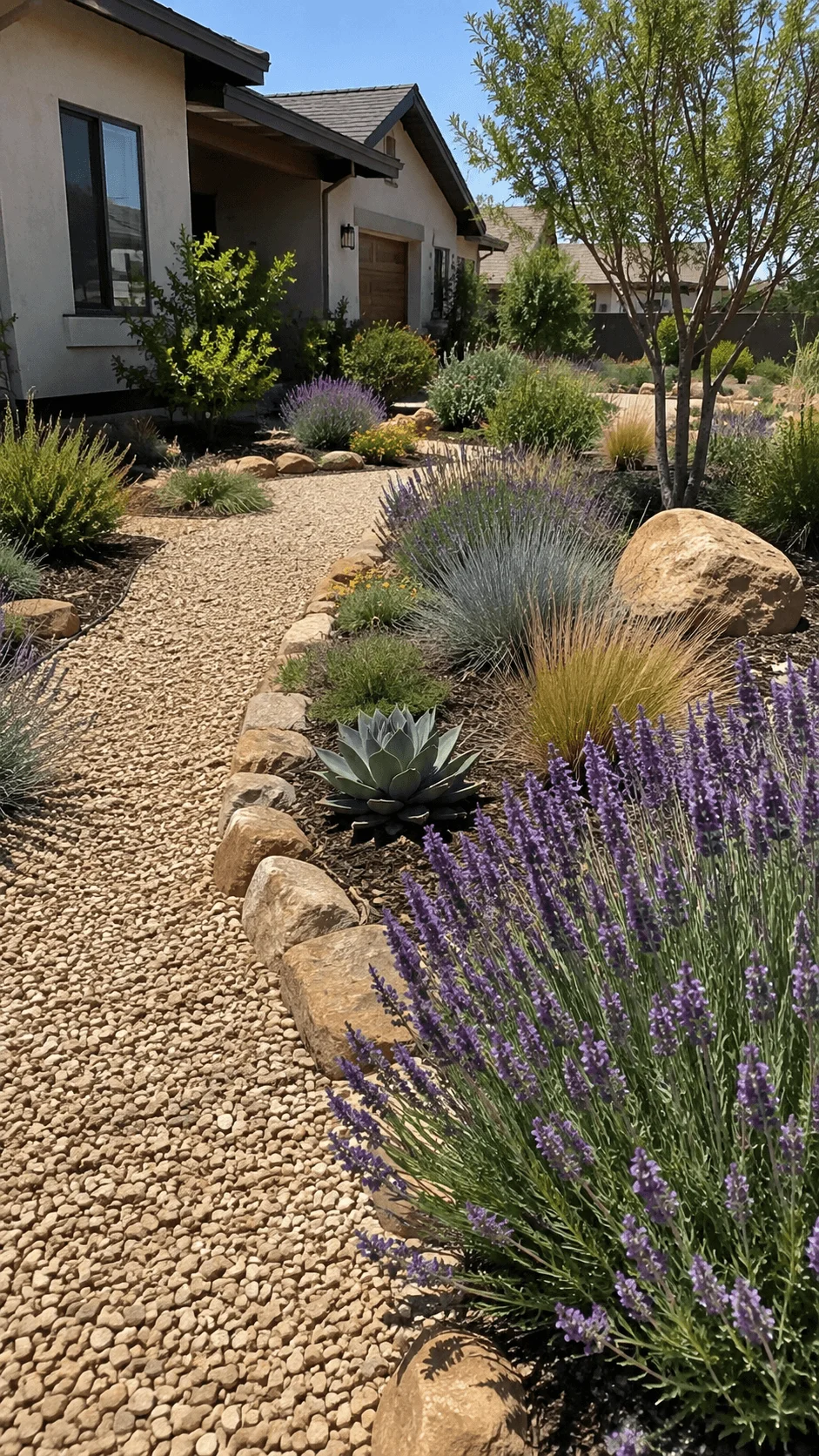
Natural materials can add additional texture. Gravel pathways can contrast with soft grasses, while stone edging can define planting beds. Mulch can help protect soil and reduce moisture evaporation in suitable planting areas.
The most important thing is to select plants according to your local conditions. A drought tolerant plant still needs appropriate soil, sunlight and establishment care. Once plants become established, however, a carefully planned xeriscape can reduce the need for frequent watering.
Edible Front Yard Garden Ideas
An edible front yard can combine food production with attractive landscaping. Instead of hiding all edible plants in a backyard vegetable garden, homeowners can integrate herbs, berries, fruit trees and vegetables into decorative planting areas.
Edible front yard garden ideas work especially well when you treat food producing plants as part of the overall landscape design. A small fruit tree can become a focal point, while herbs can grow along a pathway or around flowering plants.
You can also mix edible and ornamental plants rather than creating separate sections. Colorful vegetables, flowering herbs and berry producing shrubs can add texture and seasonal interest.
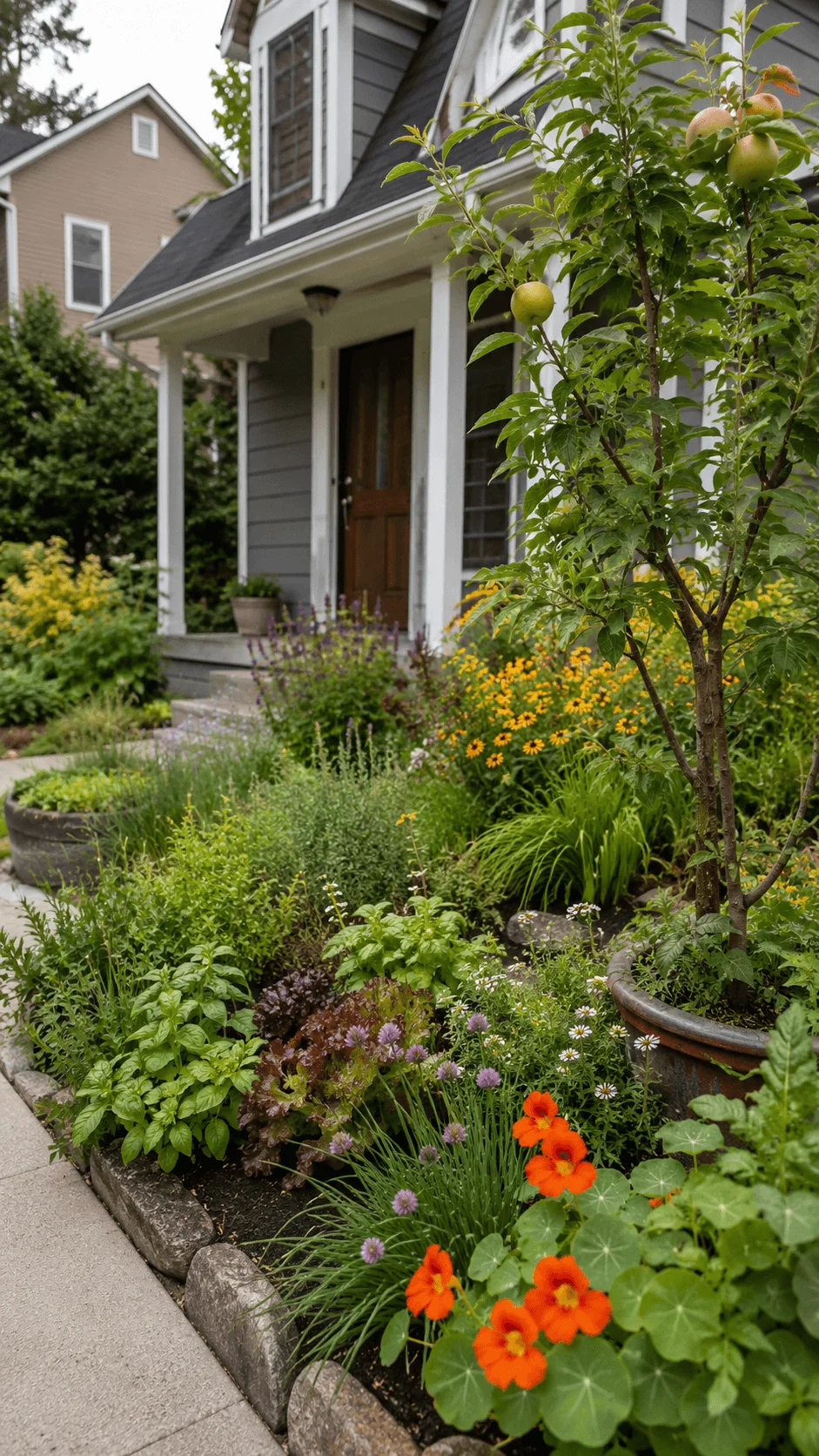
The key is choosing plants that fit the appearance and scale of the property. A compact front yard may benefit from a few carefully selected edible plants, while a larger property may have room for a more extensive combination of food and ornamental planting.
This approach can make the front yard more productive without sacrificing its appearance. It also creates an opportunity to connect gardening with everyday life by bringing fresh herbs, fruits or vegetables closer to the home.
Eco Friendly Front Yard Pathway Ideas
A pathway can become an important part of an environmentally conscious front yard because it affects both the appearance of the landscape and how rainwater moves across the property. Conventional concrete surfaces can create large areas where water cannot easily enter the soil. Choosing more permeable materials can create a softer and more natural connection between your home, garden beds and outdoor spaces.
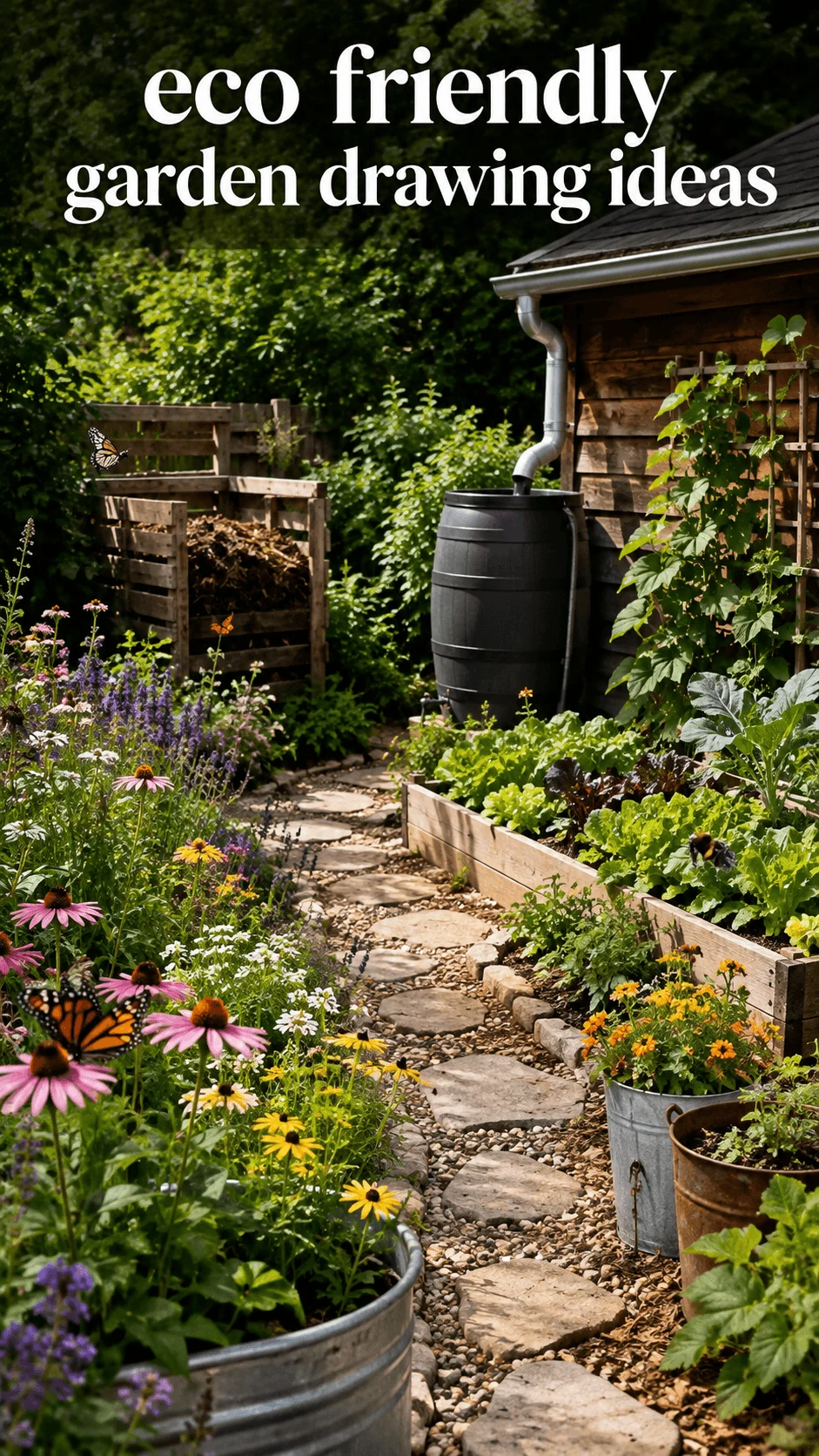
Gravel is one option that can work well in suitable locations. It creates a relaxed appearance and pairs naturally with native plants, ornamental grasses and drought tolerant gardens. You can also use permeable paving systems that allow some rainfall to move through spaces between the paving materials.
The design of the pathway matters just as much as the material. A gently curved path can make a small front yard feel more interesting, while a straight pathway can create a clean and modern appearance. You can surround the path with low growing plants to soften its edges and connect it visually with the rest of the garden.
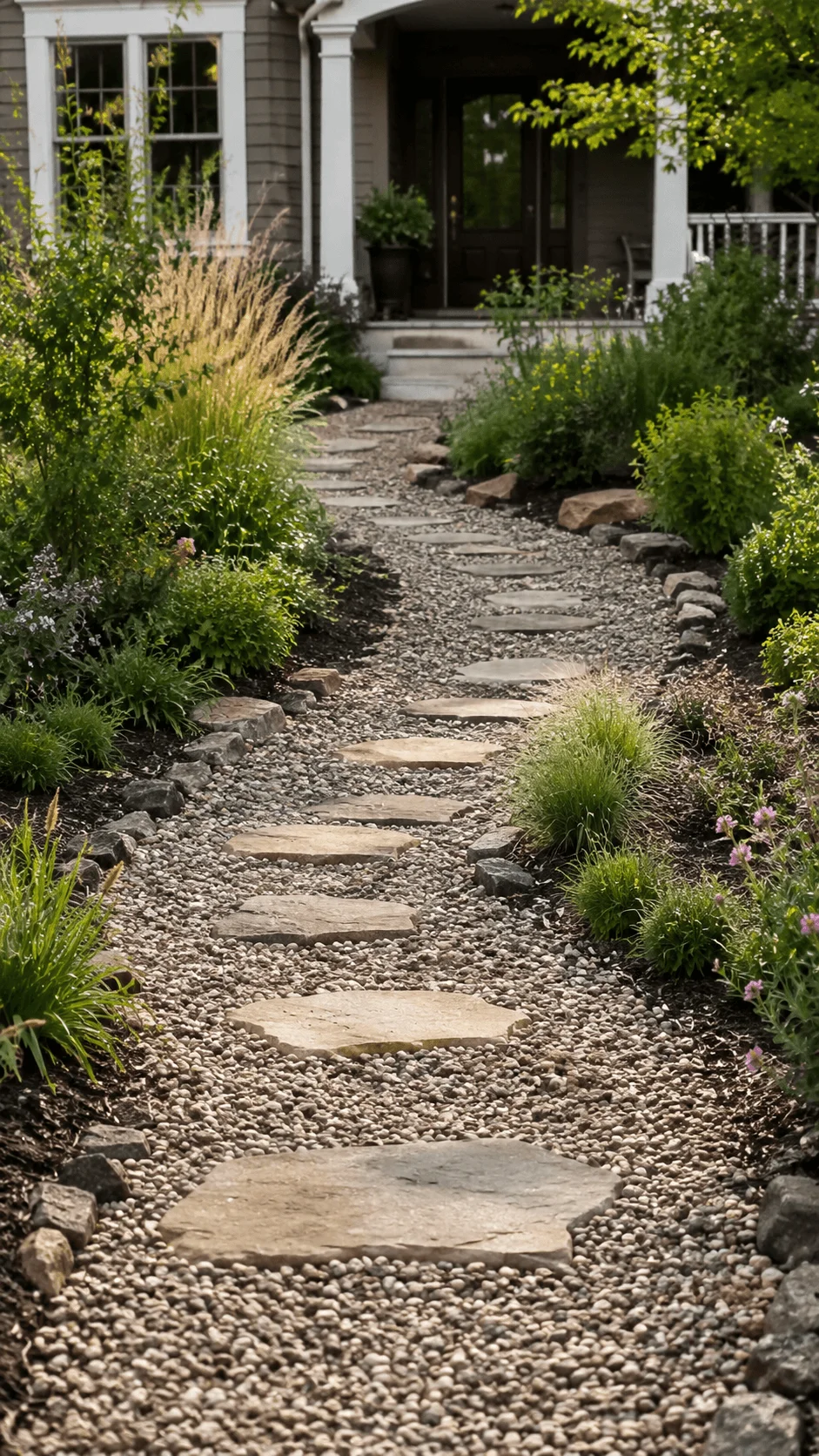
Natural stone can also add character when used thoughtfully. Rather than covering large areas with hard surfaces, consider using materials only where a stable walking surface is necessary. This keeps the landscape more planted and allows more space for vegetation.
When choosing an eco friendly pathway, consider drainage, accessibility and local weather conditions. The surface should remain practical during wet weather and provide a comfortable route to the entrance. A well designed pathway can therefore improve both functionality and the overall appearance of your front yard.
Green on Green Native Layered Garden
A green on green garden is an excellent choice for homeowners who prefer a calm and sophisticated landscape. Instead of depending on large amounts of brightly colored flowers, this approach uses different shades of green, leaf shapes, textures and plant heights to create visual interest.
The design can begin with low growing groundcovers near the edge of a planting bed. Medium sized perennials can fill the middle layer, while ornamental grasses and shrubs can create additional height. A small native tree can provide a strong focal point and bring the entire planting arrangement together.
This type of garden fits naturally with current sustainable design because many of the plants can come from species adapted to local growing conditions. The emphasis shifts from creating a perfectly manicured appearance toward creating a living landscape with natural variation.
Texture becomes particularly important when the garden contains fewer flower colors. Broad leaves can contrast with narrow grass blades, while dense shrubs can provide a different visual effect from delicate perennial foliage.
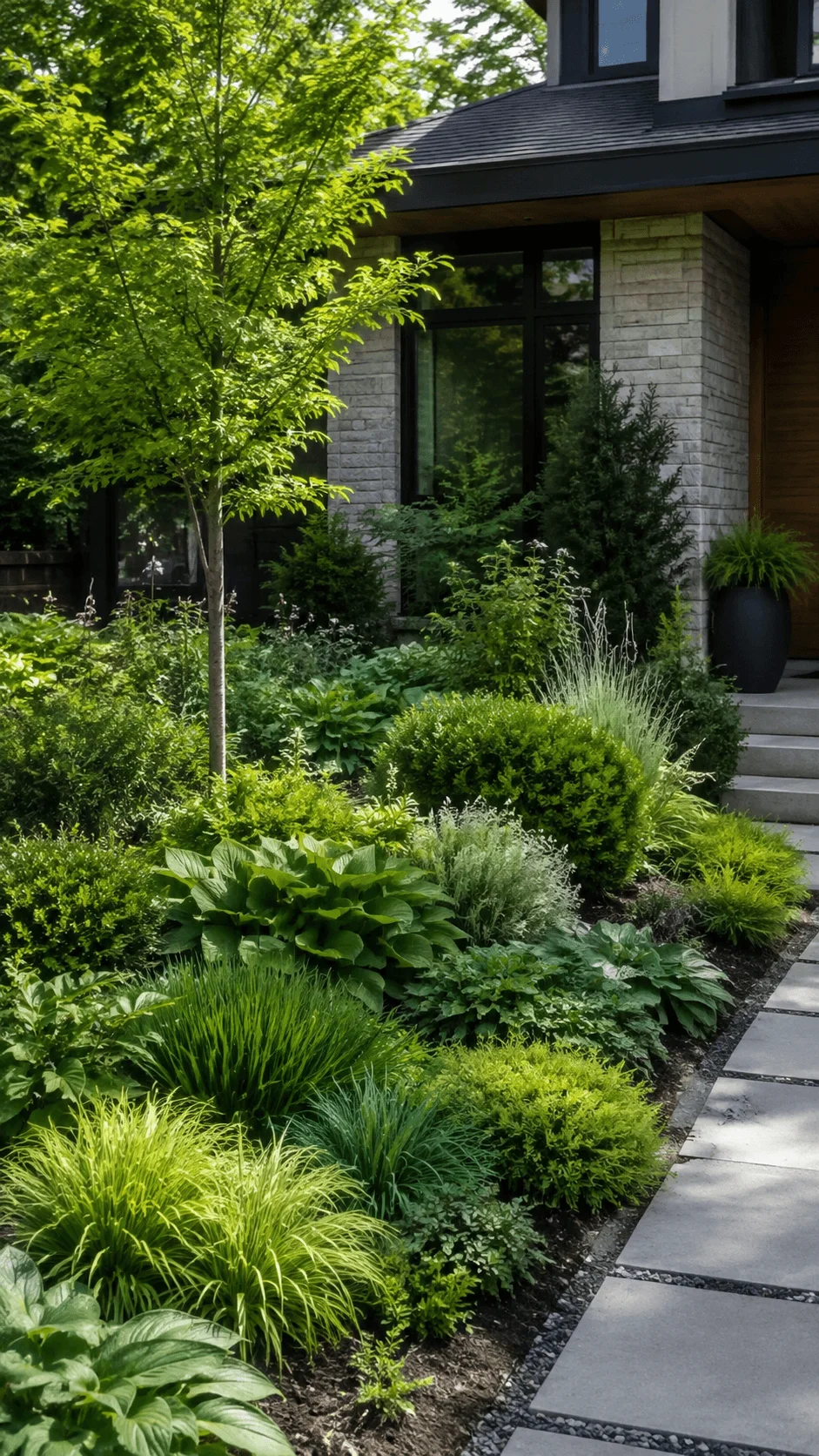
You can also introduce small areas of seasonal color without changing the overall green character. A few flowering plants can provide highlights while the foliage continues to form the main structure.
Green on green planting works particularly well around modern homes because its restrained appearance can complement contemporary architecture. It can also suit traditional houses when combined with softer borders and natural materials.
The result is a front yard that feels peaceful, layered and established without requiring a large collection of different decorative features.
Wildlife Friendly Front Yard Garden Ideas
Your front yard can become a small wildlife habitat when you design it with more than human enjoyment in mind. Native plants, shrubs, trees and groundcovers can provide food and shelter for birds, butterflies and beneficial insects.
A wildlife friendly garden does not require a large property. Even a small collection of carefully selected plants can provide useful habitat. A flowering plant can offer nectar, while a berry producing shrub can provide seasonal food for birds.
Plant layering can make the space more useful. Low plants provide cover near the ground, taller shrubs create shelter and trees can offer additional habitat above. This also makes the landscape more visually interesting because plants occupy different heights.
Water can add another useful feature when incorporated safely and appropriately. A shallow water source can provide drinking opportunities for birds and insects. It should be maintained regularly so it remains clean and suitable for wildlife.
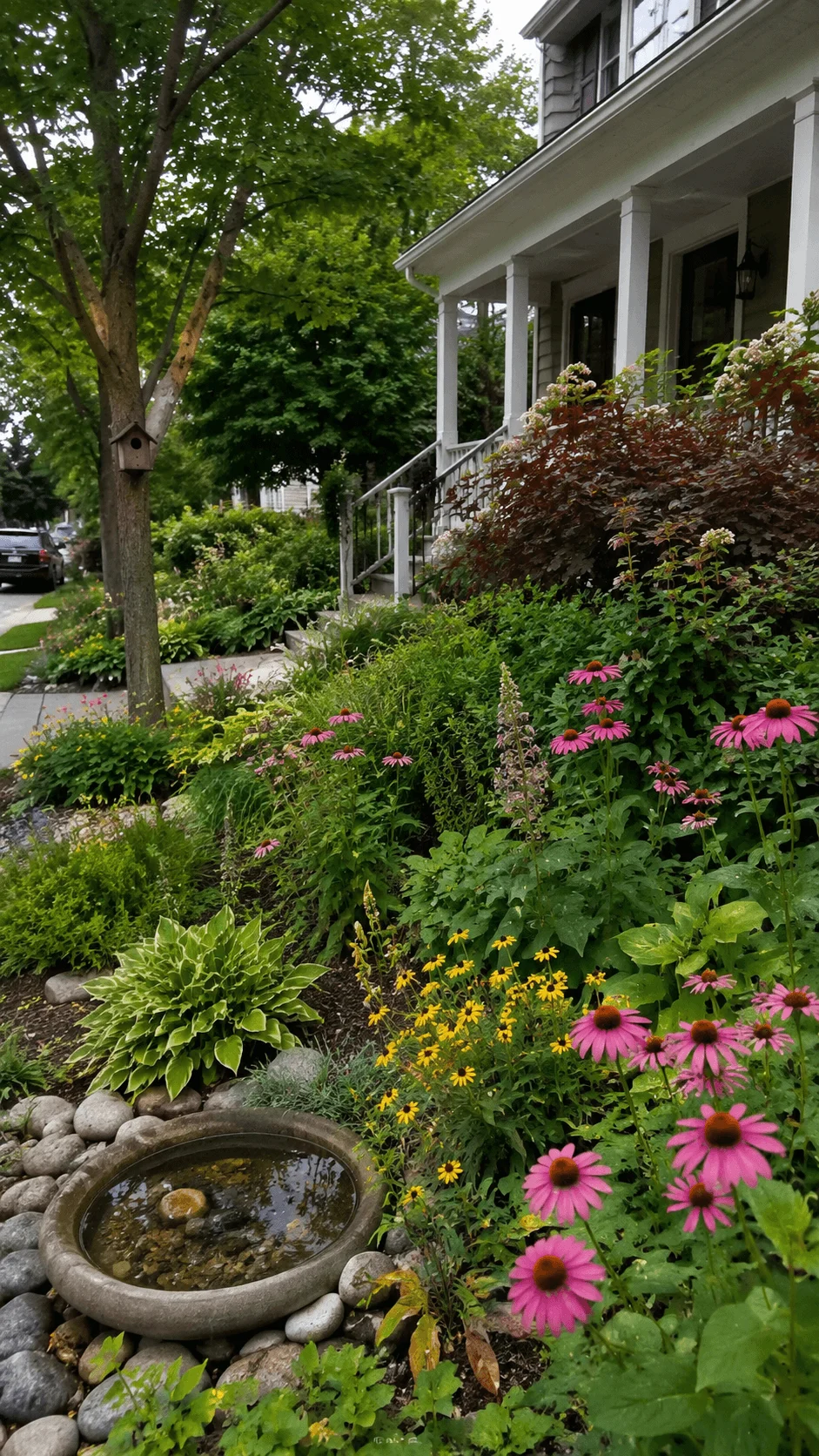
Avoid trying to make every part of the garden perfectly tidy. Leaving some fallen leaves in appropriate areas can help support small organisms and return organic matter to the soil. You can still keep pathways, entrances and important garden edges neat while allowing selected areas to develop naturally.
Wildlife friendly front yard garden ideas can also improve the experience of living alongside nature. Watching birds visit shrubs or seeing butterflies move between flowers can make the garden feel active and connected to its surroundings.
Compost Fed Front Yard Garden
Healthy soil forms the foundation of a successful garden, and compost can play an important role in maintaining it. Instead of focusing only on what plants look like above the ground, an eco friendly garden considers what happens underneath the surface.
Compost adds organic matter to soil and can improve its structure. Better soil structure can help roots access air and water while supporting the organisms that contribute to healthy soil ecosystems.
You can incorporate finished compost into suitable planting beds before planting. A thin layer can also be used around established plants when appropriate. The exact approach depends on the soil and plants, so avoid assuming that every plant needs the same treatment.
Compost can be especially useful when you are replacing sections of lawn with garden beds. Grass often leaves behind compacted soil, and adding organic matter alongside other soil improvement practices can help create better conditions for new plants.
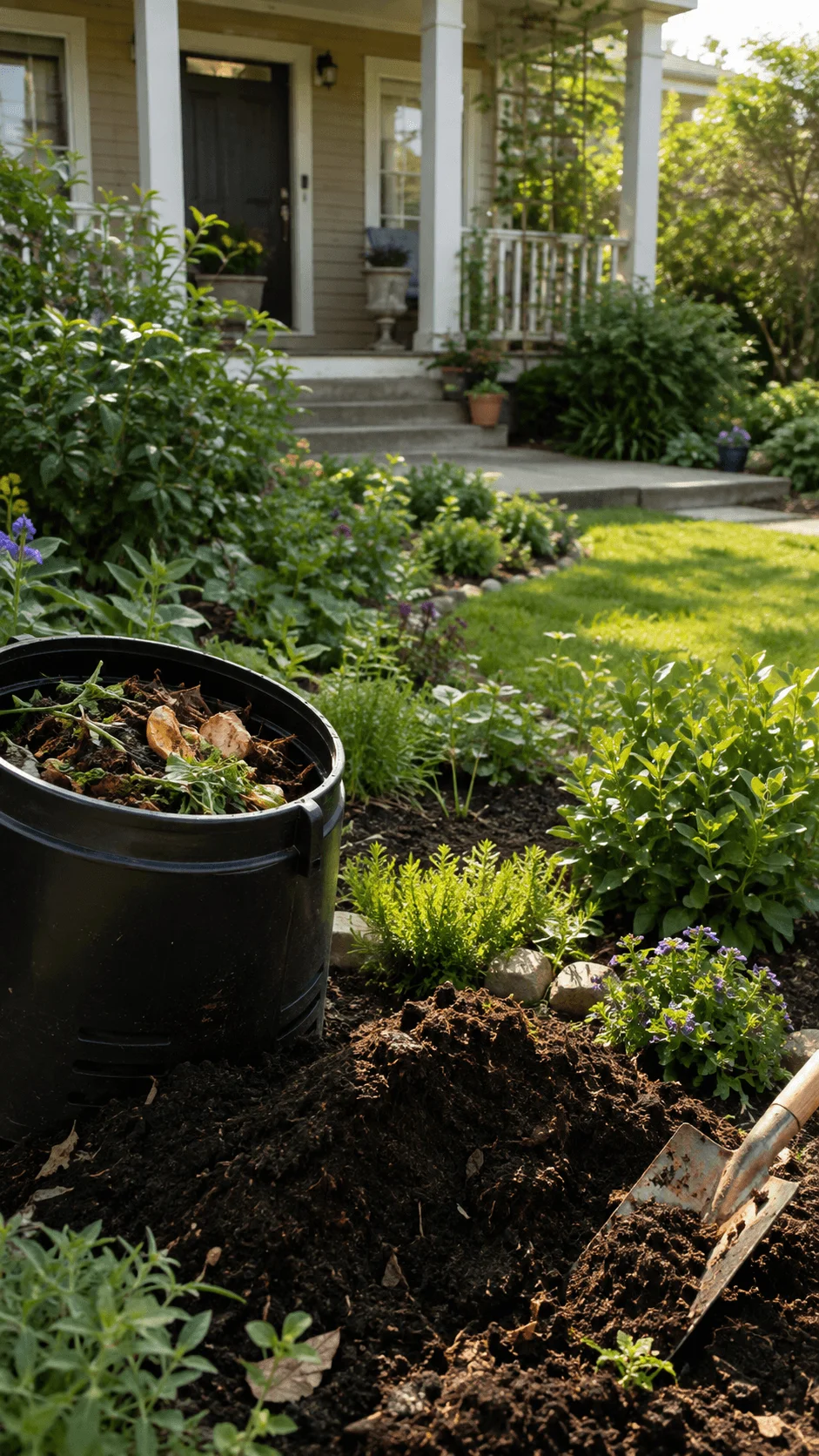
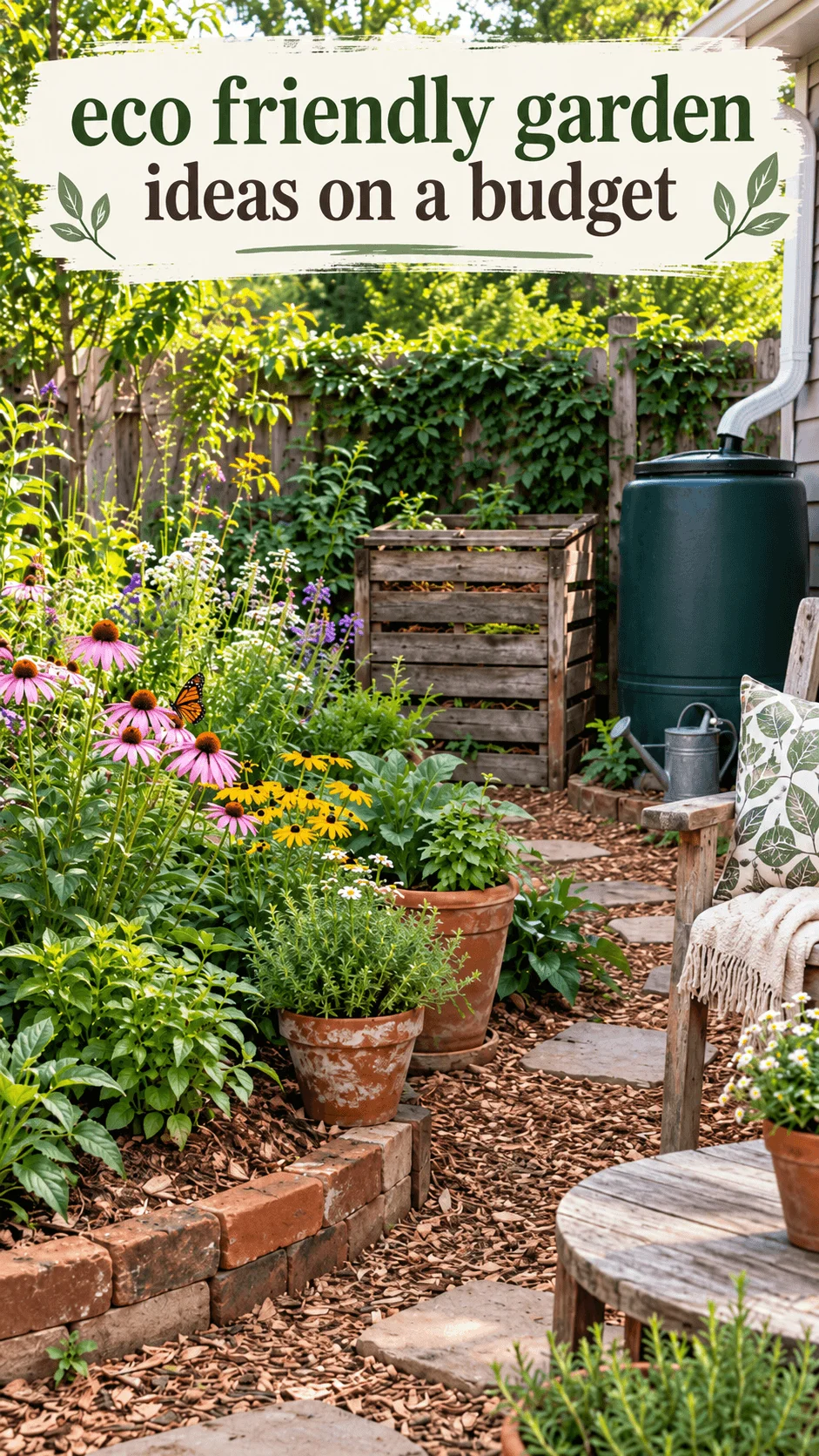
Home composting can also make the idea more circular. Garden waste and suitable household organic materials can become a resource for the garden rather than simply being discarded.
However, compost should not replace good plant selection. A plant that does not suit your soil, sunlight or climate will not necessarily thrive simply because you add more compost. Start with plants suited to the location and use soil improvement as part of a broader gardening strategy.
This combination can create a healthier growing environment while reducing dependence on unnecessary synthetic inputs.
Multifunctional Eco Friendly Front Yard Garden
One of the most exciting directions in modern sustainable landscaping is the multifunctional garden. Instead of designing every part of the front yard for one purpose, homeowners can create spaces that perform several functions at the same time.
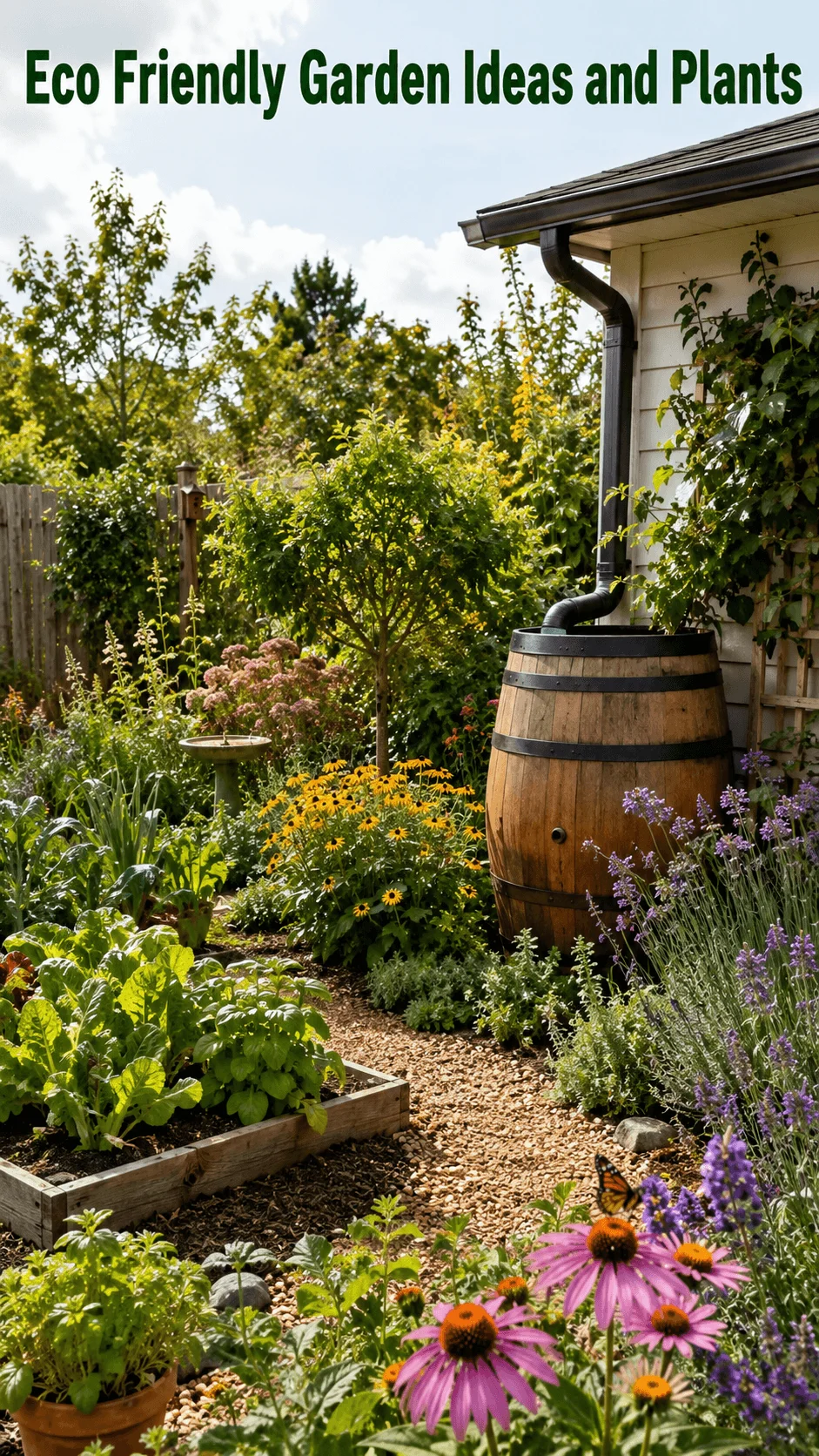
A single planting bed might contain native flowers for pollinators, edible herbs for the household and groundcovers that protect the soil. A small tree can provide shade, structure and habitat while also becoming an attractive focal point.
A rain garden can manage runoff while adding seasonal color. A permeable pathway can provide access while allowing more rainfall to reach the soil. Compost can improve soil while turning suitable organic waste into a useful gardening resource.
This approach makes particularly good use of smaller properties because every feature can serve more than one role. You do not need separate areas for wildlife, food production and decorative planting if you combine the functions carefully.
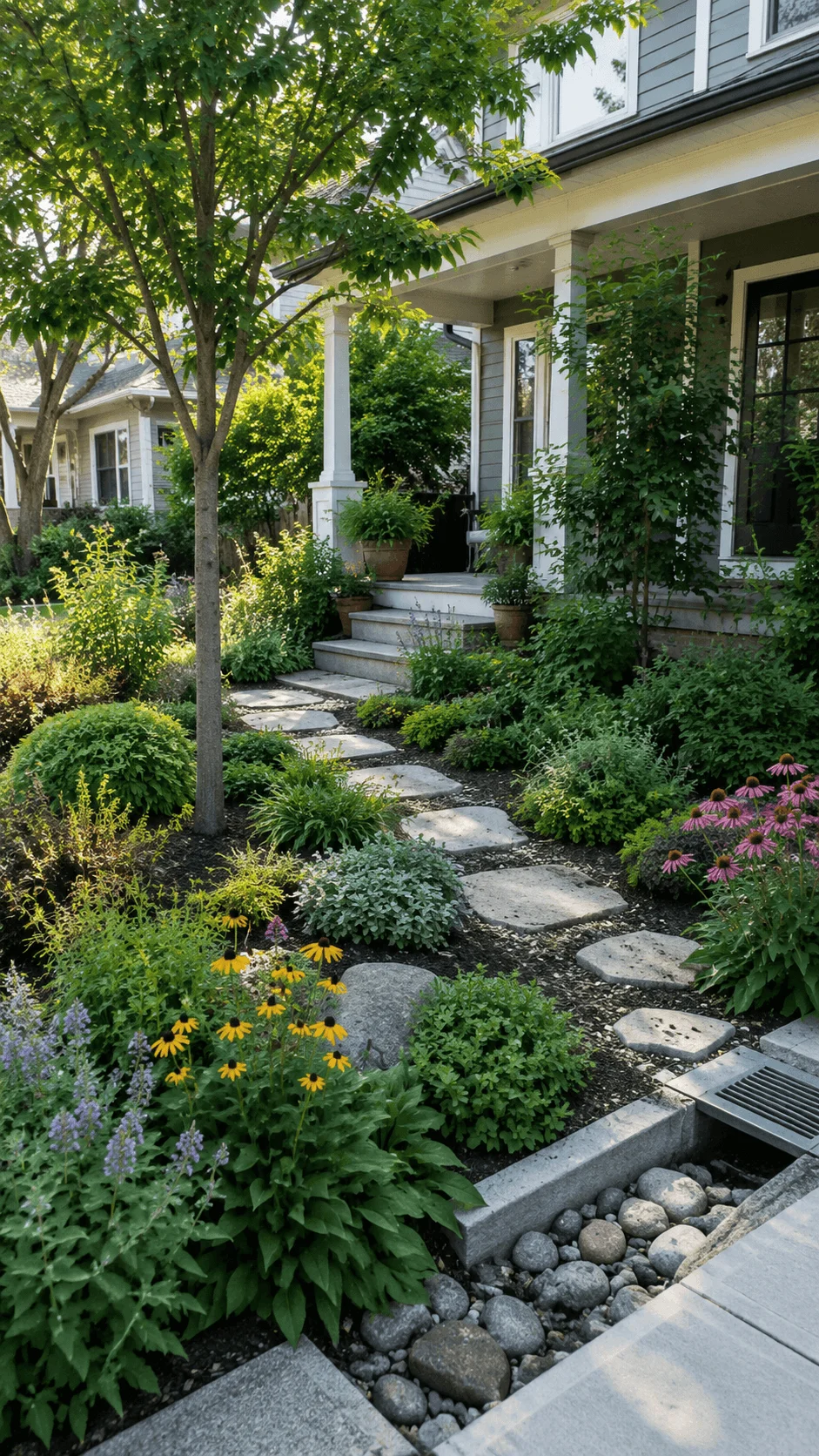
The design should still have a clear visual structure. Repeating certain plants, keeping pathways defined and grouping features logically can prevent the landscape from feeling chaotic.
A multifunctional garden also allows you to prioritize the environmental benefits that matter most for your property. If water conservation is important, emphasize drought tolerant plants and efficient irrigation. If runoff is a concern, consider rainwater management. If biodiversity is your priority, focus on native plants and habitat.
This flexible approach makes sustainable landscaping more practical because there is no single perfect design for every front yard.
How to Choose the Right Sustainable Front Yard Garden Design
The best eco friendly garden ideas for front yard should fit the actual conditions of your property. Before buying plants or materials, spend some time observing the space.
Start by considering sunlight. Watch the yard during different parts of the day and identify areas that receive full sun, partial shade or mostly shade. This information can help you select plants that have a better chance of thriving.
Your local climate also matters. A plant that performs well in one region may struggle somewhere with different temperatures or rainfall patterns. Native and climate appropriate plants can make the design more resilient.
Soil conditions deserve attention too. Some areas may drain quickly, while others hold water after heavy rain. Instead of trying to force every area to have identical conditions, select plants according to the characteristics of each location.
Think about how much maintenance you realistically want to perform. If you have limited time, a smaller number of well chosen plants may work better than a complicated garden containing dozens of species that need frequent attention.
Your budget also affects the design. You can start with a small planting bed, replace one section of lawn or add a few native plants around an existing tree. Sustainable landscaping does not have to happen all at once.
Most importantly, consider how you want the yard to feel. Some homeowners prefer a natural meadow appearance, while others want clean lines and contemporary planting. Both styles can incorporate environmentally responsible features.
How to Make Your Front Yard More Eco Friendly
You do not need to completely redesign your property to make it more environmentally friendly. Small improvements can gradually transform an ordinary landscape.
Start by looking at areas that require the most resources. If a large lawn needs frequent watering and mowing, consider replacing part of it with native plants or another suitable groundcover. This can reduce maintenance while creating additional habitat.
Next, improve the soil in planting areas where necessary. Healthy soil gives plants a stronger foundation and can help them use available moisture more effectively.
Choose plants according to your local growing conditions rather than selecting them solely because they look attractive in a store. A suitable plant usually has a better chance of establishing successfully.
Water management should also become part of your design. Observe where rainwater naturally travels and consider whether a rain garden, permeable surface or other suitable feature could help manage runoff.
Mulching around appropriate plants can help protect soil and reduce moisture loss. Keep mulch away from direct contact with plant stems and tree trunks to avoid creating problems.
You can then introduce wildlife friendly features such as native flowers, berry producing shrubs and layered vegetation. These additions can make the garden more active while improving its ecological value.
The goal is not perfection. A front yard can become more sustainable gradually as you replace resource intensive features with options that work better with the local environment.
Sustainable Curb Appeal Ideas for a Beautiful Front Yard
A sustainable garden should still look beautiful from the street. In fact, thoughtful environmental landscaping can create a more distinctive appearance than a conventional lawn.
Plant layering is one of the easiest ways to create visual depth. Low growing plants can define garden edges, medium plants can fill the central area and taller shrubs or trees can provide structure.
Repetition can make a diverse garden look cohesive. Instead of planting one of every available species, repeat several suitable plants throughout the yard. This creates visual rhythm and helps the landscape feel intentionally designed.
Natural materials can reinforce the style. Stone, gravel, wood and other appropriate materials can complement native plants and create transitions between different areas.
Seasonal interest is also important. Choose plants that offer different features throughout the year, such as spring flowers, summer foliage, autumn color or attractive winter structure.
You can use a focal point near the entrance to create a stronger sense of arrival. A small tree, distinctive shrub, attractive planting group or carefully positioned pathway can draw attention toward the front door.
Good garden design also depends on restraint. Leaving enough open space around important features can make the landscape easier to appreciate. An eco friendly garden does not need to contain every sustainable feature available.
The strongest sustainable curb appeal comes from combining environmental responsibility with clear design. When plants, pathways, trees and garden beds work together, the result can look polished while still supporting nature.
Conclusion
The best eco friendly garden ideas for front yard are those that make your outdoor space more beautiful while allowing it to work more naturally with its environment. You do not need to choose between attractive landscaping and responsible gardening. Native plants, low mow areas, pollinator gardens, rain gardens, edible planting and climate resilient designs can all contribute to a front yard that feels both useful and inviting.
A successful sustainable garden begins with understanding your own property. Pay attention to sunlight, soil, drainage, rainfall and available space before deciding which features to add. From there, you can gradually replace resource intensive elements with plants and materials that suit your local conditions.
The most effective approach may involve combining several ideas rather than relying on one feature. A native planting bed can support pollinators, compost can improve its soil, mulch can protect the ground and a nearby permeable pathway can help manage rainfall. These small connections can turn an ordinary front yard into a more productive living landscape.
In 2026, sustainable landscaping is becoming less about following a strict set of rules and more about designing gardens that provide several benefits at once. Your front yard can offer curb appeal, wildlife habitat, food, shade, water management and a relaxing connection with nature.
Start with one area that needs improvement and build from there. With thoughtful plant choices and a design suited to your property, you can create a beautiful front yard that looks good today and remains more resilient for years to come.