12 Trending Environmental Sustainability Activities for Kids in 2026
In 2026, environmental sustainability activities for kids matter more than ever because children face climate change, plastic waste, water shortages, and energy problems around them. When adults introduce green habits early, children understand that the planet needs care through daily actions. A child who saves water, sorts waste, grows a plant, or reuses a jar learns that protecting nature begins with one small choice.
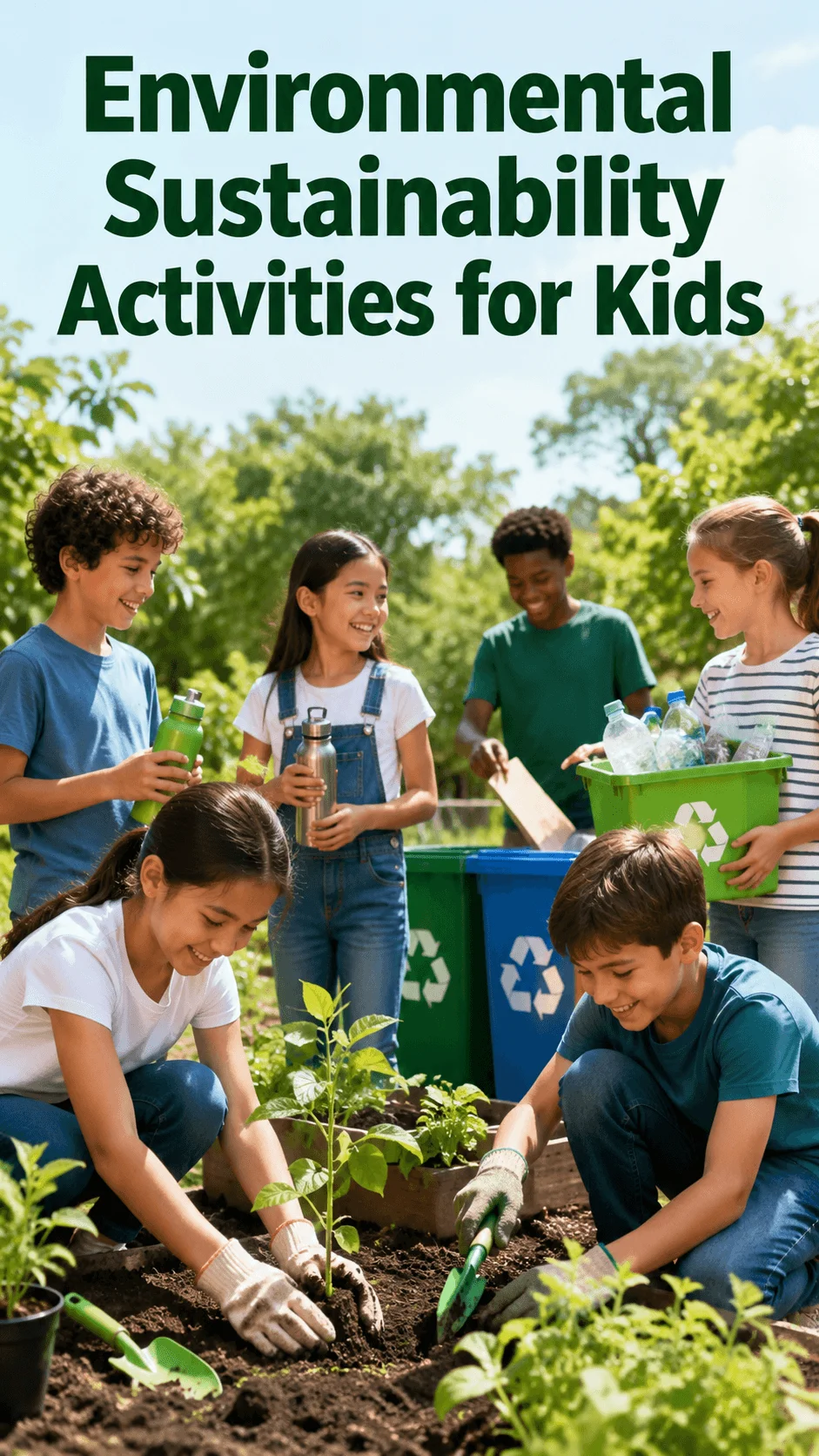
The best environmental sustainability activities for kids should feel practical, hopeful, and creative. Children need simple experiences that let them touch soil, observe insects, reduce waste, track habits, ask questions, and solve problems. In 2026, the strongest ideas combine nature, technology, and real life action.
Why Sustainability Activities for Children Matter in 2026
Sustainability activities for children teach much more than recycling. They help children develop responsibility, teamwork, curiosity, and problem solving skills. When kids plant seeds, they learn that nature needs care and time. When they sort waste, they learn that every item has a journey after people throw it away. When they switch off unused lights, they understand that energy has value.
Children learn best when they take part in the lesson. A book can explain pollution, but a child understands it better after counting plastic wrappers in a lunchbox or finding litter near a playground. Hands on eco activities turn big environmental ideas into small actions that children can manage and remember.
Modern children live around digital tools and online learning. That is why trending sustainability projects for kids can include QR codes, simple charts, digital nature trails, and technology inspired waste sorting ideas.
What Makes Environmental Activities for Kids Meaningful
Meaningful environmental activities for children should feel simple, safe, affordable, creative, age appropriate, and connected to daily life. A good activity does not need expensive tools or difficult science. It should help children observe, think, create, and change one habit at a time.
A strong activity also goes beyond decoration. Eco art becomes more meaningful when children understand reuse. Gardening becomes deeper when they learn how flowers support pollinators. Composting becomes memorable when they watch food scraps slowly turn into soil. The goal is to help them notice the link between their actions and the planet.
The best activities also match the child’s age. Preschoolers need simple sorting and sensory experiences. Elementary students can record observations and complete group challenges. Middle school students can handle carbon tracking, biodiversity mapping, and basic technology based projects.
AI Waste Sorting Challenge for Young Eco Learners
The AI waste sorting challenge gives children a modern way to understand recycling and waste management. Younger children can start with labeled bins for paper, plastic, metal, glass, organic waste, and e waste. They can look at everyday items and decide where each one belongs. Parents or teachers can ask why a banana peel belongs with organic waste or why a battery needs special care.
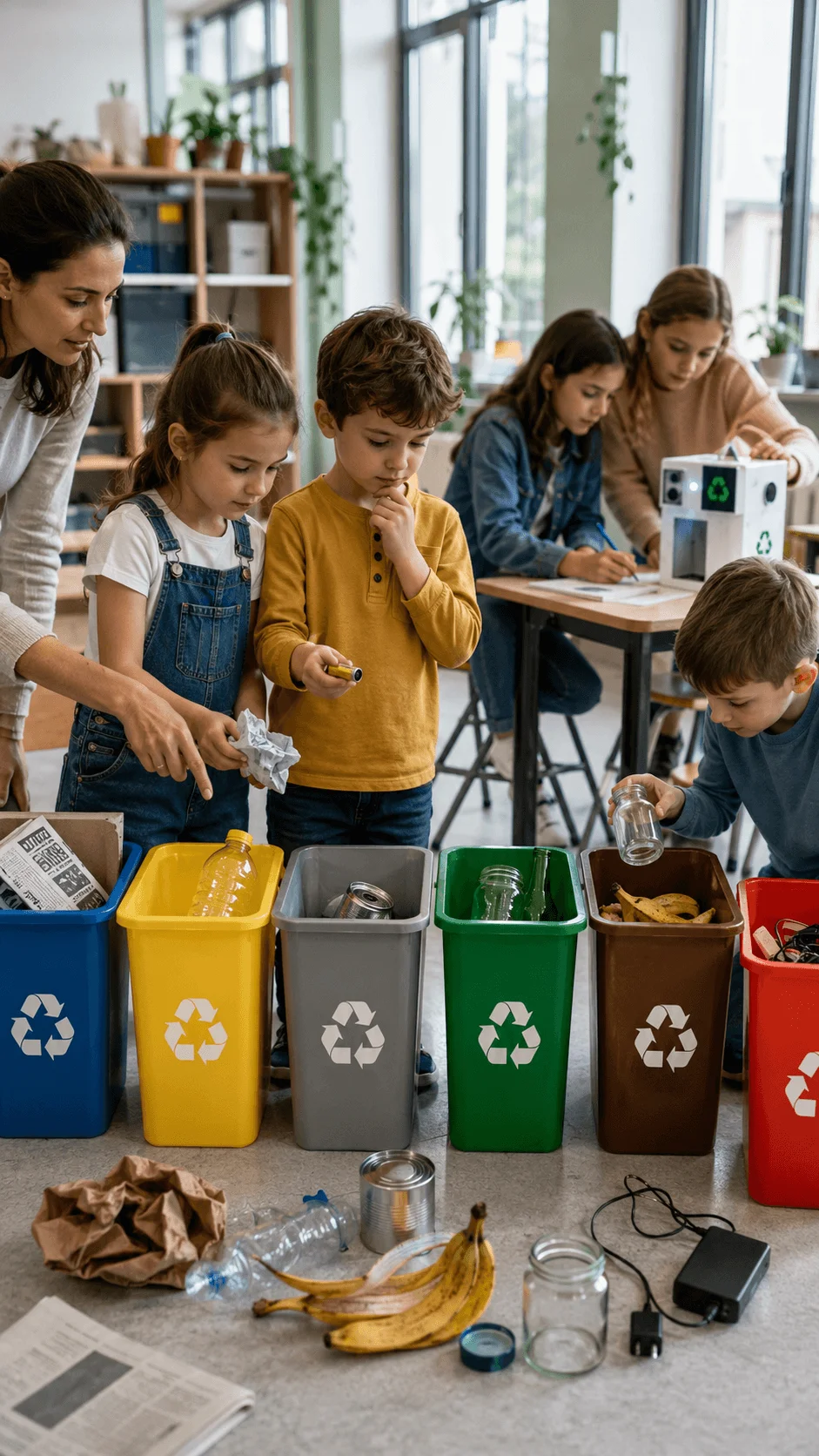
Older children can design a smart bin idea. They can draw a model of a bin that uses a camera to identify waste or lights up when someone places an item in the correct section. This makes it one of the most practical environmental sustainability activities for kids because it connects waste reduction with innovation. Children learn that recycling needs careful thinking, and they see how technology can support a cleaner future.
QR Code Nature Trail for Digital Sustainability Learning
A QR code nature trail turns a garden, schoolyard, park, or classroom corner into an interactive learning space. Children can choose plants, trees, bird spots, recycling stations, or water saving areas and create short notes about them. Then they can connect those notes to QR codes. When someone scans a code, they can read a plant fact, a climate message, a recycling tip, or a student observation.
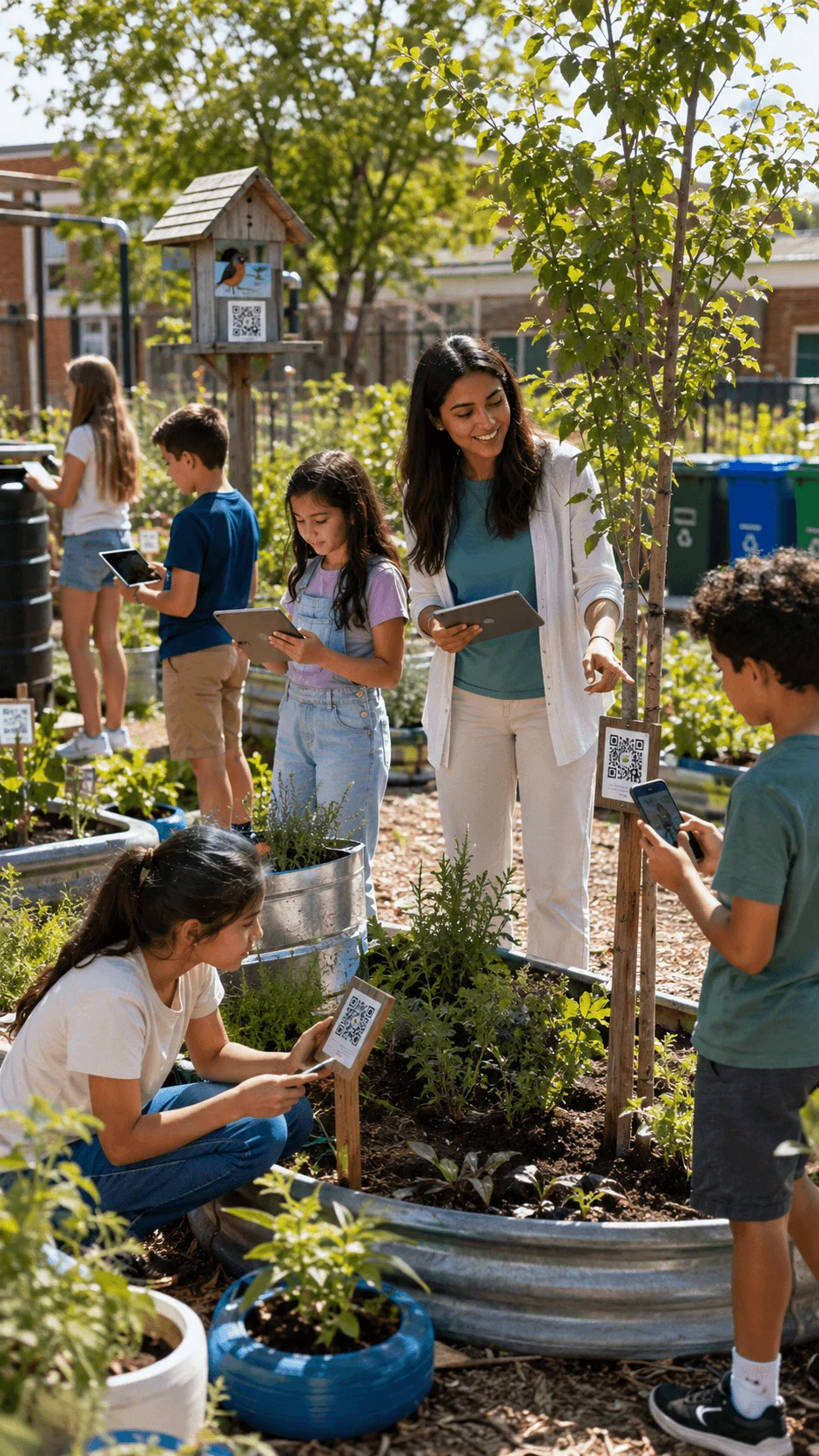
This activity feels fresh because it combines outdoor learning with digital curiosity. Teachers can use it for science lessons or environmental clubs. Families can create a small version at home by labeling balcony plants, herbs, or backyard trees.
Backyard Biodiversity Mapping as a Nature Based Activity
Backyard biodiversity mapping encourages children to notice the living world around them. Kids can observe insects, birds, plants, trees, flowers, butterflies, worms, and other small creatures in a garden, schoolyard, or nearby park. They can draw a simple map and mark where they saw each living thing.
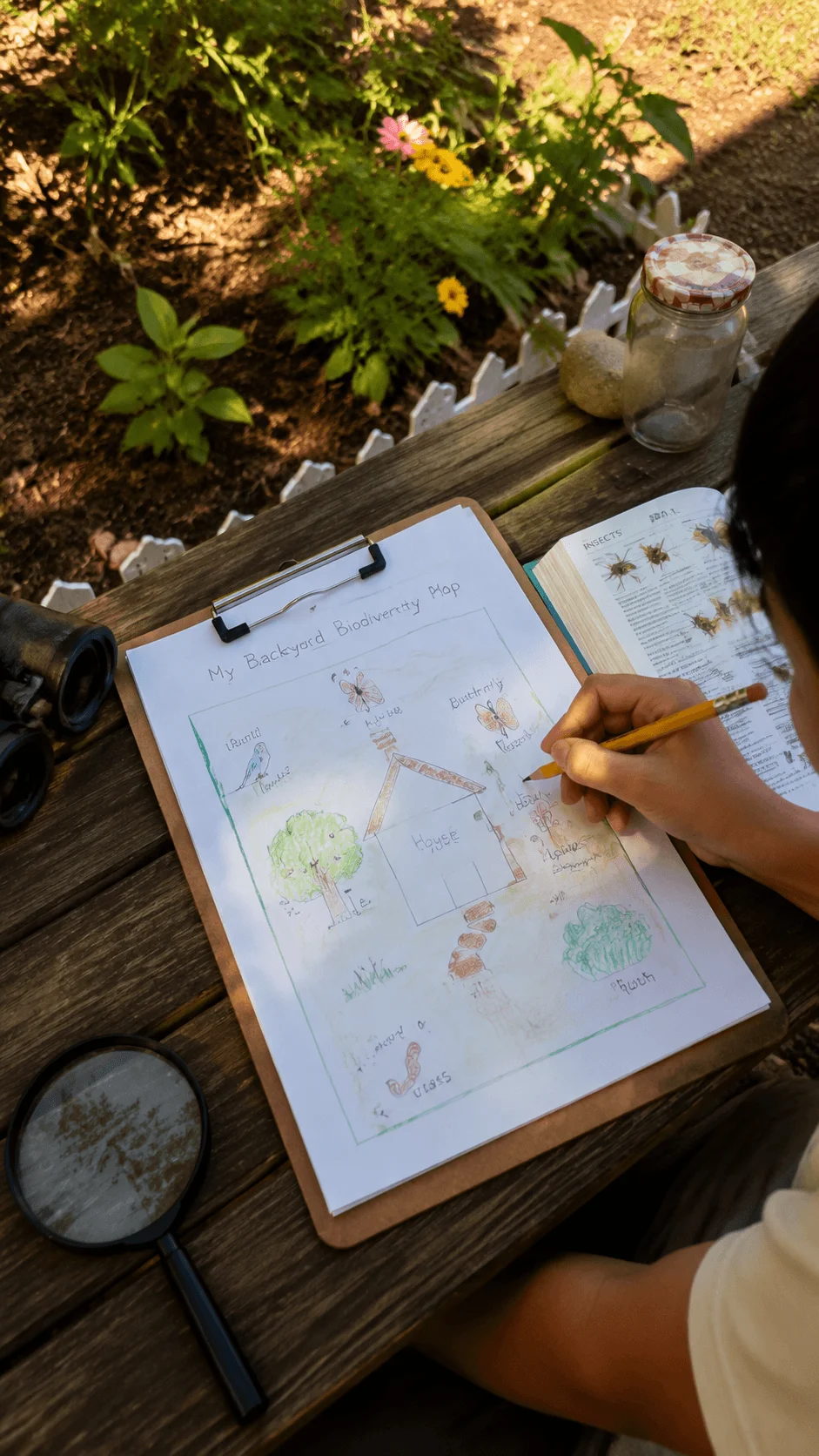
This activity teaches children that nature exists everywhere. It also lives under leaves, near flowers, in soil, and around trees. A child may discover that one side of a garden has more butterflies because it has more flowers. Parents and teachers can ask children to repeat the map after a few weeks and compare what changed.
Mini Carbon Footprint Tracking for Climate Action
Mini carbon footprint tracking helps children connect climate change with daily choices. Kids can create a simple weekly chart to track electricity use, water use, transport choices, food waste, plastic use, and screen time. They can mark actions like switching off lights, walking short distances, or using a reusable bottle.
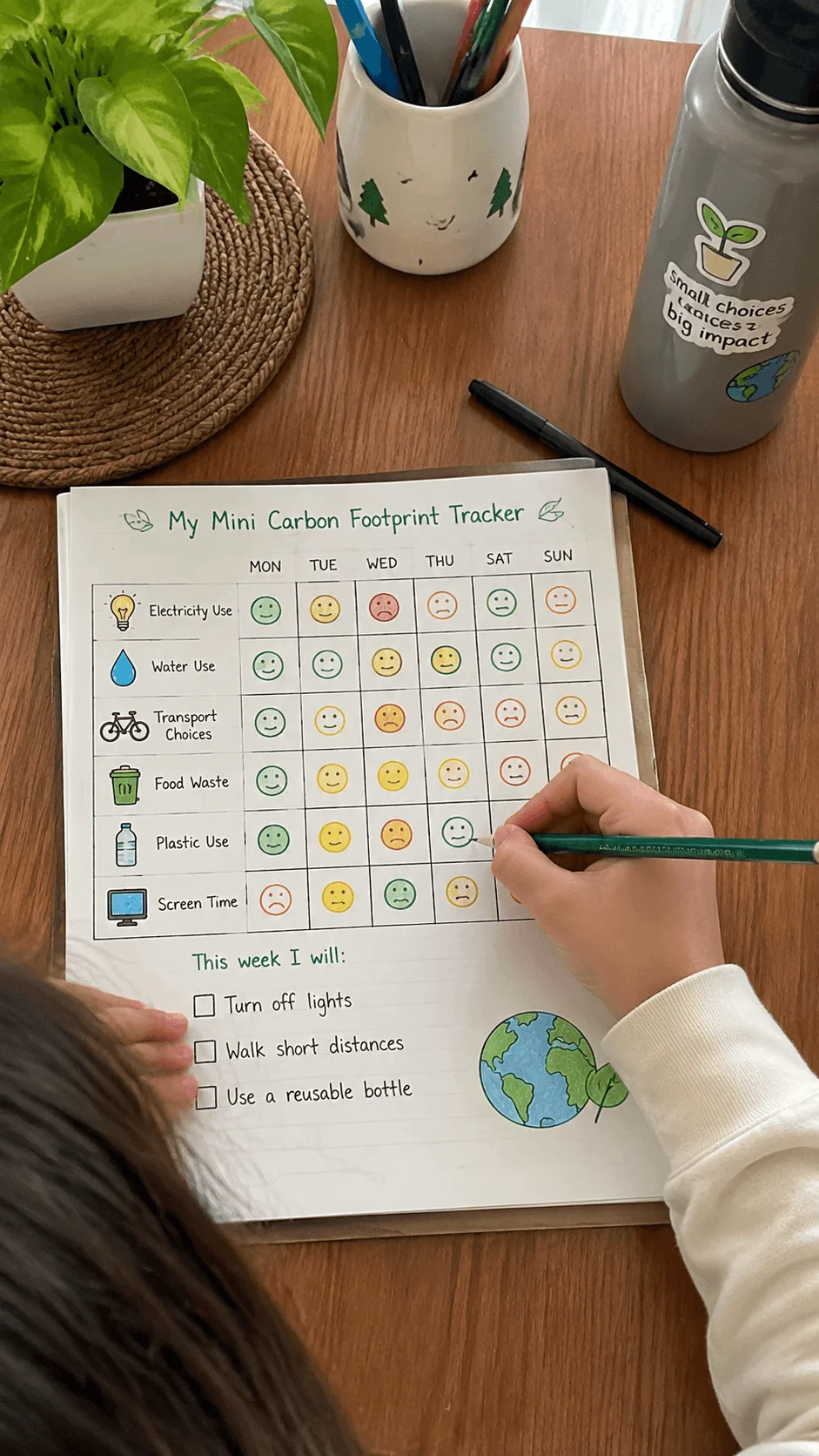
Among environmental sustainability activities for kids, this idea works especially well for older children because it includes measurement and reflection. After one week, children can choose three habits to improve. They can reduce shower time, unplug chargers, reuse paper, or pack a no waste lunch. The goal is awareness and steady improvement.
Plastic Free Lunchbox Week for Eco Friendly Kids
Plastic free lunchbox week gives children a clear and simple challenge. For one week, they try to bring lunch without single use plastic. They can use reusable bottles, lunch boxes, cloth napkins, steel spoons, and reusable snack containers. Parents can help by packing fruits, sandwiches, nuts, or homemade snacks in washable containers.
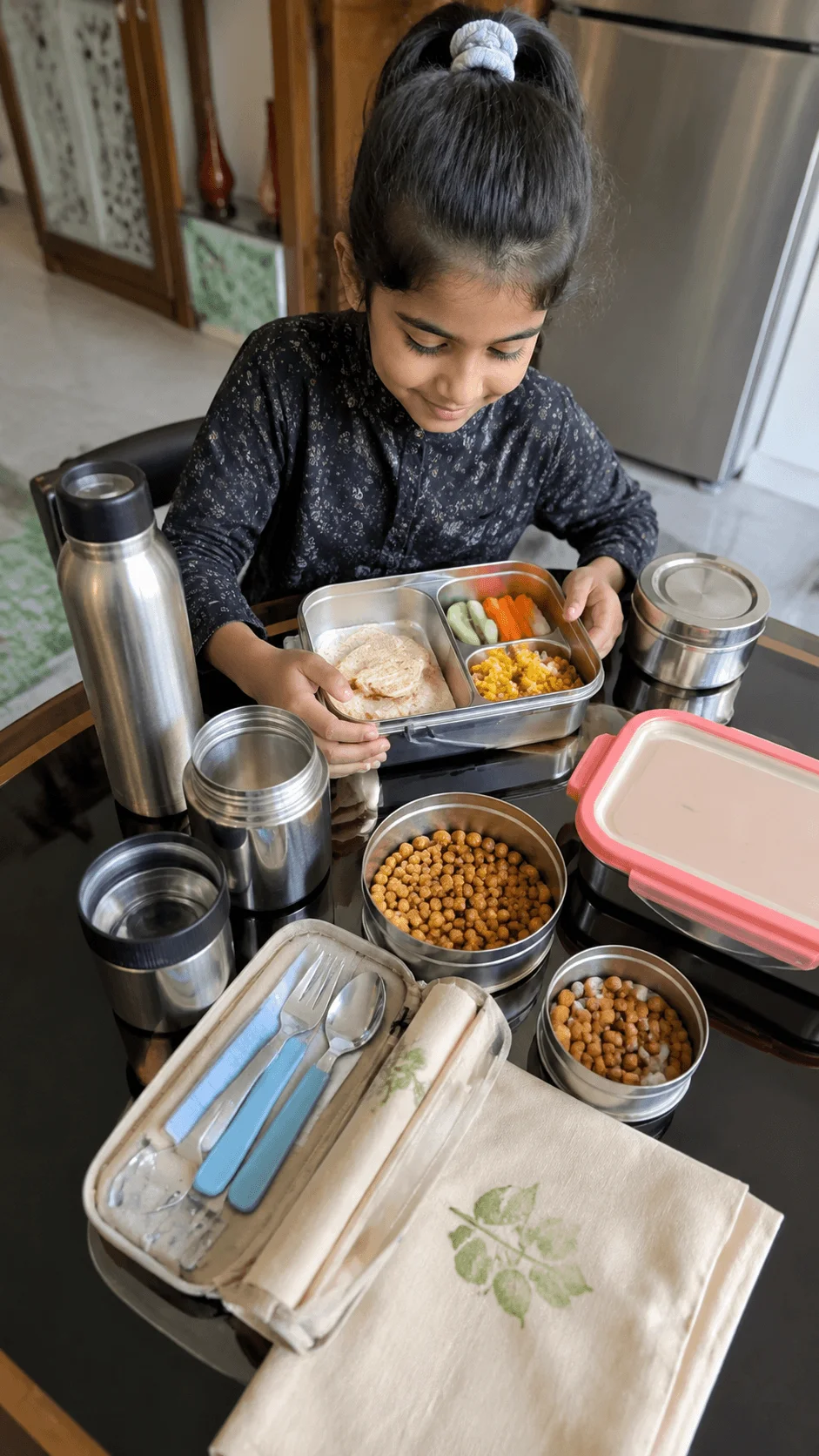
This activity works well at home and school because children can see the difference immediately. On the first day, they can compare a normal lunchbox with a plastic free lunchbox. They may notice plastic wrappers, juice boxes, straws, and disposable spoons. Then they can replace these items with better options.
Home or School Energy Detective Activity
The energy detective activity asks children to search for energy waste around the home or school. They can check lights, fans, chargers, screens, classroom devices, and appliances. They can make reminder signs near switches and create a chart to record how often the class or family remembers to switch things off.
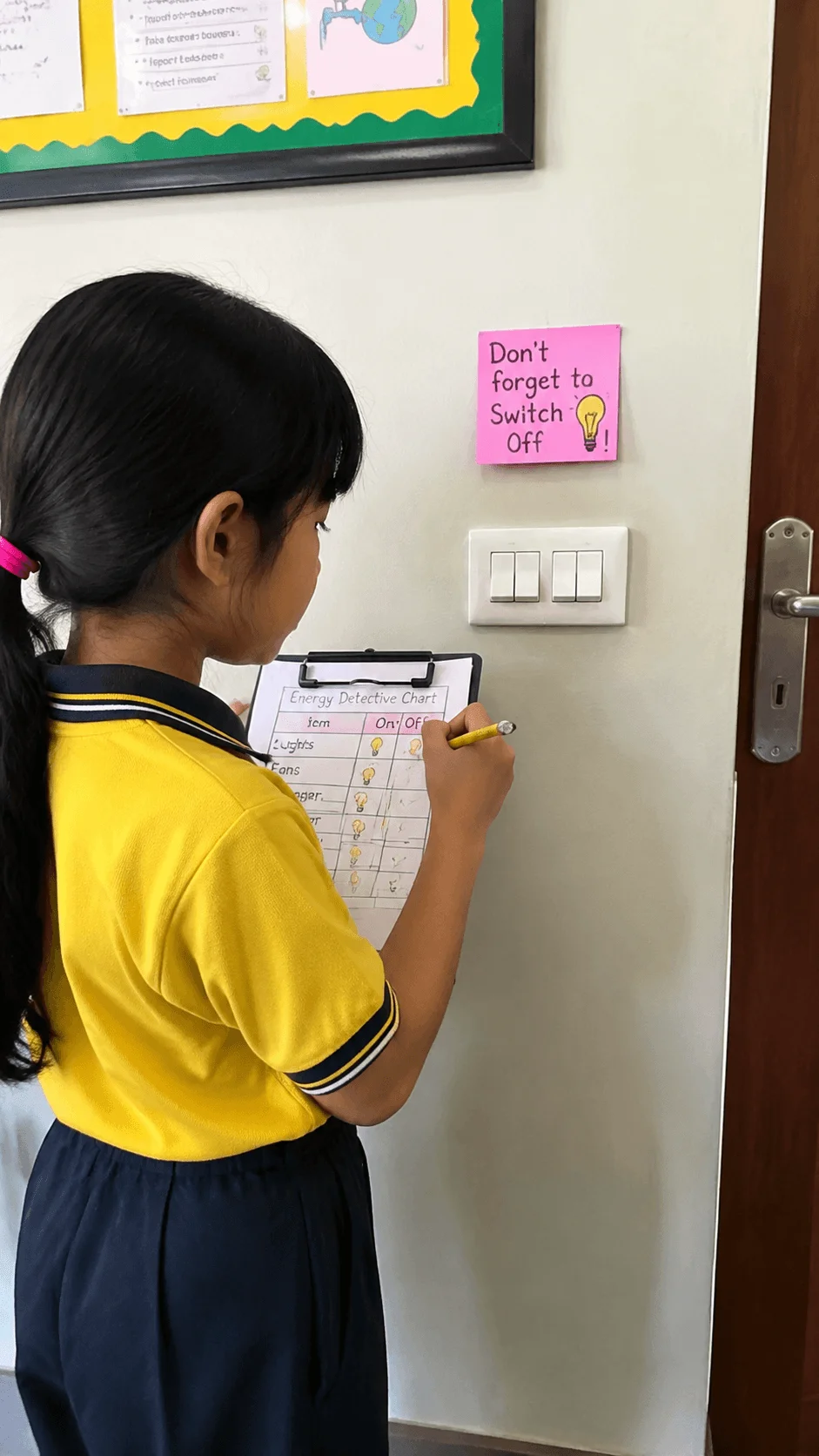
Energy waste often feels invisible because children cannot see electricity moving. This activity makes it visible through observation. Children learn that a charger left in the socket, a fan running in an empty room, or a screen left on after class still uses energy. The activity builds careful habits.
Food Waste Rescue and Compost Lab for Children
A compost lab helps children understand natural recycling. They can collect fruit peels, vegetable scraps, dry leaves, and small garden waste. With adult guidance, they can place these materials in a compost bin, pot, or outdoor corner. Over time, they observe changes in smell, color, texture, and size.
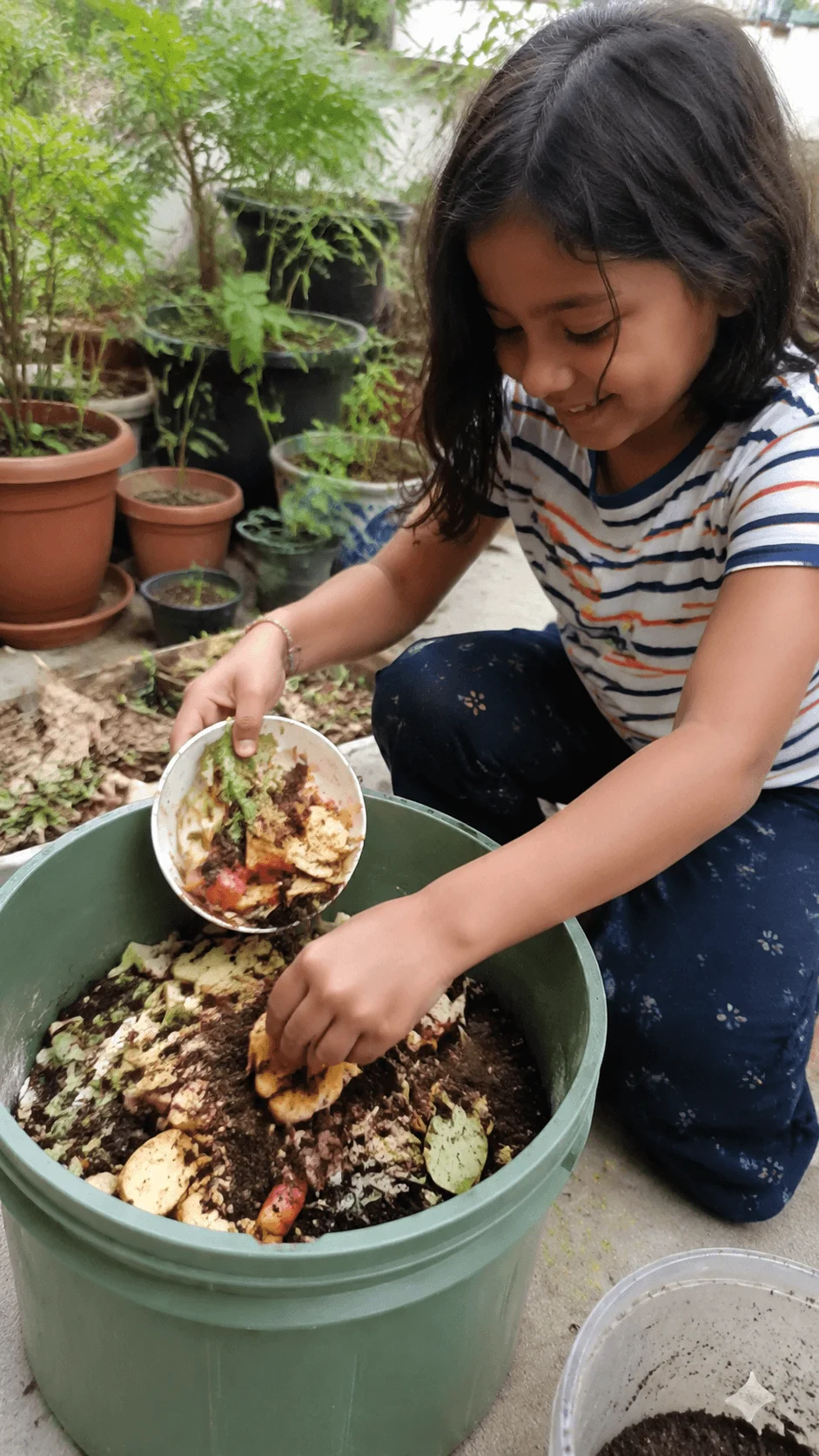
This is one of the classic environmental sustainability activities for kids, but it still feels important in 2026 because food waste remains a daily problem in many homes and schools. Children learn that food scraps can return to the soil instead of becoming useless waste. They can compare a compost jar with a jar that contains plastic and notice the difference.
Circular Economy Toy and Book Swap for Kids
A toy and book swap teaches children the idea of reuse in a friendly way. Kids bring toys, books, puzzles, games, or stationery they no longer use and exchange them with others. This activity helps children understand that an item can still have value even when one person no longer needs it.
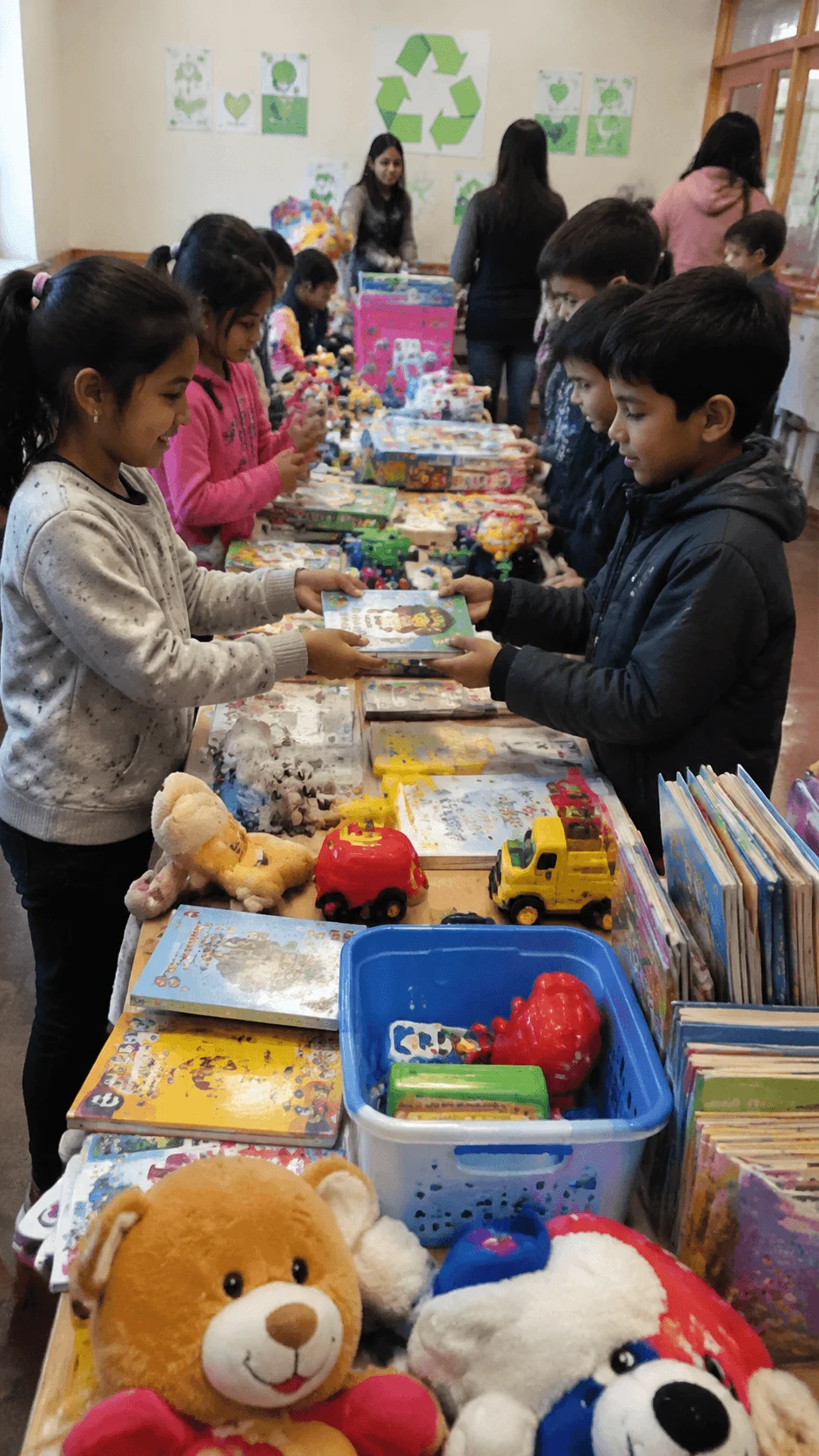
The circular economy can sound like a big concept, but children understand it when they experience it. A book that sits untouched on one shelf can become exciting for another child. A puzzle that one family has finished can give another family hours of fun. Parents and teachers can add a repair corner where children clean toys, tape torn pages, or decorate reused boxes.
Pollinator Garden and Seed Ball Sustainability Project
A pollinator garden helps children support bees, butterflies, and other helpful insects. Kids can plant flowers that attract pollinators and learn why these small creatures matter for food, flowers, and healthy ecosystems. Even a small pot of native flowers can become a learning space.
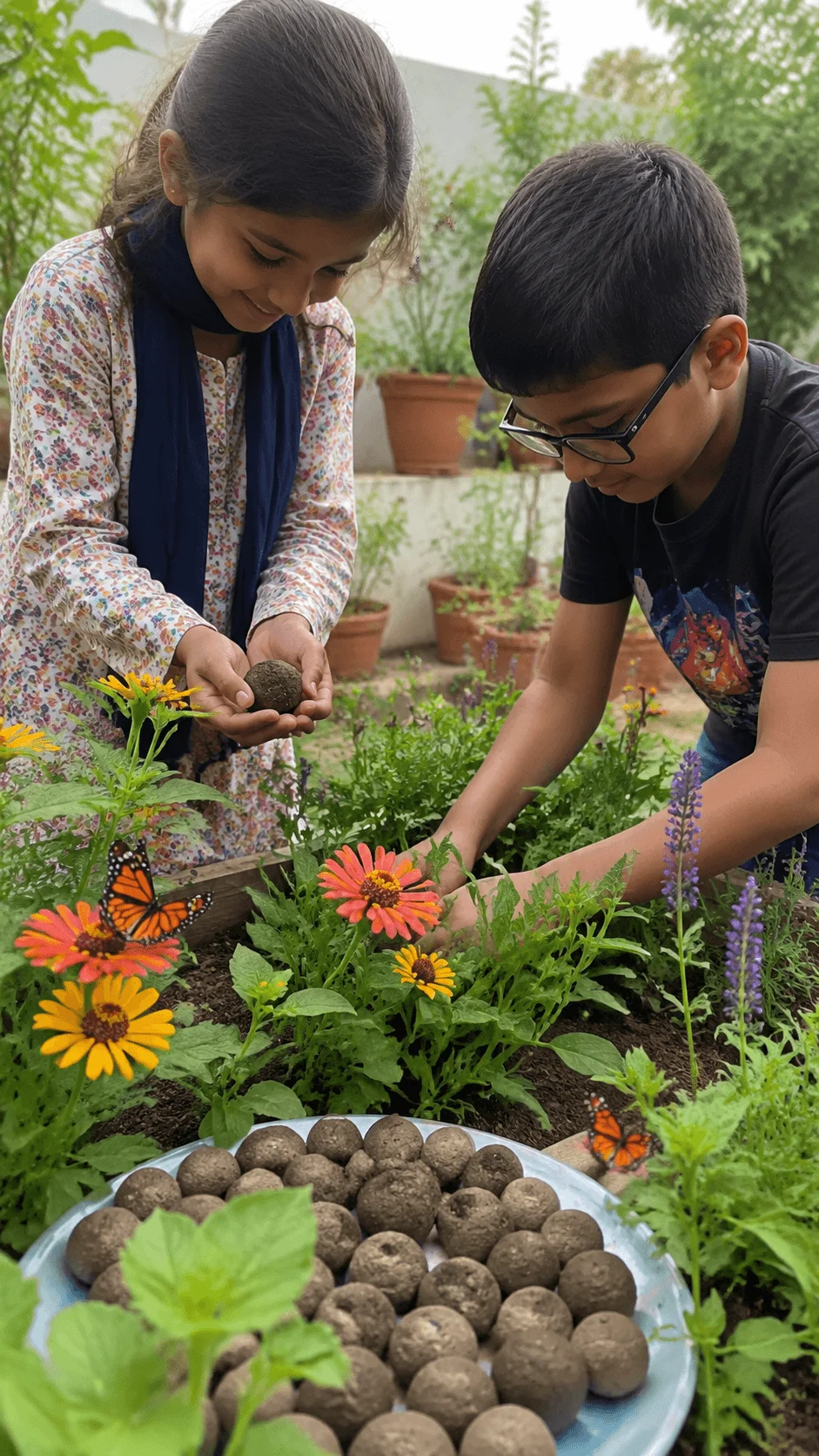
Seed balls make the activity more playful. Children can mix soil, clay, compost, and native flower seeds, then roll the mixture into small balls. After drying, they can place the seed balls in a suitable garden area with adult guidance. When flowers bloom, children notice insects visiting them and understand that protecting nature can look beautiful.
Water Saving Detectives for Daily Green Habits
Water saving detectives look for ways to reduce water waste at home or school. Children can check dripping taps, avoid running water while brushing teeth, collect rainwater for plants, and reuse leftover clean water when possible. They can also create posters that remind others to use water carefully.
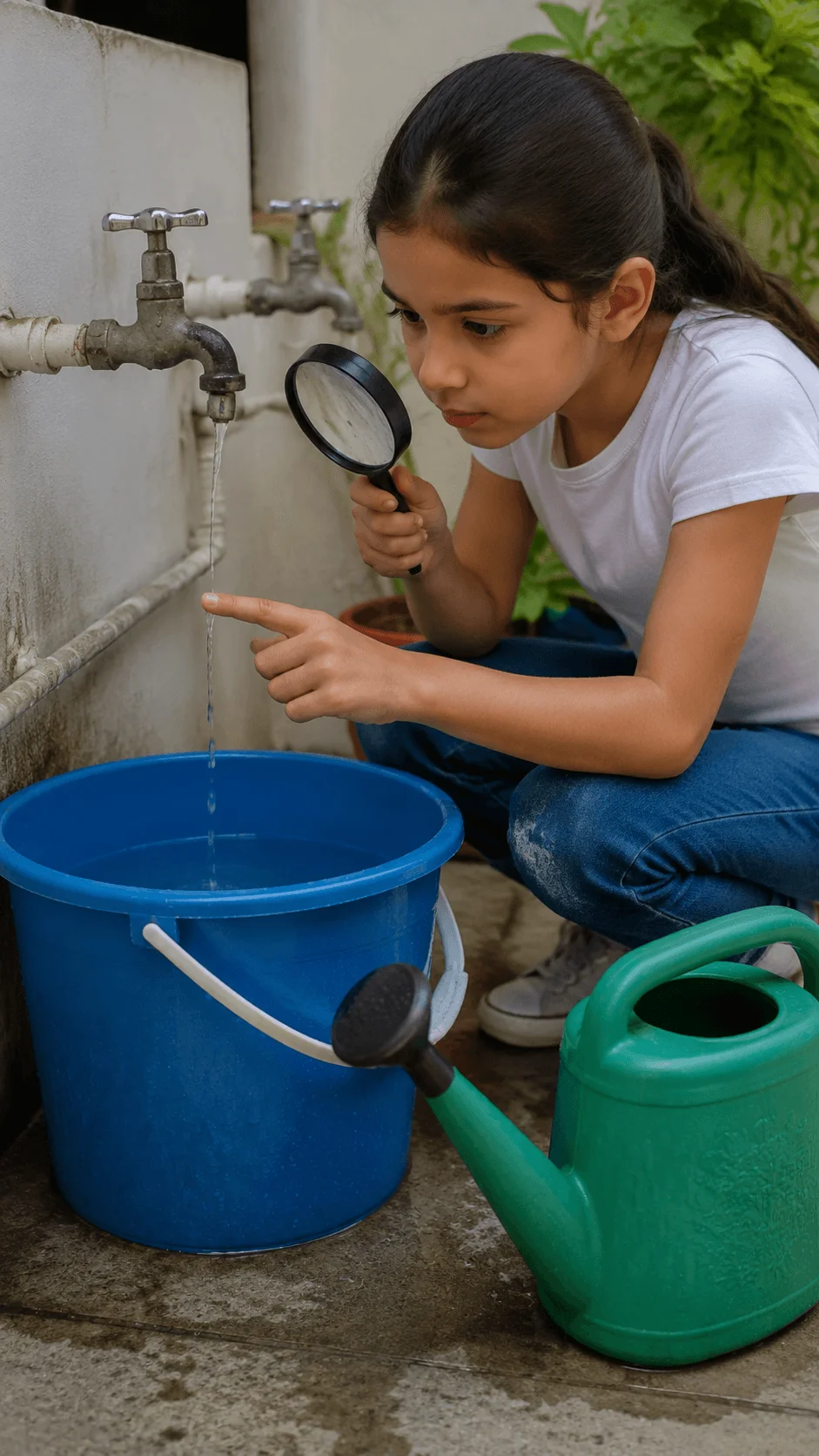
This activity builds daily awareness. Many children use water without thinking about where it comes from or how much they waste. When they become detectives, they start noticing small habits. A tap left open, a leaking pipe, or a half full bottle thrown away becomes part of the lesson.
Eco Art from Waste Materials for Creative Reuse
Eco art from waste materials allows children to turn cardboard, jars, bottles, fabric scraps, old paper, magazines, and boxes into useful items. They can create planters, pencil holders, bird feeders, organizers, and classroom decorations. The best part of this activity is that children see waste as a resource.
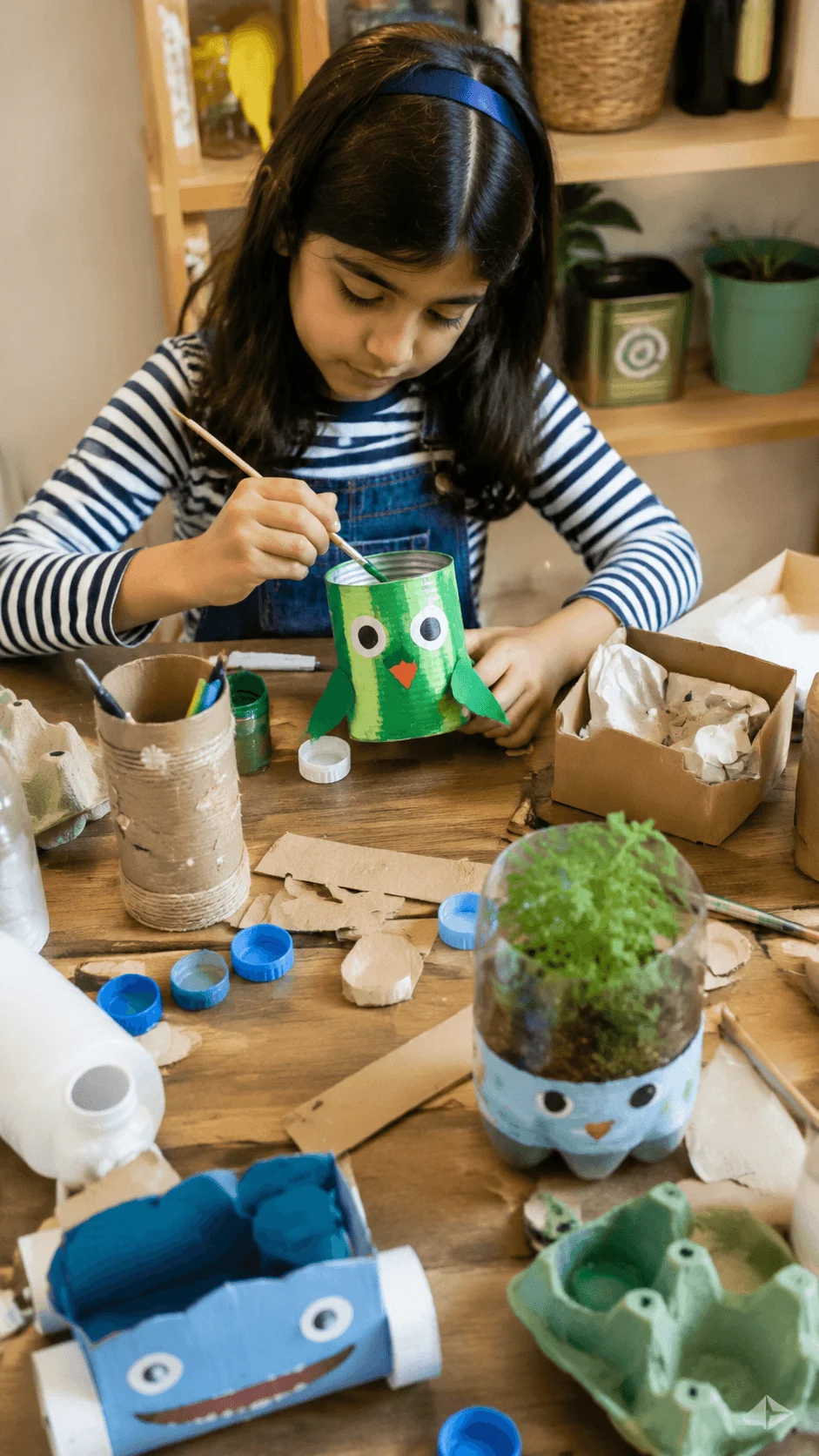
This activity should not only focus on making something pretty. It should teach children to ask what an item can become before they throw it away. As one of the most creative environmental sustainability activities for kids, eco art supports imagination and resourcefulness while teaching reuse in a simple and joyful way.
Climate Action Family Challenge for Sustainable Living
The climate action family challenge brings sustainability into everyday family life. Each week, the family chooses one simple action. They may walk more, save electricity, reduce food waste, use less plastic, plant something, repair a broken item, or avoid unnecessary shopping. Children can help choose the challenge and track progress.
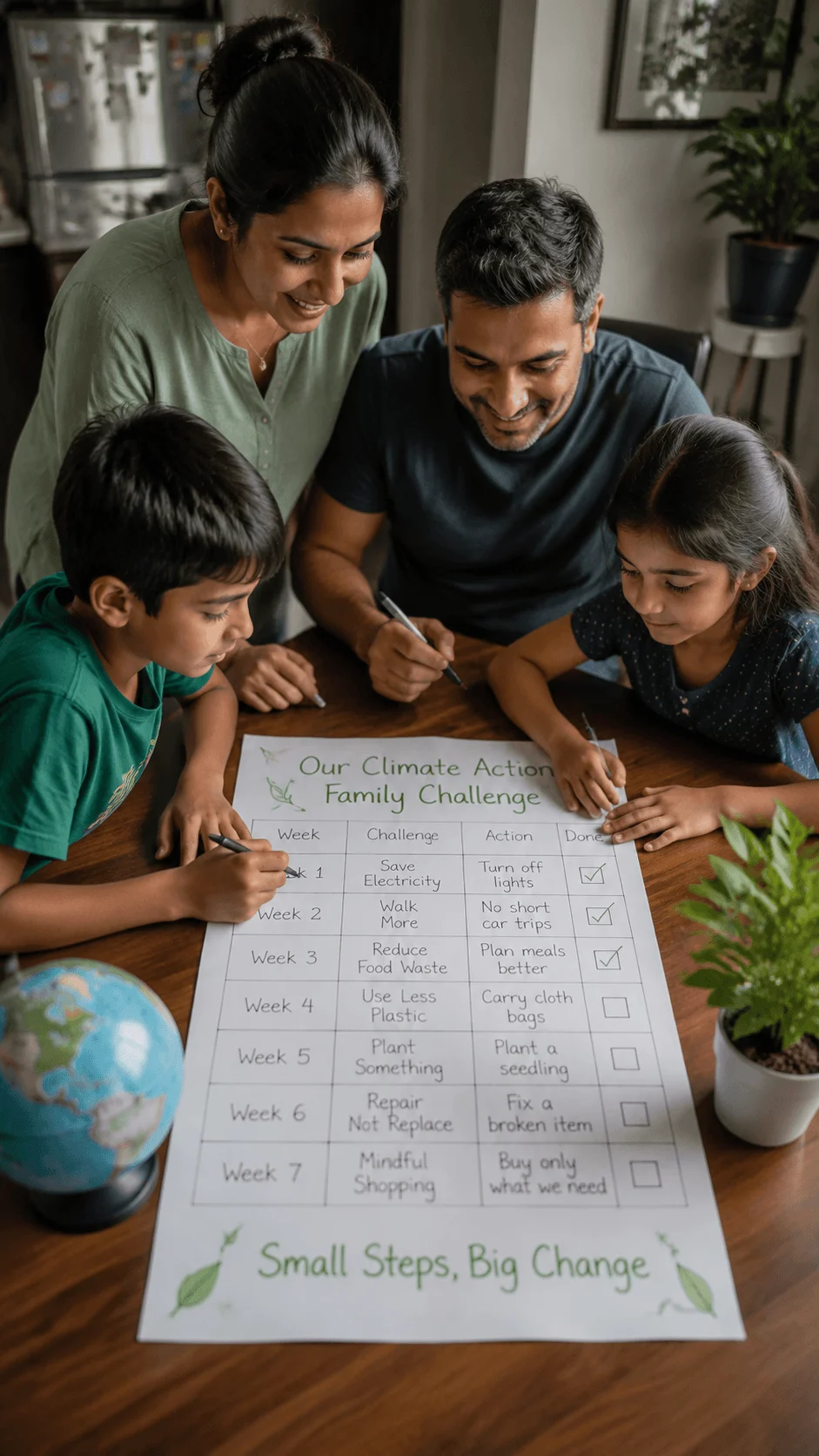
This activity works because it makes sustainability feel shared. They see that climate action belongs in kitchens, bedrooms, gardens, shopping choices, and travel habits. Families can end each week with a short discussion about what worked, what felt difficult, and what they should try next.
Best Eco Friendly Activities for Kids by Age Group
Preschool children learn best through simple, sensory experiences. They enjoy sorting clean waste, planting seeds, watering plants, taking nature walks, making eco art, and learning to turn off taps. At this age, adults should keep instructions short and focus on wonder, colors, textures, and simple habits.
Elementary school children can handle composting, biodiversity mapping, plastic free lunchbox week, water saving posters, and energy detective activities. They can record observations, compare results, and work in small groups. This age group enjoys challenges, charts, and visible progress.
Middle school children can explore more advanced environmental sustainability activities for kids, such as AI waste sorting concepts, QR code nature trails, carbon footprint tracking, and climate action campaigns. They can research, design, measure, and explain their ideas. These activities connect environmental learning with science, technology, communication, and leadership.
How Parents and Teachers Can Make Green Activities More Effective
Parents and teachers can make green activities more powerful by keeping them positive and practical. Children should feel inspired, not scared. Adults can explain environmental problems honestly, but they should also show children that action creates hope.
Storytelling can make sustainability easier to understand. A teacher can describe the journey of a plastic bottle. A parent can tell the story of a seed becoming a flower. These stories help children remember ideas better than plain instructions.
Adults should also connect each activity with real life habits. After eco art, children can look for more items to reuse. After a water saving activity, they can practice turning taps off every day. Environmental sustainability activities for kids work best when they move beyond one day and become part of routine life.
Conclusion
Environmental sustainability activities for kids are not only school projects, weekend crafts, or Earth Day ideas. They help children build lifelong habits that shape how they treat nature, resources, and their community. When children save water, reduce waste, reuse materials, protect pollinators, track energy use, and think about climate action, they begin to understand their role in the world.
The most powerful activities in 2026 combine creativity, nature, technology, and daily action. A child can sort waste, scan a QR code, map butterflies, or help a family reduce plastic. Each small activity teaches care, awareness, and responsibility. When parents and teachers guide children with patience and hope, sustainability becomes more than a lesson. It becomes a habit children can carry into the future.