How to Create Less Waste During the Holidays and Celebrate Sustainably
The holiday season is one of the most wonderful times of the year. Families gather, friends reconnect, and celebrations are filled with joy. But this time of year is also one of the most wasteful. From endless wrapping paper and packaging to piles of leftover food and discarded decorations, the holidays often create more garbage than any other time.

The good news is you can still enjoy a festive holiday season while making choices that are kinder to the planet. Reducing holiday waste is not about giving up traditions or fun. It is about finding creative, sustainable ways to celebrate that make the season even more meaningful.
Let’s explore practical ideas on how to create less waste during the holidays and enjoy a greener, more mindful celebration.
Why Holiday Waste Happens
Understanding why waste happens in the first place makes it easier to tackle. During the holidays, everything seems to multiply. Families cook bigger meals, stores sell more packaged goods, and gift wrap covers almost every present. Wrapping paper with glitter or foil cannot be recycled, single use party supplies end up in the trash, and perfectly good food gets thrown away because there is simply too much of it.

On top of that, holiday shopping and online orders bring excessive packaging into homes. When you add in decorations that are cheap and disposable, it is easy to see why holiday waste adds up so quickly. The first step to change is recognizing where the excess comes from.
Eco Friendly Wrapping Ideas
One of the biggest sources of holiday waste is gift wrapping. Traditional wrapping paper is often not recyclable and ends up in landfills after a single use. Choosing eco friendly wrapping alternatives makes a huge difference.
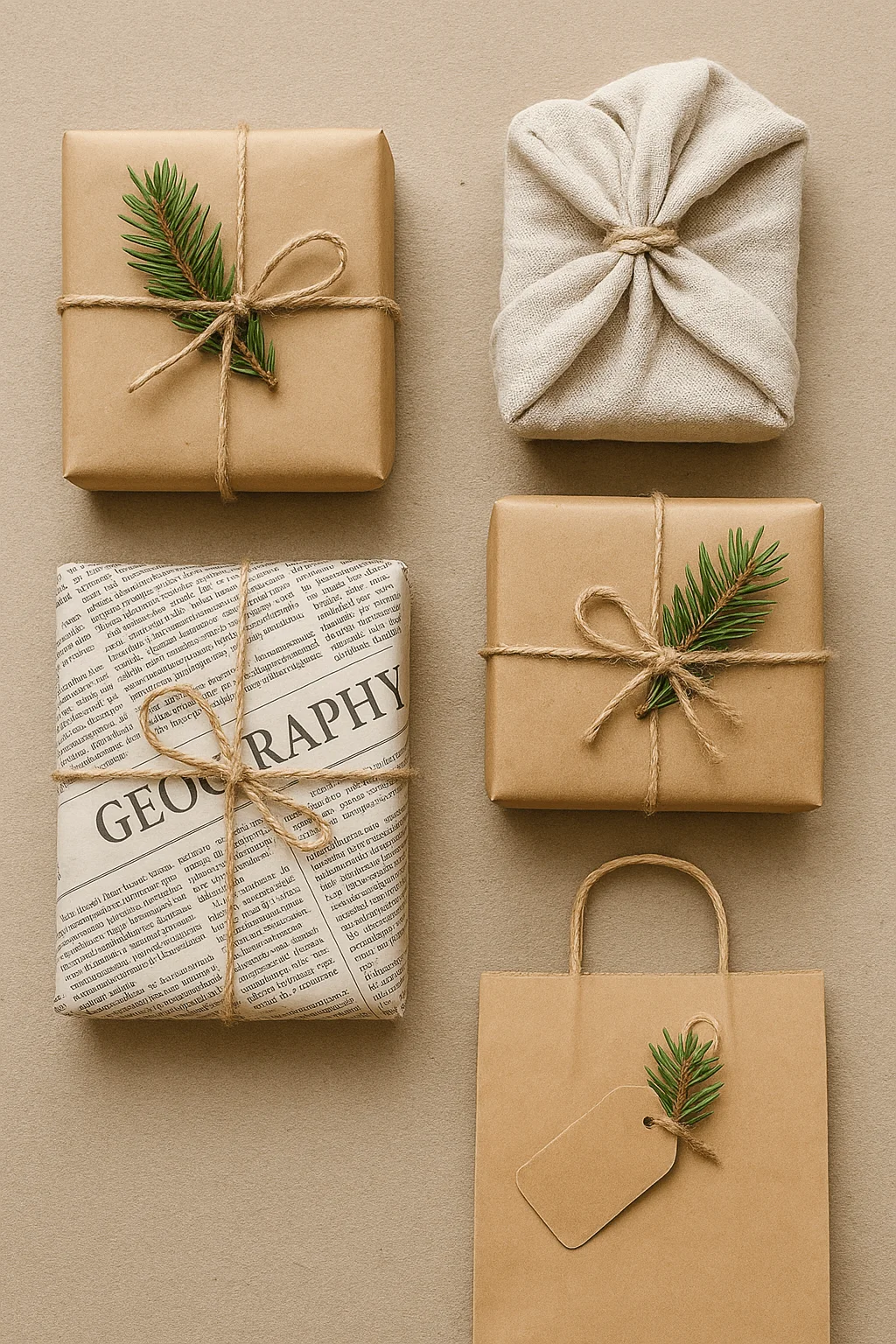
Instead of shiny paper, consider brown kraft paper which can be decorated with natural twine or sprigs of pine. Fabric wraps are another creative option. Scarves or pieces of cloth can be folded around gifts and reused for years. Old newspapers or maps also work beautifully and add a unique touch. Gift bags and boxes can be reused from one year to the next without losing their charm.
By rethinking how we wrap gifts, we can keep the excitement of opening presents while avoiding unnecessary waste.
How to Avoid Food Waste During Holiday Meals
Food brings people together during the holidays but it is also a leading source of waste. Planning meals carefully is one of the easiest ways to reduce waste. Instead of overestimating portions, think realistically about how much each guest will actually eat. Leftovers can be frozen in reusable containers or shared with friends and neighbors.

Composting food scraps is another great way to handle waste responsibly. Vegetable peels, fruit cores, and coffee grounds can go back into the soil rather than into the trash. By planning, storing, and reusing food wisely, you can enjoy delicious holiday meals without the guilt of excess waste.
Sustainable Gift Ideas With Less Packaging
Gift giving is one of the most joyful traditions of the season. Unfortunately, it often comes with excessive packaging. Choosing sustainable gift ideas with little or no packaging helps reduce waste while still making loved ones feel special.
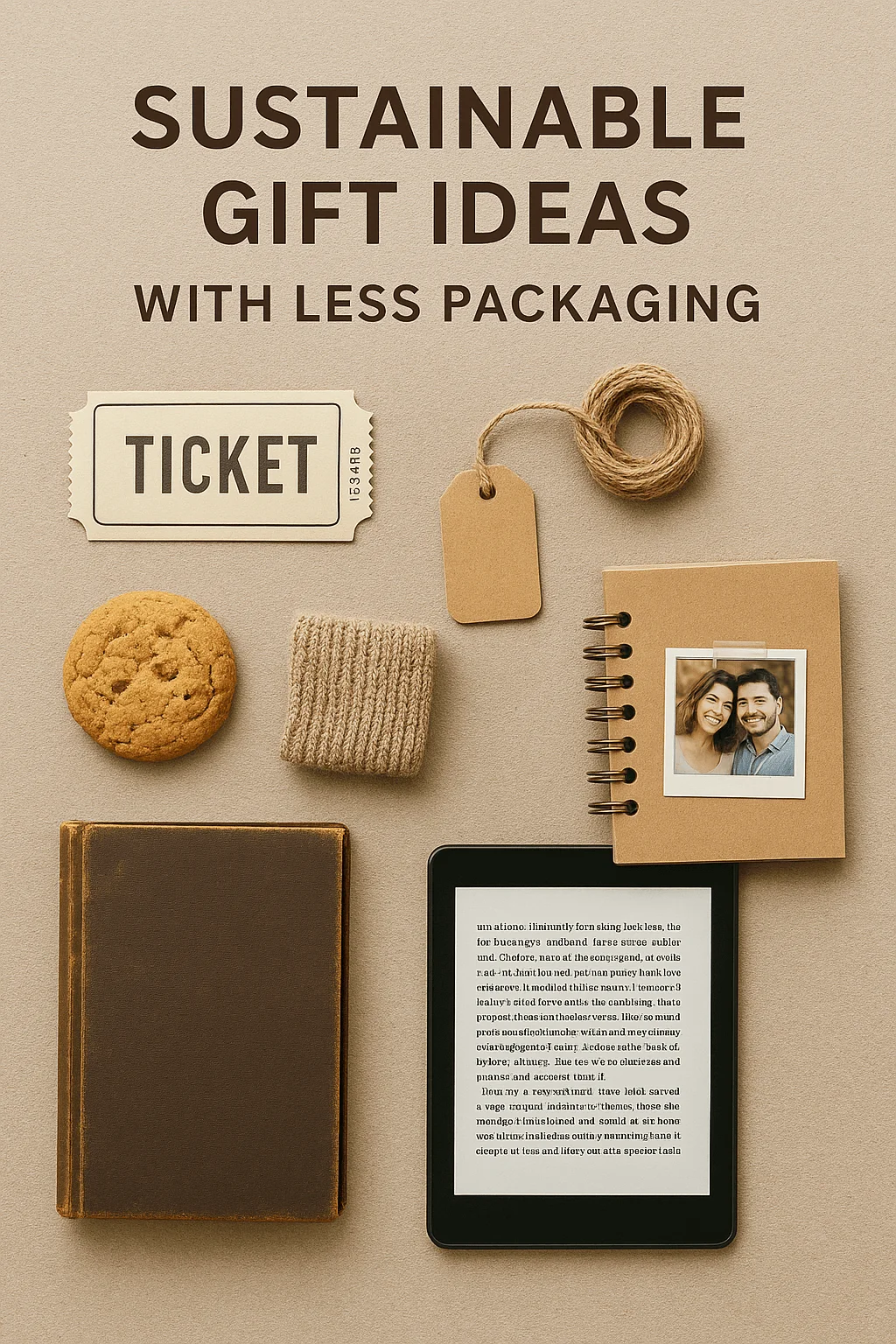
Experience gifts such as tickets to a concert, a spa day, or a cooking class create lasting memories without any wrapping at all. Digital gifts like e-books or subscriptions require no packaging and are instantly delivered. Homemade items such as baked goods, knitted scarves, or personalized photo albums add a thoughtful touch that no store-bought item can match.
Even secondhand treasures make excellent gifts. Vintage books, jewelry, or decor items carry unique charm and often cost less than buying new. With a little creativity, your gifts can bring joy without creating unnecessary waste.
Eco Friendly Holiday Decorations
Holiday decorations set the mood for celebrations but many store-bought items are made of plastic and do not last. Switching to eco friendly holiday decorations made from natural materials keeps your home festive while reducing your environmental impact.
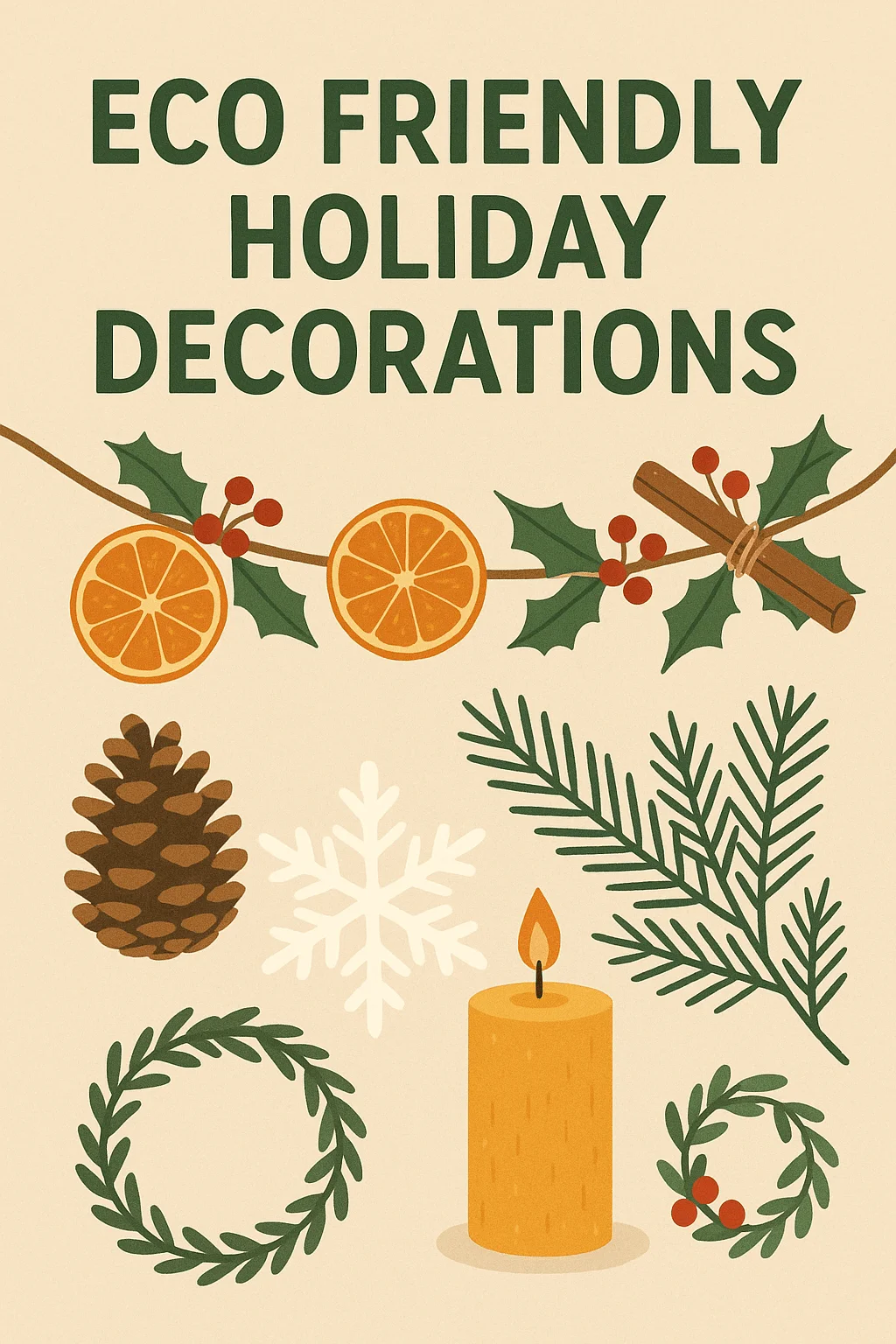
Pinecones, branches, and holly can be gathered from outside and arranged in beautiful displays. Dried oranges and cinnamon sticks can be strung together to create garlands that smell as good as they look. Paper snowflakes are a fun craft for children and can be recycled afterward. Beeswax candles add a warm glow while being biodegradable and safe for the environment.
You can also explore DIY holiday decorations using recycled materials. Cardboard, fabric scraps, and even old ornaments can be repurposed into creative new designs. Making decorations together as a family adds an extra layer of holiday fun.
Reusable Party Supplies for Gatherings
Holiday parties often produce mountains of disposable plates, cups, and napkins. Choosing reusable party supplies is one of the most effective ways to reduce this type of waste. Cloth napkins and real dishes make gatherings feel more elegant and reduce trash dramatically. If you need more supplies than you own, borrowing from friends or family is a simple solution.
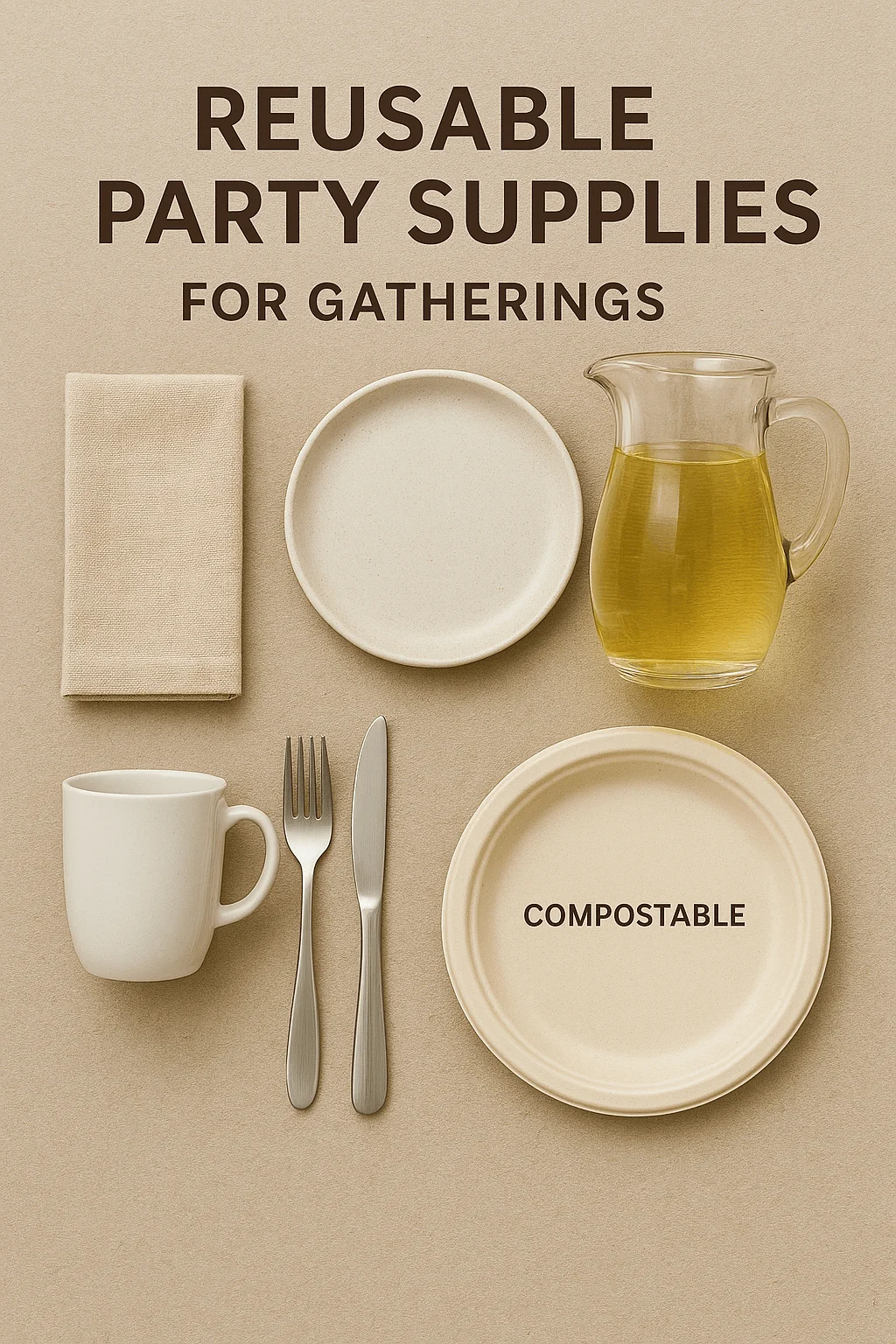
For drinks, using pitchers or large dispensers cuts down on single use bottles and cans. If disposables are unavoidable, choose compostable options made from plant based materials. Hosting with sustainability in mind sets a positive example and makes the celebration feel even more special.
Smarter Holiday Shopping Choices
Holiday shopping creates its own trail of waste, especially with online orders. Each package arrives with boxes, filler materials, and plastic wrap. To reduce packaging waste when shopping online during the Christmas season, try consolidating purchases into fewer orders. Shopping locally also helps because items usually come with less packaging and support small businesses.
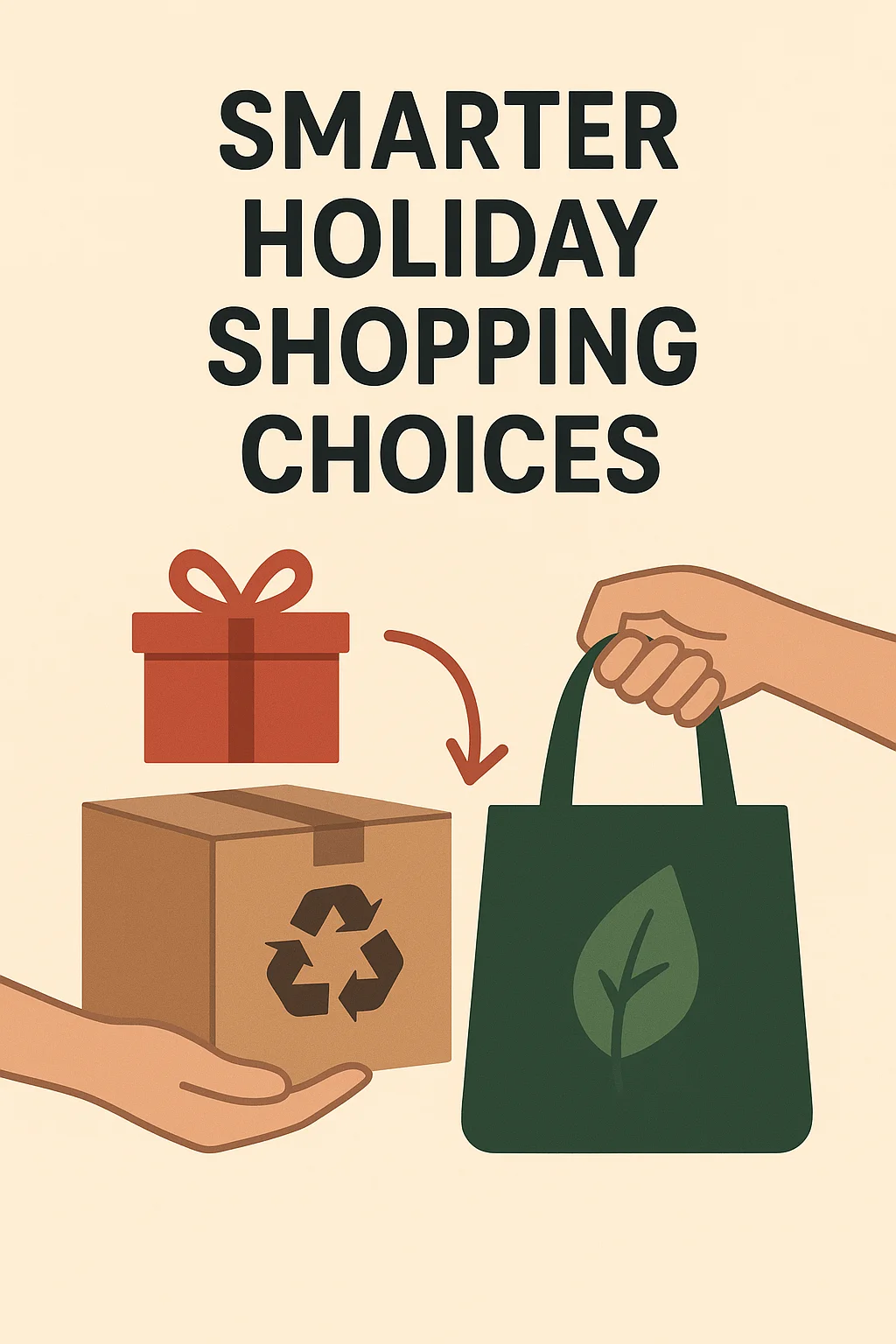
Choosing eco friendly retailers is another step in the right direction. Many now use recyclable or compostable shipping materials. Saying no to gift wrap add-ons during checkout prevents unnecessary non recyclable paper from entering your home. With mindful shopping habits, you can cut down on waste while still finding the perfect gifts.
Recycling and Composting During the Holidays
Even with the best intentions, some waste is unavoidable. Learning to recycle and compost correctly ensures it does not end up in the landfill. Not all wrapping paper can be recycled, especially those with glitter or foil, so check your local rules. Cardboard boxes from online shopping can be recycled if they are clean.
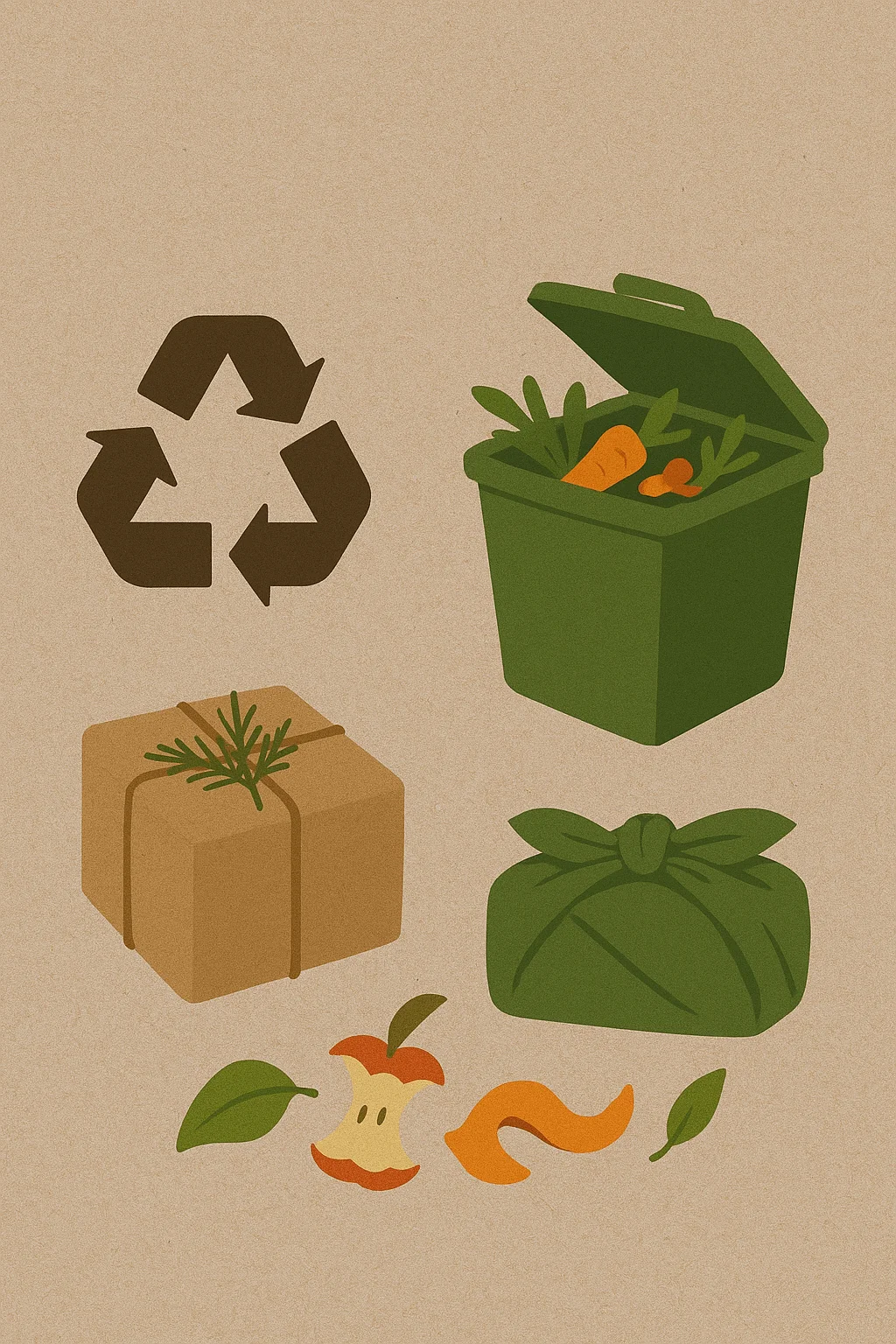
Food scraps such as vegetable peels and fruit skins should be composted whenever possible. Leftover decorations or unopened items can be donated rather than thrown away. By handling waste responsibly, you extend the positive impact of your sustainable holiday efforts.
Fresh Ideas That Make a Difference
While many guides cover gift wrap, food, and shopping, adding a few unique touches can set your celebration apart. Hosting a holiday swap party is one fun idea. Friends can bring unused decorations or gifts and exchange them, giving items a new life instead of throwing them away.
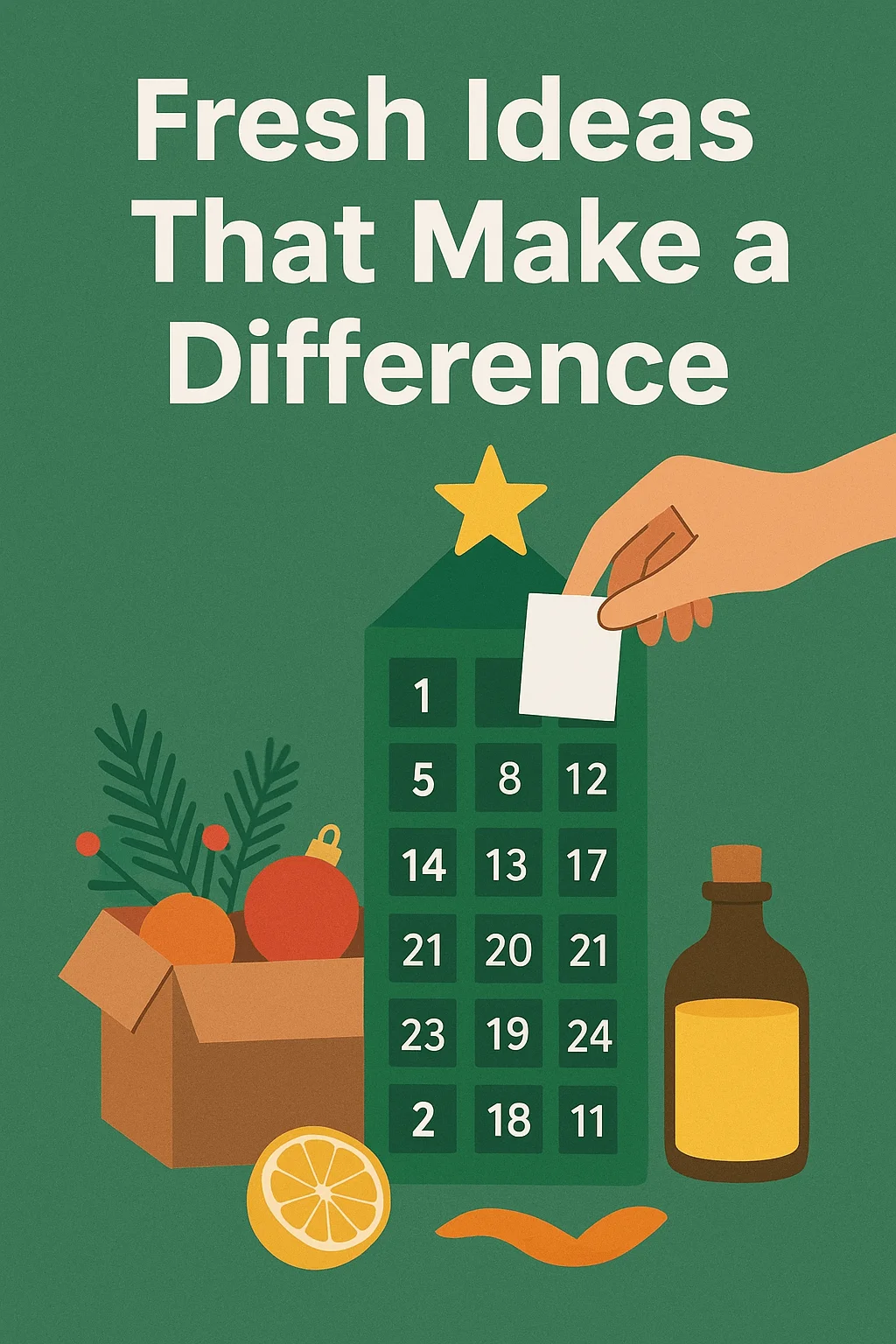
Creating a green advent calendar is another way to keep sustainability top of mind. Instead of chocolates or trinkets, each day can include a small eco challenge such as walking instead of driving, turning off lights earlier, or skipping plastic packaging.
Even after the holidays, you can continue your eco friendly habits by using natural cleaners made from vinegar and citrus peels instead of chemical sprays. These little choices make a big difference over time.
Conclusion
Creating less waste during the holidays is not about perfection but about progress. Every small change matters, whether it is using zero waste wrapping paper alternatives, cooking with portion control, giving sustainable gifts, or decorating with natural materials. When you celebrate with intention, the season becomes even more meaningful.This holiday season, consider giving the planet a gift too. Celebrate joyfully, reduce waste, and show that it is possible to have a holiday filled with warmth and love while still caring for the world around us.