Modern LED Stage Design Ideas for Sustainable Events
Stage design in 2026 is no longer only about creating something visually impressive. It is about creating experiences that are meaningful, responsible, and forward thinking. As environmental awareness grows across industries, event production is also undergoing a transformation. Designers are now expected to balance creativity with sustainability, and this is where LED technology plays a powerful role.
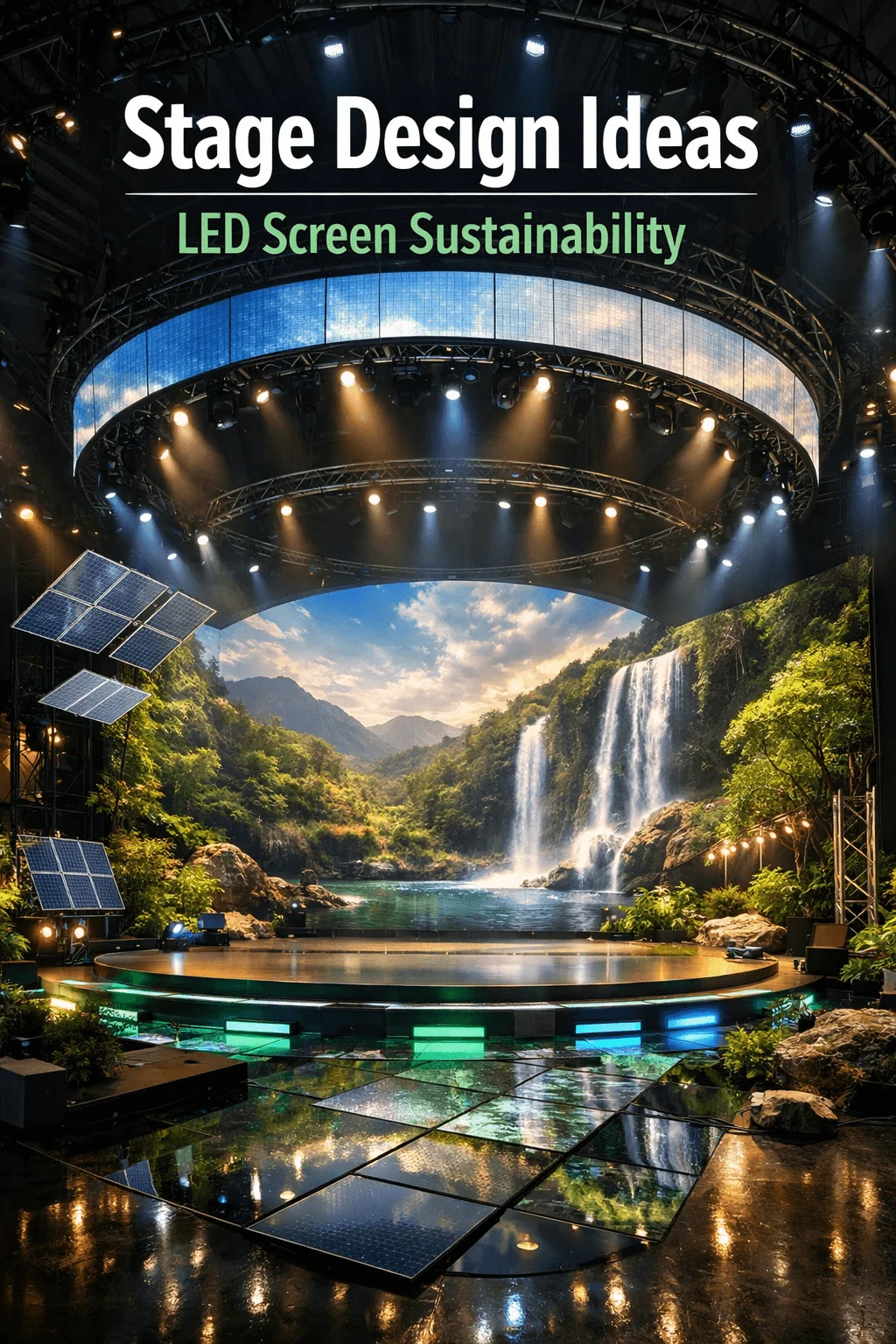
LED screens have changed how stages are imagined and built. Instead of constructing large physical sets that are used once and discarded, designers can now create entire worlds digitally. This reduces waste, saves resources, and allows for limitless creativity. At the same time, it challenges designers to think deeper about how their work impacts the environment.
This article explores sustainable LED stage design ideas that are shaping modern events in 2026. These ideas are not just about technology but about a mindset that values efficiency, reuse, and thoughtful design.
Modular Reusable LED Panel Systems
One of the most effective approaches to sustainable stage design is the use of modular LED panels. These panels are designed to fit together in different configurations, allowing designers to create unique layouts for each event without building entirely new structures. This idea shifts the focus from one time use to long term adaptability.
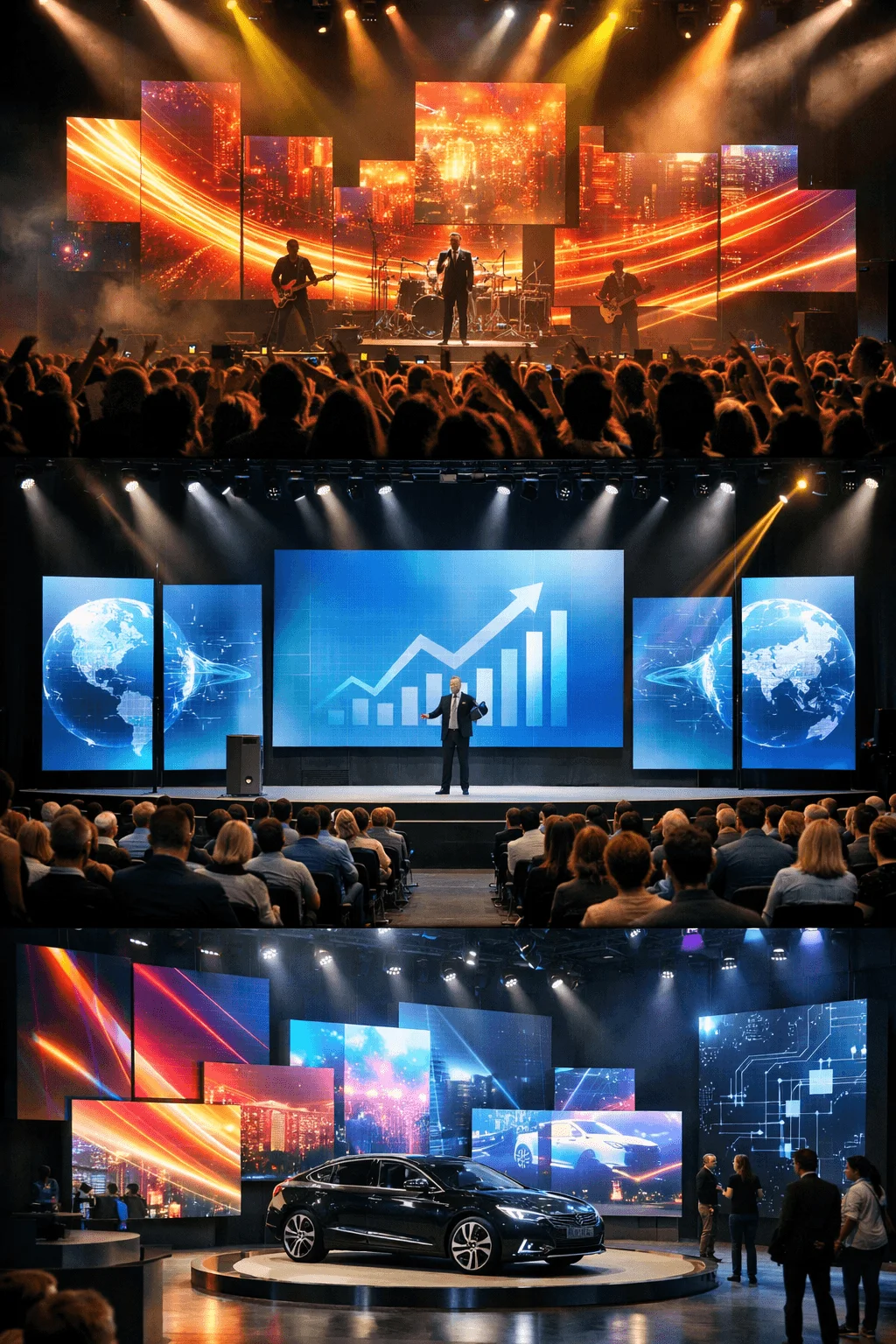
The beauty of modular systems lies in their flexibility. A single set of panels can be used for concerts, conferences, and exhibitions simply by changing the arrangement and content. This reduces material waste and also saves time during setup and dismantling. Over time, this approach becomes both environmentally and economically beneficial.
Circular LED Stage Layouts
Circular stage designs are becoming increasingly popular because they symbolize continuity and sustainability. Instead of a traditional flat backdrop, LED panels are arranged in curved or circular forms that surround the stage or audience.
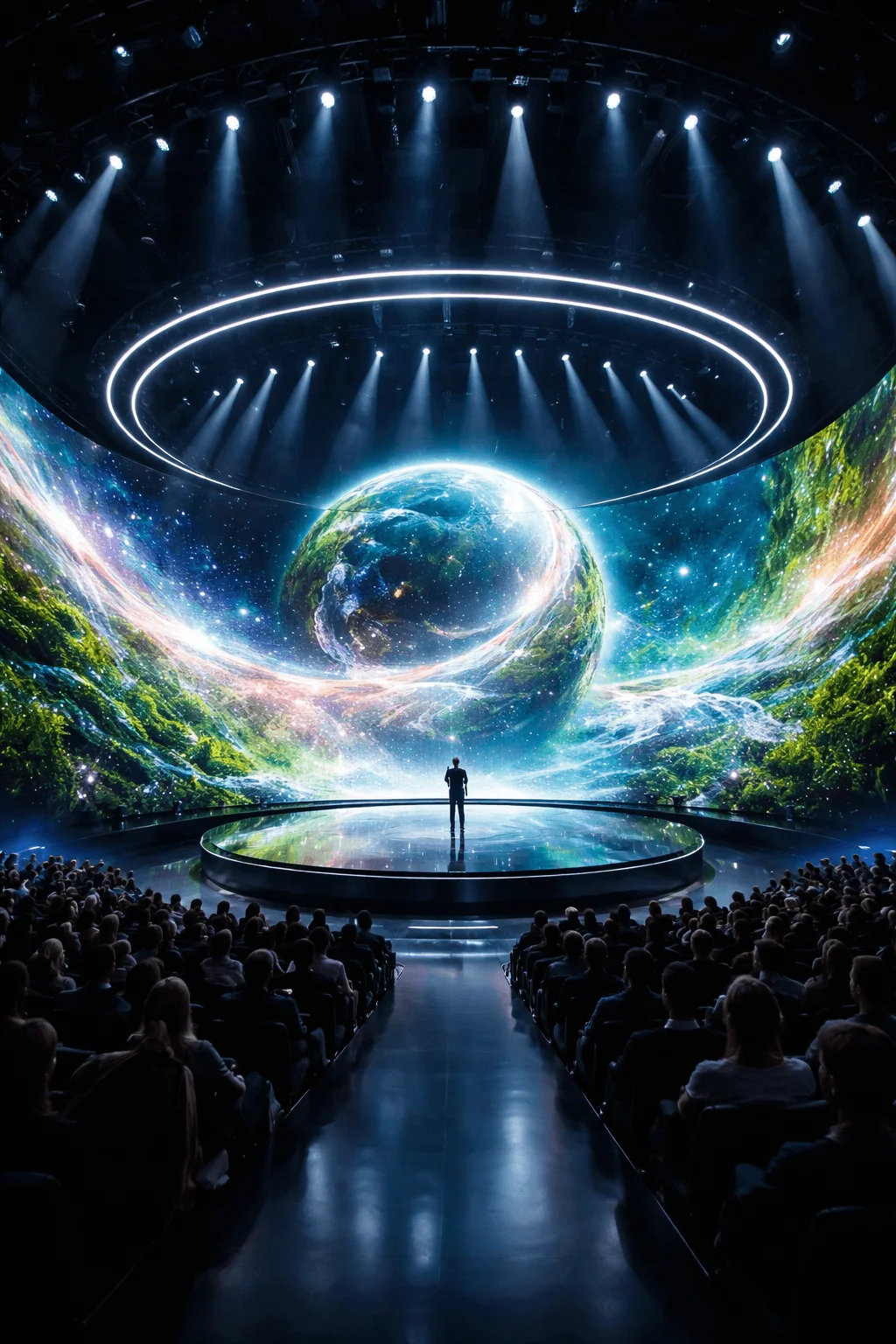
This design creates a more immersive experience where visuals flow naturally around the space. It also allows designers to reuse the same panels in different shapes, reinforcing the idea of adaptability. The circular form itself represents a shift toward thinking in cycles rather than linear production.
Nature Integrated LED Environments
Combining LED screens with natural elements creates a powerful visual story. Designers are now blending digital visuals with real plants, wood textures, and organic shapes to create environments that feel alive.
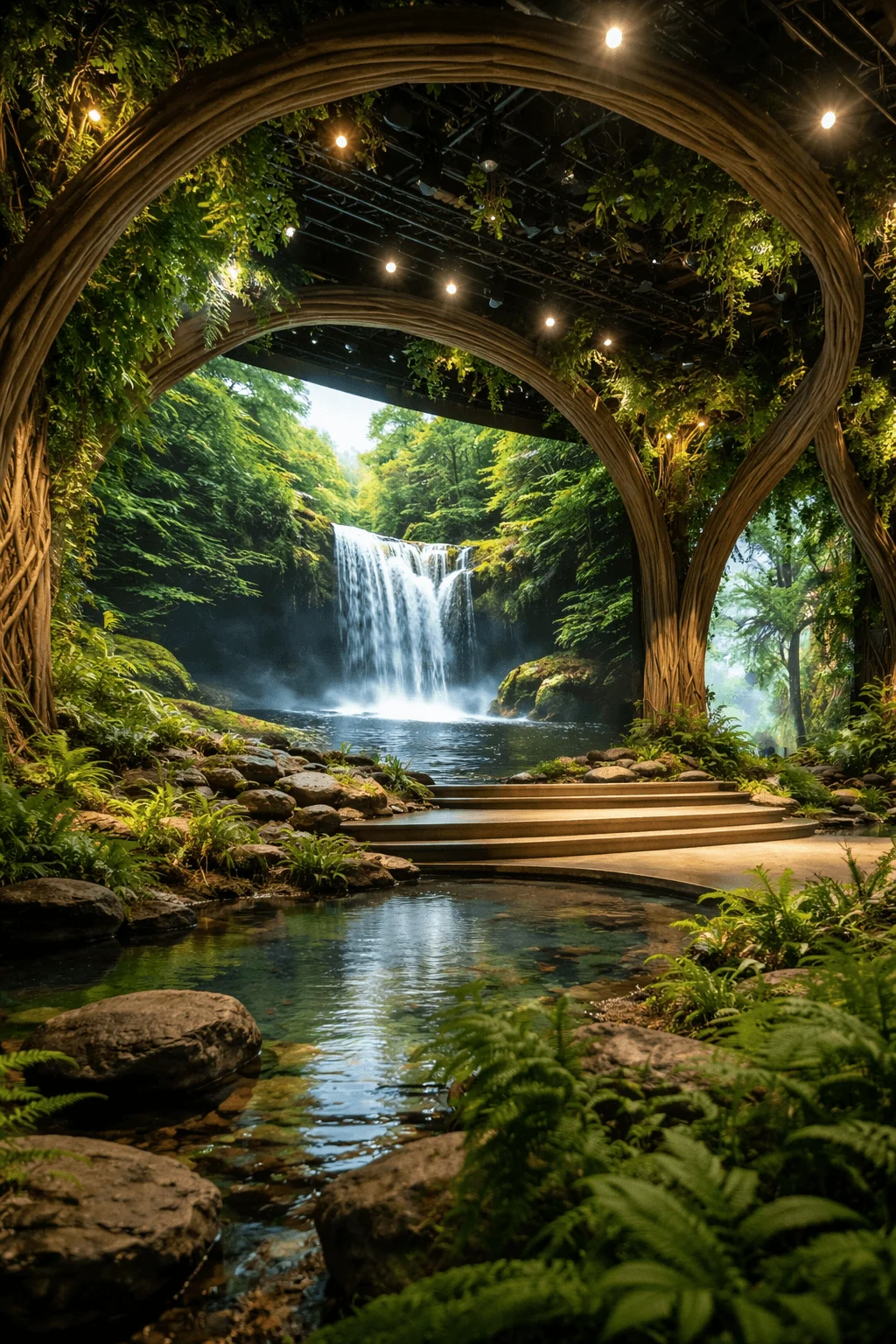
This approach highlights the relationship between technology and nature rather than placing them in opposition. The LED screens can display landscapes, flowing water, or natural patterns that enhance the physical elements on stage. This creates a deeper emotional connection with the audience while reinforcing the message of sustainability.
AI Driven Energy Optimized Displays
Artificial intelligence is transforming how LED stages operate. Instead of running at full brightness all the time, AI systems can adjust energy usage based on what is needed at any moment.
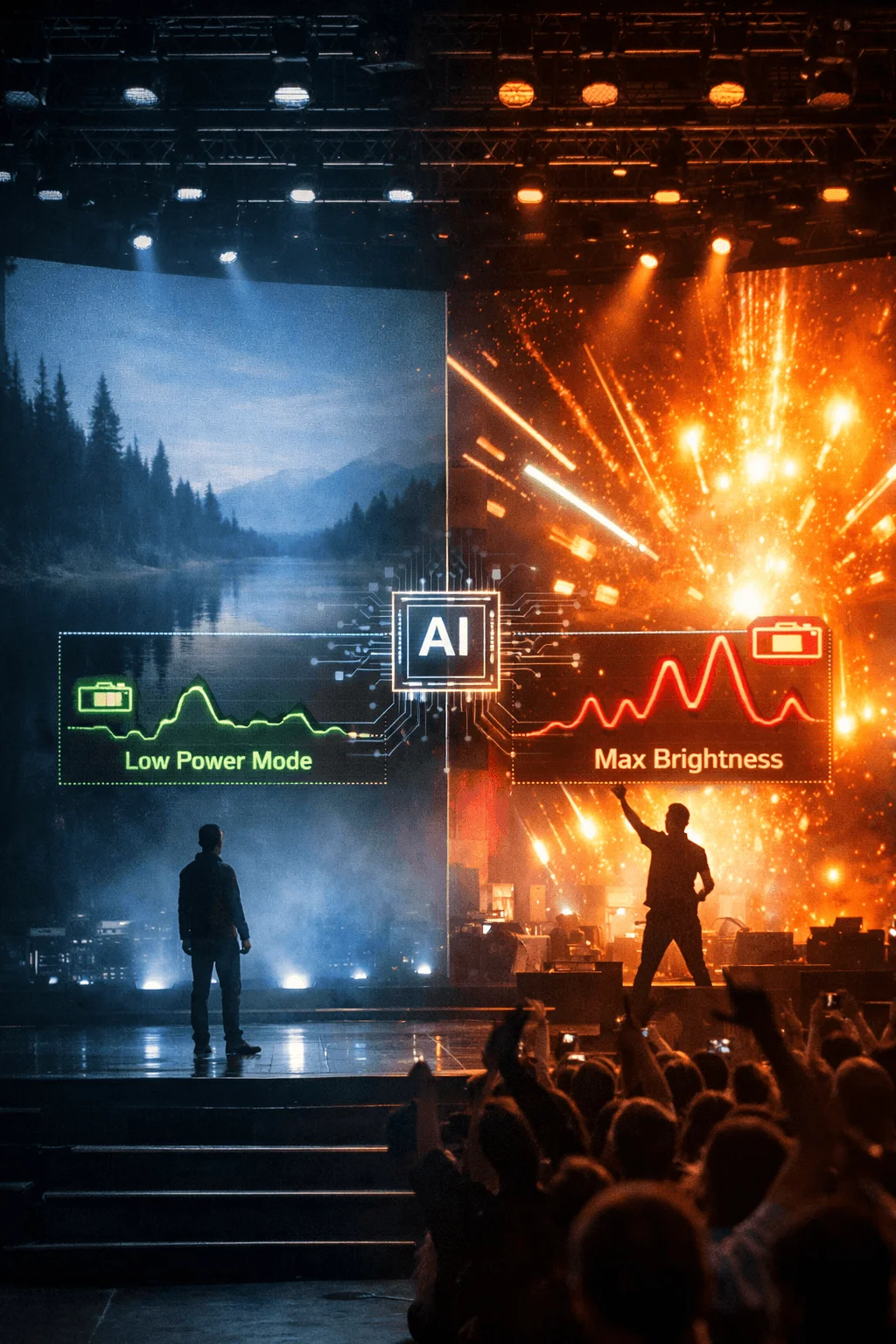
For example, a scene that requires subtle lighting will automatically use less power, while high impact moments can increase brightness when necessary. This dynamic control reduces energy waste without affecting the quality of the performance. It also introduces a level of intelligence that makes stage design more responsive and efficient.
Virtual Landscape Stage Design
Virtual landscapes allow designers to create entire worlds without building physical sets. LED screens can display forests, cities, oceans, or abstract environments that change instantly.
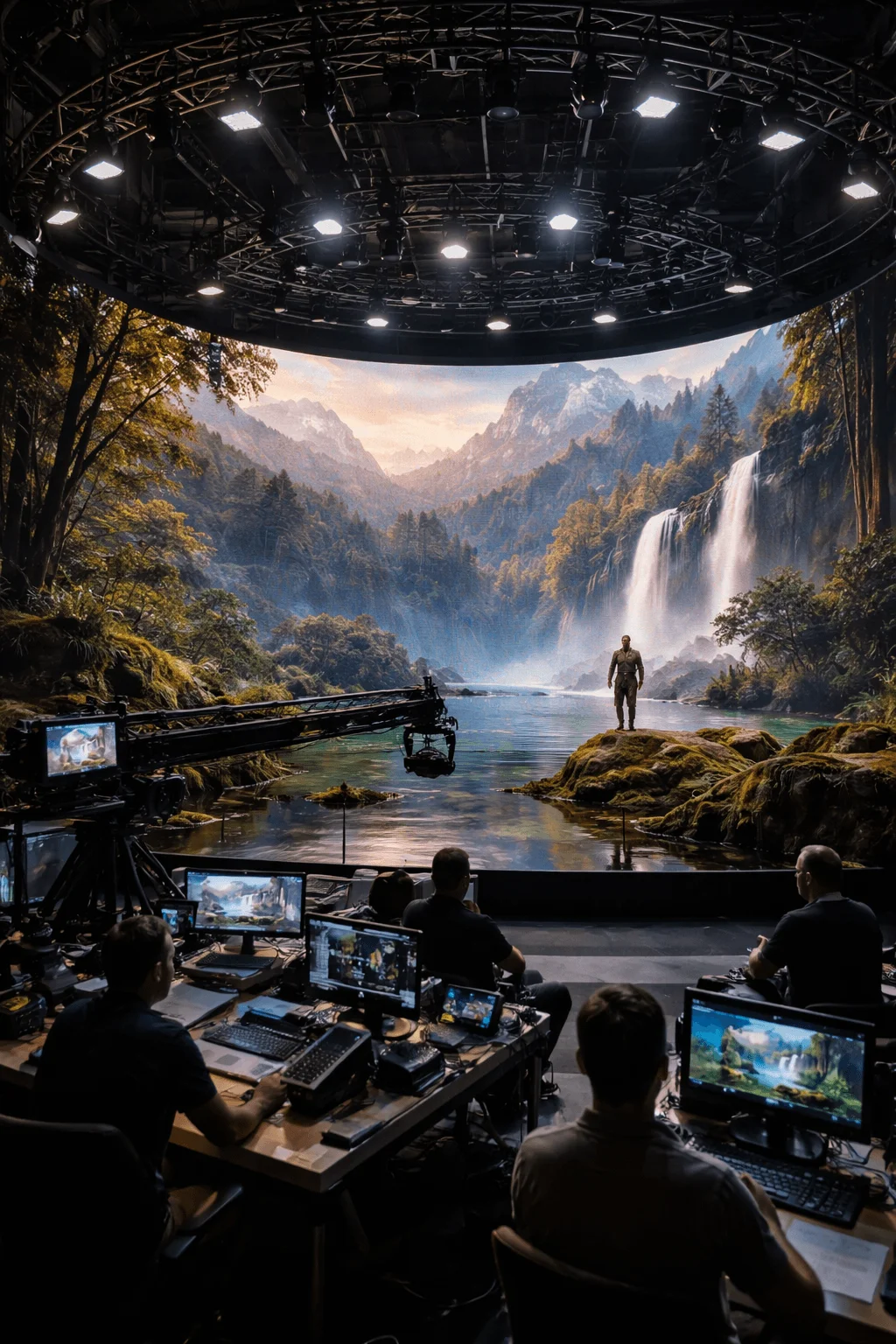
This approach eliminates the need for large scale construction and transportation of materials. It also gives designers the freedom to experiment with ideas that would be impossible to build physically. The result is a stage that feels expansive and immersive while remaining environmentally responsible.
Lightweight Portable LED Structures
Modern LED panels are becoming lighter and easier to transport. This might seem like a small change, but it has a significant impact on sustainability.
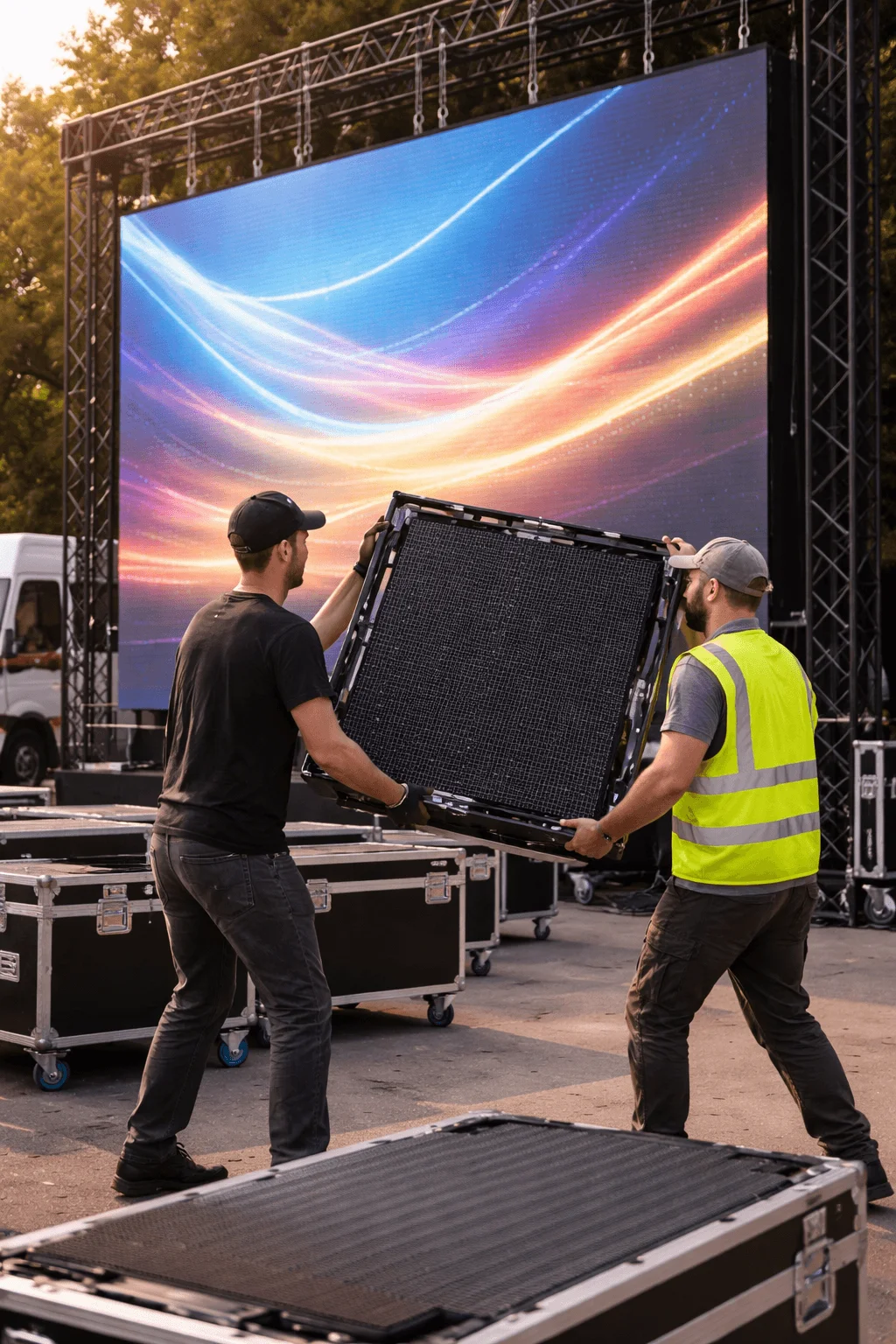
Lighter equipment requires less fuel for transportation and reduces the effort needed for installation. It also makes it easier to reuse the same setup across multiple locations. This idea focuses on efficiency not only in design but also in logistics.
Multi Purpose Transforming Stages
A multi purpose stage is designed to serve different functions without requiring major changes. LED screens make this possible by allowing the visual environment to transform completely through digital content.
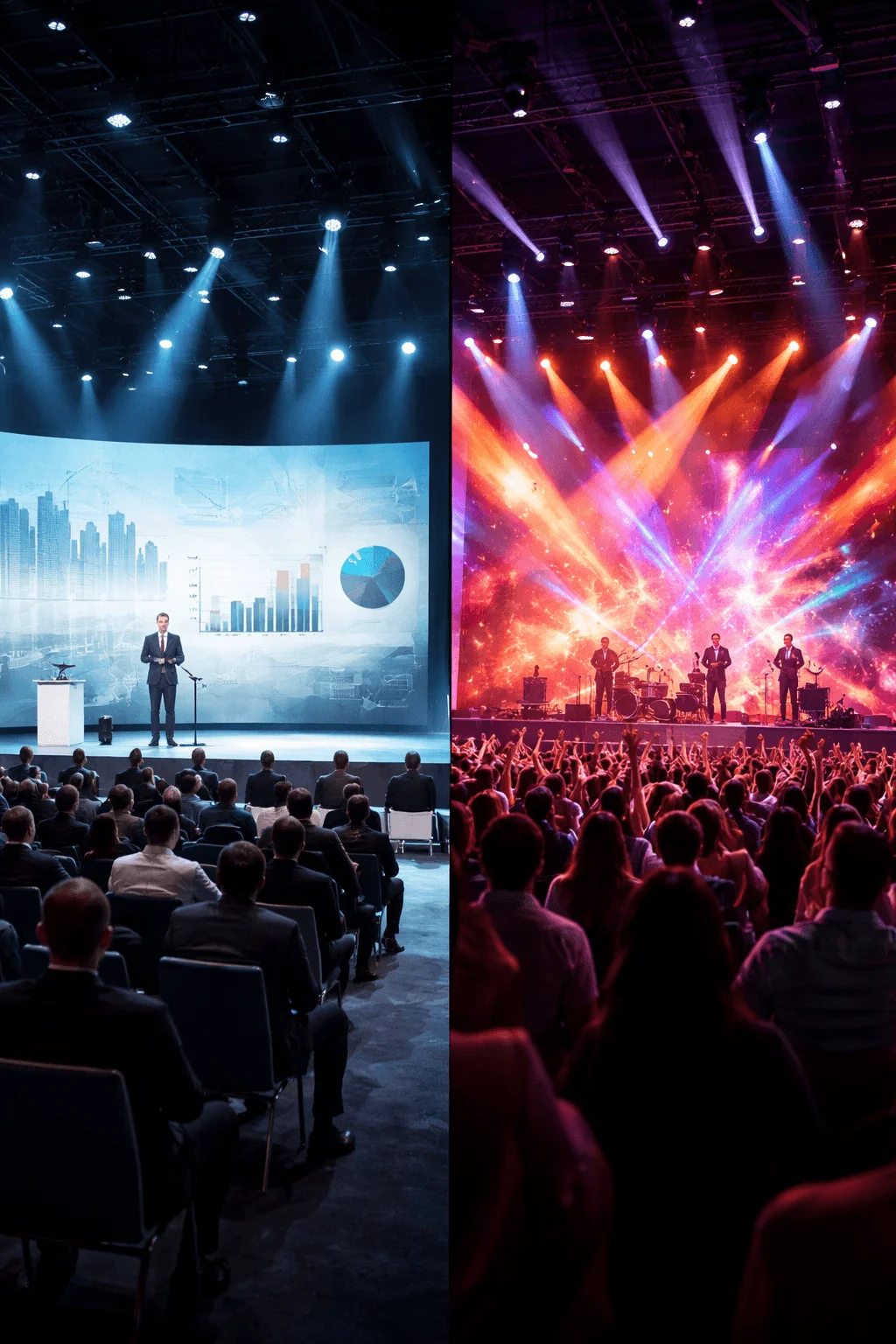
A stage can shift from a corporate setting to a concert atmosphere within seconds. This reduces the need for rebuilding and encourages a more flexible approach to design. It also makes events more dynamic and engaging.
Recycled Material LED Frameworks
Using recycled materials in stage construction is becoming a key part of sustainable design. LED frameworks made from recycled metals or plastics reduce the environmental impact of production.
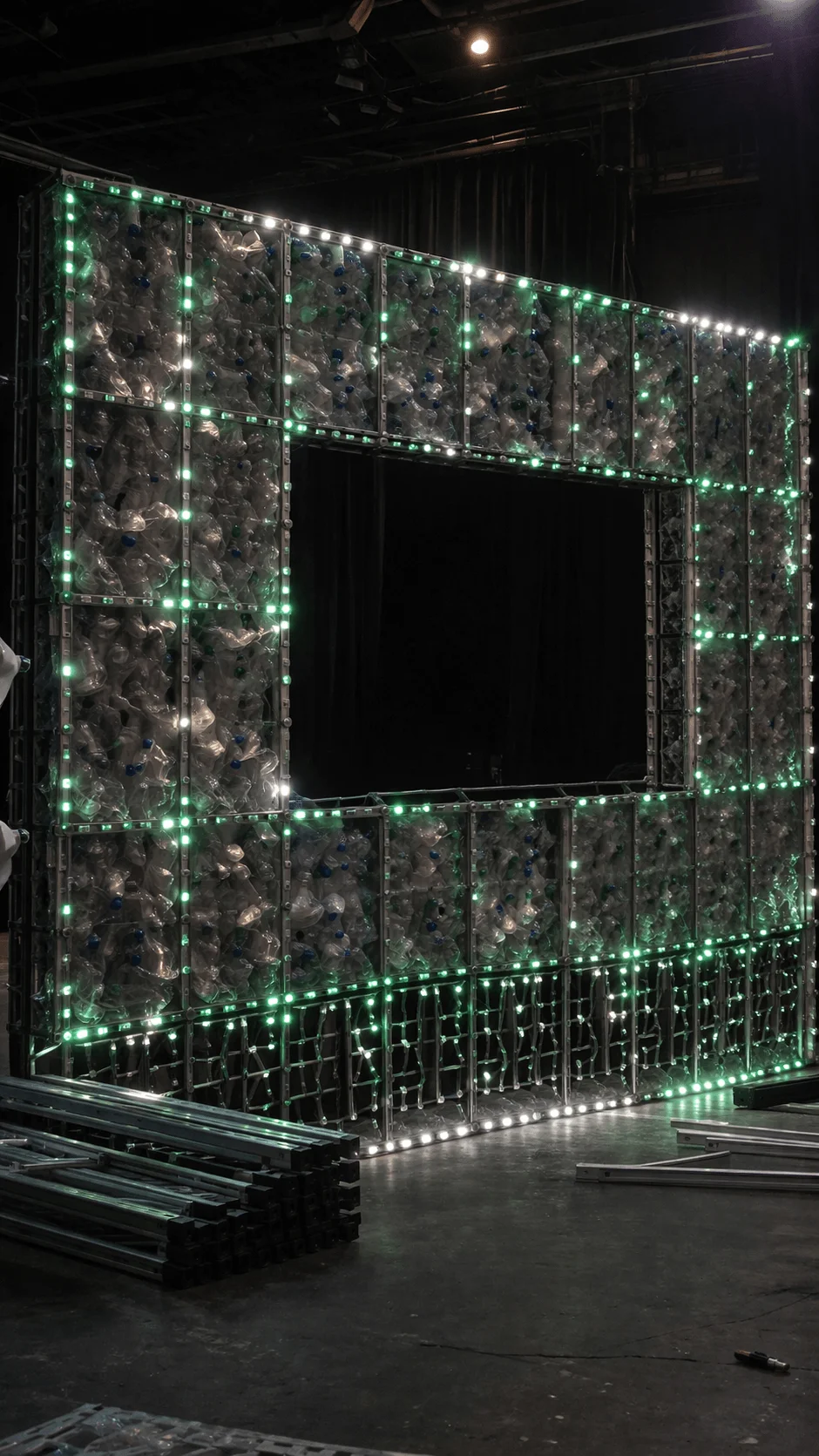
This idea extends beyond materials to the mindset of reuse. Designers are now considering the lifecycle of every component, ensuring that it can be repurposed or recycled after use. This creates a more responsible approach to building stages.
Invisible LED Integration
Instead of making LED screens the main focus, designers are finding ways to integrate them seamlessly into the stage. This creates a clean and modern look where technology supports the design rather than dominating it.
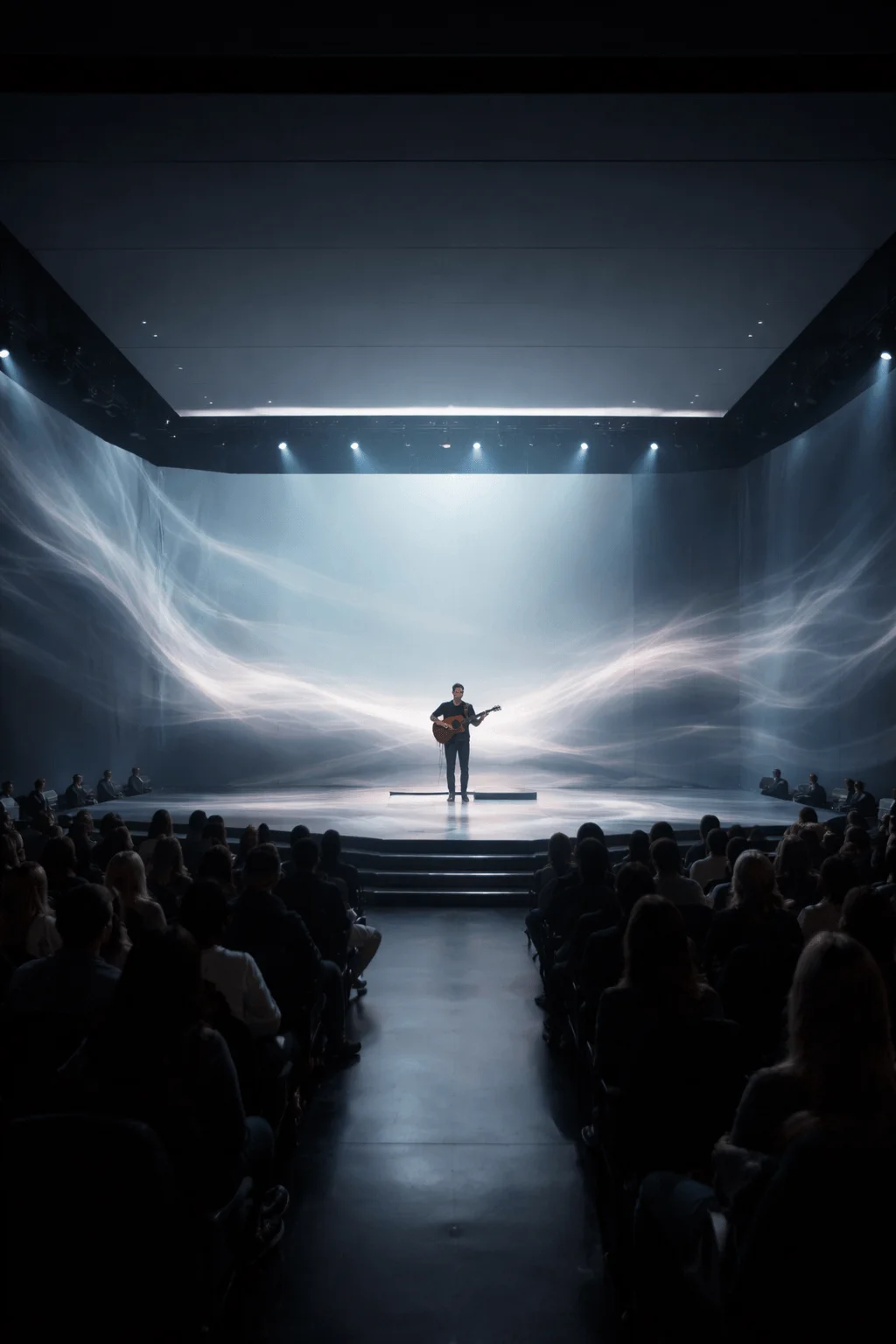
Hidden or blended LED panels can enhance the overall aesthetic while maintaining functionality. This approach also encourages minimalism, which naturally aligns with sustainability.
Solar Assisted LED Stages
Solar energy is slowly becoming part of stage design. While it may not power entire productions yet, it can support certain elements of the LED system.
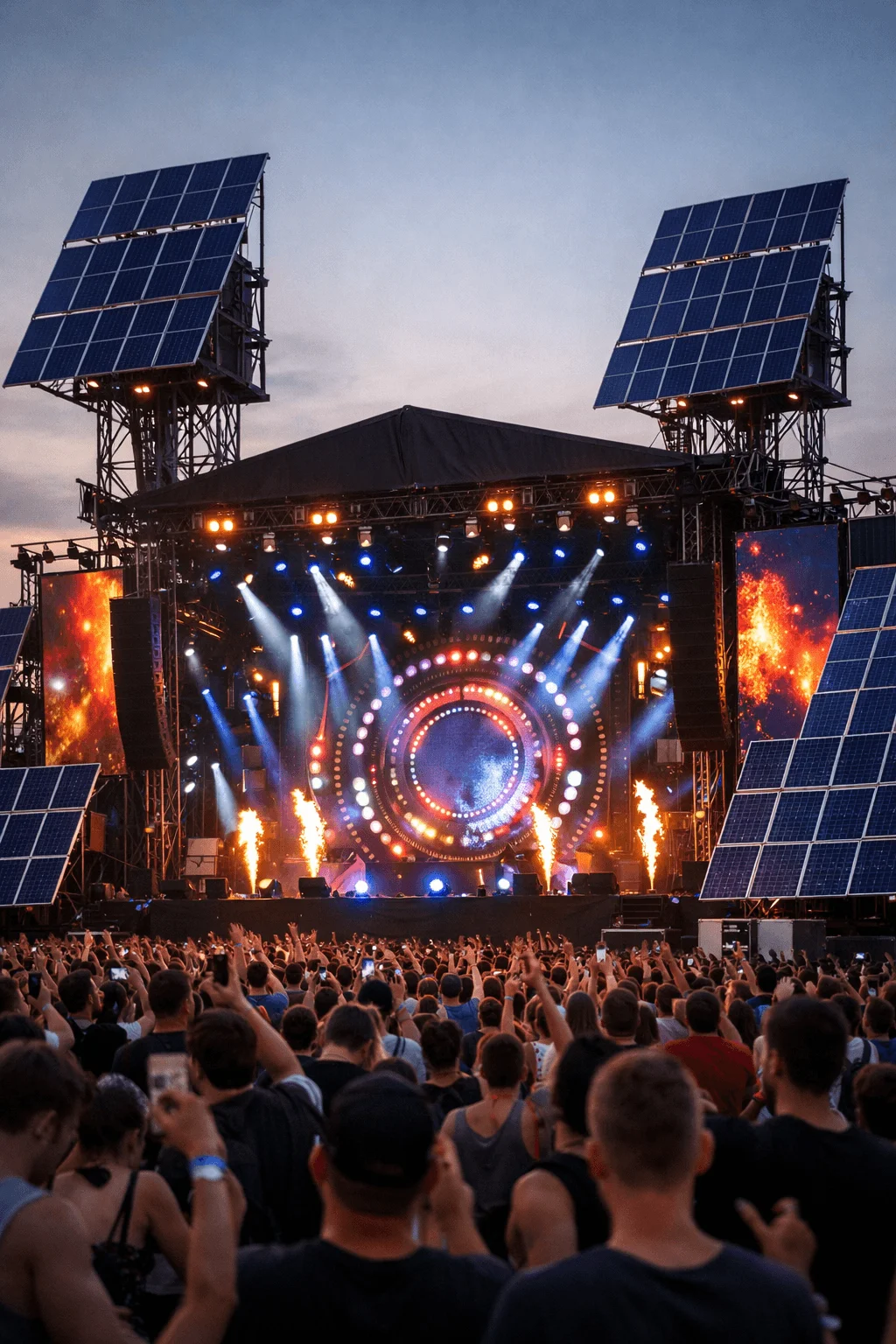
This idea represents a step toward renewable energy in events. It also sends a strong message about innovation and responsibility. As technology advances, solar powered stages may become more common.
Interactive Audience Responsive LED Designs
Interactive stages create a connection between the audience and the performance. LED systems can respond to movement, sound, or input, making the experience more engaging.
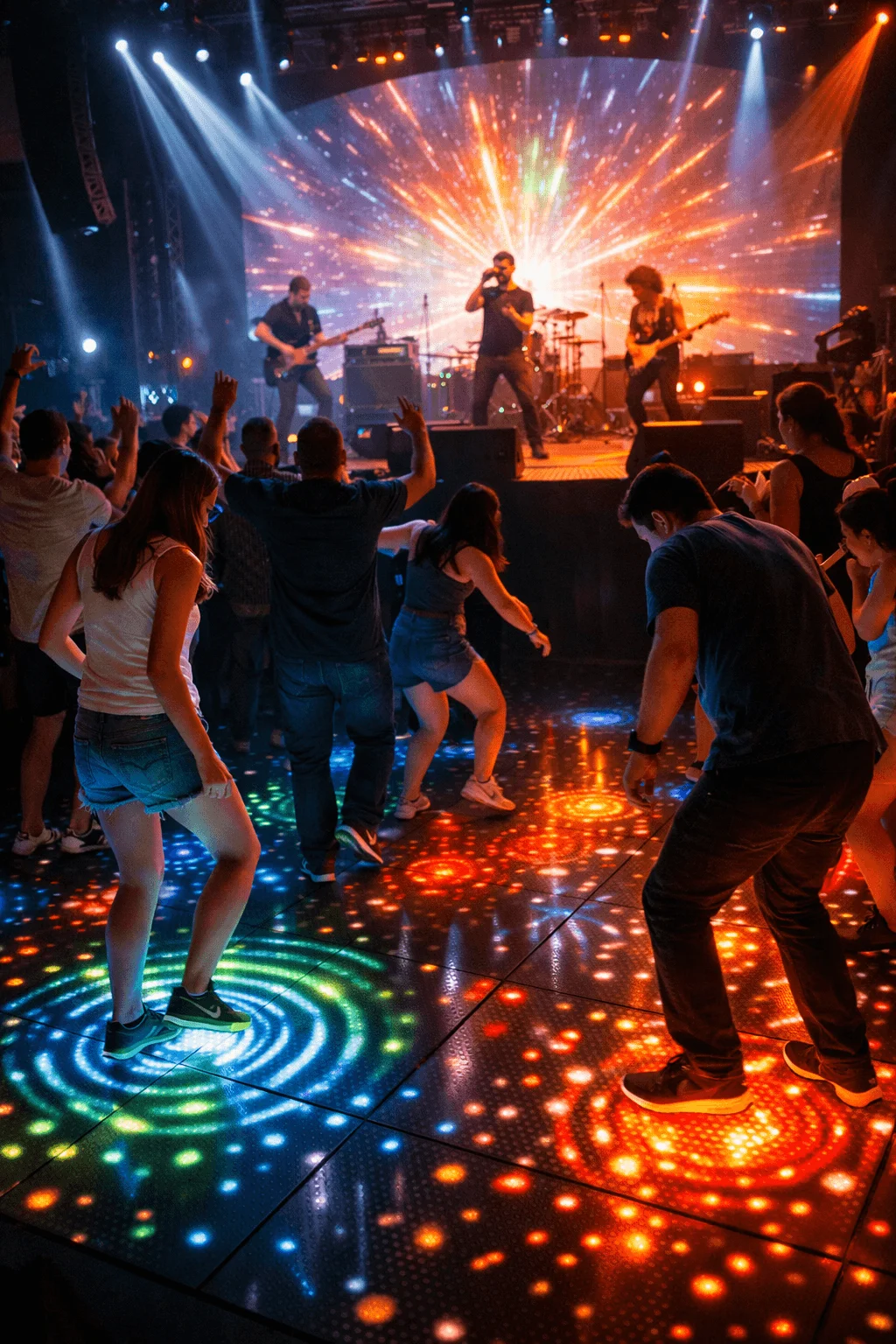
This approach can also be energy efficient because the system activates only when needed. It combines creativity with smart energy use, making it both exciting and sustainable.
Minimalist LED Stage Concepts
Minimalism is becoming a powerful design approach. Instead of using many elements, designers focus on a few key components that create a strong impact.
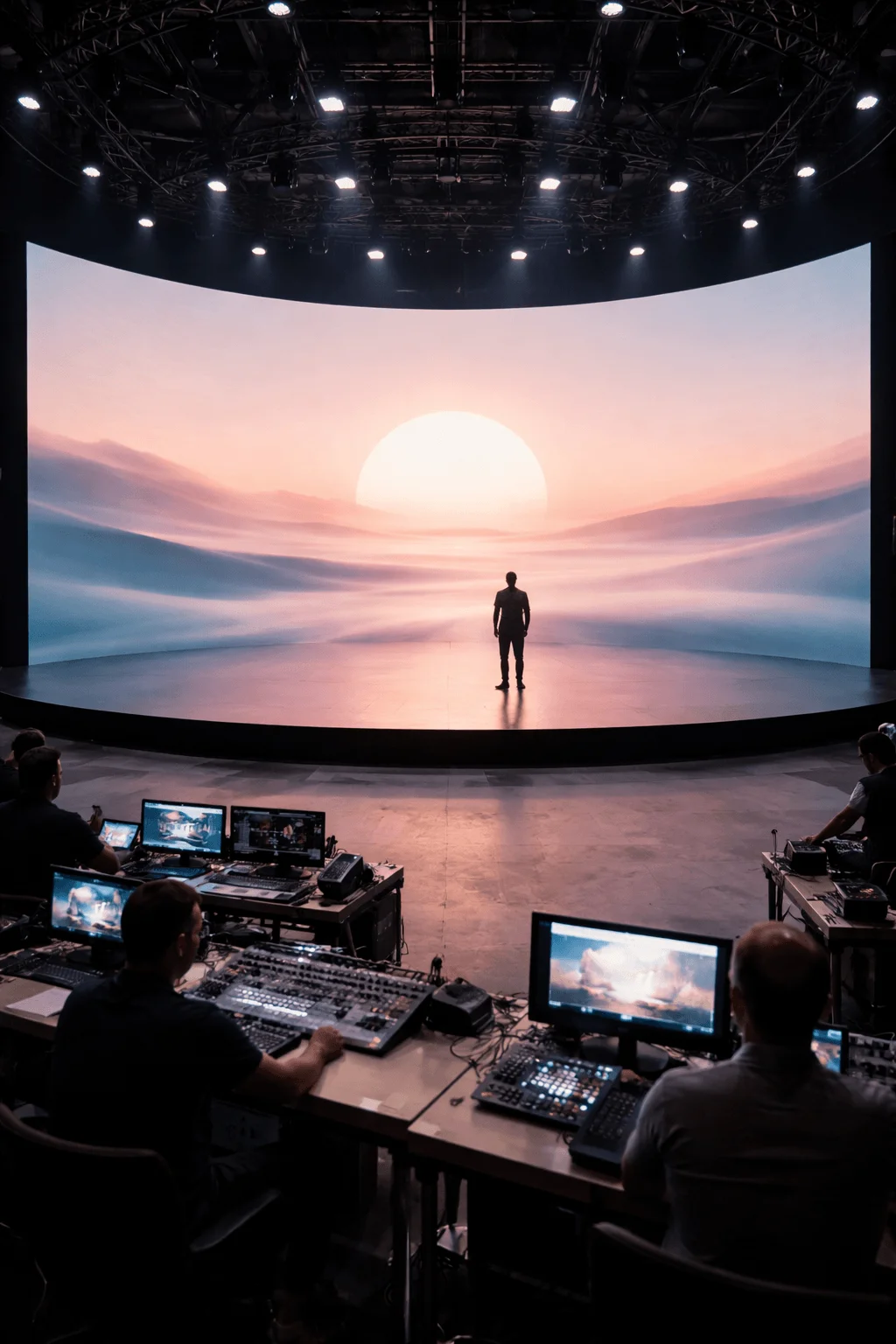
LED screens play a central role in this concept because they can deliver complex visuals without requiring additional materials. This reduces waste while maintaining a high level of creativity.
Repairable and Upgradeable LED Systems
Designing for repair and upgrade is an important step toward sustainability. Instead of replacing entire systems, individual components can be fixed or improved.
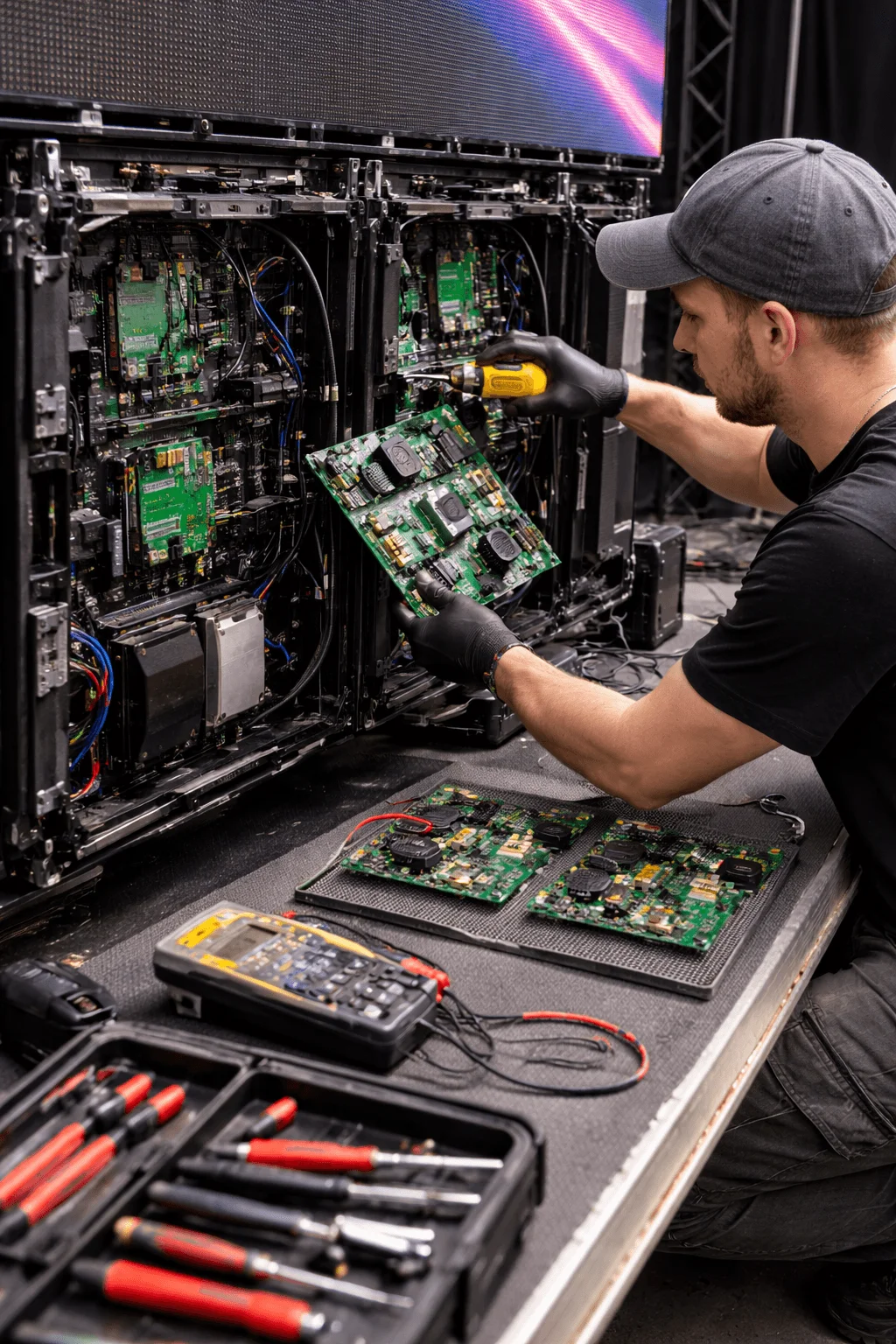
This extends the lifespan of LED setups and reduces electronic waste. It also encourages a more thoughtful approach to technology use.
Data Driven Stage Design Planning
Data is becoming a valuable tool in stage design. By analyzing energy usage and performance, designers can make better decisions that balance creativity with efficiency.
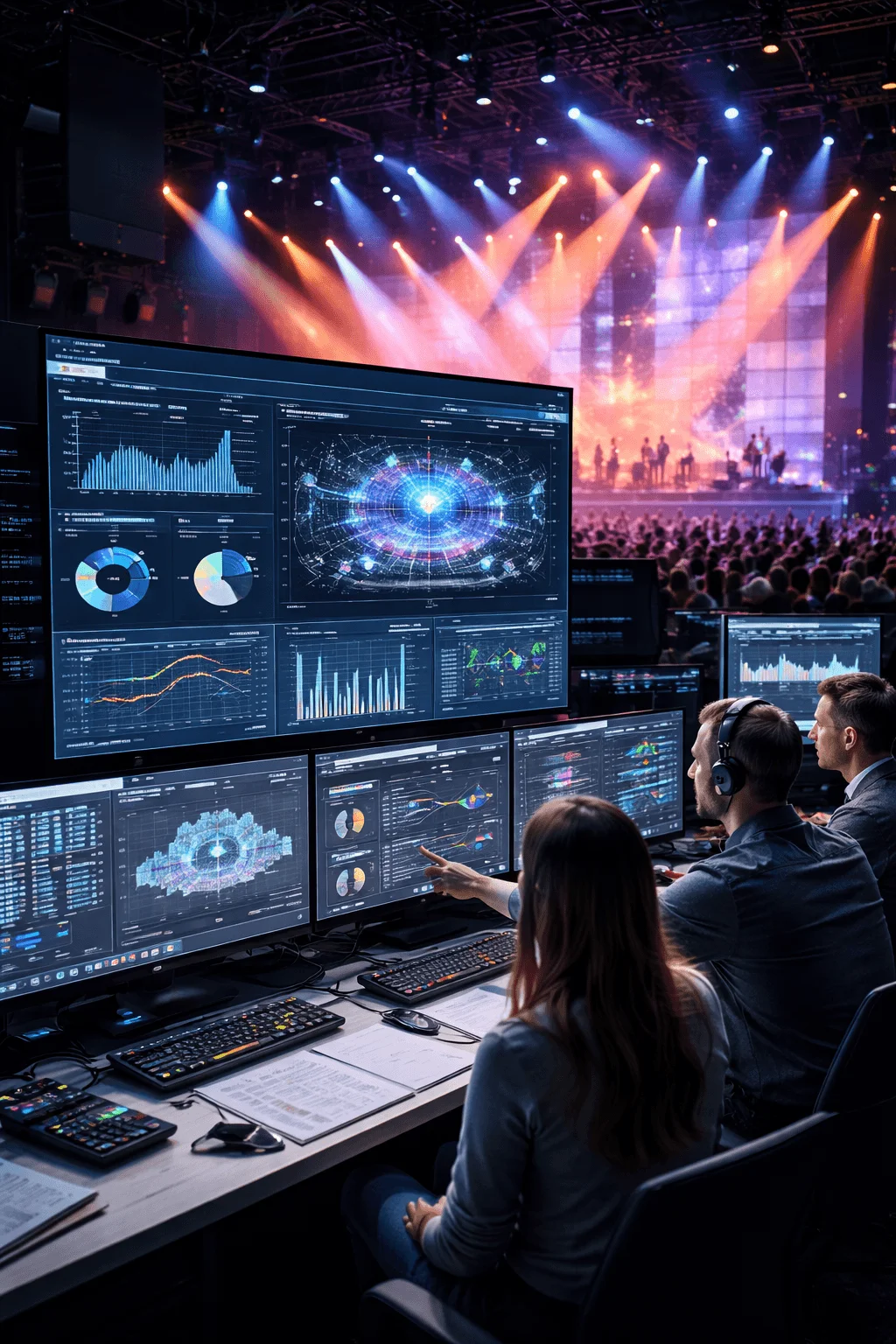
This approach allows for continuous improvement and ensures that each event becomes more sustainable than the last.
Hybrid Physical and Digital Stage Design
Combining physical elements with LED visuals creates a balanced approach. Instead of relying entirely on digital or physical design, this method uses both in a thoughtful way.
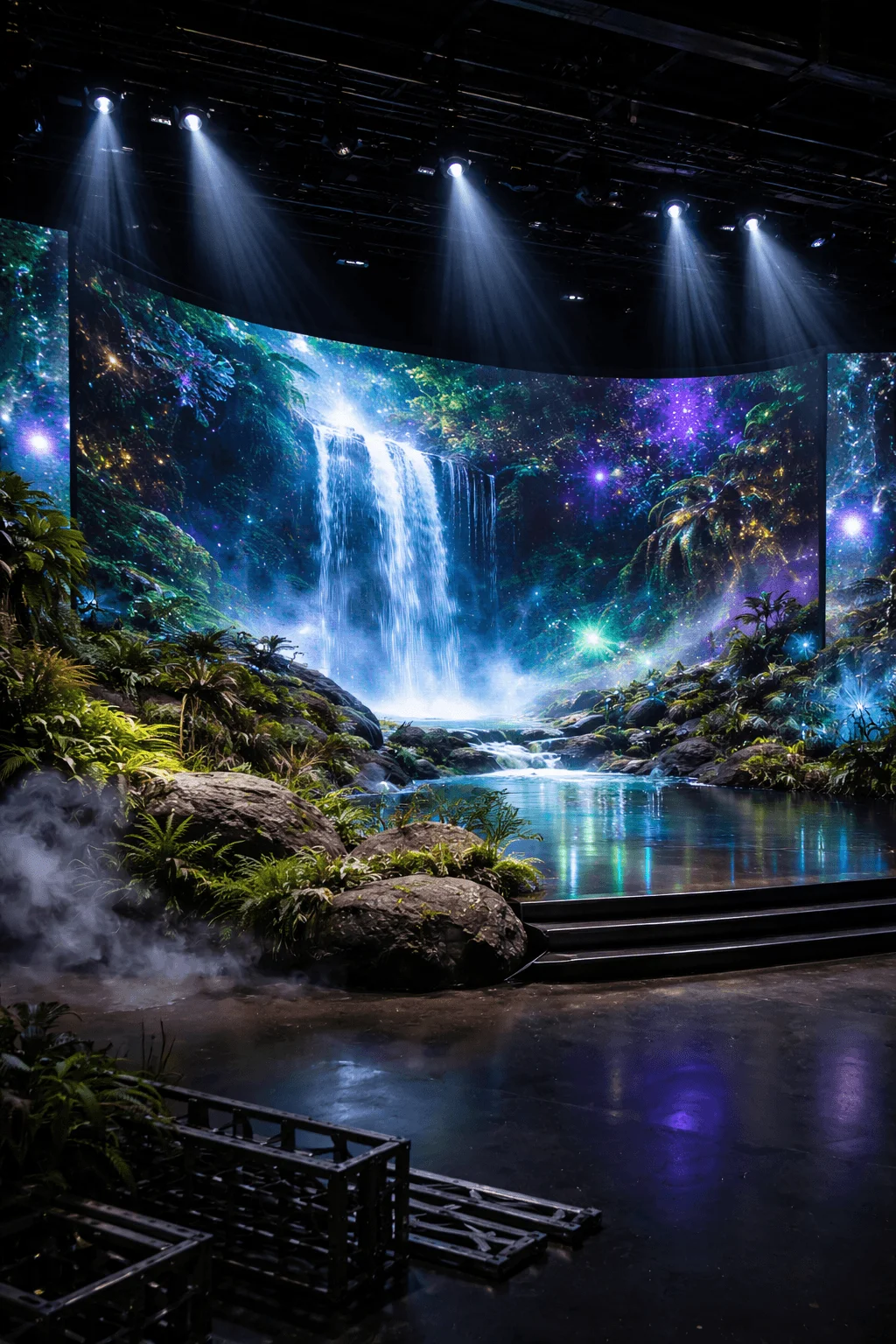
A small number of physical elements can add depth and texture, while LED screens provide flexibility and transformation. This reduces material use while maintaining a rich visual experience.
Conclusion
Sustainable LED stage design represents a new direction for the events industry. It shows that creativity and responsibility can work together to create powerful experiences. By embracing ideas such as modular systems, virtual environments, and energy efficient technology, designers can reduce environmental impact while enhancing visual storytelling.
The ideas explored in this article demonstrate that sustainability is not a limitation but an opportunity. It encourages designers to think differently, to innovate, and to create stages that are not only beautiful but also meaningful.
As we move further into 2026 and beyond, sustainable LED stage design will continue to shape the future of events. Those who adopt these practices will not only stay relevant but will also contribute to a more responsible and inspiring industry.