Sustainability Crafts for Toddlers That Teach and Inspire
The early years of childhood are filled with curiosity, discovery, and rapid learning. Toddlers are constantly exploring the world around them, touching everything they can reach and trying to understand how things work. This stage of life offers a powerful opportunity to introduce meaningful values, and sustainability is one of the most important among them.
Sustainability crafts for toddlers are not just creative activities. They are small but powerful experiences that help children understand that everything around them has value. When a toddler learns that a simple object like a cardboard box or a leaf can be transformed into something new, they begin to see the world differently. They learn that waste is not always waste and that creativity can give new life to old things.

In today’s world, where environmental awareness is growing rapidly, parents are looking for ways to raise children who are more mindful and connected to nature. Crafts provide a natural and enjoyable way to introduce these ideas without pressure. Through play, toddlers begin to understand care, responsibility, and appreciation for the environment in a way that feels natural and joyful.
Why Sustainability Crafts Are Trending in 2026
The shift toward sustainability in parenting has become much stronger in recent years. Families are becoming more conscious of the impact of their daily choices, and this awareness is shaping how children are taught and engaged at home. Instead of focusing only on entertainment, parents are choosing activities that combine fun with purpose.
Sustainability crafts are trending because they reflect this change in mindset. They allow parents to reduce waste while also giving their children something meaningful to do. Rather than buying new craft materials, families are reusing what they already have, turning everyday items into tools for creativity.
Another reason for their popularity is the growing importance of sensory learning. Toddlers learn best when they can touch, feel, and interact with materials. Natural elements such as leaves, soil, and wood offer rich sensory experiences that cannot be replicated by synthetic toys. These materials help children feel more connected to the world around them.
There is also a growing desire to reduce screen time and bring children closer to real world experiences. Sustainability crafts provide a hands on alternative that encourages exploration and imagination. They help children slow down, observe, and engage with their surroundings in a meaningful way.
Seed Paper Art
Seed paper art introduces toddlers to the idea that creativity can lead to life. In this activity, small pieces of recycled paper are soaked, softened, and combined with seeds to create a new textured sheet. The process itself is engaging, as children can feel the softness of the pulp and watch it take shape.
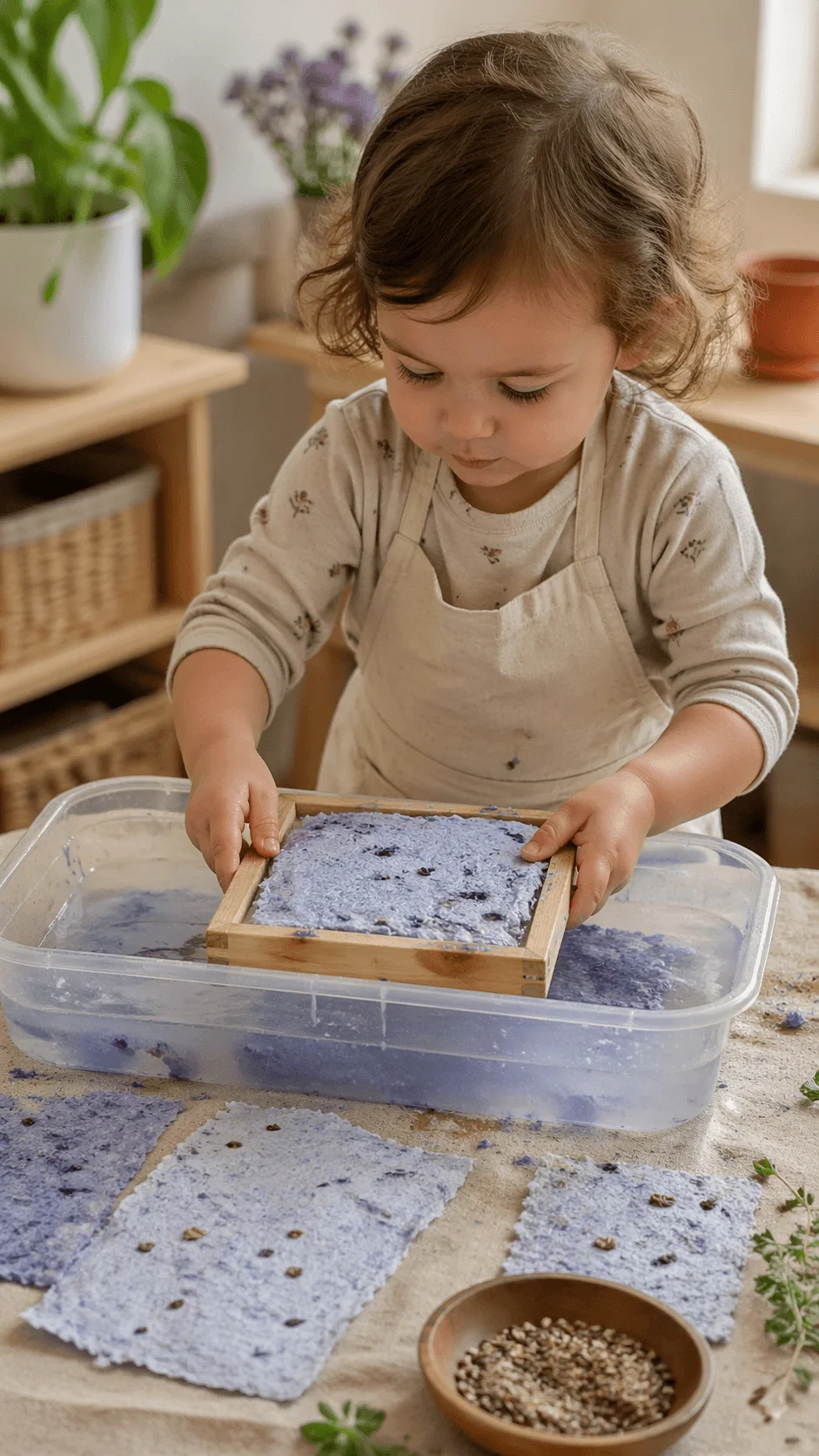
What makes this activity special is what happens after the craft is finished. The paper is not just an artwork to be displayed. It can be planted in soil, where it slowly breaks down and allows the seeds inside to grow. This creates a direct connection between creativity and nature.
For toddlers, this experience is deeply memorable. They begin to understand that their actions can lead to growth and change. Watching something they made turn into a plant builds patience and a sense of responsibility. It also introduces the concept of cycles in nature in a simple and beautiful way.
Nature Texture Collage
Nature texture collage invites toddlers to explore the outdoors and collect materials that catch their attention. Leaves, small stones, bits of bark, and even dried grass can all become part of their artwork. Each piece offers a different texture, making the experience rich and engaging.
When toddlers arrange these materials on a surface, they are not just creating art. They are learning to observe details, recognize differences, and make choices. The roughness of bark, the softness of leaves, and the smoothness of stones all contribute to a deeper sensory experience.
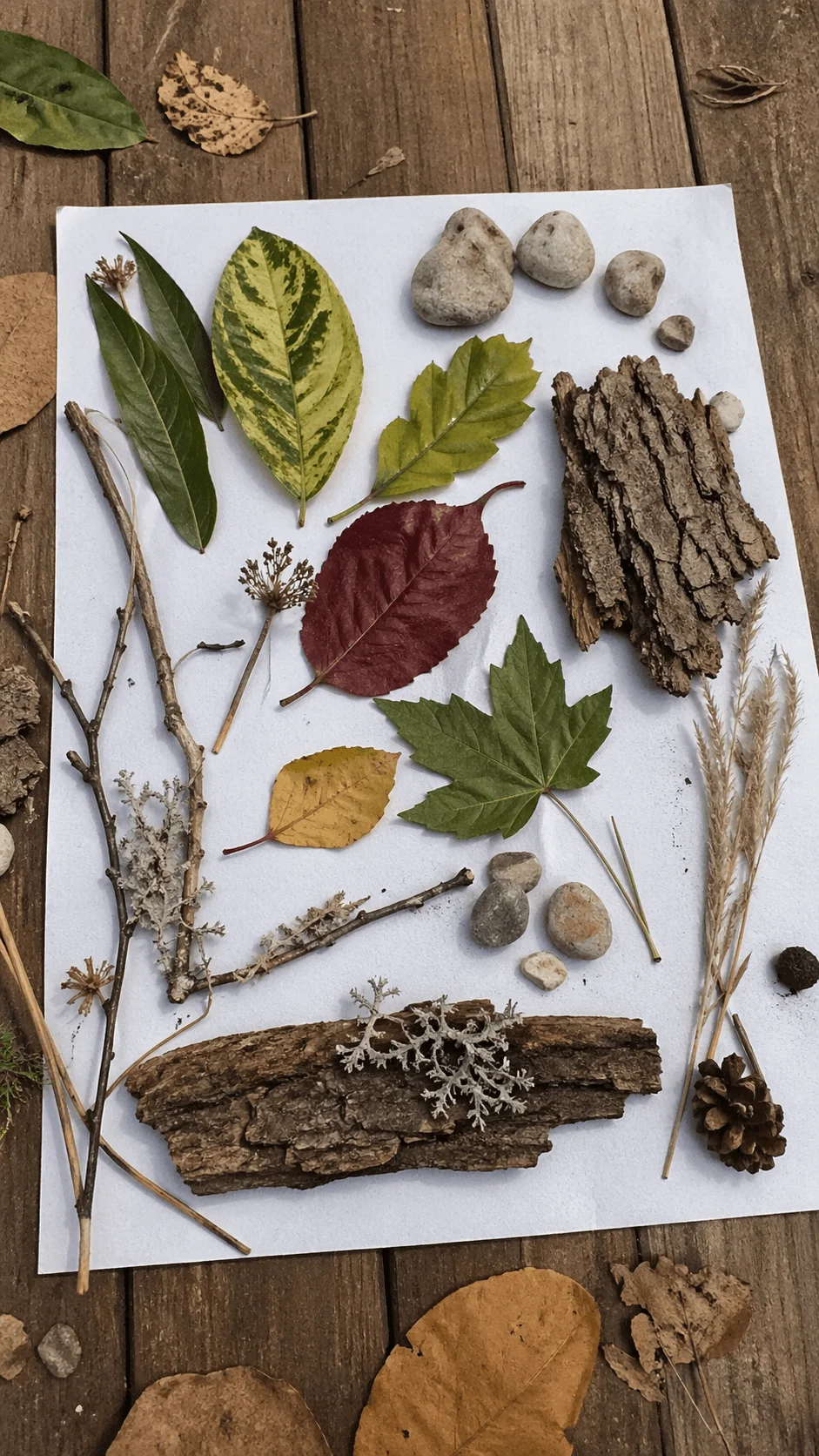
This activity also builds a quiet appreciation for nature. Instead of seeing the outdoors as something separate, children begin to see it as a source of inspiration and creativity. It encourages them to look more closely at their surroundings and notice the beauty in simple things.
Recycled Sensory Bottles
Recycled sensory bottles transform everyday plastic containers into fascinating objects of exploration. Filled with materials such as rice, sand, or small colorful items, these bottles become tools for movement and observation.
Toddlers are naturally drawn to motion and sound. When they shake or roll these bottles, they observe how the contents move and interact. This simple action supports focus and attention while also stimulating curiosity.
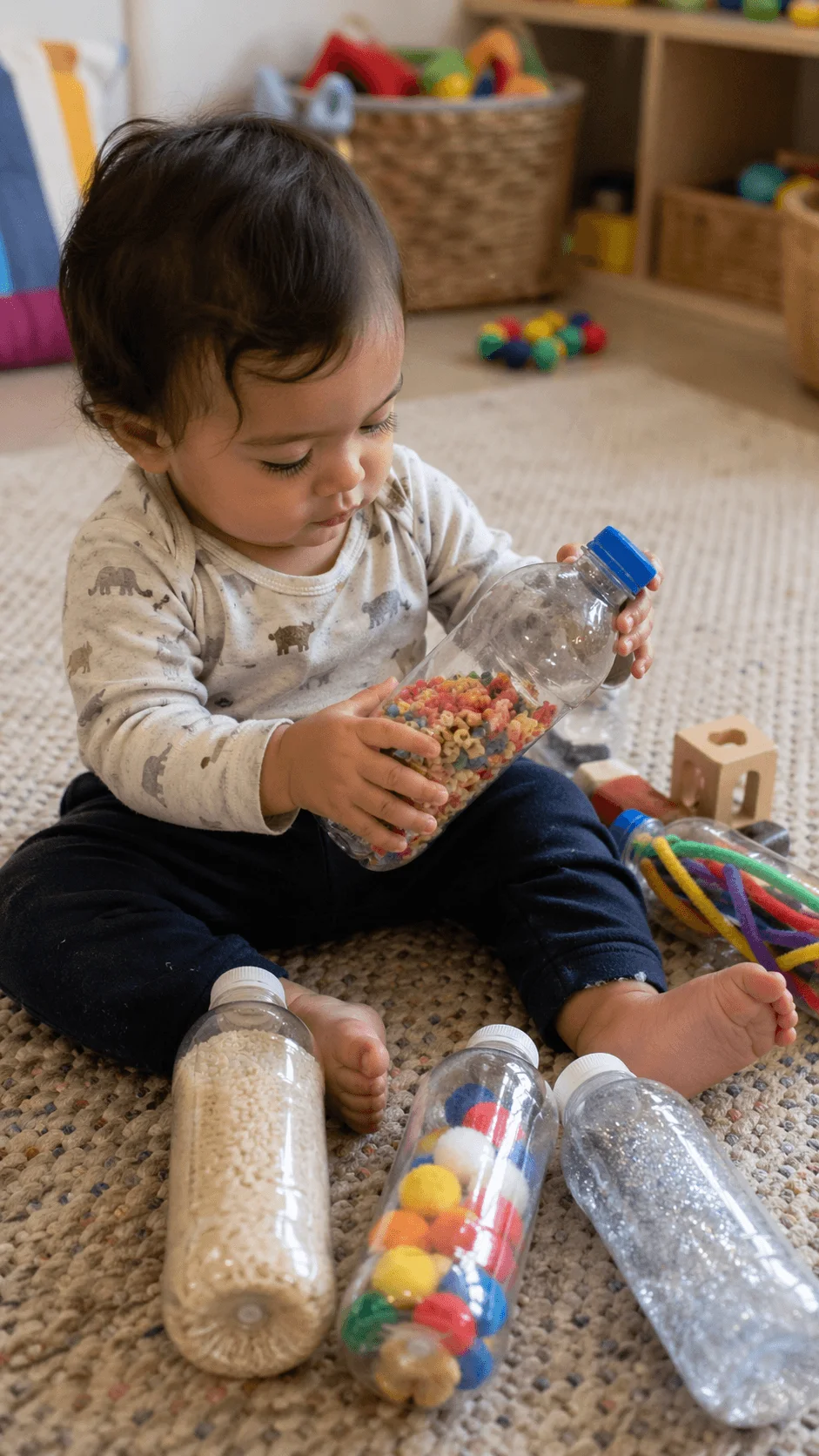
The deeper value of this activity lies in its message. It shows that even items that are often thrown away can become meaningful and engaging. Instead of seeing a bottle as waste, a child begins to see it as something full of potential.
DIY Bird Feeders
Creating bird feeders introduces toddlers to the idea of caring for other living beings. Using simple recycled materials, children can build a small structure that holds food for birds. Once placed outside, the craft becomes part of a real life interaction.
The excitement of seeing birds visit the feeder creates a strong emotional connection. Toddlers begin to understand that their actions can help other creatures. This builds empathy and a sense of responsibility.
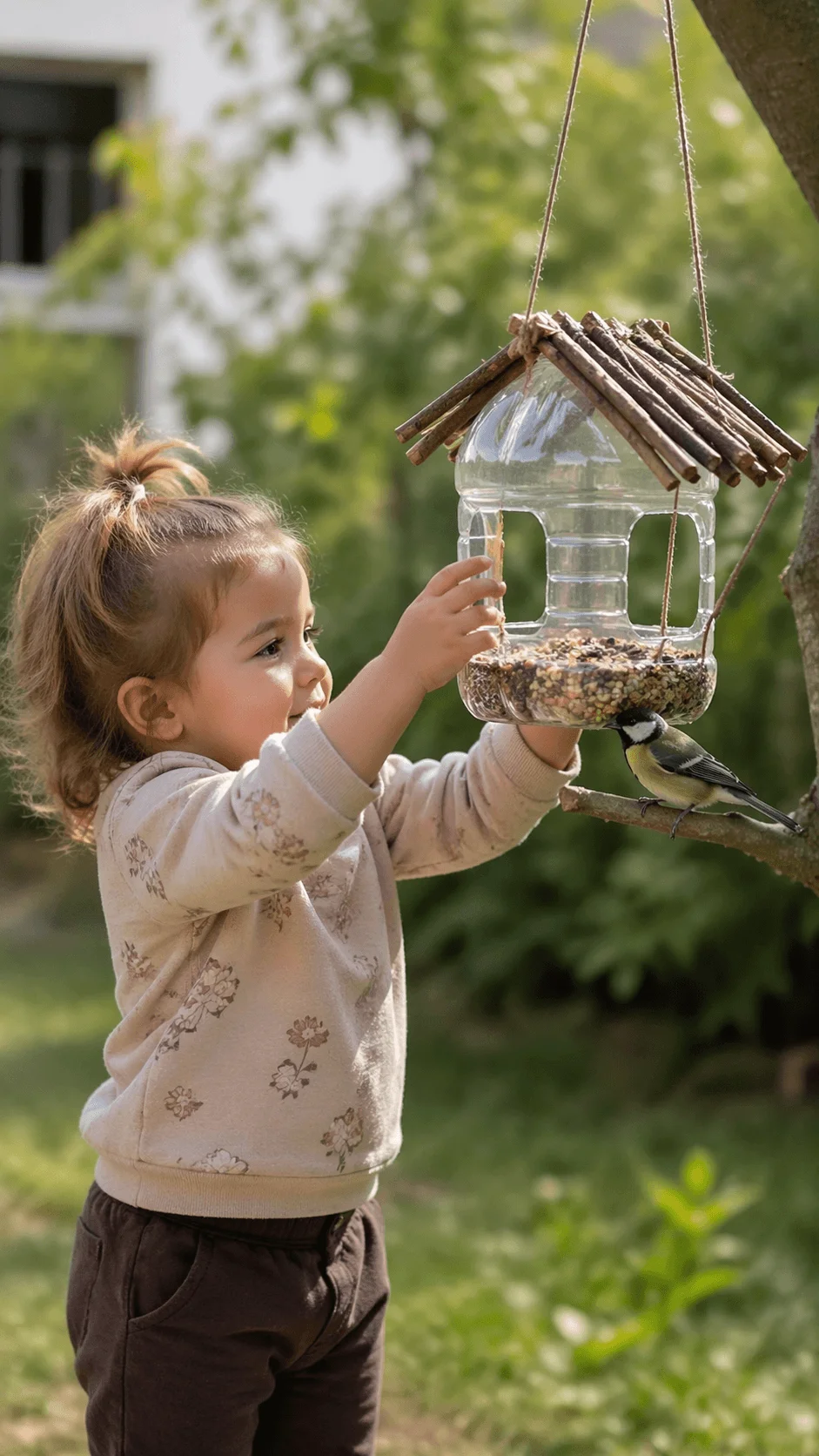
This activity also connects indoor creativity with outdoor observation. It encourages children to spend time watching and appreciating nature, turning a simple craft into an ongoing experience.
Cardboard Box Creations
Cardboard boxes offer endless possibilities for imaginative play. A simple box can become a house, a car, or a small world of its own. When toddlers decorate and interact with these creations, they are engaging in open ended play that supports creativity.
This activity moves beyond structured crafts and allows children to lead the experience. They decide what the box becomes and how it is used. This sense of control builds confidence and independence.
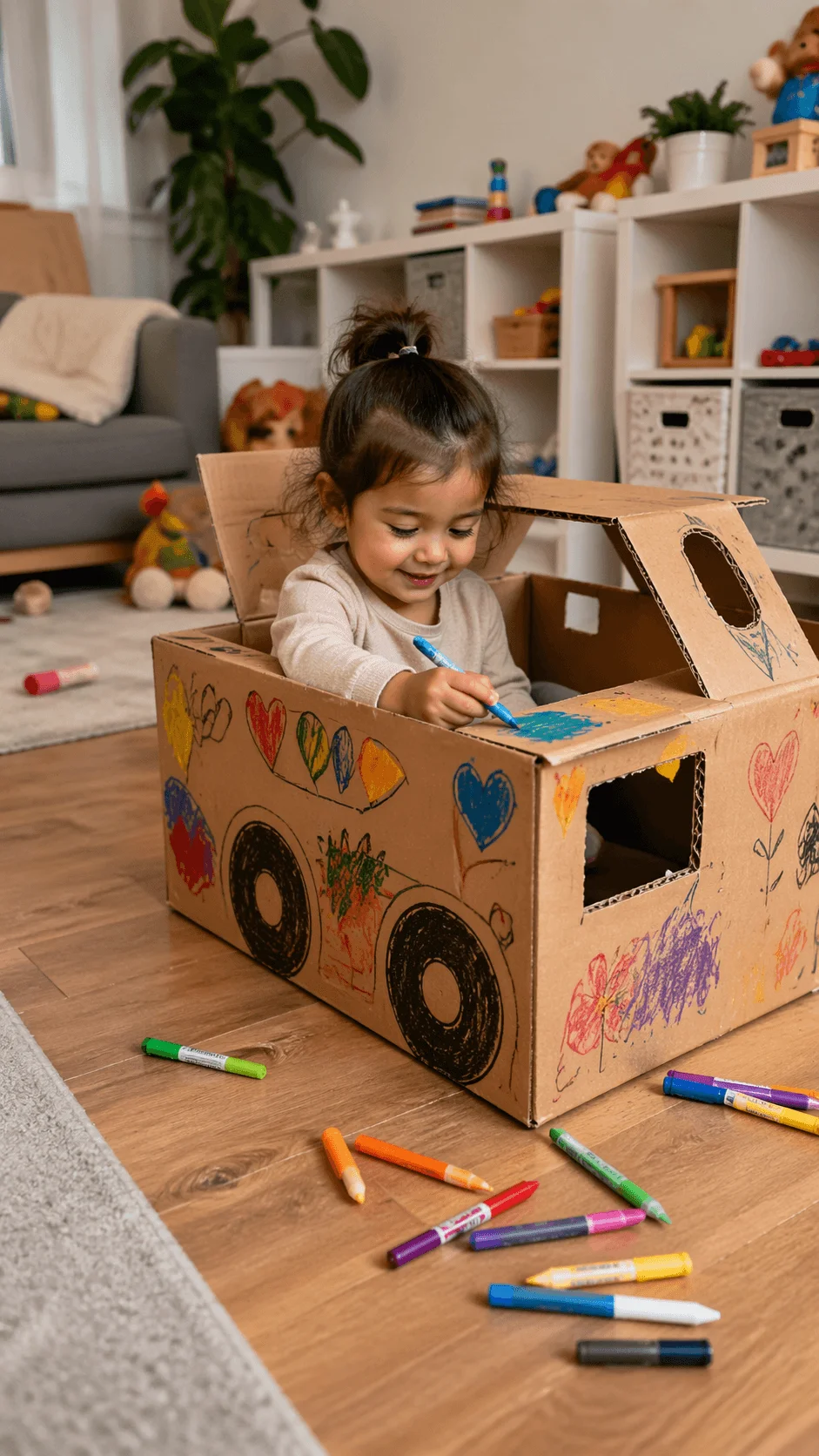
At the same time, it reinforces the idea of reuse. Instead of discarding large pieces of material, children learn to transform them into something meaningful and enjoyable.
Painted Plant Pots and Growing
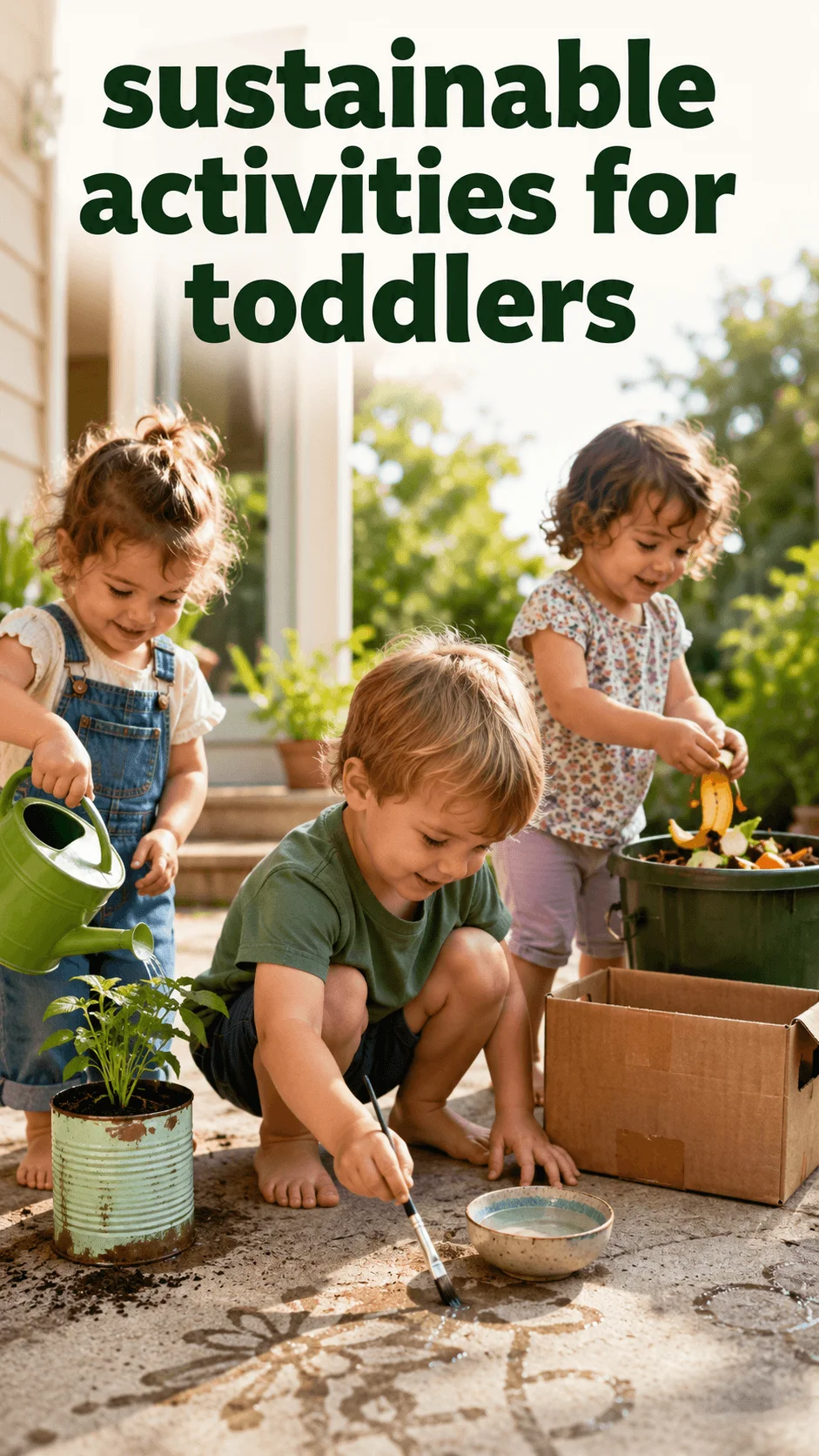
Decorating plant pots made from reused containers combines art with nurturing. Toddlers can paint and personalize their pots, giving them a sense of ownership over the process. Once seeds are planted, the craft continues to evolve over time.
Watching a plant grow is a powerful experience for a young child. It teaches patience and shows that care leads to results. Watering the plant becomes a routine that builds responsibility.
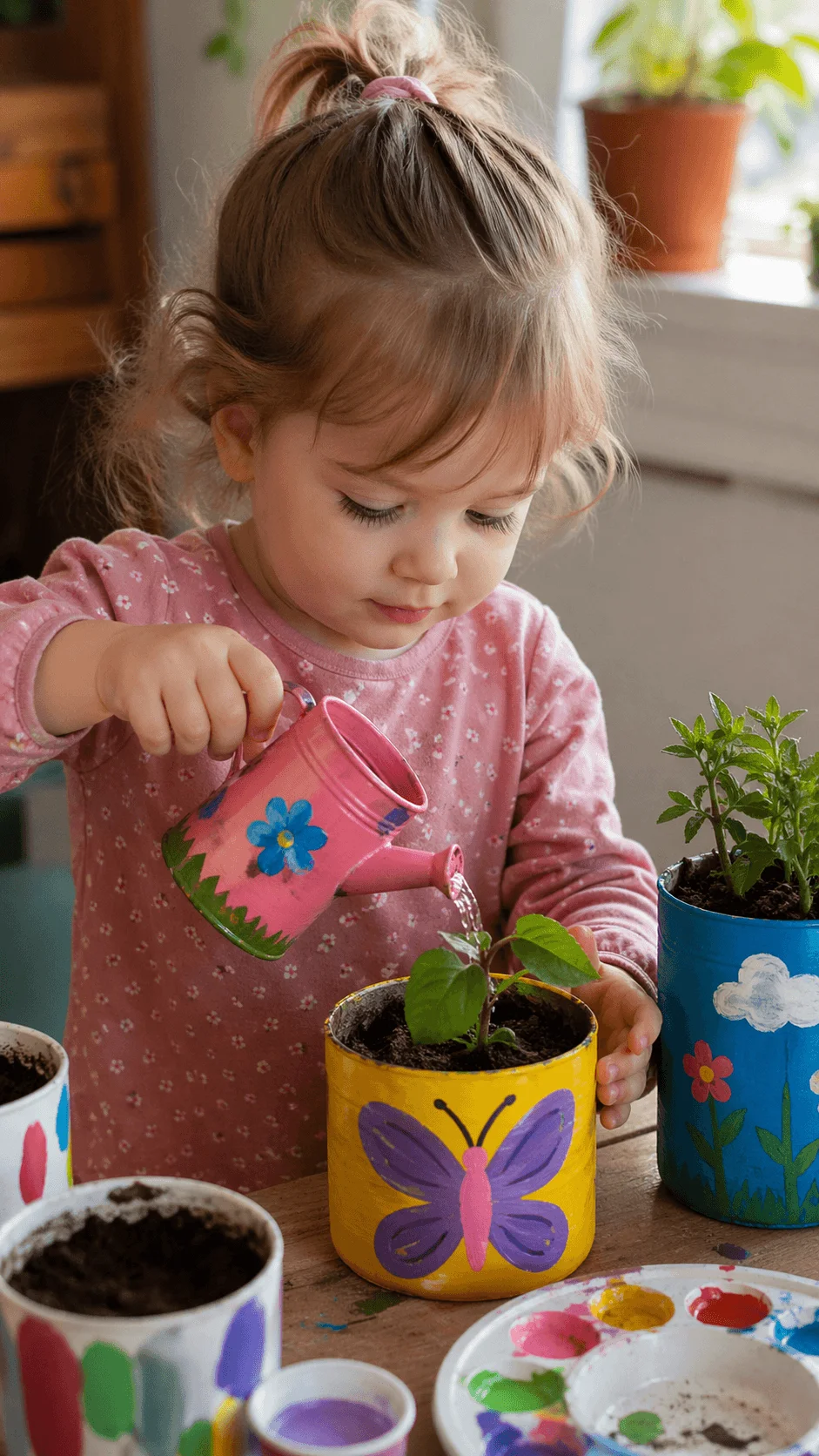
This activity also strengthens the connection between humans and nature. It helps toddlers understand that plants need attention and care, just like they do.
Natural Color Painting
Natural color painting replaces artificial materials with colors derived from fruits and vegetables. This creates a safer and more organic experience for toddlers. The textures and smells add another layer of sensory engagement.
Children are often fascinated by the idea that colors can come from everyday foods. This discovery adds a sense of wonder to the activity. It also introduces the concept that nature provides what we need in many different ways.
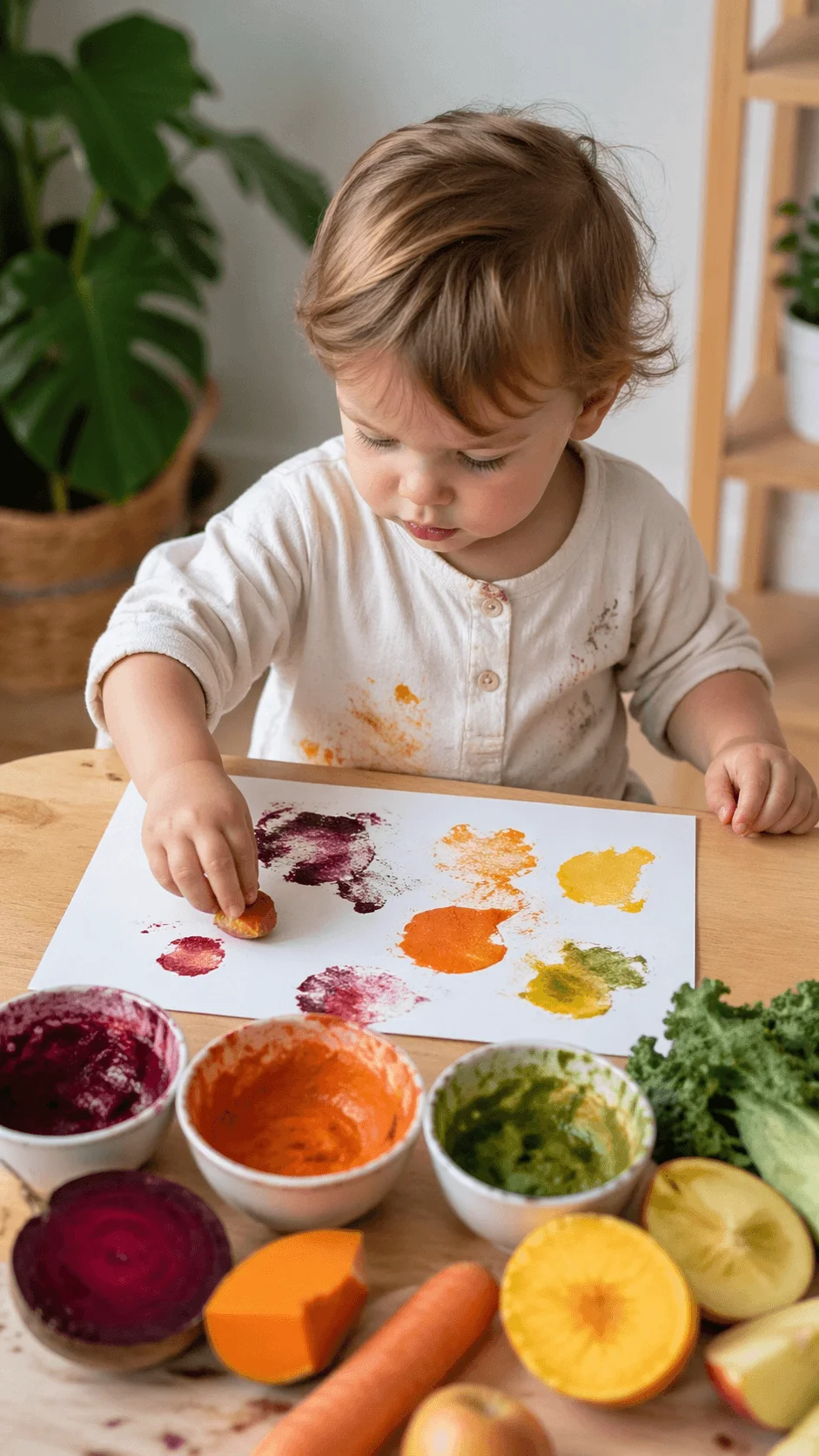
This craft encourages experimentation and exploration. Toddlers can mix colors, observe changes, and create freely without concern for perfection.
Stick and Twig Art
Stick and twig art is a simple yet meaningful activity that focuses on arrangement and imagination. Toddlers can collect small sticks and use them to form shapes or figures.
This process encourages problem solving as children figure out how to place and balance each piece. It also supports fine motor development as they handle and position the sticks.
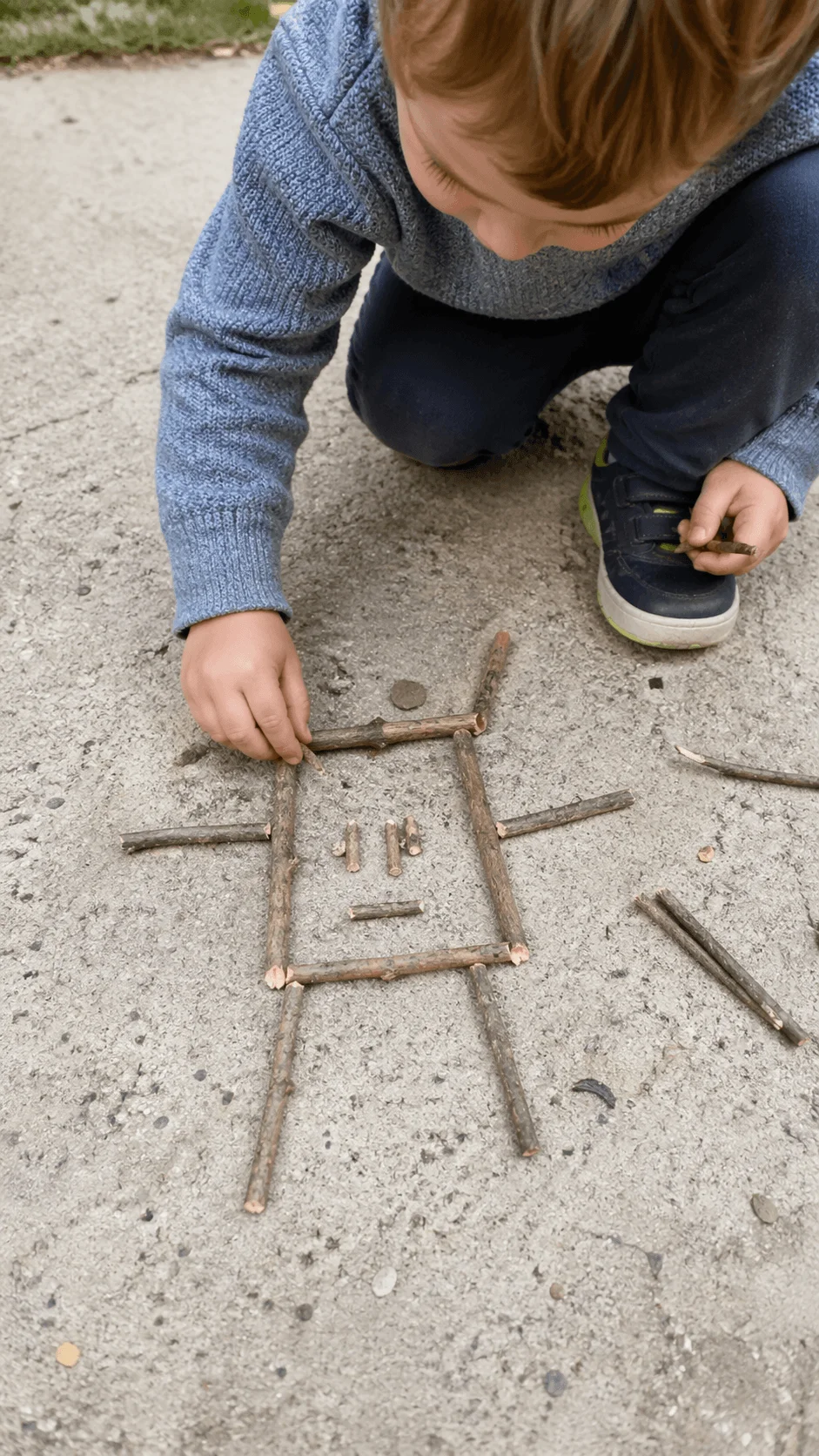
The beauty of this activity lies in its simplicity. It shows that creativity does not require complex materials. Even the most basic elements can become tools for expression.
Fabric Scrap Creations
Using fabric scraps introduces toddlers to a variety of textures and shapes. Old clothes can be cut into pieces and used to create soft objects or layered artwork.
This activity supports sensory exploration while also teaching reuse. Instead of discarding fabric, it becomes part of something new and meaningful.
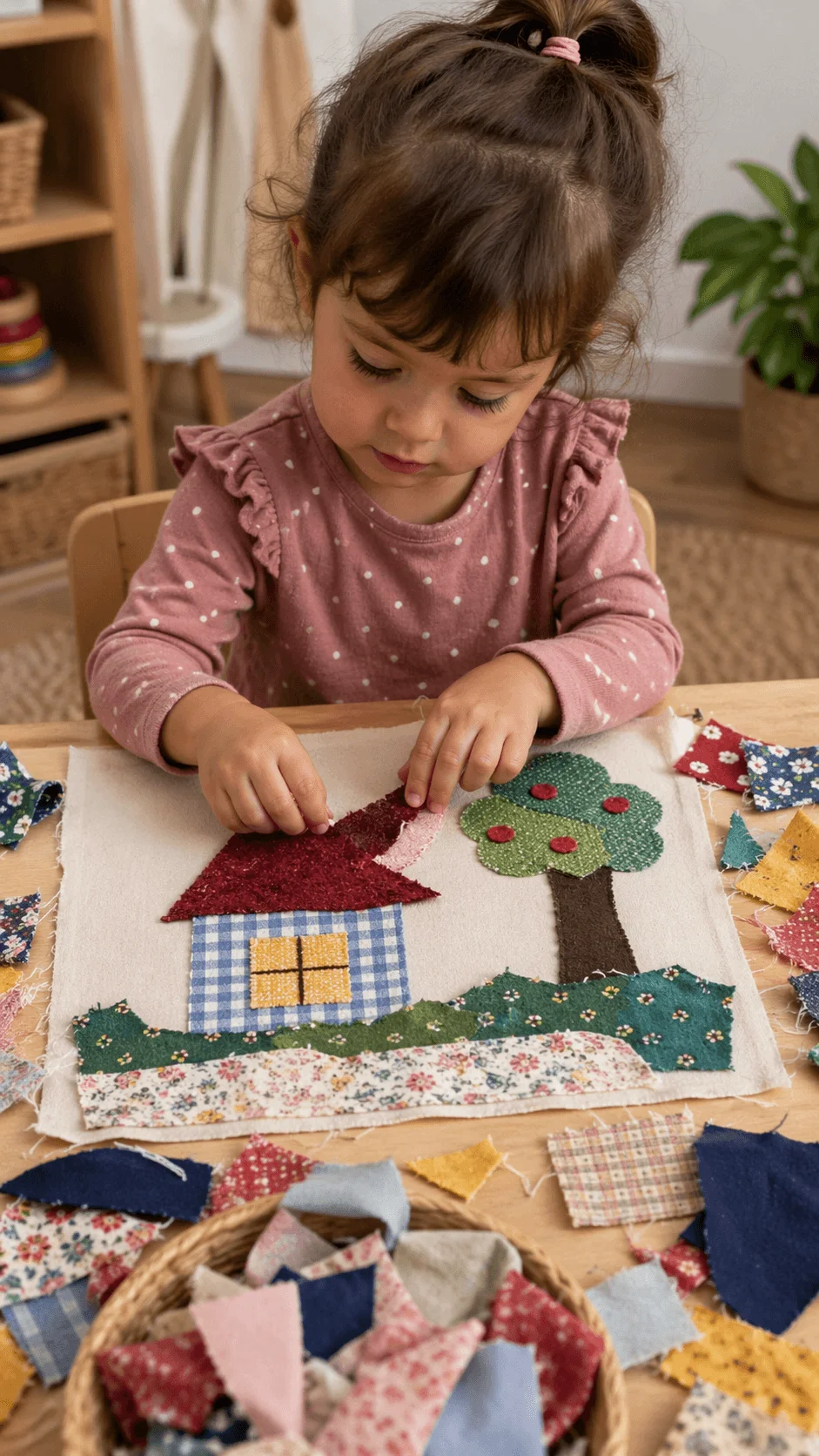
Children also begin to understand that materials can be transformed in many different ways. This flexibility in thinking is an important part of creativity.
Mini Compost Craft Activity
A mini compost activity turns waste into a learning experience. Toddlers can decorate a container and begin adding organic materials such as fruit peels. Over time, they observe how these materials change.
This process introduces the concept of decomposition in a simple way. Children begin to understand that waste can return to the earth and become useful again.
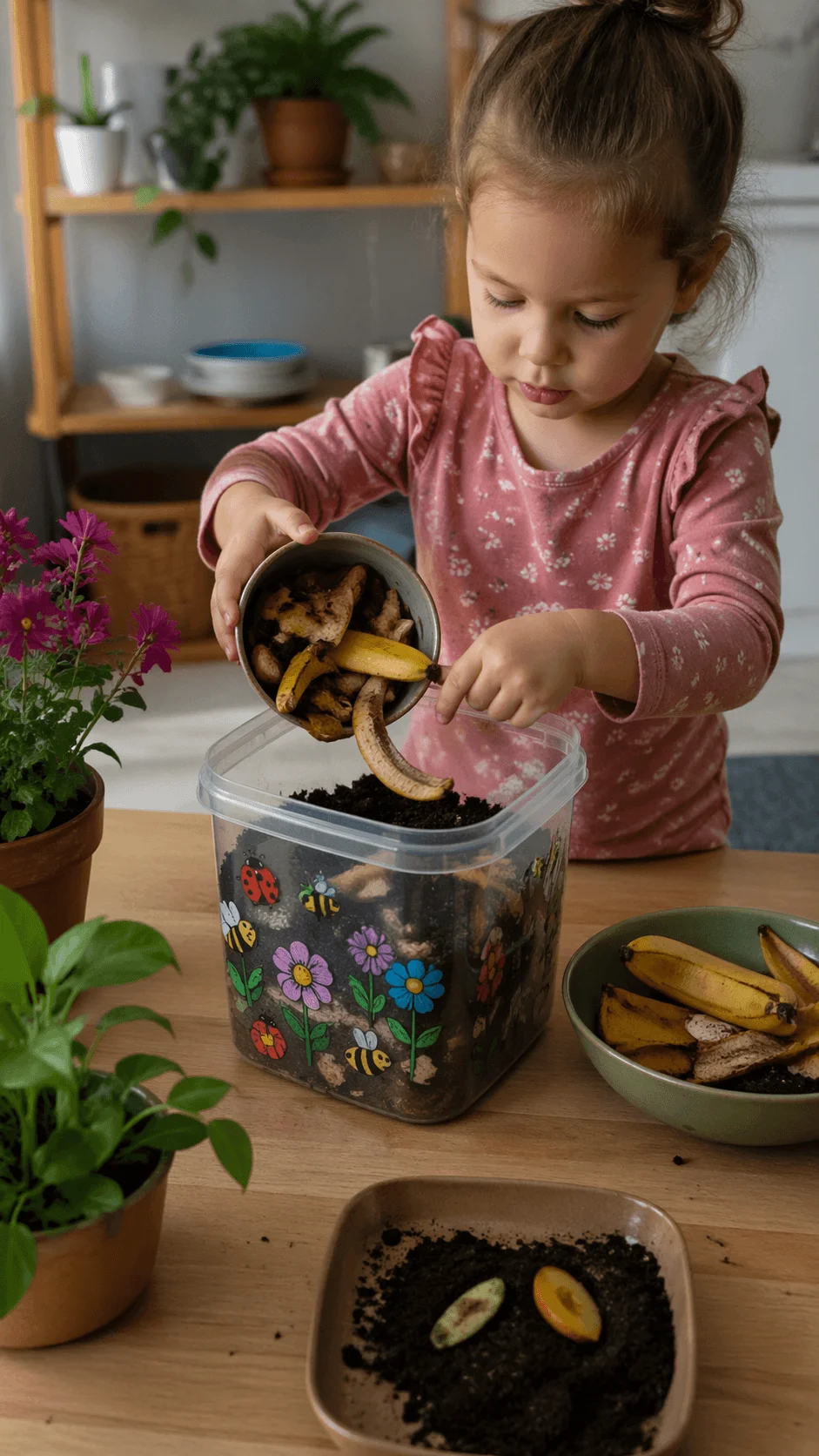
It also encourages mindful habits. Toddlers start to recognize which items can be reused or recycled and which can be composted.
Leaf Printing Art
Leaf printing allows toddlers to explore patterns found in nature. By applying color to a leaf and pressing it onto paper, they can see the intricate details that might otherwise go unnoticed.
This activity combines creativity with observation. It encourages children to look closely at the world around them and appreciate its complexity.
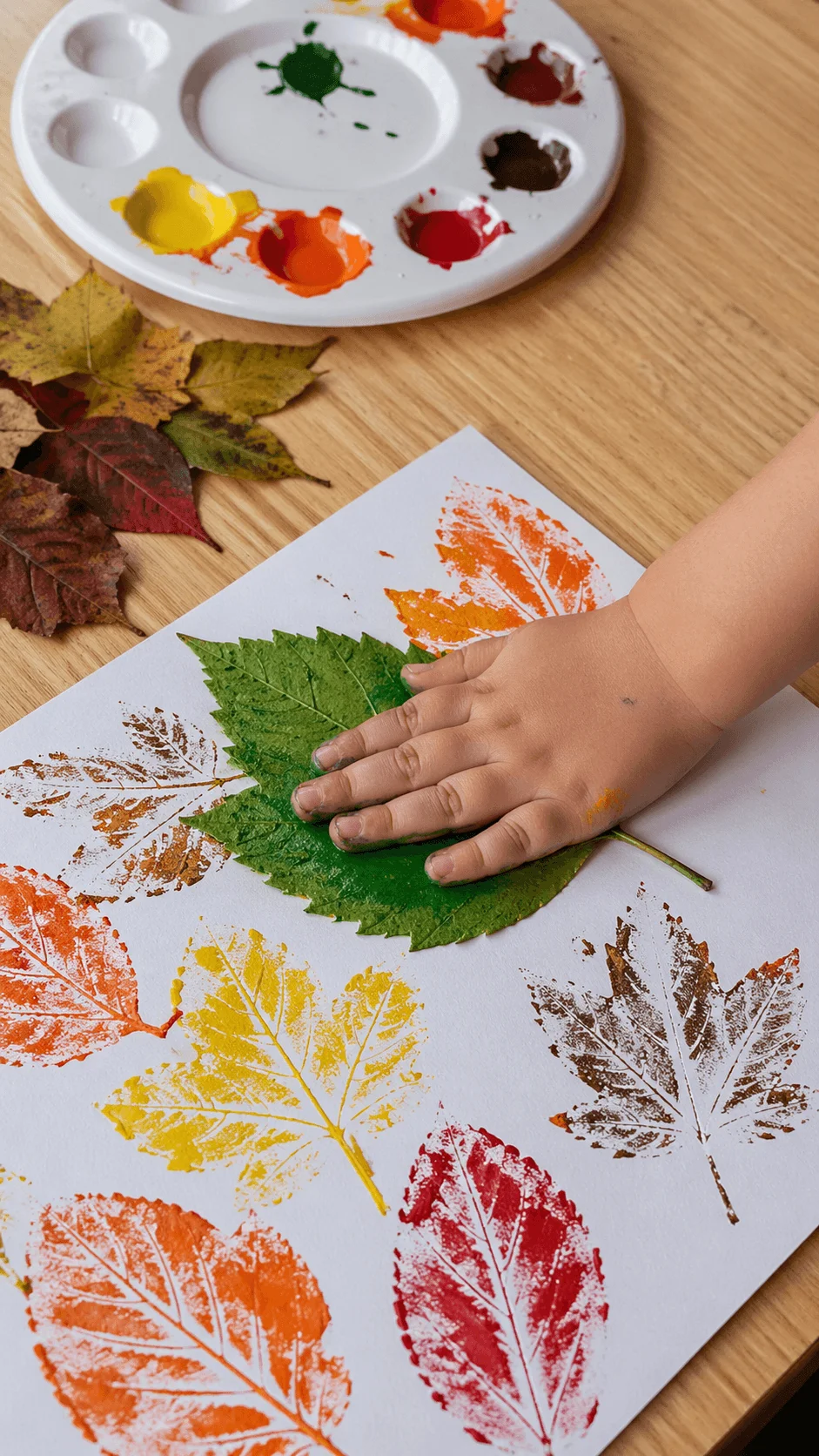
Each print is unique, reinforcing the idea that nature is full of variety and beauty.
Egg Carton Creatures
Egg cartons can be transformed into playful characters that spark imagination. Toddlers can paint and decorate them to create animals or fantasy figures.
This activity is simple but highly engaging. It encourages storytelling as children give personality to their creations.
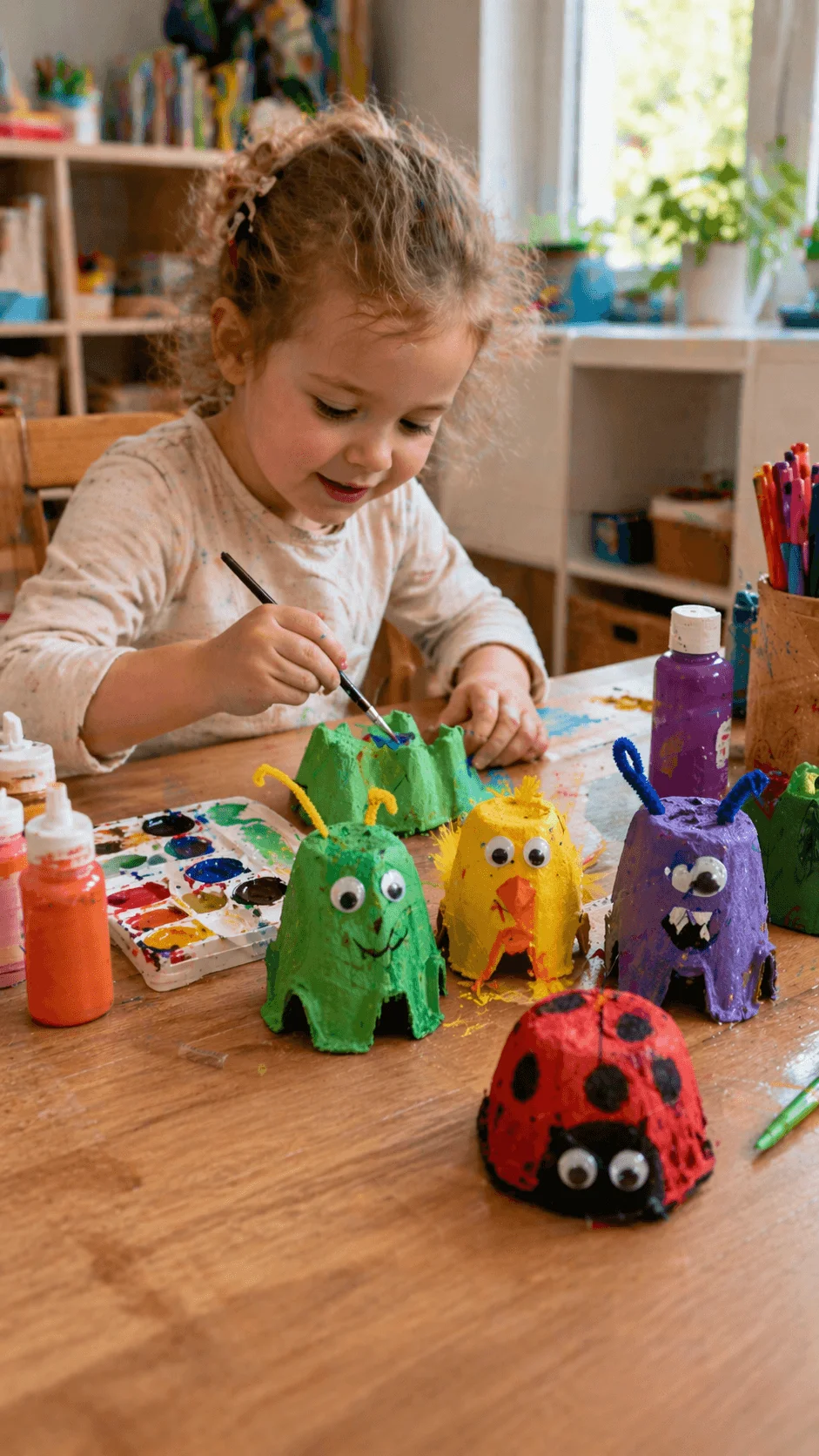
It also reinforces the value of reuse. Everyday items become part of a creative process rather than being thrown away.
Nature Weaving Frames
Nature weaving introduces toddlers to a basic form of construction. Using a simple frame, they can weave natural materials through it to create patterns.
This activity supports concentration and coordination. It requires patience and careful movement, helping children develop fine motor skills.
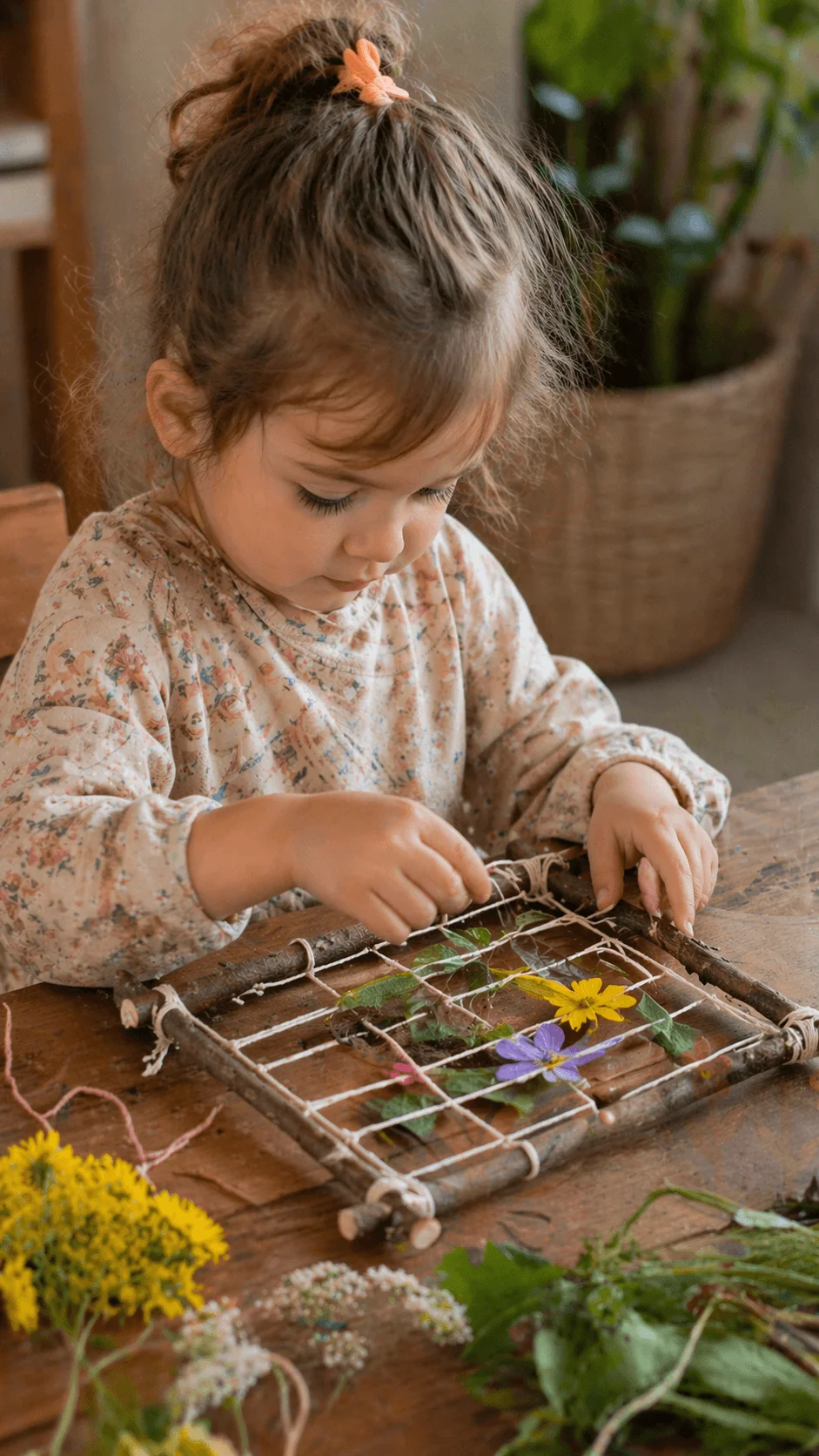
It also connects traditional crafting techniques with modern sustainability ideas, creating a meaningful blend of old and new.
Reusable Cloth Wrap Art
Decorating reusable cloth wraps introduces toddlers to sustainable alternatives. These wraps can later be used for gifts or storage, reducing the need for disposable materials.
This activity connects creativity with real world use. Children see that what they create can serve a purpose beyond decoration.
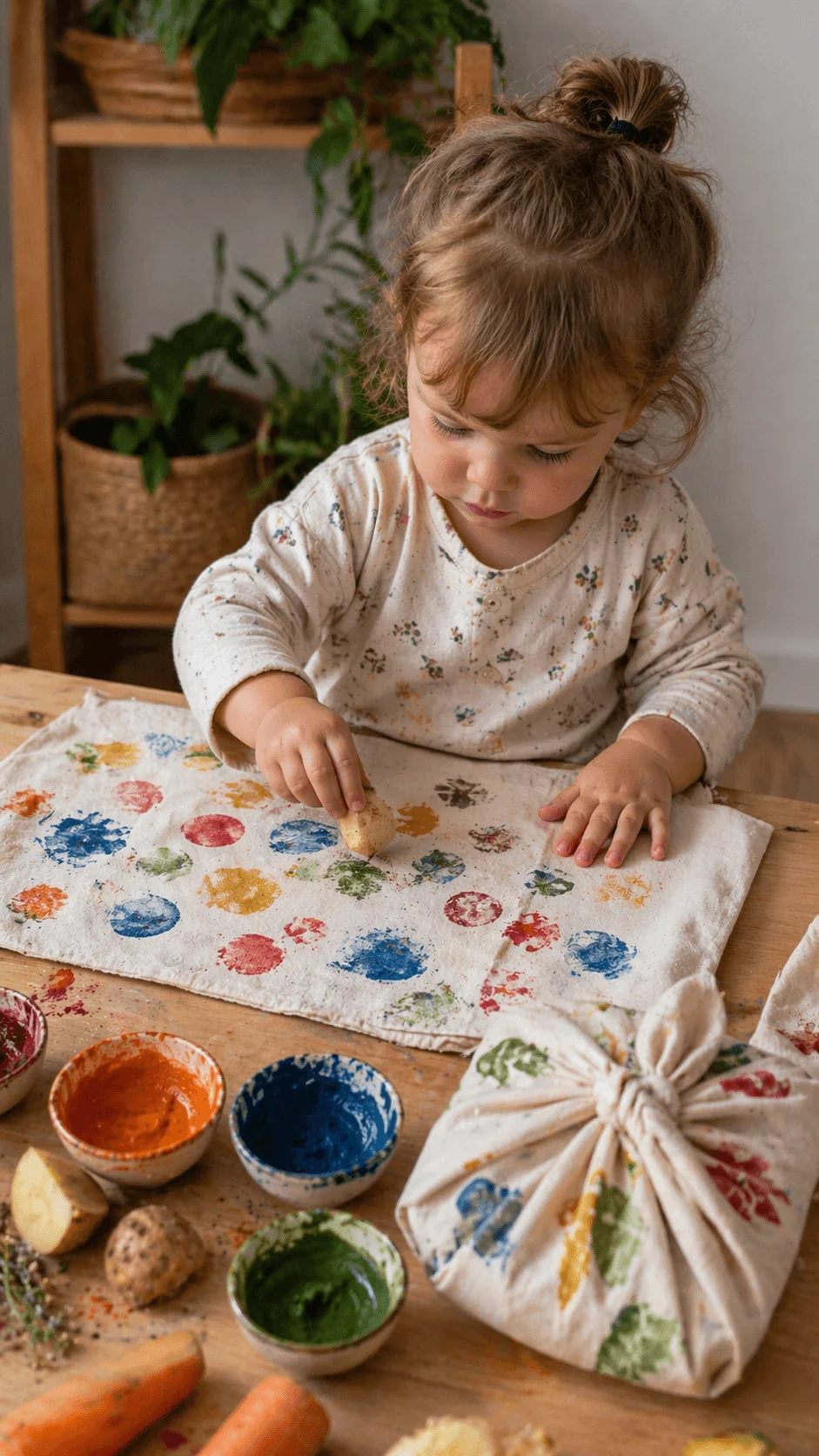
It also introduces the idea of making thoughtful choices that reduce waste.
Story Stones
Story stones combine creativity with storytelling. Toddlers can paint simple images on stones and use them to create their own stories.
This activity supports language development and imagination. It encourages children to think creatively and express their ideas.
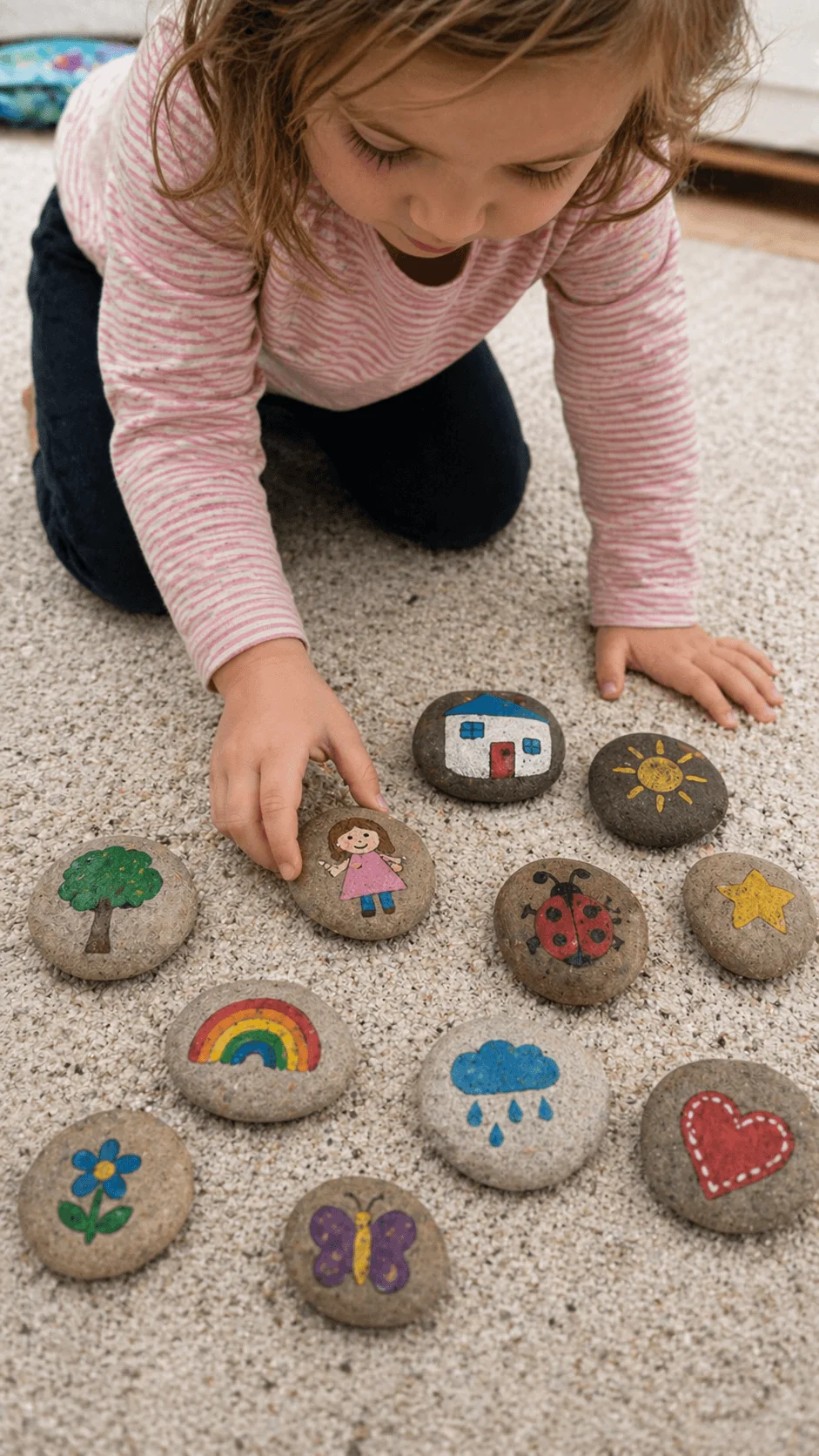
Using natural materials adds another layer of meaning, connecting storytelling with the environment.
Conclusion
Sustainability crafts for toddlers offer a unique way to combine creativity with meaningful learning. They transform simple activities into experiences that teach responsibility, awareness, and appreciation for the environment.
By introducing eco friendly crafts for toddlers at home, parents can help their children develop habits that will stay with them as they grow. These small moments of creativity can shape how children see the world and how they interact with it.
In a time when sustainability is more important than ever, starting with simple and engaging activities can make a lasting difference. Through these crafts, toddlers not only create something beautiful but also begin to understand the value of caring for the world around them.