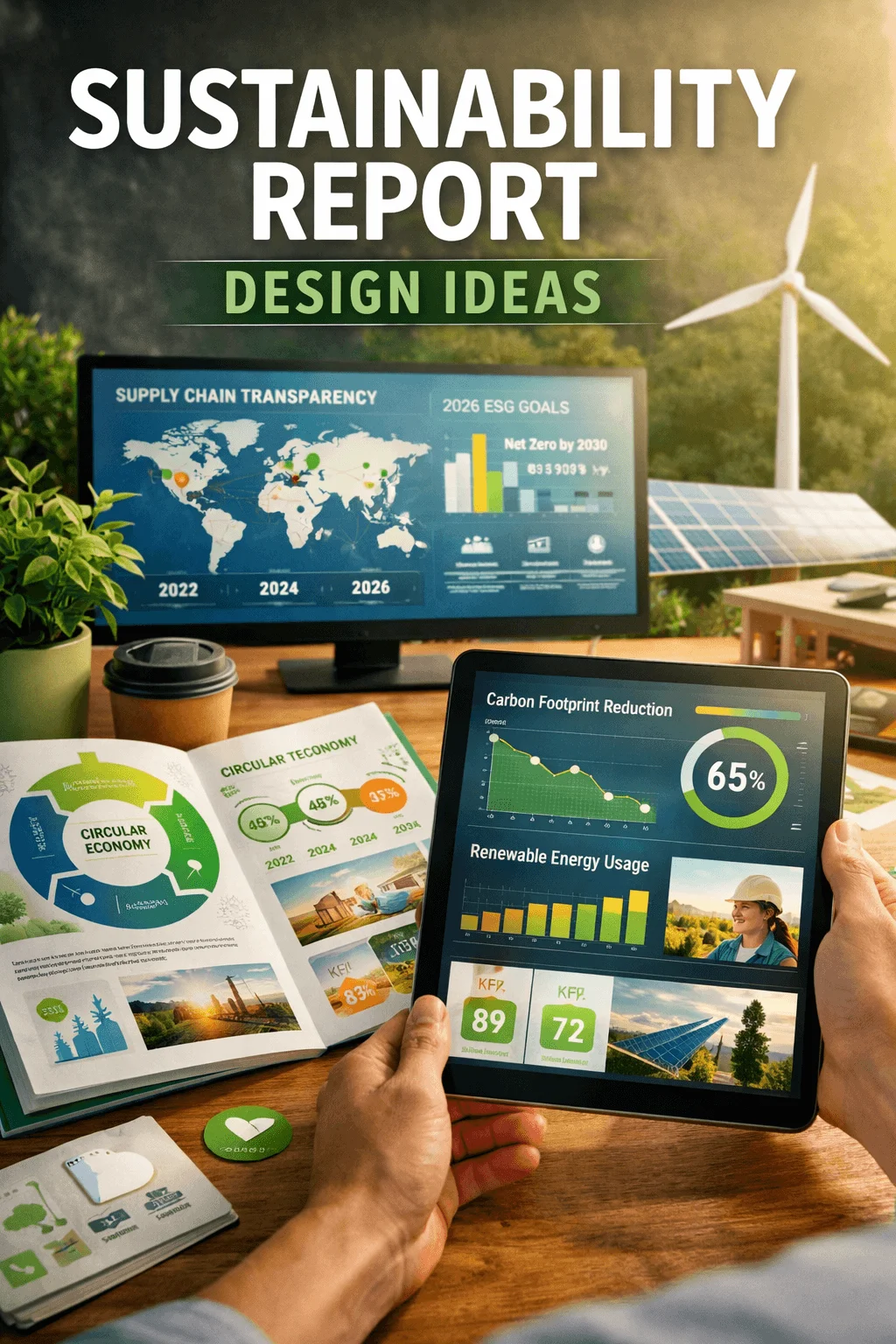
Modern Green Color Palette Ideas for Sustainability
Green has always carried a strong association with nature, renewal, and environmental awareness, but in 2026 its meaning has expanded into something far more complex and intentional. It is no longer used as a simple visual signal to suggest that something is eco friendly. Instead, green has become a carefully constructed design language that communicates values, systems, and measurable impact.

This shift is happening because audiences have changed. People are no longer impressed by generic environmental visuals. They expect clarity, honesty, and depth. As a result, designers are moving away from decorative uses of green and toward structured palette systems that communicate real meaning. Green is now used to guide perception, highlight data, build trust, and create emotional connection.
The Evolution from Symbol to System
In earlier design approaches, green functioned as a shortcut. A single shade could imply sustainability without much explanation. That approach worked when awareness was low, but it now feels superficial. In 2026, designers are building entire systems of green tones that work together to communicate layered meaning.
Each shade within a palette is assigned a purpose. Darker greens often represent stability, credibility, and long term commitment. Lighter tones introduce openness and clarity. Brighter greens highlight progress and innovation. This layered use transforms green into a structured communication tool rather than a decorative element.

This evolution reflects a deeper shift in sustainability itself. It is no longer about appearance. It is about accountability and transparency, and color plays a direct role in expressing that.
Deep Green and Lime Contrast as a Visual Strategy
One of the most noticeable developments is the pairing of deep green with bright lime tones. This is not just an aesthetic choice. It is a strategic way to create hierarchy and attention.
Deep green anchors the design. It provides a sense of seriousness and reliability. Lime green introduces urgency and focus. When used together, they create a visual rhythm that guides the viewer through the content. Important information becomes easier to find because the color contrast naturally draws the eye.

This approach is particularly effective in digital environments where attention is limited. It allows designers to emphasize key messages without relying on excessive typography or layout complexity. It also reflects a broader shift toward more confident and expressive sustainability design.
Earthy Vibrancy and the Reimagining of Natural Palettes
Natural color palettes have always been part of sustainability design, but they are now being redefined. Instead of muted and predictable tones, designers are exploring richer and more expressive variations of earthy colors.
Green is being combined with warm tones such as clay, ochre, and deep brown to create palettes that feel both grounded and dynamic. These combinations suggest not only nature but also activity and transformation. They communicate that sustainability is not static. It is something that evolves and grows over time.

This approach adds emotional depth. It moves away from the idea of nature as something distant and instead presents it as something active and interconnected with human systems.
The Role of Muted Greens in Building Trust
Muted greens such as sage, moss, and olive continue to play a central role, but their importance has become more intentional. These tones are used to create a sense of calm and authenticity. They are especially effective in contexts where trust is critical, such as sustainability reports and corporate communication.
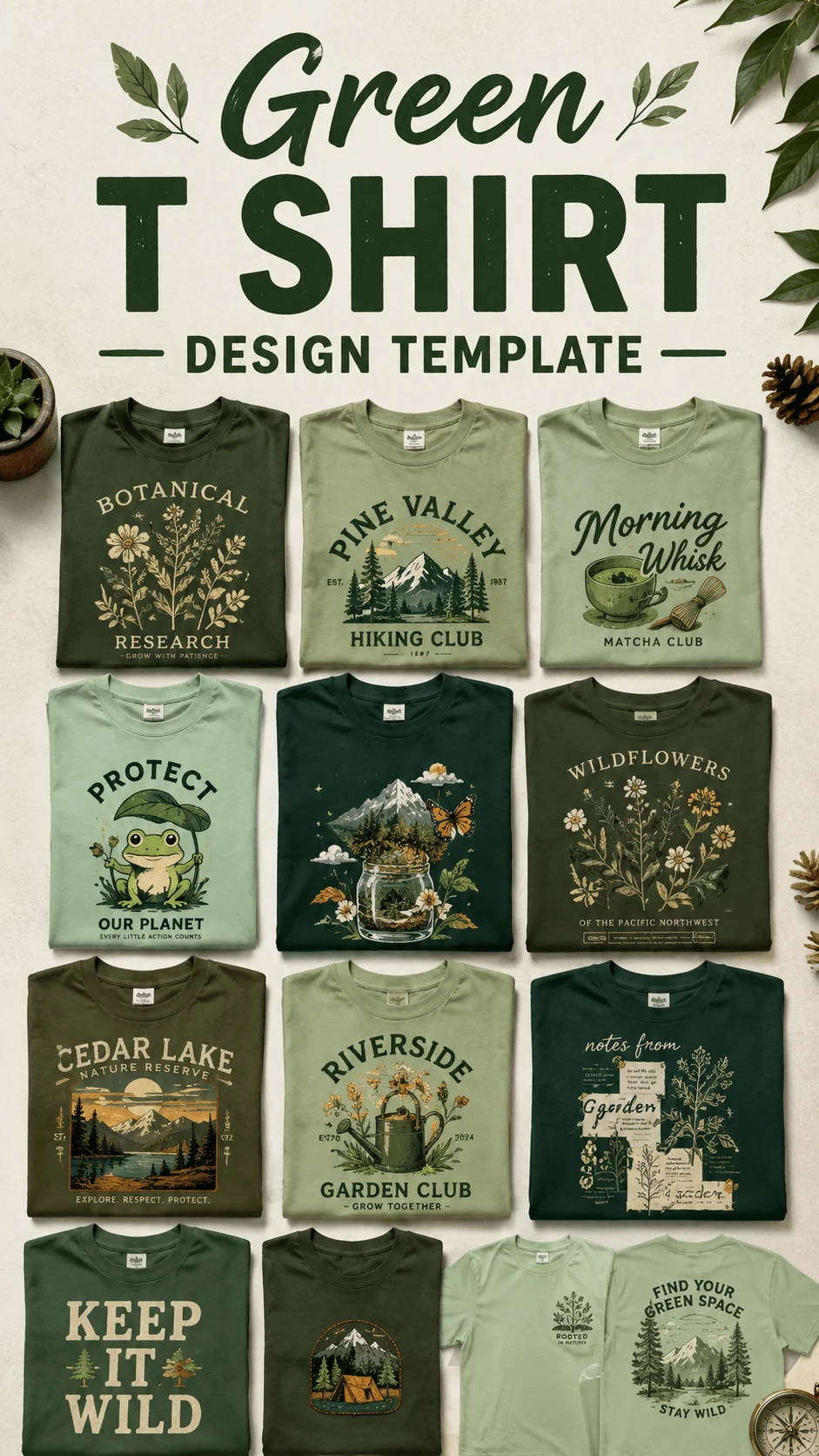
Sage green often conveys balance and clarity. Moss green brings a sense of depth and connection to natural environments. Olive introduces warmth and relatability. These subtle differences allow designers to fine tune the emotional tone of a project.
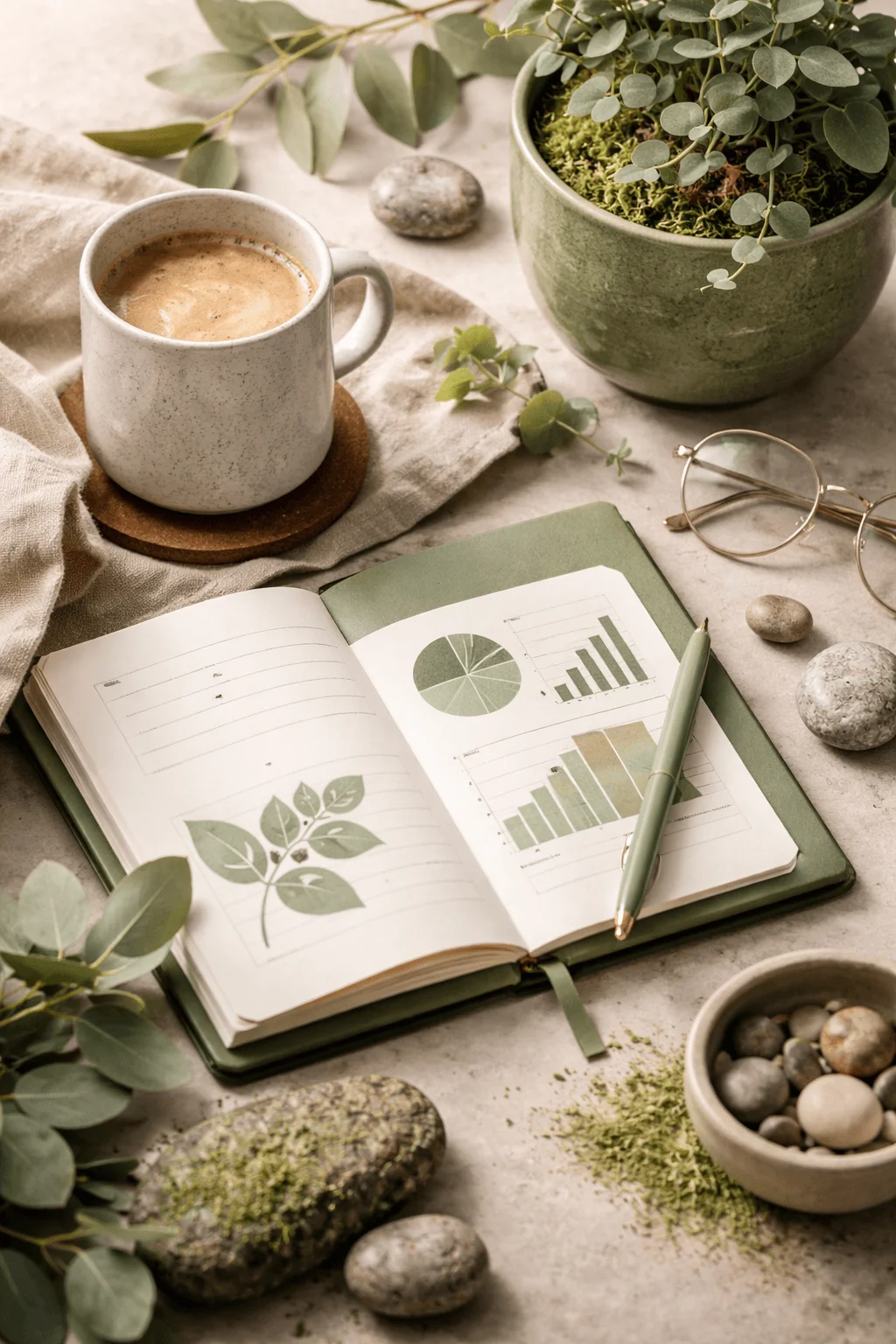
Rather than overwhelming the viewer, these colors create space for reflection. They support a narrative that feels thoughtful and credible, which is essential in a time when audiences are increasingly skeptical of surface level claims.
Teal and Blue Green Hybrids in Future Focused Design
As sustainability becomes more connected with technology, new variations of green are emerging. Teal and blue green tones are being used to represent the intersection of environmental responsibility and innovation.
These colors feel modern and intelligent. They suggest systems, data, and forward thinking solutions. At the same time, they retain a connection to nature, especially through associations with water and ecosystems.

This blending of green and blue reflects a broader understanding of sustainability as a complex network of systems. It is no longer limited to land or vegetation. It includes energy, infrastructure, and digital transformation.
Green Paired with Warm Neutrals for Human Connection
Another important shift is the move toward pairing green with warm neutral tones. Instead of relying on cool gray backgrounds, designers are using cream, beige, and taupe to create a more inviting atmosphere.
Warm neutrals soften the intensity of green and make the overall palette feel more approachable. This is particularly important when communicating sustainability to a wider audience. It helps bridge the gap between technical information and human experience.

The combination of green and warm neutrals creates a sense of balance. It feels both professional and personal, which is essential for building trust and engagement.
Monochromatic Green and Immersive Design
Using multiple shades of green within a single palette has become a powerful way to create depth and cohesion. This monochromatic approach allows designers to build complex visual systems without introducing unrelated colors.
Different tones are used to define hierarchy and structure. Subtle variations create movement and interest. The result is a design that feels immersive and unified.
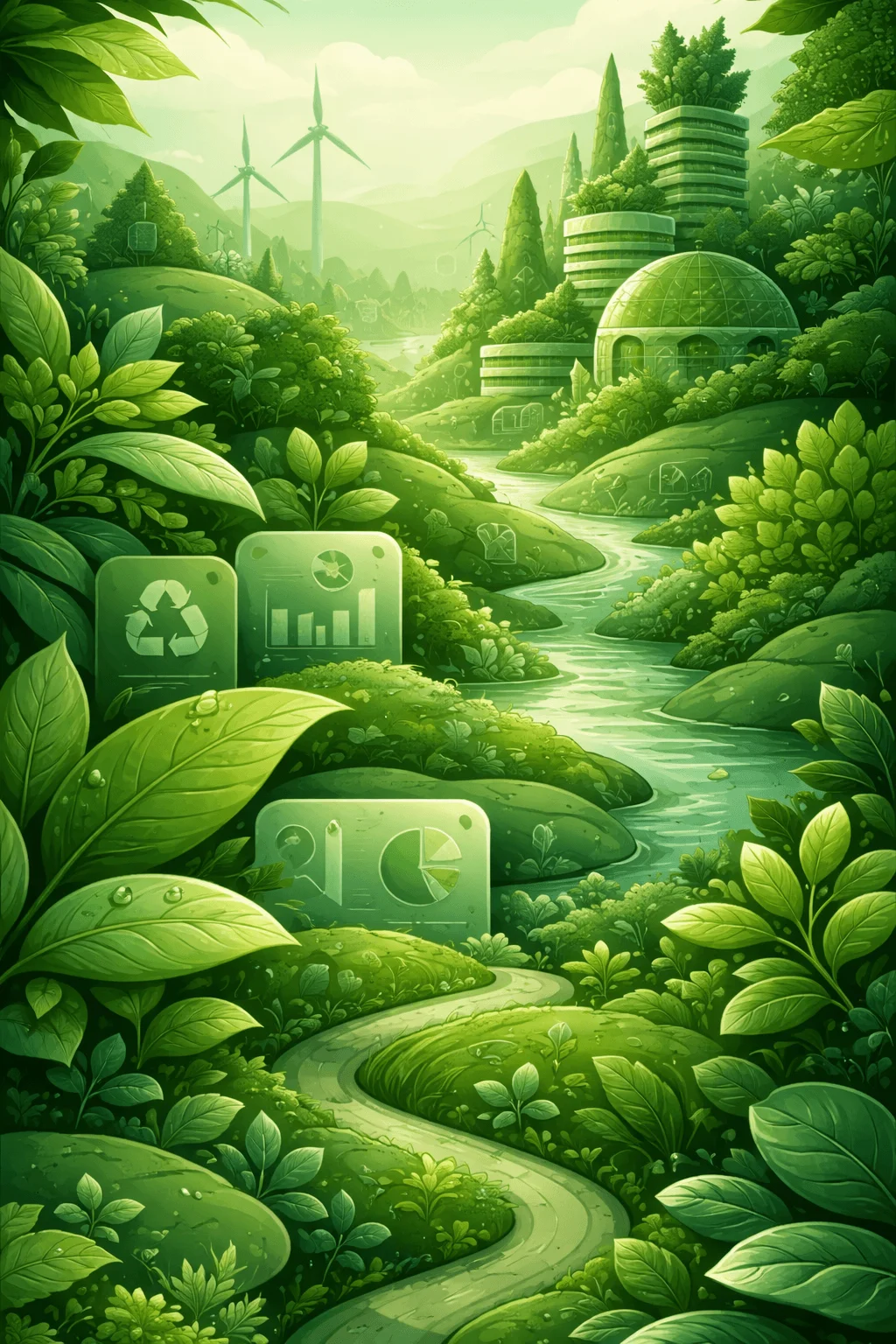
This technique also reinforces the idea of green as a complete system. It shows that sustainability can be communicated through variation within a single color family rather than through contrast alone.
High Intensity Greens as Points of Focus
While many palettes rely on subtle tones, there is also a growing use of highly saturated greens as focal points. These bright accents are used sparingly to highlight key information or actions.
Because they stand out so strongly, they are effective at guiding attention. They can signal progress, highlight important data, or encourage interaction. When balanced correctly, they add energy without disrupting the overall harmony of the design.

This reflects a more confident use of color. It shows that sustainability design can be both thoughtful and visually engaging.
Texture Inspired Greens and Material Thinking
Color is increasingly being influenced by texture and material. Designers are drawing inspiration from real world surfaces such as stone, wood, and fabric to create more nuanced green tones.
These colors are not flat or uniform. They contain subtle variations that mimic natural materials. This adds depth and realism, making the design feel more tangible.

This approach also strengthens the connection between digital and physical experiences. It reminds the viewer that sustainability is rooted in real environments and real materials.
Biophilic Gradients and Living Color Systems
Gradients are returning in a more organic form. Instead of artificial transitions, designers are creating gradients that reflect natural changes in light and environment.
A green gradient might move from a soft leaf tone to a deeper forest shade. This creates a sense of movement and growth. It feels alive rather than static.

These gradients are particularly effective in digital interfaces where they can enhance interaction and create a more immersive experience.
Green as a Tool for Data and Transparency
One of the most important developments is the use of green to represent data. Instead of being purely decorative, green is used to highlight measurable outcomes such as energy savings or emission reductions.
Different shades can indicate different levels of impact. This allows users to quickly understand complex information. It also reinforces the idea that sustainability is based on measurable progress.

By integrating color with data, designers create a more informative and transparent experience.
Organic Imperfection and Authentic Expression
Perfectly smooth and consistent colors are being replaced by more natural variations. Slight irregularities in tone create a sense of authenticity.
This reflects a broader cultural shift toward honesty and realism. Sustainability is not presented as a flawless achievement but as an ongoing process. The color palette supports this narrative by embracing imperfection.
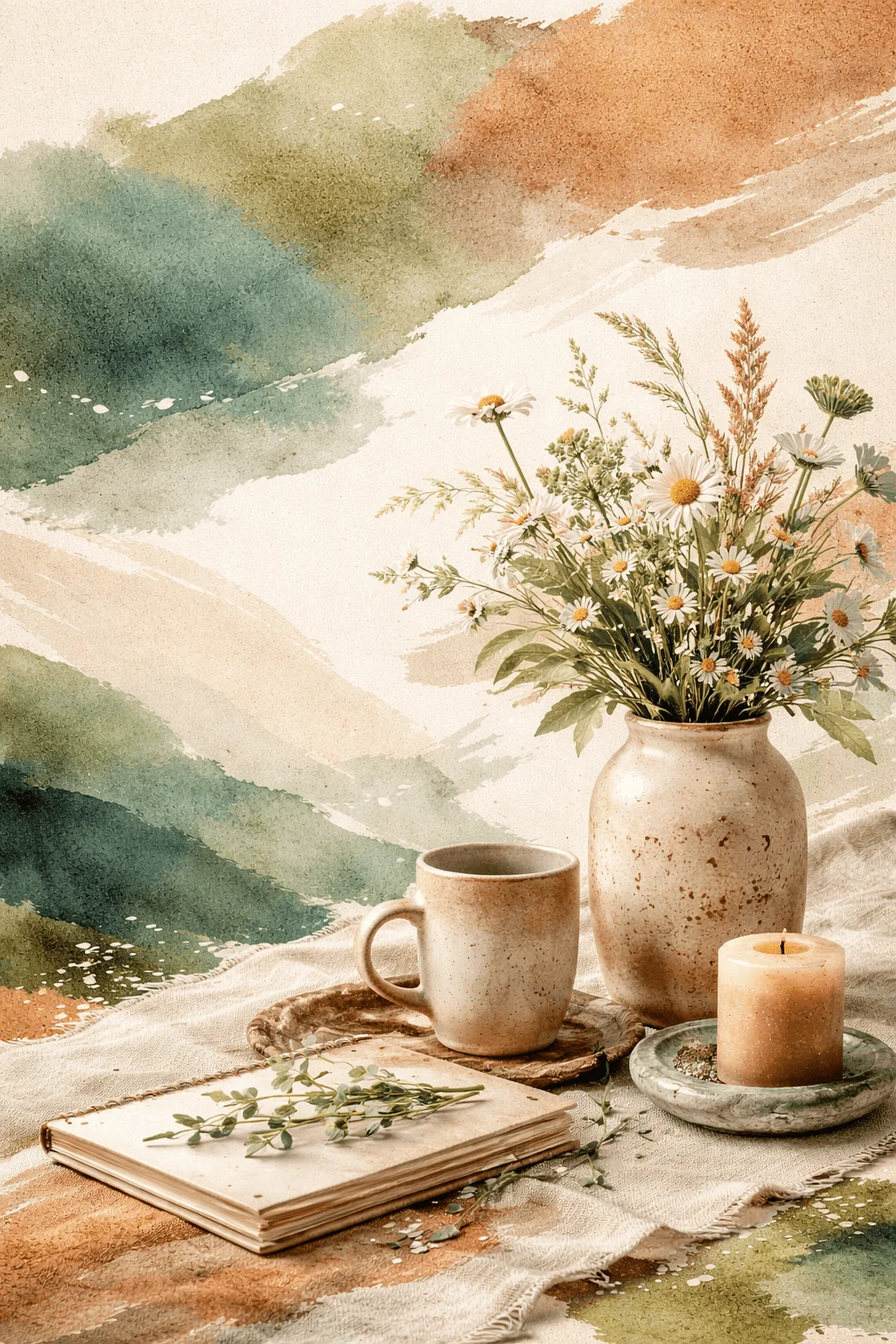
These subtle variations make the design feel more human and relatable.
Dark Mode Green and Digital Comfort
As digital usage increases, dark mode design has become more important. Green is being adapted to work effectively in low light environments.
Deep green tones are used as backgrounds, providing a softer alternative to black. Lighter greens are layered on top to create contrast and readability.
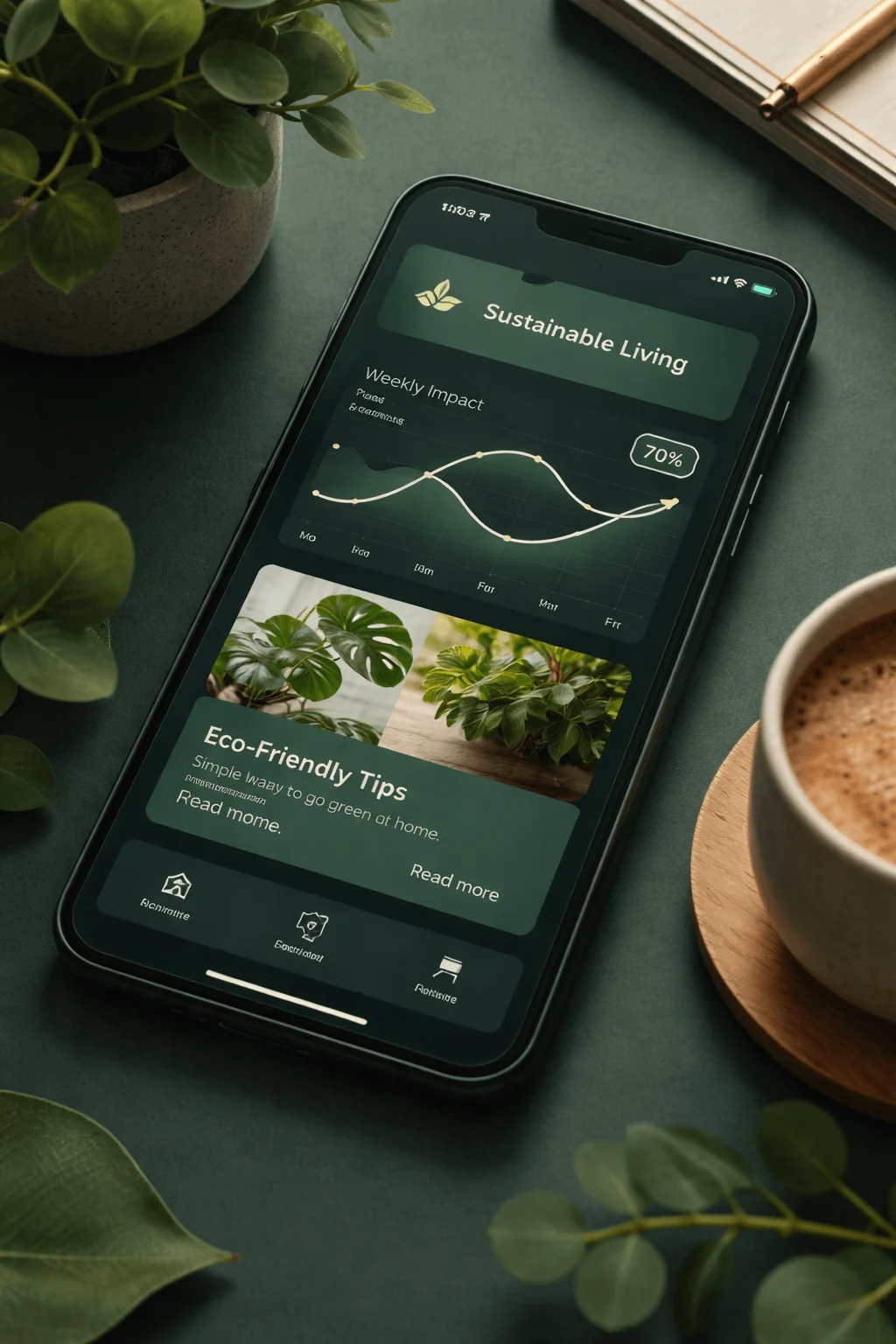
This approach improves user comfort while maintaining a strong visual identity. It also shows how green can evolve to meet the needs of modern digital experiences.
Emotional Storytelling Through Color
Perhaps the most significant change is the way green is used to tell stories. Different shades are chosen to represent different aspects of sustainability such as recovery, resilience, and progress.
This allows designers to create narratives that feel meaningful and engaging. Instead of simply presenting information, they create an emotional journey.

This storytelling approach helps audiences connect with sustainability on a deeper level. It transforms abstract concepts into something tangible and relatable.
Accessibility and Readability in Green Palettes
As design becomes more digital, accessibility has become a central concern. Green palettes must be carefully constructed to ensure that they are readable for all users.
This involves creating sufficient contrast between elements and testing how colors appear in different conditions. It also requires an understanding of how different users perceive color.

Accessibility is not just a technical requirement. It is part of responsible design. It ensures that sustainability communication is inclusive and effective.
Conclusion
In 2026, green has evolved into a powerful and versatile design language. It is no longer a simple indicator of environmental awareness. It is a system that communicates meaning, builds trust, and supports interaction.
Designers are using green in more intentional and sophisticated ways. They are creating palettes that reflect complexity, emotion, and measurable impact. This shift represents a deeper understanding of sustainability as something that must be communicated clearly and authentically.
As the expectations around sustainability continue to grow, the role of green will become even more important. It will continue to adapt and expand, shaping how organizations express their values and connect with their audiences.