Top Sustainability Science Fair Project Ideas for Students
Sustainability science focuses on understanding how human activities affect natural systems and how societies can develop solutions that protect the environment while supporting economic and social development. As climate change, biodiversity loss, water scarcity, and pollution continue to threaten ecosystems around the world, sustainability research has become one of the most important scientific fields for students and researchers.
Science projects related to sustainability allow students to explore real world environmental problems and experiment with solutions that can reduce environmental impact. Unlike traditional science projects that often focus on simple experiments, sustainability projects usually connect multiple scientific fields such as ecology, engineering, environmental science, and technology. They encourage critical thinking and innovation while helping students understand how scientific research can be applied to global environmental challenges.

In recent years, sustainability research has expanded to include modern technologies such as artificial intelligence, environmental sensors, satellite data analysis, and renewable energy systems. These technologies are helping scientists collect more accurate data and design smarter environmental solutions. Students who explore these topics through science projects can gain valuable knowledge about the future of environmental innovation.
This article presents twenty sustainability science project ideas that reflect current environmental research trends and emerging technologies. These projects are designed to inspire creative thinking and help students explore meaningful ways to contribute to environmental protection.
AI Powered Wildlife Monitoring
Monitoring wildlife populations is essential for protecting biodiversity and maintaining healthy ecosystems. Traditional wildlife monitoring often requires researchers to manually review thousands of images captured by camera traps placed in forests and natural habitats. This process can take a significant amount of time and resources.
A sustainability science project based on artificial intelligence can focus on developing a system that automatically identifies animals in camera trap images. Students can collect wildlife images from open datasets and train a machine learning model to recognize different species. The system could then classify animals appearing in photographs and estimate how frequently certain species appear in a specific area.
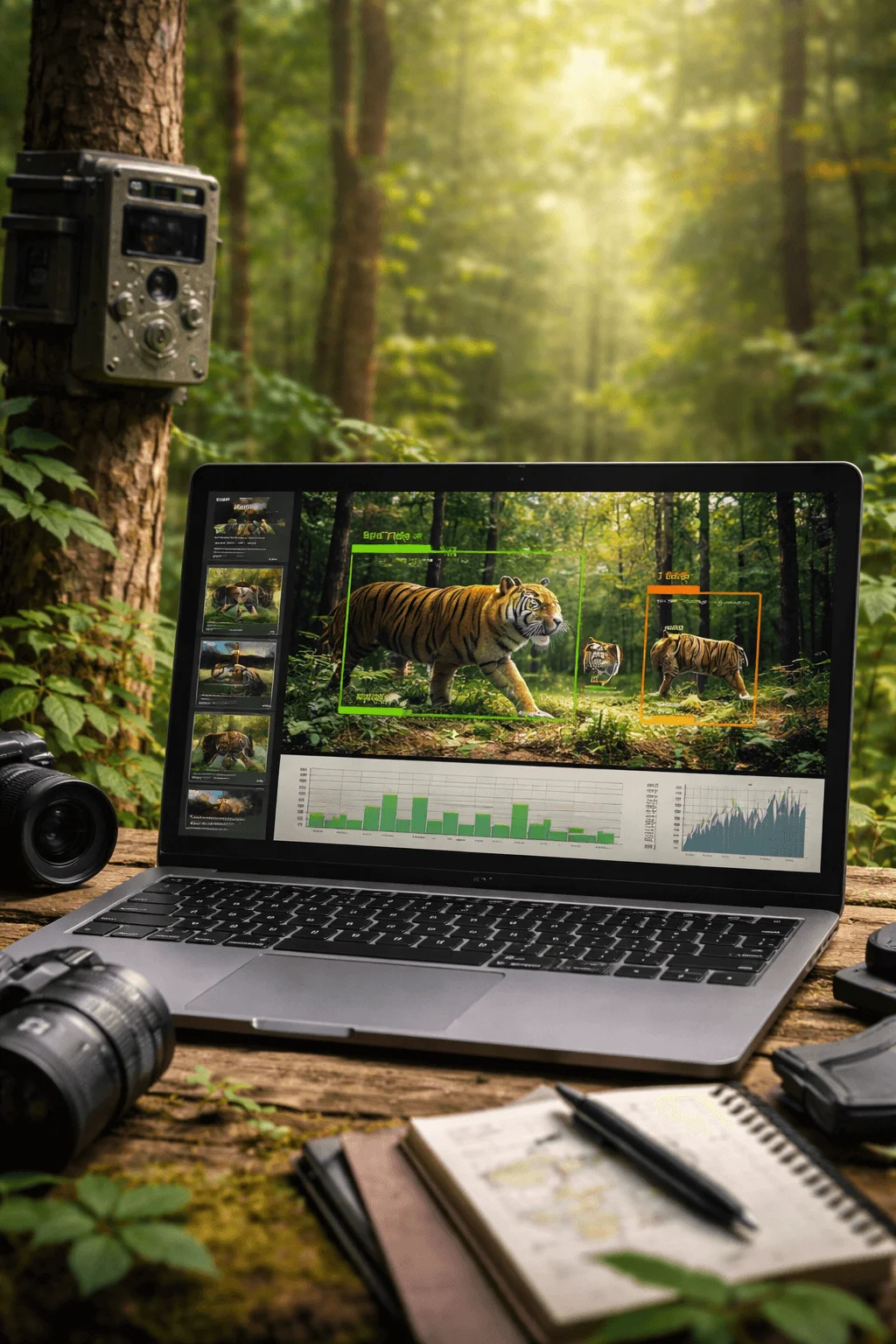
This project highlights how modern technology can assist conservation efforts. By automating wildlife identification, scientists can analyze environmental data more efficiently and monitor biodiversity changes more effectively. The project also introduces students to machine learning concepts while connecting technology with environmental protection.
Microplastic Detection in Local Water Sources
Microplastics are extremely small plastic particles that result from the breakdown of larger plastic materials. These particles are now found in oceans, rivers, soil, and even drinking water. Because of their tiny size, microplastics are difficult to detect and remove from the environment.
A sustainability project focused on microplastic detection involves collecting water samples from different locations such as rivers, lakes, or household water supplies. Students can filter the samples using fine filters and examine the particles under a microscope to identify potential microplastics.
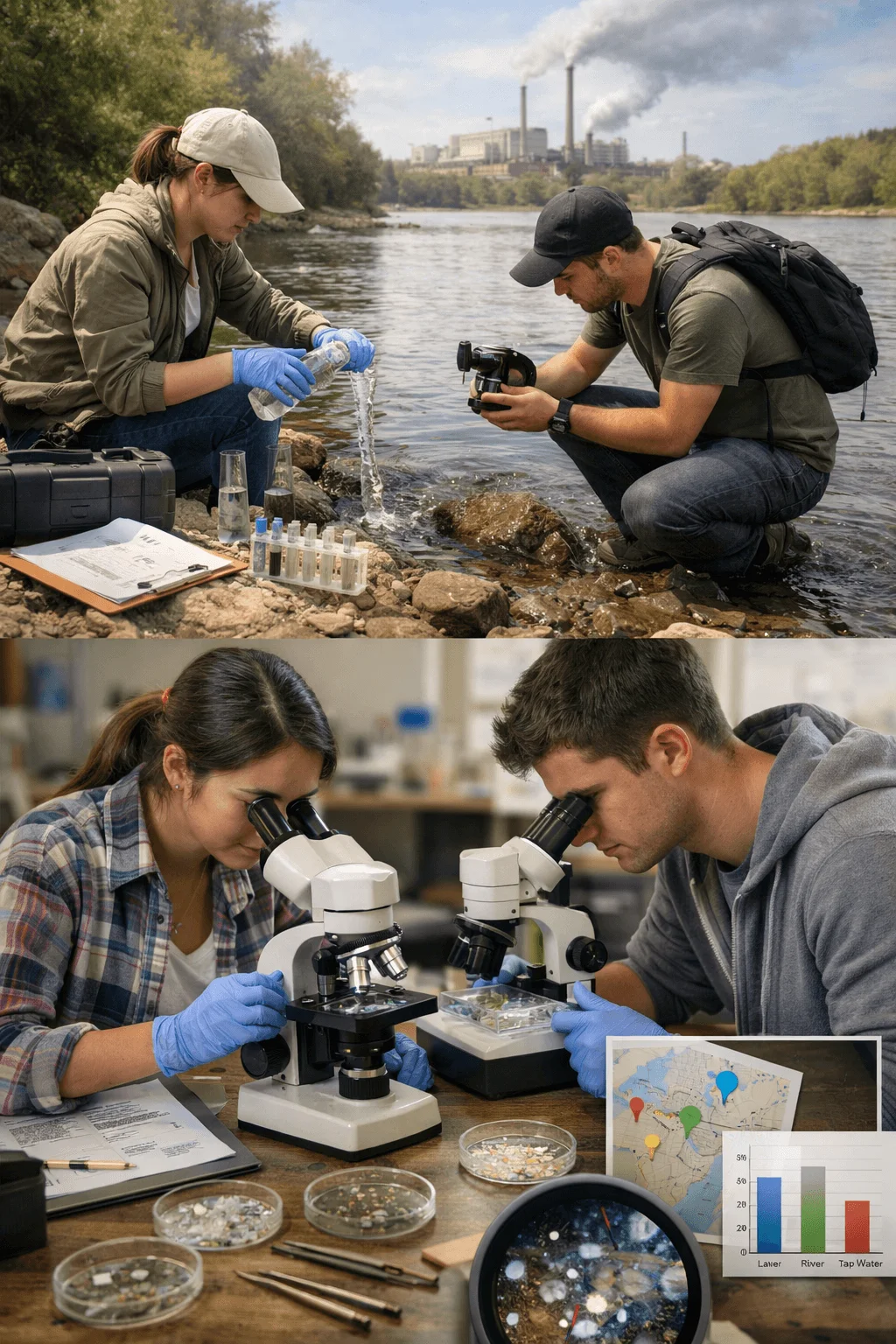
The project can also compare pollution levels in different locations to determine where microplastic contamination is highest. Students can then analyze possible sources of the pollution such as urban waste or industrial activities. This type of research contributes to a better understanding of plastic pollution and encourages discussions about reducing plastic consumption.
Smart Waste Sorting Using Image Recognition
Waste management systems often struggle because recyclable materials are mixed with general waste. When recycling facilities receive contaminated waste streams, large amounts of potentially recyclable materials end up in landfills.
In this project, students can develop an image recognition system capable of identifying common recyclable materials such as plastic bottles, aluminum cans, or paper products. By training a computer vision model using images of waste items, the system can learn to recognize different types of materials.
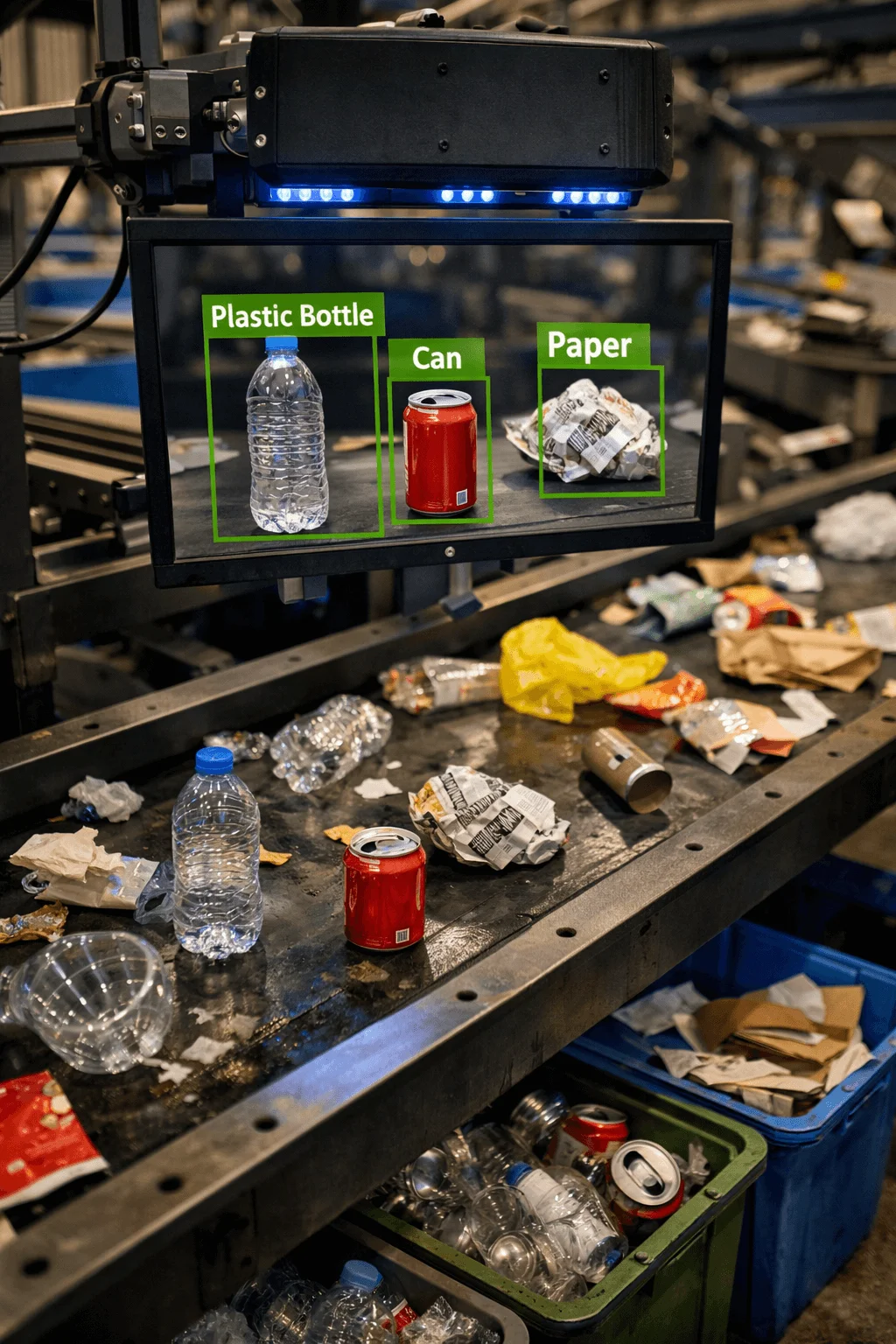
The project can explore how such systems might be integrated into automated recycling bins or waste sorting machines. Students can also discuss how improved waste sorting technologies could increase recycling rates and reduce landfill waste.
Urban Tree Mapping with GPS
Trees play an important role in improving air quality, providing shade, and reducing urban heat. However, many cities lack accurate data about the number and health of trees within urban environments.
A sustainability science project can involve mapping trees within a specific neighborhood using GPS enabled smartphones. Students can record the location of each tree along with details such as species type, trunk diameter, and overall health.
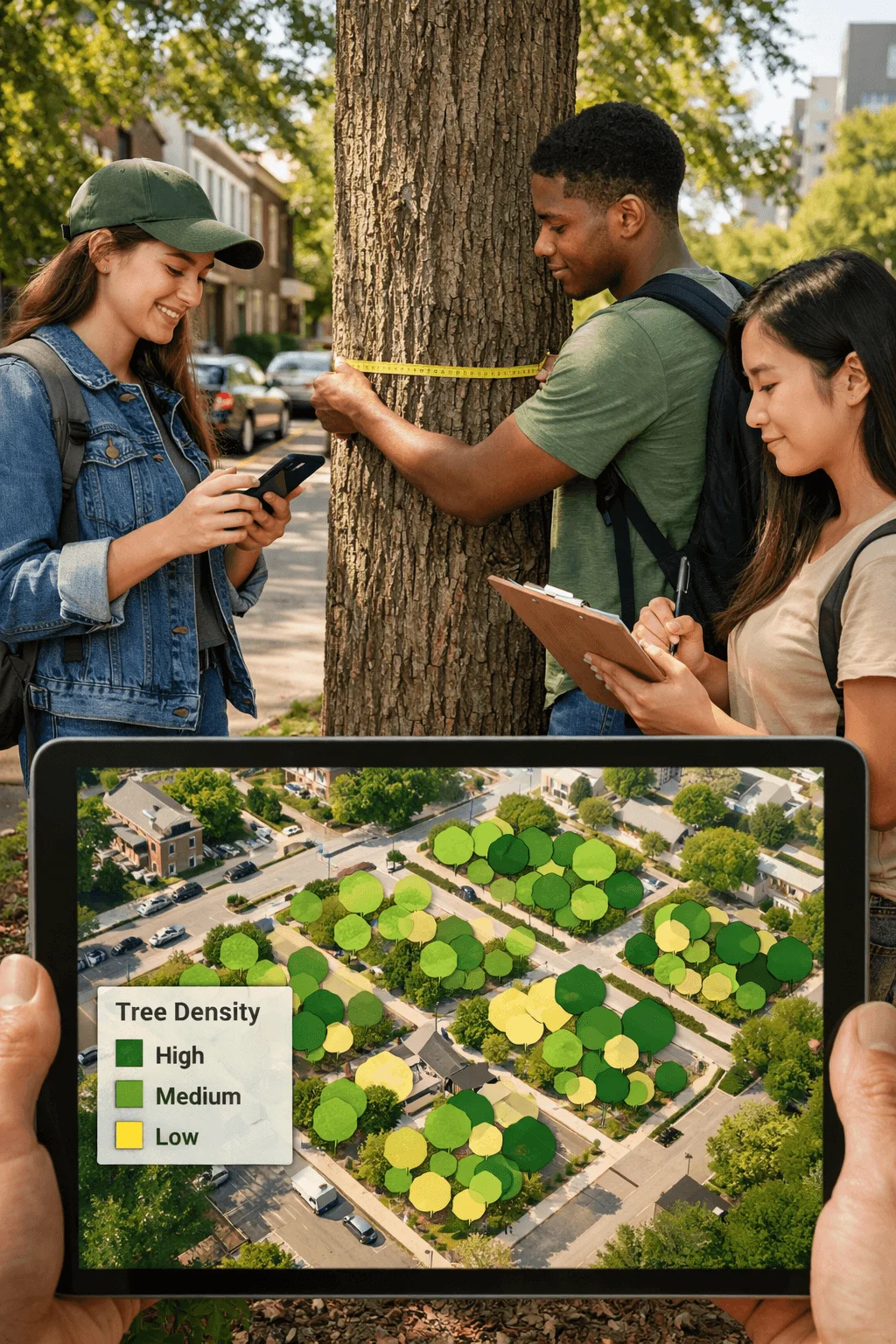
The collected data can be used to create a digital map of local urban greenery. Students can analyze which areas have the highest tree density and which neighborhoods may require more tree planting initiatives. This project demonstrates how environmental data collection can help cities make better decisions about urban planning and climate resilience.
Carbon Footprint Tracker Application
Everyday human activities produce greenhouse gas emissions that contribute to climate change. Transportation, electricity consumption, and food production all release carbon dioxide into the atmosphere.
Students can develop a digital tool that calculates an individual’s carbon footprint based on their daily habits. The application can ask users about transportation choices, electricity usage, and dietary patterns. It can then estimate the total carbon emissions generated by those activities.
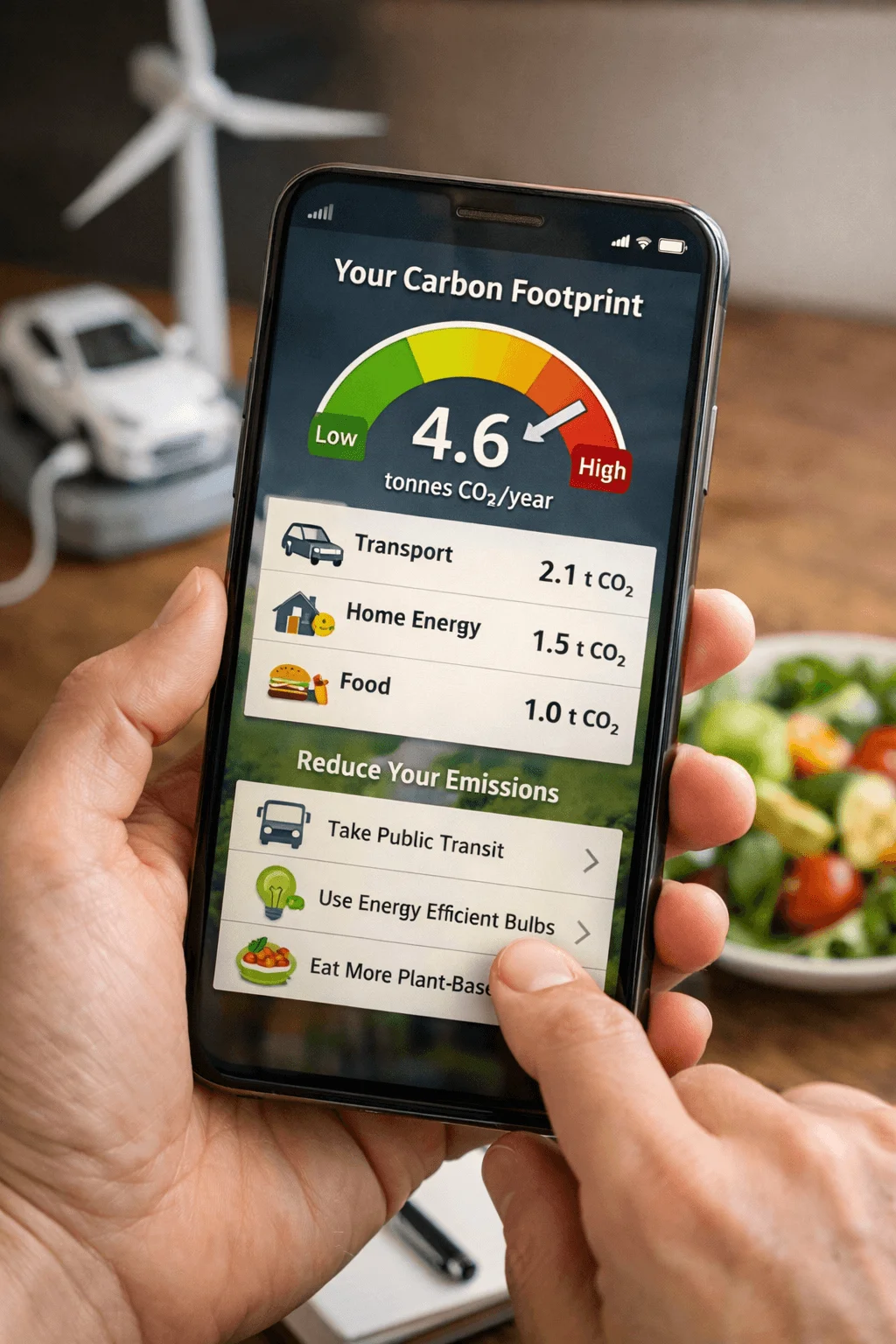
In addition to calculating emissions, the tool can also suggest ways to reduce carbon footprints. For example, it might recommend public transportation, energy efficient appliances, or plant based meals. This project combines environmental awareness with technology development.
DIY Air Quality Sensor Network
Air pollution affects millions of people worldwide and contributes to numerous health problems. Monitoring air quality is essential for identifying pollution sources and protecting public health.
In this project, students can build small air quality monitoring devices using affordable sensors and microcontrollers. These devices can measure pollutants such as particulate matter or carbon dioxide.
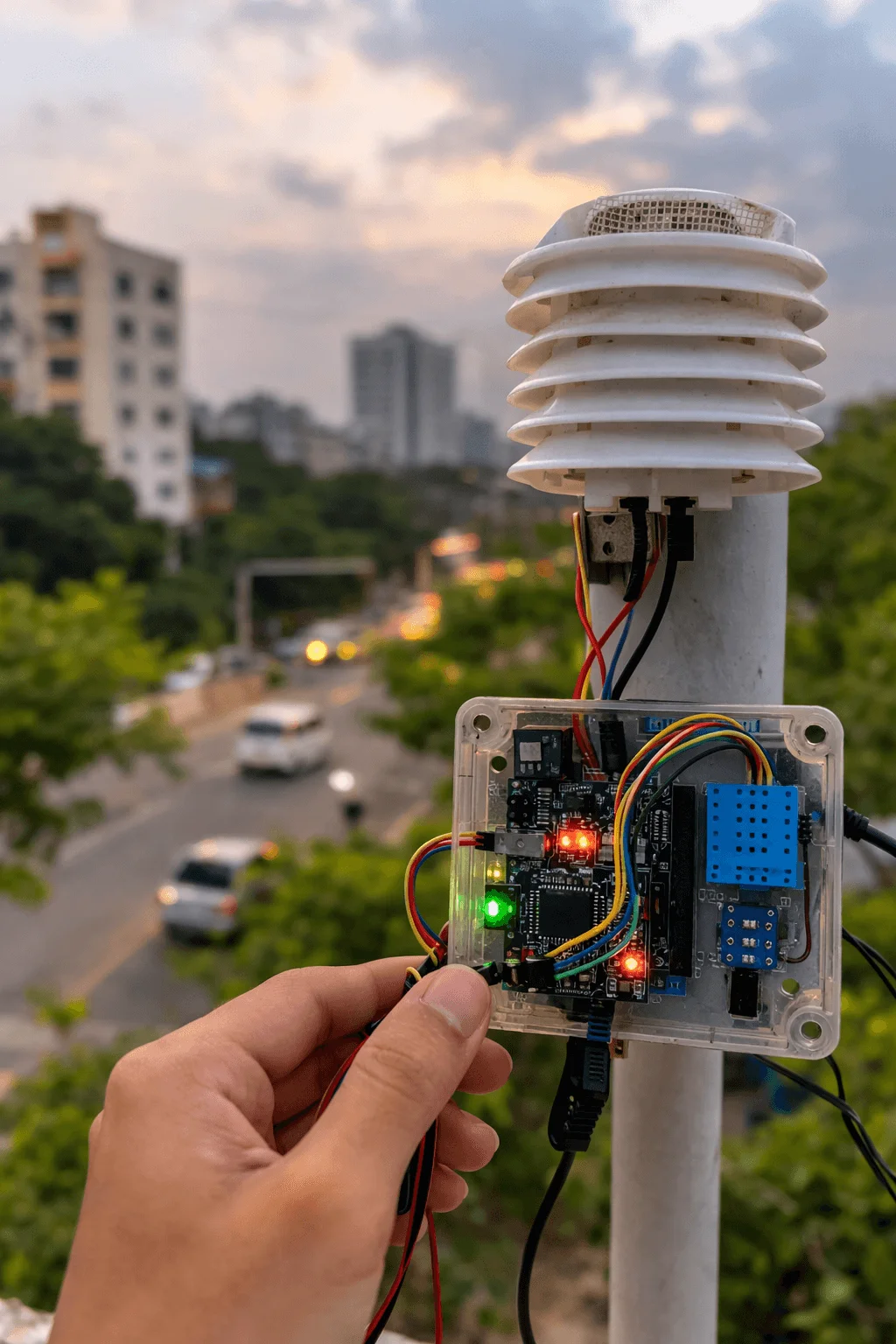
By placing sensors in different locations around a neighborhood or school campus, students can collect data about pollution patterns. They can analyze how pollution levels change throughout the day or compare air quality near busy roads and parks. The results can help communities better understand local environmental conditions.
Solar Energy Efficiency Comparison
Solar energy is one of the fastest growing renewable energy sources. However, the efficiency of solar panels depends on factors such as sunlight intensity, panel angle, and temperature.
Students can design experiments that compare how solar panels perform under different conditions. For example, panels can be placed at different angles to determine which orientation generates the most electricity.
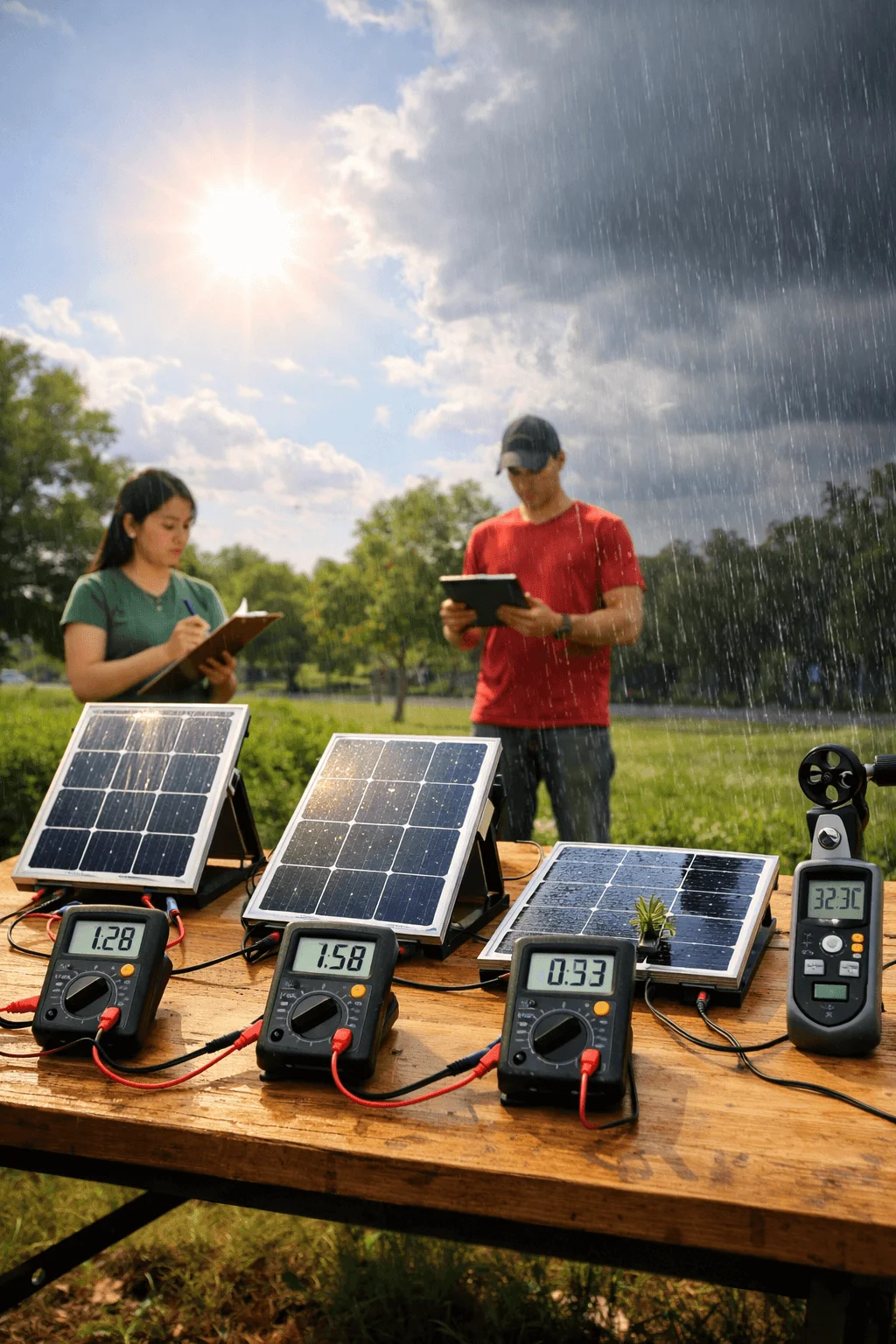
The project can also explore how shading or weather conditions affect solar energy production. By analyzing the results, students can gain insights into how renewable energy systems can be optimized for maximum performance.
Biodegradable Plastic from Natural Materials
Traditional plastics take hundreds of years to decompose and contribute significantly to environmental pollution. Researchers are exploring biodegradable alternatives made from natural materials.
Students can experiment with creating biodegradable plastics using ingredients such as starch, gelatin, or plant based materials. By mixing these ingredients with water and natural plasticizers, they can produce flexible materials that resemble plastic films.
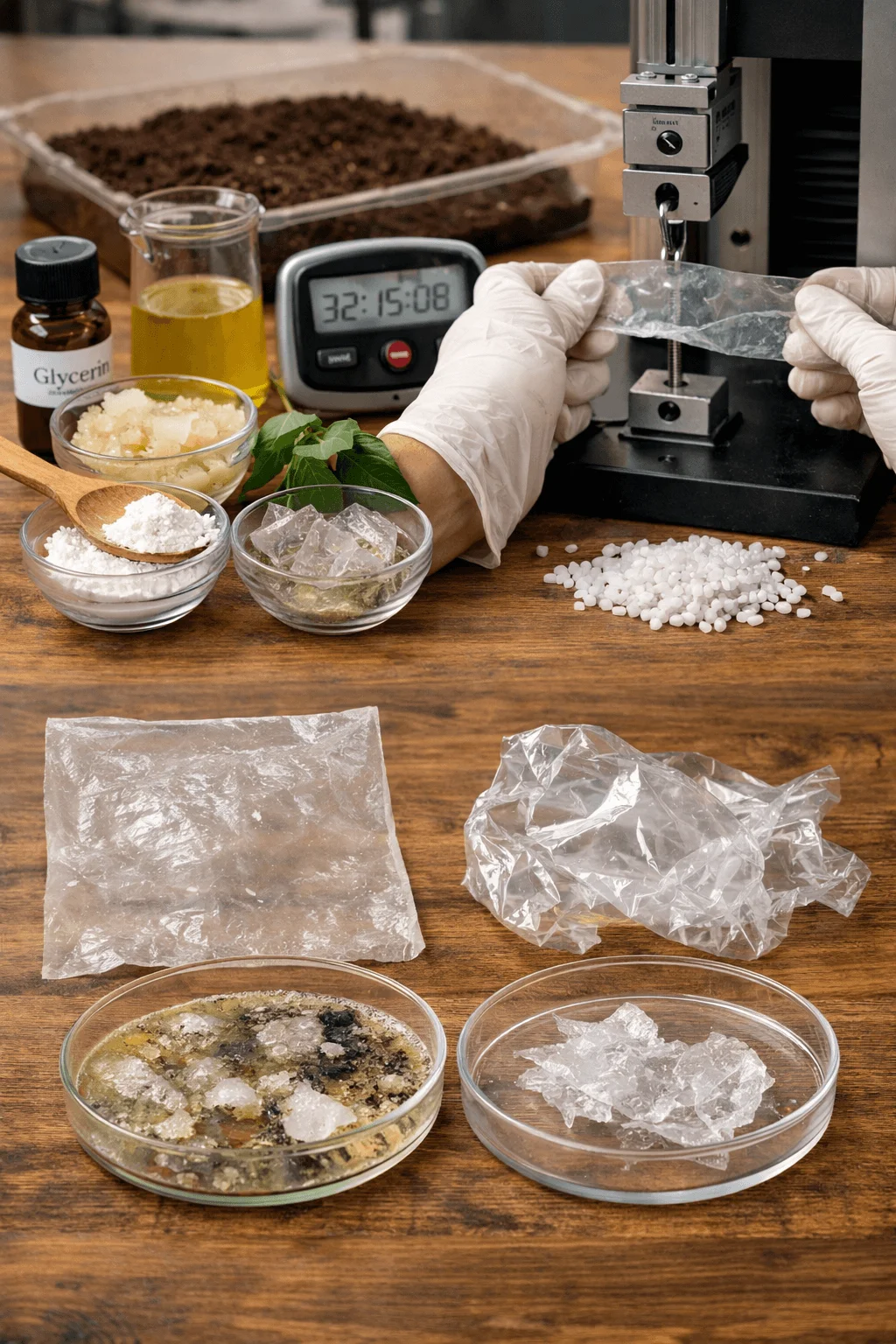
The project can test how long these materials take to decompose compared to conventional plastics. Students can also evaluate their strength and durability to determine whether they could serve as practical alternatives.
AI for Urban Biodiversity Prediction
Urban environments contain many different species of plants and animals. However, urban development can disrupt habitats and reduce biodiversity.
In this project, students can analyze environmental data such as vegetation cover, temperature patterns, and proximity to water sources. Using this information, they can develop a model that predicts which urban areas are most suitable for wildlife.
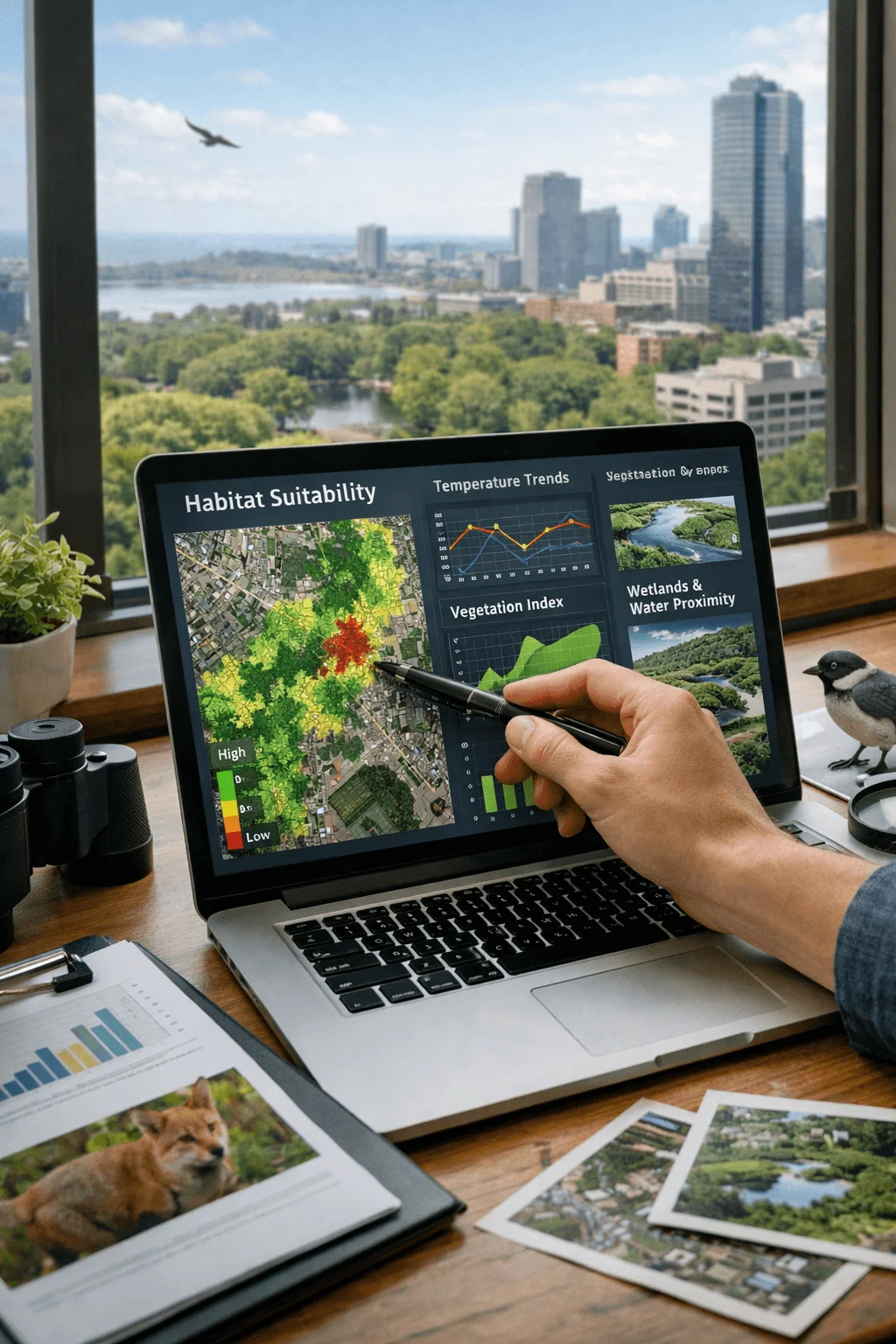
This research can help identify locations where conservation efforts would have the greatest impact. The project also demonstrates how environmental data analysis can guide ecological decision making.
Carbon Capture Using Algae
Carbon capture technologies aim to remove carbon dioxide from the atmosphere and reduce greenhouse gas concentrations. One natural method involves using algae, which absorb carbon dioxide during photosynthesis.
Students can grow algae in containers exposed to sunlight and measure their growth rate over time. They can also monitor carbon dioxide levels to estimate how much carbon the algae absorb.
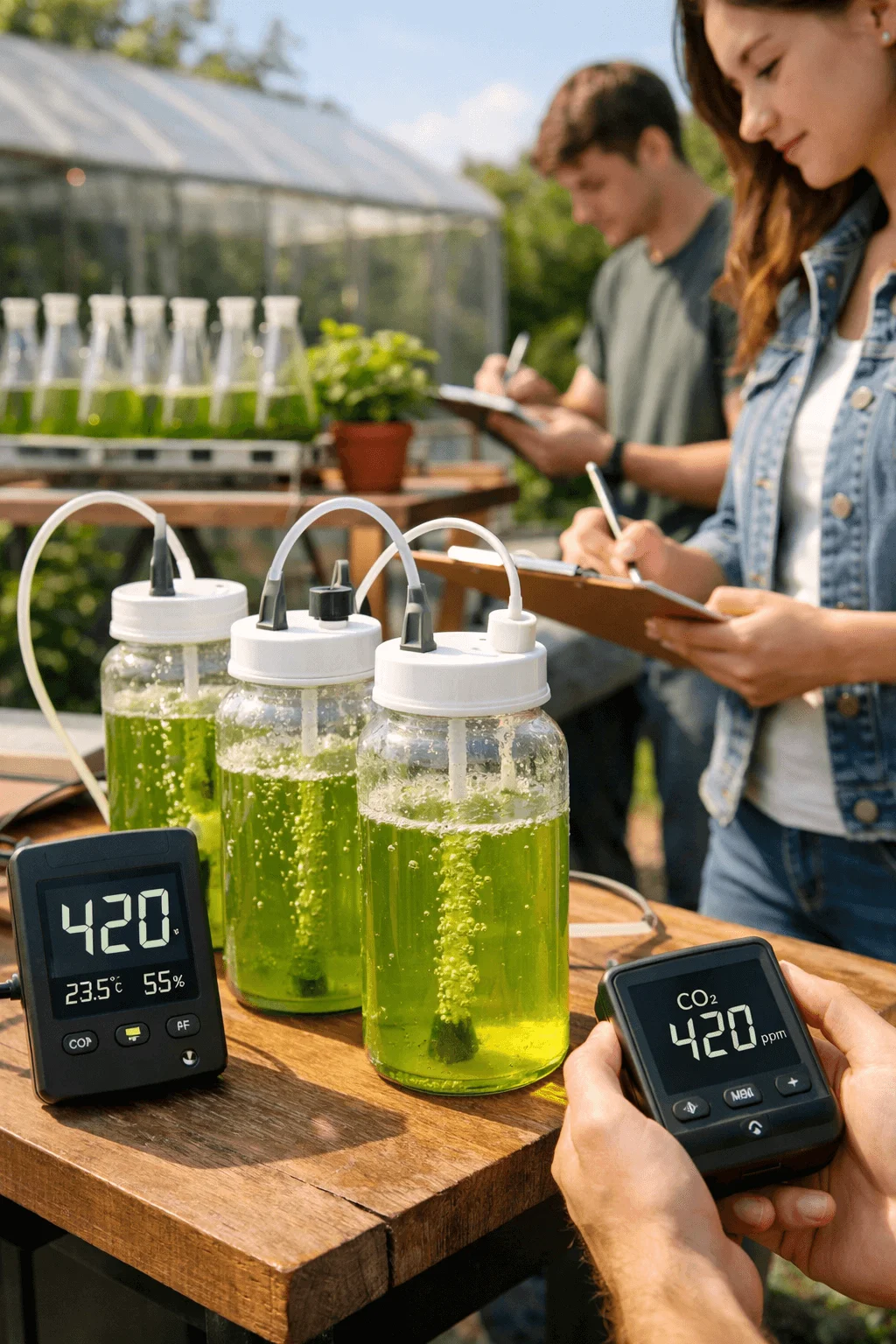
This project demonstrates how biological systems can help address climate change and highlights the potential of algae based carbon capture technologies.
Climate Data Analysis Project
Climate scientists rely on long term datasets to study environmental change. These datasets include information about temperature, precipitation, sea levels, and atmospheric carbon dioxide.
Students can access publicly available climate datasets and analyze trends over several decades. By creating graphs and charts, they can identify patterns that indicate climate change.
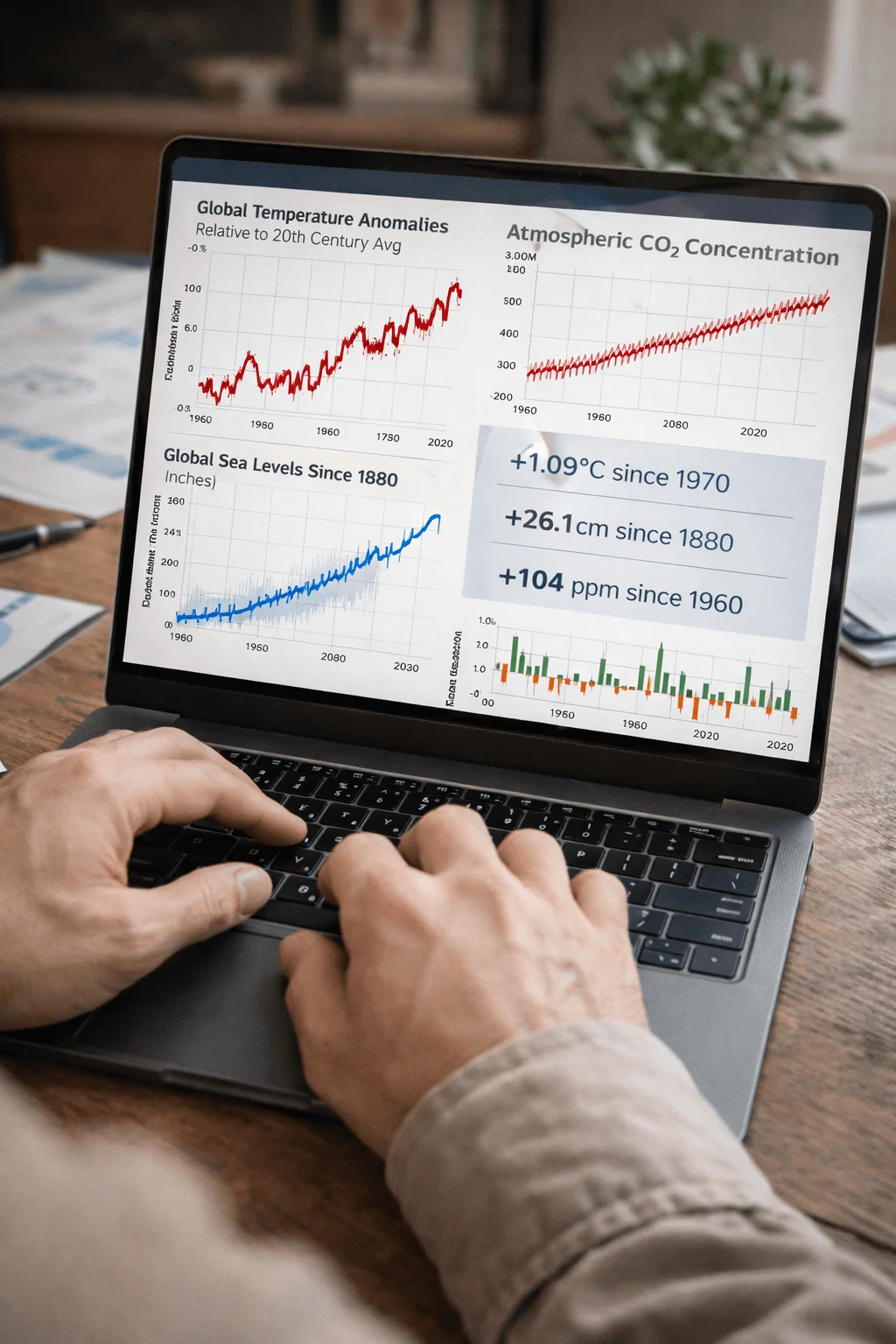
The project helps students understand how scientific data supports climate research and how environmental trends can be analyzed using statistical methods.
Sustainable Food Impact Study
Food production is responsible for significant greenhouse gas emissions and resource consumption. Different types of foods require varying amounts of land, water, and energy to produce.
Students can research the environmental impact of different diets by comparing plant based foods with meat based meals. The project can evaluate factors such as carbon emissions, water use, and land requirements.
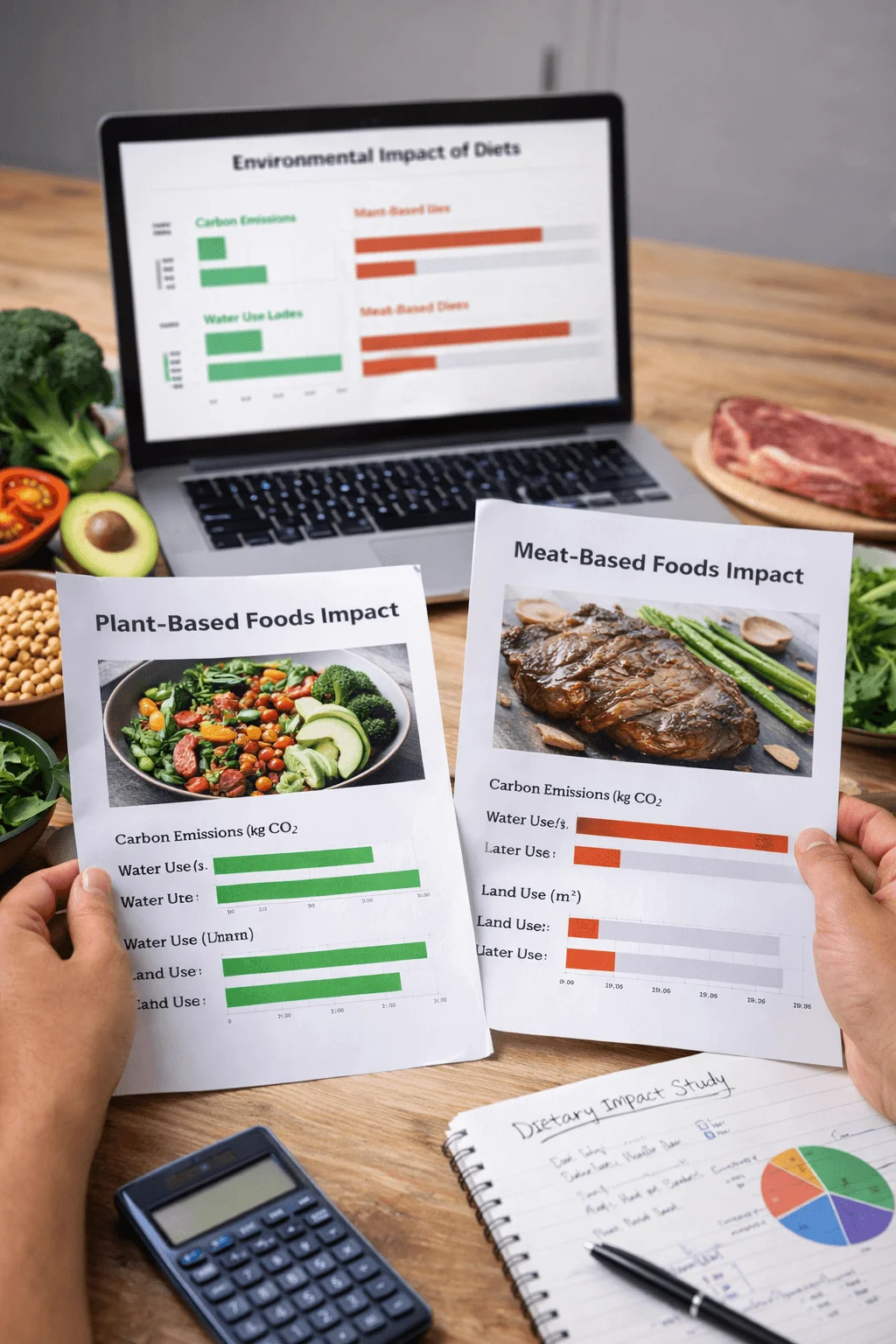
The results can highlight how dietary choices influence environmental sustainability and encourage discussions about sustainable food systems.
Water Purification Using Natural Filters
Access to clean water is essential for human health and environmental sustainability. Natural filtration systems can remove contaminants from water without relying on complex technology.
Students can construct water filtration systems using layers of sand, gravel, and activated charcoal. Water samples can be passed through the filters and tested for clarity and purity.
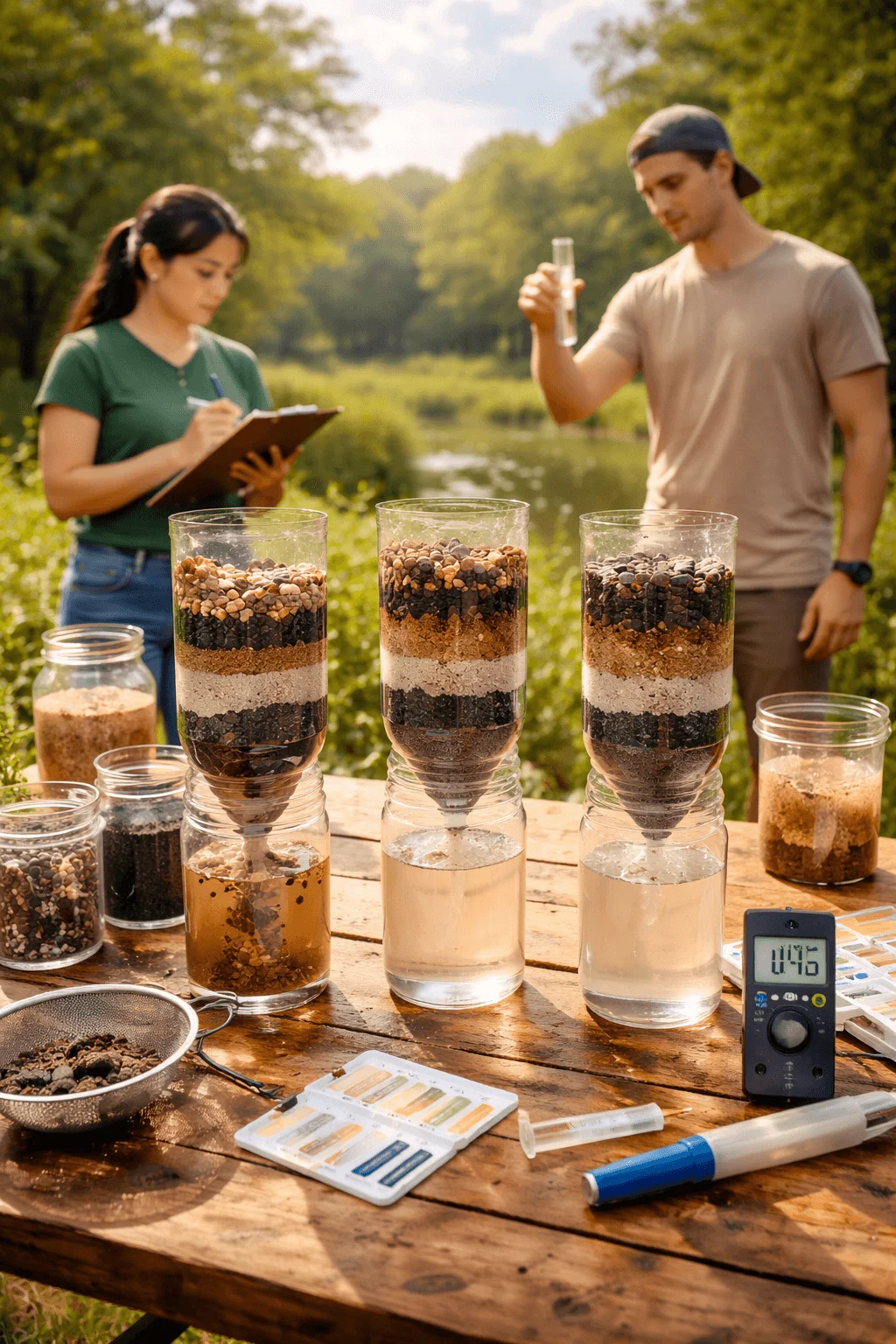
This project demonstrates how simple natural materials can help improve water quality and provides insight into sustainable water treatment methods.
Smart Irrigation System with Soil Sensors
Agriculture consumes a large percentage of the world’s freshwater supply. Efficient irrigation systems are essential for conserving water while maintaining crop productivity.
Students can design a smart irrigation system that uses soil moisture sensors to detect when plants need water. The system can automatically activate irrigation when soil moisture drops below a certain level.
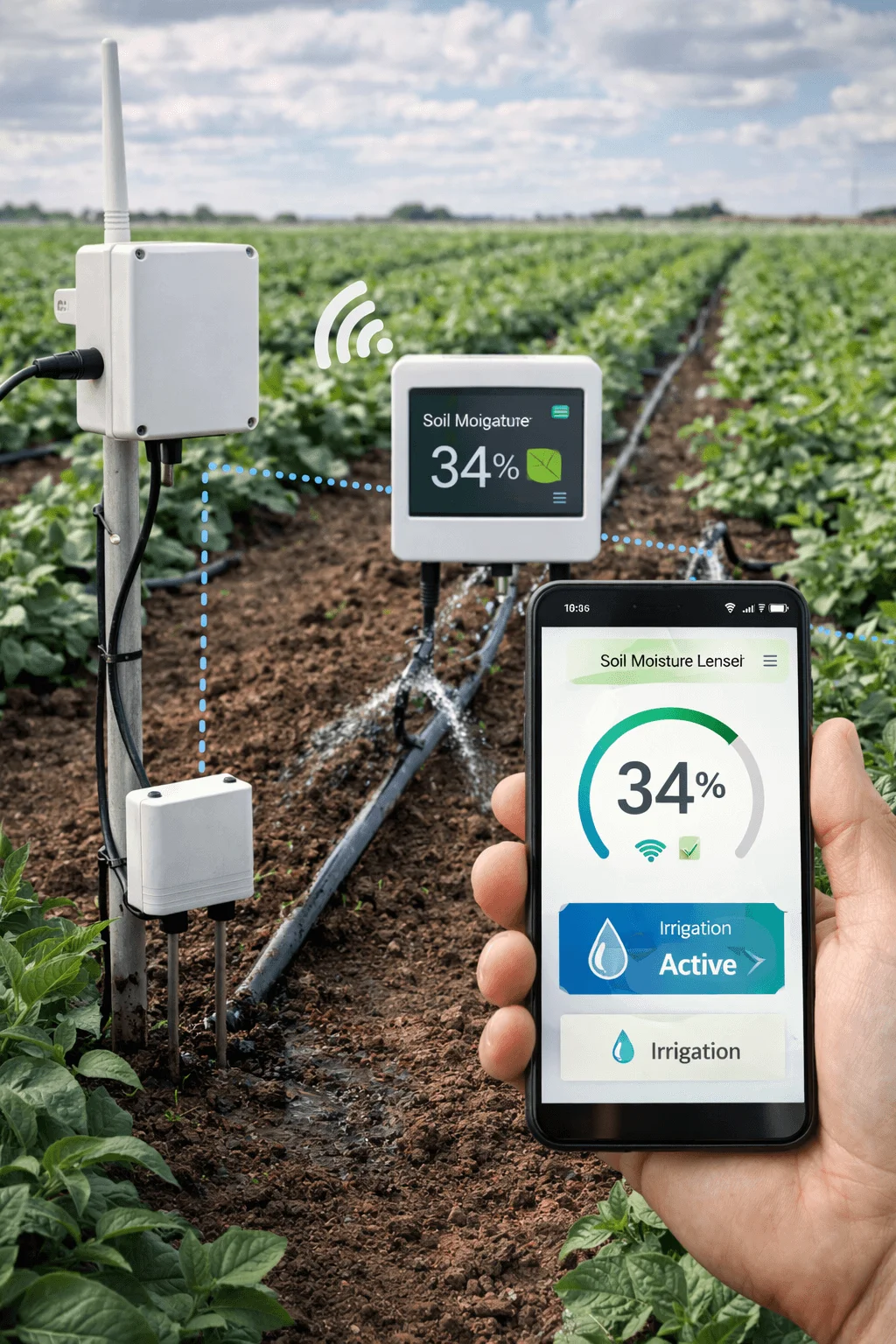
Such systems help reduce water waste and support sustainable agricultural practices.
Ocean Plastic Collection Device Prototype
Plastic pollution in oceans threatens marine ecosystems and wildlife. Engineering solutions are being developed to remove plastic waste from water bodies.
Students can design a small prototype device that collects floating plastic debris. The device can be tested in controlled environments such as pools or ponds to evaluate how effectively it captures plastic waste.
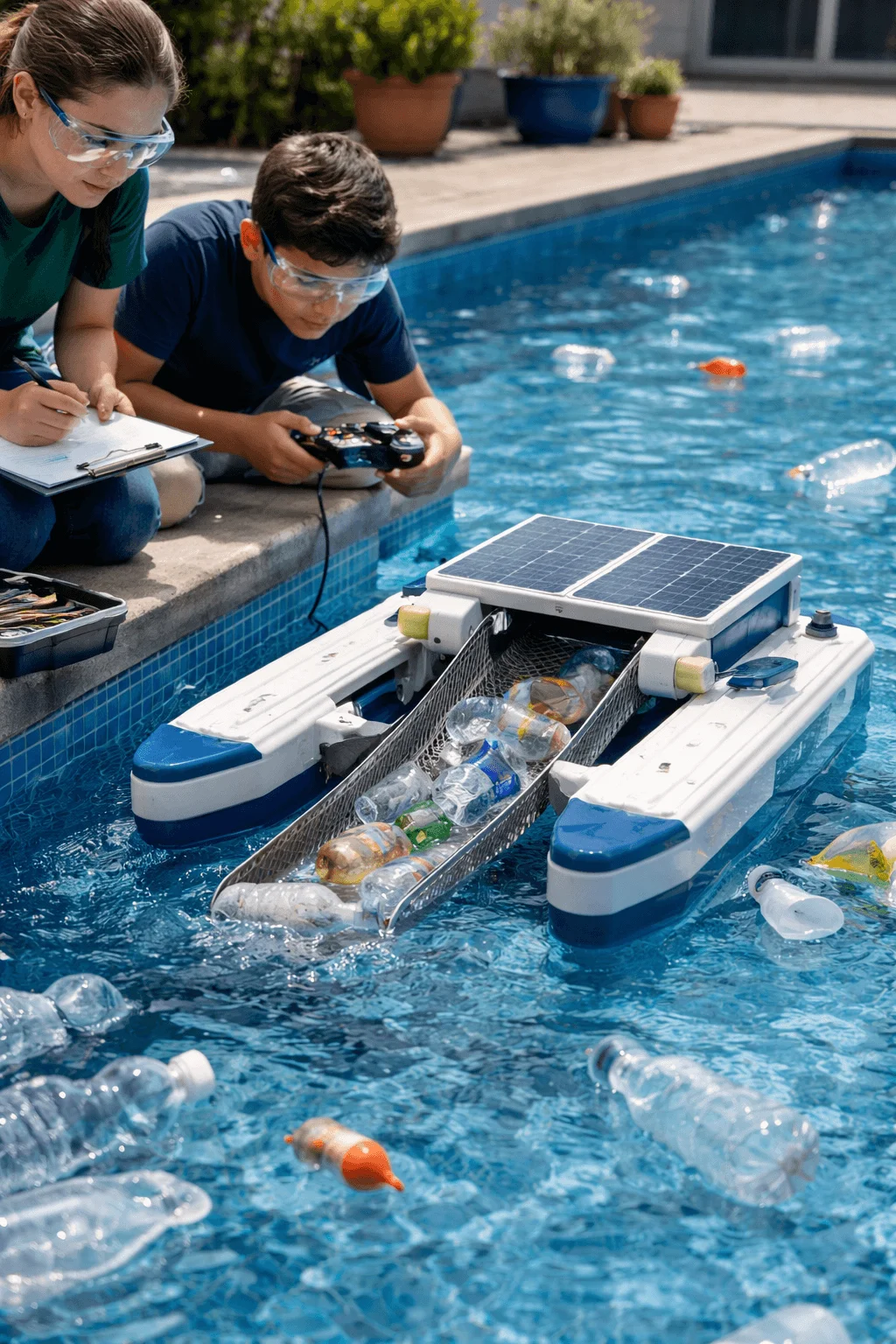
This project encourages creative engineering solutions for environmental cleanup.
Sustainable Building Materials Experiment
The construction industry contributes significantly to global carbon emissions. Developing sustainable building materials is an important area of research.
Students can compare insulation properties of eco friendly materials such as cork, straw, or recycled paper. By measuring temperature retention in small test structures, they can determine which materials provide the best insulation.
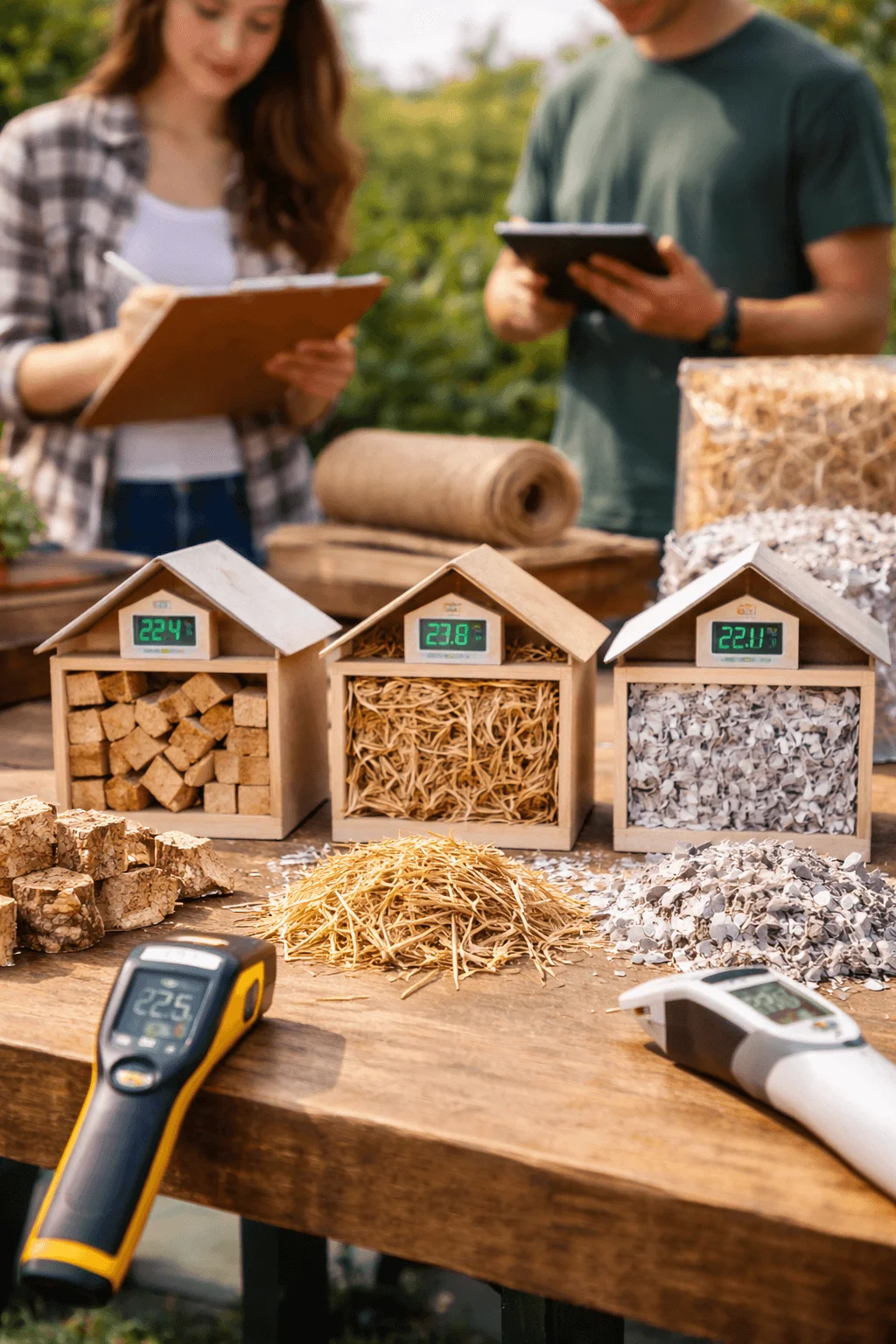
This project highlights the potential of sustainable construction technologies.
Urban Heat Island Mapping
Cities often experience higher temperatures than surrounding rural areas due to dense infrastructure and limited vegetation. This phenomenon is known as the urban heat island effect.
Students can measure temperature differences across different parts of a city including parks, residential areas, and commercial districts. The collected data can be used to create a temperature map.
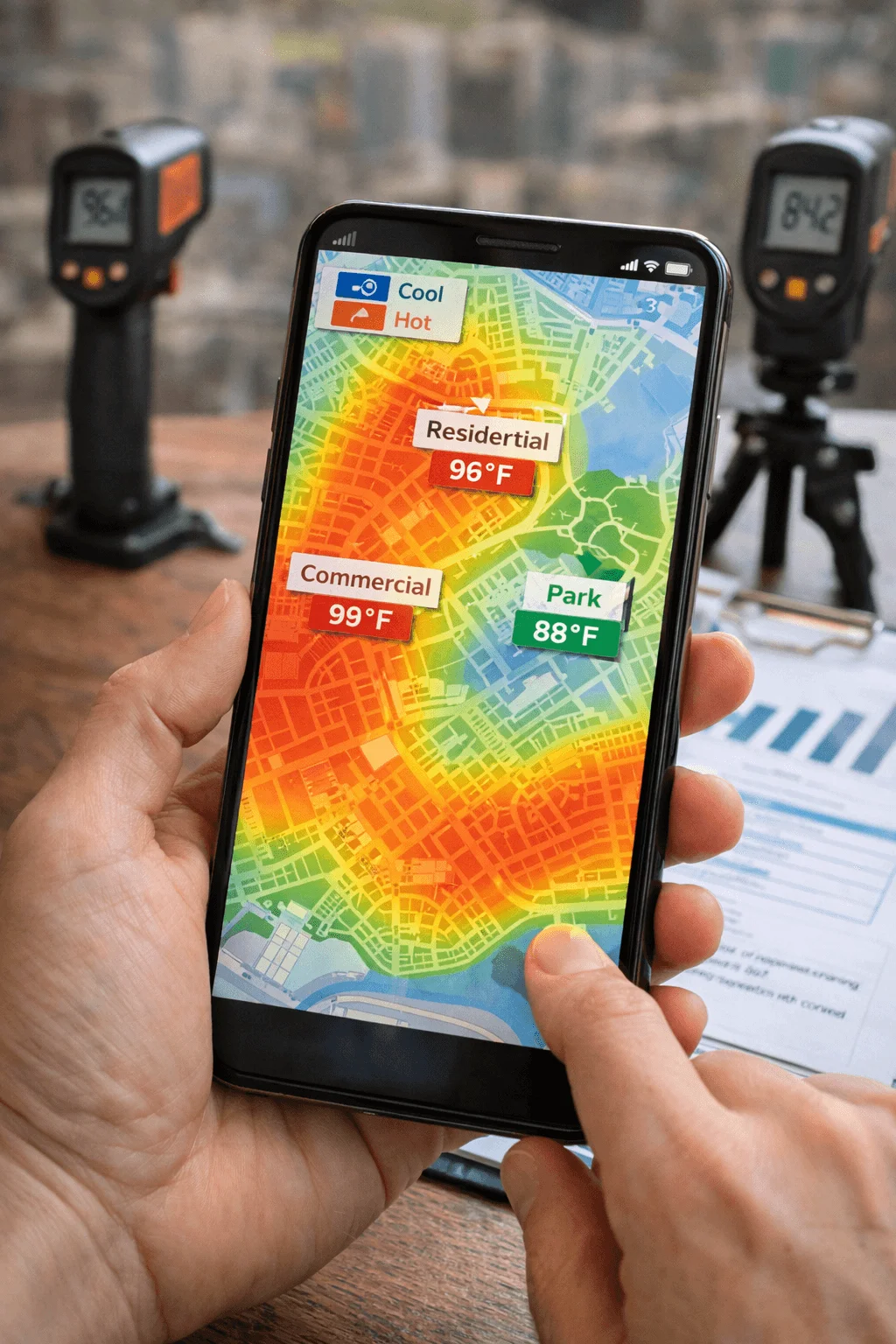
The results can help identify strategies such as increased tree planting or green roofs to reduce urban heat.
Citizen Science Biodiversity Survey
Citizen science involves members of the public participating in scientific research. These projects allow researchers to collect large amounts of environmental data with the help of volunteers.
Students can organize a biodiversity survey where participants record plant, bird, or insect species observed in a specific area. The observations can be documented and shared with environmental databases.
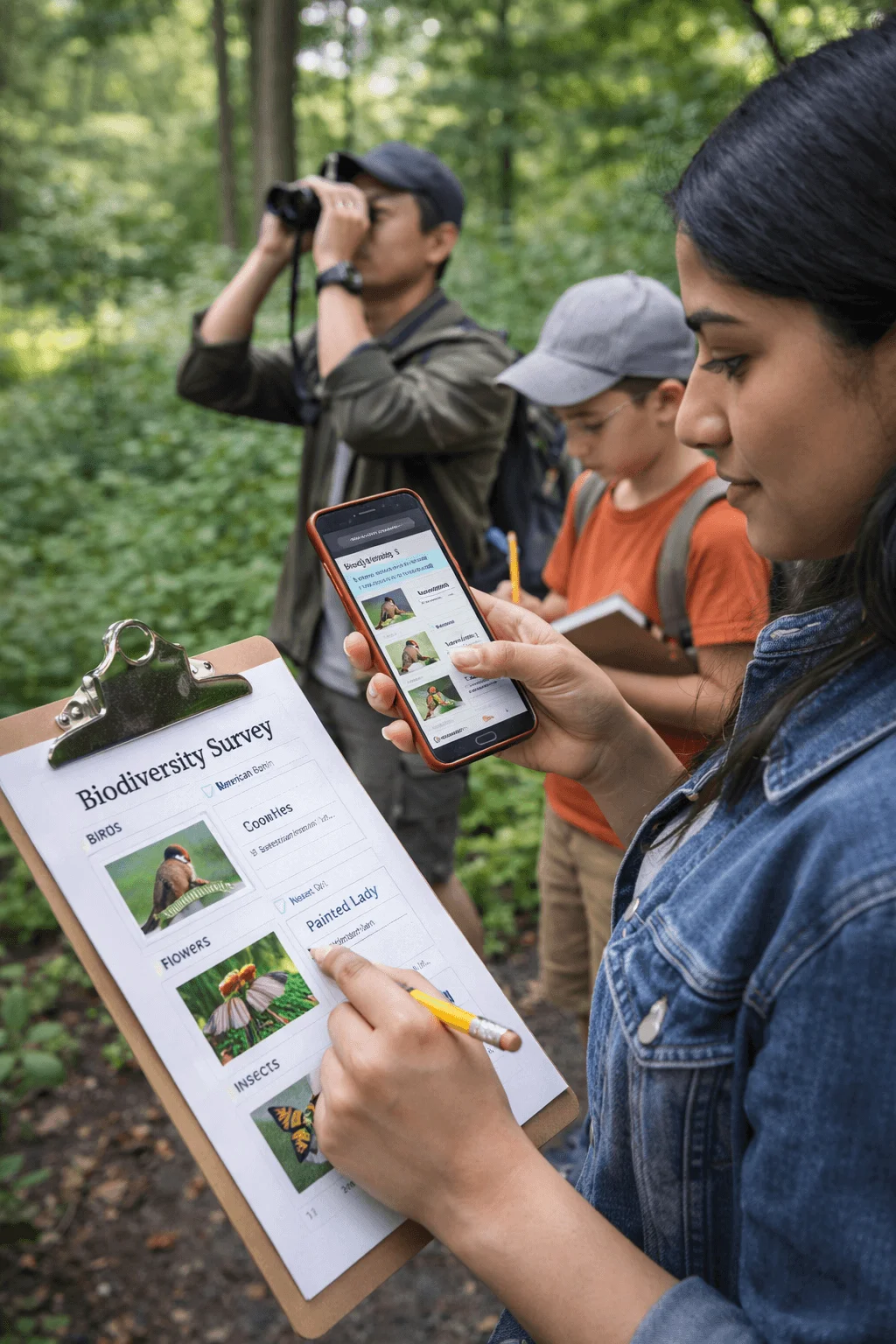
This project encourages community engagement while contributing valuable data for ecological research.
Regenerative Agriculture Soil Study
Healthy soil is essential for sustainable agriculture and food production. Regenerative agriculture practices aim to restore soil health by increasing organic matter and reducing chemical inputs.
Students can collect soil samples from farms that use different farming methods. By analyzing factors such as soil moisture, nutrient levels, and microbial activity, they can compare soil health between conventional and regenerative farming systems.
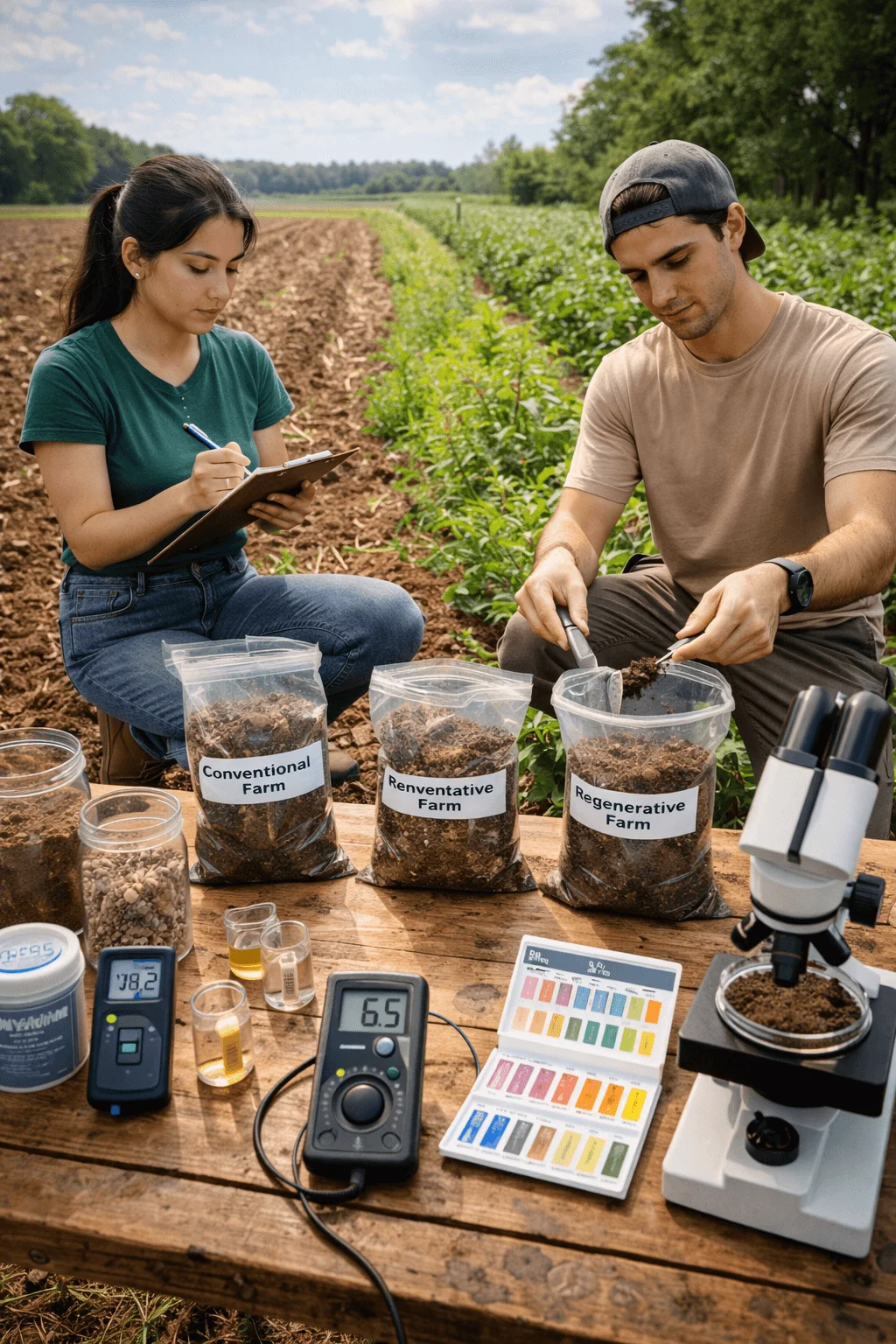
The results can demonstrate how sustainable farming practices improve soil quality and support long term agricultural productivity.
Food Waste to Biofuel Experiment
Food waste generates methane emissions when it decomposes in landfills. However, organic waste can also be converted into renewable energy through anaerobic digestion.
Students can build a small biogas digester that breaks down food waste in an oxygen free environment. The system produces methane rich gas that can be measured and used as a potential energy source.
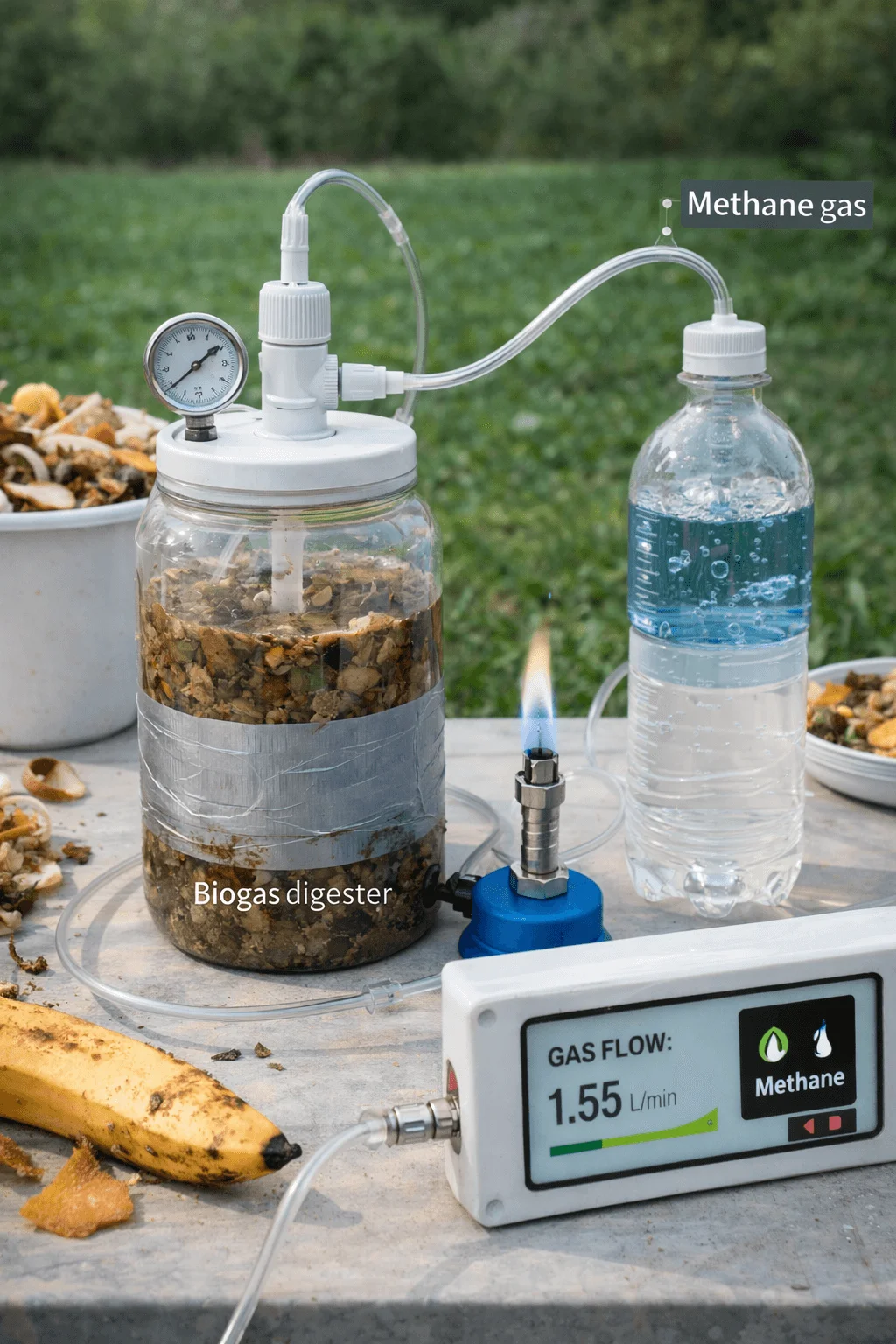
This project demonstrates how waste materials can be transformed into renewable energy while reducing landfill pollution.
Conclusion
Sustainability science provides powerful opportunities for students to explore real environmental challenges and develop innovative solutions. By combining scientific research with technology, engineering, and environmental awareness, sustainability projects encourage practical approaches to protecting the planet.
The project ideas discussed in this article reflect modern sustainability research trends including artificial intelligence, renewable energy innovation, climate data analysis, and community based environmental monitoring. These projects not only help students develop scientific skills but also inspire them to think creatively about how science can address global environmental problems.
As environmental challenges continue to grow, the need for innovative sustainability solutions becomes increasingly important. Students who engage in sustainability science projects today may become the researchers, engineers, and environmental leaders who shape a more sustainable future for the world.