Sustainable Aesthetic Photography Lighting Ideas
Photography has always been about capturing light, but the way photographers approach lighting is changing rapidly. Sustainable Aesthetic Photography Lighting has become one of the most exciting trends in 2026 because it combines beautiful visual storytelling with environmentally responsible practices. Instead of relying on energy intensive studio setups or constantly purchasing new equipment, photographers are embracing natural light, rechargeable lighting solutions, and creative techniques that reduce waste while producing stunning results. Whether you are a beginner, a professional photographer, or a content creator, learning sustainable lighting methods can improve your images, lower your costs, and reduce your environmental impact. This guide explores the latest lighting trends, practical techniques, and creative ideas that help you produce eye catching photographs while making thoughtful choices for the planet.
Benefits of Eco Friendly Photography Lighting
Choosing eco friendly photography lighting offers benefits that extend far beyond reducing electricity usage. It changes the way photographers plan, create, and present their work while encouraging a more thoughtful creative process.
One of the biggest advantages is cost savings. Natural light is completely free, and many photographers discover that they can complete an entire portrait or product session without turning on a single artificial light. Even when additional illumination is necessary, rechargeable LED photography lights consume significantly less energy than older lighting systems and eliminate the ongoing expense of disposable batteries.
Another important benefit is portability. Heavy lighting equipment often limits creativity because photographers must transport multiple stands, cables, and power sources. Sustainable lighting techniques encourage simpler setups that are easier to carry, allowing photographers to work comfortably in parks, homes, cafés, forests, beaches, and urban locations.
Visual quality also improves when photographers learn to work with natural light. Soft daylight often produces smoother skin tones, realistic colors, and gentle shadows that feel more authentic than heavily lit studio images. This natural aesthetic has become especially popular across social media platforms where audiences prefer genuine and relatable visuals over overly edited photographs.
Sustainability also supports creative storytelling. A photograph illuminated by morning sunlight filtering through trees creates a completely different emotional response than one captured under harsh artificial lighting. Every lighting choice contributes to the atmosphere of the image, helping viewers connect emotionally with the subject.
Businesses are also recognizing the value of environmentally responsible content. Lifestyle brands, wellness companies, handmade product businesses, eco conscious fashion labels, and sustainable home brands increasingly seek photographers whose creative approach reflects their own values. Developing skills in sustainable portrait lighting and natural aesthetic lighting photography can therefore open new opportunities for commercial work.
Perhaps the greatest benefit is that sustainable lighting encourages photographers to become more observant. Instead of immediately setting up artificial lights, they begin studying how sunlight enters a room, how shadows move throughout the day, and how simple reflections can transform a scene. This deeper understanding of light ultimately improves every aspect of photography.
Trending Sustainable Photography Lighting Ideas for Stunning Aesthetic Photos
One reason Sustainable Aesthetic Photography Lighting continues to gain popularity is that photographers are constantly discovering new ways to create beautiful images with fewer resources. The following trends represent some of the most exciting lighting approaches shaping photography in 2026.
Natural Window Light With Earth Tone Styling
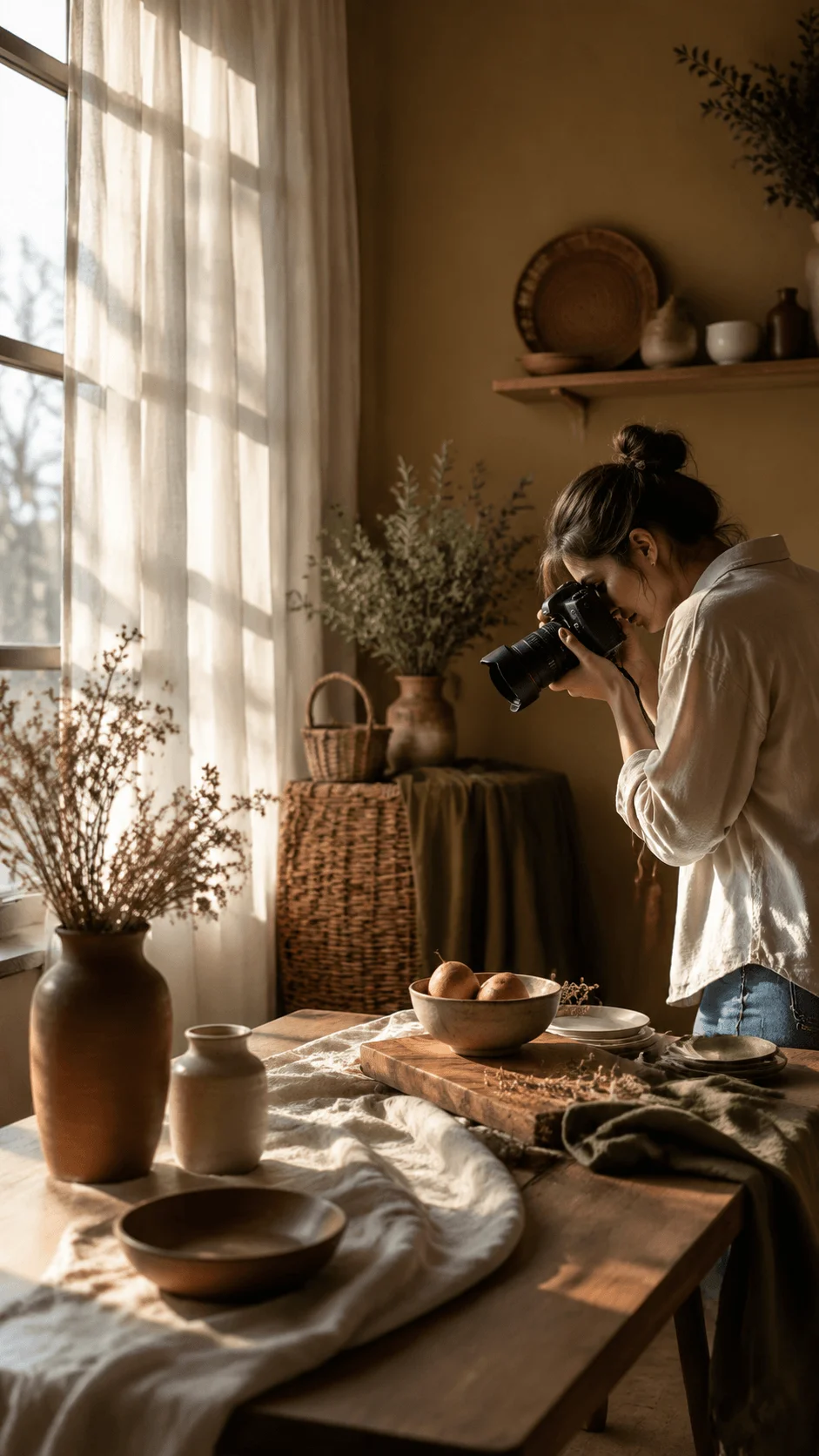
Natural window light remains one of the most effective and sustainable lighting techniques because it produces soft illumination without consuming electricity. Instead of relying on expensive studio equipment, many photographers now schedule indoor sessions around the direction and intensity of daylight entering through windows.
This trend has evolved beyond simply placing a subject near a window. Photographers now carefully design entire scenes using earth toned colors such as beige, terracotta, olive green, warm brown, and soft cream. These colors complement natural light by reflecting gentle warmth throughout the image, creating photographs that feel calm, welcoming, and timeless.
Lifestyle photographers often combine linen curtains, wooden furniture, woven baskets, ceramic pottery, and dried flowers to enhance the softness of window light. Product photographers use recycled wooden surfaces and neutral fabrics to create elegant backgrounds that require very little editing afterward. Portrait photographers position their subjects slightly away from direct sunlight so that facial features remain evenly illuminated while preserving natural depth.
One reason this lighting style has become increasingly popular is its versatility. It works equally well for family photography, branding sessions, food photography, fashion campaigns, and social media content. Because daylight constantly changes throughout the day, photographers can achieve dramatically different moods simply by adjusting their shooting time rather than changing equipment.
Beginners often assume bright sunlight produces the best results, but softer indirect light usually creates smoother skin tones and more pleasing highlights. Thin white curtains can gently diffuse harsh sunlight, producing professional quality images with almost no financial investment. Learning to observe how light moves through a room allows photographers to make small adjustments that dramatically improve the final photograph while keeping their workflow sustainable.
Rechargeable LED Lighting Systems
Rechargeable LED lighting has transformed modern photography by offering an environmentally responsible alternative to traditional lighting systems. As technology continues to improve, these compact lights now deliver impressive brightness, accurate color reproduction, and long battery life while consuming far less energy than older studio lights.
Many photographers have replaced disposable battery powered lights with rechargeable units that connect easily to USB charging systems or portable power banks. This simple change significantly reduces battery waste over time while lowering operating costs for photographers who work regularly.
Modern rechargeable LED photography lights also provide exceptional flexibility. Their compact size allows photographers to shoot in locations where large studio equipment would be impractical. Wedding photographers can illuminate reception details without carrying bulky lighting kits. Travel photographers can work comfortably in remote destinations. Content creators can produce professional videos and photographs from small home studios without complicated setups.
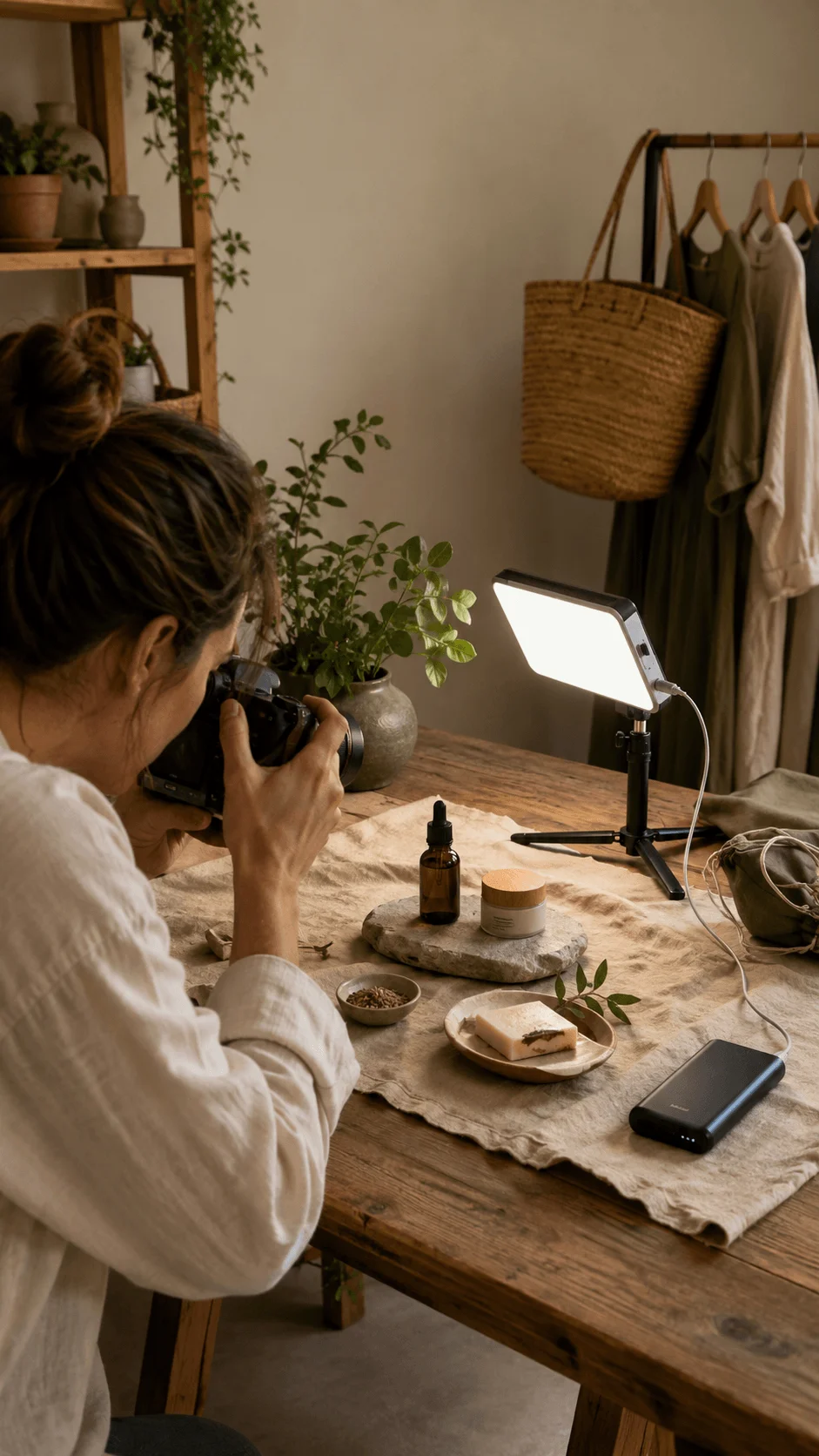
Another reason these lighting systems are becoming increasingly popular is their adjustable color temperature. Instead of using colored filters, photographers can quickly shift between warmer and cooler lighting depending on the mood they want to create. Warm lighting often complements sustainable lifestyle brands, handmade products, wellness businesses, and organic food photography, while cooler lighting may suit technology or modern interior photography.
Rechargeable lighting also encourages photographers to simplify their workflow. Rather than using several lights at once, many creators now focus on mastering a single high quality light combined with careful positioning and natural reflections. This approach not only conserves energy but also creates cleaner and more intentional compositions.
Beginners can start with one reliable rechargeable LED light instead of purchasing an expensive studio kit. As their skills develop, they learn how small adjustments in angle, distance, and intensity influence shadows, textures, and overall mood. This practical experience often leads to stronger photography skills than relying on large amounts of equipment.
Solar Powered Outdoor Photography Lighting
Solar powered lighting has moved far beyond decorative garden lights and has become an innovative tool for creative outdoor photography. As photographers search for ways to reduce electricity consumption while working on location, solar lighting offers an environmentally responsible solution that blends functionality with artistic expression.
Many outdoor portrait sessions now incorporate small solar powered lanterns, pathway lights, and decorative fixtures to create subtle evening illumination. Rather than overpowering a scene, these lights add gentle highlights that complement the natural environment. This approach creates images that feel authentic while reducing reliance on conventional power sources.
One of the greatest strengths of solar photography lighting is its ability to support storytelling. A sustainable fashion shoot in a garden illuminated by softly glowing solar lights immediately communicates values of environmental awareness and responsible living. Similarly, outdoor branding sessions for eco friendly businesses benefit from lighting choices that reinforce the client’s message without appearing forced.
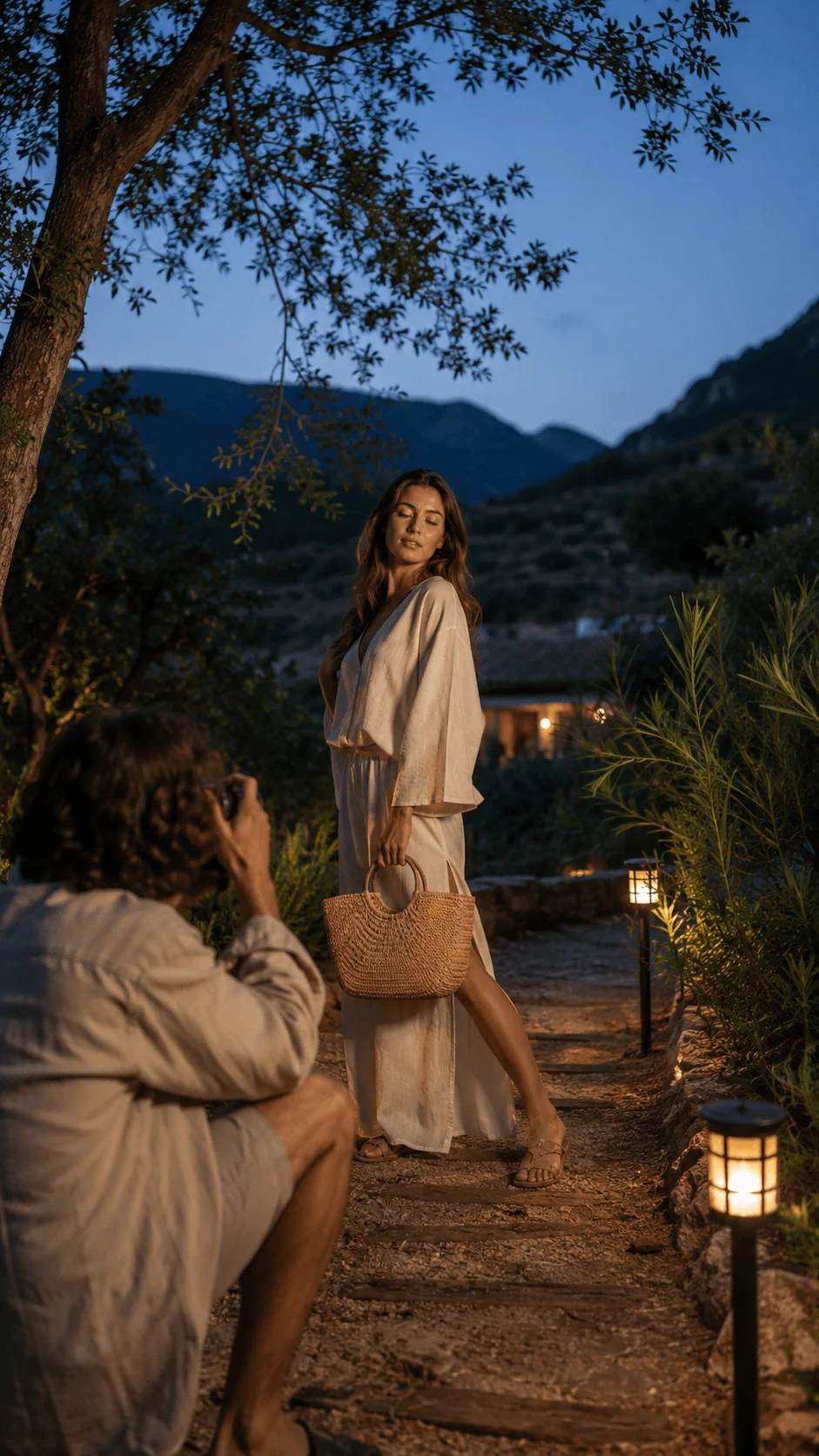
Photographers also appreciate the flexibility of solar lighting when working in remote locations. Forest trails, beaches, mountain viewpoints, and countryside landscapes often lack convenient electrical outlets. Solar powered lights eliminate many of these challenges while encouraging photographers to explore locations that were previously difficult to use after sunset.
Planning becomes especially important when using solar lighting because these lights depend on sunlight collected during the day. Photographers often charge multiple units before evening sessions to ensure consistent brightness throughout the shoot. Combining solar lights with the remaining natural twilight creates balanced exposures that preserve atmosphere without overwhelming the scene.
Another creative advantage is the gentle quality of illumination produced by many solar lights. Unlike extremely bright artificial lighting, solar fixtures often create soft pools of light that add depth and dimension while maintaining the peaceful mood of outdoor environments. This subtle lighting style has become increasingly popular for engagement sessions, travel photography, lifestyle portraits, and storytelling content designed for Pinterest and Instagram.
Layered Natural Lighting
Layered natural lighting has become one of the most creative approaches in Sustainable Aesthetic Photography Lighting because it focuses on shaping light instead of overpowering a scene with multiple artificial sources. Rather than depending on a single bright light, photographers carefully combine different forms of natural illumination to create depth, balance, and atmosphere.
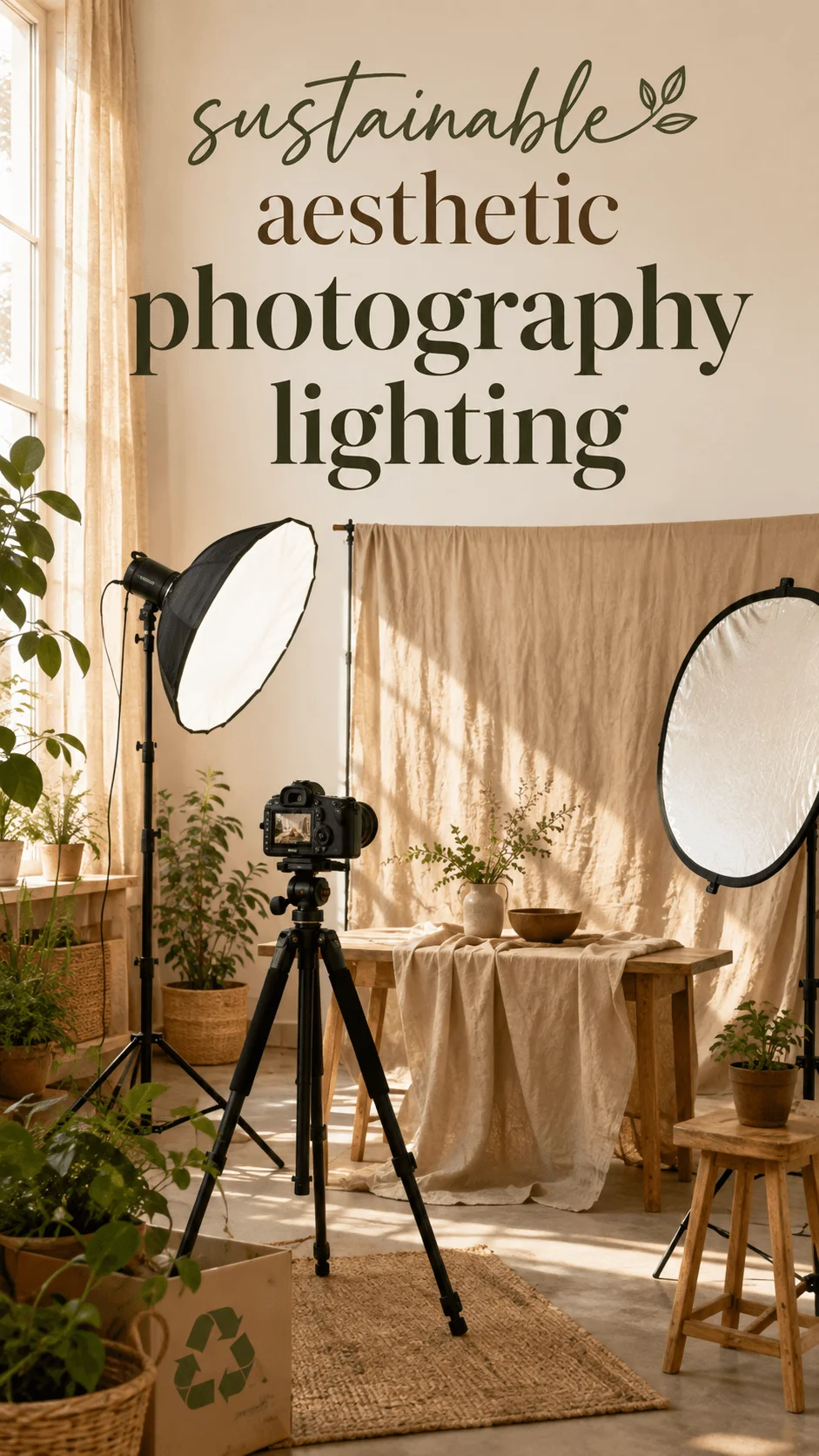
A common approach begins with soft window light as the primary source. Photographers then add a reflector to brighten shadowed areas while allowing the natural direction of light to remain visible. If the room becomes slightly darker, a small rechargeable LED light can provide a gentle fill without making the photograph look artificial. The result is a balanced image that feels realistic and visually pleasing.
This technique works exceptionally well for portraits, product photography, food photography, and interior photography because it creates gradual transitions between highlights and shadows. Images appear more three dimensional, allowing textures and fine details to stand out naturally.
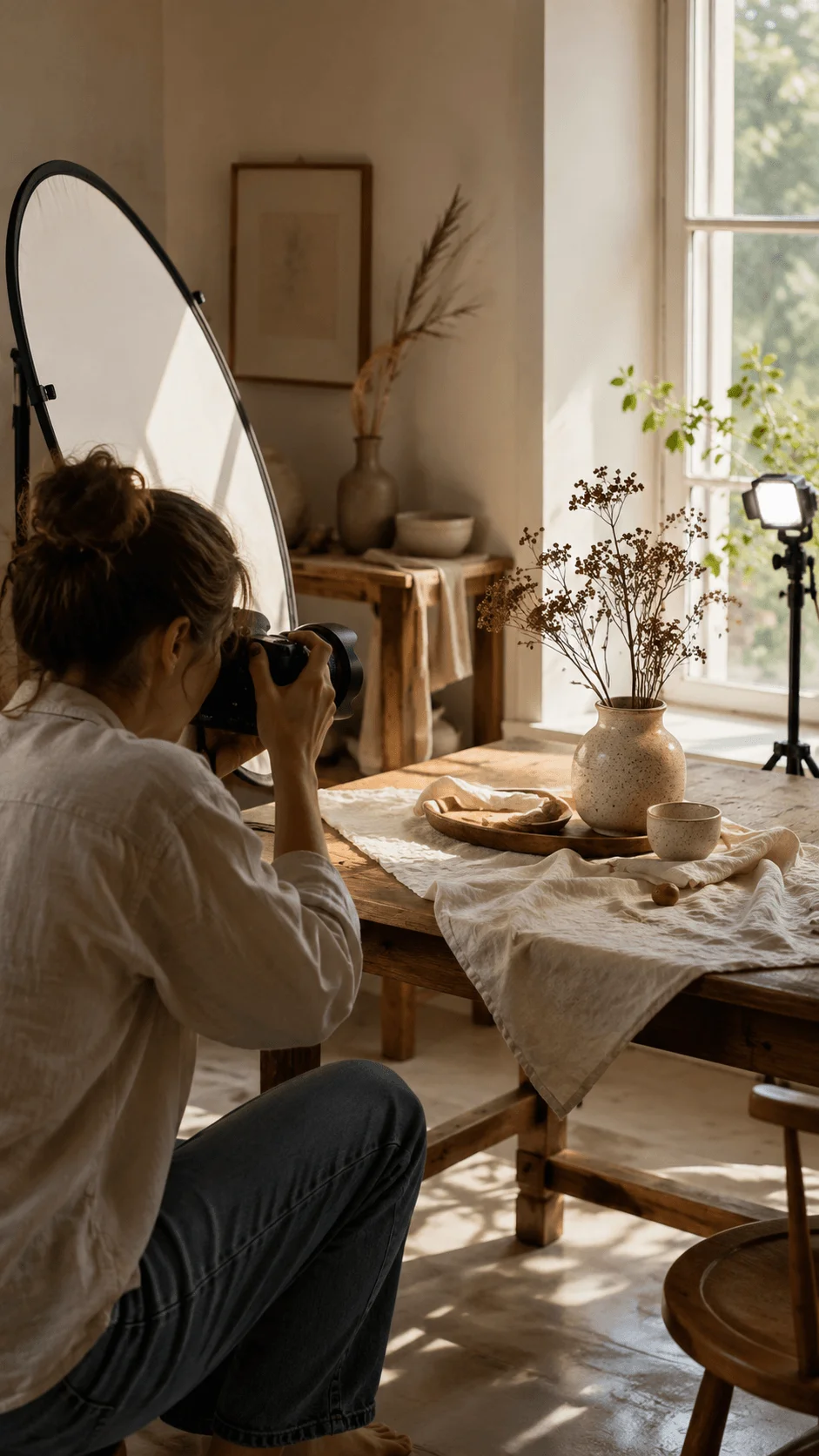
Another reason photographers love layered lighting is its flexibility. Every location offers different lighting conditions, and photographers can adapt by observing how sunlight reflects from walls, floors, or nearby surfaces. White walls often act as natural reflectors, while wooden furniture adds warmth that enhances the overall mood.
Beginners sometimes believe they need expensive lighting equipment to create professional photographs, but layered lighting proves that careful observation is often more valuable than costly gear. Understanding how different light sources interact helps photographers produce elegant images while keeping their environmental impact low.
Biophilic Lighting Setups
Biophilic design continues to influence architecture, interior decoration, and photography because it strengthens the connection between people and nature. In photography, this concept has inspired lighting techniques that work with natural surroundings instead of competing against them.
A biophilic lighting setup uses sunlight together with plants, leaves, wooden textures, flowers, stone, and other natural elements to produce soft organic shadows and highlights. Instead of creating perfectly even lighting, photographers embrace the irregular patterns formed by leaves and branches. These natural shadows add depth, movement, and emotion to an image.
Lifestyle photographers frequently use this approach for wellness brands, skincare products, handmade goods, and home decor because it communicates calmness and authenticity. Portrait photographers often place subjects near large windows where sunlight filters through indoor plants, creating delicate shadow patterns across the background without distracting from the subject.
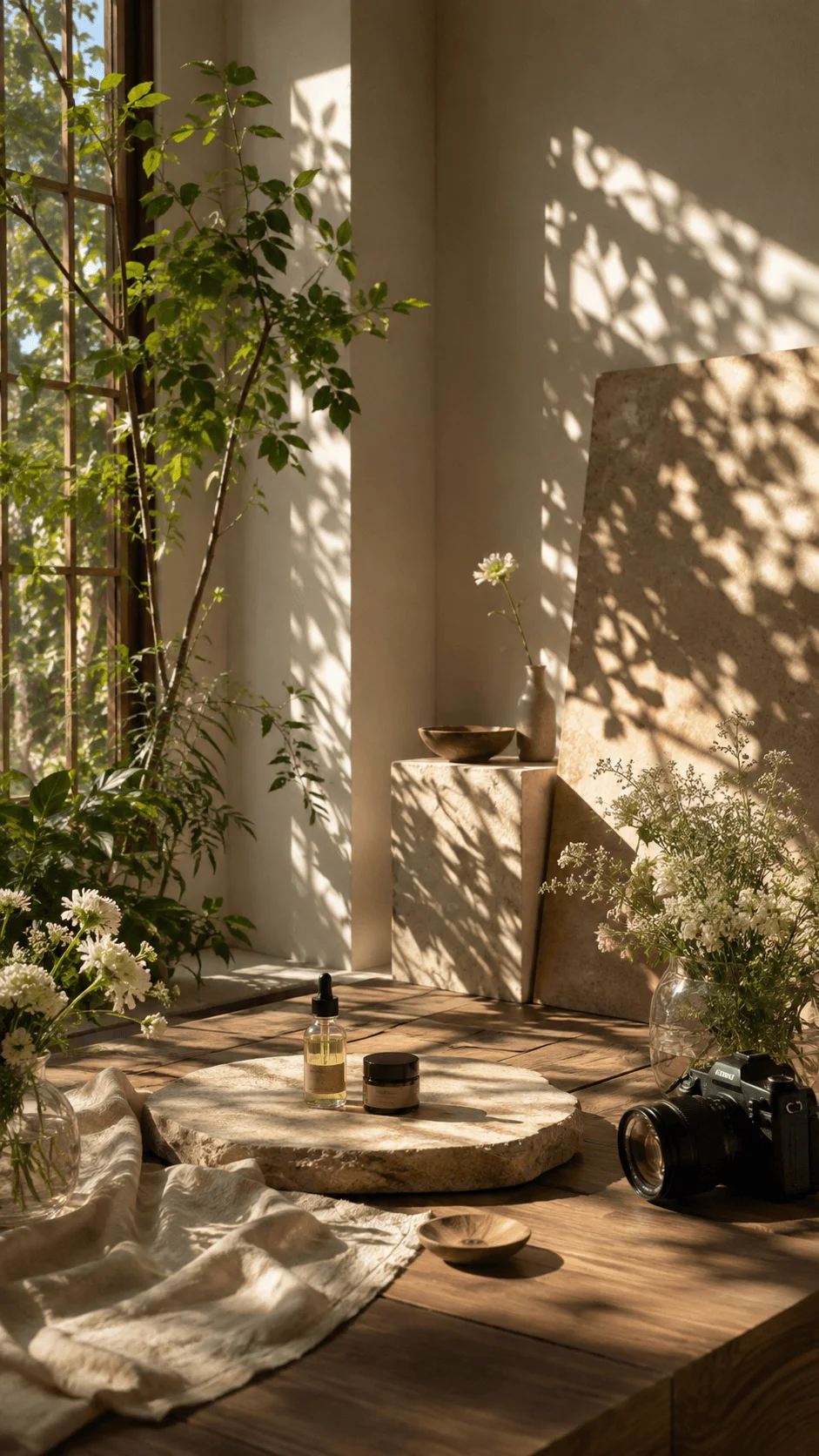
This trend also supports sustainability because it encourages photographers to use existing natural elements instead of purchasing artificial props. A simple collection of houseplants or branches gathered responsibly from a garden can completely transform a photography space.
Timing plays an important role in biophilic photography lighting. Morning and late afternoon sunlight usually creates softer shadows that feel more natural than harsh midday light. Moving plants only a few centimeters can dramatically change the direction and intensity of the shadows, allowing photographers to experiment with countless creative compositions.
As more brands embrace nature inspired marketing, biophilic lighting continues to grow as one of the most valuable sustainable photography lighting ideas for modern visual storytelling.
Warm Sunset Inspired Color Temperature
Warm lighting has become one of the defining characteristics of modern aesthetic photography because it creates inviting, emotional, and timeless images. Many photographers now intentionally recreate the golden warmth of sunset even when shooting indoors.
Color temperature plays a significant role in achieving this look. Instead of using bright white light, photographers often choose warmer tones that resemble the soft glow seen during golden hour. This gentle warmth flatters skin tones, enhances wooden textures, and creates an atmosphere that feels comfortable and welcoming.
The popularity of this style reflects a shift away from overly bright commercial photography. Audiences increasingly prefer photographs that feel genuine and emotionally engaging. Warm natural photography lighting supports this preference by producing images that appear relaxed rather than heavily manufactured.
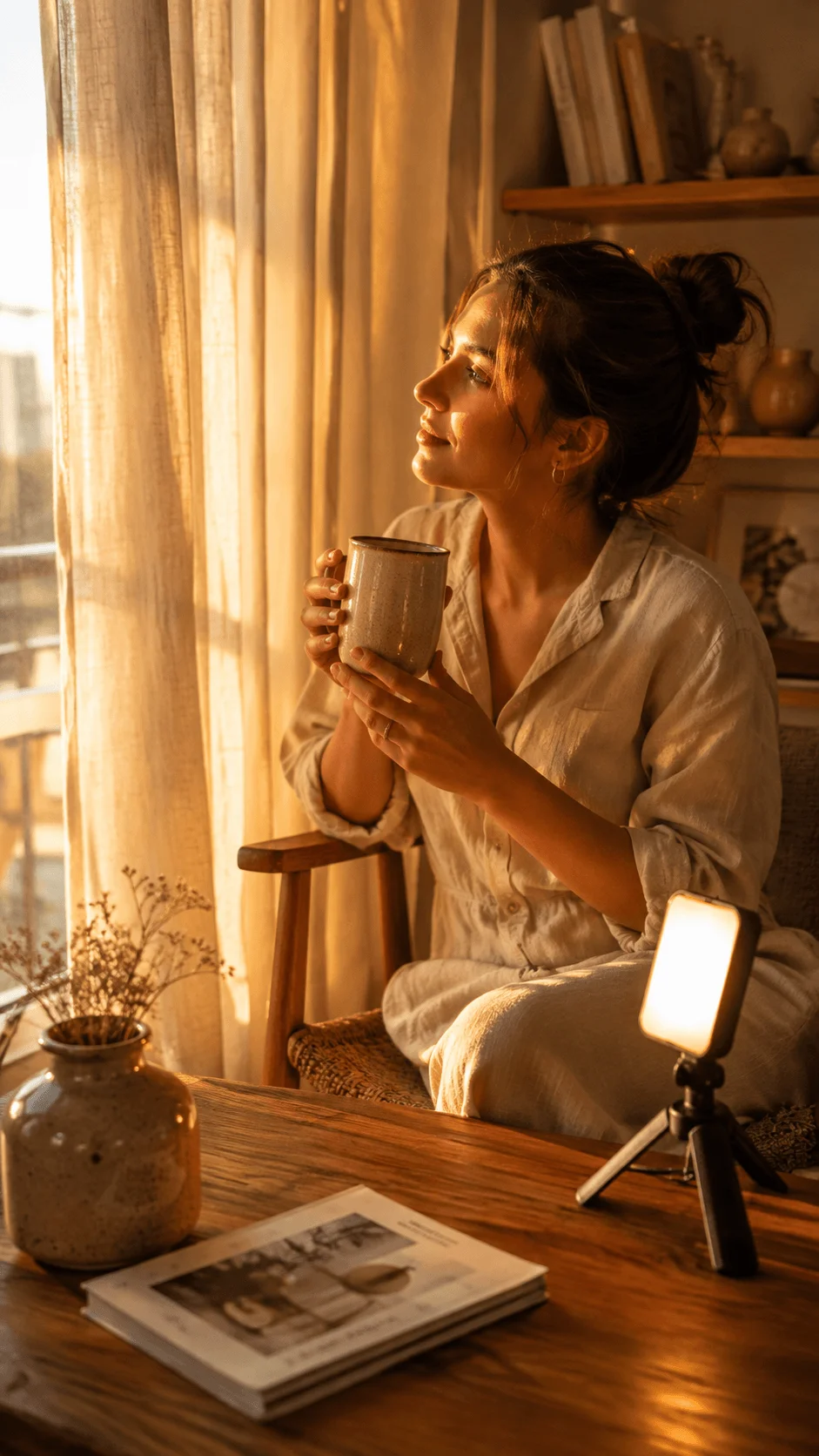
Photographers can achieve this effect in several sustainable ways. Natural golden hour sunlight remains the best option because it requires no electricity while producing beautiful colors. When shooting indoors after sunset, rechargeable LED lights with adjustable color temperature provide an energy efficient alternative that closely matches natural warmth.
This lighting style works beautifully for portraits, cafes, restaurants, weddings, travel photography, branding sessions, and lifestyle content. It also pairs naturally with neutral color palettes, recycled wooden furniture, linen fabrics, and handmade products, creating cohesive visual stories that reflect sustainable living.
Avoid increasing warmth excessively during editing because unrealistic orange tones can reduce image quality. Instead, focus on capturing balanced warm light directly during the photography session whenever possible.
Vintage Lamps And Second Hand Lighting
One of the most interesting developments in sustainable photography is the growing appreciation for vintage lighting equipment. Rather than constantly purchasing the newest accessories, photographers are discovering the creative value of second hand lamps, antique fixtures, and restored lighting pieces.
Vintage lamps often produce unique lighting that cannot easily be replicated with modern equipment. Their softer glow, textured lampshades, and distinctive designs contribute character that enhances storytelling without requiring expensive studio setups.
This trend also supports the circular economy by extending the life of existing products instead of creating demand for new manufacturing. Purchasing second hand lighting reduces waste while encouraging photographers to think creatively about the tools they already own.
Interior photographers frequently incorporate vintage table lamps into home styling sessions because they create authentic environments that feel lived in rather than staged. Product photographers use antique lighting to complement handmade goods, books, candles, ceramics, and sustainable fashion collections.
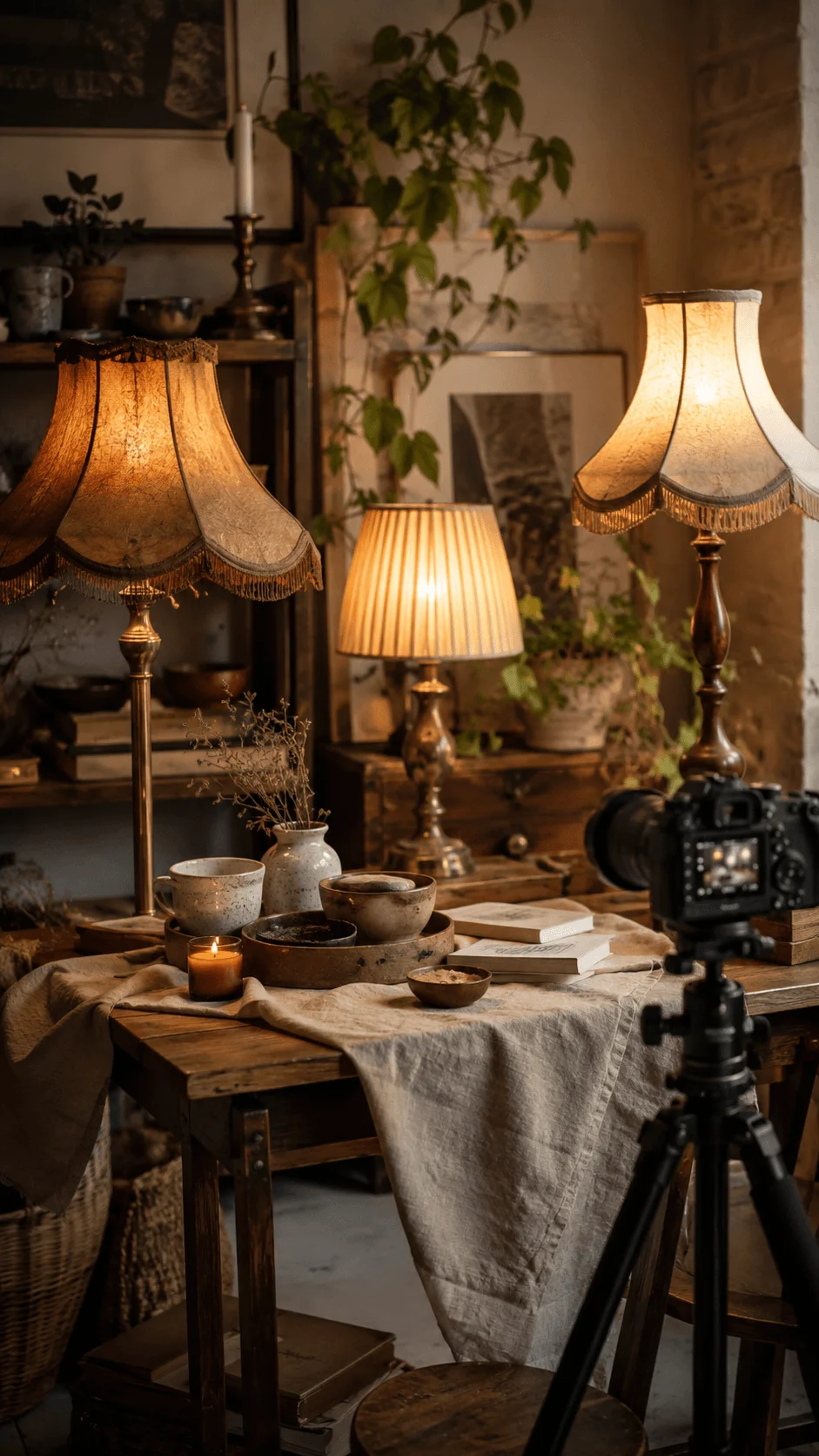
Restoring an older lamp with an energy efficient LED bulb combines classic design with modern sustainability. This simple upgrade reduces energy consumption while preserving the charm of vintage craftsmanship.
Beginners often overlook second hand shops and local markets when searching for photography equipment, yet these places frequently contain affordable lighting that adds originality to creative work. Every restored lamp tells a story, making photographs more memorable while reducing environmental impact.
Light Pollution Conscious Night Photography
Night photography traditionally relies on bright artificial lighting, but many photographers now recognize the importance of reducing unnecessary light pollution. This growing awareness has inspired more thoughtful approaches to photographing landscapes, cities, and outdoor portraits after sunset.
Instead of flooding an area with powerful lights, photographers carefully evaluate existing illumination before introducing additional light. Moonlight, streetlights, decorative lighting, or small rechargeable LEDs often provide enough brightness to create striking compositions while preserving the natural atmosphere.
This approach benefits both the environment and the final image. Excessive lighting can flatten textures, remove dramatic shadows, and distract viewers from the subject. Softer lighting preserves depth while maintaining the peaceful mood associated with nighttime scenes.
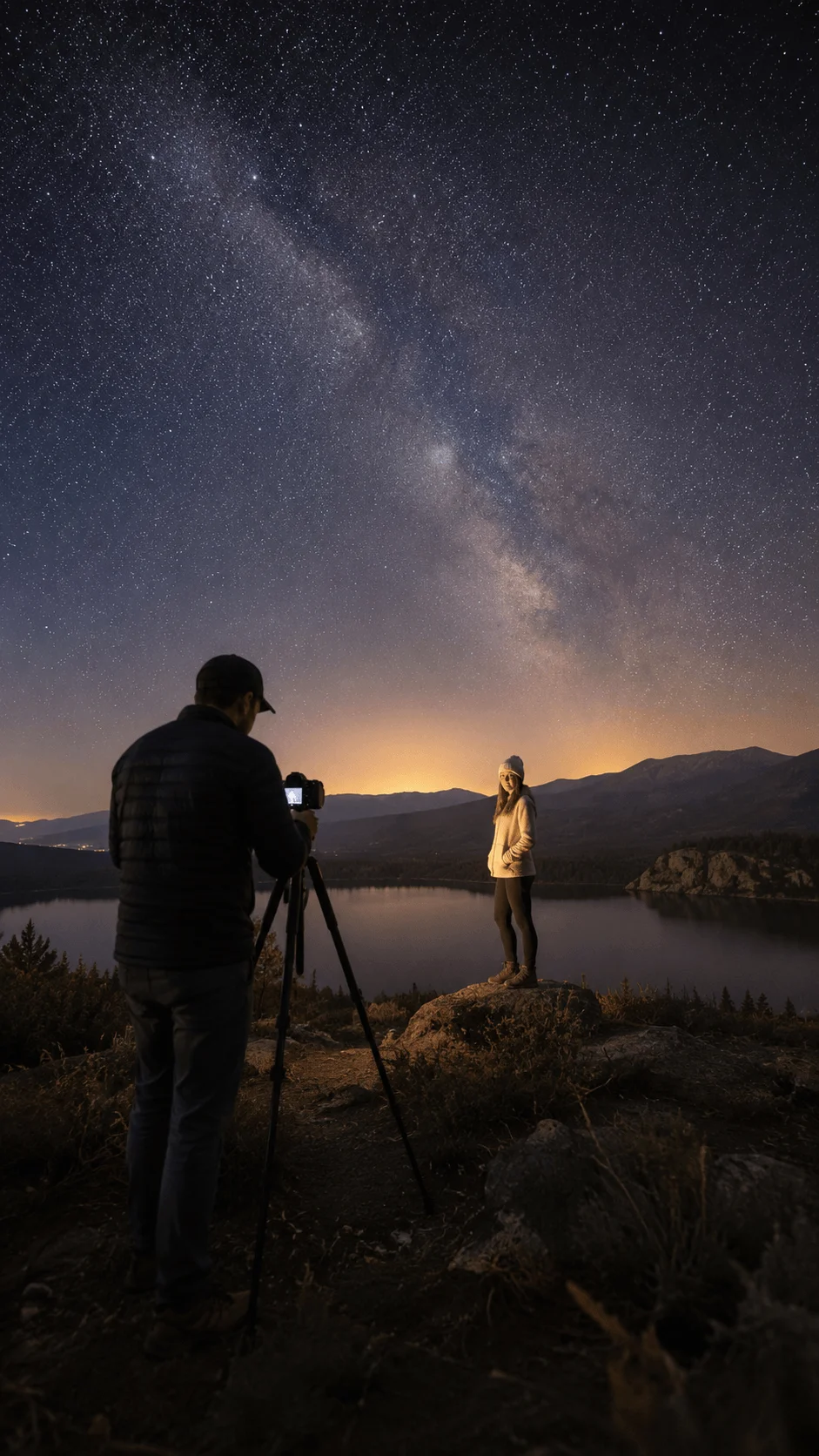
Landscape photographers increasingly travel to locations with lower levels of artificial light to capture clearer stars and natural skies. Outdoor portrait photographers often position subjects near existing light sources instead of bringing multiple lighting systems to every location.
Planning becomes especially important because photographers must understand weather conditions, moon phases, and available ambient light before beginning a session. Careful preparation reduces the need for unnecessary equipment and encourages more intentional photography.
Light pollution conscious photography reflects a broader commitment to respecting natural environments while producing visually compelling images that remain authentic.
Minimal Gear Lighting
Minimalist photography has become more than a design trend. It now influences the way photographers think about equipment, workflow, and sustainability.
Many professionals who once carried several lighting kits now complete entire sessions using only one rechargeable LED light, one reflector, and available natural light. This simplified approach reduces energy consumption while allowing photographers to move more freely between locations.
Working with fewer tools encourages stronger technical skills because photographers must understand light rather than depending on equipment to solve every problem. They begin paying closer attention to window placement, shadow direction, reflective surfaces, and natural color temperature.
Minimal gear lighting also reduces travel weight, setup time, and storage requirements. Travel photographers appreciate carrying lighter bags during long journeys, while wedding photographers can respond more quickly to changing conditions without assembling complicated lighting systems.
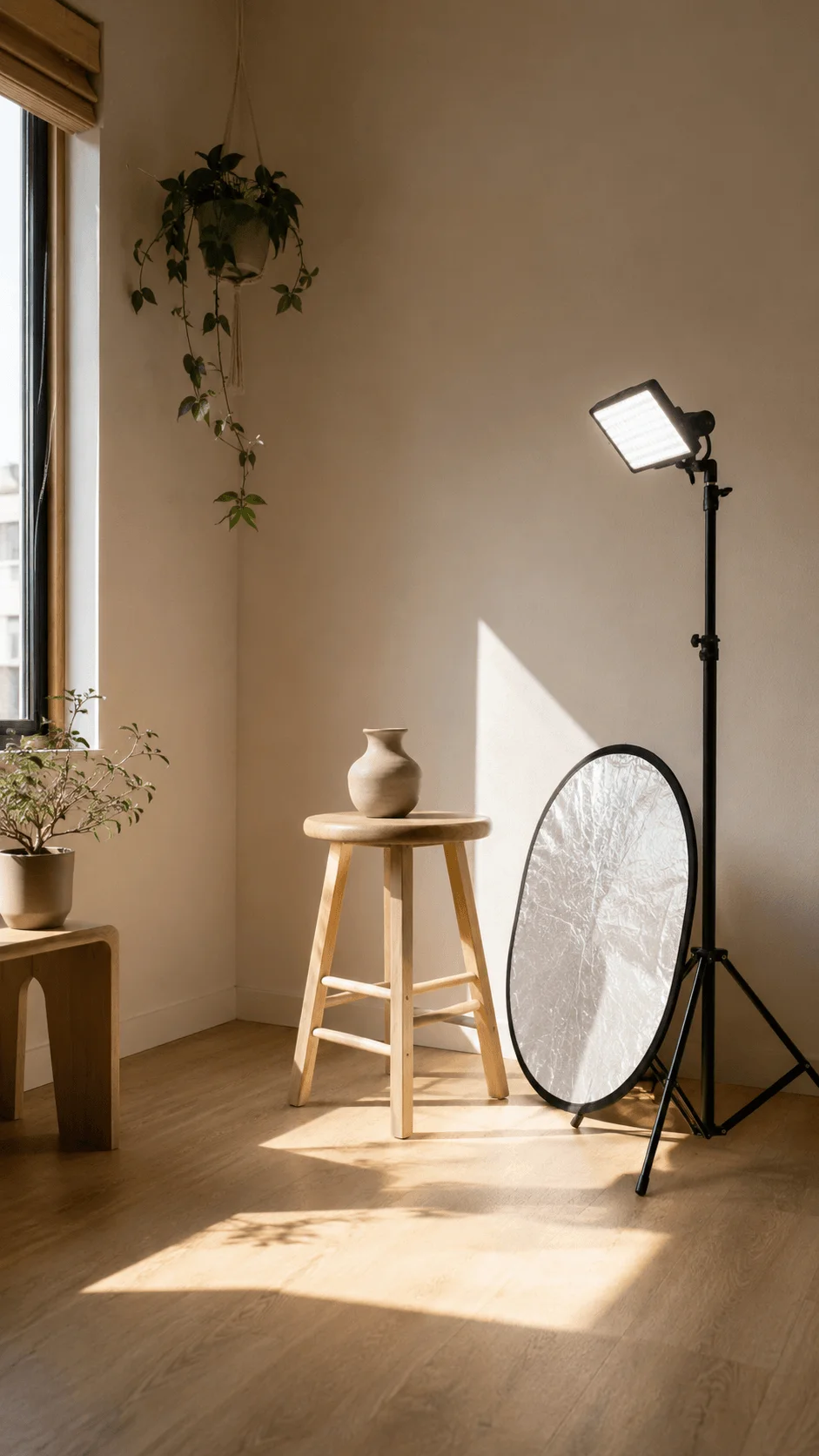
Financially, this approach benefits beginners who may not have large budgets. Investing in one dependable light and learning to use it effectively often produces better long term results than purchasing several inexpensive lights that quickly become outdated.
The growing popularity of minimalist photography lighting reflects a simple philosophy that creativity comes from knowledge rather than equipment.
Organic Shadow Photography
Shadows have traditionally been viewed as problems that needed correction, but modern photographers increasingly treat them as creative design elements. Organic shadow photography celebrates naturally formed patterns that add emotion and visual interest.
Leaves, flowers, woven baskets, lace curtains, recycled fabrics, bamboo screens, and textured glass all produce distinctive shadows that transform simple scenes into artistic compositions. Because these materials already exist in many homes, photographers can experiment without purchasing specialized equipment.
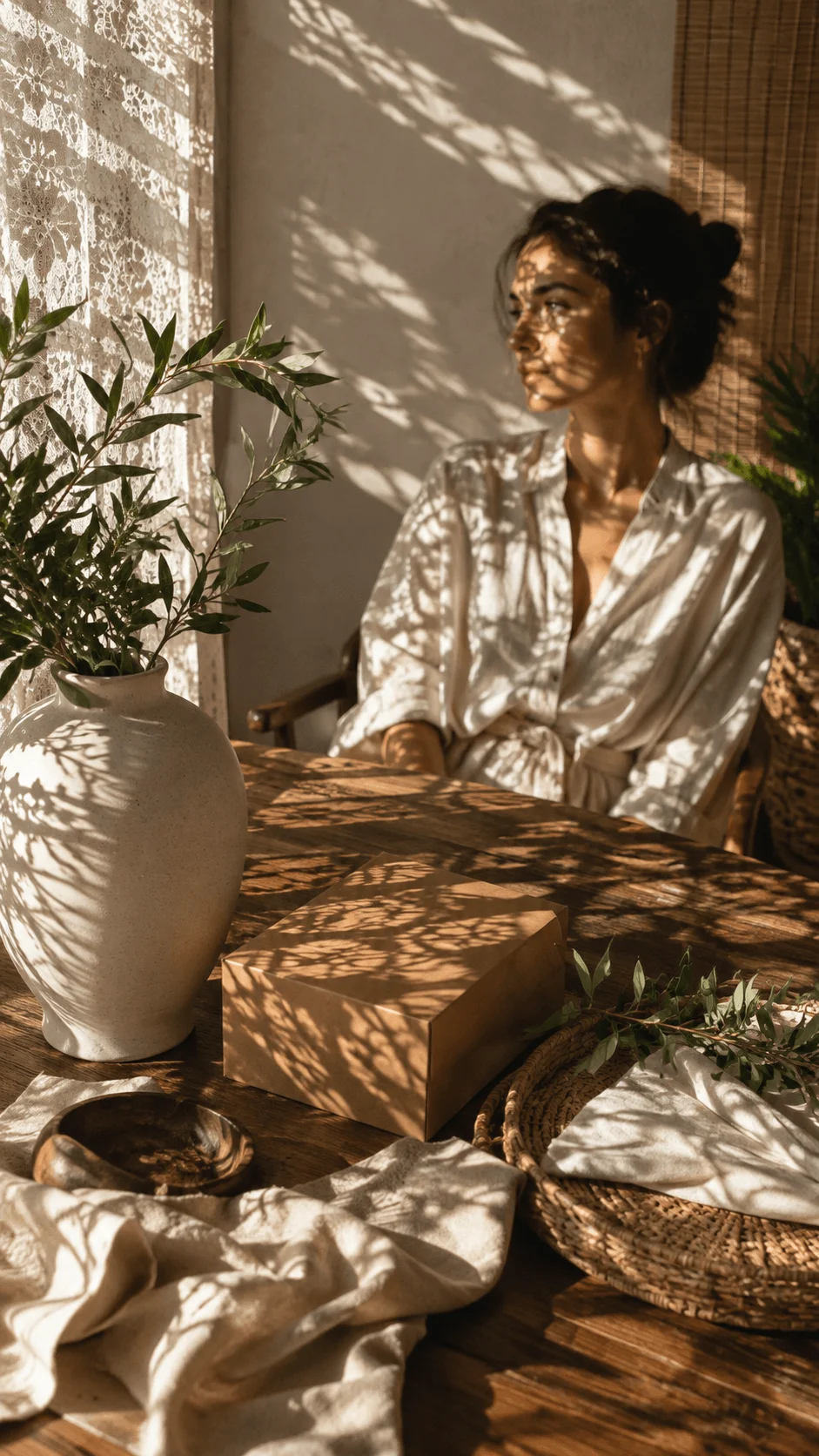
Portrait photographers often project leaf shadows across backgrounds to create subtle depth, while product photographers use textured shadows to highlight handcrafted goods and sustainable packaging. Food photographers also use natural shadows to make ingredients appear more fresh and realistic.
The success of this technique depends on careful observation rather than expensive gear. Small adjustments in sunlight direction can completely change the shape and softness of the shadows, creating endless creative possibilities throughout the day.
Organic shadow photography demonstrates that sustainable creativity often begins by appreciating natural light instead of trying to eliminate every imperfection.
Story Driven Sustainable Lighting
Photography is most powerful when lighting supports the story being told. Modern photographers increasingly use sustainable lighting choices to communicate values such as slow living, environmental responsibility, craftsmanship, and mindful consumption.
Instead of selecting lighting only for technical reasons, photographers now ask how light contributes to the emotional message. Soft morning light may represent new beginnings, while warm evening light can suggest comfort and reflection. These subtle choices influence how viewers interpret an image.
Eco conscious brands especially appreciate lighting that reinforces their identity. Handmade products photographed in natural sunlight often feel more trustworthy than products surrounded by artificial studio effects. Sustainable fashion brands also benefit from outdoor lighting that highlights natural textures and authentic colors.
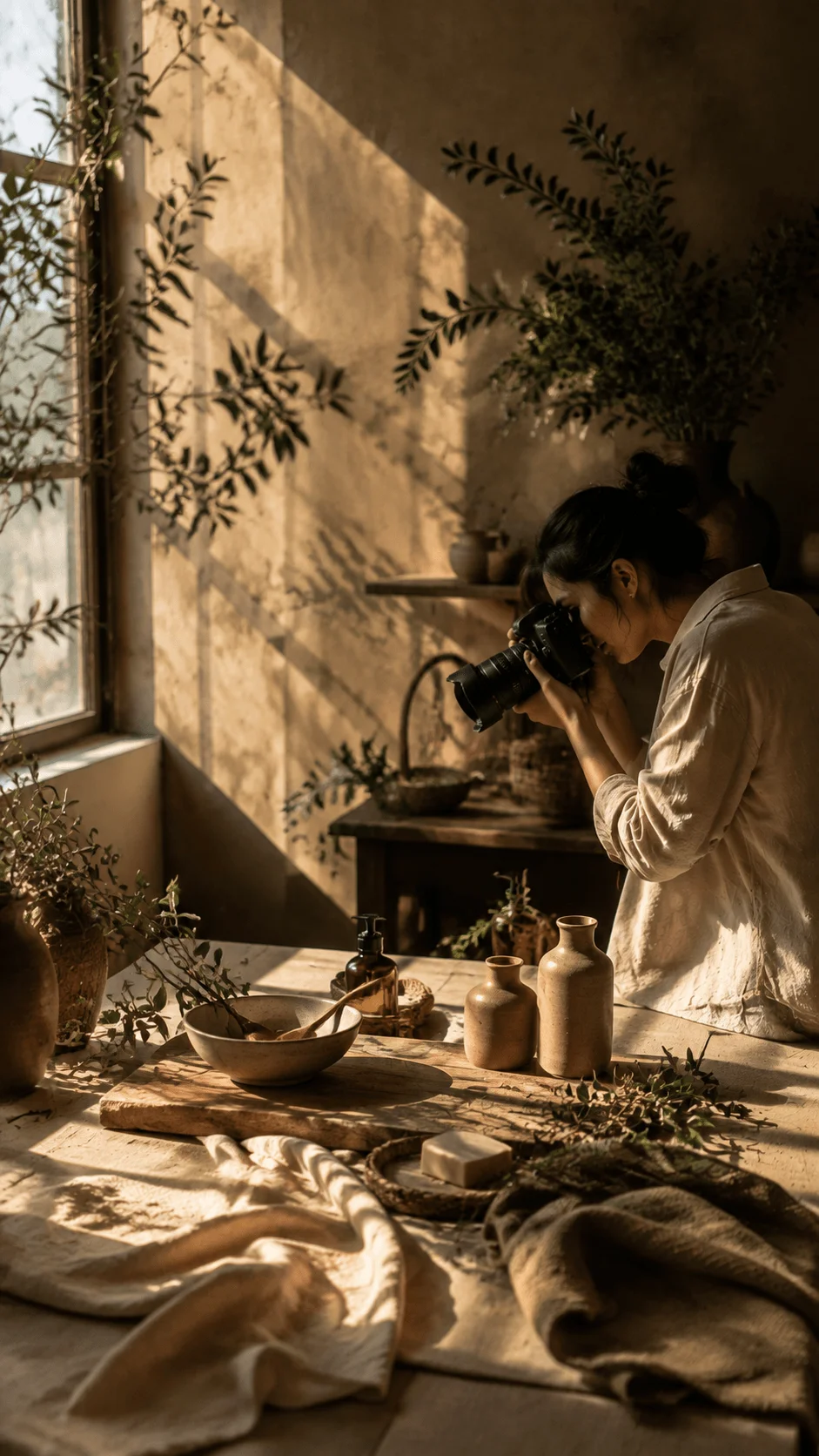
Story driven lighting encourages photographers to think beyond exposure settings. Every beam of light, every shadow, and every reflection becomes part of the visual narrative.
As consumers increasingly value authenticity, photographers who master storytelling through sustainable lighting gain an important creative advantage.
Soft Diffused Lighting Using Sustainable Materials
Soft diffused lighting remains one of the most flattering techniques in photography because it reduces harsh shadows while producing balanced highlights. Instead of purchasing plastic diffusion accessories, many photographers now experiment with sustainable materials that perform the same function.
Linen curtains, organic cotton fabric, recycled white cloth, and lightweight paper can all soften direct sunlight effectively. These materials create gentle transitions between light and shadow while reducing reliance on synthetic accessories.
Portrait photographers use diffused light to create smooth skin tones, while product photographers appreciate its ability to reveal texture without distracting reflections. Food photographers also rely on soft light because it preserves natural colors while preventing harsh highlights on glossy surfaces.
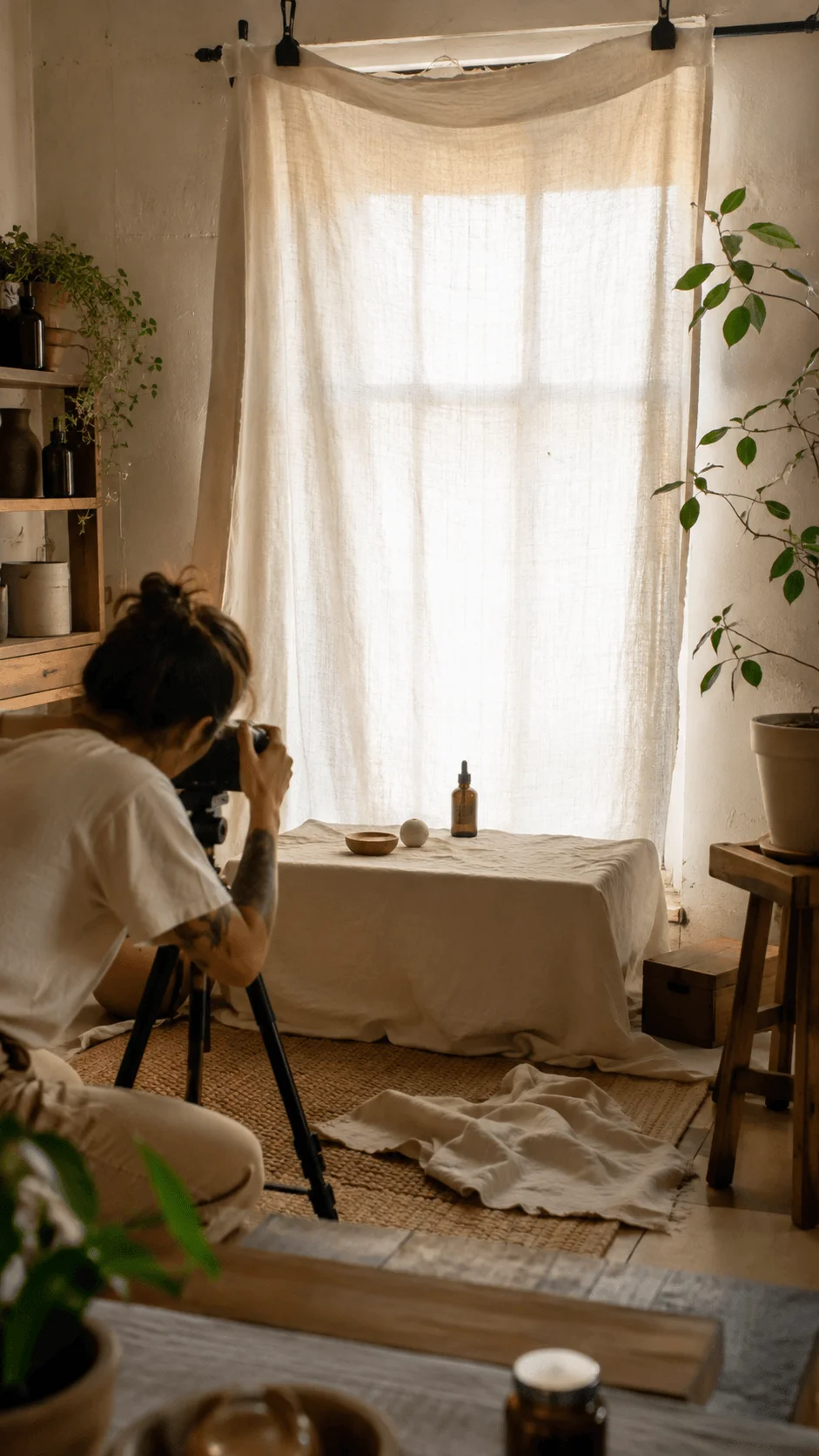
Experimentation is important because every fabric diffuses light differently. Some materials create extremely soft illumination, while others preserve stronger contrast. Understanding these differences helps photographers choose the right material for each subject.
This approach proves that professional quality lighting does not always require expensive equipment. Creative use of sustainable materials often delivers beautiful results while supporting environmentally responsible photography.
Common Sustainable Photography Lighting Mistakes to Avoid
Many photographers unknowingly reduce both image quality and sustainability by using excessive artificial lighting even when natural light is available. Learning to observe existing light before adding equipment often produces more authentic photographs while conserving energy.
Another common mistake involves purchasing unnecessary gear simply because it is fashionable. Expanding equipment collections without mastering existing tools increases waste and rarely improves creativity. Poor color temperature choices can also make photographs appear unnatural, especially when warm and cool light sources are mixed without planning.
Ignoring the direction of sunlight, failing to diffuse harsh midday light, and overlooking reflections from nearby surfaces often result in avoidable editing work. Careful planning before each session usually leads to better photographs while reducing time spent correcting mistakes afterward.
Future Trends in Eco Friendly Photography Lighting
The future of photography lighting will combine sustainability with rapidly advancing technology. Artificial intelligence is beginning to help photographers predict natural lighting conditions, making it easier to schedule sessions that maximize available sunlight. Smart LED systems continue becoming more energy efficient while offering greater control through mobile devices.
Renewable energy solutions will likely become more common in outdoor photography as portable solar charging systems improve. Manufacturers are also exploring biodegradable accessories, recyclable packaging, and longer lasting equipment that supports environmentally responsible production.
Sustainable photography studio setup designs are expected to prioritize natural daylight, efficient insulation, recycled construction materials, and lower electricity consumption. As clients increasingly value environmental responsibility, photographers who embrace these innovations will remain well positioned for future creative opportunities.
Conclusion
Sustainable Aesthetic Photography Lighting is more than a passing trend because it represents a thoughtful approach to creating meaningful photographs while reducing environmental impact. By using natural light, rechargeable lighting systems, solar powered solutions, vintage equipment, organic shadows, and creative storytelling techniques, photographers can produce visually striking images without relying on excessive resources. These methods not only lower costs and energy consumption but also encourage stronger creative skills through careful observation and intentional lighting choices. As photography continues to evolve, embracing sustainable practices will help photographers create authentic work that resonates with modern audiences while supporting a more responsible and environmentally conscious future.