12 Sustainable Fashion Design Ideas for Future Designers
Fashion has always reflected human creativity, culture, and personal identity, but the industry is now experiencing a major transformation. Growing concerns about textile waste, pollution, climate change, and excessive consumption are encouraging designers to rethink how clothing is created, produced, and used. Modern designers are moving beyond traditional approaches and exploring technology, science, and nature to create better solutions. These sustainable fashion design ideas represent a new generation of clothing concepts that focus on environmental responsibility, innovation, and long term value.
The fashion industry produces millions of tons of textile waste every year, while many garments still follow a short life cycle that ends in landfills. Sustainable design offers a different approach by creating clothing that uses fewer resources, lasts longer, and supports healthier ecosystems. In 2026, sustainable fashion is not limited to organic fabrics or recycled materials. Designers are experimenting with artificial intelligence, regenerative materials, circular systems, digital clothing, and smart textiles to create the future of fashion.
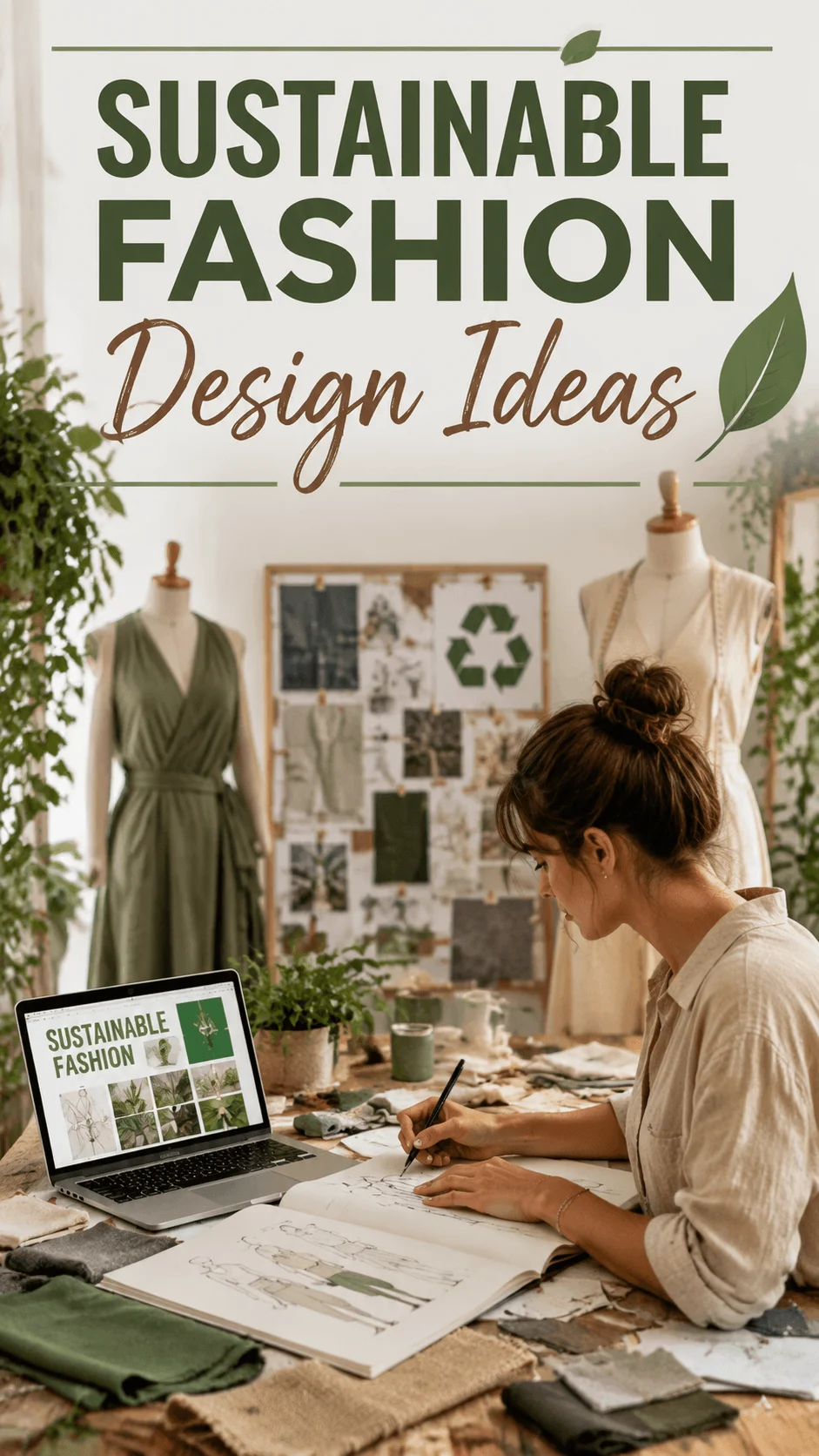
These new approaches are helping fashion become more creative and responsible at the same time. Students, independent designers, and major fashion brands are discovering that sustainability can inspire unique designs rather than limit creativity. From garments made with biological materials to clothing that adapts to different needs, the future of fashion focuses on combining beauty with environmental awareness.
Sustainable Fashion Design Ideas Using Artificial Intelligence
Artificial intelligence has become one of the most exciting developments in modern fashion design. Designers are now using AI tools to improve creativity, reduce waste, and make better decisions during the development process. Instead of creating multiple physical samples, designers can use digital simulations to test different colours, patterns, materials, and shapes before production begins.
AI powered fashion systems can analyze customer preferences, predict future trends, and suggest designs that match consumer needs. This helps brands avoid overproduction because they can understand demand before manufacturing large quantities. Traditional fashion production often creates excess inventory that eventually becomes waste, but intelligent design systems can create a more efficient process.

Another important advantage of AI is waste reduction. Artificial intelligence can study fabric patterns and recommend cutting methods that use materials more effectively. This approach supports zero waste manufacturing because designers can identify opportunities to reduce leftover fabric during production.
Fashion students can also explore AI based projects by combining digital design tools with sustainability concepts. For example, students can create virtual collections that show how technology can support environmentally responsible clothing. AI does not replace human creativity; instead, it provides designers with new opportunities to experiment and develop innovative concepts.
As technology continues to improve, artificial intelligence will likely become an important part of future fashion studios. The combination of human imagination and machine assistance can create clothing that is more personalized, efficient, and environmentally friendly.
Zero Waste Fashion Design Ideas for Reducing Textile Waste
Zero waste fashion design focuses on creating garments that use almost every part of a fabric sheet. Traditional clothing production often involves cutting patterns that leave behind large amounts of unused material. These small fabric pieces may become difficult to recycle and often contribute to textile waste.
Zero waste designers approach garment construction differently. Instead of following traditional patterns, they create designs where fabric cutting and garment shape work together. Geometric patterns, creative folding techniques, and innovative construction methods allow designers to produce clothing with minimal waste.
This concept encourages designers to think about the entire life cycle of a garment. The goal is not only to create attractive clothing but also to consider how resources are used during production. A zero waste dress, jacket, or accessory demonstrates that sustainability can exist alongside modern fashion aesthetics.
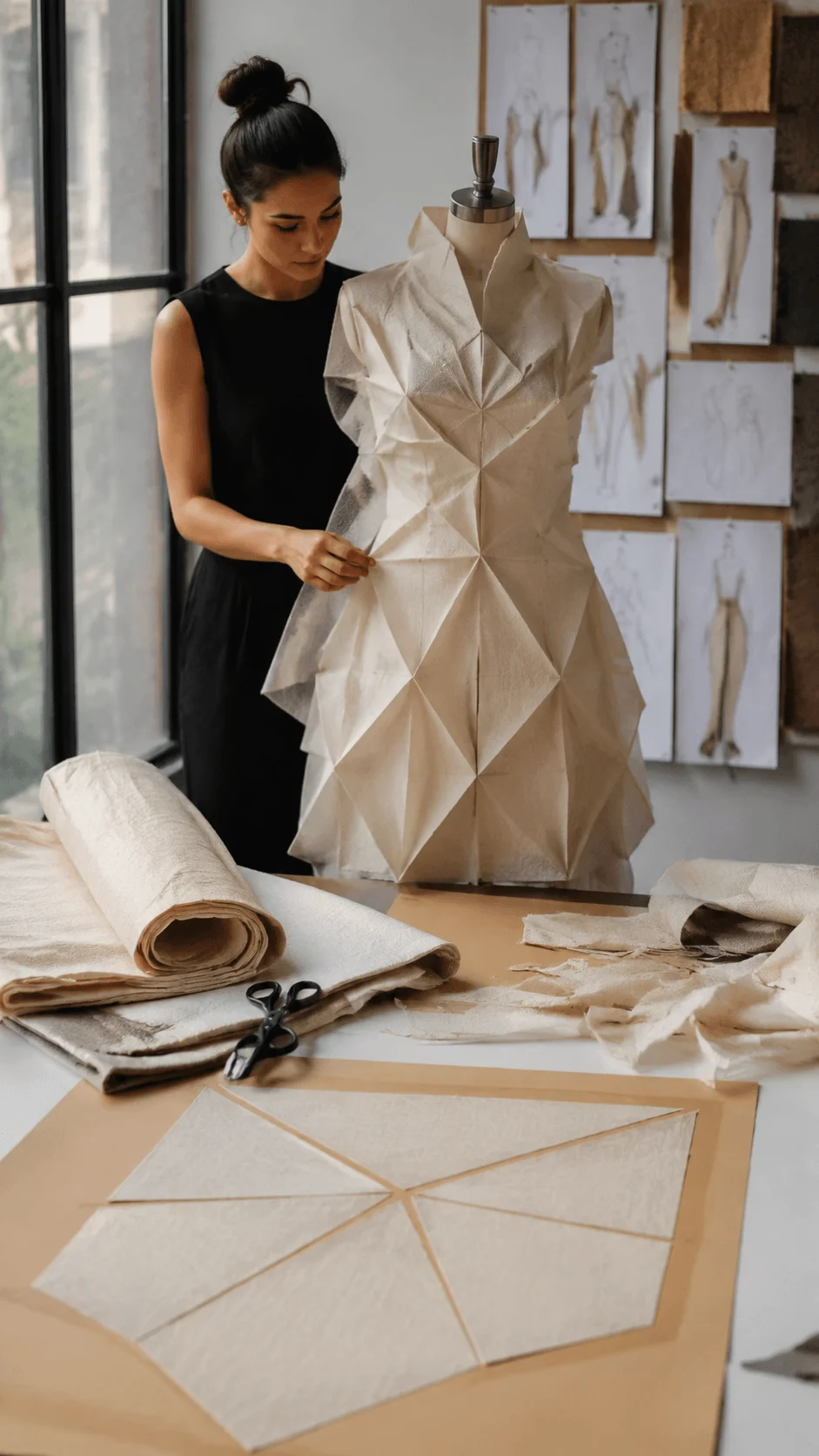
Many fashion students use zero waste methods as creative challenges because they encourage problem solving. A designer must carefully plan every section of fabric and find ways to transform limitations into unique design features. This process often produces garments with unusual shapes and artistic value.
Zero waste fashion is becoming increasingly popular because consumers are looking for clothing that represents responsibility and creativity. It shows that sustainable design can create completely new styles rather than simply copying traditional fashion methods.
Upcycled Fashion Design Ideas Using Vintage and Waste Materials
Upcycling has become one of the most popular movements in sustainable fashion because it transforms existing materials into valuable new products. Unlike recycling, which often breaks materials down before creating something new, upcycling keeps the original material and gives it a different purpose.
Designers are using old clothing, damaged fabrics, and unused garments to create unique fashion pieces. An old denim jacket can become a modern patchwork coat, while outdated shirts can transform into creative dresses or accessories. These designs often have a special character because every reused material carries its own history.
Upcycled fashion also challenges the idea of disposable clothing. Instead of replacing garments whenever trends change, consumers can redesign existing pieces and create something personal. This approach reduces demand for new resources and decreases the amount of clothing sent to waste facilities.
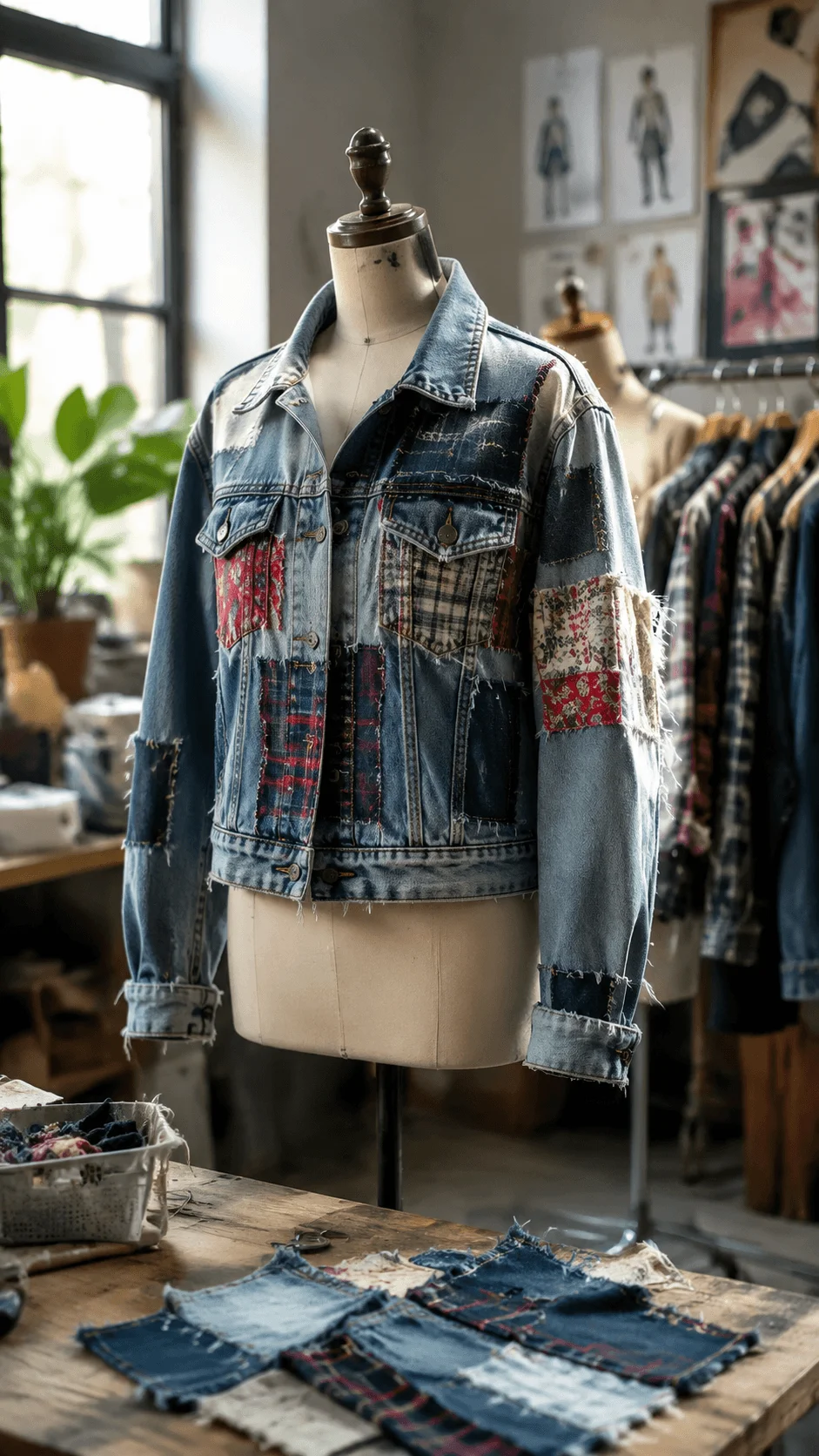
Many independent designers are using upcycling as a way to create limited edition collections. Because every recycled material is different, each piece becomes unique. This creates a connection between the designer, the garment, and the person who wears it.
For students, upcycled fashion projects provide an affordable way to explore creativity. They can experiment with old clothes, leftover fabrics, and household materials to create innovative designs. These projects also teach important lessons about resource conservation and responsible consumption.
Regenerative Fashion Design and Nature Restoring Materials
Regenerative fashion represents a new stage in sustainable clothing development. While traditional sustainability focuses on reducing environmental harm, regenerative approaches aim to actively improve natural systems. This means fashion can become part of the solution by supporting healthier ecosystems.
One important area of regenerative fashion is agriculture. Many natural fibres depend on farming systems that affect soil quality, water resources, and biodiversity. Regenerative farming methods focus on improving soil health, protecting wildlife, and creating stronger ecosystems. Materials produced through these methods can provide environmental benefits beyond simple sustainability.
Regenerative cotton is an example of how agriculture and fashion can work together. Instead of exhausting farmland, regenerative practices help restore soil nutrients and support long term productivity. This creates a connection between clothing and environmental restoration.
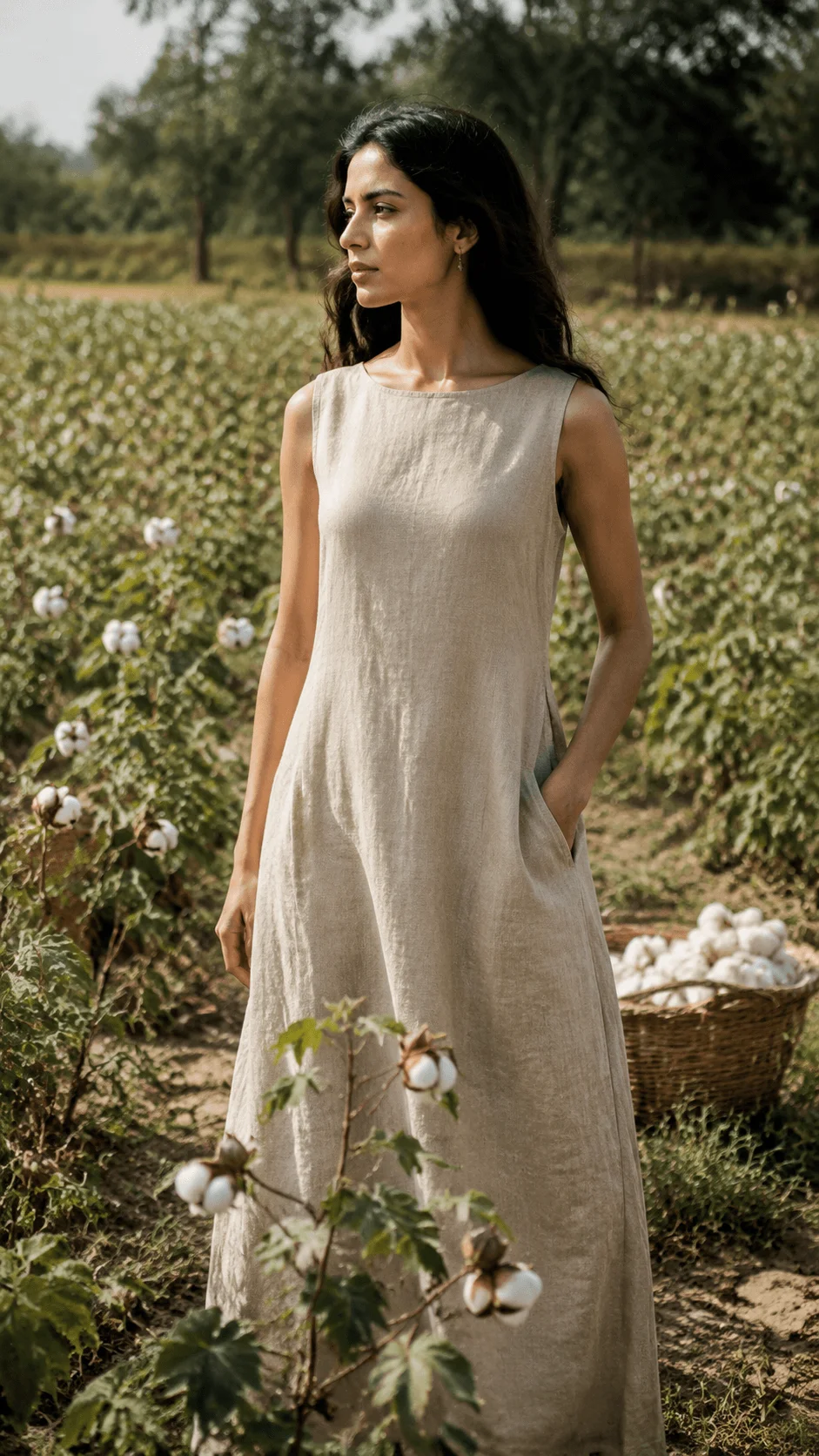
Designers are also exploring other regenerative materials that support natural processes. Future clothing may use fibres that come from farming systems designed to capture carbon, protect biodiversity, and improve land quality.
The growth of regenerative fashion shows that the future of clothing is not only about causing less damage. It is about creating positive environmental impact. These approaches are becoming important sustainable fashion design ideas because they connect fashion with the health of the planet.
Biofabricated Fashion Materials Creating the Future of Clothing
Science is introducing completely new possibilities for fashion materials through biotechnology. Biofabricated materials are created using biological processes and offer alternatives to traditional textiles that may require more resources or create environmental problems.
One example is mushroom based leather, which uses fungal structures to create a material similar to animal leather. This innovation provides designers with a cruelty free option while reducing dependence on traditional leather production.
Researchers are also developing algae based textiles, bacterial cellulose fabrics, and other laboratory grown materials. These materials show how science can help create fabrics with unique textures, appearances, and environmental benefits.
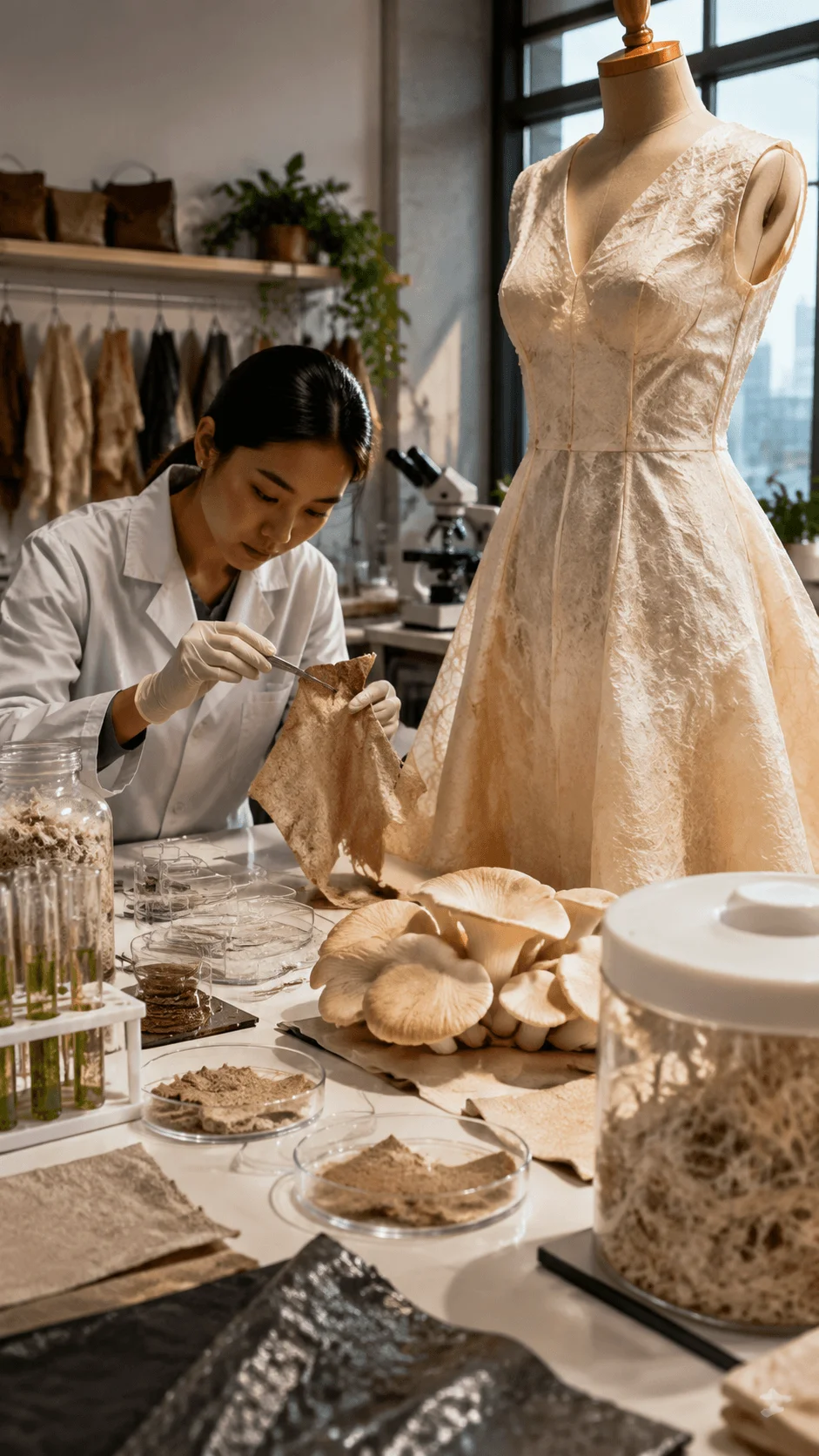
Biofabrication allows designers to rethink the relationship between fashion and nature. Instead of extracting resources and creating waste, future production systems may grow materials in controlled environments with fewer environmental impacts.
Fashion designers are increasingly interested in these materials because they offer new creative possibilities. Different biological materials can create unusual textures and forms that traditional fabrics cannot provide.
Although many biofabricated materials are still developing, they represent an exciting direction for the industry. As technology improves and production becomes easier, these materials may become an important part of future clothing collections.
Circular Fashion Design Systems Creating a Closed Loop Future
Circular fashion is one of the most important movements shaping the future of clothing. Traditional fashion follows a linear system where materials are extracted, garments are produced, used for a short period, and eventually discarded. Circular fashion replaces this model with a system where clothing continues to provide value through reuse, repair, transformation, and recycling.
Designers following circular principles think about a garment’s entire journey before creating it. They consider how easily a product can be repaired, how materials can be separated, and how the clothing can return to the production cycle after use. This approach encourages designers to create durable pieces instead of disposable fashion.
Circular fashion design includes ideas such as detachable parts, replaceable components, repair friendly construction, and clothing take back programs. For example, a jacket could include removable sleeves that allow it to become different styles over time. A damaged section could be replaced instead of forcing the entire garment to be thrown away.
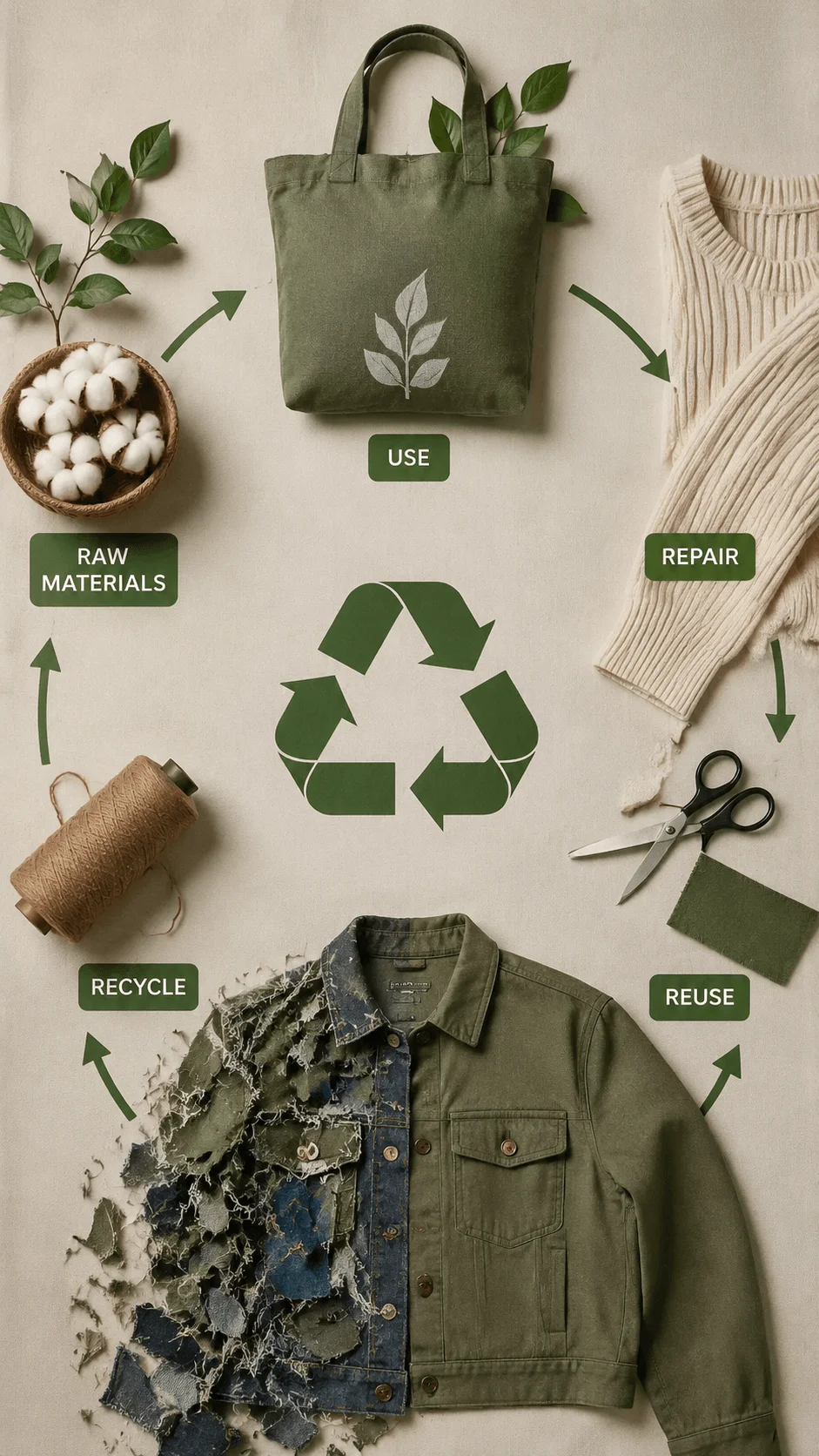
These approaches reduce pressure on natural resources because fewer new materials are required. They also encourage consumers to develop stronger relationships with their clothing. Instead of viewing garments as temporary products, people begin to see them as valuable items that can continue evolving.
Among modern sustainable fashion design ideas, circular systems are gaining attention because they completely change how the industry thinks about production. The goal is not only to make better clothing but also to create a fashion economy where waste becomes a resource.
Modular Fashion Design Ideas With Transformable Clothing
Modern consumers increasingly want clothing that offers flexibility and multiple uses. Modular fashion responds to this demand by creating garments that can change according to different situations, seasons, or personal preferences.
A modular garment contains different sections that users can attach, remove, or adjust. A jacket may transform into a vest, a dress may change length, or accessories may be added or removed depending on the occasion. This allows one product to replace several separate garments.
The main environmental benefit of modular fashion is reduced consumption. When people can adapt one garment for different purposes, they do not need to purchase as many new clothes. This reduces production demand and lowers the environmental impact associated with manufacturing.
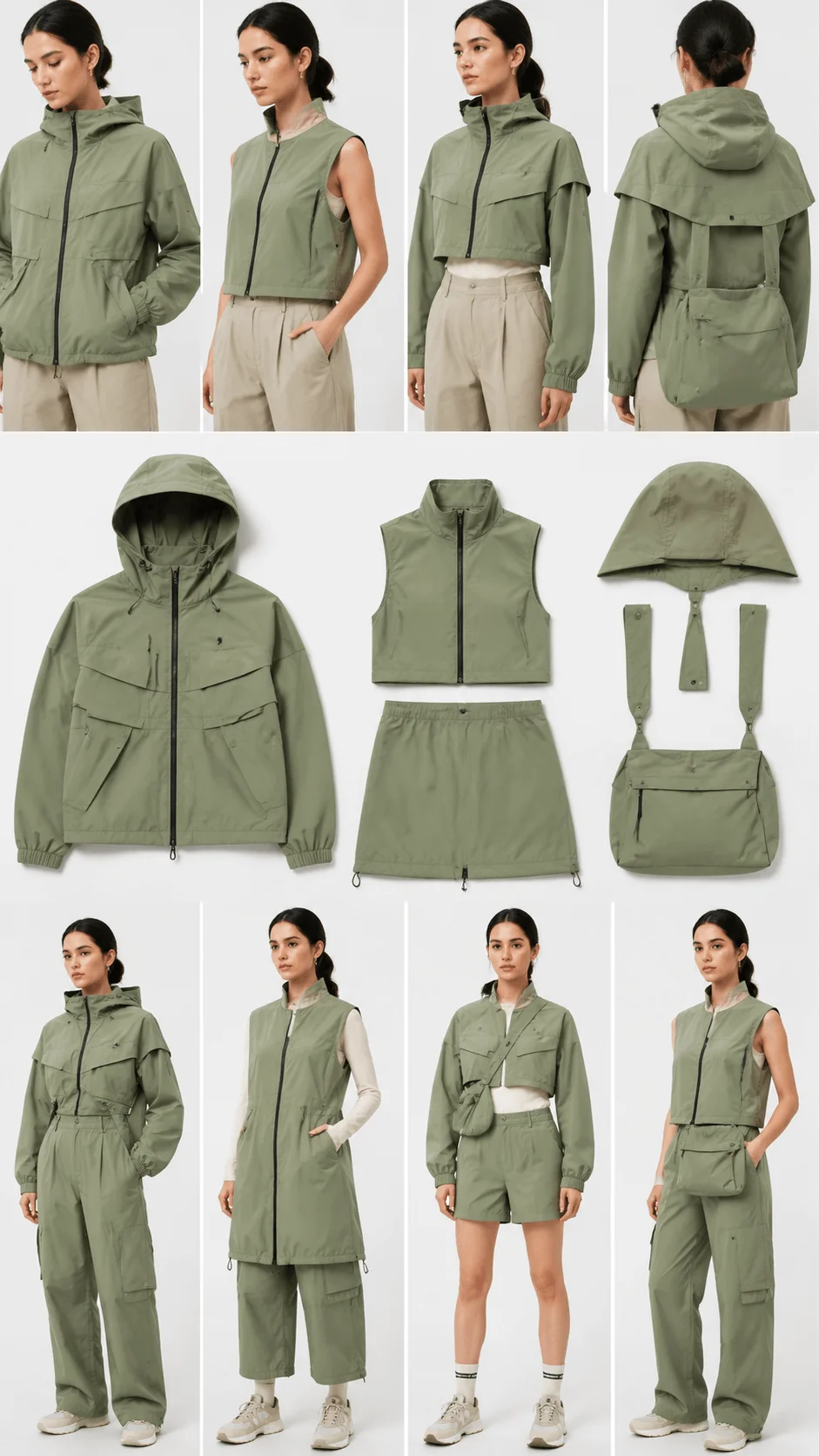
Designers are exploring creative ways to make modular clothing both practical and attractive. Hidden fasteners, innovative stitching methods, and adaptable fabrics allow garments to transform without losing their visual appeal.
Fashion students can create interesting projects by designing clothing collections with multiple functions. For example, they can develop travel clothing that changes based on weather conditions or work environments.
Modular fashion demonstrates that sustainability can encourage creativity. Instead of limiting designers, environmental challenges inspire new approaches to clothing construction and personal style.
Digital Fashion Design Ideas and Virtual Clothing Experiences
Digital fashion is introducing a completely new way of thinking about clothing. Instead of producing every garment physically, designers can create digital outfits that exist in virtual environments. This trend is growing as online identity, gaming, social media, and virtual experiences become more important.
Digital clothing allows users to experiment with styles without requiring physical production. A person can purchase a virtual outfit for online photos, digital meetings, or virtual platforms. This reduces material consumption because the garment does not require fabric, transportation, or physical manufacturing.
Fashion brands are also exploring virtual fashion shows where designers present collections digitally. These experiences allow global audiences to view new designs without the environmental impact of traditional events.

Digital fashion also provides opportunities for unlimited creativity. Designers are not restricted by physical materials, meaning they can create futuristic shapes, unusual textures, and imaginative clothing concepts that may not be possible in the physical world.
Although digital clothing will not completely replace traditional fashion, it represents an additional opportunity for sustainable innovation. It shows how technology can create new forms of expression while reducing environmental pressure.
Plant Based Fashion Materials Creating Natural Clothing Solutions
Plant based materials continue to play an important role in sustainable fashion development. Designers are exploring renewable resources that can replace environmentally harmful materials while providing attractive and functional fabrics.
Hemp has become popular because it grows quickly, requires fewer chemicals, and produces strong fibres. Bamboo is another widely discussed material because it grows rapidly and can create soft textiles when processed responsibly. Other innovations include pineapple fibre, banana fibre, and plant based leather alternatives.
These materials allow designers to create clothing that connects fashion with nature. They provide different textures, appearances, and performance characteristics that encourage creativity.
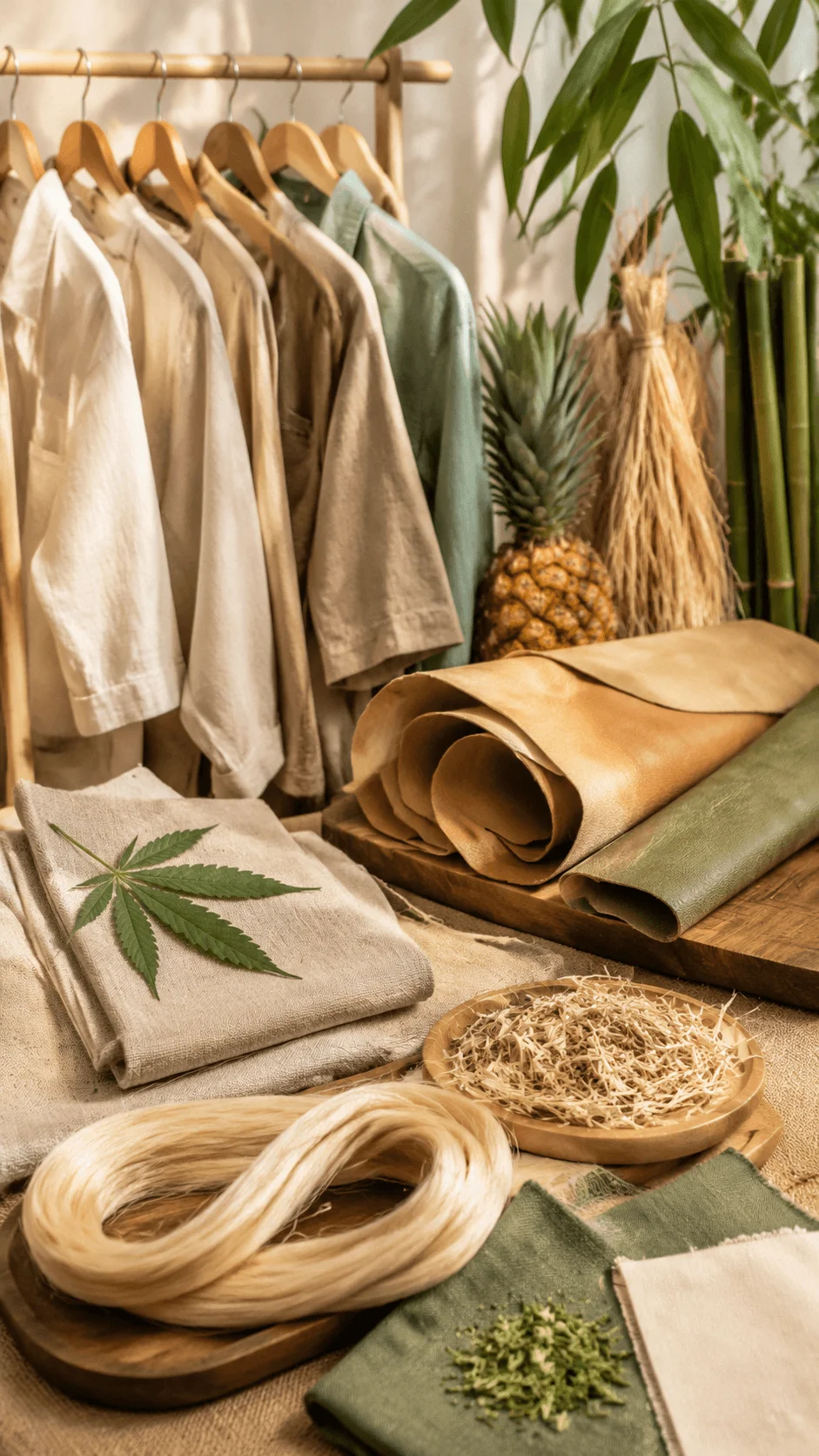
Plant based textiles also support the development of environmentally conscious collections. Designers can combine traditional craftsmanship with modern production methods to create clothing that respects natural resources.
However, responsible production remains important. Not every plant based material automatically creates a sustainable solution. Designers must consider farming practices, processing methods, transportation, and the complete environmental impact.
The future of plant based fashion depends on improving production systems while maintaining quality and durability. These materials will continue to influence eco friendly fashion concepts as consumers search for more responsible alternatives.
Smart Sustainable Clothing With Advanced Technology
Technology is transforming clothing through smart textiles and intelligent materials. Smart sustainable clothing combines fashion with innovation by creating garments that can respond to environmental conditions or improve user comfort.
Examples include fabrics that regulate temperature, materials that manage moisture, and textiles designed for increased durability. These innovations can extend the lifespan of clothing because garments perform better and remain useful for longer periods.
Self cleaning fabrics are another area of research that could reduce the need for frequent washing. Since washing contributes to water consumption and fabric damage, smart textiles may help reduce the environmental impact of clothing maintenance.

Future smart clothing may also include sensors that monitor health, activity, or environmental conditions. When combined with sustainable production methods, these technologies can create garments that are both functional and responsible.
Smart clothing represents the connection between fashion, engineering, and sustainability. It demonstrates that future designers will need knowledge beyond traditional styling and production.
Slow Fashion Design Ideas Supporting Quality and Ethical Production
Slow fashion challenges the fast fashion culture of producing large quantities of inexpensive clothing with short lifespans. Instead, it focuses on quality, durability, ethical production, and meaningful design.
Slow fashion encourages consumers to buy fewer garments but choose better quality pieces that last longer. Designers create clothing with careful attention to materials, craftsmanship, and production methods.
Artisan techniques are becoming more valuable because they preserve traditional skills and support local communities. Handmade embroidery, traditional weaving, and regional textile methods can create unique designs while reducing dependence on mass production.
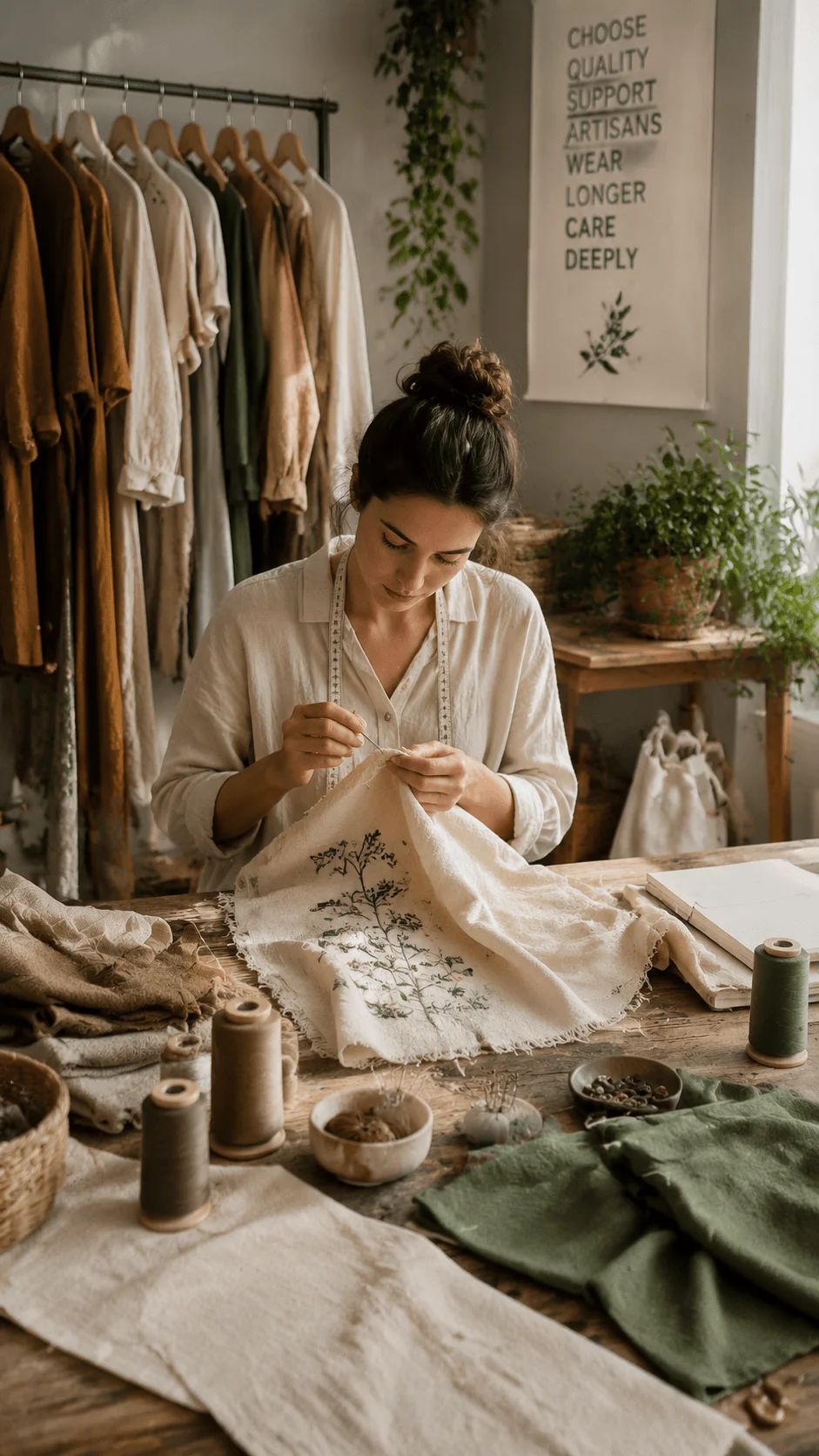
This movement also encourages emotional connections between people and their clothing. When consumers understand how a garment was created, they often value it more and keep it for longer periods.
Slow fashion proves that sustainability is not only about materials. It also involves changing attitudes toward consumption and encouraging a more thoughtful relationship with clothing.
Carbon Negative Fashion Design Creating Climate Positive Clothing
Carbon negative fashion represents one of the most ambitious future directions in the industry. While many sustainability efforts focus on reducing emissions, carbon negative approaches aim to remove more carbon from the atmosphere than the production process creates.
Designers are exploring materials and systems that can store carbon. Regenerative farming, innovative fibres, and environmentally positive production methods may help clothing become part of climate solutions.
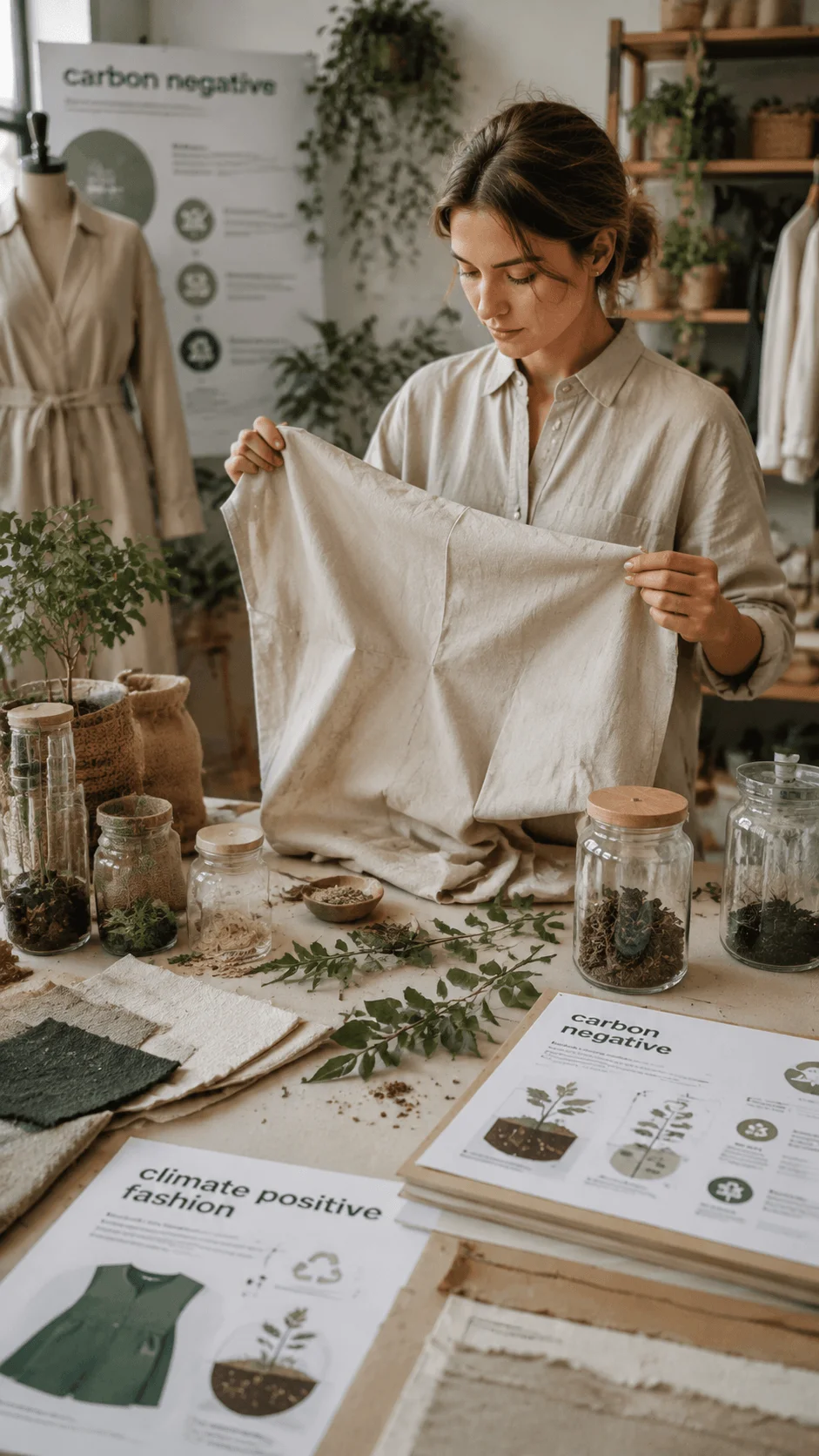
For example, materials grown through regenerative agricultural systems can support soil health and capture carbon. These approaches connect fashion production with natural environmental processes.
Carbon negative clothing is still developing, but it represents an important shift in thinking. Future designers may not only aim to reduce environmental harm but also create garments that actively benefit the planet.
Why Sustainable Fashion Design Ideas Matter in 2026
The importance of sustainable fashion continues to grow because environmental challenges are affecting every part of the clothing industry. Consumers are becoming more aware of waste, pollution, and unethical production practices.
Designers now have an opportunity to create solutions that combine creativity with responsibility. New technologies, innovative materials, and circular systems are allowing fashion to become more efficient and environmentally friendly.
In 2026, sustainability is becoming an essential skill for future designers. Fashion education is increasingly including topics such as material innovation, ethical production, and environmental design principles.
The future of clothing depends on designers who can balance beauty, functionality, and responsibility. Sustainable approaches are no longer a small trend but a major transformation within the global fashion industry.
Future of Sustainable Fashion Design
The future of fashion will be shaped by the combination of creativity, technology, and environmental awareness. Artificial intelligence will support smarter design decisions, biotechnology will create advanced materials, and circular systems will reduce waste.
Designers will increasingly focus on creating clothing that lasts longer, uses fewer resources, and supports environmental restoration. The industry is moving from simply reducing damage toward creating positive change.
The next generation of designers will not only create attractive garments but also solve environmental problems through innovation. Fashion will become a field where science, technology, and artistic expression work together.
Conclusion
The fashion industry is entering a new era where creativity and sustainability are becoming closely connected. The best sustainable fashion design ideas are not only focused on using better materials but also on changing how clothing is designed, produced, and experienced.
From artificial intelligence and biofabricated materials to circular systems and regenerative production, modern designers are discovering new ways to create fashion that respects the planet. These innovations show that sustainability can inspire creativity rather than restrict it.
The future of fashion will belong to designers who understand the importance of responsible choices. By combining traditional craftsmanship with modern technology, the industry can create clothing that looks beautiful, performs well, and supports a healthier environment.
Sustainable fashion is no longer only about making less harmful choices. It is about designing a future where clothing becomes part of the solution. As new ideas continue to develop, sustainable fashion will help create a more innovative, responsible, and environmentally conscious world.