What To Do With Old Trash Cans Creative and Eco Friendly Solutions
Almost every household has at least one trash can that has outlived its original purpose. Whether the handle is broken, the wheels have fallen off, or you have simply upgraded to a larger model, you may find yourself wondering what to do with old trash cans. Instead of dragging them to the curb and sending them to the landfill, there are many ways to repurpose, recycle, or upcycle them into something practical and creative. Giving old trash cans a second life is not only cost effective but also an eco friendly decision that reduces unnecessary waste.
Repurposing Old Trash Cans for Everyday Uses
One of the simplest answers to what to do with old trash cans is to repurpose them for another household use. Many families turn them into extra storage for items that need to be kept in a sturdy container. Old cans can hold pet food, garden tools, sports equipment, firewood, or even holiday decorations. With a quick cleaning, they can be placed in a garage, basement, or shed to store items that would otherwise take up valuable closet space. Repurposing old trash cans this way saves money and provides a practical solution for everyday storage problems.

Upcycling Ideas for Gardens and Outdoor Spaces
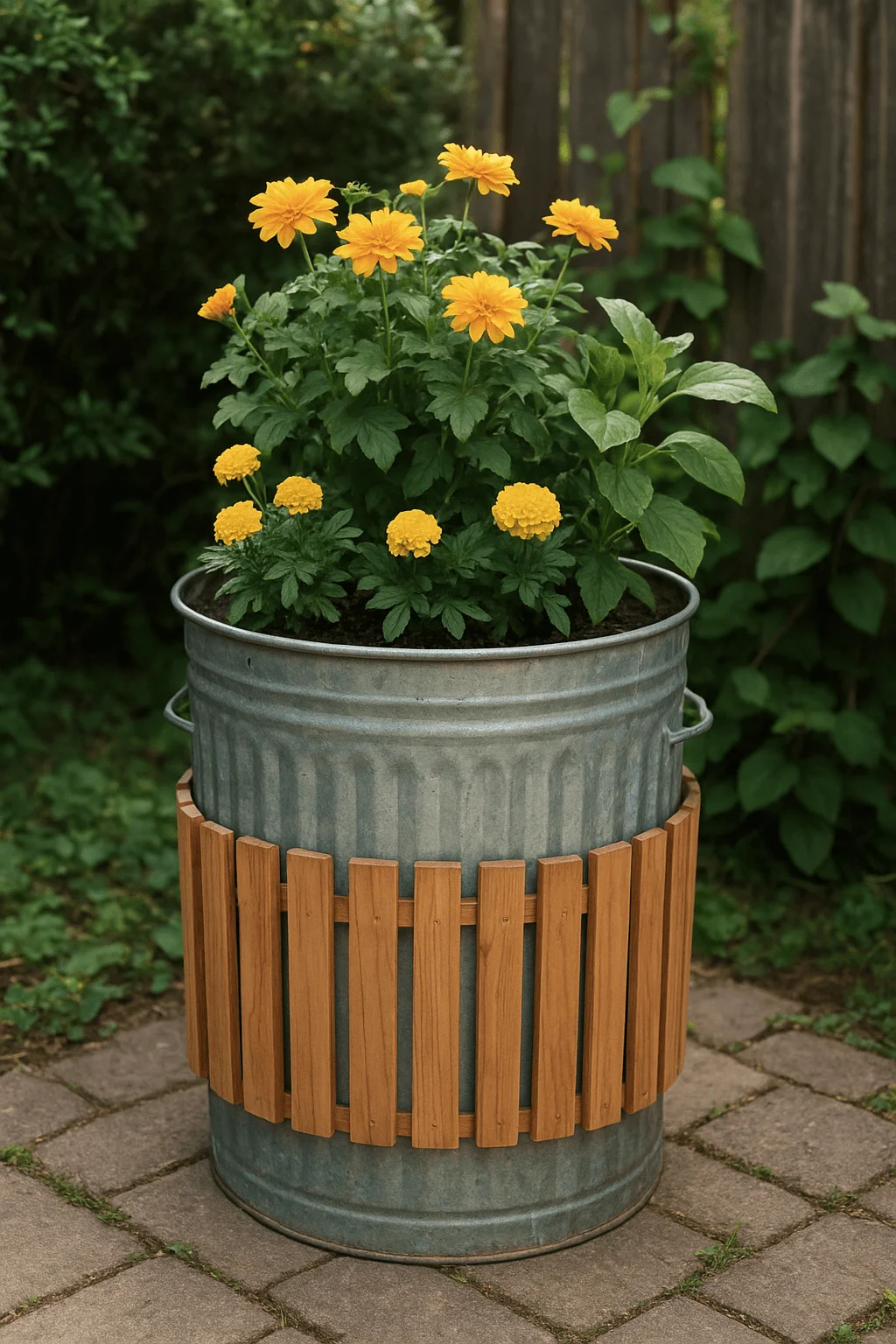
Old trash can upcycling ideas often start in the garden. Plastic or metal cans can be transformed into large planters that are perfect for growing flowers, shrubs, or even small trees. By drilling drainage holes at the bottom, you can create a container garden that adds greenery to patios or backyards. Some people decorate the outside with paint or wooden slats to make them blend beautifully with outdoor décor. Repurposing old trash cans in the garden is a creative and affordable way to enjoy more plants without spending money on expensive pots.
Turning Old Trash Cans into Compost Bins
One of the most popular ways to reuse old trash cans is by converting them into compost bins. With a drill and a few air holes, a discarded trash can becomes a perfect container for food scraps, leaves, and yard waste. By rolling the bin or stirring the contents regularly, you can create nutrient rich compost for your garden. This method is especially useful for those who want to start composting but do not want to buy a new compost bin. Turning an old trash can into a compost bin not only keeps organic waste out of the landfill but also helps produce free fertilizer for your plants.

Converting Old Trash Cans into Rain Barrels
Another practical project is turning old trash cans into rain barrels. By attaching a spigot at the bottom and placing the can under a gutter downspout, you can collect rainwater to use in your garden. This reduces water bills and provides a natural source of irrigation. With some simple DIY modifications, even a dented or scratched can becomes a valuable tool for sustainable living. Recycling old trash cans in this way helps reduce water waste and makes good use of something you might otherwise throw away.

Recycling Options for Large Plastic and Metal Trash Cans
When a trash can is beyond repair and you cannot repurpose it, recycling is the next best option. Many municipalities allow residents to recycle large plastic garbage cans or metal bins if they are cleaned out and free of contaminants. Some waste management companies even offer bulk pickup days where they specifically collect old containers for recycling. Plastic cans are often ground down and reused to make new plastic products, while metal cans can be melted and repurposed in manufacturing. Checking local recycling rules ensures your old trash can does not end up in the landfill unnecessarily.

How to Dispose of Broken or Unusable Trash Cans
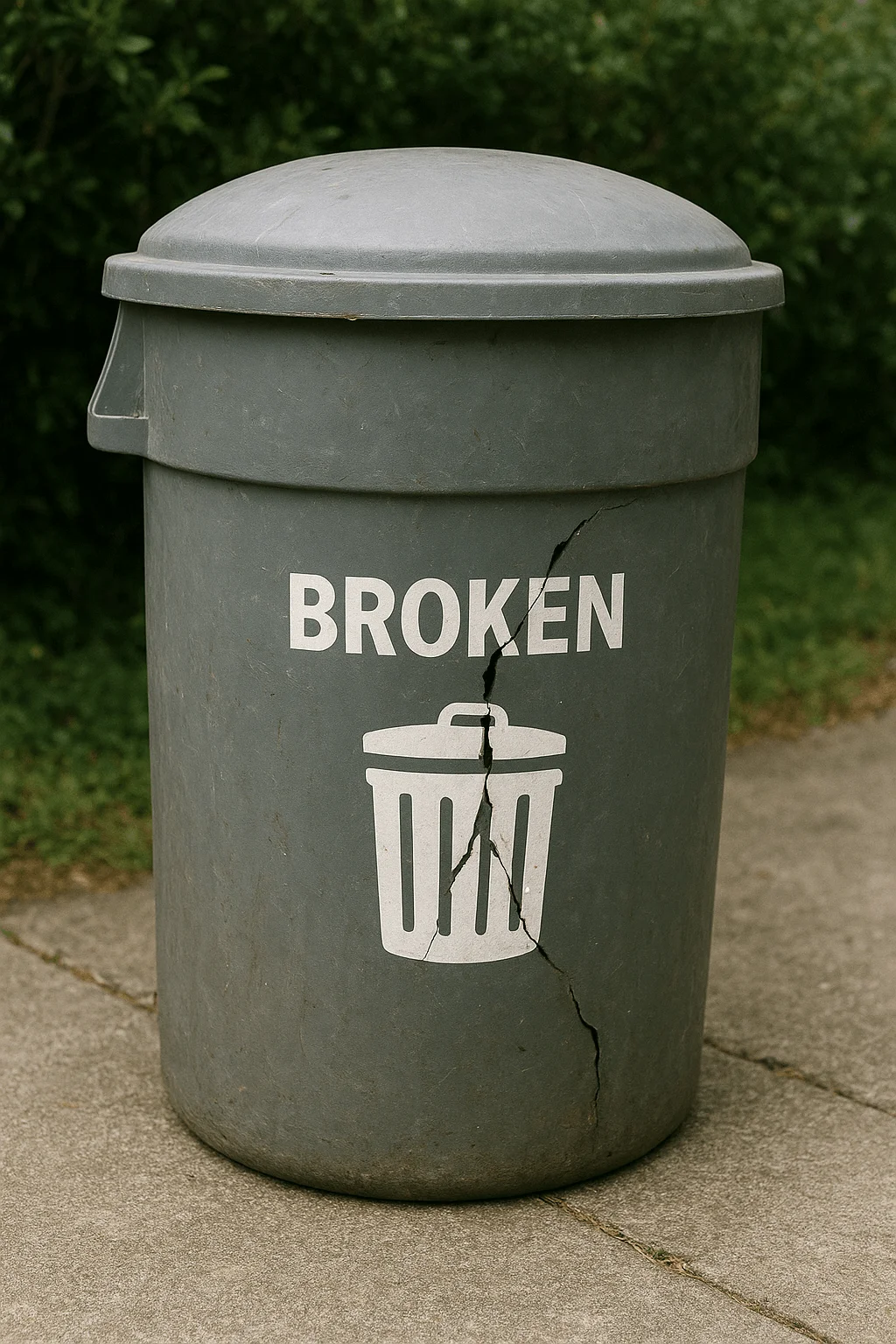
Sometimes a trash can is so damaged that it cannot be reused or recycled in your area. In that case, proper disposal is necessary. The first step is to confirm with your local waste management service whether they accept broken cans as bulk waste. If they do, you can schedule a pickup or drop it off at a designated site. If not, you may need to take it to a landfill or transfer station yourself. While disposal should be the last resort, sometimes it is the only option for heavily damaged cans that pose a safety risk.
Donating and Giving Away Old Trash Cans in Good Condition
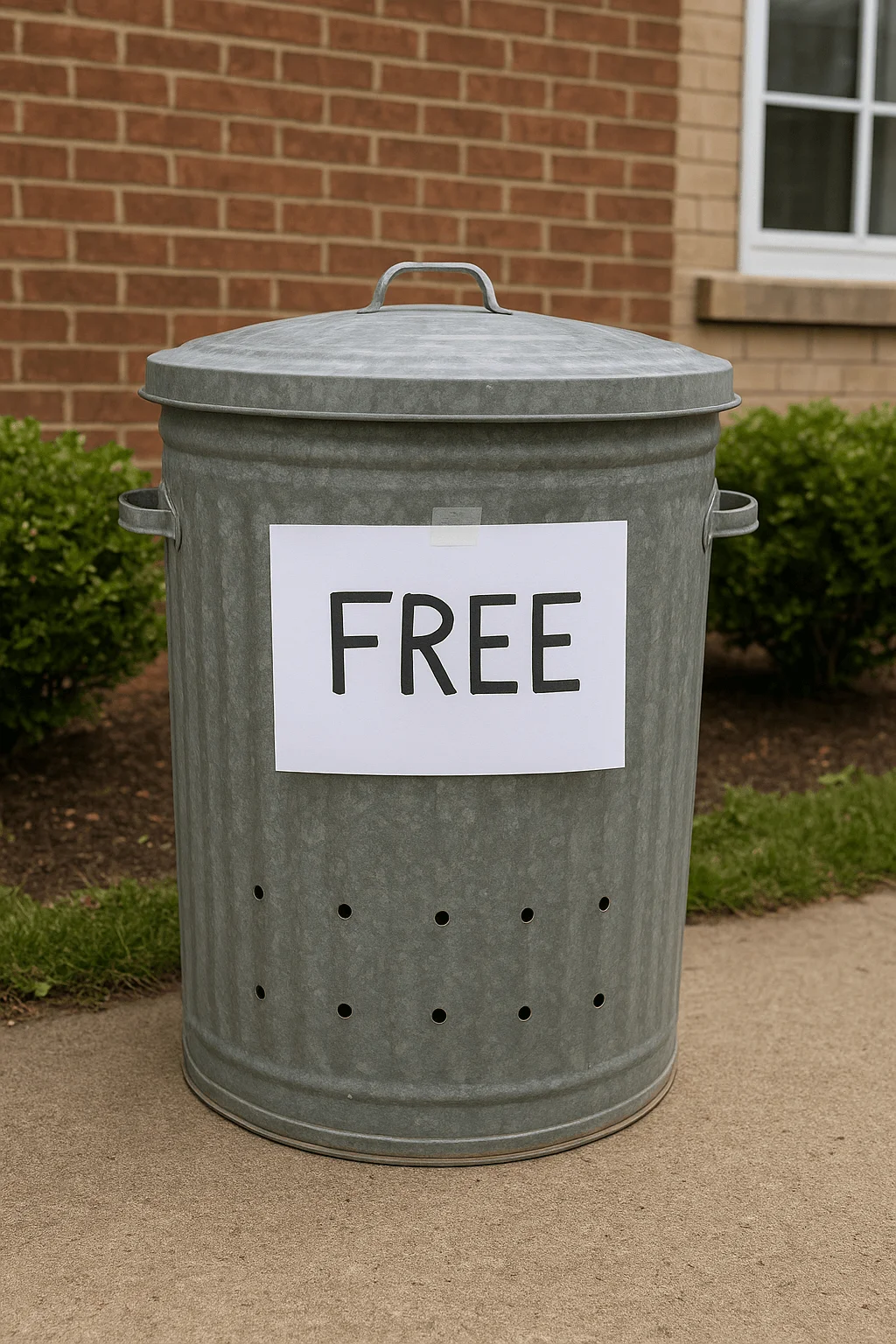
If your old trash cans are still in decent shape but you simply no longer need them, consider donating them. Community centers, schools, local nonprofits, and even neighbors may be happy to take them off your hands. Some animal shelters use old trash cans for storing pet food or bedding. Listing them for free on community boards or online marketplaces is another way to ensure they are reused. Donating old trash cans extends their lifespan and prevents perfectly usable items from being discarded.
The Environmental Impact of Reusing and Recycling
Thinking about what to do with old trash cans is more than just a matter of convenience. It is also about reducing environmental impact. Every trash can that is reused, upcycled, or recycled represents one less large item ending up in a landfill. Plastic can take hundreds of years to break down, while metal requires energy intensive mining and manufacturing. By finding creative solutions for old trash cans, you contribute to a more sustainable lifestyle and help conserve natural resources.
Creative and Unusual Transformations
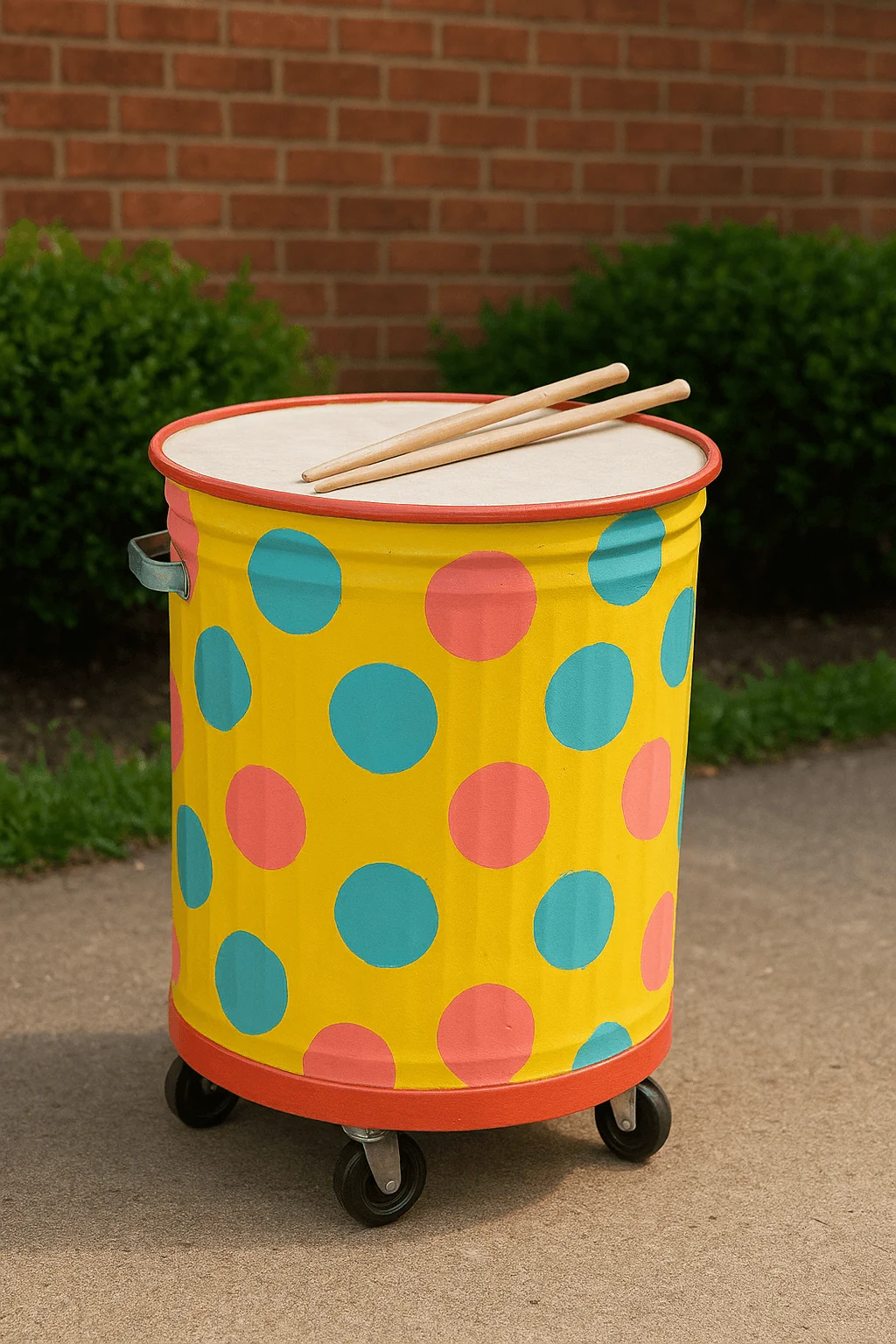
Some people take old trash can upcycling ideas to the next level by transforming them into unusual creations. For example, an old can may become a drum for a music project, a pet shelter for outdoor animals, or even a quirky piece of home décor with a coat of bright paint. Others turn them into mobile storage bins on wheels or convert them into laundry hampers. The possibilities are endless when you look at an old trash can as a blank canvas for creativity rather than a piece of junk.
Conclusion Choosing the Best Option for Your Old Trash Can
There are many answers to the question of what to do with old trash cans. From repurposing them as storage bins to turning them into composters or rain barrels, old cans can be given a useful second life. When they are no longer usable, recycling or donating ensures they do not go to waste. Even broken cans can sometimes find new purposes through creative upcycling. The best option depends on the condition of your trash can, but the goal remains the same: reducing waste and finding sustainable ways to handle everyday items. By making thoughtful choices, you can keep old trash cans out of landfills and turn them into valuable resources for your home and community.