20 Eco Friendly Activities for Kids at Home
Teaching sustainability to children in 2026 is about building habits, not just doing one time projects. Eco friendly activities for kids are becoming more practical, creative, and skill based. Parents are choosing screen free eco activities for kids that encourage outdoor time, problem solving, and responsibility. Below are 20 detailed activity ideas. Each heading includes strong explanation so you can directly use this in your article.

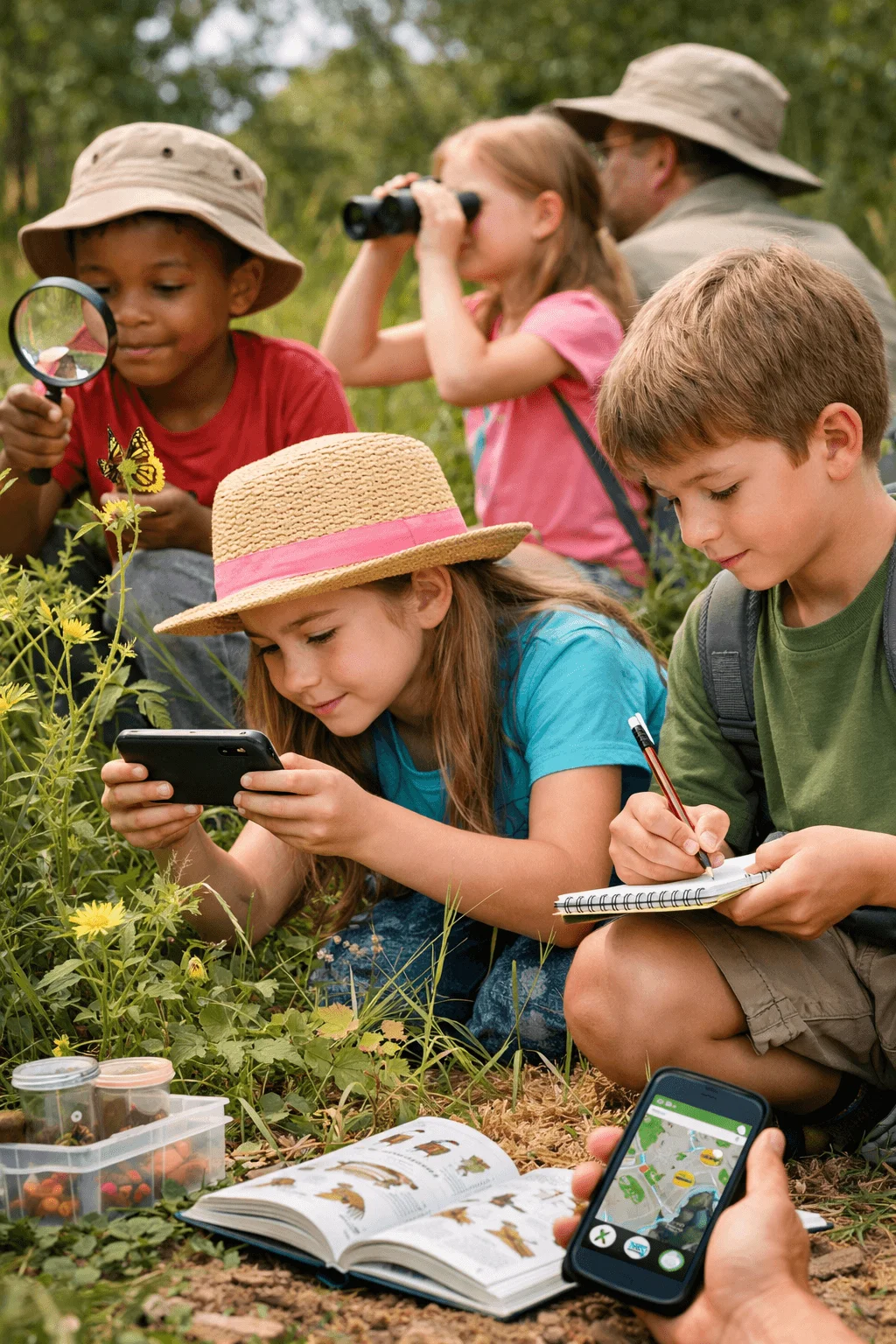
Citizen Science Nature Exploration Projects
Citizen science projects for kids allow children to contribute to real environmental research. Instead of just observing nature, kids photograph plants, insects, and birds and record their findings using simple tracking apps or notebooks. These observations help scientists monitor biodiversity and environmental changes. Children feel proud knowing their discoveries matter beyond their home. This activity improves focus, curiosity, and scientific thinking. Over time, kids start recognizing species and understanding seasonal changes in their local environment.
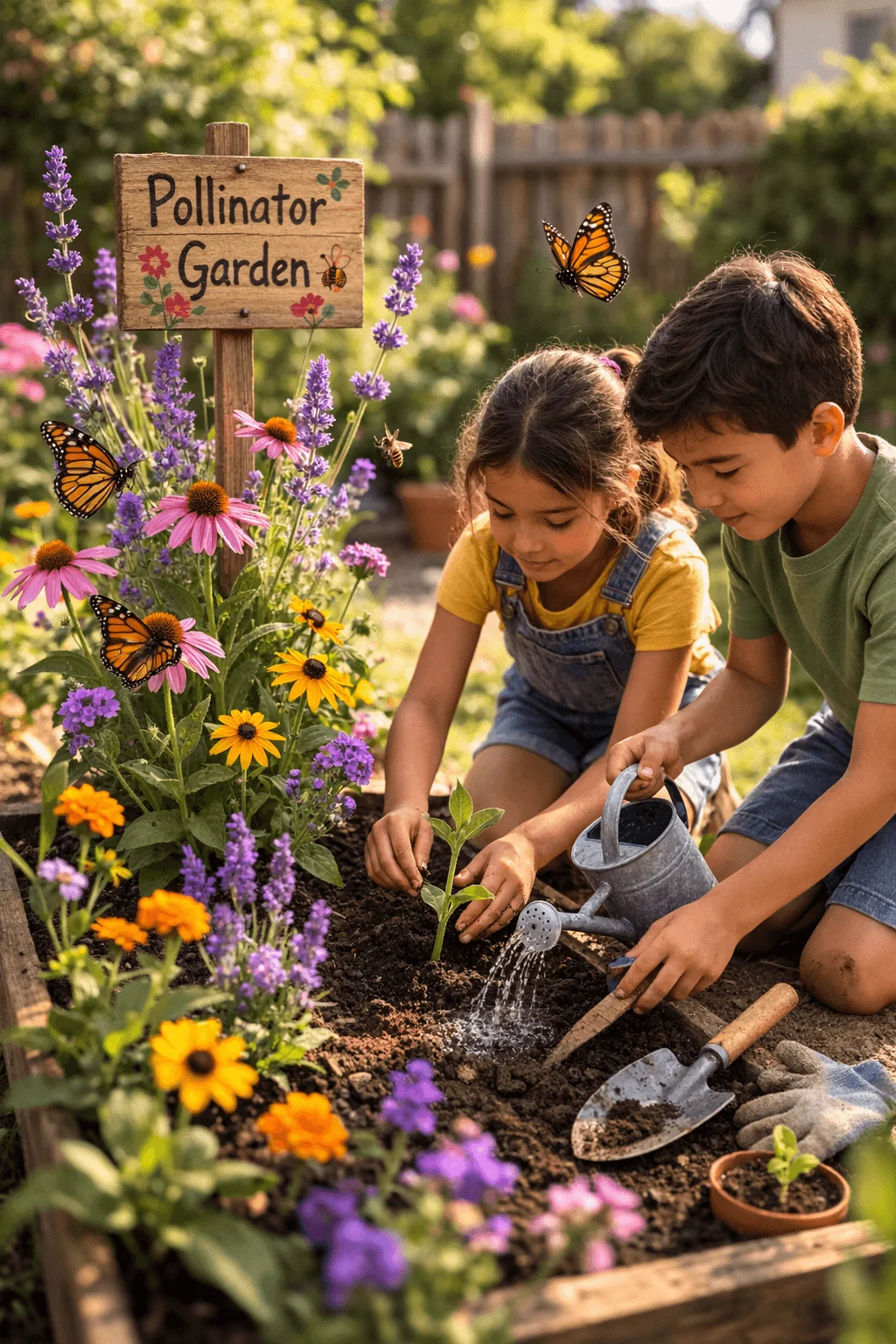
Building a Pollinator Garden for Bees and Butterflies
Creating a pollinator garden for kids teaches how ecosystems function. Children plant native flowers that attract bees and butterflies and learn why pollinators are essential for growing food. They take responsibility for watering and caring for plants regularly. Watching insects visit the garden builds excitement and emotional connection with nature. This activity also opens discussions about habitat loss and biodiversity. Even small balcony gardens can support local wildlife.
Composting for Kids Step by Step at Home
Composting for kids step by step helps children understand natural recycling. Kids collect fruit peels, vegetable scraps, and dry leaves and place them in a compost bin. Over time they observe how waste breaks down into nutrient rich soil. This transformation teaches patience and environmental responsibility. Children realize that organic waste does not need to go to landfills. When compost is later used in plants, they see a complete life cycle in action.

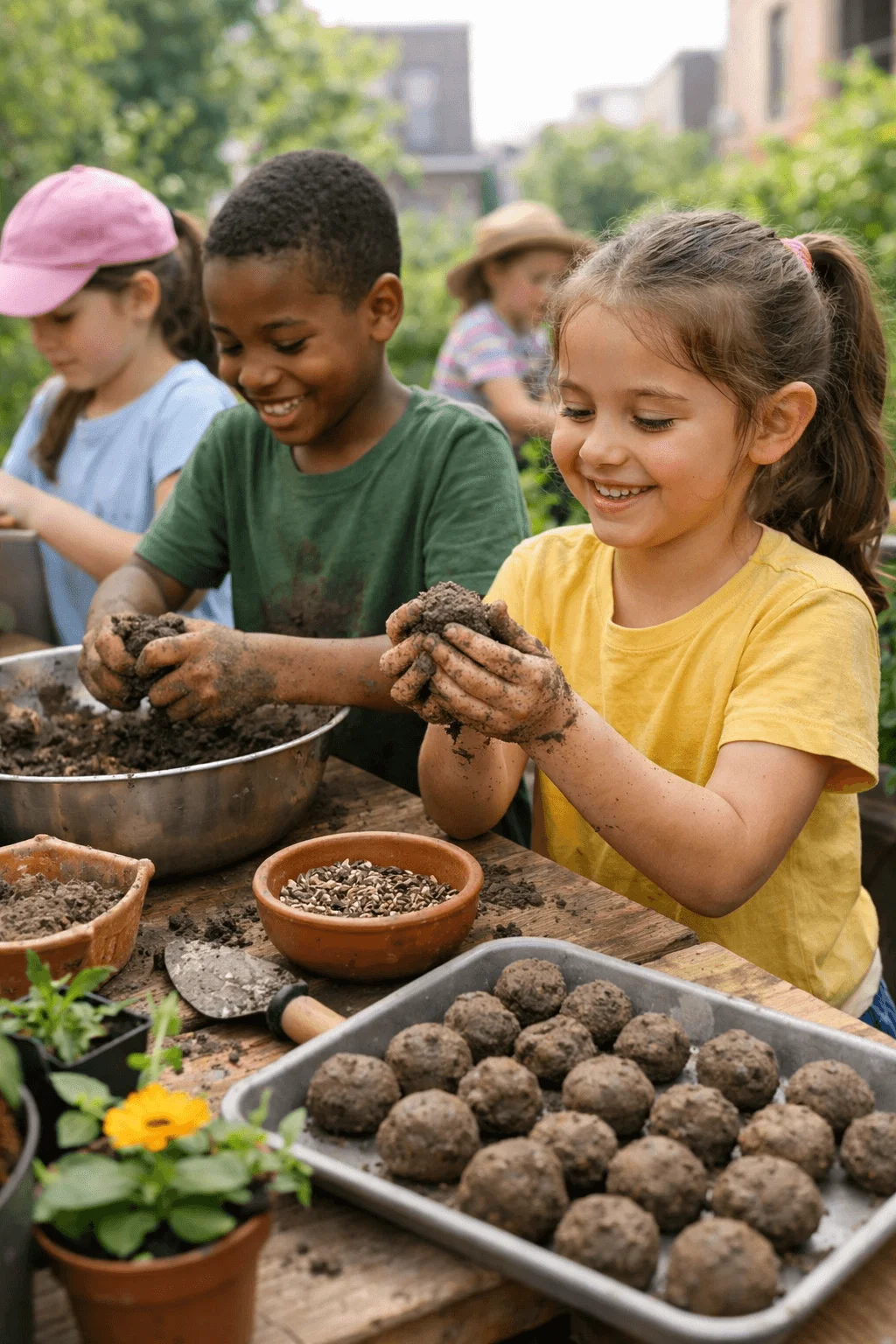
Seed Bomb Making for Urban Greening
Seed bomb making combines creativity with environmental impact. Children mix soil, clay, and native seeds to form small balls that can grow into flowers. This activity is especially useful in areas with limited green spaces. Kids learn about native species and responsible planting practices. It empowers them to contribute positively to their surroundings. Seeing plants grow from their seed bombs gives them a strong sense of achievement.
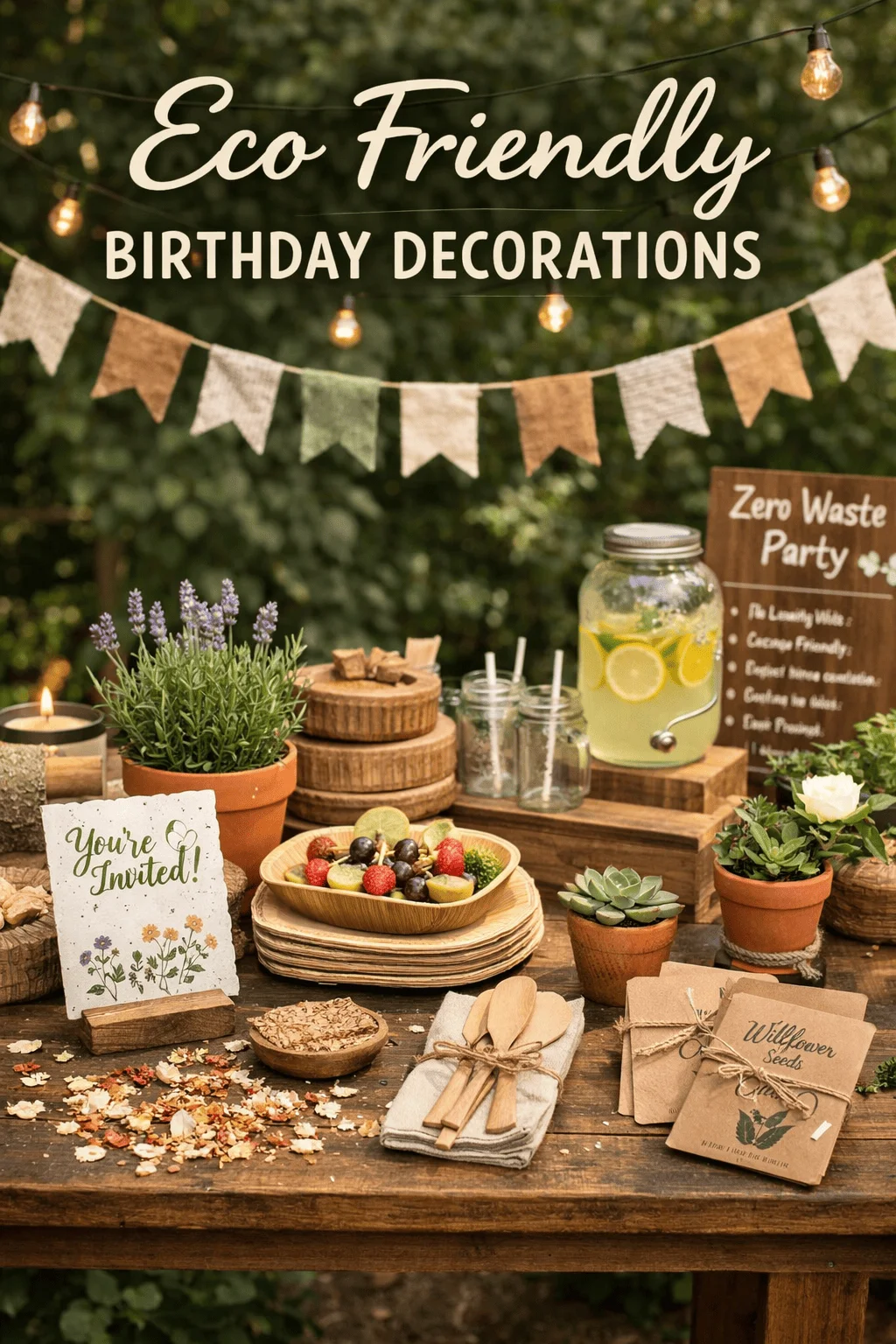
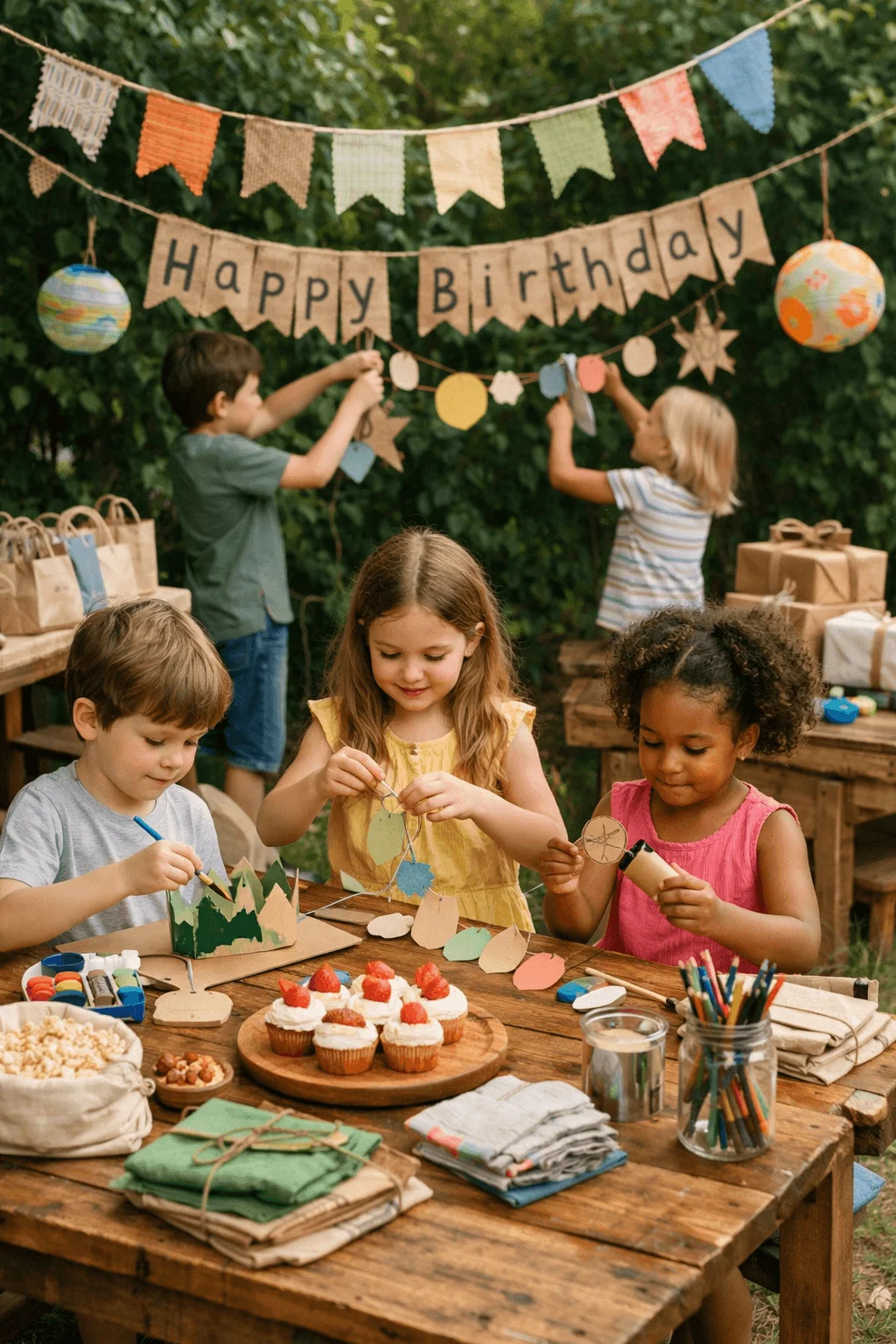
Planning a Zero Waste Birthday Celebration
Zero waste ideas for kids can start with birthday parties. Instead of disposable decorations and plastic favors, families choose reusable items and homemade treats. Children help create decorations from recycled materials. This teaches that celebrations do not require excessive waste. It encourages creativity and mindful consumption. Over time, children begin questioning unnecessary waste in other events too.
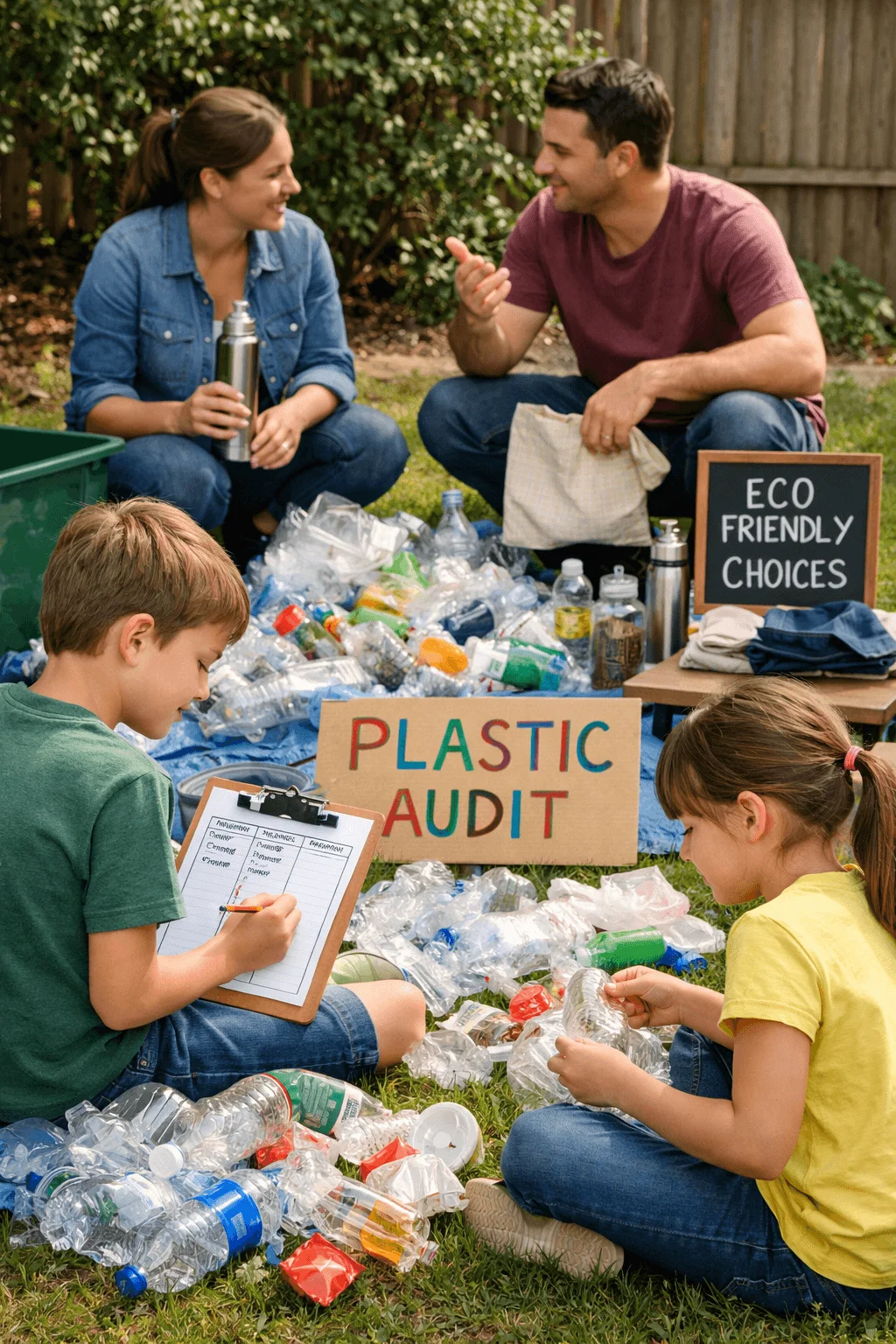
Conducting a Household Plastic Audit Challenge
A plastic audit teaches children to analyze their family’s plastic use over one week. Kids sort trash and count plastic items used daily. This makes them aware of how much waste is generated at home. Families then discuss alternatives like reusable bottles and cloth bags. The activity builds critical thinking and responsibility. It often leads to long term habit changes.
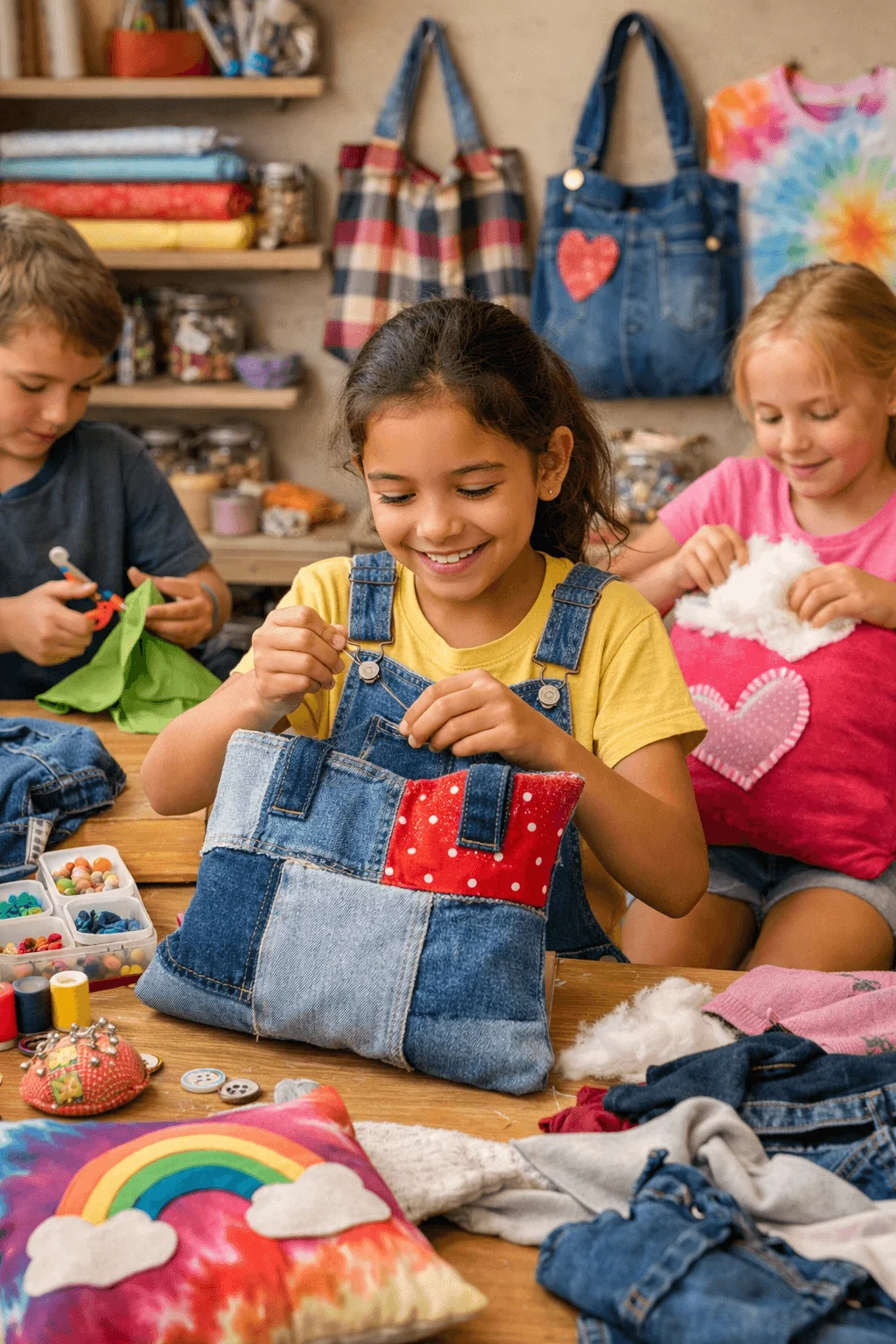
Upcycled Fashion and Clothing Transformation Projects
Upcycled fashion projects turn old clothes into new items like tote bags or pillow covers. Easy recycled crafts for children become skill building sessions where they learn sewing basics. This activity promotes creativity and reduces textile waste. Children understand that items can have a second life instead of being thrown away. Wearing something they redesigned boosts confidence. It connects sustainability with self expression.
Organizing a Recycled Art Exhibition
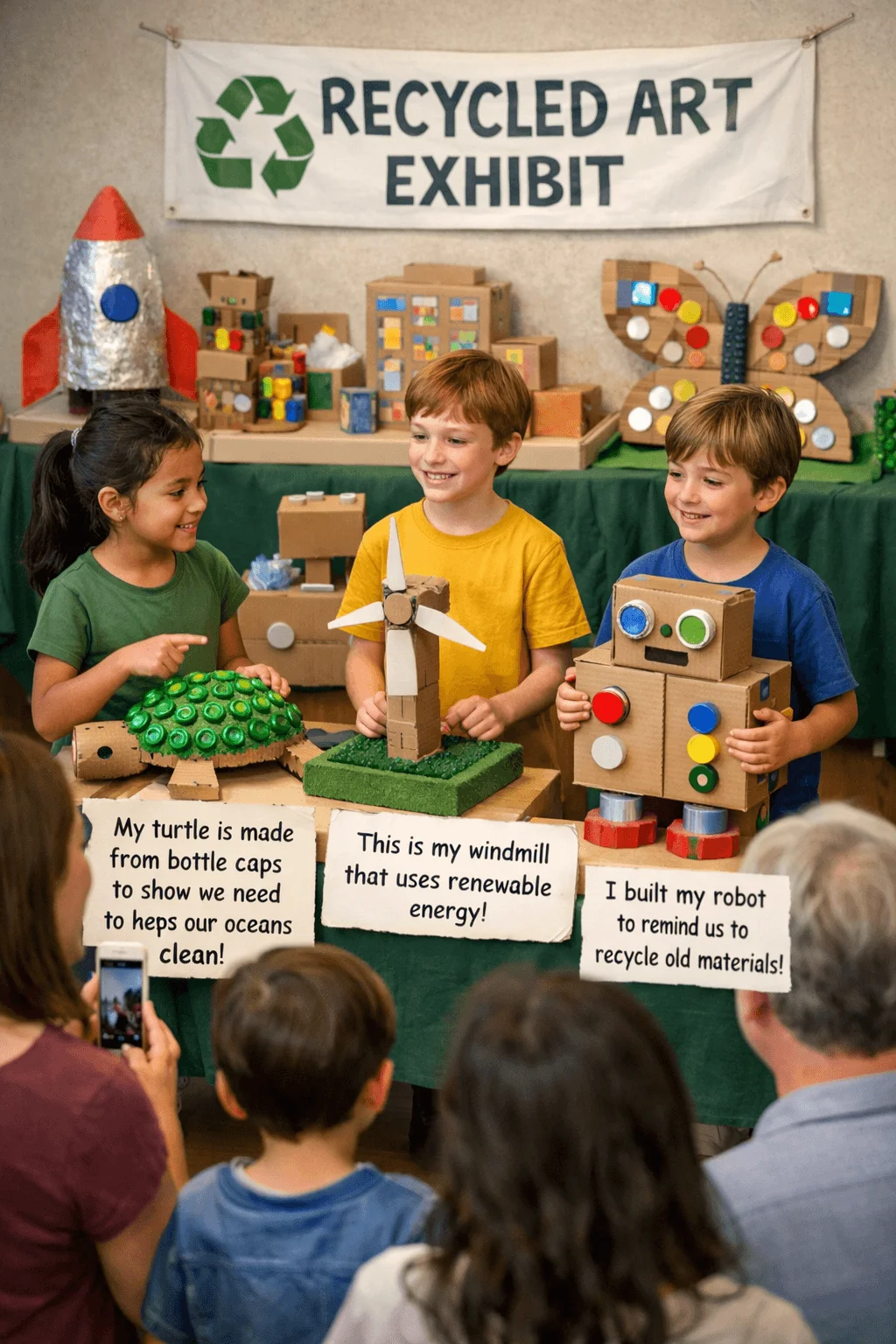
A recycled art exhibition gives purpose to crafting. Children create sculptures or models using cardboard and bottle caps. Displaying the artwork builds pride and communication skills. Kids explain the environmental message behind their creations. This turns waste into creative expression. It also spreads sustainability awareness among friends and family.
Building a Simple Solar Oven Experiment
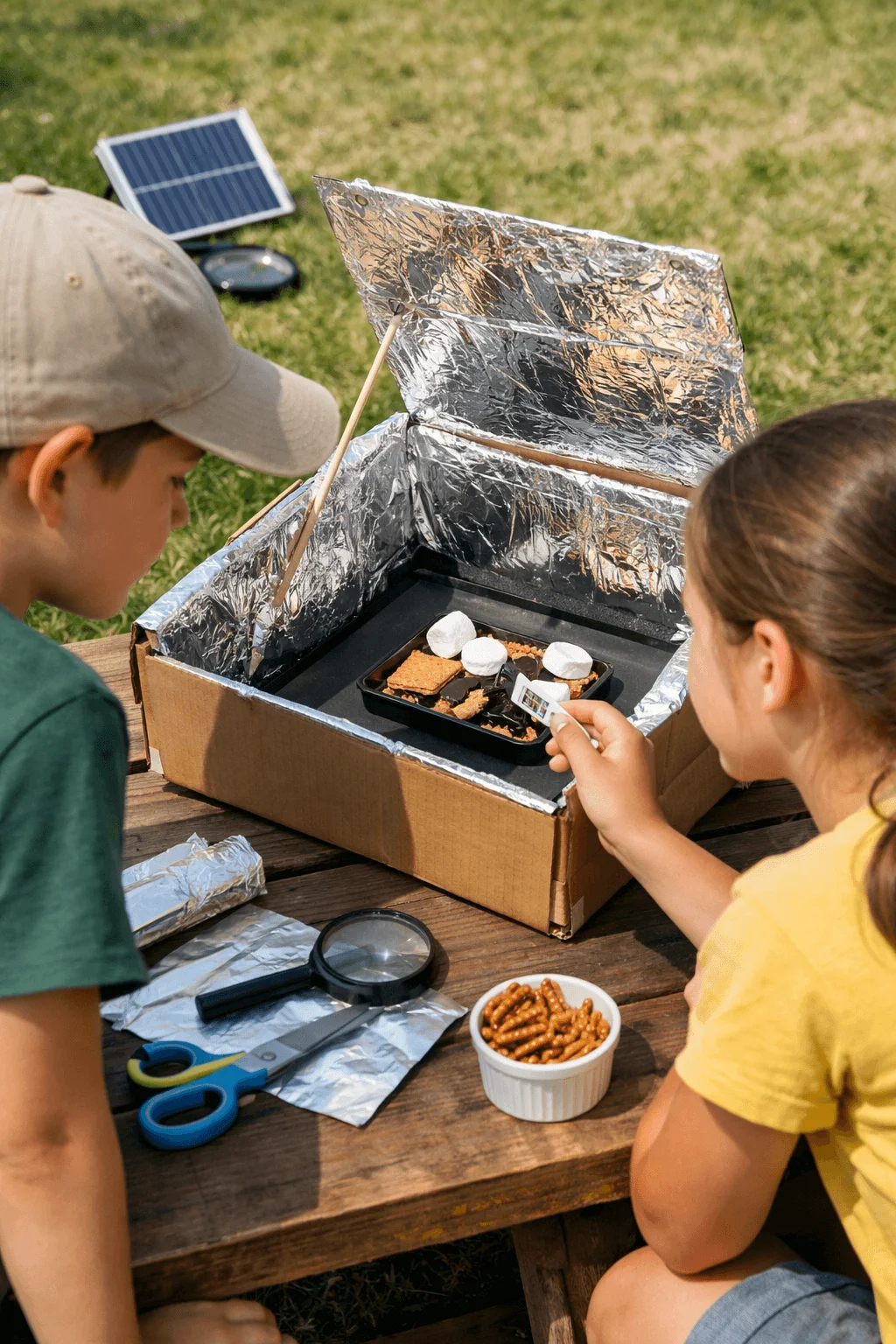
A solar oven experiment teaches renewable energy concepts in a practical way. Children use reflective materials and sunlight to warm small snacks. They learn how solar energy can be harnessed naturally. This hands on activity connects science with environmental awareness. It sparks curiosity about clean energy solutions. The experiment encourages problem solving and experimentation.
Organizing Toy and Book Swap Events
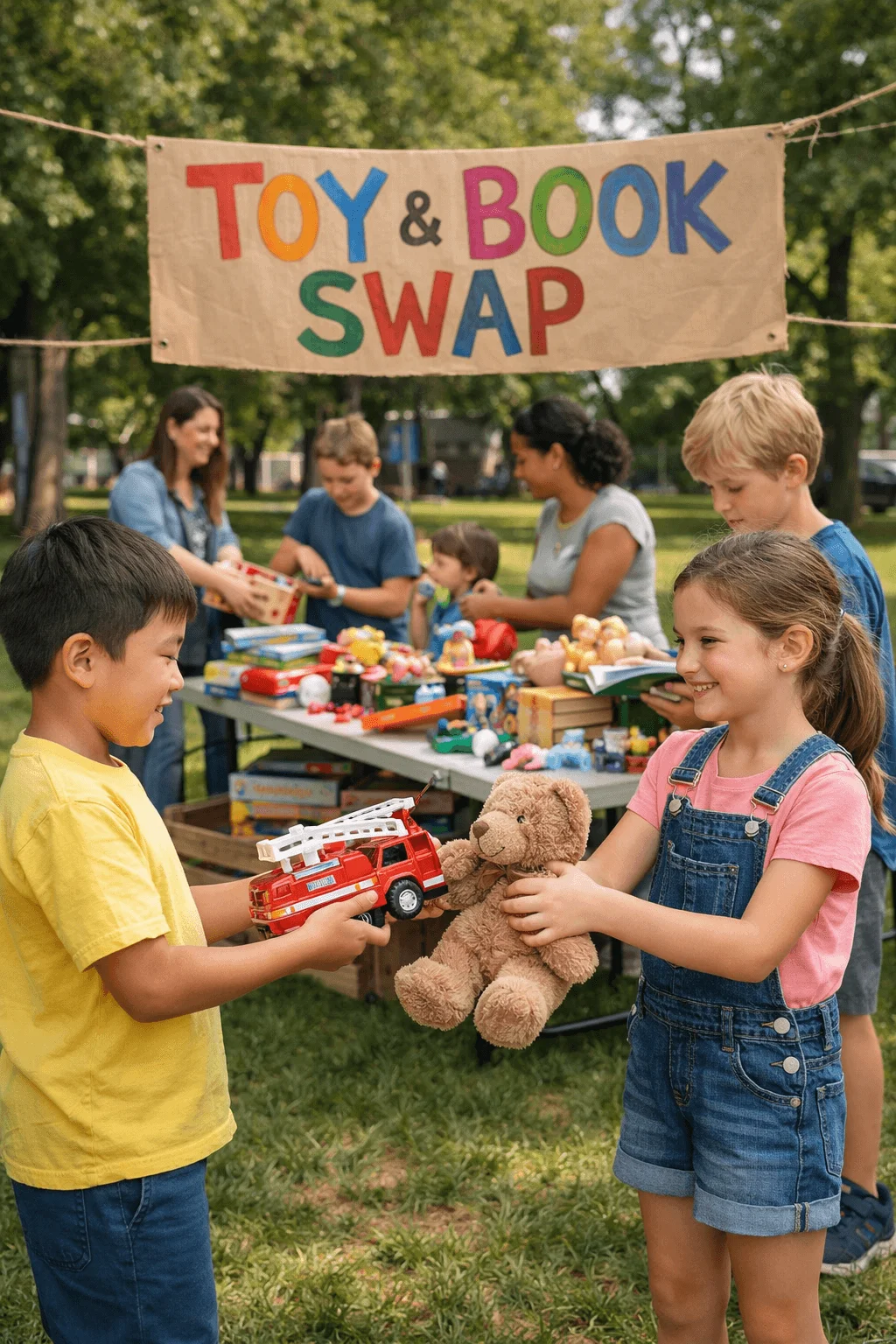
Toy swap events promote sharing instead of buying new items. Families exchange gently used toys and books. Children learn that value does not depend on newness. This reduces waste and strengthens community bonds. It also teaches mindful consumption habits. Kids experience excitement without contributing to unnecessary production.
Starting a Worm Composting Project
Worm composting introduces children to helpful organisms that break down food waste. They observe worms turning scraps into nutrient rich material. This teaches soil health and natural cycles. Children develop respect for small creatures that support ecosystems. The process is fascinating and educational. It strengthens understanding of decomposition.

Growing Food Through Garden to Table Cooking
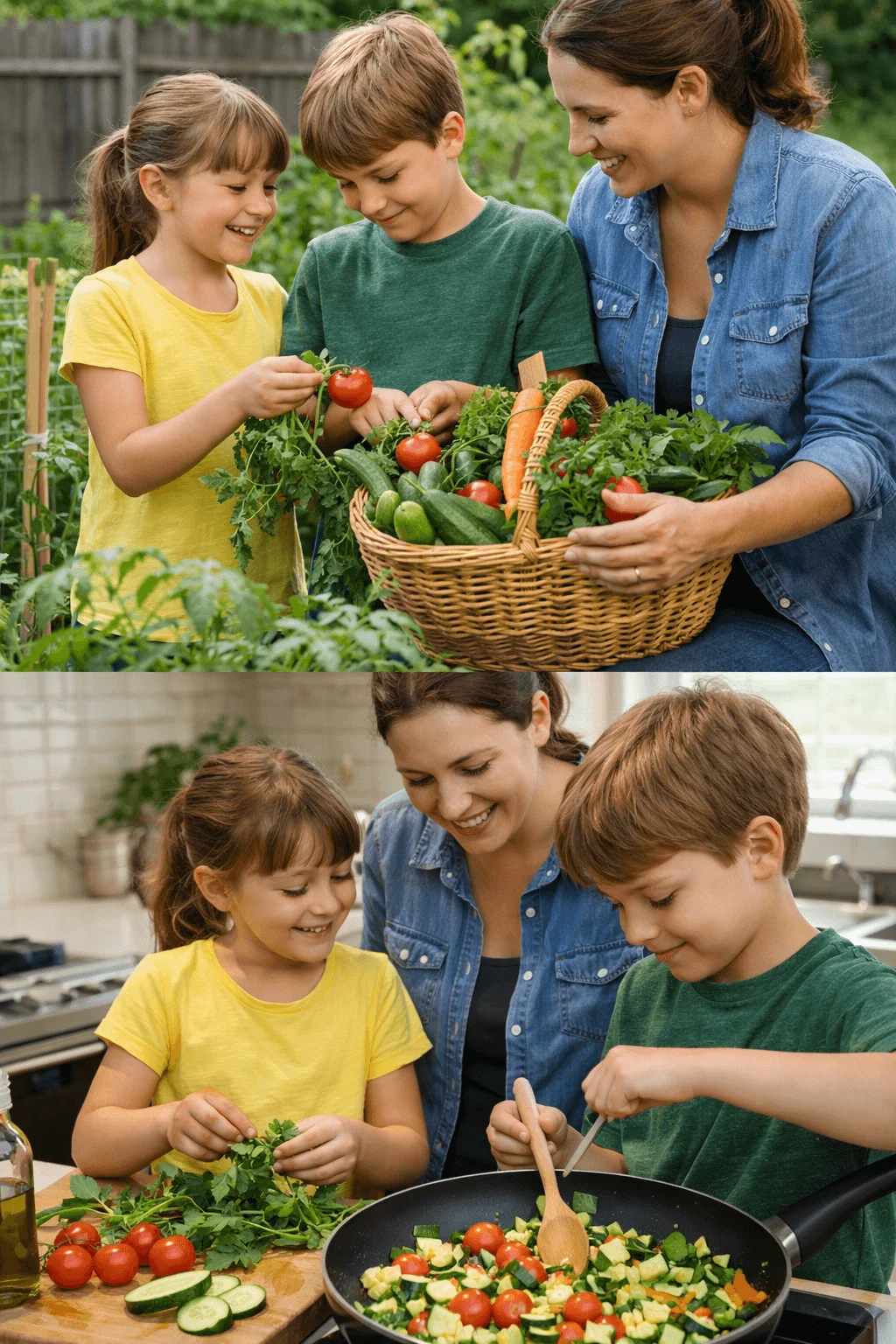
Garden to table activities connect food production with cooking. Children grow herbs or vegetables and later use them in simple recipes. This builds appreciation for fresh food and reduces waste. Kids understand the effort behind growing food. Cooking together strengthens family bonding. It also promotes healthier eating habits.
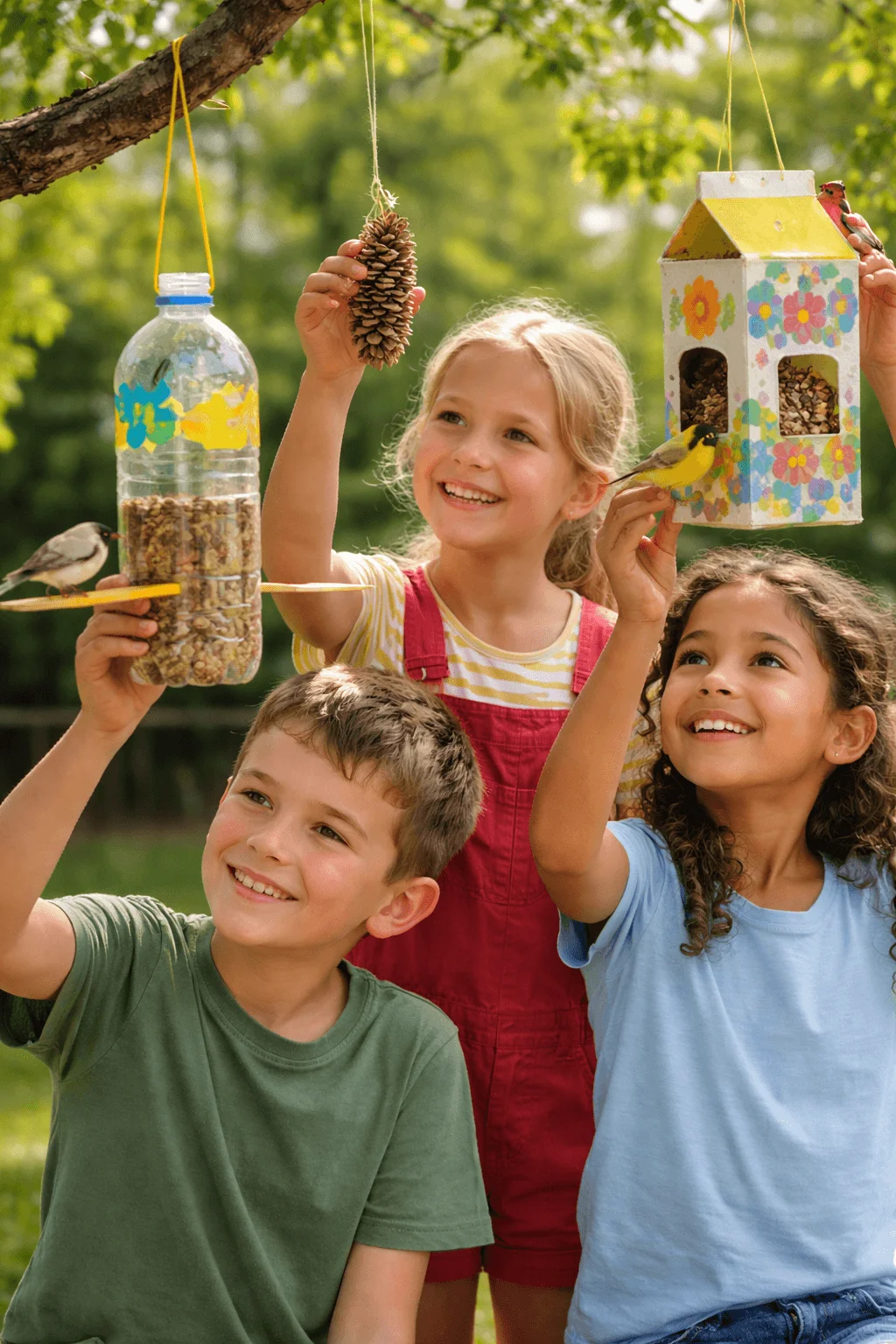
Creating Bird Feeders From Recycled Materials
Bird feeder projects support local wildlife using recycled containers. Children observe bird behavior and identify species. This builds empathy toward animals. It teaches ecosystem balance in a simple way. Kids feel responsible for maintaining feeders. Regular observation strengthens patience and curiosity.
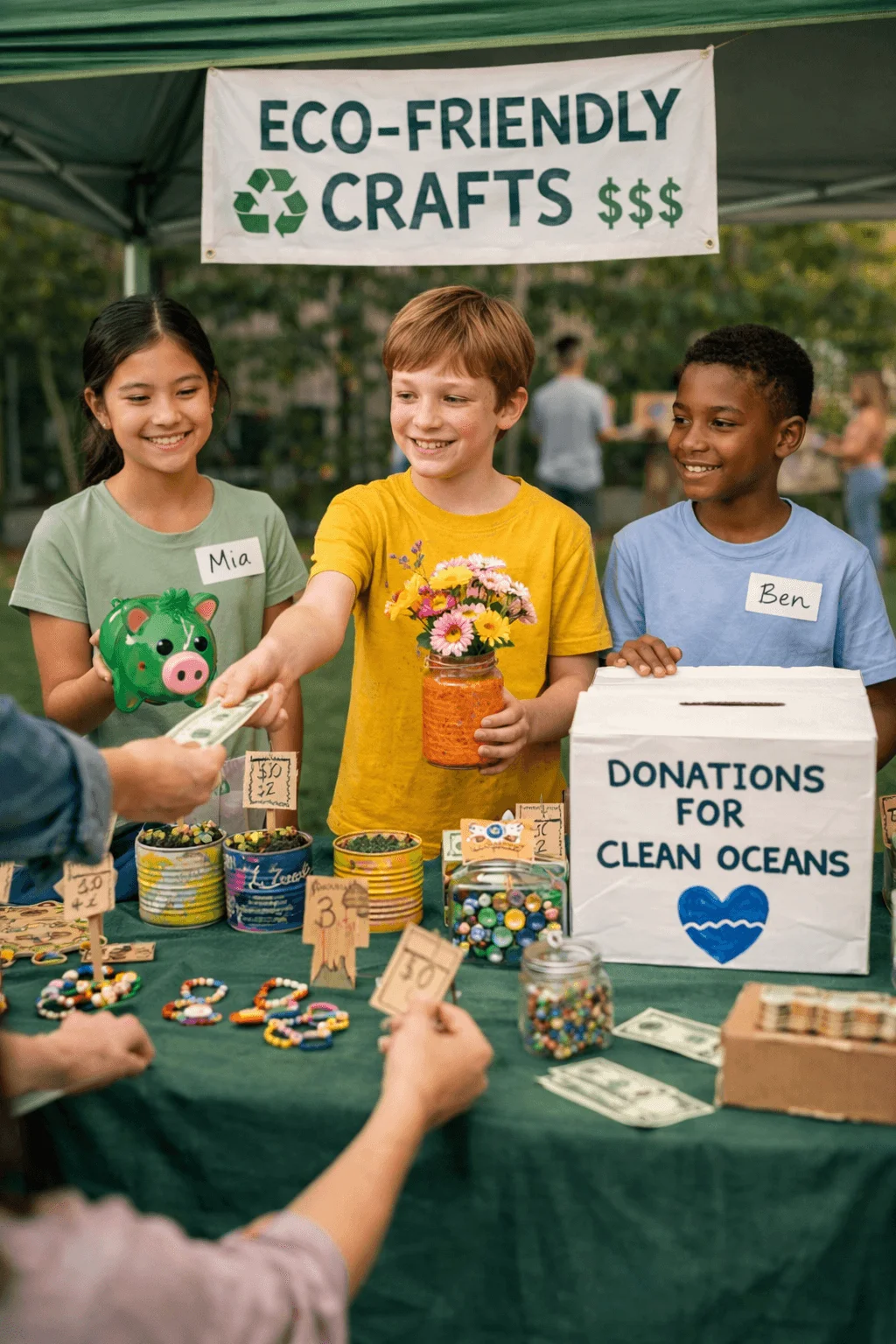
Launching an Eco Entrepreneurship Project
Eco entrepreneurship encourages older children to create upcycled crafts and sell them. Profits can support environmental causes. This builds financial literacy and leadership skills. Kids understand how sustainability can connect with business. It empowers them to become changemakers. The experience builds confidence and purpose.
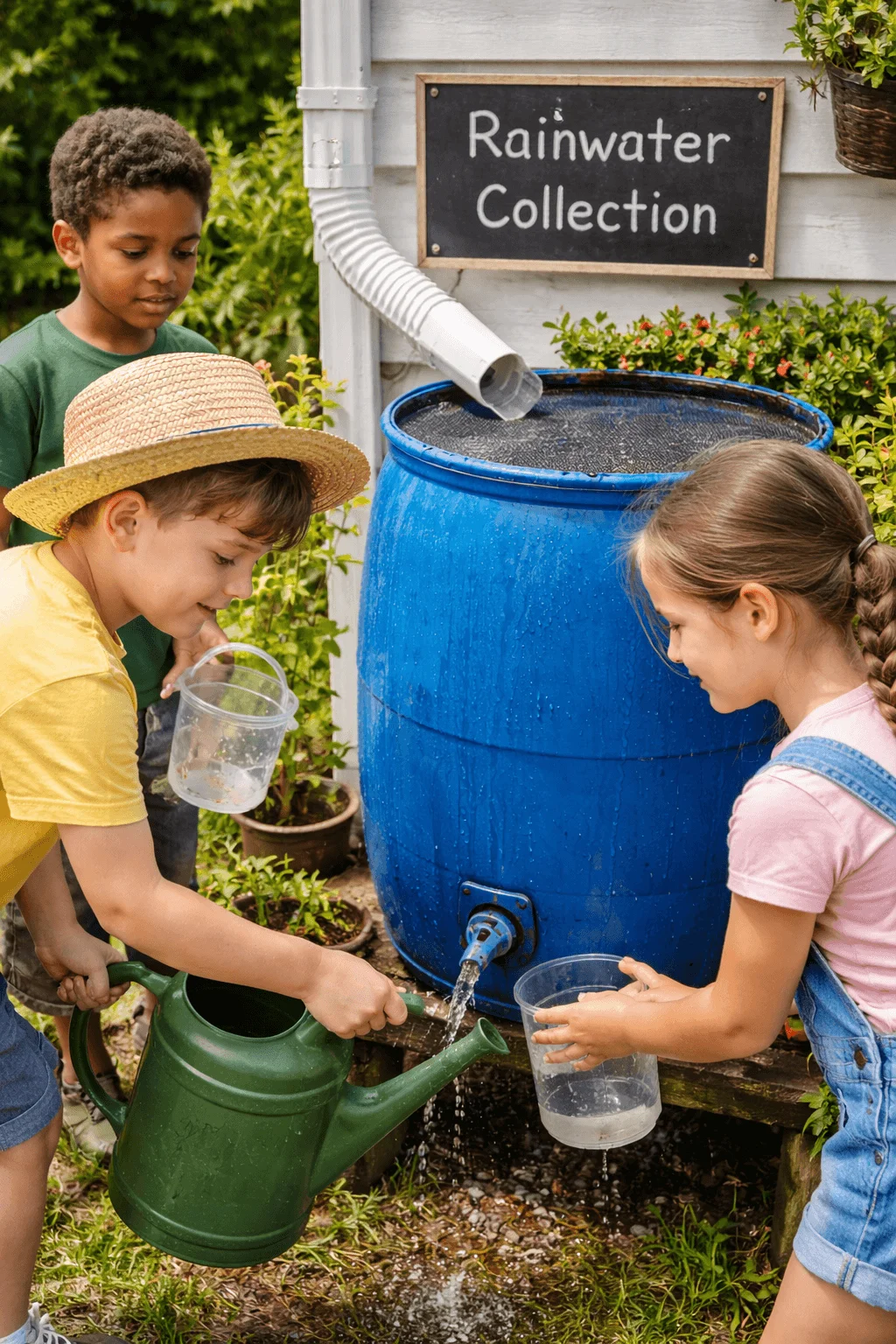
Demonstrating Rainwater Collection for Conservation
Rainwater collection shows children how natural resources can be preserved. They see how collected water can be reused for plants. This builds awareness about water scarcity. It encourages responsible usage habits. The demonstration connects everyday actions with environmental impact. Children begin valuing water more consciously.
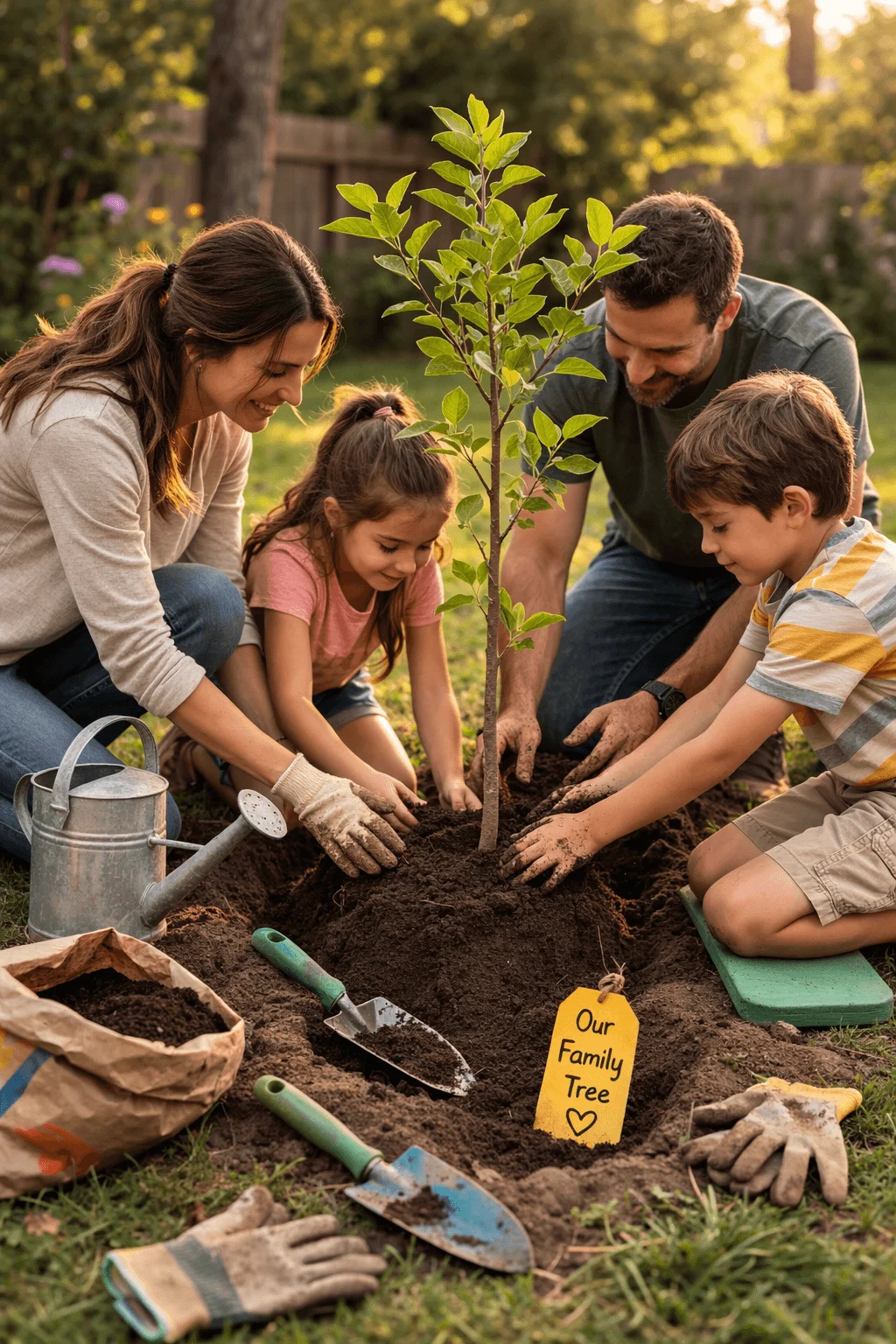
Planting a Family Tree as a Long Term Commitment
Planting a tree together creates a meaningful environmental tradition. Children track growth and observe changes over years. This teaches patience and long term thinking. A tree symbolizes responsibility toward future generations. Kids develop emotional attachment to nature. It strengthens environmental commitment.
Planning a Sustainable Picnic With Reusable Supplies
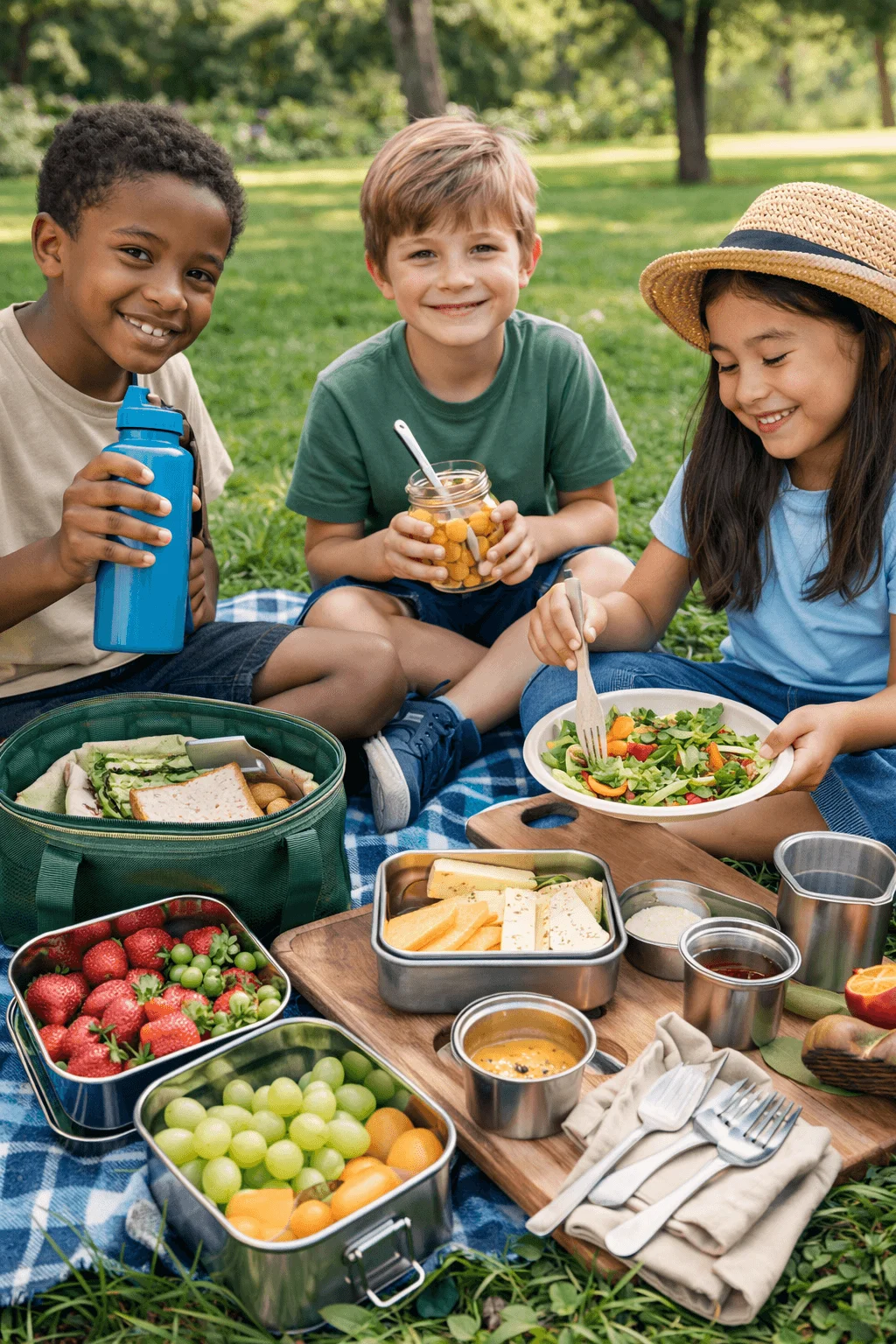
A sustainable picnic uses reusable containers and locally sourced food. Children help pack items responsibly. This teaches mindful preparation and consumption. It shows that outdoor fun does not require disposable products. The experience reinforces eco friendly habits. It combines enjoyment with responsibility.
Writing and Illustrating Eco Storybooks
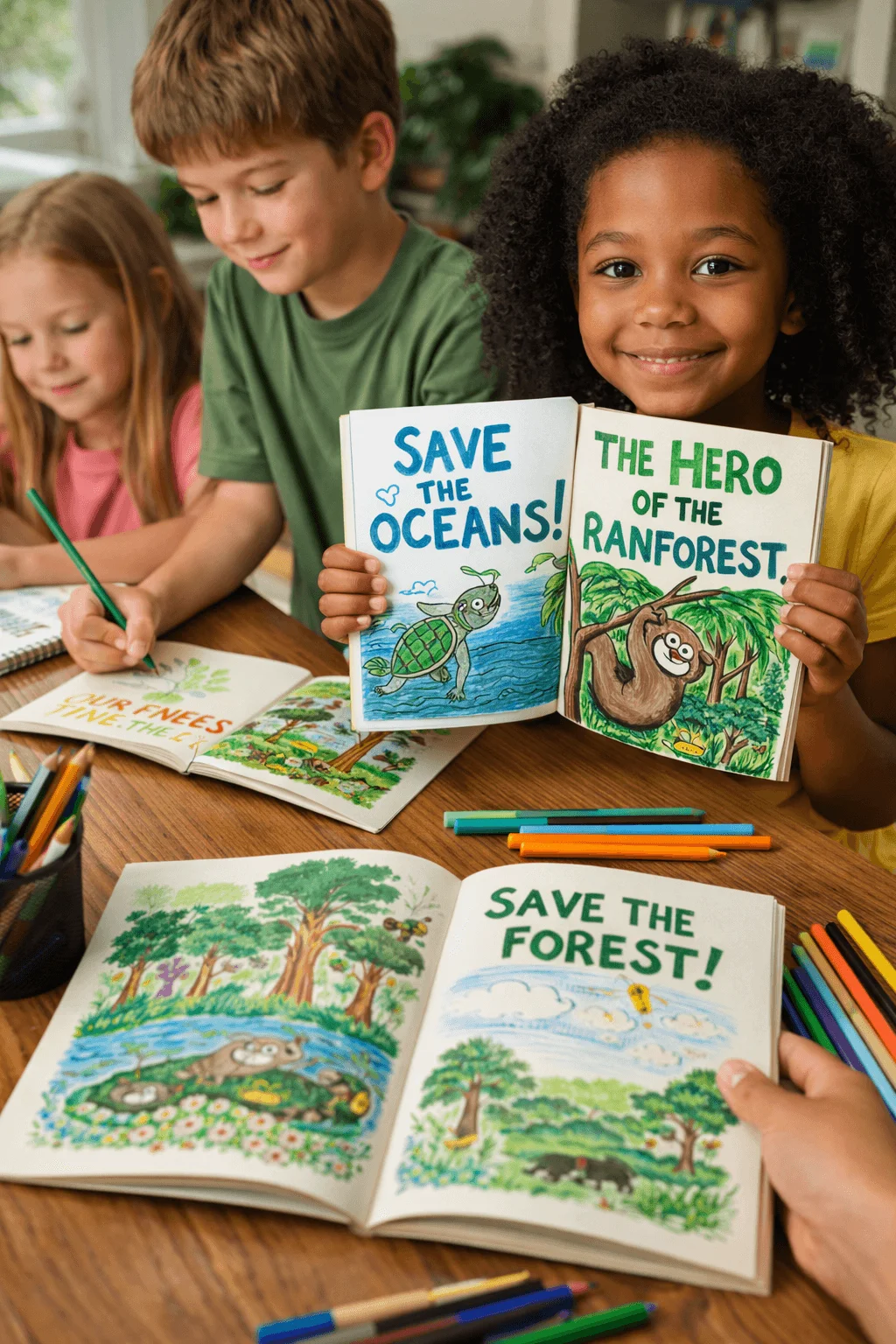
Creating eco themed storybooks allows children to express environmental ideas creatively. They write about protecting forests or oceans. This strengthens imagination and communication skills. Storytelling reinforces sustainability lessons. Kids feel ownership of their message. It combines literacy with environmental awareness.
Hosting a Community Cleanup Day
Community cleanup activities teach responsibility for shared spaces. Children collect litter from parks or neighborhoods. They see immediate visual impact of their effort. This builds teamwork and pride. It opens discussions about waste management. Kids understand that small actions improve public spaces.

Weekly Screen Free Nature Observation Hour
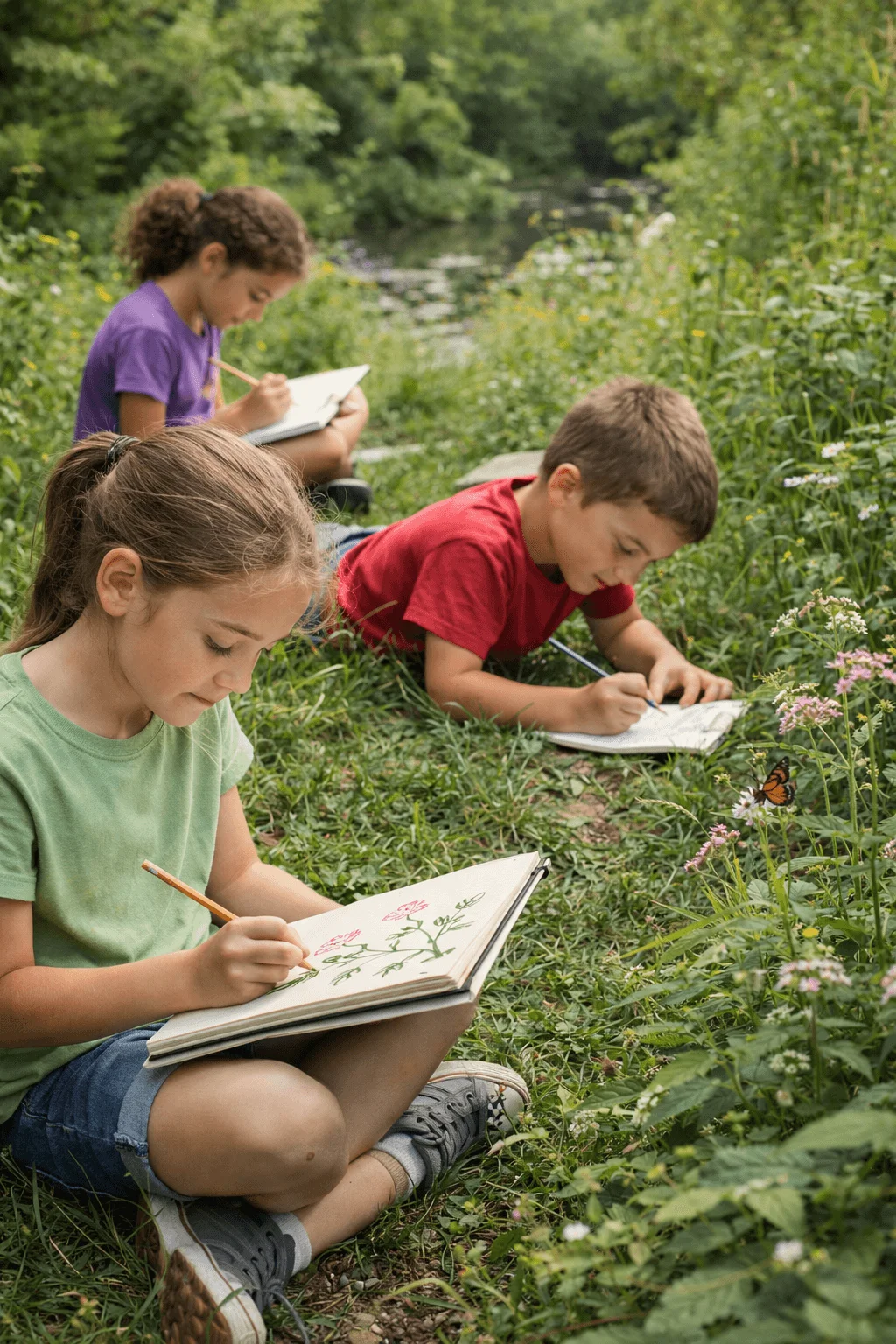
A weekly nature observation hour encourages children to spend quiet time outdoors. They draw or write about plants and animals they notice. This builds mindfulness and focus. It reduces screen dependency. Over time, children recognize patterns in nature. The habit strengthens long term environmental appreciation.
Conclusion
Eco friendly activities for kids in 2026 are practical, skill focused, and deeply educational. They help children understand sustainability through action rather than theory. From citizen science projects for kids to zero waste ideas for kids, each activity builds awareness and responsibility.
Consistency matters more than perfection. Starting with one or two activities and practicing them regularly creates lasting habits. When children actively participate in protecting the planet, they grow into confident and environmentally conscious individuals prepared to make positive change.