Eco Friendly Fashion Design Ideas That Are Trending
Eco friendly fashion design is becoming one of the most important transformations in the global fashion industry. For many decades clothing production has focused on speed, low cost manufacturing, and rapidly changing trends. This system created what is now known as fast fashion. While fast fashion made clothing widely accessible, it also led to massive environmental damage, excessive waste, and unsustainable resource consumption.
Eco friendly fashion design focuses on creating clothing in ways that reduce environmental impact and promote long term sustainability. Designers working in this field consider every stage of a garment’s life cycle. They think about how materials are sourced, how garments are produced, how long they will last, and what happens when they are no longer worn.
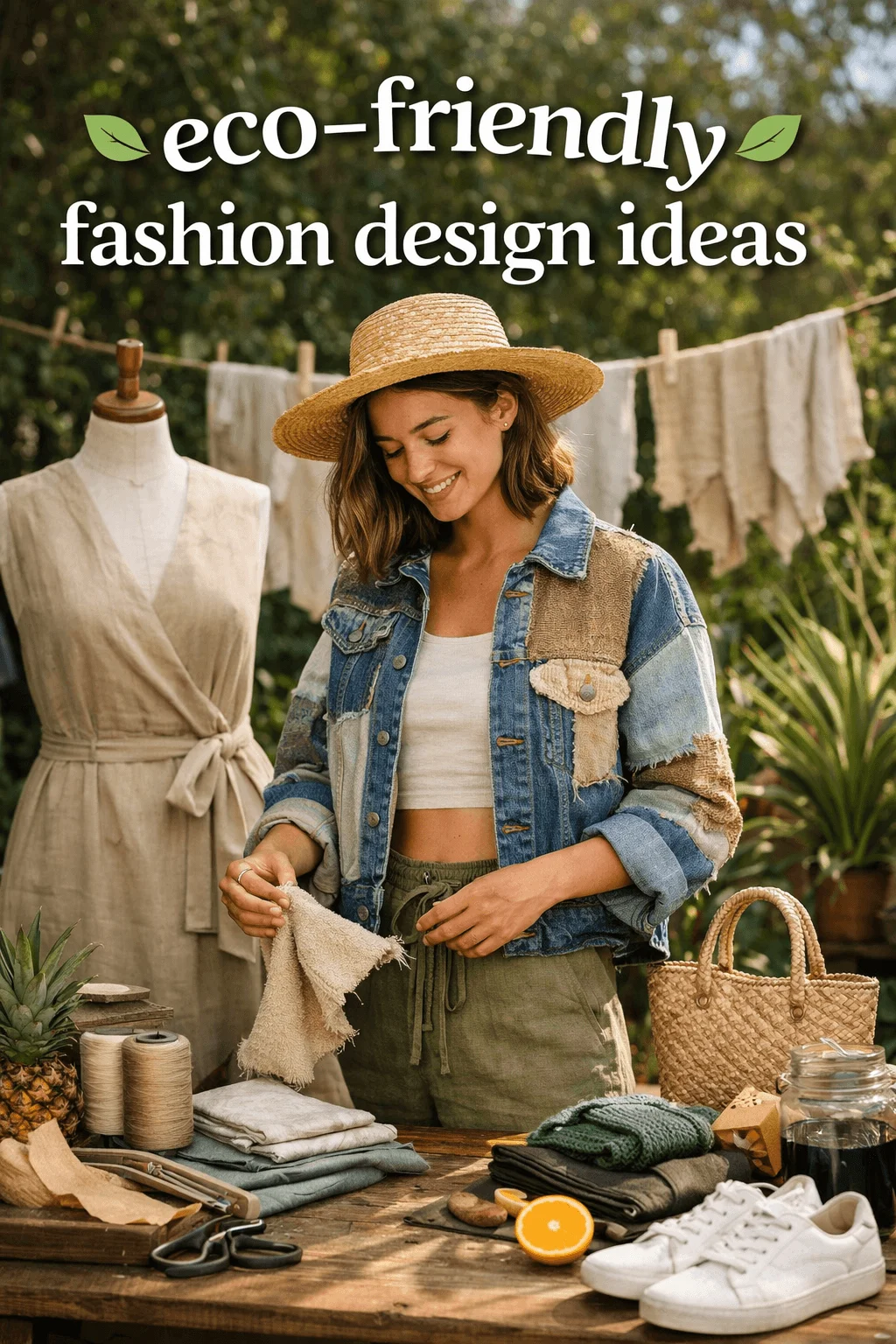
Sustainable fashion design also focuses on reducing waste and encouraging responsible consumption. Instead of producing clothing that quickly becomes outdated, designers aim to create pieces that remain useful and stylish for many years. This approach supports a shift from disposable fashion toward thoughtful design and responsible production.
Another important aspect of eco friendly fashion design is innovation. Designers are experimenting with new materials, new construction techniques, and new business models that make fashion more sustainable. From plant based fabrics to digital design tools, modern fashion is evolving in ways that balance creativity with environmental responsibility.
Upcycled Clothing Design
Upcycled clothing design has become one of the most creative and inspiring areas of sustainable fashion. Instead of discarding old garments or leftover fabric, designers transform these materials into entirely new clothing pieces. This process gives a second life to materials that would otherwise become waste.
Designers often collect vintage clothing, factory offcuts, or secondhand garments and rework them into modern designs. A pair of old jeans may become a jacket, while several shirts might be combined into a completely new dress. The possibilities are almost endless.
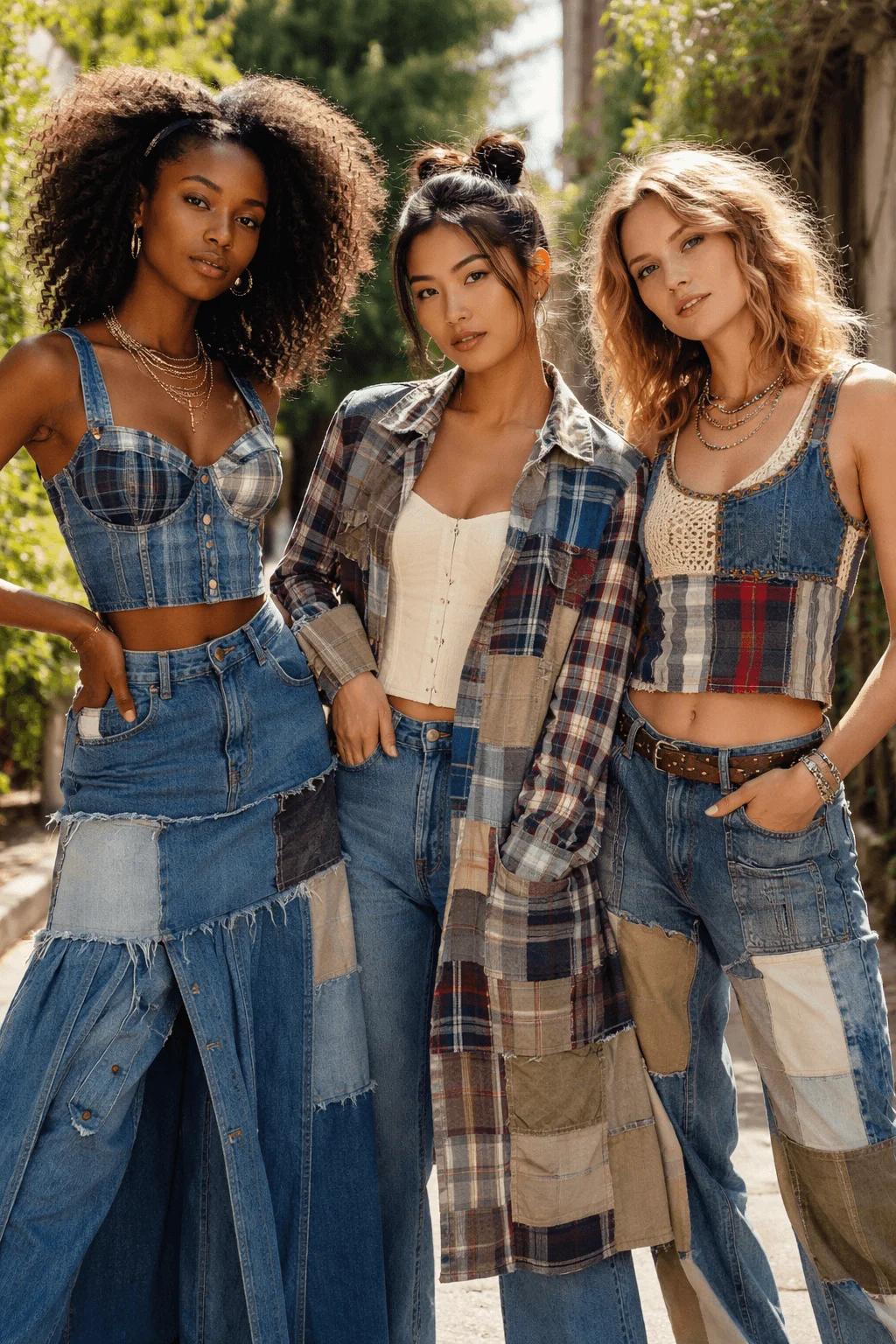
One of the most interesting aspects of upcycled fashion is its uniqueness. Because each piece is created from existing materials, every garment often has its own character and story. This makes upcycled clothing particularly appealing to consumers who want distinctive fashion items.
Upcycling also reduces the demand for newly produced fabrics. Textile production requires significant energy and water resources, so extending the life of existing materials helps reduce environmental impact. Many independent designers and small brands are building entire collections based on upcycled fashion concepts.
Zero Waste Pattern Cutting
Zero waste fashion design focuses on eliminating fabric waste during the garment creation process. Traditional pattern cutting methods often leave behind fabric scraps that cannot easily be used. These scraps accumulate during large scale manufacturing and contribute to textile waste.
Zero waste pattern cutting approaches the design process differently. Designers carefully plan garment patterns so that the entire piece of fabric becomes part of the final clothing item. Every section of the fabric is incorporated into sleeves, panels, collars, or decorative elements.
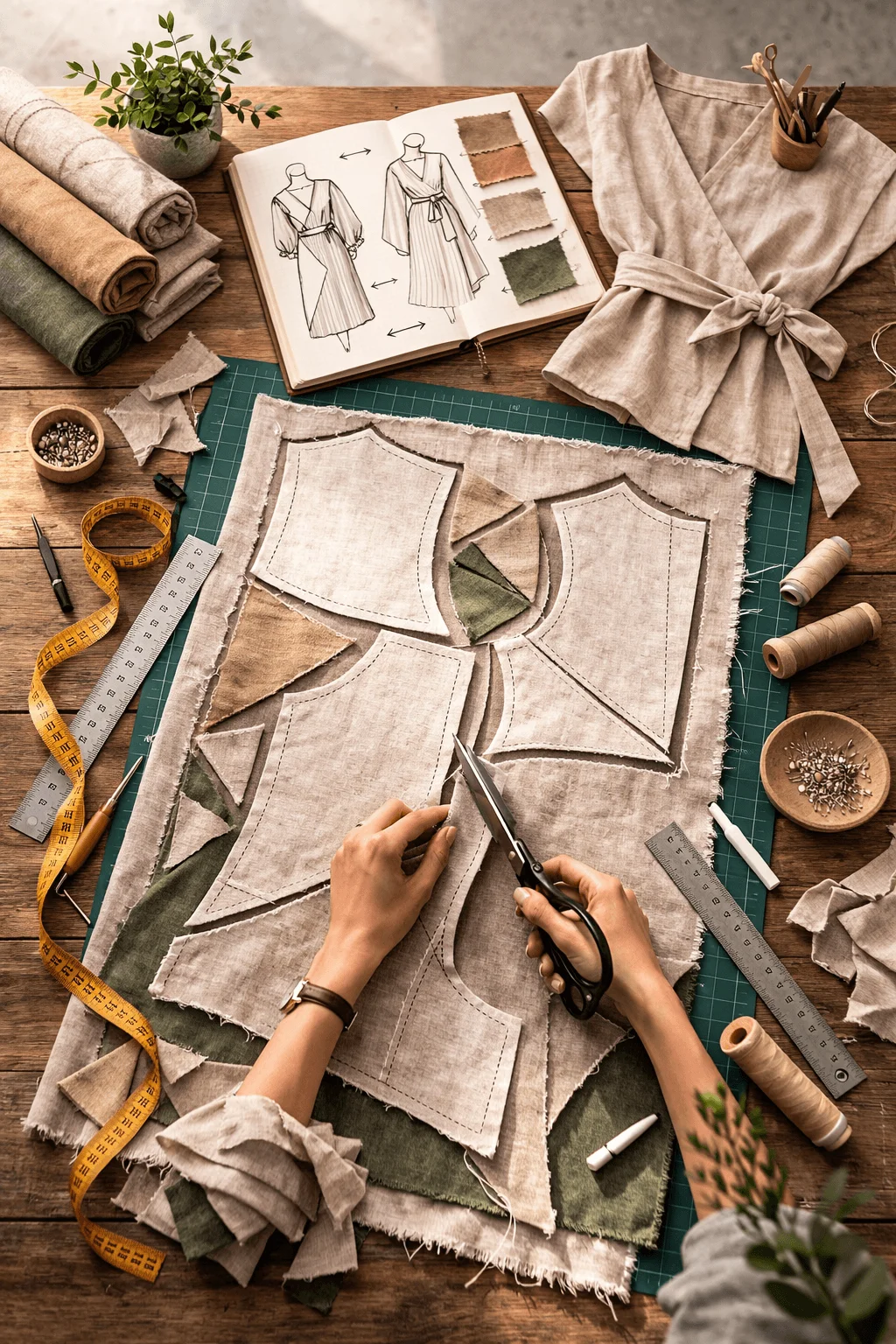
This design method requires creativity and careful planning. Designers must think about garment structure and pattern placement in ways that maximize material efficiency. Although it can be more challenging than traditional pattern making, the results can be both visually interesting and environmentally responsible.
Zero waste fashion demonstrates how thoughtful design can solve environmental problems while still producing stylish and functional clothing.
Bio Fabricated Fabrics
Bio fabricated fabrics represent an exciting technological development in sustainable fashion. These materials are created using biological processes rather than traditional textile manufacturing methods.
Scientists and designers are experimenting with growing materials in laboratories using natural organisms such as bacteria, yeast, or plant cells. For example, mushroom based materials are being developed as alternatives to leather. Lab grown silk is another innovation that mimics the properties of traditional silk without requiring large scale silkworm farming.
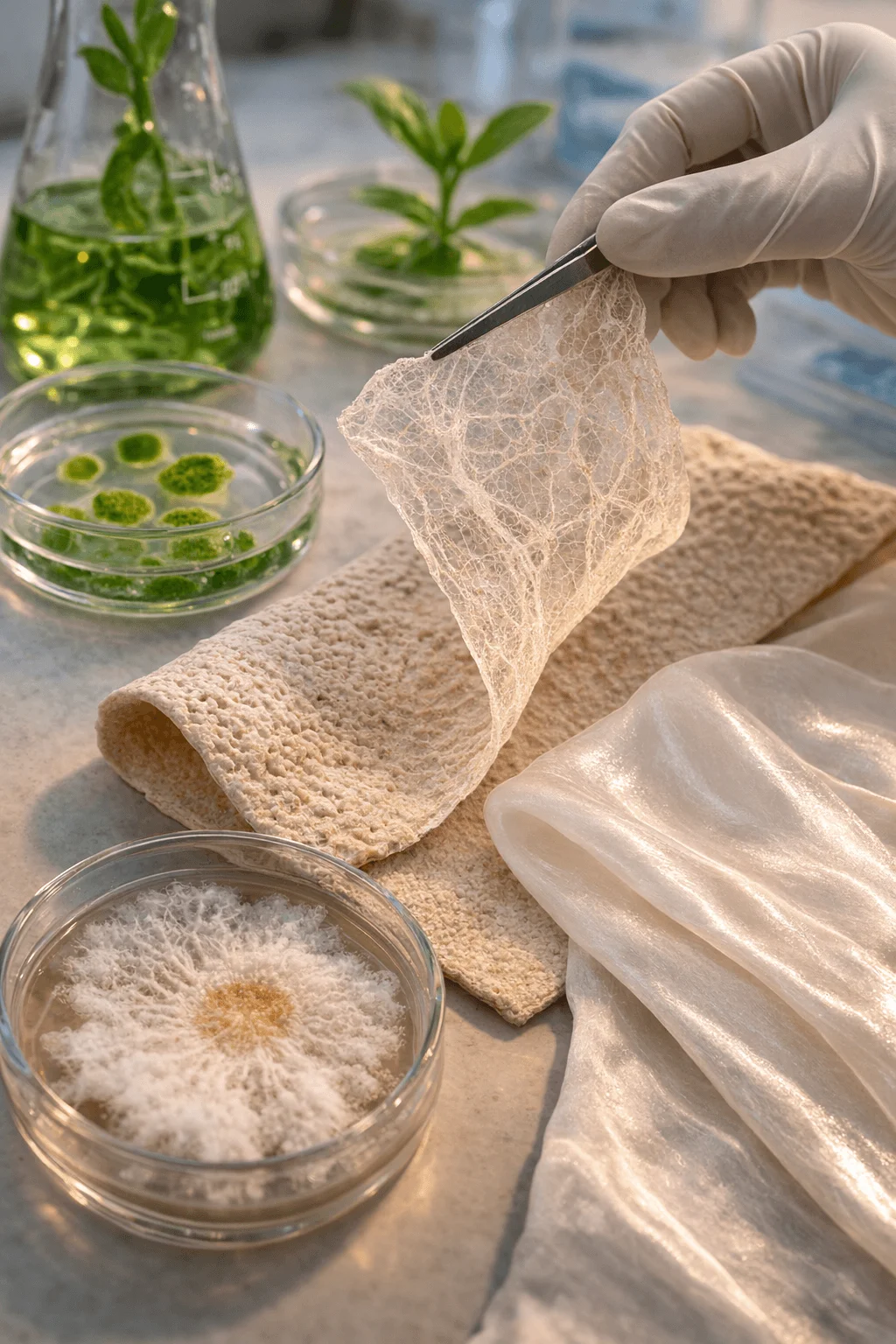
Bio fabricated fabrics often require fewer natural resources and produce less pollution compared to conventional textile production. They also open new possibilities for material design, allowing fabrics to be engineered with specific properties such as flexibility, durability, or biodegradability.
Although bio fabrication technology is still developing, it has the potential to transform how materials are created for the fashion industry.
Fruit Waste Textiles
Fruit waste textiles are created from agricultural byproducts that would otherwise be discarded. In many regions large quantities of fruit peels and plant fibers are left over after food production. Innovative textile developers have found ways to transform this waste into usable fabrics.
For example fibers derived from pineapple leaves can be processed into a material that resembles leather. Orange peel waste from juice production can be transformed into silk like fabrics. Apple waste has also been used to create plant based leather alternatives.
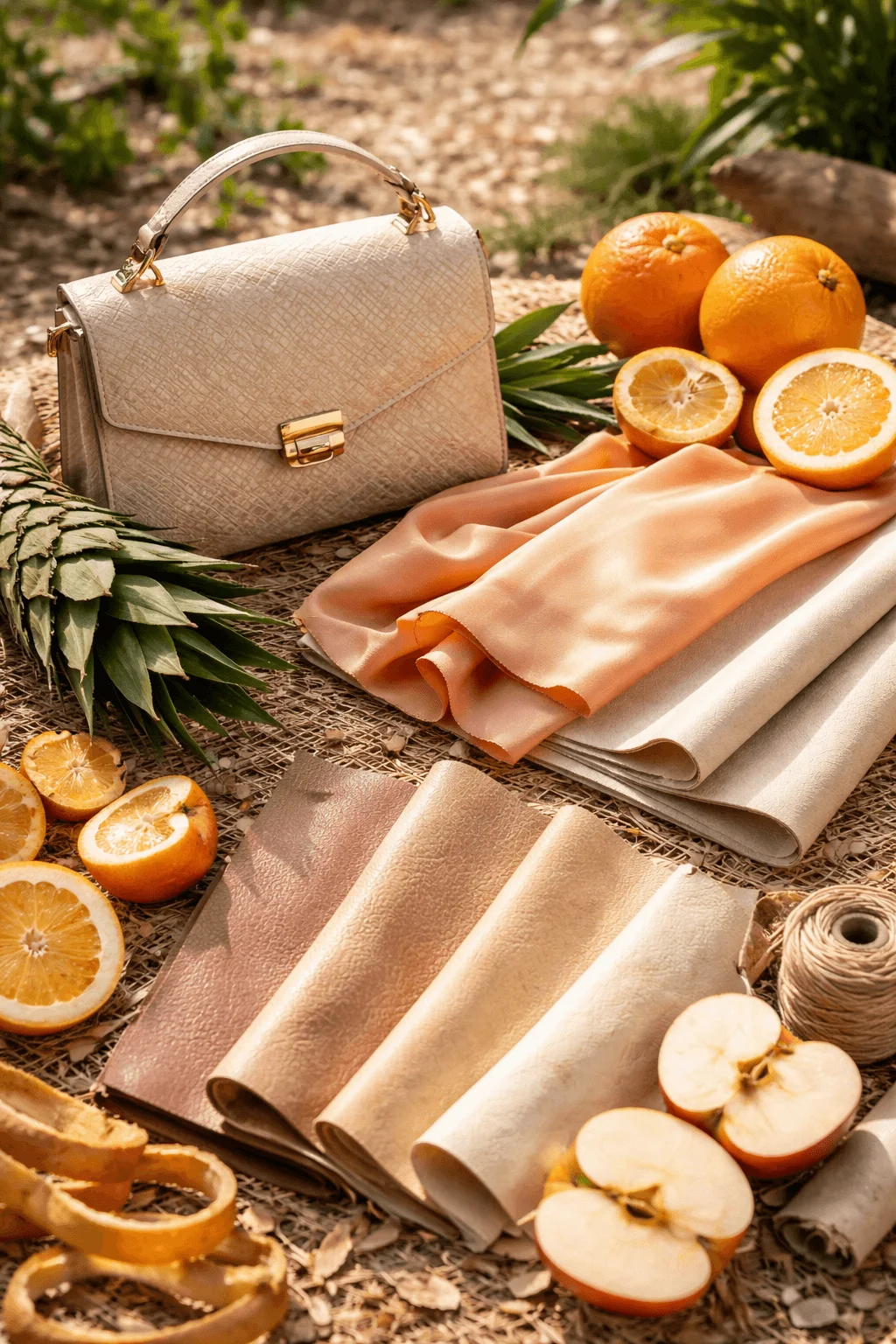
These materials demonstrate how waste from one industry can become valuable resources for another. Fruit waste textiles help reduce agricultural waste while providing environmentally friendly alternatives to synthetic fabrics.
Designers who use these materials often highlight their environmental story, showing how creative solutions can turn waste into fashion.
Modular Clothing Design
Modular clothing design focuses on garments that can be adjusted, transformed, or reconfigured. Instead of purchasing multiple separate garments, consumers can use one modular piece in different ways.
A jacket might include detachable sleeves that allow it to transform into a vest. A dress could include removable panels that change its shape or length. Some garments include interchangeable collars, pockets, or decorative components.
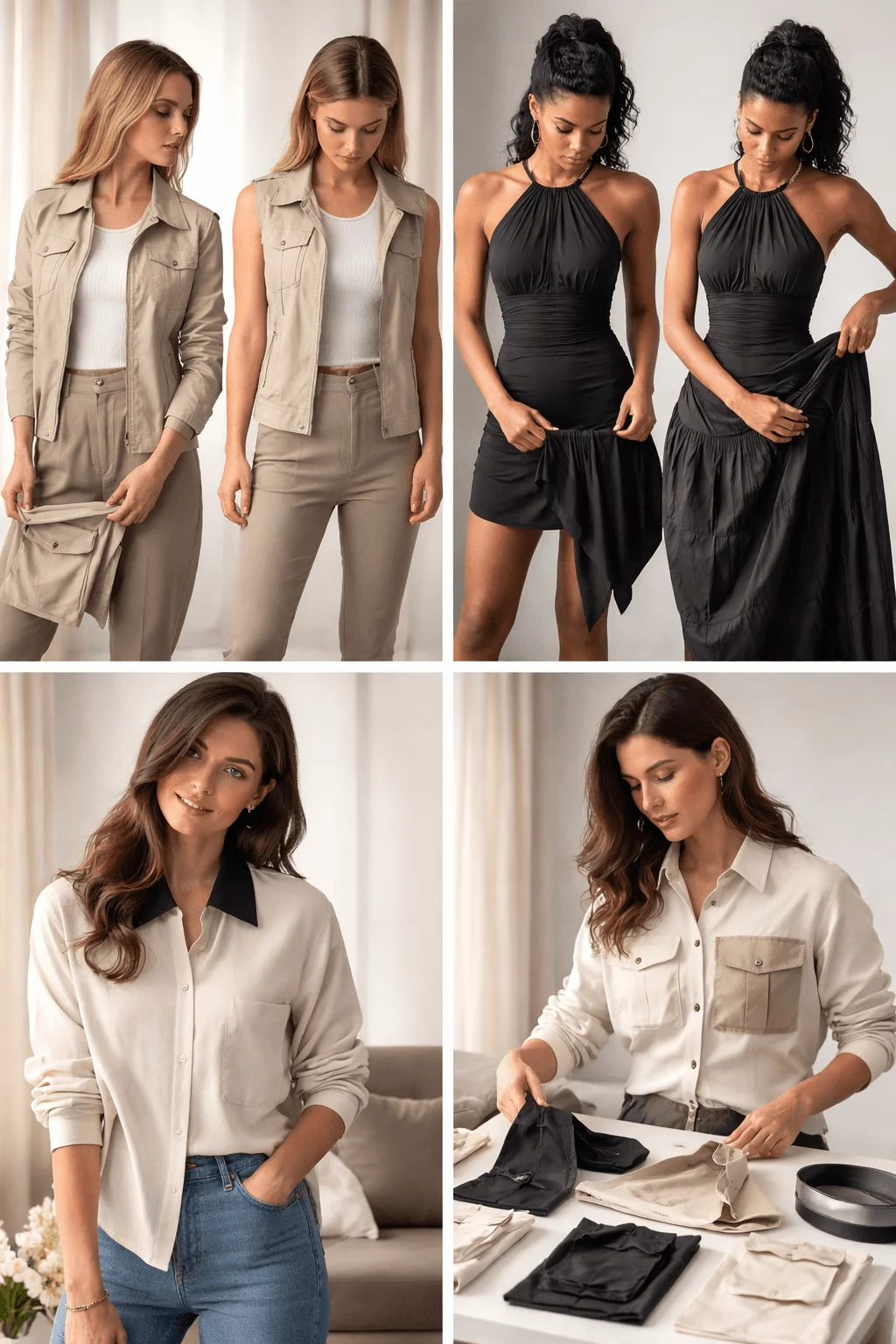
This design approach increases the versatility of clothing and encourages consumers to keep garments longer. When clothing can be adapted to different styles or seasons, it becomes more useful over time.
Modular fashion reflects a broader shift toward thoughtful consumption and long lasting design.
Design for Disassembly
Design for disassembly is an important concept within circular fashion. Many garments are difficult to recycle because they combine different materials in complex ways. Mixed fibers, glued components, and permanent attachments make recycling processes more challenging.

Designers who adopt disassembly principles create garments that can easily be separated into individual materials. Buttons may be removable, stitching may be simplified, and components may be designed to detach.
This approach makes it easier for recycling systems to process textiles at the end of their life cycle. Instead of sending garments to landfills, materials can be recovered and reused in new products.
Regenerative Fiber Fashion
Regenerative fiber production focuses on farming methods that improve environmental health rather than simply reducing harm. Regenerative agriculture restores soil quality, increases biodiversity, and helps capture carbon from the atmosphere.
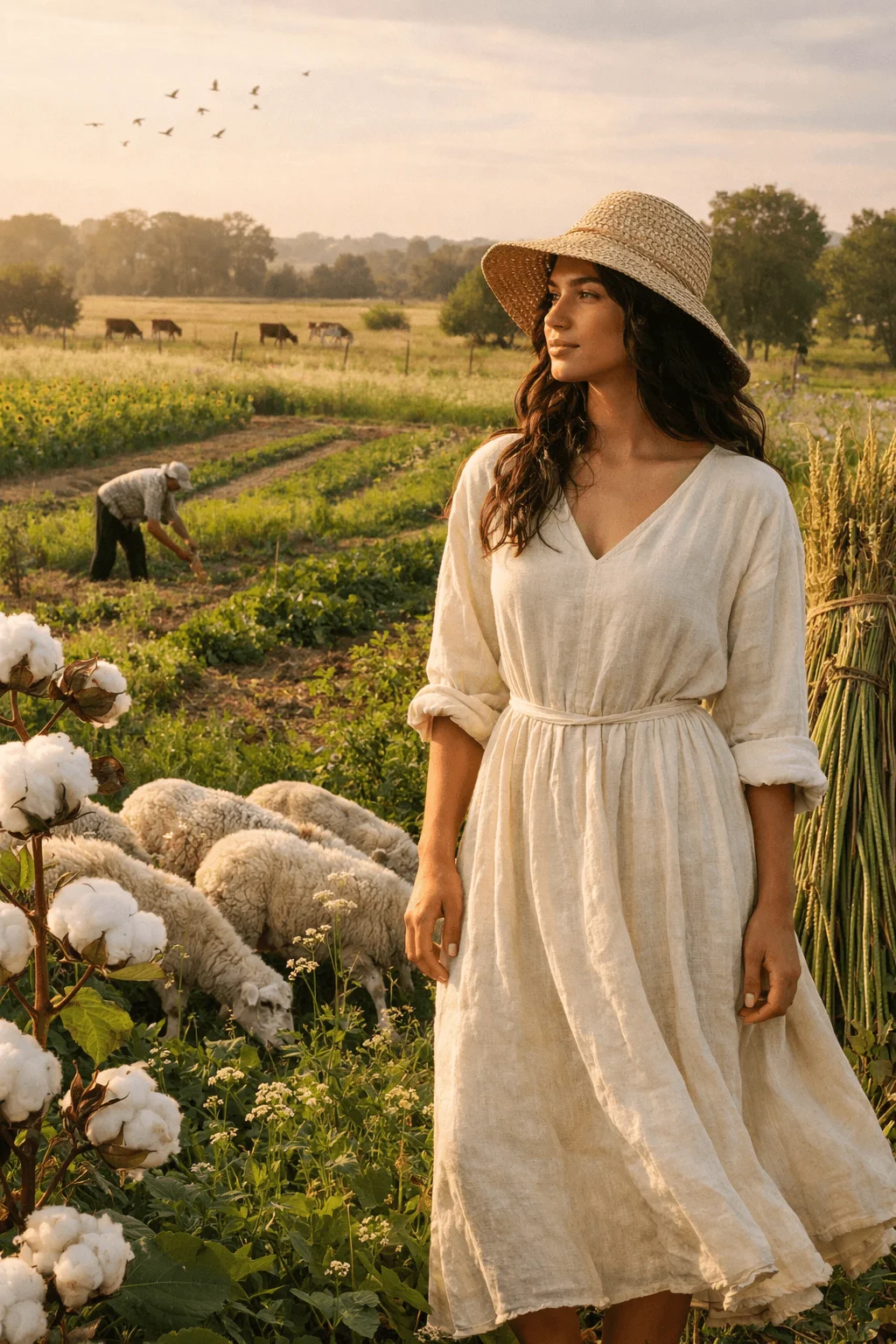
Fibers such as cotton, wool, and hemp can be grown using regenerative farming practices. These methods include crop rotation, reduced soil disturbance, and natural ecosystem management.
Fashion brands that support regenerative fibers are helping promote healthier agricultural systems. Designers who choose these materials contribute to environmental restoration while still producing high quality textiles.
Recycled Plastic Fabrics
Plastic pollution has become a major environmental challenge worldwide. Recycling plastic waste into textile fibers provides one way to address this problem.
Plastic bottles and discarded plastic materials can be processed into fibers used in clothing production. These recycled fibers are often used in sportswear, outerwear, and performance clothing.
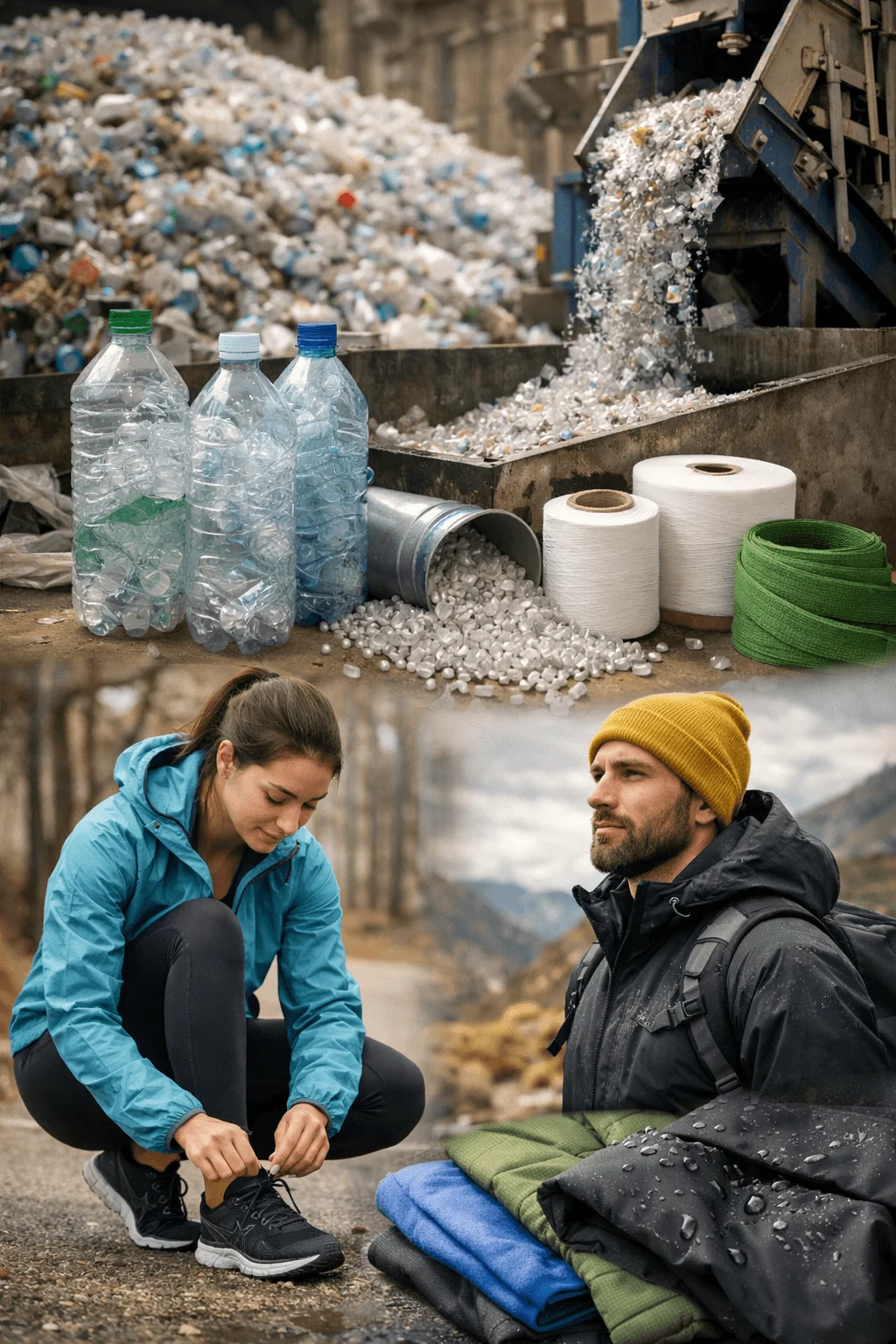
Using recycled plastic reduces the demand for new petroleum based materials and helps divert plastic waste from landfills and oceans. Although recycled synthetic fabrics still have environmental limitations, they represent an important step toward more responsible material use.
Made to Order Fashion Production
Made to order fashion is a production model in which garments are manufactured only after a customer places an order. This approach reduces excess inventory and prevents large quantities of unsold clothing.
Traditional fashion production often relies on forecasting demand months in advance. When predictions are inaccurate, brands may be left with unsold garments that are eventually discarded.
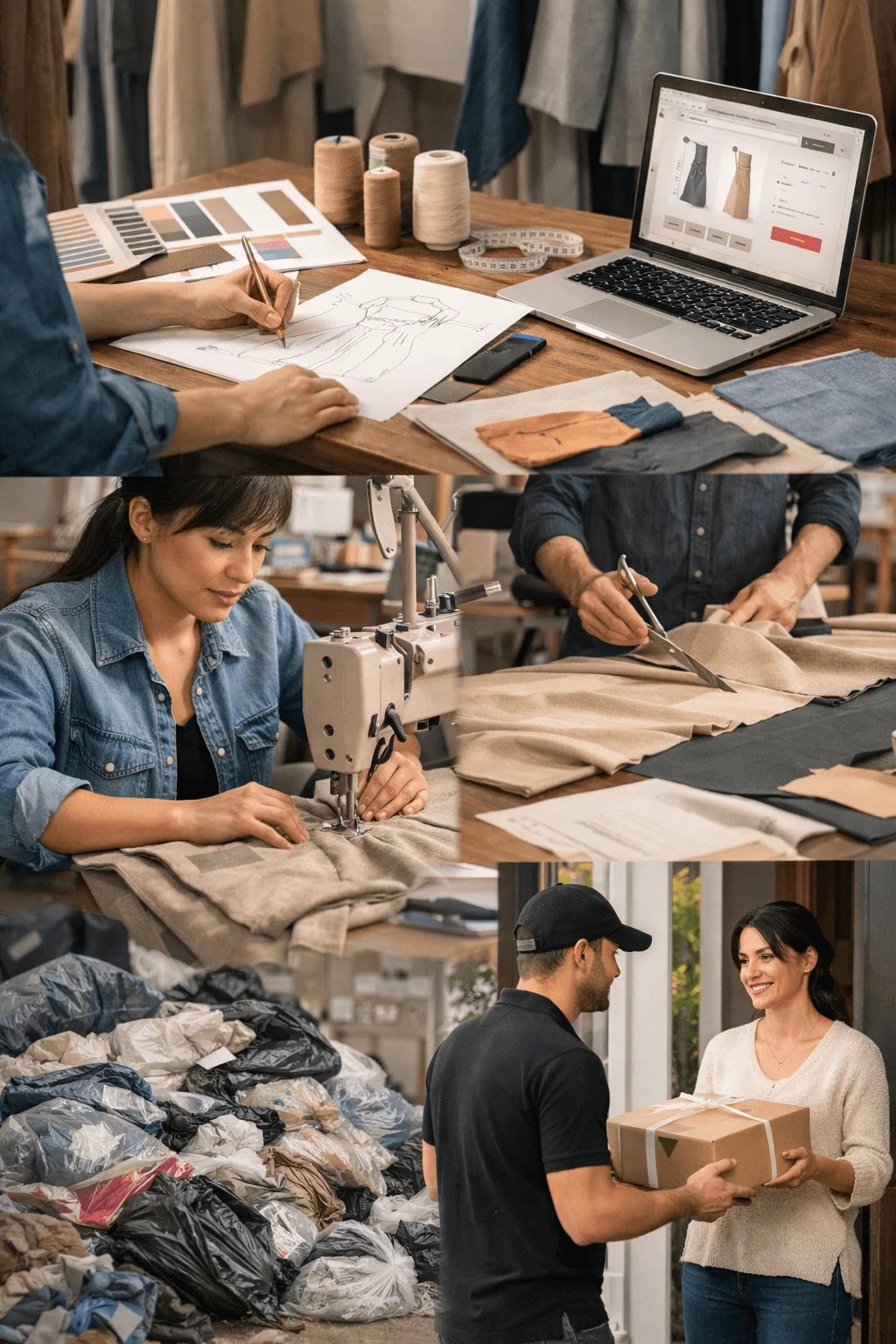
Made to order production aligns manufacturing with actual consumer demand. This reduces waste and encourages more efficient use of materials and resources.
Digital Fashion Sampling
Digital design technology is transforming how fashion collections are developed. Designers can now create detailed virtual garments using advanced three dimensional software.
These digital samples allow designers to test different fabrics, colors, and silhouettes without producing physical prototypes. As a result, fabric waste and transportation emissions associated with sample production can be significantly reduced.

Digital fashion sampling also allows designers to experiment with creative ideas quickly and efficiently before moving into final production.
Natural Dye Clothing
Natural dyes are derived from plants, minerals, and food waste rather than synthetic chemicals. Traditional dyeing processes often release harmful substances into water systems.
Natural dyes such as indigo, turmeric, avocado skins, and onion peels provide beautiful colors while reducing environmental harm. Many natural dye processes are inspired by traditional textile practices that have been used for centuries.
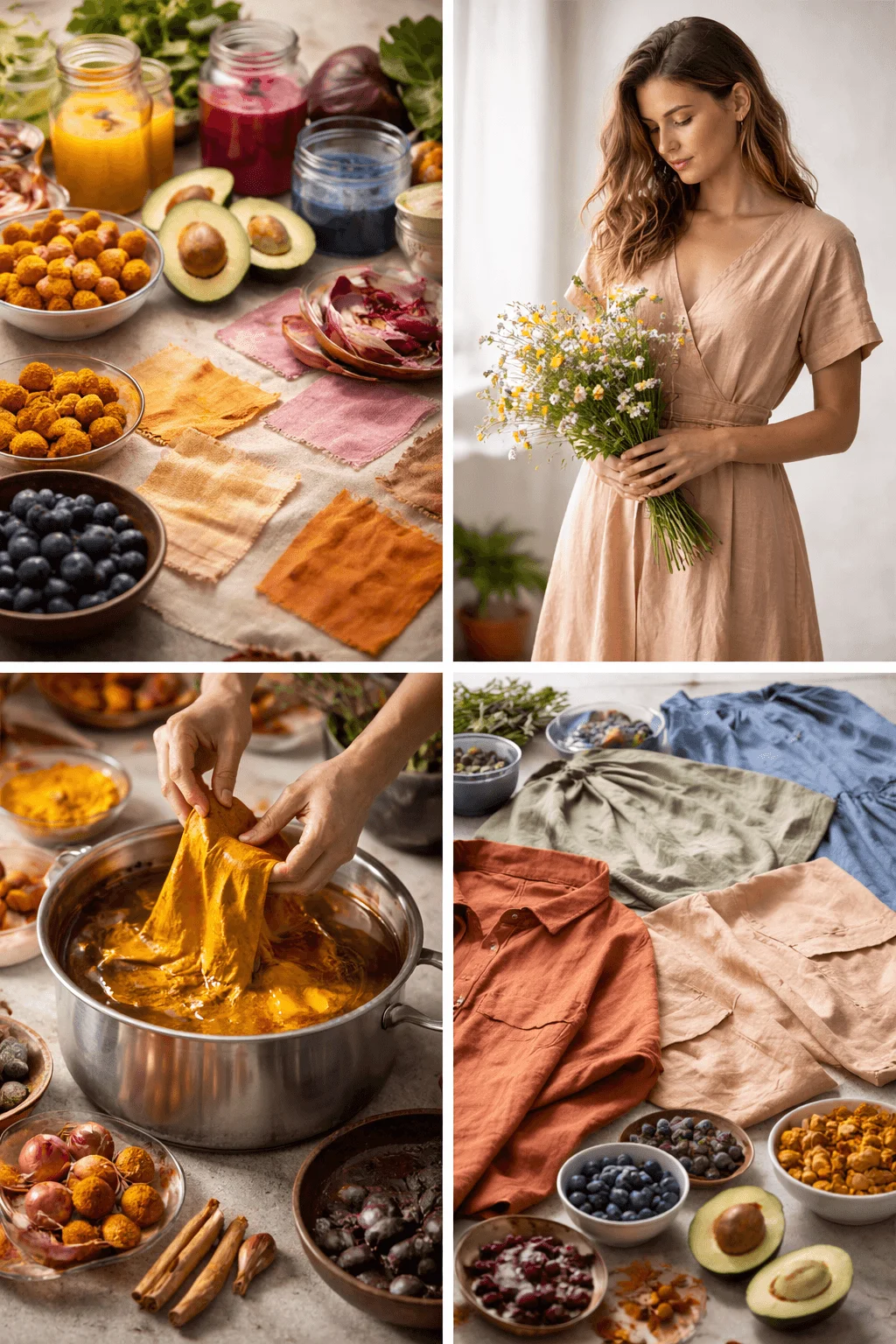
Designers who work with natural dyes often create subtle color variations that reflect the organic nature of these materials. Each dyed garment may have a slightly unique appearance.
Multifunctional Garments
Multifunctional garments are designed to perform multiple roles within a wardrobe. A single piece of clothing might serve both casual and formal purposes or adapt to different weather conditions.
Convertible garments such as reversible jackets or adjustable dresses allow consumers to create different looks without purchasing additional clothing. This reduces the number of garments needed in a wardrobe.
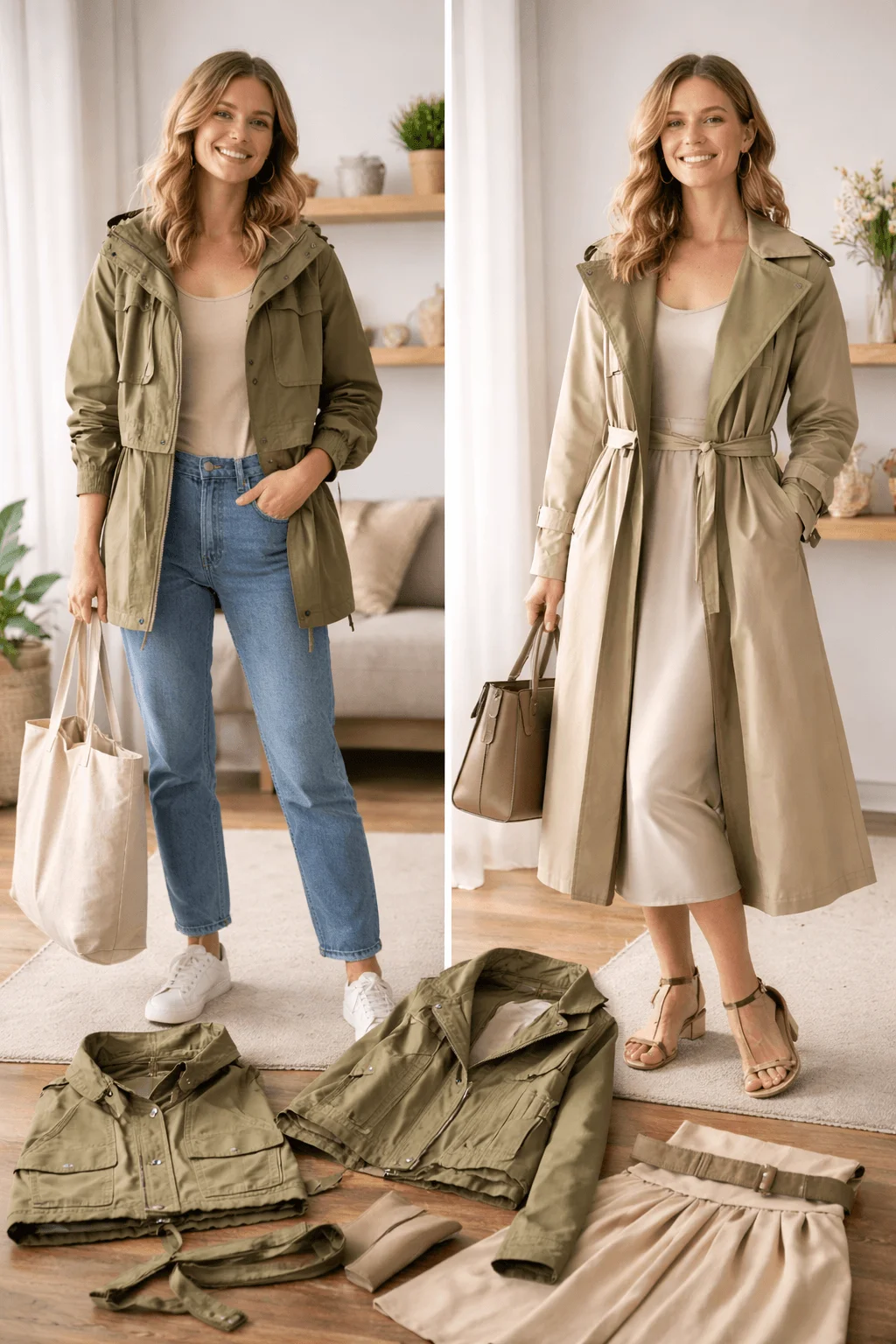
Multifunctional fashion encourages mindful consumption and emphasizes practicality in design.
Capsule Wardrobe Design
Capsule wardrobe design focuses on creating small collections of versatile clothing pieces that can be easily combined. Instead of large seasonal collections, designers create timeless garments that remain relevant for years.
These wardrobes often include essential items such as well fitted trousers, classic shirts, simple dresses, and versatile outerwear. Each piece is designed to coordinate with others in the collection.
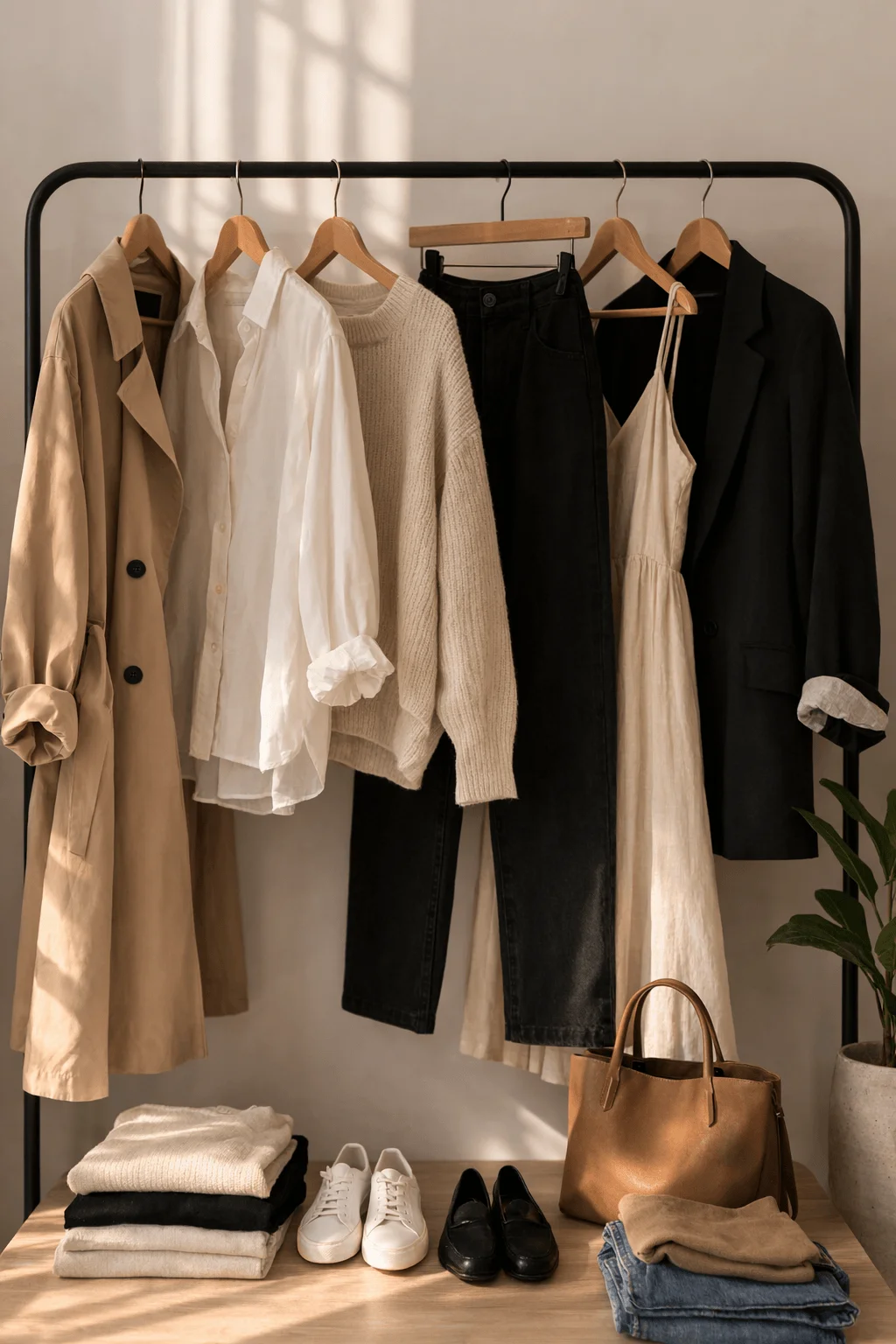
Capsule wardrobes encourage consumers to buy fewer garments while still maintaining style flexibility.
Transparent Supply Chain Fashion
Transparency in fashion production is becoming increasingly important. Consumers want to understand where their clothing comes from and how it is produced.
Some brands provide detailed information about the origin of their materials, the factories involved in production, and the environmental impact of their garments. Digital tools can allow consumers to trace products through the entire supply chain.

Transparent supply chains encourage accountability and help consumers support brands that align with their values.
Vegan and Plant Based Materials
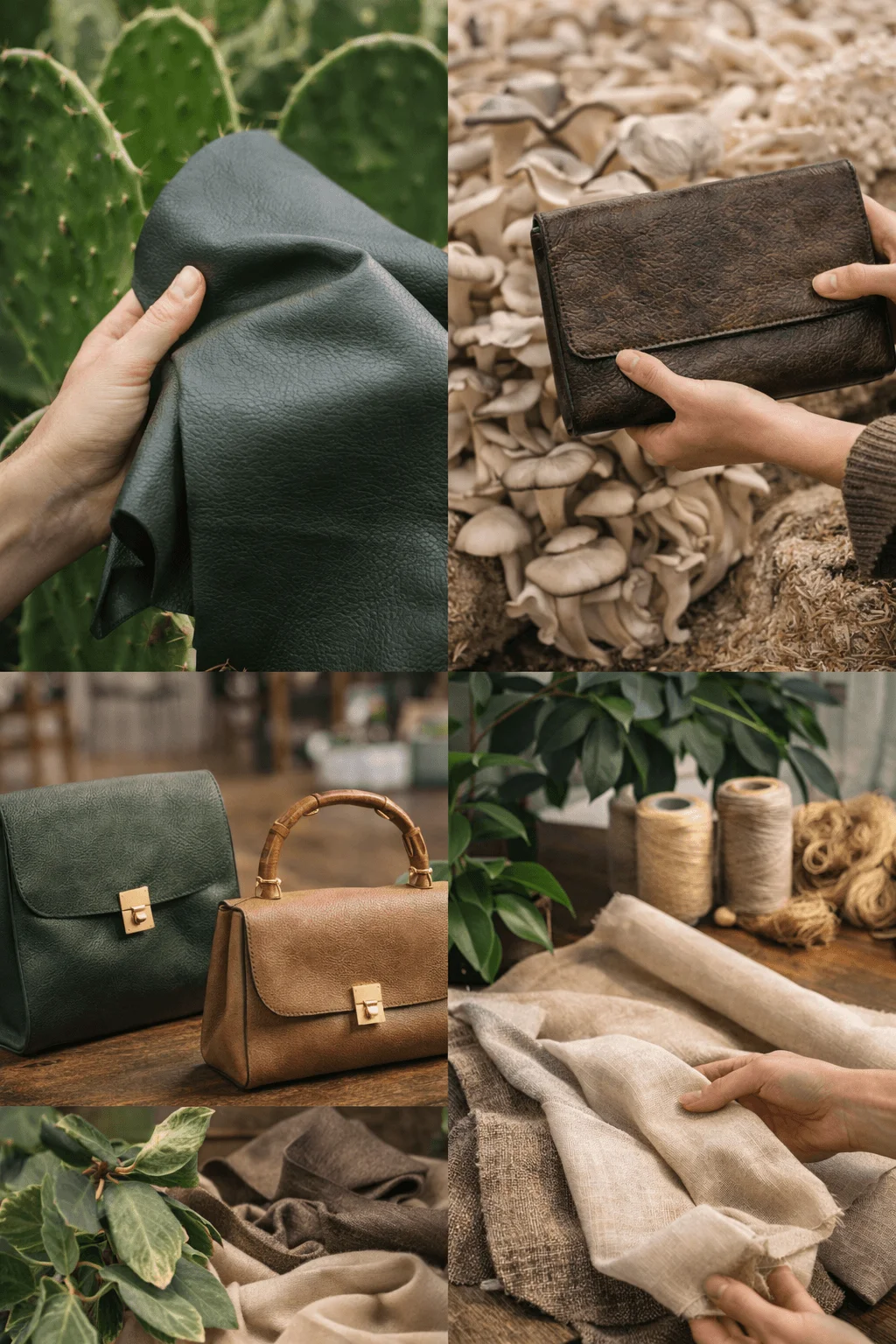
Plant based materials are increasingly replacing animal derived products in fashion design. These materials offer cruelty free alternatives while also reducing environmental impact.
Examples include cactus based leather, mushroom derived leather, and plant fiber textiles designed to mimic traditional materials. These innovations demonstrate how technology and sustainability can work together to create new fashion possibilities.
Conclusion
Eco friendly fashion design ideas are reshaping the future of the clothing industry. Through innovative materials, responsible production methods, and thoughtful design strategies, designers can significantly reduce the environmental impact of fashion.
Concepts such as upcycled clothing, zero waste pattern cutting, regenerative fibers, modular garments, and natural dyes demonstrate how creativity can support sustainability. These approaches encourage a shift away from disposable fashion toward a system that values durability, resource efficiency, and environmental care.
As awareness of sustainability continues to grow, eco friendly fashion design will play a crucial role in shaping a more responsible and innovative fashion industry. Designers, brands, and consumers all have the opportunity to support this transformation by choosing clothing that respects both people and the planet.