Sustainability Crafts for Kids Easy and Creative Projects
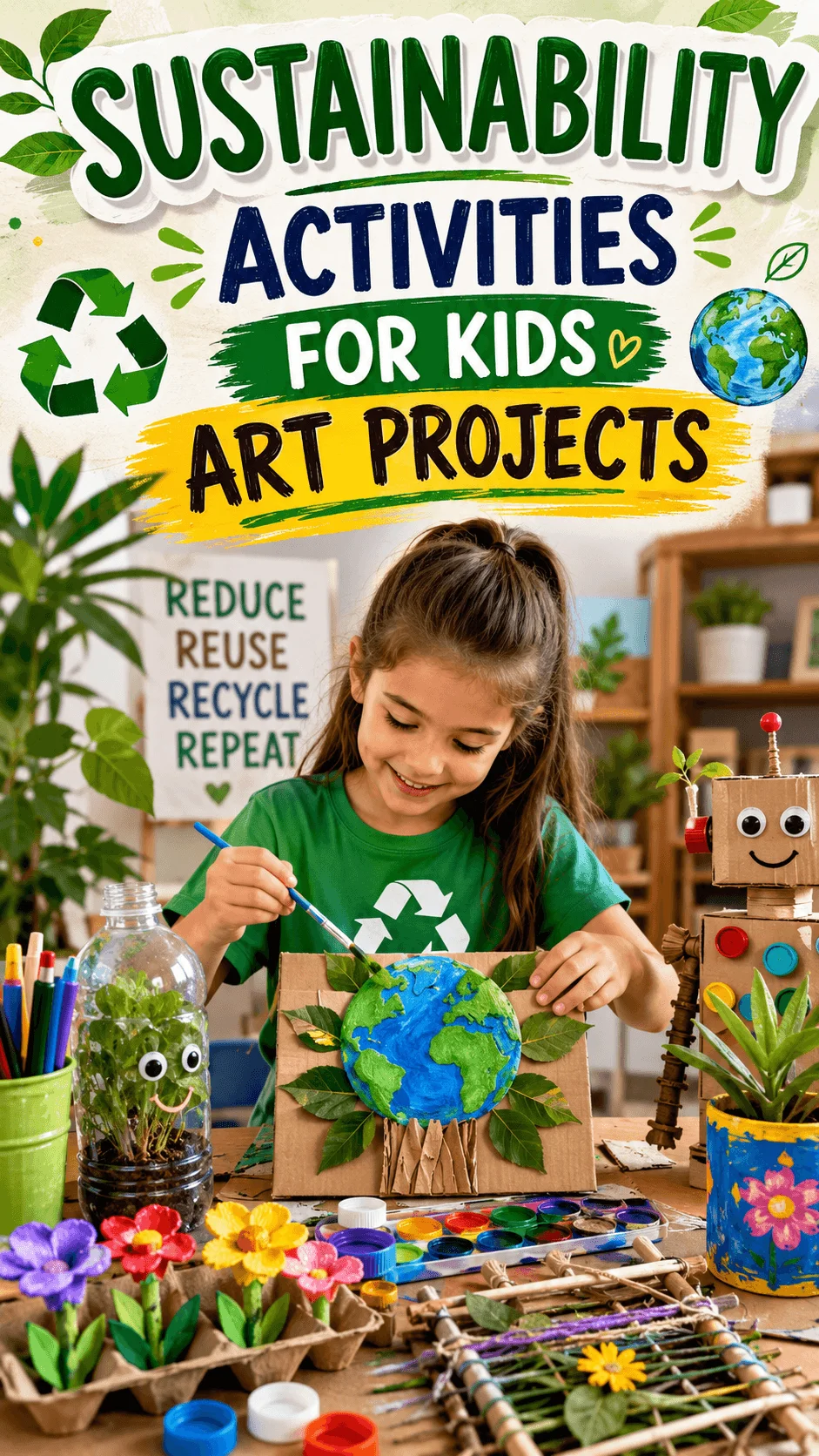
Sustainability is no longer just a global issue discussed by adults. It is becoming an essential part of how children learn about the world. In 2026, there is a clear shift toward teaching kids through experience rather than theory. Parents and educators are increasingly choosing activities that combine creativity with real life awareness, and sustainability crafts are leading this change.
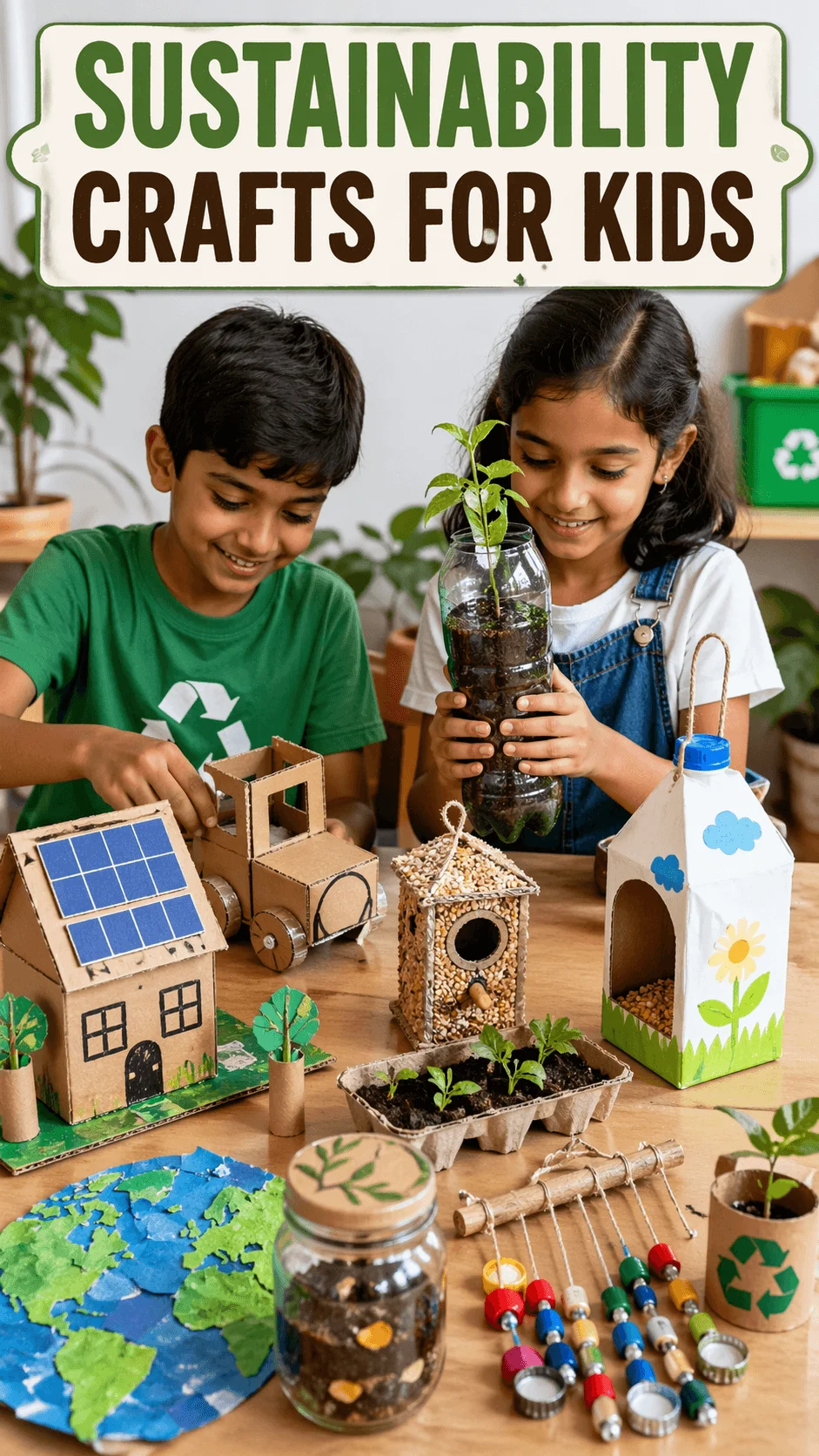
These crafts are not only about making something красив or fun. They help children understand the value of resources, the impact of waste, and the importance of thoughtful choices. When a child turns a plastic bottle into a garden or creates art from discarded paper, they begin to see waste differently. It becomes a resource rather than something to throw away.
This approach builds both creativity and responsibility at the same time, making sustainability crafts one of the most meaningful learning tools for children today.
Why Sustainability Crafts Matter for Kids
Sustainability crafts play a powerful role in shaping how children think and behave. Instead of simply telling kids to recycle or save the environment, these activities allow them to experience the process firsthand. This makes the lesson more memorable and impactful.
From an educational perspective, these crafts encourage children to think creatively within limitations. When they are given only recycled materials, they must find new ways to solve problems and express ideas. This builds strong cognitive skills and boosts confidence.
Emotionally, these activities help children develop a connection with nature. When they create something useful from waste or observe how compost turns into soil, they begin to understand natural cycles. This awareness often leads to long term habits such as reducing waste and being more mindful of consumption.
Sustainability crafts also promote patience and curiosity. Children learn that meaningful outcomes take time and effort, whether they are growing plants or building models.
Trash to Toy Challenge
This activity invites children to look at everyday waste in a completely new way. Instead of throwing things away, they are challenged to invent a toy using only discarded materials. This could be anything from a robot made of boxes to a car built from bottle caps.
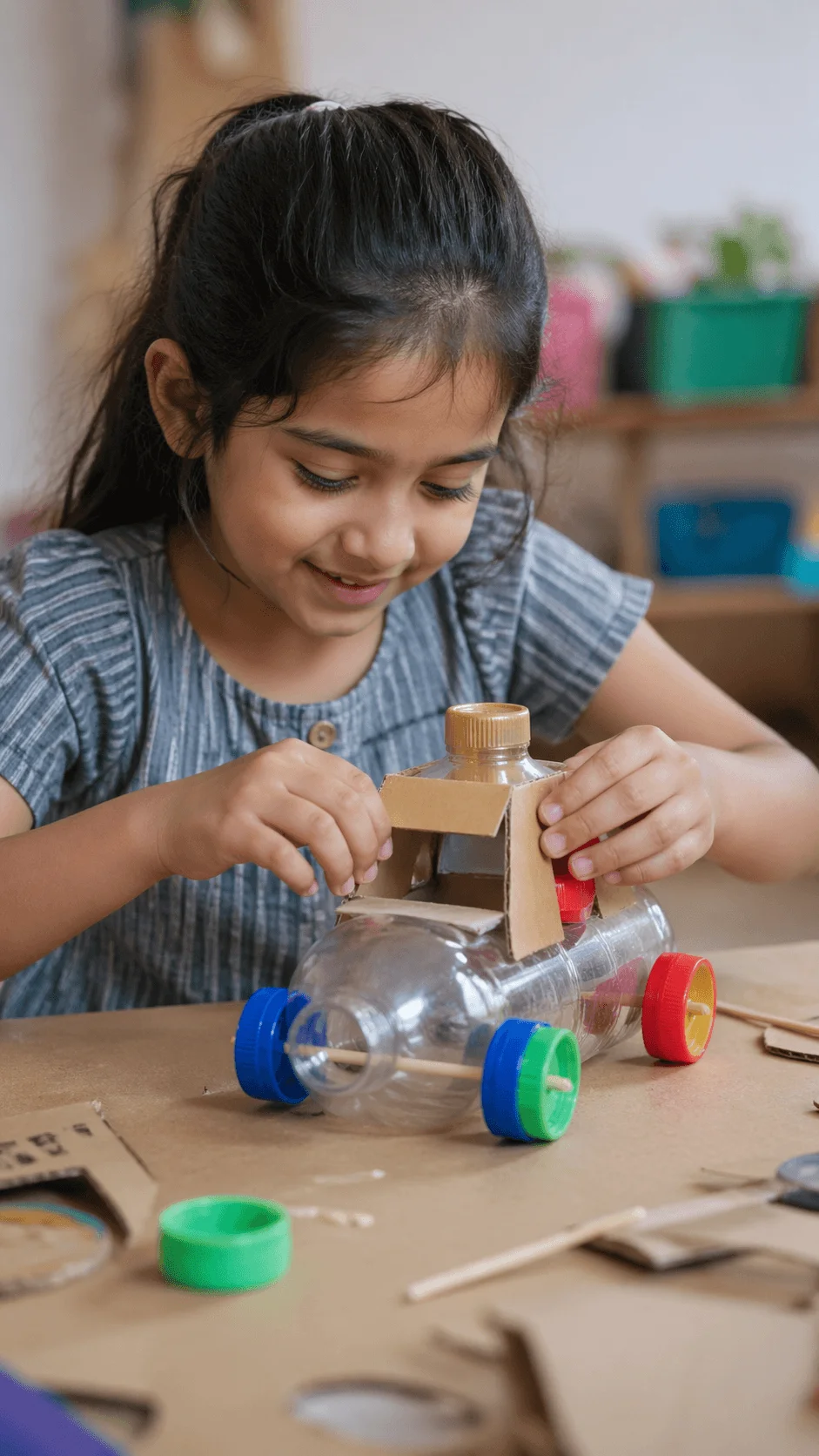
The real value of this idea lies in imagination. Children are not following instructions. They are creating something from scratch. This builds confidence and teaches them that creativity does not depend on expensive materials.
Plastic Bottle Vertical Garden
A plastic bottle vertical garden transforms waste into a living system. Children cut and arrange bottles, fill them with soil, and grow plants in a vertical setup. This is especially useful in small spaces.
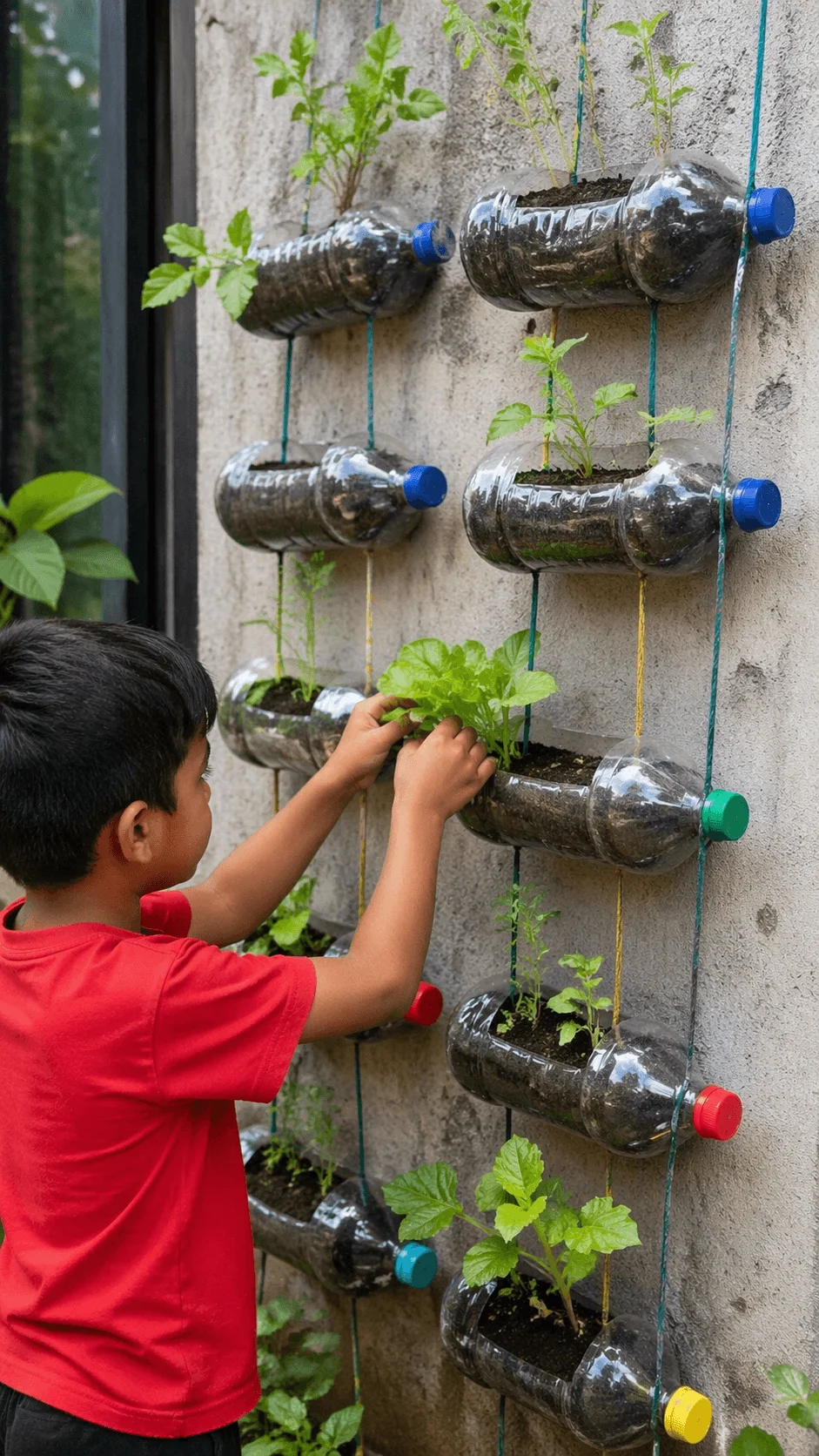
Beyond the craft itself, this activity teaches children about plant care, water usage, and food growth. It connects them with nature in a direct and ongoing way.
Milk Carton Bird Feeder
Turning a milk carton into a bird feeder introduces children to the idea of sharing resources with other living beings. After decorating the carton, they place seeds inside and hang it outdoors.
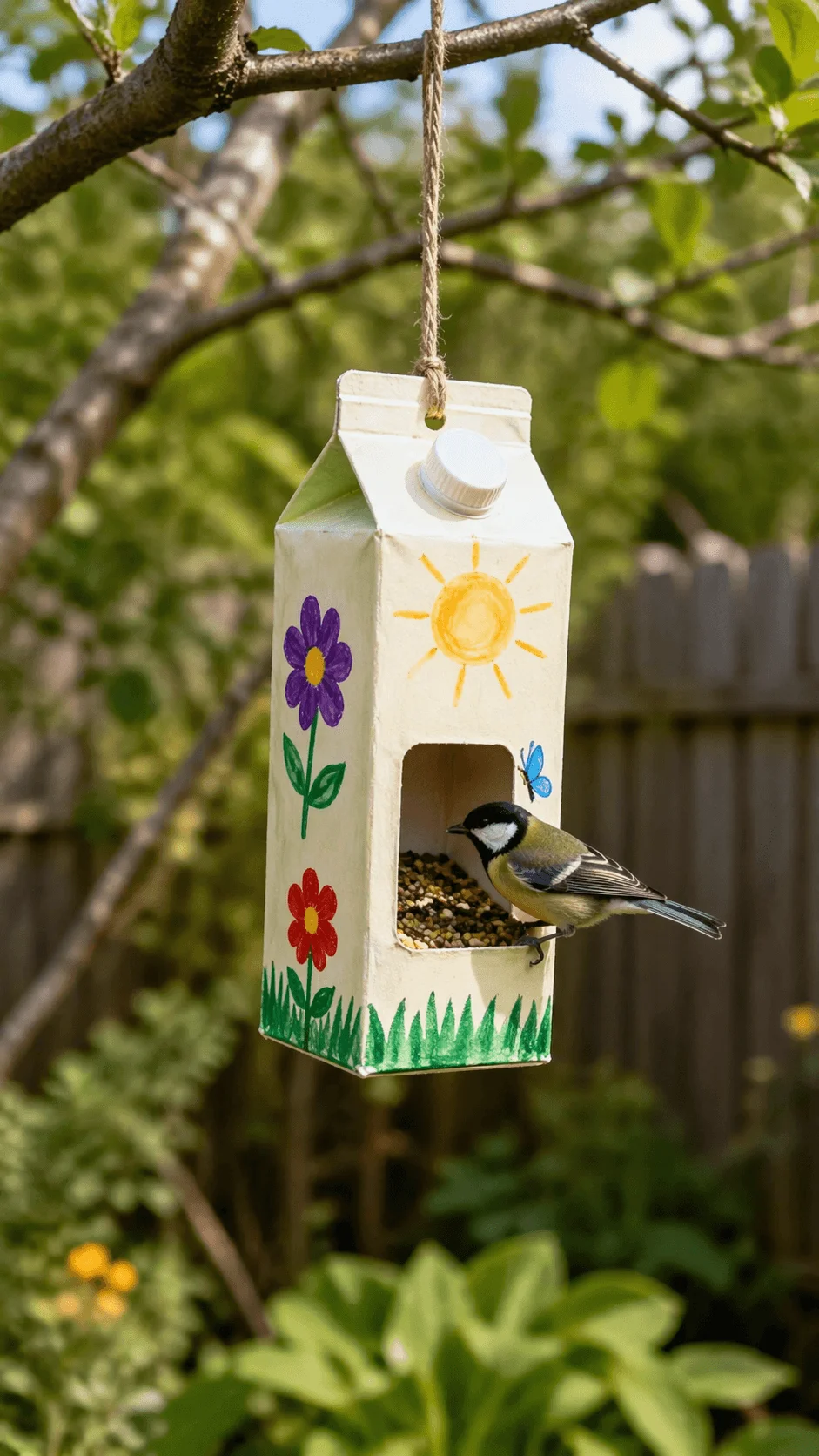
Over time, children can observe birds visiting the feeder. This creates a sense of responsibility and helps them understand local ecosystems.
Cardboard Eco City Model
Building an eco city from cardboard allows children to imagine a sustainable future. They can include parks, solar panels, clean roads, and green spaces.

This activity goes beyond crafting and becomes a storytelling experience. Children think about how cities can be designed to be more environmentally friendly.
Fabric Gift Wrap
Using fabric instead of paper for wrapping gifts teaches children about reducing waste in everyday life. They learn folding techniques and discover that wrapping can be reused multiple times.

This simple idea introduces a practical habit that can easily become part of their routine.
Trash Life Cycle Diorama
A diorama showing the journey of waste helps children visualize what happens after something is thrown away. They can create scenes that represent landfills, recycling processes, or reuse.

This activity encourages critical thinking and helps children understand the consequences of waste.
Rainwater Harvesting Model
Creating a small model of a rainwater collection system introduces children to water conservation. They can see how water is collected, stored, and reused.
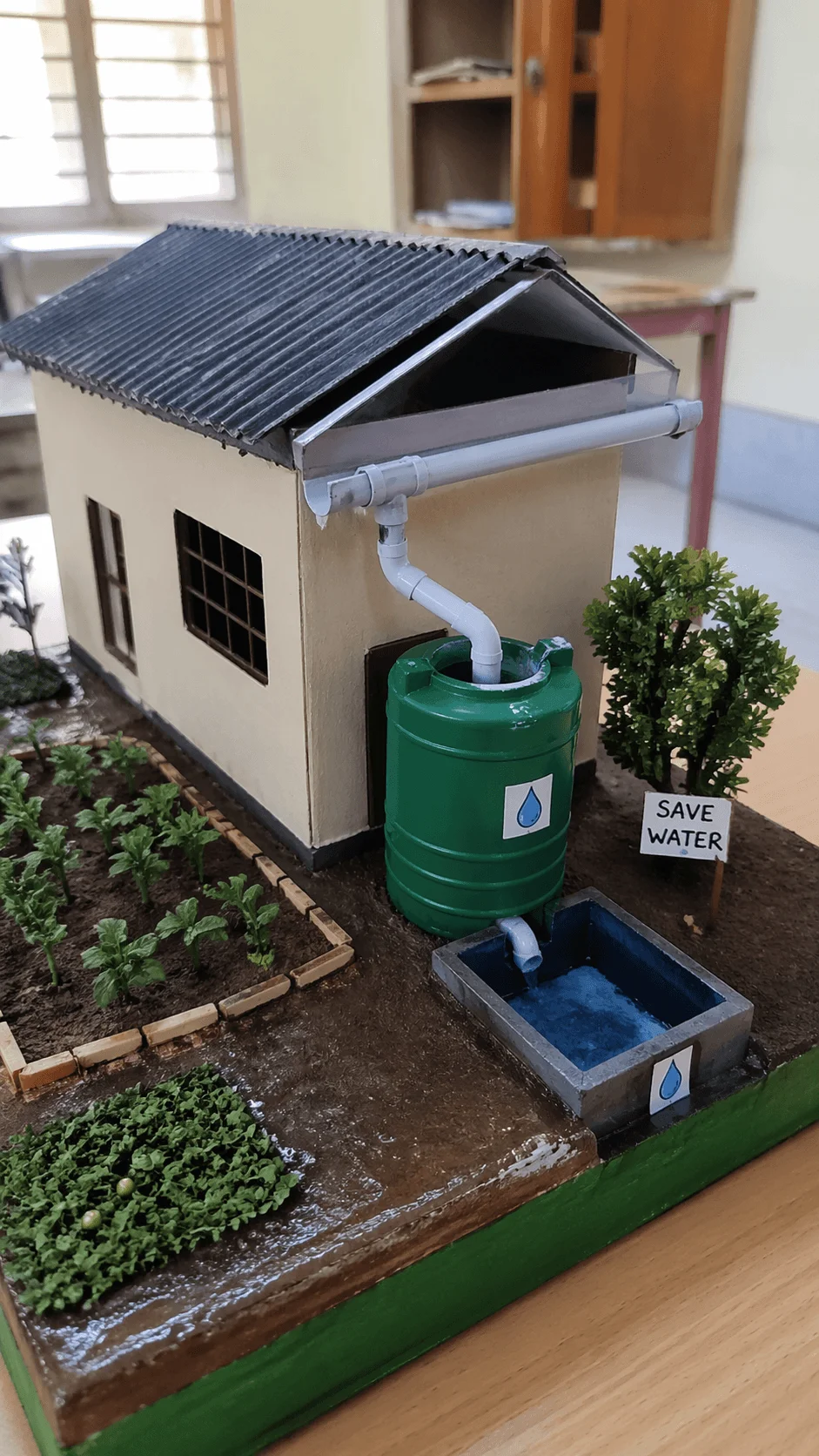
This idea connects directly to real world environmental challenges and shows that solutions can be simple and effective.
Solar Oven from Pizza Box
A solar oven demonstrates how sunlight can be used as energy. Children build the oven using reflective materials and observe how heat is trapped inside.
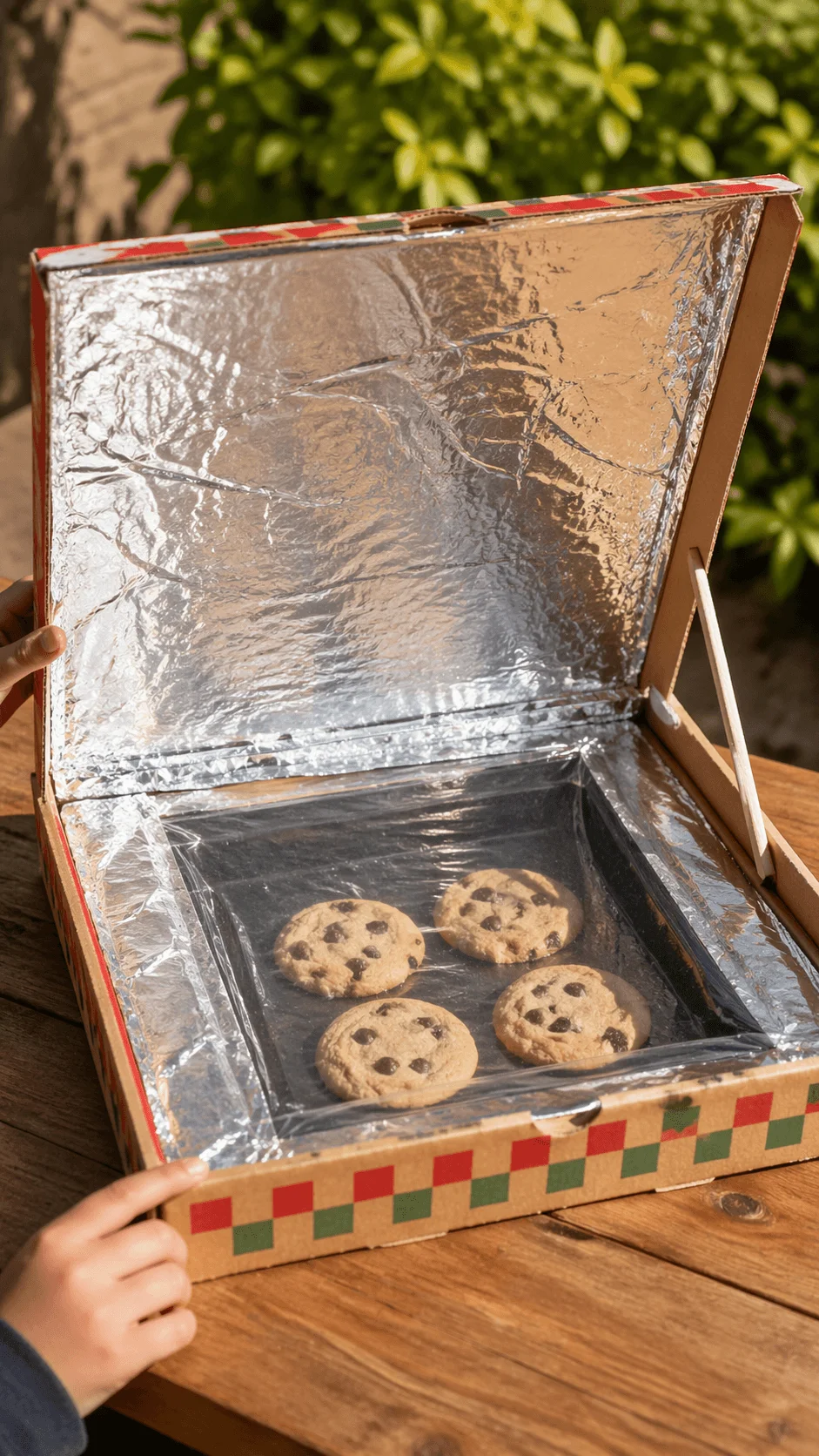
This craft turns science into an exciting experiment and helps children understand renewable energy in a practical way.
Composting Jar
A composting jar allows children to observe how organic waste breaks down over time. By layering food scraps and soil, they can watch decomposition happen.
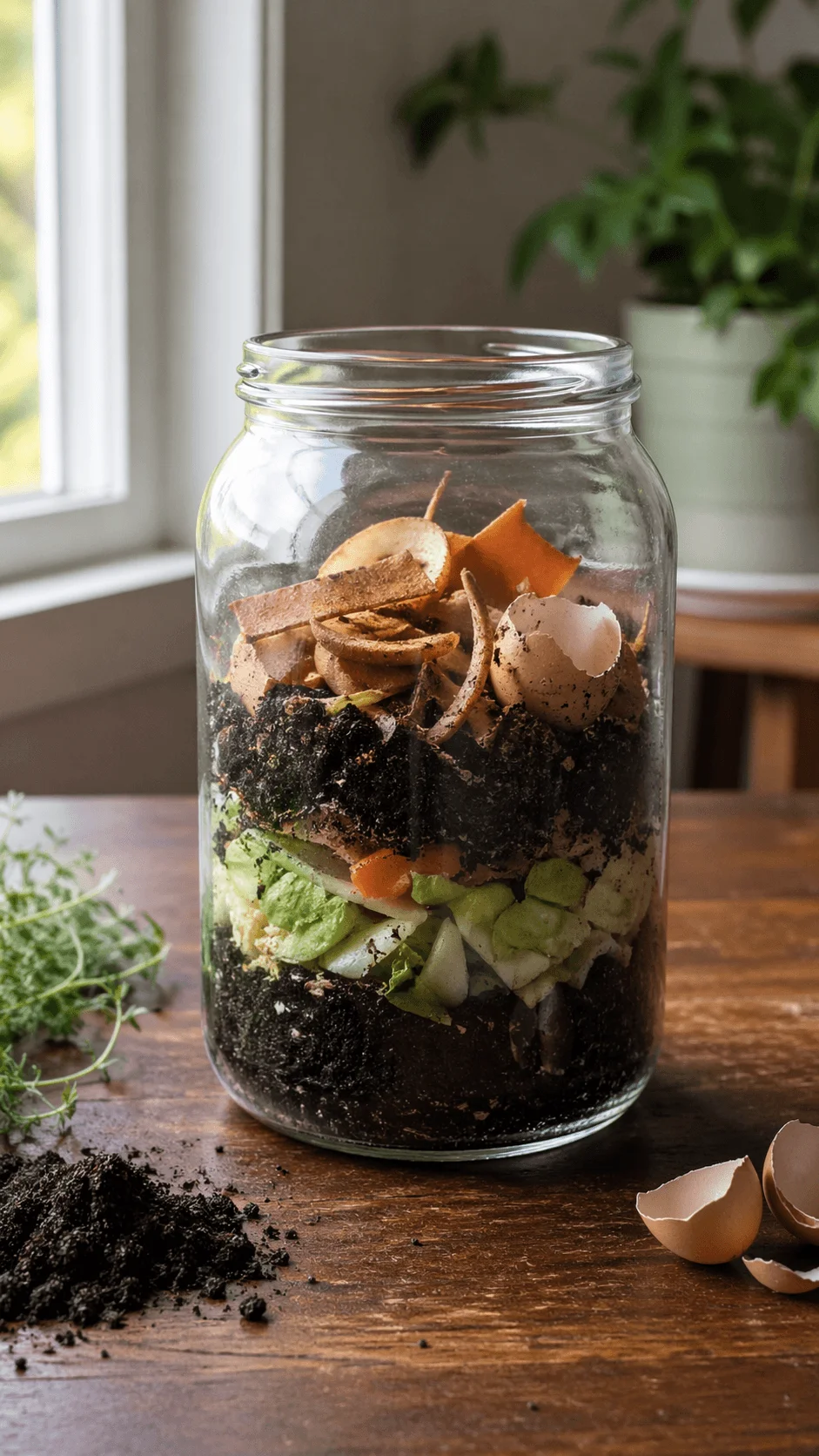
This activity teaches patience and introduces the concept of natural recycling.
Ocean Pollution Bottle
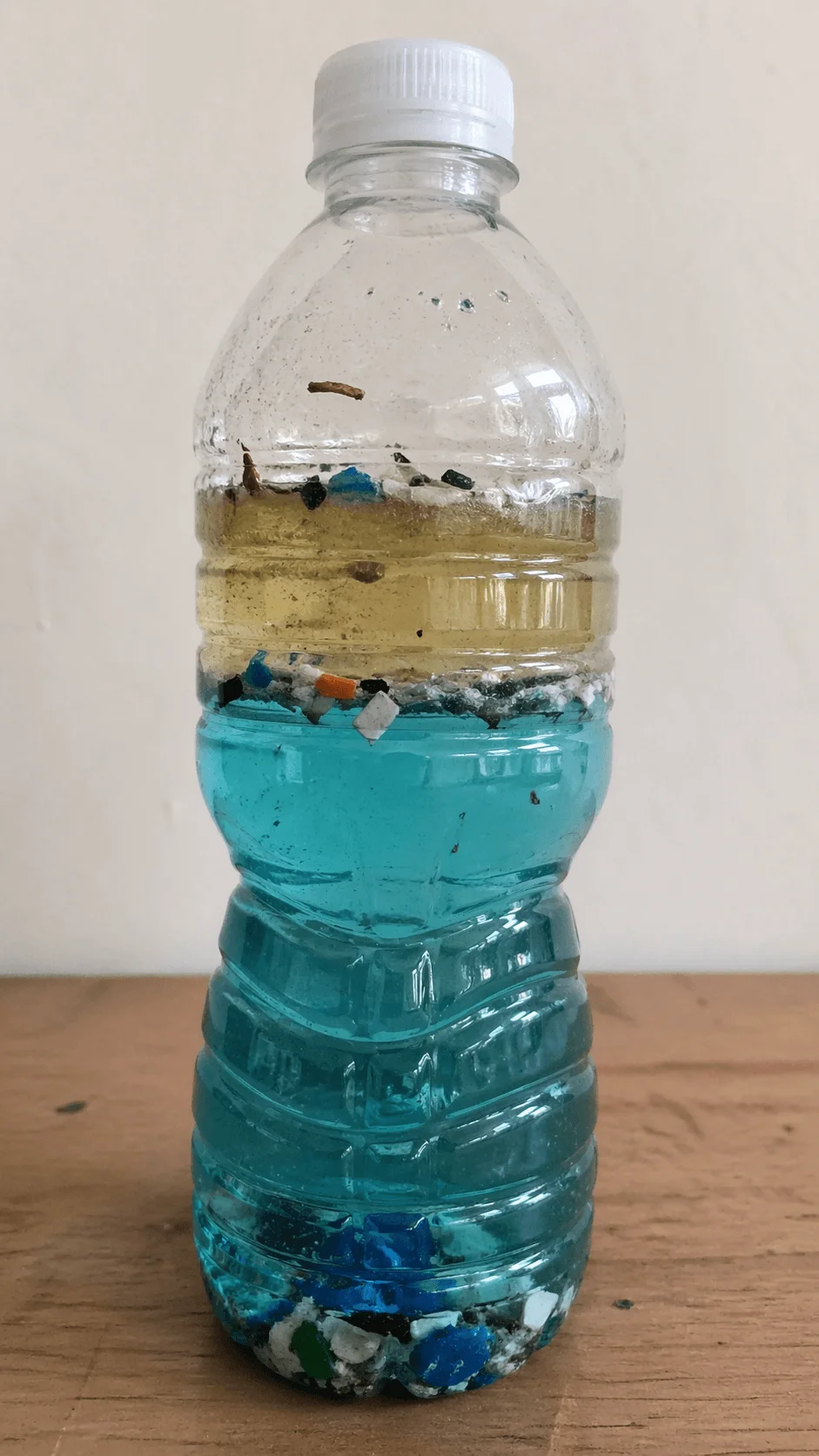
This craft uses water, oil, and small plastic pieces to represent pollution in oceans. It creates a visual and emotional impact that helps children understand the seriousness of the issue.
It also opens up conversations about reducing plastic use.
Nature Mandala Art
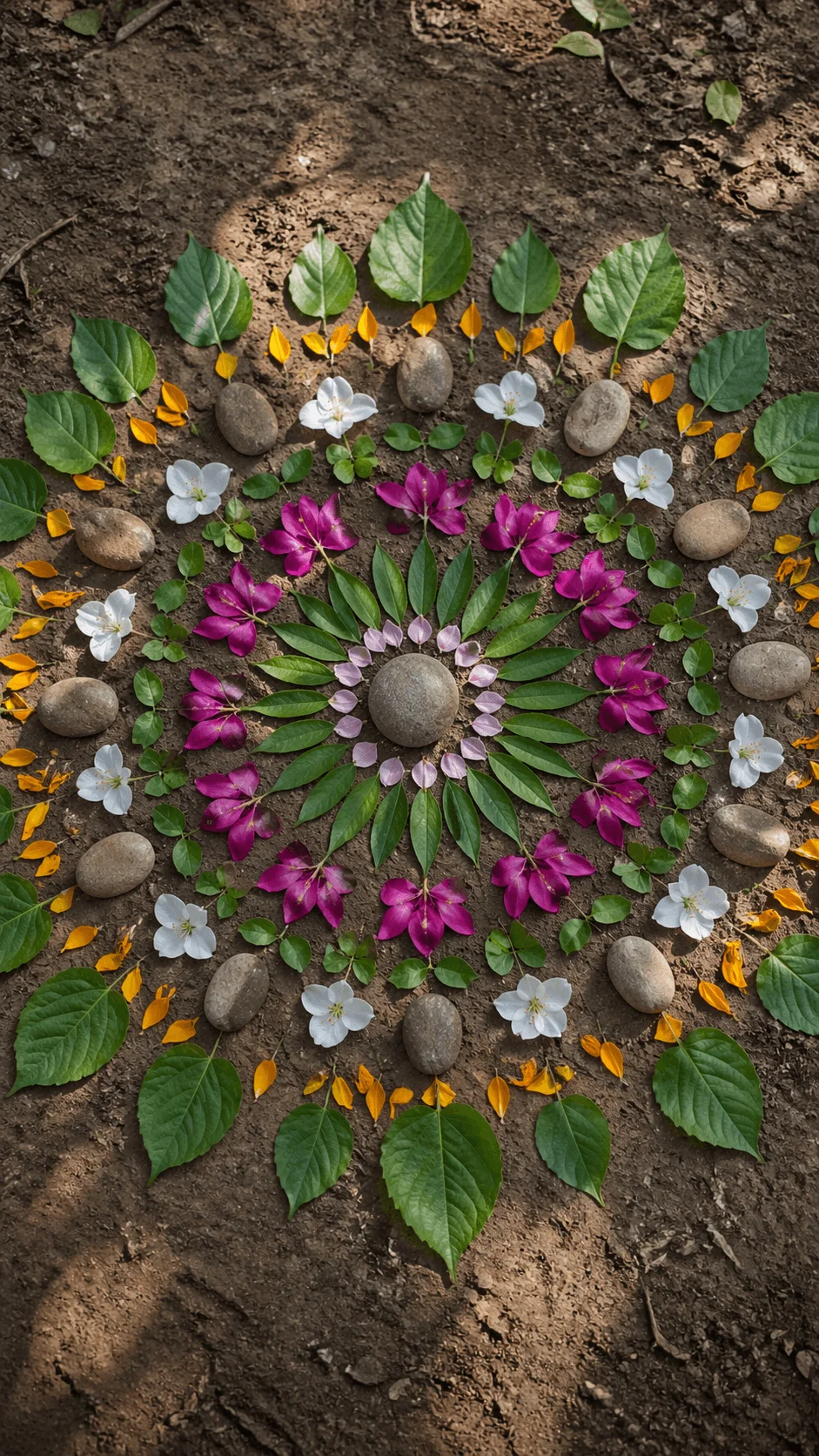
Nature mandala art encourages children to create patterns using leaves, stones, and flowers. This activity is calming and creative.
It helps children appreciate the beauty of natural materials and develop a deeper connection with the environment.
Junk Journaling
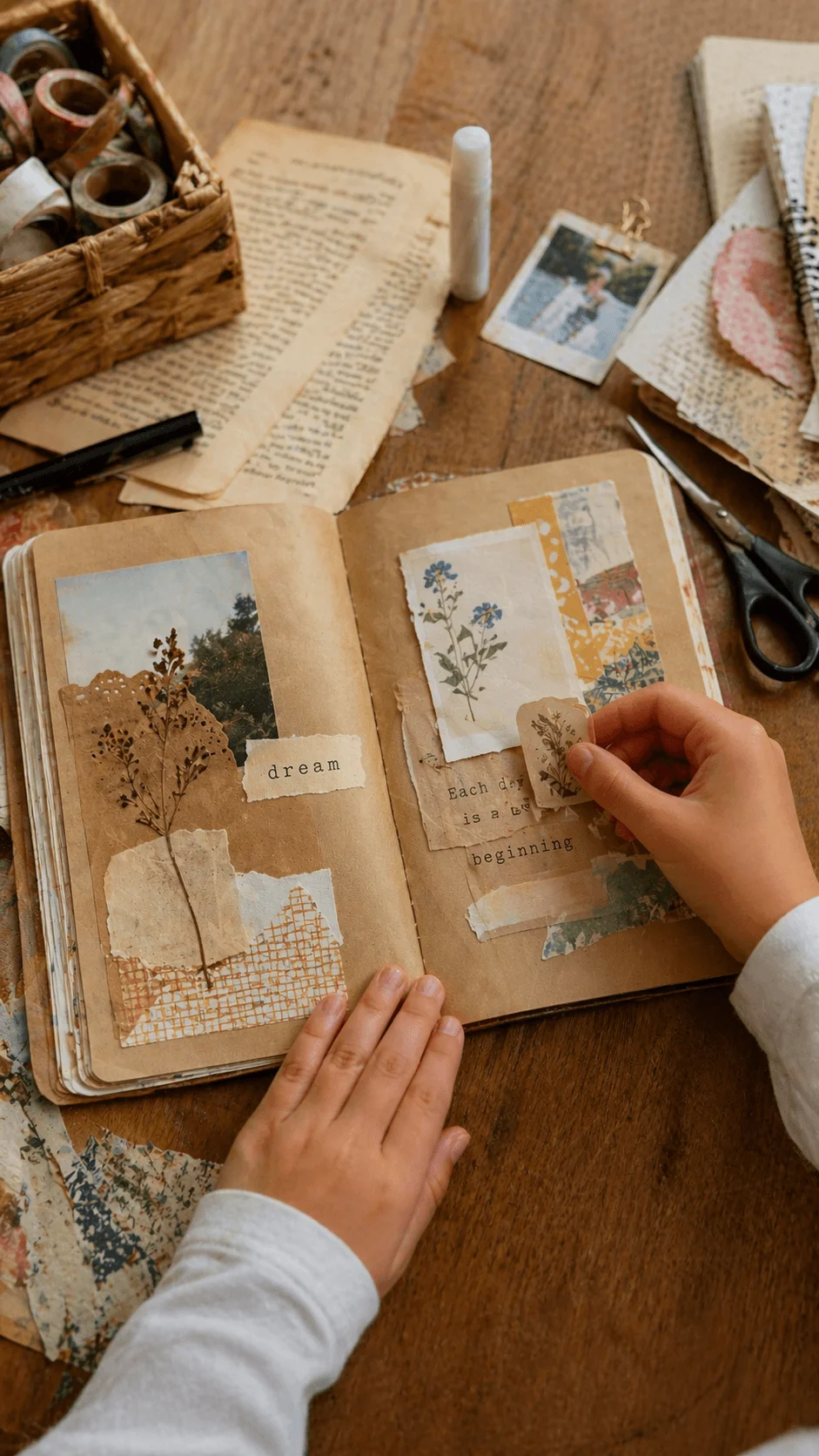
Junk journaling involves creating a notebook from recycled paper and decorating it with scraps and cutouts. Children can use it to express thoughts, draw, or document ideas.
This craft combines creativity with storytelling and encourages reuse of materials.
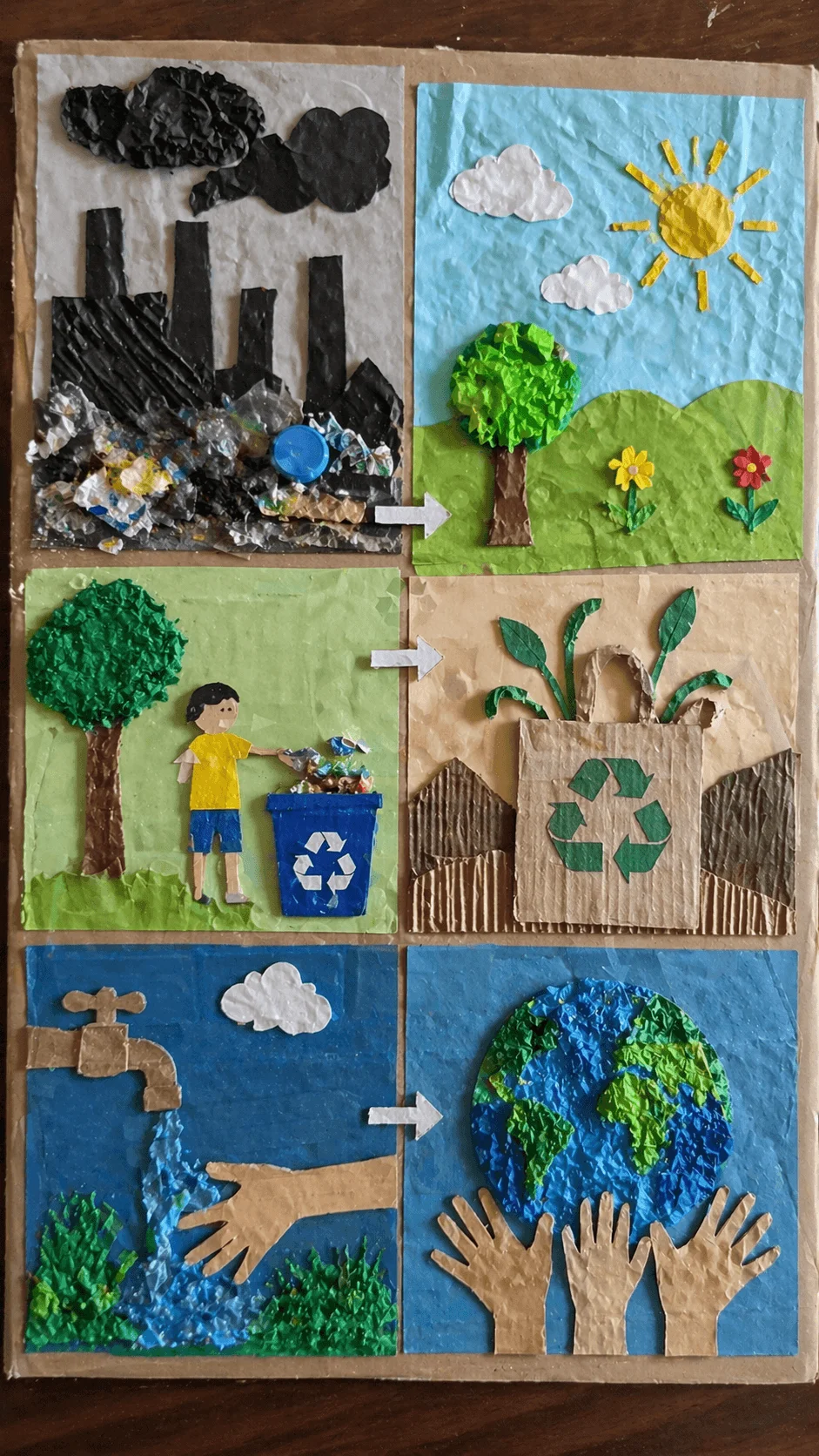
Eco Collage Storyboard
In this activity, children create a visual story about environmental themes using recycled materials. They can depict problems and solutions through images.
This helps develop communication skills and environmental awareness.
DIY Seed Bombs
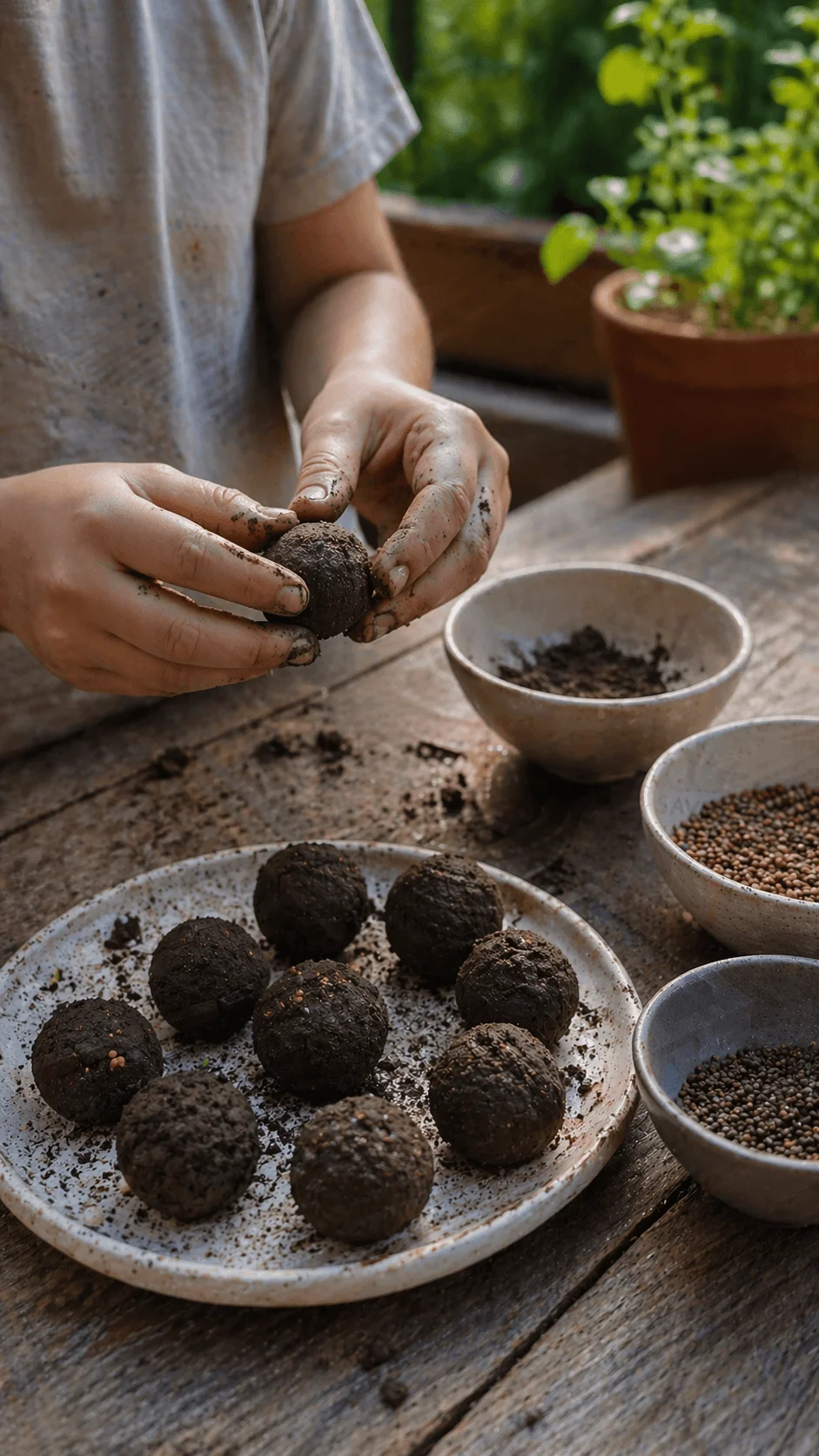
Seed bombs are small balls made of soil, clay, and seeds that can be planted in outdoor spaces. Children can create and distribute them in gardens or open areas.
This activity connects creativity with action and shows how small efforts can contribute to greener spaces.
Recycled Wind Chimes
Wind chimes made from recycled materials allow children to explore sound and design. Different materials produce different tones.
This craft combines art and science while promoting reuse.

Conclusion
Sustainability crafts for kids are shaping the way the next generation understands the world. These activities go beyond simple creativity and become tools for learning, awareness, and action. In 2026, the focus is on meaningful engagement where children not only create but also understand the purpose behind what they are doing.
By introducing kids to eco friendly crafts, we are helping them build habits that can last a lifetime. They learn to respect resources, think creatively, and take responsibility for their environment. Every small project becomes a step toward a more sustainable future.
Encouraging children to create with purpose is one of the most powerful ways to inspire change.