Sustainable Aesthetic Photography Materials Ideas
Photography has evolved far beyond capturing beautiful images. Today, creators are paying close attention to the materials they use because every backdrop, prop, and surface contributes to both the visual story and the environmental impact of a photo. Sustainable Aesthetic Photography Materials have become one of the most important trends for photographers, bloggers, brands, and Pinterest creators who want their images to feel authentic, timeless, and environmentally responsible. Instead of relying on disposable props or plastic based backgrounds, many professionals are choosing natural textures, reusable materials, and handcrafted elements that create stunning photographs while supporting a more sustainable approach to creativity.
Why Eco Friendly Photography Materials Are Trending
The photography industry has experienced a noticeable shift toward natural styling over the past few years. Instead of bright artificial backgrounds and excessive decorations, creators now prefer simple compositions that allow products to remain the center of attention. This minimalist approach pairs perfectly with eco friendly photography materials because natural textures create depth without overwhelming the scene.
Pinterest has played an important role in shaping these visual trends. Images featuring warm neutral colors, organic textures, handcrafted objects, and soft natural lighting consistently perform well because they create a calming and sophisticated atmosphere. As more creators look for inspiration, sustainable styling has become closely associated with modern luxury and timeless design.
Consumers have also become more aware of how products are presented online. They appreciate photography that reflects genuine environmental values rather than temporary marketing trends. A reusable wooden platform or recycled fabric backdrop often communicates authenticity far better than disposable plastic decorations.
Luxury brands are embracing this movement as well. Premium product photography increasingly features stone surfaces, natural wood, linen fabrics, dried botanicals, and handmade ceramics. These materials create an elegant visual language that feels refined while supporting a more responsible creative process.
Another reason for this growing trend is longevity. High quality sustainable photography props often remain beautiful for many years. Instead of replacing damaged plastic accessories, photographers can continue using durable natural materials that age gracefully and develop even more character over time.
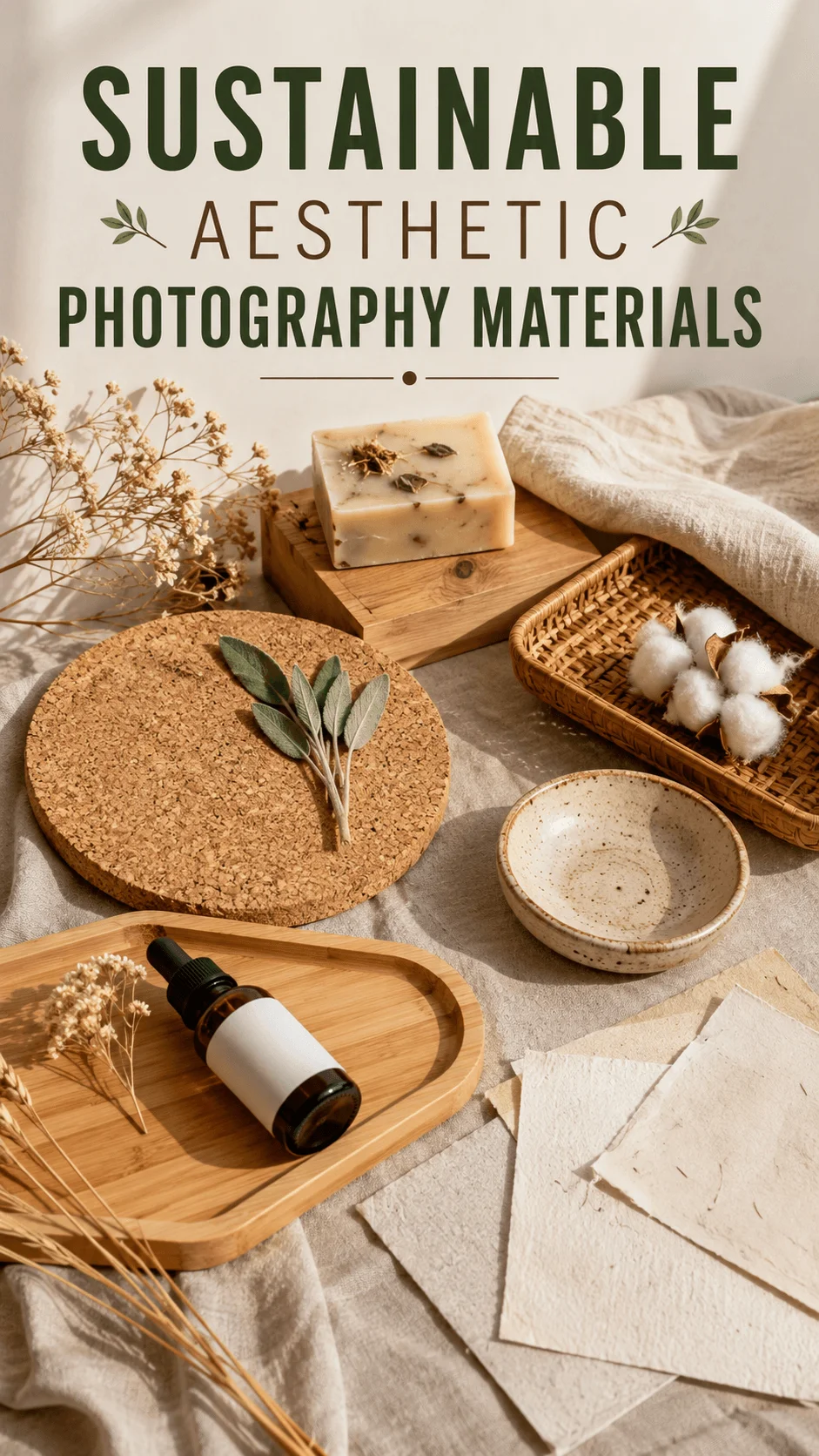
Sustainable Aesthetic Photography Materials You Should Try
Recycled Cotton Fabric Backdrops
Among all sustainable photography materials, recycled cotton backdrops remain one of the most versatile options available. These backdrops offer a soft appearance that complements almost every photography style, from lifestyle portraits to luxury product photography. Unlike shiny synthetic materials, recycled cotton diffuses light naturally and creates gentle shadows that give images a more realistic appearance.
The texture of cotton adds subtle visual interest without distracting from the main subject. Soft folds and natural creases create movement throughout the composition, making photographs feel effortless rather than overly staged. Many photographers intentionally leave small wrinkles visible because they contribute to a relaxed and organic aesthetic.
Earth inspired colors such as ivory, oatmeal, beige, sage green, terracotta, and muted gray work especially well with recycled cotton fabrics. These shades create harmony with handcrafted products while allowing brighter objects to stand out naturally.
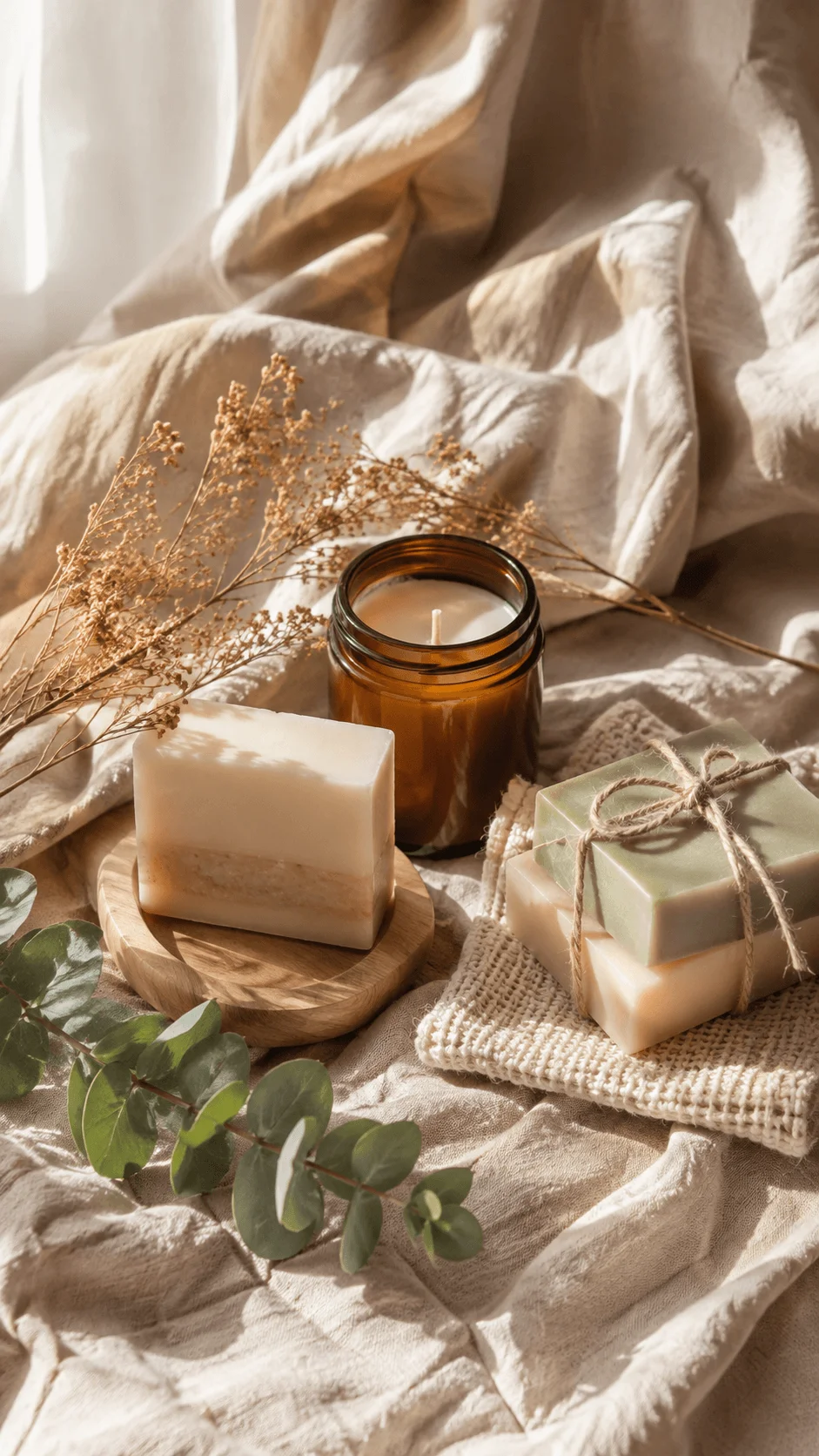
Recycled cotton is particularly effective for photographing candles, soaps, skincare products, ceramics, books, coffee accessories, handmade crafts, and organic food. Its understated texture supports the product instead of competing for attention.
To achieve the best results, allow natural window light to fall across the fabric from one side. This lighting direction enhances the texture while producing soft highlights and realistic shadows. Combining recycled cotton with wooden props or dried flowers creates a timeless composition that feels warm and welcoming.
One common mistake is stretching the fabric too tightly. Natural folds create depth and visual softness, while perfectly flat fabric often looks less interesting. Gentle draping usually produces far more elegant results.
FSC Certified Wooden Props
Wood has remained a favorite material among photographers because it instantly introduces warmth and authenticity into an image. Choosing props made from responsibly managed forests makes this timeless material even more valuable for sustainable photography.
Wooden trays, serving boards, blocks, stools, risers, and platforms offer endless styling possibilities. Their natural grain patterns make every piece unique, ensuring that no two photographs look exactly the same. Light oak creates bright Scandinavian inspired scenes, while darker walnut introduces a luxurious and sophisticated mood.
Wood pairs beautifully with many different product categories. Jewelry appears more refined against smooth wooden surfaces, while skincare products benefit from the calming atmosphere that natural wood provides. Handmade candles, perfumes, ceramics, coffee products, and artisan foods also look especially attractive when styled with wooden props.
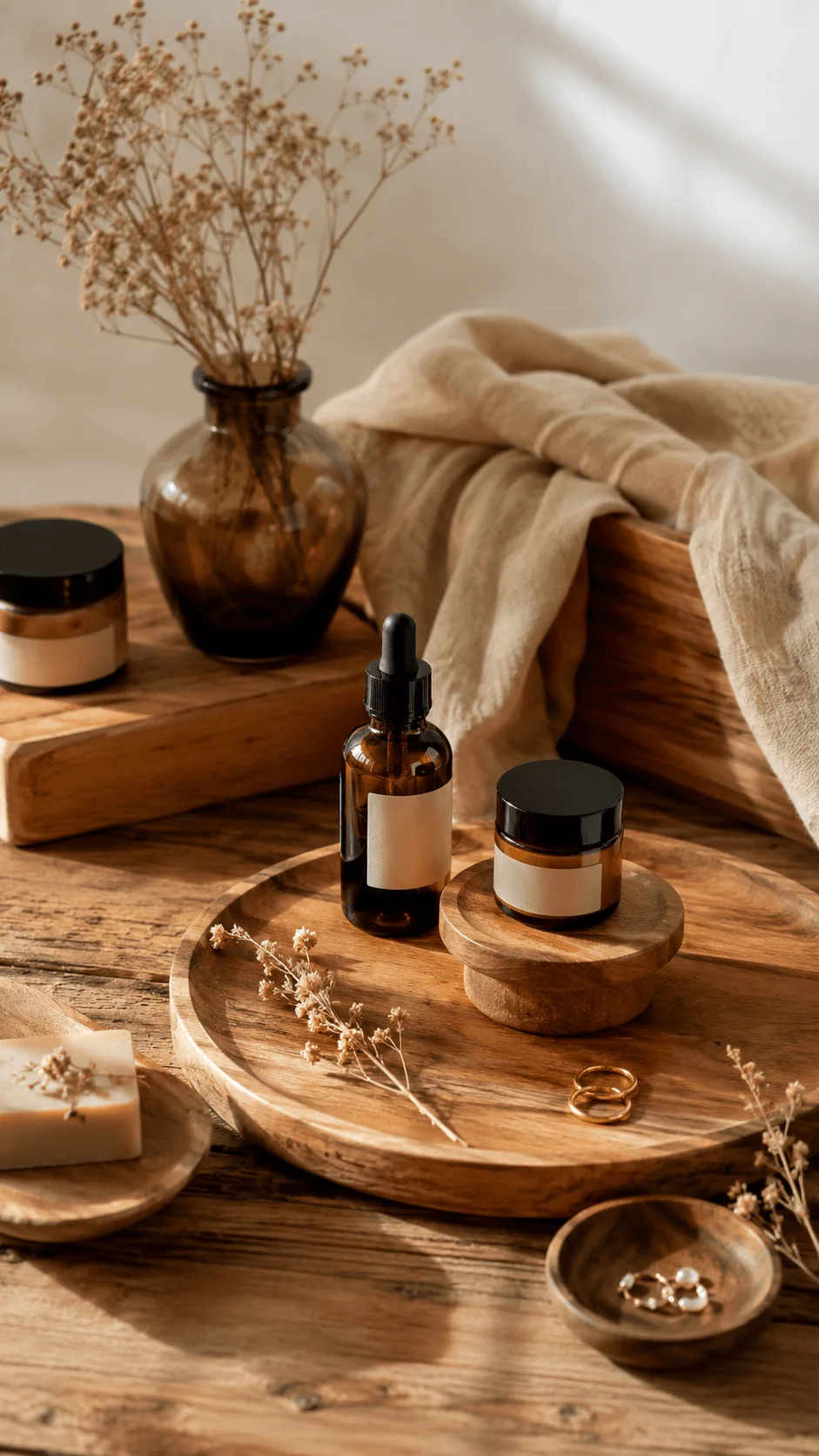
Layering different wood tones can add depth without making a composition appear cluttered. For example, a medium toned tray placed on a lighter wooden surface creates subtle contrast while maintaining visual harmony.
Lighting also plays a significant role when photographing wood. Soft daylight emphasizes natural grain patterns and prevents harsh reflections. Side lighting is particularly effective because it reveals the texture that gives wood its distinctive character.
Photographers should avoid overly polished surfaces that produce unwanted glare. Matte finishes generally photograph better because they preserve the natural beauty of the material while minimizing distracting reflections.
Cork Styling Boards
Cork has quickly become one of the most creative sustainable styling props for photographers who appreciate natural textures. Produced from the bark of cork oak trees without harming the trees themselves, cork represents one of the most renewable materials available for creative work.
Its subtle texture provides enough visual interest to make flat lays appear dynamic while remaining gentle enough to complement a wide variety of products. Unlike highly patterned backgrounds, cork never overwhelms the subject. Instead, it quietly enhances the overall composition.
Neutral brown tones make cork easy to combine with other sustainable aesthetic photography materials such as linen fabrics, recycled paper, ceramics, stone surfaces, and dried plants. Together, these elements create layered scenes that feel balanced and harmonious.
Cork works particularly well for photographing notebooks, stationery, candles, essential oils, cosmetics, jewelry, handmade accessories, and wellness products. Its earthy appearance naturally supports brands that emphasize simplicity and environmental responsibility.
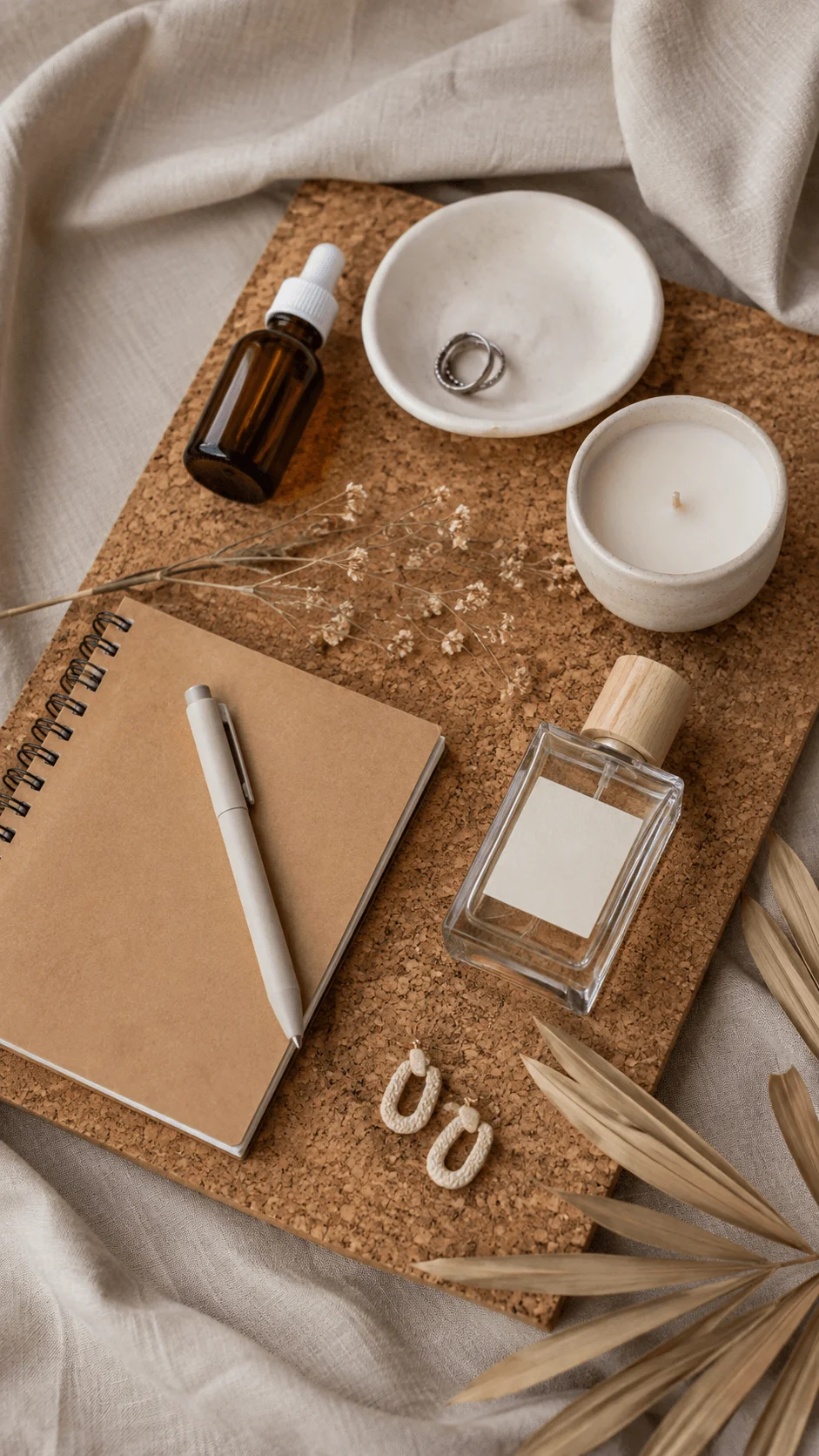
Another advantage of cork is its lightweight construction. Large styling boards can be moved easily throughout a studio, allowing photographers to experiment with different lighting conditions without difficulty.
Keeping cork clean requires only gentle dusting and occasional wiping with a slightly damp cloth. Avoid exposing it to excessive moisture because prolonged dampness may affect its natural texture over time.
Bamboo Photography Accessories
Bamboo has become one of the fastest growing materials used in sustainable product styling because it combines durability, elegance, and environmental responsibility. Since bamboo grows remarkably quickly compared to traditional hardwood trees, it represents an excellent renewable resource for photographers seeking beautiful reusable props.
Bamboo trays, platforms, small ladders, frames, bowls, and decorative stands introduce a fresh and minimalist atmosphere into photographs. Their smooth surfaces and delicate grain patterns work especially well with modern product photography that emphasizes clean lines and uncluttered compositions.
Natural bamboo colors blend effortlessly with soft neutral palettes. Cream, beige, pale green, warm white, and muted brown create a calming environment that allows products to become the visual focus. This simplicity is especially valuable for skincare brands, wellness products, sustainable home goods, tea collections, and handmade soaps.
One creative approach involves combining bamboo with linen fabric and dried botanical elements. Together, these materials produce a layered composition that feels peaceful and balanced without becoming visually busy. The combination reflects the growing preference for organic styling seen across social media and lifestyle photography.
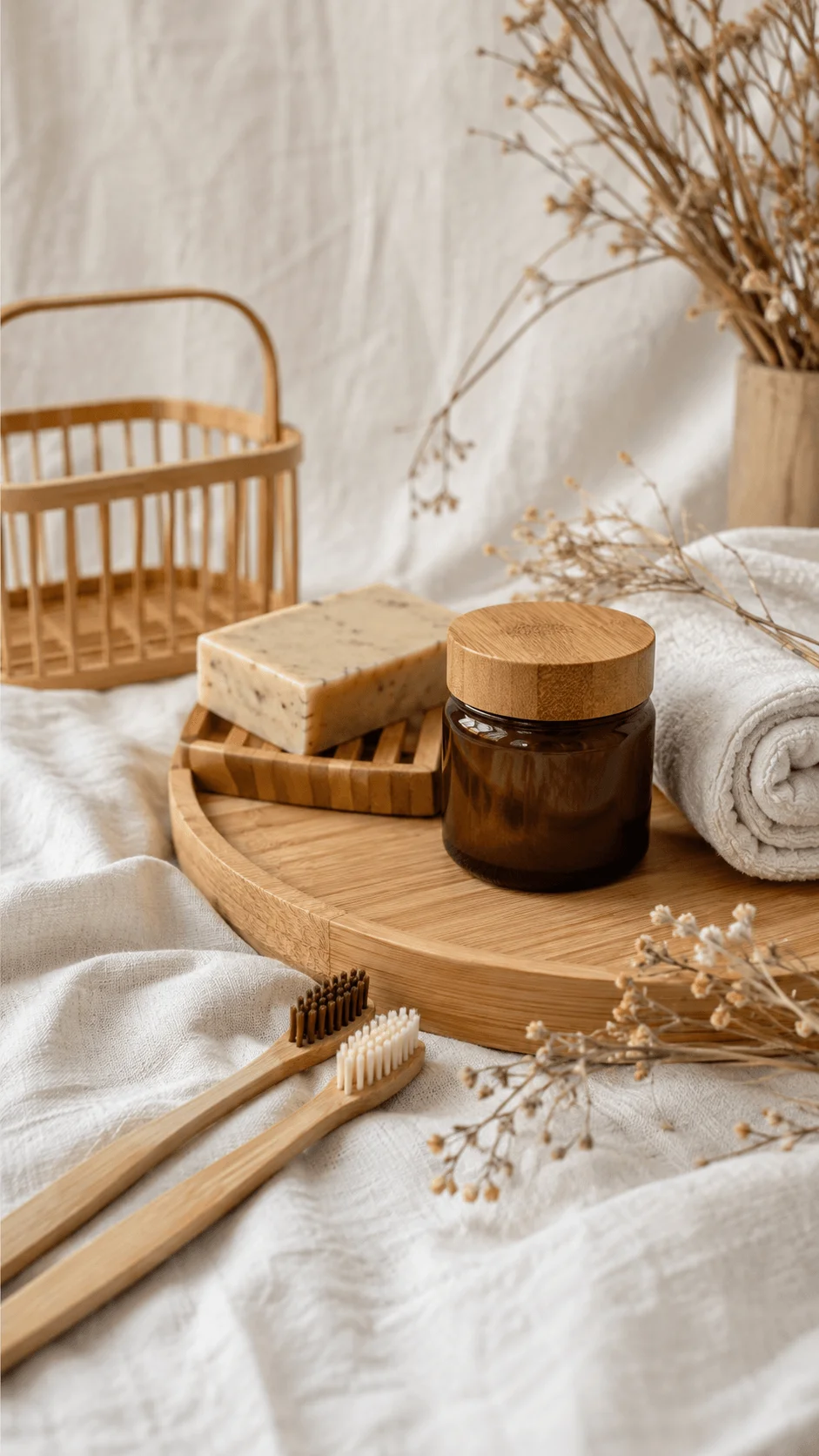
Lighting is equally important when using bamboo accessories. Soft window light highlights the natural grain while maintaining gentle shadows that preserve the material’s warmth. Excessively bright direct light may reduce the subtle texture that makes bamboo so visually appealing.
Another benefit of bamboo accessories is their exceptional durability. With proper care, they remain attractive for years, making them a valuable investment for photographers who regularly create product content. Their timeless appearance also ensures they remain relevant as design trends continue to evolve.
Handmade Recycled Paper Backgrounds
Handmade recycled paper has become one of the most creative choices for photographers who want their images to feel artistic and refined. Unlike smooth commercial paper, handmade sheets often contain visible fibers, subtle color variations, and natural imperfections that make every background unique. These details add personality without distracting from the main subject.
A recycled paper photography backdrop works exceptionally well for product photography because it creates a clean but textured foundation. Jewelry, candles, skincare products, perfumes, handmade soaps, stationery, and small home decor items all look elegant against these backgrounds. The soft texture enhances the product while maintaining a premium appearance.
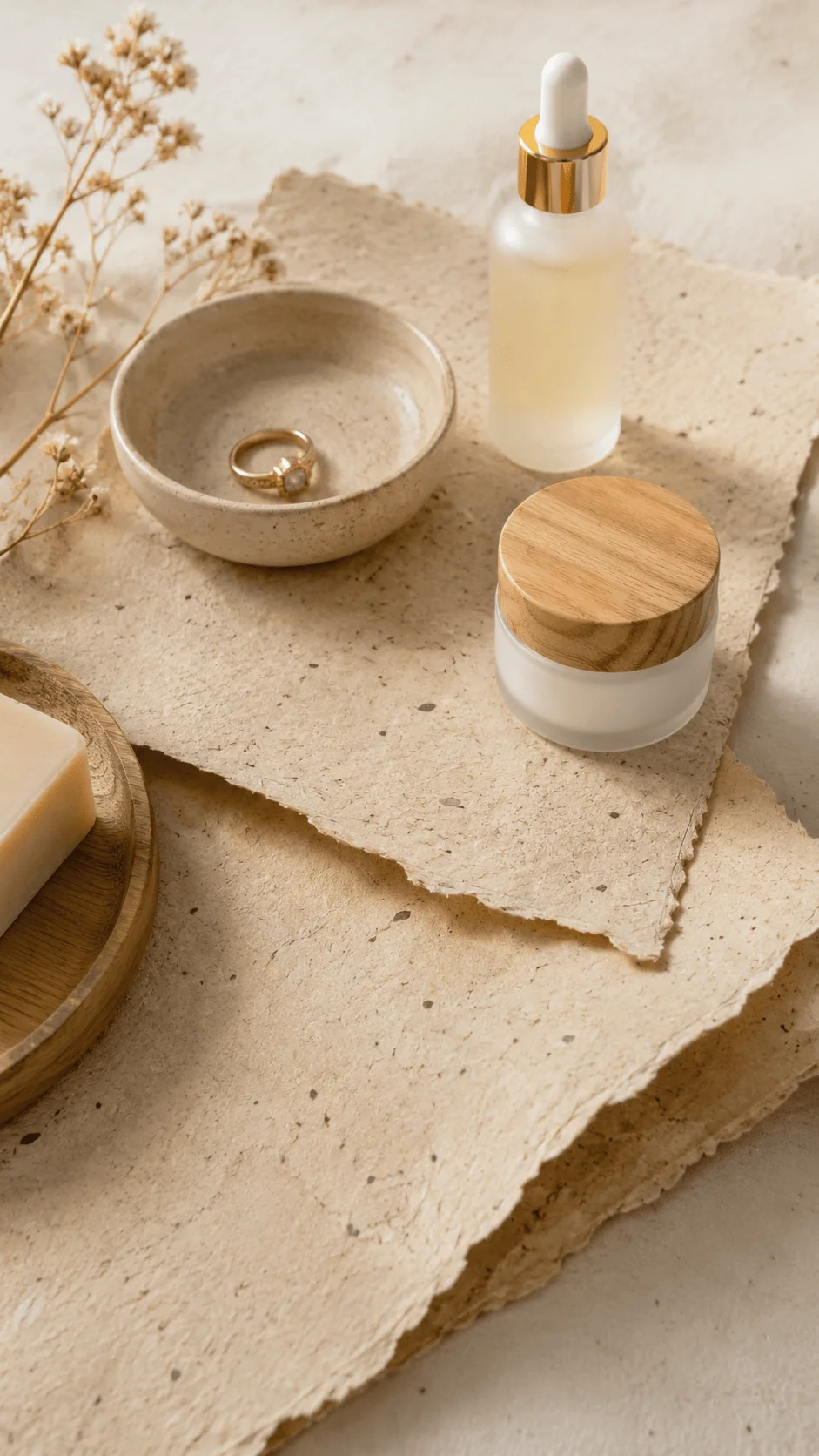
Another reason photographers enjoy recycled paper is its flexibility. Sheets can be layered, gently curved, or combined with fabric and natural props to create depth. Earth inspired shades such as ivory, sand, beige, clay, and light gray pair beautifully with most product colors, making styling much easier.
To create a luxurious composition, combine recycled paper with ceramic dishes, dried flowers, or wooden platforms. These combinations produce photographs that feel modern while remaining timeless. Simple lighting from a nearby window will reveal the paper’s natural texture and create gentle shadows that enhance the overall composition.
Linen and Hemp Fabrics
Natural fabrics continue to dominate product photography because they create an effortless feeling that artificial materials rarely achieve. Linen and hemp fabrics are especially popular because they are durable, biodegradable, and visually appealing.
One of their greatest strengths is their natural texture. Small folds and gentle wrinkles create movement throughout a photograph without making the scene appear messy. Instead of trying to remove every crease, many professional photographers allow the fabric to drape naturally because it adds realism and softness.
These fabrics work wonderfully with food photography, beauty products, ceramics, candles, clothing accessories, handmade crafts, and wellness brands. Their neutral appearance allows colorful products to stand out while maintaining visual harmony.
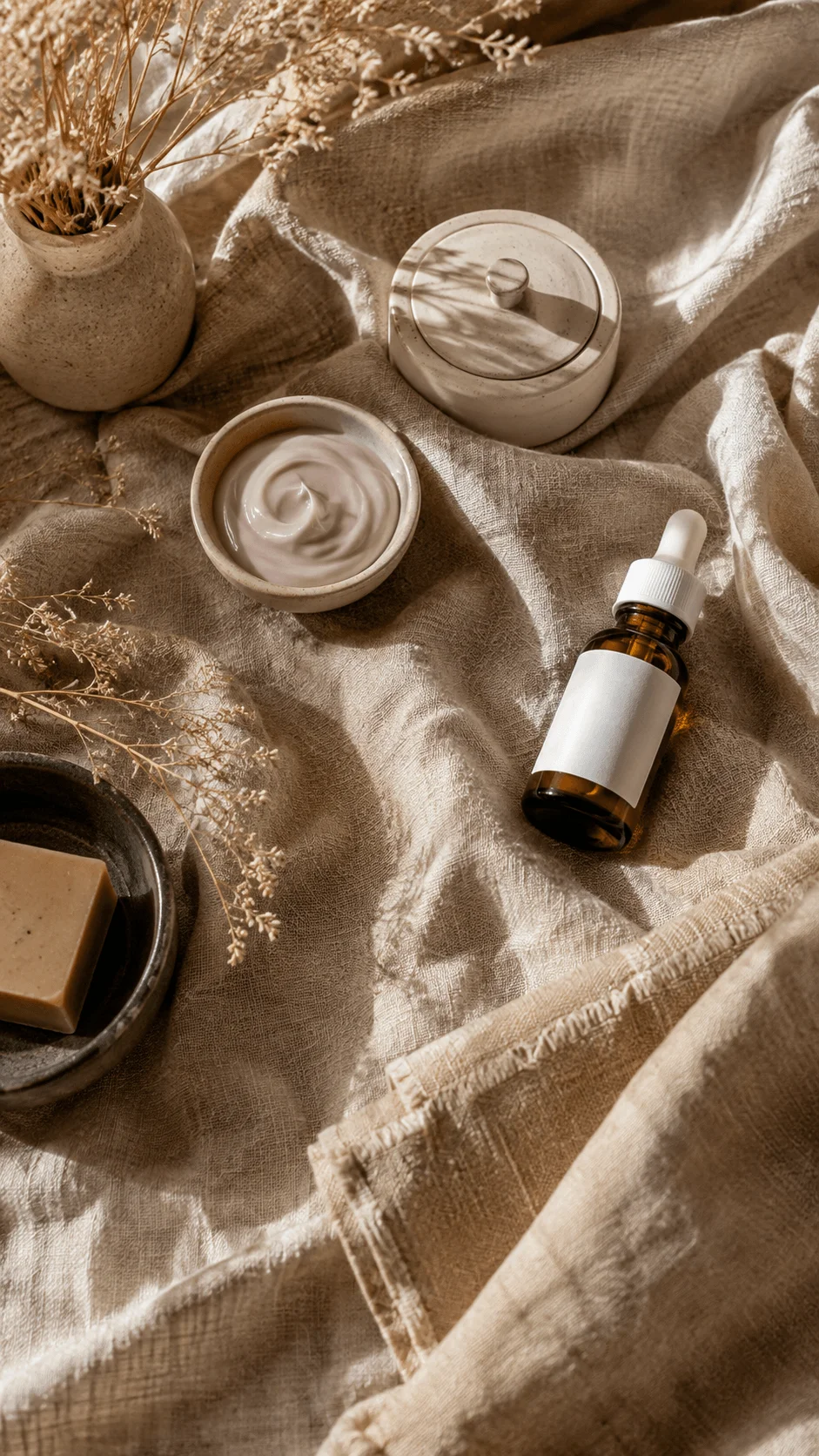
Seasonal styling becomes easier when using linen or hemp. During spring, pair the fabric with dried flowers and soft pastel colors. During autumn, warm brown tones, wood, and botanical elements create cozy compositions. Because these fabrics remain stylish throughout the year, they reduce the need to purchase new backgrounds for every season.
Soft natural light enhances every fold and texture. Side lighting creates beautiful shadows that increase depth while preserving the gentle appearance that makes these fabrics so desirable.
Stone and Travertine Surfaces
Stone surfaces have become a defining feature of modern luxury photography. Travertine, limestone, slate, and similar natural materials provide elegant textures that elevate even simple product photographs.
Travertine has become especially popular because of its soft beige tones and distinctive natural patterns. Every slab contains unique markings that create subtle visual interest while maintaining a clean appearance. This balance makes stone suitable for premium brands that value sophistication.
Stone surfaces complement skincare products, perfumes, jewelry, candles, luxury watches, ceramics, and decorative home accessories. Their neutral colors make it easy to create harmonious compositions without competing for attention.
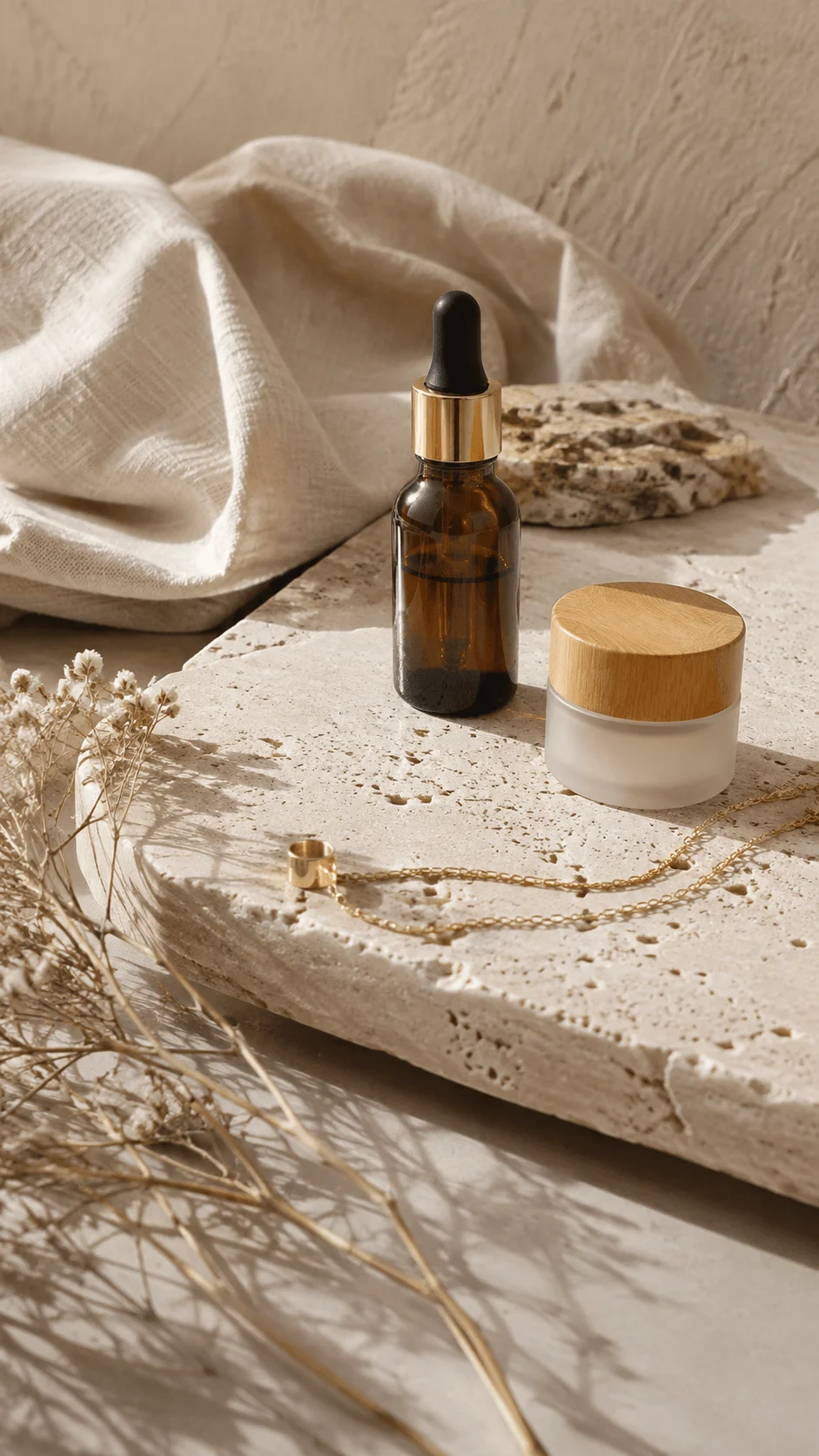
Combining stone with linen fabric or wooden accessories produces layered photographs that feel both luxurious and welcoming. The contrast between smooth stone and soft fabric creates visual depth while maintaining a calm aesthetic.
Although stone appears heavy and dramatic, photographers should avoid overcrowding the scene with too many textured props. Allowing empty space around the product creates a stronger composition and helps the subject remain the center of attention.
Dried Botanical Materials
Natural botanical elements continue to inspire photographers because they introduce life, movement, and storytelling into every composition. Dried flowers, eucalyptus leaves, wheat stems, pampas grass, seed pods, preserved ferns, and cotton branches all create beautiful visual accents that last much longer than fresh plants.
Unlike fresh flowers that quickly lose their appearance, dried botanicals remain attractive for months or even years when stored properly. This makes them one of the most practical natural photography materials available.
Botanical styling works especially well with candles, perfumes, skincare products, books, handmade soaps, ceramics, and artisan food products. Their organic forms soften rigid compositions while creating a peaceful atmosphere.
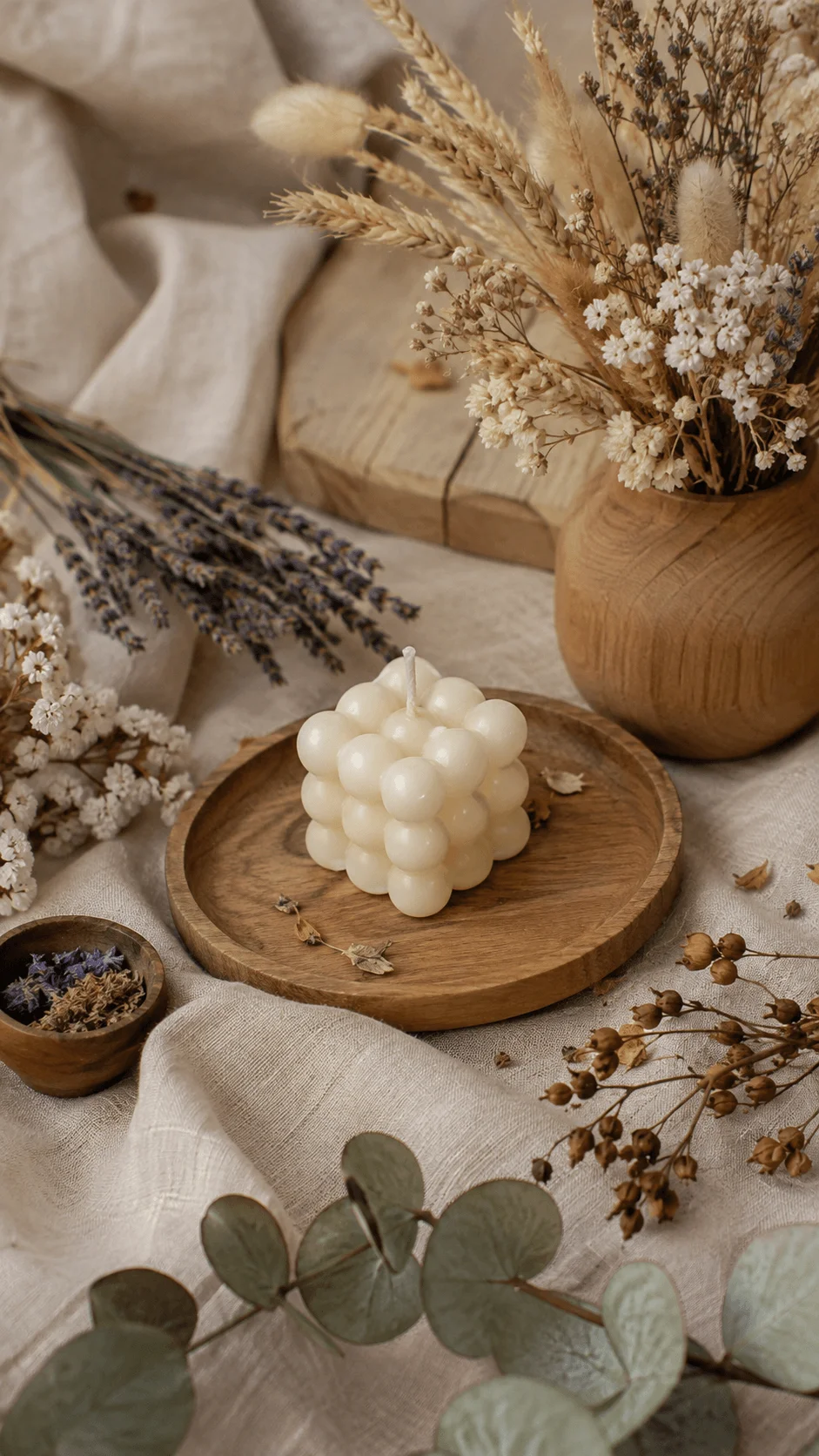
Color coordination is important when using dried plants. Beige, cream, soft green, warm brown, muted gold, and dusty pink create elegant combinations that complement sustainable styling. Choosing only a few botanical elements often produces a cleaner result than filling the frame with decorations.
Placing dried plants near the edges of the composition naturally guides the viewer’s attention toward the product. This subtle framing technique helps create balanced and visually pleasing photographs.
Upcycled Vintage Materials
Vintage objects bring personality into photography because they tell stories that new products often cannot. Old books, reclaimed wooden boxes, antique trays, vintage ceramics, woven baskets, handmade pottery, and aged fabrics all introduce character while reducing unnecessary consumption.
Using upcycled photography props allows photographers to create unique scenes without constantly purchasing new accessories. Every vintage item carries its own texture, color, and history, making photographs feel more authentic.
These materials are particularly effective for lifestyle brands, coffee products, handmade candles, jewelry, stationery, food photography, and home decor collections. The combination of modern products with vintage accessories often creates an appealing contrast between old and new.
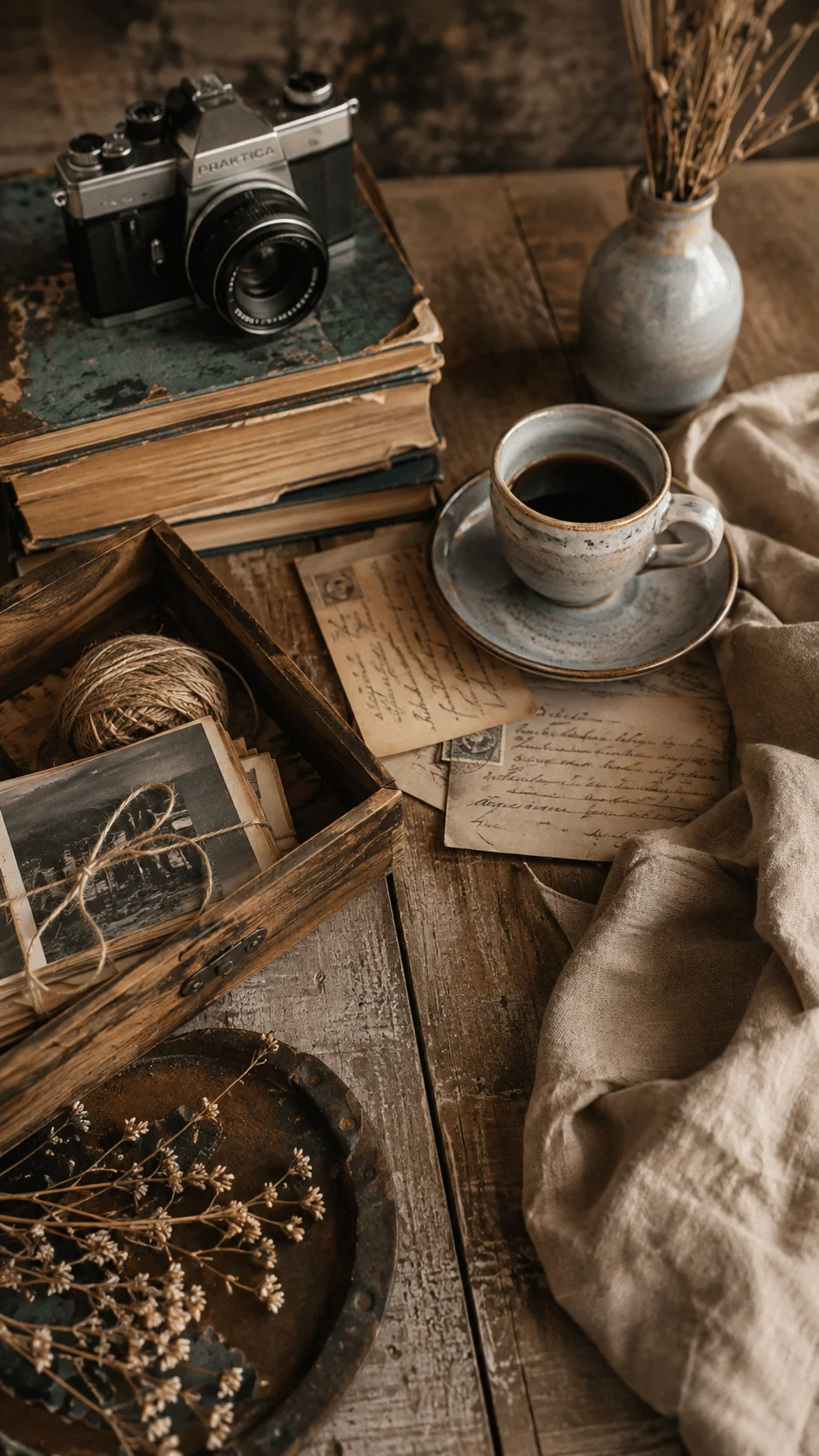
When styling vintage pieces, moderation is essential. One or two carefully selected objects usually create a stronger visual story than a large collection of antiques competing for attention.
Natural lighting enhances worn textures, faded colors, and handcrafted details that make vintage objects so attractive.
Mycelium and Bio Based Materials
One of the newest innovations in sustainable photography involves materials created from mushrooms, agricultural waste, and plant based fibers. These bio based materials represent the future of environmentally responsible design because they can often decompose naturally at the end of their useful life.
Although they are still emerging, many luxury brands have begun experimenting with mycelium packaging, decorative surfaces, and display elements. Their unique textures create modern compositions that immediately communicate innovation and environmental awareness.
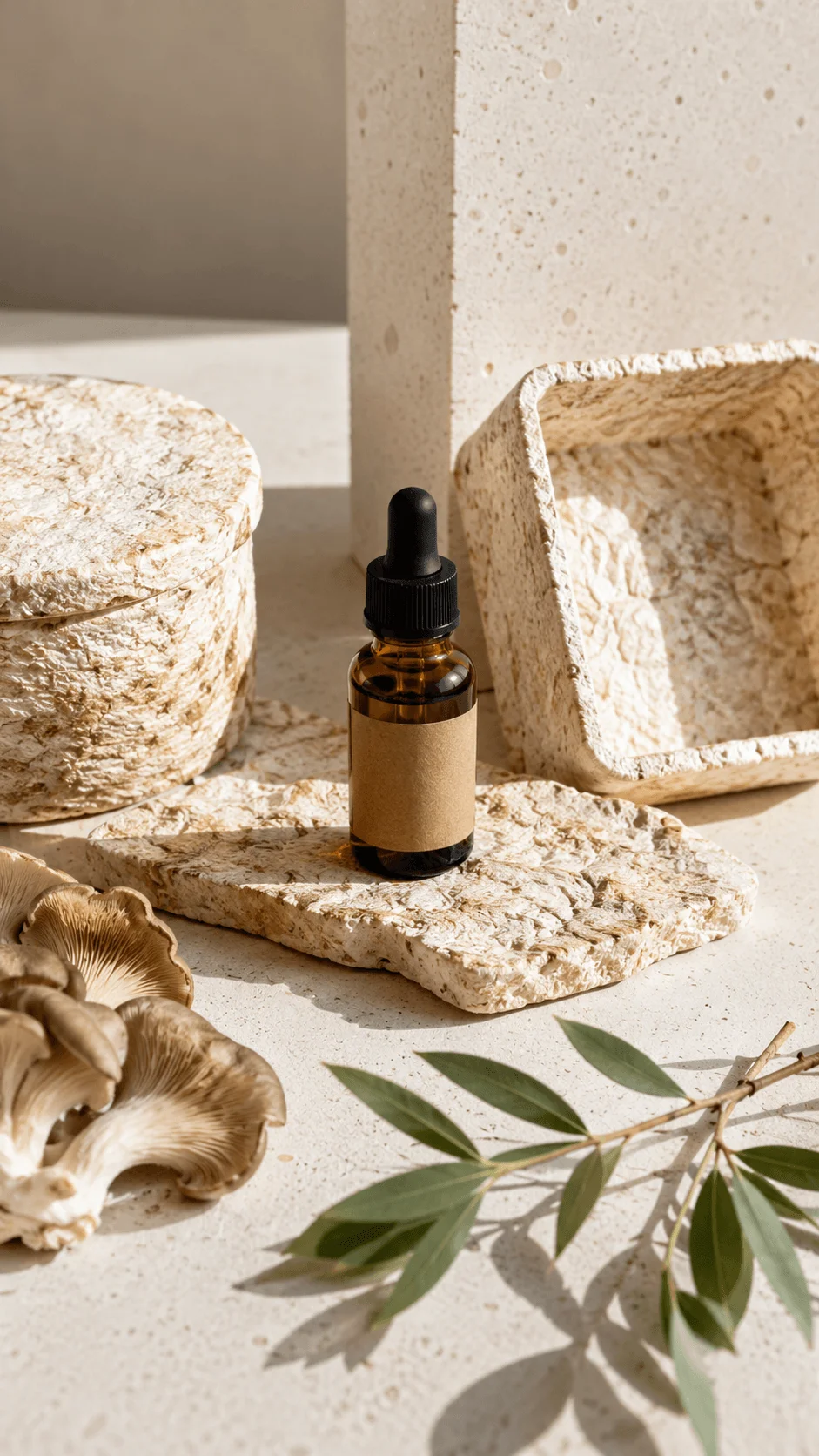
As more companies adopt circular design principles, photographers will likely encounter these materials more frequently during commercial projects. Their organic appearance pairs beautifully with minimalist styling and natural color palettes.
Photographers who embrace these innovations early can create portfolios that reflect current design trends while preparing for the future direction of sustainable product styling.
Recycled Glass and Ceramic Props
Glass and ceramics remain timeless additions to photography because they combine elegance with durability. Recycled glass bottles, handcrafted bowls, ceramic plates, and artisan pottery introduce beautiful shapes and textures that enhance almost every composition.
Ceramic pieces create soft matte surfaces that complement natural materials, while recycled glass adds gentle reflections and transparency. Together they create balanced scenes that feel sophisticated without appearing excessive.
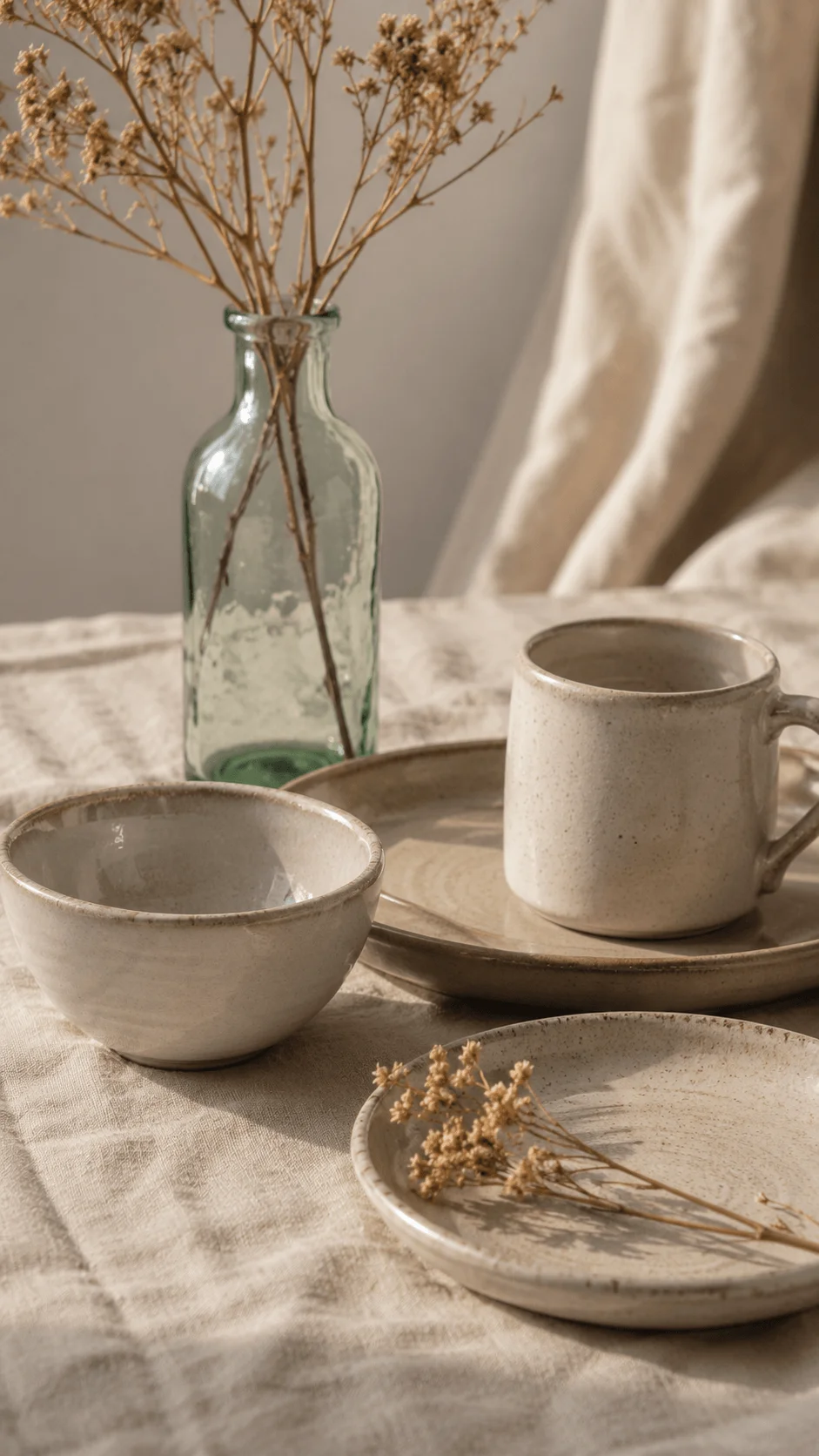
Neutral colored ceramics work particularly well with skincare products, perfumes, candles, food, flowers, and handmade accessories. Their handcrafted appearance supports the growing appreciation for artisan craftsmanship.
When photographing glass, photographers should position light carefully to avoid distracting reflections. Soft indirect daylight usually produces the cleanest and most natural results.
Locally Sourced Natural Materials
Sometimes the most beautiful photography props already exist in nature. Stones, branches, leaves, shells, clay, sand, pinecones, and pieces of bark can all become meaningful styling elements when collected responsibly.
Locally sourced materials help photographers create images that reflect their own surroundings rather than depending entirely on purchased decorations. This approach also reduces transportation related environmental impact while producing photographs with a unique regional identity.
Seasonal changes provide endless creative opportunities. Spring offers blossoms and fresh greenery, summer introduces shells and sand, autumn provides colorful leaves and seed pods, while winter creates opportunities with pine branches and natural wood textures.
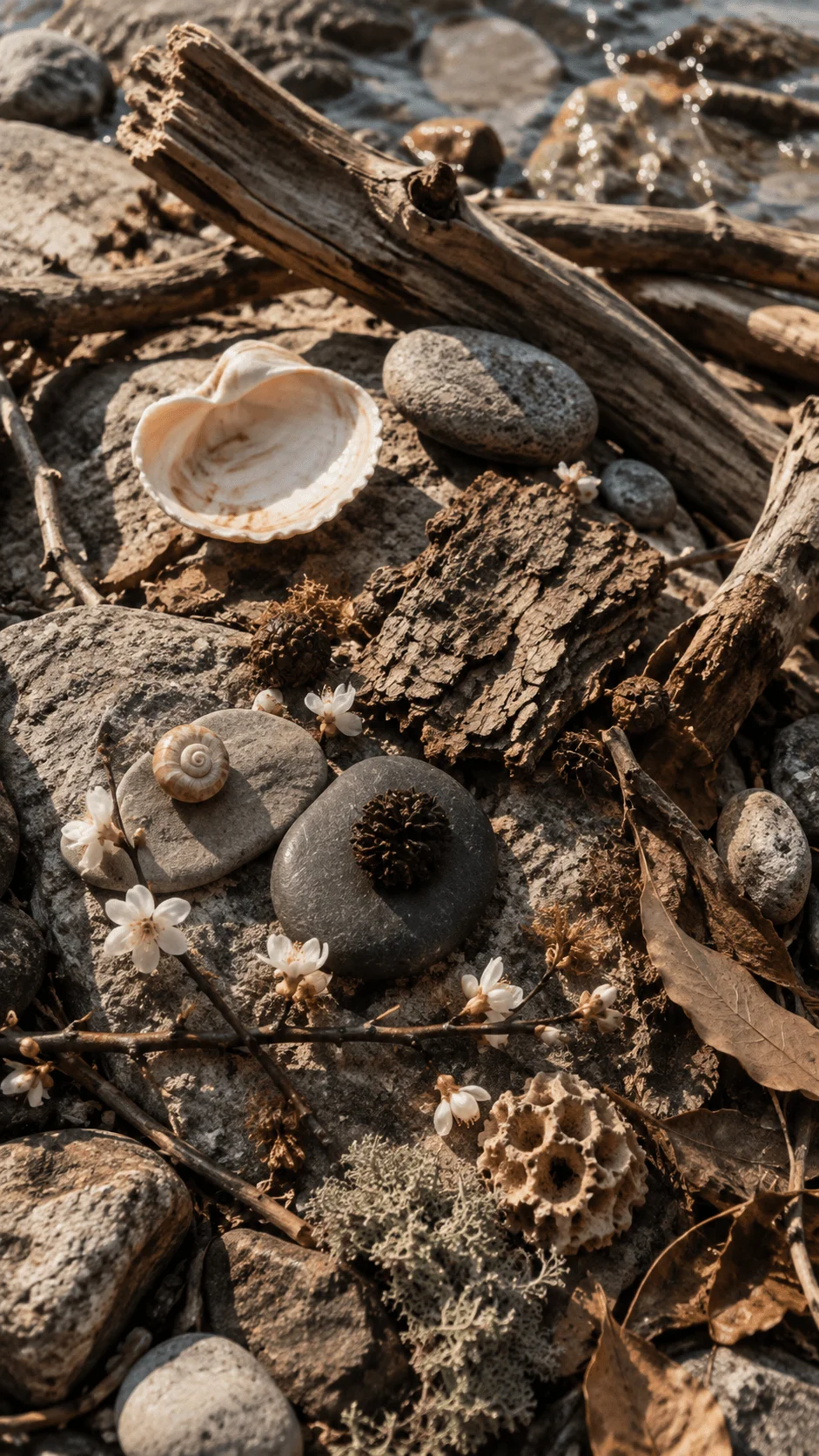
Responsible sourcing remains important. Photographers should always respect local regulations and avoid collecting protected plants or disturbing natural habitats. Choosing naturally fallen branches, leaves, or stones allows creators to work responsibly while preserving the environment.
Common Mistakes When Using Eco Friendly Photography Materials
One common mistake is using too many natural textures within a single composition. While every material may look beautiful individually, combining wood, stone, linen, cork, paper, botanicals, and ceramics all at once often creates visual confusion. Simplicity usually produces stronger results.
Another frequent mistake is ignoring lighting. Even the highest quality sustainable styling props cannot compensate for poor illumination. Soft daylight remains the best choice for highlighting natural textures and preserving accurate colors.
Some photographers also purchase products labeled as sustainable without verifying their quality or origin. Choosing well crafted reusable materials that will last for years supports sustainability far more effectively than buying disposable items with environmental marketing claims.
Poor color coordination can also reduce the impact of a photograph. Selecting complementary neutral shades creates harmony while allowing colorful products to stand out naturally.
Future Trends in Sustainable Product Styling
The future of sustainable photography continues to focus on quality, longevity, and thoughtful design. Biodegradable materials, reusable studio surfaces, artisan craftsmanship, locally produced accessories, and innovative plant based products are becoming increasingly influential across the creative industry.
Photographers are also moving toward smaller collections of carefully selected props instead of constantly purchasing new decorations. This approach encourages creativity because the same materials can be styled in many different ways throughout the year.
Bio based innovations such as mycelium materials will likely become more accessible as manufacturing techniques improve. At the same time, handcrafted ceramics, woven textiles, reclaimed wood, and responsibly sourced natural materials will continue to appeal to photographers who value authenticity.
As consumer expectations evolve, brands will increasingly seek imagery that reflects genuine environmental responsibility rather than temporary design trends. Photographers who understand sustainable styling today will be well prepared for tomorrow’s creative opportunities.
Conclusion
Creating memorable photography is no longer only about choosing the right camera or perfect lighting. The materials surrounding a subject play an equally important role in shaping the final image. Sustainable Aesthetic Photography Materials allow photographers to produce elegant, timeless photographs while reducing waste and embracing more responsible creative practices. From recycled cotton fabrics and handmade paper to stone surfaces, bamboo accessories, dried botanicals, and innovative bio based materials, every thoughtful choice contributes to stronger visual storytelling.
As sustainable design continues to influence photography, investing in reusable, high quality, and natural materials will benefit both creators and brands. By experimenting with textures, colors, and carefully selected props, you can build a versatile collection that remains beautiful for years while creating images that stand out across websites, social media, and Pinterest. Embracing Sustainable Aesthetic Photography Materials is not just a design trend. It is a lasting approach that combines creativity, quality, and environmental responsibility in every photograph.