12 Sustainable Products Ideas for Students
Sustainable products ideas for students are becoming an important part of modern education because young people are now looking for creative ways to solve environmental challenges. Instead of only learning about pollution, climate change, and waste problems, students are developing practical solutions that can reduce environmental damage and encourage responsible living. These projects help students understand how science, technology, creativity, and sustainability can work together to create useful products for everyday life.
The growing interest in sustainable products ideas for students shows how education is changing from traditional learning methods toward innovation based learning. Schools and science exhibitions are encouraging students to design products that reuse waste materials, save energy, protect natural resources, and introduce new approaches to environmental problems. A simple student project can now become a meaningful solution that creates awareness and inspires communities.
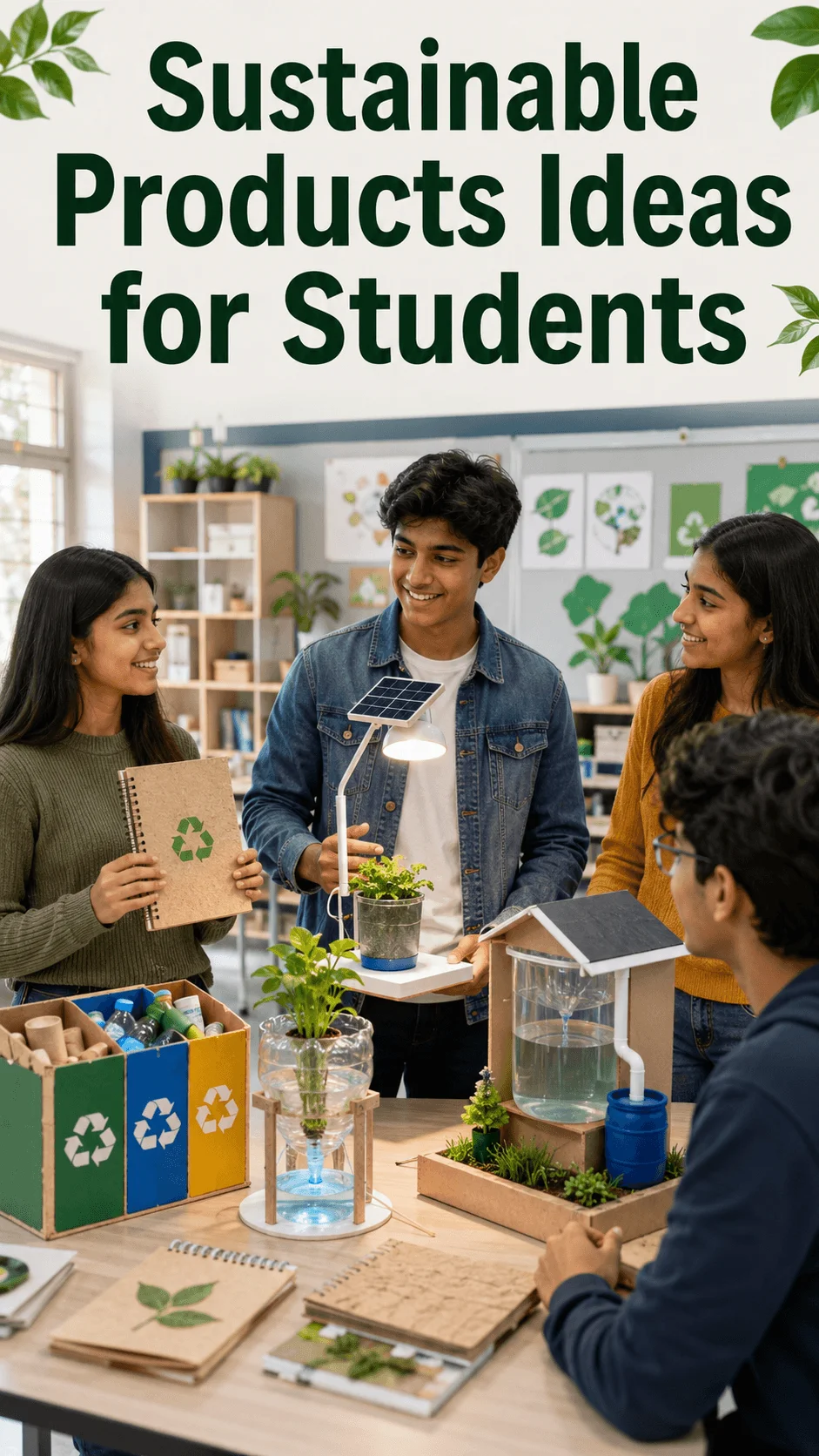
Today, students are exploring ideas related to renewable energy, biodegradable materials, artificial intelligence, recycling, sustainable agriculture, and circular economy concepts. These innovations not only improve environmental knowledge but also develop problem solving skills, creativity, and entrepreneurial thinking among young learners.
The future depends on people who can design solutions that balance human needs with environmental protection. By creating innovative green products, students can become part of the global movement toward a cleaner and more sustainable world.
Innovative Sustainable Products Ideas for Students Creating a Greener Future
Young innovators are changing the way we think about environmental solutions. In the past, school sustainability projects mostly focused on simple recycling activities, but modern students are developing advanced ideas that combine creativity with technology. These student made sustainable products demonstrate that even small innovations can create positive environmental impacts.
The best sustainable products are not only environmentally friendly but also practical, affordable, and educational. They teach students how everyday problems can be solved through scientific thinking and creative design. From renewable energy devices to waste reduction systems, these projects help students understand the importance of responsible production and consumption.
The following sustainable products ideas for students represent some of the latest trends in green innovation and provide opportunities for students to experiment, learn, and create solutions for real world challenges.
Smart Solar Powered Study Lamp
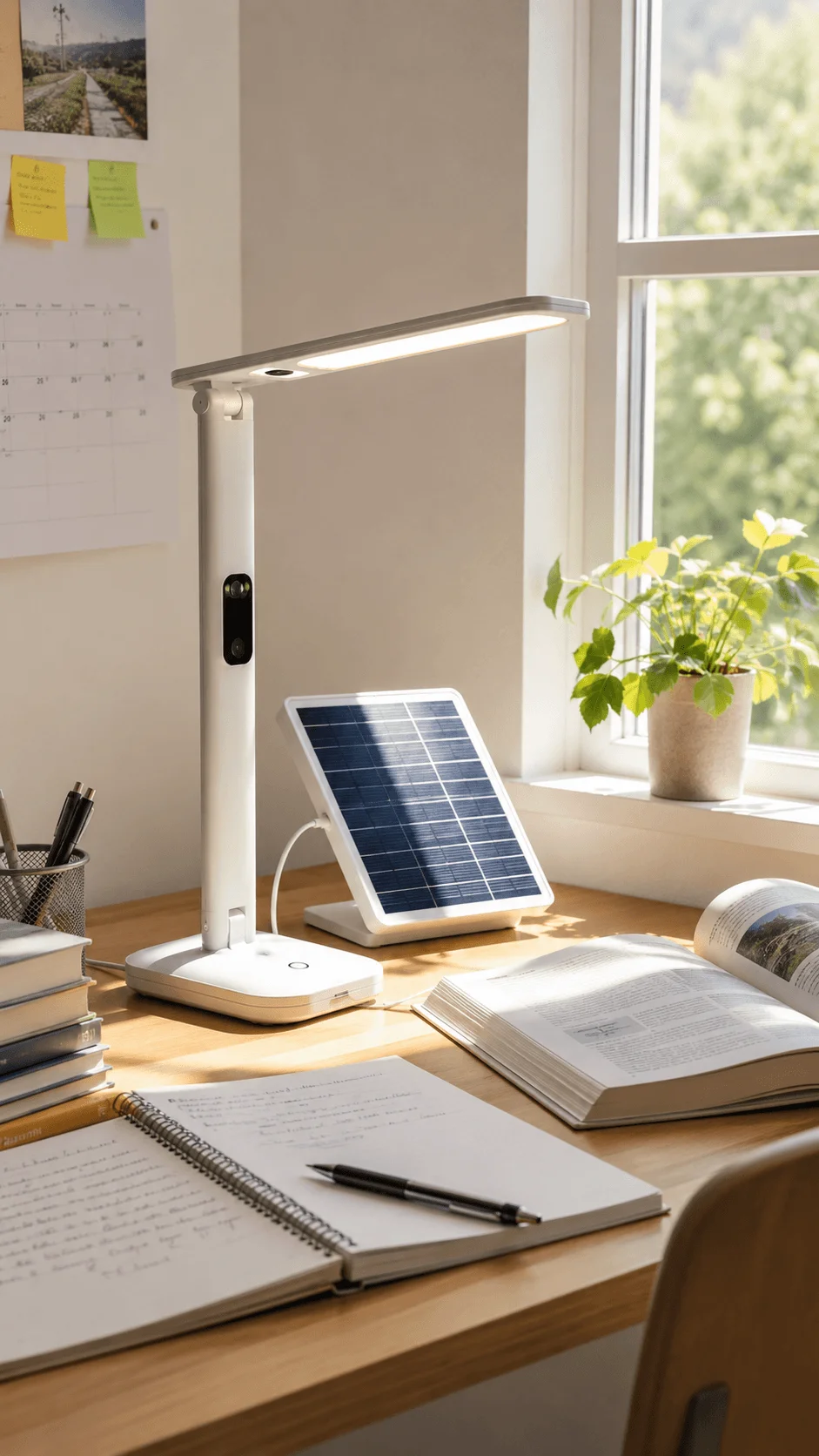
A smart solar powered study lamp is one of the most useful renewable energy projects students can create. This product combines solar technology with energy efficient lighting to provide a sustainable alternative to traditional electric lamps. It represents a simple example of how clean energy can be used to solve everyday problems.
Many students around the world face challenges related to electricity access, high energy costs, and increasing power consumption. A solar powered lamp reduces dependence on conventional electricity because it collects energy from sunlight and stores it in a rechargeable battery. During the day, the solar panel captures sunlight, converts it into electrical energy, and stores it for later use.
Students can create a basic model using a small solar panel, rechargeable battery, LED light, wires, and a simple control switch. They can improve the design by adding sensors that automatically adjust brightness according to surrounding light conditions. This makes the product more advanced and connects it with smart technology concepts.
This project teaches students about renewable energy, electrical circuits, energy conservation, and sustainable engineering. It also encourages them to think about how technology can support communities that need affordable and environmentally friendly solutions.
The popularity of solar products continues to grow because countries and businesses are investing more in clean energy. A student who develops a solar powered product learns important skills that connect with future careers in engineering, environmental science, and renewable technology.
Biodegradable Plantable Notebook
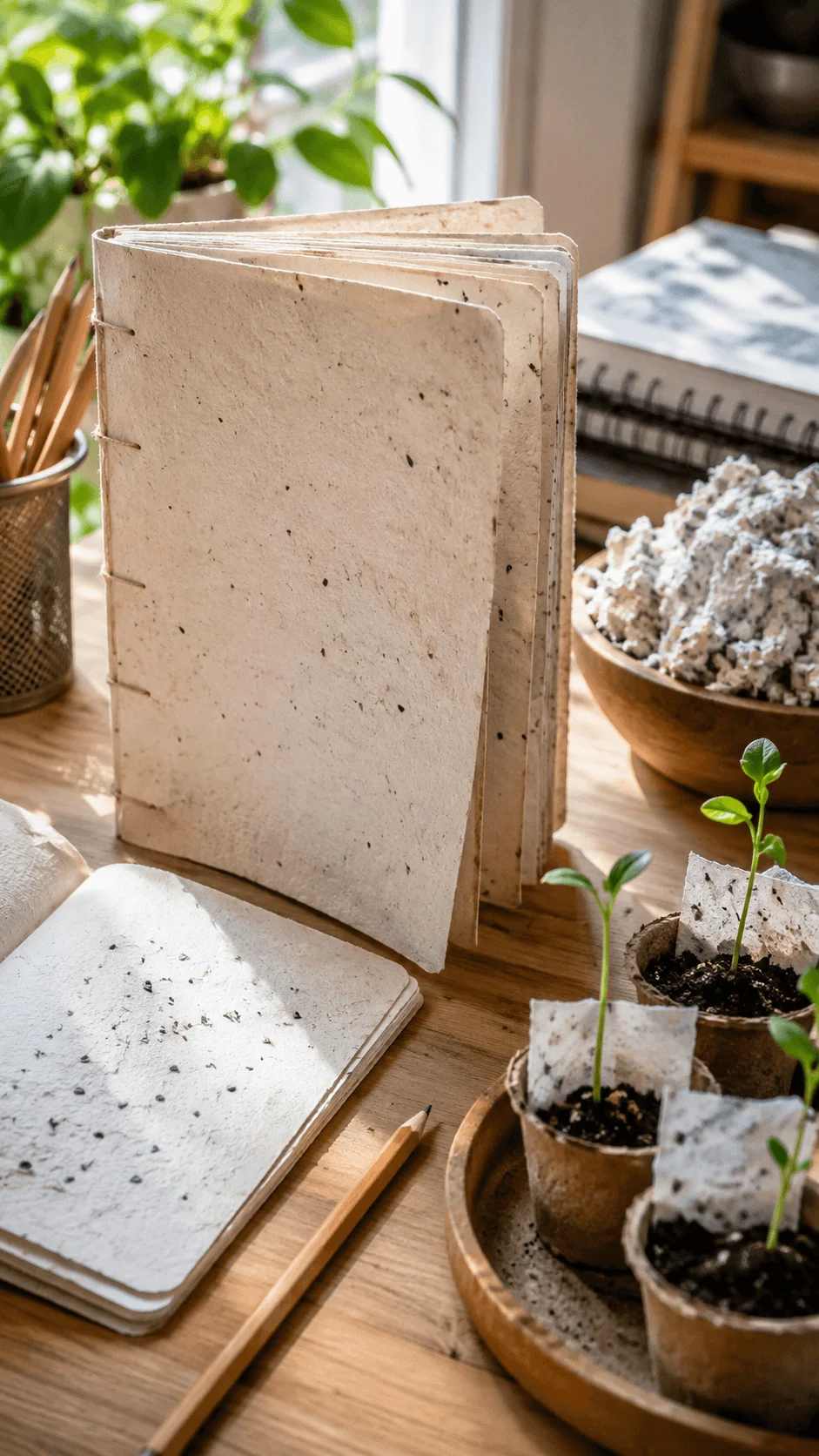
A biodegradable plantable notebook is a creative example of how ordinary school products can become environmentally responsible. Traditional notebooks create paper waste after students finish using them, but plantable notebooks introduce a circular approach where waste can become a resource.
This product uses recycled paper mixed with plant seeds. After students complete their notes, instead of throwing the pages away, they can plant the paper in soil. The paper naturally breaks down while the seeds grow into plants. This creates a connection between education and nature.
Students can create a simple version of this product by collecting old paper, making recycled paper pulp, adding suitable seeds, and shaping the material into notebook pages. The process teaches students about recycling, natural materials, and sustainable product design.
The idea behind this product is based on circular economy thinking. In a traditional system, products are created, used, and discarded. A circular system focuses on reducing waste by designing products that can return value to nature.
Plantable products are becoming popular because consumers and companies are searching for alternatives to disposable items. Many businesses are exploring sustainable packaging, eco friendly stationery, and biodegradable materials.
This project gives students an opportunity to understand how design choices affect the environment. It also encourages them to look at common objects around them and imagine more sustainable alternatives.
AI Powered Waste Sorting Bin
Artificial intelligence is becoming a powerful tool for solving environmental problems, and an AI powered waste sorting bin is an example of how technology can improve waste management. This idea combines sustainability with modern digital innovation.
Waste separation is one of the biggest challenges in recycling systems. When recyclable materials mix with general waste, recycling becomes more difficult and many useful materials end up in landfills. A smart waste sorting system can help solve this problem by identifying different types of waste and guiding proper disposal.
Students can create a demonstration model using simple sensors, cameras, microcontrollers, or basic machine learning concepts. A camera system can identify objects, while sensors can help classify materials such as plastic, paper, or metal.
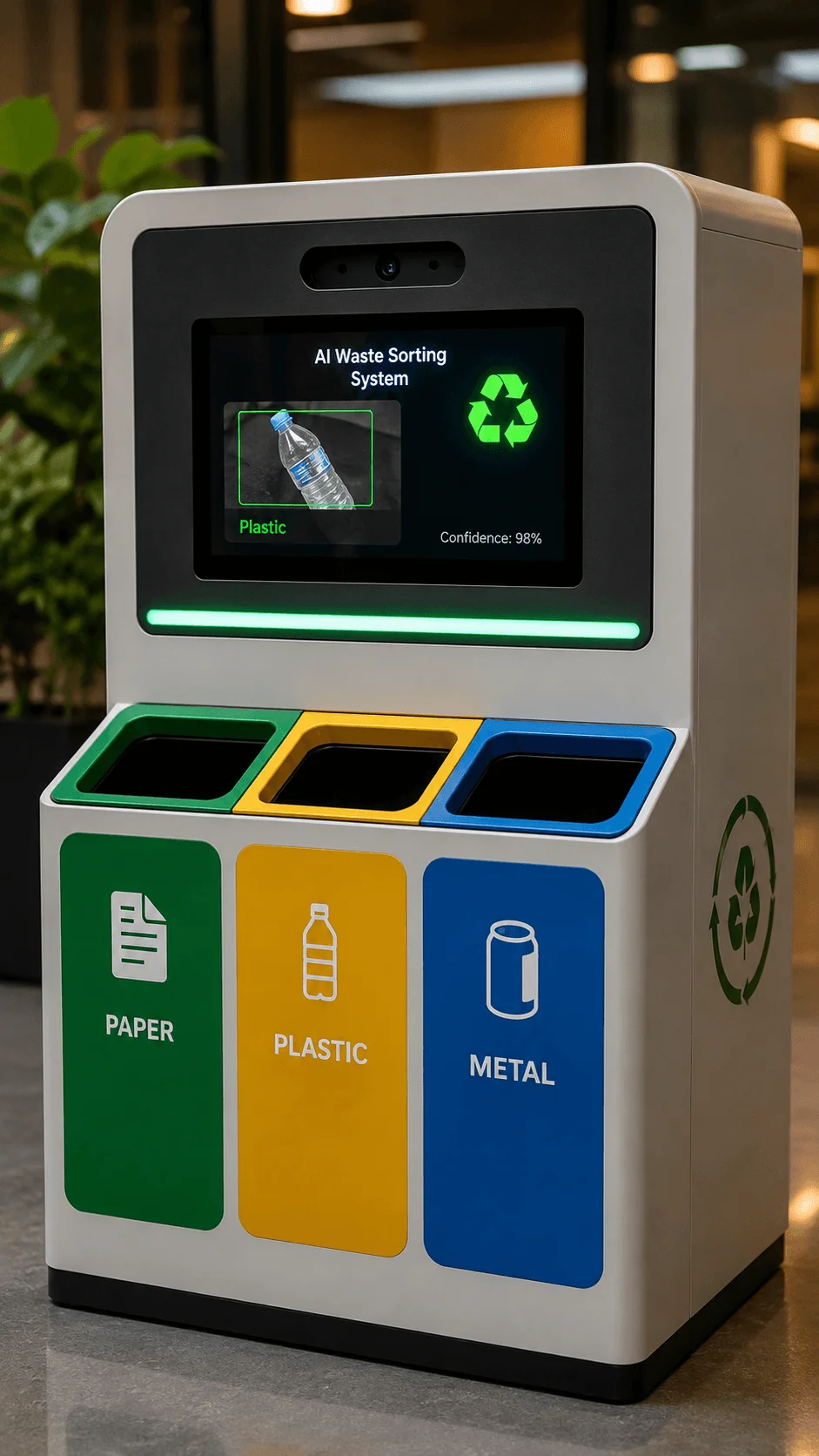
This type of project introduces students to artificial intelligence, programming, electronics, and environmental science. It shows how technology can support sustainability instead of creating additional environmental problems.
AI based environmental solutions are becoming more common because cities and organizations are searching for smarter waste management systems. Students who explore this field gain knowledge about future technologies that may transform recycling systems around the world.
Among sustainable products ideas for students, smart waste solutions have strong future potential because they combine environmental responsibility with advanced innovation.
Plastic Waste Eco Bricks
Plastic waste eco bricks are an effective example of turning an environmental problem into a useful product. Plastic pollution has become one of the biggest global challenges because many plastic items remain in the environment for hundreds of years.
Eco bricks provide a creative way to reuse certain types of plastic waste. Students collect clean plastic materials, compress them into bottles or containers, and transform them into building blocks or decorative structures.
This project teaches the importance of reducing waste and understanding the circular economy. Instead of viewing discarded plastic as useless material, students learn how waste can become a valuable resource.
Students can use eco bricks to create small structures, garden decorations, classroom furniture models, or exhibition displays. The project encourages teamwork because students need to collect materials, prepare them properly, and design useful applications.
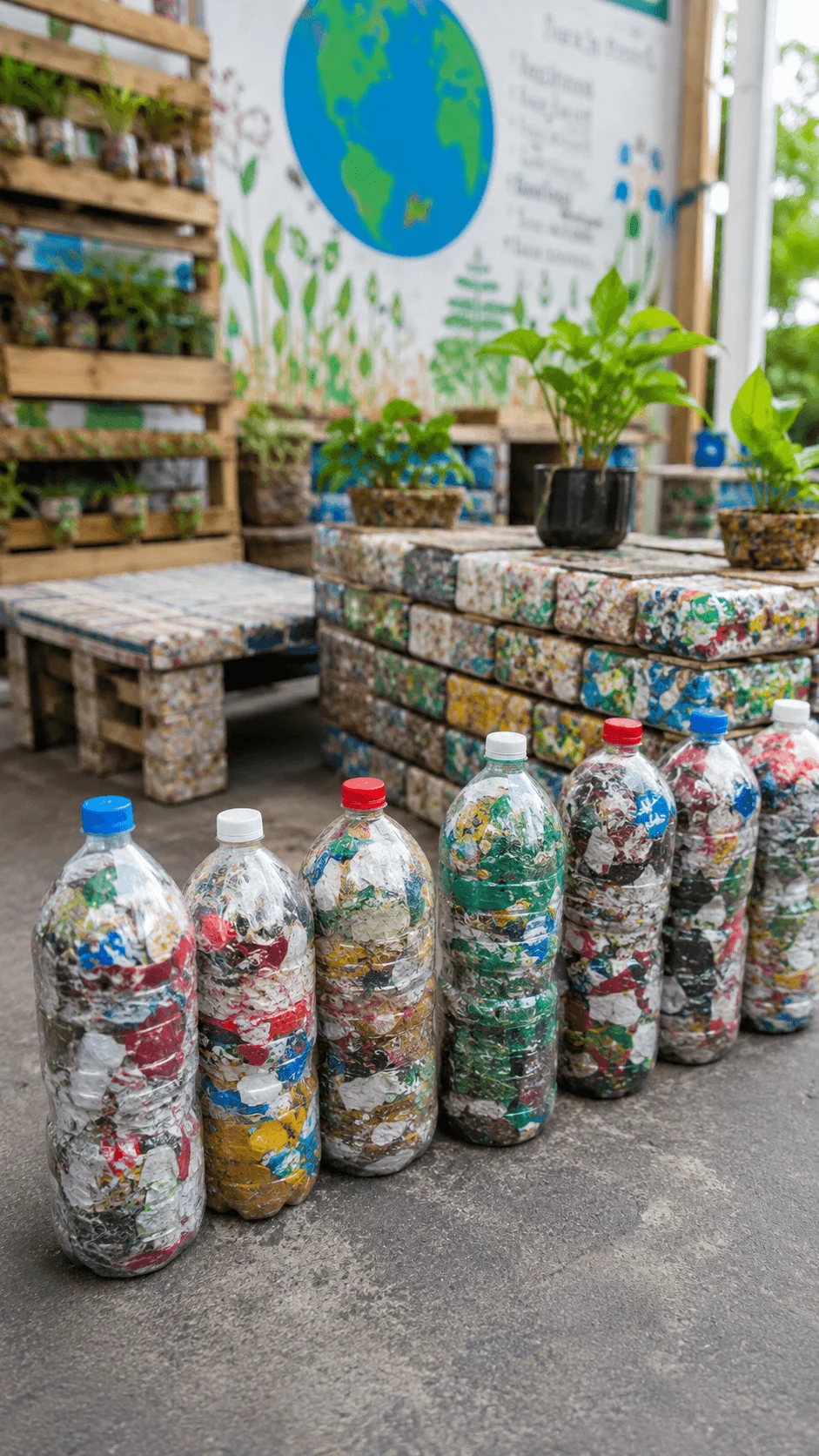
The popularity of plastic recycling projects continues to increase because communities are searching for practical solutions to reduce plastic pollution. This idea also helps students understand the importance of responsible consumption and waste management.
Plastic waste eco bricks represent a simple but powerful message: environmental problems can become opportunities for innovation when people think creatively.
Food Waste Compost Machine Model
Food waste is a major environmental issue because large amounts of organic waste are produced every day from homes, restaurants, and schools. When food waste goes to landfills, it produces harmful gases and contributes to environmental damage.
A food waste compost machine model helps students understand how organic waste can be transformed into useful fertilizer. Instead of treating leftover food as garbage, this system converts it into nutrients that support plant growth.
Students can design a small composting model using containers, organic waste materials, natural composting agents, and ventilation systems. They can demonstrate how microorganisms break down food waste and create nutrient rich compost.
This project connects sustainability with agriculture because compost improves soil quality and reduces the need for chemical fertilizers. It also teaches students about natural cycles and the importance of returning resources back to the environment.
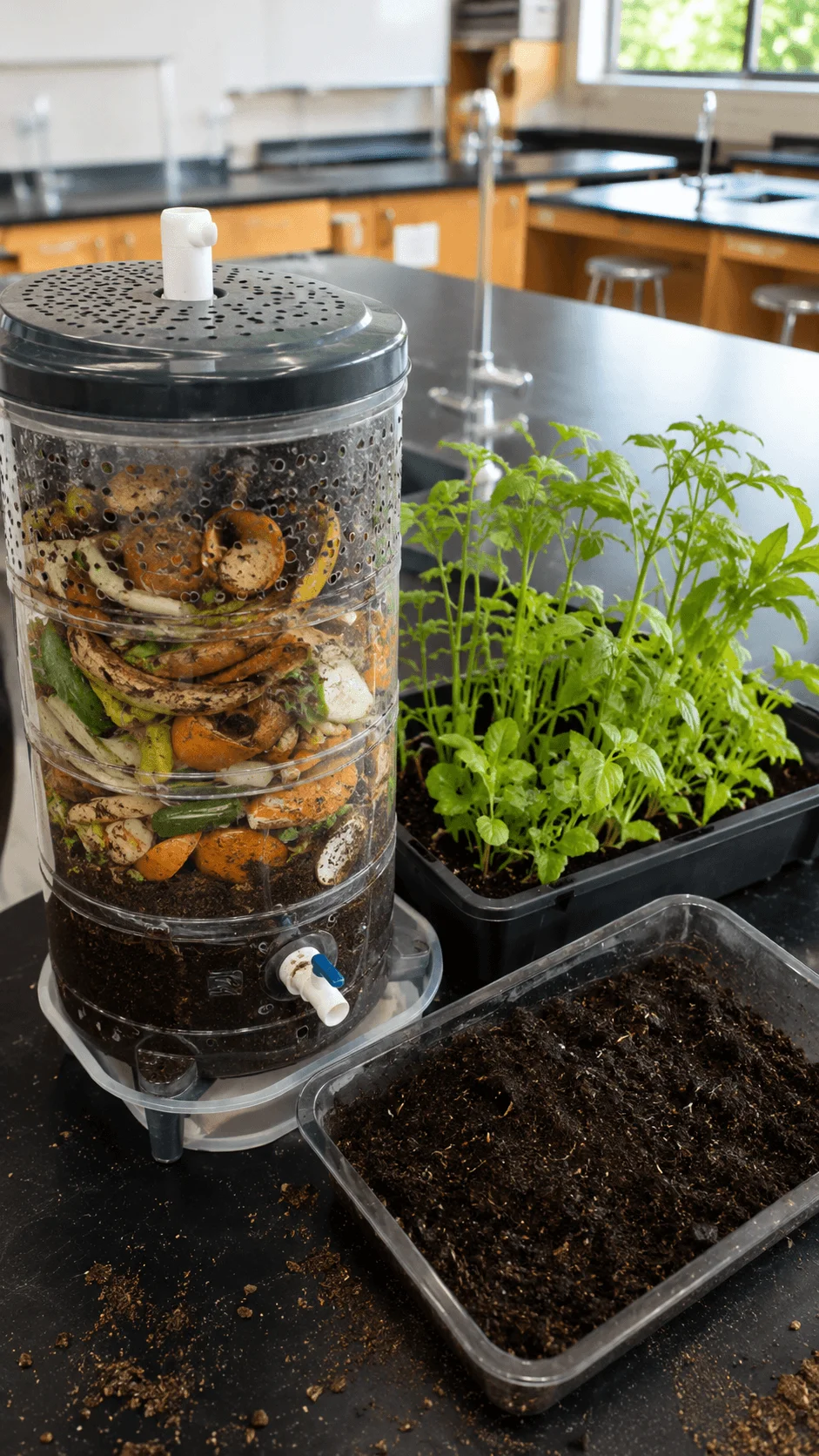
Schools can benefit greatly from this type of project because cafeterias produce significant amounts of food waste. A student designed compost system can become an educational tool while also helping reduce waste.
Food waste composting is becoming more popular because sustainable agriculture and waste reduction are important global priorities. Students who learn these methods develop practical skills that support environmental protection.
Self Watering Plant System
A self watering plant system is a simple yet effective example of sustainable design. This product focuses on saving water while supporting plant growth through controlled irrigation.
Water conservation has become increasingly important because many regions face water shortages due to climate change, population growth, and inefficient usage. A self watering system helps plants receive the right amount of water without unnecessary waste.
Students can create this product using recycled bottles, containers, cotton strings, soil, and plants. The system uses basic principles of water movement to deliver moisture gradually to plant roots.
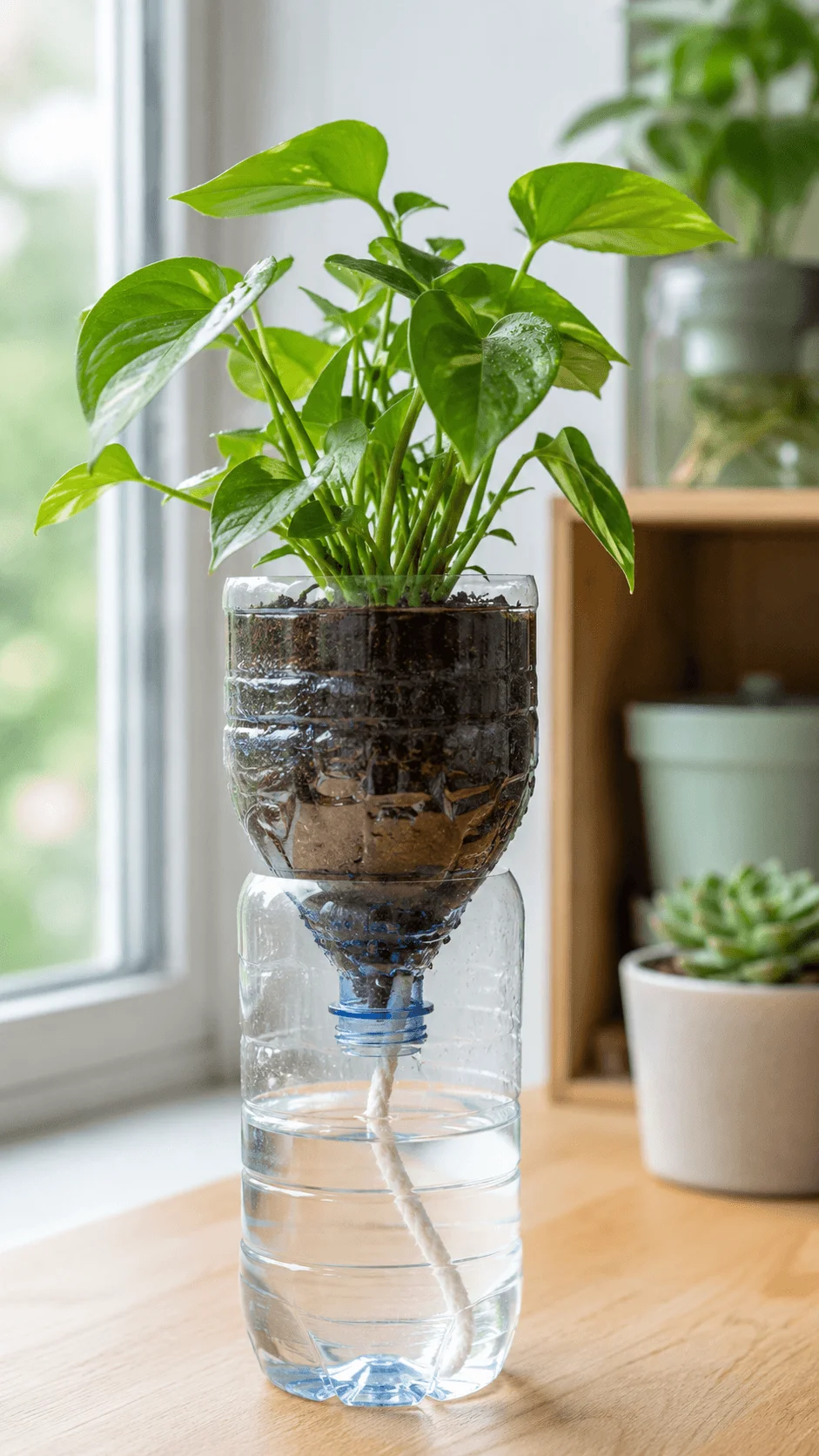
This project introduces students to sustainable agriculture, resource management, and environmental engineering. It also encourages them to explore how small design changes can create meaningful improvements.
Self watering systems are useful for homes, schools, and urban gardens where people want to grow plants while reducing water consumption. Students can improve their models by adding sensors that monitor soil moisture levels.
This idea shows how sustainable products ideas for students can connect everyday activities with environmental solutions. It teaches that sustainability does not always require complex technology; sometimes simple designs can create powerful results.
Recycled Paper Making Kit
Paper waste is one of the most common types of waste found in schools, offices, and homes. A recycled paper making kit provides students with an opportunity to transform old paper into new useful products while learning about resource conservation and sustainable manufacturing.
This project teaches students that materials do not always need to be thrown away after one use. Old notebooks, newspapers, worksheets, and unwanted paper can become the raw materials for creating new sheets of paper. This approach reduces pressure on forests and encourages responsible consumption.
Students can create a simple recycled paper kit using waste paper, water, a blender, a mesh frame, and drying materials. The process involves breaking old paper into pulp, mixing it with water, spreading the pulp evenly, removing excess water, and allowing the paper to dry.
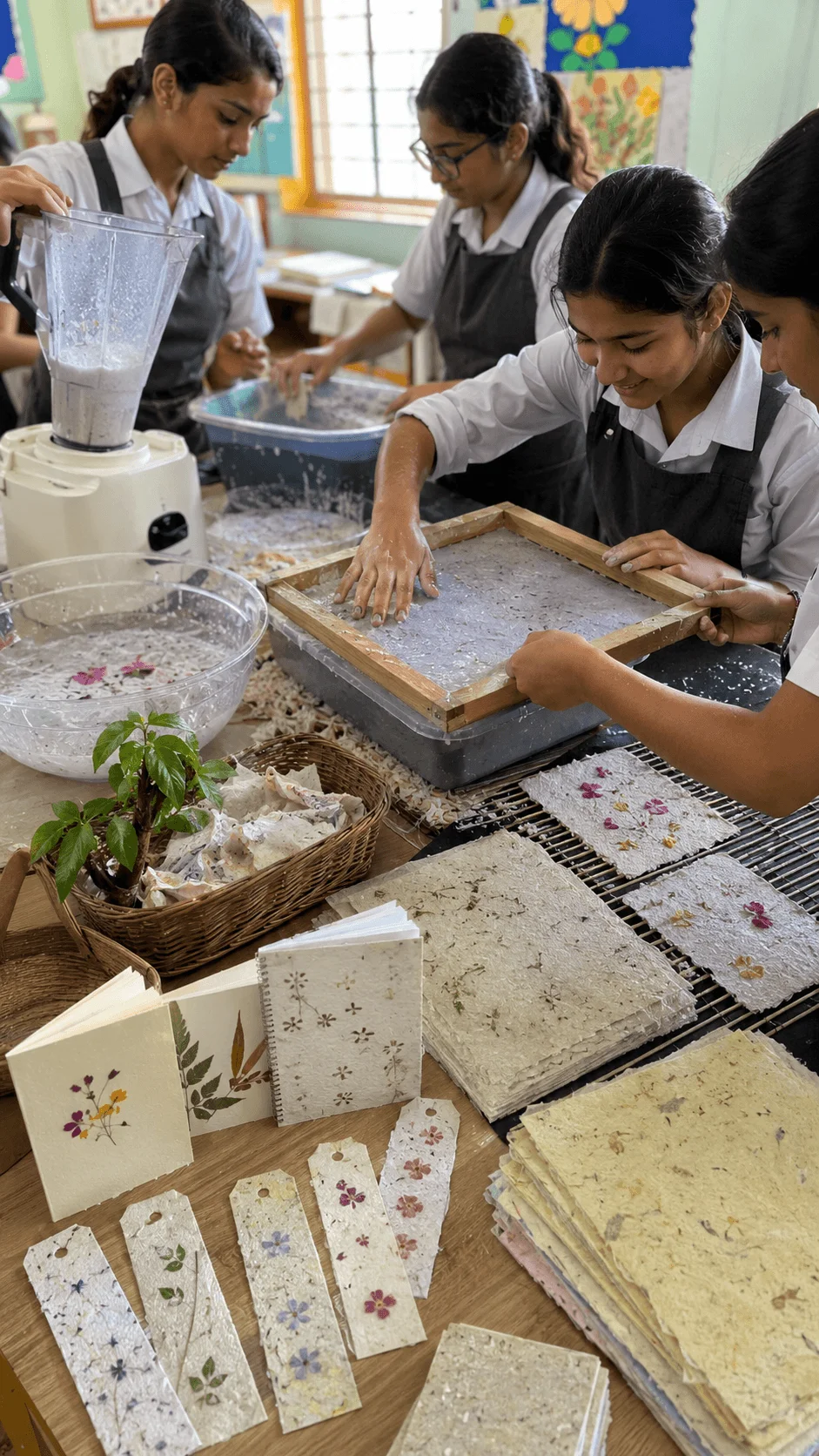
The project helps students understand the complete life cycle of a product. Instead of seeing paper as something that begins in a store and ends in a trash bin, they learn how materials can continue to provide value through recycling.
Recycled paper products can include notebooks, greeting cards, bookmarks, artwork, and educational materials. Students can also experiment with adding natural colors, flower petals, or plant fibers to create unique designs.
Among sustainable products ideas for students, recycled paper projects remain popular because they are affordable, practical, and easy to demonstrate in classrooms and science exhibitions. They combine environmental awareness with creativity and hands on learning.
E Waste Functional Products
Electronic waste has become one of the fastest growing environmental challenges in the modern world. Old mobile phones, computer parts, wires, keyboards, and electronic accessories often become useless after a short period of use. However, many of these materials still contain valuable components that can be reused.
E waste functional products encourage students to look at discarded electronics from a different perspective. Instead of considering old devices as garbage, students can redesign them into useful objects.
Students can create organizers from old keyboards, decorative items from circuit boards, lamps from unused electronic parts, or educational models that explain electronic components. These projects introduce the concept of creative reuse and responsible technology consumption.
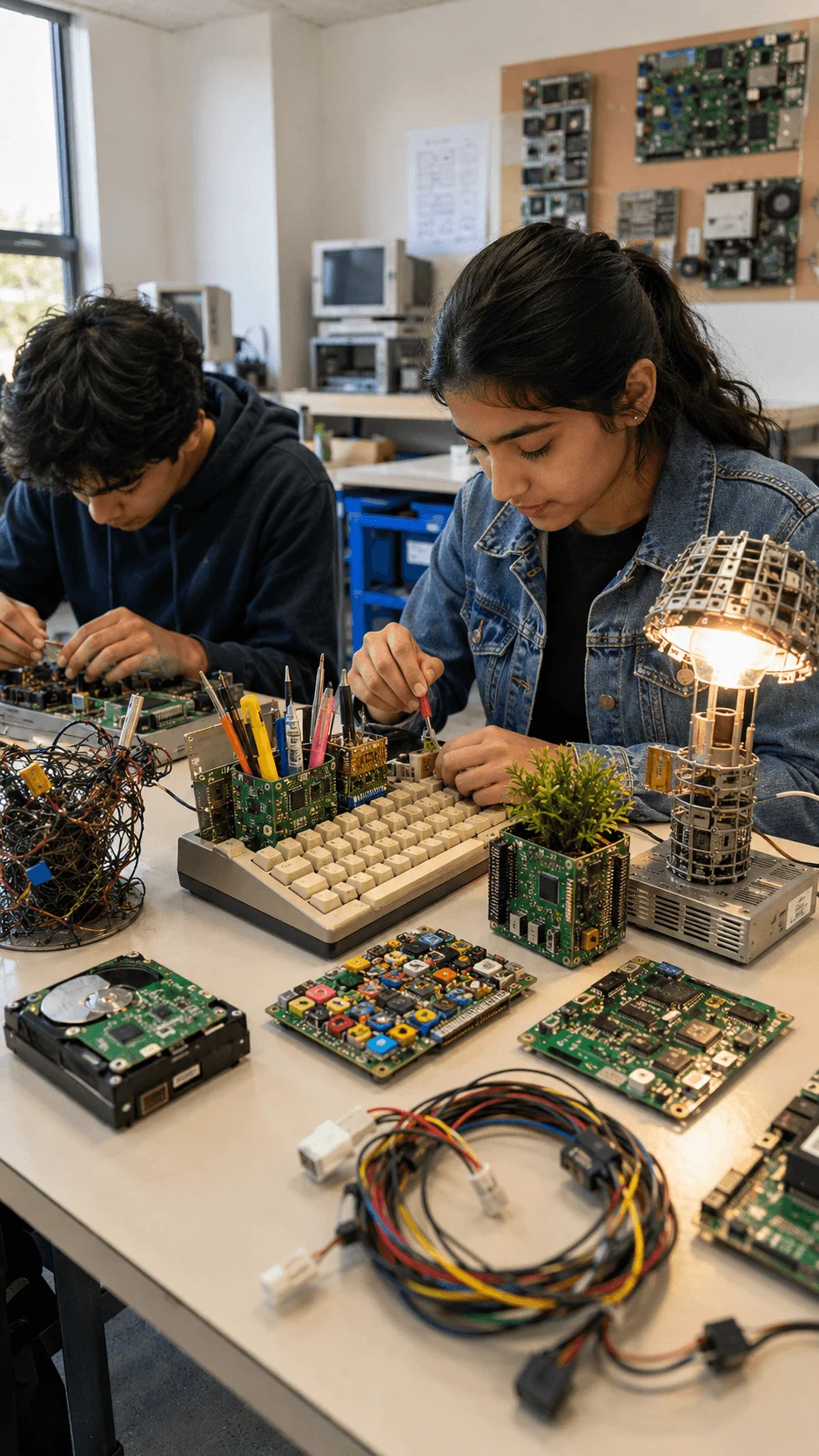
This type of innovation helps students understand the environmental impact of electronic waste. Improper disposal of electronics can release harmful materials into the environment, affecting soil, water, and human health.
Creating products from e waste also develops important skills such as design thinking, problem solving, and material analysis. Students learn that sustainability is not only about recycling but also about extending the life of existing resources.
As technology continues to grow, e waste management will become even more important. Students who explore these projects gain awareness of one of the biggest environmental issues connected with modern lifestyles.
Mushroom Based Biodegradable Packaging
Mushroom based biodegradable packaging represents one of the most exciting developments in sustainable materials. This innovative idea uses mycelium, the root structure of mushrooms, to create packaging materials that can replace traditional plastic based packaging.
Traditional packaging creates significant environmental problems because many plastic materials remain in nature for hundreds of years. Mushroom based materials provide a natural alternative because they can break down after use.
Students can explore this concept by creating educational models that explain how agricultural waste and mushroom mycelium combine to form strong biodegradable materials. Although producing commercial quality packaging requires advanced processes, a student model can demonstrate the basic concept.
This project introduces students to biotechnology, material science, and sustainable design. It shows how nature itself can inspire solutions to environmental problems.
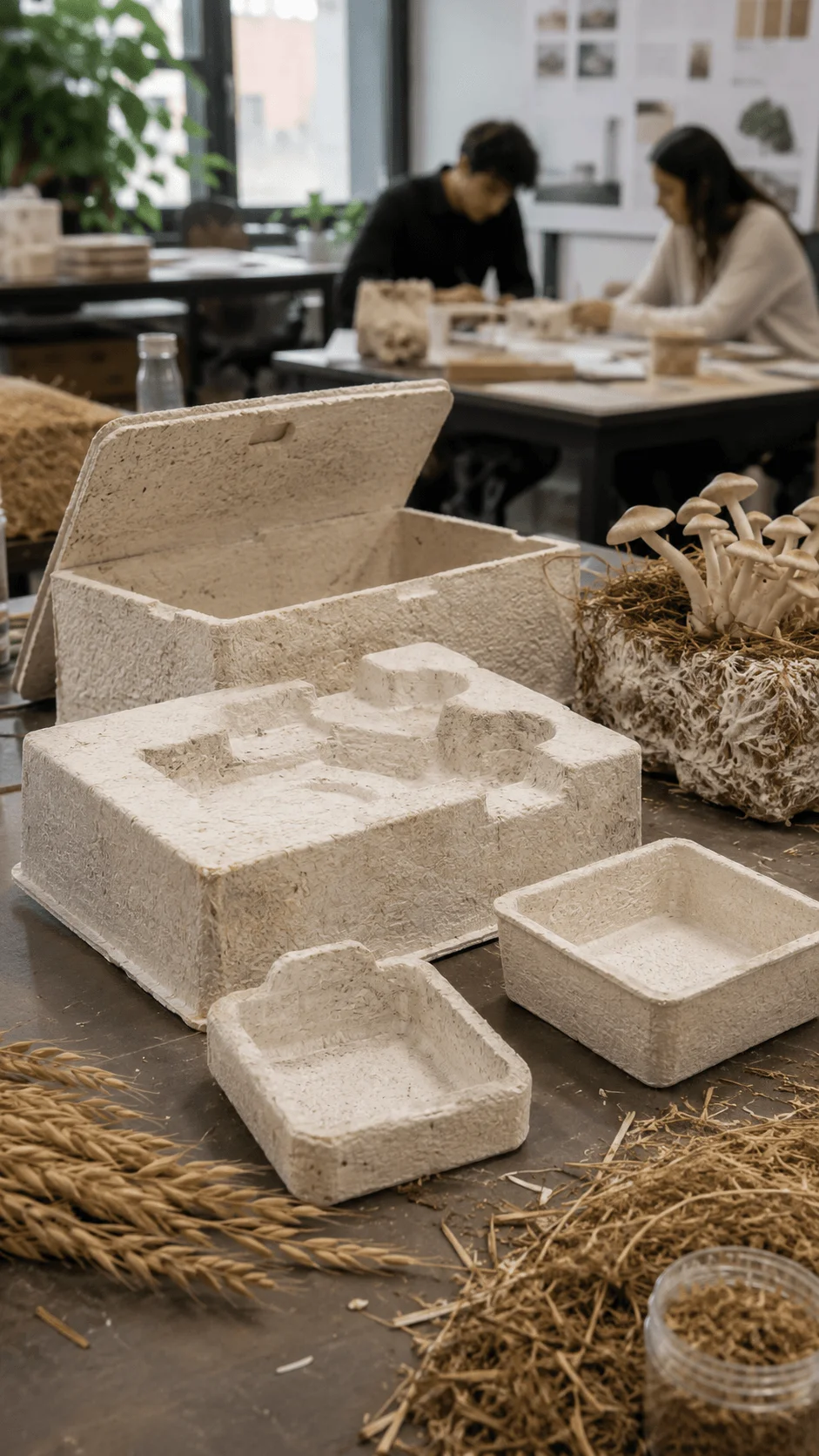
Many industries are researching biodegradable packaging because businesses want alternatives that reduce plastic pollution. This makes mushroom based materials a future focused topic for student innovation competitions and science exhibitions.
This idea also teaches an important lesson: sustainable design does not only involve reducing waste but also creating products that work in harmony with natural systems.
Upcycled Fashion Accessories
The fashion industry produces a large amount of textile waste every year. Old clothes are often discarded even when the fabric still has useful value. Upcycled fashion accessories provide students with a creative way to reduce textile waste while designing practical products.
Students can transform old jeans, shirts, fabrics, and unused clothing into bags, wallets, bracelets, decorative items, and other accessories. These products give old materials a new purpose and reduce the demand for new resources.
Upcycling is different from ordinary recycling because it focuses on improving the value of existing materials. Instead of breaking materials down completely, designers creatively transform them into new and often more valuable products.
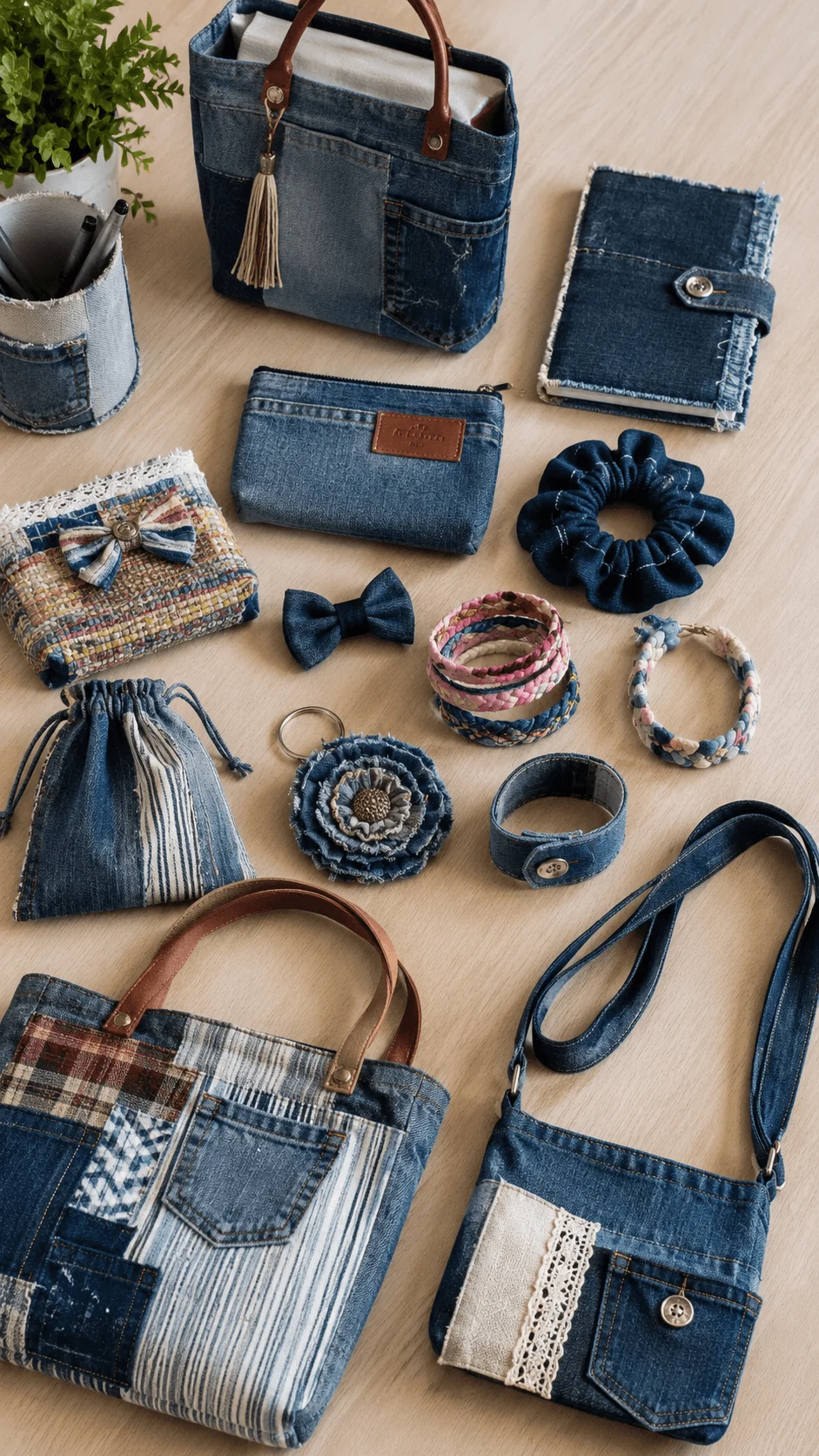
This project introduces students to sustainable fashion, creative design, and responsible consumption. It helps them understand how clothing choices influence the environment.
Students can present upcycled products during school exhibitions, fashion competitions, or environmental awareness programs. They can explain the story behind each product and show how creativity can reduce waste.
Sustainable fashion continues to grow because consumers are becoming more interested in ethical production and environmentally responsible brands. Upcycled fashion accessories represent one of the most accessible sustainable products ideas for students because they require simple materials but create meaningful environmental impact.
Rainwater Harvesting Product Model
Water conservation is one of the most important sustainability challenges facing the world today. A rainwater harvesting product model helps students understand how natural water resources can be collected, stored, and reused.
The basic idea behind rainwater harvesting is simple. Rainwater from rooftops or other surfaces is collected, filtered, and stored for future use. This reduces dependence on traditional water sources and helps manage water shortages.
Students can create a small working model using containers, pipes, filters, and collection surfaces. They can demonstrate how rainwater moves through the system and how filtration improves water quality.
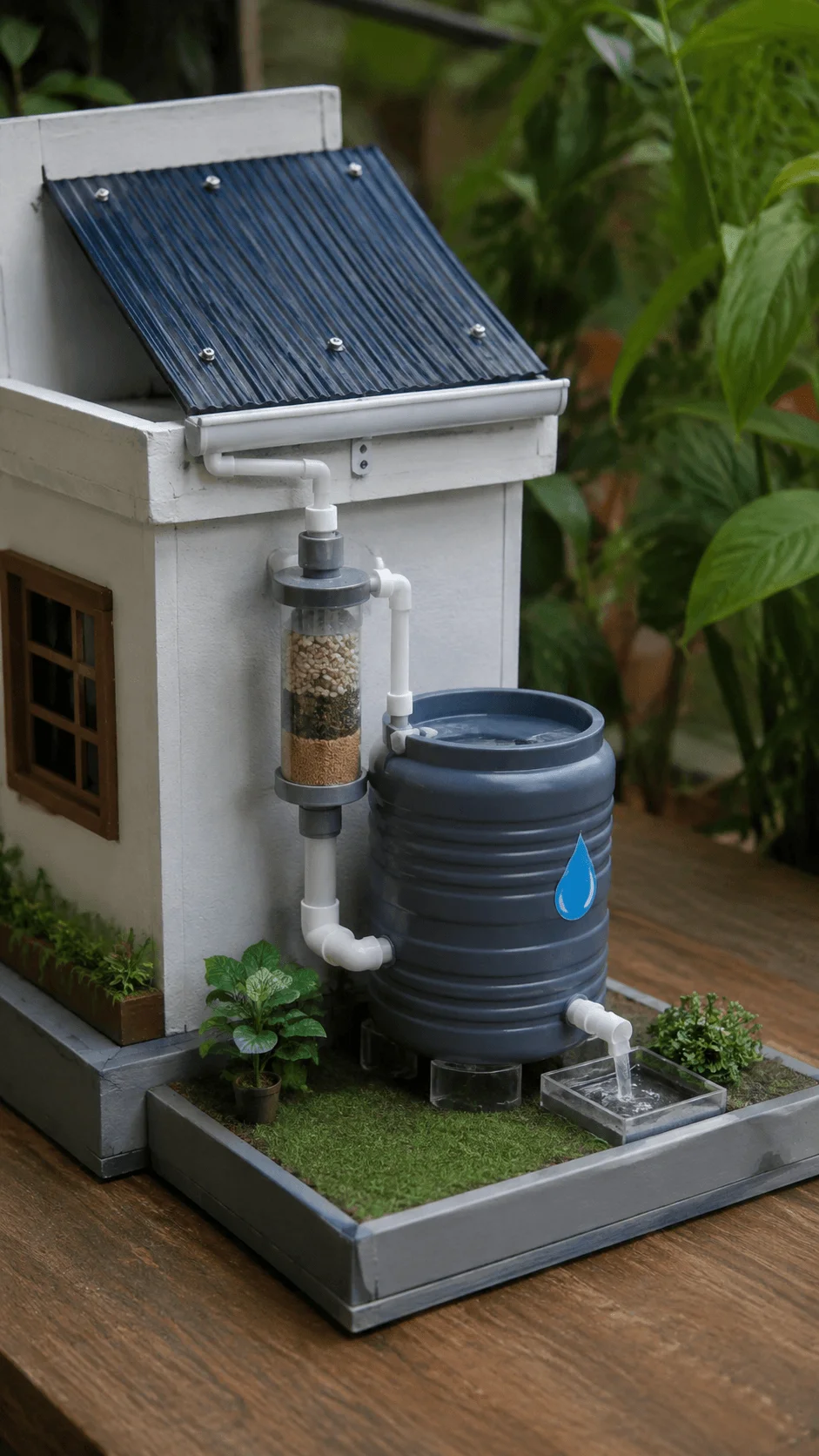
This project connects environmental science with engineering concepts. Students learn about water cycles, resource management, climate challenges, and sustainable infrastructure.
Rainwater harvesting systems are becoming increasingly important in cities where water demand is rising. By learning about these systems, students understand how communities can prepare for future environmental challenges.
This type of project is especially valuable for science exhibitions because it combines practical demonstration with a real world environmental solution.
Sustainable 3D Printed Products
3D printing technology is changing the way products are designed and manufactured. When combined with sustainable materials, it creates new opportunities for environmentally responsible production.
Sustainable 3D printed products involve creating useful objects using recycled materials, biodegradable filaments, or environmentally friendly manufacturing methods. Students can design and print items such as plant pots, organizers, phone stands, educational models, and reusable tools.
This idea introduces students to digital design, engineering, and modern manufacturing. They learn how computer based designs can become physical products while considering environmental impacts.
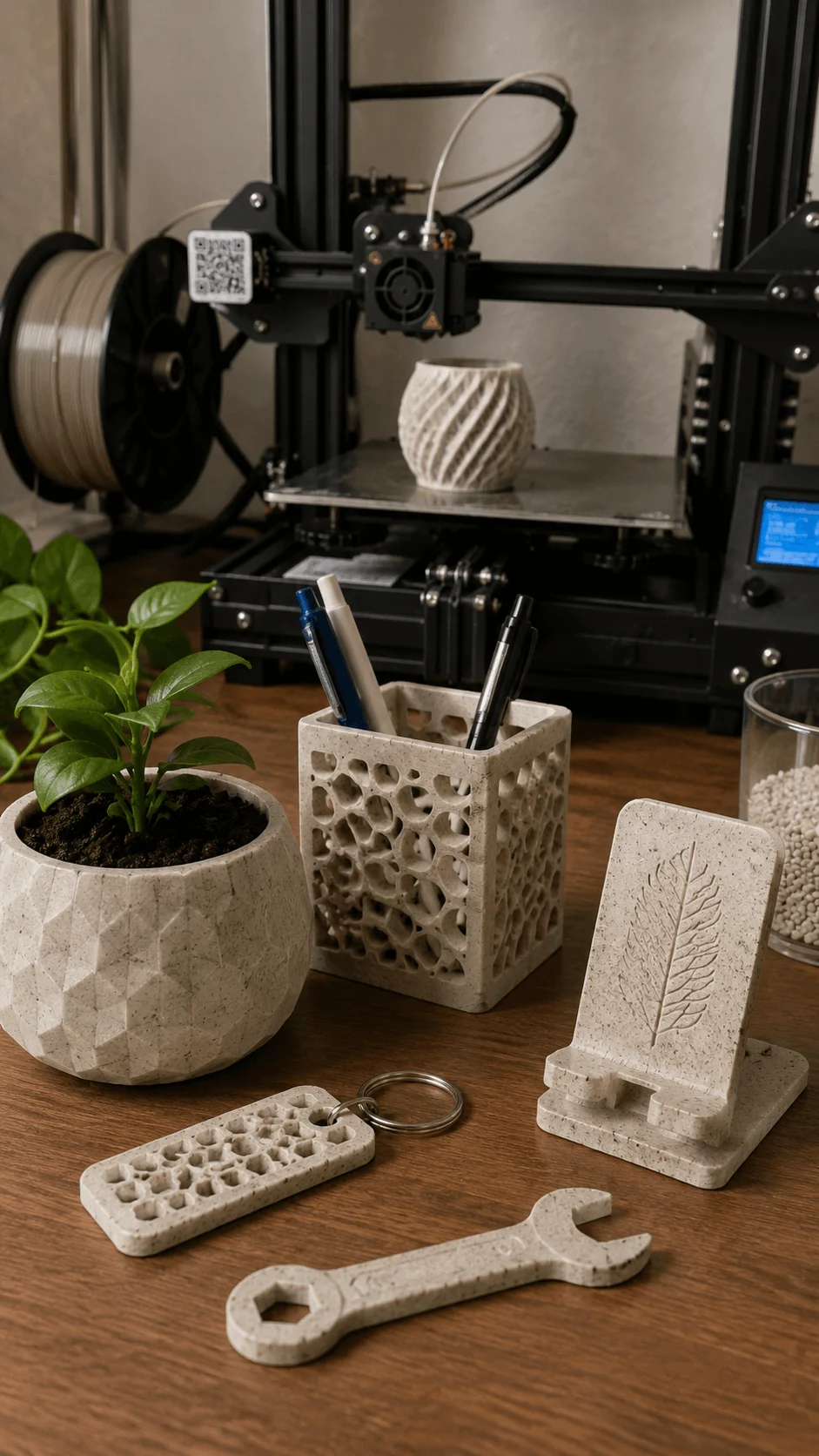
Traditional manufacturing often requires large amounts of energy and materials. Sustainable 3D printing can reduce waste because products are created with precise material usage.
Students can explore this technology by designing products that solve everyday problems. For example, they can create reusable classroom items or customized solutions for specific needs.
As technology continues to develop, sustainable 3D printing will become an important part of future product design. It represents the connection between innovation, creativity, and environmental responsibility.
Why Sustainable Products Ideas for Students Are Important in Modern Education
Sustainability education is becoming more important because environmental challenges require creative solutions from future generations. Traditional education often focuses on learning information, but modern education encourages students to apply knowledge through practical projects.
Sustainable products ideas for students help develop creativity, critical thinking, and problem solving abilities. When students design environmentally friendly products, they learn how scientific concepts can be applied to real world problems.
These projects also encourage teamwork and communication skills. Students often need to research ideas, collect materials, test designs, and present their solutions. These activities prepare them for future careers in science, technology, engineering, business, and environmental fields.
Sustainability projects also create awareness about personal responsibility. Students understand that daily choices related to energy use, waste production, and consumption habits can influence the environment.
DIY Sustainable Products for School Projects and Science Exhibitions
School projects and science exhibitions provide excellent opportunities for students to demonstrate their creativity. Sustainable projects are especially valuable because they combine learning with environmental awareness.
Students can use recycled materials, renewable energy concepts, and modern technology to create impressive demonstrations. A well designed sustainable product can explain complex environmental issues in a simple and engaging way.
Science exhibitions allow students to share their ideas with teachers, classmates, and communities. These events encourage young innovators to develop confidence and explore new possibilities.
Projects involving waste management, renewable energy, smart technology, and biodegradable materials often attract attention because they address real problems faced by society.
How Students Can Turn Green Innovation Ideas Into Real Solutions
Many successful environmental solutions begin as small ideas created by young innovators. Students can transform their projects into real solutions by improving their designs, researching market needs, and understanding user requirements.
Schools can support students by creating innovation clubs, sustainability competitions, and entrepreneurship programs. These opportunities allow students to develop their ideas beyond classroom activities.
A simple student project can become a useful product when students focus on quality, practicality, and environmental impact. They can collaborate with teachers, engineers, and community members to improve their designs.
The future of sustainability depends on people who can combine creativity with action. Students who learn these skills today can become the environmental leaders of tomorrow.
Conclusion
Sustainable products ideas for students are helping young people move from learning about environmental problems to actively creating solutions. These projects show that sustainability is not only about protecting nature but also about developing creativity, scientific understanding, and innovative thinking.
From solar powered lamps and biodegradable notebooks to AI waste systems and sustainable 3D printed products, students now have many opportunities to design meaningful solutions. Each project teaches valuable lessons about responsible production, resource conservation, and the importance of innovation.
The future belongs to students who can imagine better ways of living and create products that support both people and the planet. By exploring sustainable ideas, experimenting with new materials, and using technology responsibly, young innovators can contribute to a cleaner and healthier world.