12 Sustainable Fashion Activities for Kids in 2026
Teaching children about caring for the environment starts with simple everyday habits, and clothing is a great place to begin. Sustainable Fashion Activities for Kids help children understand that fashion is about much more than wearing new clothes. It is also about reducing waste, reusing materials, making thoughtful choices, and appreciating the effort that goes into creating every piece of clothing. Through creative projects and hands on learning, children can discover how their actions make a positive difference for the planet while expressing their own unique style.
As concerns about textile waste and fast fashion continue to grow, schools and families are looking for meaningful ways to introduce sustainability at an early age. Fashion themed activities encourage children to think creatively, solve problems, and value resources instead of treating clothes as disposable items. Whether they are transforming old garments into something useful or learning how to repair their favourite outfit, these experiences create lasting lessons that extend far beyond the classroom.
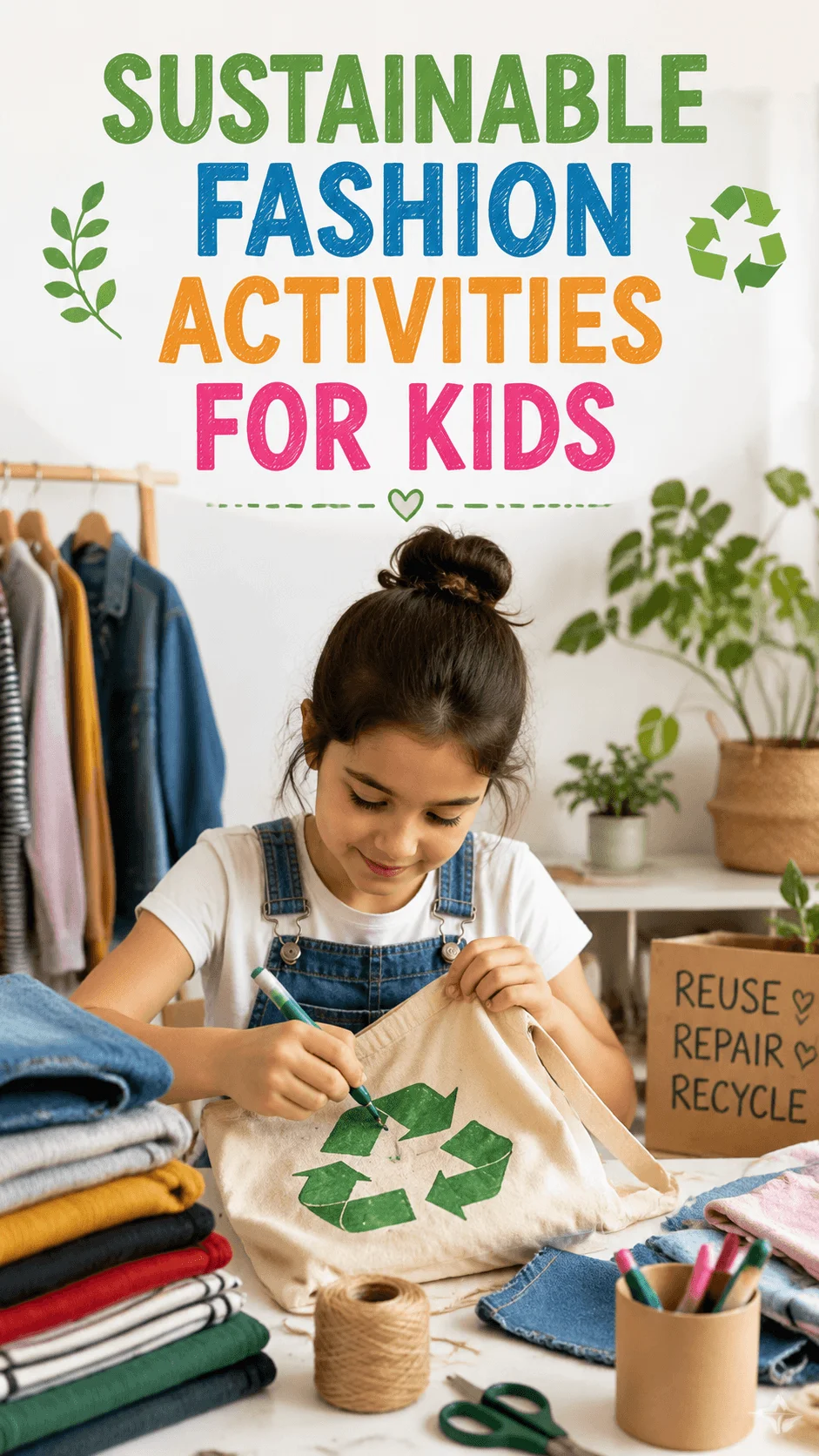
This guide explores some of the most engaging and educational activities that make sustainable fashion exciting for children of all ages. Every idea combines creativity with practical learning, helping young minds build habits that support a greener future.
Why Sustainable Fashion Activities for Kids Matter
Children develop lifelong habits from the experiences they have during their early years. When sustainability becomes part of their everyday learning, they are more likely to grow into environmentally responsible adults. Fashion offers a unique opportunity because every child interacts with clothing every single day. By learning where clothes come from, how they are made, and why they should be cared for, children gain a better understanding of the impact their choices have on the world.
One of the biggest benefits of sustainable fashion education is that it transforms environmental concepts into practical experiences. Rather than simply hearing about pollution or waste, children actively participate in solutions. They discover that repairing a small tear, donating clothes they have outgrown, or creating something new from old fabric can reduce waste and conserve valuable resources.
These activities also strengthen creativity and confidence. Instead of following strict instructions, children are encouraged to experiment with colours, patterns, textures, and designs. Every finished project reflects their imagination while reinforcing the idea that beautiful things do not always need to be brand new.
Parents and teachers also appreciate these projects because they naturally introduce discussions about responsible shopping, mindful consumption, and gratitude. Children begin asking thoughtful questions about how clothing is produced, who makes it, and why caring for their belongings matters. These conversations create a deeper appreciation for sustainability while developing important life skills that remain valuable well into adulthood.
Creative Sustainable Fashion Activities for Kids to Try
Upcycle Old Tee Shirts Into Reusable Tote Bags
One of the most enjoyable sustainable fashion crafts for kids is transforming old tee shirts into practical tote bags. Instead of throwing away clothing that no longer fits or has become worn, children learn how everyday items can be given an entirely new purpose. This simple project introduces the idea that creativity can reduce waste while producing something useful for daily life.
Children often enjoy selecting colourful shirts with fun designs because each tote bag becomes completely unique. Some may choose shirts with favourite characters, while others may prefer bright colours or interesting patterns. As they work through the project, they begin to understand that clothing still has value even when it can no longer be worn.
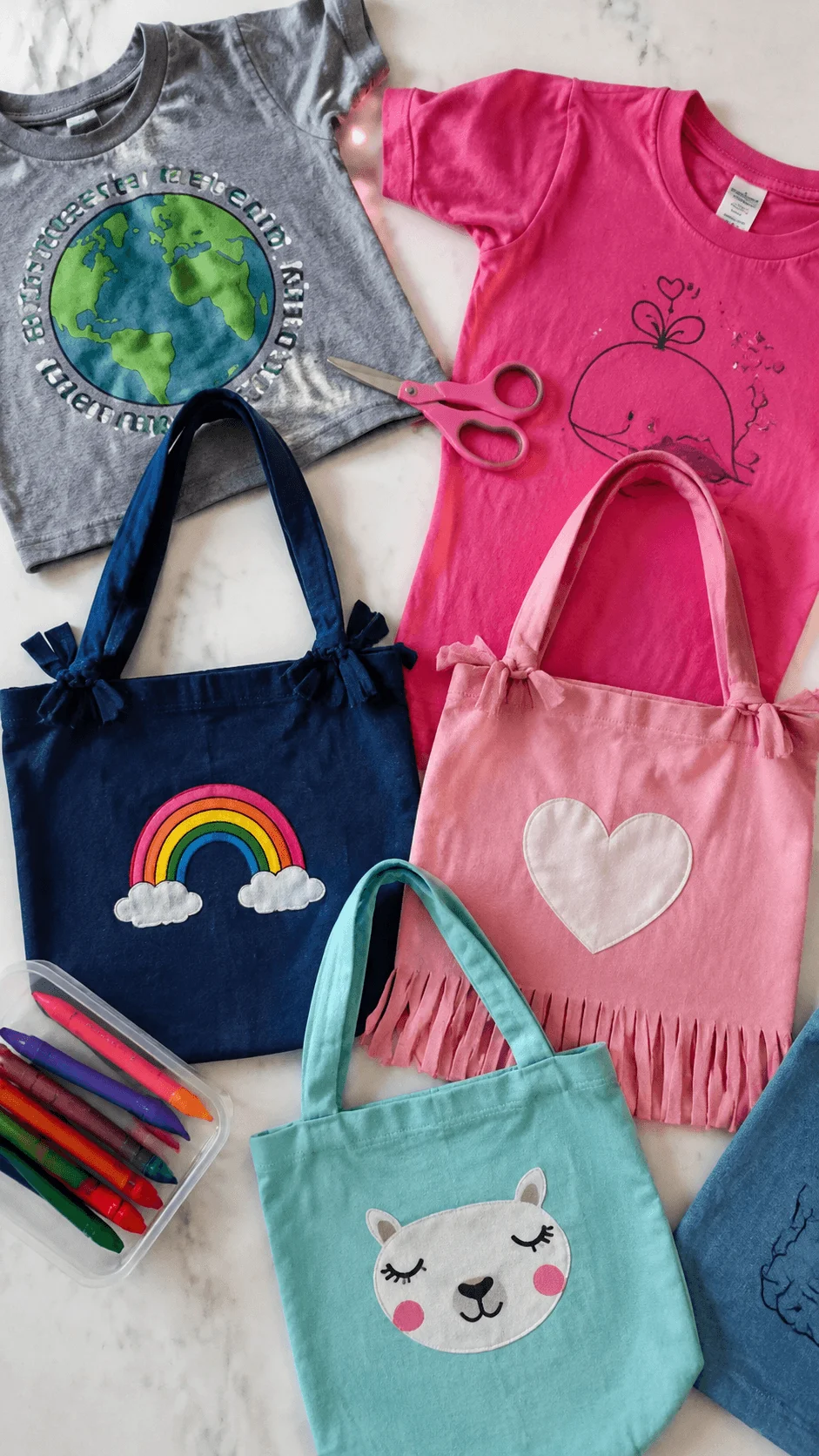
Parents and teachers can use this activity to explain how millions of garments end up in landfills every year. Rather than focusing only on the environmental problem, the project encourages children to become part of the solution. Every reusable bag they create can replace disposable shopping bags, making the lesson even more meaningful.
Older children can personalise their bags with fabric paint, stitched decorations, or recycled patches, while younger children can decorate them using fabric markers. The finished bags become useful for library books, shopping trips, toys, or art supplies, allowing children to proudly use something they created themselves.
Beyond the creative aspect, this activity encourages problem solving, resourcefulness, and appreciation for materials that might otherwise be discarded. It is an excellent introduction to the principles of sustainable fashion because children immediately see how old clothing can become something both attractive and practical.
Visible Mending With Colourful Embroidery
Repairing clothes has become increasingly popular as more families embrace sustainable living, making visible mending one of the most creative fashion sustainability activities available today. Rather than hiding small holes or tears, children decorate them with colourful embroidery that turns imperfections into artistic features.
This activity changes the way children think about damaged clothing. Instead of believing that a torn jumper or pair of jeans should be replaced, they discover that repairs can actually make clothing more beautiful and unique. Every stitched flower, colourful star, or playful pattern becomes part of the garment’s story.
Visible mending also introduces children to basic sewing skills in a relaxed and enjoyable way. They learn patience, concentration, and fine motor coordination while creating designs that reflect their personalities. Even simple stitches can produce attractive results, helping children feel proud of their accomplishments regardless of their experience level.
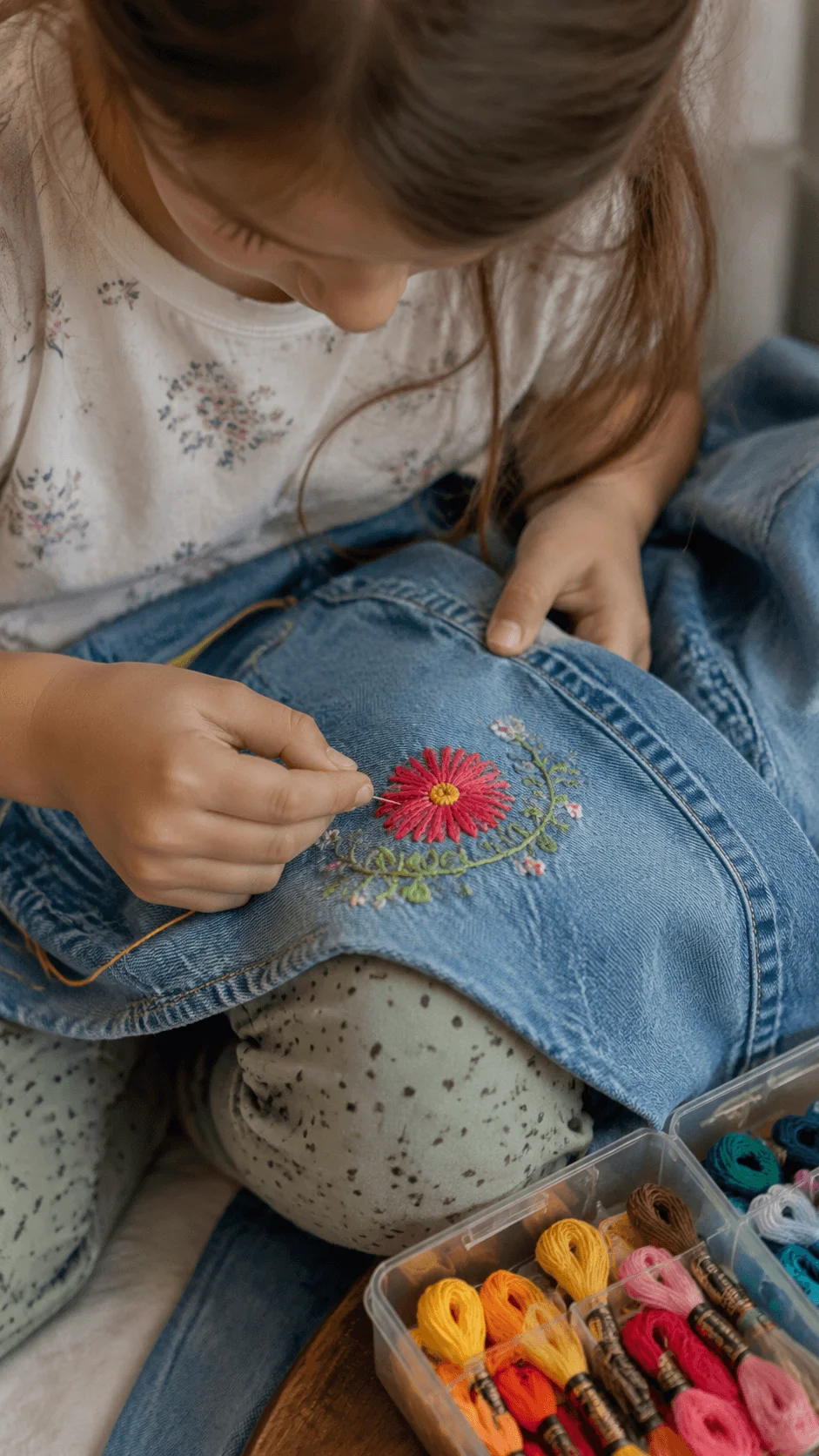
Teachers can encourage students to compare repaired garments with brand new clothing, opening discussions about waste reduction and responsible consumption. Parents may also find that children become more willing to care for their belongings after spending time repairing them.
Because every repair is different, no two projects ever look alike. This freedom encourages creativity while reinforcing the important lesson that extending the life of clothing is one of the simplest ways to protect the environment.
Natural Fabric Dye Experiments Using Plants
Natural colouring experiments combine science, creativity, and sustainability into one engaging learning experience. Instead of relying on artificial dyes, children discover that many everyday fruits, vegetables, herbs, and spices can produce beautiful colours on fabric.
Ingredients such as turmeric, beetroot, onion skins, spinach, blueberries, and red cabbage each create unique shades that often surprise young learners. Watching plain fabric gradually change colour feels almost magical, making this activity especially memorable for children.
While exploring these natural materials, children also learn that many commercial dyes require chemicals that can affect rivers and ecosystems if not managed responsibly. Natural alternatives demonstrate that people have coloured fabrics using plants for centuries, long before modern manufacturing developed synthetic products.
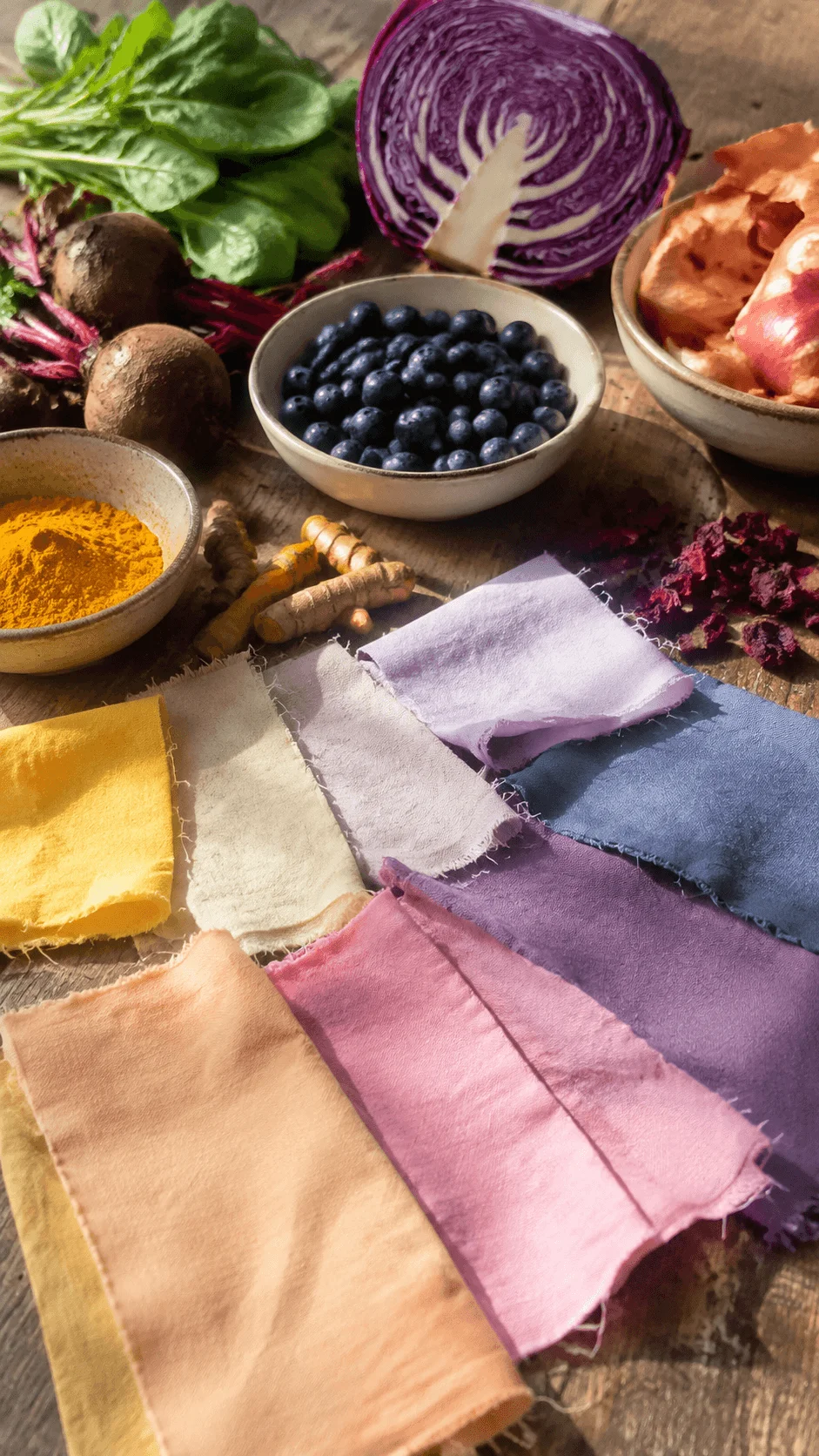
Parents and teachers can expand the lesson by encouraging children to predict which plants will create the brightest colours before testing their ideas. Comparing different results introduces elements of scientific observation while strengthening curiosity and critical thinking.
This project also connects children with nature. Gathering leaves, flowers, and vegetables encourages outdoor exploration and helps children appreciate the natural resources around them. Instead of viewing plants only as food or decoration, they begin to understand their many practical uses.
By combining environmental education with creativity, natural dye projects provide an unforgettable introduction to sustainable fashion while inspiring children to see ordinary materials in completely new ways.
Create Fashion Accessories From Fabric Scraps
Small pieces of leftover fabric often end up in rubbish bins, yet they can become wonderful creative materials for children. Turning fabric scraps into fashionable accessories teaches young learners that even the smallest pieces of textile can have value when used imaginatively.
Children can transform colourful fabric into hair bands, wristbands, bookmarks, small pouches, decorative flowers, or simple key rings. Each creation demonstrates that reducing waste does not require complicated equipment or advanced sewing skills. Simple folding, tying, stitching, or gluing techniques allow children of different ages to participate successfully.
As children experiment with colours and textures, they begin developing their own sense of design. They learn how different fabrics work together and discover that combining small leftover pieces often creates more interesting designs than using brand new material.
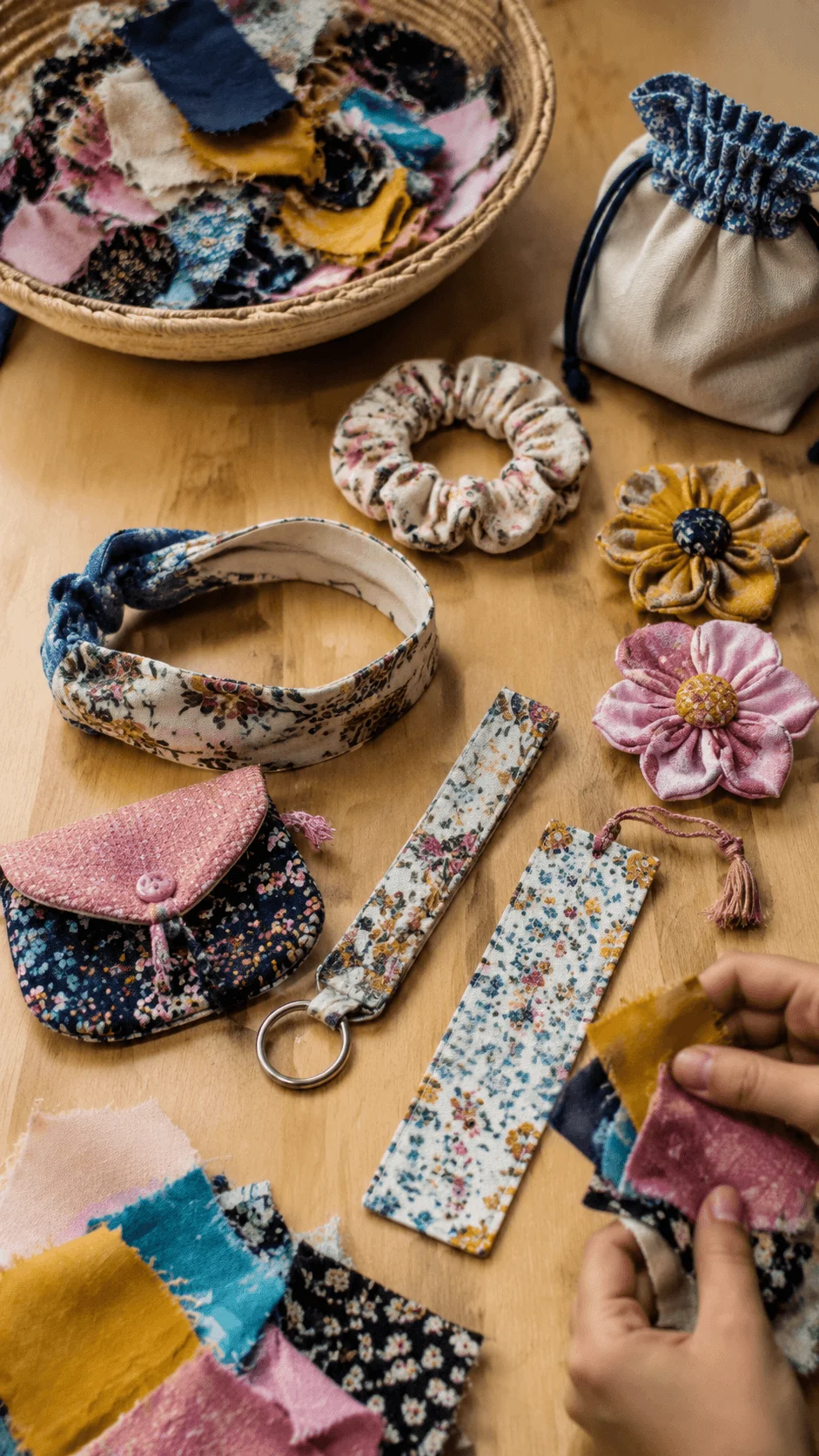
Teachers can also introduce conversations about textile waste by showing how much fabric is typically discarded during clothing production. Rather than viewing scraps as rubbish, children begin recognising them as valuable creative resources.
Many children enjoy giving their handmade accessories as gifts to friends and family. This adds another meaningful lesson by showing that thoughtful handmade presents often carry more personal value than expensive store bought items.
Creating accessories from leftover fabric encourages imagination, reduces unnecessary waste, and helps children understand that sustainability often begins with making better use of the resources already available.
Sustainable Fashion Design Challenge
One of the most exciting eco friendly fashion activities for children is organising a sustainable fashion design challenge. Instead of purchasing new craft supplies, children receive a collection of old clothing, fabric leftovers, ribbons, buttons, paper, and other reusable materials. Their goal is to create an entirely new fashion design using only these existing resources.
Unlike traditional art projects that focus on following instructions, this challenge encourages open ended creativity. Every child approaches the task differently, leading to an incredible variety of imaginative results. Some may design colourful jackets decorated with fabric patches, while others create imaginative costumes inspired by nature, animals, or favourite storybook characters.
The challenge also introduces the concept of creative problem solving. Children quickly realise that limited materials often inspire the most original ideas. They learn to think carefully about colour combinations, fabric textures, and practical design choices while developing confidence in their own creative abilities.
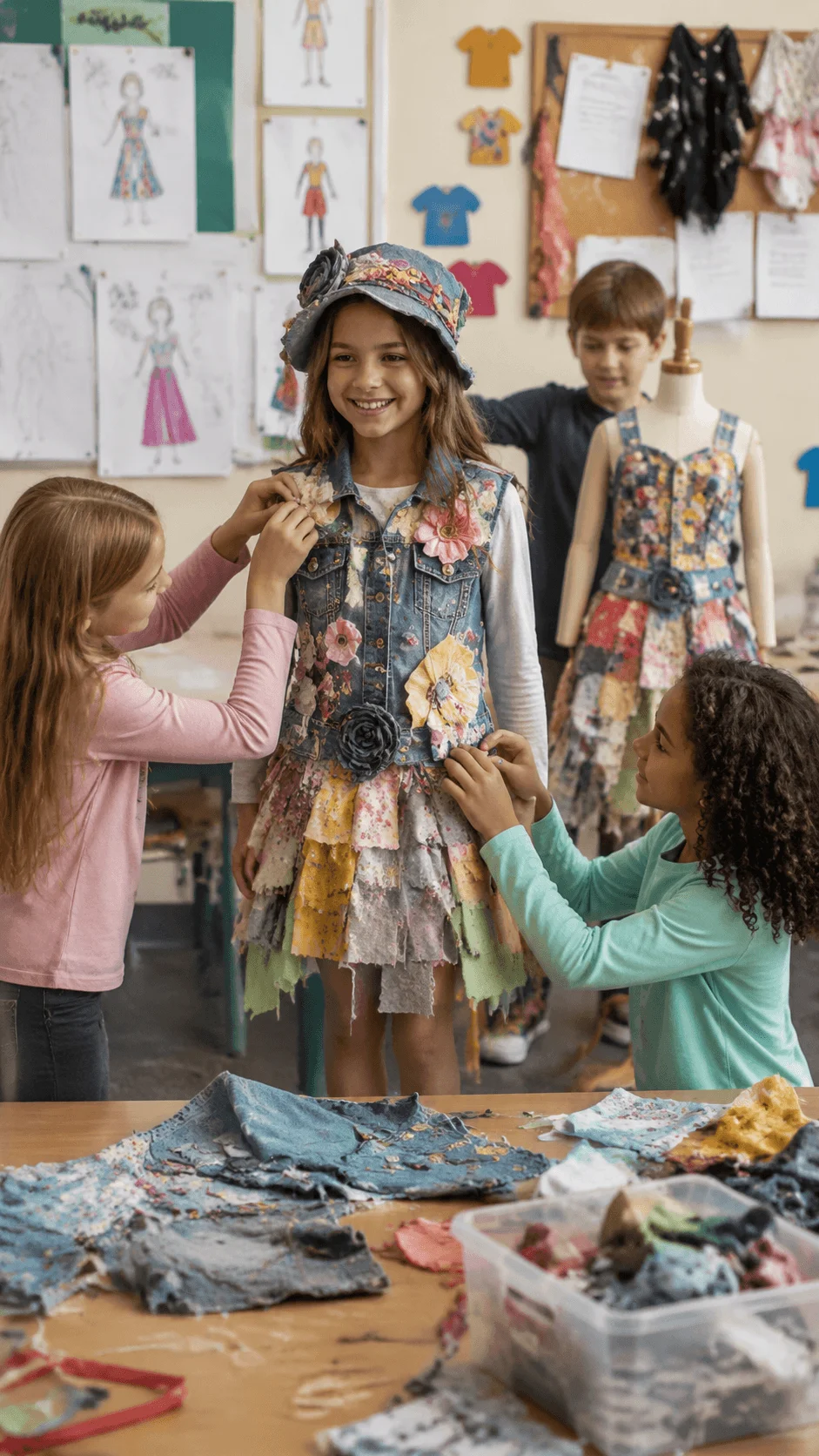
Teachers can conclude the activity by organising a classroom fashion showcase where every child explains the inspiration behind their design and how they reduced waste through their creative choices. This encourages communication skills while reinforcing the importance of sustainability in everyday life.
The sustainable fashion design challenge demonstrates that fashion is not simply about buying something new. Instead, it becomes a creative journey where imagination, resourcefulness, and environmental responsibility come together to create something truly special.
Build a Mini Capsule Wardrobe
One of the newest circular fashion activities for children is creating a mini capsule wardrobe. This activity teaches children that they do not need a large collection of clothes to create many stylish outfits. Instead of focusing on buying more, they learn how a small selection of versatile clothing can be mixed and matched in different ways.
Parents and teachers can begin by selecting several tops, bottoms, jackets, and accessories from a child’s existing wardrobe. Children are then encouraged to experiment with different outfit combinations and discover how many unique looks they can create. They often become surprised that only a few carefully chosen pieces can provide enough variety for many occasions.
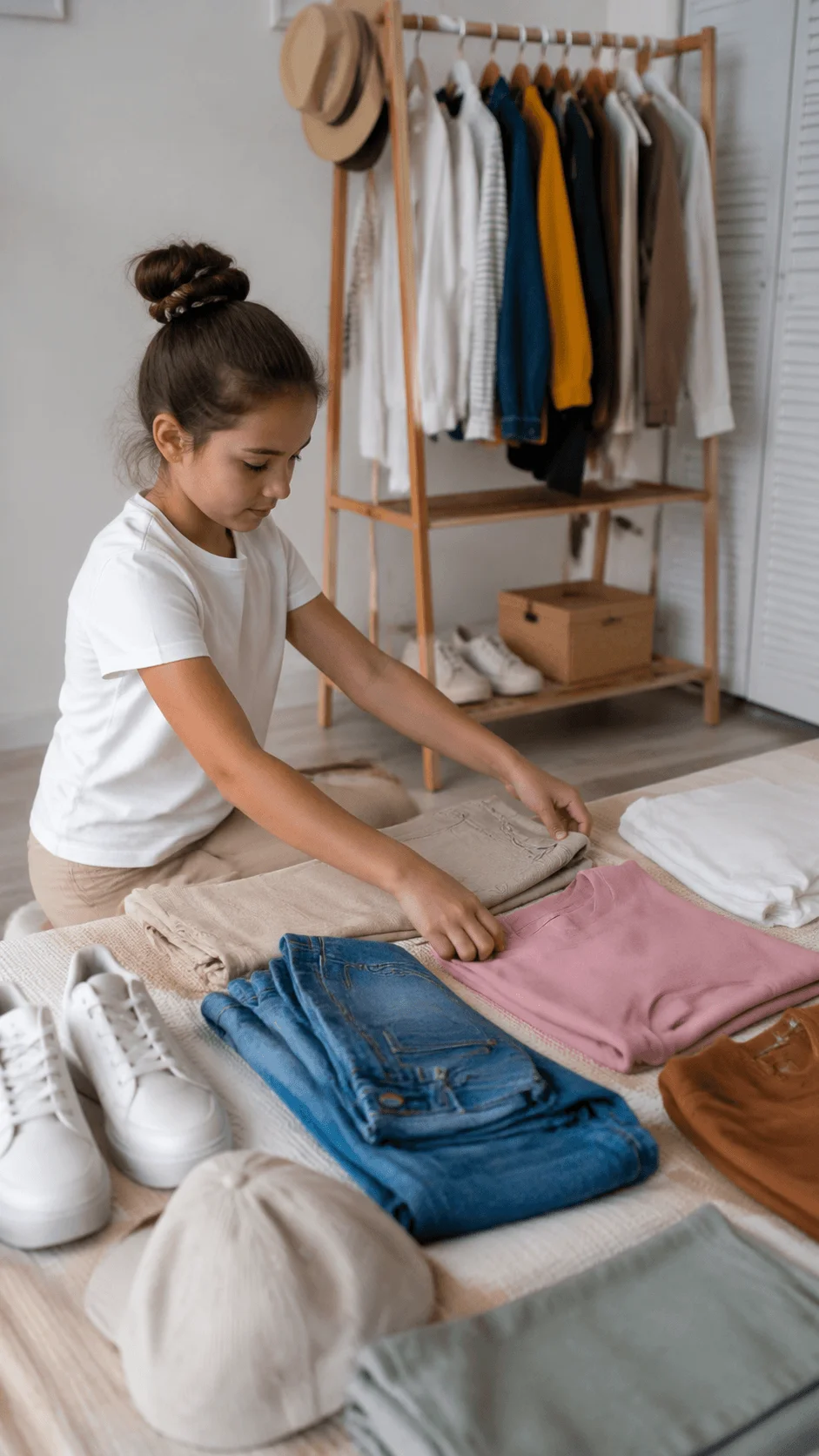
This activity introduces the concept of thoughtful clothing choices while encouraging creativity. Children begin paying attention to colours, patterns, and fabrics that work well together. They also develop decision making skills because they learn to choose clothing based on comfort, purpose, and versatility instead of simply wanting something new.
A mini capsule wardrobe also helps children appreciate quality over quantity. Rather than constantly asking for more clothes, they start understanding that taking care of the items they already own is both practical and environmentally responsible. This simple lesson encourages mindful habits that can continue throughout their lives.
Organise a Kids Clothing Swap
A clothing swap is one of the most enjoyable clothing recycling activities because it combines sustainability with community involvement. Children quickly outgrow their clothes, but many garments remain in excellent condition. Instead of leaving these items unused or throwing them away, families can exchange clothing with friends, neighbours, classmates, or relatives.
Before the event, children can sort through their wardrobes and choose clean clothes they no longer wear. This encourages them to think carefully about what they truly need while learning the importance of sharing resources with others. They also experience the excitement of finding new outfits without purchasing anything.
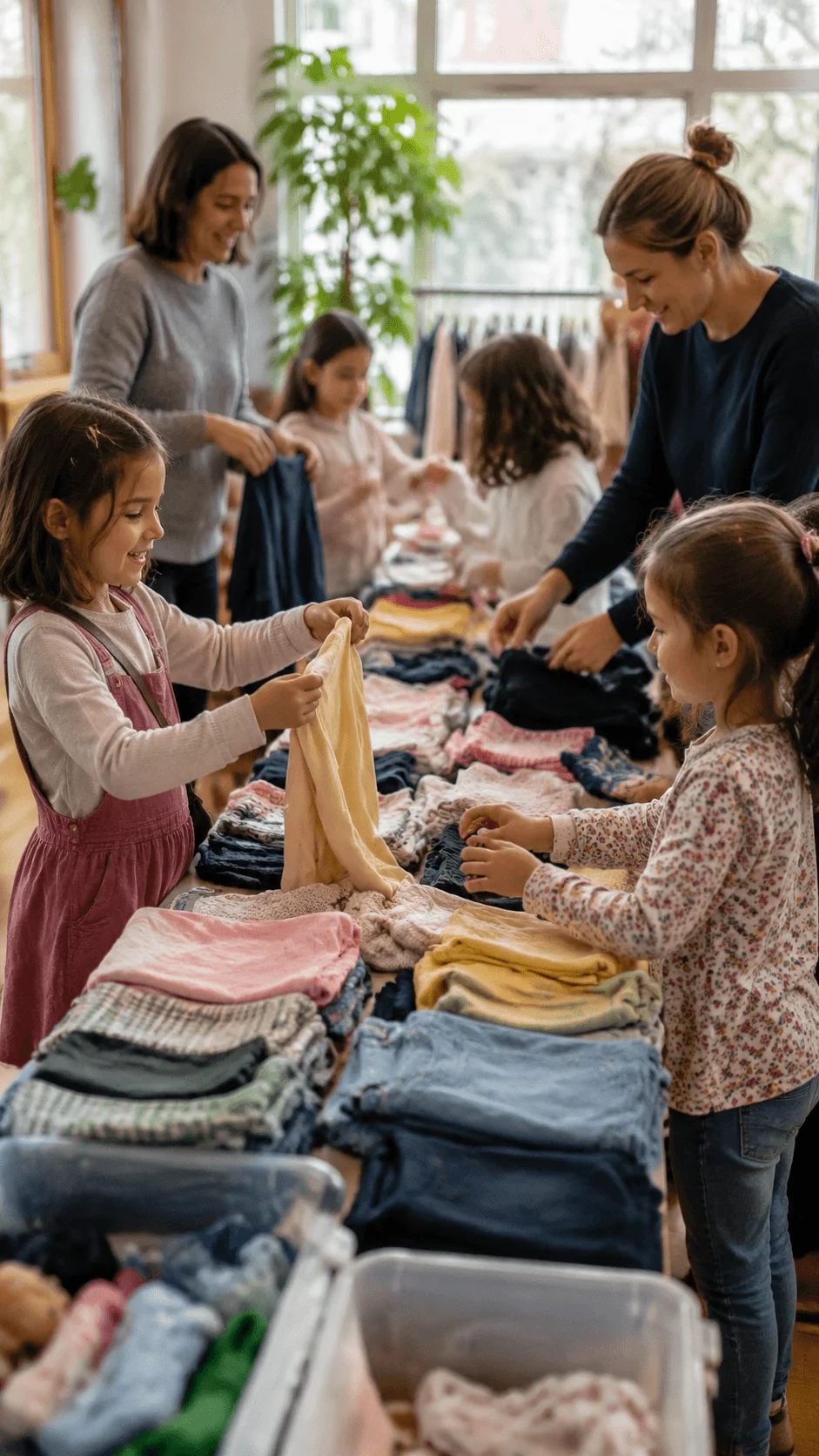
Parents and teachers can turn the clothing swap into a fun event by encouraging children to talk about their favourite pieces and explain why someone else might enjoy wearing them. These conversations help children understand that clothing still has value even after they have outgrown it.
The activity also provides an opportunity to discuss the environmental impact of producing new clothing. When children realise that exchanging clothes helps reduce waste and saves natural resources, they begin to appreciate the benefits of reuse. Clothing swaps create positive experiences that demonstrate how sustainability can strengthen friendships while protecting the environment.
Textile Recycling Sorting Activity
Helping children recognise different fabrics is an excellent way to introduce textile recycling activities for kids. Many young learners are surprised to discover that clothing is made from a wide variety of materials, each with different characteristics and recycling possibilities.
Parents and teachers can gather fabric samples such as cotton, denim, wool, linen, polyester, and fleece. Children examine each material by looking at its texture, thickness, flexibility, and appearance. They then discuss whether each fabric could be reused, repaired, donated, recycled, or composted when appropriate.
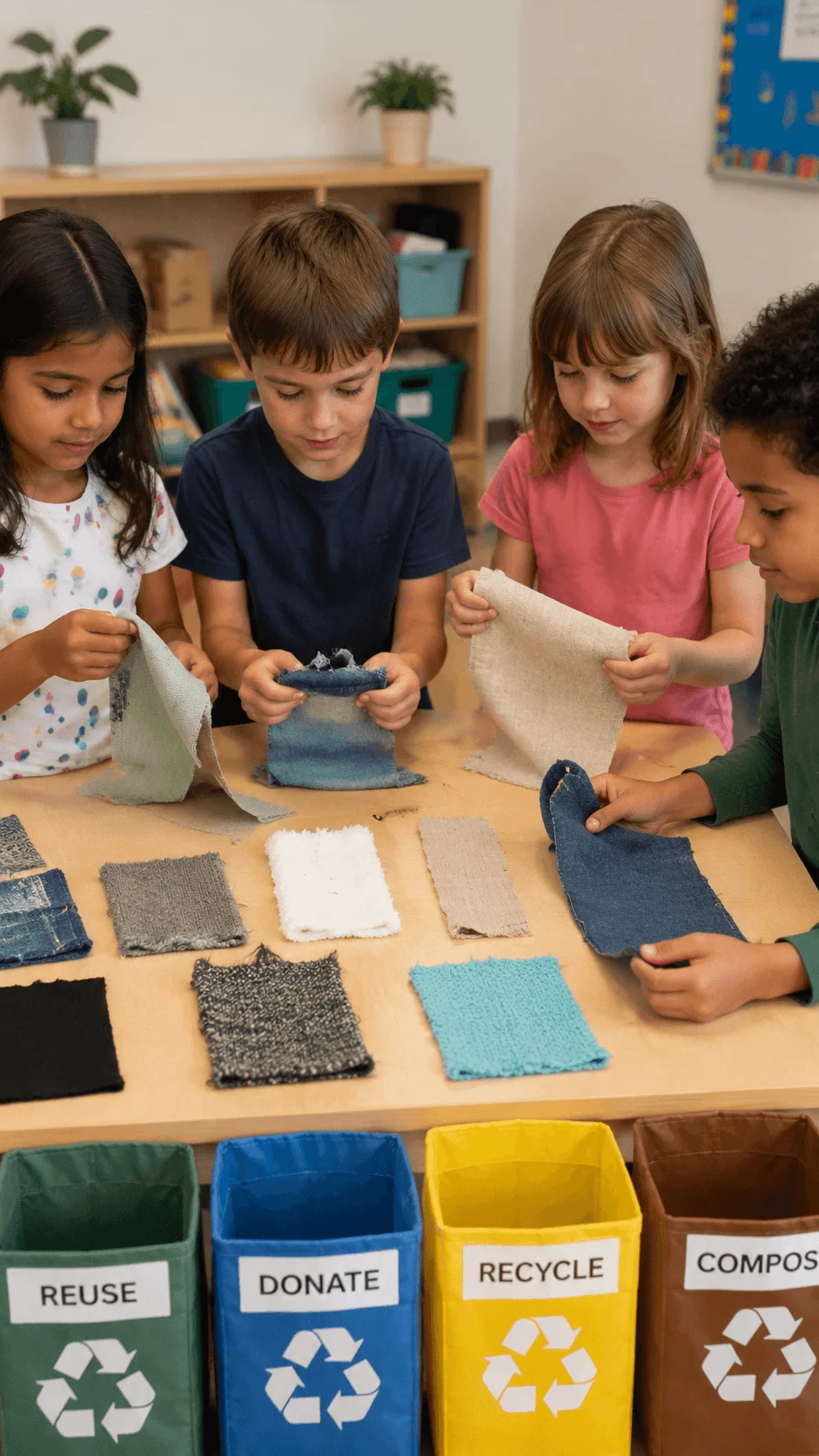
This activity develops observation skills while introducing important environmental concepts. Children begin understanding that not all clothing should be treated the same way when it reaches the end of its useful life. Some fabrics can become cleaning cloths, while others may be suitable for recycling into new products.
Teachers can also encourage children to read clothing labels and identify the materials used in their own wardrobes. This simple habit increases awareness about the clothing they wear every day and helps them make more informed choices in the future.
The textile recycling sorting activity turns an ordinary science lesson into an engaging exploration of fashion, sustainability, and responsible resource management.
Design Clothing Using Recycled Packaging Materials
Among the most creative eco fashion project ideas, designing clothing from recycled packaging materials encourages children to see everyday household waste in a completely different way. Cardboard, paper bags, newspapers, magazines, plastic wrappers, and other clean packaging materials become valuable design resources instead of rubbish.
Children enjoy experimenting with unusual textures and shapes as they create imaginative costumes, hats, jackets, crowns, or decorative accessories. There are no strict rules, allowing every child to express individual creativity while solving design challenges.
This activity also demonstrates that fashion is not limited to traditional fabrics. Designers around the world increasingly experiment with recycled and unexpected materials, showing children that innovation often begins with creative thinking.
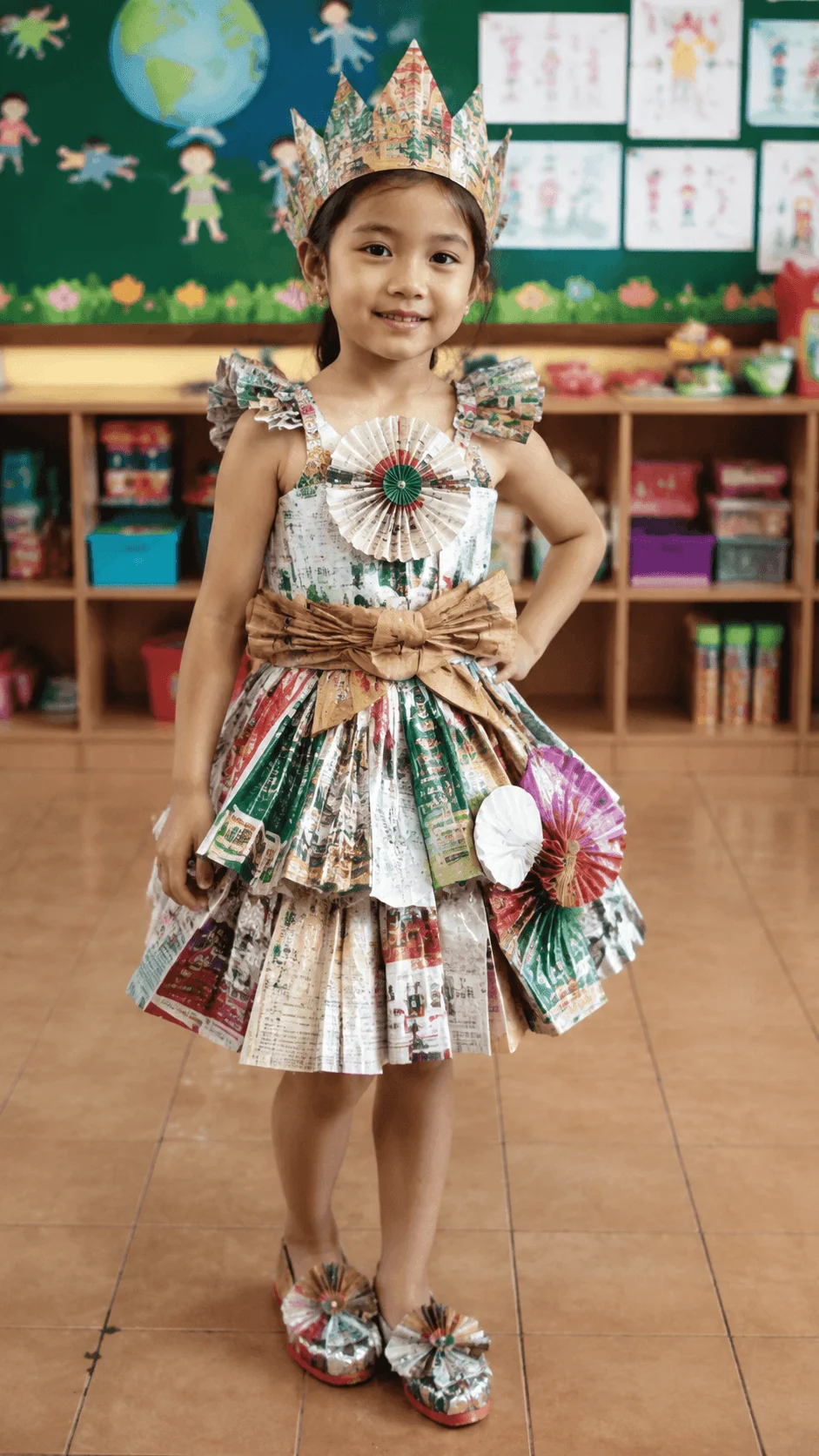
Parents and teachers can encourage children to explain why they selected certain materials and how they transformed waste into something attractive. These discussions strengthen communication skills while reinforcing the importance of reducing unnecessary waste.
Many schools finish this activity with a classroom fashion parade where children proudly present their recycled creations. The celebration builds confidence while showing that sustainability and creativity can work together to produce remarkable results.
Fashion Carbon Footprint Investigation
As children grow older, they become ready to explore more advanced sustainability topics. A fashion carbon footprint investigation introduces them to the environmental effects of clothing production in a simple and age appropriate way.
Children compare different choices such as buying brand new clothes, repairing damaged garments, borrowing clothing, shopping second hand, or exchanging clothes through a swap event. They discuss which options use fewer resources and create less waste while considering how each decision affects the environment.
Rather than overwhelming children with complicated scientific information, parents and teachers can use everyday examples to explain that producing clothing requires water, energy, transportation, and raw materials. By making thoughtful choices, everyone can help reduce unnecessary environmental impacts.
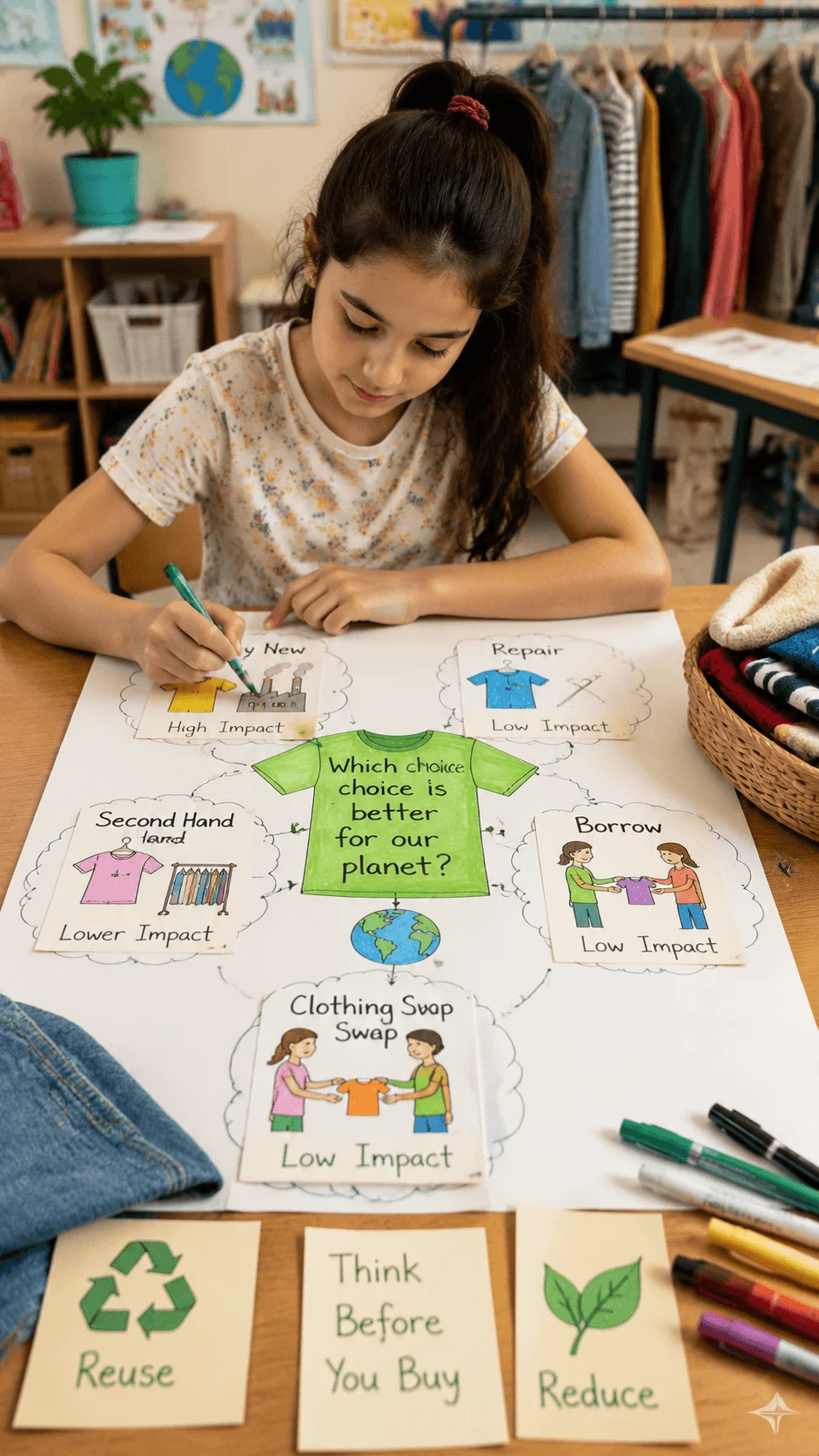
Children often enjoy creating posters, drawings, or presentations to share what they have learned. Teaching others strengthens their understanding while encouraging confidence in discussing sustainability topics.
This investigation helps children connect their everyday clothing choices with the wider world. They begin recognising that even small actions, such as wearing clothes for longer or repairing a favourite jumper, contribute to protecting natural resources.
Clothing Care Challenge To Make Clothes Last Longer
One of the simplest yet most valuable sustainable fashion lesson ideas teaches children how proper clothing care can extend the life of every garment. Looking after clothes is an important part of sustainable living because it reduces the need to replace items unnecessarily.
Parents and teachers can introduce a fun challenge where children practise folding clothes neatly, fastening buttons, storing garments correctly, removing simple stains, and recognising when small repairs are needed. These practical skills encourage responsibility while helping children develop independence.
Children also learn that washing clothes only when necessary and allowing them to dry naturally whenever possible can help fabrics remain in better condition for longer. Understanding these habits encourages respect for clothing and reduces unnecessary wear.
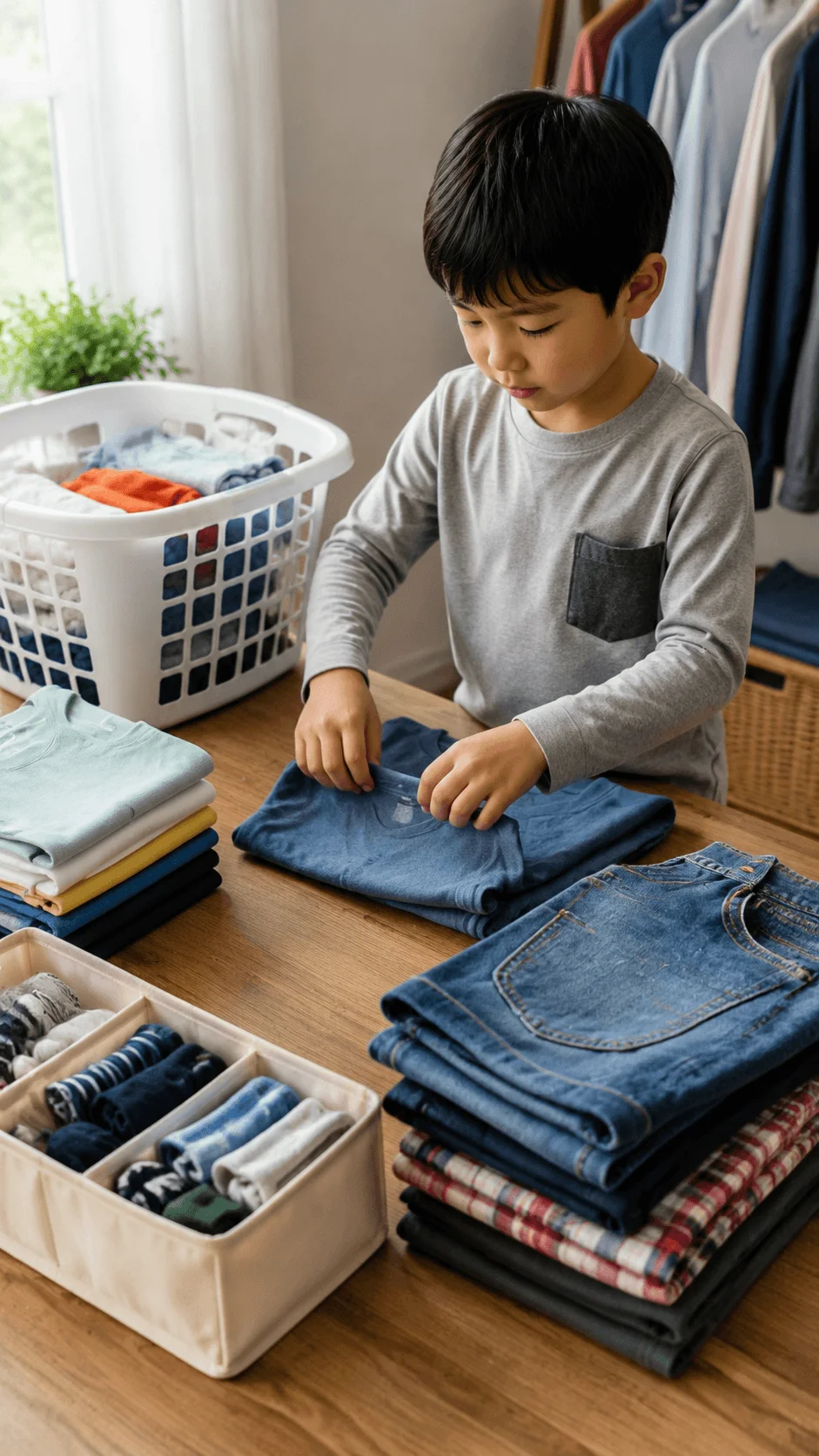
Many children become proud of maintaining their favourite outfits once they understand that proper care keeps them looking their best. They begin viewing clothing as something worth protecting rather than something easily replaced.
The clothing care challenge demonstrates that sustainability is not always about creating new projects. Sometimes the most effective environmental action is simply taking better care of the things we already own.
Fashion Storytelling Labels
A wonderful way to encourage imagination is through fashion storytelling labels. This activity invites children to create fictional labels for clothing that explain its journey from beginning to end.
Children might imagine where the fabric came from, who designed the clothing, how it was made, how it reached the shop, and what happened after someone finished wearing it. They can even invent stories about how an old garment was transformed into something completely different through recycling or creative reuse.
Storytelling encourages empathy by helping children think about the people involved in producing clothing. They begin understanding that fashion is connected to farmers, designers, manufacturers, shop workers, and families around the world.
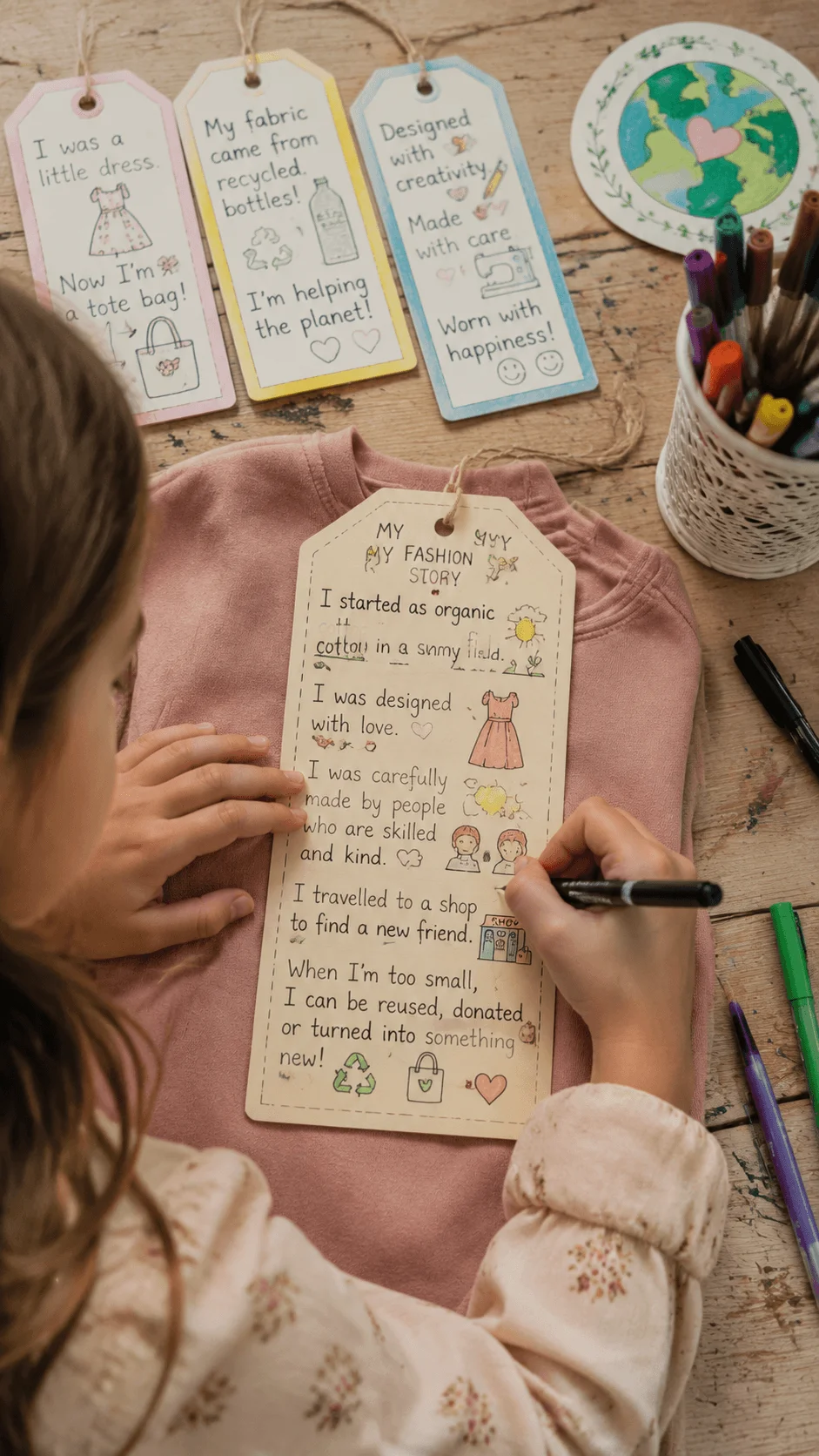
Teachers can combine this activity with creative writing, drawing, or classroom presentations, allowing children to share their unique stories with classmates. Every label becomes an opportunity to celebrate creativity while exploring the importance of sustainable choices.
Fashion storytelling labels remind children that every piece of clothing has a journey. By imagining that journey, they develop a deeper appreciation for fashion while learning why caring for clothing and reducing waste matters.
Making Eco Friendly Fashion Activities More Fun
Children learn best when activities feel enjoyable rather than instructional. Parents and teachers can create exciting experiences by turning projects into themed events that encourage imagination and teamwork. A recycled fashion day, a seasonal design challenge, or an earth inspired craft afternoon can make sustainable learning memorable and enjoyable.
Storytelling is another powerful way to increase enthusiasm. Instead of simply asking children to repair or redesign clothing, adults can create imaginative scenarios where children become fashion designers helping to protect the planet. This playful approach encourages participation while strengthening creative thinking.
Working together also increases enjoyment. Family projects, classroom partnerships, and small group activities allow children to exchange ideas, solve problems together, and celebrate one another’s achievements. Displaying completed projects at home or school helps children feel proud of their efforts and motivates them to continue exploring sustainable practices.
Celebrating creativity instead of perfection encourages every child to participate with confidence. Sustainable fashion is about making thoughtful choices and using imagination, not producing flawless results.
Life Skills Children Learn Through Sustainable Fashion Crafts
Beyond environmental awareness, Sustainable Fashion Activities for Kids help children develop valuable life skills that support their overall growth. Creative projects strengthen problem solving because children constantly make decisions about colours, materials, and design ideas.
Many activities improve fine motor skills through sewing, folding, cutting, and assembling different materials. These practical experiences also increase patience, concentration, and perseverance as children work carefully to complete each project.
Communication and teamwork develop naturally when children explain their ideas, collaborate with classmates, or present finished creations. They learn to listen to different opinions while building confidence in expressing their own thoughts.
Perhaps most importantly, these activities encourage responsibility. Children begin understanding that every purchase and every piece of clothing has value. They learn to appreciate quality, care for their belongings, and think carefully before throwing something away.
These lessons extend well beyond fashion. The habits of creativity, resourcefulness, and mindful decision making become useful in many areas of life, helping children grow into thoughtful and environmentally conscious adults.
Conclusion
Teaching children about sustainability does not have to rely on complicated lessons or expensive materials. Sustainable Fashion Activities for Kids provide an engaging way to introduce environmental responsibility through creativity, imagination, and practical experience. Whether children are transforming old clothing into useful items, repairing favourite garments, experimenting with natural dyes, or designing imaginative outfits from recycled materials, every activity encourages them to see fashion from a new perspective.
These projects also help children develop confidence, problem solving abilities, teamwork, and an appreciation for the resources that go into making clothing. More importantly, they learn that small everyday actions can make a meaningful difference for the environment.
By introducing these activities at home, in schools, or through community programmes, parents and teachers can inspire children to become thoughtful consumers who value creativity over waste. The habits they develop today can influence the choices they make for years to come, creating a future where fashion is not only stylish but also responsible and sustainable.