World Environment Day Activities for Students: 12 Creative Eco Friendly Ideas for 2026
World Environment Day activities for students can turn an ordinary school day into an opportunity for learning, creativity, observation, and meaningful environmental action. Every year, World Environment Day encourages people to think about the condition of the planet, but students can take that message further by exploring environmental issues in their own schools and communities. Instead of only listening to speeches or making posters, students can collect information, investigate problems, observe nature, and develop practical solutions.
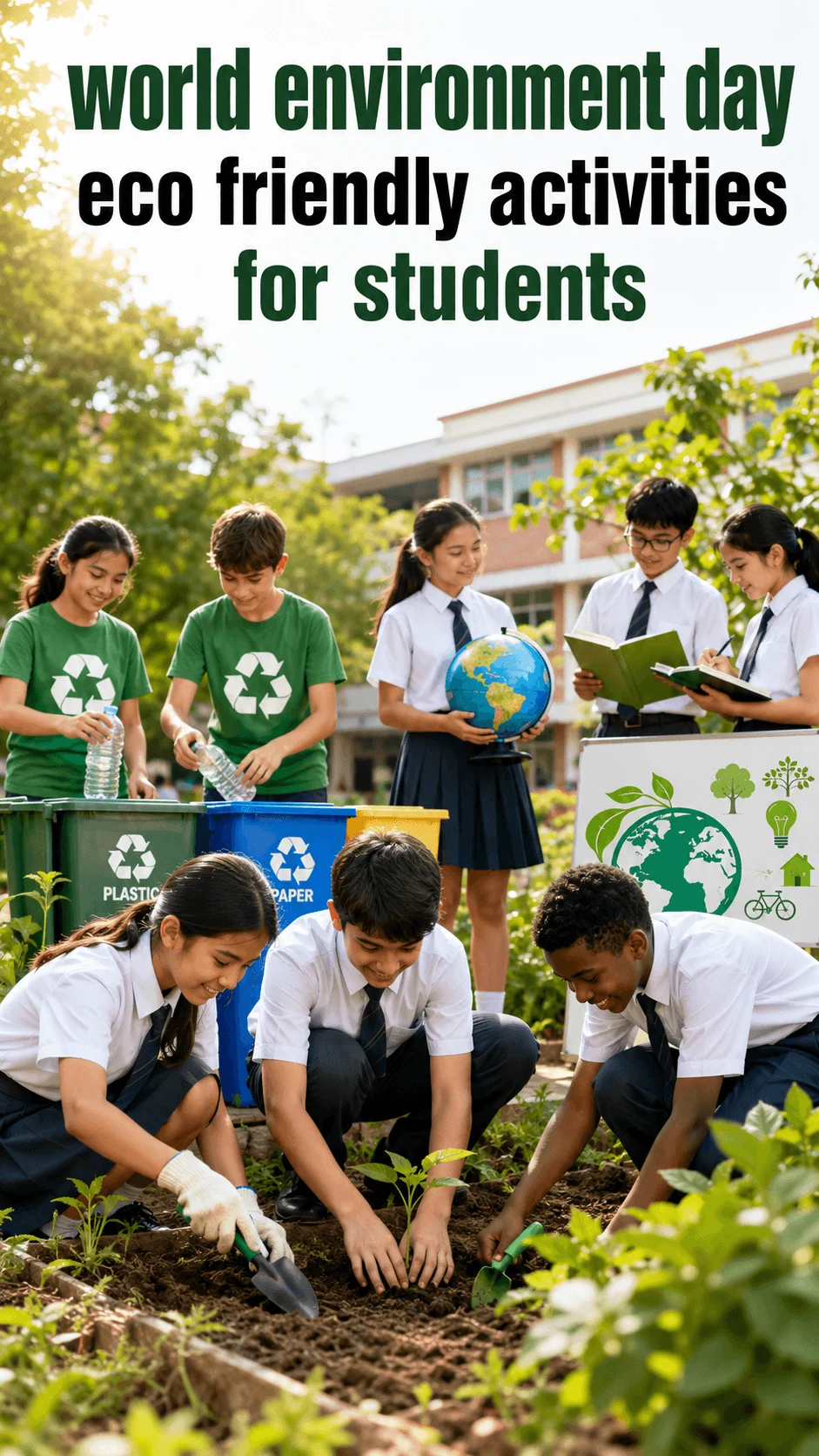
World Environment Day 2026 provides an especially useful opportunity to focus on climate action. Students can explore how climate change connects with things they see around them, including extreme heat, limited shade, air pollution, waste, changing natural environments, and the way schools use energy and resources. These experiences can help young people understand that environmental responsibility does not have to begin with a huge project. Small observations and thoughtful actions can become the foundation for larger environmental improvements.
Why World Environment Day Activities Matter for Students
Environmental education becomes more meaningful when students can connect what they learn in the classroom with the world around them. Reading about climate change or pollution can introduce important concepts, but practical experiences give students an opportunity to investigate those concepts themselves.
Environment Day activities for students can also develop skills that extend beyond environmental education. Students can learn how to observe carefully, collect information, compare results, communicate ideas, work with classmates, and solve problems. A simple school project can therefore become an exercise in science, communication, creativity, teamwork, and responsible decision making.
The best activities also give students some ownership. Instead of receiving instructions for every step, they can identify an environmental problem, investigate possible causes, and discuss solutions. This approach can make sustainability feel like something students participate in rather than something adults simply tell them about.
1. School Climate Signal Hunt
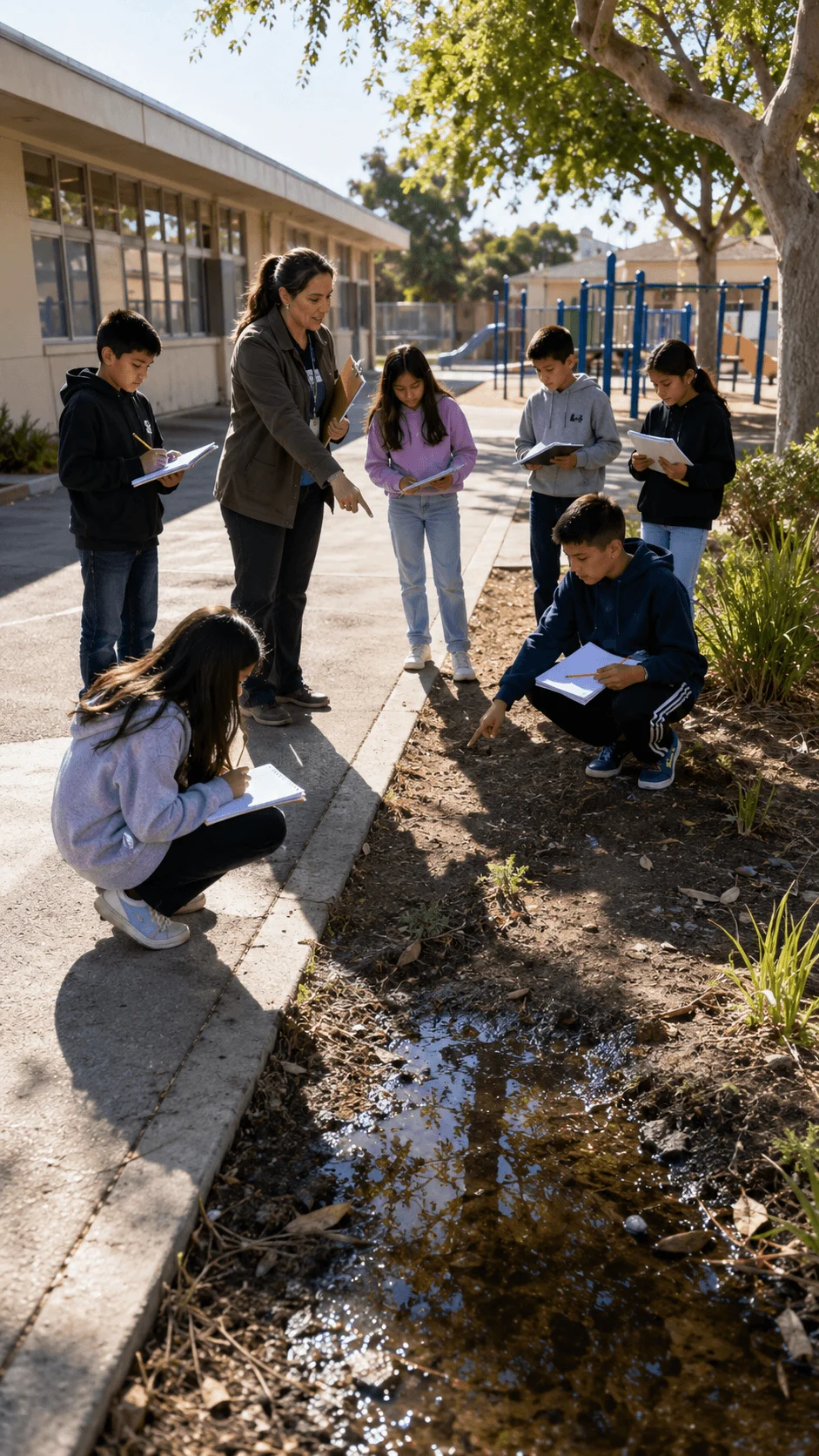
A School Climate Signal Hunt is a creative way to help students understand how climate and environmental conditions can appear in places they already know. Rather than beginning with complicated climate data, students can look for visible environmental signals around their school and nearby surroundings.
Teachers can first explain that climate change can influence conditions such as heat, water availability, vegetation, and weather patterns. Students can then walk around the school grounds and carefully observe their surroundings. They might notice areas that receive intense sunlight, places with little shade, sections where plants struggle to grow, surfaces that become very warm, areas where water collects after rain, or locations affected by traffic and pollution.
Students can record what they see in notebooks or create simple observation sheets. They can describe the location, explain what they noticed, and consider why that condition might exist. For example, students might discover that one part of the playground feels much hotter because it has a large paved surface and very little vegetation.
The most valuable part of this activity comes after observation. Students can discuss possible improvements. They might suggest adding more shade, protecting existing plants, improving the use of outdoor spaces, or finding better ways to manage water. Teachers can encourage students to separate observations from assumptions so they learn the importance of evidence.
This activity turns students into environmental observers. It also introduces the idea that climate action can begin with understanding what happens locally. A class can even create a school climate map showing areas that need attention.
For older students, teachers can expand the project by asking them to compare observations from different parts of the school. They can discuss how buildings, vegetation, surfaces, and human activity influence local environmental conditions. Younger students can focus on drawing what they observe and explaining their findings in simple language.
2. Student Air Quality Monitoring Project
Air quality is another environmental topic that students can investigate through observation and reliable information. A Student Air Quality Monitoring Project allows students to explore what influences the air around their school and how human activity can affect local conditions.
The project does not need expensive scientific equipment. Teachers can introduce students to reliable public air quality information and help them understand basic concepts such as particulate pollution and the relationship between traffic and local environmental conditions. Students can also observe traffic levels, construction activity, visible dust, weather conditions, and other factors that may influence what they experience around the school.
Students can choose several observation times during the school day. They can record what they notice and compare conditions between different periods. If reliable local air quality information is available, they can compare those readings with their observations.
The goal is not to turn students into professional air quality scientists. Instead, the activity teaches them how environmental monitoring works. Students learn that environmental questions can be investigated by collecting observations over time rather than relying only on assumptions.
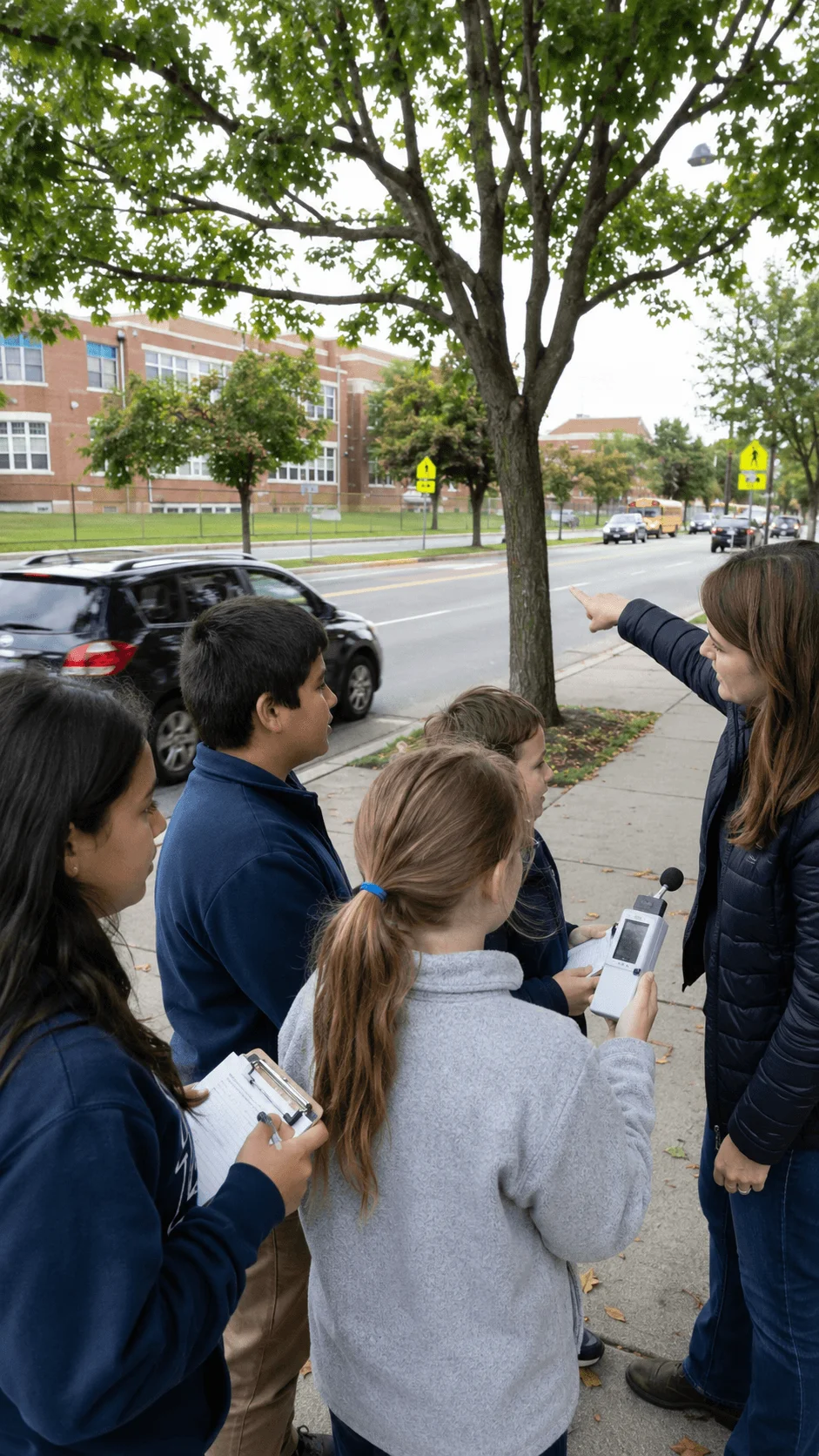
Older students can turn their findings into charts or presentations. They might investigate why environmental conditions change throughout the day and research practical ways communities can reduce pollution. Younger students can focus on identifying common sources of air pollution and discussing how cleaner transportation and greener spaces can contribute to a healthier environment.
This activity also provides an excellent introduction to environmental citizen science. Students can see that ordinary people can contribute observations and information that help communities understand their surroundings.
3. School Waste Audit Challenge
A School Waste Audit Challenge takes the familiar idea of recycling and gives it a more investigative approach. Instead of simply telling students to place waste in recycling containers, teachers can ask them to find out what types of waste their school actually produces.
Students can work with teachers to observe waste from suitable areas of the school. They can identify common categories such as paper, food waste, packaging, plastic items, and other materials. The activity should always follow the school’s safety rules and should not require students to handle unsafe or dirty waste.
Once students understand the types of waste being produced, they can look for patterns. Perhaps the cafeteria produces a large amount of food waste. Maybe classrooms use more paper than necessary. Students might also discover that some disposable items could have reusable alternatives.
The important part of the project is connecting observations with solutions. Students can discuss why certain waste appears frequently and what changes could reduce it. They might suggest better use of paper, reusable containers, improved recycling information, or changes to purchasing practices.
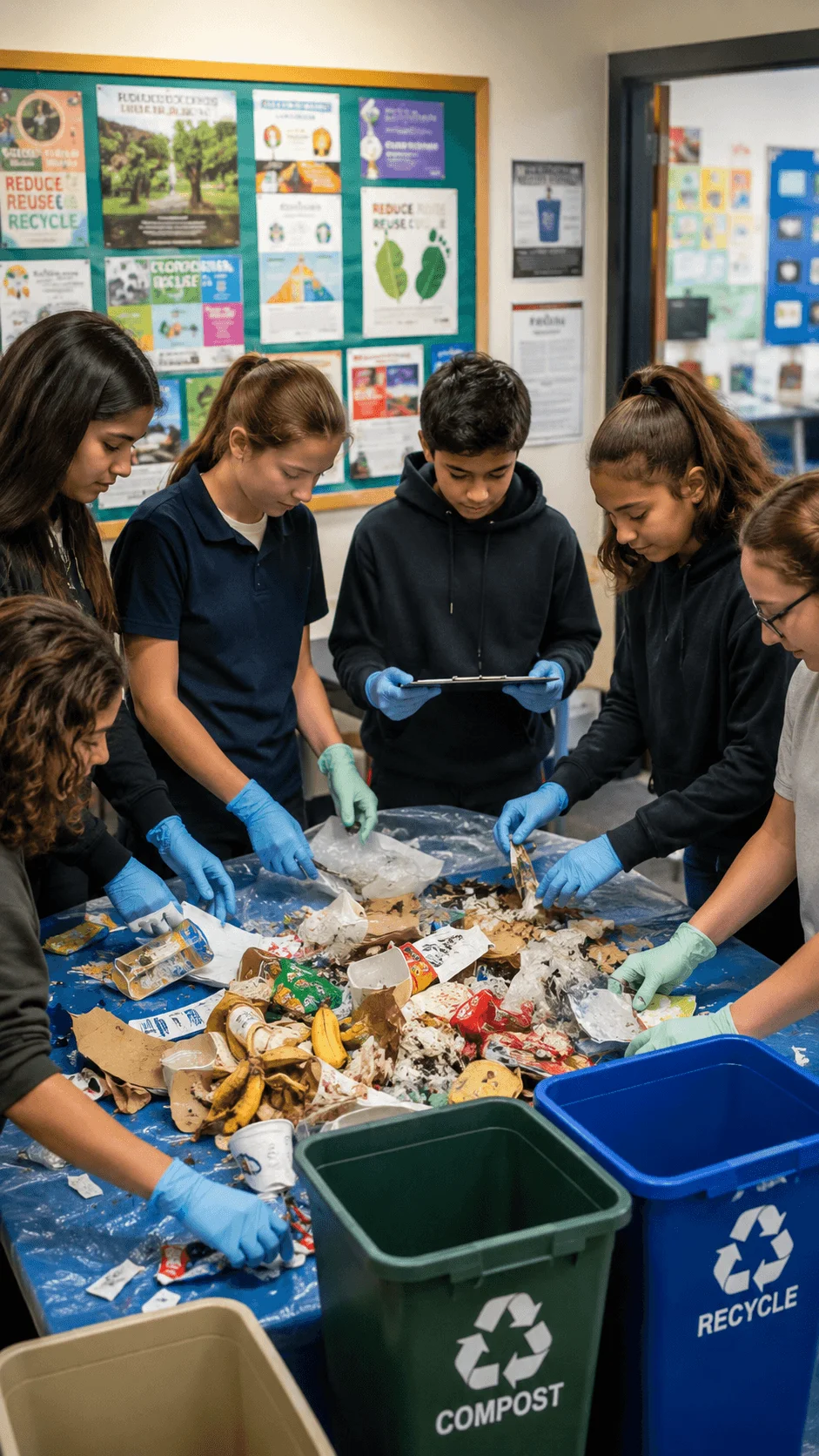
This makes the project more than a cleanup activity. Students become investigators who examine how everyday choices create waste.
Teachers can also turn the results into a student presentation. A class could explain what it discovered and present practical suggestions to school administrators. This gives students experience communicating evidence and participating in real decision making.
School environmental projects become more powerful when students can see the connection between their actions and measurable results. A school could repeat the waste audit later in the year to see whether its efforts made a difference.
4. AI Eco Problem Solving Challenge
Artificial intelligence has become an important part of learning and technology discussions in 2026, making it an interesting tool for environmental education when students use it responsibly. The AI Eco Problem Solving Challenge asks students to combine technology with their own environmental observations.
The activity can begin with a simple question. Students identify a real environmental problem at their school. It could involve unnecessary electricity use, food waste, excessive paper consumption, limited shade, water conservation, or a lack of plants.
Students can then use an AI tool to brainstorm possible solutions. For example, they might ask the tool to suggest ways a school could reduce unnecessary electricity use. However, the activity should not end when the AI provides an answer.
Students should examine the suggestions carefully. They can research important claims using reliable sources, discuss whether a proposed solution would work in their school, and identify ideas that might be unrealistic or too expensive. Finally, students can create their own solution based on their research and local conditions.
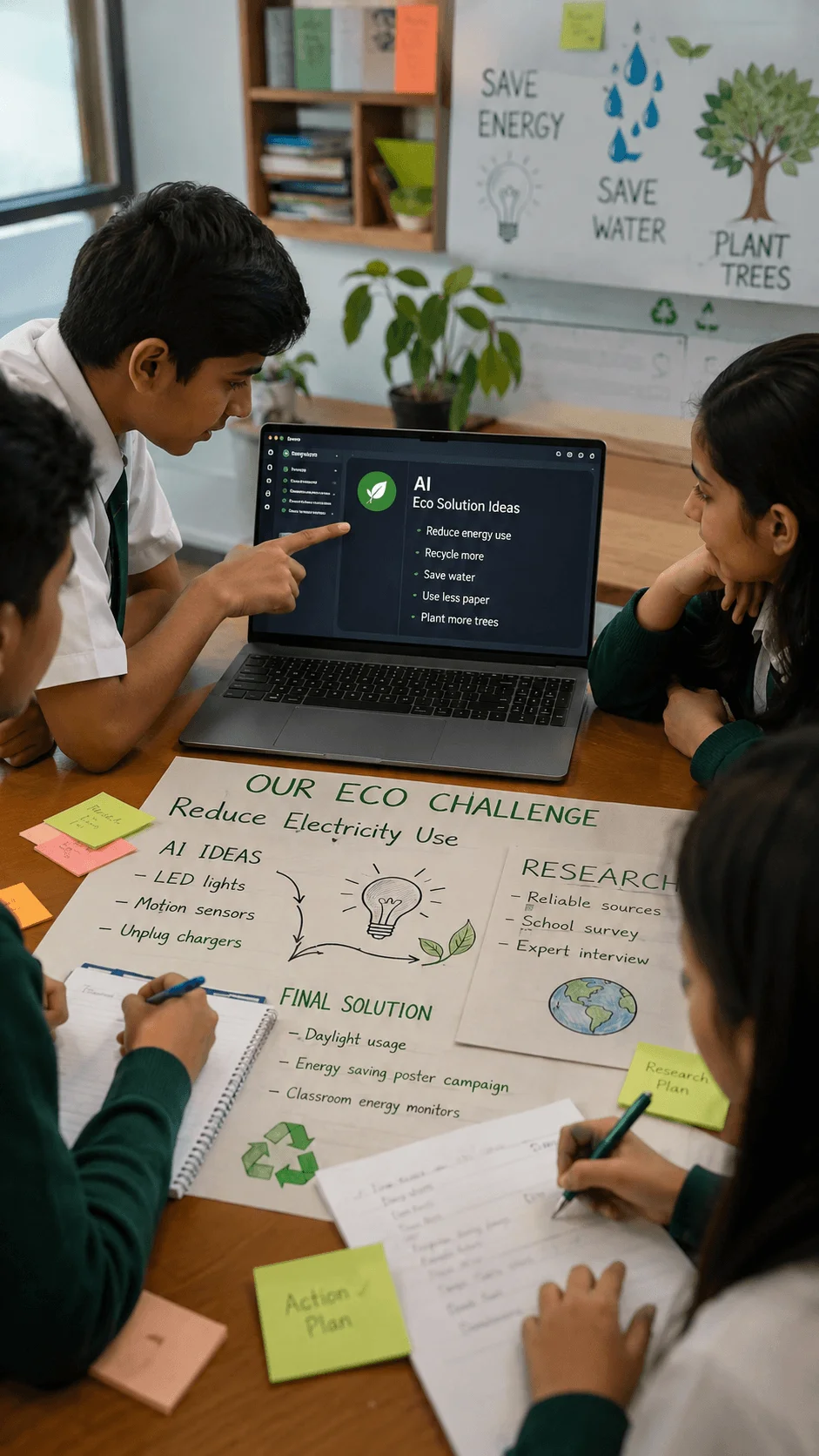
This process teaches an important lesson about technology. AI can help students generate ideas, but students still need to think critically and check information.
Teachers can make the project more interesting by dividing students into small groups and giving each group a different environmental challenge. Each group can research the problem, use AI for brainstorming, verify useful information, and prepare a final proposal.
This activity fits naturally within World Environment Day STEM activities because it combines technology, environmental science, research, communication, and problem solving. It also gives students an opportunity to think about how modern technology can support environmental action.
5. School Heat Map Project
A School Heat Map Project gives students an opportunity to investigate one of the most noticeable environmental challenges in many communities: heat. Instead of simply discussing rising temperatures, students can explore how different areas of their own school environment experience heat differently.
Teachers can guide students in selecting several safe observation points around the school. These might include a shaded area, an open playground, a paved surface, a grassy area, an area beneath trees, and an indoor location.
Students can record temperature information when appropriate equipment is available, or they can make structured observations about how different areas feel at similar times. If the school has suitable thermometers, older students can use them to collect simple readings under teacher supervision.
The students can then compare their observations. They may discover that surfaces and vegetation make a noticeable difference between locations. Areas with trees or shade may feel different from large paved spaces exposed to direct sunlight.
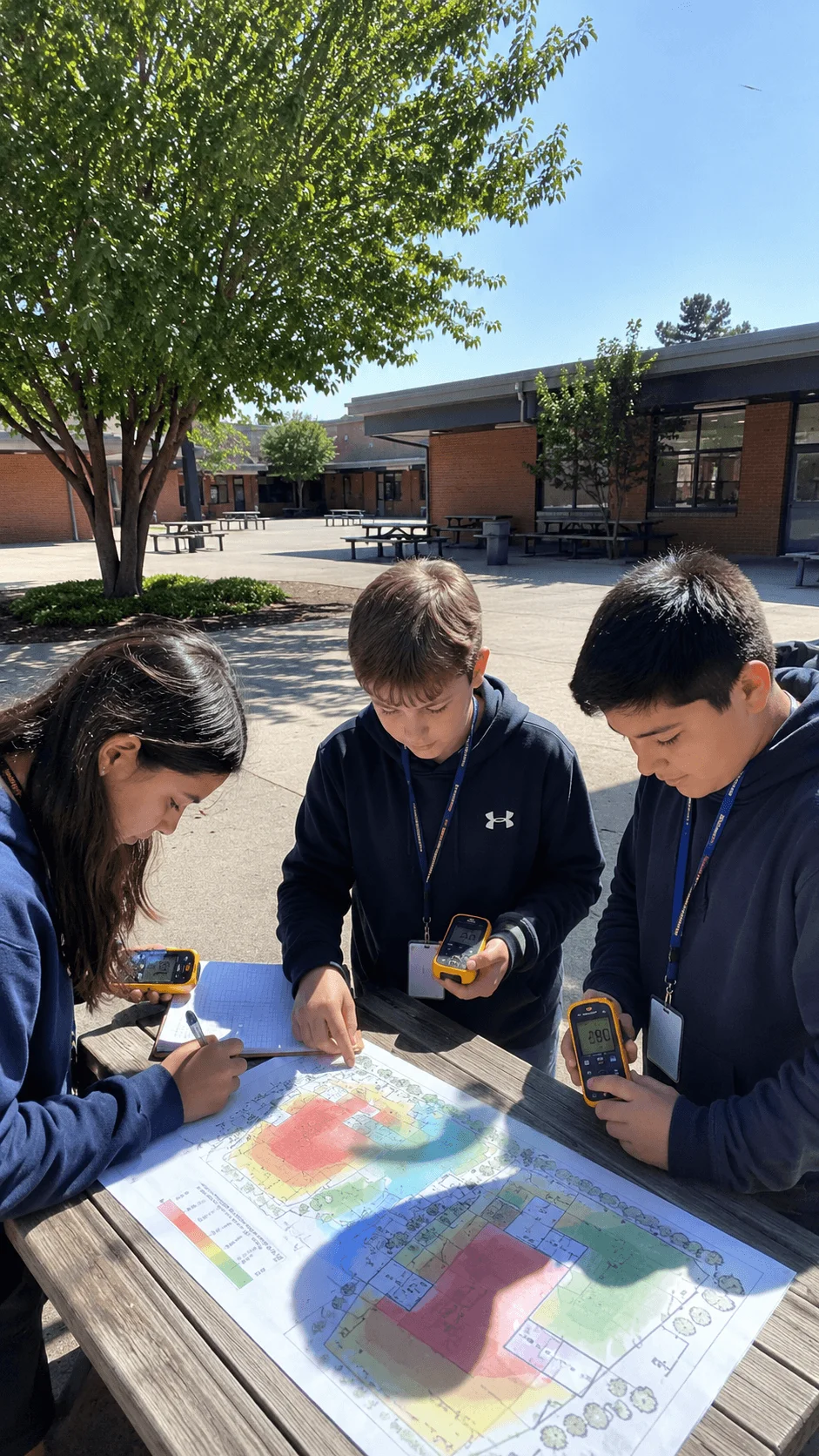
Students can turn their findings into a simple map of the school. They can mark areas that appear warmer and identify places that provide more shade or natural cover.
The next step is discussing possible improvements. Students can consider where trees or shade structures might help, whether outdoor areas could include more vegetation, and how schools can make outdoor spaces more comfortable.
This project connects directly with climate change activities for students because it helps them understand climate adaptation through a familiar environment. Students are not simply learning that extreme heat can be a problem. They are investigating how their own surroundings respond to heat and thinking about practical improvements.
For older students, the project can become a more advanced environmental research assignment involving repeated observations and comparisons. Younger students can focus on identifying hot and cool areas through guided observation and drawings.
6. Biodiversity Citizen Science Walk
A Biodiversity Citizen Science Walk encourages students to slow down and pay attention to the living organisms around them. School grounds may contain far more biodiversity than students realize. Trees, grasses, flowers, insects, birds, and other organisms can provide an excellent starting point for environmental education.
Students can walk around the school with their teacher and record the plants and animals they observe. They can make drawings, write descriptions, take photographs when permitted, or use appropriate identification resources with teacher guidance.
The goal is not to identify every organism perfectly. The activity is about observation and curiosity. Students can ask questions about why certain plants grow in particular places, why some insects appear near flowers, or why birds may prefer specific areas of the school.
After the walk, the class can create a simple biodiversity record. Students can discuss which organisms they observed most often and which areas seemed to support the greatest variety of life.
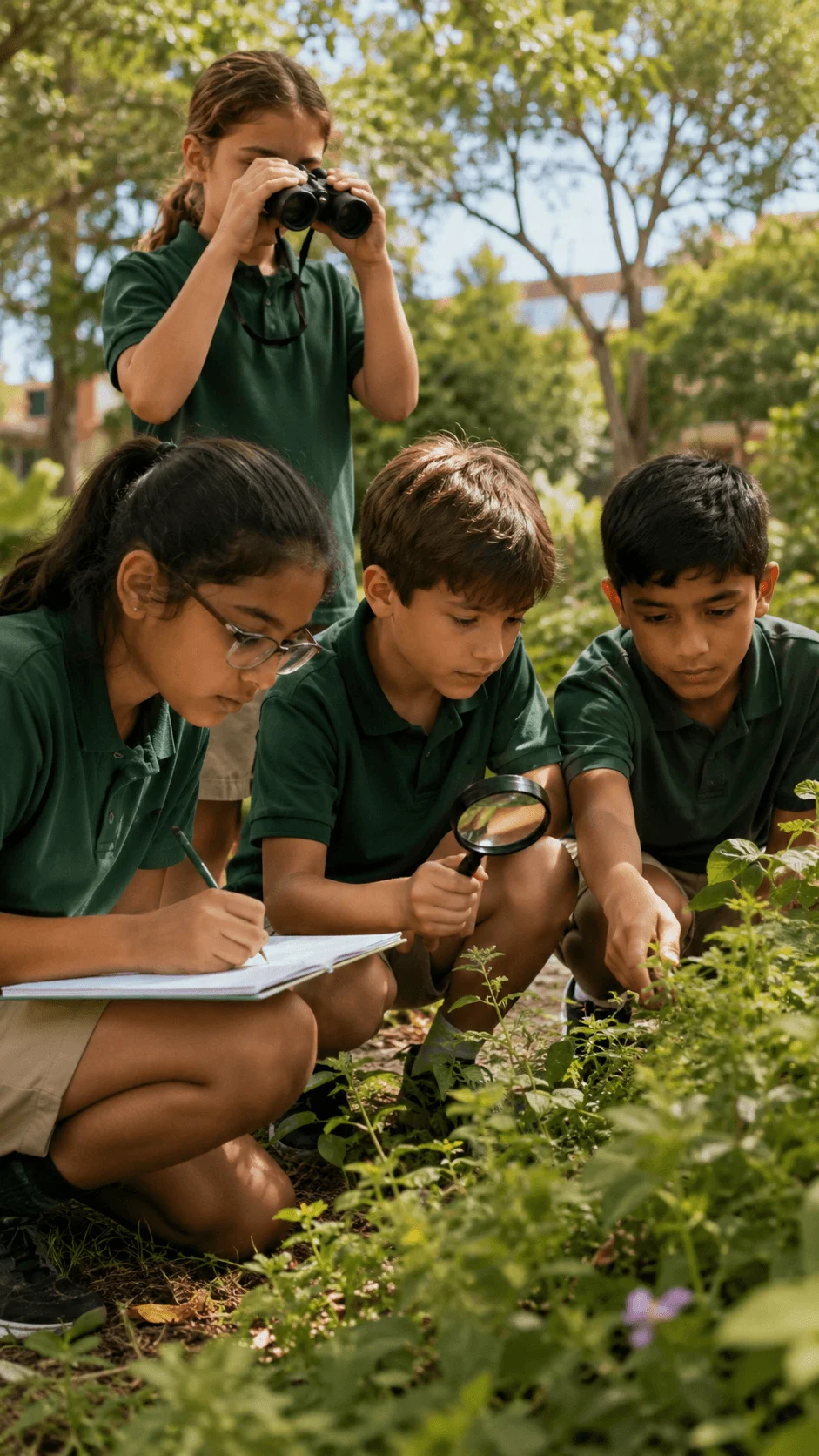
The project can become even more valuable when students repeat the observations at different times of the year. They may notice changes in plants, insects, or birds as seasons change.
Teachers can also connect the activity with discussions about habitat protection. Students can explore how trees, flowering plants, water sources, and undisturbed areas can support local biodiversity.
This makes biodiversity monitoring more than a nature walk. Students learn how scientists observe living systems and how small habitats can contribute to local ecological diversity.
For younger students, the activity can focus on identifying colors, shapes, sounds, and common organisms. Older students can create detailed observation records and investigate relationships between species and their surroundings.
The experience can eventually develop into an ongoing school environmental project where students continue monitoring biodiversity throughout the year.
7. Food Waste Measurement Challenge
Food waste is an environmental issue that students can understand because it connects directly with everyday choices. A Food Waste Measurement Challenge gives students an opportunity to investigate how much food goes uneaten at their school and why that might happen.
The activity can begin in the school cafeteria or lunch area. With appropriate teacher supervision and school rules in place, students can observe the types of food that students commonly leave behind. Instead of focusing on individual students, the project should look at overall patterns. Students might notice that certain foods are discarded more frequently than others or that some types of packaging create unnecessary waste.
Students can record their observations and discuss possible reasons. Perhaps students receive portions that are larger than they need, certain foods are less popular, or students have limited time to finish their meals. The goal is not to criticize students but to understand the reasons behind food waste.
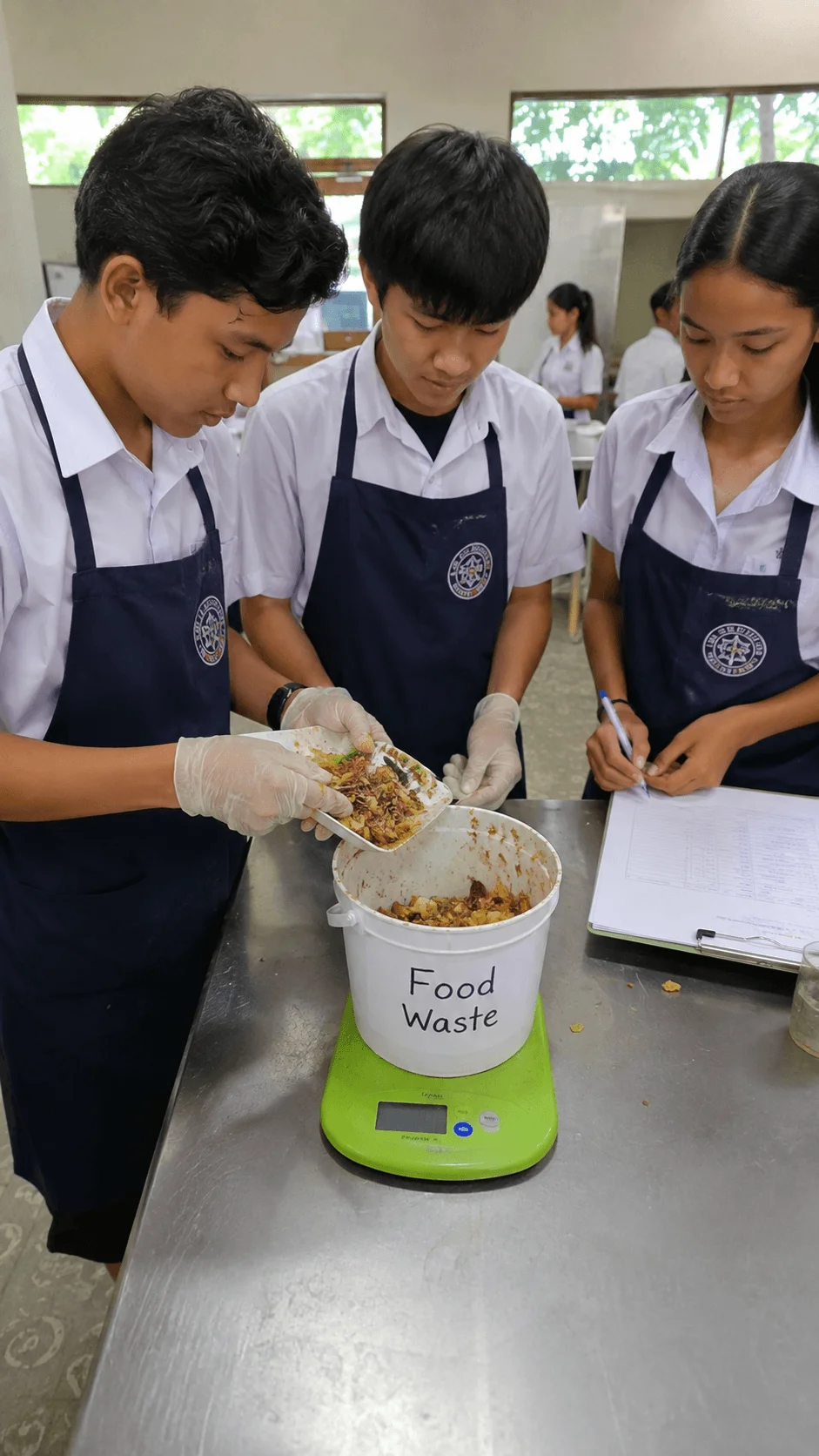
Once students understand the problem, they can brainstorm practical solutions. They might suggest better awareness campaigns, improved meal planning, suitable portion choices, or ways to share unopened food according to school policies.
Teachers can connect the activity with lessons about responsible consumption and sustainability. Students can also research what happens when food becomes waste and why reducing unnecessary food waste can conserve resources.
Older students can take the project further by creating a school food waste report. They can compare observations from different days, present their findings, and suggest realistic changes. Younger students can participate through simple discussions about taking only what they can reasonably eat and appreciating the resources involved in producing food.
This makes food waste measurement one of the more meaningful sustainability activities for students because it turns an everyday habit into an opportunity for investigation and responsible decision making.
8. Eco Energy Detective Challenge
The Eco Energy Detective Challenge gives students the opportunity to investigate how their school uses electricity. Instead of simply telling students to switch off lights, the activity turns energy conservation into a real investigation.
Students can work in groups and observe suitable areas around the school. They can look for lights, fans, computers, air conditioning systems, projectors, and other electrical equipment that may remain active when nobody needs them.
The activity should focus on observation rather than students operating electrical equipment themselves. Teachers can guide students and ensure that all checks follow school safety procedures.
After collecting observations, students can discuss where unnecessary energy use might occur. They can think about simple changes that could help the school use energy more responsibly. For example, classrooms might need better reminders about switching off equipment after lessons, while school staff could review how certain spaces are used.
Students can then prepare recommendations for teachers or school administrators. This gives them the experience of identifying a problem, gathering evidence, and communicating a practical solution.
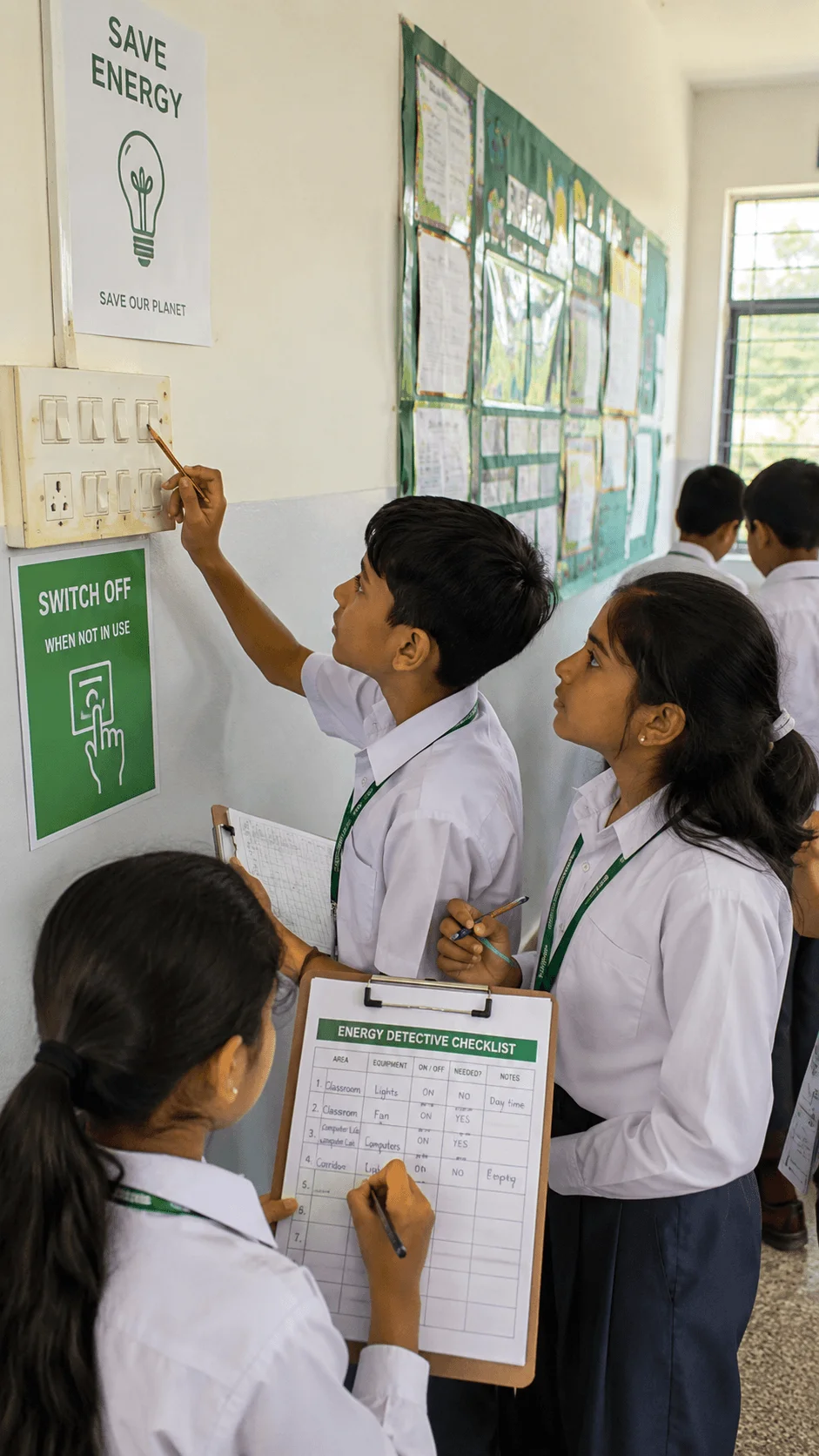
The project can also introduce students to the broader concept of energy conservation. They can learn that electricity use connects with natural resources, infrastructure, technology, and environmental responsibility.
Older students can research renewable energy and investigate whether technologies such as solar power could have a role in their community. Younger students can focus on simple habits such as remembering to switch off lights and equipment when appropriate.
The Eco Energy Detective Challenge works particularly well as an environmental activity because students can investigate something they encounter every day. They are not simply memorizing information about sustainability. They are looking at how their own school operates and considering how everyday decisions can become more responsible.
9. Climate Action Data Wall
A Climate Action Data Wall can transform environmental activities into something students see every day. Instead of allowing World Environment Day to become a single event that ends after June 5, schools can create a permanent display showing environmental observations and actions.
Students can contribute information from different school projects. The display might show biodiversity observations, waste reduction efforts, energy saving actions, water conservation ideas, environmental measurements, or other suitable information collected by students.
The purpose is not to create a complicated scientific display. The goal is to make environmental action visible.
For example, students might record how many environmental observations they made during a biodiversity project. Another class might document the results of a waste audit. A third group could display information from its school heat map project.
Teachers can encourage students to update the display regularly. This creates a sense of progress and gives different classes an opportunity to contribute.
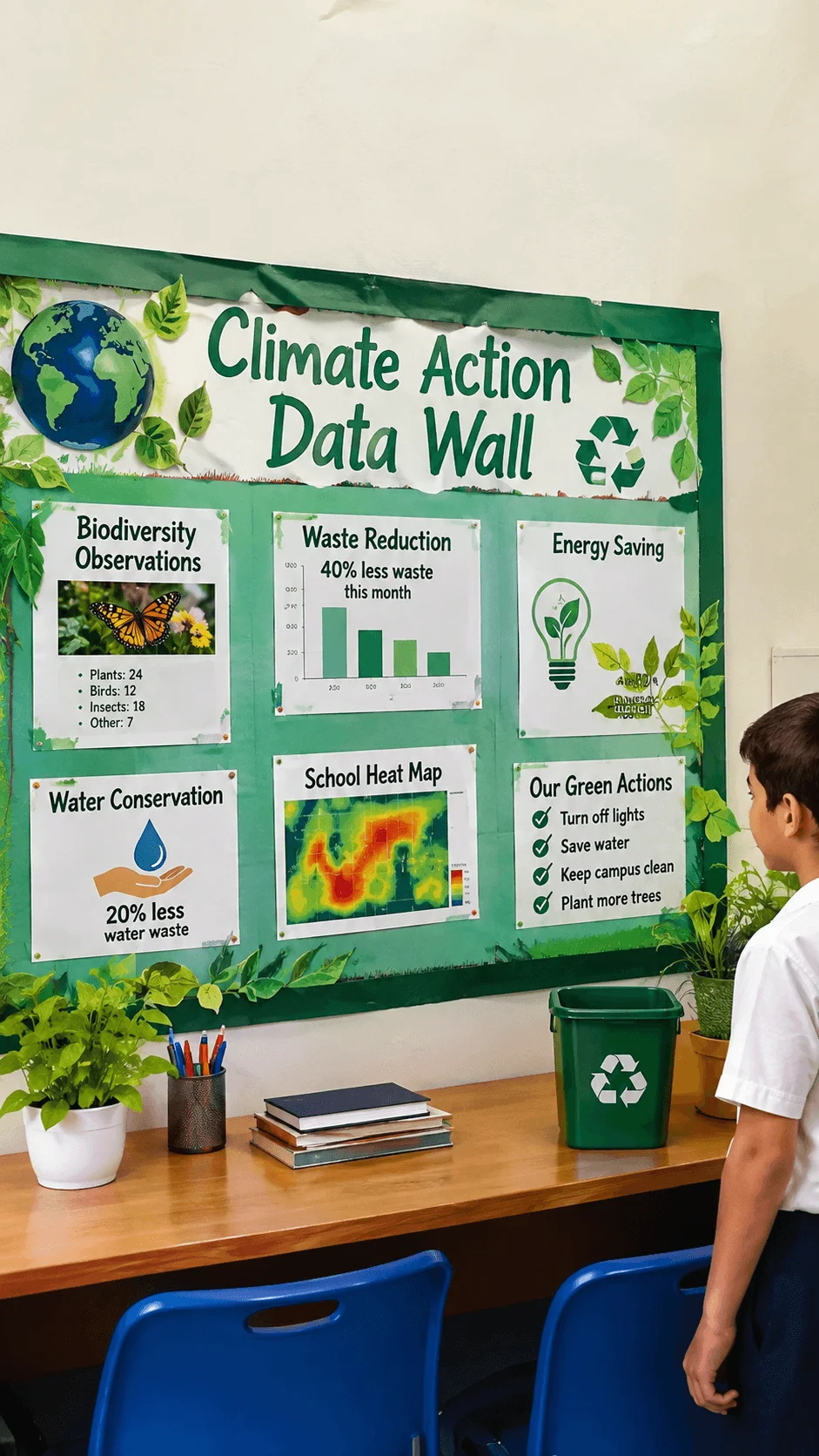
The data wall can also encourage conversations between students. A student who sees information about food waste might become interested in the project. Another student might see biodiversity observations and decide to participate in a nature monitoring activity.
This approach makes World Environment Day school activities more connected. Instead of treating every activity as a separate event, students can see how different environmental projects contribute to a larger school sustainability effort.
Older students can take responsibility for organizing information and creating charts or visual explanations. Younger students can contribute drawings, observations, photographs, and simple records.
The Climate Action Data Wall can eventually become part of an eco club or environmental education program. It can also provide a useful record of how the school’s environmental efforts develop over time.
10. Repair and Reuse Workshop
Environmental education often focuses heavily on recycling, but students can also learn an important lesson before something reaches the recycling stage. Sometimes an item can be repaired, reused, shared, or given another purpose.
A Repair and Reuse Workshop introduces students to this idea through safe and supervised activities. Teachers can provide suitable old school supplies, containers, cardboard materials, fabric, or other objects that students can safely reuse.
Students can examine an object and ask whether it still has a useful purpose. They might discover that an old container can become a storage item, that unused paper can serve another purpose, or that suitable materials can become part of a creative school project.
The workshop should avoid activities involving dangerous tools, electrical repairs, chemicals, or other unsafe materials. The emphasis should remain on simple creative reuse and teacher supervised projects.
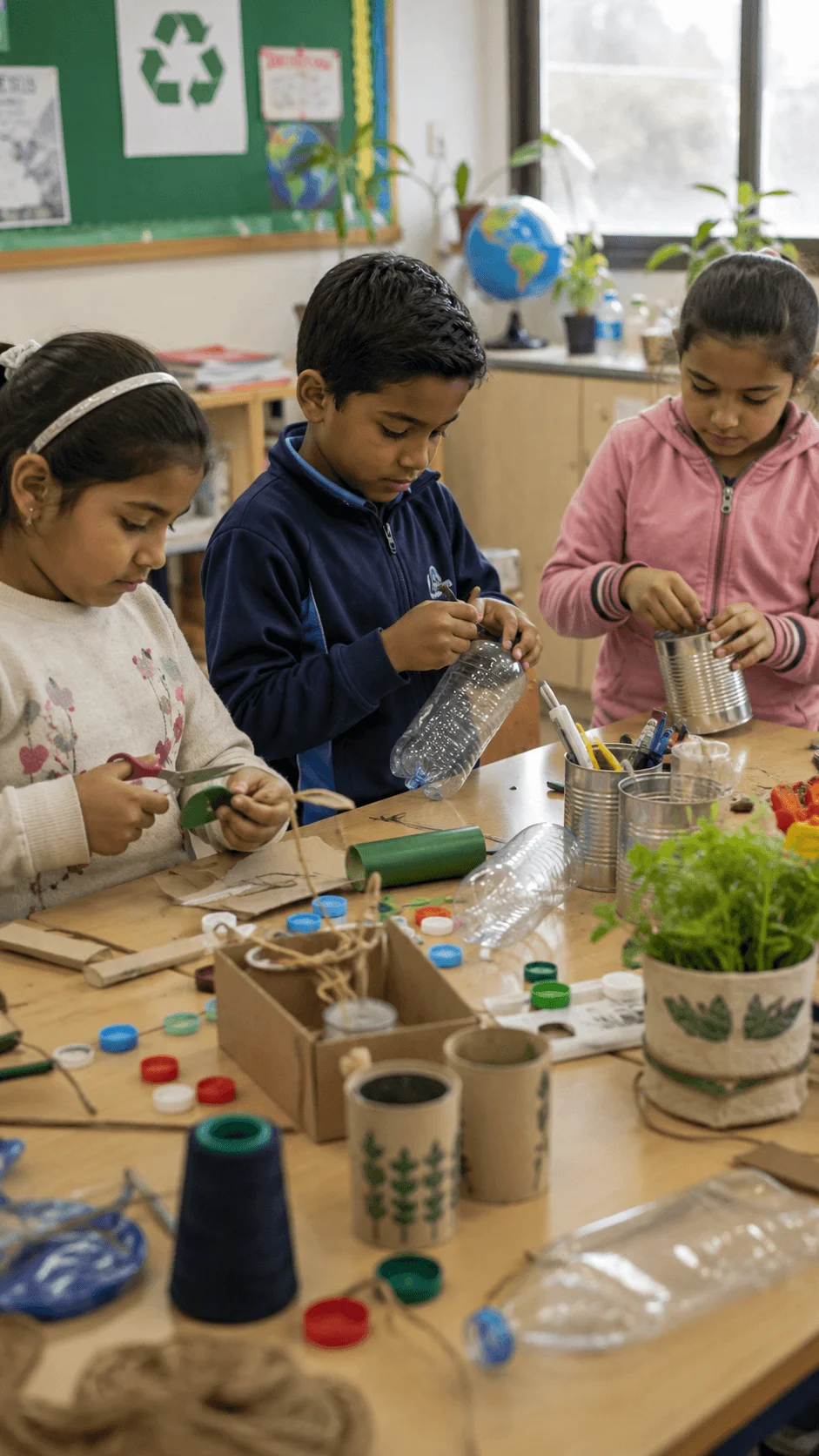
The educational value comes from changing how students think about objects. Instead of seeing something as useless as soon as it becomes old, students can consider whether it still has value.
Teachers can explain how producing new products requires materials, energy, transportation, and other resources. Reusing an appropriate item can therefore help students think more carefully about consumption and waste.
Students can also turn the workshop into a creative challenge. Each group can receive a collection of safe reusable materials and develop a useful classroom object or environmental display.
This type of green activity for students combines creativity with sustainability. It also encourages students to think beyond the simple idea that recycling is the only environmental solution.
The workshop can become a recurring part of an eco club. Students could organize reuse days throughout the school year and encourage classmates to find useful purposes for suitable materials before throwing them away.
11. Green Summer Eco Club Challenge
World Environment Day takes place on June 5, but environmental responsibility does not need to stop when the day ends. A Green Summer Eco Club Challenge can help schools turn the excitement surrounding Environment Day into a longer student led project.
An eco club can create a series of environmental goals for students to work on during the summer or throughout the following school term. These goals can involve conserving water, reducing waste, observing biodiversity, improving energy awareness, learning about sustainable food, or exploring local environmental problems.
The most important part is giving students an opportunity to participate actively. Rather than creating a program where teachers handle everything, students can help decide which environmental projects they want to continue.
For example, students who enjoyed the biodiversity walk could continue observing plants and birds. Students who participated in the waste audit could help develop ideas for reducing unnecessary waste. Students interested in climate data could continue collecting suitable observations with teacher guidance.
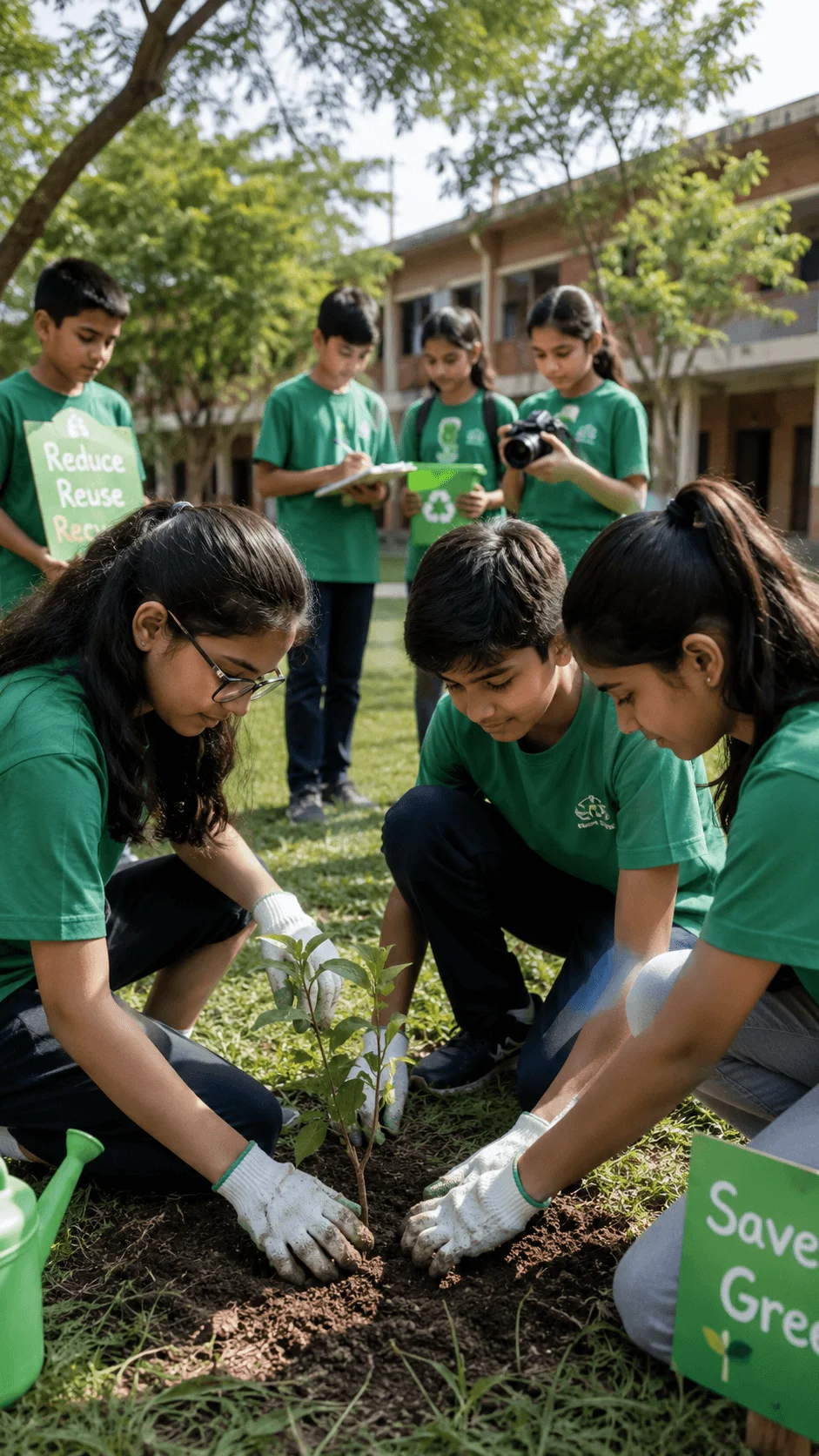
The eco club can document its progress and share updates with the school community. Students can create presentations, classroom displays, school newsletters, or other appropriate educational materials.
A long term approach also helps students understand that environmental improvement requires consistency. Planting something once, conducting one cleanup, or discussing climate change during a single lesson may create awareness, but continuing the effort can create stronger habits.
Eco club activities for students can also bring together students with different interests. Some students may enjoy science and data, while others may prefer art, writing, technology, photography, or public speaking. Environmental projects can give all of them a role.
Schools can use World Environment Day as the starting point for this challenge. By continuing projects after June 5, students can turn a special environmental day into a year round culture of responsibility.
12. Climate Action Dance or Short Video Challenge
Students are highly familiar with short videos and creative digital communication, so schools can use this interest to communicate positive environmental messages. A Climate Action Dance or Short Video Challenge allows students to combine creativity, teamwork, and environmental education.
The activity can connect naturally with the 2026 World Environment Day climate action campaign. Students can create short educational videos that communicate a simple environmental message.
The video does not need expensive equipment or complicated editing. Students can create a short performance, demonstration, school message, environmental story, or creative presentation using accessible technology.
The key is to make the environmental message meaningful. Instead of creating a video simply because it looks entertaining, students should decide what they want viewers to learn or do.
One group could create a short demonstration about saving energy. Another could explain why biodiversity matters. Another could show how students can reduce unnecessary waste at school.
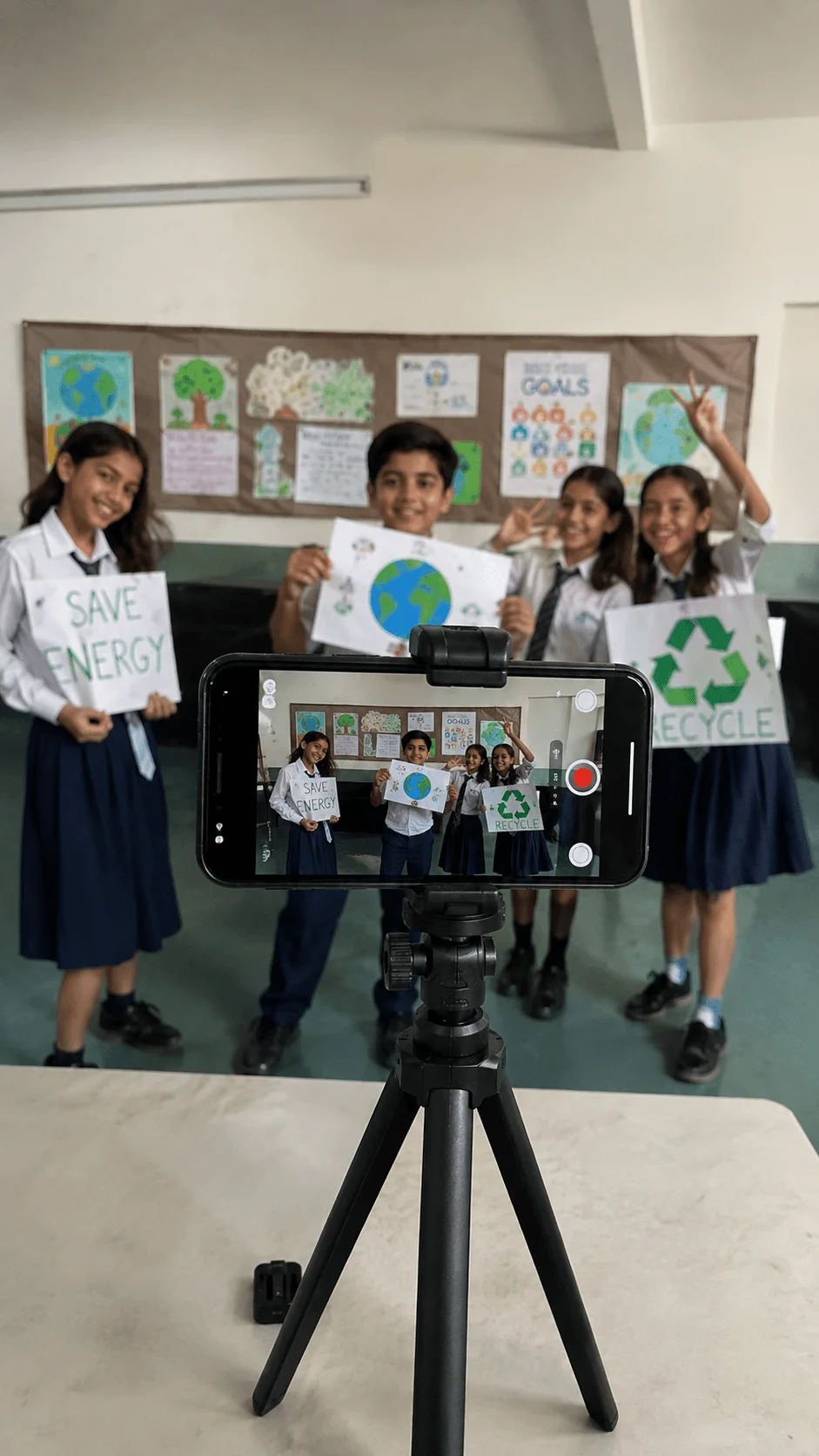
Teachers can encourage students to write a simple concept before recording. They can discuss the intended audience, environmental message, and practical action they want viewers to understand.
This activity also teaches communication skills. Students learn that environmental action is not only about doing something themselves. It is also about helping other people understand why the issue matters.
Older students can work on research based videos that include reliable information. Younger students can create simple performances, drawings, storytelling videos, or classroom demonstrations with teacher supervision.
The project can remain entirely educational and school based. Students do not need to publish their work publicly. A school can organize an internal screening where classes watch the videos and discuss the environmental messages.
This makes climate action projects for school more creative and accessible while giving students a chance to communicate environmental ideas in a format that feels familiar to them.
How Teachers Can Adapt These Activities for Different Ages
Not every environmental activity needs to look the same for every age group. Teachers can adjust the complexity of World Environment Day activities for students according to their students’ abilities, interests, and learning goals.
Younger students can focus on observation, creativity, nature exploration, simple comparisons, and guided discussions. They might draw plants they discover during a biodiversity walk, identify areas that feel hot or shaded, or create artwork from suitable reusable materials.
Older students can take greater responsibility for research, environmental data, presentations, project planning, and problem solving. They can analyze information from a waste audit, investigate energy use, compare environmental observations, or develop proposals for school improvements.
The same project can therefore work across different grades. A younger class might simply observe the biodiversity around the school, while an older class can create a detailed record of those observations and investigate how the school could provide better habitats for local species.
Teachers should also consider accessibility. Students have different strengths, so environmental projects should offer different ways to participate. Some students may prefer research, while others may enjoy drawing, writing, presenting, organizing information, or working outdoors.
When students can contribute according to their strengths, environmental education becomes more inclusive and engaging.
Turning World Environment Day Into Long Term Environmental Action
The greatest value of World Environment Day may come from what happens after the celebration ends. Schools can use the day as a starting point for long term environmental education rather than treating it as an isolated event.
A School Climate Signal Hunt could develop into an annual environmental observation project. A biodiversity walk could become a year round citizen science program. A waste audit could lead to a school waste reduction initiative. An energy investigation could encourage students and staff to review energy habits regularly.
Eco clubs can connect these projects and give students a central place to continue their work. Teachers can encourage students to select projects that interest them and gradually take greater responsibility for planning and documenting their progress.
Schools can also repeat activities at different points during the year. For example, students could conduct another waste audit several months after their first investigation and compare the results. A biodiversity group could revisit the same areas during different seasons. A heat mapping project could compare observations from different times of the year.
This approach makes environmental learning continuous. Students begin to understand that sustainability is not simply a theme for one special day. It involves everyday decisions, observation, cooperation, and long term improvement.
World Environment Day activities for school students become especially powerful when they lead to real conversations about how schools can operate more responsibly. Students may discover problems that adults have overlooked or suggest creative solutions that are simple to implement.
Conclusion
World Environment Day activities for students can be much more meaningful when they go beyond traditional classroom celebrations. Students can investigate their surroundings, collect environmental observations, study biodiversity, examine waste, explore energy use, think about climate adaptation, and develop creative solutions to local problems.
The 12 activities in this guide provide different ways for students to participate. Some focus on science and observation, while others encourage creativity, technology, communication, and teamwork. Together, they show students that environmental action can take many forms.
The most important goal is not to complete as many activities as possible on June 5. The real opportunity is to help students develop curiosity and responsibility toward the environment. A climate signal hunt can lead to a school improvement idea. A waste audit can lead to better habits. A biodiversity walk can become an ongoing monitoring project. An eco club can continue these efforts throughout the year.
When students are given opportunities to investigate real problems and contribute their own ideas, environmental education becomes more memorable and practical. World Environment Day can then become more than a date on the school calendar. It can become a starting point for students to understand their environment, work together, and take meaningful action in their schools and communities.