Sustainability Architecture and Graphic Design Trends 2026
Sustainability in 2026 is no longer a technical checkbox or a background consideration. It has become a central creative force that shapes how environments are built and how visual stories are told. Architecture and graphic design are no longer separate disciplines working in isolation. They are now deeply connected, forming a unified language that defines how people experience space, identity, and meaning.
The modern audience is more aware, more emotionally driven, and more connected to global environmental challenges than ever before. This shift has pushed designers to move beyond efficiency and toward deeper purpose. Sustainable architecture and graphic design now work together to create experiences that are immersive, thoughtful, and emotionally engaging.
Regenerative Design and the Idea of Giving Back
Regenerative design represents one of the most powerful ideas shaping design in 2026. Instead of simply reducing environmental damage, it focuses on creating systems that actively restore ecosystems and improve natural conditions. This approach changes the mindset from limitation to contribution.
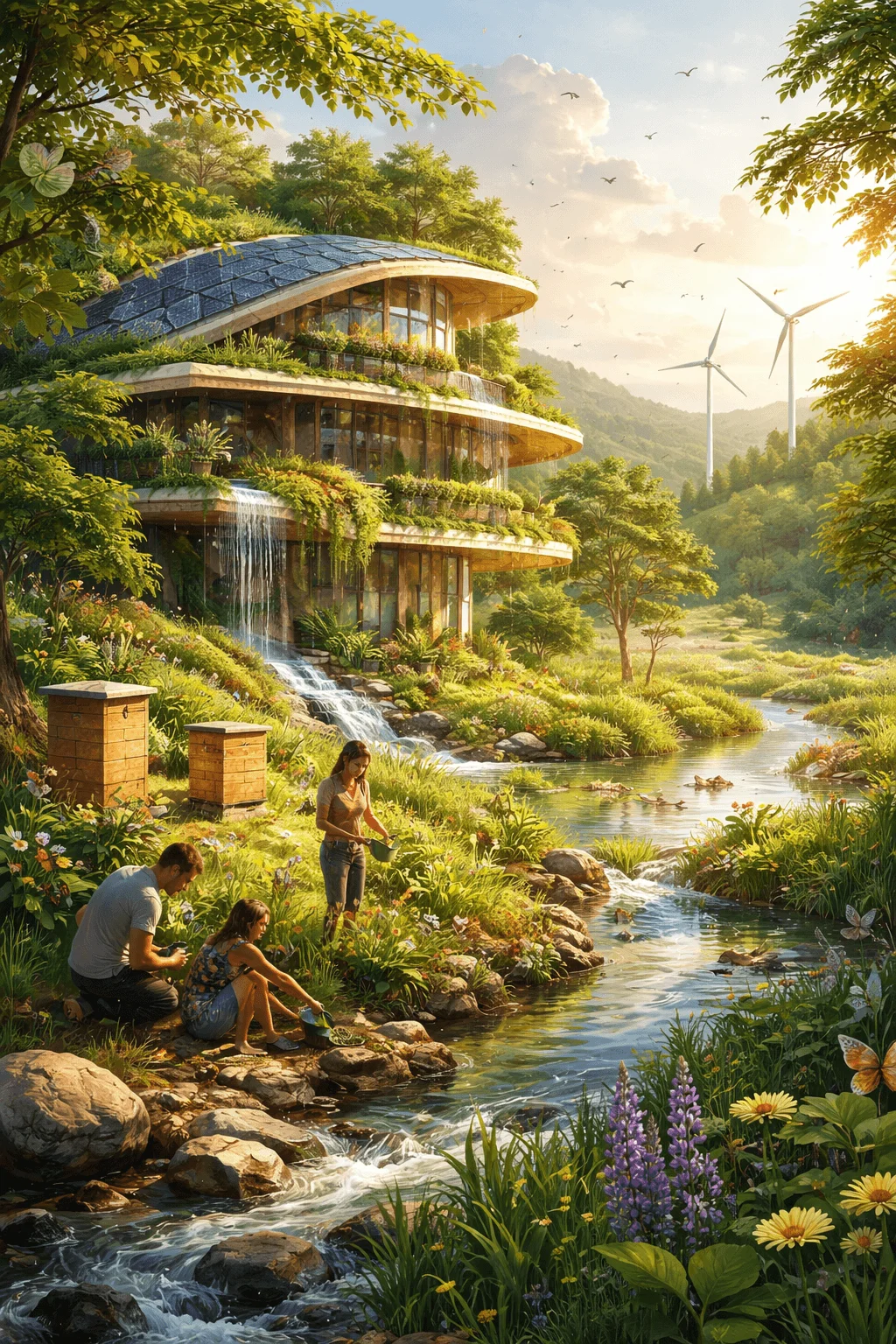
In architecture, regenerative thinking leads to buildings that generate energy, support biodiversity, and improve air and water quality. These spaces are not passive structures but active participants in the environment. In graphic design, this idea translates into narratives that emphasize growth, renewal, and cycles of nature.
Designers are using visual language to communicate regeneration through organic forms, evolving patterns, and storytelling that highlights restoration. This creates a deeper emotional connection because people are drawn to the idea of healing and positive impact.
Circular Design Systems and Long Term Thinking
Circular design is becoming a foundation for sustainable creativity. It is based on the idea that nothing should be wasted and everything should be part of a continuous cycle. This requires designers to think far beyond the initial creation phase.
In architecture, this means designing buildings that can be adapted, reused, or taken apart without creating waste. Materials are selected not only for performance but also for their future life. In graphic design, circular thinking leads to flexible identity systems that can evolve without needing complete redesigns.
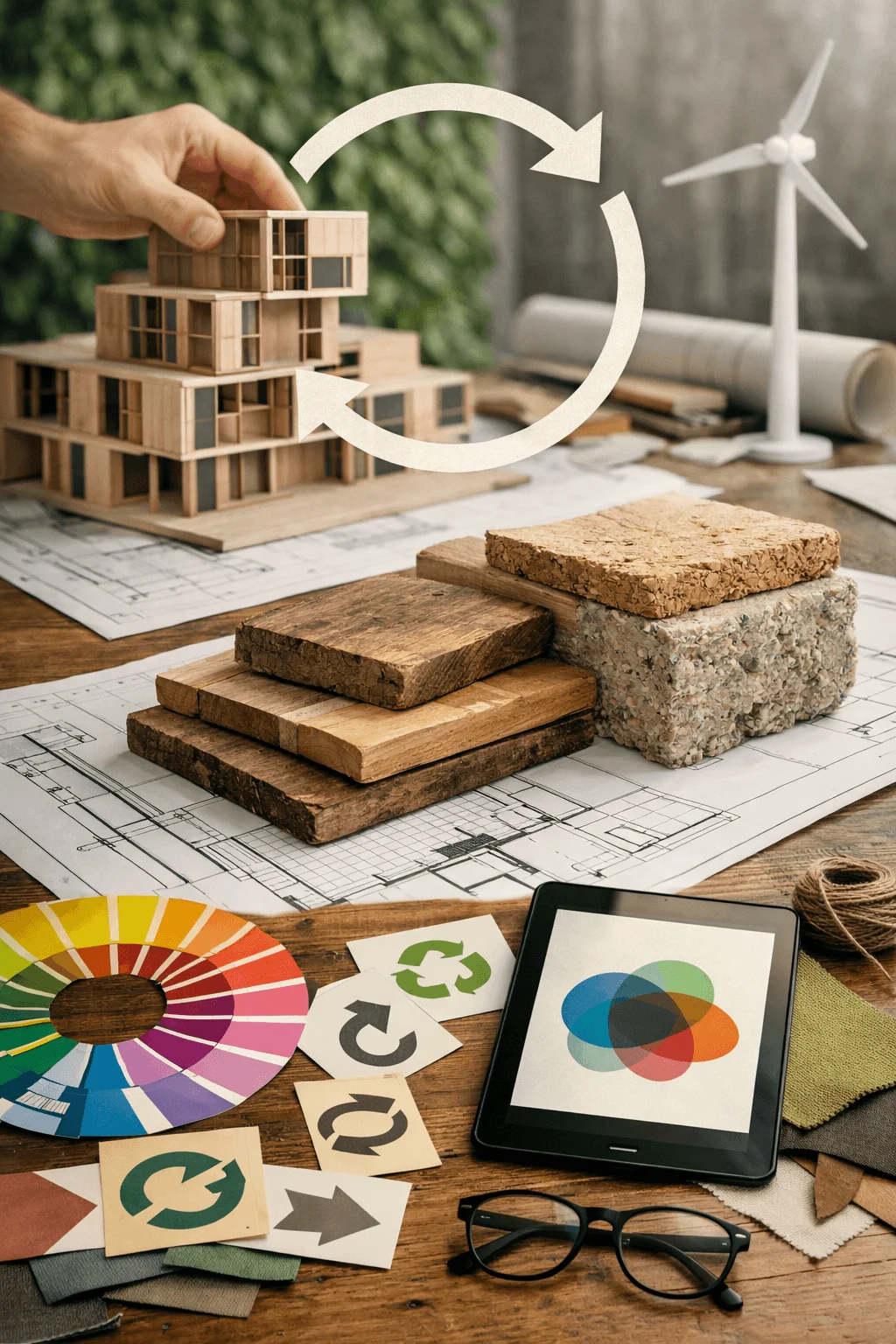
This approach encourages designers to create systems instead of single outputs. It shifts the focus from short term trends to long lasting solutions that remain relevant over time.
Carbon Conscious Digital Design and Invisible Impact
Digital design often feels intangible, but it has a real environmental footprint. Every image, animation, and line of code contributes to energy consumption. In 2026, designers are becoming more aware of this invisible impact and are actively working to reduce it.

Carbon conscious design focuses on creating efficient digital experiences that use fewer resources without sacrificing quality. This includes simplifying interfaces, reducing unnecessary elements, and optimizing performance.
Beyond technical improvements, this trend also influences visual style. Simpler layouts, intentional design choices, and purposeful content are becoming more common. This creates a cleaner experience for users while also reducing environmental impact.
Artificial Intelligence and Sustainable Creativity
Artificial intelligence is playing a growing role in sustainable design, but its value goes beyond automation. It is helping designers make more informed decisions by analyzing data and predicting outcomes.
In architecture, AI can simulate energy performance and suggest more efficient layouts. It can identify ways to reduce material waste and improve functionality before construction begins. In graphic design, AI assists in creating systems that are efficient and adaptable.
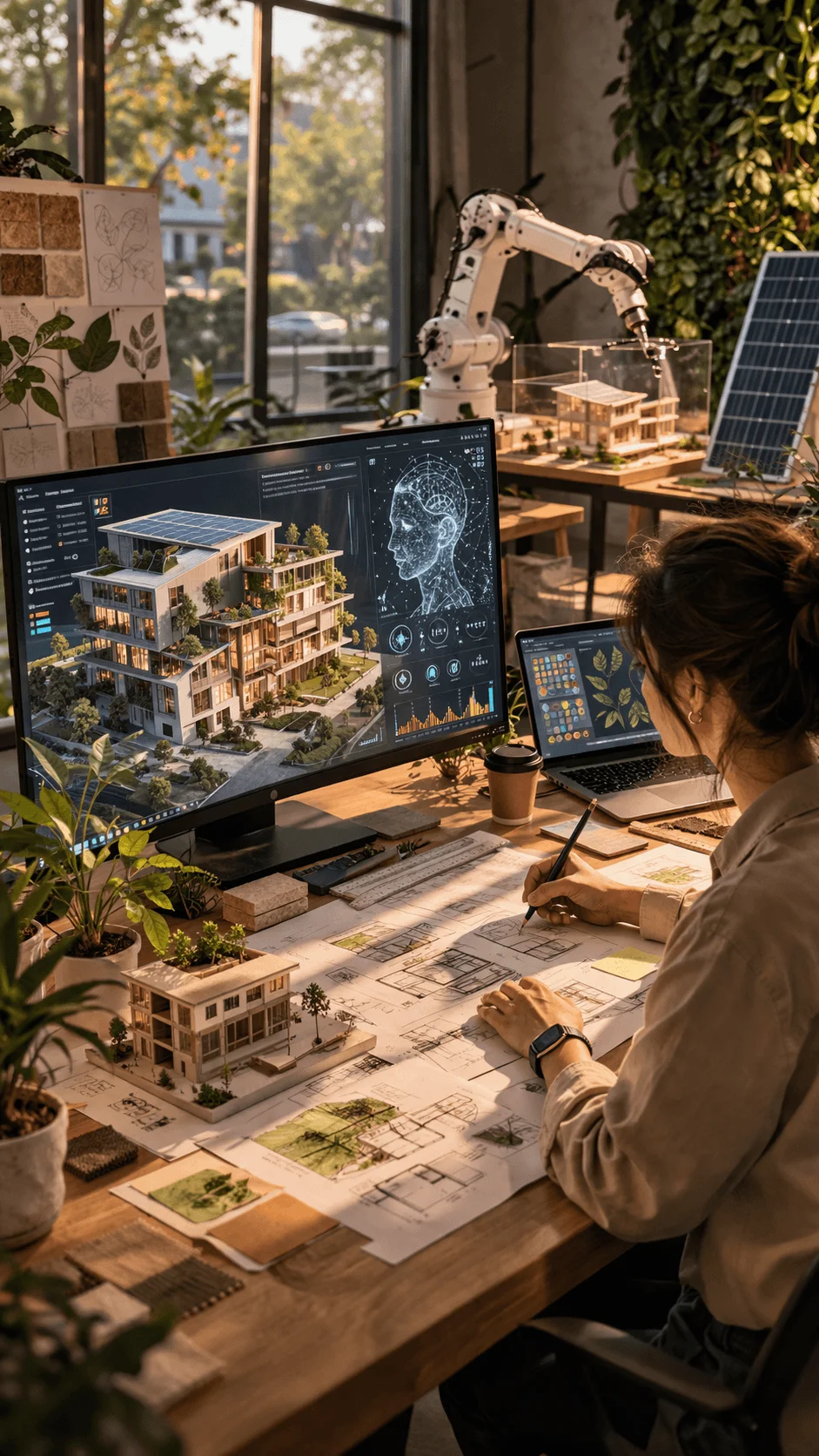
At the same time, designers are exploring how to maintain a human touch in an increasingly automated process. This balance between intelligence and creativity is shaping a new design language that feels both advanced and authentic.
The Return of Texture and Material Sensation
As digital experiences become more dominant, there is a growing desire for designs that feel real and grounded. This has led to the rise of tactile aesthetics that emphasize texture and material sensation.
In architecture, natural materials are being used not only for sustainability but also for their sensory qualities. Surfaces that show grain, variation, and imperfection create a stronger connection with users. In graphic design, similar effects are achieved through layered visuals and organic textures.
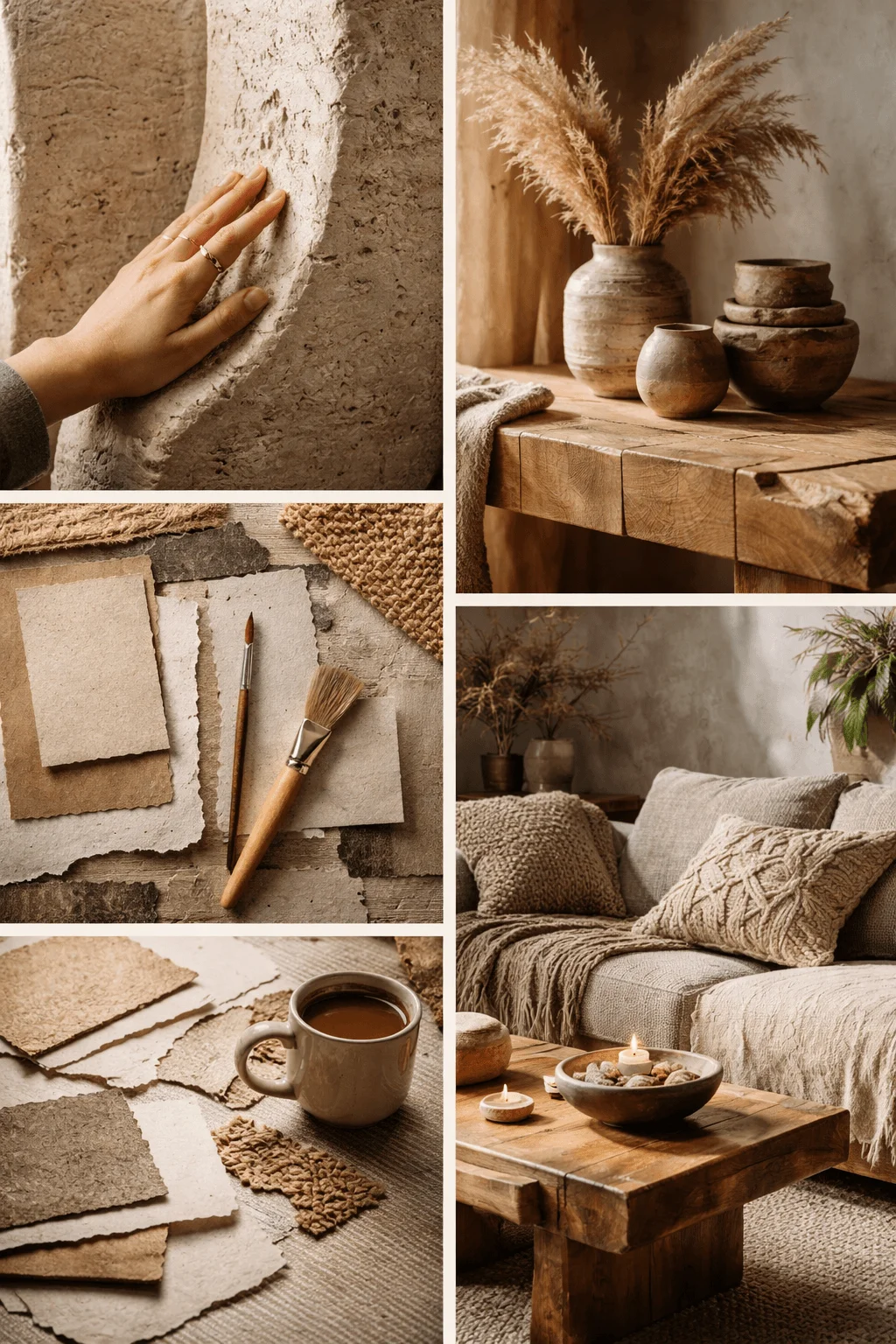
This trend reflects a deeper need for authenticity. It moves away from artificial perfection and toward designs that feel human and relatable.
Biophilic Design and Emotional Connection
Biophilic design continues to grow as one of the most influential trends in sustainable architecture and graphic design. It is based on the idea that humans have an inherent connection to nature and that design should reflect this relationship.
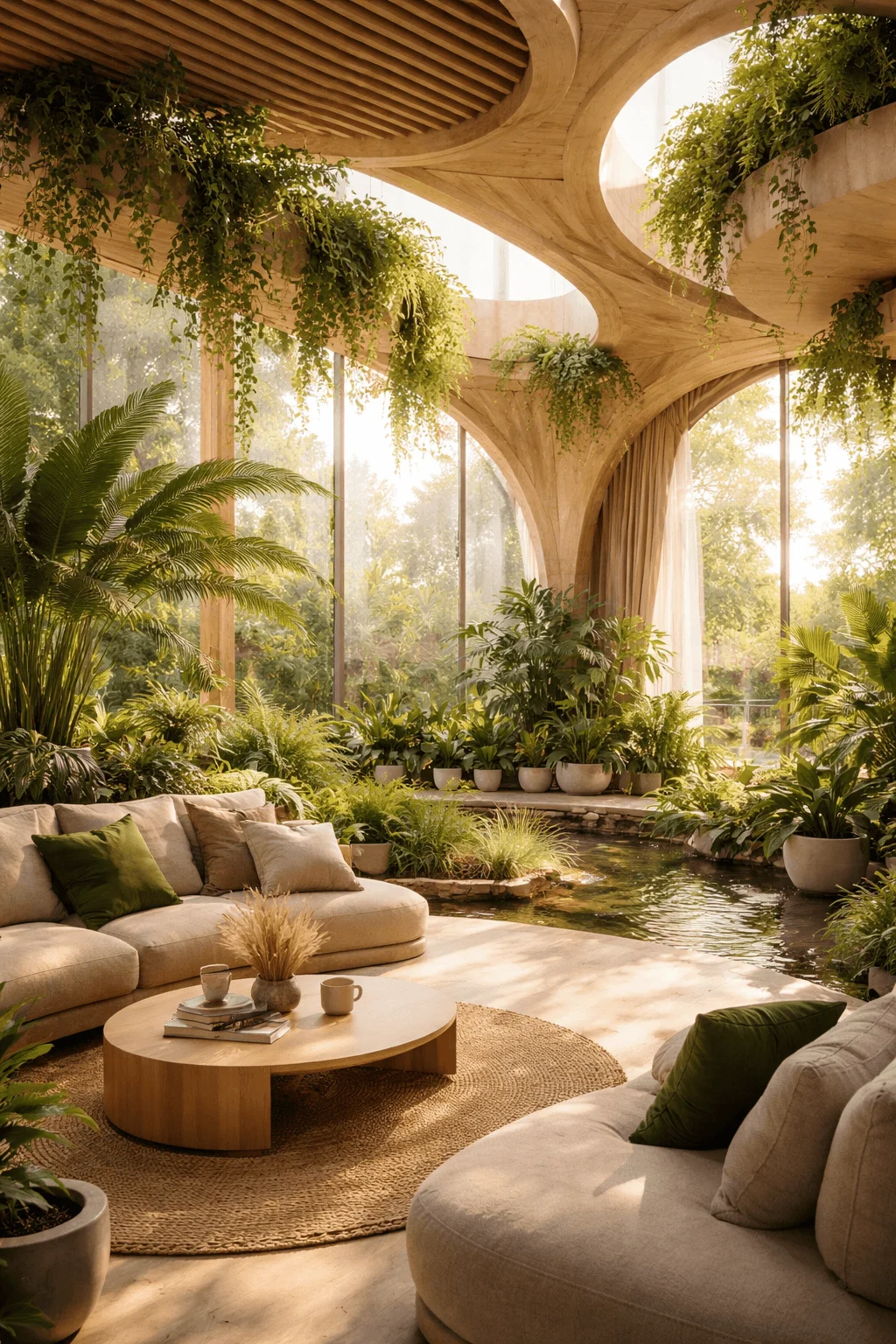
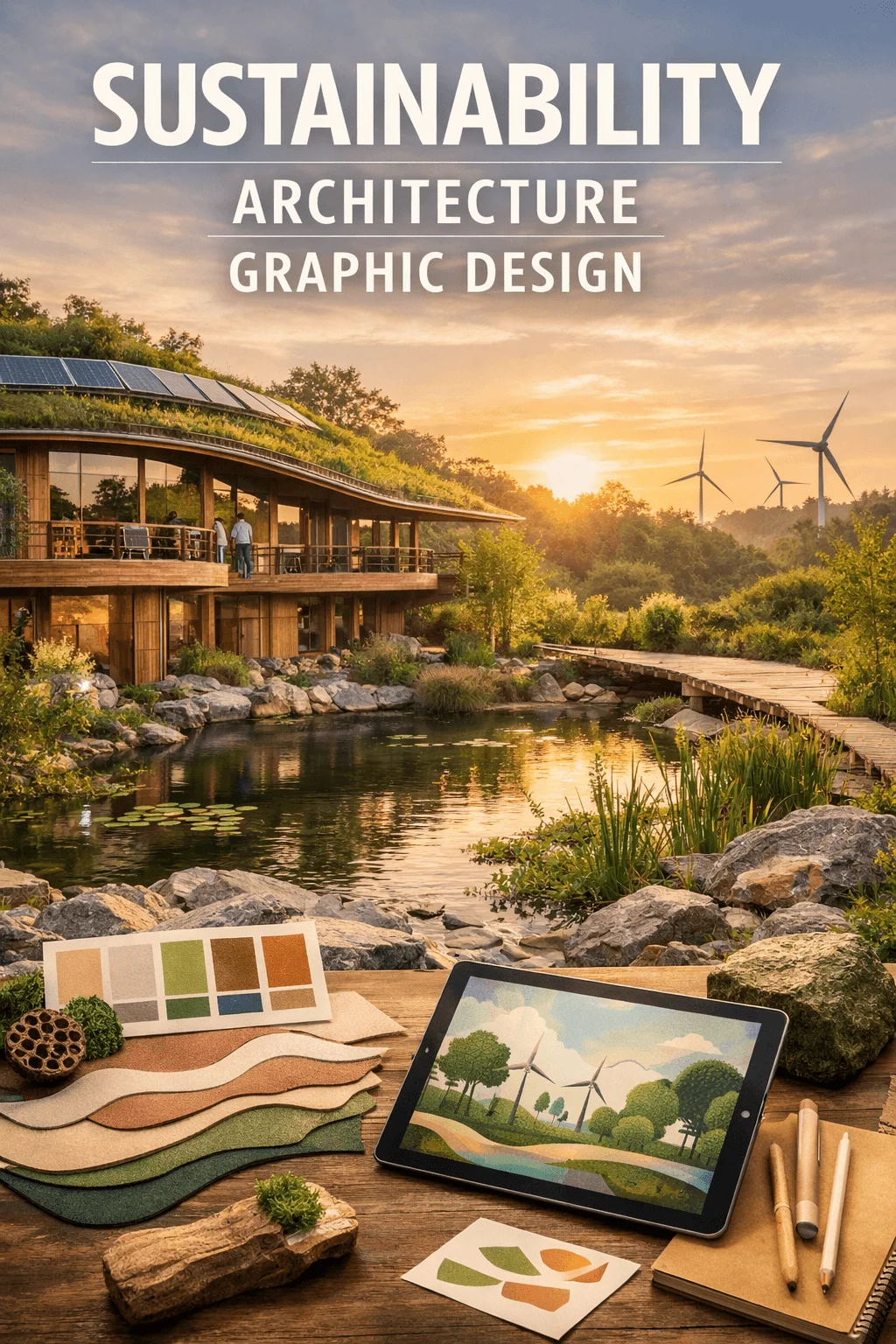
Architectural spaces are increasingly incorporating natural light, greenery, and organic forms to create environments that support well being. Graphic design complements this by using natural color palettes, flowing shapes, and imagery inspired by the environment.
This combination creates a unified experience that feels calming and intuitive. It also reinforces the message of sustainability by making nature a visible and central element of design.
Sensory Minimalism and Meaningful Simplicity
Minimalism is evolving into something more expressive and emotionally rich. Instead of removing elements for the sake of simplicity, designers are focusing on creating clarity while maintaining depth.
Sensory minimalism emphasizes quality over quantity. Every element is carefully chosen to enhance the experience. Subtle textures, gentle contrasts, and thoughtful spacing create designs that feel both simple and engaging.
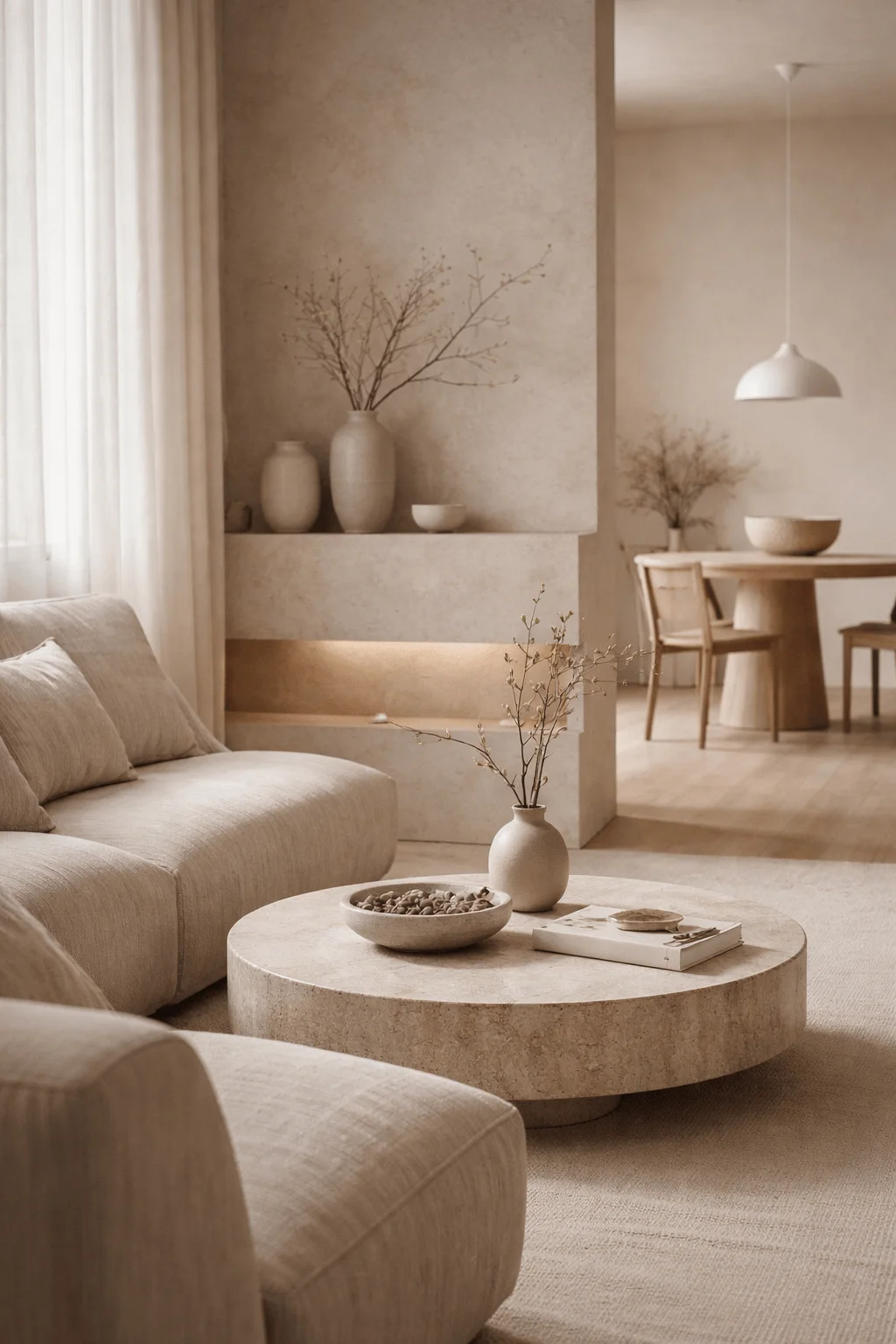
In architecture, this leads to spaces that are open and शांत yet full of detail. In graphic design, it results in visuals that are clean but not empty, allowing users to connect more deeply with the content.
Earth Based Materials and Visual Identity
There is a strong movement toward reconnecting design with the earth. In architecture, this means using materials that are locally sourced and environmentally responsible. These materials create a sense of place and authenticity.

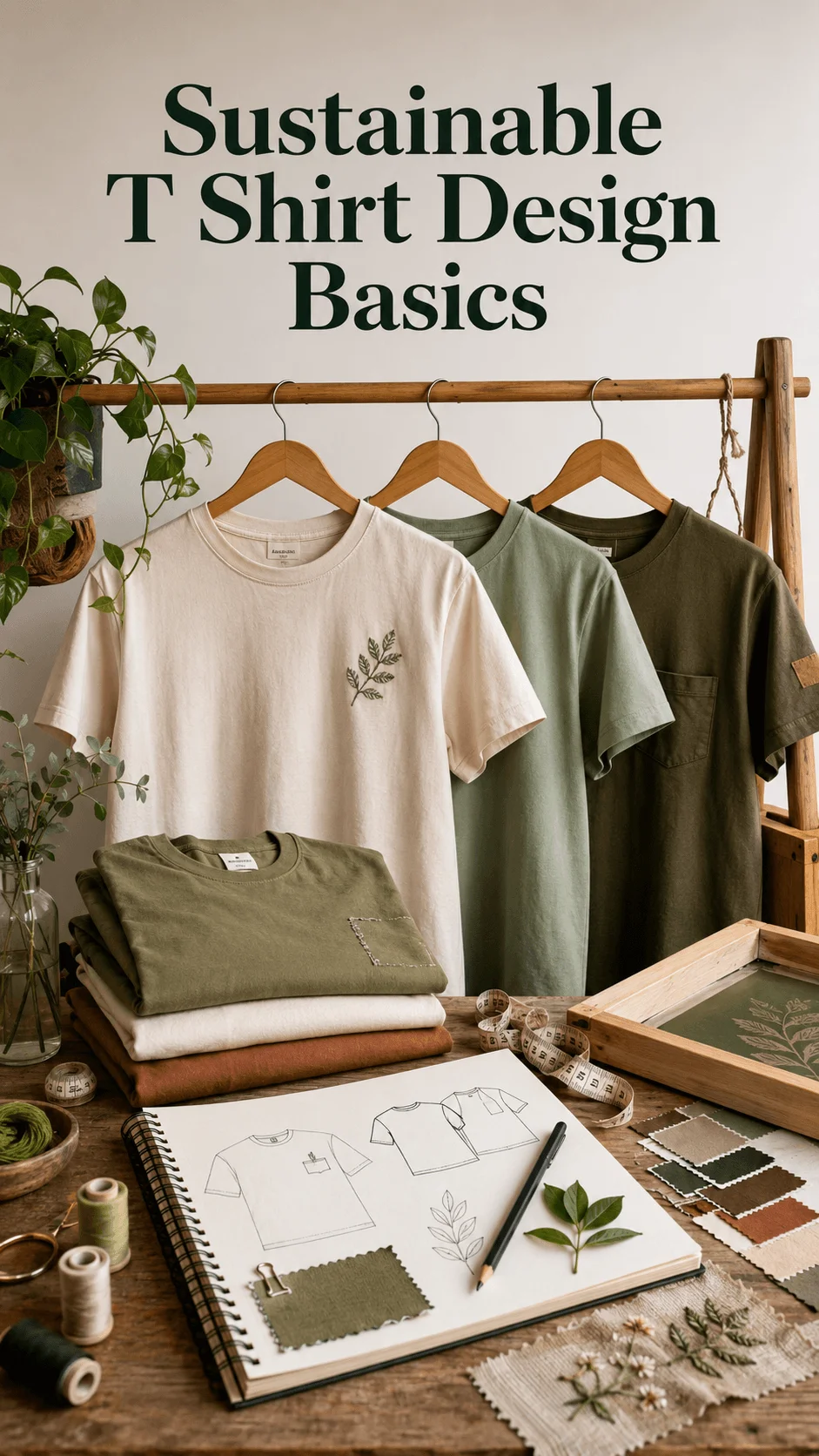
Graphic design reflects this approach through color choices and visual styles that feel natural and grounded. Earth tones, raw textures, and organic forms are becoming key elements of sustainable branding.
This alignment between physical and visual design creates a cohesive message that reinforces sustainability at every level.
The Rise of Human Crafted Imperfection
As technology continues to advance, there is a growing appreciation for imperfection. Designers are intentionally moving away from overly polished visuals and embracing styles that feel handmade and personal.
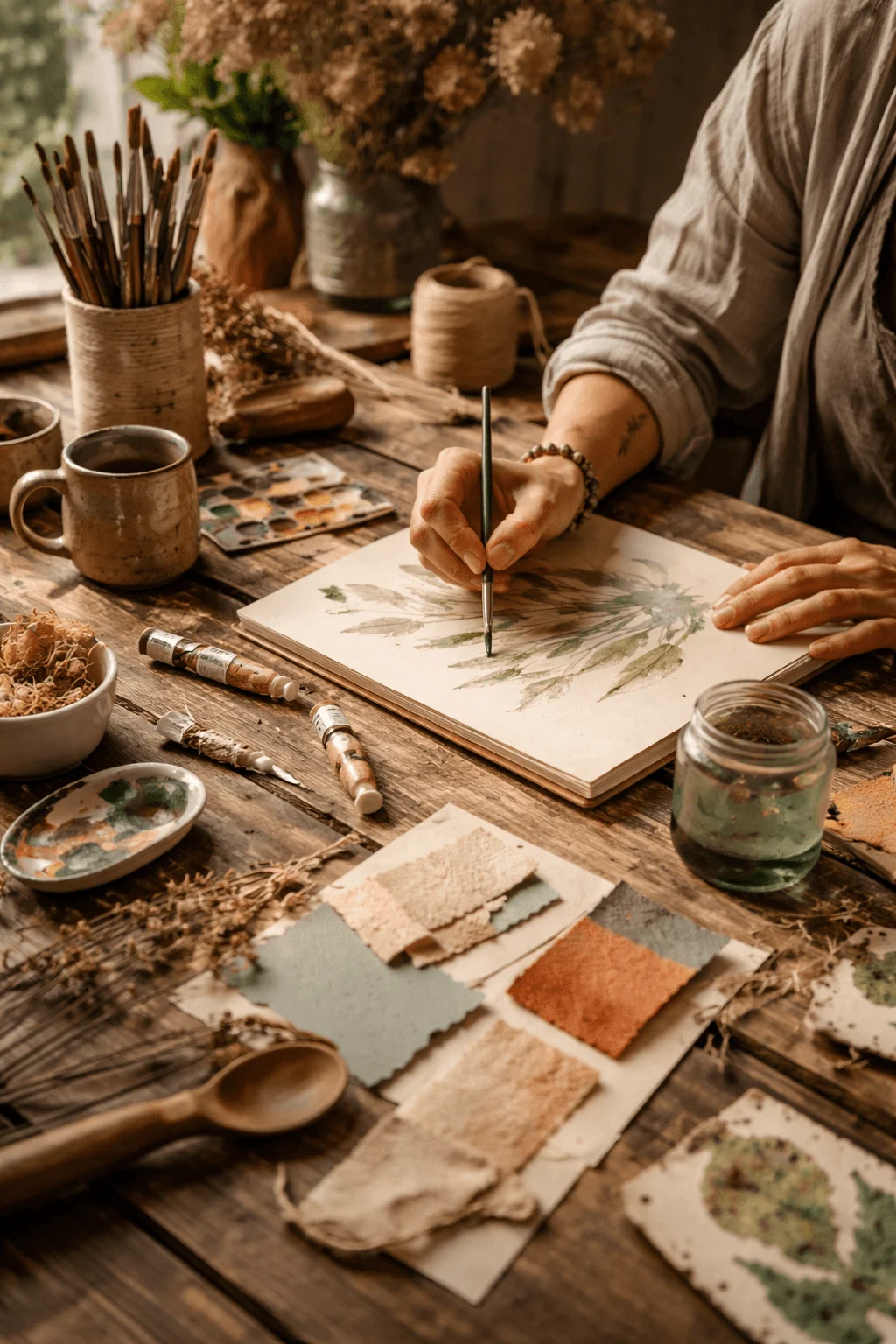
This approach brings warmth and authenticity to design. It reminds people that there is a human story behind every creation. In sustainability focused design, this is especially important because it builds trust and emotional connection.
Imperfection is no longer seen as a flaw but as a defining characteristic of meaningful design.
Interactive and Immersive Design Experiences
Design in 2026 is becoming more dynamic and participatory. Architecture and graphic design are working together to create experiences that respond to users and encourage interaction.
Spaces are designed to adapt to movement and behavior while digital interfaces invite users to explore and engage. This creates a deeper connection between people and their environment.
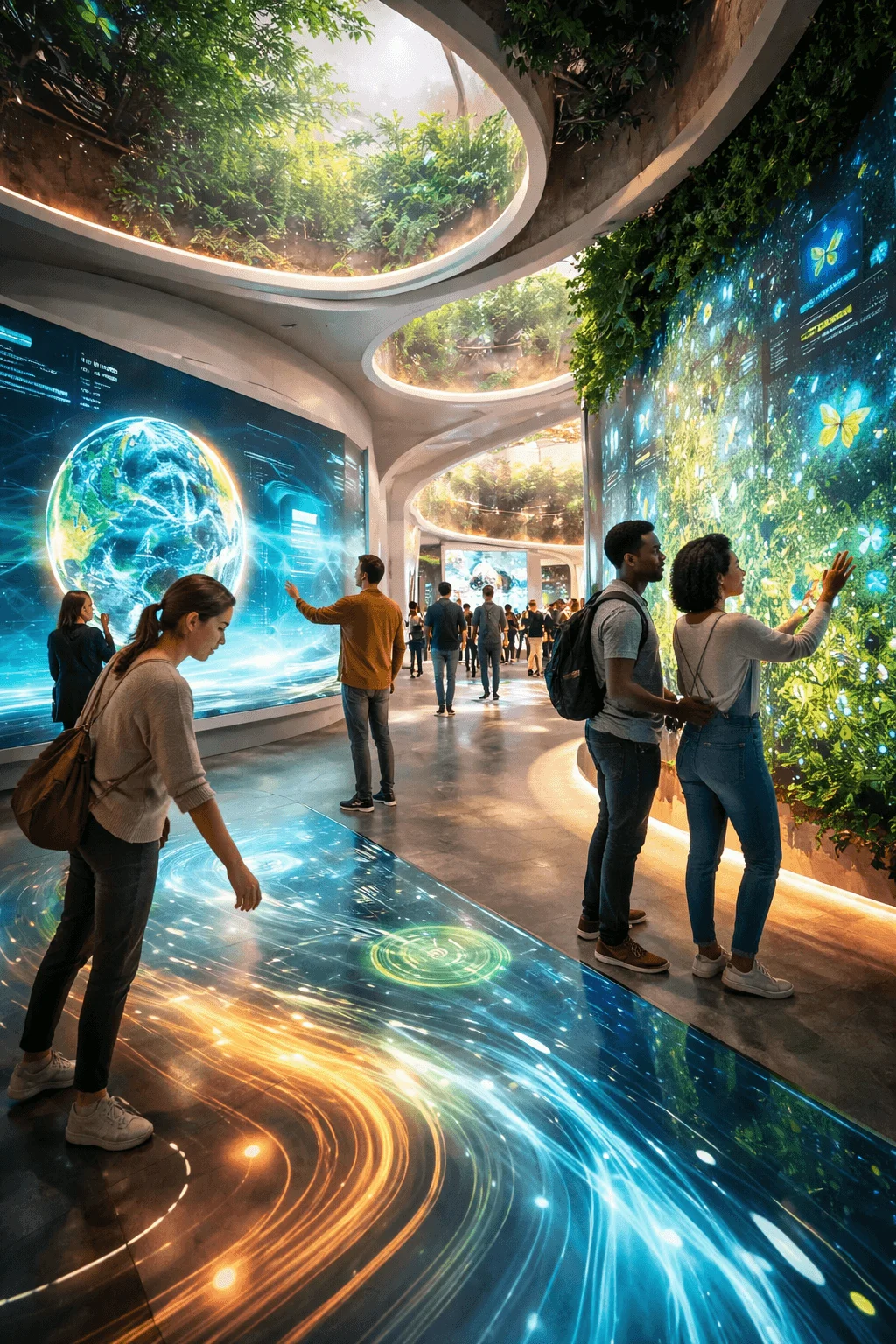
Interactive design also makes sustainability more visible and understandable. It allows users to experience concepts rather than just read about them.
Community Driven and Inclusive Design
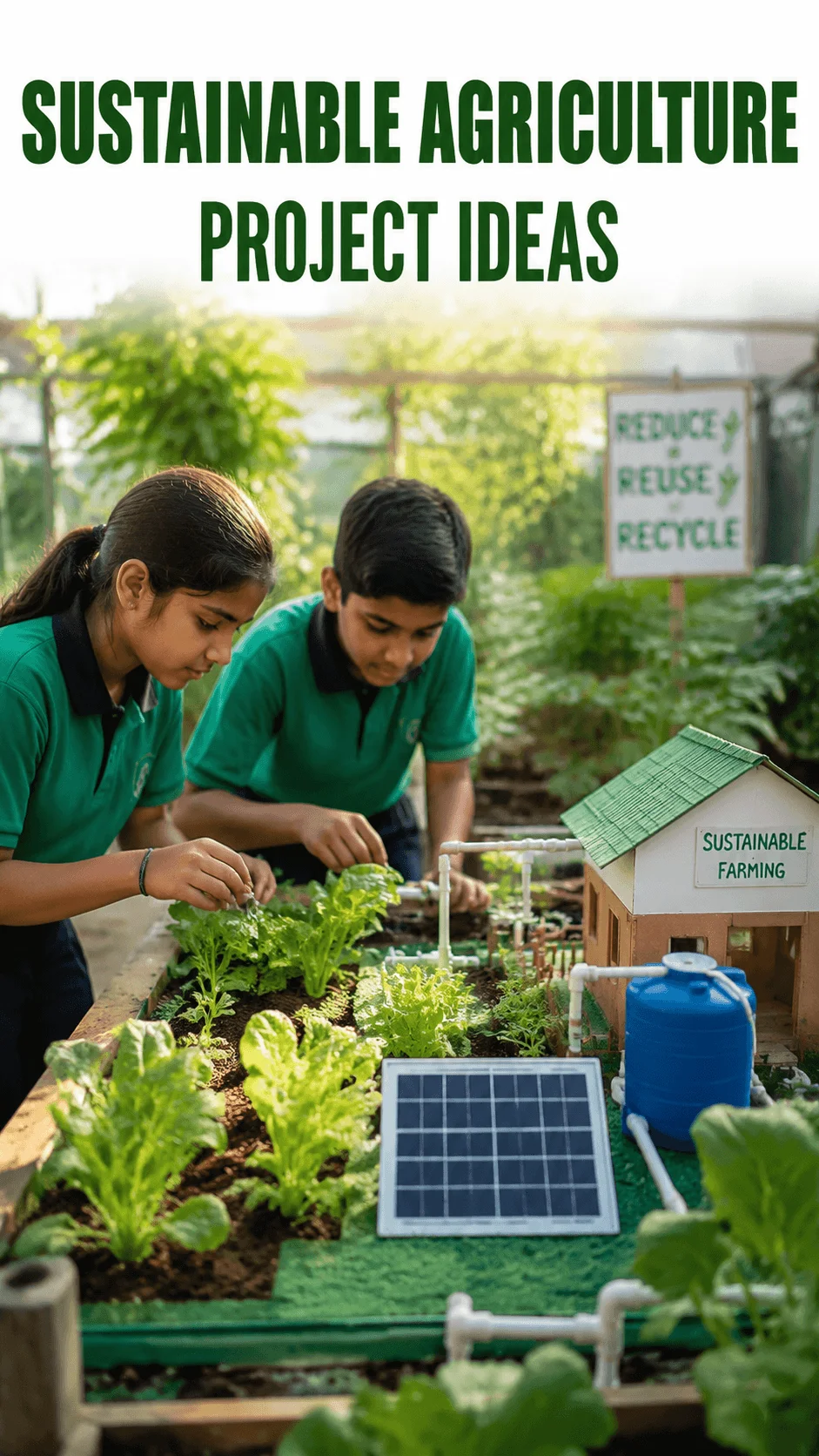
Sustainability is not only about the environment but also about people. Designers are increasingly focusing on creating solutions that reflect the needs and values of communities.
Architecture is becoming more inclusive, incorporating local culture and traditions into modern design. Graphic design supports this by creating visuals that resonate with specific audiences and tell authentic stories.
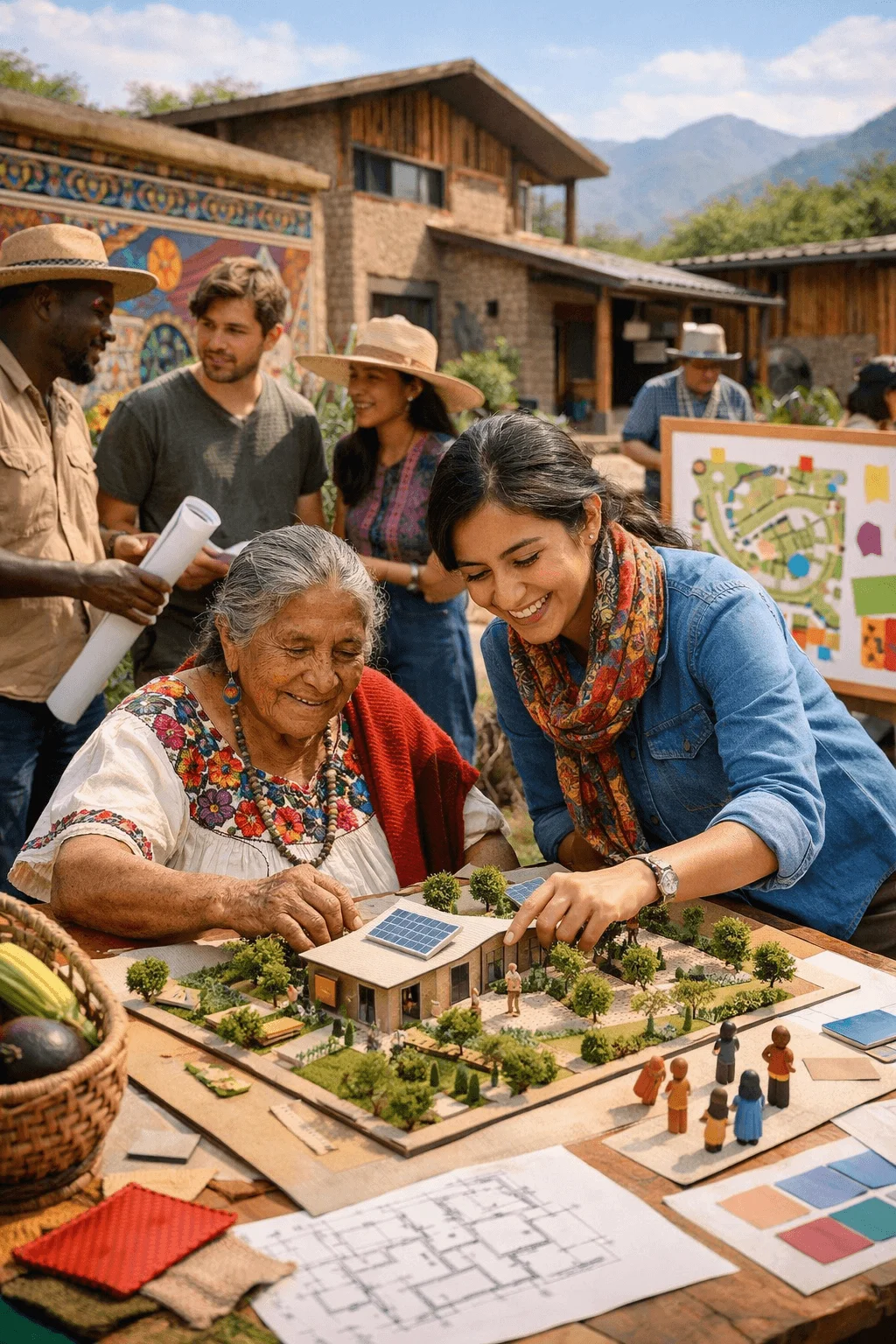
This approach ensures that sustainability is not imposed but embraced, making it more effective and meaningful.
Climate Responsive Design and Visual Awareness
Climate change is shaping the way designers think about both function and communication. Buildings are being designed to adapt to changing conditions, while graphic design is used to raise awareness and inspire action.
This creates a powerful combination where design not only responds to challenges but also communicates their importance. Visual storytelling plays a key role in helping people understand complex environmental issues.
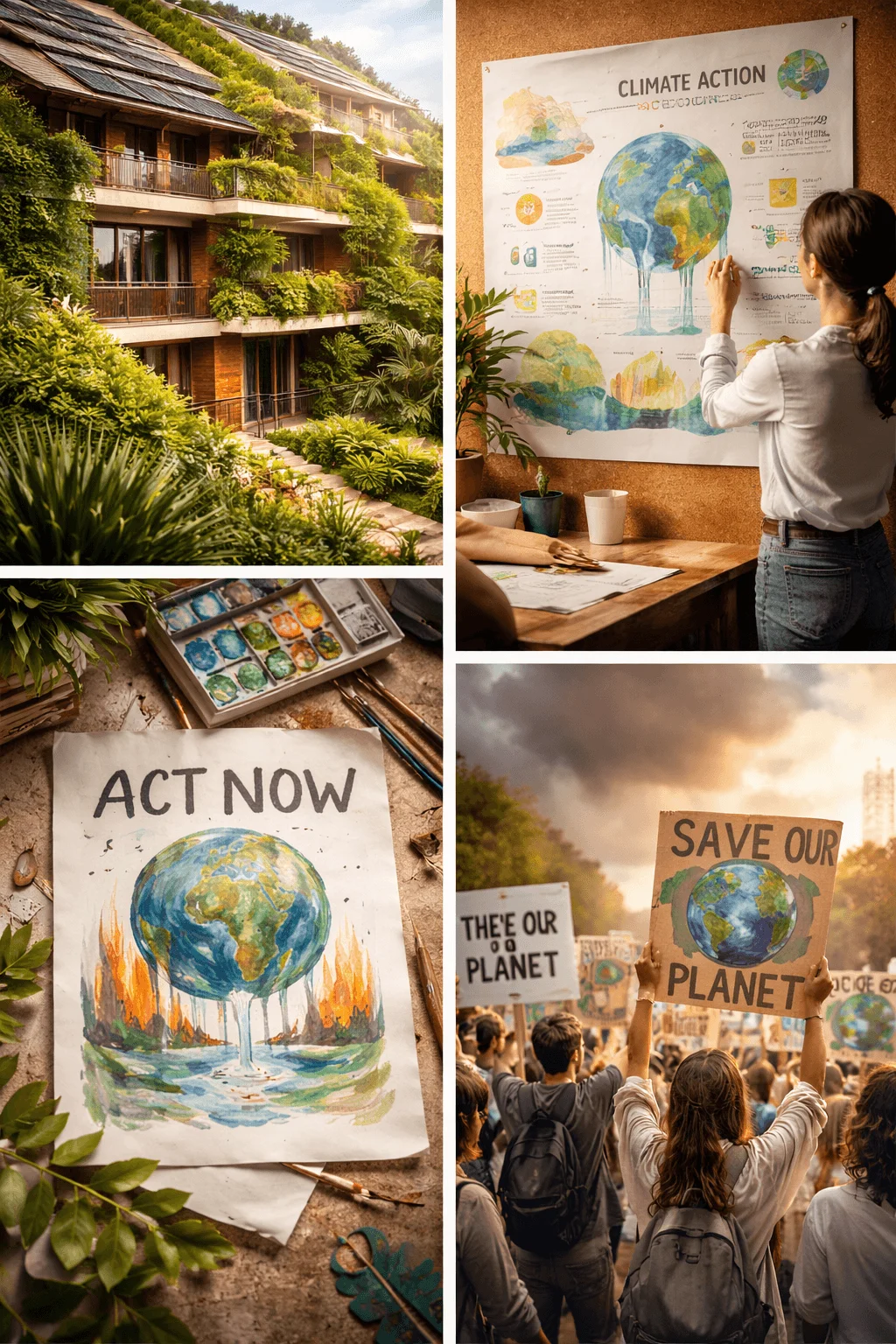
Design becomes a bridge between information and action.
Zero Waste Branding and Sustainable Identity
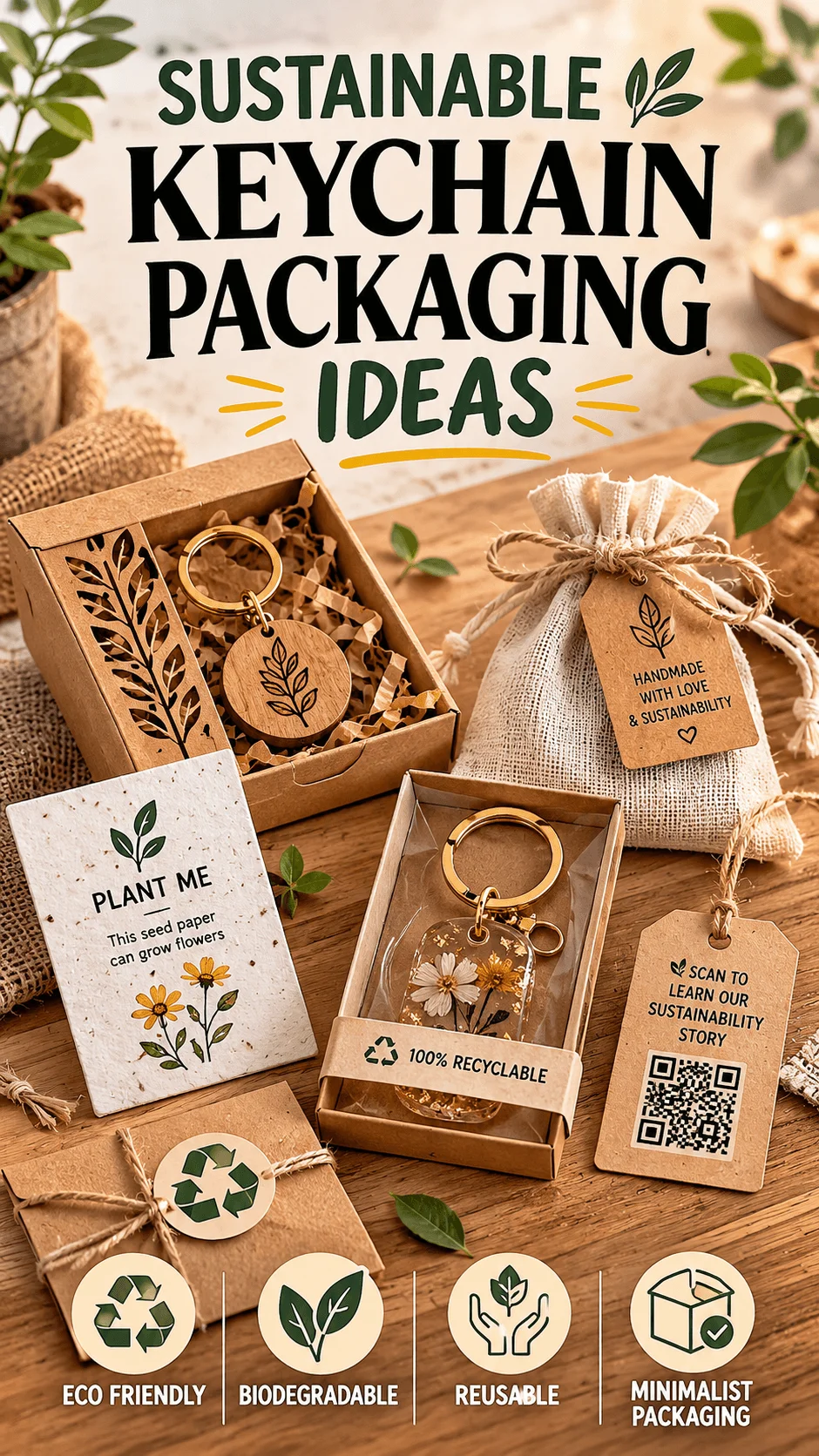
Brands are rethinking how they create and use visual assets. The focus is shifting toward systems that minimize waste and maximize longevity.
Digital platforms are replacing traditional materials, and branding is designed to be flexible and adaptable. This reduces the need for constant updates and unnecessary production.
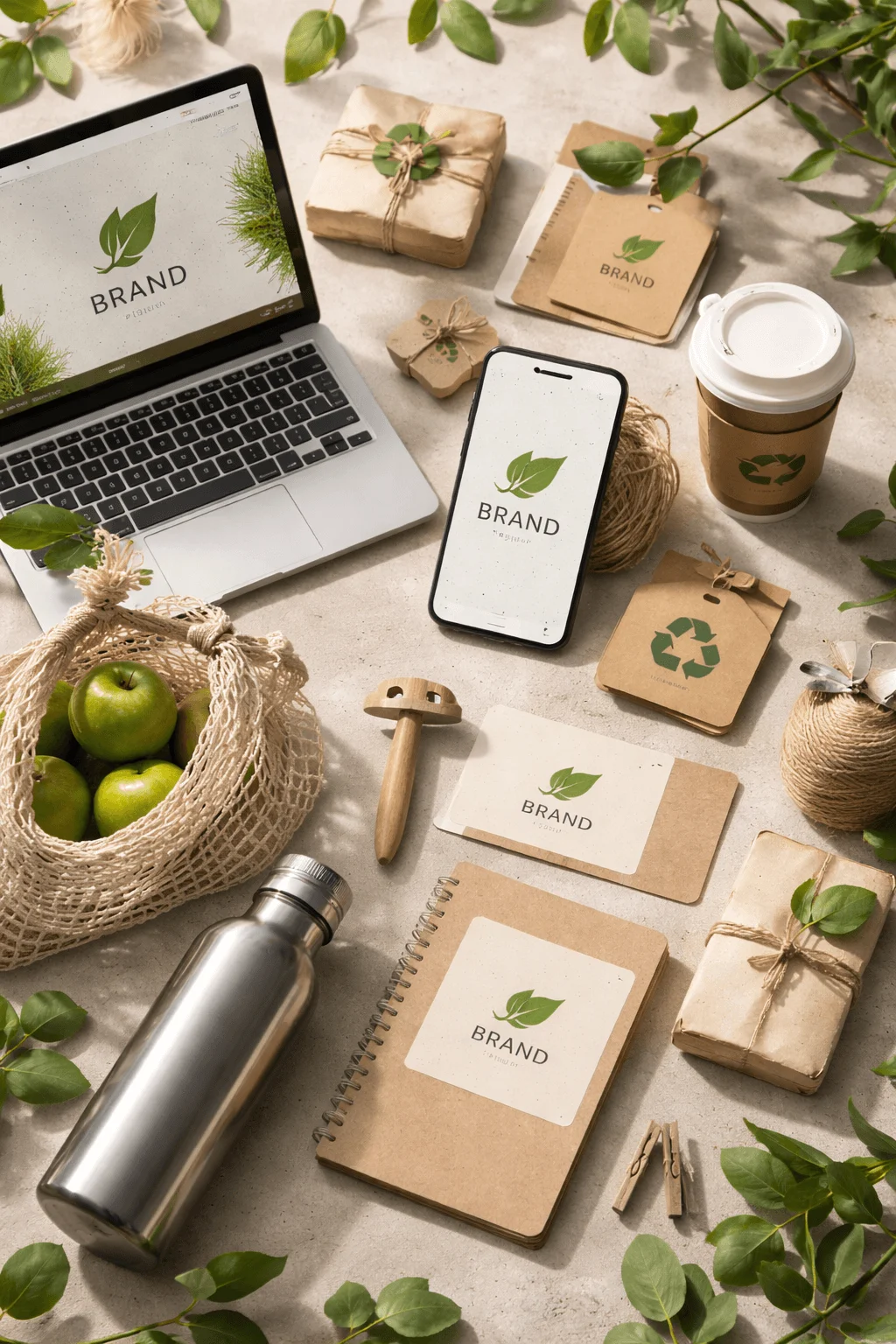
Sustainable branding is not just about appearance but about creating systems that align with environmental values.
Digital Twin Technology and Future Visualization
Digital twin technology is changing how design is planned and executed. By creating virtual models of buildings and systems, designers can test ideas before they are implemented in the real world.
This reduces waste and improves efficiency. It also allows for better communication between architecture and graphic design, as complex concepts can be visualized clearly.
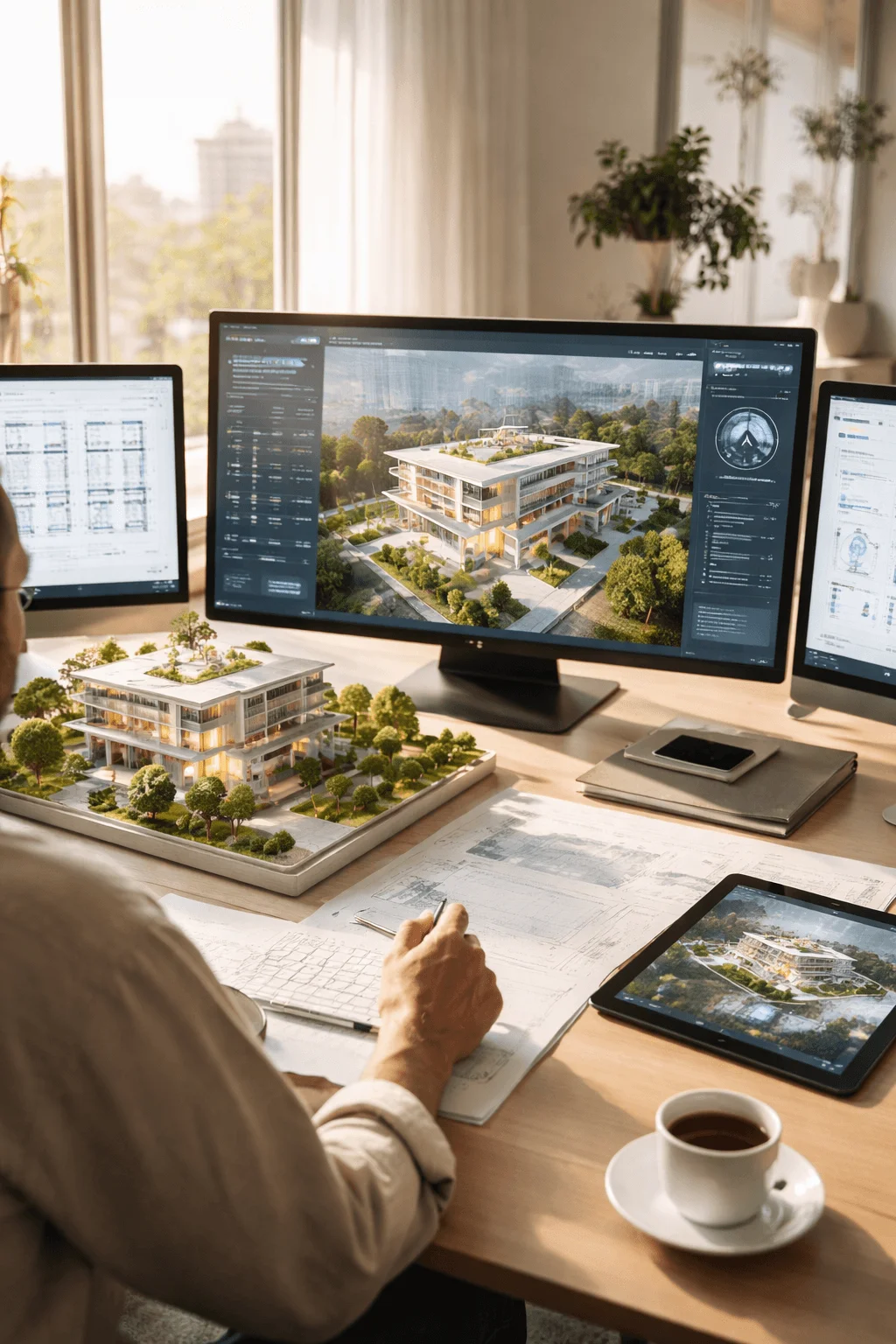
This integration of virtual and physical design is opening new possibilities for sustainable innovation.
Heritage and Sustainability as a Unified Vision
There is a growing appreciation for combining traditional design with modern sustainability. This approach respects cultural heritage while embracing new technologies.
Architecture is using traditional methods that are naturally sustainable, while graphic design reflects cultural identity through patterns, typography, and storytelling.
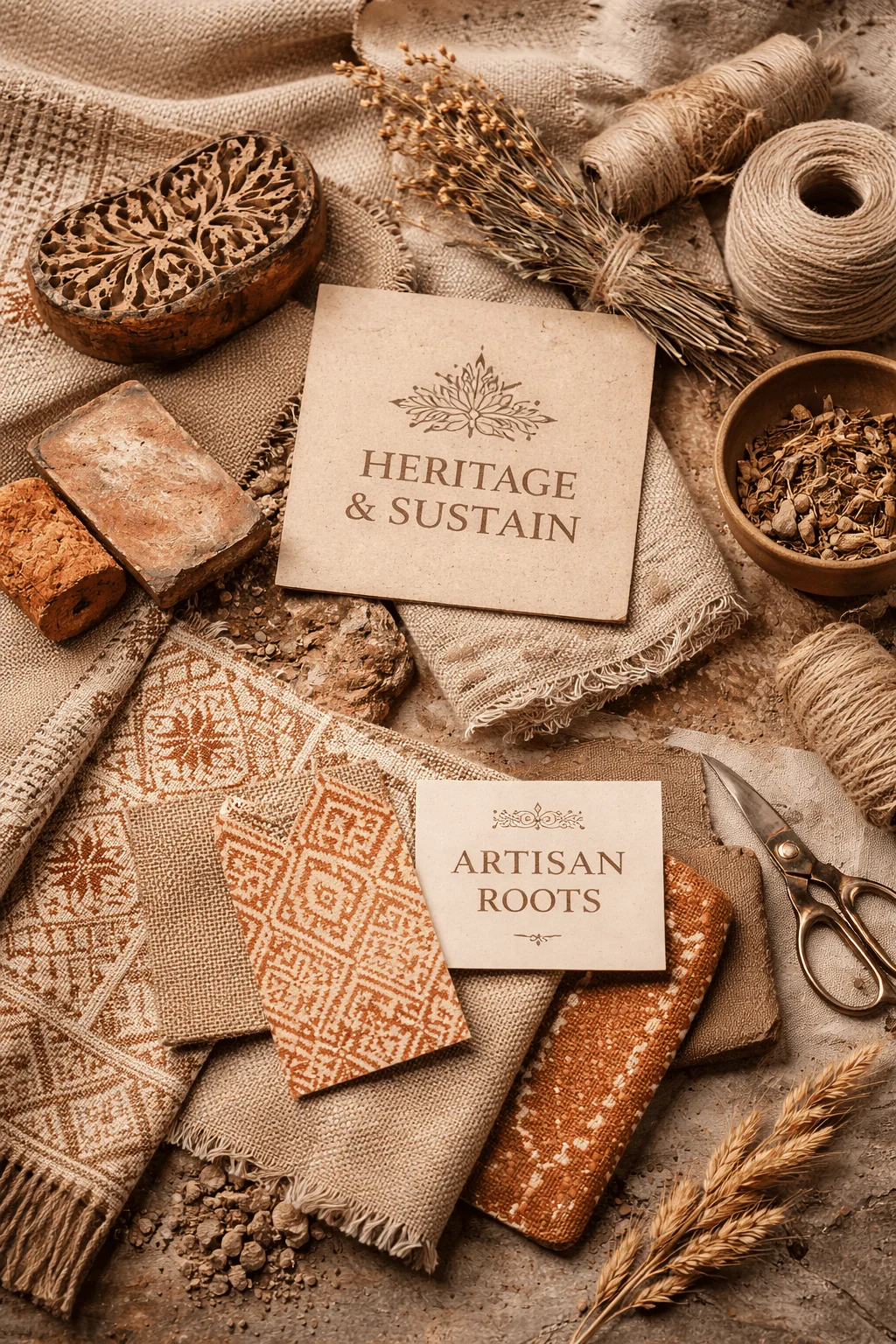
This fusion creates designs that feel timeless and relevant, connecting the past with the future.
Conclusion
Sustainability in architecture and graphic design has evolved into a powerful and transformative force. It is no longer limited to efficiency or environmental responsibility. It is now about creating meaningful experiences that connect people with nature, culture, and each other.
The trends shaping 2026 show a clear direction toward design that is regenerative, immersive, and emotionally engaging. By combining innovation with authenticity, designers are building a future that is not only sustainable but also deeply inspiring.
The most impactful designs will be those that go beyond function and create lasting connections. In this new era, sustainability is not just a goal. It is the foundation of how design shapes the world.