Eco Friendly Aesthetic Photography Essentials
Eco friendly aesthetic photography brings together visual beauty and thoughtful creative choices. Instead of relying on constant equipment purchases, disposable props, elaborate setups, or unnecessary travel, photographers can create memorable images with natural light, existing materials, second hand gear, local environments, and authentic subjects. This approach is becoming increasingly interesting in 2026 because photographers are looking for ways to make their work more intentional while still achieving beautiful, modern, and distinctive results.

The most appealing part of sustainable aesthetic photography is that it does not require photographers to sacrifice creativity. In many cases, limitations can encourage more experimentation. An old camera can produce an interesting character, a window can replace a complicated lighting setup, and an ordinary piece of wood can become an attractive background. When photographers pay closer attention to what they already have, they often discover creative possibilities that would otherwise be overlooked.
Why Sustainable Aesthetic Photography Is Trending in 2026
Photography continues to evolve as creators become more conscious about how they produce and consume creative resources. In 2026, several trends are encouraging photographers to slow down, reuse equipment, explore authentic environments, and find creative value in imperfections.
Second hand cameras and vintage lenses have become particularly appealing because they offer both practical and visual advantages. Older equipment can provide distinctive rendering and character while allowing photographers to extend the life of products that might otherwise remain unused.
Natural lighting also remains important. Window light, outdoor shade, morning sunlight, and golden hour can produce beautiful results without requiring a large collection of artificial lighting equipment.
Another important development is the renewed interest in authenticity. Instead of making every photograph look perfectly polished, photographers are increasingly exploring natural textures, subtle imperfections, real environments, and genuine moments. This approach works naturally with sustainable photography because it encourages photographers to use what already exists rather than constantly constructing artificial scenes.
Slow photography is another valuable concept. Rather than taking hundreds of photographs without much consideration, photographers can spend more time observing a location and creating a carefully considered composition. This can make the creative process more meaningful while reducing unnecessary shots and digital clutter.
12 Eco Friendly Aesthetic Photography Ideas for 2026
Second Hand and Vintage Camera Gear
One of the most practical ways to make your photography process more sustainable is to reconsider the idea that every photographer needs the newest equipment. Second hand cameras, older lenses, refurbished bodies, and vintage accessories can offer excellent creative possibilities while extending the useful life of existing products.
Vintage lenses are particularly interesting for aesthetic photography because they can produce visual characteristics that modern lenses often try to reproduce through software. Some older lenses create softer rendering, distinctive contrast, subtle flares, unusual background blur, or gentle imperfections. These characteristics can give photographs a more personal and atmospheric appearance.
Second hand equipment can also make experimentation more accessible. Instead of purchasing an expensive new lens simply because it is popular, photographers can explore older models and discover how different focal lengths and optical designs influence their images.
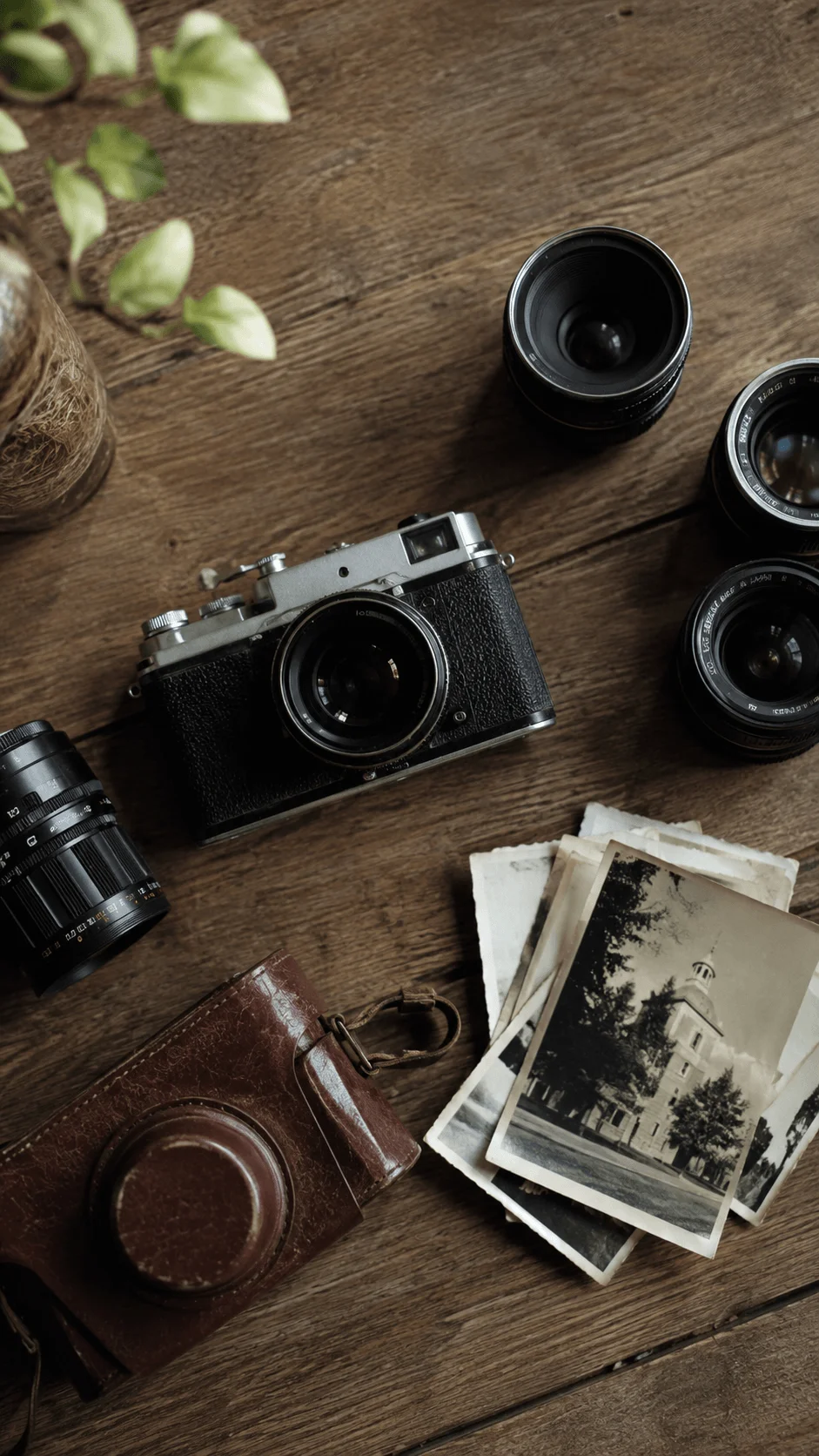
The key is to purchase carefully. Check the condition of used equipment, research compatibility, inspect important components, and consider whether the item actually adds something useful to your existing setup. Sustainable photography does not mean buying every used product you find. It means making thoughtful purchases and giving existing equipment a longer useful life.
A vintage camera can also influence the way you photograph. Knowing that a particular camera has certain limitations may encourage you to slow down, compose more carefully, and work with the characteristics of the equipment instead of trying to make every image technically perfect.
Natural Light Minimalism
Natural light is one of the most accessible tools for creating an attractive sustainable photography setup. You do not need a large studio filled with lighting equipment to create atmospheric photographs. A window, doorway, balcony, garden, or outdoor location can provide remarkable lighting opportunities.
Window light works especially well for portraits, still life photography, food photography, beauty images, and small products. Moving the subject closer to or farther from the window can dramatically change the softness and direction of the light.
Morning and evening light can introduce warmer tones and longer shadows. Overcast weather creates softer illumination that works well for portraits and outdoor subjects. Open shade can also help reduce harsh highlights while maintaining a natural appearance.
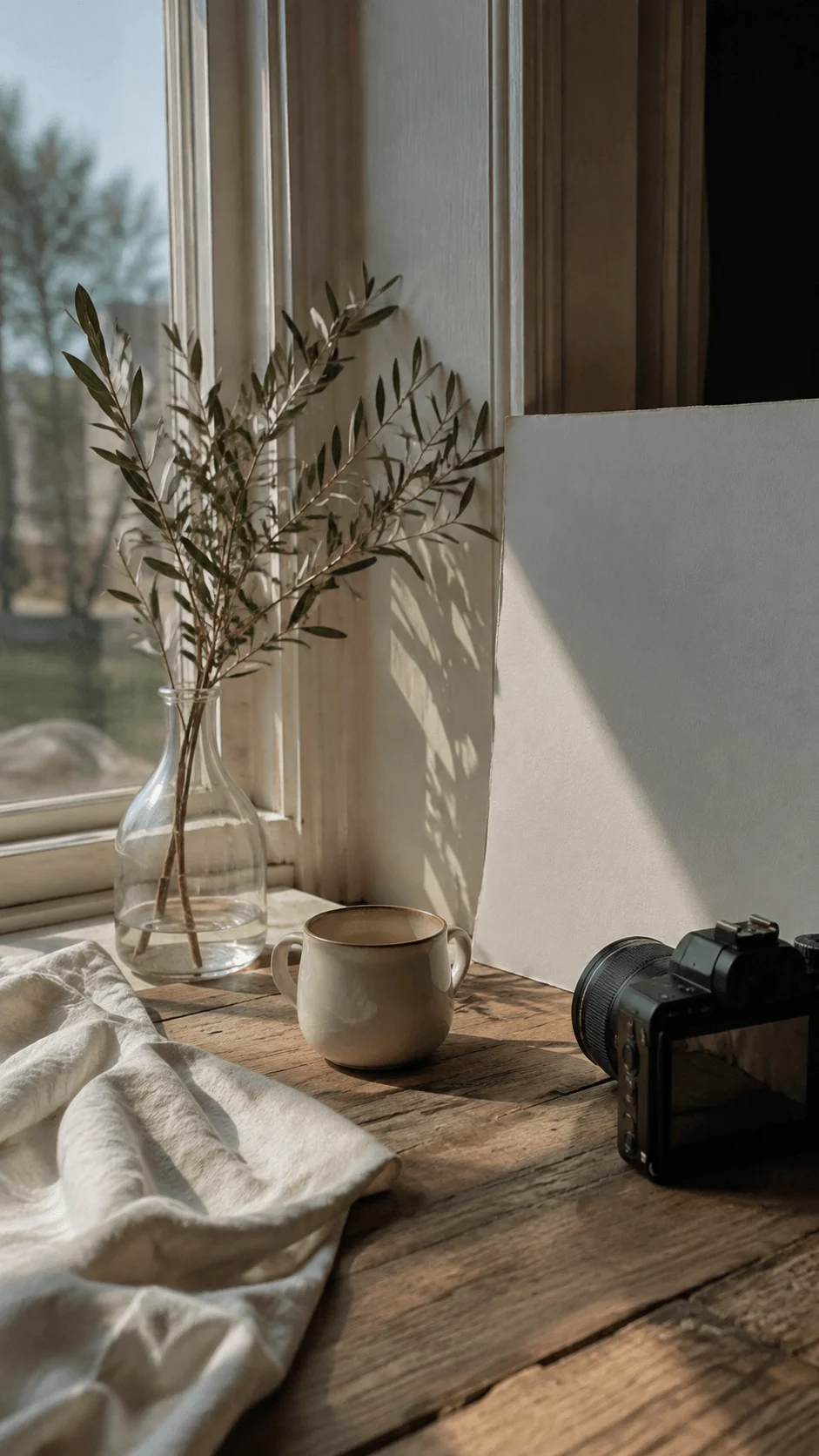
Reflective surfaces can extend the possibilities of natural lighting. A light colored wall, sheet of paper, piece of cardboard, or existing pale surface can bounce light back toward the darker side of a subject. This allows photographers to shape light without purchasing additional equipment.
Natural light also contributes to the visual identity of eco friendly aesthetic photography. It often produces images that feel calm, organic, soft, and connected to their surroundings. Instead of hiding the natural qualities of the environment, photographers can make those qualities part of the composition.
Earthy and Organic Color Palettes
Color has a powerful influence on photographic mood. Earthy palettes can create a natural and sophisticated appearance while complementing sustainable themes.
Warm beige, muted green, brown, cream, terracotta, dusty gray, and soft natural tones can work beautifully with wood, plants, stone, paper, ceramics, and natural fabrics. These colors can make an image feel calm without making the sustainability message overly obvious.
You can introduce earthy colors through the subject itself, clothing, backgrounds, props, or surrounding environment. For example, a handmade ceramic product can look natural against a wooden surface with muted green leaves nearby. A portrait can use neutral clothing and an outdoor setting filled with natural textures.

The important point is to avoid making every image look identical. An earthy palette should support your subject rather than control the entire composition. You can include one stronger color as an accent while keeping the rest of the scene relatively restrained.
Editing also plays a role. Instead of applying heavy filters, photographers can make subtle adjustments to contrast, highlights, shadows, saturation, and white balance. The goal is to preserve the natural character of the photograph while developing a consistent visual style.
Upcycled Photography Props
Photography props can quickly become an unnecessary source of consumption because trends encourage creators to purchase new backgrounds and decorations for every shoot. Upcycled photography offers a more creative alternative.
Old wooden boards can become backgrounds. Used fabric can create texture. Empty glass containers can hold flowers or natural objects. Old books can introduce depth and storytelling. Cardboard can become a simple backdrop. Worn baskets, ceramics, paper, and household objects can also become valuable creative elements.
The beauty of upcycled photography props comes from their imperfections. Scratches, faded surfaces, uneven textures, and signs of age can make an image feel more authentic.
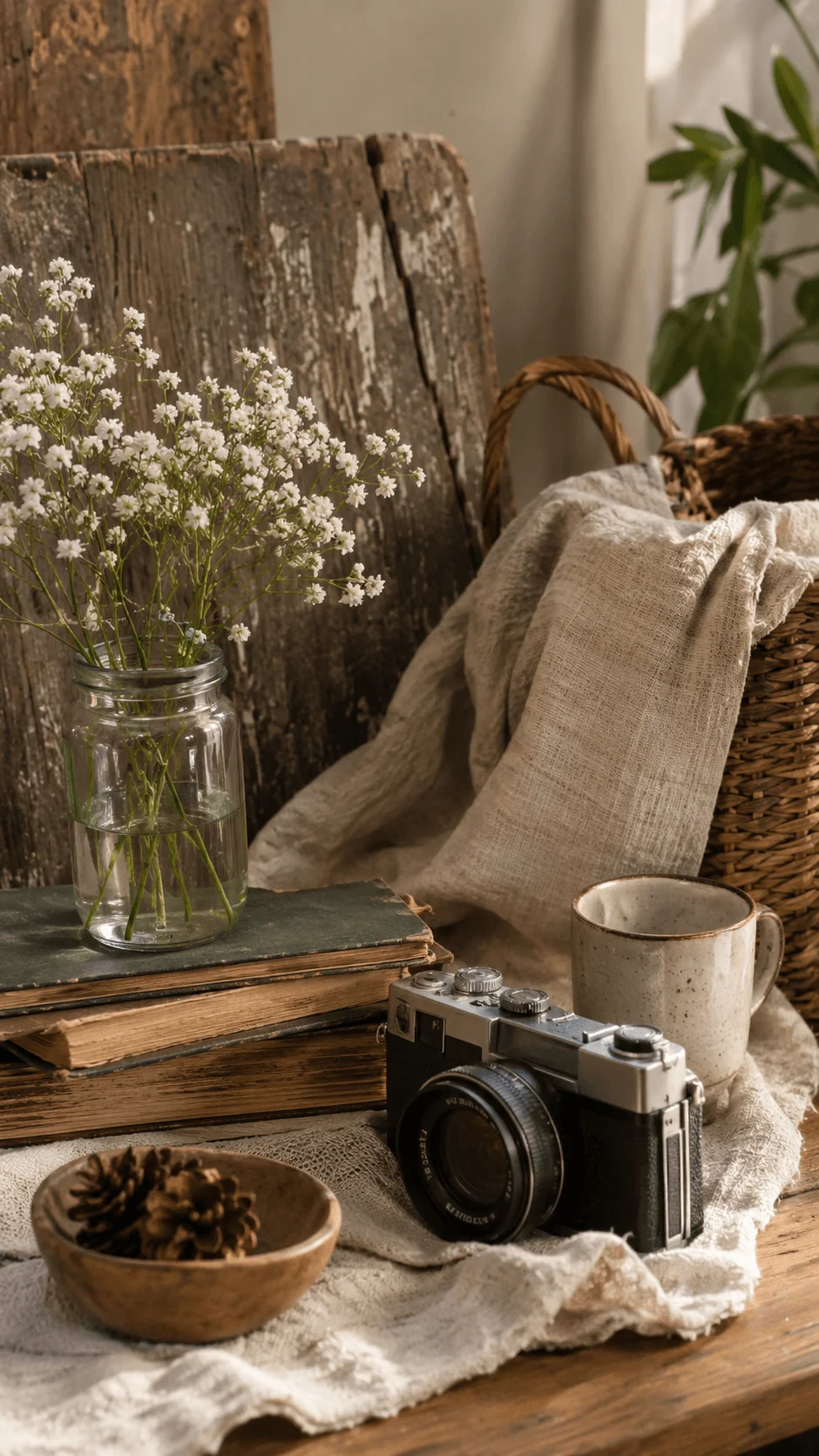
You can also change the appearance of existing objects through positioning and lighting. An ordinary piece of fabric can create an elegant background when folded carefully. A weathered wooden surface can provide texture for a product photograph. A glass jar can create reflections and highlights when placed near a window.
Before buying something new for a shoot, look around your home or studio and consider what you already have. The process can turn prop selection into part of the creative experience.
Botanical Shadow Photography
Plants can become natural lighting tools as well as subjects. Botanical shadow photography uses leaves, branches, flowers, and other plant shapes to create interesting patterns of light and shadow.
Place a plant between a light source and your subject and observe how the shadows change. Direct sunlight can produce defined patterns, while softer light can create more subtle shapes.
This technique works particularly well for portraits, still life photography, product photography, and artistic compositions. A leaf shadow across a wall can create a minimal background. Shadows across fabric can add depth. A small plant can create an intricate pattern around a product.

You can experiment with the distance between the plant, light source, and subject. Moving the plant closer to the light can change the size and definition of its shadow. Moving it closer to the subject can produce a different visual effect.
Botanical shadows also introduce a natural element without requiring artificial decorations. They can make a simple photograph feel more layered and visually sophisticated.
Slow Photography
Slow photography encourages photographers to spend more time observing before pressing the shutter. Instead of treating photography as a race to collect as many images as possible, this approach focuses on patience, intention, and careful observation.
A photographer practicing slow photography might spend several minutes studying how sunlight moves across a room before deciding where to place a subject. They might return to the same local location at different times of day to understand how its atmosphere changes.
This process can improve composition because it gives you more time to notice details. You may discover interesting reflections, textures, shadows, colors, or relationships between objects that you would have missed while photographing quickly.
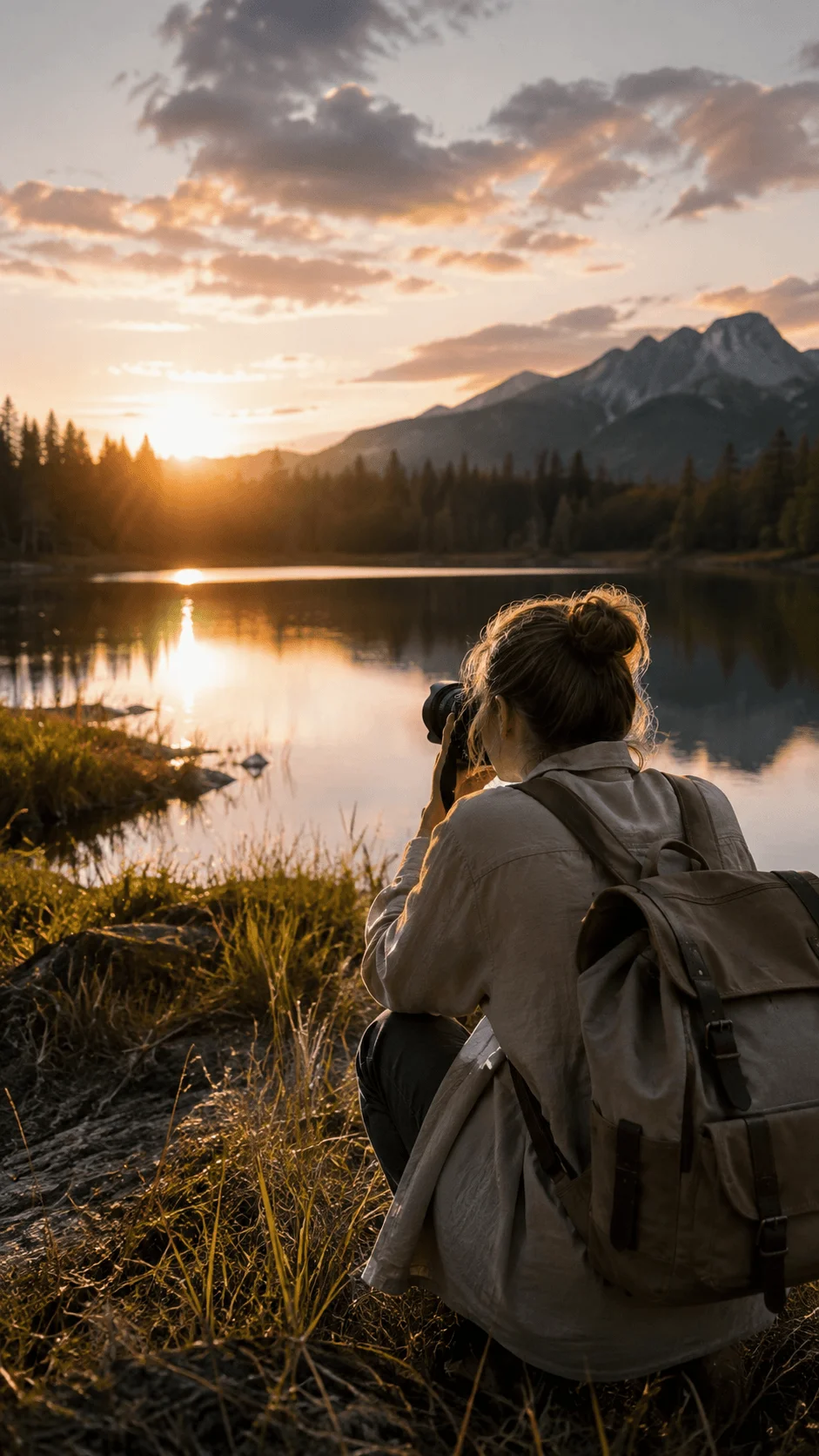
Slow photography also fits naturally into a sustainable creative lifestyle. Taking fewer intentional photographs can reduce unnecessary digital files and encourage photographers to focus on quality rather than quantity.
More importantly, it can change the relationship between photographer and environment. Instead of simply using a location as a backdrop, you begin to observe it as part of the story.
Imperfect and Authentic Photography
Modern photography does not always need to look perfectly polished. Authentic photography can embrace natural expressions, genuine textures, slight movement, subtle grain, uneven light, and small imperfections.
This approach works particularly well for sustainable photography because it reduces the pressure to create elaborate artificial scenes. A slightly worn table, natural crease in fabric, uneven wall, or imperfect ceramic object can contribute to the photograph rather than ruin it.
Authenticity can also make photographs more emotionally engaging. People often respond to images that feel real because they appear less manufactured.

This does not mean ignoring composition or technical quality. Instead, it means understanding that technical perfection is not the only measure of a successful photograph.
A carefully composed image can still contain natural imperfections. The photographer decides which imperfections contribute to the story and which distractions should be removed.
Environmental Storytelling Photography
Environmental storytelling places a subject within a meaningful surrounding environment. Instead of photographing a person, product, or object against an unrelated background, the photographer uses the surroundings to communicate additional information.
A handmade product photographed inside a workshop can reveal something about its creation. A gardener photographed among plants can communicate a relationship with nature. A local craftsperson surrounded by their tools can tell a richer story than a simple portrait against a blank wall.
This approach is particularly useful for brands and creators who want their photographs to communicate sustainability without relying on obvious environmental symbols.
The environment becomes part of the message. Wood, plants, natural materials, tools, architecture, local streets, markets, and working spaces can all provide context.
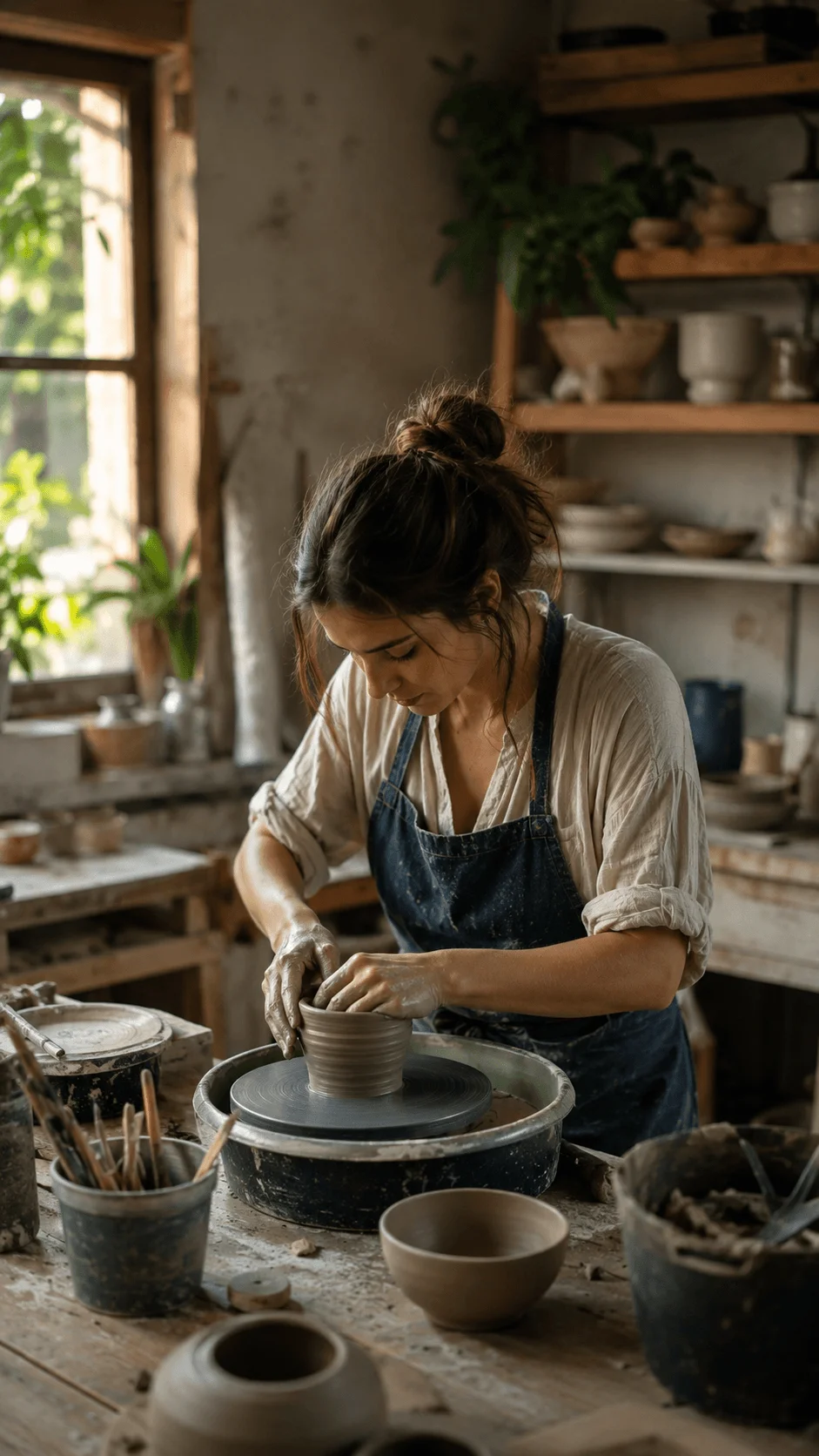
Environmental storytelling also encourages photographers to explore real locations instead of constructing every scene in a studio. That can make photographs feel more authentic while reducing the need for purchased backgrounds and decorative materials.
When photographing people, always treat the subject and their environment respectfully. The goal should be to tell a genuine story rather than turning someone’s surroundings into a decorative element.
Zero Waste Still Life Photography
Zero waste still life photography turns ordinary objects into visually interesting compositions without requiring a collection of newly purchased props. The idea focuses on using materials that already exist around you and finding creative ways to present them.
Food, plants, ceramics, reusable bottles, books, wooden utensils, cloth bags, glass containers, handmade objects, fruits, vegetables, and natural materials can all become part of a still life scene. Their everyday nature can actually make the photograph feel more authentic.
Composition becomes especially important when working with simple objects. Instead of filling the frame with numerous decorations, choose a few items that have complementary shapes, colors, and textures. A ceramic cup, folded fabric, a small plant, and a wooden surface can create a complete composition without anything new being purchased.
Lighting can transform the same arrangement in completely different ways. Soft window light can create a calm lifestyle image, while stronger sunlight can produce dramatic shadows. You can also experiment with the position of objects to create layers and depth.

Texture adds another dimension. Rough wood beside smooth ceramic, folded fabric beside glass, or fresh leaves beside paper can create visual contrast. These combinations can make simple objects appear much more sophisticated.
Zero waste photography also encourages photographers to look at familiar objects differently. Something that appears uninteresting in everyday life may become an excellent photographic subject when viewed through the camera.
For product photographers, this approach can be particularly useful. Instead of purchasing elaborate backgrounds for every campaign, photographers can build attractive scenes using existing materials and natural environments.
The result is not only more sustainable but can also produce a distinctive visual identity. Images often feel warmer and more personal when they use real objects rather than mass produced decorative props.
Nature Texture and Macro Photography
Nature provides an almost endless collection of textures, patterns, colors, and shapes that can become photographic subjects. Nature texture photography focuses attention on details that people often overlook.
Tree bark, moss, stones, leaves, flowers, seeds, soil, water, feathers, shells, and natural fibers can all produce fascinating close up photographs.
Macro photography makes this approach even more interesting because it allows photographers to reveal details that are difficult to notice with the naked eye. A small section of a leaf can become an abstract pattern. The surface of tree bark can resemble a landscape. Tiny water droplets can create reflections and highlights.
This type of photography requires very few additional materials. Your surroundings provide the subjects, backgrounds, colors, and textures.
You can explore a garden, park, balcony, or nearby natural area and look for details rather than obvious subjects. Pay attention to patterns created by overlapping leaves, cracks in bark, tiny flowers, stones, shadows, and changes in texture.
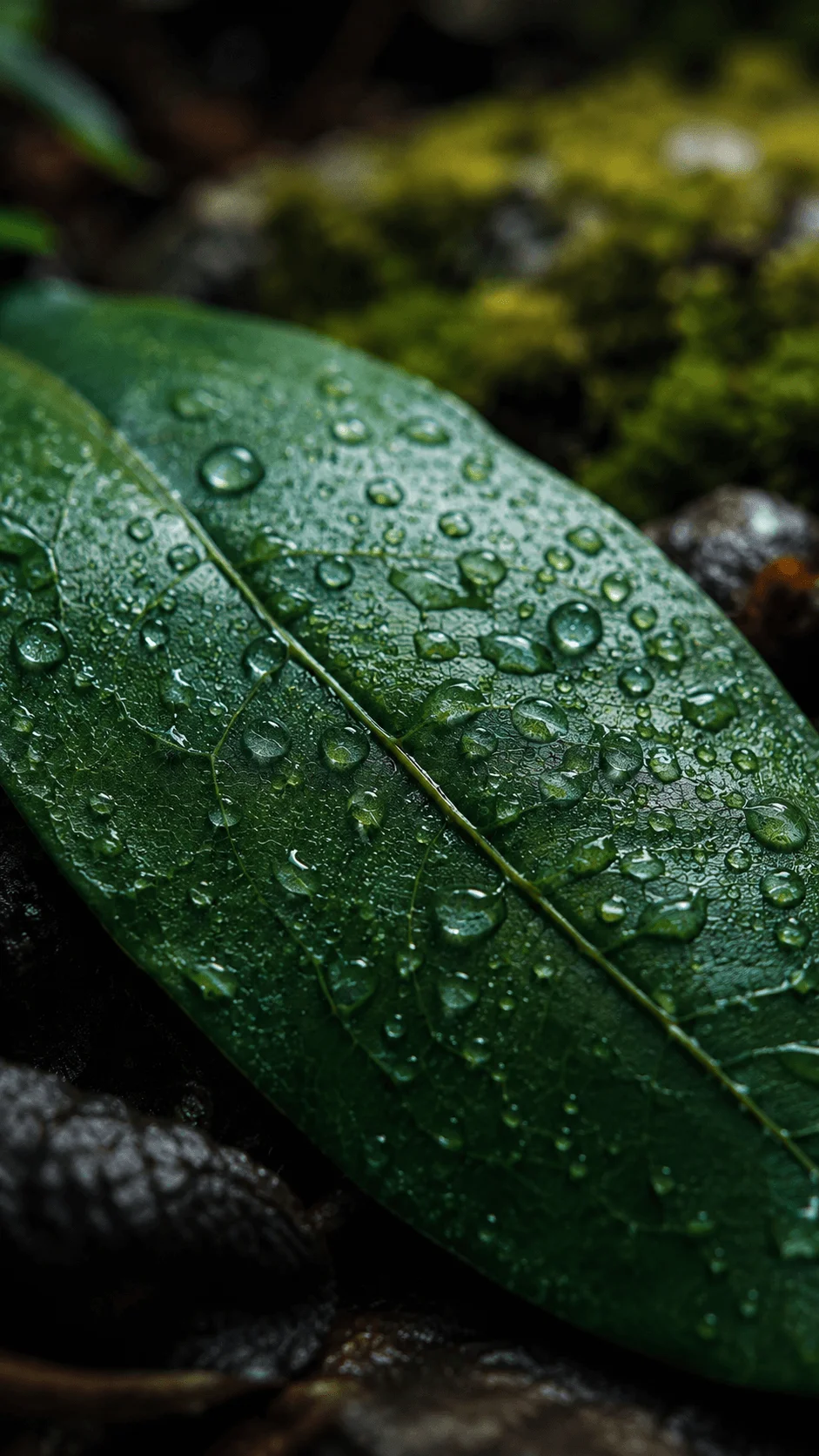
Lighting can dramatically influence natural textures. Side lighting can emphasize the surface of bark or stone, while soft overcast light can reveal subtle colors without creating harsh highlights.
You can also experiment with shallow depth of field to separate small details from their surroundings. A single leaf or flower can become the central focus while the background fades into a soft blur.
The strongest nature photography does not always require spectacular scenery. Sometimes the most interesting photograph comes from an ordinary detail that the photographer notices at the right moment.
This makes nature texture photography an excellent part of eco friendly aesthetic photography because the environment itself becomes the creative resource.
Local and Low Travel Photography
Beautiful photography does not always require traveling to famous destinations. Local photography encourages creators to explore the places they can reach easily and discover visual opportunities within their own communities.
A nearby park can provide changing light throughout the day. A local market can offer colorful subjects and interesting human stories. Old streets can provide architectural textures. Community gardens can provide plants and seasonal details. Small workshops can reveal fascinating processes and environments.
This approach can reduce unnecessary travel while encouraging photographers to develop a stronger relationship with familiar places.
When you repeatedly photograph the same location, you begin to notice details that you previously ignored. You may discover how the light changes throughout the day, how different seasons affect the colors, or how people use the space.

Local photography can also make your work more distinctive. Instead of recreating photographs from famous locations that thousands of people have already photographed, you can develop a visual story around places that are meaningful to your own community.
For photographers interested in environmental storytelling, local locations can be particularly valuable. A photograph of a neighborhood craftsman working with traditional materials can communicate more than a generic image of an environmental subject.
You can also create local photography projects around themes such as seasonal plants, neighborhood architecture, local markets, traditional crafts, community spaces, or changing landscapes.
The goal is not to avoid travel completely. Instead, sustainable photography encourages photographers to consider whether a long journey is necessary for a particular image and whether an equally interesting subject exists closer to home.
Sustainable Digital Photography Workflow
Sustainability does not end when you finish a photo shoot. The digital workflow that follows can also benefit from more intentional habits.
Modern cameras can produce thousands of high resolution photographs during a single session. Keeping every duplicate can eventually create unnecessary storage requirements and make it harder to manage your best work.
A more thoughtful workflow begins with reviewing photographs carefully. Remove obvious duplicates, accidental images, and photographs that do not contribute anything useful to the project. Keep meaningful variations when they serve a creative purpose, but avoid storing dozens of nearly identical frames simply because there is enough storage space.
Organization can also make your workflow more efficient. Creating clear folders and naming projects consistently can reduce the amount of time you spend searching through old files.

Avoid unnecessary exports as well. If you need one final image for a website, there may be little reason to create numerous duplicate versions at different sizes unless you actually need them.
Photographers can also extend the useful life of computers, cameras, monitors, storage devices, and other equipment through careful maintenance. When a device develops a problem, checking whether repair makes sense before replacing it can reduce unnecessary consumption.
Printing deserves similar consideration. Physical photographs can be meaningful, but photographers can plan prints carefully rather than producing large quantities that may remain unused.
A sustainable digital workflow does not mean becoming obsessed with reducing every file. It means developing practical habits that keep your digital workspace organized and intentional.
How to Build an Eco Friendly Photography Setup
You do not need a completely new collection of equipment to create an eco friendly photography setup. In many cases, the most sustainable setup begins with the equipment you already own.
Start by understanding what your existing camera and lens can actually do. Many photographers purchase additional equipment before fully exploring the creative possibilities of what they already have.
A versatile lens can often handle numerous types of photography. Natural light can reduce the need for complex lighting equipment. Household surfaces can become backgrounds. Plants can become props or natural shadow tools. Existing furniture can become part of a composition.
If you eventually need another piece of equipment, consider second hand options before purchasing new products. Research the item’s condition and compatibility carefully and choose equipment that can remain useful for years.
The same principle applies to backgrounds and styling materials. Instead of building a large collection of specialized photography backgrounds, look for materials that can work across multiple types of shoots.
Wood, fabric, paper, stone, ceramic, glass, and natural surfaces can all provide different visual results.
Storage also matters. Keeping equipment organized helps prevent damage and makes it easier to remember what you already own. Good organization can reduce accidental duplicate purchases.
A sustainable setup should focus on versatility, durability, and creativity rather than quantity.
How to Create a Sustainable Aesthetic Photography Style
Developing a recognizable photography style does not require copying a particular trend. Your style can emerge from the choices you repeatedly make with light, color, composition, texture, and subject matter.
Natural lighting can become a signature element. You might prefer soft window light and gentle shadows. Another photographer may prefer strong sunlight and defined botanical patterns.
Color can also create consistency. Earthy greens, warm neutrals, natural browns, cream tones, and muted colors can create a calm visual identity. However, you can introduce brighter colors whenever they support the subject.
Texture is another useful element. Wood, stone, fabric, paper, leaves, glass, and ceramics can add visual depth while maintaining an organic feeling.
Composition should receive equal attention. Leaving negative space can create a minimalist appearance. Layering objects can create depth. Repeating shapes can create rhythm.
The most effective eco friendly aesthetic photography does not necessarily look like an environmental campaign. Sustainability can remain subtle. A beautifully photographed product on reclaimed wood under natural light can communicate an environmentally conscious feeling without using obvious symbols.
Authenticity also helps establish a recognizable style. Allowing real environments, natural expressions, imperfect surfaces, and genuine textures into your work can make your photographs feel more personal.
Over time, these repeated choices become part of your visual identity.
The Future of Sustainable Aesthetic Photography
The future of sustainable aesthetic photography will likely involve a stronger focus on intentional creativity rather than constant consumption.
Second hand equipment can continue to attract photographers who appreciate both sustainability and the distinctive character of older technology. Repair and maintenance can become more important as photographers look for ways to extend the life of their equipment.
Natural aesthetics are also likely to remain influential. Organic textures, earthy colors, natural lighting, imperfect surfaces, and authentic environments can provide a visual alternative to highly manufactured imagery.
Slow photography may encourage photographers to spend more time observing their subjects and surroundings. Instead of constantly searching for new locations, photographers can develop deeper visual relationships with familiar places.
Technology will continue to evolve as well, but sustainable photography does not require rejecting new technology. The more important question is whether a new tool genuinely improves your creative process and whether it provides enough long term value to justify replacing existing equipment.
Digital organization may also become increasingly important as image files become larger and photographers create more content. Thoughtful storage and file management can help photographers maintain efficient workflows.
Perhaps the most significant change will be cultural. Sustainable photography can shift the idea of success away from having the newest equipment and toward making stronger creative decisions.
A photographer with a simple camera, natural light, thoughtful composition, and a strong understanding of their surroundings can create more memorable work than someone with an enormous collection of equipment but little creative intention.
Conclusion
Eco friendly aesthetic photography shows that beautiful images do not require excessive consumption. Photographers can create sophisticated and memorable work by making thoughtful choices about equipment, lighting, props, locations, travel, and digital workflows.
Second hand cameras and vintage lenses can introduce character while extending the life of existing equipment. Natural light can produce beautiful results without complicated lighting setups. Upcycled props can transform ordinary objects into creative elements. Earthy colors, botanical shadows, natural textures, and authentic environments can give photographs a distinctive visual identity.
Slow photography also encourages photographers to observe more carefully and create with greater intention. Local photography can reveal interesting subjects close to home, while sustainable digital habits can make the workflow more organized and efficient.
The most important lesson is that sustainability does not have to limit creativity. In fact, working with existing materials, natural environments, and available light can encourage photographers to experiment in new ways.
You do not need to replace your entire photography setup to become more sustainable. Start with small changes. Use the equipment you already own, explore natural light, reuse props, discover nearby locations, consider second hand gear when you genuinely need something, and give yourself more time to observe before taking the photograph.
When these choices become part of your creative process, sustainability stops feeling like an extra responsibility and becomes part of your photographic style. That is what makes eco friendly aesthetic photography such an exciting direction for photographers in 2026.