Eco-Friendly DIY and Upcycling Furniture Ideas
Sustainable living has become one of the most important movements shaping modern homes. As environmental awareness increases, many people are looking for ways to reduce waste while still creating beautiful and functional living spaces. One of the most effective ways to achieve this balance is through eco friendly DIY and upcycling furniture projects. Instead of throwing away old furniture or buying newly manufactured pieces, homeowners are discovering how creative transformation can give materials a second life.
Upcycling furniture is more than a craft activity. It represents a shift in how people think about consumption, design, and environmental responsibility. Traditional furniture production requires large amounts of timber, metal, energy, and transportation resources. When furniture is discarded too quickly, those resources are wasted and contribute to landfill pollution. By restoring, rebuilding, or creatively transforming old furniture, individuals can reduce their environmental footprint while creating unique items that cannot be found in mass produced stores.
Another reason why DIY furniture projects are gaining popularity is the desire for personalized home design. Many modern homes look similar because they rely on factory produced furniture collections. Upcycled furniture introduces originality into interior spaces. Each piece carries a story, a history, and a distinctive appearance that adds warmth and character to the home.
The following ideas explore some of the most inspiring eco friendly DIY and upcycling furniture concepts that are trending today. These projects combine sustainability, creativity, and practical functionality, making them perfect for anyone interested in designing a greener home.
Pallet Wood Modular Sofa
One of the most recognizable materials in DIY sustainable furniture design is pallet wood. Shipping pallets are used around the world to transport goods, and many of them are discarded after their original use. Instead of allowing these wooden structures to become waste, they can be transformed into comfortable and stylish seating furniture.
A pallet wood modular sofa is created by arranging several pallets into a base structure that supports seating cushions. The pallets can be stacked to adjust the height of the sofa or arranged in different configurations to suit the layout of the room. Because the design is modular, it can easily be expanded or rearranged depending on how the space is used.
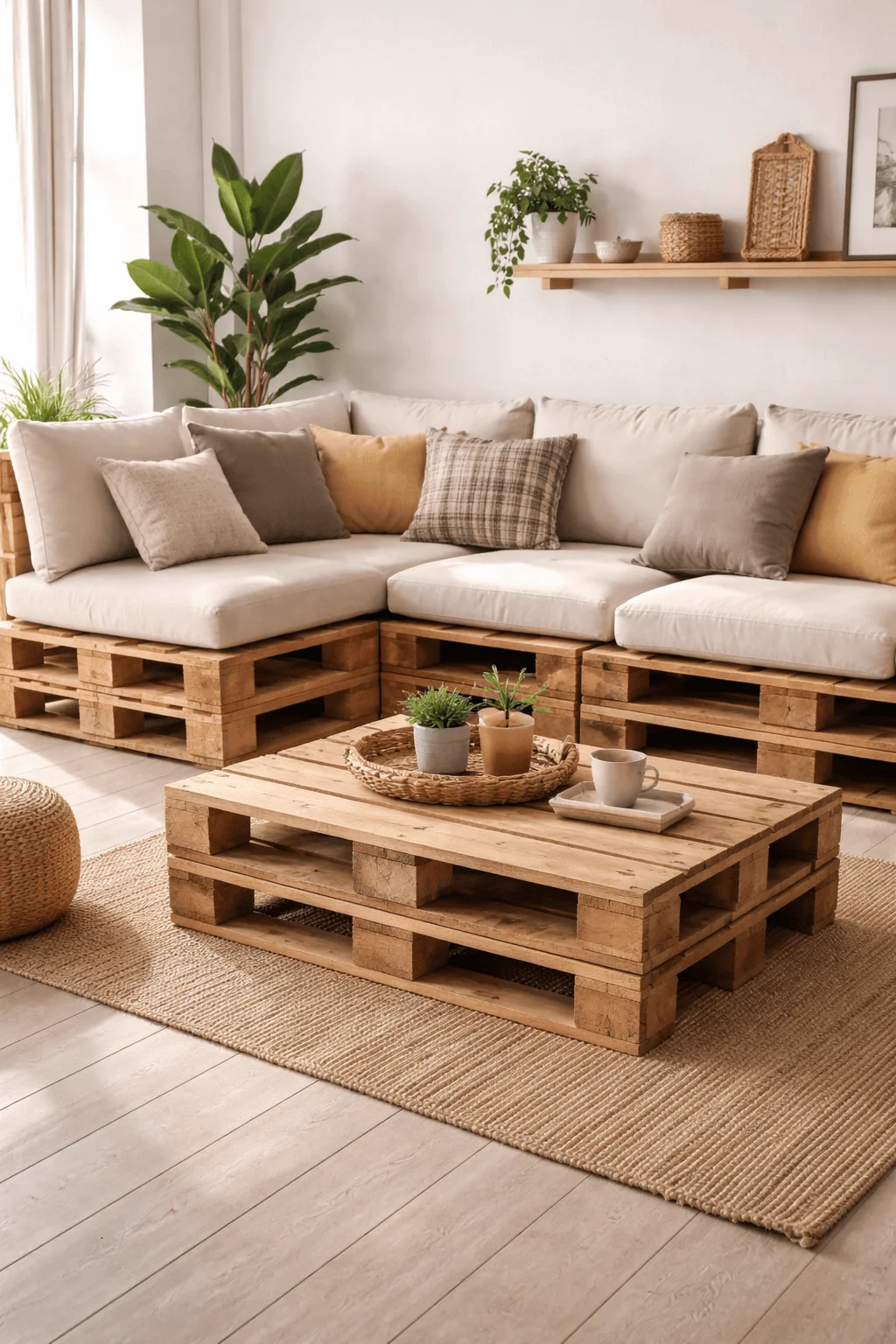
The wood should be sanded carefully to remove rough surfaces and splinters. After sanding, eco friendly wood oils or natural finishes can be applied to protect the wood while preserving its natural grain. Thick cushions and upholstered backrests turn the structure into a comfortable seating area that works well in both indoor and outdoor environments.
This idea is popular because it combines affordability with sustainability. The pallets are often free or inexpensive, and the final furniture piece has a rustic and modern aesthetic that fits many interior styles.
Old Door Dining Table
Old wooden doors often contain high quality solid wood that is difficult to find in modern furniture. Instead of discarding these architectural elements during renovations, they can be transformed into stunning dining tables or work desks.
The process begins by cleaning and sanding the door surface. Decorative panels and carvings on vintage doors often create a beautiful textured design that becomes the centerpiece of the table. The door can be reinforced with a supporting frame underneath to ensure stability. Strong wooden or metal legs are then attached to support the structure.
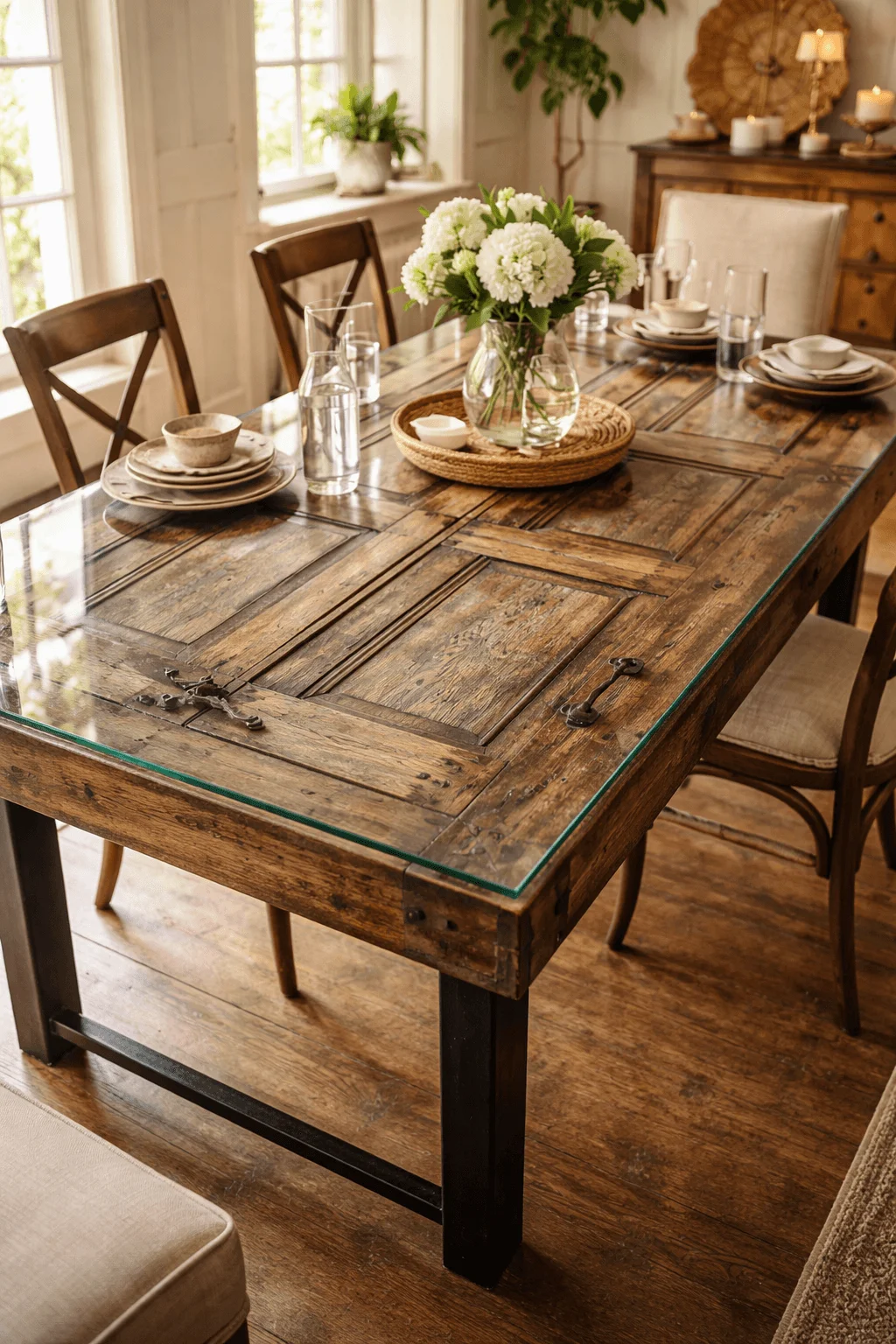
Some homeowners choose to place a glass sheet over the door surface. This protects the wood from daily wear while allowing the decorative patterns to remain visible. The final result is a unique table that blends history with modern functionality.
Repurposing doors into furniture also prevents valuable wood from being wasted and reduces the demand for new timber harvesting.
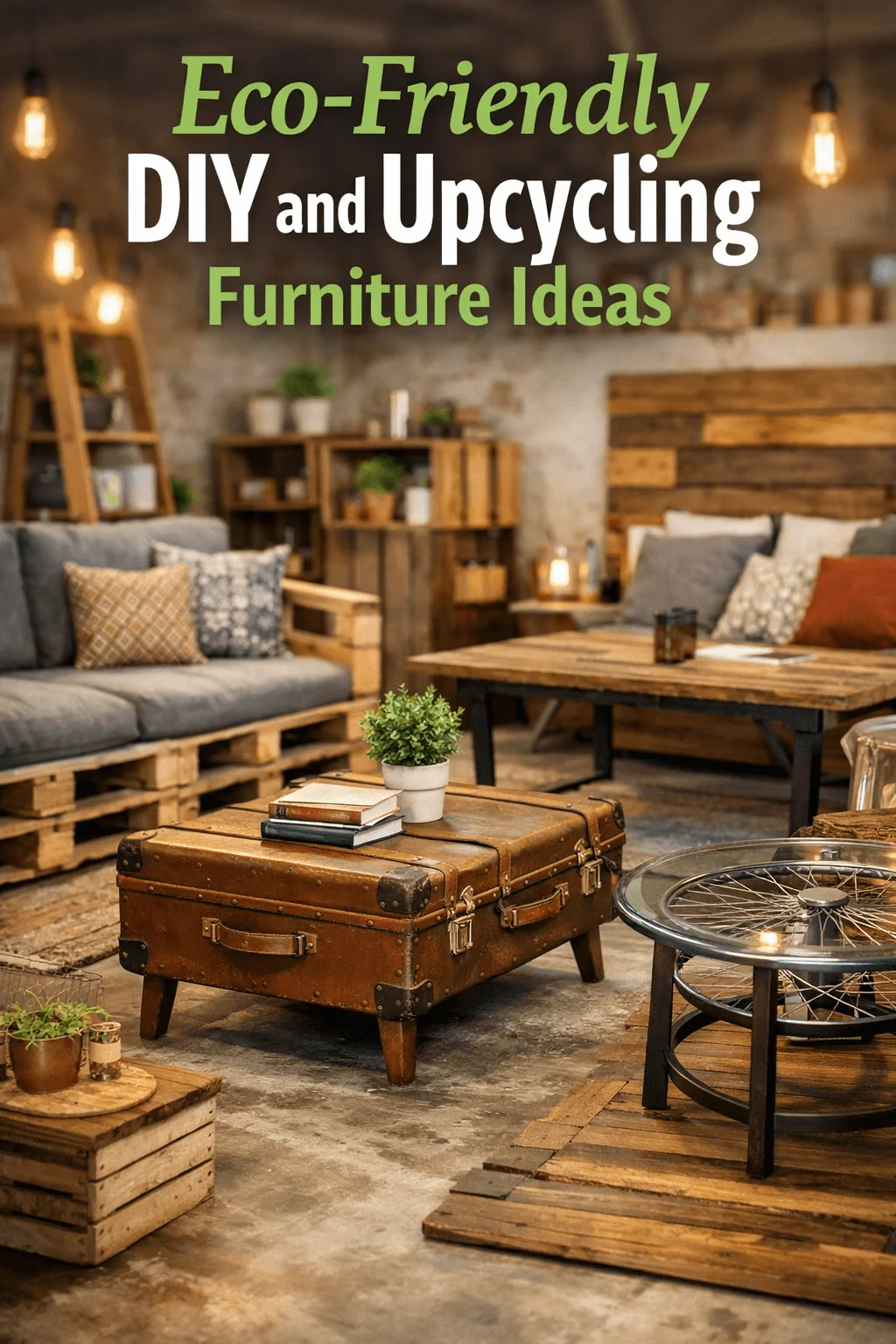
Suitcase Coffee Table
Vintage suitcases have a nostalgic charm that reflects travel history and craftsmanship from earlier decades. Instead of storing these items in closets, they can be transformed into functional furniture pieces.
Creating a suitcase coffee table involves attaching wooden or metal legs to the bottom of a sturdy suitcase. The suitcase itself becomes the body of the table. Because it can still be opened, the interior provides hidden storage space for books, magazines, blankets, or board games.
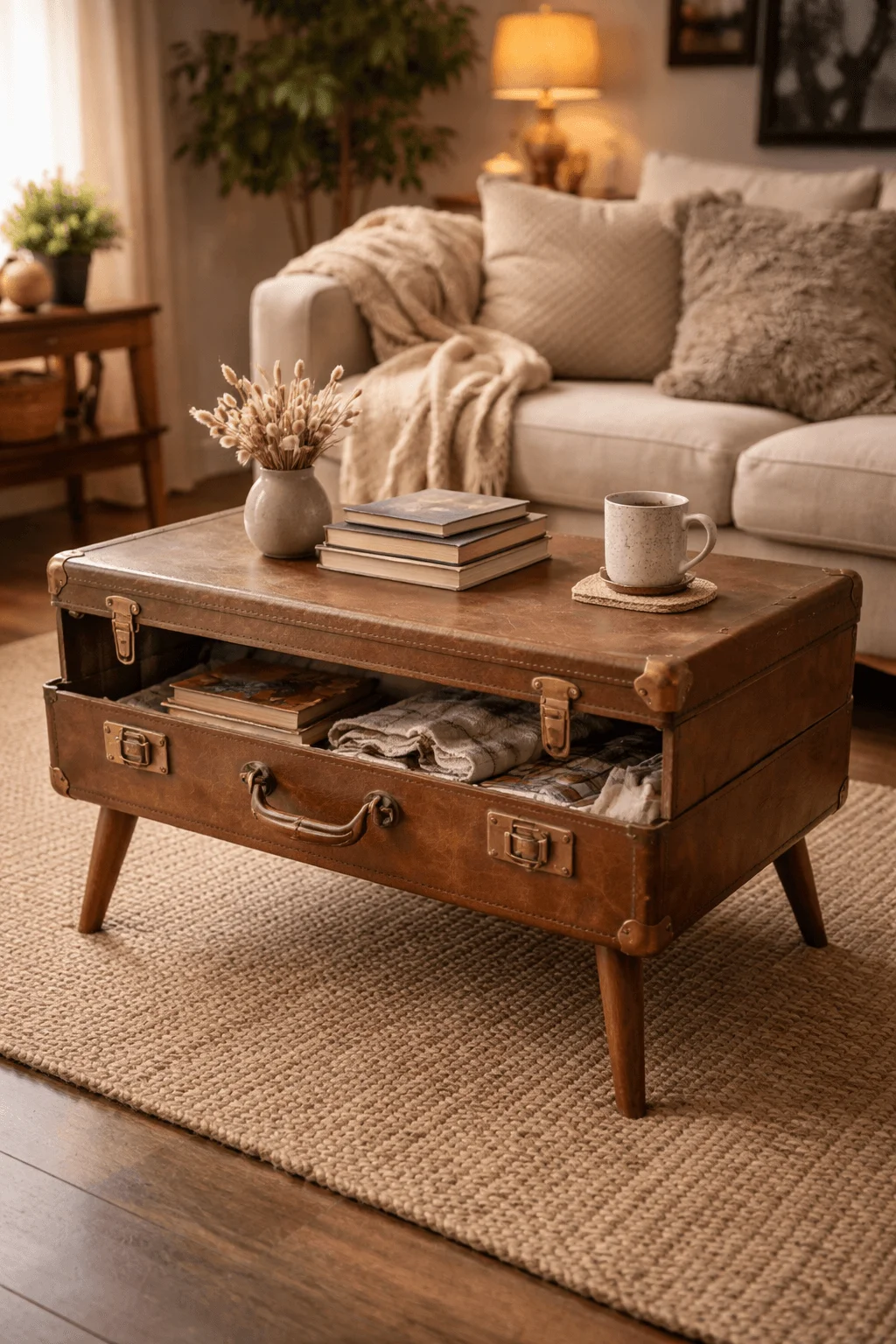
The worn textures and vintage materials of the suitcase create a distinctive visual appeal that adds personality to living rooms. Some people enhance the design by lining the interior with decorative fabric or by stacking multiple suitcases together for a layered look.
This project demonstrates how everyday objects can be repurposed creatively rather than being thrown away.
Ladder Bookshelf
Old ladders often remain structurally strong even after they are no longer suitable for climbing. These ladders can be transformed into practical storage furniture that adds character to any room.
The ladder is cleaned and refinished before being positioned against a wall. Wooden planks can be placed across the ladder steps to create shelves of different sizes. These shelves are ideal for storing books, plants, photographs, or decorative objects.
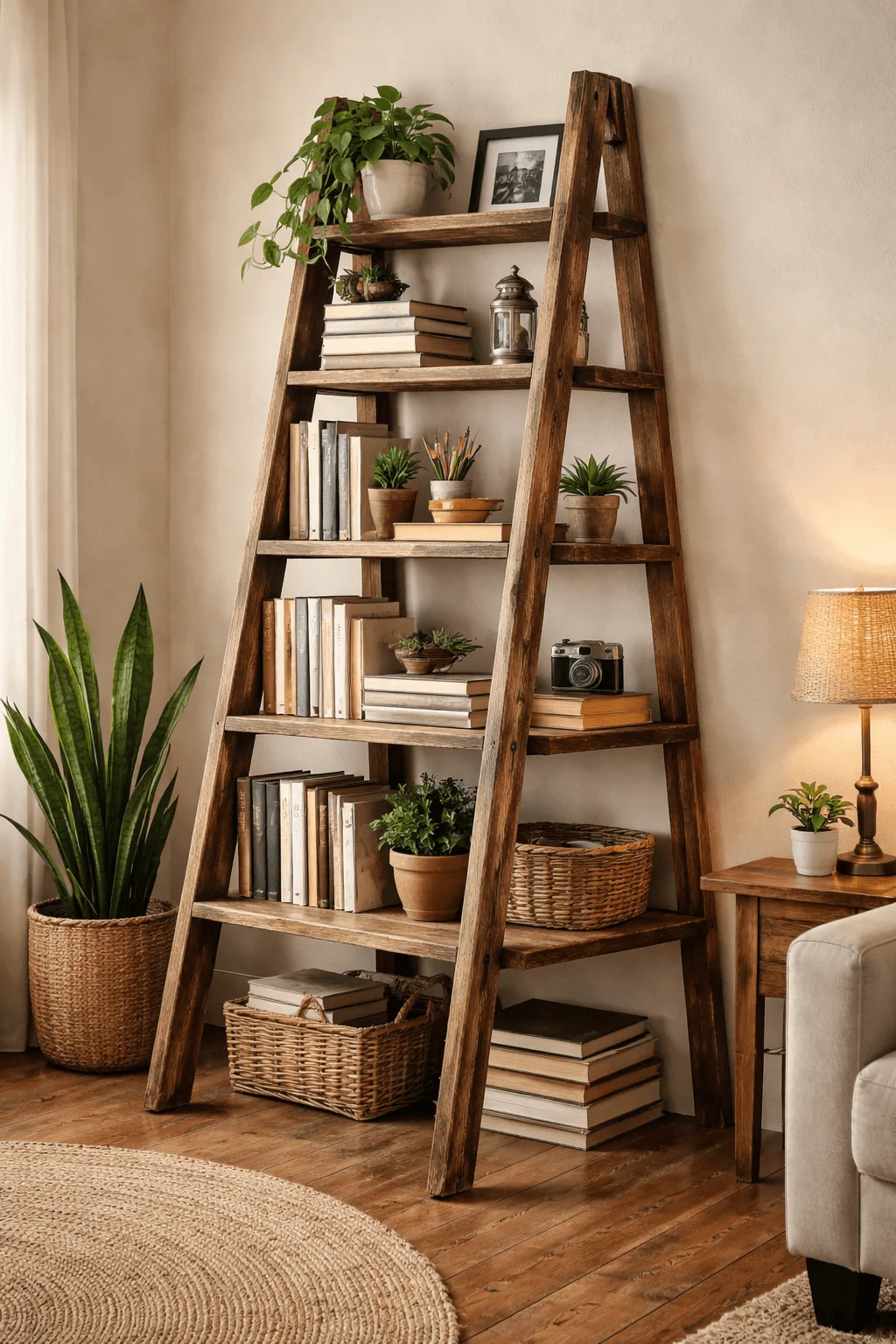
The vertical structure of the ladder makes it particularly useful for small apartments where maximizing vertical space is important. Because the original ladder design remains visible, the finished piece maintains a rustic and authentic appearance.
This simple transformation shows how functional furniture can emerge from objects that might otherwise be considered useless.
Wine Crate Storage Shelves
Wooden wine crates are commonly used for transporting bottles, and many of them are discarded after delivery. These crates can easily be transformed into modular shelving systems that provide both storage and decorative appeal.
Each crate can be mounted on the wall individually or stacked together to form larger storage units. The natural wood texture of the crates adds warmth to interior spaces, while painting or staining them allows customization to match different color schemes.
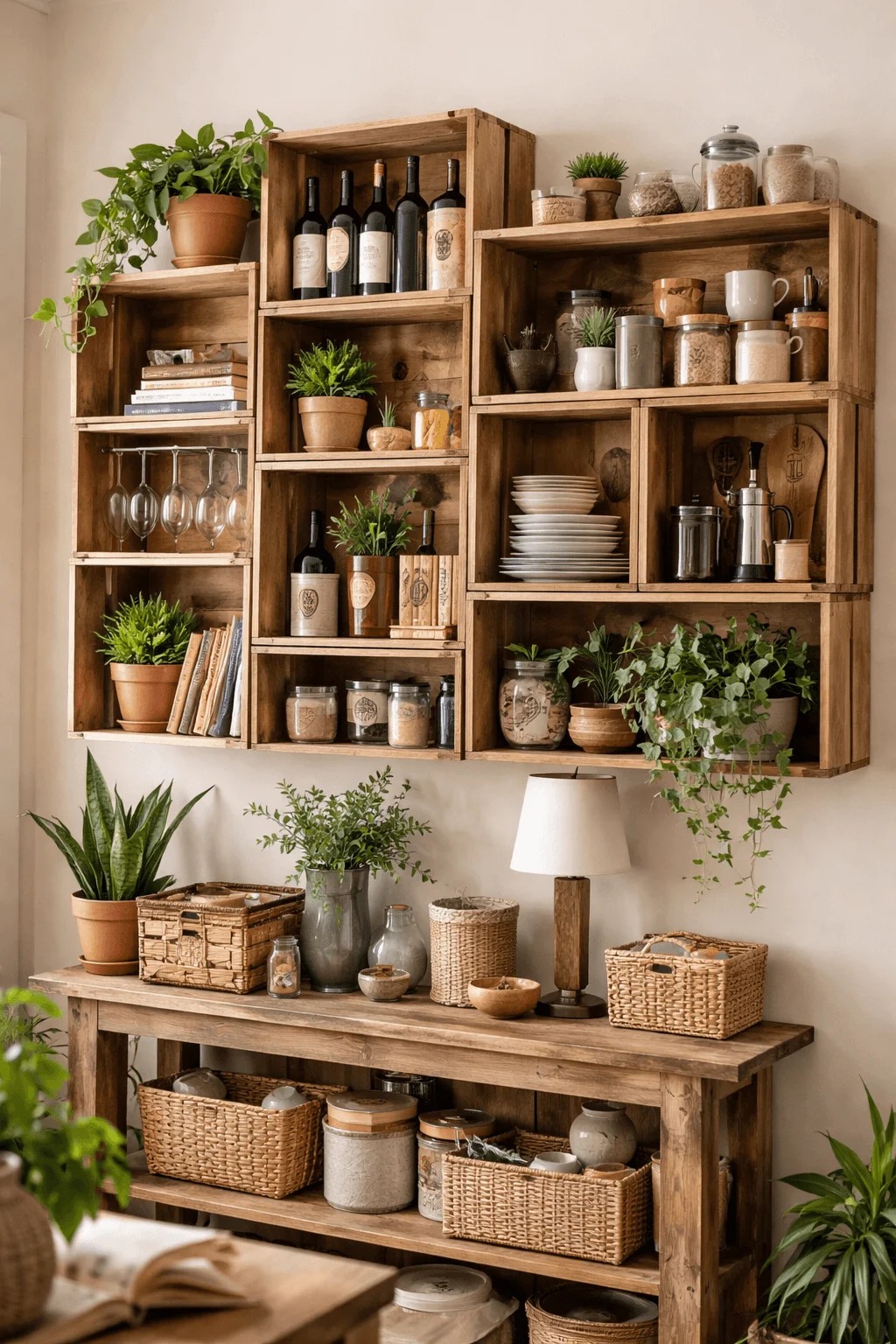
Wine crate shelves are particularly popular for organizing books, kitchen supplies, or decorative plants. Because the crates are lightweight yet durable, they are easy to rearrange whenever the layout of the room changes.
Bicycle Wheel Glass Table
Creative upcycling often involves combining unrelated objects to produce unexpected designs. An old bicycle wheel can be transformed into the base of a stylish glass table.
The wheel is cleaned thoroughly and mounted vertically onto a stable base. A circular glass top is then placed above the wheel to create the tabletop. The spokes of the wheel create a visually striking pattern that becomes part of the furniture design.
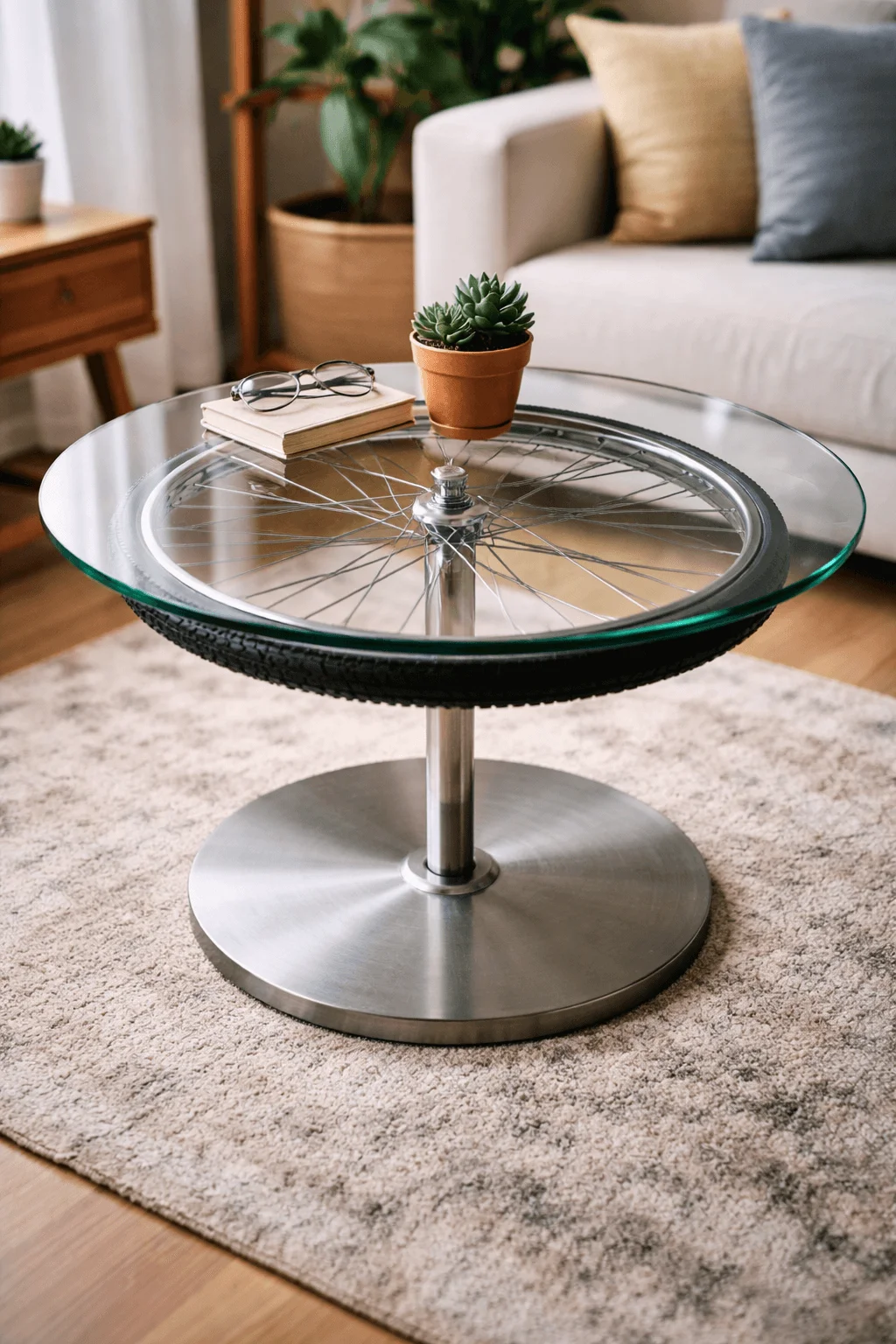
This project celebrates the beauty of mechanical components while preventing bicycle parts from being discarded unnecessarily.
Reclaimed Wood Headboard
Reclaimed wood has become one of the most sought after materials in sustainable interior design. Wood salvaged from barns, fences, and construction sites carries natural weathering and character that cannot be replicated by new materials.
A reclaimed wood headboard is created by arranging wooden planks on a supporting frame behind the bed. The wood can be arranged horizontally, vertically, or in geometric patterns to create visual interest.
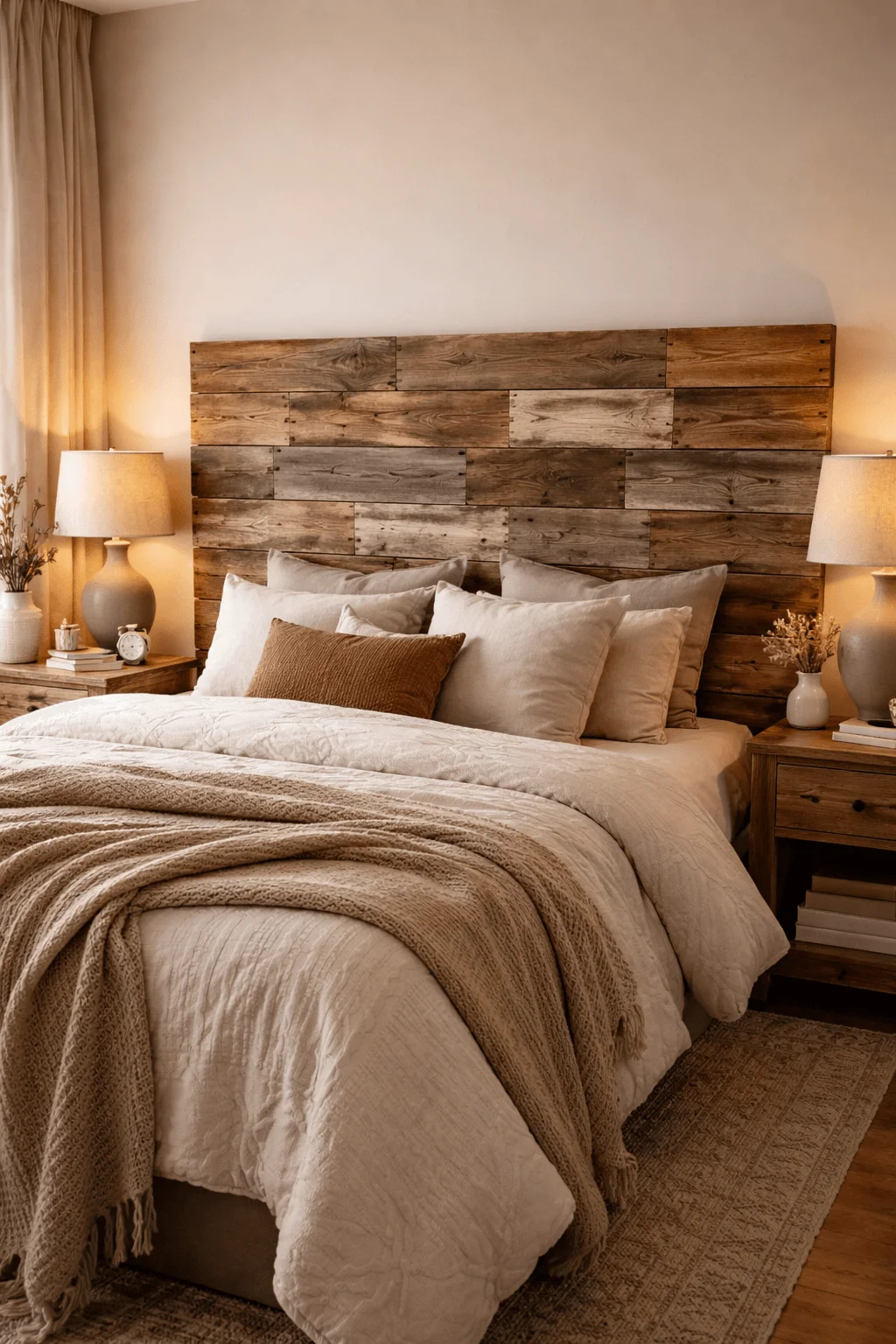
The natural grain patterns, knots, and textures in reclaimed wood bring warmth and authenticity to bedrooms. Because the wood is reused rather than newly harvested, the environmental impact of the furniture is greatly reduced.
Drawer Wall Shelves
When an old dresser becomes damaged or outdated, its drawers can still be repurposed into useful furniture pieces. Instead of discarding the entire dresser, each drawer can be transformed into a wall mounted shelf.
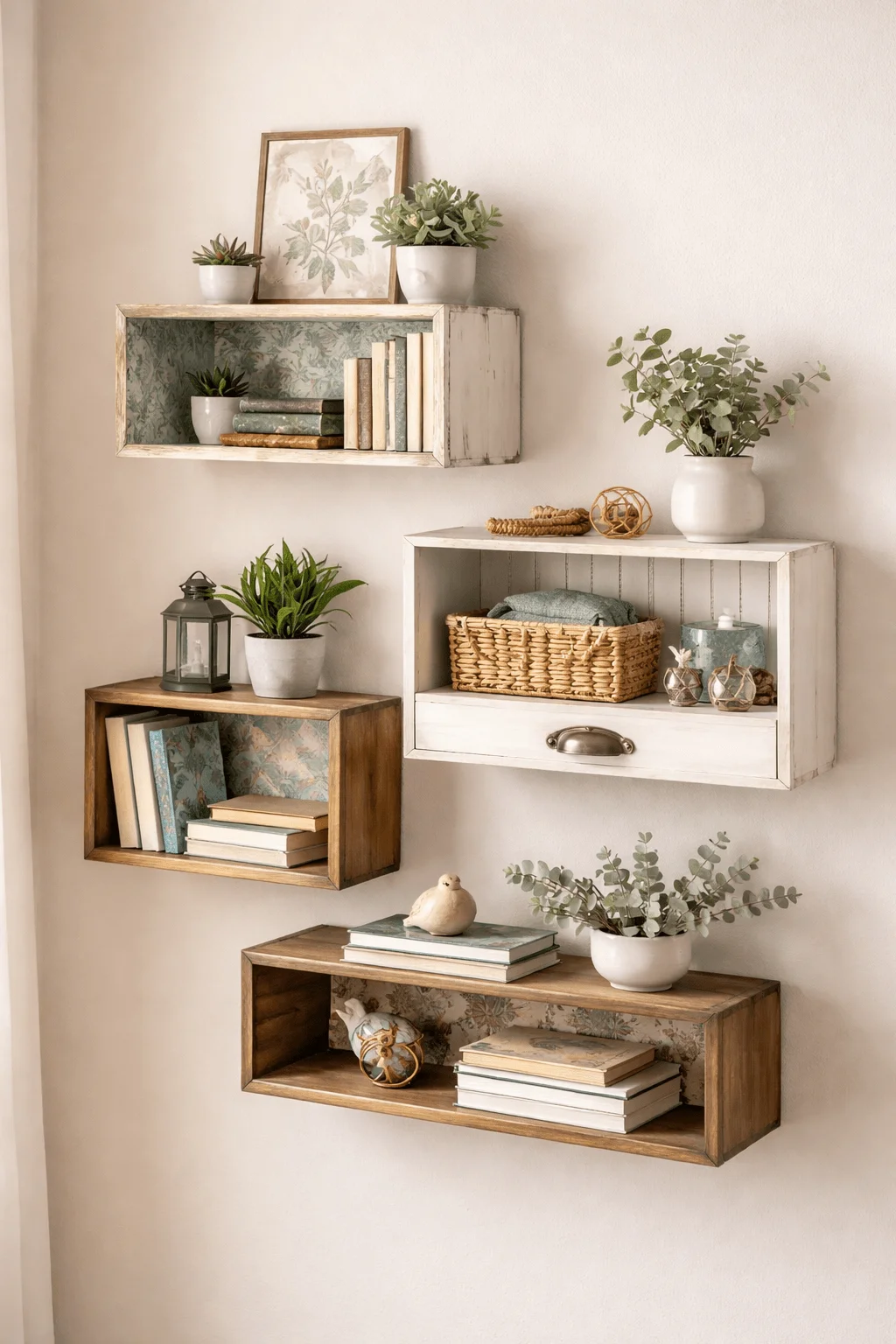
The interior of the drawer can be repainted or decorated to create contrast with the exterior surface. Once mounted on the wall, the drawer becomes a compact shelf that can hold books, decorative items, or small storage baskets.
This approach allows multiple pieces of functional furniture to be created from a single discarded item.
Upcycled Barrel Bar Cabinet
Wooden barrels used in wineries or breweries are often discarded after years of use. These barrels can be transformed into elegant bar cabinets that serve as conversation pieces in home entertainment areas.
By carefully cutting an opening into the barrel and installing internal shelves, the barrel becomes a storage cabinet for bottles and glassware. The curved shape and natural wood texture give the cabinet a distinctive appearance.
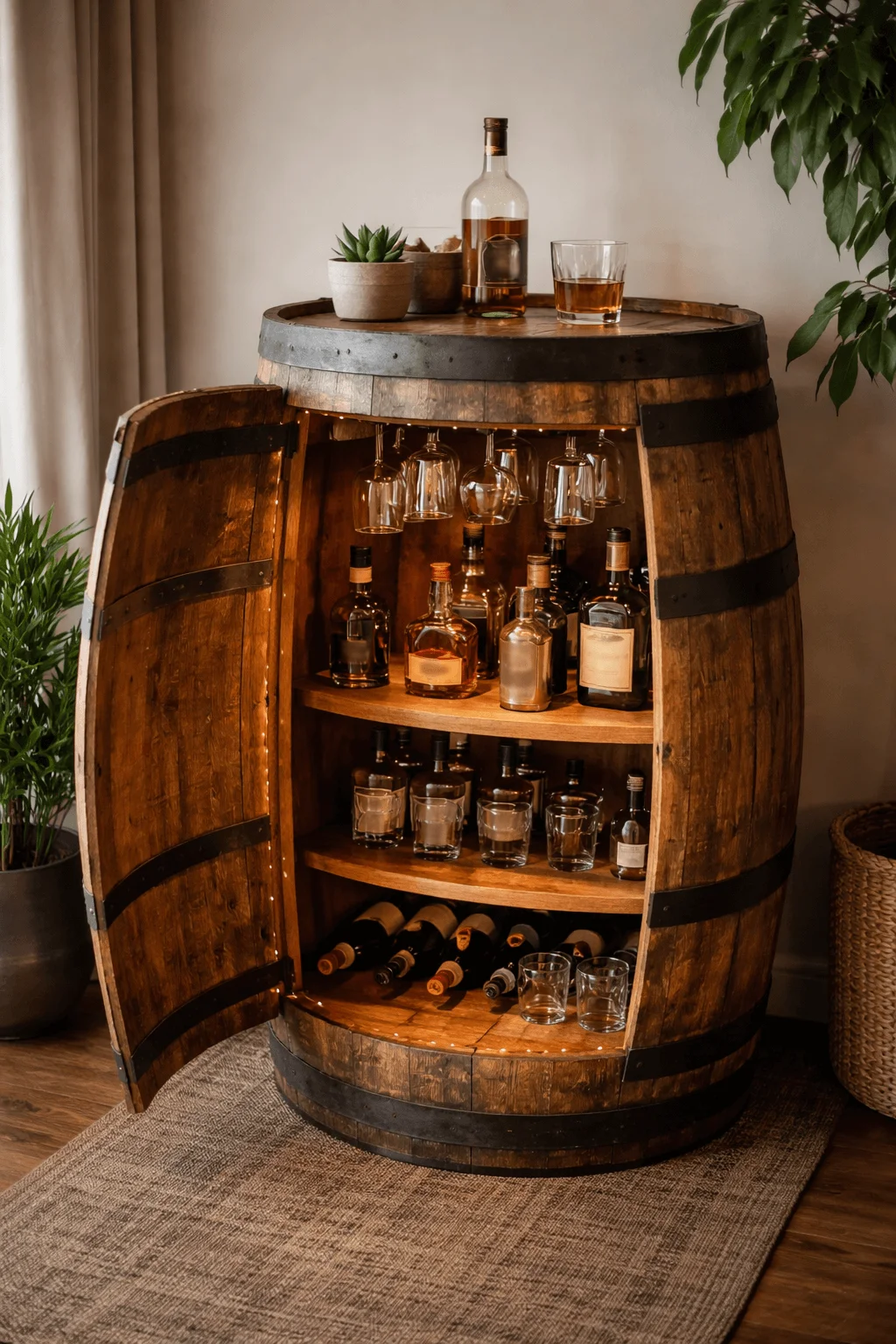
With proper polishing and sealing, the barrel retains its rustic charm while becoming a durable piece of furniture.
Rope Wrapped Stool
A worn stool can be completely refreshed by wrapping the seat with natural fiber rope. Materials such as jute or cotton rope create a textured surface that is both durable and visually appealing.
The rope is wrapped tightly across the seat frame until the entire surface is covered. This method strengthens the seat structure while introducing a natural design element.
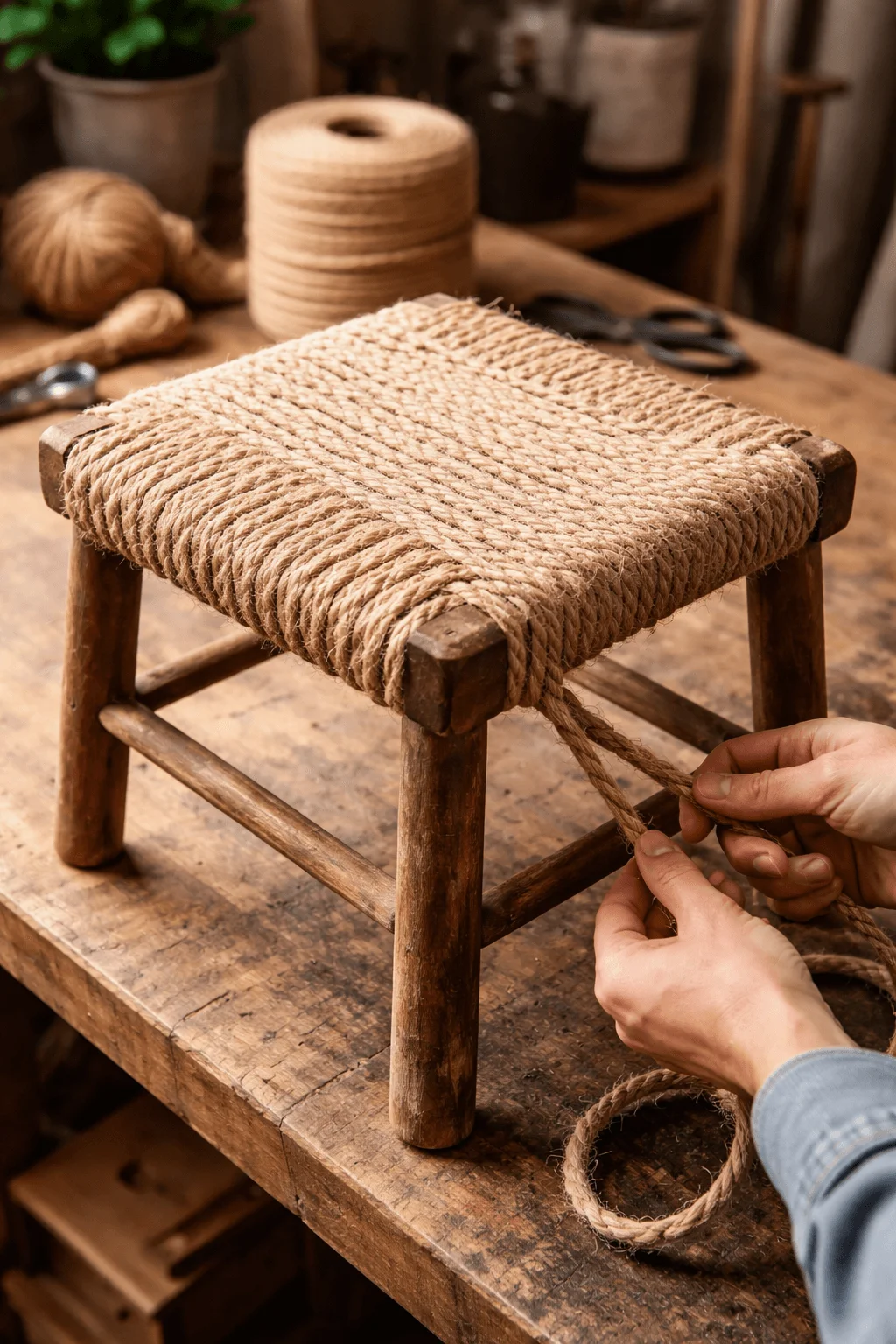
Natural fibers are biodegradable and environmentally friendly, making them an excellent choice for sustainable furniture restoration.
Bamboo Frame Lounge Chair
Bamboo is widely recognized as one of the most sustainable building materials available. It grows rapidly and regenerates quickly after harvesting, making it a renewable alternative to traditional hardwood.
A bamboo lounge chair can be constructed by connecting bamboo poles to form a lightweight frame. Fabric or woven seating material can then be attached to create a comfortable seating surface.
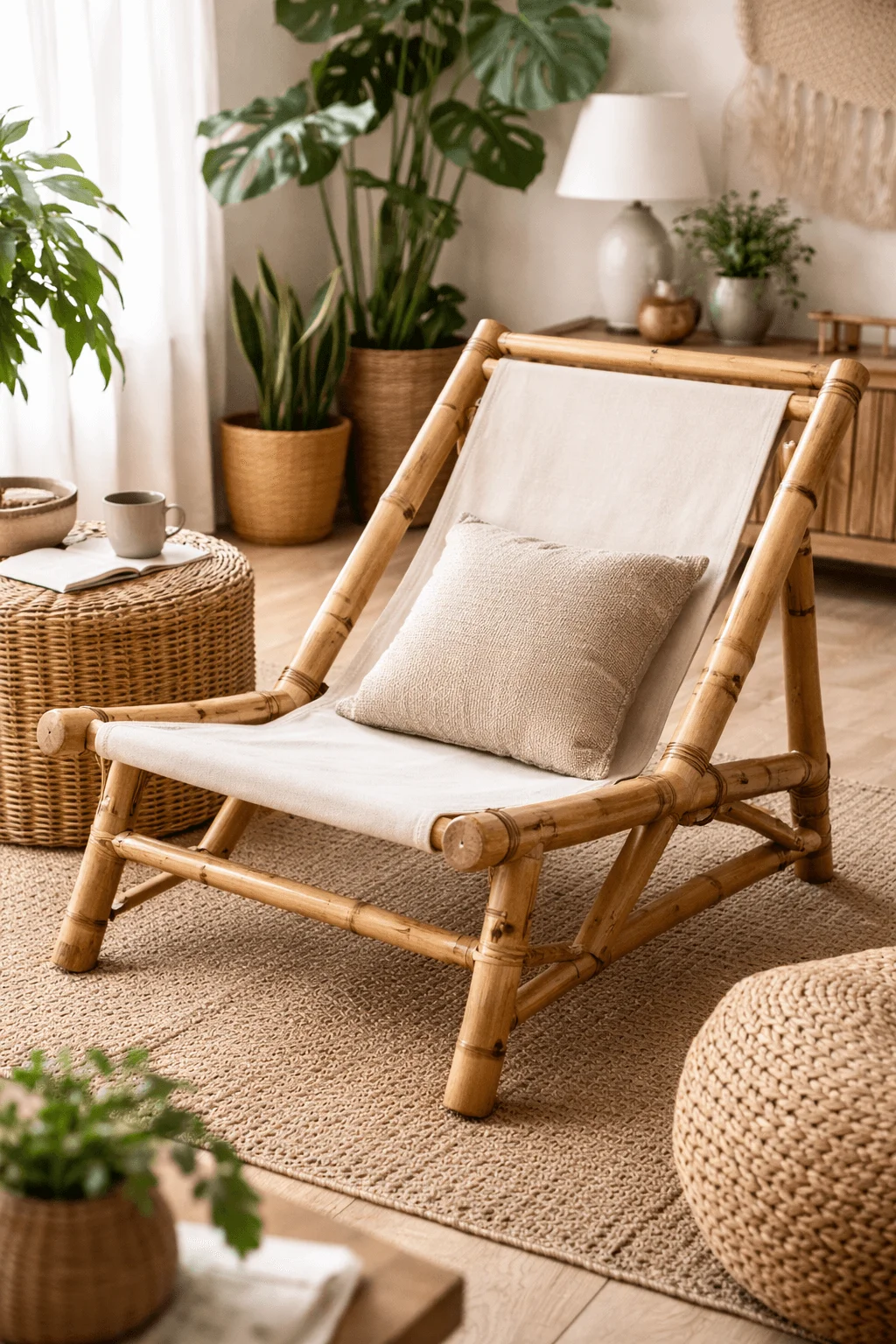
The final result is a stylish and environmentally responsible chair that blends well with natural interior themes.
Painted Vintage Cabinet
Many vintage cabinets are built with high quality materials but may appear outdated due to worn finishes or faded colors. Repainting these cabinets with modern eco friendly paints can completely transform their appearance.
The cabinet should first be sanded and cleaned before applying new paint. Neutral tones or bold modern colors can give the cabinet a contemporary look while preserving its original craftsmanship.
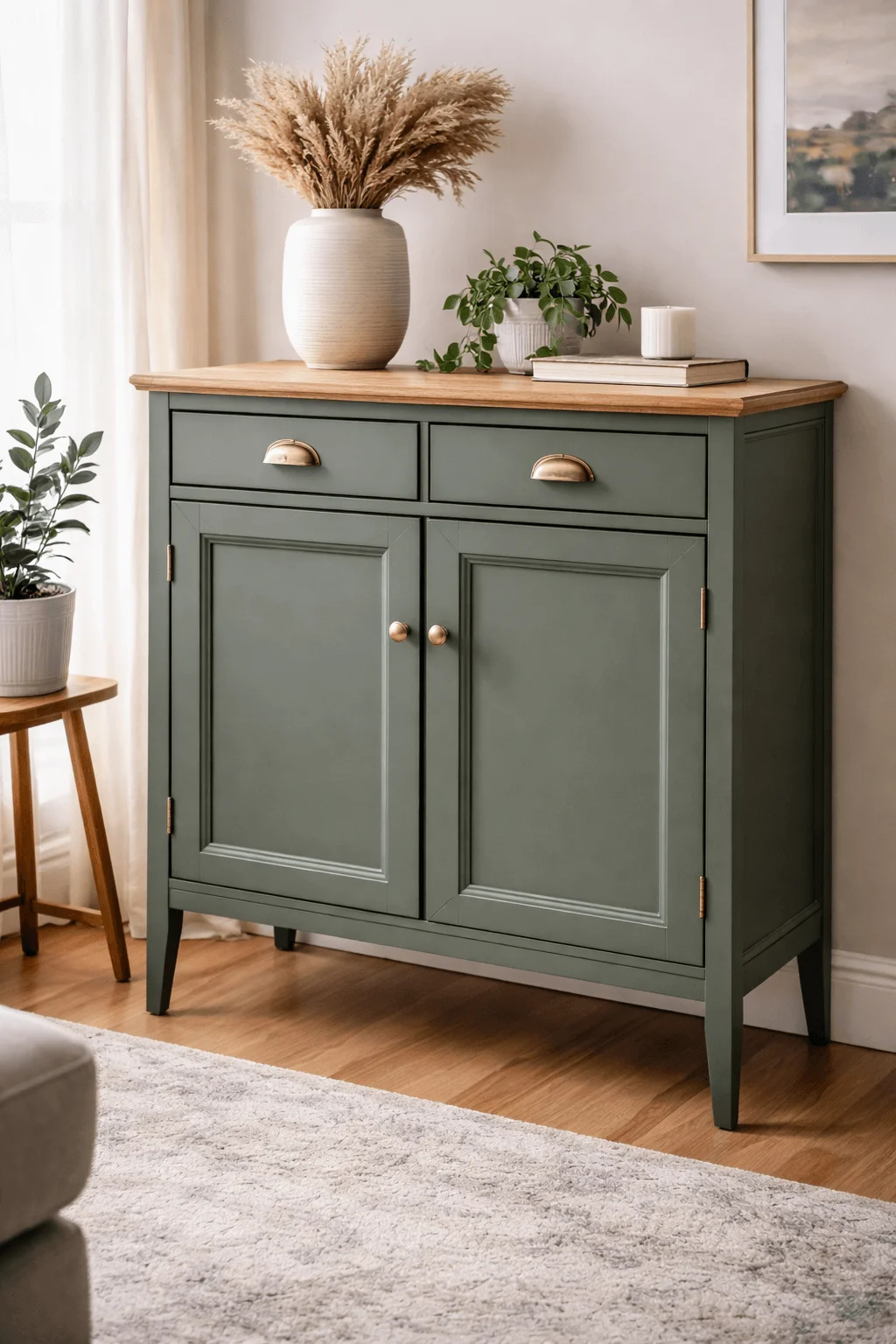
Replacing the cabinet handles with new hardware can further enhance the transformation.
Reclaimed Window Coffee Table
Old window frames can be repurposed into coffee tables that showcase both creativity and sustainability. The window frame becomes the top structure of the table, while a protective glass layer is added for durability.
The compartments created by the window frame can be used to display photographs, collectibles, or decorative objects. A wooden base supports the structure and provides stability.
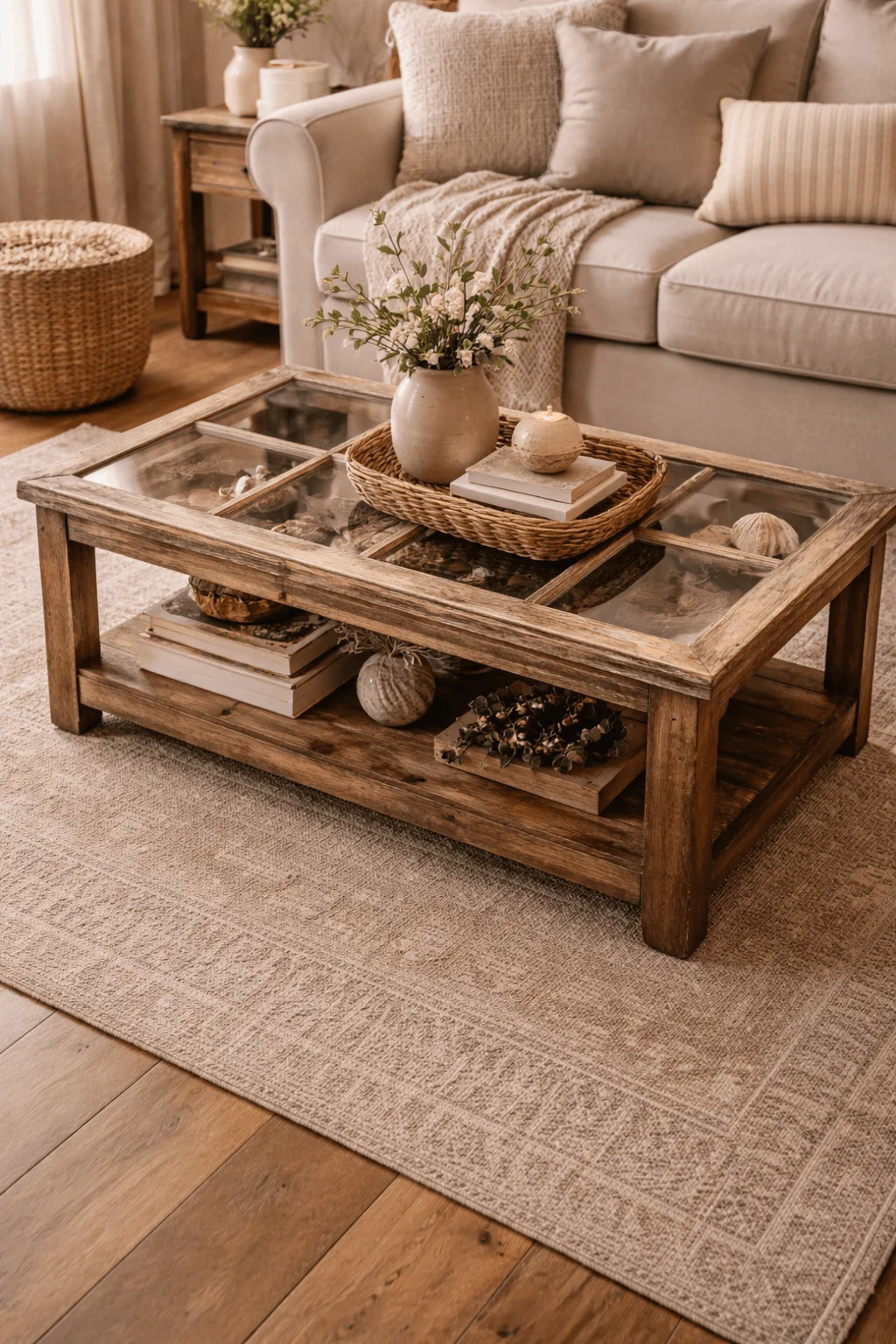
This design preserves architectural elements while giving them a new purpose inside the home.
Skateboard Deck Chair
Broken skateboard decks often remain strong despite damage to their original shape. By combining several decks together, it is possible to create a curved chair or bench.
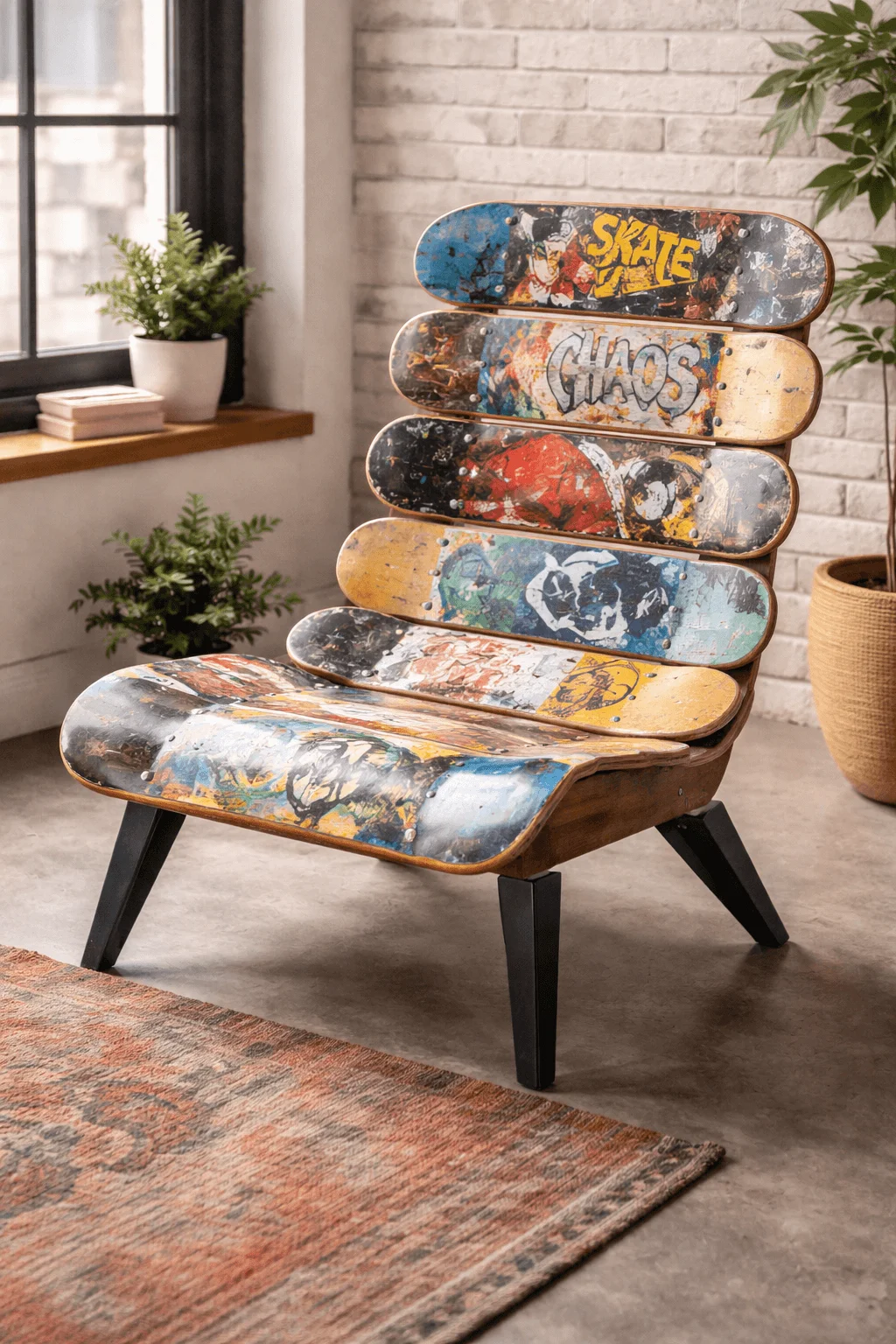
The colorful graphics on skateboard decks add a vibrant and youthful aesthetic to the furniture. This type of project is especially popular among creative designers who enjoy blending art with sustainability.
Wooden Crate Bed Frame
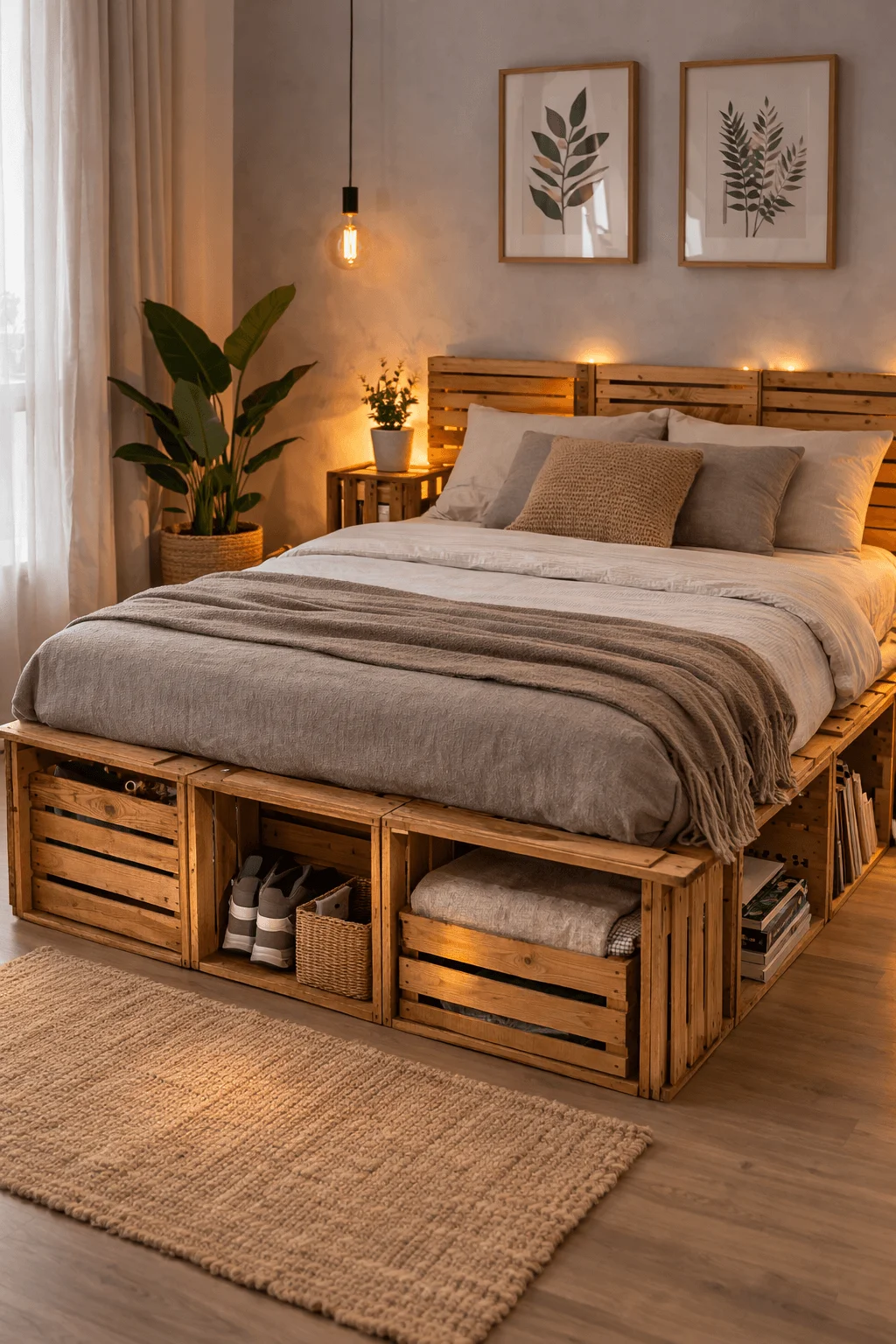
Wooden crates can be arranged and secured together to create a bed frame with built in storage. The open spaces inside the crates provide convenient compartments for books, shoes, or bedding.
This design is ideal for smaller homes where maximizing storage space is important. The natural wood texture of the crates adds warmth and simplicity to the bedroom environment.
Cable Spool Patio Table
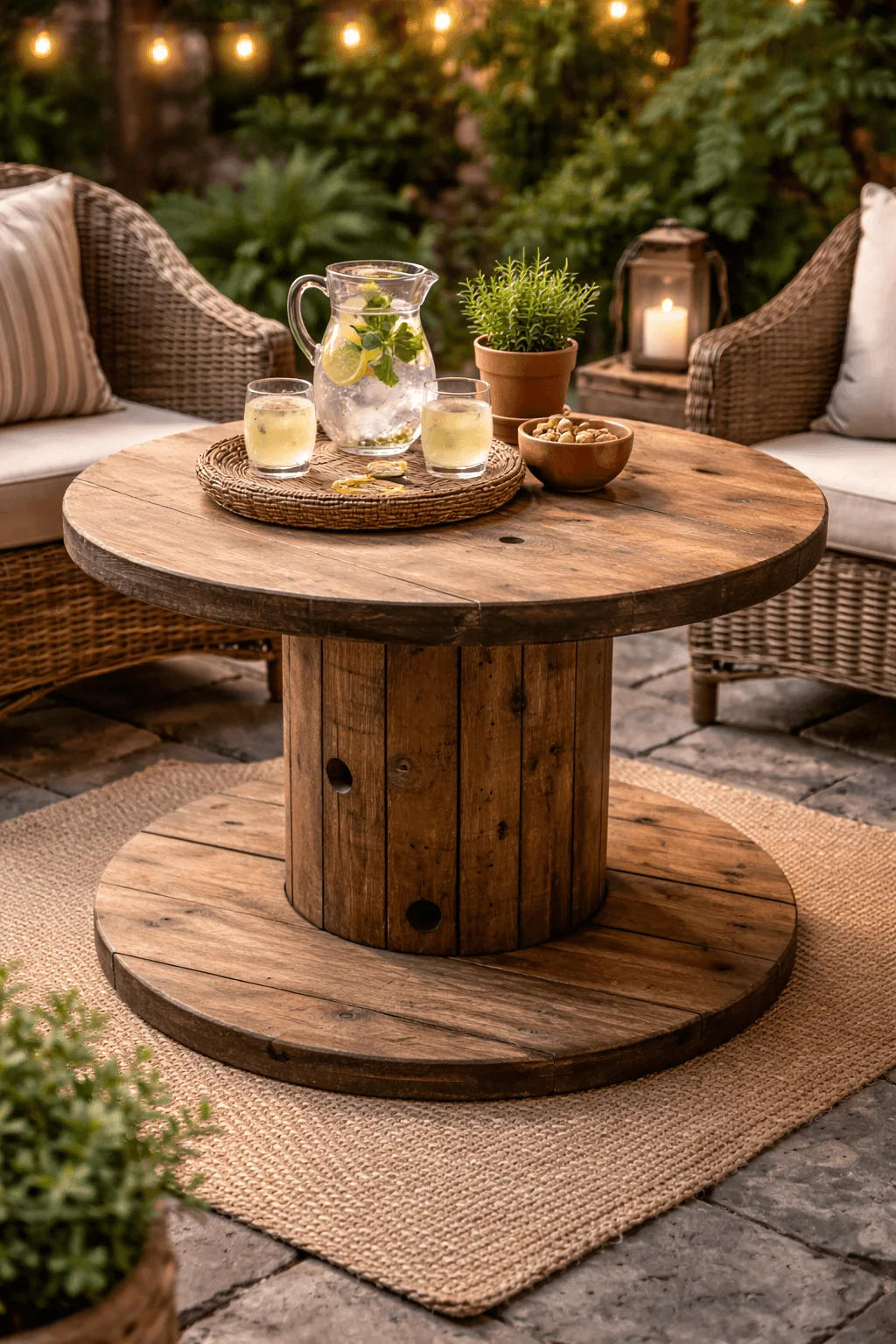
Large wooden cable spools used in construction projects are often discarded after their original use. These spools can be easily transformed into outdoor tables.
The circular top of the spool naturally forms a tabletop, while the central cylinder provides a stable base. After sanding and applying weather resistant finishes, the spool becomes a durable patio table suitable for outdoor gatherings.
Reupholstered Vintage Armchair
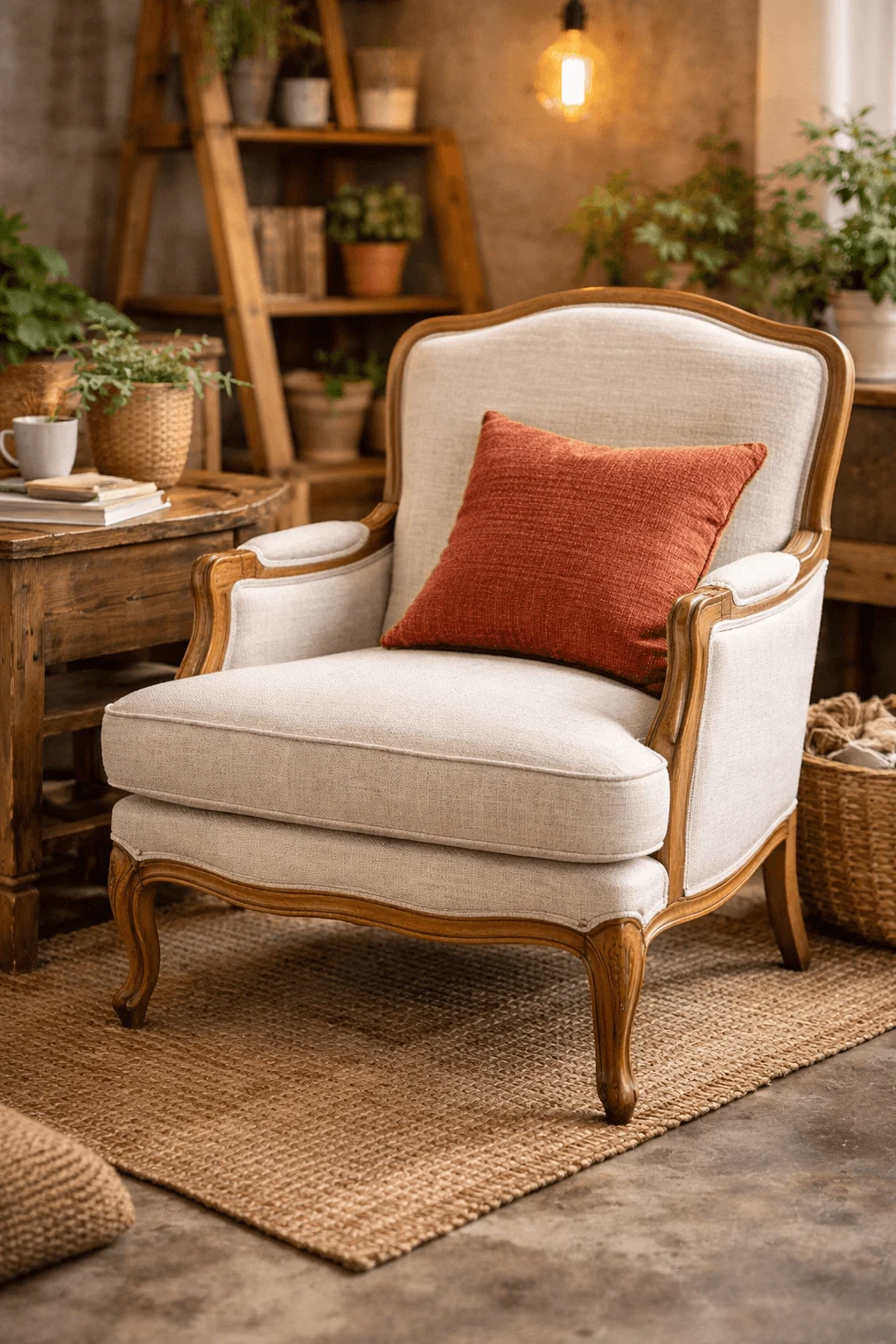
Vintage armchairs often feature strong wooden frames that remain functional even after years of use. Replacing the worn fabric upholstery can completely restore the beauty of the chair.
Eco friendly fabrics such as organic cotton or linen are excellent choices for sustainable upholstery. The process of reupholstering allows homeowners to customize colors and textures while preserving the original craftsmanship of the furniture.
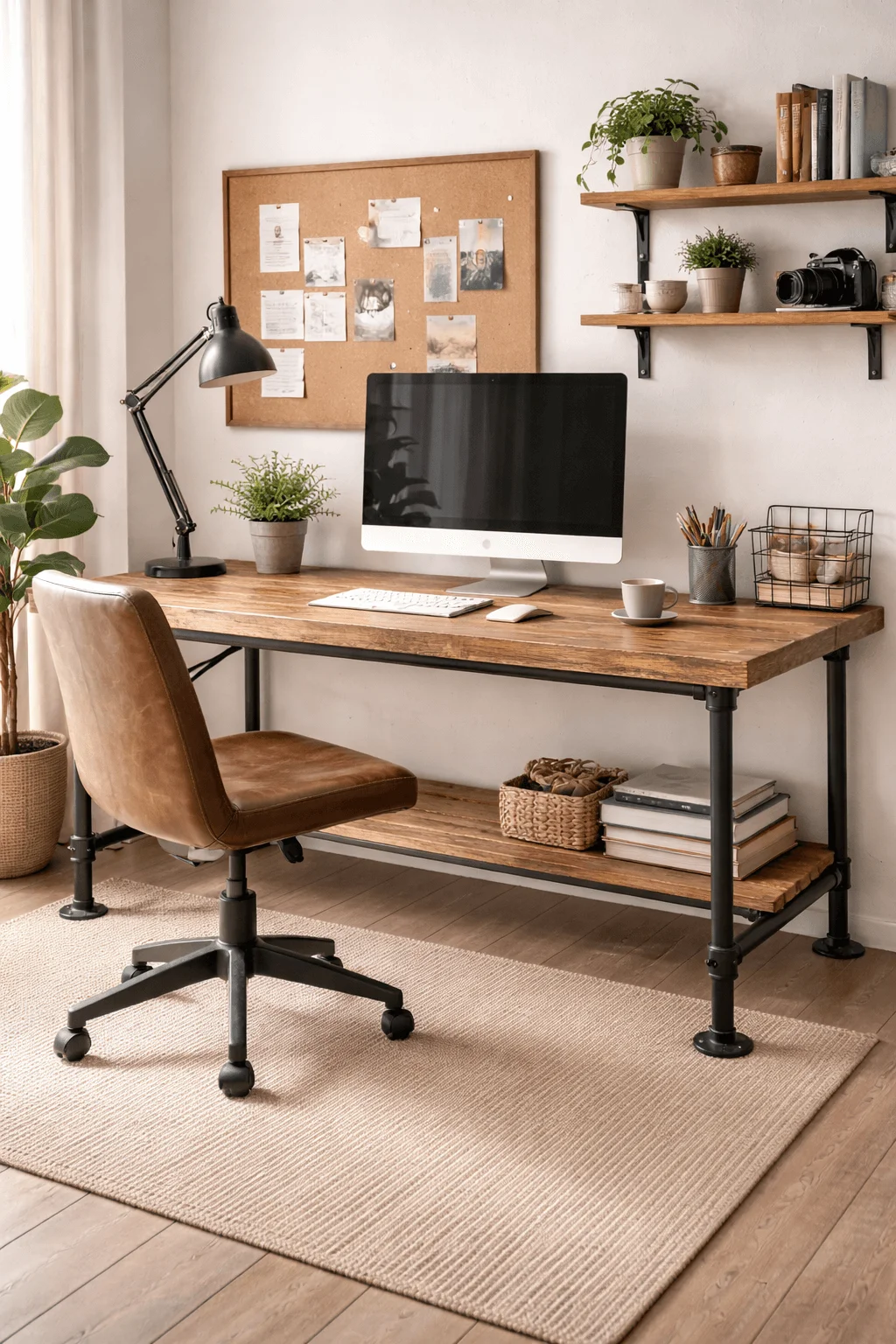
Industrial Pipe Desk
Industrial style furniture combines raw materials with minimalist design. A desk made from reclaimed wood and metal pipes is both durable and visually striking.
The metal pipes form the structural frame of the desk, while the wooden boards provide the working surface. Using salvaged materials reduces waste while creating a functional workspace.
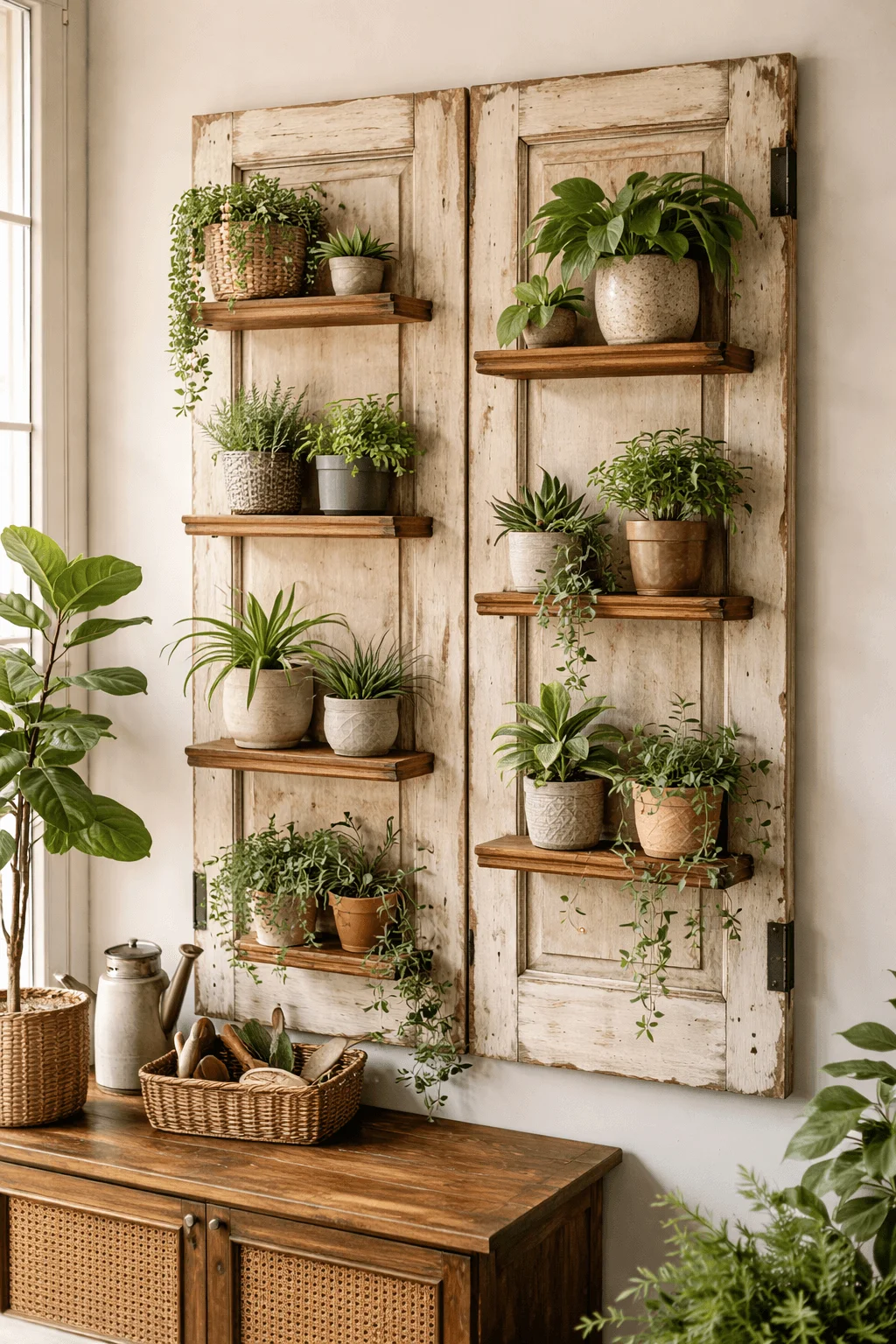
Plant Shelf From Cabinet Doors
Old cabinet doors can be repurposed into vertical plant shelves that support indoor gardening. Small wooden ledges can be attached to the door surface to hold plant pots.
This design encourages the integration of greenery into interior spaces, promoting a healthier and more relaxing home environment.
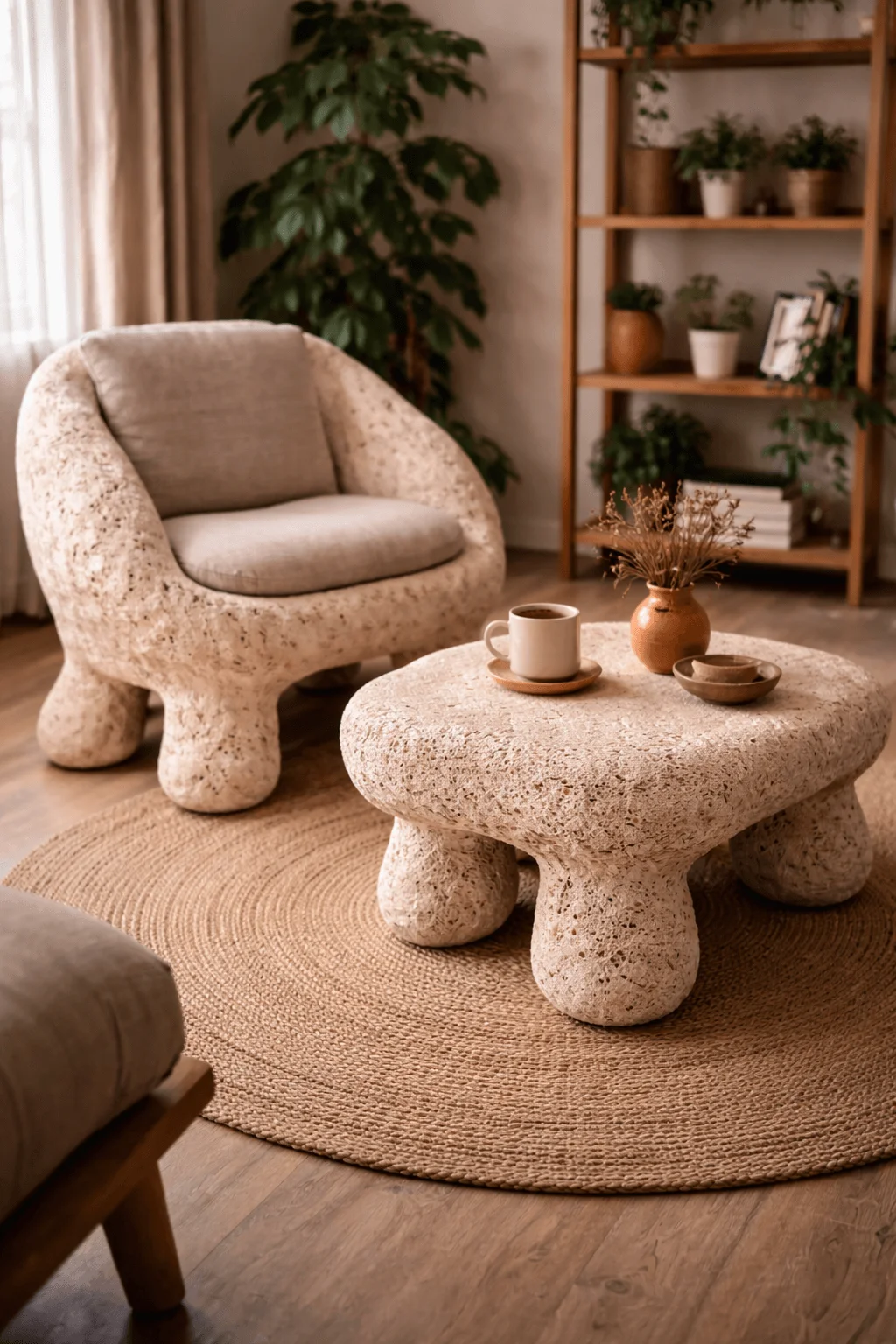
Mycelium Inspired Bio Furniture Experiments
Innovative designers are exploring biological materials such as mycelium, which is the root structure of mushrooms. Mycelium can grow into molds and form lightweight biodegradable structures.
Although still an emerging concept, experimental furniture made from biological materials represents the future of sustainable design.
Conclusion
Eco friendly DIY and upcycling furniture projects demonstrate how creativity and sustainability can work together to transform everyday materials into meaningful home design elements. Instead of discarding old furniture or purchasing new items that require additional resources, homeowners can reimagine existing materials and give them new life.
From pallet sofas and reclaimed wood headboards to vintage suitcase tables and bamboo lounge chairs, these ideas highlight the endless possibilities of sustainable design. Each project reduces waste, conserves resources, and adds unique character to living spaces.
As awareness of environmental responsibility continues to grow, upcycling furniture will play an increasingly important role in sustainable living. By embracing creativity and thoughtful reuse of materials, anyone can create beautiful furniture while contributing to a healthier planet.