Eco Friendly Aesthetic Photography Glasses Ideas
Eco friendly aesthetic photography glasses are becoming an interesting way to combine sustainable fashion, creative styling, and modern visual storytelling. In 2026, eyewear is moving beyond simple functional accessories as designers and photographers explore natural materials, earthy colors, transparent frames, vintage shapes, oversized silhouettes, and futuristic forms. At the same time, growing interest in responsible materials has encouraged more attention toward bio based acetate, recycled materials, and other alternatives that can reduce reliance on conventional resources.
Photography gives sustainable eyewear another dimension. A pair of glasses can become the main subject of a carefully styled composition, surrounded by natural textures, botanical elements, soft fabrics, stone, wood, or modern architectural surfaces. The result can feel luxurious, minimal, nostalgic, artistic, or futuristic depending on the styling choices.
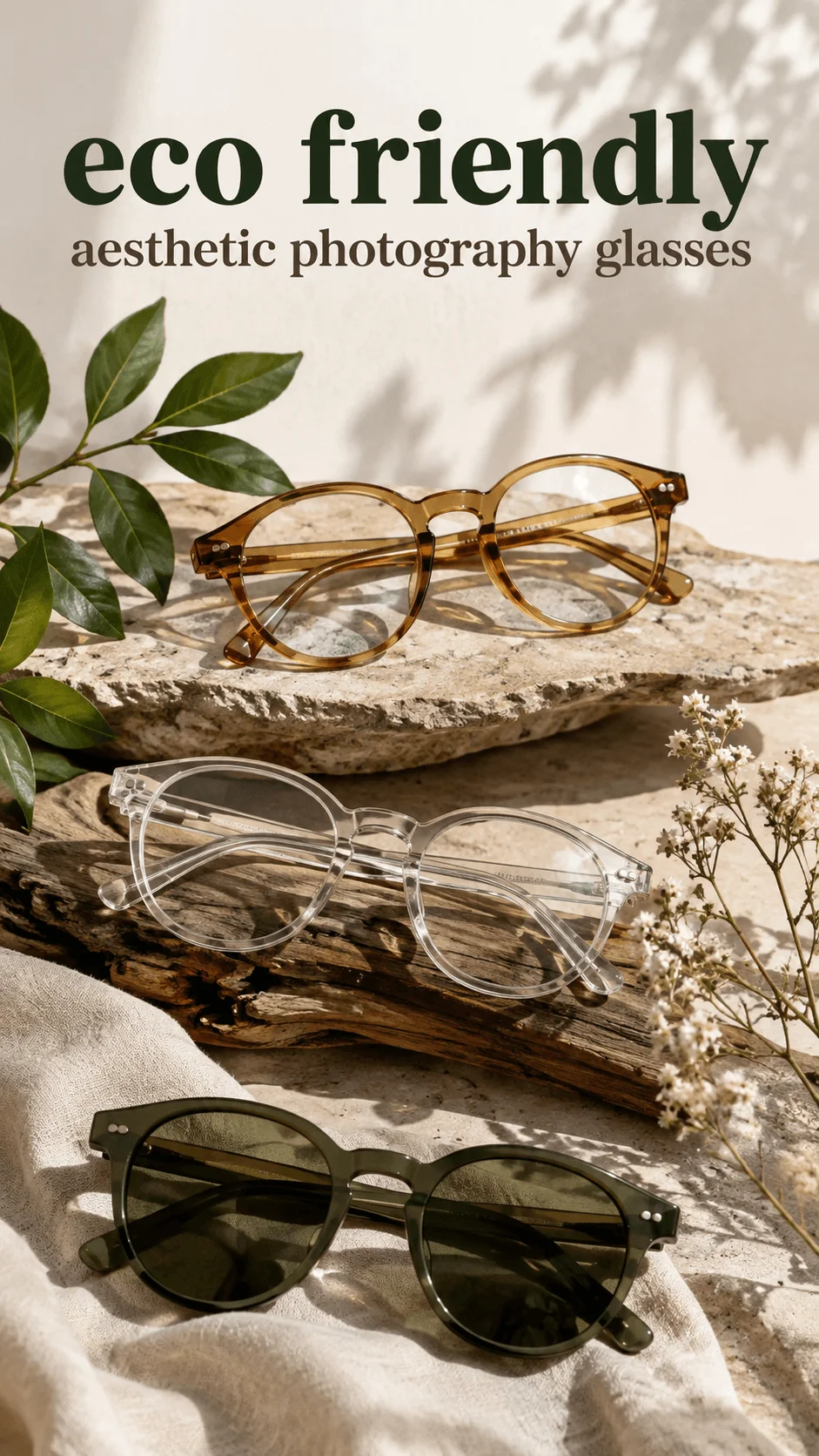
The most exciting part is that sustainable eyewear does not have to follow one visual style. A natural setting can create a calm organic mood, while polished metal can produce a sophisticated editorial appearance. Vintage frames can create a nostalgic film inspired scene, while geometric or oversized frames can produce a contemporary fashion image.
If you are looking for fresh sustainable eyewear ideas for photography in 2026, these trends offer plenty of creative possibilities.
Bio Acetate Glasses With a Soft Luxury Aesthetic
Bio acetate glasses fit perfectly into the growing interest in refined sustainable eyewear. Bio based acetate can incorporate materials derived from renewable sources, offering an alternative to conventional petroleum based materials. The environmental advantages depend on the exact formulation, manufacturing process, durability, and end of life options, but the material has become an important subject in conversations about more responsible eyewear.
From a visual perspective, bio acetate works beautifully with a soft luxury aesthetic. Many frames have polished surfaces and rich colors that photograph extremely well under controlled natural light. Cream, warm brown, honey, tortoiseshell, translucent beige, and muted green can create a sophisticated appearance without making the composition feel overly formal.
For photography, place the glasses against materials that reinforce their natural character. Pale wood, linen, handmade paper, ceramic surfaces, and neutral stone can provide a refined background. Window light works particularly well because it creates gentle highlights along the frame while producing soft shadows beneath the lenses.

A close up photograph can emphasize the smooth texture and craftsmanship of the frame. You can also photograph the glasses beside a simple notebook, natural fabric, dried botanical elements, or a minimalist coffee setting to create a lifestyle editorial mood.
This combination of renewable material storytelling and understated styling makes bio acetate glasses one of the strongest ideas for eco friendly aesthetic photography glasses in 2026.
Transparent Eco Friendly Glasses
Transparent eyewear continues to attract attention because of its clean and versatile appearance. Clear and translucent frames can make an image feel modern without visually overwhelming the surrounding composition. They also create interesting opportunities for photographers because light can pass through the frame and interact with nearby surfaces.
A transparent frame works particularly well with minimalist photography. Instead of filling the scene with props, use a pale background and allow the glasses to become the main focal point. White paper, cream fabric, frosted glass, light wood, and smooth stone can create an elegant environment.
Natural light can make transparent frames especially interesting. Position the glasses near a window and observe how the frame interacts with highlights and shadows. A strong side light can reveal the shape of the frame, while softer light can create a delicate and almost weightless appearance.
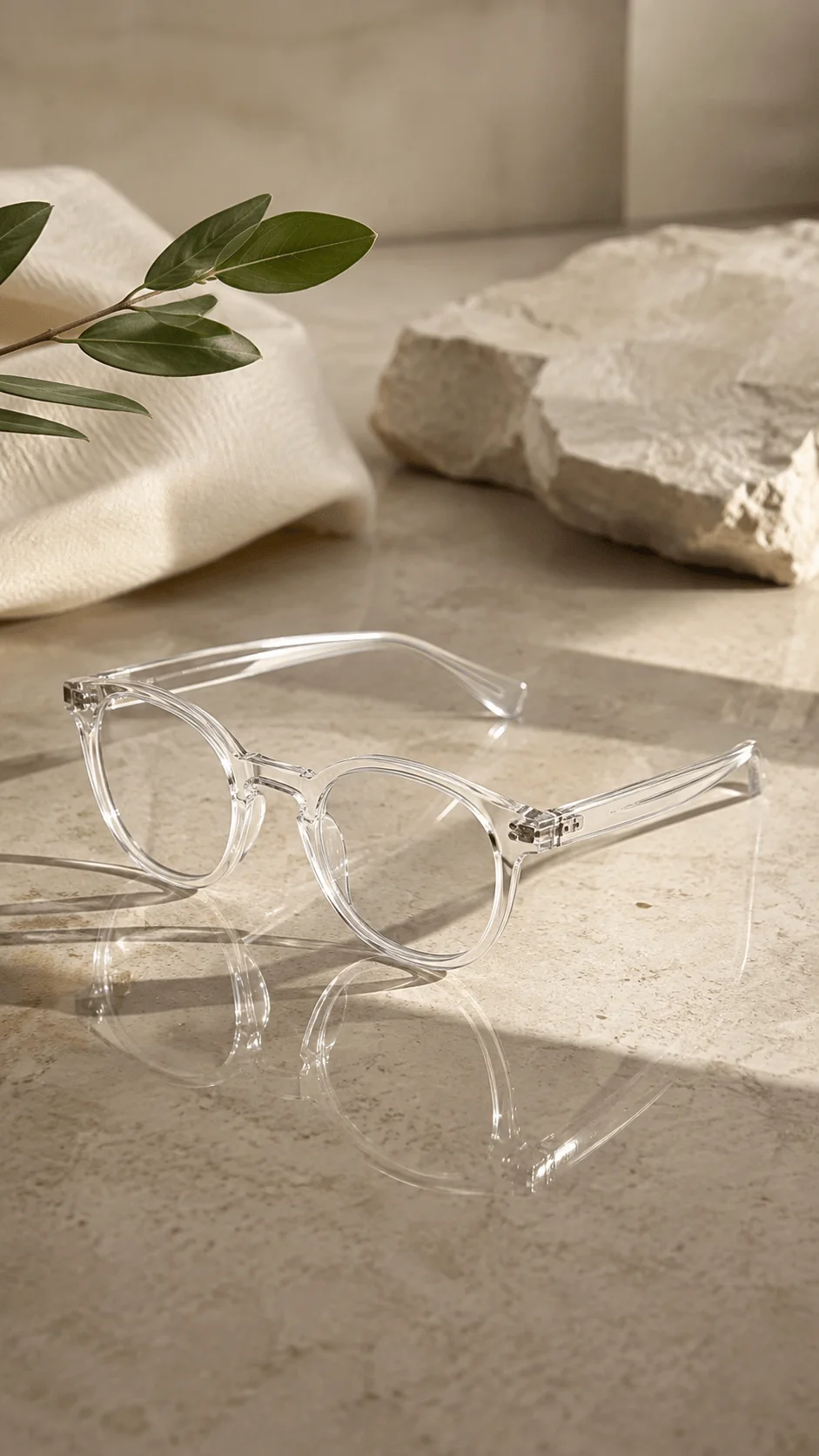
You can also experiment with reflections. Place the glasses near a clean glass surface or polished stone and photograph the reflection from a low angle. This can give a simple pair of sustainable glasses a much more editorial appearance.
For a stronger eco friendly glasses aesthetic, introduce subtle natural elements rather than filling the photograph with obvious sustainability symbols. A small leaf, wooden object, or neutral textile can communicate an organic mood while allowing the transparent frame to remain the star.
Oversized Sustainable Eyewear
Oversized eyewear remains a powerful fashion statement in 2026. Large frames immediately attract attention because their proportions create a strong visual presence. When sustainable materials meet oversized silhouettes, photographers have an opportunity to create images that feel both fashion focused and environmentally conscious.
The size of these frames also changes the way you approach composition. A small pair of glasses can disappear within a large scene, but oversized eyewear can dominate the frame. This makes it suitable for editorial photography where the accessory needs to make an immediate visual impression.
Try photographing an oversized frame against a simple architectural background. Large concrete surfaces, curved walls, natural stone, or clean studio backdrops can emphasize the scale of the eyewear. Keep other elements restrained so the shape remains easy to recognize.
For lifestyle photography, oversized glasses can work with relaxed clothing made from natural looking fabrics. Loose linen shirts, neutral cotton textures, and simple earth toned garments can create a calm fashion story around the eyewear.
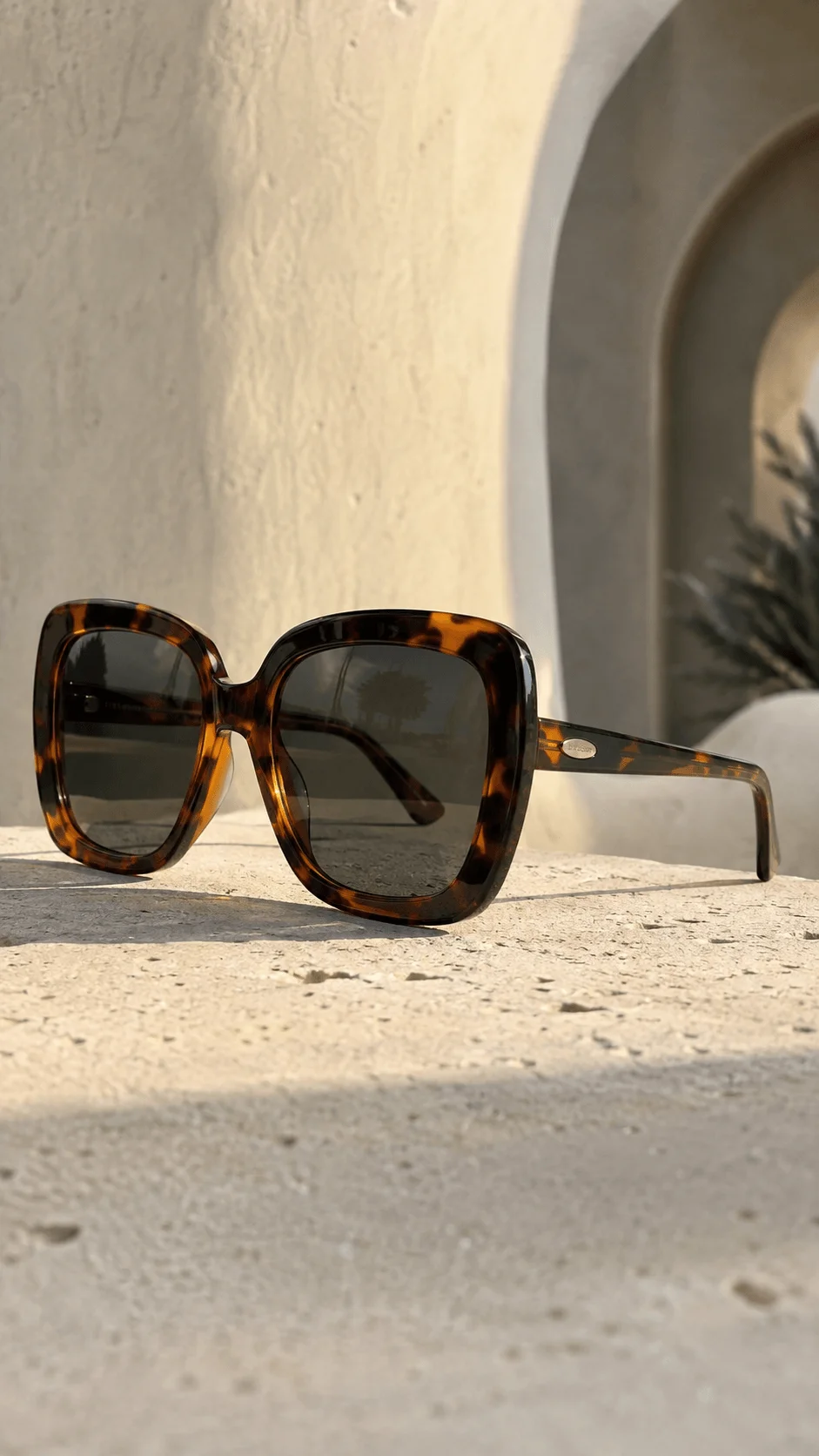
You can also photograph the glasses from unusual angles. A low perspective can make the frame appear even more dramatic, while a top down composition can emphasize its overall shape.
The sustainability story becomes more compelling when you focus on longevity as well as materials. A durable frame that remains useful for years can offer a more responsible approach than an accessory designed around short lived trends.
Botanical Nature Inspired Glasses
Nature inspired eyewear photography provides one of the easiest ways to communicate an organic aesthetic visually. Instead of explaining sustainability through words alone, photographers can use leaves, flowers, branches, natural fibers, wood, and stone to create an immediate connection with nature.
The key is subtlety. Covering the entire composition with plants can distract attention from the glasses. Instead, use one or two botanical elements to frame the subject. A small branch placed beside a frame can create depth, while a few dried flowers can introduce texture and muted color.
Fresh green leaves work well with clear, cream, brown, and translucent frames. Dried grasses and flowers are better suited to warm earth tones and vintage inspired compositions. You can also photograph glasses outdoors where natural surroundings become part of the background.
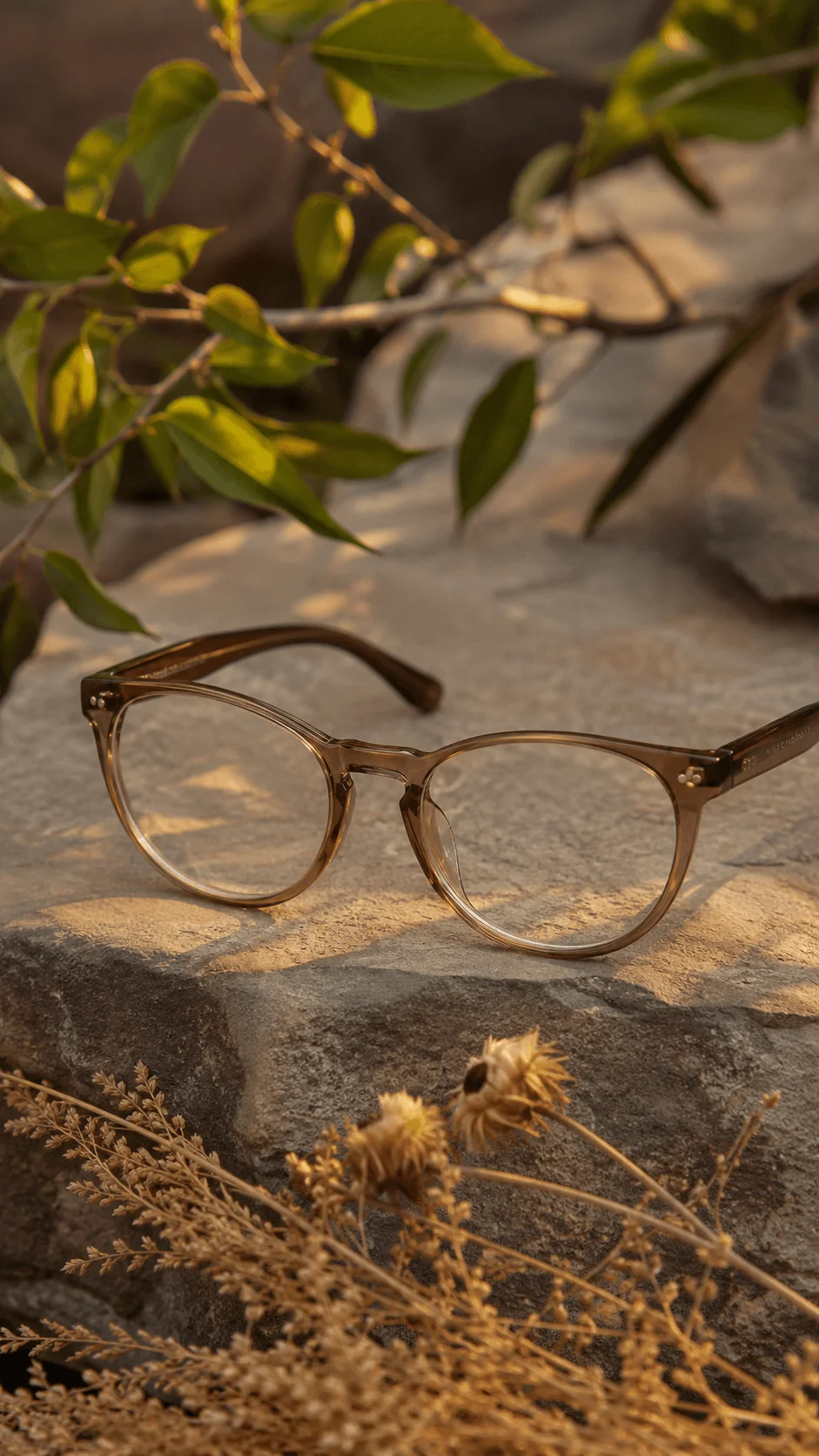
Soft morning light can create a gentle atmosphere, while late afternoon light can produce warmer tones. A shallow depth of field can keep the eyewear sharp while allowing leaves and flowers in the background to become soft shapes.
This approach works especially well for nature inspired eyewear photography because the visual story remains elegant rather than overly commercial. The viewer sees a stylish object placed naturally within an environment.
Minimalist Recycled Metal Frames
Recycled metal frames bring a different character to sustainable eyewear photography. Their clean lines and reflective surfaces can create a sophisticated minimalist appearance. Compared with warm acetate frames, metal eyewear often feels lighter, sharper, and more architectural.
The simplest approach is to use negative space. Place the glasses on a plain surface with plenty of empty space around them. This gives the frame room to become the focal point and creates a premium editorial feeling.
Brushed metal can work particularly well with concrete, stone, unfinished wood, and monochromatic surfaces. Polished metal can interact beautifully with controlled light and reflections. Instead of using many props, focus on the shape of the frame and the way light travels across its surface.
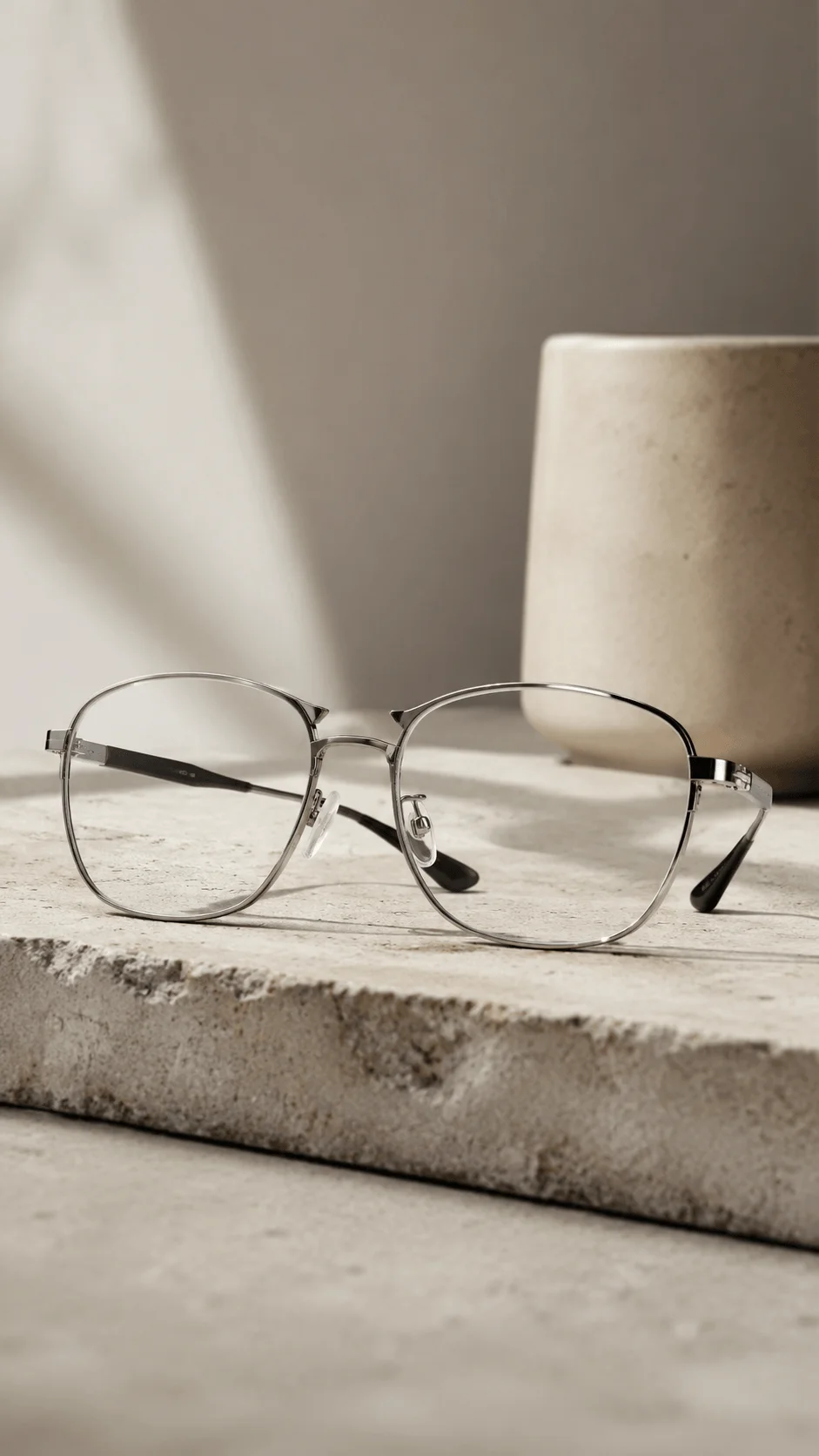
For a more sophisticated composition, photograph the glasses beside a small ceramic object or a piece of textured paper. These subtle materials add depth without competing with the frame.
Recycled metal also gives you an opportunity to discuss sustainability more thoughtfully. The environmental value depends on the percentage of recycled content, manufacturing practices, energy use, durability, and the possibility of recycling the frame again later. This makes the material an interesting subject for both visual and educational content.
Castor Seed Based Sustainable Eyewear
Castor seed based materials offer one of the more unusual sustainability angles in modern eyewear. Some eyewear manufacturers have explored plant based materials derived from castor seeds as part of their efforts to incorporate renewable resources into frame production.
The concept is particularly useful for an article about sustainable eyewear because it moves the conversation beyond familiar terms such as recycled plastic. It also gives photographers an opportunity to create imagery that connects modern product design with botanical inspiration.
A castor based frame can be photographed with natural textures such as leaves, seeds, wooden surfaces, handmade paper, and neutral fabrics. Keep the composition sophisticated rather than making it look like a scientific display.
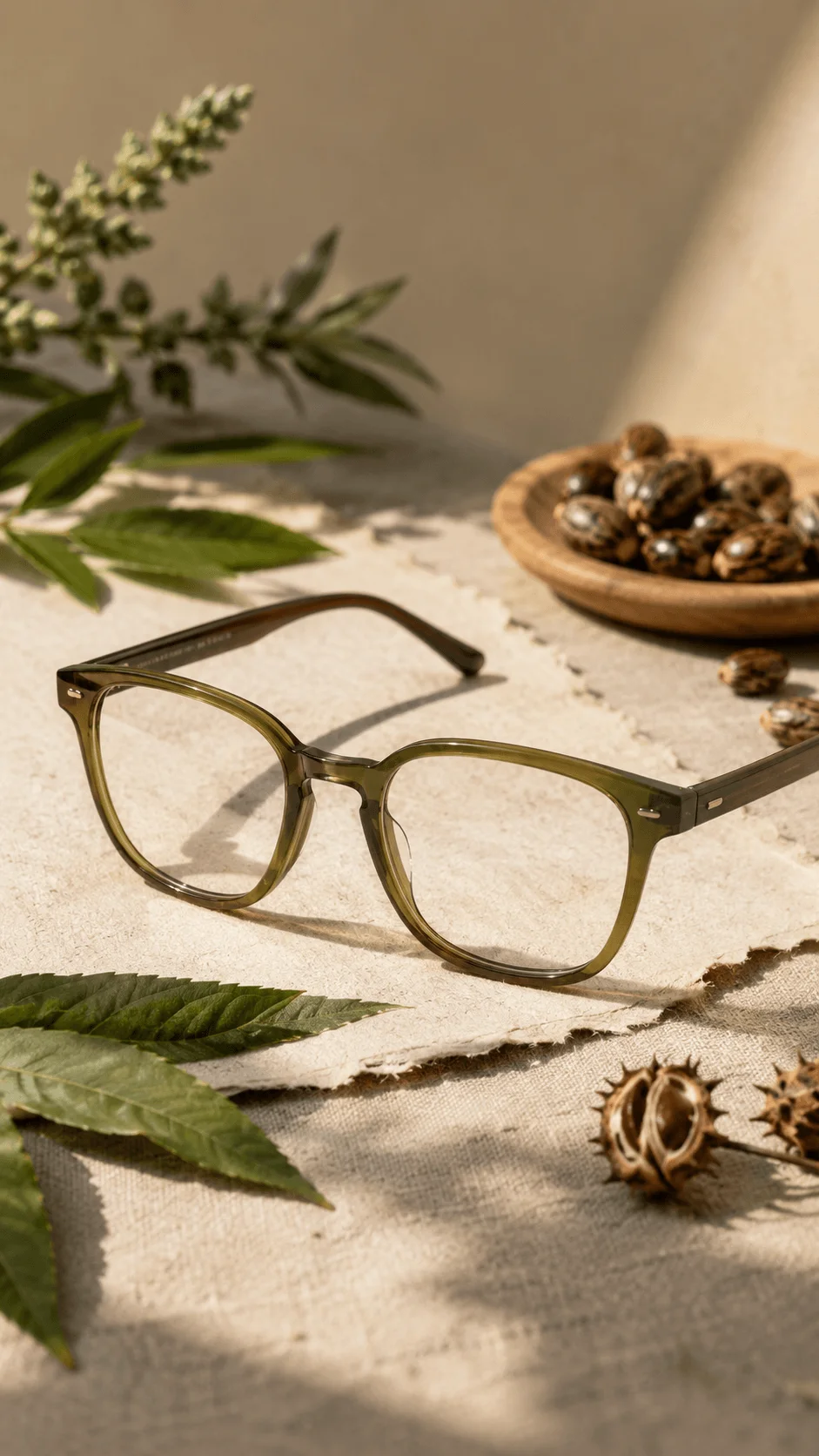
Warm daylight can work well with brown, amber, olive, and cream frames. If the eyewear has a modern shape, pair it with a simple background so the material and silhouette remain prominent.
The strongest images will focus on the contrast between advanced eyewear design and natural visual elements. This creates a contemporary sustainability story without making the photograph feel overly literal.
Vintage Glasses With Eco Friendly Materials
Vintage inspired eyewear continues to work exceptionally well in aesthetic photography because it carries a sense of personality and nostalgia. Round frames, soft cat eye shapes, classic brow styles, and other retro silhouettes can create a completely different mood from modern minimalist eyewear.
Combining these shapes with more responsible materials creates an appealing contrast between old inspired design and contemporary sustainability.
For photography, consider using an analog inspired visual style. Warm tones, subtle grain, soft focus backgrounds, old books, wooden furniture, notebooks, or vintage cameras can help establish the atmosphere.
You do not need to use an actual vintage camera to create the mood. Composition and lighting can achieve much of the same effect. Position the glasses near a window and allow gentle shadows to fall across the scene. Slightly imperfect arrangements can make the image feel more authentic than a perfectly polished product photograph.
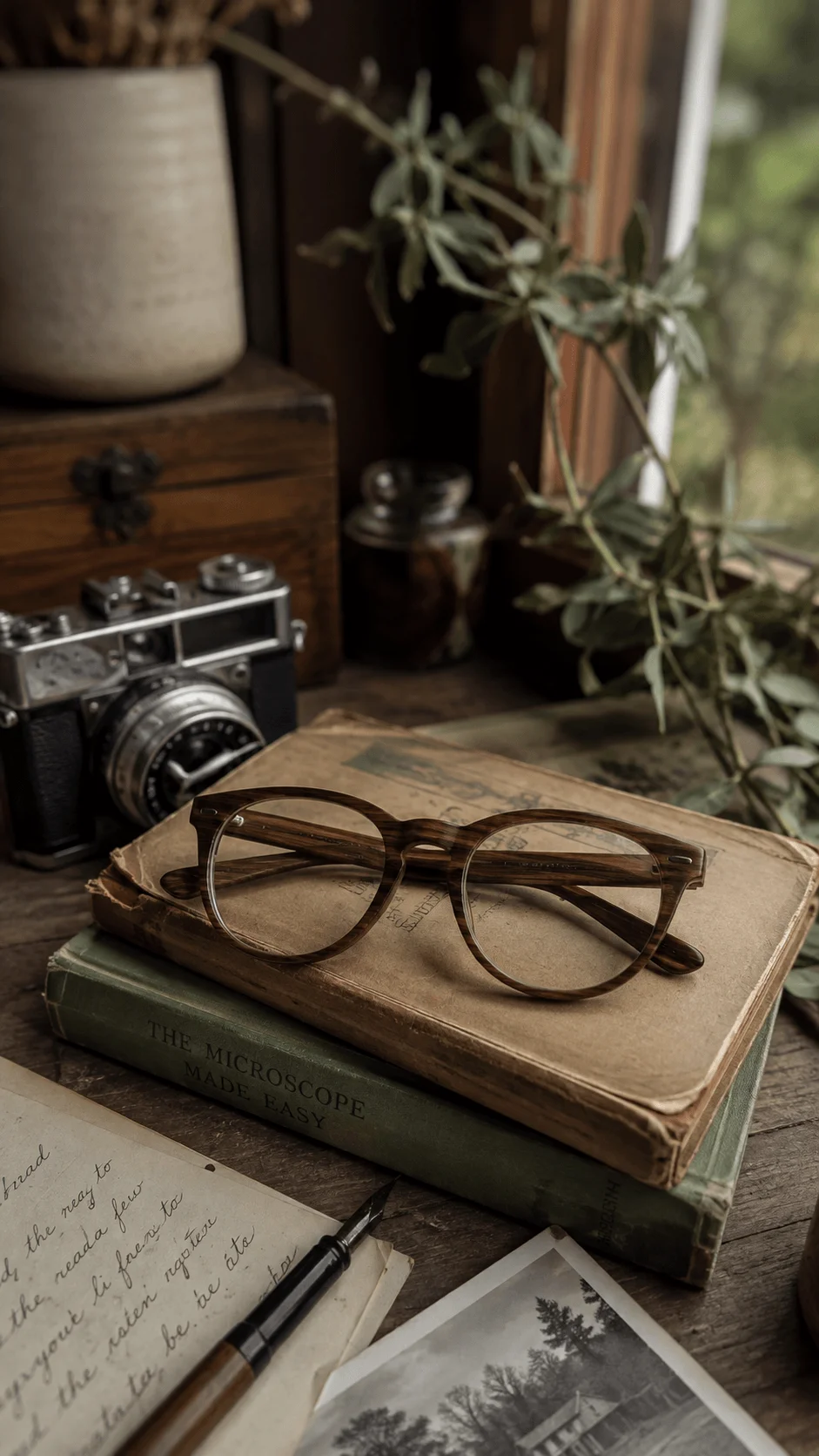
Vintage eco friendly glasses are particularly suitable for Pinterest style content because they combine several visual interests at once. They offer fashion inspiration, nostalgia, sustainable styling, and photography inspiration within one concept.
The most effective approach is to let the frame shape lead the visual story while the surrounding props provide context.
Earth Tone Sustainable Glasses
Earth tones are a natural match for sustainable glasses aesthetic photography. Shades such as warm brown, olive, beige, amber, sand, cream, and muted terracotta create an immediate sense of warmth and connection with natural environments.
These colors also provide considerable flexibility. A brown frame can look sophisticated against cream linen, while an olive frame can create a botanical mood against pale stone or natural wood.
For a more editorial appearance, create a monochromatic composition where the glasses and background share similar tones. For example, an amber frame placed on warm beige fabric can create a soft layered image with subtle contrast.
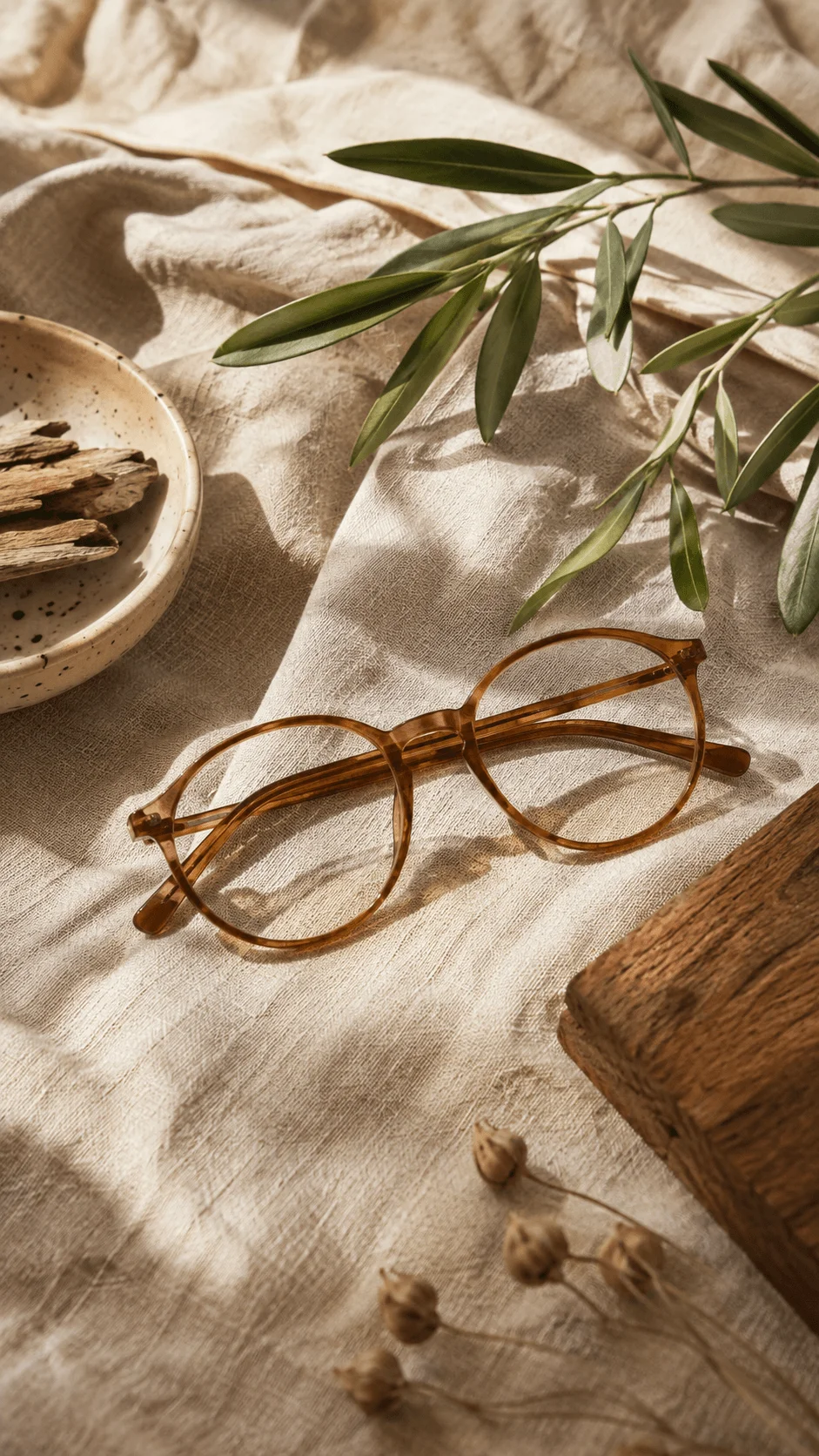
Another approach is to create contrast through complementary natural colors. Pair an olive frame with warm brown wood or a cream frame with muted green leaves.
Earth tone photography does not need to look rustic. Clean composition, careful lighting, and premium materials can transform natural colors into a sophisticated fashion aesthetic.
This makes earth tone glasses particularly useful when creating images that need to communicate sustainability without relying on obvious environmental imagery.
Geometric Eco Friendly Frames
Geometric frames bring a sharper and more contemporary character to sustainable eyewear photography. Hexagonal, octagonal, angular, and softly squared designs can make an image feel more artistic because their shapes create strong visual lines. In 2026, this type of eyewear works particularly well with modern editorial styling and minimalist compositions.
The appeal of geometric glasses comes from the relationship between the frame and its surroundings. Straight lines in architecture, repeating patterns, rectangular tiles, textured walls, and carefully arranged objects can reinforce the shape of the glasses. This creates visual harmony without requiring a large number of props.
For eco friendly glasses photography, natural materials can soften the structured appearance of geometric frames. Place an angular frame on a stone surface beside a small wooden object or neutral fabric. The contrast between the precise shape of the glasses and the irregular texture of natural materials can make the photograph more interesting.
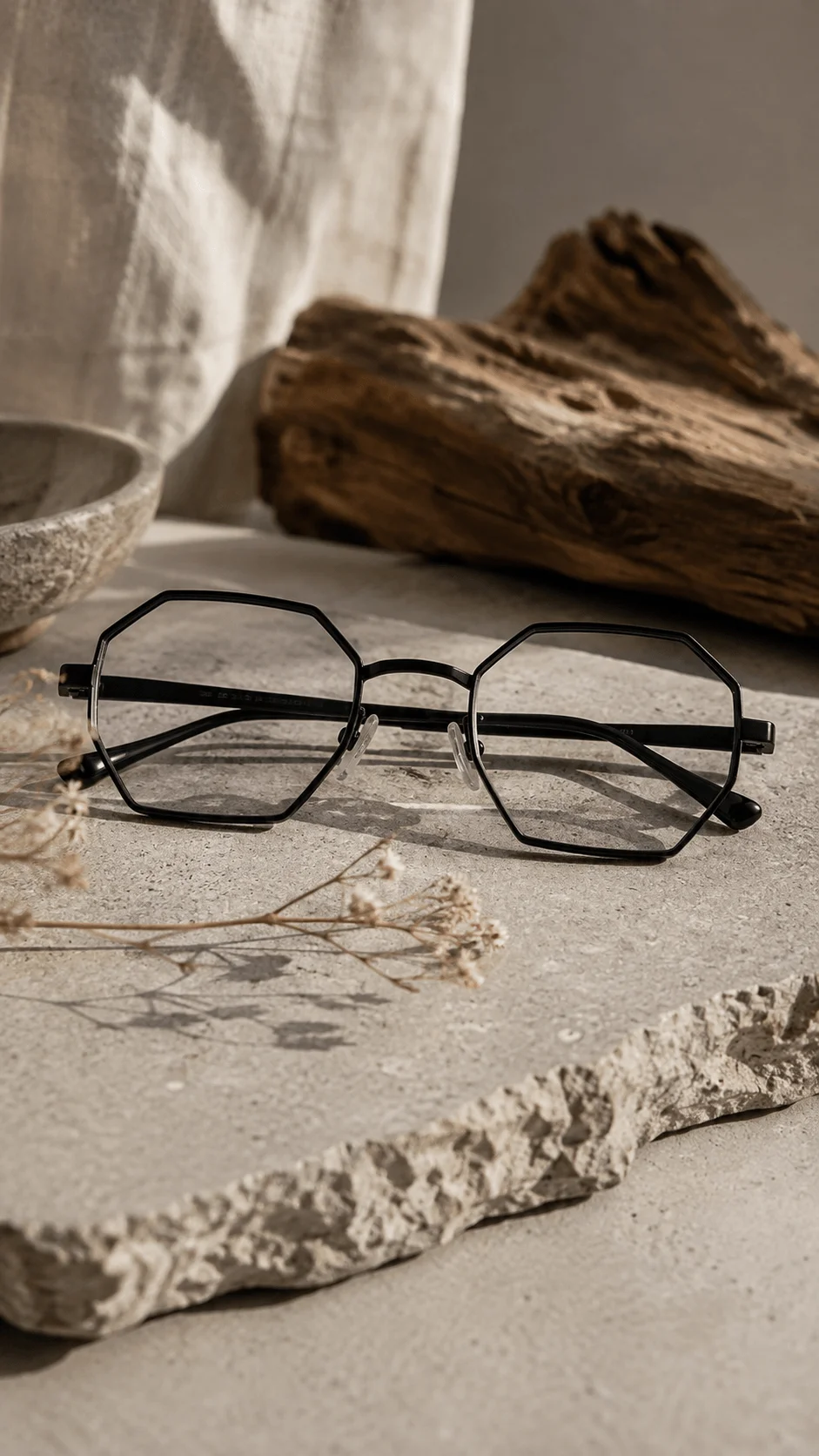
Lighting also plays an important role. Side lighting can emphasize the edges of the frame and create defined shadows. Softer front lighting can produce a cleaner fashion editorial appearance. You can also experiment with shadows created by window frames, leaves, or architectural structures.
Color choice can further strengthen the concept. Black, dark brown, olive, transparent, and muted metal frames can work well with neutral backgrounds. If the frame has a stronger color, keep the surrounding environment simple so the geometric shape remains the dominant feature.
Geometric eyewear also provides an opportunity to explore symmetry. Positioning the glasses directly in the center of a photograph can create a balanced composition, while placing them slightly off center can introduce a more contemporary editorial feeling.
The sustainability story should remain accurate. A geometric shape itself does not make eyewear sustainable. Instead, focus on the materials, manufacturing approach, durability, and long term usefulness of the particular frame. This allows the photography to celebrate both design and responsible consumption without making unsupported environmental claims.
Magnetic Clip On Sustainable Glasses
Magnetic clip on glasses offer an interesting combination of versatility and aesthetic appeal. Instead of treating eyewear as a single static accessory, clip on systems can create multiple looks from one frame. Some modern eyewear collections use magnetic sun clips that attach to optical frames, providing another styling possibility for photographers.
This versatility can become part of the visual story. Photograph the regular frame beside its sun clip rather than immediately attaching both pieces. This creates a simple composition that allows the viewer to understand how the system works.
You can also photograph the two configurations separately. One image can show the glasses in a clean indoor setting, while another can place the sunglasses version in an outdoor environment. Together, the images create a small visual story around one product.
A minimalist approach works especially well. Use a neutral table, natural light, and a small number of carefully selected props. A leather notebook, wooden surface, linen fabric, or ceramic cup can provide context without overwhelming the eyewear.
For outdoor photography, clip on sunglasses can work naturally with bright environments. Photograph them on a picnic table, near an architectural wall, or against a softly blurred landscape. The goal is to communicate versatility while maintaining an attractive aesthetic.
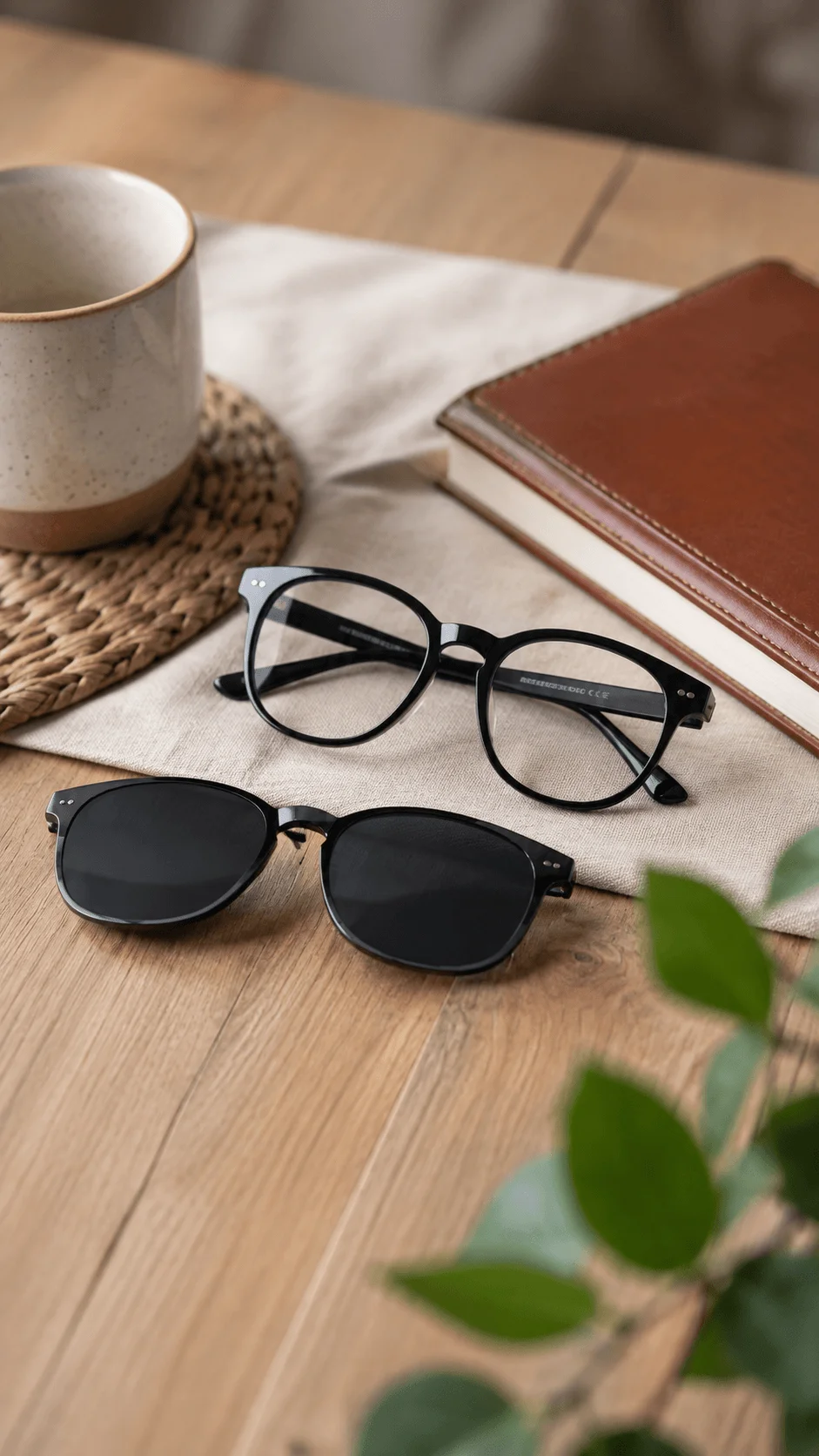
From a sustainability perspective, versatility can be an interesting consideration because one adaptable frame may reduce the practical need for separate pairs for different situations. However, the overall environmental impact still depends on the materials, manufacturing, durability, and lifespan of the product.
The strongest sustainable eyewear photography will therefore present the clip on feature as a useful design characteristic rather than automatically describing it as environmentally superior.
Film Inspired Eco Eyewear Photography
Film inspired photography offers one of the most distinctive aesthetic directions for sustainable eyewear in 2026. The appeal comes from its nostalgic character, softer visual quality, gentle color variation, and sense of imperfection.
This style works particularly well with vintage inspired sustainable frames. Round glasses, tortoiseshell shapes, warm brown frames, and classic silhouettes can immediately create a nostalgic atmosphere.
You can recreate a film inspired mood through the environment as much as through the camera itself. Wooden desks, old books, handwritten notes, fabric textures, vintage furniture, flowers, and natural window light can establish the visual language.
Avoid making every object look perfectly positioned. A slightly relaxed arrangement can make the scene feel more authentic. Place the glasses naturally beside a notebook or allow part of the frame to overlap another object.
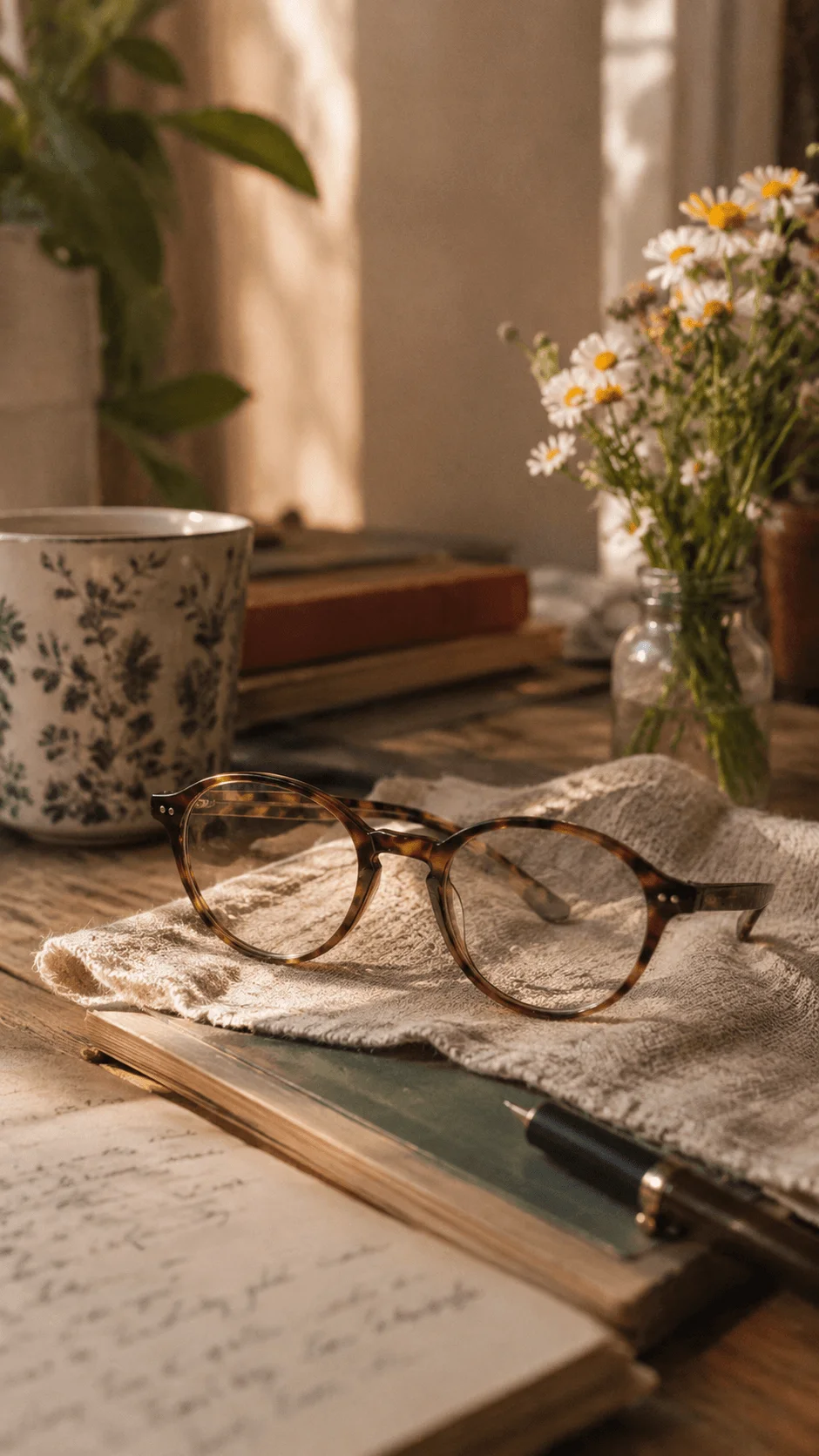
Warm lighting can enhance the nostalgic quality. Morning sunlight entering through a window can create soft highlights, while late afternoon light can produce deeper warm tones.
The background should remain slightly understated. A heavily decorated setting can distract from the eyewear. Instead, choose a few objects that support the story.
Film inspired sustainable eyewear photography can also communicate an interesting idea about longevity. Vintage aesthetics naturally encourage viewers to think about timeless design rather than rapidly changing trends. A frame that remains visually appealing for many years can fit naturally into a broader conversation about buying fewer and more durable fashion accessories.
This does not mean every vintage inspired frame has a lower environmental impact. The sustainability aspect still depends on how the frame was produced and how long it remains useful. The strength of the concept comes from combining timeless visual appeal with thoughtful material choices.
Futuristic Sustainable Eyewear
Sustainable eyewear does not have to look rustic, earthy, or traditional. Futuristic frames offer a completely different direction and demonstrate how environmental awareness can exist alongside bold contemporary design.
Large shield shapes, unusual curves, angular frames, transparent materials, reflective surfaces, and unconventional proportions can create a futuristic visual language. This style works especially well for editorial photography because the glasses can become the central design object.
For the background, move away from traditional natural textures. Modern architecture, smooth concrete, metallic surfaces, glass walls, reflective floors, and clean studio backgrounds can create a sophisticated futuristic atmosphere.
Lighting can become more dramatic here. Strong directional light can create defined shadows and emphasize unusual frame shapes. Reflections can also add depth, especially when the eyewear has polished or translucent surfaces.
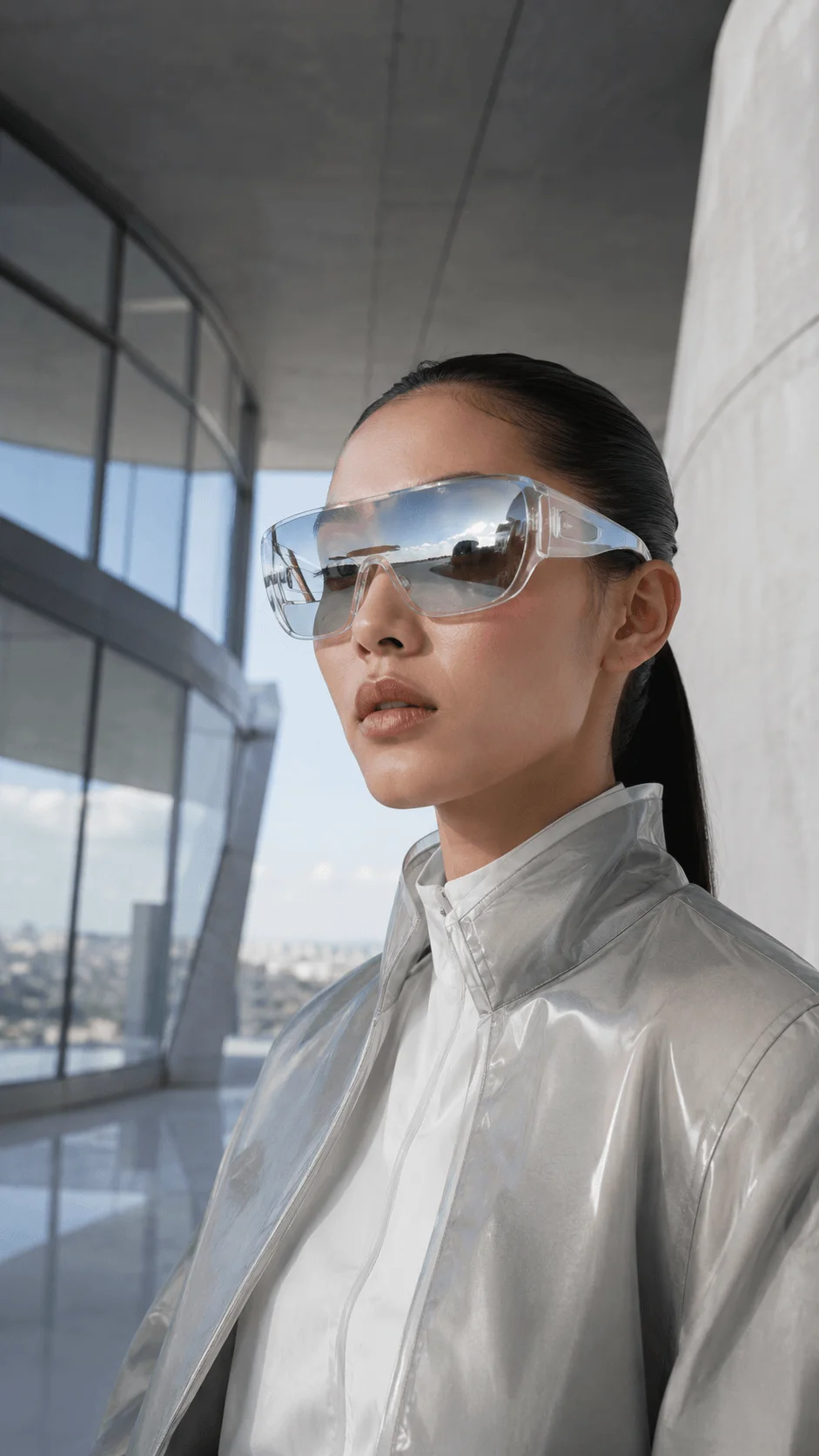
Minimalism is particularly important. A futuristic frame already provides a strong visual statement, so the composition does not need many additional objects.
You can also create contrast by introducing one natural element. A futuristic transparent frame placed beside a single leaf or a small wooden object can create an unexpected combination of technology and nature.
This contrast is useful for sustainable fashion storytelling. It challenges the assumption that environmentally conscious design must always look handmade or rustic. Modern sustainable materials and responsible design approaches can also appear sleek, experimental, and fashion forward.
When discussing futuristic sustainable eyewear, avoid making environmental claims based only on appearance. Explain the actual material or manufacturing characteristics when reliable information exists. A futuristic design can look sustainable without necessarily having a smaller environmental footprint.
How to Combine Different Sustainable Eyewear Aesthetics
One of the biggest advantages of sustainable eyewear photography is the flexibility of the subject. You do not have to choose one visual style for every photograph. The same frame can appear completely different depending on the setting, lighting, styling, and composition.
A brown bio acetate frame might look luxurious against cream linen in one photograph and nostalgic beside an old book in another. Transparent glasses might look minimal on pale stone but futuristic against modern architecture.
This flexibility can help create a complete visual collection rather than a series of photographs that all look identical.
When combining aesthetics, choose one main visual idea for each image. A photograph can focus on nature, vintage styling, minimalism, or futuristic design without trying to represent everything at once.
Consistency can come from smaller details such as similar lighting, recurring colors, or related textures. This allows different photographs to feel like part of the same editorial collection.
The strongest approach is to let the eyewear guide the creative direction. A delicate transparent frame may suit minimalism, while an oversized geometric frame may benefit from an architectural setting.
Choosing the Right Background for Sustainable Glasses Photography
Background selection can determine whether an eyewear photograph feels ordinary or carefully designed. The background should support the shape, color, and material of the glasses rather than compete with them.
Natural wood works well with warm colored frames and botanical styling. Stone provides a sophisticated surface for minimalist and architectural compositions. Linen creates softness and works particularly well with bio acetate and neutral frames.
Glass and reflective surfaces can create a modern appearance for transparent and futuristic eyewear. Vintage furniture and textured paper can support retro designs.
You should also consider contrast. A dark frame may disappear against a dark background, while a transparent frame may need stronger shadows to become visible. A pale frame can benefit from a slightly darker neutral surface.
The best background is not always the most attractive object in the scene. It should help the viewer notice the glasses first.
Why Sustainable Eyewear Works So Well for Aesthetic Photography
Sustainable eyewear offers photographers an unusually broad creative subject because the product combines fashion, material, shape, color, and lifestyle.
The frame itself can communicate personality. Natural materials can support an organic story, while polished surfaces can create luxury. Vintage shapes can introduce nostalgia, while geometric designs can create a modern editorial feeling.
The sustainability aspect adds another layer to the story. Instead of photographing an accessory purely as a fashion object, photographers can explore ideas such as durability, material innovation, natural inspiration, timeless design, and thoughtful consumption.
This makes sustainable eyewear suitable for fashion blogs, photography websites, Pinterest content, lifestyle publications, product campaigns, and social media portfolios.
The strongest photographs do not need to announce that they are sustainable. The visual language can communicate the idea through materials, styling, environment, and thoughtful composition.
Conclusion
Eco friendly aesthetic photography glasses offer far more creative possibilities than a simple product photograph might suggest. In 2026, sustainable eyewear can appear soft and luxurious, natural and botanical, minimalist and refined, nostalgic and vintage inspired, or bold and futuristic.
Bio acetate, recycled metal, castor seed based materials, transparent frames, oversized silhouettes, geometric designs, earth tones, magnetic clip on systems, and vintage inspired shapes all provide different directions for creative photography. Each idea can create a distinct visual story when photographers carefully consider lighting, composition, texture, background, and styling.
The most important approach is to combine aesthetics with accurate sustainability storytelling. A natural looking photograph does not automatically mean a product has a lower environmental impact. Material sourcing, manufacturing, durability, repairability, product lifespan, transportation, and end of life options all matter.
At the same time, thoughtful photography can help people see sustainable eyewear in a fresh way. Instead of treating eco friendly glasses as a niche product category, photographers can present them as stylish, expressive, and visually exciting accessories.
Whether you prefer botanical compositions, soft luxury, earth tones, film inspired scenes, minimalist styling, or futuristic editorial photography, there are countless ways to create an eco friendly aesthetic photography glasses concept that feels current, distinctive, and relevant in 2026.