12 Eco Friendly Garden Ideas Under Trees
Creating an eco friendly garden under trees can transform an overlooked part of your yard into a peaceful, natural and useful space. Areas beneath mature trees often have challenging conditions, including limited sunlight, competing roots and dry soil, but these conditions do not mean the space has to remain bare. With the right design approach, you can create a beautiful garden that works with the tree instead of fighting against it.
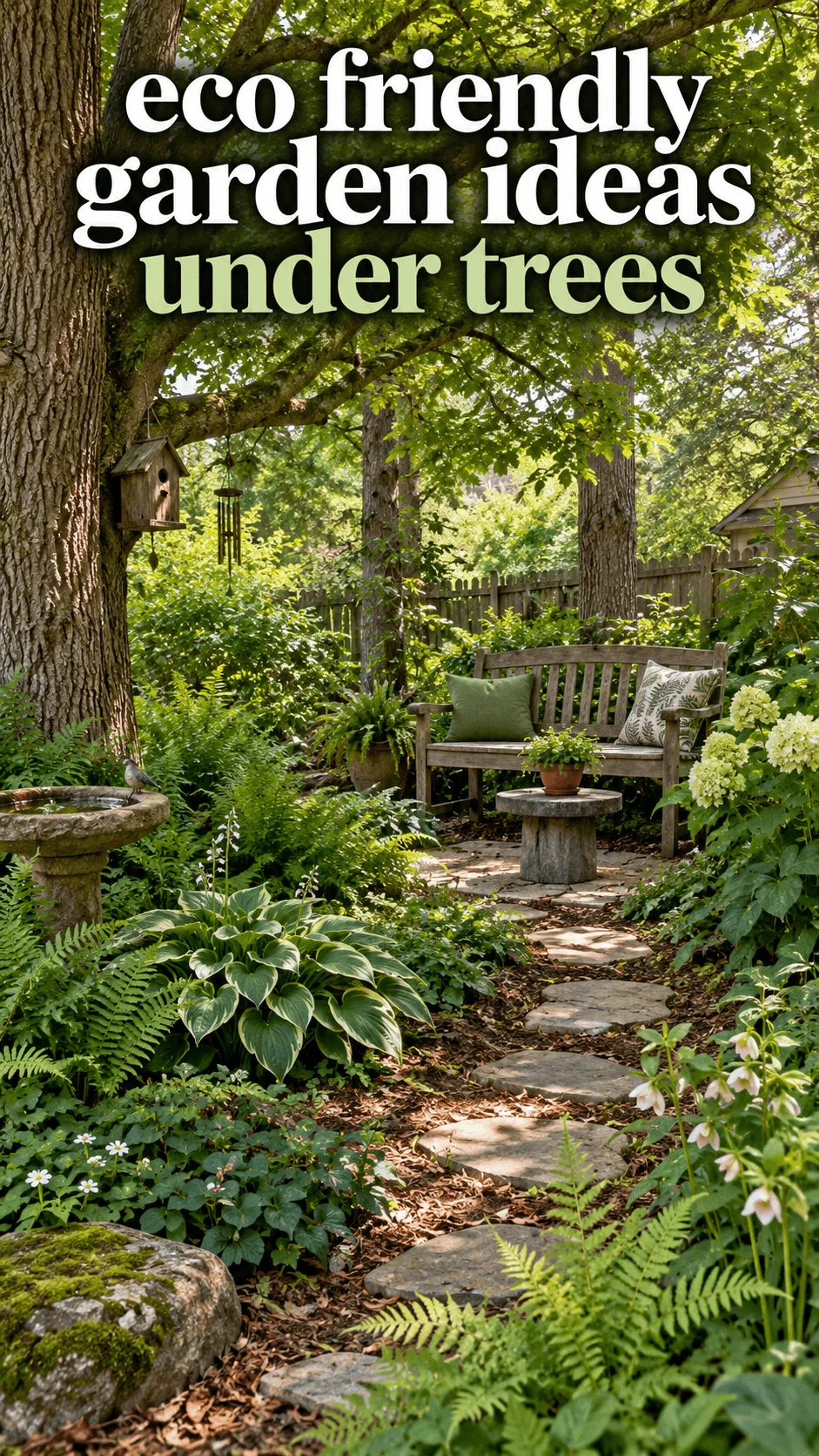
The best eco friendly garden ideas under trees focus on natural planting, native species, healthy soil, water conservation and protection of existing tree roots. Instead of trying to grow a traditional lawn or filling the area with plants that need constant care, you can create a woodland inspired landscape that complements the mature tree and supports local wildlife. Here are twelve practical ideas to inspire a more sustainable garden beneath your trees.
1. Create a Native Woodland Garden Under Trees
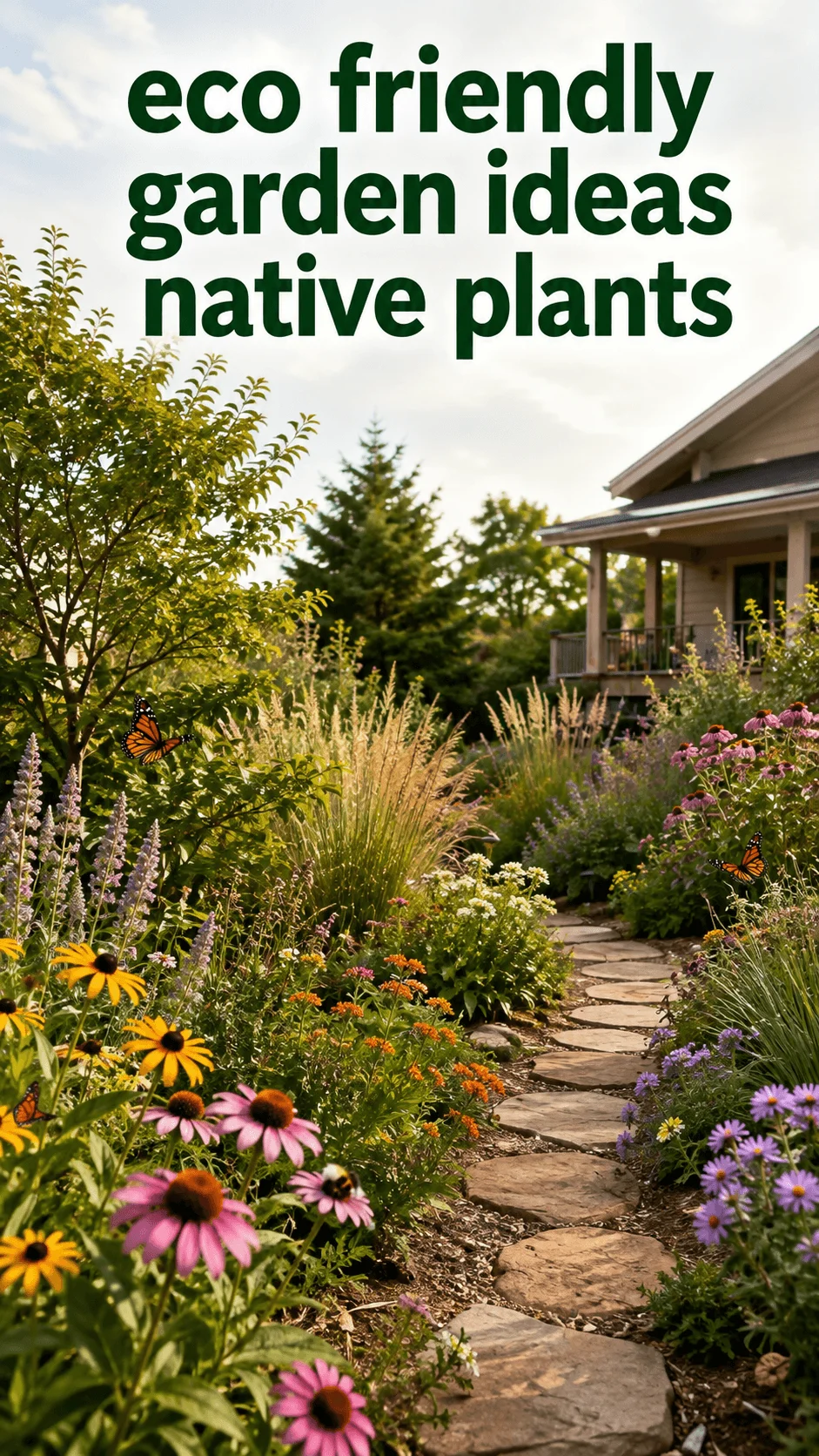
A native woodland garden is one of the most natural ways to use the space beneath mature trees. Rather than making the area look like a conventional flower bed, you can recreate some of the characteristics found on a natural forest floor. This approach uses plants that suit shaded conditions while creating different layers of foliage, texture and seasonal interest.
Start by observing the conditions beneath your tree. Notice how much sunlight reaches the ground throughout the day and whether the soil stays moist or becomes dry. Mature trees can create particularly challenging dry shade because their canopies intercept rainfall while their roots compete with surrounding plants for available moisture.
Once you understand the conditions, choose native or locally appropriate plants that can tolerate them. Native plants can provide valuable habitat and food sources for insects and other wildlife while generally fitting more naturally into the local ecosystem.
You can make the design look more natural by avoiding perfectly straight rows. Arrange plants in loose groups and leave some natural spaces between them. Groundcovers can fill open areas while taller woodland plants create depth behind them.
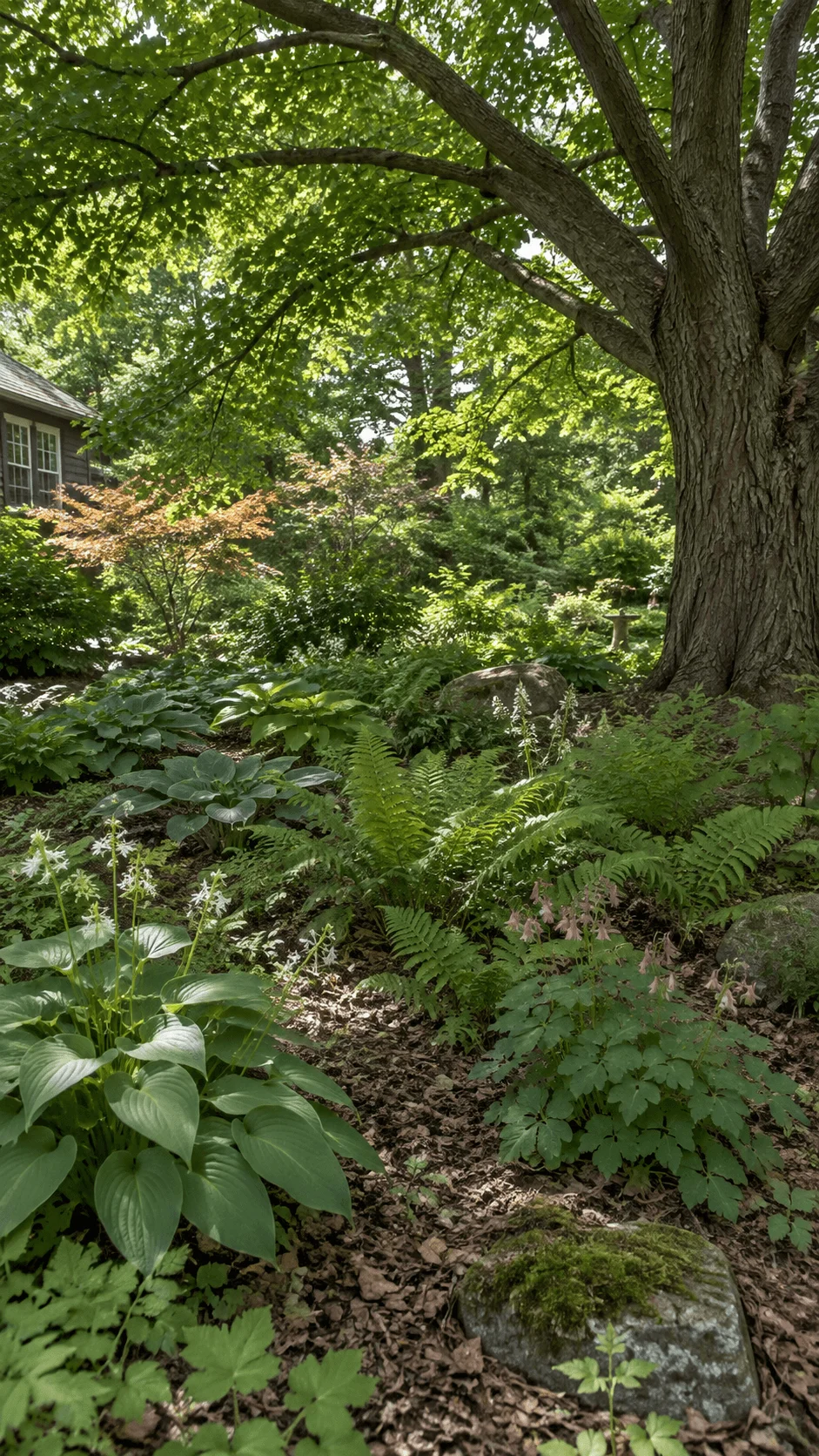
Natural leaf litter can also become part of the design. Instead of removing every fallen leaf, allow some leaves to remain around suitable planting areas. They can contribute organic material to the soil and help create the appearance of a natural woodland floor.
A native woodland garden also tends to become more attractive as it matures. Instead of relying on frequent replanting, you can allow suitable plants to establish and gradually fill the space.
2. Design a Dry Shade Garden Beneath Mature Trees
A dry shade garden under trees addresses one of the biggest challenges homeowners face when landscaping beneath mature trees. Shade alone does not necessarily make gardening difficult. The real challenge often comes from the combination of shade and limited moisture.
Tree branches can intercept rainfall before it reaches the ground, while established root systems draw water from the surrounding soil. As a result, plants that normally enjoy ordinary shade may struggle when planted directly beneath large trees.
A sustainable solution involves selecting plants according to the actual conditions instead of trying to change the entire environment. Look for plants that naturally tolerate shade and periods of lower soil moisture in your local climate.
You should also avoid assuming that every part of the area has identical conditions. The space closest to the trunk may experience different moisture and root conditions than an area near the edge of the canopy. This gives you an opportunity to create several planting zones.
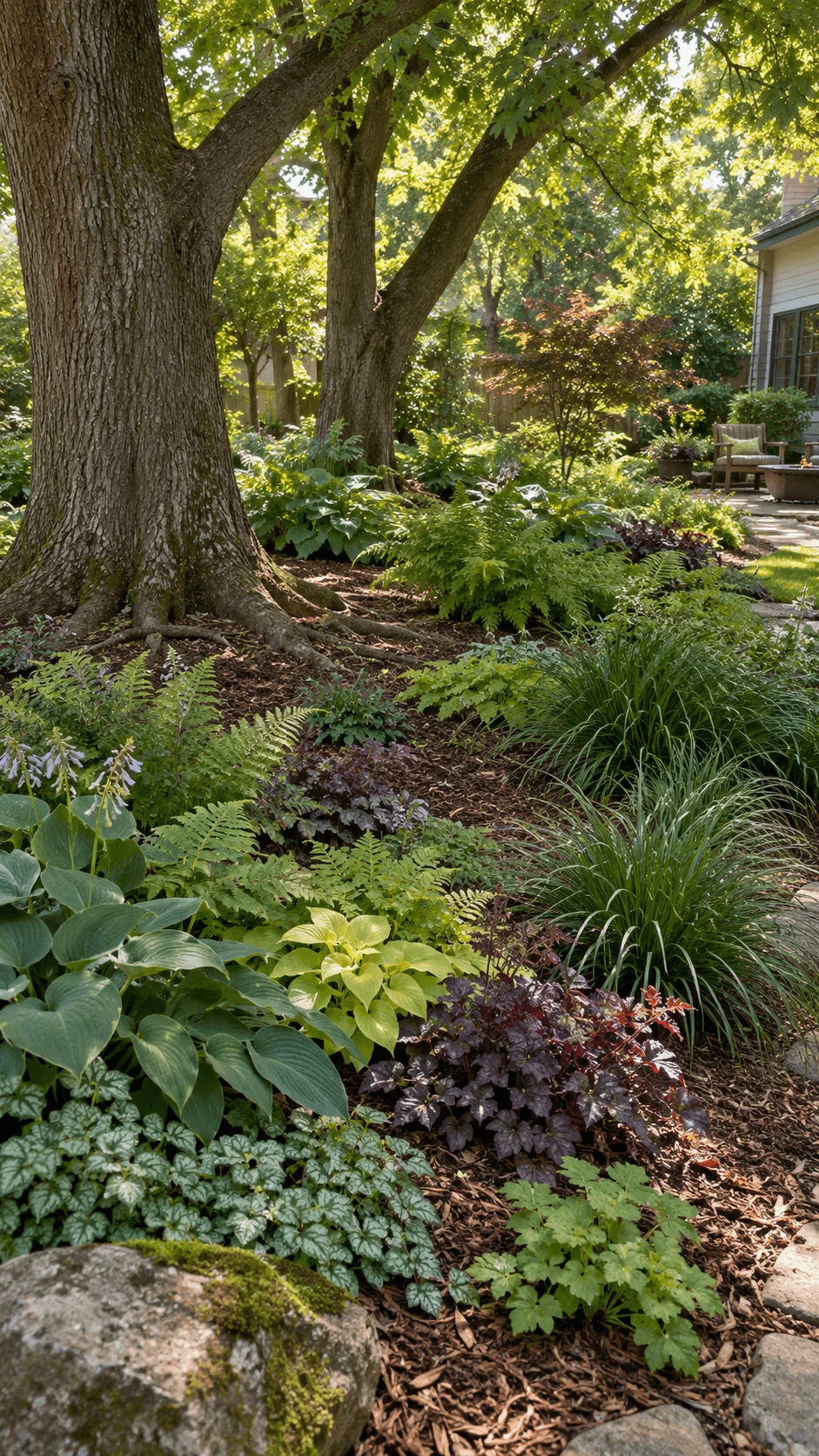
Use more moisture tolerant plants in areas where water naturally collects and choose plants suited to drier conditions in exposed areas beneath the canopy. This approach can reduce the need for frequent irrigation.
Natural mulch can also help conserve moisture. A suitable layer of organic material can reduce evaporation and protect the soil surface. However, keep mulch away from direct contact with the trunk and avoid creating a thick mound around the base of the tree.
The goal is not to make the soil permanently wet. Instead, create a planting environment where the plants match the natural moisture conditions.
3. Replace Bare Soil With Eco Friendly Groundcovers
Large bare patches beneath trees can make a garden look unfinished, especially when grass refuses to grow because of shade and root competition. One of the most effective eco friendly garden ideas under trees is to replace exposed soil with suitable groundcover plants.
Groundcovers create a living layer across the soil surface. They can help reduce weed growth, soften the appearance of the landscape and provide additional habitat for small insects. Depending on the species and climate, some groundcovers can also help reduce erosion on sloping ground.
Choose groundcovers according to your local growing conditions. Native species or well behaved plants that do not become invasive can be particularly useful for sustainable landscaping.
Avoid planting a single species across the entire area if it could create a monotonous appearance or spread beyond the space. Instead, consider combining compatible groundcovers with woodland perennials and areas of natural leaf litter.
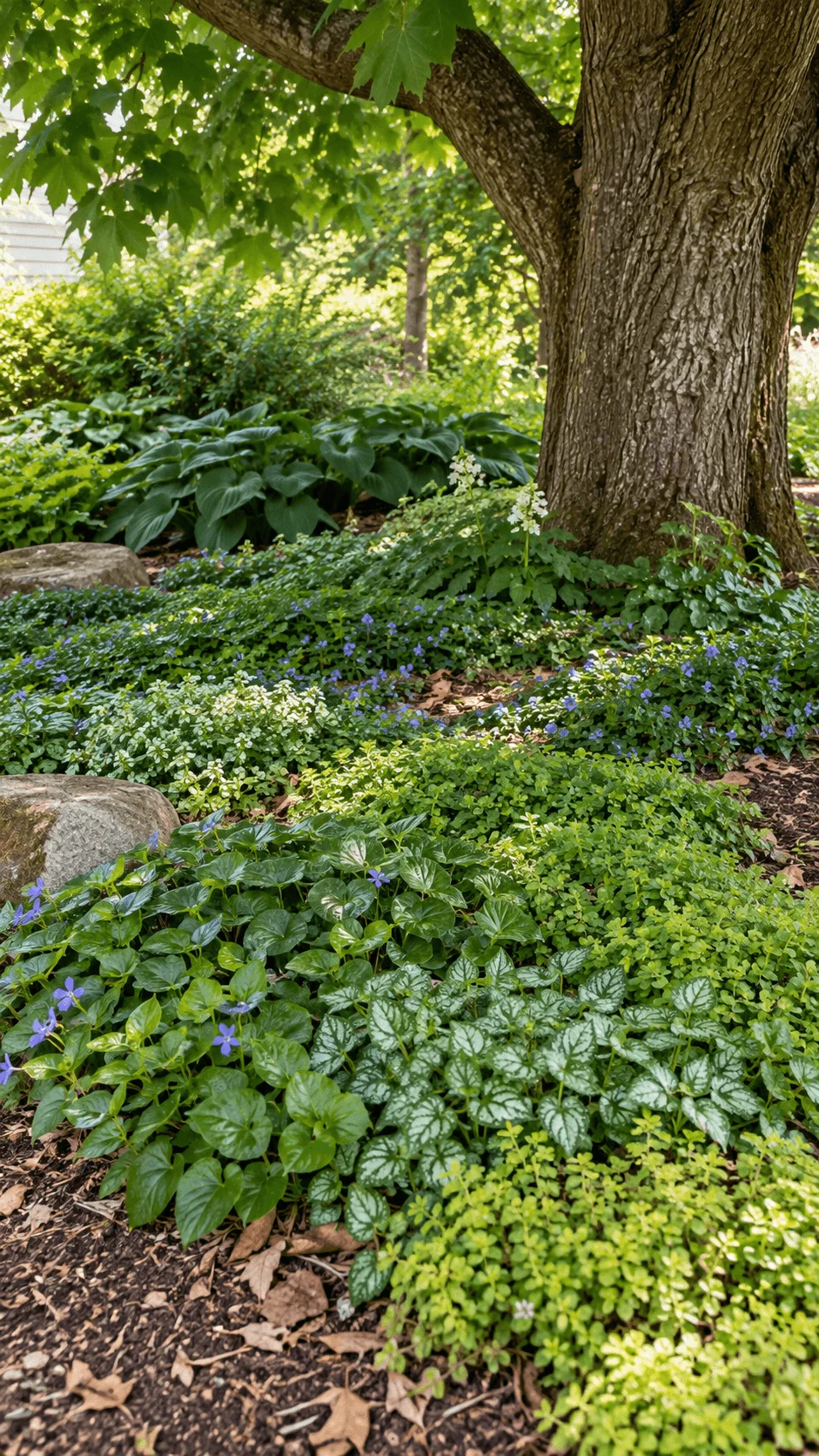
You can also use groundcovers to visually connect different parts of your garden. For example, a groundcover planting beneath one tree can flow toward another shaded planting area, creating a continuous natural landscape.
Before planting, however, pay attention to existing roots. Avoid turning the entire area into a deeply cultivated flower bed. Small planting pockets can often provide a better solution than extensive digging.
Once established, suitable groundcovers can reduce the amount of exposed soil that requires regular weeding. This makes them especially useful for homeowners who want a low maintenance garden beneath mature trees.
4. Build a Layered Woodland Understory
A layered garden under trees can create much more visual depth than a single row of plants. Natural woodland environments contain several levels of vegetation, and you can use the same principle in your own landscape.
Start with the lowest layer. Groundcovers and low growing plants can occupy the soil surface while helping create a continuous visual foundation. Above them, add medium sized shade tolerant plants that provide different leaf shapes and textures.
If conditions allow, small shrubs can form another layer farther from the trunk. You do not need to fill every available space. Leaving some open areas can make the planting look more natural and give each plant room to develop.
The key is to think about height, texture and seasonal interest. Large leaves can contrast with fine foliage, while upright plants can balance spreading groundcovers. Different shades of green can also create visual interest even when few plants are flowering.
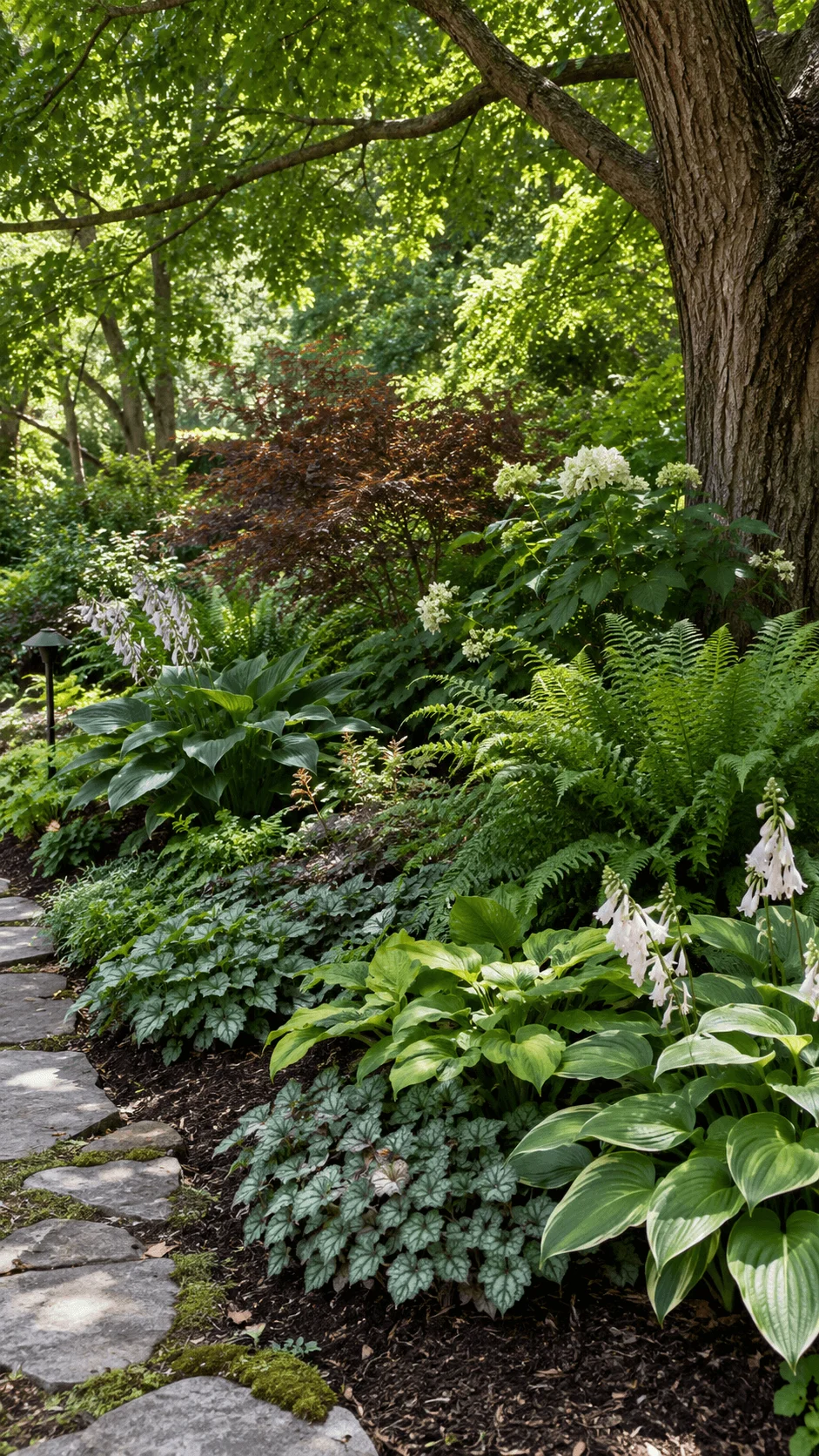
This approach works particularly well in an eco friendly garden under trees because it encourages you to work with existing shade rather than removing the tree or trying to create artificial conditions.
A layered planting design can also provide different types of shelter for wildlife. Low vegetation can offer cover close to the soil while taller plants create additional habitat above it.
Keep mature plant sizes in mind when designing the garden. A plant that looks small at the nursery may eventually occupy a much larger area. Allowing sufficient space from the beginning can reduce overcrowding and unnecessary pruning later.
5. Create a Pollinator Friendly Shade Garden
Pollinator gardens are often associated with sunny flower beds, but you can also create a wildlife friendly garden under trees by selecting flowering plants that tolerate shade.
The first step is to identify how much shade the site receives. A tree that allows filtered sunlight may support a wider range of flowering plants than an area beneath a dense evergreen canopy.
Choose native plants that provide useful resources for local pollinators whenever possible. Different plants flower at different times, so combining species with different blooming periods can help create a longer season of interest.
Do not focus only on flowers. Foliage, stems, seed heads and natural leaf litter can all contribute to a wildlife friendly garden. Some insects use different parts of plants during different stages of their life cycles.
Avoid excessive tidying. A perfectly clean garden may look neat, but a slightly more natural planting area can provide additional shelter and habitat.
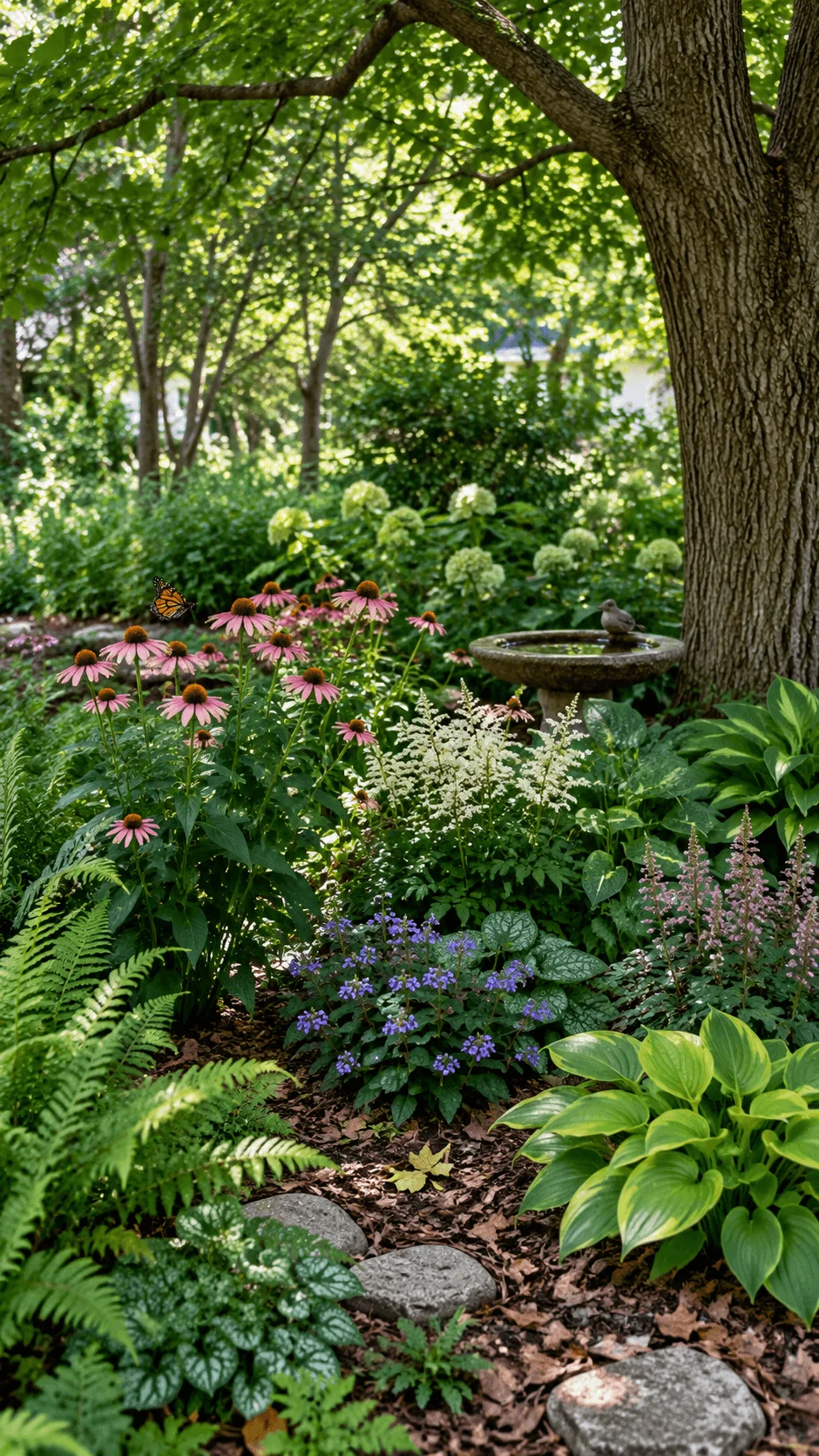
You can also reduce environmental impact by avoiding unnecessary chemical treatments and by choosing plants that match the conditions of the site. Plants that naturally tolerate the available shade and moisture usually require less intervention than plants that constantly struggle.
A pollinator friendly planting area beneath a tree can therefore combine beauty with biodiversity. Instead of viewing the shade as a limitation, you can use it to create a different type of habitat from the sunny areas elsewhere in your garden.
6. Embrace Natural Leaf Litter and a Woodland Floor
One of the simplest natural garden ideas under trees is to stop treating fallen leaves as a problem. In a woodland environment, leaves naturally fall to the ground and become part of the soil cycle.
You can recreate a small version of this process beneath suitable trees by allowing some fallen leaves to remain in designated areas. The leaves can contribute organic matter as they break down while giving the garden a more authentic woodland appearance.
Leaf litter also creates a softer transition between the tree and surrounding planting. Instead of using a perfectly defined mulch circle, you can create an informal woodland floor that blends naturally with groundcovers and perennial plants.
However, moderation matters. Keep the immediate area around the trunk clear enough to prevent excessive moisture accumulation against the bark. Do not create a large pile of leaves or other organic material directly against the tree.
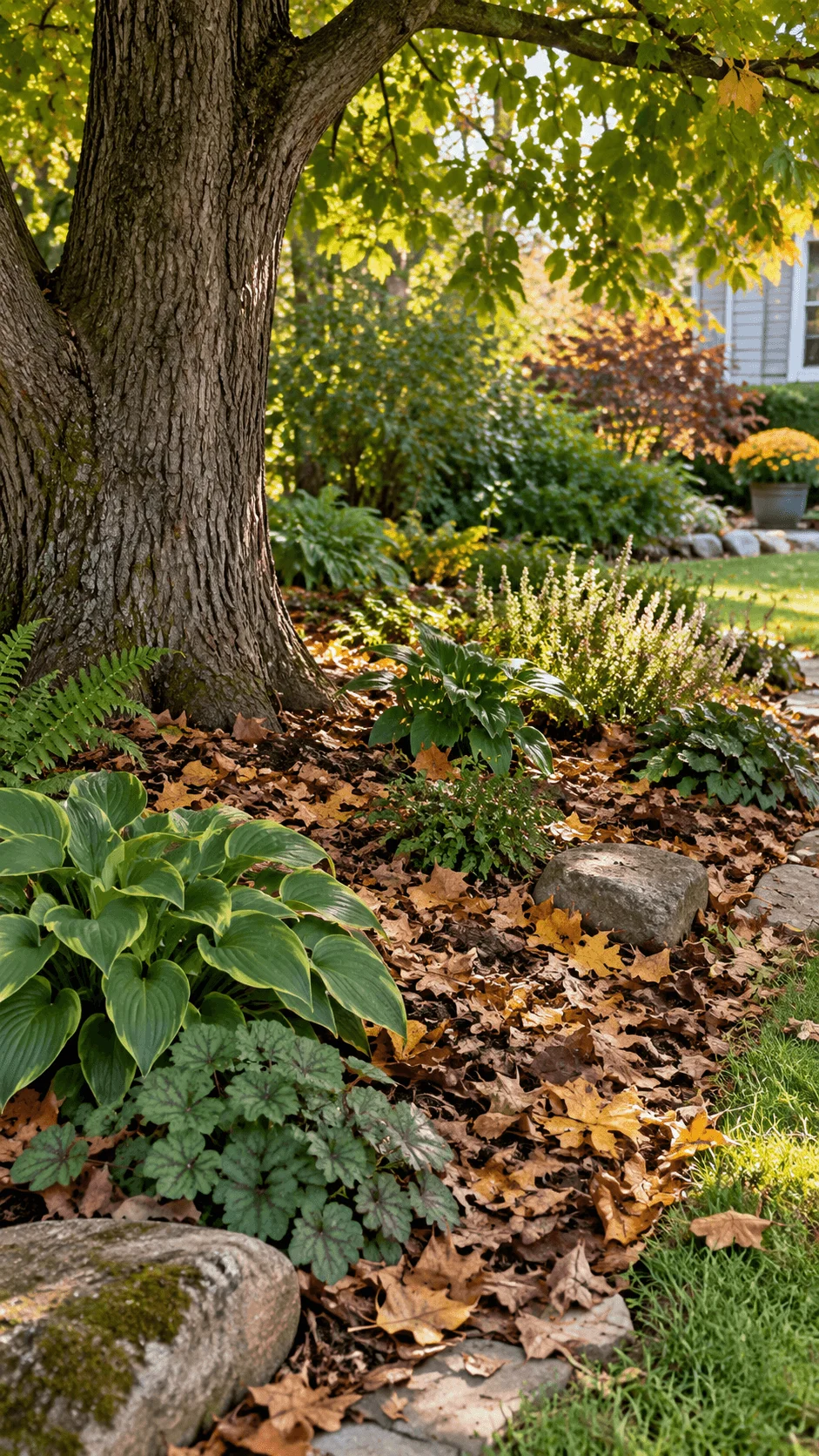
You can also combine leaf litter with natural stones, low groundcovers and woodland plants. This creates layers of texture without requiring expensive decorative materials.
The result can look particularly attractive during autumn when the changing foliage creates seasonal color across the garden. As the seasons change, the space can develop a different character without requiring a complete redesign.
For homeowners interested in sustainable planting beneath mature trees, this approach is valuable because it embraces a natural process that already occurs in the garden rather than constantly removing and replacing organic material.
7. Create Root Friendly Planting Pockets
One of the smartest ways to develop an eco friendly garden under trees is to work around the existing root system instead of trying to completely change the soil. Mature trees often have extensive roots close to the surface, and aggressive digging can disturb or damage them.
Root friendly planting pockets provide a simple alternative. Instead of digging deeply across the entire area, look for naturally open spaces between larger roots. You can place suitable plants in these smaller pockets while leaving major roots undisturbed.
This approach can also create a more natural appearance. Plants do not need to form a perfectly symmetrical bed around the tree. Irregular groups of foliage can produce a woodland effect that looks more established and relaxed.
Choose plants that do not require deep soil preparation. Smaller shade tolerant perennials and appropriate groundcovers can work well when the local conditions suit them. Before planting, check the mature size of each plant so the roots and foliage do not become overcrowded.
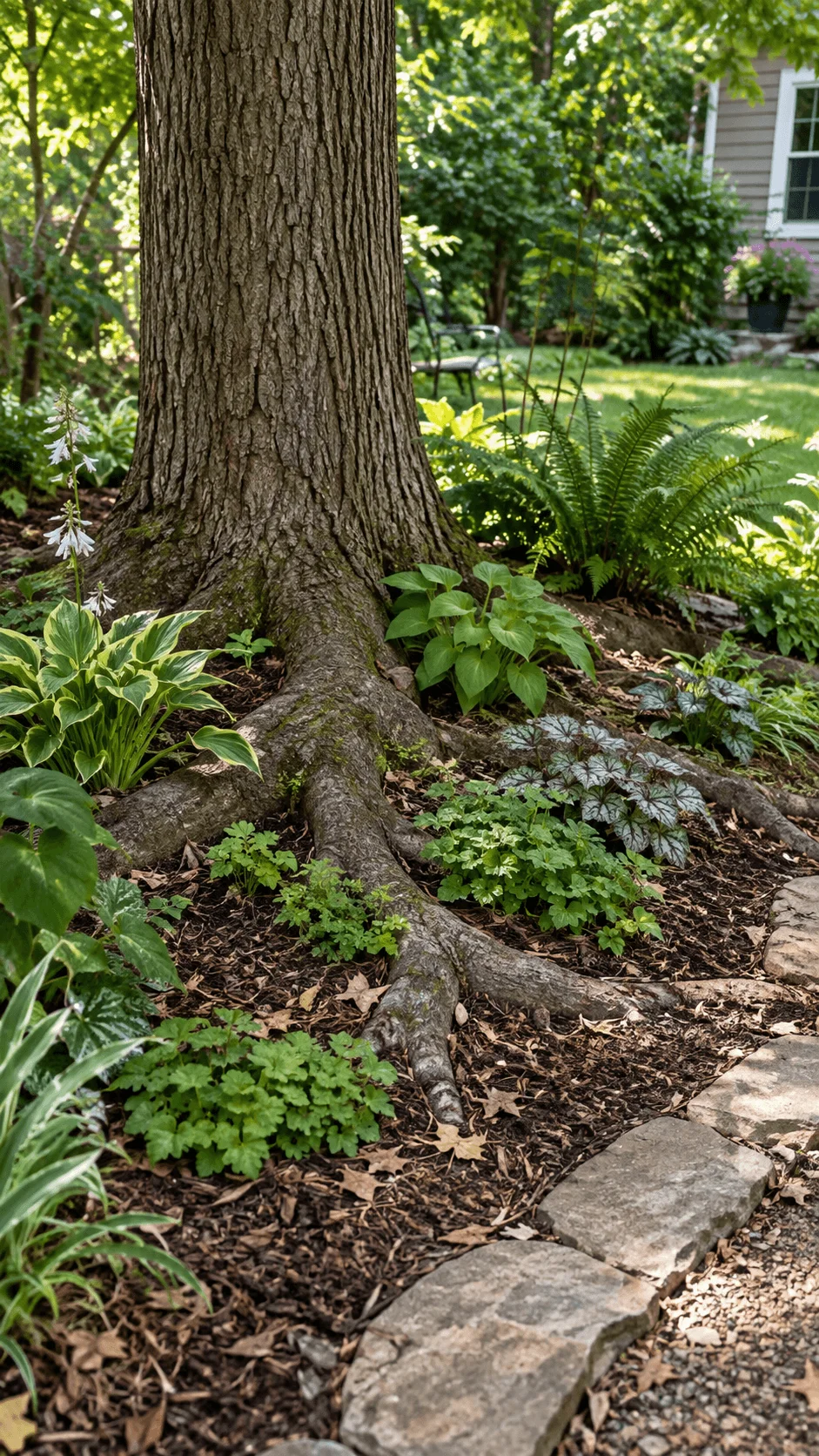
Avoid raising the soil level significantly around a mature tree. Adding a large amount of soil can alter the conditions around existing roots and may create problems for the tree. Instead, work with the soil that already exists and make small improvements where appropriate.
You can also use organic matter carefully to improve the surface environment. A thin layer of suitable natural mulch can help protect exposed soil, but it should never form a thick mound against the trunk.
The main principle is simple: design around the tree rather than forcing the tree to fit your garden design. This makes the landscape more sustainable and helps preserve one of the most valuable existing features in the yard.
8. Replace Struggling Grass With an Eco Friendly Shade Garden
Trying to maintain a traditional lawn beneath mature trees can become frustrating. Grass needs suitable sunlight, moisture and growing conditions, and the combination of dense shade and tree root competition can leave it thin and unhealthy.
Instead of repeatedly reseeding or watering struggling grass, consider creating an eco friendly alternative to grass under trees.
A planted garden can make better use of the conditions while reducing the need for regular mowing. Groundcovers, shade tolerant perennials and natural mulch can create a softer landscape that feels more connected to the surrounding trees.
You do not need to remove every blade of grass at once. You can gradually expand planting areas and allow the lawn to become smaller over time. Curved planting borders can make the transition look intentional rather than unfinished.
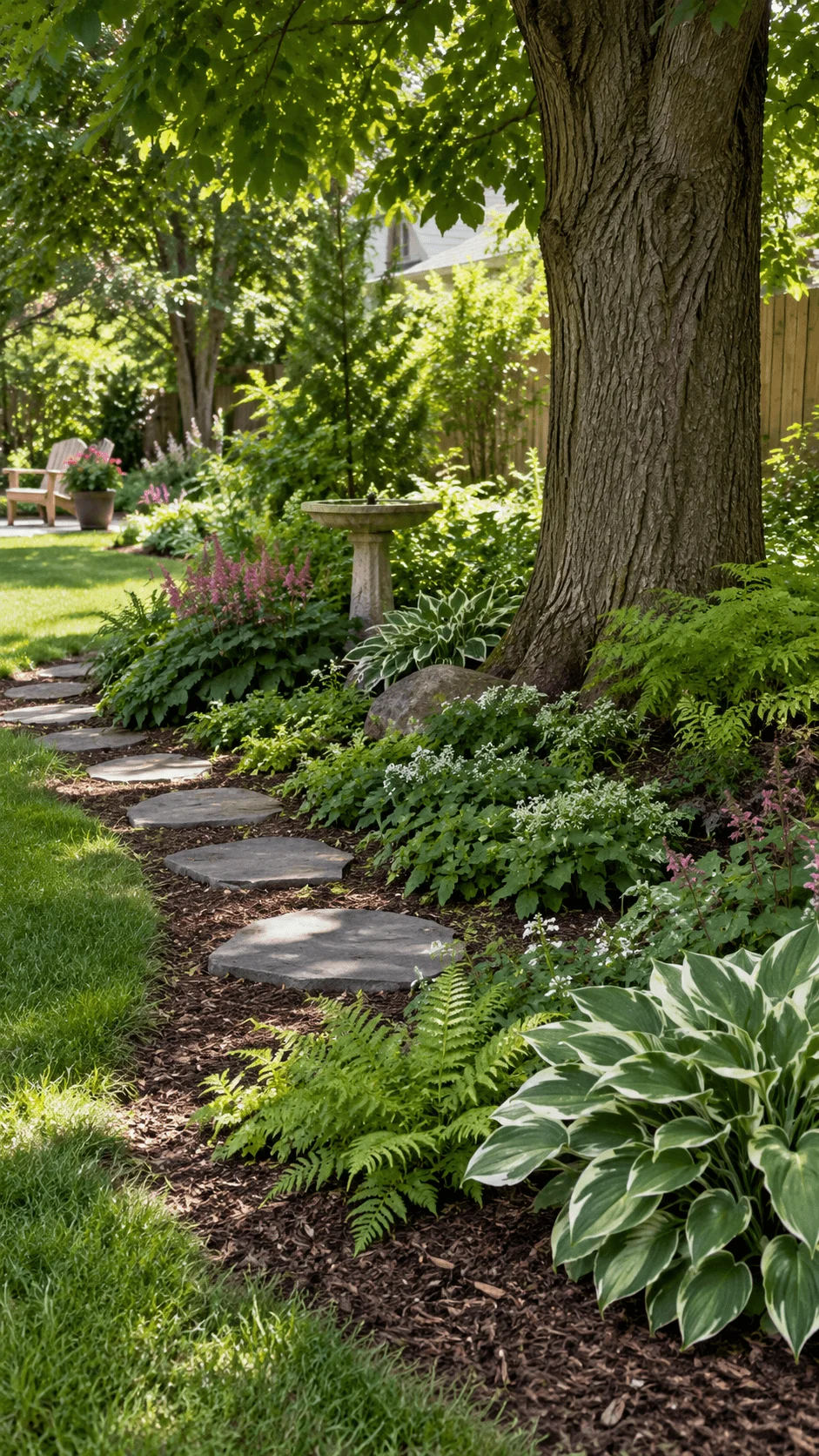
Consider creating a natural path through the planting if people regularly walk through the area. A few carefully placed stepping stones can provide access without covering the entire ground with an impermeable surface.
The result can also provide greater visual variety than a lawn. Different foliage shapes, seasonal changes and natural textures can make the space interesting throughout the year.
This approach can reduce mowing in a difficult location while giving you an opportunity to introduce plants that support local biodiversity. It also means you no longer have to treat an unsuitable lawn area as something that must remain green at all costs.
The best replacement depends on your climate and local conditions, so choose plants that can genuinely thrive in the available shade and moisture.
9. Create a Green on Green Shade Garden
A green on green garden can bring an elegant and peaceful appearance to shaded spaces beneath trees. Instead of depending on brightly colored flowers, this design uses differences in foliage color, texture, shape and height to create visual interest.
This works particularly well beneath mature trees because many shade tolerant plants provide attractive foliage even when they produce fewer flowers.
Start by choosing plants with noticeably different leaf shapes. Large rounded leaves can contrast with narrow foliage, while fine textured plants can soften the appearance of larger leaves.
You can also combine different shades of green. Deep green foliage can sit beside lighter green leaves, while plants with silvery or variegated foliage can add another layer of contrast where they suit the growing conditions.
Think about the garden from several viewing angles. A planting area beneath a tree may be visible from a patio, window or pathway, so arrange plants to create an attractive composition from the places where people naturally see it.
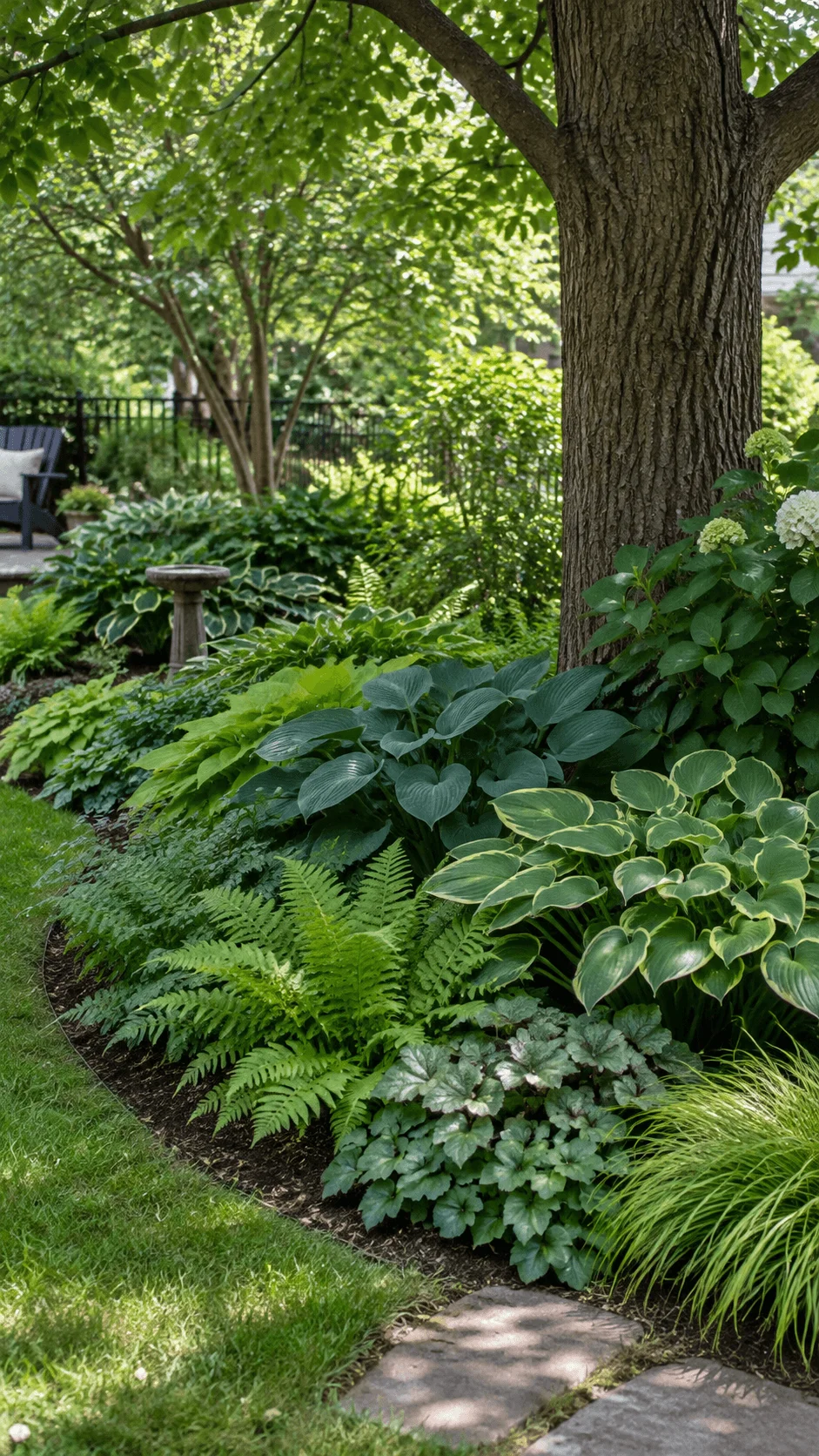
Green on green planting also creates a timeless appearance. Flowers may come and go during the growing season, but foliage provides structure for much longer.
You can combine this approach with native planting to create a more environmentally responsible design. The goal is not to fill the garden with ornamental plants simply because they look attractive. Instead, select suitable species that can thrive in your local conditions and contribute to a healthy planting community.
This is a particularly useful idea for homeowners who want a calm, sophisticated shade garden beneath trees without creating a high maintenance flower bed.
10. Use Natural and Reclaimed Materials for Garden Features
Plants should remain the main feature of an eco friendly landscape, but carefully chosen hardscape elements can make the space more functional.
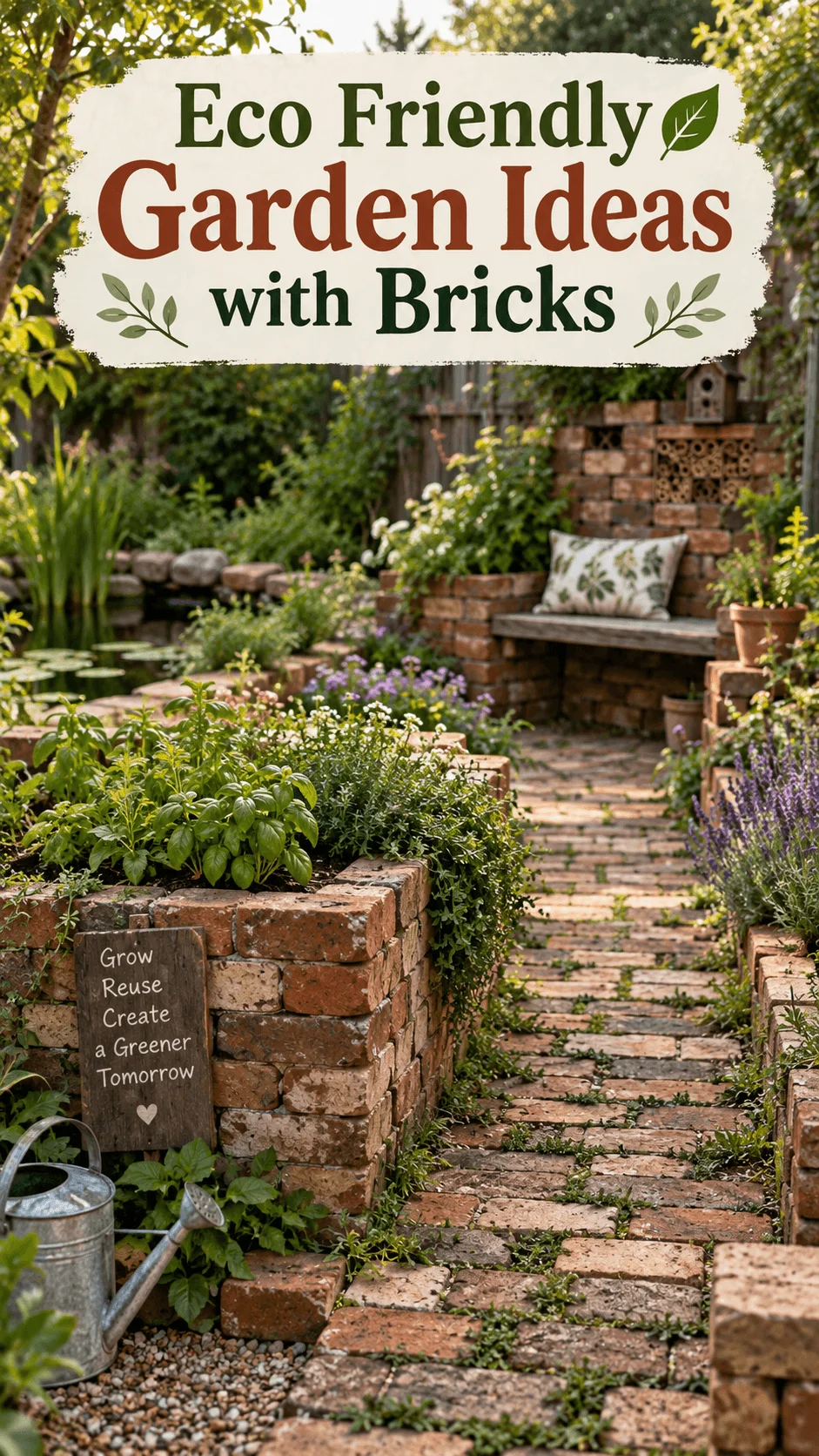
Natural stone, reclaimed bricks and responsibly reused materials can create paths, small borders or seating areas while reducing the need for newly manufactured decorative products.
For example, a few natural stones can form a simple stepping path through a woodland planting area. You can position them where people naturally walk while leaving most of the ground open for plants and soil.
A reclaimed material can also add character. Older bricks or suitable salvaged materials may create a less artificial appearance than perfectly uniform new landscaping products.
However, do not cover large areas beneath mature trees with hard surfaces. Tree roots need access to air and water, and excessive paving can interfere with the natural conditions around the root system.
Use hardscape selectively and allow planting to remain the dominant element. Permeable surfaces can also help rainwater move into the soil instead of creating unnecessary runoff.
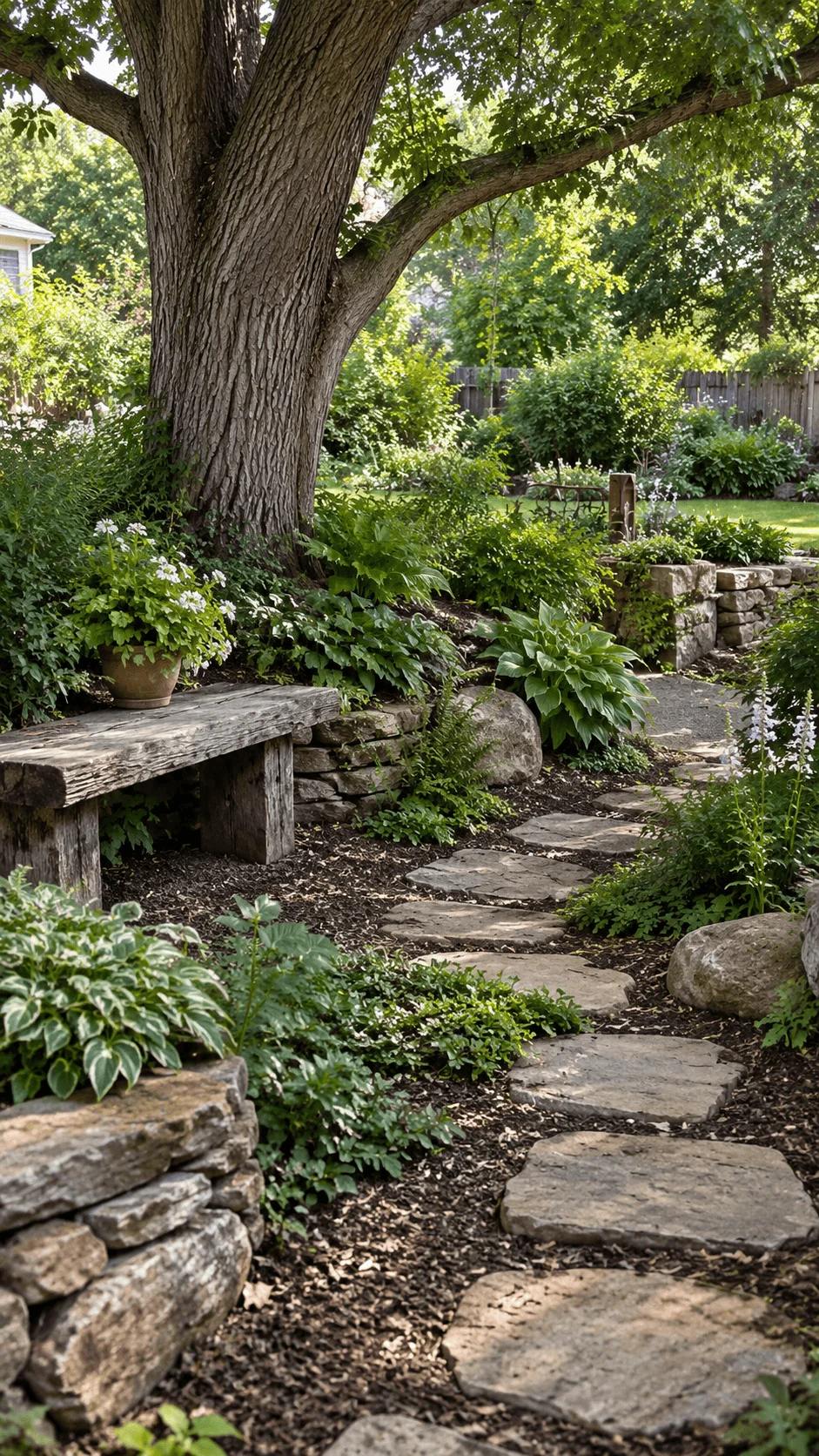
When choosing materials, consider durability as well. A long lasting feature can be more sustainable than a cheap decorative item that needs frequent replacement.
The best sustainable landscaping around trees often looks simple. A few carefully positioned stones, a natural path and healthy planting can create more character than an overdesigned space filled with decorative materials.
11. Design a Wildlife Friendly Garden Under Trees
Trees already provide important habitat, so you can build on that natural advantage by creating a wildlife friendly garden beneath them.
Instead of designing the area exclusively for human enjoyment, consider how different plants and garden features can provide shelter, food and resting places for insects, birds and other small creatures.
Native planting can play an important role. Local species often have established relationships with regional wildlife, making them useful choices when they suit the conditions of your garden.
Create several layers of vegetation rather than planting everything at the same height. Groundcovers can provide low shelter, medium plants can create additional cover and shrubs can offer another level of habitat where space and conditions allow.
Natural leaf litter can also remain in selected areas. Fallen leaves and small pieces of natural plant material can contribute to a more woodland like environment.
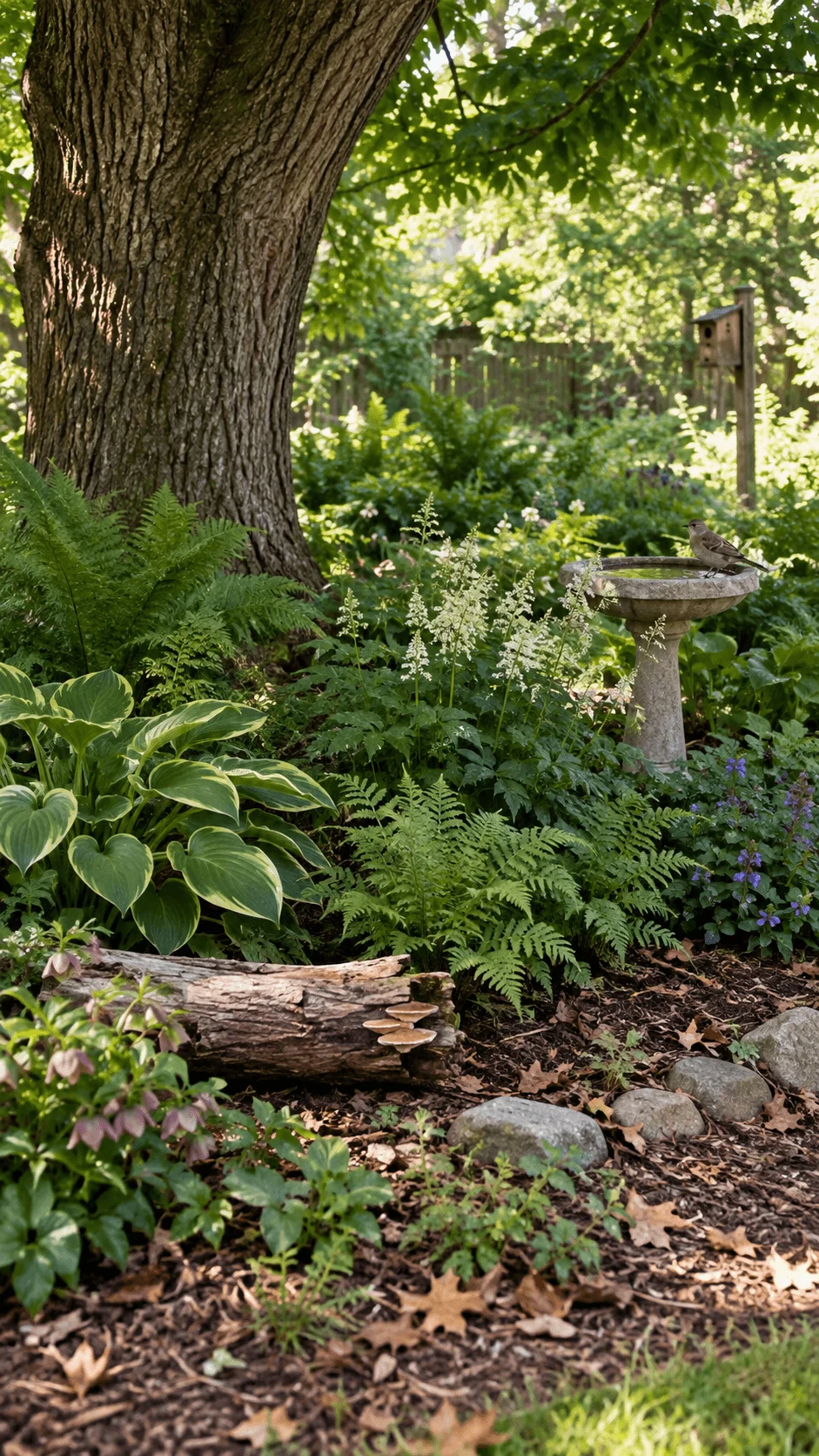
Avoid making every part of the garden perfectly tidy. Leaving some seed heads, stems and natural debris through parts of the year can provide additional habitat while giving the garden a softer appearance.
Water can also benefit wildlife, although any water feature should remain appropriate for your garden and climate. A shallow source placed safely away from the tree trunk can provide drinking opportunities for visiting wildlife.
The most important part of a wildlife garden is consistency. A single decorative feature will not create a habitat by itself. A combination of suitable plants, natural ground cover and reduced disturbance can gradually make the space more useful to local wildlife.
This approach turns an ordinary shaded area into an ecological extension of the tree itself.
12. Create a Peaceful Woodland Seating Nook
The space beneath a mature tree can become more than a planting bed. It can become a peaceful destination where you can sit, read or simply enjoy the shade.
A woodland seating nook combines practical use with natural planting. Start with a simple seat positioned where it will not interfere with major roots or require extensive ground excavation.
Surround the seating area with shade tolerant plants and natural groundcovers. Keep the planting slightly informal so the area feels like a small retreat within the garden rather than a heavily constructed outdoor room.
Natural stone can create a small path leading toward the seat. You could also use an existing paved area if one already provides suitable access.
The tree itself should remain the main visual feature. Avoid attaching heavy structures directly to the trunk or making changes that could interfere with its growth.
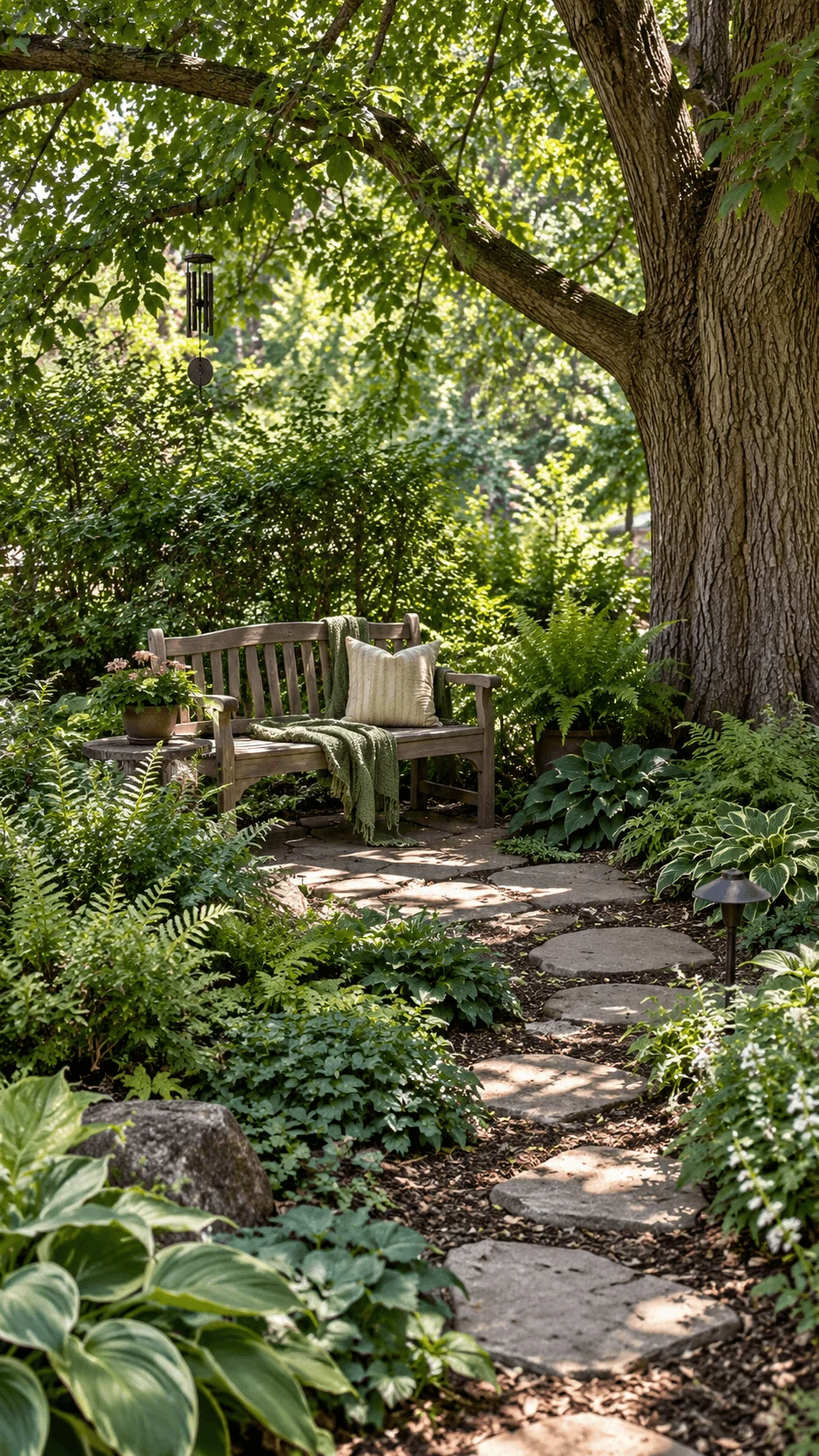
Use the surrounding planting to frame the seating area. Lower plants can maintain an open view while taller plants farther away can create a sense of privacy.
A seating nook can also encourage people to appreciate the natural parts of the garden. Instead of seeing fallen leaves, shade and tree roots as problems, you begin to experience them as features that give the space its character.
For homeowners looking for low maintenance garden ideas under trees, this design works especially well when the surrounding planting consists of suitable perennial plants and groundcovers that can establish over time.
How to Protect Tree Roots While Landscaping
Protecting existing trees should remain one of the highest priorities when creating an under tree garden. A mature tree can take many years to develop, so preserving its existing root environment is more sustainable than making major changes simply to accommodate a garden design.
The first rule is to avoid unnecessary digging. Before planting, examine the ground and identify visible roots. Work around larger roots instead of cutting through them or repeatedly disturbing the surrounding soil.
Keep the trunk and root flare visible. Do not build a raised mound of soil around the base of the tree simply to create a planting bed. A thick layer of mulch against the trunk can also create an unsuitable environment around the bark.
Use mulch carefully. Organic mulch can help protect the soil surface and conserve moisture, but spread it evenly rather than creating a volcano shaped pile around the tree.
Avoid heavy construction near major roots whenever possible. Large paved areas, deep foundations and repeated soil compaction can change the environment in which roots grow.
When planning landscaping around tree roots without damaging them, think about preservation first and decoration second. The tree should remain the permanent foundation of the design.
Small planting pockets, natural groundcovers and lightly used paths often provide better solutions than major excavation.
How to Choose Plants for an Eco Friendly Garden Under Trees
Successful planting begins with understanding the conditions beneath the tree. Do not choose plants simply because they appear on a list of shade loving species.
Observe the area throughout the day. Some trees create filtered shade, while others produce deep shade for most of the day. These conditions can support very different plant communities.
Next, check soil moisture. If the ground becomes dry quickly, look for plants adapted to dry shade. If the soil stays consistently moist, you can consider species suited to those conditions.
Your local climate also matters. A plant that thrives beneath trees in one region may struggle in another. Native species can often provide a strong starting point because they may already be adapted to local weather and soil conditions.
Consider mature plant size as well. A small plant can eventually become much larger, so allow enough space for healthy growth from the beginning.
Choose plants that can coexist with the existing tree rather than requiring constant irrigation or fertilizer. When plants naturally match the site, the garden generally becomes easier to maintain.
Common Mistakes to Avoid Beneath Mature Trees
One common mistake involves digging too deeply around the tree. Extensive soil disturbance can affect existing roots and create unnecessary stress for the tree.
Another mistake is covering the trunk with soil or mulch. Keep the immediate trunk area clear and allow the natural root flare to remain visible.
Choosing plants that require constant moisture can also create an inefficient garden. If the site naturally stays dry, select plants that tolerate those conditions instead of trying to compensate with frequent watering.
Many homeowners also try to maintain lawn beneath dense tree canopies even when the conditions make healthy growth difficult. Replacing unsuitable grass with appropriate planting can create a more attractive and sustainable result.
Overcrowding creates another problem. Plants need room to mature, and excessive planting can lead to competition and additional maintenance.
Finally, avoid copying an under tree garden from another climate without adapting it to your own conditions. Your soil, rainfall, temperature, tree species and native plant community all influence what will work.
Conclusion
The best eco friendly garden ideas under trees do not try to overcome every natural condition. Instead, they use those conditions as the foundation for the design. Shade, mature roots, fallen leaves and varying moisture levels can all become part of a landscape that feels natural and established.
A native woodland garden can support local biodiversity, while a dry shade planting can reduce unnecessary watering. Groundcovers can replace struggling lawn, layered planting can create visual depth, and natural materials can add practical pathways without overwhelming the landscape.
The most important consideration is always the health of the existing tree. Protect its roots, keep the trunk clear, avoid unnecessary digging and choose plants that can live comfortably in the available conditions.
Whether you create a simple groundcover garden or a complete woodland seating retreat, the most sustainable approach is to work with nature rather than against it. With thoughtful planting and careful planning, the shaded space beneath a mature tree can become one of the most beautiful and environmentally friendly parts of your garden.