Eco Friendly Garden Border Ideas for Every Yard
Creating a beautiful garden does not mean you need to rely on plastic edging or newly manufactured landscaping products. Today, eco friendly garden border ideas are helping gardeners create attractive outdoor spaces while making thoughtful choices about materials, plants, water and maintenance. From living flower borders and native plants to reclaimed bricks, natural stone and simple soil edges, there are many ways to define a garden without sacrificing its natural character.
Garden borders do more than separate one area from another. They can give flower beds a finished appearance, keep mulch in place, define pathways and create visual structure throughout the yard. The most sustainable approaches can also support pollinators, reuse materials that might otherwise become waste and reduce the need for unnecessary resources.
In 2026, garden design continues to move toward naturalistic planting, biodiversity, climate resilient landscaping and creative reuse. That makes sustainable edging particularly relevant for homeowners who want their gardens to look intentional while using fewer new materials.
Why Eco Friendly Garden Border Ideas Are Trending in 2026
Garden design is increasingly focused on working with nature rather than trying to control every part of the landscape. This shift has changed the way gardeners think about borders. Instead of viewing edging as something that must always come from a store, many gardeners now consider plants, reclaimed materials, natural stone and even a carefully maintained soil edge.
The growing interest in biodiversity has also made living borders more appealing. A strip of low growing flowers can create a soft transition between a lawn and a flower bed while providing valuable habitat for insects. Native plants can bring additional benefits when gardeners choose species that naturally suit their local environment.
Water conservation is another important consideration. Drought tolerant plants can create attractive borders in areas where regular watering would be impractical. At the same time, reclaimed bricks, old timber and existing stone can give unwanted materials a second purpose.
This does not mean every natural material automatically has a lower environmental impact. Transportation, sourcing, durability and previous use all matter. Reusing something that already exists near your home can often make more sense than purchasing a new product simply because its packaging describes it as sustainable.
The result is a more thoughtful approach to garden edging that combines appearance, function and responsible resource use.
Living Flower Borders
Living flower borders are among the most attractive eco friendly garden border ideas because the plants themselves become the edge. Instead of placing a physical barrier between a lawn and a flower bed, gardeners can create a gradual transition with low growing flowers and compact perennials.
This approach gives the garden a softer appearance than rigid edging. A row of flowers can follow a straight pathway, curve around a bed or create an informal transition between different planting areas. The effect can range from neat and structured to completely natural depending on the plants and planting pattern.
One of the biggest advantages comes from the way a living border changes throughout the year. Flowers can provide seasonal color, while foliage continues to create texture after individual blooms disappear. Some plants can also provide food or shelter for pollinators and other small creatures.
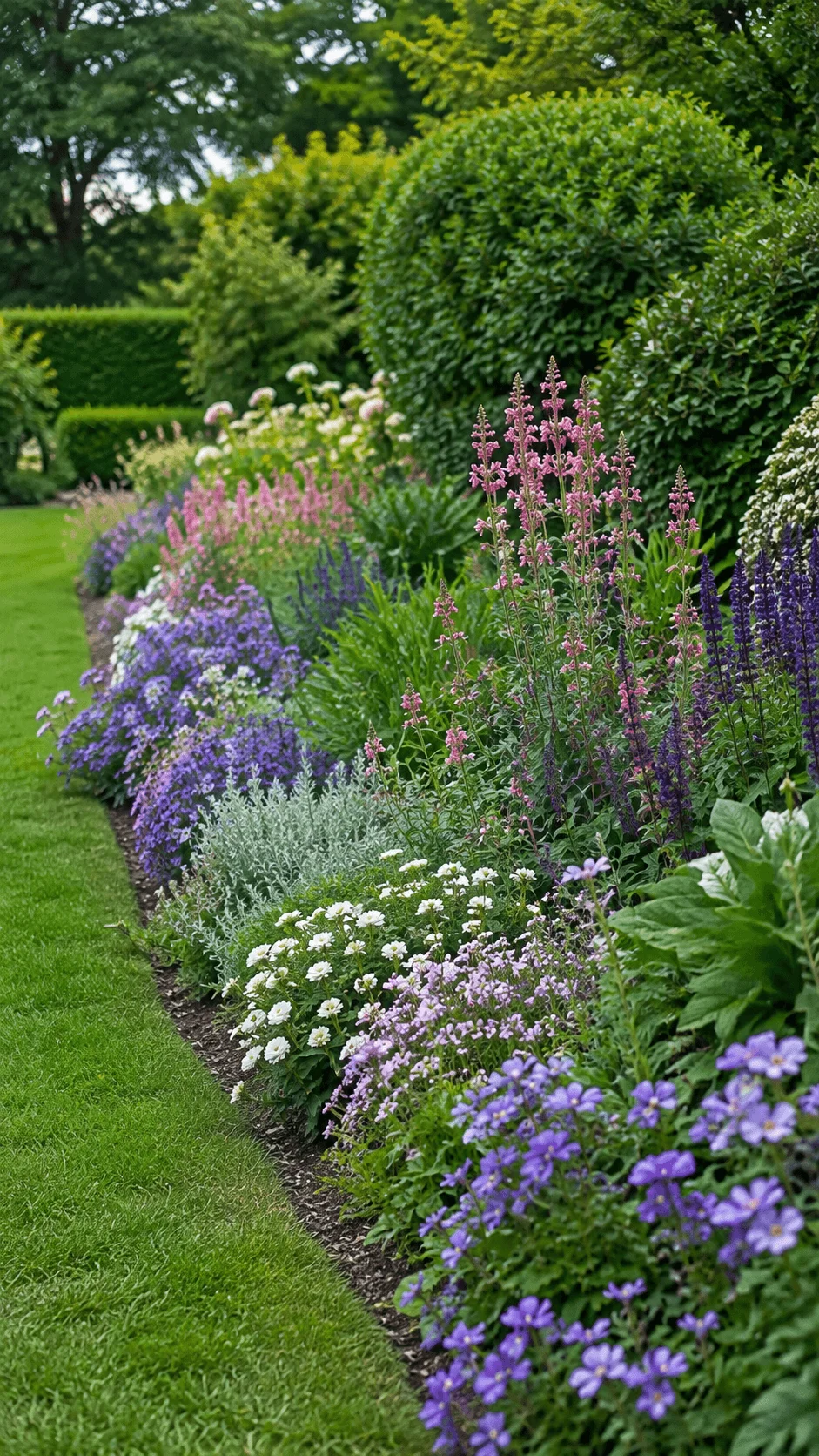
Plant selection requires some thought. Consider sunlight, soil type, moisture and the mature size of each plant before creating the border. Plants that remain relatively compact can work particularly well because they define the edge without quickly spreading into pathways or lawns.
You can also create layers by placing shorter plants along the front and slightly taller plants behind them. Repeating a few compatible species throughout the border can make the planting look deliberate rather than random.
Living borders work especially well in cottage gardens, wildlife gardens and naturalistic landscapes. They can also soften modern gardens where hard surfaces dominate the design.
Native Plant Garden Borders
Native plants provide another excellent approach to sustainable garden edging. A native plant border can define a garden bed while connecting the cultivated landscape with the surrounding environment.
The most important consideration is choosing plants that naturally occur in your particular region. A plant considered native in one part of a country may not provide the same benefits in another location. Local gardening groups, botanical gardens and native plant organizations can help identify appropriate species.
Native borders can include ground covers, grasses, flowering plants and compact shrubs. Combining different forms creates visual depth while giving the border interest beyond a single flowering season.
These borders can become particularly valuable in gardens designed for wildlife. Native flowers may provide resources for local pollinators, while foliage and plant structure can offer shelter for small creatures. The exact benefits depend on the species and local ecosystem, so choosing regionally appropriate plants remains important.
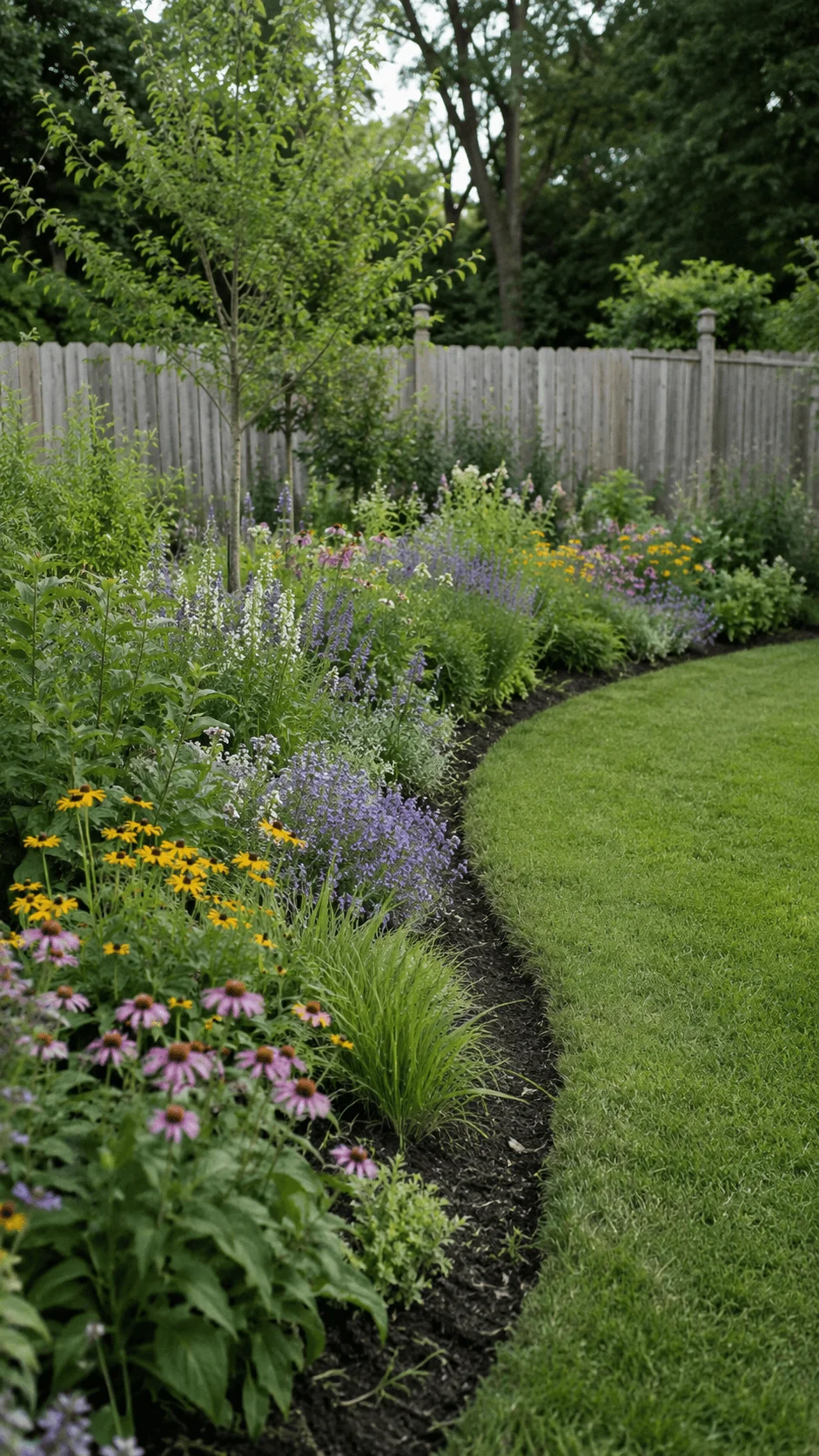
A native plant border does not need to look untidy. You can create a deliberate design by repeating certain plants, maintaining a defined outer edge and combining different heights in a consistent pattern.
For a more formal appearance, keep the planting relatively symmetrical. For a naturalistic garden, allow plants to form irregular groups and vary the spacing.
This approach works beautifully around lawns, vegetable gardens, pathways and patios. It also lets the border become part of the garden ecosystem instead of functioning only as a visual boundary.
Drought Tolerant Plant Borders
Water wise gardening has become an important part of modern sustainable landscaping, making drought tolerant borders increasingly useful. These borders rely on plants that can cope with dry conditions once established and can reduce the amount of supplemental water a garden requires.
A drought tolerant border can work particularly well along sunny paths, driveways and other areas that receive strong sunlight. These locations often become difficult to maintain when plants require frequent irrigation.
The best plant choices depend heavily on your climate. Look for species that naturally tolerate the conditions found in your region rather than selecting plants simply because they appear on a generic drought tolerant list.
Plant placement also matters. Group species with similar moisture requirements together so that you do not need to water an entire border simply because one small section contains a thirstier plant.
Mulch can further improve the performance of these borders by helping the soil retain moisture and reducing competition from unwanted vegetation. However, mulch should not bury plant stems or cover areas where plants need clear airflow.
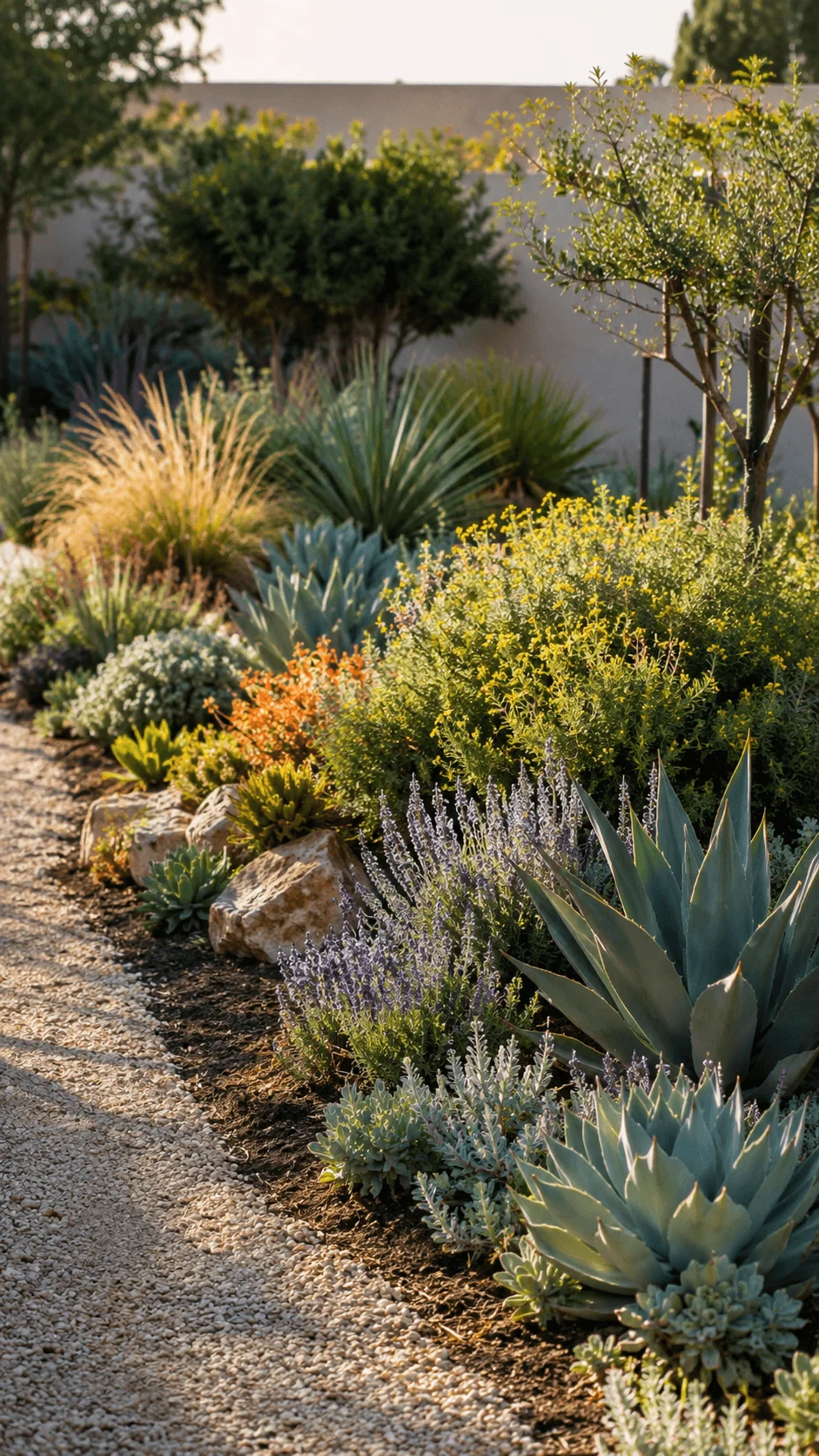
Drought tolerant borders can have many different appearances. Some gardeners prefer flowering plants that provide seasonal color, while others choose grasses, succulents or foliage focused plants where appropriate.
The result can look contemporary, Mediterranean inspired, rustic or completely natural depending on the planting design.
Herb Garden Borders
A garden border does not have to exist only for decoration. Herbs can turn an ordinary edge into a useful edible feature while adding fragrance, texture and visual interest.
Compact herbs can work particularly well around vegetable gardens, kitchen gardens and pathways. Their foliage creates a defined transition between different areas while allowing gardeners to harvest small amounts for cooking.
The appearance of an herb border can vary considerably. Some herbs create low cushions of foliage, while others produce upright growth and flowers that attract insects. Combining different textures can prevent the border from looking monotonous.
Herbs also provide an opportunity to make better use of small garden spaces. Instead of dedicating a separate area to every culinary plant, you can integrate suitable herbs into existing borders.
Growing conditions remain important. Consider sunlight, drainage and local temperatures before choosing species. Some herbs prefer dry, well drained soil, while others perform better with more consistent moisture.
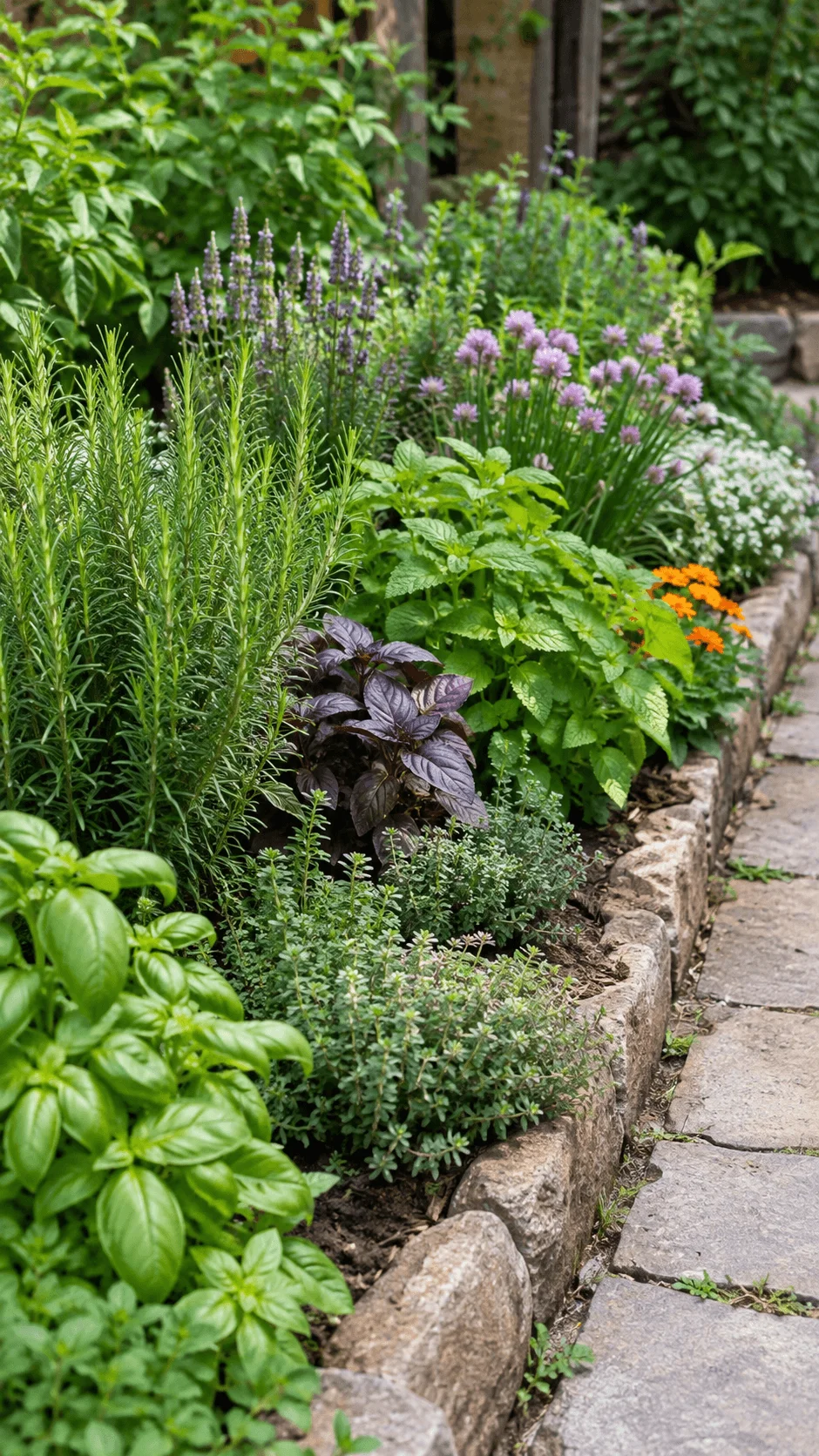
You can also combine herbs with flowers and other edible plants. A border containing flowering herbs can provide both visual interest and additional resources for pollinators.
For a relaxed garden, allow some herbs to develop naturally. For a more formal appearance, maintain consistent spacing and keep the outer edge neatly defined.
Reclaimed Brick Garden Borders
Reclaimed brick offers an excellent way to give a garden border character without purchasing newly manufactured edging. Old bricks from renovation projects, demolished structures or previous landscaping can sometimes find a useful second life as garden edging.
Their weathered appearance makes them especially attractive in cottage gardens, traditional landscapes and rustic outdoor spaces. Older bricks can introduce subtle variations in color and texture that new manufactured products may not reproduce naturally.
There are several ways to arrange them. Placing bricks horizontally creates a simple and relatively understated edge. Setting them vertically can produce a taller visual boundary, while angled arrangements can add a decorative pattern.
Curved flower beds can also benefit from brick edging. Smaller sections can follow gentle curves more easily than long rigid pieces, allowing the border to match the shape of the planting bed.
Before using reclaimed bricks, inspect their condition. Extremely damaged pieces may break during installation or create an unstable border. The surface should also remain appropriate for the intended garden application.
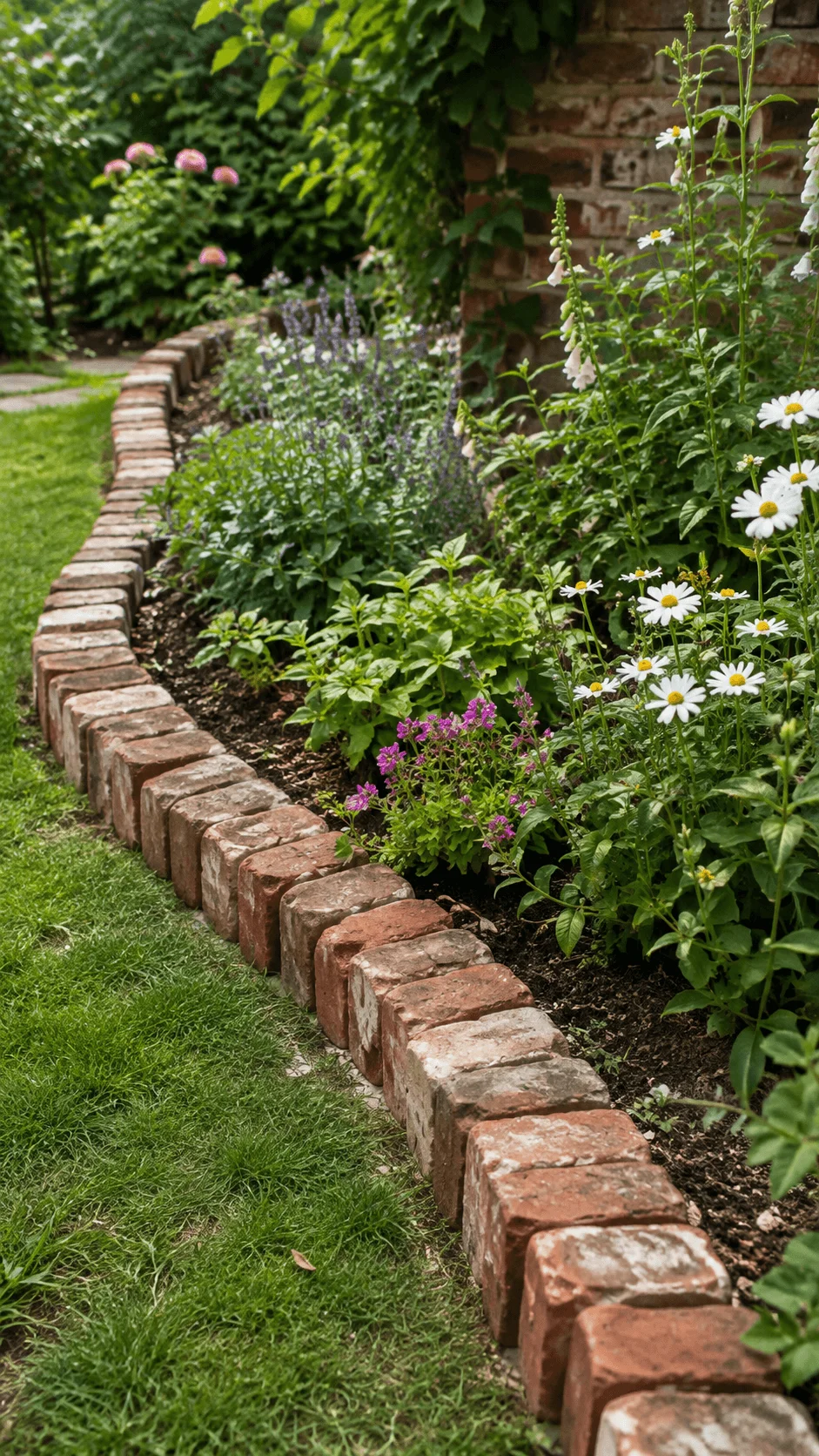
The environmental advantage comes primarily from reuse. Giving an existing material another purpose can prevent usable bricks from becoming waste and can reduce the demand for a new edging product.
Reclaimed brick also works well alongside other sustainable features. You could pair a brick border with native plants, a pollinator garden or drought tolerant planting to create a cohesive landscape.
Reclaimed Wood Garden Borders
Reclaimed wood can bring warmth and a natural appearance to garden beds while giving existing timber another use. It works particularly well when you want an informal border around flowers, vegetables or herbs.
Long boards can create clean straight lines, while shorter pieces can form a more rustic appearance. You can also use timber sections to follow gently curved beds when the pieces are short enough to adjust to the shape.
The character of reclaimed wood often becomes one of its main design features. Weathering, natural variation and signs of previous use can make the border feel integrated into an established garden.
However, not every piece of old wood is appropriate for garden use. Consider where the timber came from and whether it contains treatments or substances that you would not want around plants or edible crops.
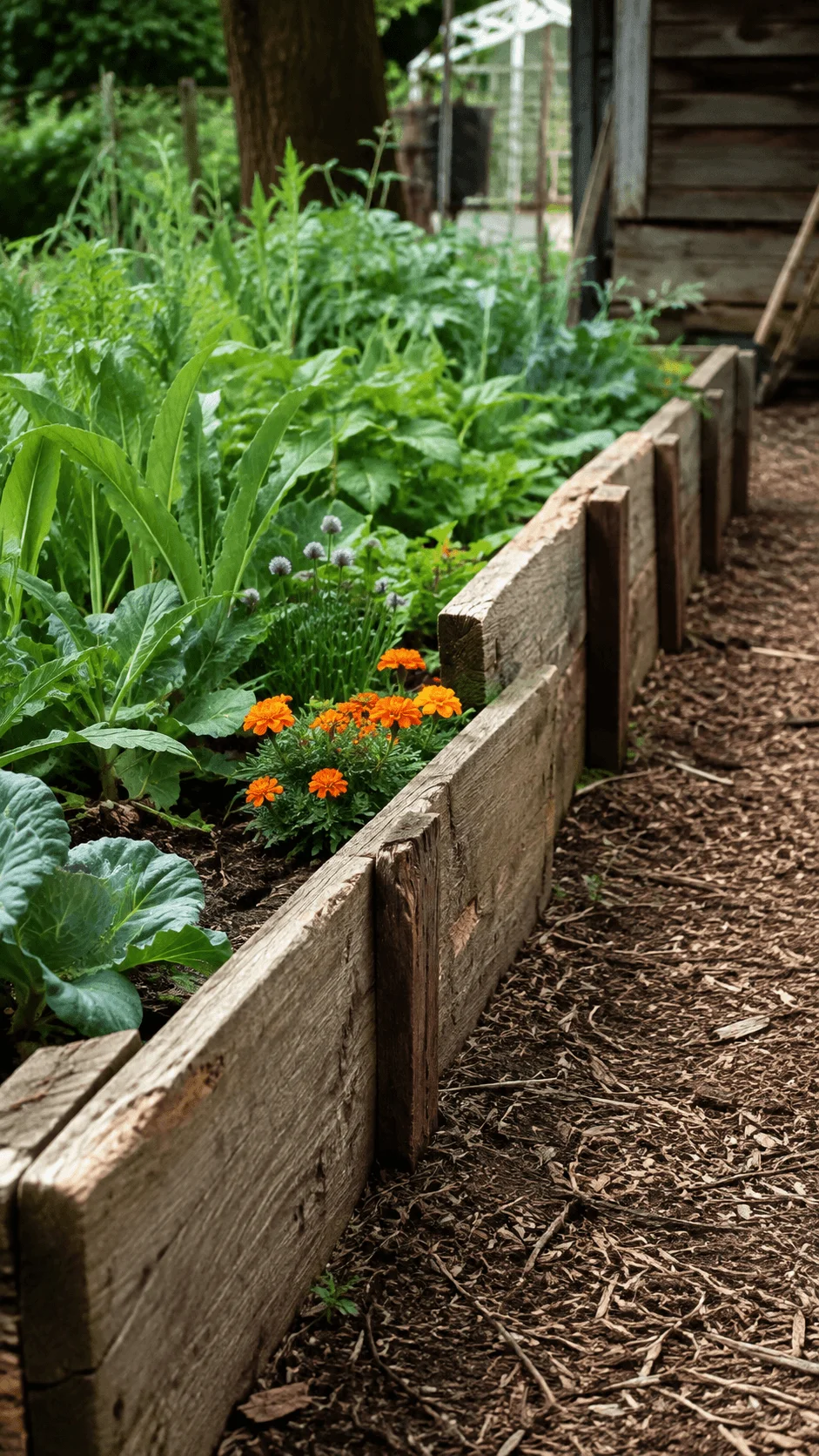
Moisture presents another challenge. Wood that remains in constant contact with wet soil can deteriorate over time. Good drainage and appropriate placement can help extend its useful life.
A reclaimed wood border works particularly well with naturalistic gardens, vegetable gardens, cottage style landscapes and woodland inspired spaces. It can also provide a softer contrast against stone pathways and paved patios.
Rather than buying new timber designed to look old, using suitable existing material can create authentic character while reducing unnecessary consumption.
Fallen Log and Branch Borders
Fallen logs and suitable branches can create one of the most natural looking garden edges. Instead of removing every piece of fallen wood from a landscape, gardeners can sometimes incorporate appropriate material into the design.
A line of logs can separate a planting bed from a lawn or pathway while creating a woodland inspired appearance. Smaller branches can add texture around informal flower beds or naturalistic planting areas.
The irregular shape of natural wood works particularly well when you want the garden to feel relaxed. Straight, perfectly uniform borders can make a landscape look highly structured, while uneven logs create a softer connection with nature.
You can combine logs with ground covers, ferns, woodland plants or mulch. Allowing plants to grow near and around sections of the wood can make the boundary feel less artificial.
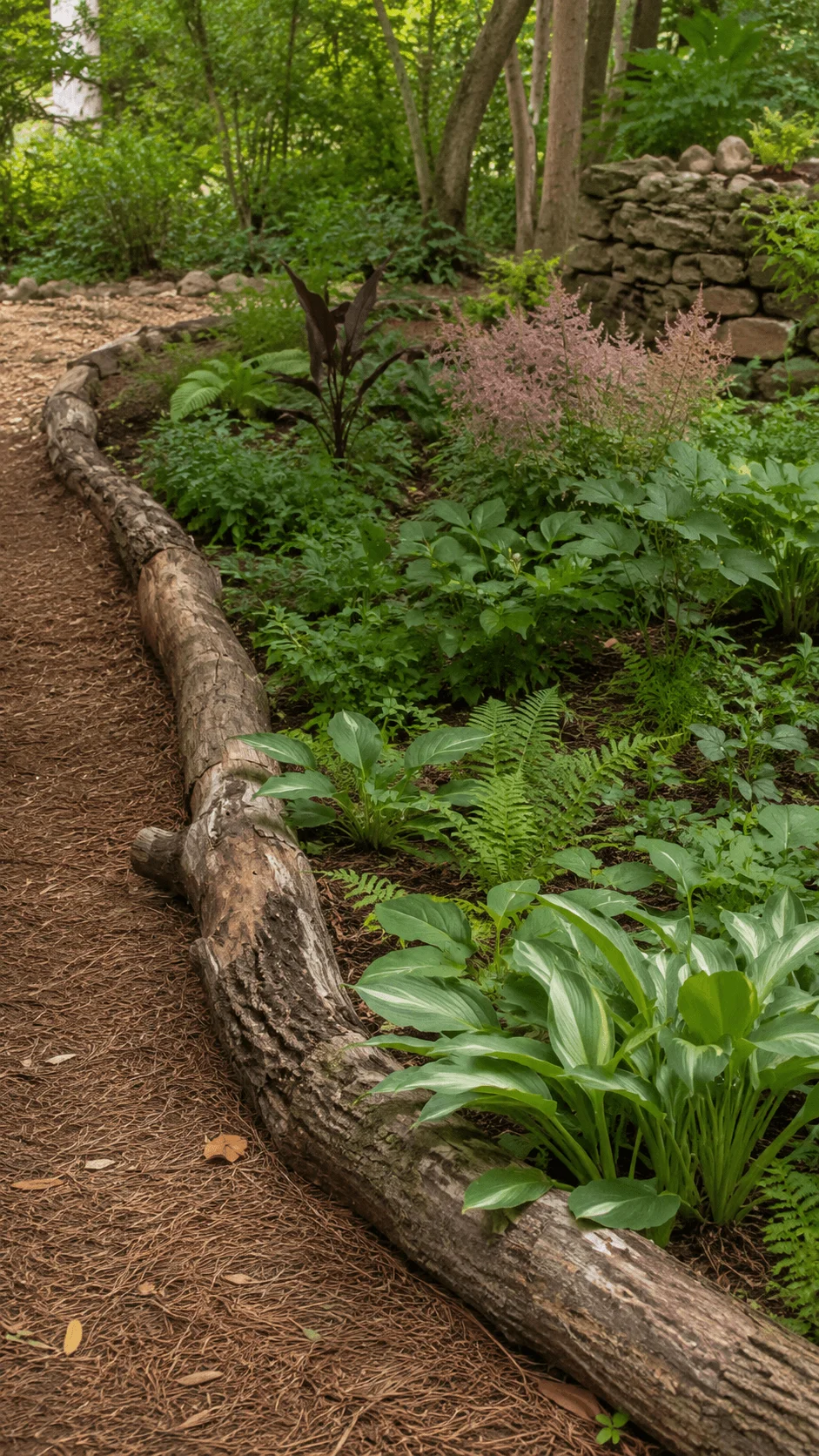
However, natural wood needs careful consideration. Very unstable logs should not sit where people regularly walk, and heavily decayed material may not provide a reliable physical boundary. Gardeners should also consider whether the material could introduce unwanted pests or diseases into the landscape.
The best use depends on the condition of the wood and the location. A stable log placed beside a flower bed can work beautifully, while loose branches may suit a purely decorative naturalistic border.
These borders are particularly effective in wildlife gardens and informal landscapes where a slightly wild appearance forms part of the overall design.
Woven Willow or Hazel Borders
Woven willow or hazel creates a distinctive natural boundary that can make a garden feel handcrafted and connected to traditional gardening styles. Flexible branches can form a woven structure around flower beds, pathways and vegetable gardens, creating a border with much more character than a standard manufactured edging strip.
The appeal of this approach comes from its texture. The interwoven branches create a repeating pattern that catches attention without overwhelming the plants. It works particularly well when you want the border itself to become part of the garden design.
Woven borders can follow gentle curves, which makes them useful around rounded flower beds and informal planting areas. Their flexibility allows gardeners to create shapes that would be difficult to achieve with rigid materials.
This style works especially well with cottage gardens, wildlife gardens and naturalistic landscapes. You can combine it with flowering perennials, ornamental grasses and native plants to create a relaxed appearance.
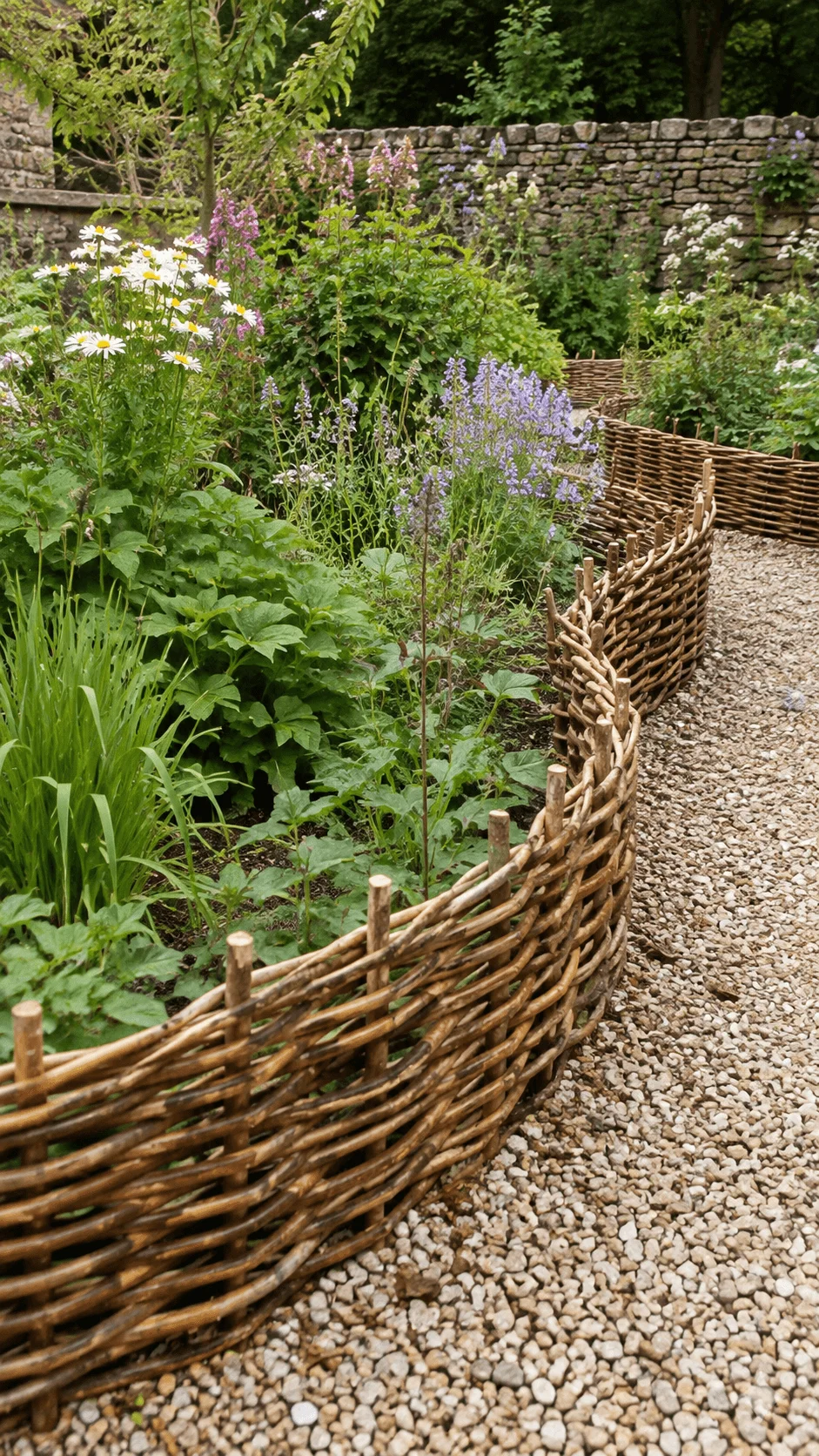
Willow and hazel can also complement other natural materials. A woven border alongside gravel, stone paths and wooden features can create a consistent natural theme throughout the garden.
Durability depends on the material, climate and exposure to moisture. Before choosing this option, consider how long you want the border to last and how much maintenance you are willing to provide.
The sustainability advantage comes from using a renewable natural material and choosing a design that does not depend on plastic landscape edging. However, sourcing still matters. Locally available material can be a more sensible choice than transporting natural materials long distances.
Recycled Concrete Paver Borders
Old concrete pavers can become practical garden borders when they remain in usable condition. Instead of sending unwanted landscaping materials to waste, gardeners can reuse them to define flower beds, pathways or vegetable gardens.
This approach works particularly well for homeowners who already have leftover pavers from a renovation project. Reusing material that you already own can eliminate the need to purchase an entirely new border.
Concrete pavers can create a clean and structured appearance. Place them in a straight line for a contemporary garden or arrange smaller pieces around gently curved beds. Different shapes and sizes can also create a more informal appearance.
Their neutral appearance allows plants to remain the main visual focus. Bright flowers, ornamental grasses and green foliage can stand out against the simple surface of the pavers.
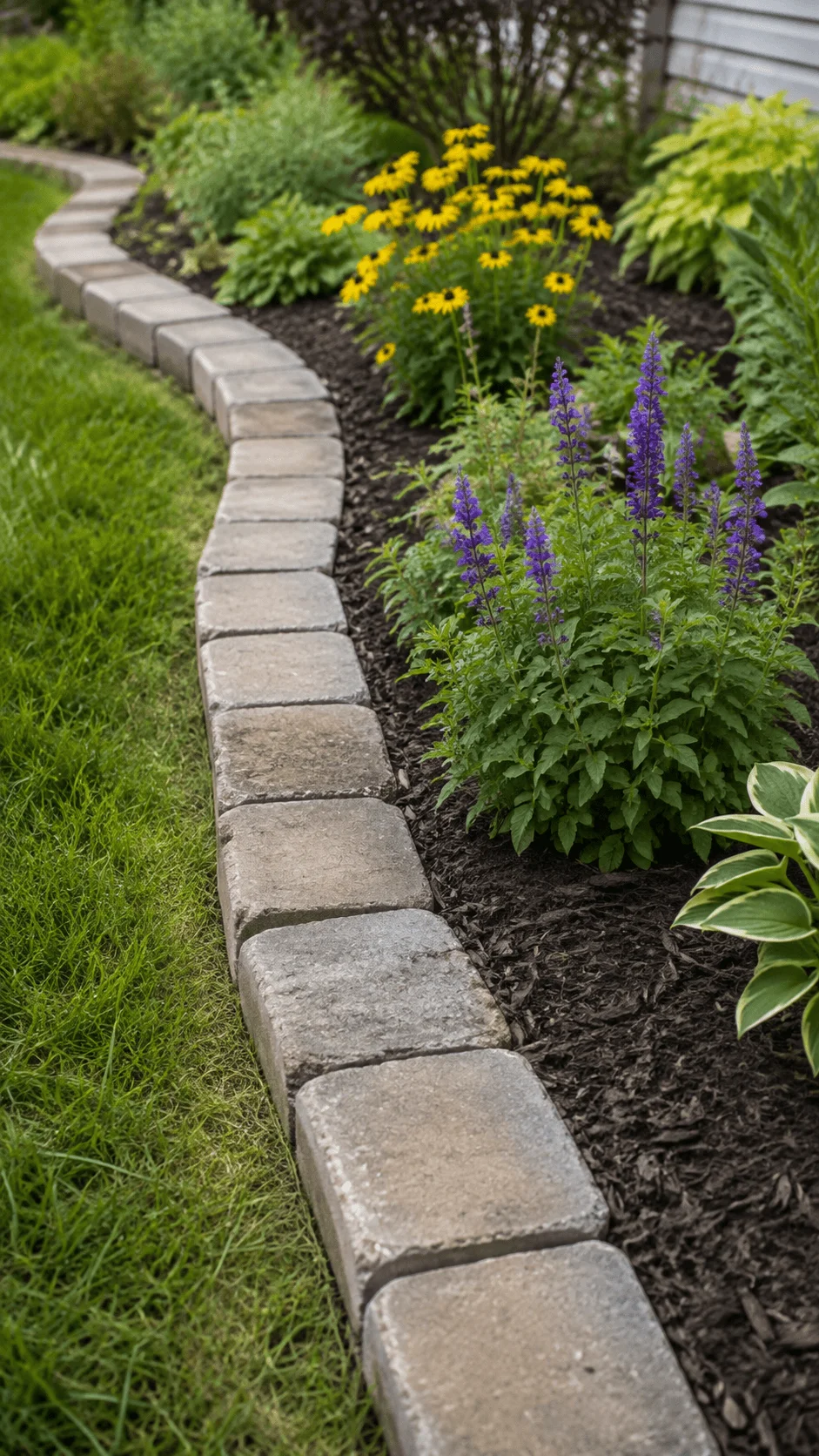
Before installation, inspect each piece carefully. Cracked or unstable sections may not work well as borders, especially in areas where people regularly walk. The border should sit securely so that movement does not create a trip hazard.
Recycled pavers can also work well with other sustainable garden border ideas. Pair them with native plants, drought tolerant planting or a layer of organic mulch to create a more environmentally conscious garden design.
One advantage of concrete is its potential longevity. A durable material that remains useful for many years can reduce the frequency of replacement. When you reuse existing pavers rather than buying new ones, you also give an already manufactured material another useful purpose.
Natural Stone and River Rock Borders
Natural stone remains one of the most versatile choices for creating a garden boundary. Stones can create a strong visual transition between lawns, planting beds and pathways while blending naturally into outdoor surroundings.
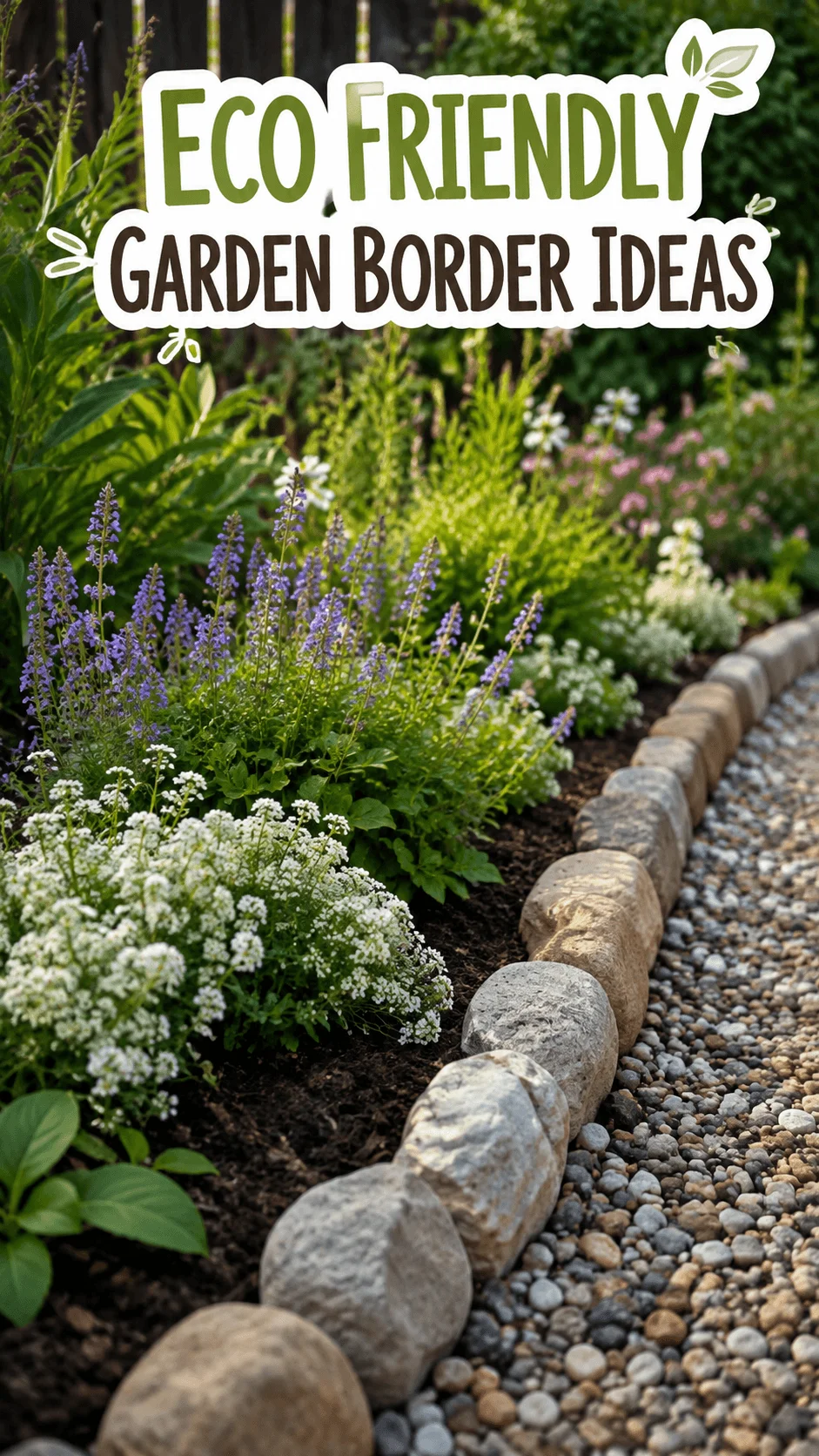
Large irregular stones can create a bold border around a flower bed. Smaller stones and river rocks provide a softer appearance and can work particularly well around pathways or drought tolerant planting.
The choice of stone size can dramatically affect the finished appearance. Large stones produce a stronger architectural effect, while smaller rocks create a more subtle transition between different garden areas.
Natural stone works with almost every garden style. It can complement minimalist landscapes, cottage gardens, rock gardens, contemporary yards and naturalistic planting.
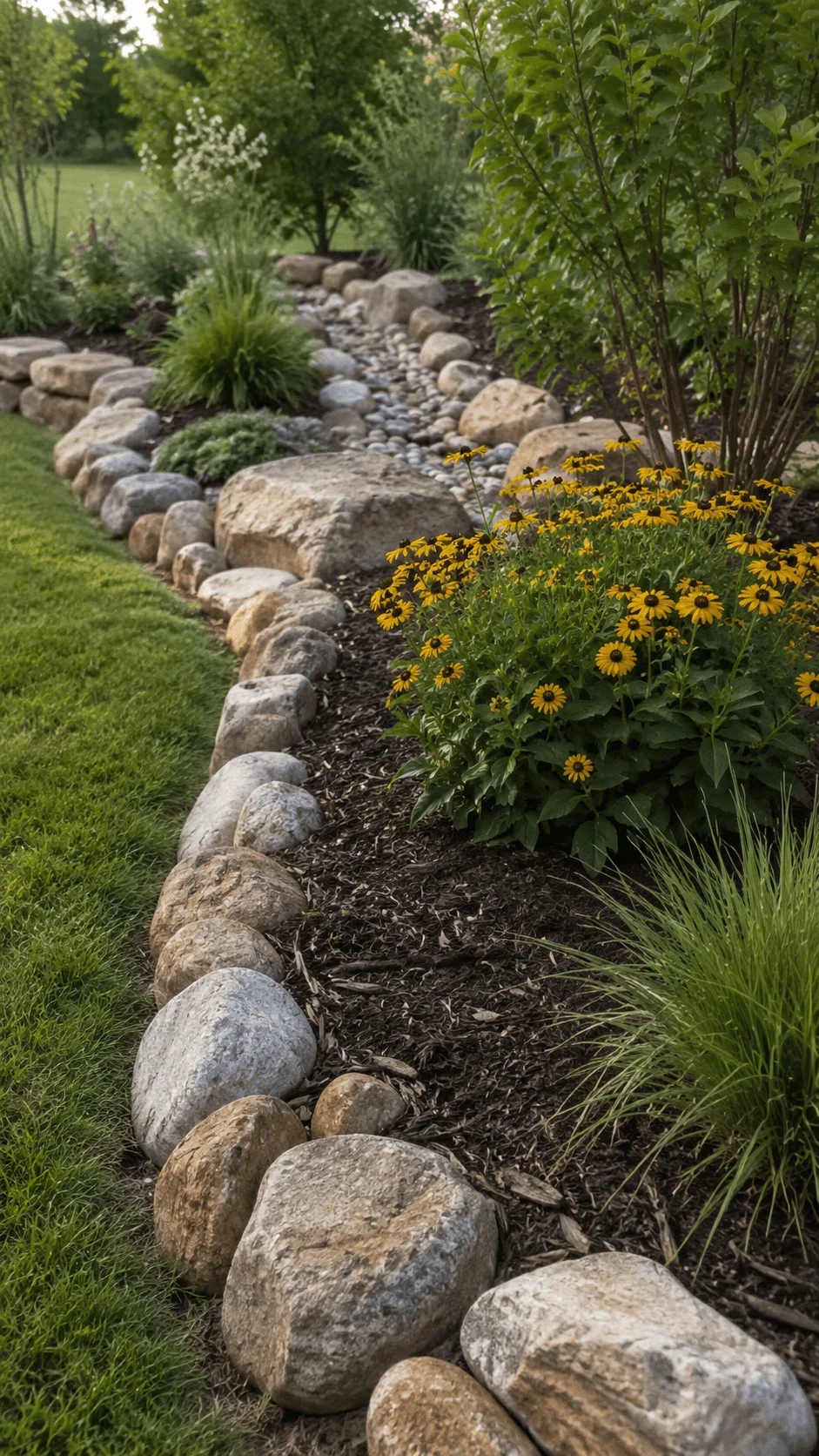
The surrounding plants also influence the appearance. Soft grasses and ground covers can make stone feel more integrated into the landscape, while structured plants can create a more formal appearance.
Drainage deserves attention when installing a stone border. Avoid creating a compacted barrier that prevents water from moving naturally through the soil. Stones should also remain stable, particularly where people walk close to the border.
Sourcing is an important part of making this option environmentally responsible. A locally available stone can make more sense than a decorative material transported over a long distance. Using stones already present on your property can also provide an opportunity for reuse.
River rocks are particularly useful when you want a smooth, relaxed appearance. Their rounded shapes work beautifully around water inspired gardens, dry creek features and naturalistic planting.
Upcycled Ceramic and Tile Borders
Upcycled ceramic and tile borders offer a creative option for gardeners who want something more colorful and artistic. Leftover tiles, suitable ceramic pieces and other existing materials can become decorative accents instead of remaining unused.
This idea is especially useful for gardens with a creative or eclectic style. Different shapes and colors can create a mosaic effect around a flower bed, pathway or small planting area.
The border does not have to look perfectly uniform. In fact, mismatched pieces can become part of the design. Combining several related colors can produce a coordinated appearance without requiring every piece to match.
This approach can also work well in Mediterranean inspired, cottage and artistic gardens. Colorful ceramic accents can contrast beautifully with green foliage and neutral stone.
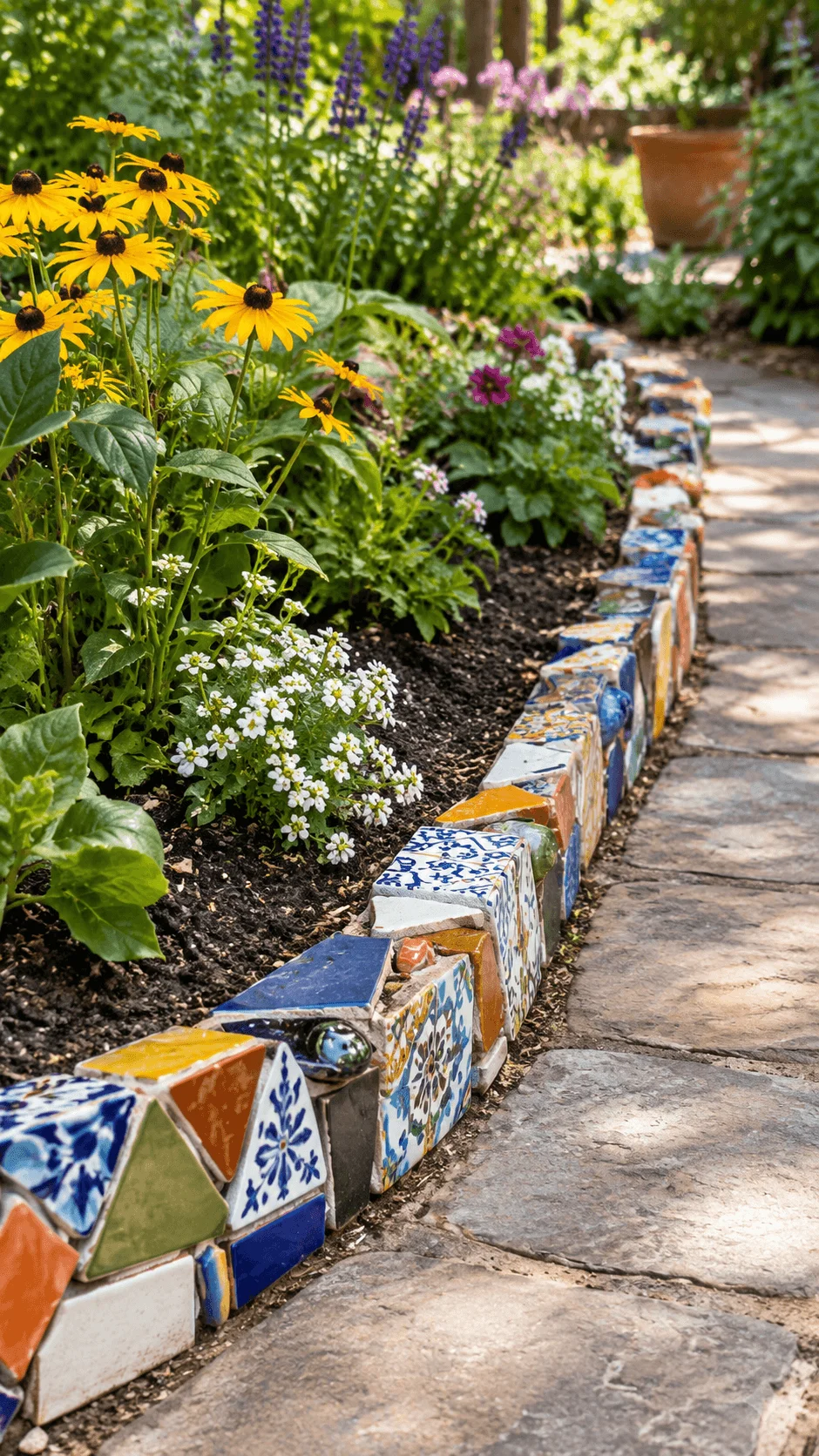
However, safety should remain the priority. Ceramic pieces should be positioned securely and should not leave sharp edges exposed where children, pets or people could come into contact with them.
Think carefully about the materials you use around edible plants as well. Only use pieces that are suitable for the intended setting and avoid unknown materials when their previous use or composition is uncertain.
The environmental value comes from giving an existing material another purpose. Instead of purchasing a decorative border specifically manufactured for landscaping, you can transform suitable leftovers into something unique.
Because every piece has its own shape and texture, this approach can also make your garden feel more personal. The finished border becomes a small piece of outdoor art rather than simply a functional boundary.
No Material Spade Cut Garden Borders
Sometimes the most sustainable garden border is the one you do not buy at all. A spade cut edge uses the soil itself to create a clear boundary between a lawn and a planting bed.
This simple technique can produce a surprisingly polished appearance. A sharply defined edge makes flower beds look intentional without adding bricks, timber, stone or manufactured edging.
The approach is particularly effective in minimalist and naturalistic gardens. It allows plants and soil to remain the focus while reducing the number of materials introduced into the landscape.
Creating a clean edge requires careful shaping. The boundary should follow the desired curve or straight line consistently. Over time, grass can spread across the edge, so occasional maintenance helps preserve its definition.
This option can also make future garden changes easier. If you decide to enlarge a flower bed, you can reshape the edge without removing a permanent edging system.
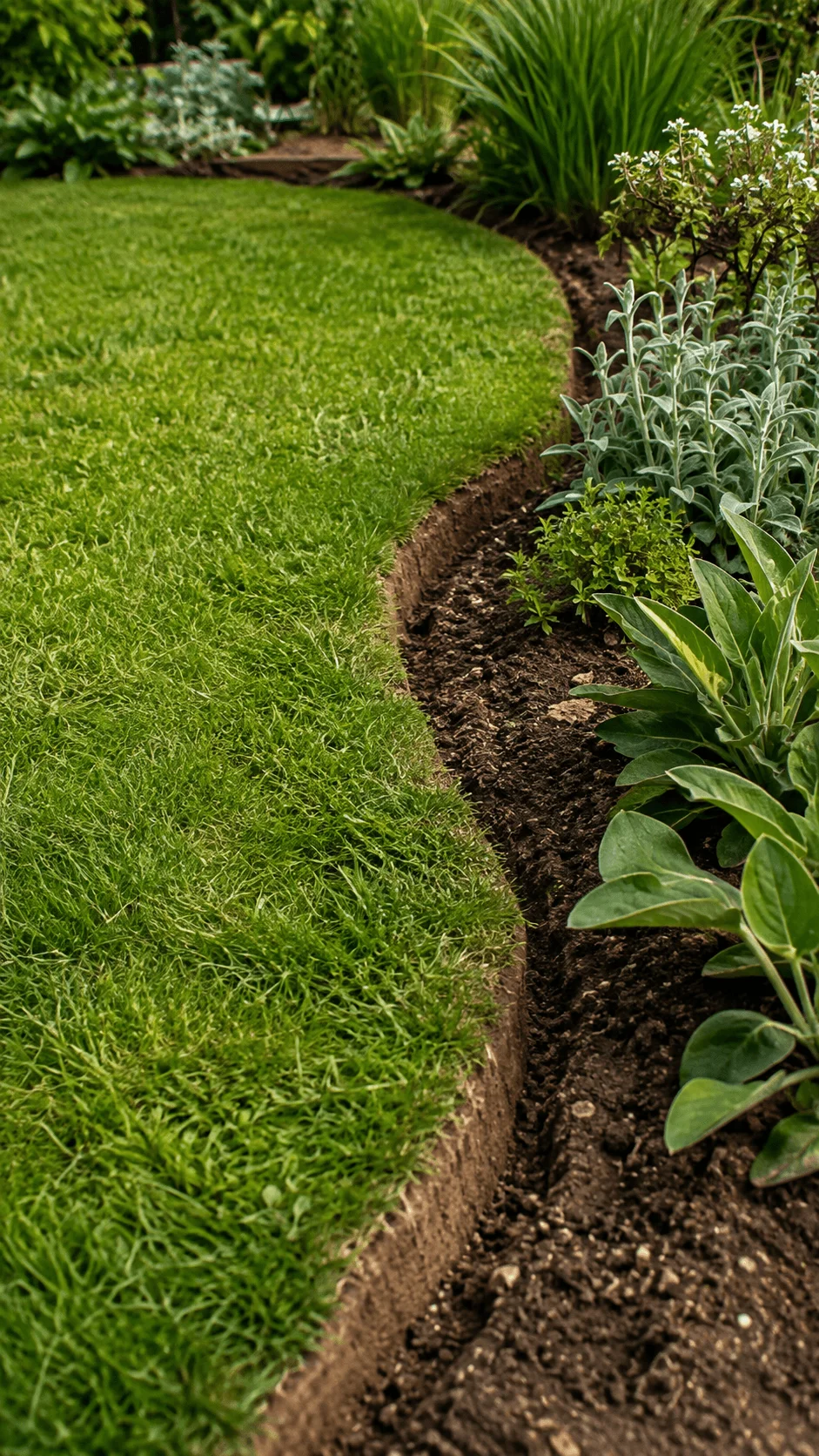
A material free border works particularly well when combined with mulch and well established plants. The contrast between the planting area and the lawn can provide enough definition without requiring a physical barrier.
Among all the garden border ideas without plastic, this is one of the simplest because it avoids the need to manufacture, transport or dispose of an additional edging product.
Its main limitation is maintenance. Unlike a brick or stone border, the edge does not create a permanent physical separation. Grass and soil naturally shift, so gardeners need to refresh the shape periodically.
For homeowners who prefer simple landscaping and minimal material use, however, that small amount of maintenance can be worthwhile.
How to Choose the Right Sustainable Garden Border
Choosing between different eco friendly garden border ideas requires more thought than simply selecting the material that looks attractive in a photograph. The best option depends on your garden, climate, maintenance habits and the resources already available to you.
Start by considering the overall style of your garden. A woven willow border may suit a cottage garden, while reclaimed brick could work better with a traditional landscape. Natural stone can complement both modern and informal designs, while a living flower border creates a softer appearance.
Your climate also matters. Living borders need plants that can thrive in your local conditions. A plant that performs beautifully in one region may struggle in another because of differences in temperature, rainfall, soil and sunlight.
Think about maintenance before making your choice. Living borders may require pruning, watering and seasonal care. A spade cut border requires regular reshaping. Stone and brick generally need less ongoing attention once installed securely.
Availability should influence the decision as well. If you already have old bricks, timber or suitable stones, reusing them may be a practical approach. There is little benefit in purchasing a new material simply because it has an environmentally friendly appearance when a suitable resource is already available.
Consider longevity too. A border that requires frequent replacement may consume more resources over time than a durable option. At the same time, a long lasting material is not automatically the most sustainable choice if it requires significant transportation or resource intensive manufacturing.
Think about what the border needs to accomplish. If you simply want a visual transition, a living edge or spade cut may be enough. If you need to keep mulch from moving onto a pathway, a more substantial border could provide better performance.
Designing a Garden Border That Lasts
Durability should remain part of any sustainable landscaping decision. Replacing a border every few years creates additional work and consumes more resources.
Before installing a border, consider exposure to rain, sunlight, foot traffic and soil moisture. A material that performs well in a dry location may deteriorate faster in a constantly wet area.
Installation also influences longevity. An unstable stone border can shift, while poorly positioned timber may remain in constant contact with wet soil.
Living borders require a different approach to durability. Instead of asking how long the material will last, consider whether the plants can remain healthy and attractive as they mature.
Good planning can reduce future maintenance. Choose plants according to their mature size, create suitable spacing and consider how much sunlight reaches the border throughout the day.
A sustainable garden does not have to require constant work. The right design can reduce maintenance while allowing the landscape to become more established over time.
Conclusion
The best eco friendly garden border ideas combine beauty, usefulness and thoughtful resource choices. You can create a living edge with flowers or native plants, reduce water use with drought tolerant species, or reuse materials such as bricks, timber and concrete pavers that already exist.
Natural stone, river rocks, woven branches and upcycled ceramic pieces offer additional ways to give a garden personality without depending entirely on conventional plastic edging. For the simplest approach, a carefully maintained spade cut border can define a flower bed without adding another material at all.
The right choice depends on your climate, garden style, maintenance preferences and the resources available to you. A beautiful border does not need to be expensive or complicated. Sometimes the most sustainable solution is already growing in your garden or sitting unused nearby.
By combining thoughtful planting with responsible material choices, gardeners can create borders that look intentional while supporting a healthier and more resource conscious landscape.