Eco Friendly Aesthetic Photography Products for 2026
Eco friendly aesthetic photography products are becoming increasingly popular among photographers who want beautiful images without relying heavily on disposable or mass produced styling materials. In 2026, sustainable photography is moving beyond basic environmental choices and becoming part of the visual identity of modern photography. Natural textures, handmade objects, recycled materials, vintage accessories, and reusable props can now create sophisticated images that look intentional, artistic, and contemporary.
The appeal comes from the combination of sustainability and aesthetics. Photographers can create elegant product photographs with linen, warm wood, natural stone, ceramics, botanical elements, and recycled paper instead of constantly buying new decorative items. These materials also bring texture and character that artificial studio surfaces sometimes lack.
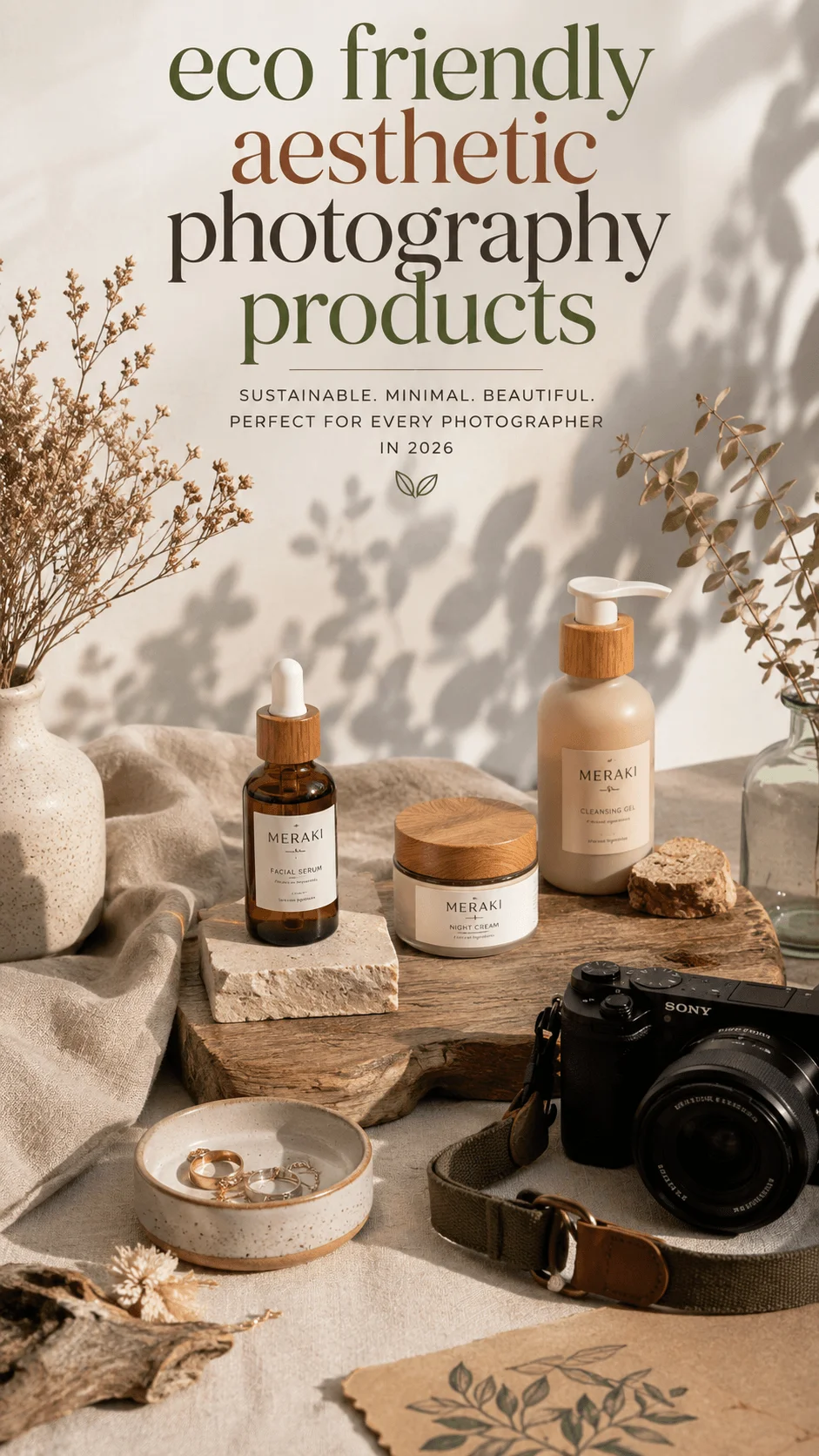
This trend works particularly well for product photographers, content creators, bloggers, ecommerce businesses, social media creators, and anyone who wants a more natural photography style. From minimalist beauty images to vintage lifestyle scenes, sustainable materials offer countless creative possibilities.
What Makes Sustainable Photography Products Trendy in 2026?
The idea of sustainable photography has expanded considerably. Photographers are not only thinking about cameras and technical equipment anymore. They are also considering the surfaces, props, bags, straps, backgrounds, lighting accessories, and decorative materials that appear in their working environment.
Natural textures have become especially useful because they make photographs feel warmer and more authentic. Reclaimed wood can add character to a product scene, while linen can soften a composition. Stone creates a premium appearance, and handmade ceramics can introduce subtle imperfections that make an image feel more personal.
Another important development is the growing interest in reusing what already exists. Vintage objects, second hand equipment, old glass containers, handmade paper, and repurposed materials can all become valuable photography resources. Instead of purchasing a new prop for every project, photographers can build a versatile collection that works across many different shoots.
This approach also encourages creativity. When photographers have fewer disposable styling materials, they often experiment more with lighting, composition, texture, shadows, and perspective. Sustainability therefore becomes more than an environmental choice. It can influence the entire creative process.
1. Recycled Cotton and Linen Photography Backdrops
Recycled cotton and linen backdrops are among the most versatile choices for photographers who want soft and natural backgrounds. Their appeal comes from their understated texture. Unlike perfectly smooth synthetic surfaces, fabric can contain subtle folds, wrinkles, and variations that add depth to an image.
Linen works especially well with minimalist and editorial photography. A cream linen backdrop can create a calm setting for skincare bottles, jewelry, candles, perfumes, or handmade products. Beige and light brown fabrics can produce a warmer appearance, while muted green or gray can introduce a more earthy atmosphere.
Photographers can also change the appearance of the same fabric by folding, rolling, draping, or loosely arranging it. This makes one backdrop useful for many different compositions. A flat piece of linen can create a clean background, while loosely gathered fabric can add movement and shadow.
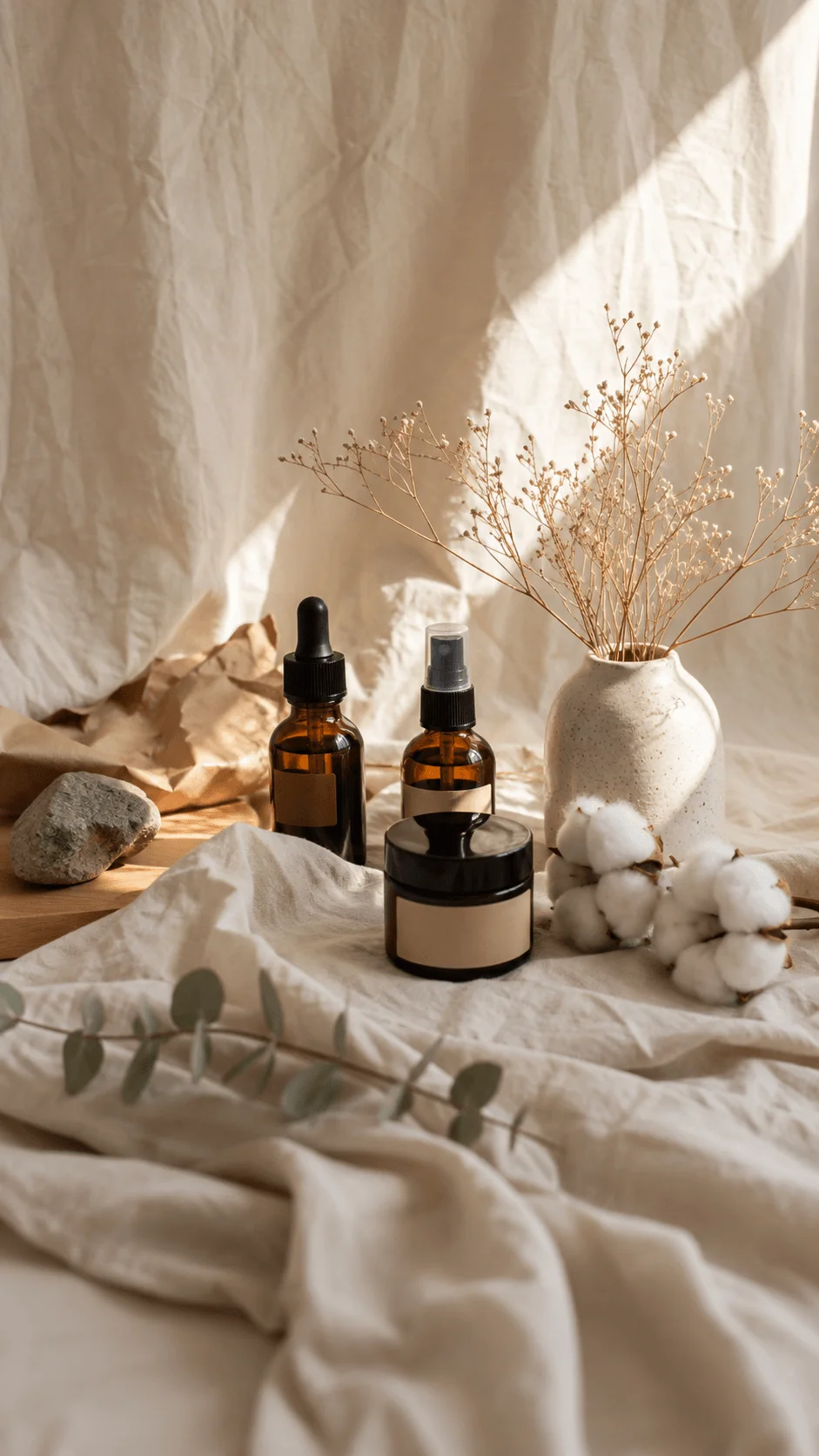
Recycled cotton can offer a slightly softer and more casual appearance. It works particularly well for lifestyle photography and photographs that need a relaxed feeling. When combined with wooden surfaces, ceramics, dried botanicals, or natural stone, cotton can help create a cohesive sustainable photography setup.
Another advantage is reusability. A well maintained fabric backdrop can appear in many photography sessions without needing to purchase a replacement for every new project. Photographers can also keep several neutral fabrics and create different visual moods by changing their arrangement and lighting.
2. Cork Photography Styling Boards
Cork is an interesting material for photographers because it provides both an unusual texture and a naturally warm appearance. Its earthy brown color works particularly well with neutral photography palettes and can make small products stand out without creating an overwhelming background.
A cork styling board can work as a complete photography surface or as a smaller platform beneath a product. It can provide visual separation between the main subject and the background, particularly when the rest of the composition contains lighter colors.
Cork is especially useful for skincare, cosmetics, candles, stationery, handmade products, jewelry, and lifestyle photography. A small skincare bottle placed on a cork surface with dried leaves and soft natural lighting can immediately create a warm organic mood.
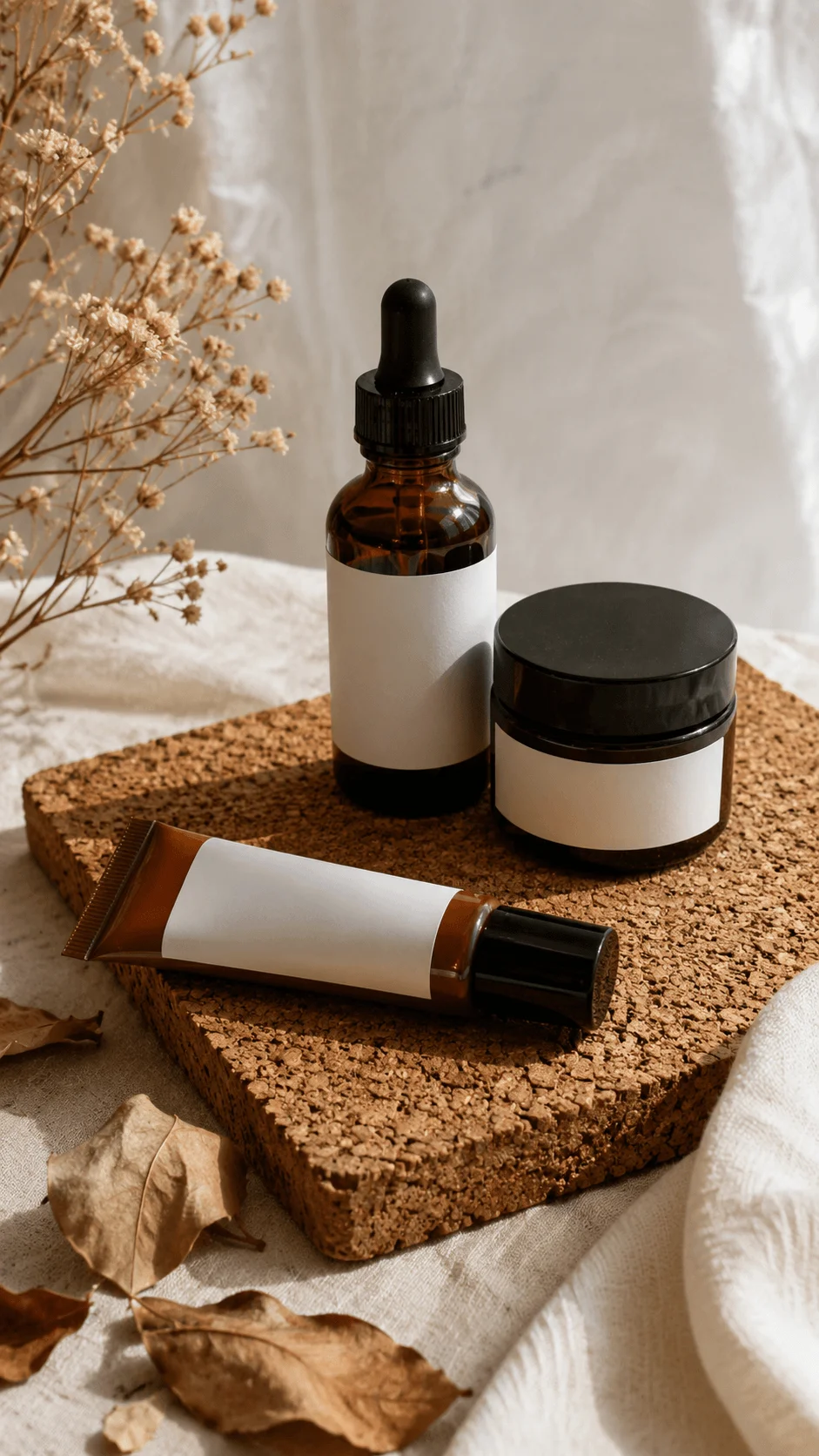
The material also works well with contrasting textures. Smooth glass can look interesting against cork because the difference between transparency and rough texture creates visual variety. Ceramic objects can introduce another layer of natural texture, while linen can soften the overall scene.
Photographers can also use cork when creating photographs for brands that want an earthy or environmentally conscious visual identity. Instead of adding many decorative objects, the natural texture of cork can become part of the composition itself.
3. Reclaimed Wood Photography Surfaces
Reclaimed wood remains one of the most useful materials for sustainable aesthetic photography because it offers character that is difficult to reproduce perfectly. Old wooden boards can contain natural grain patterns, faded colors, small marks, and other signs of age.
These imperfections can become an advantage. Modern product photography sometimes aims for a very polished appearance, but many brands now want photographs that feel authentic and approachable. Reclaimed wood can help achieve that feeling.
The same wooden surface can also create completely different results depending on the subject and lighting. A darker board can give a dramatic appearance to jewelry or perfume, while pale weathered wood can work beautifully with flowers, ceramics, candles, and handmade products.
Reclaimed wood is particularly suitable for rustic, vintage, farmhouse, natural, minimalist, and editorial photography. It can also support luxury photography when paired with carefully selected products and controlled lighting.
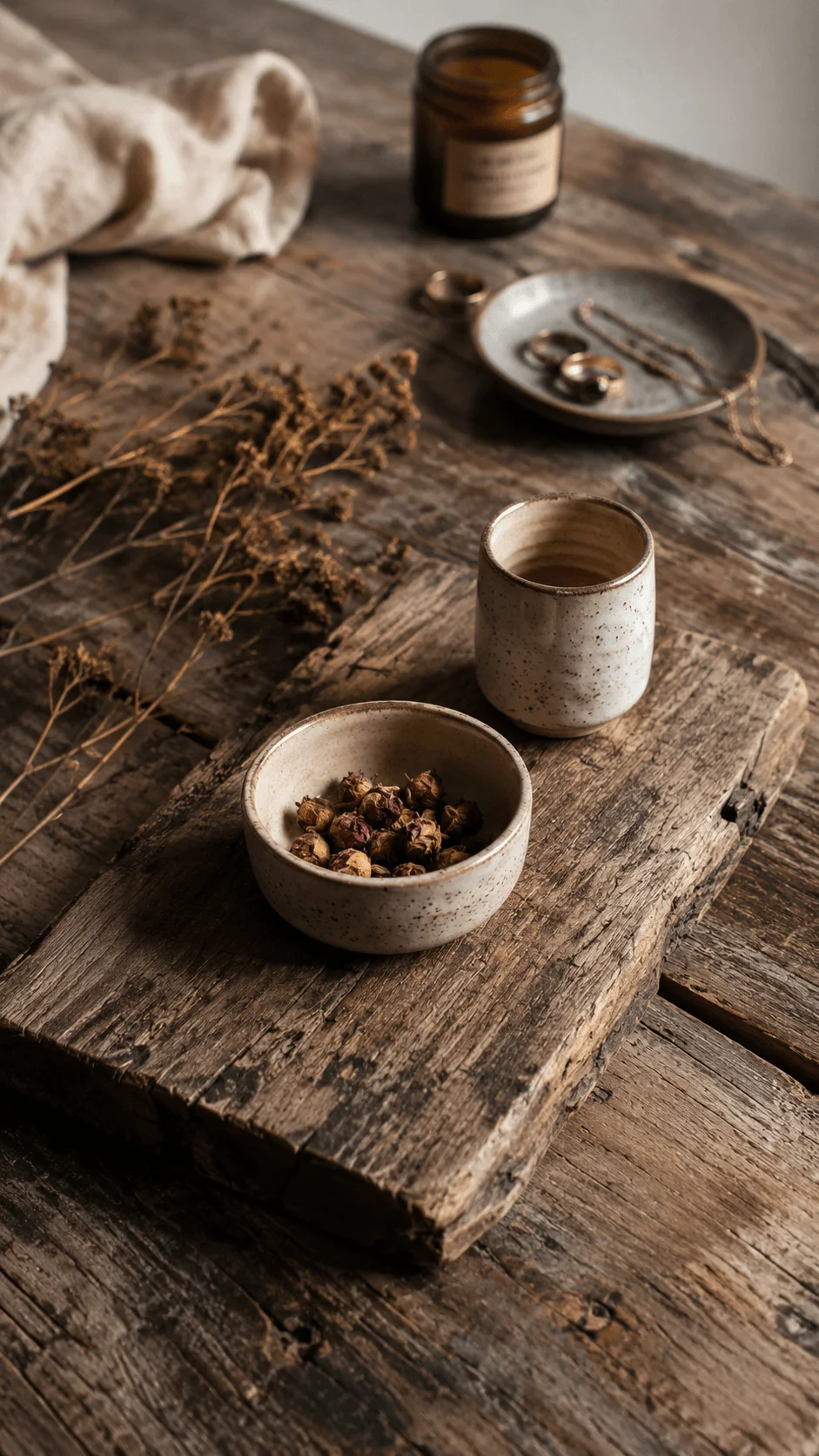
Photographers can use old boards as flat surfaces, vertical backgrounds, small platforms, trays, or layered elements. A single piece can therefore serve several purposes.
Wood also pairs naturally with other sustainable photography materials. Linen can soften its appearance, dried botanicals can add delicate details, and stone can create contrast. Handmade ceramics can make the entire scene feel more artisanal.
4. Natural Stone and Travertine Photography Boards
Natural stone surfaces have become especially useful for photographers creating premium looking product images. Travertine, marble, slate, limestone, and other stone surfaces can provide strong visual foundations for modern compositions.
Travertine is particularly interesting because its warm neutral tones fit well with current natural color palettes. Its subtle pores and irregular patterns provide texture without distracting from the subject.
Stone surfaces work especially well for perfumes, skincare, jewelry, watches, candles, cosmetics, and luxury accessories. A perfume bottle positioned on a warm stone surface can immediately create a sophisticated editorial appearance.
The key is to balance the hardness of the stone with softer elements. Linen can introduce softness, while dried botanicals can create organic shapes. A small ceramic object can provide another tactile element without making the scene look crowded.
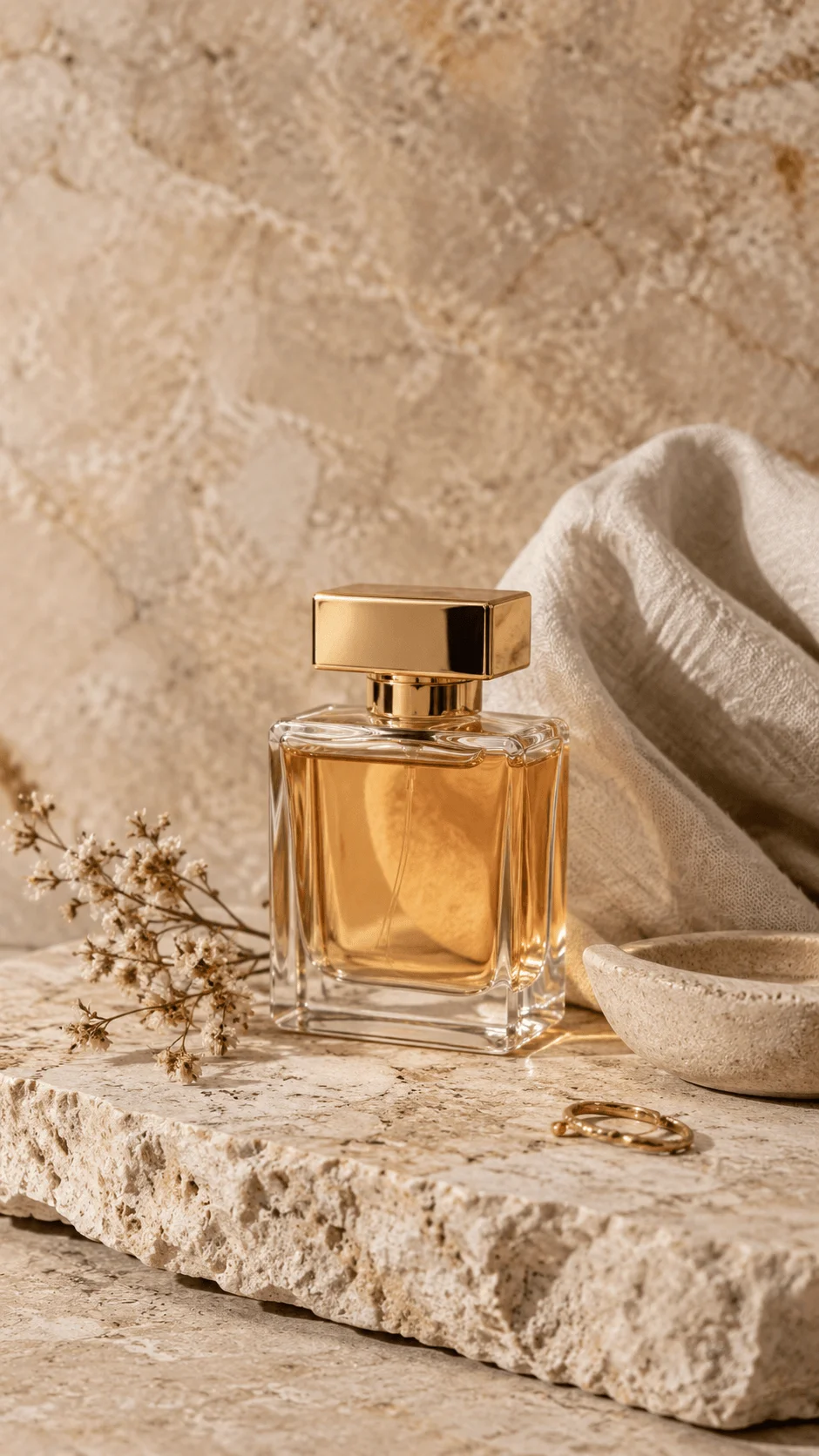
Lighting also plays an important role. Side lighting can emphasize the texture of stone, while softer frontal lighting can create a cleaner and more minimalist appearance. Photographers can therefore use the same surface for different moods simply by changing the direction and intensity of light.
Natural stone also has the advantage of being durable. A good quality photography board can remain useful for a long time, making it suitable for photographers who want to build a reusable collection of sustainable styling materials.
5. Dried Botanical Photography Props
Dried botanical props are another strong choice for natural photography. Dried flowers, grasses, leaves, branches, seed pods, and similar materials can introduce organic shapes without dominating the main subject.
Their greatest strength is versatility. A small dried grass stem can create a delicate shadow beside a skincare bottle. A group of dried flowers can frame a candle, while individual leaves can provide subtle foreground details.
Botanical elements work particularly well with beauty, skincare, wellness, fashion, handmade products, food, and lifestyle photography. They can make an otherwise simple setup feel more complete.
Dried botanicals also offer different colors and textures. Pale grasses can create a minimalist neutral composition, while dried flowers with deeper tones can produce a warmer and more dramatic mood.
Photographers can experiment with positioning as well. Botanicals can sit beside a product, extend into the background, appear slightly out of focus in the foreground, or cast shadows across the surface.
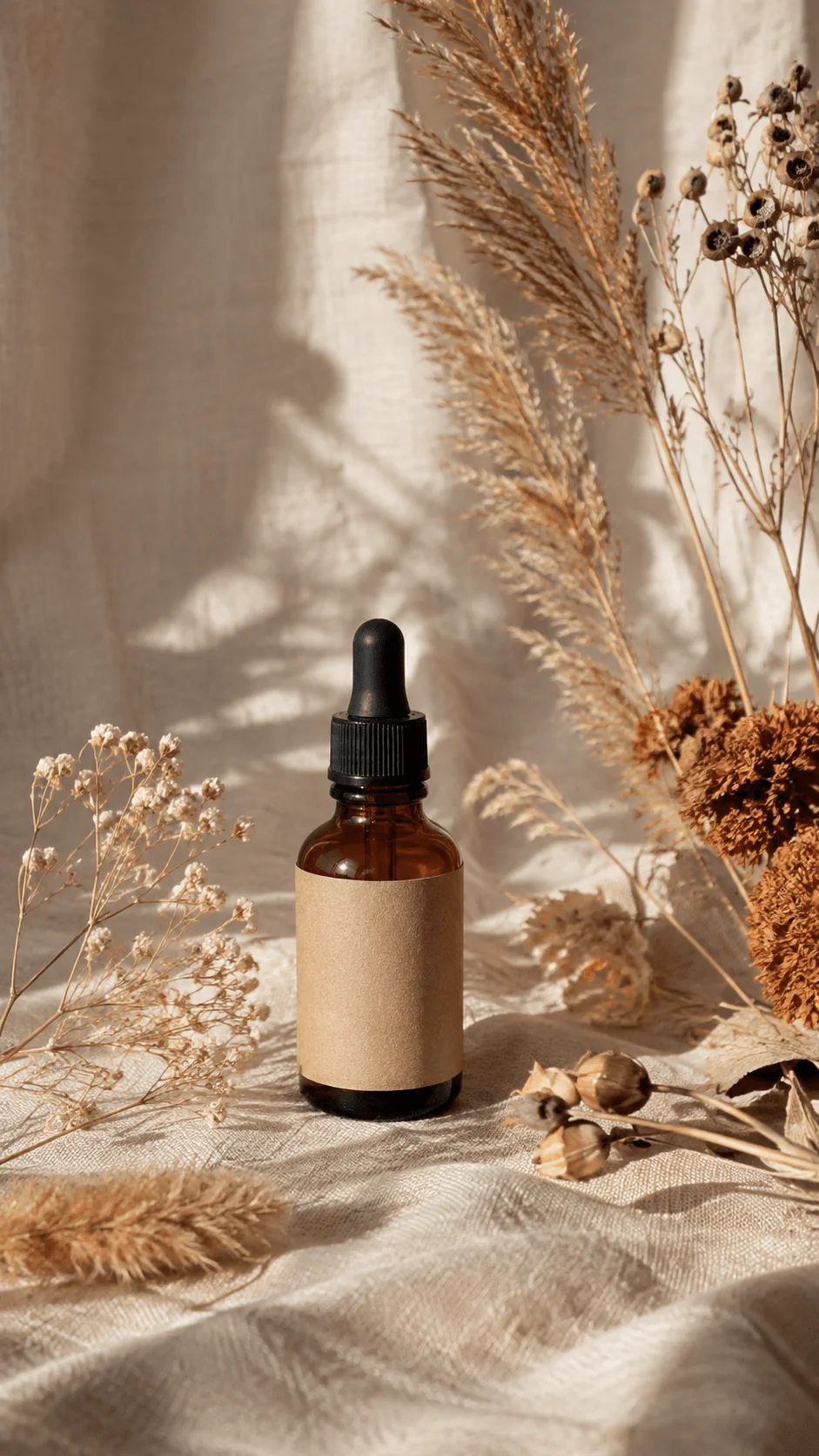
Their reusable nature makes them particularly appealing for sustainable photography styling. Instead of purchasing fresh decorative flowers for every session, photographers can maintain a small collection of dried botanical materials and use them repeatedly.
6. Handmade Ceramic Photography Props
Handmade ceramics can bring a distinctive artisan quality to photographs. Bowls, plates, cups, trays, vases, tiles, and small decorative pieces can all become useful styling elements.
One of the biggest visual advantages of handmade ceramics is their individuality. Slight differences in shape, glaze, texture, and finish can make each object feel unique. Those imperfections can contribute to an authentic visual style.
Ceramics work well with skincare products, candles, food, jewelry, cosmetics, flowers, and handmade goods. A small ceramic tray can provide a platform for jewelry, while a simple bowl can create depth behind a product.
Neutral ceramic colors are particularly versatile. Cream, white, beige, soft gray, and muted earthy shades can complement many photography subjects without competing with them.
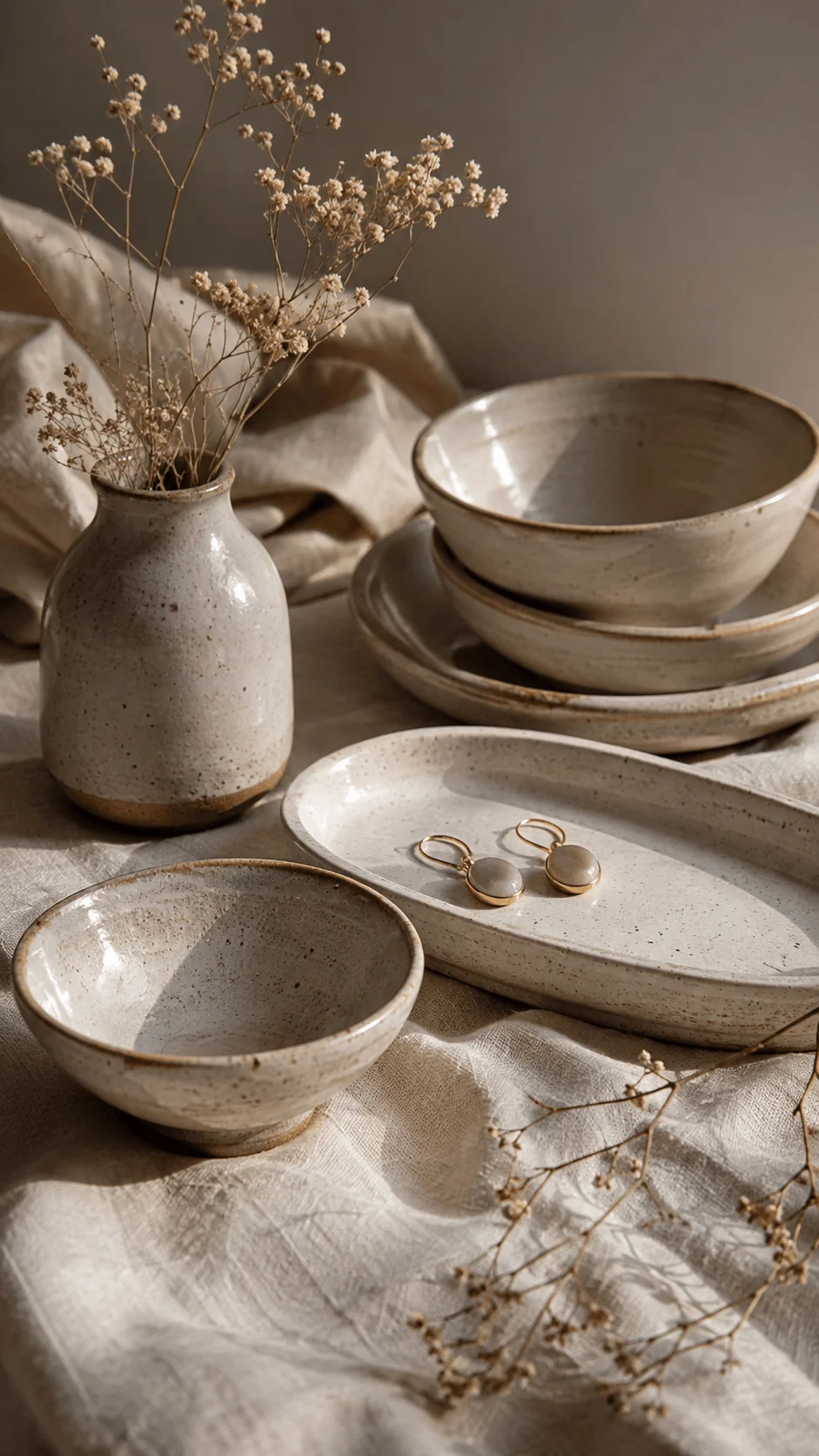
Photographers can also combine ceramics with other natural materials. A handmade ceramic vase surrounded by dried botanicals can create an organic composition. A ceramic tray placed on linen can produce a soft editorial look, while ceramic against stone can create stronger texture and contrast.
The most effective approach is to choose props that support the subject rather than overpower it. One or two carefully selected handmade objects often create more visual impact than a large collection of unrelated decorations.
7. Recycled and Handmade Paper Photography Backgrounds
Recycled and handmade paper can provide an inexpensive yet highly versatile photography surface. Different paper textures can completely change the appearance of a photograph.
Handmade paper may contain visible fibers, uneven edges, subtle color variations, and natural texture. These qualities can make flat lay photographs feel more tactile and artistic.
Recycled kraft paper can provide a warmer and more casual appearance. Cotton rag paper can create a softer fine art feeling, while textured paper can add visual depth to small product compositions.
These materials work especially well for stationery, invitations, handmade products, cosmetics, jewelry, packaging, crafts, and flat lay photography.
Photographers can also layer different sheets. A neutral sheet beneath a textured piece can create depth without requiring additional decorative props. Slightly overlapping papers can create shadows and natural separation between objects.
The most interesting results often come from combining paper with other sustainable materials. Handmade paper can sit beside a small ceramic object, recycled glass container, dried leaf, or wooden surface.
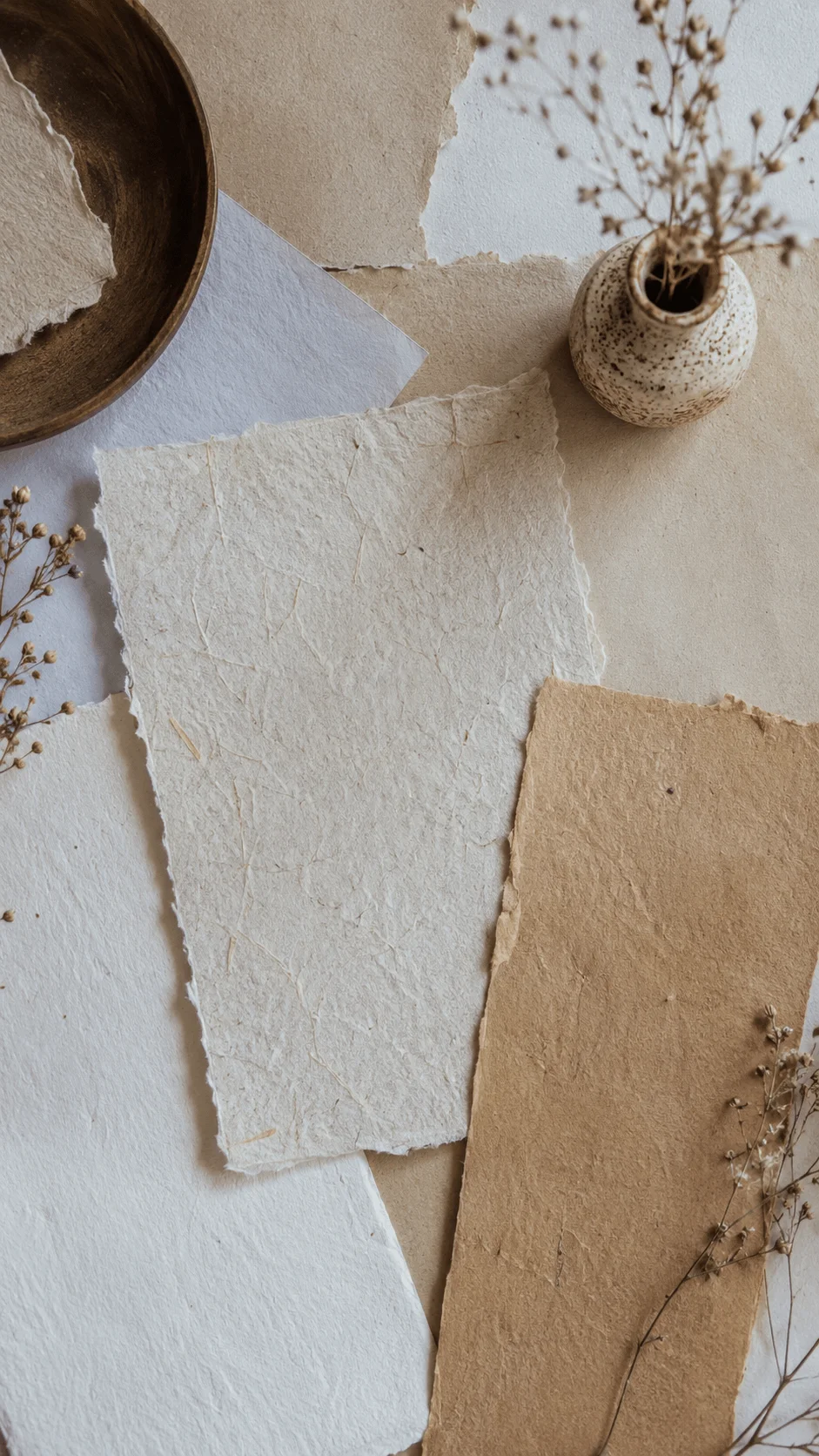
Because paper is easy to store and arrange, photographers can maintain a selection of textures and colors without needing a large studio space.
8. Upcycled Glass Photography Props
Upcycled glass offers another creative way to introduce sustainable materials into photography. Old bottles, jars, vintage glassware, containers, and decorative glass pieces can become useful props instead of being discarded.
Glass creates visual effects that many other materials cannot provide. Transparency allows photographers to see through the object, while curved surfaces can create reflections and distortions. Light passing through glass can also produce highlights and shadows.
This makes upcycled glass especially useful for perfume, skincare, flowers, candles, drinks, food, cosmetics, and decorative photography.
Vintage glass can create a nostalgic appearance, while clear modern looking glass can support a minimalist composition. Colored glass can add another visual element without requiring a large number of props.
Glass works particularly well with natural stone because the hard reflective surface can contrast with transparent shapes. Linen can soften the composition, while dried botanicals can introduce organic forms.
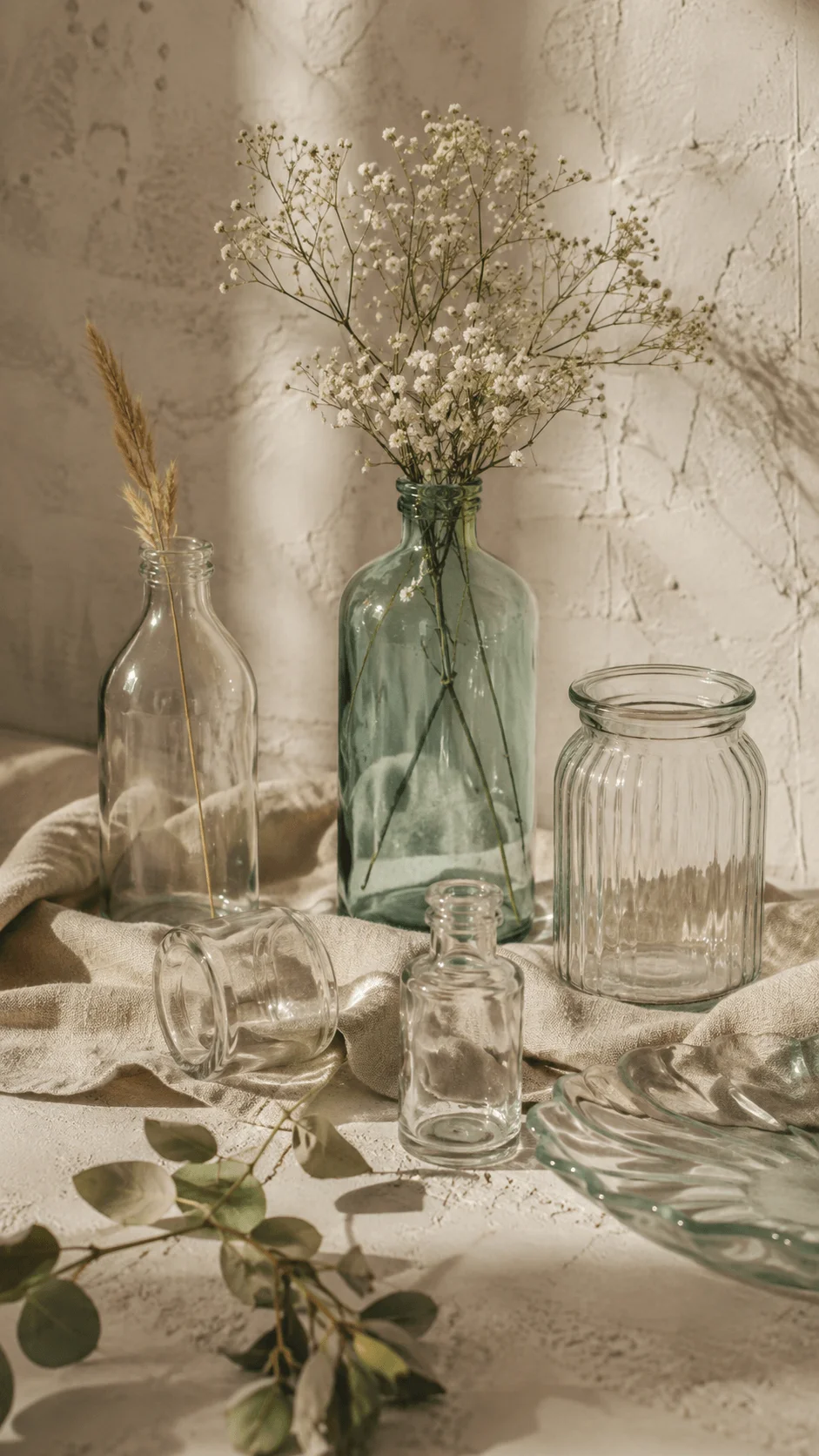
Photographers should also experiment with placing glass slightly away from the main subject. This can create subtle reflections and depth without making the prop compete for attention.
The ability to reuse existing glass objects makes this approach particularly attractive for photographers who want to explore upcycling rather than constantly purchasing new styling materials.
9. Plant Based and Recycled Camera Straps
Plant based and recycled camera straps are becoming an interesting part of the sustainable photography movement because they combine practical equipment with personal style. A camera strap remains an important everyday accessory for photographers, so choosing one made from alternative or recycled materials can be a simple way to make a photography setup more conscious.
Materials such as cork, hemp, organic fabrics, recycled fibers, and repurposed textiles can provide different visual and tactile qualities. Cork can create a warm natural appearance, while woven fabrics can produce a softer and more casual look. Recycled materials can also introduce interesting textures that work particularly well with vintage and lifestyle photography aesthetics.
The visual design matters just as much as the material. A minimalist neutral strap can complement a modern mirrorless camera, while a woven or vintage inspired strap can work beautifully with film cameras and retro equipment. Photographers who regularly appear in their own content can also treat the strap as part of their personal visual identity.
When choosing a sustainable camera strap, photographers should look beyond the label. Construction quality, comfort, stitching, attachment hardware, durability, and expected lifespan all matter. A product that lasts for years may be a more thoughtful choice than a cheaper product that needs frequent replacement.
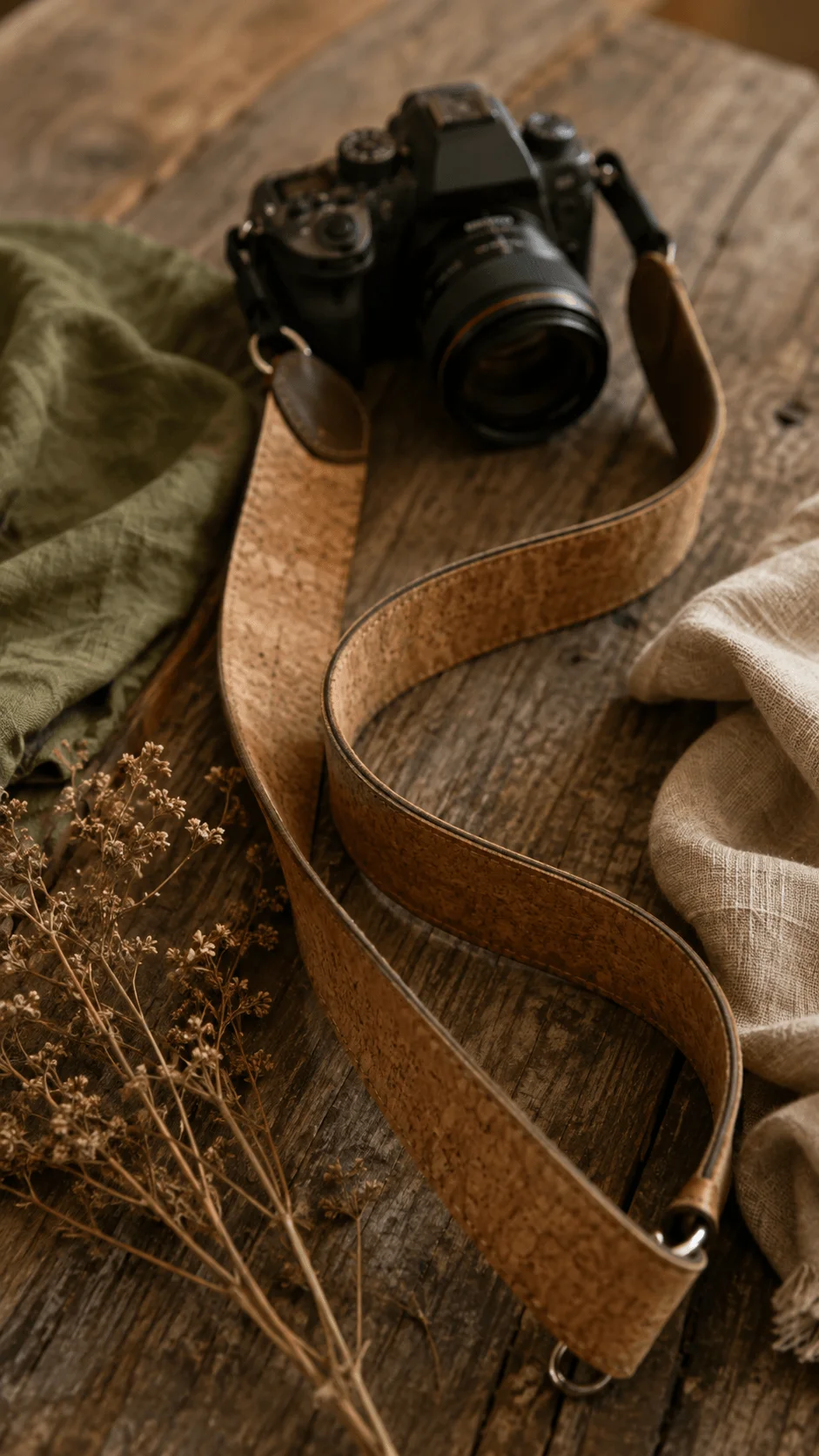
A sustainable camera strap can also become part of lifestyle photography. A camera placed on reclaimed wood with a recycled fabric strap, linen cloth, and dried botanical elements can create an attractive behind the scenes composition.
This makes sustainable camera accessories useful not only when taking photographs but also when photographers want to create content about their creative process.
10. Recycled Material Aesthetic Camera Bags
Modern camera bags are becoming more visually interesting as photographers look for equipment that fits naturally into everyday life. Traditional camera bags often focus heavily on protection and technical features, but aesthetic camera bags can combine those requirements with a more understated appearance.
Recycled fabrics and repurposed textiles can give camera bags a second life while creating attractive surfaces and textures. Some designs use simple shapes that resemble ordinary lifestyle bags, making them suitable for photographers who move between photography sessions, work, travel, and daily activities.
This aesthetic approach can be particularly useful for street photographers, travel photographers, content creators, and lifestyle photographers. A bag that does not immediately look like technical photography equipment can fit naturally into different environments.
Color also plays an important role. Neutral shades such as beige, black, brown, olive, cream, and gray can complement a minimalist photography setup. Natural fabrics can create a softer appearance, while recycled technical materials can provide a more contemporary look.
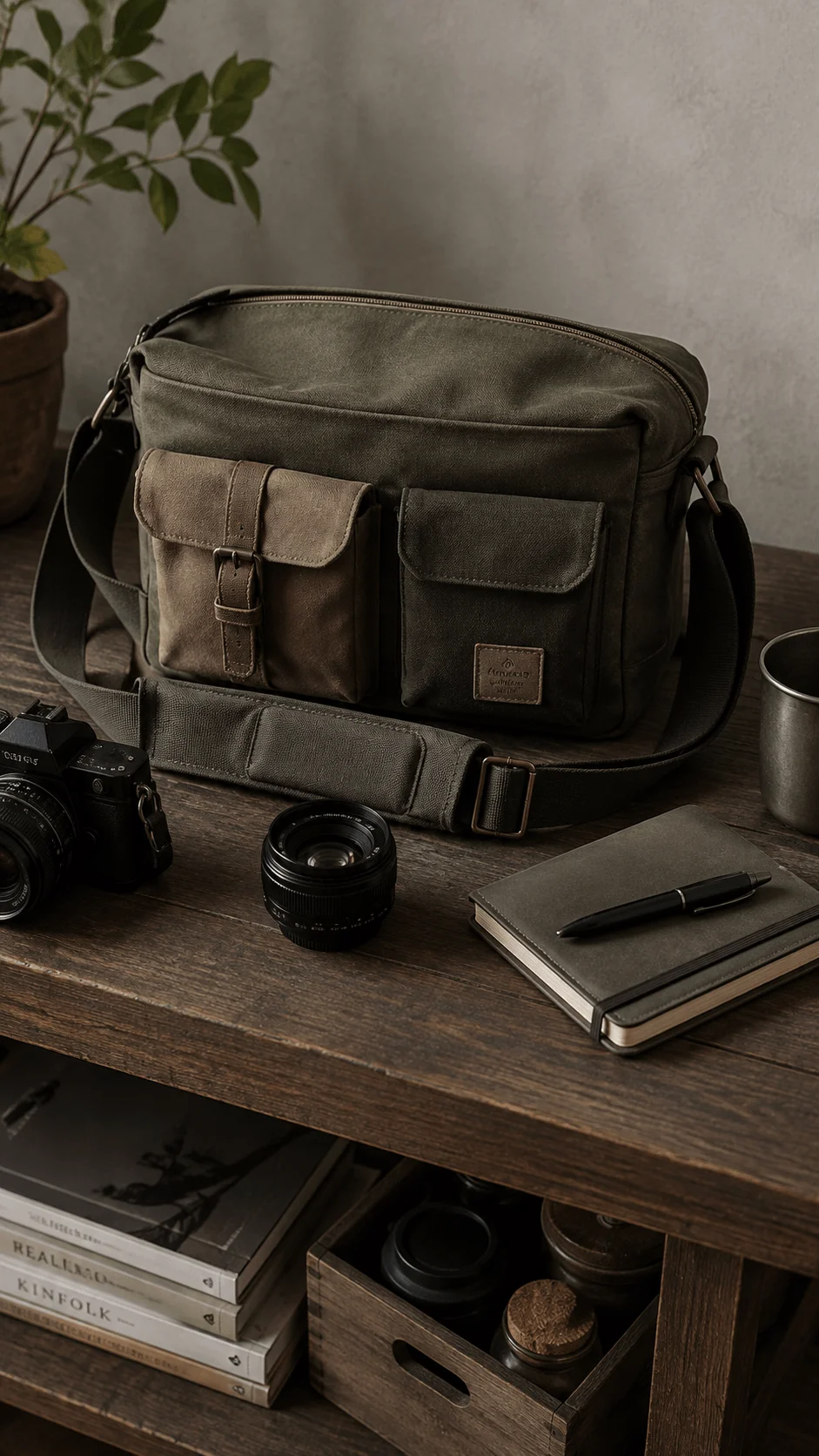
However, sustainability should not depend only on the material. A durable bag that protects equipment properly and remains useful for many years can provide greater value than a poorly constructed product that needs frequent replacement.
Photographers should therefore consider stitching, padding, hardware, storage, repair possibilities, material quality, and overall lifespan.
An aesthetic camera bag can also become part of a photographer’s visual branding. When photographed alongside a camera, notebook, recycled paper, vintage accessories, and natural props, it can contribute to a consistent creative identity.
11. Rechargeable and Solar Photography Accessories
Photography equipment requires energy, particularly when photographers work with portable lights, flashes, cameras, microphones, monitors, and other electronic devices. Rechargeable and energy efficient accessories can therefore play an important role in more conscious photography practices.
Rechargeable batteries are a practical starting point. Instead of repeatedly purchasing disposable batteries, photographers can use rechargeable options for compatible equipment and recharge them between sessions.
Energy efficient LED lighting can also support more sustainable studio practices. Modern LED systems can provide adjustable brightness and color settings while working efficiently for product photography, portraits, videos, and content creation.
Portable charging solutions can become particularly useful for photographers who work outside traditional studios. Travel photographers and outdoor content creators may need reliable ways to keep equipment powered during long shoots.
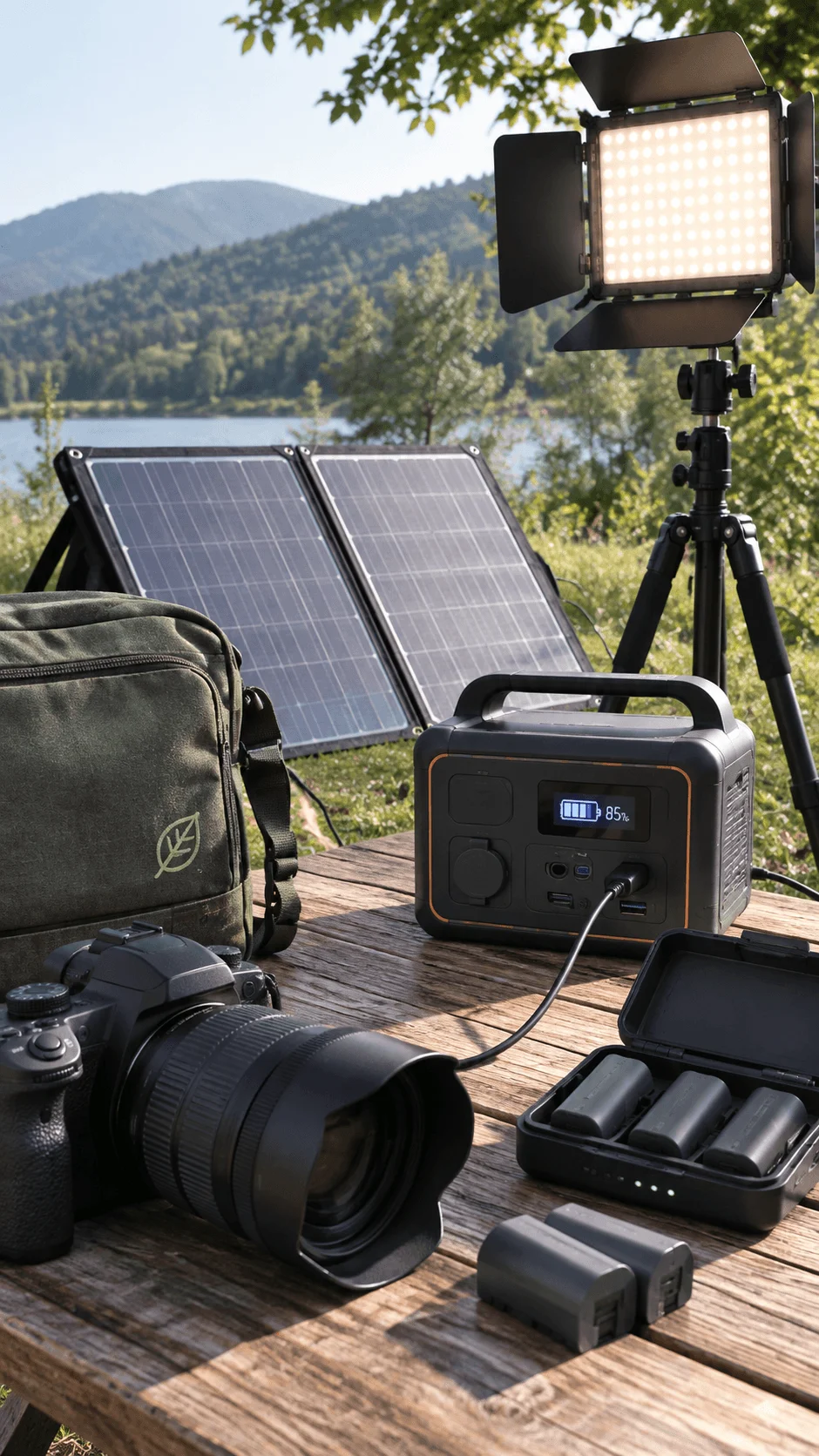
Solar powered charging accessories can be interesting for outdoor photography because they allow photographers to take advantage of available sunlight. Their usefulness depends on the equipment, weather, location, and charging requirements, so photographers should evaluate practical performance rather than choosing a product simply because it carries a sustainability label.
The most important consideration is the complete lifespan of the accessory. A product that lasts longer, consumes less energy, and can be repaired or maintained may provide a better sustainability advantage than a product that simply uses environmentally themed marketing.
This also connects sustainability with efficiency. Photographers who plan their shoots carefully, charge equipment responsibly, and avoid unnecessary energy consumption can reduce waste while maintaining a professional workflow.
12. Vintage and Second Hand Photography Products
Vintage and second hand photography products bring together two powerful ideas: sustainability and visual character. Instead of purchasing everything new, photographers can explore equipment and props that already exist.
Second hand cameras, vintage lenses, film cameras, old camera accessories, retro trays, books, glass objects, wooden surfaces, and decorative pieces can all become valuable parts of a photography collection.
One reason vintage products are so appealing is their individuality. Older objects often contain small marks, unusual finishes, aged textures, and distinctive designs that are difficult to reproduce with mass produced modern products.
A vintage camera can also become a photography prop itself. It can appear in lifestyle images, creative workspace photographs, editorial scenes, or behind the scenes content.
Vintage equipment can work especially well with the current interest in nostalgic and analog inspired visual styles. Film photography, retro compositions, grain inspired editing, classic cameras, and old fashioned styling can create a strong sense of personality.
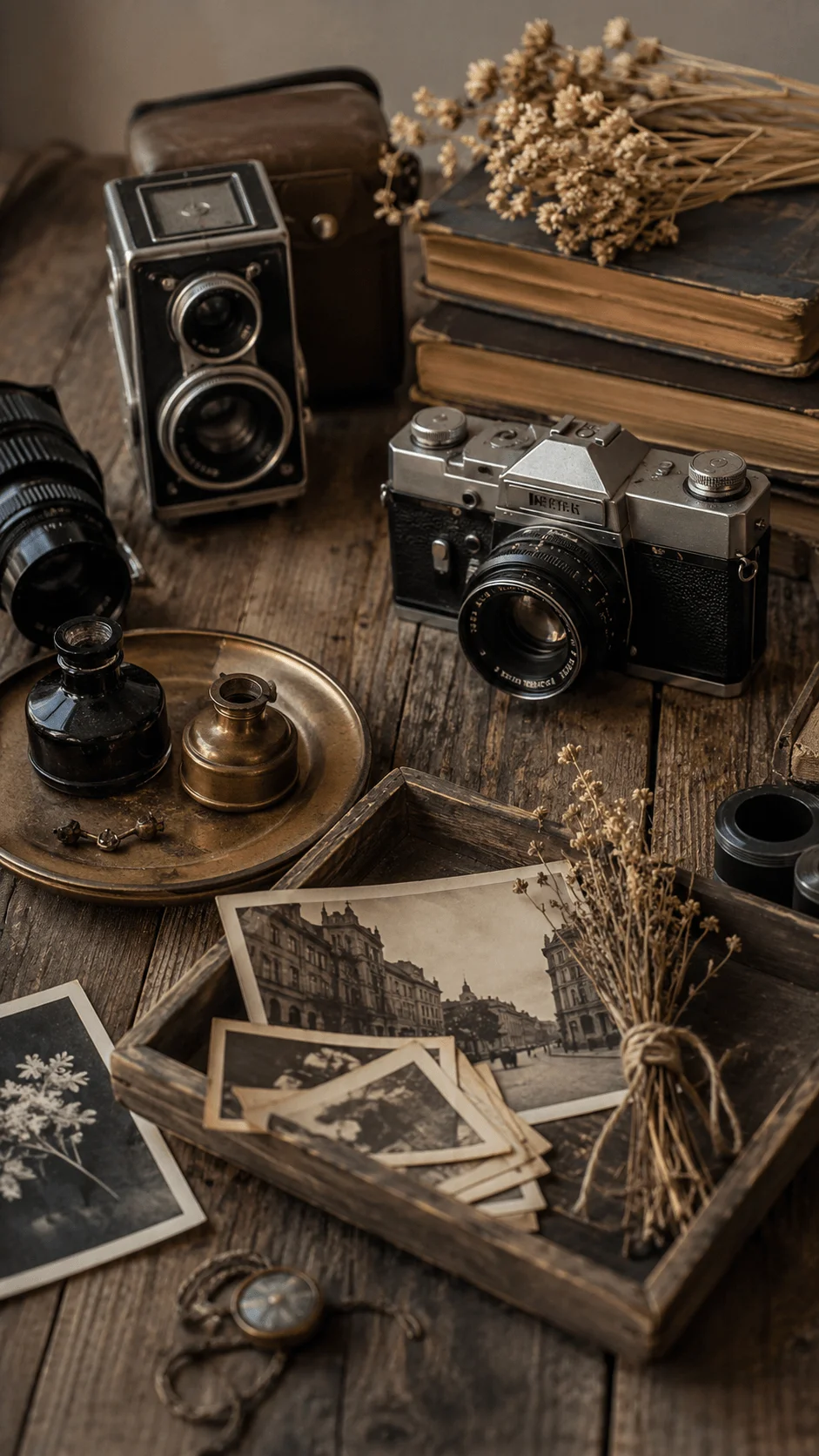
Second hand purchasing also encourages photographers to think about the useful life of products. Instead of treating equipment as disposable, photographers can maintain, repair, reuse, and pass it on when they no longer need it.
The same principle applies to photography props. An old wooden tray from a second hand shop might become a product photography surface. An unused glass bottle might become a perfume styling element. An old book could provide texture and visual context for a lifestyle photograph.
The most sustainable photography collection does not necessarily contain only newly manufactured products marketed as sustainable. It can also contain objects that have already been produced and can continue serving a useful purpose.
How to Combine Eco Friendly Photography Products Into an Aesthetic Setup
Choosing individual sustainable photography products is only the beginning. The real visual impact comes from combining materials in a thoughtful way.
One effective combination uses linen, reclaimed wood, and dried botanicals. The soft fabric creates a gentle background, the wood adds warmth, and the botanical elements provide natural shapes. This combination works especially well for skincare, candles, handmade products, and lifestyle photography.
Another option combines cork, handmade ceramics, and natural stone. The cork provides warmth, the ceramic introduces an artisan texture, and the stone adds a refined surface. This combination can work beautifully for beauty products, jewelry, cosmetics, and luxury accessories.
Recycled paper and upcycled glass can create a lighter and more creative composition. A textured paper background can provide subtle visual interest while a glass bottle adds transparency and reflections. A dried leaf can then introduce a small organic detail without overcrowding the scene.
Travertine and linen offer another strong pairing. The natural stone creates a sophisticated foundation while linen introduces softness. This combination is particularly suitable for perfume, watches, skincare, jewelry, and other premium products.
Vintage equipment can also become part of the composition. A vintage camera placed on reclaimed wood beside handmade paper and an old glass object can create a nostalgic creative workspace scene.
When combining materials, photographers should pay attention to scale. Large props can easily overwhelm small products. Texture also needs balance. If every object has a strong pattern, the photograph may become visually confusing.
Color deserves equal attention. Neutral colors often make sustainable photography materials easier to combine. Cream, beige, brown, soft gray, muted green, and natural wood tones can create a cohesive visual language.
Lighting completes the setup. Side lighting can emphasize wood grain and stone texture, while soft diffused lighting can make linen and paper appear gentle and refined. Shadows from dried botanicals can add another layer of visual interest.
The goal is not to use as many sustainable materials as possible. Instead, choose a few complementary materials that support the main subject.
How to Choose Sustainable Photography Products
The word sustainable does not automatically mean that a product has a low environmental impact. Photographers should look beyond marketing language when deciding what to purchase.
Material sourcing is an important consideration. Products made with recycled, reclaimed, reused, or responsibly sourced materials may offer advantages, but the complete manufacturing process also matters.
Durability is equally important. A reusable product only provides value when photographers actually use it repeatedly. A sturdy photography board that remains useful for years can be more practical than a fragile product that needs frequent replacement.
Versatility should also influence purchasing decisions. A photography prop that works for skincare, jewelry, food, fashion, and lifestyle photography can replace several specialized products.
Repairability can extend the useful life of equipment and accessories. Camera bags, straps, lighting equipment, and other products become more practical when photographers can maintain or repair them rather than immediately replacing them.
Packaging deserves attention too. A product may use sustainable materials while arriving with unnecessary packaging. Photographers who want to make more conscious purchasing decisions can consider the complete product experience.
Second hand options should also remain part of the decision process. Before buying a new vintage looking prop, photographers can check whether a genuine older item already exists. This can create a more authentic appearance while giving an existing object another useful purpose.
The best approach is to build a photography collection slowly. Instead of purchasing many products at once, photographers can begin with versatile materials such as linen, wood, paper, ceramics, and natural surfaces.
Why Sustainable Aesthetics Matter in Modern Photography
Sustainable aesthetics matter because photography is not only about the camera. Every surface, object, texture, color, and lighting choice contributes to the final image.
Natural and reused materials can help photographs feel more authentic. A handmade ceramic object does not need to look perfectly uniform. A reclaimed wooden surface does not need to look flawless. A vintage glass bottle can contain small signs of age. These characteristics can give an image personality.
This approach also encourages photographers to become more creative. Instead of constantly searching for new props, they can experiment with objects already available around them.
A photographer might discover that an old wooden tray works as a background, a curtain becomes a soft fabric backdrop, an unused glass jar becomes a prop, or dried flowers become a framing element.
That creative reuse can be particularly valuable for people creating content for websites, Pinterest, Instagram, blogs, online stores, and portfolios. A small collection of versatile materials can produce many different visual compositions.
Sustainable styling can also strengthen brand identity. A business that consistently uses natural stone, linen, handmade ceramics, and botanical elements can develop a recognizable visual style.
For product photographers, this can make images feel more intentional. For content creators, it can create consistency across social media. For small businesses, it can provide an affordable way to produce attractive product photographs without constantly investing in new decorative materials.
Conclusion
Eco friendly aesthetic photography products show that sustainability and beautiful photography can work together naturally. Photographers do not need to choose between an environmentally conscious setup and a visually sophisticated one.
Recycled linen can provide softness, reclaimed wood can add warmth, cork can introduce organic texture, and natural stone can create a premium foundation. Dried botanicals, handmade ceramics, recycled paper, and upcycled glass can add depth and personality. Sustainable camera straps, recycled camera bags, rechargeable accessories, and second hand equipment can extend the same philosophy beyond photography props.
The most effective approach is to focus on products that photographers can reuse, combine, maintain, and enjoy for a long time. Instead of purchasing a large collection of disposable decorations, photographers can gradually build a versatile selection of natural and reused materials.
The beauty of eco friendly aesthetic photography products lies in their ability to make sustainability part of the creative process. A reclaimed surface can become a distinctive background, an old object can become an unexpected prop, and a simple natural material can transform an ordinary composition.
By choosing thoughtfully and experimenting with materials already available, photographers can create images that feel more authentic, creative, and visually memorable while developing a more responsible approach to photography.