Eco Friendly Film Photography Ideas for 2026
Eco friendly film photography is becoming an increasingly interesting direction for photographers who want beautiful images without treating photography as a constant cycle of buying, upgrading and replacing equipment. In 2026, the renewed interest in analog cameras is connecting with a wider appreciation for vintage aesthetics, reusable products, imperfect images and more thoughtful creative processes. Instead of chasing perfectly sharp photographs and the newest camera technology, many photographers are exploring the character of older cameras, visible film grain, natural looking colors and experimental ways of creating photographs.
The appeal goes beyond nostalgia. Film photography creates a physical relationship between the photographer and the image. A roll contains a limited number of frames, a camera may have a distinct personality, and the final photograph often includes small characteristics that digital editing can easily remove. These qualities have become especially attractive at a time when highly polished digital imagery and artificial image generation are everywhere.
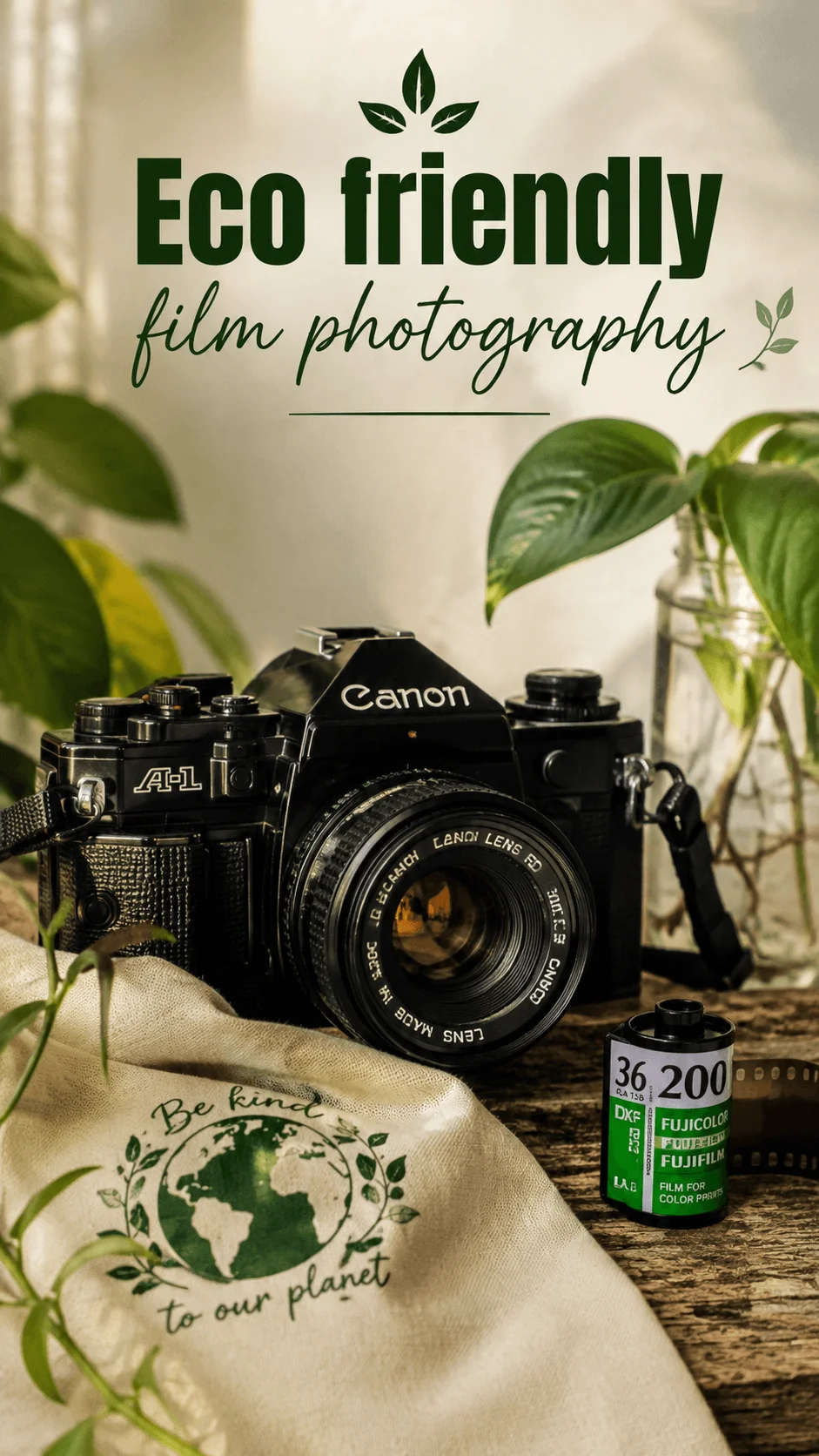
Sustainable photography does not mean that film photography has no environmental impact. Film production, packaging, processing, chemicals, water use and scanning can all require resources. However, photographers can make more thoughtful choices about the equipment they use, how long they keep it, how much film they consume and which creative processes they explore. This is where the most exciting eco friendly film photography ideas begin to appear.
Reusable 35mm Cameras for Eco Friendly Film Photography
Reusable 35mm cameras offer one of the simplest ways to combine the classic disposable camera appearance with a more reusable approach to photography. Disposable cameras became popular because they were simple, affordable and easy to use. Their visual character often includes direct flash, soft details, unexpected exposure and casual compositions. Reusable cameras can provide a similar experience while allowing the same camera body to be used again and again.
The idea is particularly appealing to people who enjoy spontaneous photography. Instead of treating a camera as a complicated technical device, photographers can carry a small reusable camera and concentrate on what is happening around them. Birthday gatherings, holidays, family moments, street scenes and casual portraits can all benefit from this relaxed approach.
The aesthetic is also an important part of the trend. Many reusable cameras produce images that feel less polished than photographs from modern digital cameras. That difference can become part of the photographer’s identity. A slightly unpredictable flash, visible grain and softer detail can create photographs that feel personal rather than perfectly controlled.
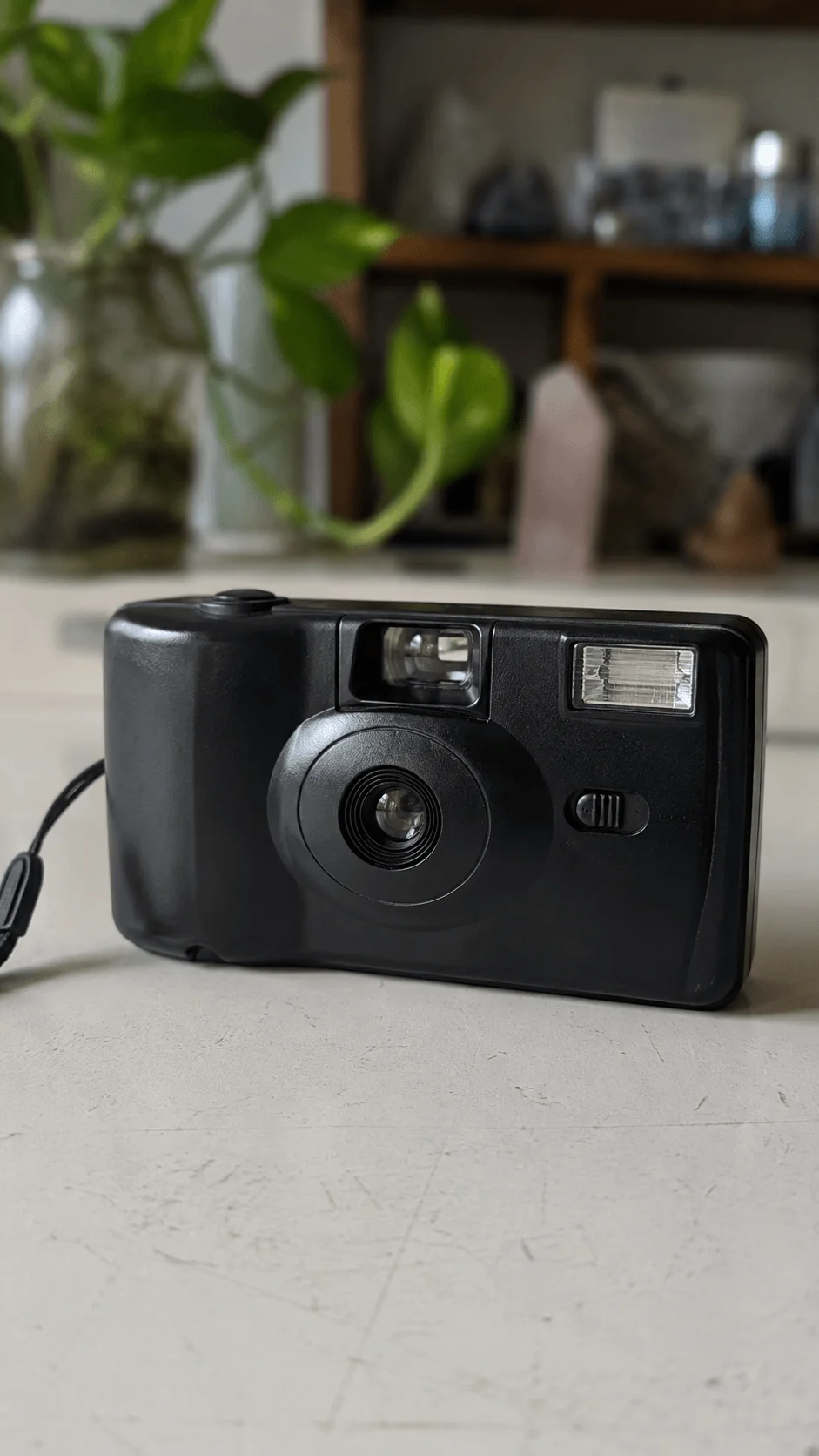
Another interesting aspect is the emotional relationship people can develop with a simple camera. When a photographer keeps using the same camera for months or years, the camera can become associated with particular memories and places. That creates a different relationship with equipment compared with constantly replacing devices.
For people searching for an eco friendly film camera, a reusable 35mm model can therefore represent more than an alternative to disposable photography. It can encourage a slower relationship with equipment and make the camera itself part of the creative experience.
Second Hand Cameras and Sustainable Film Photography
Buying a second hand film camera is another idea that fits naturally into sustainable analog photography. There is a huge collection of older cameras already in existence, and many of them remain capable of producing distinctive photographs decades after their original release.
Vintage point and shoot cameras are especially interesting because they often have characteristics that modern cameras deliberately try to reproduce through filters and software. Their built in flashes, lenses, automatic exposure systems and compact designs can produce photographs with a recognizable visual personality.
Older SLR cameras provide another creative direction. They allow photographers to experiment with different lenses and manual controls while experiencing the mechanical character of traditional photography. Some photographers are attracted to these cameras not because they offer the latest technology, but because they encourage a different way of thinking about making photographs.
Second hand equipment also changes the idea of what a camera should represent. Instead of considering a camera outdated because a newer model exists, photographers can appreciate what an older device already does well. A camera does not need to be new to be creatively valuable.
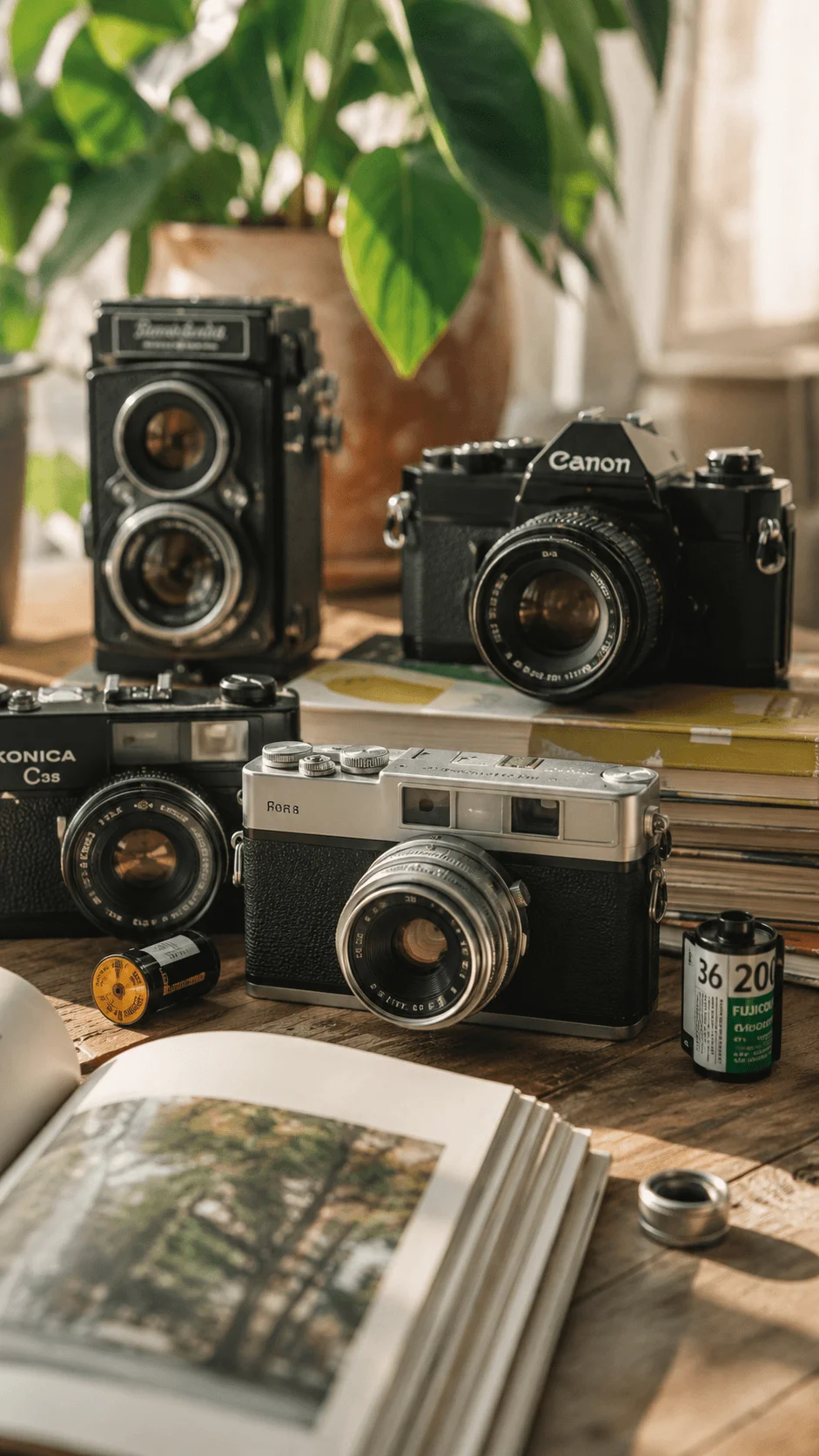
This makes second hand photography particularly relevant to eco friendly film photography. Keeping an existing camera in use can be a more thoughtful choice than replacing equipment simply because a newer model has appeared. It also creates opportunities to discover unusual cameras that may have their own visual characteristics.
The imperfections of older equipment can even become part of the aesthetic. A vintage camera may produce slightly different colors, softer images or unusual flash results. These characteristics can give photographs a sense of history that is difficult to reproduce perfectly with a digital filter.
Botanical Film Developers for Eco Friendly Analog Photography
One of the more experimental developments in sustainable photography involves exploring botanical materials and alternative approaches to film development. Instead of treating photographic chemistry as something completely separate from artistic expression, experimental photographers are investigating how naturally derived materials can influence the final photograph.
This idea is fascinating because it turns the development stage into another creative decision. The photographer is no longer concerned only with the camera, lens, film stock and lighting. The materials used during development can also become part of the visual process.
Different experimental approaches can produce different tonal qualities and levels of contrast. That unpredictability is part of the attraction. Photographers who enjoy handmade processes may appreciate the fact that the final result does not always look exactly like a photograph produced through a standard workflow.

The idea also fits into a wider movement toward making creative processes more visible. Many modern photographs pass through numerous digital stages before reaching an audience. Alternative film development can bring attention back to the physical process behind the image.
However, natural does not automatically mean harmless. Photographic development still requires responsible handling, appropriate equipment and careful consideration of waste. The sustainability value comes from exploring alternatives thoughtfully rather than assuming that every plant based process has no environmental consequences.
For photographers interested in eco friendly film photography, botanical development represents an exciting area because it combines environmental curiosity with visual experimentation.
Coffee and Tea Based Film Development
Coffee and tea have also attracted attention among photographers interested in alternative development approaches. The appeal comes partly from the unusual idea of using familiar natural materials within a traditional photographic process.
The creative value is more important than the novelty itself. Photographers can become interested in how alternative development approaches influence the mood and appearance of their photographs. Instead of simply choosing a film stock and accepting whatever character it provides, they begin thinking about development as another creative stage.
This can be particularly interesting for photographers who want their images to feel handmade. A photograph created through an experimental process may have characteristics that feel less standardized than an image produced through a highly controlled digital workflow.
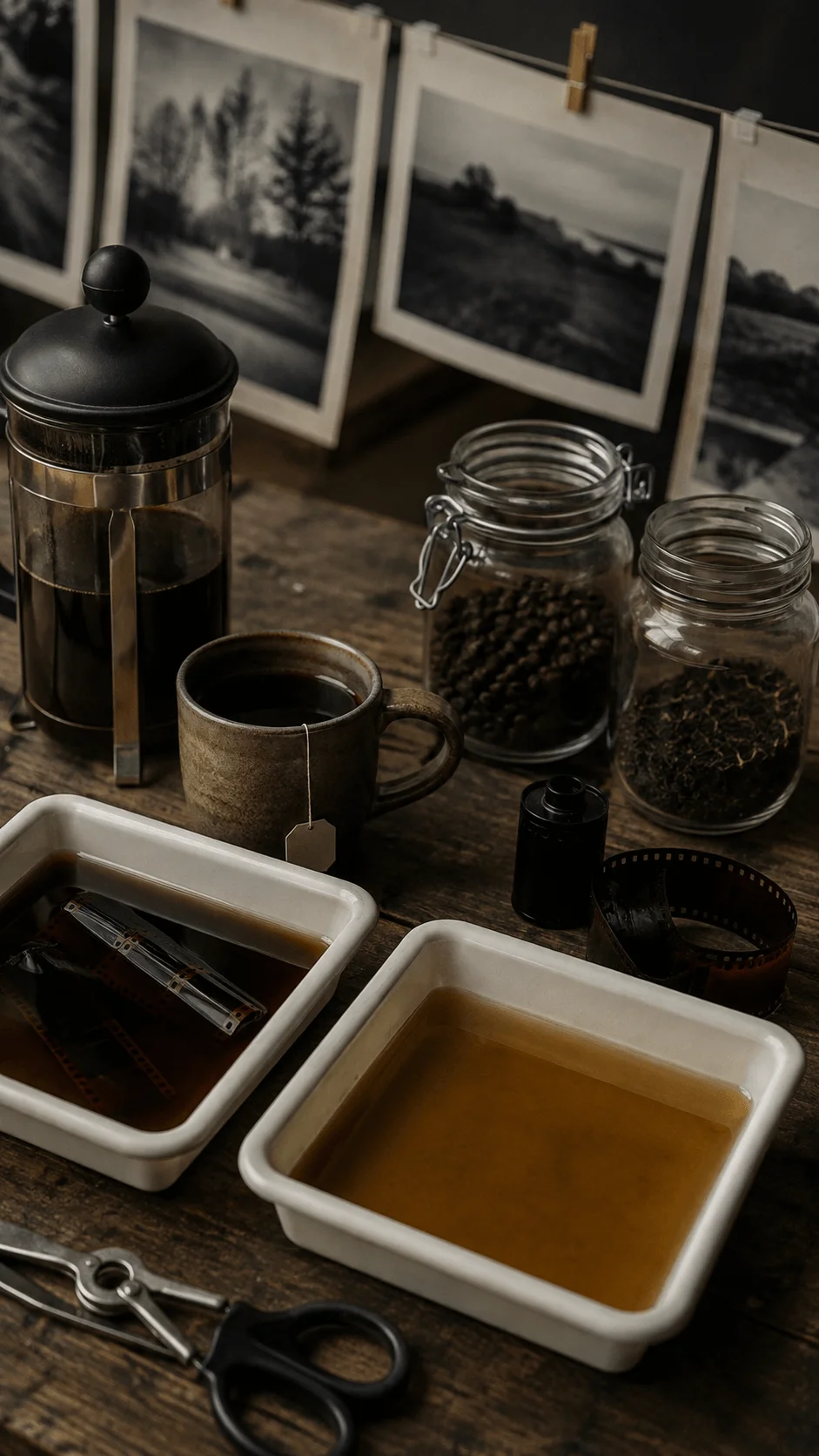
The idea also encourages photographers to slow down and become curious about what happens between taking a photograph and seeing the final image. That curiosity can make analog photography feel less like a method of recording pictures and more like a complete creative practice.
Coffee and tea based development should therefore be discussed as an experimental photographic concept rather than a simple replacement for conventional photographic chemistry. Anyone exploring alternative development should learn appropriate safety practices and understand that photographic materials can still create waste and environmental concerns.
Film Grain as a Sustainable Photography Aesthetic
Film grain has become one of the defining characteristics of the renewed film camera aesthetic. For years, photographers often tried to remove grain and produce cleaner images. Today, many creators intentionally look for photographs with visible texture.
Grain can make an image feel nostalgic, tactile and emotionally familiar. It can soften the clinical appearance that sometimes comes with extremely sharp digital photography. In portraits, grain can create atmosphere. In street photography, it can reinforce a documentary feeling. In travel photography, it can make ordinary moments resemble photographs from another era.
The important change is that grain is no longer necessarily considered a flaw. Photographers can use it as a deliberate part of their visual language.
This connects strongly with the wider interest in natural and authentic imagery. When audiences see enormous amounts of highly edited content every day, photographs containing visible texture and imperfections can stand out precisely because they look less manufactured.
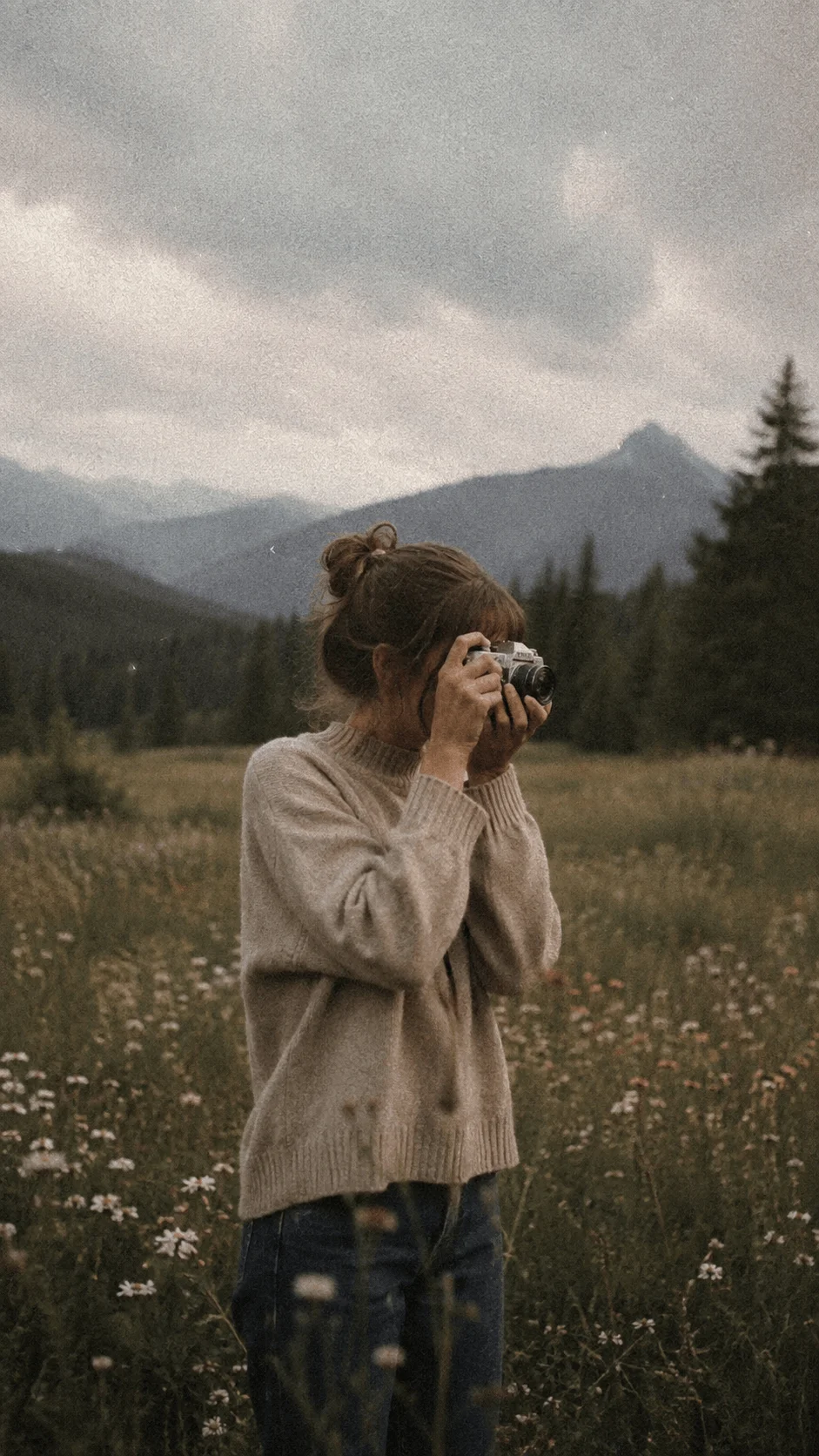
Eco friendly film photography can benefit from this mindset because the photographer does not need to chase technical perfection. An existing camera, a suitable film stock and an appreciation for natural imperfections can become enough to create a distinctive visual style.
The result is a photography approach based less on perfection and more on personality. That shift is one of the reasons film aesthetics remain so relevant in 2026.
The Imperfect Film Photography Aesthetic
The growing appreciation for imperfect photographs goes beyond grain. Blur, light leaks, unexpected framing, motion and inconsistent exposure can all contribute to an image’s personality.
A technically perfect photograph is not automatically a memorable photograph. Sometimes an image becomes interesting because something unexpected happened while it was being created. A subject may move slightly, the flash may illuminate a scene differently than expected, or the photographer may capture a moment without carefully arranging the composition.
These characteristics can create photographs that feel spontaneous. Instead of correcting every unusual result, photographers can decide which imperfections contribute to the story.
This approach can also change how people use their cameras. When every photograph does not need to look perfect, there can be less pressure to replace equipment or constantly search for better technical performance. Photographers can spend more time learning the personality of the camera they already own.

That philosophy fits naturally with sustainable photography. Creativity does not always require more equipment. Sometimes it comes from understanding the limitations of what is already available and turning those limitations into part of the visual style.
The imperfect aesthetic is therefore not simply a trend involving blurry photographs or light leaks. It represents a broader change in how photographers define a successful image. Instead of asking whether a photograph looks perfect, they can ask whether it feels authentic, memorable and emotionally interesting.
Screen Free Cameras and Distraction Free Photography
The renewed interest in screen free cameras reflects a larger desire to make photography feel more intentional. Modern smartphones and digital cameras make it possible to take a photograph and immediately check the result. While this convenience has obvious benefits, it can also encourage photographers to spend more time reviewing images than experiencing the moment.
Screen free photography takes a different approach. Without an immediate preview, photographers have to trust their composition, timing and understanding of light. This creates an experience that has more in common with traditional film photography, where the photographer normally waits before seeing the final result.
The aesthetic appeal is only part of the idea. The bigger attraction is the change in behavior. Photographers may become more observant because they cannot constantly check whether an image worked. They pay attention to expressions, movement, backgrounds and changing light instead of repeatedly looking at a screen.
This approach works particularly well for travel photography, family moments, street scenes and everyday documentation. The photographer can concentrate on what is happening rather than trying to create a perfect image for immediate approval.
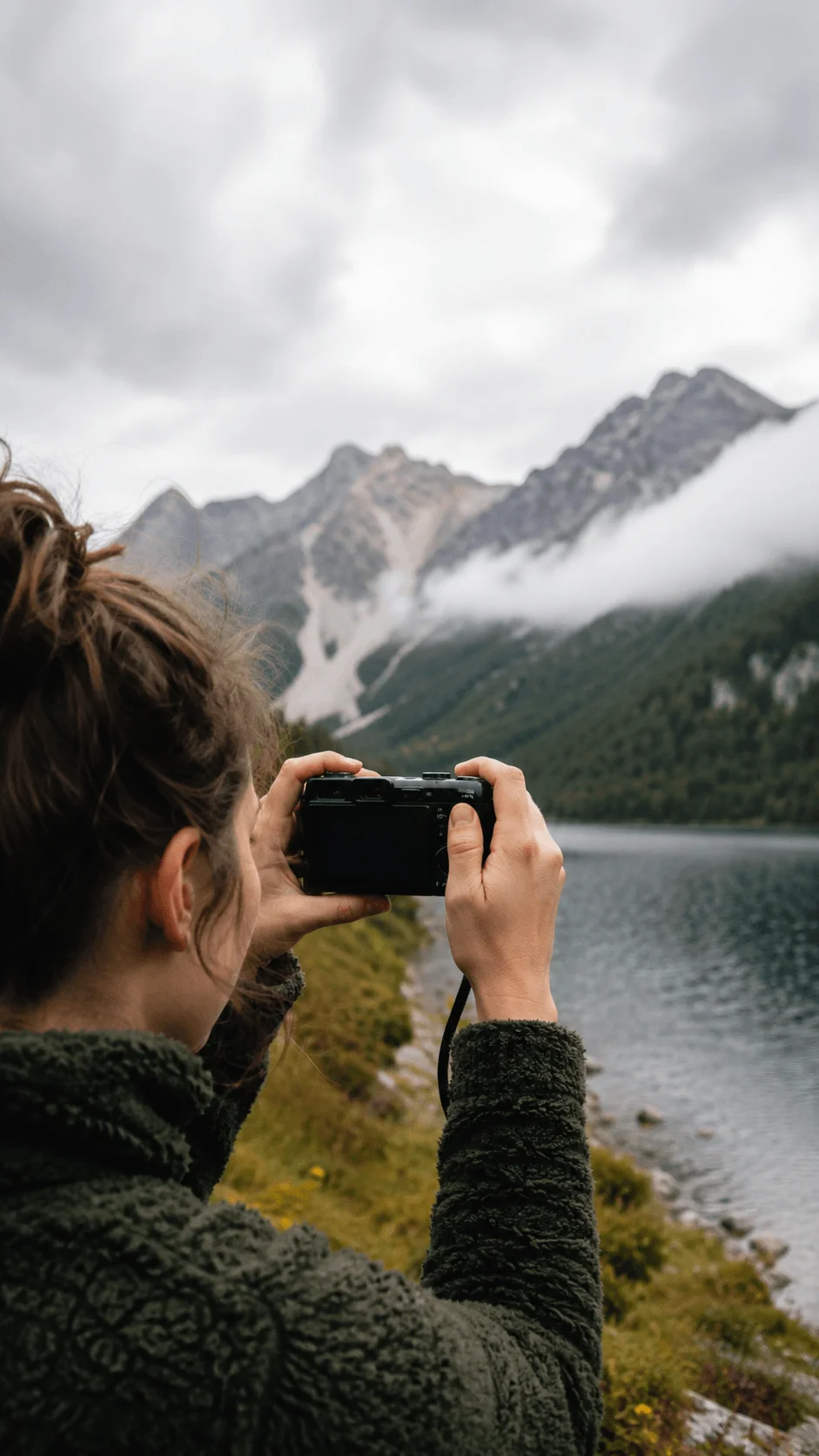
Screen free cameras also connect with the current retro camera aesthetic. Some modern designs intentionally borrow the simple appearance and experience of older compact cameras. This creates an interesting combination of modern technology and nostalgic photography habits.
From a sustainability perspective, the concept encourages people to think about the experience of photography rather than equipment upgrades. A camera becomes valuable because of how it changes the photographer’s behavior, not simply because of how many technical features it offers.
This makes distraction free photography an interesting part of the broader eco friendly film photography movement. The emphasis shifts toward intentional creation, longer attention and greater appreciation for the equipment already available.
Sustainable Half Frame Photography Ideas
Half frame photography offers another creative approach to making better use of a roll of 35mm film. A traditional 35mm frame captures one photograph across the available frame area. A half frame camera divides that space differently, allowing more individual photographs to be created from the same roll.
The sustainability idea is straightforward, although it should not be exaggerated. Using more frames from the same roll can give photographers more opportunities to experiment without immediately consuming another roll of film. The actual environmental impact still depends on film production, processing and other parts of the photographic workflow.
The creative possibilities are even more interesting.
Half frame photography works especially well for paired images. A photographer can capture two related moments that become meaningful when viewed together. One image might show a person’s expression while the next shows the surrounding environment. A photograph of a flower could sit beside a photograph of the landscape where it was found.
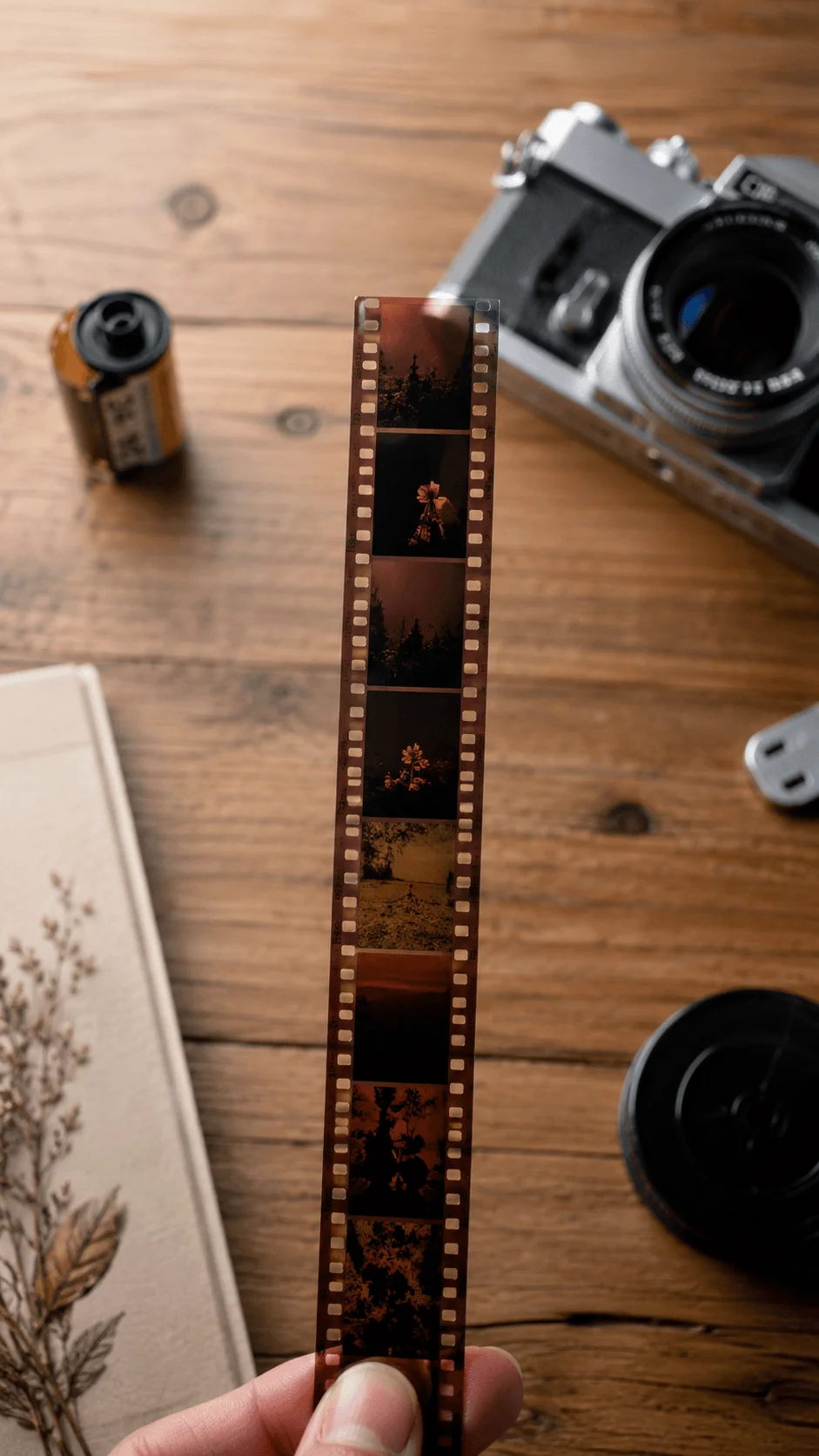
This creates a visual storytelling technique that feels different from conventional single image photography.
Photographers can also create visual diaries with half frame cameras. Instead of waiting for major events, they can photograph small everyday details such as morning light, meals, streets, objects and people. When the images are viewed together, they can form a record of ordinary life.
The format is also useful for experimentation. Photographers can intentionally create matching compositions, contrasting colors or sequences of movement. A single roll can become a small visual story rather than a collection of unrelated photographs.
For social media creators, this aesthetic can also translate into paired images and carousel posts. The physical limitations of film become part of the concept rather than something that needs to be overcome.
Half frame photography therefore combines creative storytelling with a more thoughtful approach to film consumption. It encourages photographers to consider the relationship between images rather than treating every frame as an isolated photograph.
90s and Y2K Film Camera Aesthetic
The 90s and Y2K camera aesthetic continues to influence photography in 2026. Compact cameras, direct flash, candid portraits, slightly imperfect exposure and casual compositions have become recognizable visual elements of this style.
The appeal comes partly from nostalgia, but nostalgia alone does not explain its popularity. These cameras produce a visual character that differs from the highly polished appearance associated with many modern digital photographs.
Direct flash is a major part of the aesthetic. Instead of hiding the presence of the flash, photographers can use it openly to illuminate their subjects. This can create strong shadows, bright highlights and a spontaneous party photography feeling.
Compact point and shoot cameras also encourage a different type of composition. Their small size makes them easy to carry, which means photographers are more likely to use them during ordinary moments. A camera that stays in a bag or pocket can become a tool for documenting everyday life rather than something reserved for carefully planned shoots.
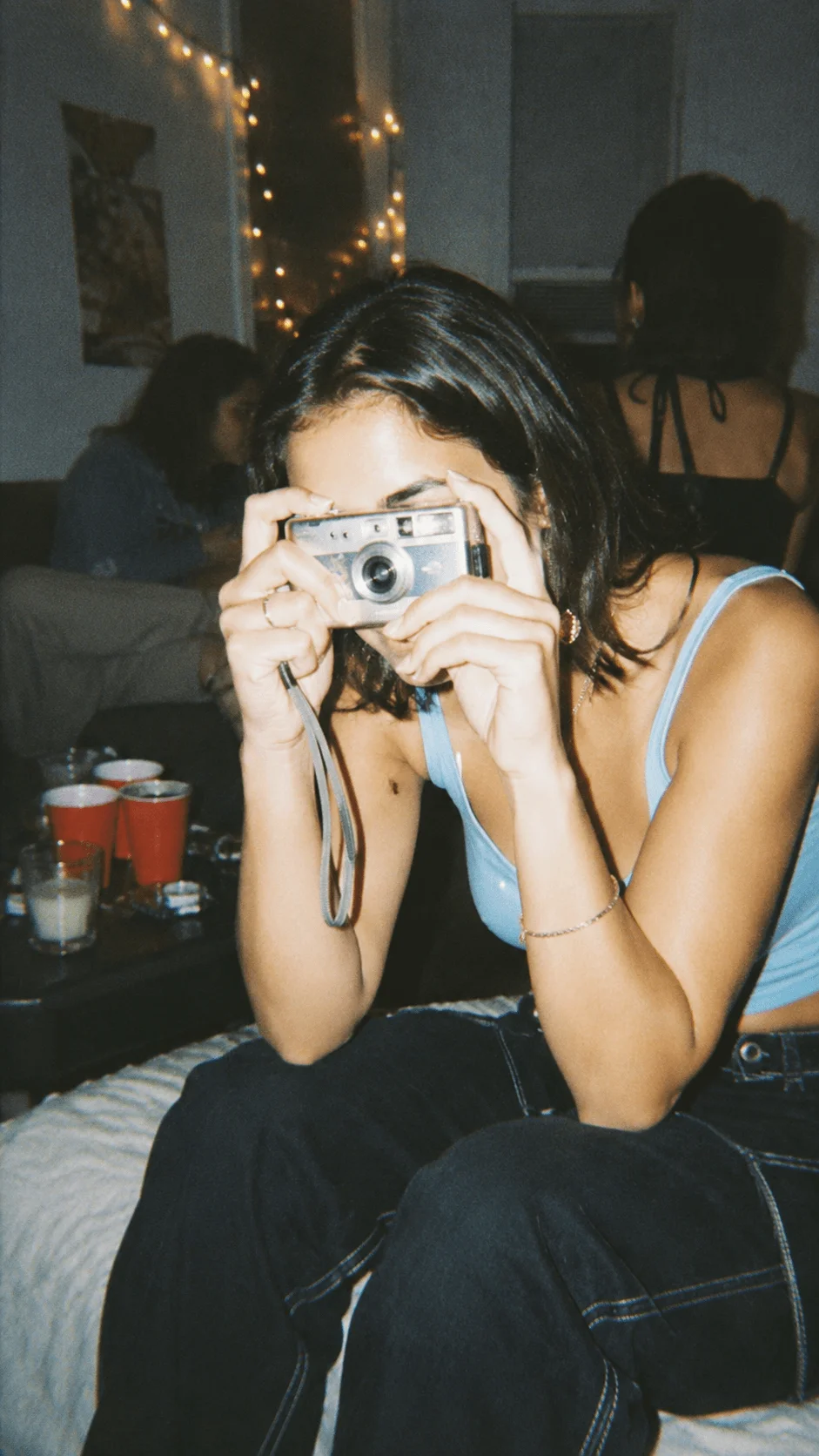
Second hand cameras make this trend particularly interesting from a sustainability perspective. Photographers do not necessarily need to purchase newly manufactured equipment to explore the Y2K aesthetic. Older compact cameras already exist in large numbers and can continue producing distinctive photographs.
The style also works well for portraits, travel photographs, concerts, gatherings and lifestyle content. The goal is not to reproduce the past perfectly. Instead, photographers can borrow visual characteristics from the era and combine them with modern subjects.
This creates a contemporary interpretation of the vintage film camera aesthetic.
For creators interested in sustainable photography, the Y2K trend shows how old equipment can become relevant again through creative reinterpretation. A camera that once seemed outdated can become desirable because its limitations produce a visual style that modern cameras struggle to imitate naturally.
Eco Friendly Film Photography Versus AI Polished Imagery
The rise of AI generated imagery has created an interesting contrast with the renewed interest in analog photography. Digital tools can now produce extremely polished images, remove imperfections and transform photographs in ways that would have required significant editing in the past.
At the same time, many photographers are becoming more interested in images that retain visible evidence of the physical photographic process.
Film grain, natural lighting, motion blur, imperfect exposure and unexpected framing can all communicate a sense of physical reality. The photograph does not need to be technically flawless to feel meaningful.
This does not mean that film photography is automatically more authentic than digital photography. Digital cameras can produce extremely natural photographs, and photographers can use digital tools responsibly. The difference comes from the process and the visual characteristics that photographers choose to preserve.
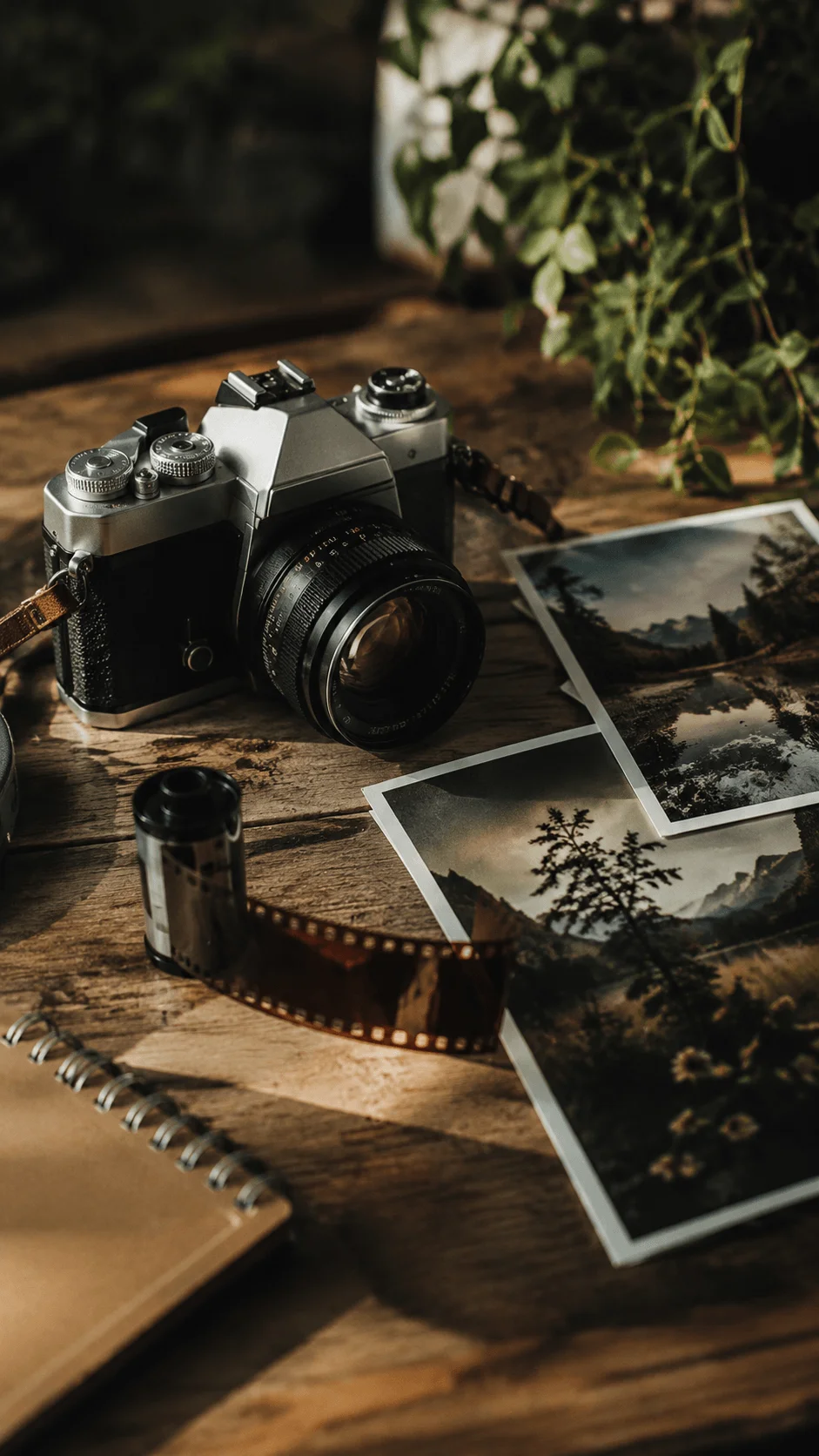
Analog photography offers unpredictability. The photographer may not know exactly how every frame will look until the film is developed. That uncertainty can become part of the creative experience.
This makes eco friendly film photography particularly interesting in the current visual environment. As more images become increasingly polished and controllable, photographs that preserve natural imperfections can provide a different aesthetic experience.
The contrast also encourages photographers to think about what makes an image feel human. Sometimes it is not perfect sharpness or flawless editing. It may be the timing of the photograph, the expression of the subject, the texture of the film or the small imperfections that make the image feel connected to a real moment.
For photographers, this creates an opportunity to develop a style based on observation and physical experience rather than endless digital correction.
Hybrid Analog and Digital Sustainable Photography
Sustainable photography does not require photographers to completely abandon digital technology. A hybrid workflow can combine the physical experience of film with the convenience of digital storage and publishing.
A photographer can capture images on film, have the negatives developed and scan them for digital use. The resulting files can then be organized, edited, shared online or printed.
This workflow has become particularly useful because modern photography exists across physical and digital spaces. Photographs may begin on a roll of film but eventually appear on websites, social media platforms, digital portfolios or online galleries.
The hybrid approach allows photographers to keep the qualities that make film attractive while still benefiting from modern technology.
For example, a photographer might use a vintage camera to capture a personal project and then scan the negatives to create an online collection. Another photographer might shoot film for portraits, make small adjustments digitally and then use the photographs for social media content.
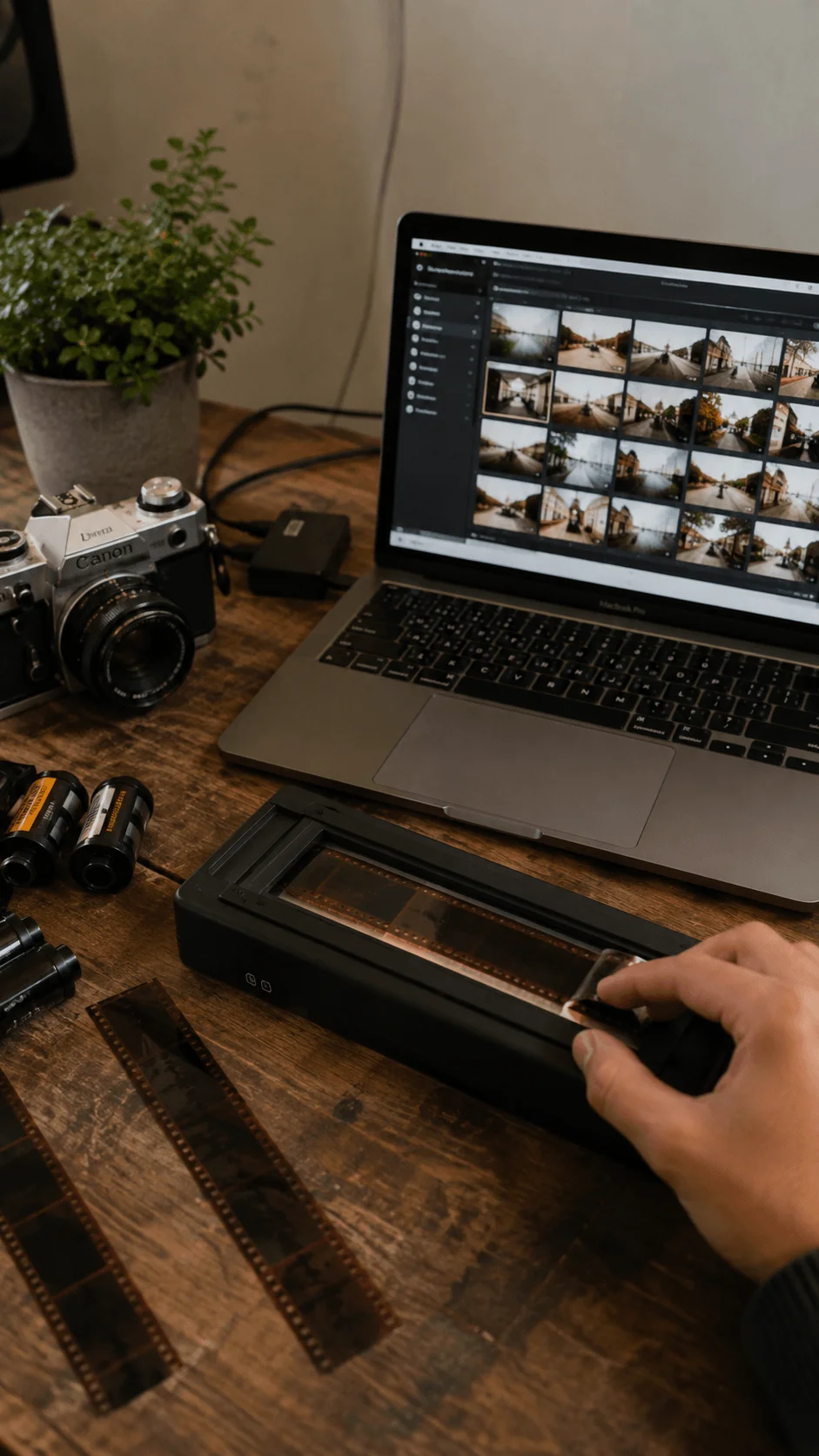
The important idea is that sustainability can involve using technology selectively rather than treating analog and digital photography as competing categories.
A hybrid workflow can also encourage photographers to become more deliberate about what they photograph. Film has a physical cost and limited frame count, while digital storage makes it easy to create enormous collections of images. Combining both approaches can encourage a balance between intentional shooting and convenient digital distribution.
For anyone interested in sustainable analog photography, this approach offers flexibility without sacrificing the distinctive character of film.
Bio Based Photographic Processes and the Future of Sustainable Film
One of the most forward looking areas of sustainable photography involves experimentation with alternative photographic materials. Artists and experimental photographers are exploring processes that use biological materials, natural polymers and other unconventional substances.
This idea is important because it moves the sustainability conversation beyond cameras and equipment. Instead of asking only how photographers can reuse products, researchers and artists can also ask whether the materials used to create photographs can become more environmentally thoughtful.
Bio based photography is still an experimental area, but its potential makes it worth watching.
Traditional photographic processes rely on carefully developed materials and chemical systems. Alternative processes can challenge photographers to reconsider what a photographic image actually needs. The result may not look like a conventional film photograph, and that difference can become part of the artistic value.
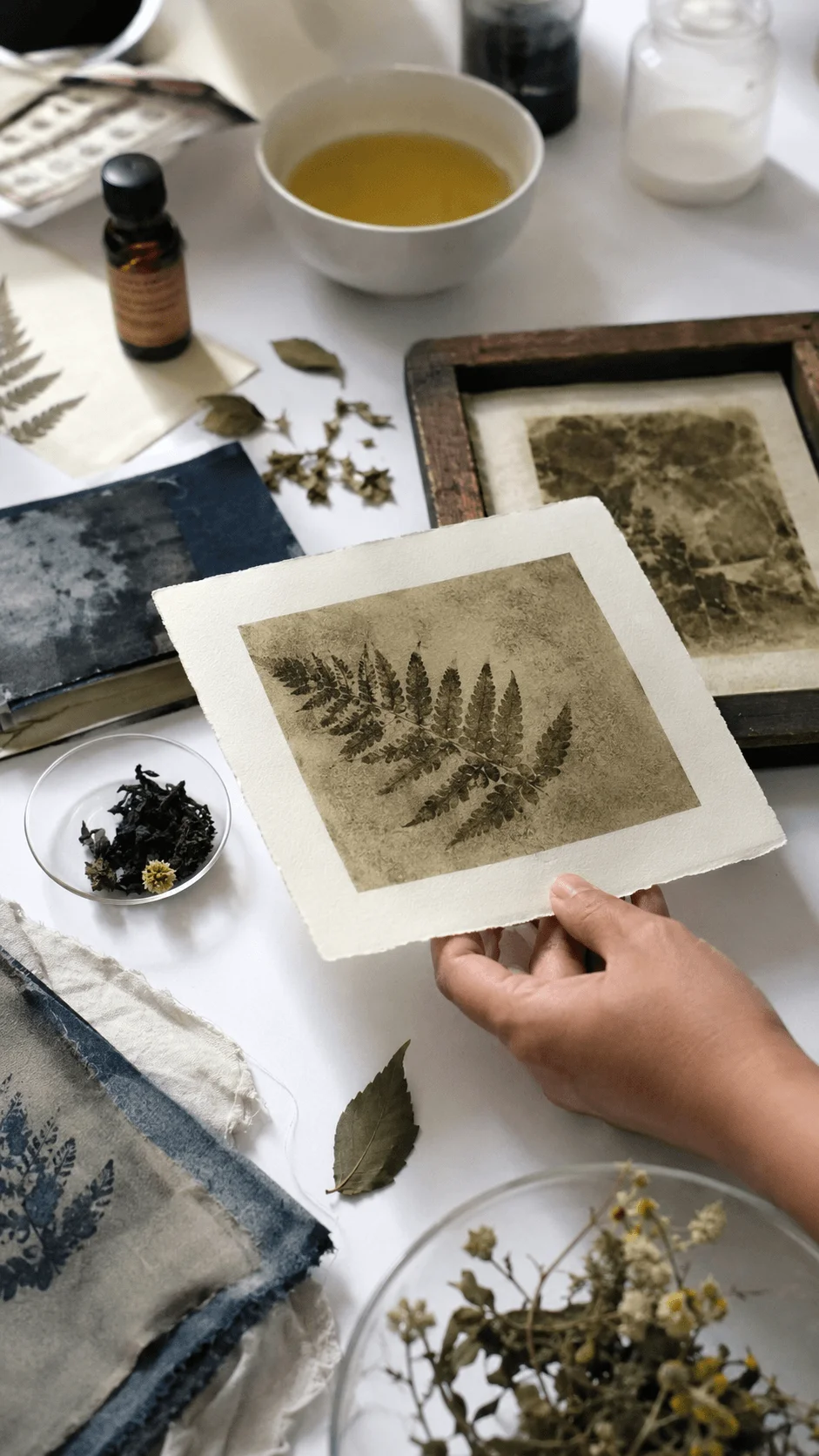
Experimental processes can also connect photography with other creative fields. Artists can explore natural materials, physical textures, handmade surfaces and unusual image making methods. The photograph becomes an object as well as an image.
This approach is especially interesting for photographers who want their work to communicate environmental ideas through both subject and process. A photograph about nature can become more conceptually powerful when the artist also considers the materials and methods used to create it.
However, experimental does not automatically mean sustainable. Each process needs to be considered carefully, including its material sourcing, energy requirements, waste and long term effects.
The future of sustainable photography will likely involve a combination of better equipment choices, responsible processing and continued research into alternative materials.
How to Make Film Photography More Sustainable
The most useful lesson from these trends is that sustainability does not require photographers to completely change the way they enjoy photography. Small decisions can influence the overall impact of a photographic practice.
Using a camera for many years can be more thoughtful than frequently replacing equipment. Buying second hand gear can give existing cameras a new purpose. Choosing a reusable camera can provide the visual character of disposable photography without treating the camera body as something designed for a single use.
Photographers can also become more intentional about film consumption. Instead of taking photographs without considering the subject, they can slow down and think about why a particular moment deserves a frame.
Film development also deserves attention. Choosing responsible laboratories, understanding how photographic waste is handled and avoiding unnecessary experimentation with chemicals can help photographers make more informed decisions.
The most important point is that sustainable photography is not about achieving perfection. It is about awareness.
A photographer can enjoy the grain, colors and imperfections of film while also thinking about where the camera came from, how long it can remain in use and what happens during processing.
This mindset creates a more complete form of eco conscious photography.
Why Eco Friendly Film Photography Matters in 2026
The popularity of film photography in 2026 is not simply a return to an old technology. It represents a broader interest in slowing down, creating more intentionally and finding visual characteristics that feel different from highly polished digital imagery.
Reusable cameras, second hand equipment, half frame formats, vintage point and shoot cameras and experimental development methods all demonstrate different ways photographers can reconsider the photographic process.
The aesthetic side is equally important. Grain, blur, direct flash, imperfect exposure and natural color shifts have become desirable characteristics rather than problems that always need correction.
This creates an interesting relationship between sustainability and aesthetics. Photographers do not necessarily need to sacrifice creativity to make more thoughtful choices. In many cases, the limitations of older equipment can actually create new creative possibilities.
Eco friendly film photography therefore works best as a mindset rather than a strict technical category. It encourages photographers to question unnecessary consumption while appreciating the physical and visual character of analog photography.
Conclusion
Eco friendly film photography is becoming an exciting part of the wider photography conversation because it brings together sustainability, creativity and the renewed appreciation for analog aesthetics. The most interesting trends are not simply about using an old camera. They involve changing how photographers think about equipment, film, development and the final image.
Reusable 35mm cameras can provide a long term alternative to disposable camera bodies. Second hand cameras can keep existing equipment useful while offering distinctive visual characteristics. Botanical and alternative development experiments can make the photographic process itself part of the artwork. Half frame photography can encourage creative storytelling while making photographers more conscious of film consumption.
The popularity of grain, blur, direct flash and other imperfections also shows that photographers are becoming more comfortable with images that do not look perfectly polished. The renewed interest in screen free photography and hybrid analog digital workflows demonstrates that modern photography can combine older creative principles with contemporary technology.
At the same time, emerging bio based photographic processes suggest that sustainable photography could eventually involve changes to the materials used to create images, not just changes in purchasing habits.
Film photography will always involve environmental considerations because film, packaging, processing and scanning require resources. The goal is not to pretend otherwise. The more meaningful approach is to make thoughtful choices wherever possible.
For photographers, that can mean keeping a favorite camera for years, buying used equipment, making every roll more intentional, learning about responsible development and appreciating the natural characteristics of film instead of trying to correct every imperfection.
Ultimately, the most appealing future for eco friendly film photography may be one where sustainability and creativity support each other. A more conscious approach does not have to make photography less beautiful. It can encourage photographers to slow down, experiment more thoughtfully and create images with a stronger sense of personality and purpose.