Eco Friendly Decoration Ideas at Home for 2026
Creating a beautiful home does not have to mean constantly buying new decorations. The best eco friendly decoration ideas at home combine style, comfort and mindful choices to create spaces that feel personal while reducing unnecessary consumption. In 2026, sustainable decorating is moving beyond simple bamboo accessories and recycled products. Homeowners are embracing vintage finds, handmade pieces, natural textures, upcycled materials and timeless furniture that can remain useful for years.
Eco friendly decorating also does not mean your home needs to look plain or overly rustic. You can create a modern, elegant and comfortable interior while making more thoughtful choices about what enters your home. Reusing what you already own, purchasing secondhand pieces and choosing durable materials can often make a bigger difference than simply replacing everything with products marketed as sustainable.
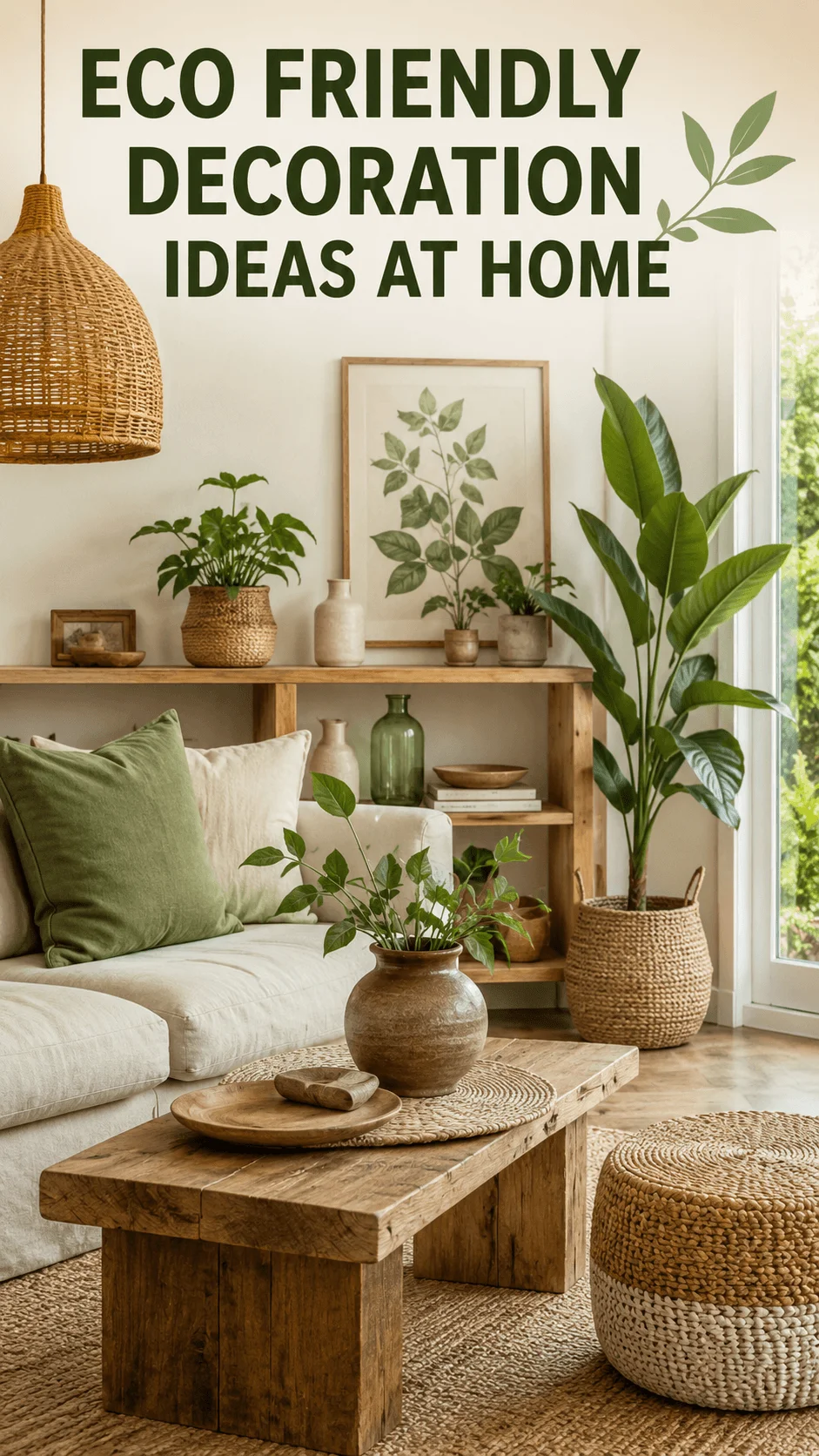
The most exciting part is that many of these approaches also reflect current interior design trends. Warm earthy colors, natural textures, handcrafted accessories and vintage furniture are becoming increasingly desirable. This means sustainability and beautiful design can work together naturally.
1. Slow Decorating With Meaningful Pieces
Slow decorating is becoming an important part of sustainable interior design because it encourages homeowners to stop treating their homes like constantly changing displays. Instead of purchasing a large collection of decorations at once, slow decorating involves creating a room gradually and choosing pieces that genuinely have value to you.
This approach can completely change the way you think about decorating. Rather than asking what looks fashionable this month, you can ask whether a particular piece will still suit your home several years from now. That simple change can lead to fewer unnecessary purchases and a much more personal interior.
Meaningful objects work particularly well with this style. A ceramic vase purchased from a local artisan, an old mirror inherited from a family member or a painting discovered at a secondhand store can give a room far more character than a collection of identical mass produced accessories.
You can also use slow decorating when refreshing a living room. Instead of replacing your sofa, coffee table, shelves and accessories at the same time, consider changing one element and allowing the room to evolve naturally. A vintage side table might introduce character, while a handmade bowl or woven basket can add texture.
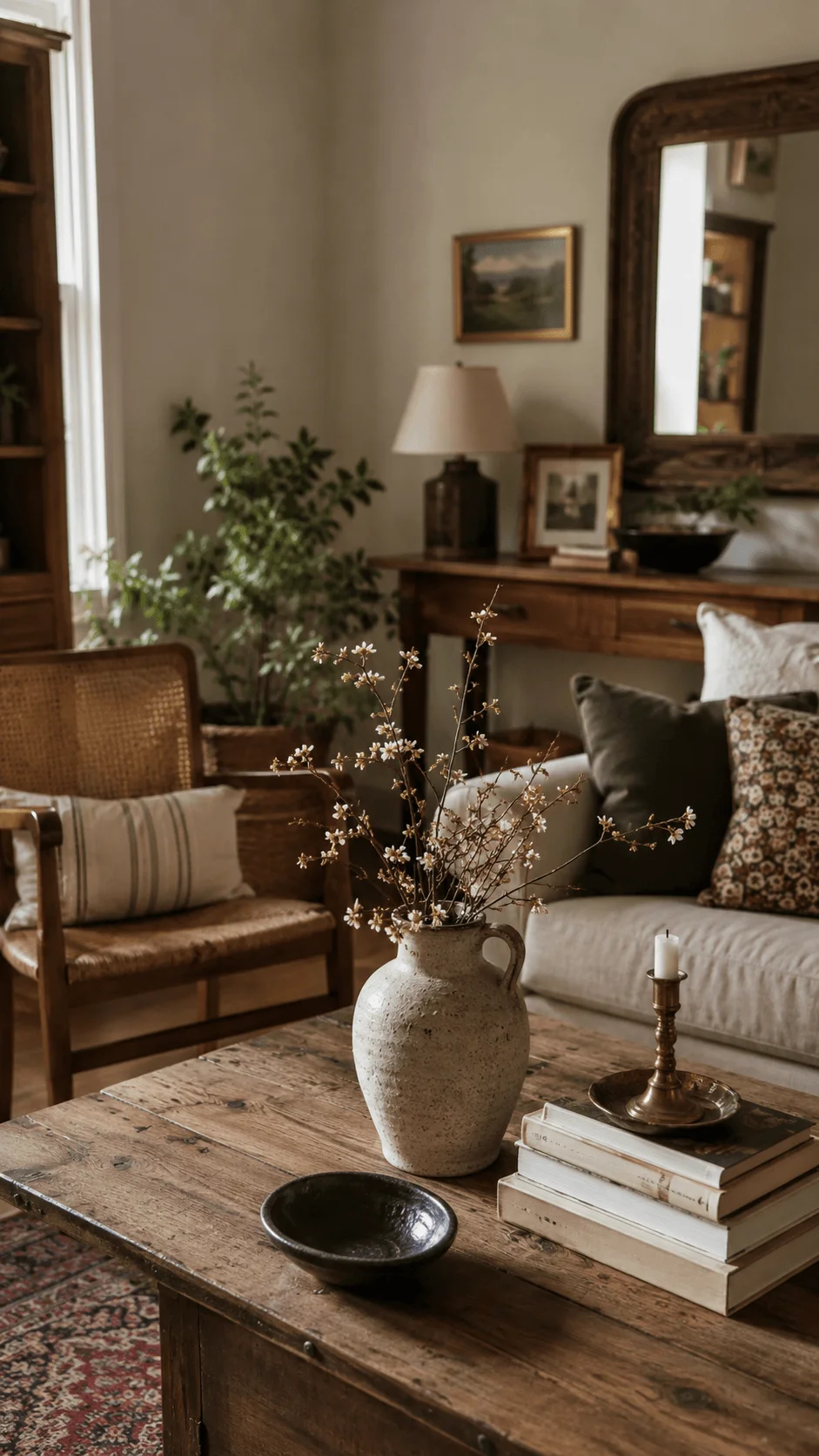
The beauty of slow decorating is that your home develops a story. Every object has a reason for being there, and the result often feels warmer and more authentic.
2. Sustainable Decorating Ideas With Thrifted and Vintage Decor
Thrifted and vintage decoration is one of the easiest ways to make your home more sustainable without sacrificing style. A secondhand item already exists, which means you can give it another useful chapter instead of immediately purchasing something newly manufactured.
Vintage mirrors, wooden chairs, small tables, lamps, pottery, picture frames and decorative boxes can all become valuable additions to a modern home. You do not need to create an entirely vintage interior either. In fact, mixing older pieces with contemporary furniture often creates a more interesting result.
For example, a simple modern living room can gain personality from an antique wooden side table. A contemporary bedroom can feel warmer with a vintage mirror above a dresser. Even a small collection of old ceramic pieces can make an otherwise minimalist shelf feel more individual.
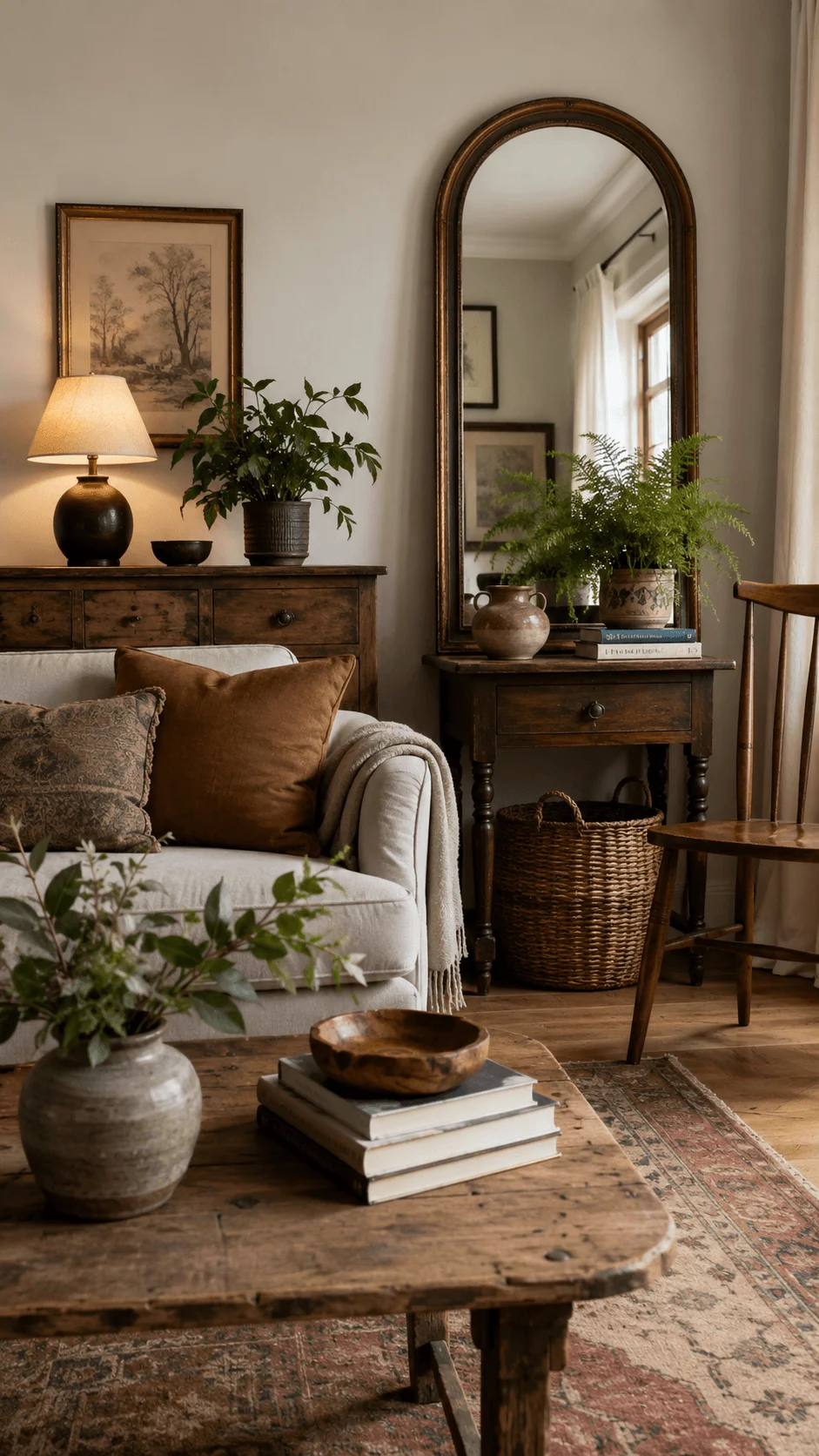
When shopping secondhand, pay attention to quality rather than simply looking for the cheapest item. Check whether furniture feels sturdy and whether the materials appear capable of lasting. Small imperfections can add character, but structural problems may require more effort and resources to repair.
Thrifted decoration also gives you an opportunity to discover unusual objects that are difficult to find in conventional home stores. This makes secondhand shopping particularly useful if you want your home to feel different from mass produced interiors.
For anyone searching for eco friendly home decor ideas, secondhand decorating is one of the most practical places to start because it combines reuse, affordability and individuality.
3. Upcycled Home Decor Ideas for a Low Waste Home
Upcycling takes reuse one step further by transforming an unwanted object into something with a new purpose. Instead of sending an old item away simply because it no longer looks attractive in its original form, you can rethink how it might work within your home.
An old wooden door, for example, could become an interesting headboard or wall feature. An unused window frame can become a decorative display for photographs. Wooden furniture with an outdated finish may become useful again after careful cleaning, repair and refinishing.
Smaller objects can also become decorative features. Glass containers can hold flowers, stationery or small household items. Leftover fabric can become cushion covers or textile artwork. Wooden scraps can become simple shelves or frames.
The important difference between attractive upcycling and random DIY decoration is intention. The finished object should look like it belongs in the room. Consider its shape, texture, proportions and surrounding colors before deciding where to use it.
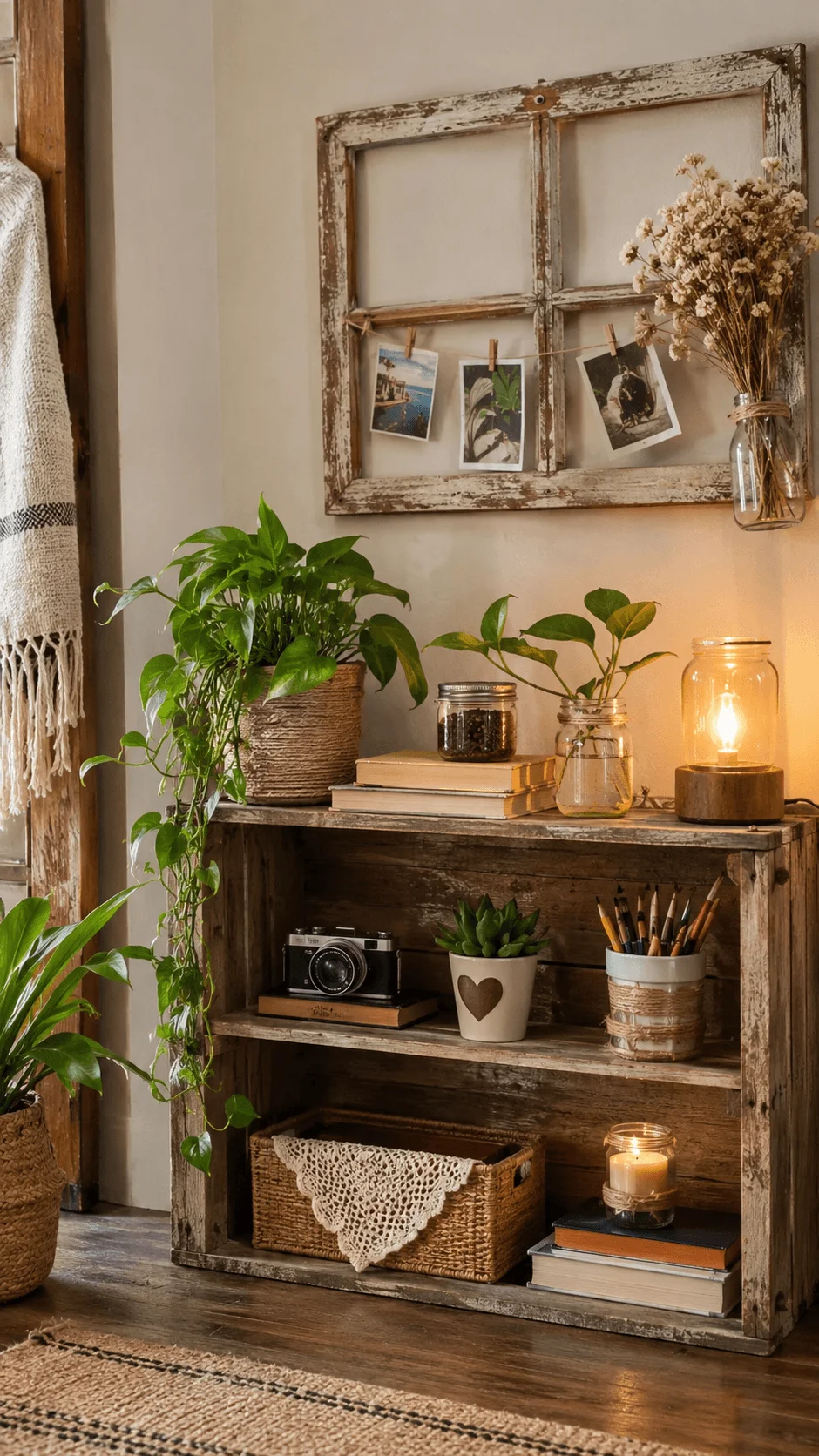
You can also keep the original character of an object instead of trying to make it look completely new. A weathered wooden surface may become the most interesting part of a shelf. Small signs of age can create authenticity and make the piece feel connected to its previous life.
Upcycling is especially useful when you want eco friendly decorating ideas that are affordable. You can experiment with objects you already own before spending money on new accessories.
4. Reclaimed Wood Decor for Eco Friendly Home Decoration
Reclaimed wood brings natural warmth and visible character into an interior. Unlike perfectly uniform new furniture, reclaimed wood can contain variations in texture, grain and color that make every piece feel distinctive.
You can use reclaimed wood in many ways without covering an entire room. A small floating shelf, picture frame, serving tray or side table can provide enough natural texture to change the atmosphere of a space.
A reclaimed wood shelf can work particularly well against a simple wall. Add a few books, a handmade ceramic piece and a small plant, and the shelf becomes both useful and decorative without requiring a large collection of accessories.
Reclaimed wood also works beautifully with contemporary furniture. Pairing an aged wooden table with clean modern seating creates contrast between old and new. Similarly, a reclaimed wooden frame can soften an otherwise minimalist piece of artwork.
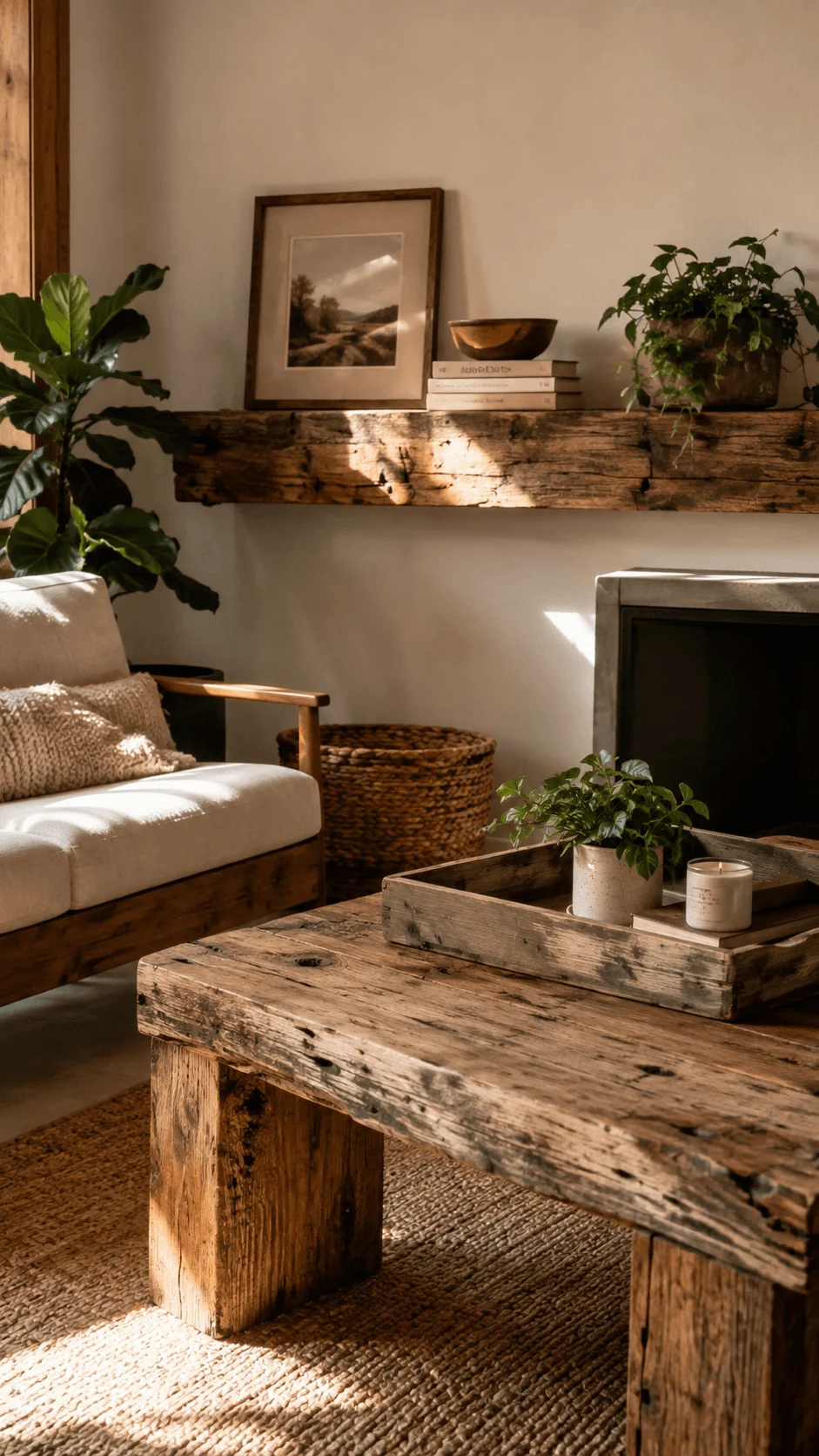
When choosing reclaimed wood, consider where it came from and whether it has been properly prepared for indoor use. Responsible sourcing matters because simply calling something reclaimed does not automatically make it sustainable.
Durability matters too. A well made wooden item that remains useful for many years can be a more thoughtful choice than repeatedly replacing inexpensive decorative furniture.
This makes reclaimed wood particularly valuable when creating sustainable home decoration ideas that balance natural character with long term usefulness.
5. Natural Material Home Decor With Warm Textures
Natural textures are becoming increasingly important in modern interiors because they add warmth without requiring excessive decoration. Materials such as jute, linen, hemp, wool, cotton and rattan can make a room feel comfortable and visually layered.
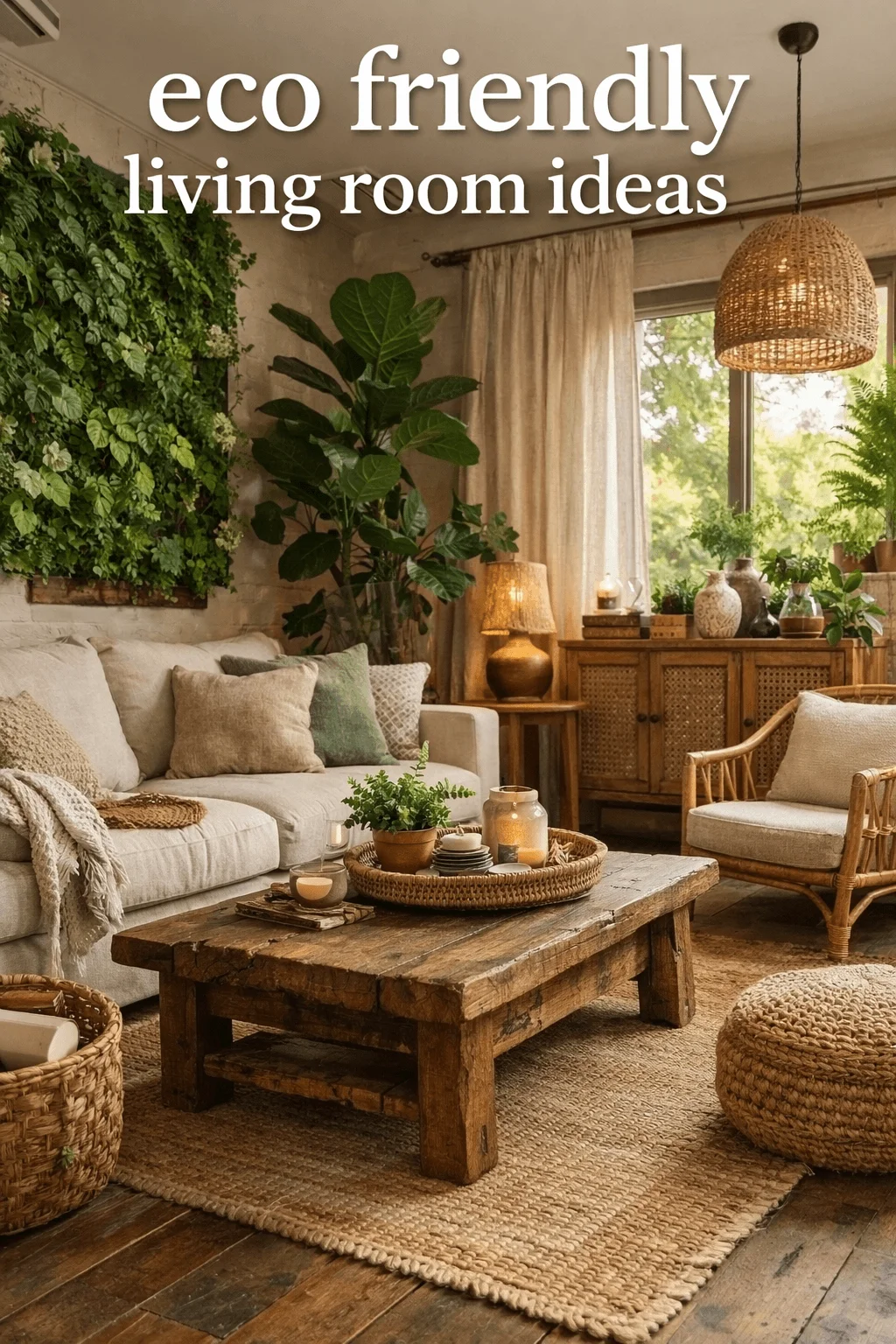
Think about a living room with a simple wooden coffee table, a woven basket, a textured rug and linen cushions. None of these elements needs to be overly decorative. Their different surfaces create visual interest naturally.
Natural fiber baskets are useful for both decoration and storage. You can place them beside a sofa, underneath a console table or near a bed. Linen curtains can soften windows, while woven lampshades can introduce texture around lighting.
The key is balance. Using too many similar textures can make a room feel visually heavy. Instead, combine different surfaces with simpler furniture and open spaces.
Natural materials also work well across different decorating styles. They can make minimalist interiors feel warmer, complement rustic rooms and add softness to modern spaces.
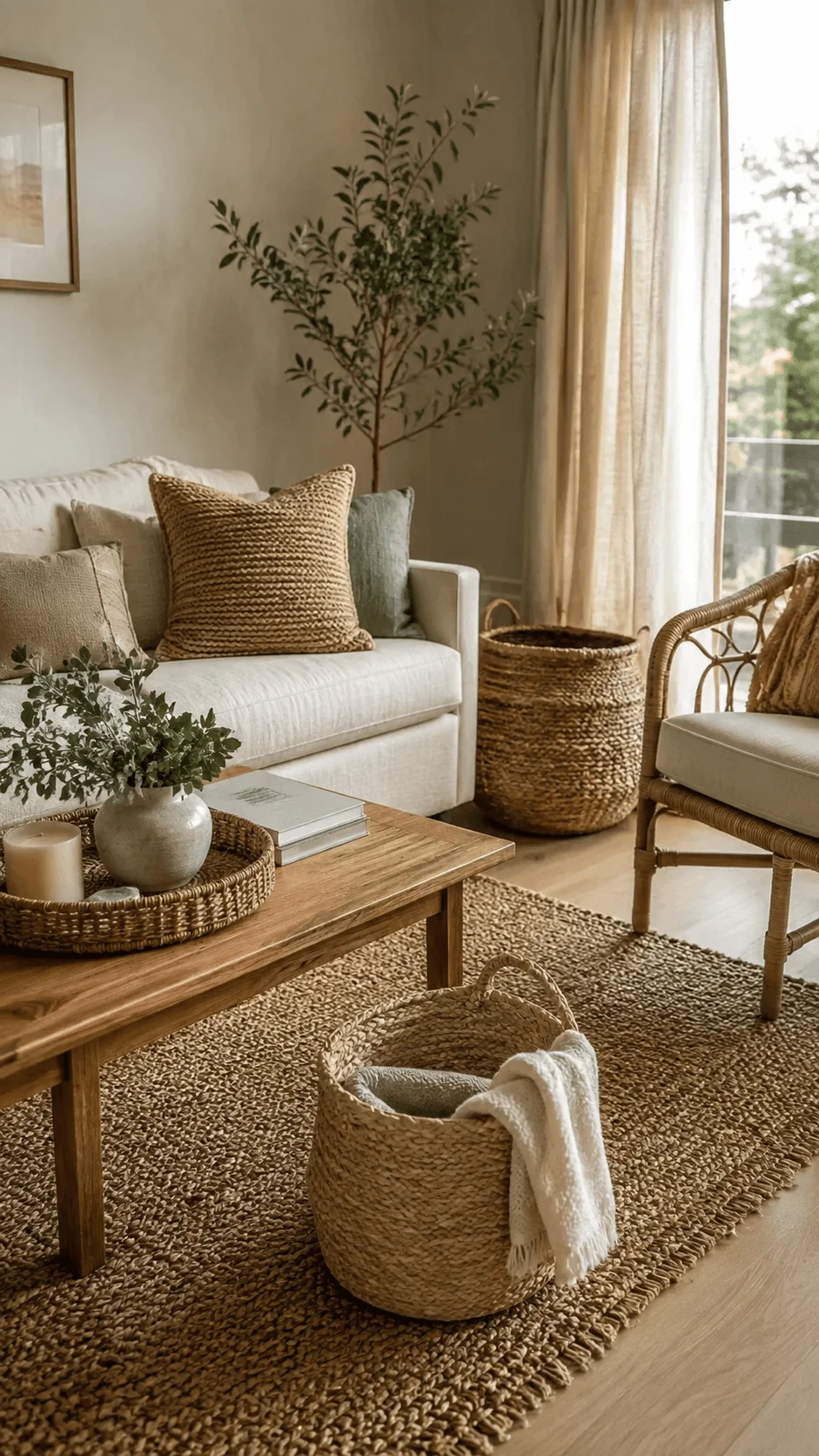
However, natural does not automatically mean sustainable. Consider how a material was produced, how long it is likely to last and whether you will genuinely use it. A durable item that remains in your home for many years can be a better choice than constantly replacing decorative products.
These considerations make natural textures a useful part of sustainable home decor ideas while keeping the focus on practical and attractive design.
6. Biophilic Eco Friendly Decorating Ideas Without a Living Wall
Biophilic decorating focuses on creating a stronger visual connection between indoor spaces and nature. While houseplants are an obvious part of this approach, you do not need a large collection of plants or an elaborate living wall to bring the concept into your home.
Natural wood, stone, botanical artwork, organic shapes and earthy textures can all contribute to a nature inspired atmosphere. Even the way you arrange furniture and make use of natural daylight can influence how connected a room feels to the outdoors.
For example, a bedroom could combine a wooden bedside table, linen bedding, a small plant and botanical artwork. A living room could use a woven rug, wooden furniture and a few carefully selected plants rather than filling every available surface with greenery.
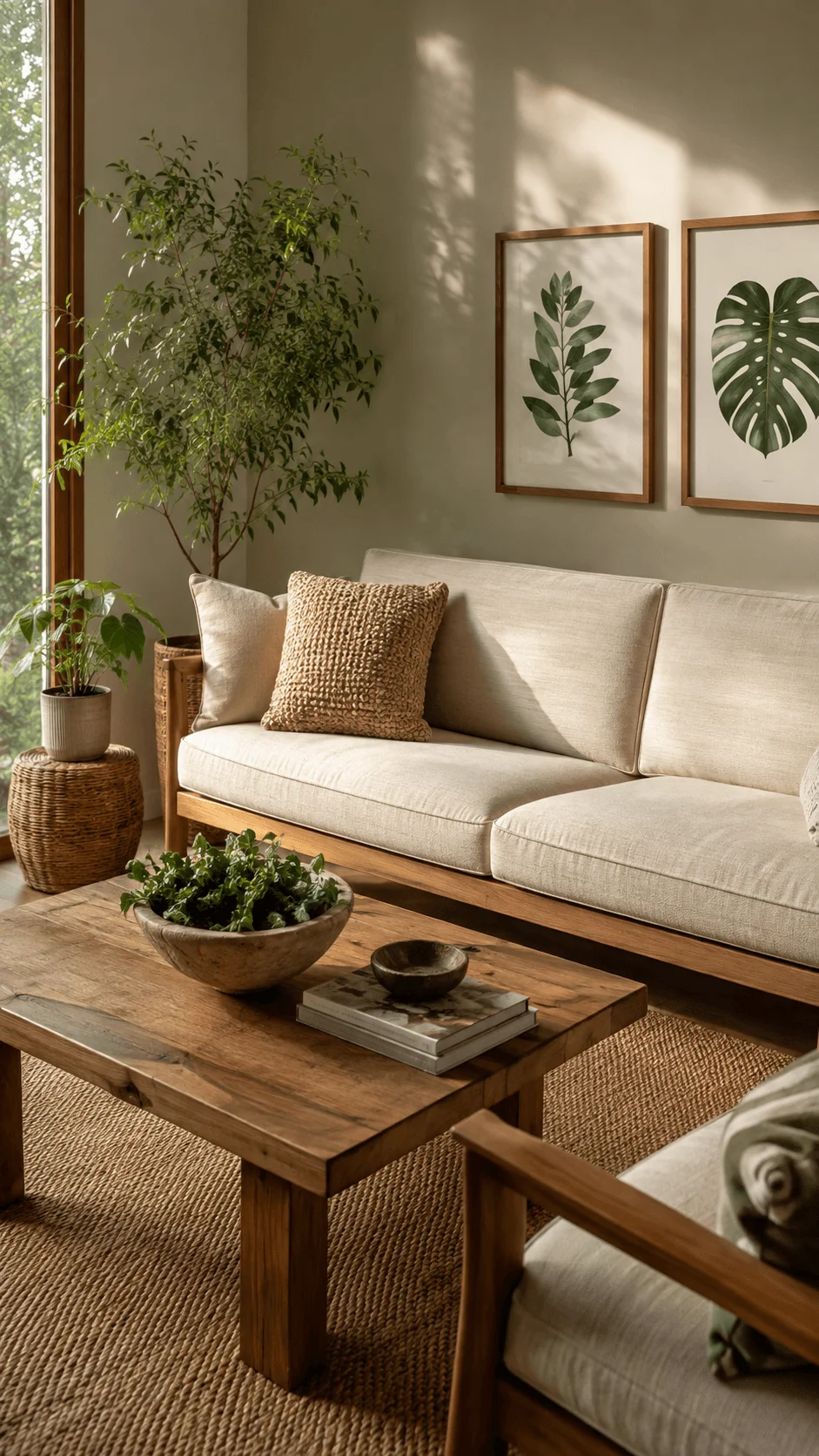
You can also use shapes inspired by nature. Curved furniture, irregular ceramics and organic artwork can soften rooms dominated by straight lines and hard surfaces.
Biophilic decoration works particularly well in smaller homes because it does not require extensive remodeling. A few carefully selected natural elements can change the atmosphere without filling the room with unnecessary objects.
The goal is not to make your home look like a garden. Instead, create subtle connections with nature through materials, colors, shapes, light and carefully chosen decorative elements.
7. Recycled Glass Accents for Sustainable Home Decor
Recycled glass is another attractive material for homeowners who want decorative pieces with a sustainability focused story. Its translucent surface can introduce light, color and texture without making a room feel crowded.
Recycled glass vases are particularly versatile. You can display fresh flowers, dried stems or simply leave them empty as sculptural accessories. Smaller glass bowls can sit on coffee tables or shelves, while decorative bottles can become subtle accents on a dining table.
One advantage of glass decoration is that it can work with many different interior styles. Clear or softly colored glass can complement minimalist spaces, while textured or colorful pieces can add personality to more eclectic rooms.
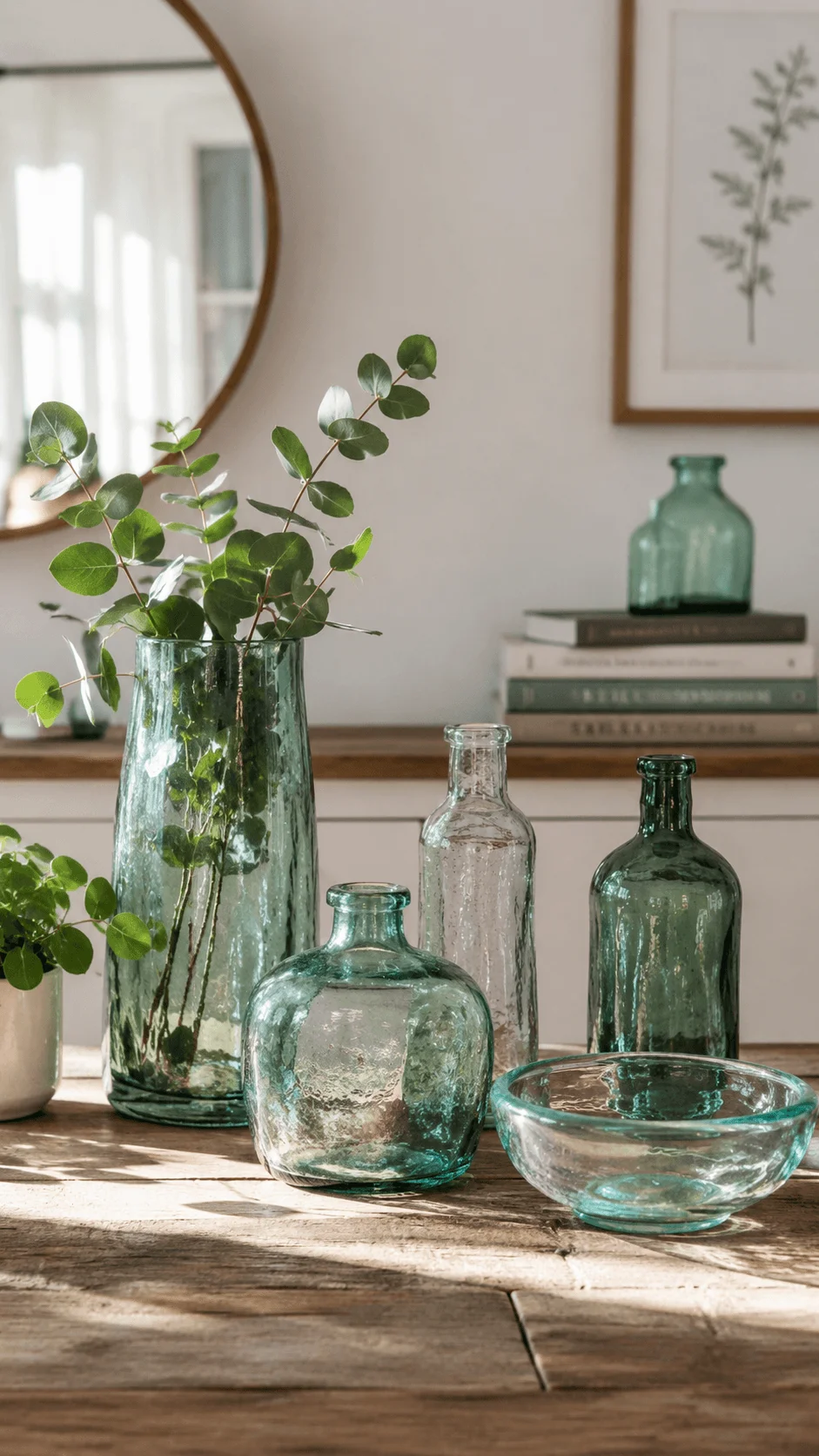
Rather than filling your home with decorative objects, consider choosing one or two recycled glass pieces as focal points. A beautiful vase on a wooden table can create enough visual interest without requiring several additional accessories.
This approach fits the wider movement toward intentional decorating. Instead of buying many small objects simply to fill empty spaces, choose fewer pieces that contribute something meaningful to the room.
Recycled glass can therefore become part of your eco friendly decoration ideas at home while still giving you plenty of creative freedom.
8. Handmade Artisan Decor and Sustainable Interior Decorating
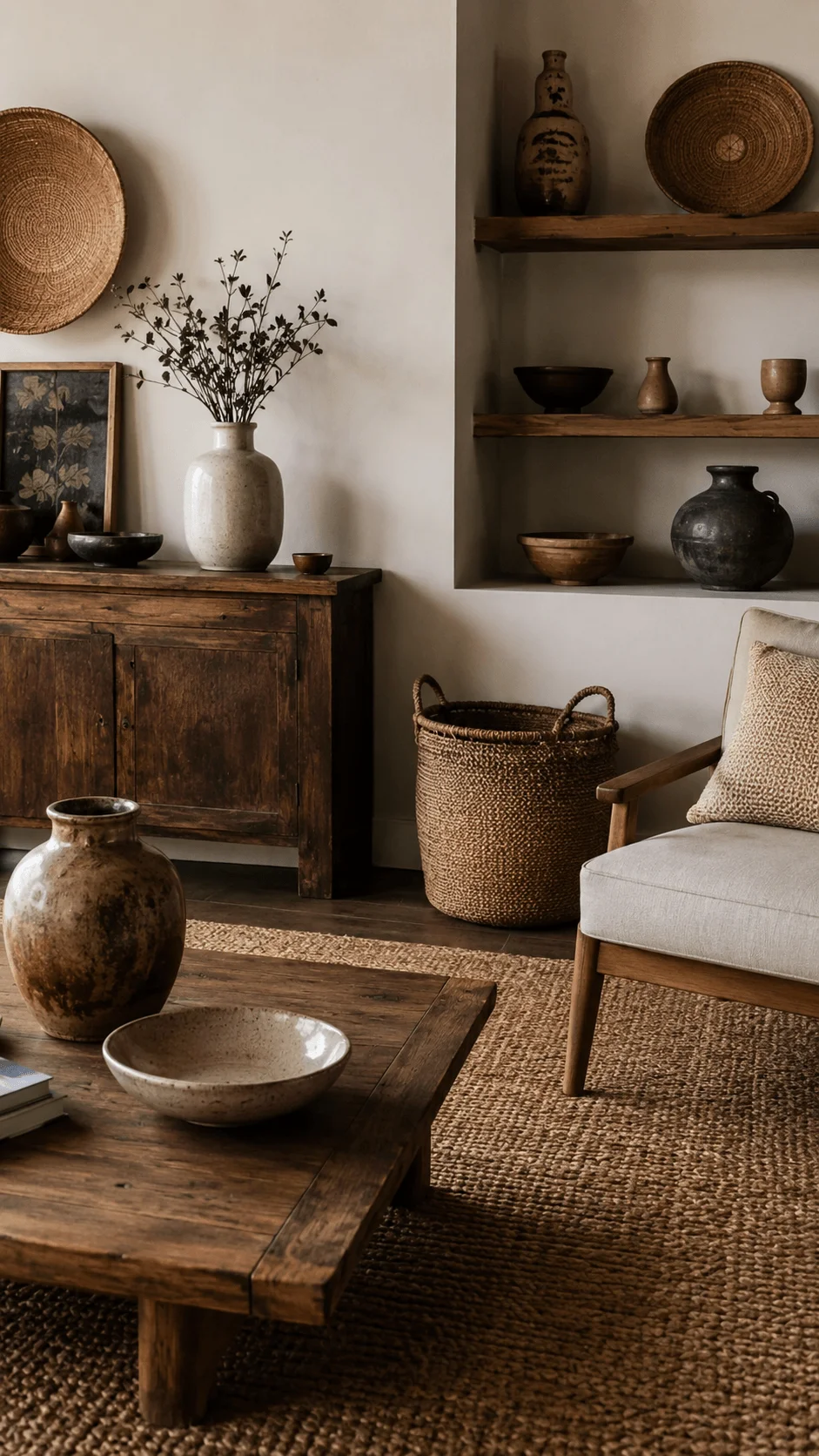
Handmade decoration adds something that mass produced accessories often struggle to provide: visible individuality. A handmade ceramic bowl, woven basket or carved wooden object can introduce texture and personality while supporting craftsmanship.
In 2026, the interest in artisan and handcrafted interiors fits naturally with the wider movement toward more personal homes. People are increasingly interested in spaces that show their tastes rather than rooms that look like they came directly from a furniture showroom.
A handmade object does not need to dominate a room. One distinctive ceramic vase on a shelf can become a focal point. A handwoven basket can provide storage while also adding texture. Handmade textile artwork can introduce pattern without requiring an entire gallery wall.
Local craftsmanship can also provide an opportunity to learn more about how an item was produced and who made it. That connection can make decorative objects feel more meaningful.
However, the most sustainable approach is still intentional purchasing. Buying large quantities of handmade products simply because they are handmade can lead to unnecessary consumption. Choose pieces you genuinely appreciate and expect to keep.
When you combine artisan decoration with secondhand furniture, natural textures and existing possessions, you can create an interior that feels collected rather than manufactured.
9. Eco Friendly Wall Decor Ideas From Recycled Materials
Walls offer one of the easiest opportunities to introduce sustainable style without filling your home with unnecessary furniture and accessories. Instead of purchasing mass produced artwork every time you want to refresh a room, consider creating wall displays from recycled, reclaimed or previously owned materials.
Reclaimed wood can become a simple piece of rustic artwork, while an old frame can receive a new purpose around a favorite photograph, print or piece of fabric. Textile scraps can also become attractive wall hangings when arranged thoughtfully. Even leftover wallpaper or decorative paper can create small framed artwork when you combine different patterns and textures.
Another interesting approach involves creating a gallery wall from secondhand frames. The frames do not need to match perfectly. In fact, combining different shapes, finishes and sizes can create a collected appearance. You can repaint some frames if necessary or leave their original finishes visible to create more character.
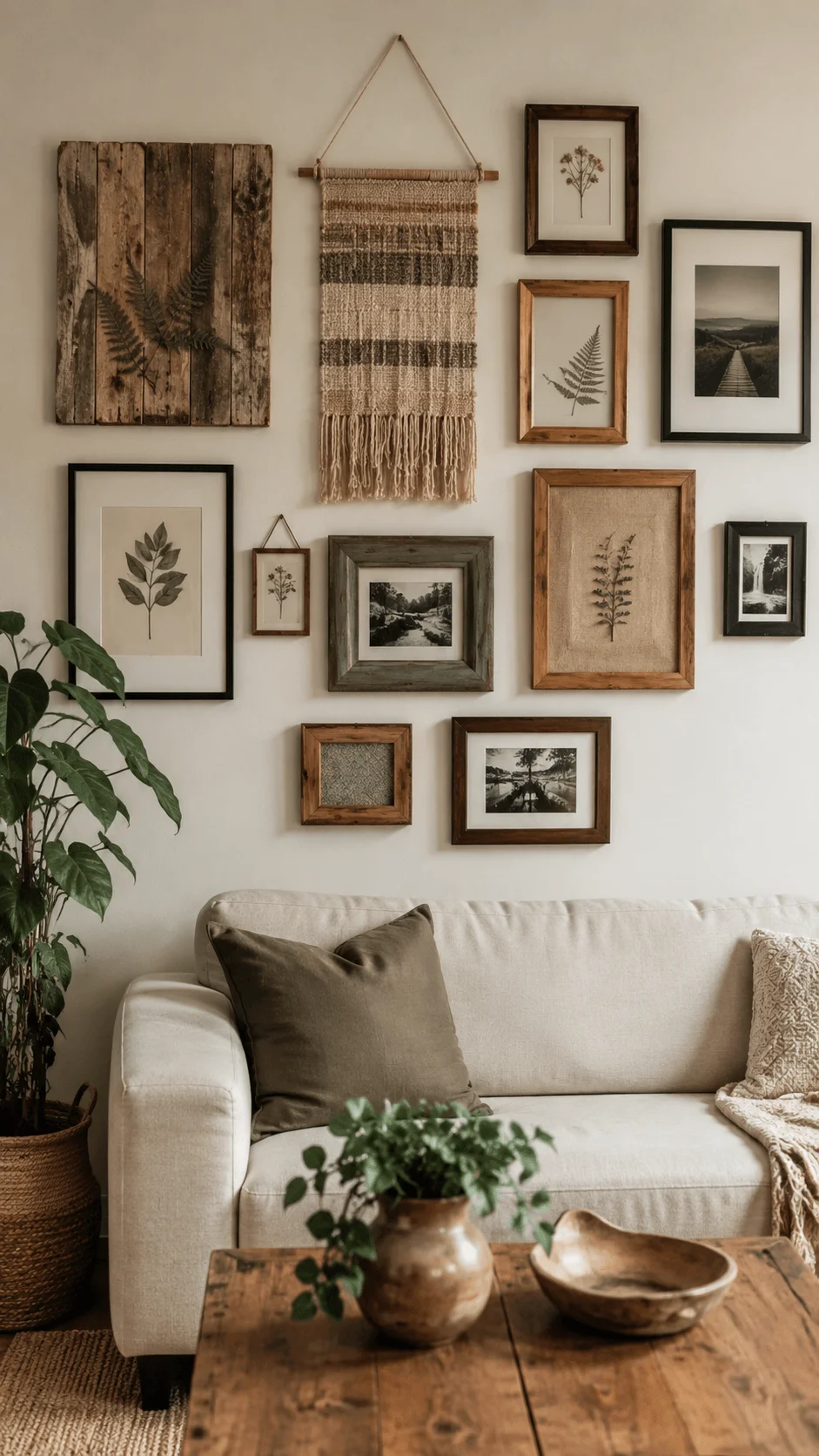
Natural fiber wall hangings can also bring softness to rooms with hard surfaces. Materials such as jute, cotton and wool can introduce texture while complementing wooden furniture and earthy colors.
For a more botanical approach, you can display pressed leaves or flowers in reused frames. This creates a subtle connection with nature without requiring elaborate decoration. You can also combine botanical artwork with vintage photographs and handmade pieces to create a more personal gallery wall.
The most important consideration is to avoid creating wall clutter simply because you have found several materials to reuse. Choose pieces that work together through color, texture or theme. A smaller collection of carefully arranged objects can look much more sophisticated than a wall covered with unrelated decorations.
These eco friendly wall decor ideas are especially useful for renters because many options can be created with lightweight frames and removable hanging solutions. You can change the artwork later without replacing the entire decorative arrangement.
10. Warm Earth Tone Decor for a Sustainable Home
Warm earthy colors are an excellent way to create a welcoming interior while connecting your decorating style with natural surroundings. Shades inspired by clay, soil, dried leaves and plants can make rooms feel comfortable and timeless.
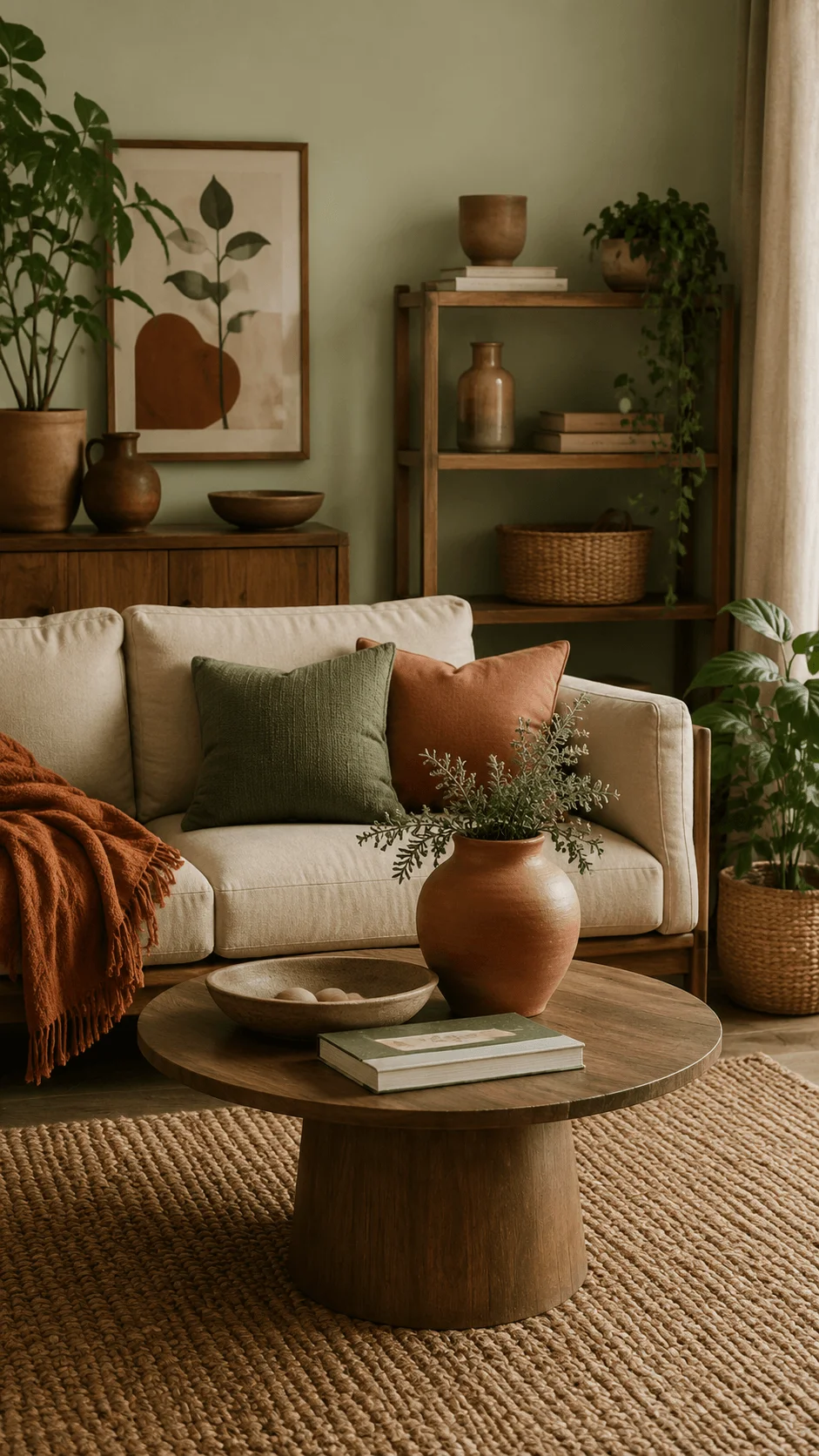
Terracotta, warm beige, muted green, soft brown and clay inspired shades can work particularly well with sustainable materials. Instead of repainting an entire room, you can introduce these colors through smaller elements such as cushions, rugs, curtains, pottery and artwork.
For example, a neutral living room can gain warmth from a terracotta ceramic vase and a woven rug. A muted green cushion can add a subtle connection to nature, while wooden furniture can reinforce the earthy appearance.
You do not need to make every surface brown or green. The most attractive interiors usually combine warm earth tones with lighter neutral shades. This creates contrast while keeping the overall atmosphere relaxed.
You can also achieve this trend without purchasing an entirely new collection of decorations. Look around your home for objects that already fit the color palette. Rearrange them and introduce one or two carefully selected secondhand pieces if something is missing.
Vintage furniture can work particularly well with earthy colors because aged wood naturally complements warm palettes. Handmade ceramics can add irregular shapes and subtle variations that make the room feel more authentic.
This approach makes earth tone styling one of the more practical eco friendly home decoration choices because you can achieve a noticeable visual change without replacing large amounts of furniture.
11. Buy It for Life Sustainable Decor Ideas
One of the most important ideas in sustainable decorating is also one of the simplest: buy fewer things and keep them for longer.
The phrase “buy it for life” describes an approach where homeowners consider durability and long term usefulness before purchasing an item. Instead of choosing a decorative object because it is inexpensive or fashionable today, think about whether you would still want it several years from now.
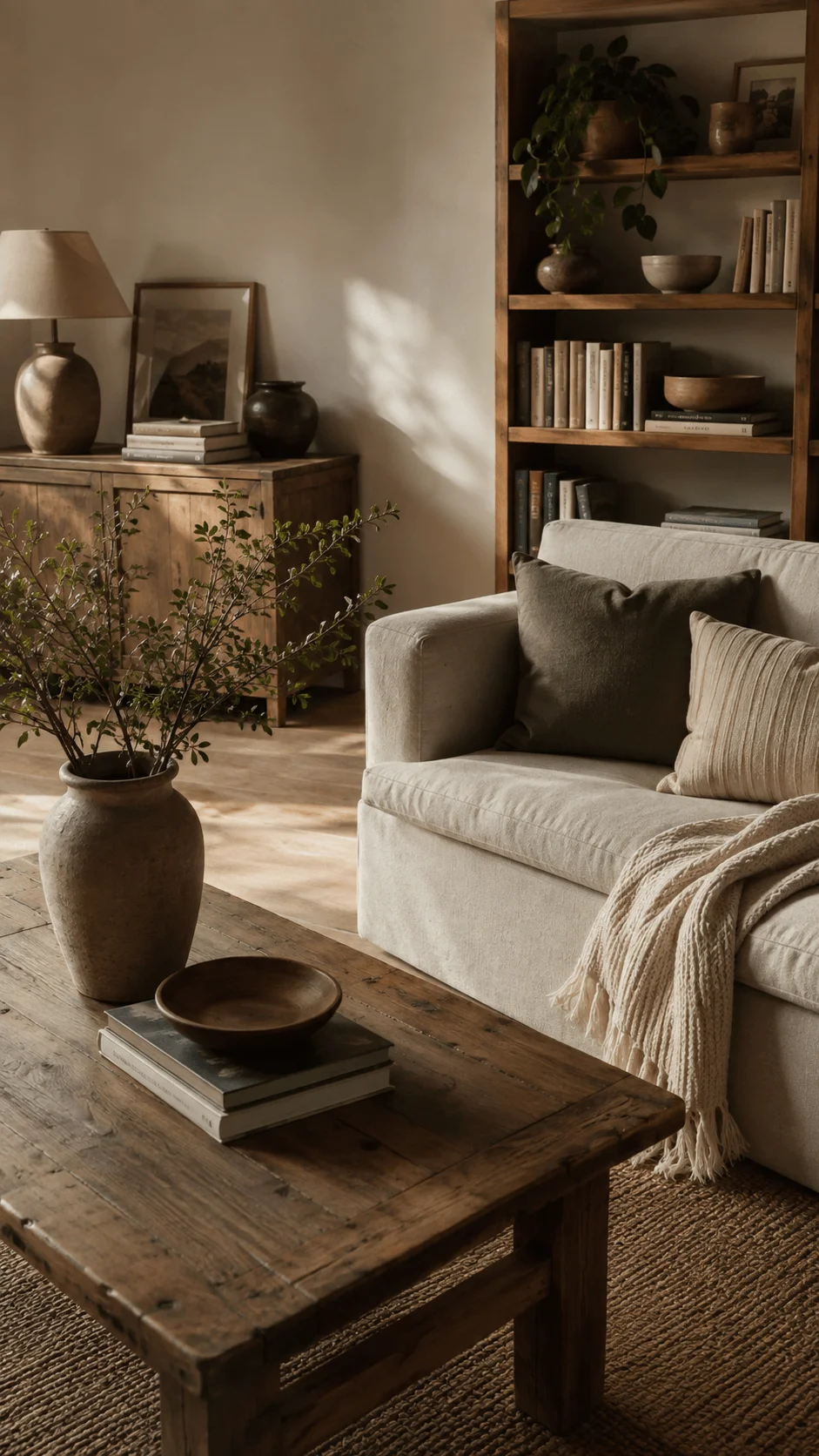
This idea is especially important with furniture. A sturdy wooden table that can be repaired or refinished may remain useful for decades. A well made wool rug can potentially stay in a home for a very long time with appropriate care. A quality lamp can continue serving the same purpose even when the surrounding interior changes.
Timeless design also helps. If you choose extremely trend driven furniture, you may feel tempted to replace it when styles change. Simple shapes and versatile finishes can make it easier to update a room through smaller changes.
Durability does not mean that every sustainable item needs to be expensive. Secondhand shopping can provide access to well made furniture at lower prices. Older pieces sometimes have construction qualities that are difficult to find in inexpensive modern products.
Before buying new decoration, consider how often you will use it, whether you can maintain it and whether it serves a genuine purpose in your home.
You should also consider repair. A scratched wooden table does not necessarily need replacing. A damaged frame may only need a small repair. A faded textile might find a new purpose in another room.
This mindset changes sustainable decorating from a shopping exercise into a long term relationship with the objects in your home.
When people search for sustainable decor ideas for home, they often focus on the material used to make a product. Material matters, but longevity matters too. A durable item that you use for many years can be a more thoughtful choice than repeatedly purchasing products that need frequent replacement.
12. Reuse What You Already Own for Eco Friendly Home Decoration
Before buying anything new, take a look around your home. You may already have everything you need to create a noticeably different interior.
Reusing existing possessions is one of the simplest eco friendly decoration ideas at home because it does not require manufacturing or transporting another decorative product. It also gives you an opportunity to rediscover objects that you may have stopped noticing.
Start with furniture. A side table from the bedroom might work beside the sofa. A chair that has been sitting unused in another room could become a reading corner seat. A small cabinet might become useful as storage in an entryway.
You can also completely change the appearance of shelves by rearranging what you already own. Instead of displaying every decorative object at once, remove some pieces and group the remaining ones by height, material or color.
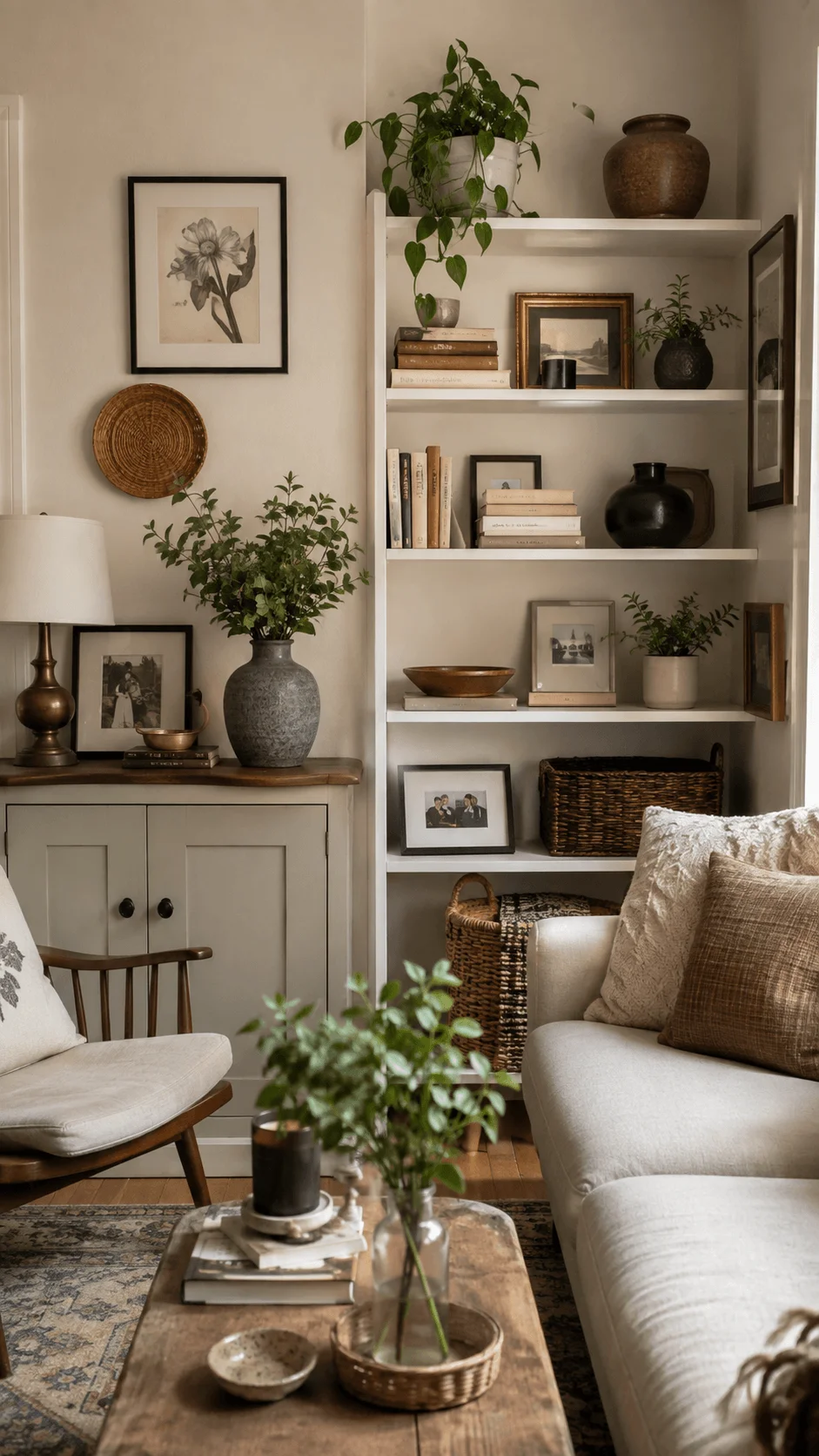
Artwork offers another easy opportunity. An old picture may look completely different when placed in another room or given a different frame. You can also create a new arrangement by combining several smaller artworks.
Textiles can create surprisingly noticeable changes too. Move cushions between rooms, change the position of a rug or use a blanket as a decorative layer over a chair. These small adjustments can refresh the atmosphere without requiring new purchases.
Containers can also find new purposes. A decorative bowl might become a place for keys, while a glass jar could hold flowers or small household items. An old wooden box could become attractive storage on an open shelf.
This concept of “shopping your own home” can also help you understand what you actually need. Once you start rearranging your existing belongings, you may discover that the room feels refreshed without any shopping at all.
That is an important principle behind low waste home decor. Sustainability does not always require finding the newest environmentally friendly product. Sometimes the most responsible choice is simply to keep using what you already have.
Creating a Cohesive Sustainable Look
After exploring these ideas, it is important to think about how they work together. Sustainable decorating becomes more effective when you create a consistent atmosphere instead of treating every idea as a separate trend.
For example, a living room could combine a secondhand wooden coffee table with linen cushions, a woven basket, handmade pottery and a small collection of plants. None of these elements needs to be expensive or newly purchased.
You can also mix old and new carefully. A modern sofa can work beautifully with a vintage side table. A contemporary lamp can sit on reclaimed wood furniture. A handmade ceramic vase can provide an organic contrast against a clean modern shelf.
Texture plays an important role here. Wood, linen, wool, ceramics, glass and woven materials can create depth even when you use a relatively simple color palette.
Try to leave some empty space as well. Sustainable decorating does not mean filling every shelf, wall and tabletop. A carefully selected collection of objects can make a stronger impression than dozens of decorations competing for attention.
This approach also makes future decorating easier. When you choose versatile pieces and avoid excessive clutter, you can change the atmosphere of your home simply by rearranging a few objects.
How to Make Sustainable Decorating Look Stylish
One concern people sometimes have about sustainable decoration is that it might make their home look outdated or overly rustic. The reality is that sustainability has more to do with how you choose and use things than with following one particular decorating style.
A modern sustainable home can include clean lines, neutral walls and contemporary furniture. A traditional home can use vintage pieces and handmade textiles. A colorful home can incorporate recycled glass, artwork and secondhand accessories.
The secret is intentionality.
Instead of buying several decorations because they are labeled eco friendly, consider whether each piece contributes to the room. Think about its color, scale, texture and relationship with the furniture around it.
You can also create contrast. Pair a rough reclaimed wood surface with a smooth ceramic object. Place a vintage mirror above a contemporary console. Combine soft linen with structured wooden furniture.
This prevents sustainable interiors from becoming visually predictable.
The best eco friendly decorating ideas allow sustainability to become part of your personal design style rather than forcing you to abandon the way you like your home to look.
Conclusion
Creating a sustainable home does not require giving up beautiful design. The best eco friendly decoration ideas at home show that style and sustainability can work together when you make thoughtful decisions about what you buy, reuse and keep.
The 2026 approach to sustainable decorating is increasingly focused on intention rather than perfection. Slow decorating encourages you to build a home gradually. Vintage and secondhand pieces give existing objects a new life. Upcycling turns unwanted materials into distinctive decorations, while reclaimed wood and natural fibers bring warmth and texture into modern interiors.
Handmade pieces can add personality, recycled materials can become beautiful accents and warm earth tones can create a welcoming atmosphere. At the same time, the buy it for life approach encourages you to think beyond short lived trends and choose pieces that can remain useful for years.
Perhaps the simplest idea is also the most powerful: use what you already have. Rearranging furniture, restyling shelves, repurposing objects and repairing older pieces can refresh your home without creating unnecessary demand for new products.
Ultimately, sustainable decorating is not about creating a perfect environmentally friendly home overnight. It is about making better choices whenever you have the opportunity. Start with one room, one piece of furniture or one decorating habit. Over time, those small decisions can help you create a home that feels beautiful, personal and more thoughtfully connected to the world around it.