Eco Friendly Garden Ideas for Backyard in 2026
Creating an attractive outdoor space does not mean covering every corner with grass, decorative plants, and materials that require constant care. Today, homeowners are increasingly looking for eco friendly garden ideas for backyard spaces that look beautiful while using water wisely, improving soil, supporting wildlife, and working with the natural environment. In 2026, sustainable gardening is moving beyond simple recycling and composting. Modern backyard design focuses on native plants, biodiversity, climate resilience, natural water management, and low maintenance landscapes.
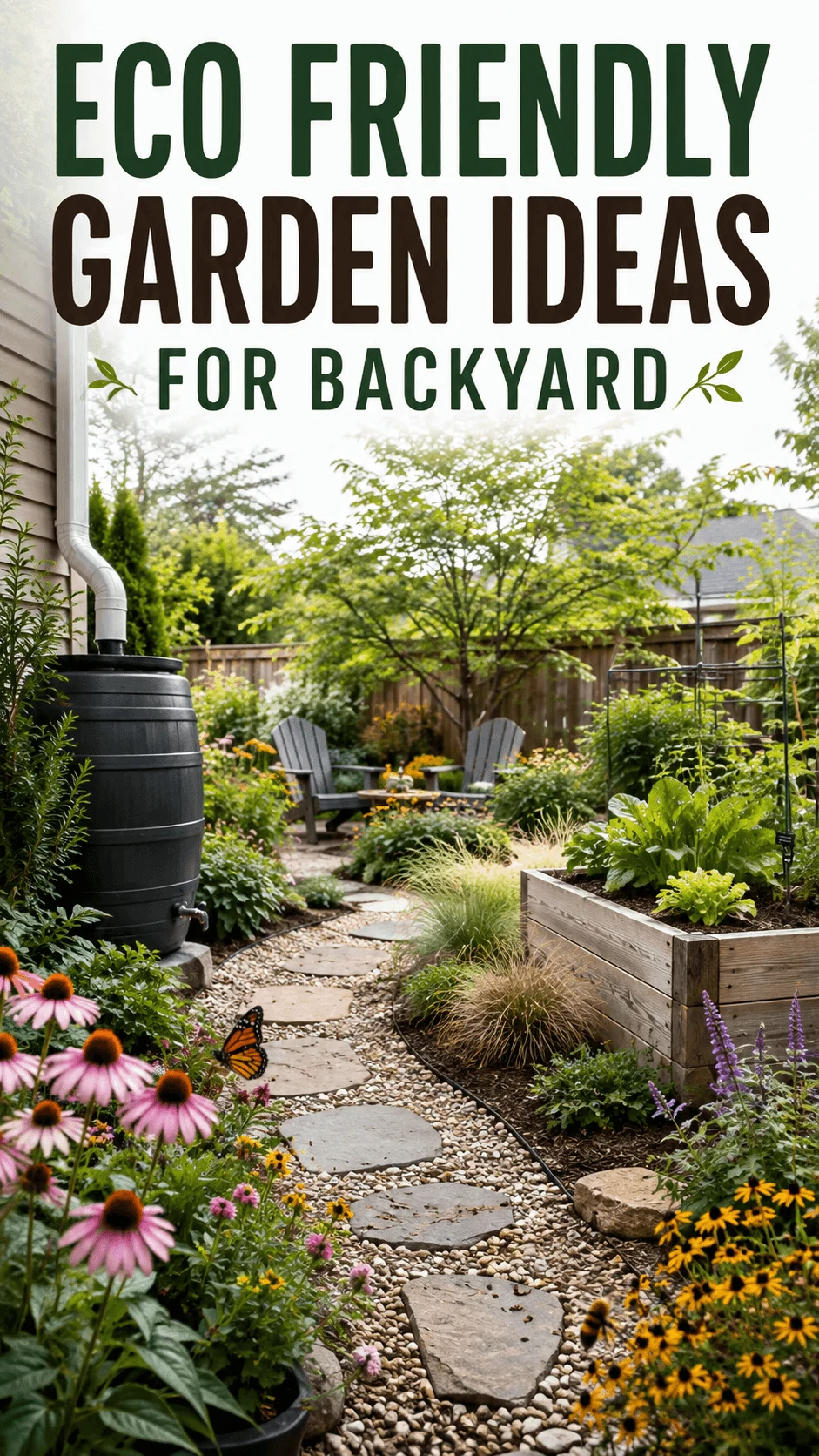
An eco friendly garden can also make a backyard feel more connected to nature. Instead of trying to control every part of the landscape, you can create different areas that provide food and shelter for wildlife, capture rainwater, protect the soil, and produce useful plants. The best part is that you do not need a huge property to make these changes. Even a small backyard can become greener with thoughtful planning.
Create a Native Plant Backyard
Native plants are becoming one of the most important features of sustainable garden design. These plants naturally grow in a particular region and have adapted to its climate, soil conditions, rainfall patterns, and local wildlife. Adding them to your backyard can create a landscape that feels natural while reducing the need for intensive care.
A native plant garden does not have to look untidy or completely wild. You can arrange plants according to height, color, texture, and flowering season. Taller native plants can create a backdrop, while medium sized flowers can fill the center of a planting bed. Low growing plants can cover exposed soil around the edges.
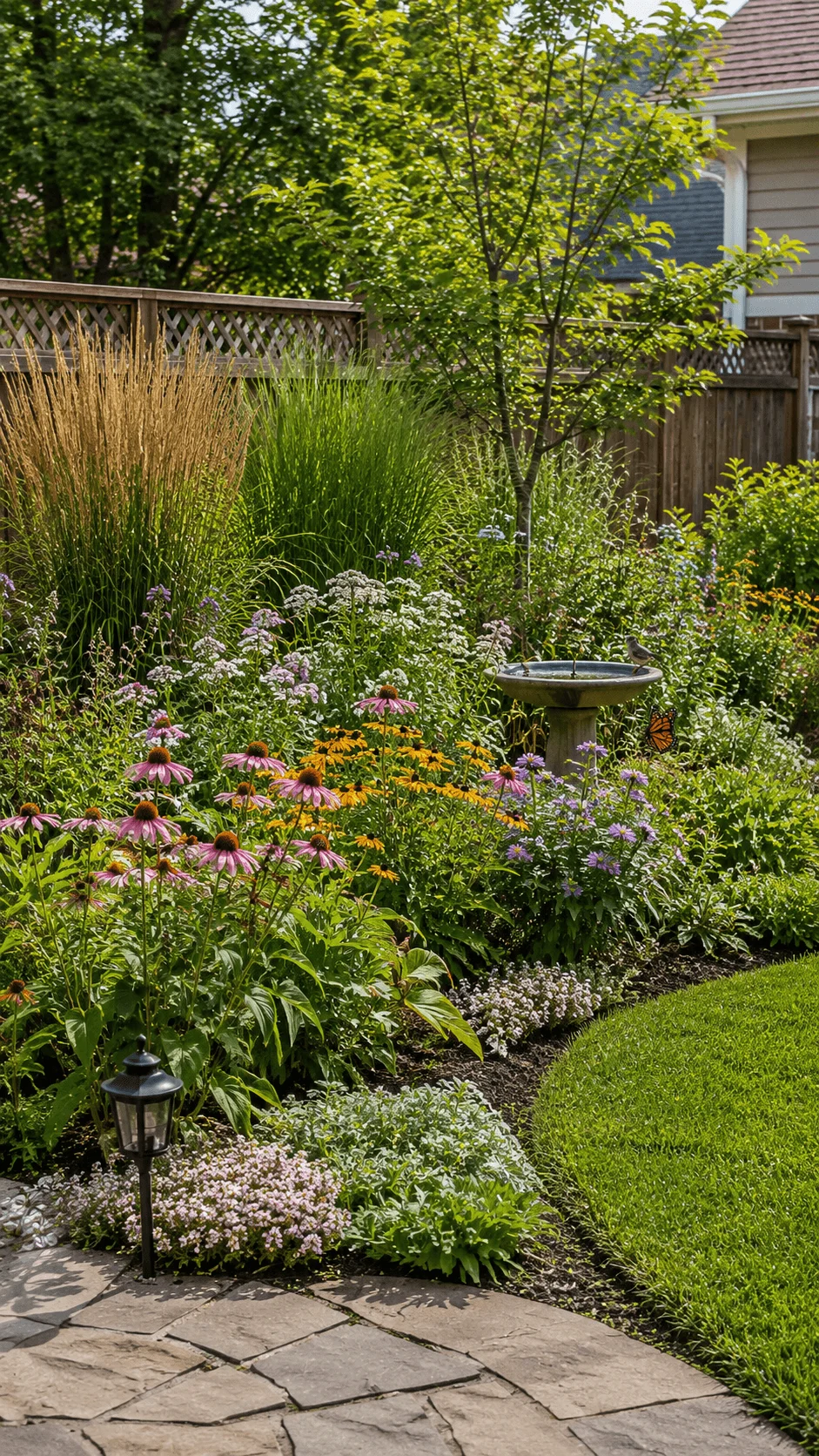
When choosing plants, consider the conditions in your specific backyard. A sunny area may work well for native flowering plants, while a shaded corner may need woodland species or shade tolerant ground covers. Choosing plants that naturally suit the location can make the garden easier to maintain.
Native plants can also provide valuable resources for local insects and birds. Flowers can provide nectar, while seeds, berries, foliage, and dense branches can provide food or shelter. This makes native planting one of the most useful eco friendly backyard garden ideas for homeowners who want beauty and biodiversity together.
Replace Part of Your Lawn With a Native Meadow
Large areas of perfectly maintained lawn can require regular mowing, watering, and maintenance. A growing alternative is to replace part of the lawn with a small native meadow.
You do not need to remove all the grass from your backyard. Start with an unused corner, a strip along a fence, or an area where grass struggles to grow. A mixture of suitable native flowers and grasses can transform that space into a more natural looking garden.
A native meadow can change throughout the year. Different plants bloom at different times, creating seasonal changes in color and texture. During one season, flowers may dominate the space, while grasses and seed heads can provide structure later in the year.
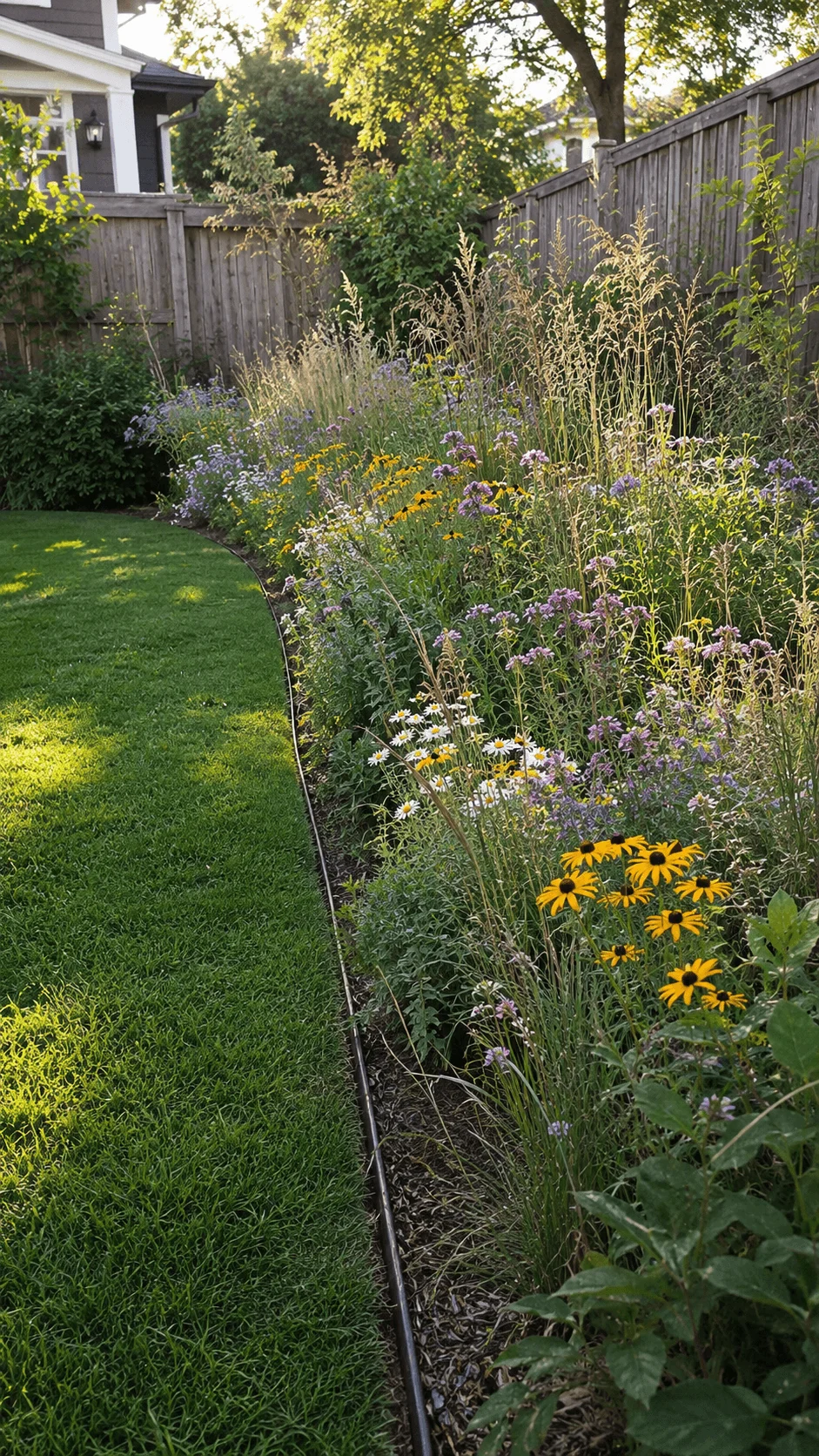
This approach also creates opportunities for insects and birds. A diverse planting area can provide more resources than a simple grass lawn. It can also give your backyard a softer and more natural appearance.
The key is to make the meadow intentional. Define its edges with a pathway, border, or neatly maintained lawn. This creates a clear transition between the natural planting area and the rest of the backyard.
Create a Small Backyard Rain Garden
Rain gardens are another practical direction for modern sustainable landscaping. A rain garden is a planted area designed to receive and absorb rainwater. Instead of allowing rainfall to quickly run across hard surfaces, the garden gives water an opportunity to move into the soil.
A small rain garden can work particularly well in a backyard where water collects naturally after heavy rain. You can also position one near a suitable drainage area, although you should always consider local conditions before digging or changing drainage patterns.
The shape does not need to be complicated. A gently curved planting area can look much more natural than a perfectly square bed. Use plants that can tolerate periods of moisture while also handling normal conditions once the soil dries.
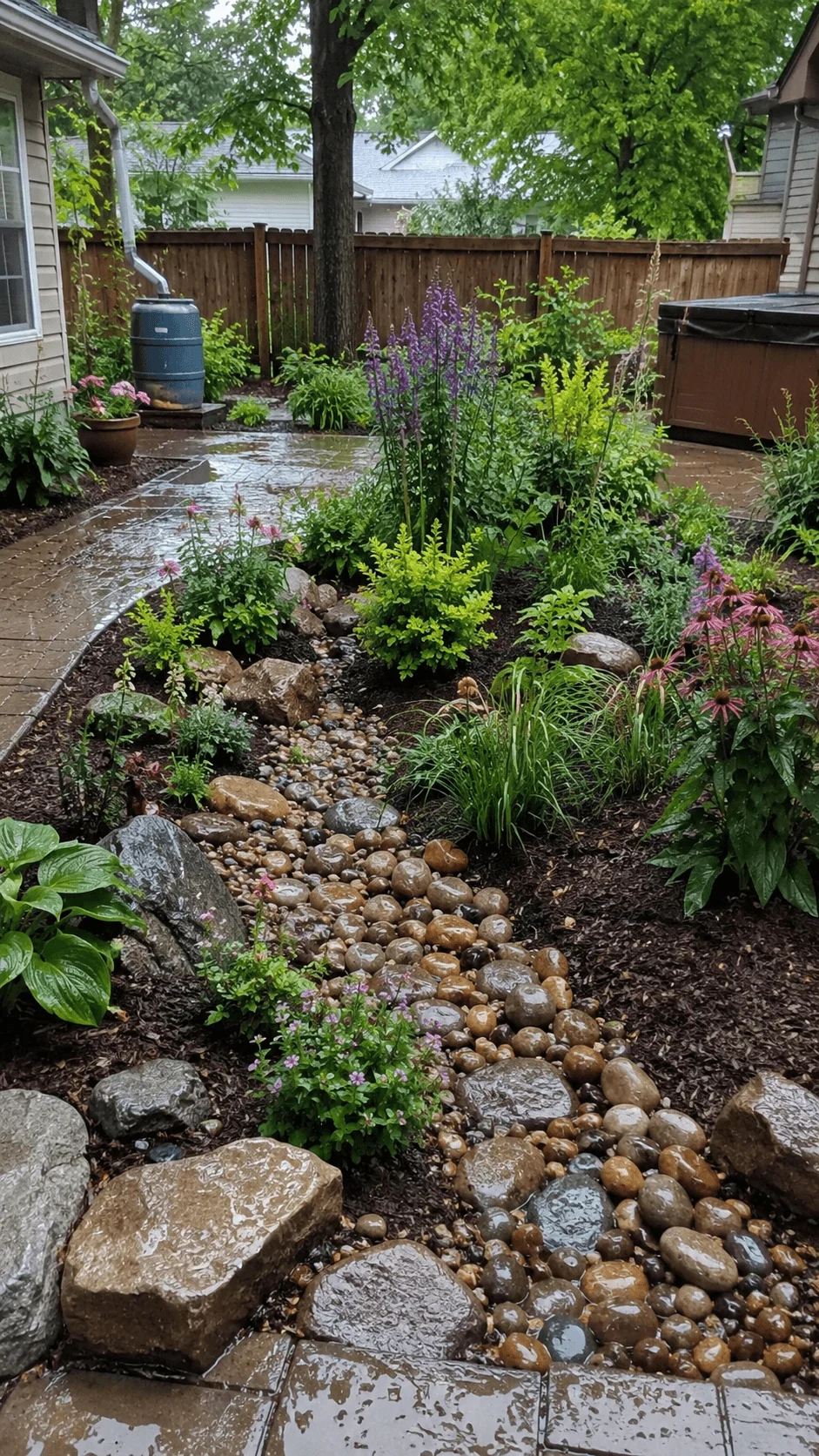
A rain garden can become an attractive feature rather than simply a solution for excess water. Combine different plant heights and textures to create visual interest. Stones or a small natural looking channel can guide water toward the planted area while adding to the overall design.
These small backyard rain garden ideas are especially useful because they combine water management with landscaping. Instead of treating rainfall as something that needs to be removed immediately, the garden becomes part of the solution.
Create a Rainwater Harvesting Corner
Fresh water is an important resource, and gardens can sometimes consume large amounts when homeowners rely entirely on treated water. Rainwater harvesting offers a simple way to collect some of the rainfall that would otherwise flow away.
A rainwater harvesting corner can include a suitable rain barrel or collection container positioned near a roof drainage point. You can make the area look like part of the garden by surrounding it with attractive plants, stones, or a small pathway.
Think beyond the container itself. A rain chain can guide water downward while adding visual interest. An overflow area can direct excess water toward a planted bed. Nearby moisture tolerant plants can make the entire area feel intentional rather than functional.
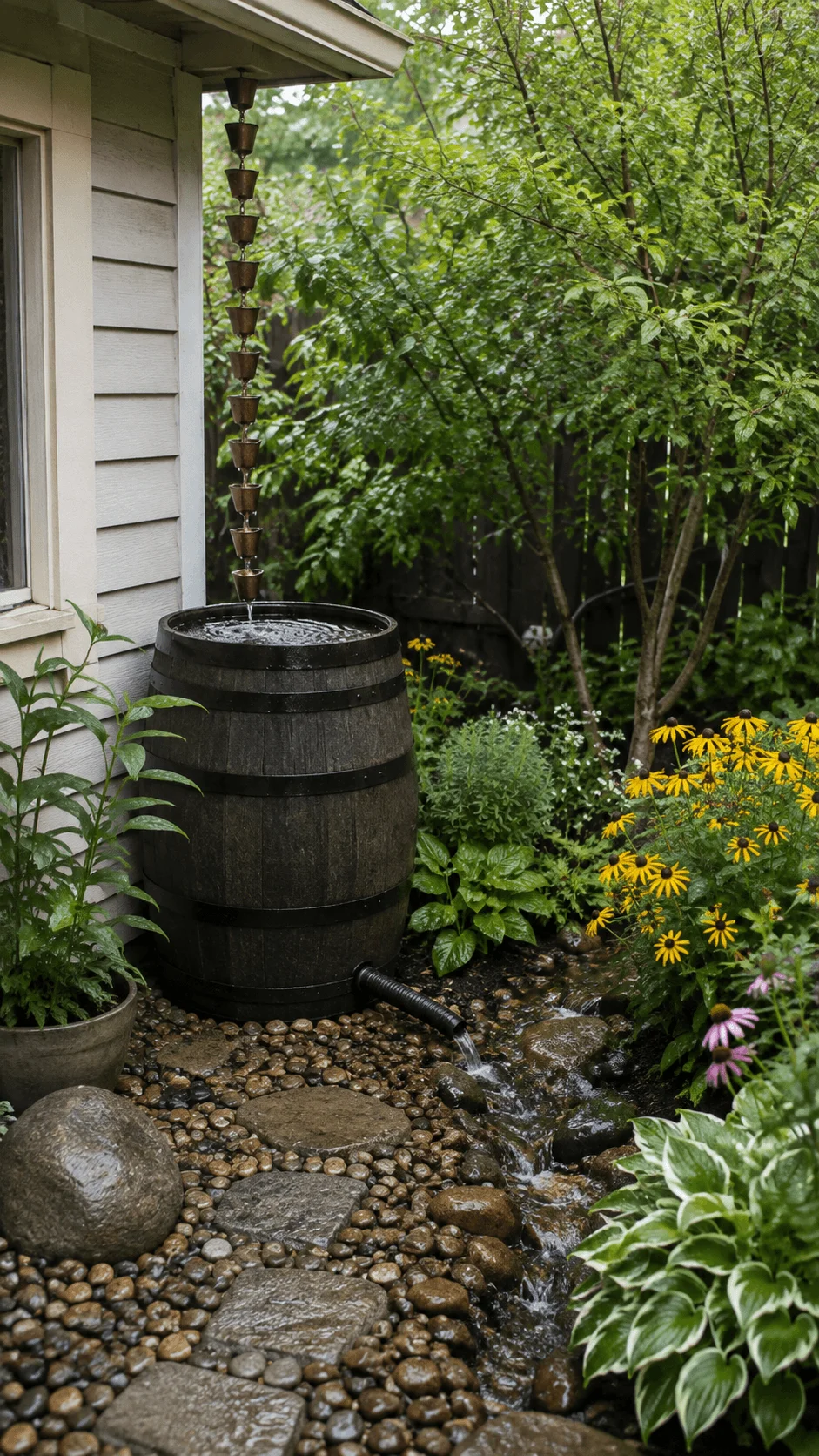
Collected rainwater can be useful for appropriate garden watering, depending on local regulations and safe collection practices. The goal is not to collect every drop but to make better use of available rainfall.
This approach works particularly well when combined with a rain garden. The collection container can hold water for later use, while the overflow area can direct excess rainfall toward a planted space.
Design an Eco Friendly Pollinator Garden
A pollinator garden can turn an ordinary backyard into a lively and colorful habitat. Bees, butterflies, and other beneficial insects depend on suitable plants for food, and a thoughtfully designed garden can provide those resources across different seasons.
One important principle is variety. Rather than planting one type of flower throughout the entire garden, combine different plants that bloom at different times. This helps create a more continuous source of nectar and pollen.
Consider the structure of the garden as well. Flowering plants can occupy sunny borders, while shrubs and taller plants can provide additional shelter. A shallow water source can also support wildlife when maintained safely.
Avoid designing the garden only around the flowers that look attractive for a short period. A sustainable pollinator garden should provide useful resources over a longer part of the growing season.
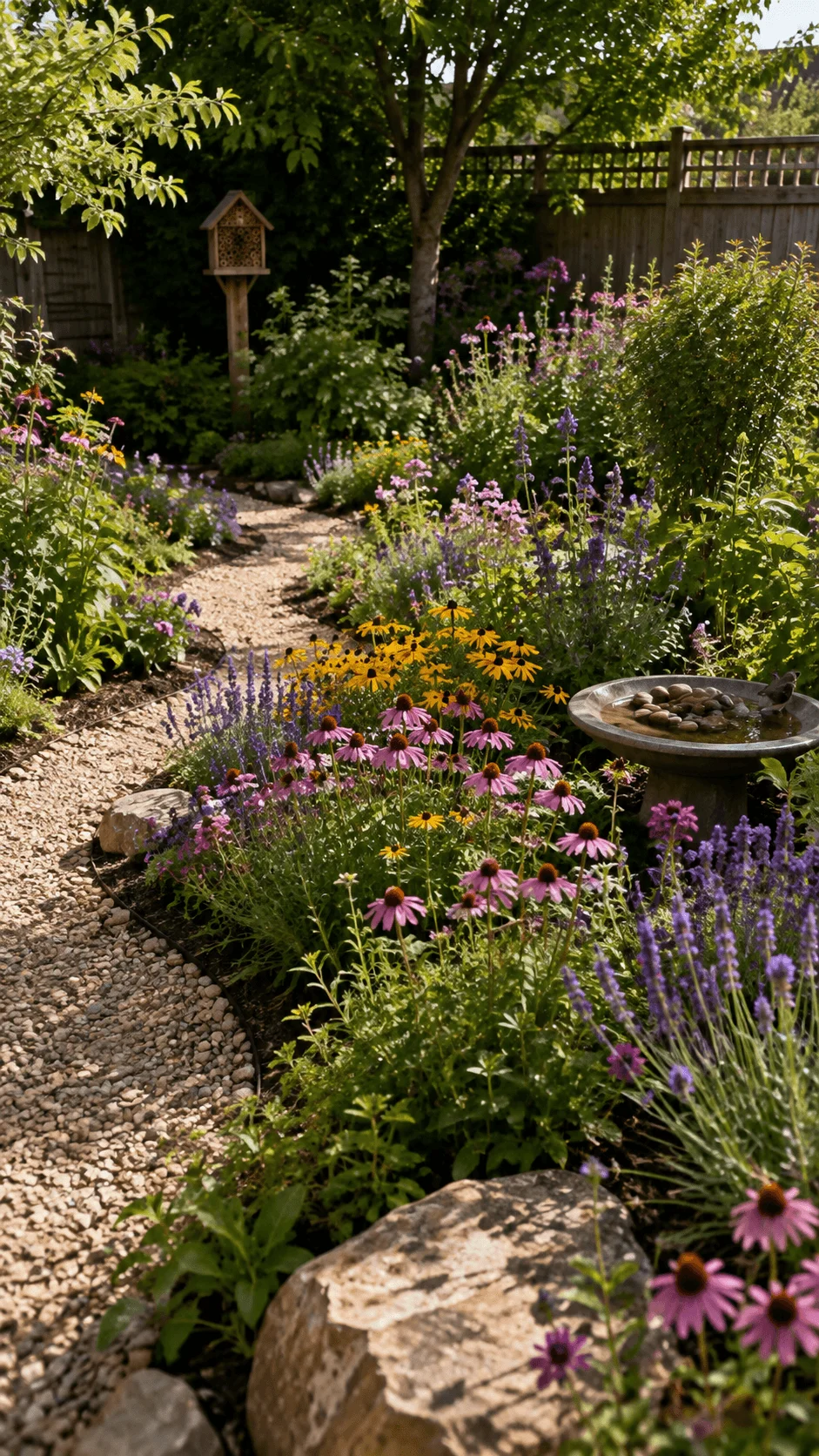
You can also make the garden visually appealing by grouping plants in natural looking clusters. Repeating certain colors or plant shapes throughout the backyard can make the landscape feel cohesive.
Among modern eco friendly pollinator garden ideas, this approach stands out because it combines ornamental design with an important ecological purpose. The garden becomes both a beautiful outdoor space and a small habitat.
Create a Wildlife Friendly Backyard Habitat
A backyard can support much more wildlife when it contains a combination of food, water, shelter, and native vegetation. You do not need to build a large wildlife reserve. A small habitat area can make a meaningful difference.
Native shrubs can provide cover for birds and insects. Dense plants can create protected spaces close to the ground. Fallen leaves can provide shelter for small organisms and help return organic material to the soil.
You can also incorporate natural materials into the design. A few pieces of untreated fallen wood can create habitat for insects and fungi. Stones can provide additional shelter while also creating visual structure.
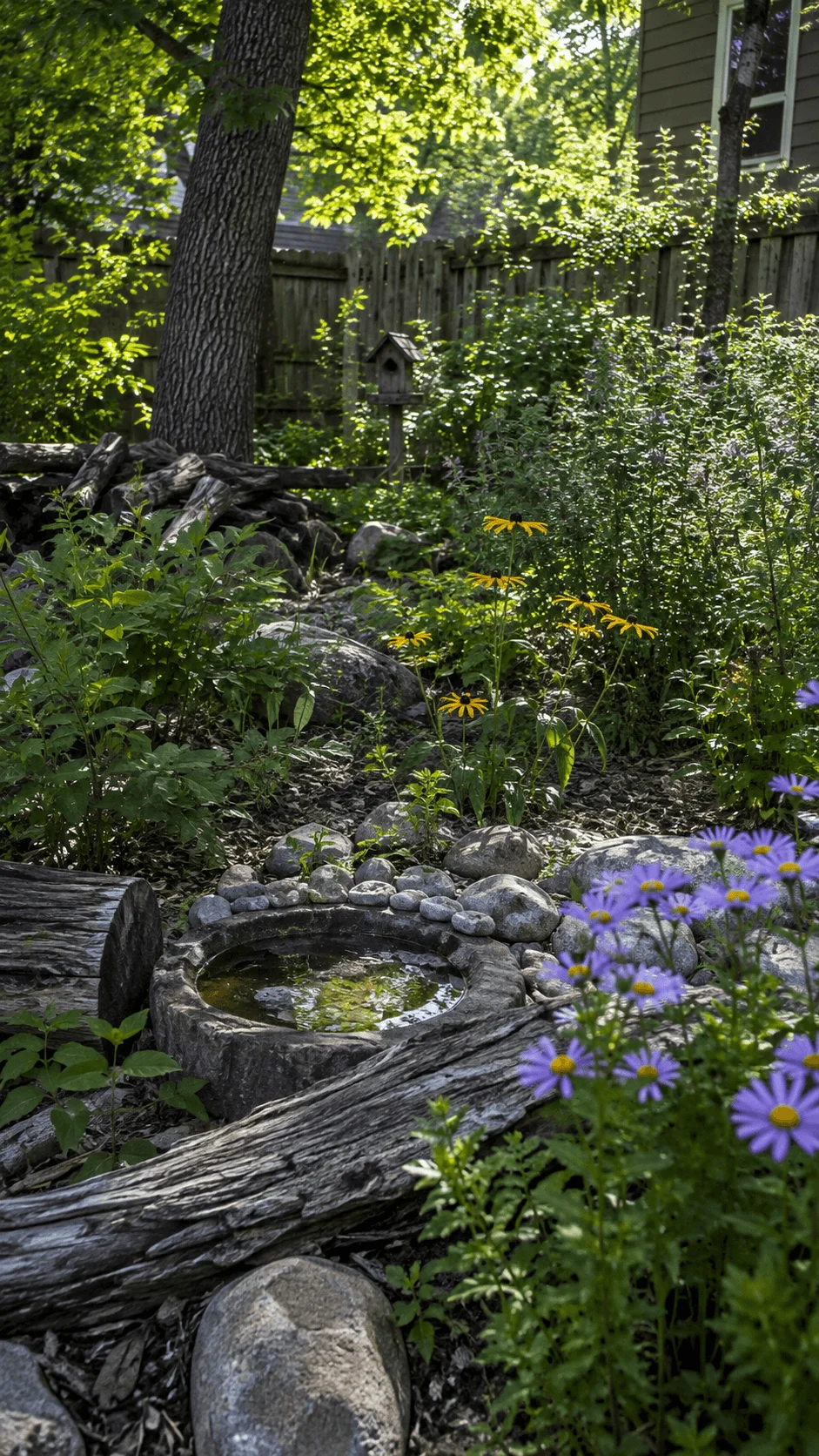
Water can become another important element. A shallow and safely maintained water feature can provide drinking opportunities for wildlife. Keep the surrounding area accessible and clean.
The most effective wildlife friendly backyard garden ideas often avoid excessive tidiness. You can still maintain an attractive landscape while allowing selected areas to remain more natural.
For example, keep your main seating area neatly maintained while allowing a corner of the backyard to contain native plants, leaf litter, and natural materials. This creates different experiences within the same garden.
Build a Climate Resilient Backyard Garden
Climate resilient gardening is becoming increasingly important as homeowners experience hotter summers, changing rainfall patterns, periods of drought, and occasional heavy rainfall. A resilient garden does not simply focus on surviving difficult conditions. It uses thoughtful plant selection, healthy soil, water management, and suitable design to create a landscape that can continue performing well when conditions change.
One of the easiest ways to make a backyard more resilient is to choose plants that naturally suit the local environment. Plants that struggle with the normal temperature, rainfall, or soil conditions of an area often require additional watering and care. Plants suited to those conditions generally need less intervention once they become established.
Soil also plays an important role. Healthy soil can hold moisture more effectively and provide plants with better growing conditions. Adding suitable organic matter and compost can improve soil structure while supporting beneficial organisms beneath the surface.
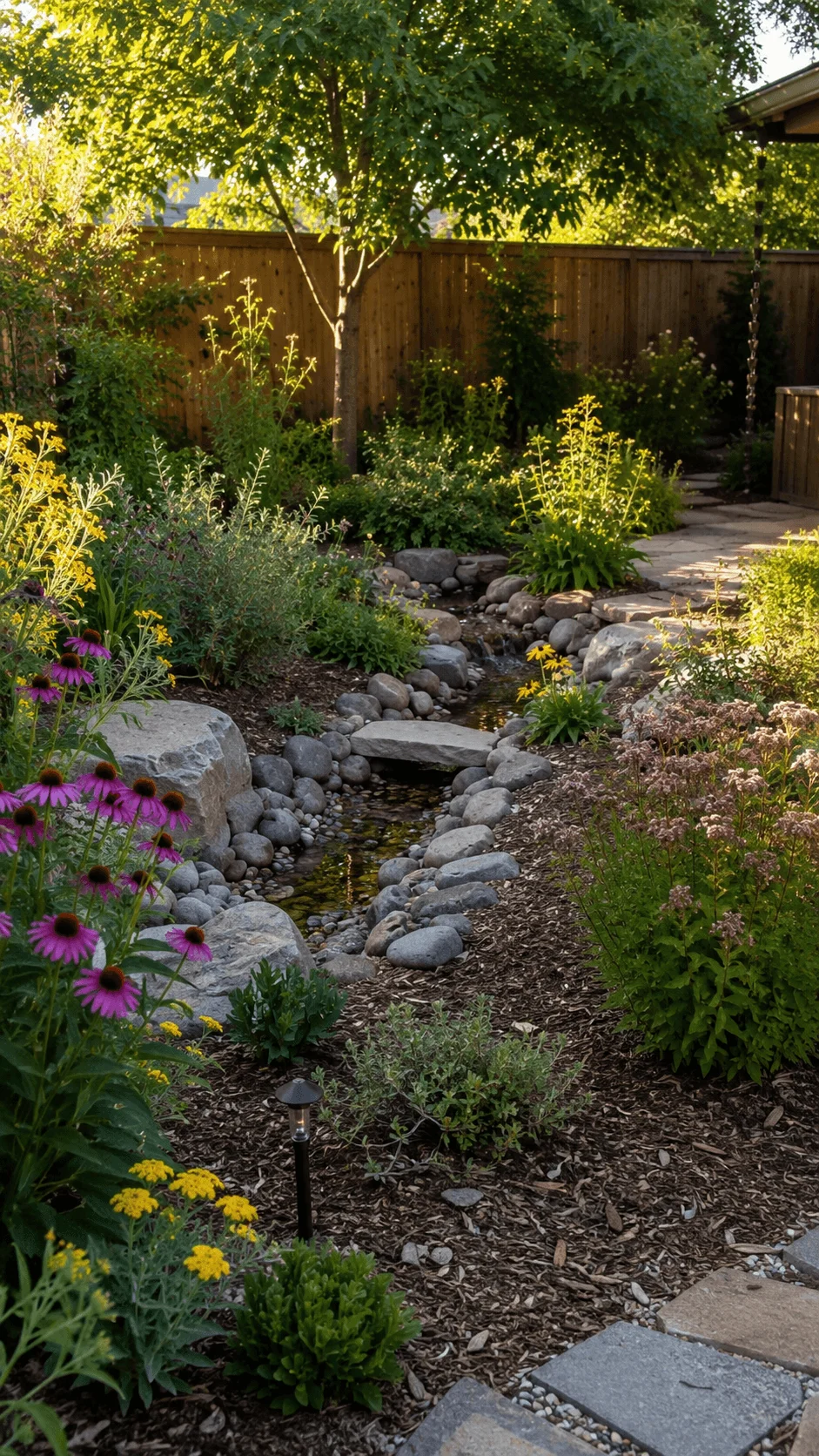
Mulching can provide another layer of protection. Organic mulch can help reduce moisture loss from exposed soil and moderate soil temperature. It can also gradually contribute organic matter as it breaks down.
A resilient backyard should also include different types of plants rather than depending on one species. A mixture of flowers, grasses, shrubs, and trees creates greater diversity and can make the landscape more adaptable.
These climate resilient backyard garden ideas can also make your garden more attractive because they encourage homeowners to think about every part of the landscape, from shade and drainage to plant selection and soil health.
Try a Low Water Gravel Garden
A gravel garden can give a backyard a modern appearance while reducing the amount of water required by the landscape. Instead of maintaining large areas of thirsty grass or densely planted flower beds, homeowners can use gravel as a surface around carefully selected plants.
The most attractive gravel gardens do not simply cover the entire backyard with stones. Instead, gravel works as a background for drought tolerant plants, ornamental grasses, shrubs, and carefully positioned decorative elements.
Plant placement is especially important. Leave enough space between plants so that each one has room to develop naturally. Grouping plants according to their water requirements can also make watering more efficient.
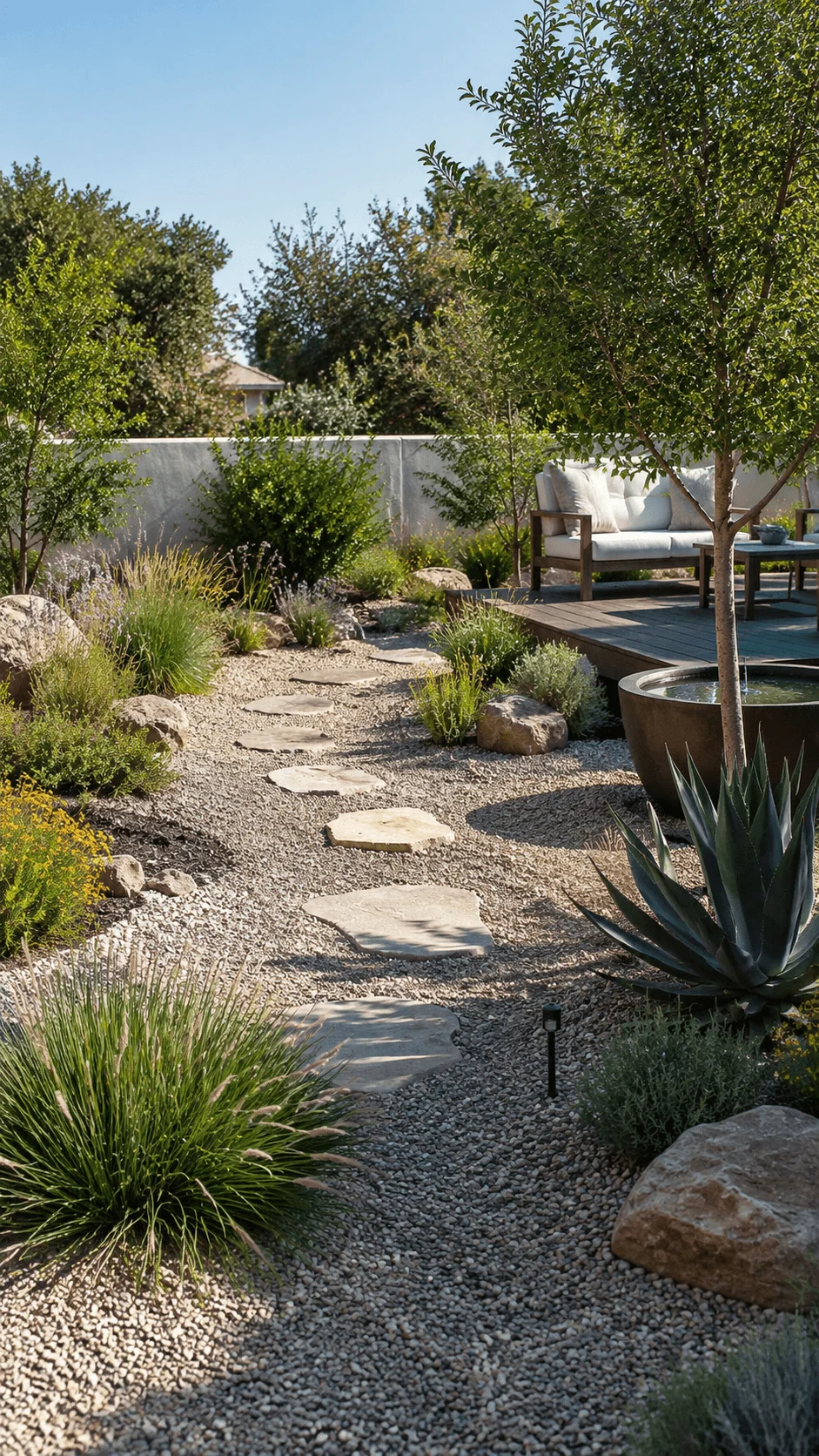
Different types of gravel can create different visual effects. Smaller gravel can produce a smooth appearance around planting areas, while larger stones can add texture and structure. Stepping stones can create pathways through the garden without requiring a completely paved surface.
A gravel garden can also work particularly well around a seating area. A small patio surrounded by drought tolerant plants can create a relaxing outdoor space without requiring extensive lawn maintenance.
For homeowners interested in low water backyard garden ideas, this approach offers a useful combination of contemporary design, water conservation, and reduced maintenance.
The key is to select plants that can actually handle the conditions of the garden. Gravel alone does not make a garden sustainable. The overall design should consider soil, plant requirements, rainfall, drainage, and the amount of sunlight available.
Build a Closed Loop Compost Garden
Composting can turn garden and household organic material into a valuable resource. Instead of treating leaves, suitable plant material, and appropriate kitchen scraps as waste, homeowners can return these materials to the garden as compost.
This creates the basic idea behind a closed loop backyard garden. Materials produced by the garden can eventually help support the same garden.
A compost area does not have to occupy a large amount of space. A compact composting system can fit into a small backyard, while larger properties can dedicate more space to processing organic material.
Finished compost can improve the condition of garden soil and add organic matter. It can be incorporated into suitable planting areas or used when preparing new beds.
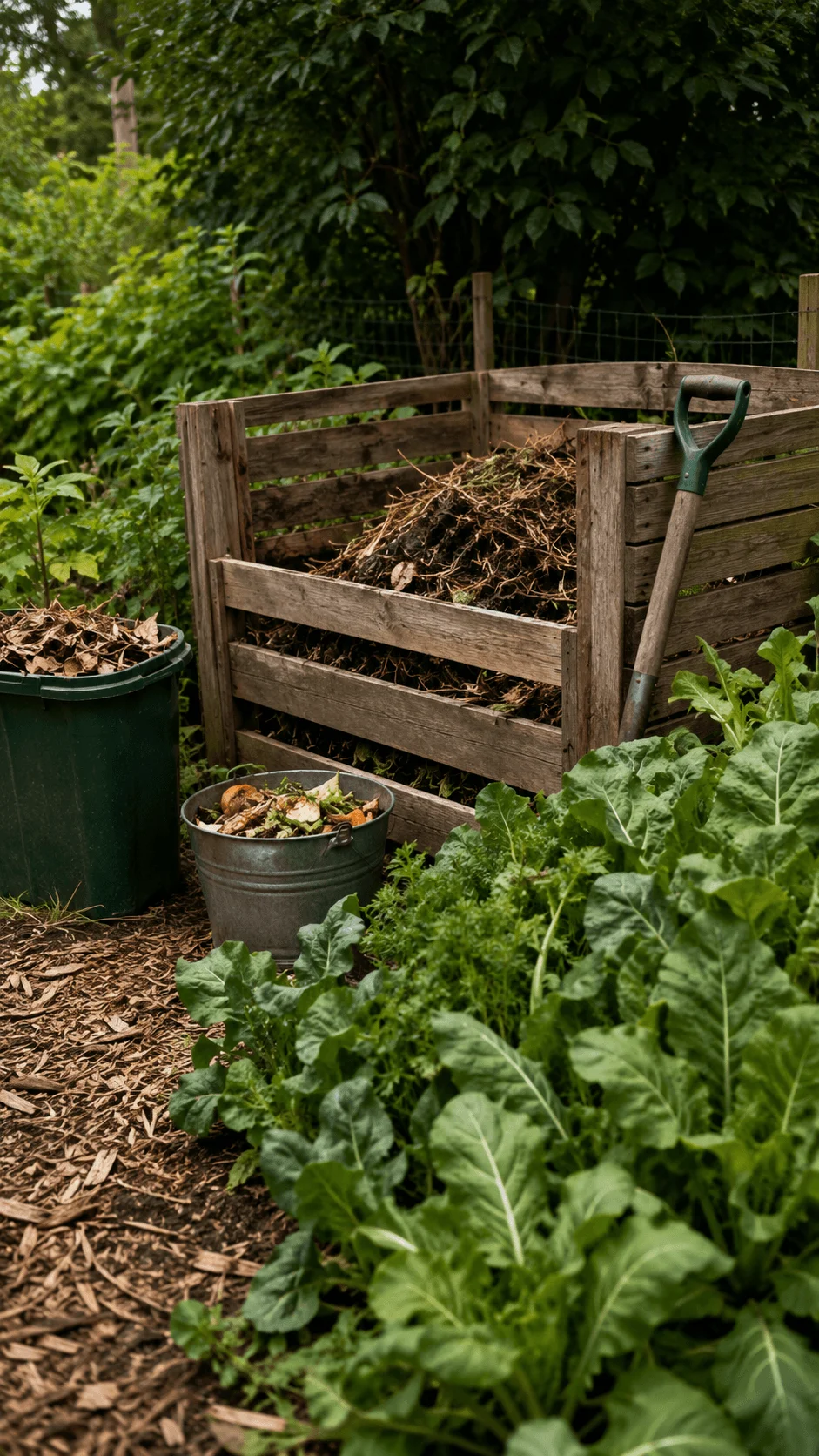
Leaves can also play an important role in this system. Instead of removing every fallen leaf from the property, homeowners can use suitable leaves as mulch or add them to compost. This keeps organic material within the landscape.
A closed loop approach can also change the way homeowners think about garden maintenance. Pruned branches, fallen leaves, and plant material can become useful resources rather than automatically becoming waste.
This makes the closed loop backyard garden more than a composting project. It represents a gardening system where resources are reused whenever practical.
Use Eco Friendly Permeable Garden Paths
Garden pathways are often overlooked when homeowners think about sustainable landscaping. However, the materials used for paths can influence water movement, drainage, maintenance, and the overall appearance of the backyard.
Traditional solid surfaces can prevent water from reaching the soil beneath them. Permeable alternatives allow more rainfall to move through the surface and into the ground.
Gravel is one simple option. It can create an informal pathway that fits naturally into a garden filled with native plants and natural materials. Stepping stones can provide another attractive solution while leaving soil and planting areas between individual stones.
Mulch can also work for certain garden paths, especially in areas that do not receive heavy foot traffic. It provides a softer appearance and can blend naturally with planting beds.
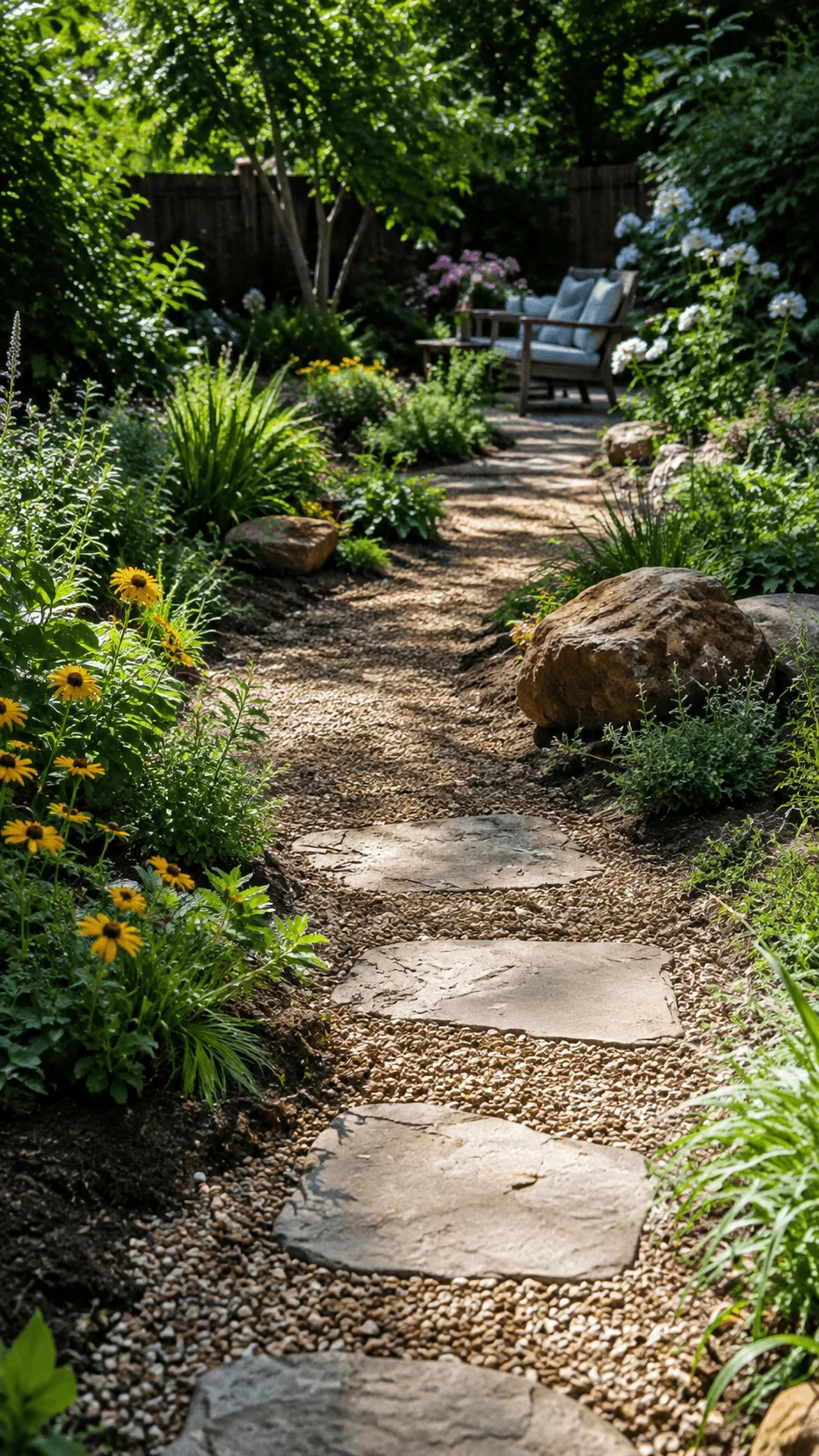
Permeable paving offers another possibility for homeowners who want a more structured appearance. These materials can provide the visual character of a conventional path while allowing water to move through designated spaces.
The best eco friendly backyard pathway ideas should match the style and function of the garden. A main walkway leading toward a seating area may need a more stable surface, while a small path through a flower bed can use a simpler material.
Pathways can also help organize an eco friendly backyard. They define planting zones, guide visitors through the landscape, and prevent people from repeatedly walking across sensitive planting areas.
Grow an Eco Friendly Edible Garden
An edible garden can become an attractive part of a backyard rather than an isolated vegetable patch hidden behind the house. This approach, often called edible landscaping, combines food producing plants with ornamental garden design.
Herbs can grow along pathways or near outdoor cooking areas. Berry shrubs can form attractive borders. Fruit trees can provide shade as well as seasonal produce. Vegetables can grow in raised beds surrounded by flowers and other useful plants.
This creates a garden that performs several functions at once.
A raised bed can provide an organized area for vegetables while adding structure to the backyard. Containers can make edible gardening possible on patios, balconies, and smaller outdoor spaces. In larger gardens, fruit trees and berry shrubs can become permanent landscape features.
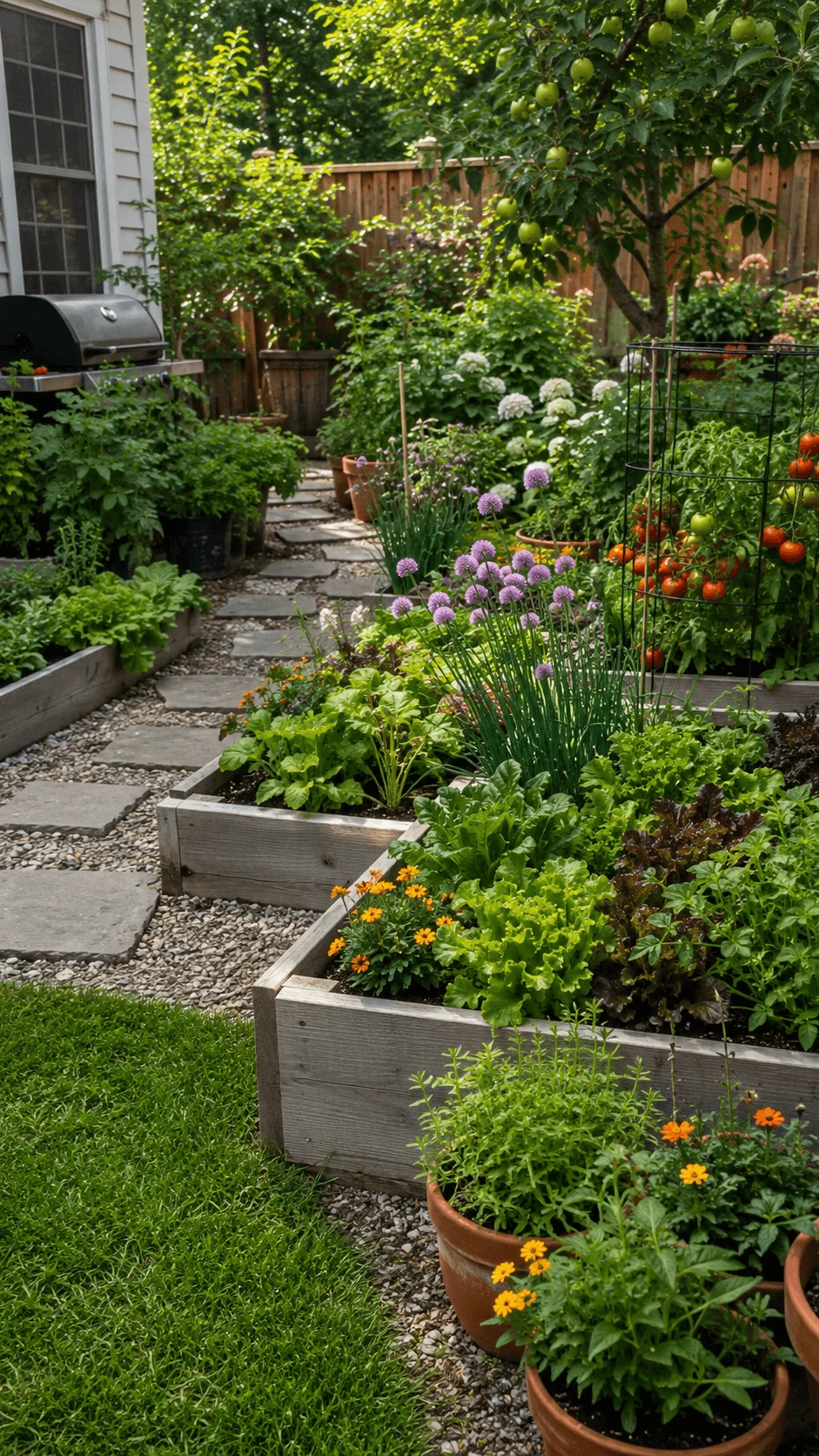
Edible flowers can also add color while contributing something useful to the garden. Herbs with attractive foliage can work alongside ornamental plants and create a more diverse planting design.
The goal is not to fill every available space with food crops. Instead, think about how edible plants can fit naturally into the existing landscape.
An eco friendly edible backyard garden can also encourage more efficient use of outdoor space. A single area can provide beauty, habitat, shade, herbs, vegetables, or fruit depending on how it is designed.
When planning an edible landscape, choose plants according to the local growing conditions and available sunlight. Combining plants with similar needs can make watering and maintenance easier.
Add Smart Water Saving Irrigation
Water conservation is one of the most practical areas where modern technology can support sustainable gardening. Smart irrigation does not mean that every backyard needs complicated equipment. Even a simple drip irrigation system can deliver water more directly to plant roots than broad surface watering.
Drip irrigation can be particularly useful for vegetable beds, shrubs, containers, and other concentrated planting areas. Instead of wetting a large area, the system directs water closer to where plants need it.
Soil moisture sensors can provide additional information about whether plants actually need water. This can help homeowners avoid watering simply because a regular schedule says it is time.
Weather based systems can also adjust watering according to environmental conditions. If rainfall has already provided enough moisture, a properly configured system may reduce unnecessary irrigation.
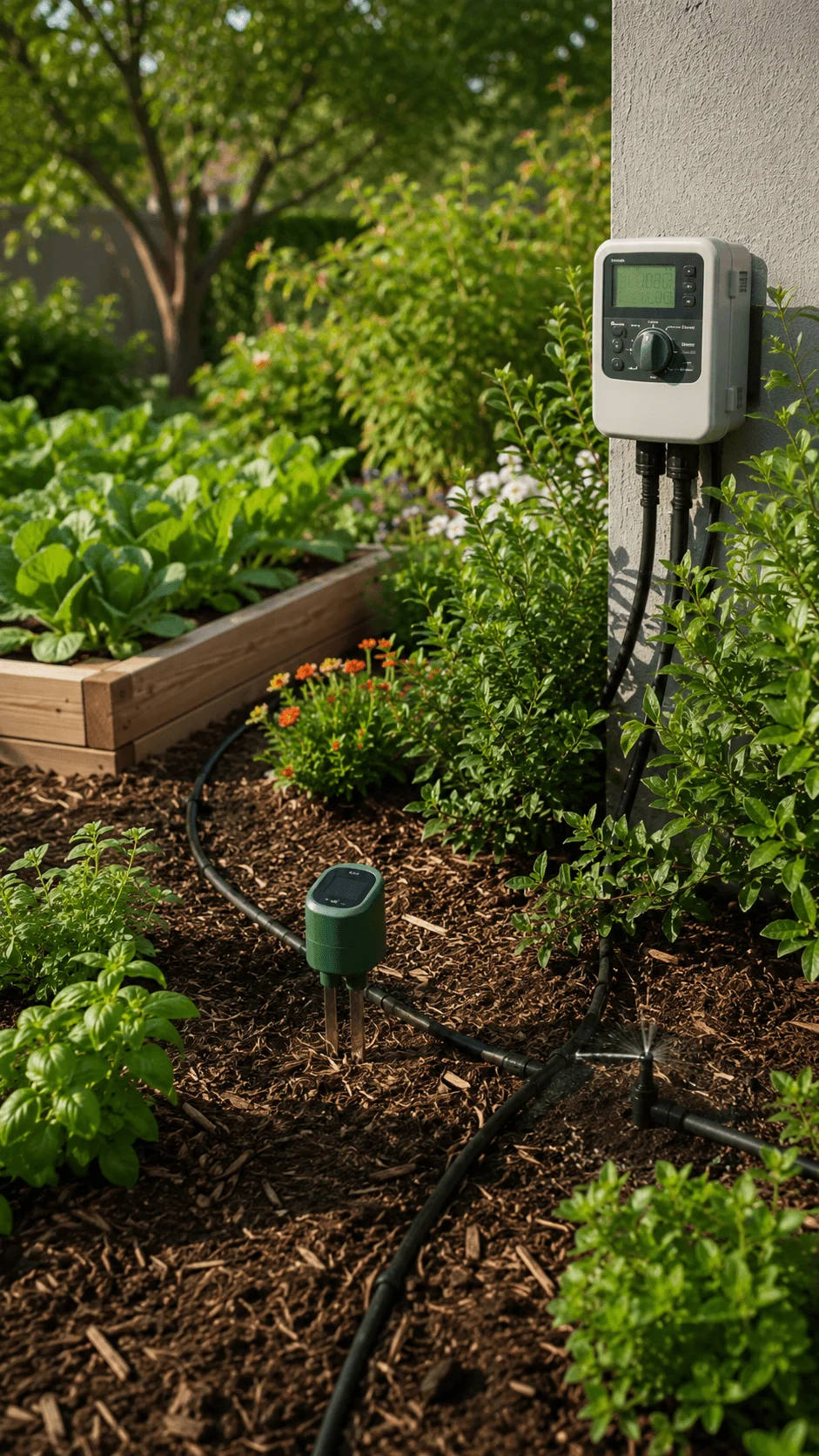
Dividing a garden into separate watering zones can make the system more efficient as well. A vegetable bed may need different watering than established shrubs or drought tolerant plants.
These water saving backyard garden ideas work best when combined with good plant selection and healthy soil. Technology cannot compensate for plants that are poorly suited to the location.
The purpose of smart irrigation is simple: provide plants with appropriate moisture while reducing unnecessary water use.
Combine Sustainable Backyard Garden Ideas Into One Design
The most effective sustainable backyard does not need to rely on one gardening technique. You can combine several ideas so that different parts of the landscape support one another.
A small backyard could begin with native plants around the property edges and a compact pollinator garden near a sunny wall. A rain barrel could collect water from a suitable roof drainage point, while a small permeable path could connect the garden to an outdoor seating area.
A medium sized backyard could include a native meadow in one section, an edible garden closer to the house, and a wildlife habitat area toward the back. Composting could provide organic material for planting beds, while efficient irrigation could reduce unnecessary watering.
A larger property could create several distinct garden zones. One area could focus on native plants and pollinators, another could contain fruit trees and vegetables, and another could manage rainfall through a rain garden. Natural pathways could connect the different areas while a small wildlife habitat could occupy a quieter corner.
The important thing is to design the garden as a connected system.
For example, rainwater harvesting can work alongside a rain garden. Compost can improve soil in native planting beds. Native plants can support pollinators and wildlife. Permeable paths can complement water management. Edible plants can provide food while becoming part of the overall landscape.
You also do not need to complete everything at once. Start with one section of the backyard and gradually introduce additional features.
This approach makes sustainable backyard garden ideas more manageable and can prevent the project from becoming unnecessarily expensive or complicated.
Conclusion
Creating a sustainable outdoor space does not require a complete backyard transformation. The most successful eco friendly garden ideas for backyard spaces often begin with small, practical improvements that gradually create a healthier and more natural landscape.
Native plants can provide beauty while supporting local wildlife. A small native meadow can reduce the need for traditional lawn maintenance. Rain gardens and rainwater collection can make better use of rainfall, while pollinator gardens can provide valuable seasonal resources for insects.
Climate resilient planting can help a garden handle changing conditions, while gravel gardens can reduce watering in suitable locations. Composting can return organic material to the soil, and permeable pathways can allow rainfall to interact more naturally with the ground.
Edible landscaping adds another useful dimension by combining food production with attractive garden design. Efficient irrigation can then help manage water more carefully.
The most important step is to choose ideas that make sense for your backyard. Consider your climate, soil, available sunlight, rainfall, garden size, and the amount of maintenance you can realistically provide.
A beautiful garden and an environmentally responsible garden do not have to be two different things. With thoughtful planning, your backyard can become a welcoming outdoor space that supports plants, wildlife, healthy soil, and responsible water use while still giving your family a beautiful place to enjoy.