12 Eco Friendly Garden Ideas Low Maintenance
Creating a beautiful outdoor space does not have to mean spending hours mowing, watering, pruning and replacing plants. These eco friendly garden ideas low maintenance can help homeowners create attractive spaces that work more naturally with their surroundings. In 2026, sustainable garden design is moving toward climate resilient plants, native species, lawn alternatives, water saving systems and wildlife friendly planting. The goal is not to create a completely maintenance free garden, but to reduce unnecessary work while making better choices for the environment. With the right plants, materials and layout, even a simple backyard can become a greener and easier space to care for.
1. Create Climate Resilient Low Maintenance Native Gardens
One of the most useful approaches to sustainable gardening is choosing plants that naturally suit the conditions where you live. Native plants have adapted to the local climate, soil and seasonal patterns over many generations. This can make them a practical choice for homeowners who want a garden that requires less intervention.
Climate resilient gardening takes this idea a step further. Instead of choosing plants only because they look attractive, consider how well they can handle the weather conditions your garden experiences. Increasing temperatures, periods of drought, heavy rainfall and unpredictable weather can put additional stress on plants. A resilient garden starts with species that can cope with those conditions.
Before buying plants, observe your garden carefully. Notice which areas receive full sunlight and which remain shaded. Check whether the soil stays wet after rainfall or dries quickly. Think about how much natural rainfall your area receives and how much time you can realistically spend caring for the garden.
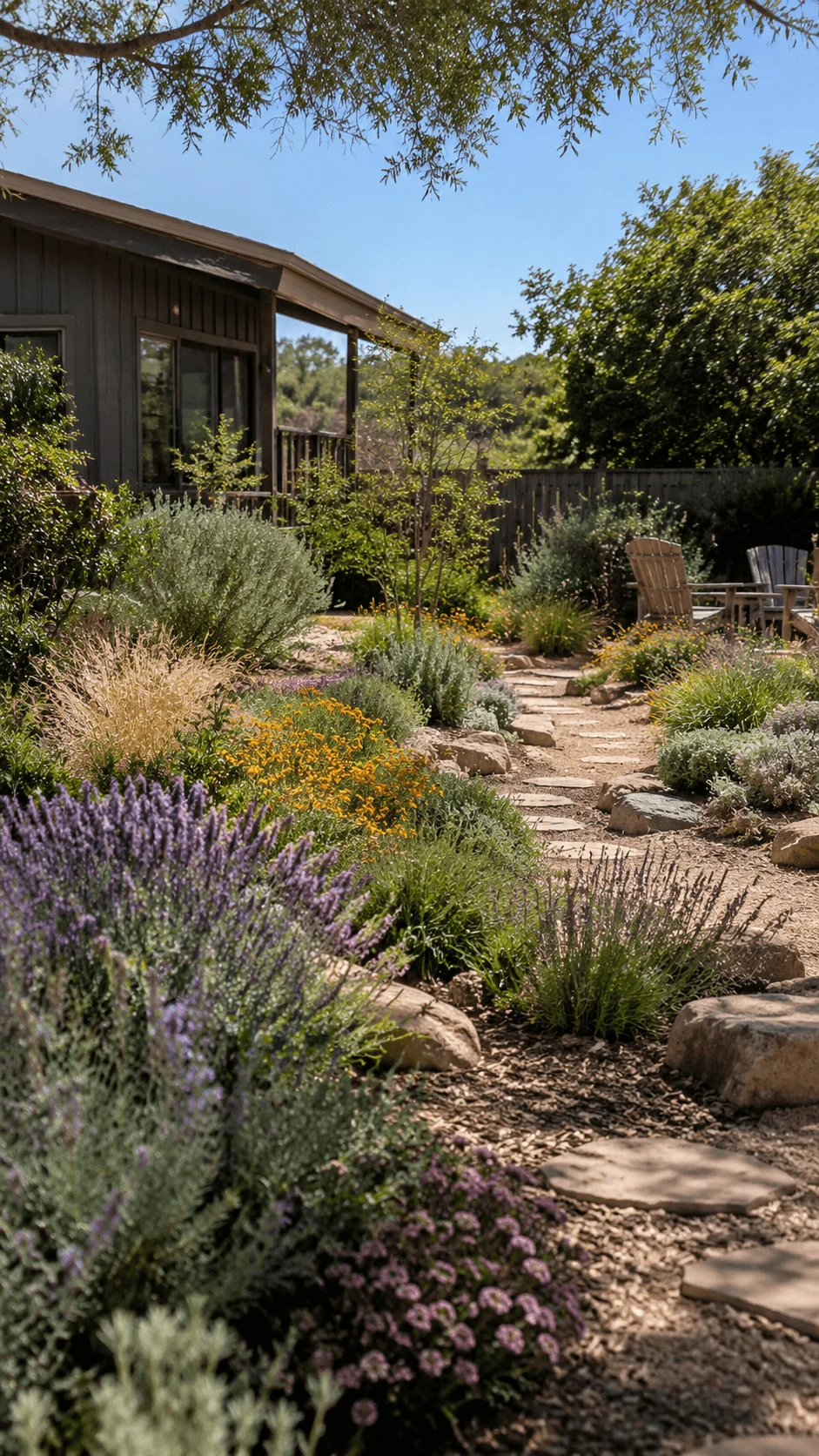
Once you understand these conditions, choose plants that naturally fit them. This approach can reduce the need for constant watering, feeding and replacement. You can also group plants with similar requirements together. Plants that enjoy dry conditions can occupy one section, while plants that prefer more moisture can grow in another.
Native planting also gives your garden ecological value. Local insects and birds may recognize native plants as sources of food or shelter. By selecting a diverse range of locally suitable species, you can create a garden that looks attractive while supporting biodiversity.
The best native gardens do not have to look wild or untidy. Use different plant heights, textures and flowering periods to create structure. Keep paths and seating areas clearly defined while allowing planting beds to provide the natural character. This creates a balanced landscape that feels intentional while requiring less intervention.
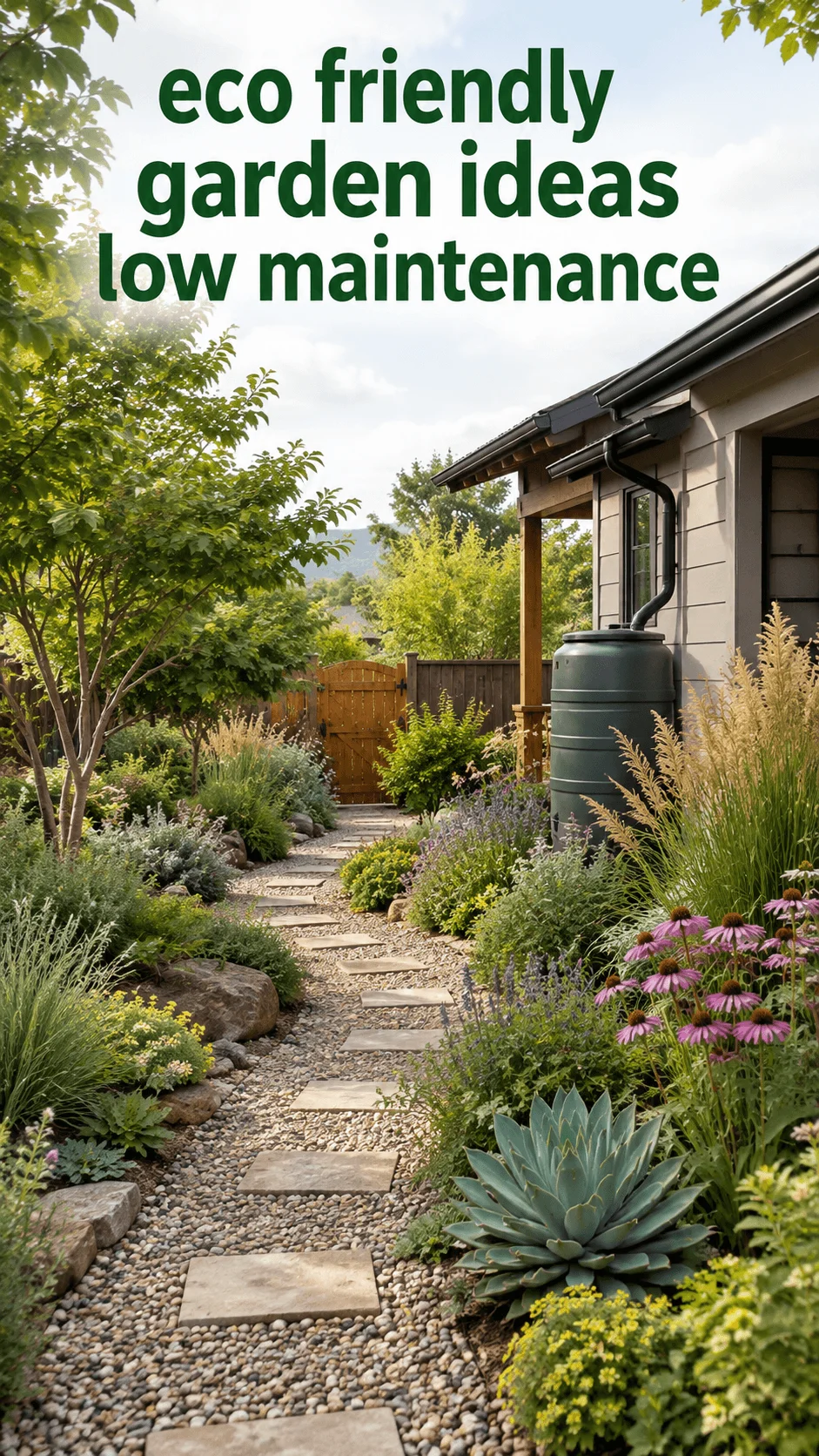
2. Try Low Maintenance Eco Friendly Gravel Garden Ideas
Gravel gardens have become an increasingly popular choice for people who want a modern landscape with fewer maintenance demands. They can work particularly well in areas where maintaining a large lawn would require significant watering and mowing.
A gravel garden does not mean covering the entire yard with rocks. Instead, gravel becomes part of a carefully designed planting scheme. You can use it around drought tolerant plants, native species, ornamental grasses and other plants that suit your local conditions.
One advantage of gravel is that it does not require mowing. Once established, a well planned gravel garden can also need less watering than a conventional lawn. Gravel allows rainwater to move through the surface, which can help prevent the water from simply sitting on top of the ground.
The appearance of a gravel garden can vary considerably. A homeowner who prefers a contemporary look might combine pale gravel with architectural plants and simple stepping stones. Someone who prefers a more natural appearance could combine different textures of stone with grasses and flowering perennials.
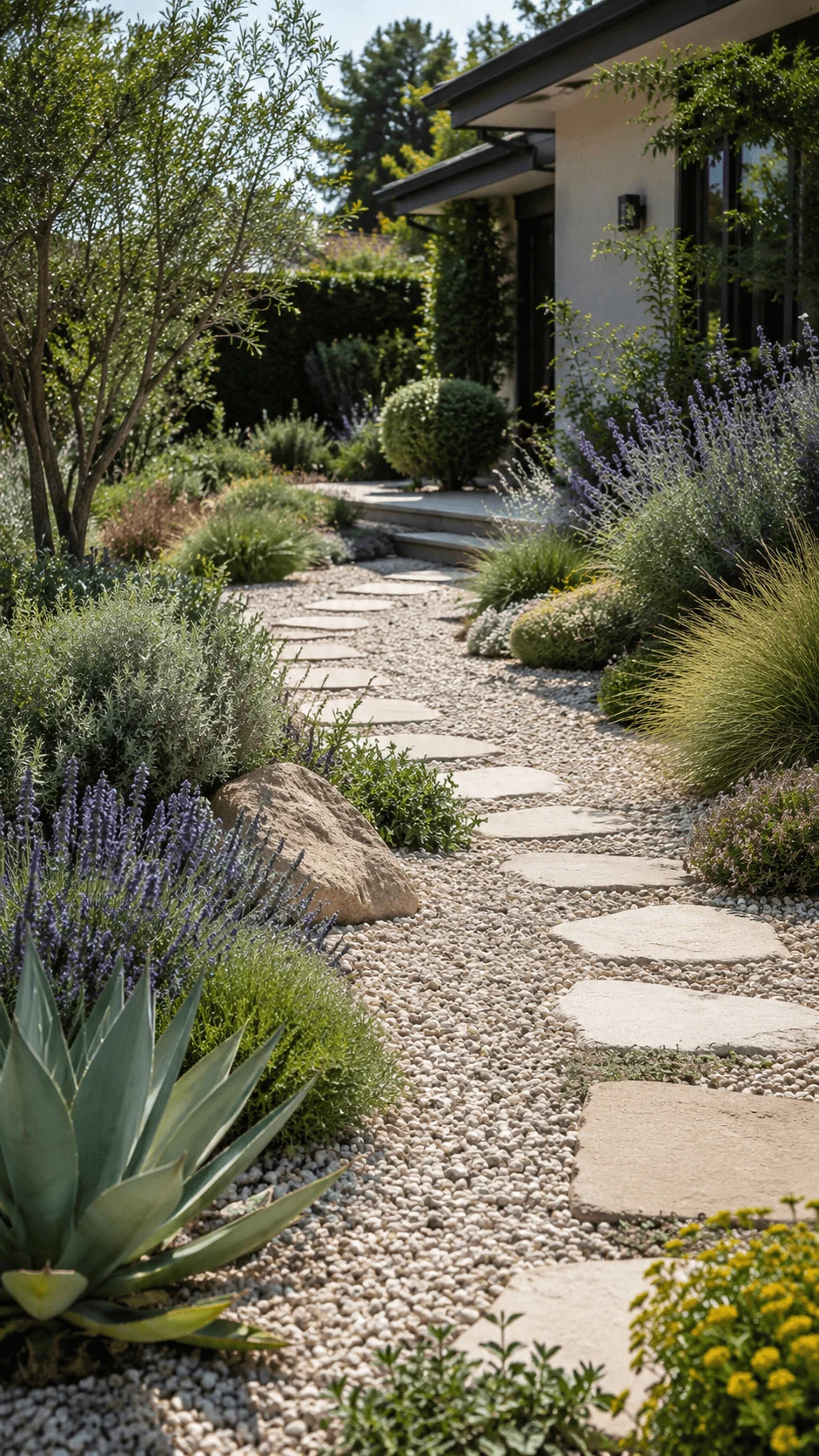
Preparation plays an important role. Remove unwanted vegetation and prepare the soil before spreading gravel. Choose a gravel size that works comfortably with the garden design and does not make walking difficult if you plan to create pathways.
Plant selection also matters. Avoid filling the area with plants that need frequent watering. Instead, choose species that can handle the conditions of the site. Grouping plants with similar needs can make future watering much easier.
Weeds can still appear in gravel, particularly when windblown seeds settle between stones. Regular observation helps you remove unwanted growth before it becomes established. Good soil preparation and appropriate plant spacing can also make ongoing care easier.
For homeowners searching for low maintenance gravel garden ideas, the most successful designs usually combine simple materials with carefully selected plants. The result can look sophisticated without creating another landscape that demands constant attention.
3. Explore Eco Friendly Garden Ideas Without Grass
Traditional lawns can create a considerable maintenance routine. They often require regular mowing, watering and occasional feeding to remain green and healthy. While lawns have their place, many homeowners do not need turf covering every part of their outdoor space.
Reducing the amount of grass can transform a garden while making it easier to care for. You can replace sections of lawn with native planting beds, suitable ground covers, ornamental grasses, gravel or perennial borders.
The best alternative depends on your local environment. A ground cover that works beautifully in one region may struggle in another. Consider sunlight, soil, rainfall and how much foot traffic the area receives before selecting a replacement.
You do not need to remove the entire lawn at once. Start with a small section that currently requires frequent mowing or watering. Turn that space into a planting bed and observe how the new design performs through the seasons.
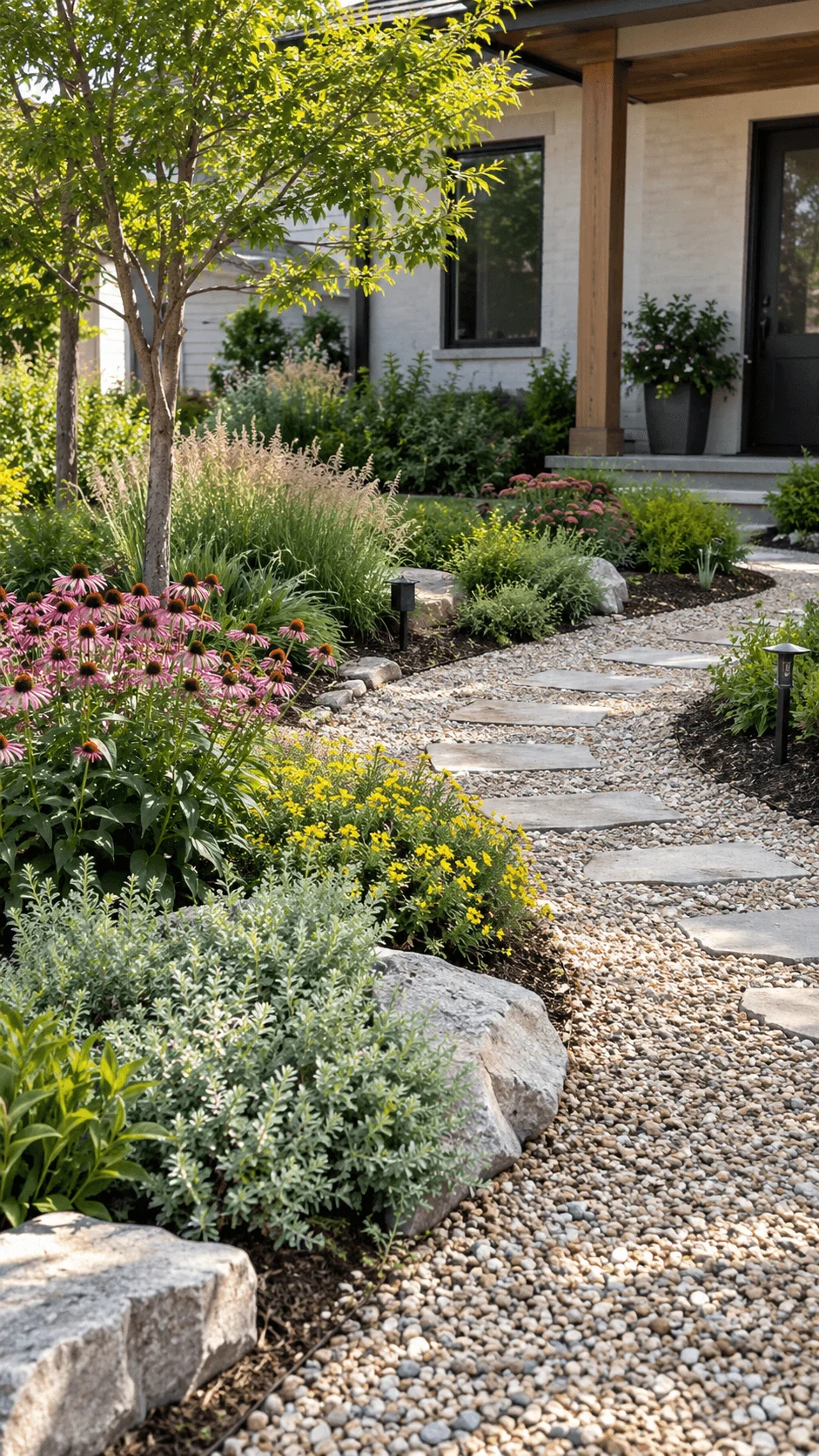
For a more natural appearance, combine plants of different heights. Ground covers can occupy the lowest level, while flowering perennials provide middle height and shrubs create structure. This approach can make the garden more visually interesting than a single uninterrupted lawn.
A lawn free garden can also create more opportunities for wildlife. Flowering plants can provide resources for pollinators, while shrubs and native vegetation can offer shelter for birds and insects.
The key is to avoid replacing grass with another high maintenance feature. A complicated collection of plants that all have different needs can create more work than the lawn did. Choose resilient species and organize them according to their growing requirements.
These eco friendly garden ideas without grass work particularly well when homeowners focus on designing the garden around how they actually use the space. Keep grass where children or family members need an open area, and replace unnecessary lawn elsewhere.
4. Create a Low Maintenance Rewilding Garden
Rewilding has become an increasingly interesting direction in garden design, especially for homeowners who want to support biodiversity while reducing intensive maintenance. The basic idea involves giving parts of the garden more room to develop naturally instead of trying to control every plant and every fallen leaf.
However, rewilding does not mean abandoning your entire yard.
A successful rewilded garden can combine carefully maintained areas with sections where nature has more freedom. You might keep a neat pathway leading through the garden while allowing native plants to grow more freely along the edges.
You can also leave some seed heads standing after flowering instead of immediately cutting everything back. Fallen leaves can remain in selected areas where they can contribute to natural habitat and organic matter.
Native plants play an important role in this style of garden. Choose species that naturally belong in your region and allow them to establish over time. A diverse selection can provide food and shelter for insects and birds while reducing your dependence on plants that need constant care.
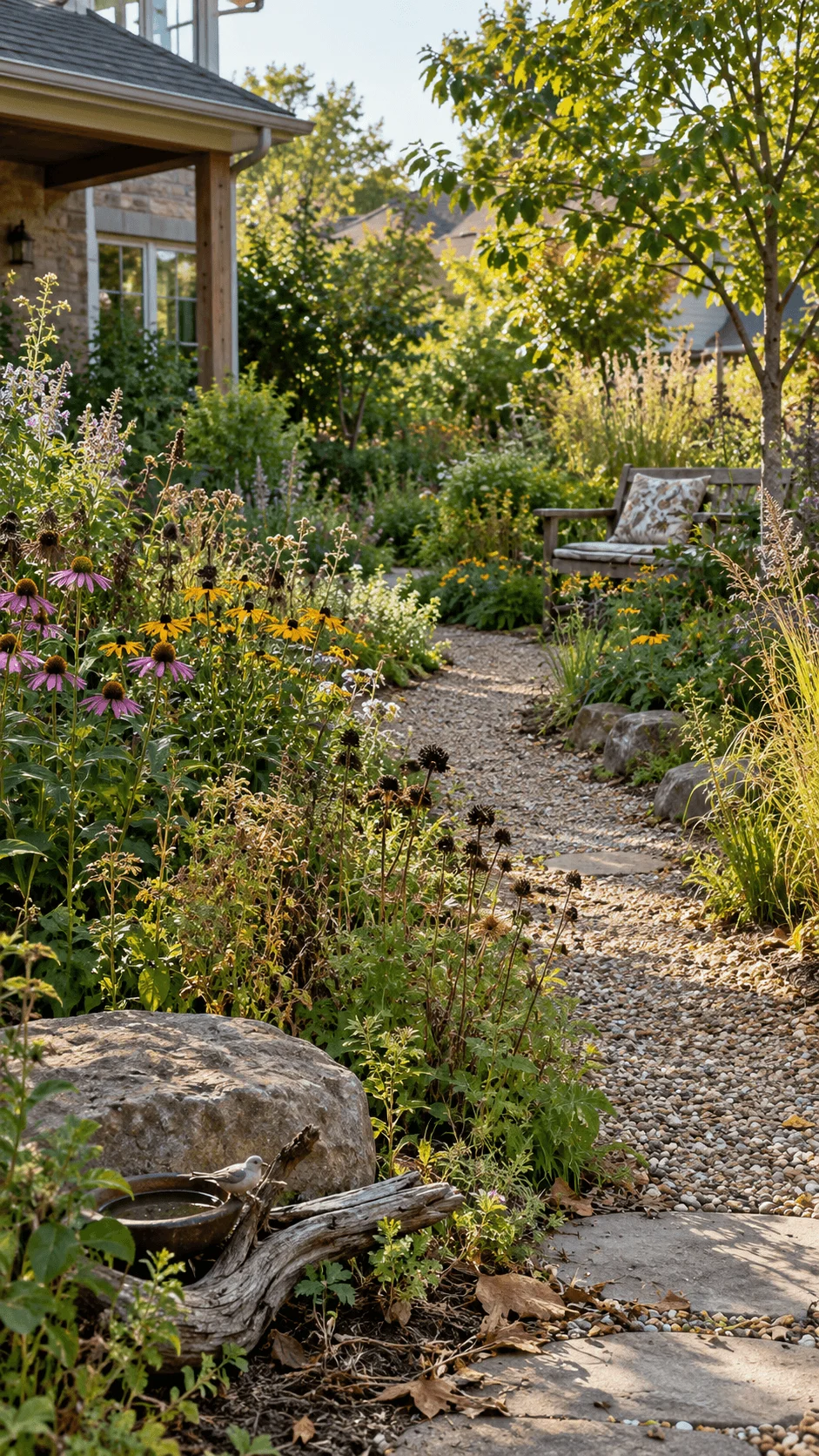
The biggest challenge involves making the garden look intentional. Without some structure, a natural garden can quickly appear neglected. Clearly define pathways, borders and seating areas. Keep invasive or unwanted plants under control and give naturally planted areas enough space to develop.
Rewilding can also reduce the pressure to keep everything perfectly tidy. Instead of treating every fallen leaf or spent flower as a problem, you can decide which parts of the garden genuinely need attention and which can remain more natural.
This makes rewilding particularly appealing for busy homeowners. You still manage the garden, but you stop performing maintenance simply because a space does not look perfectly manicured.
5. Grow a Low Maintenance Sustainable Perennial Garden
Perennial plants are an excellent choice for homeowners who want long lasting planting with less seasonal work. Unlike annual plants, many perennials return from year to year, which means you do not need to replace the entire planting scheme every season.
A perennial garden can also provide changing interest throughout the year. Early flowering plants can bring color at the beginning of the growing season, while later flowering varieties can take over as the year progresses. Foliage and ornamental grasses can continue providing structure even when fewer flowers appear.
When creating a perennial garden, think beyond flower color. Consider mature height, leaf texture, growth habit and seasonal appearance. Combining plants with different shapes can create an attractive garden without requiring dozens of separate species.
Choose plants according to the conditions of your site. A perennial that thrives in dry sunlight may struggle in a damp shaded corner. Matching plants to their environment reduces the need for constant correction later.
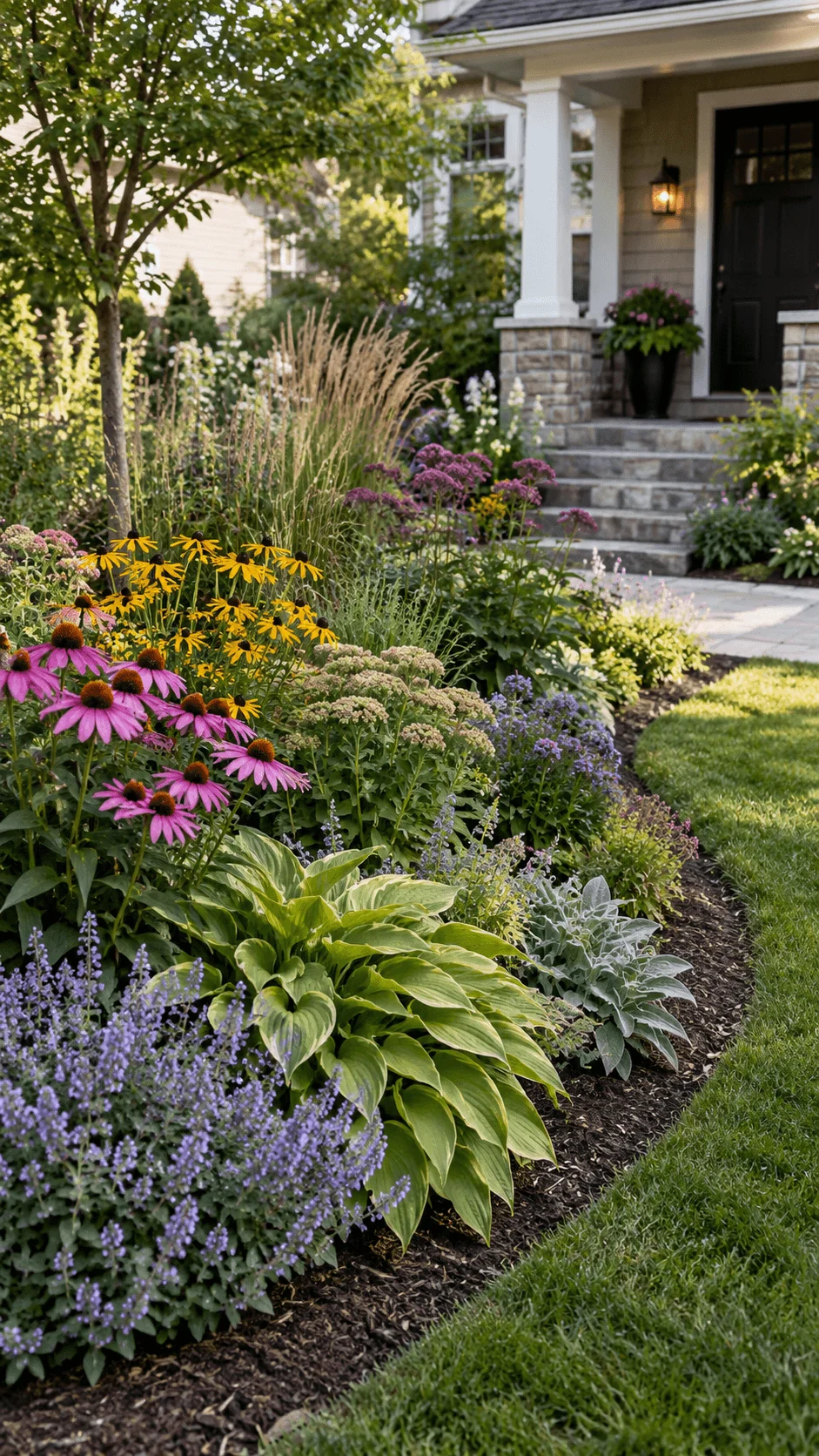
Spacing also matters. New plants can look small when you first install them, but they may spread considerably as they mature. Give each plant enough room to reach its natural size. This can reduce excessive pruning and prevent overcrowding.
Mulching around suitable plants can help protect soil and reduce competition from unwanted growth. Water plants appropriately while they establish, then allow established species that naturally tolerate your climate to rely more on normal rainfall where possible.
A thoughtfully designed perennial garden can therefore provide color, texture and habitat year after year without requiring the repeated planting routine associated with many seasonal displays.
6. Use Water Saving Technology for an Eco Friendly Low Maintenance Garden
Water management has become an important part of modern sustainable gardening. A garden can contain drought tolerant plants and still waste water if irrigation runs too frequently or distributes water inefficiently.
Simple technology can help solve this problem.
Drip irrigation delivers water close to the base of plants instead of spraying large amounts across areas that may not need it. This can make watering more targeted, particularly in planting beds and containers.
Soil moisture sensors can provide another useful tool. Instead of watering simply because a schedule says it is time, gardeners can check whether the soil actually needs additional moisture. This can help prevent unnecessary watering.
Rain sensors can also make irrigation systems more responsive to natural rainfall. If the garden has already received enough rain, the system can avoid running unnecessarily.
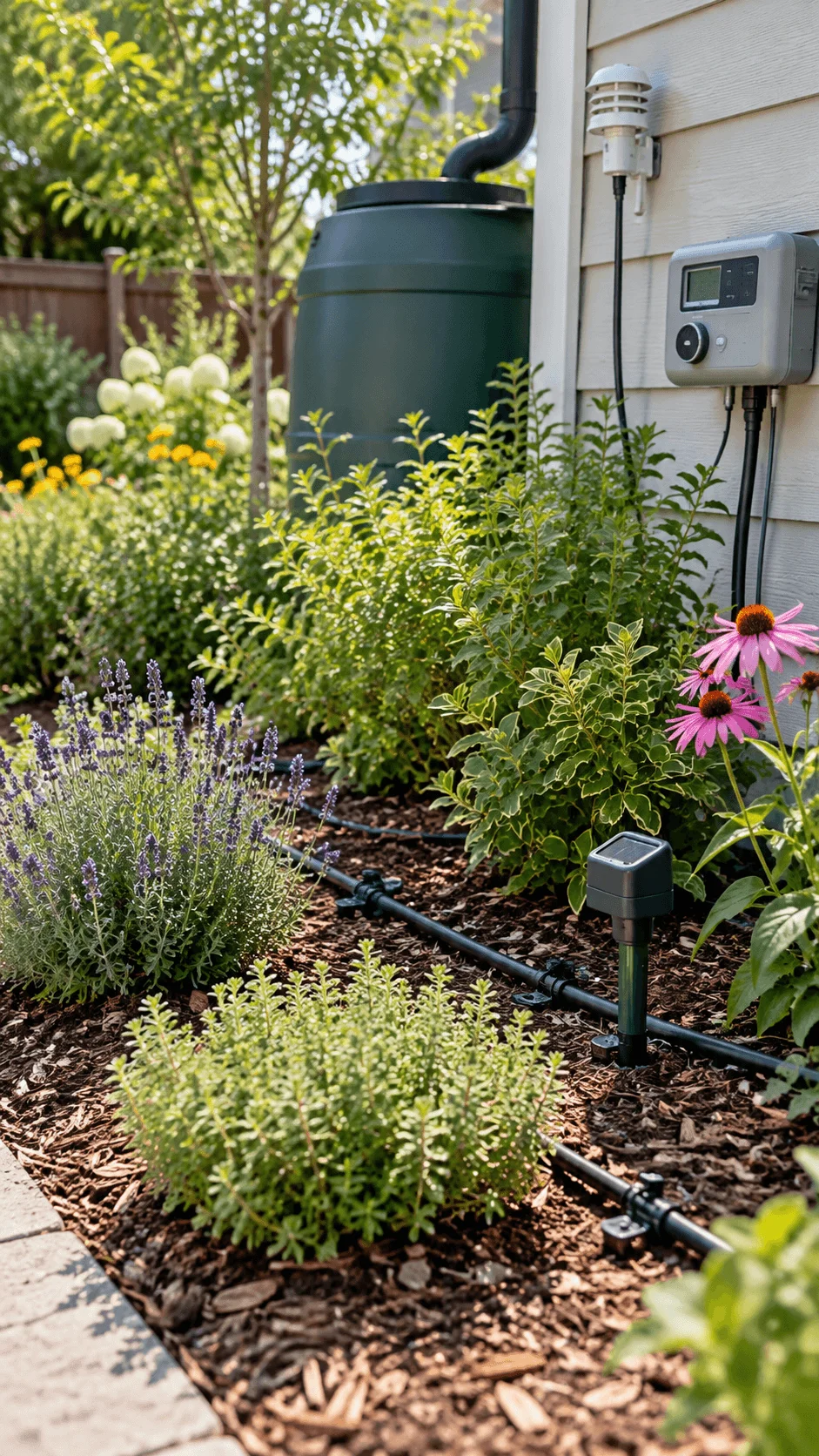
You do not need expensive equipment to make your garden more water efficient. Even simple changes can make a difference. Water plants according to their needs, focus irrigation around their root zones and avoid watering during the hottest part of the day when evaporation can be greater.
Plant organization can make the process even easier. Keep plants with similar moisture requirements together rather than placing a thirsty plant beside one that prefers dry soil. This prevents you from having to overwater an entire planting area just to satisfy one plant.
Mulching can complement efficient irrigation by helping soil retain moisture. Choose suitable organic or natural mulch materials and maintain an appropriate layer around plants without covering their stems.
The combination of appropriate plants, thoughtful garden layout and efficient watering can make an eco friendly low maintenance garden much easier to manage.
7. Build Low Maintenance Rain Gardens With Native Plants
A rain garden is a practical way to combine water management with attractive planting. Instead of allowing rainwater to quickly run away from the property, a rain garden creates a shallow planted area where water can collect temporarily and gradually move into the soil.
This approach works particularly well when placed where runoff naturally travels. A suitable location might receive water from a roof, driveway or gently sloping section of the yard. However, the site should have appropriate drainage, and homeowners should understand their local conditions before creating one.
Native plants can make rain gardens easier to manage because they are better suited to local growing conditions. Choose plants according to how wet or dry the area becomes. Some sections may remain relatively dry most of the time, while the lowest part may receive considerably more moisture after rainfall.
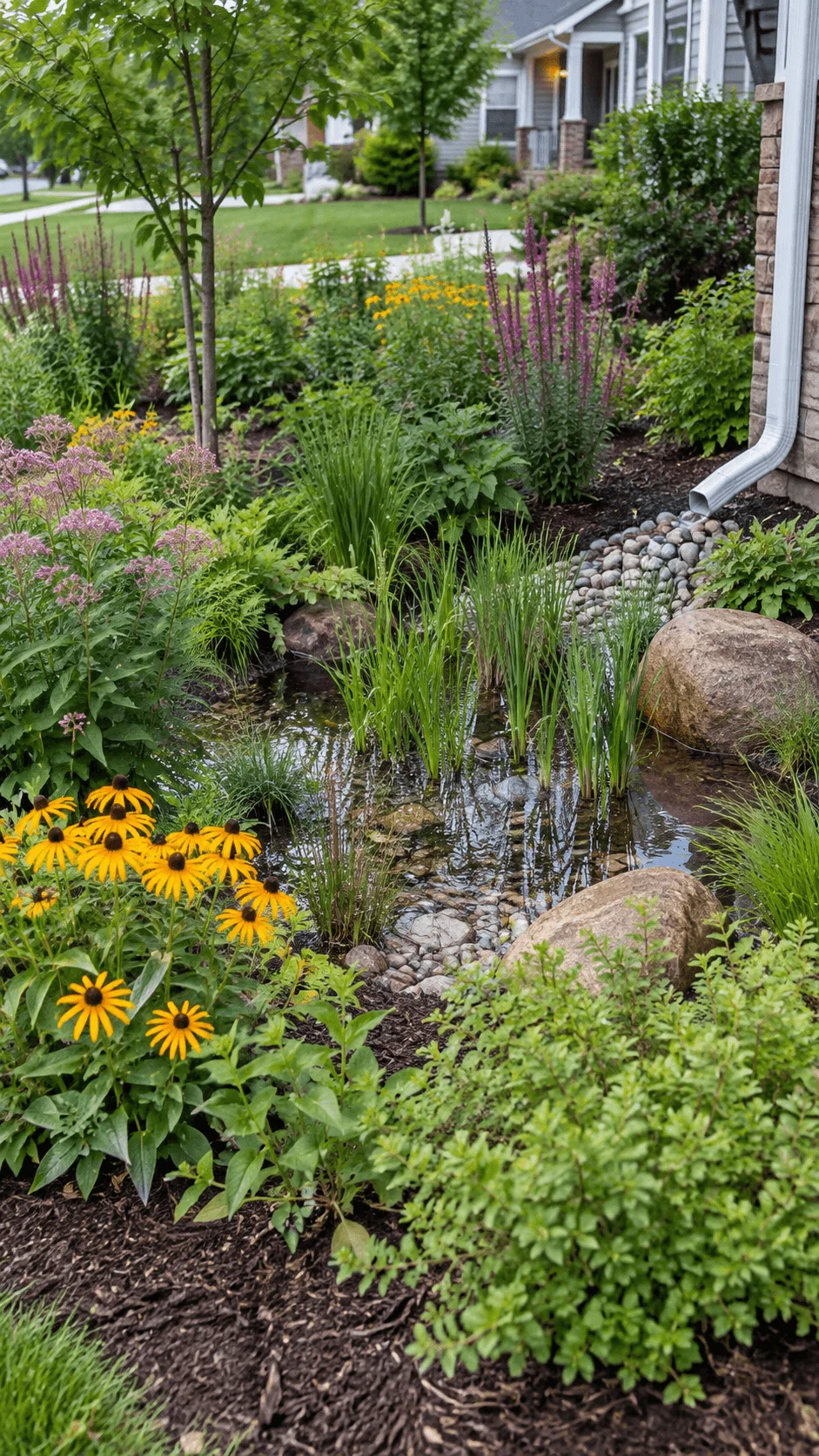
A thoughtfully designed rain garden can also provide seasonal interest. Combine plants with different heights, textures and flowering periods to create a natural but organized appearance. Ground covers can fill spaces around taller plants, while shrubs can provide structure toward the edges.
Rain gardens can also support biodiversity. Native flowering plants may provide resources for pollinators, while dense vegetation can offer shelter for small wildlife.
The most important part is choosing plants that match the moisture conditions. A common mistake involves selecting plants that only tolerate either very wet or very dry conditions when the garden experiences both. Choosing resilient species makes the planting more dependable and reduces the need for constant replacement.
For homeowners interested in low maintenance rain garden ideas, the best approach combines natural water management with plants that can handle the conditions without requiring constant intervention.
8. Try No Dig Sustainable Garden Beds
No dig gardening offers another way to make garden maintenance simpler while focusing on healthy soil. Instead of regularly turning and disturbing the soil, gardeners build fertility and structure by adding suitable organic material to the surface.
This approach can work for flower beds, vegetable gardens, herb gardens and mixed planting areas. It can also make starting a new garden easier because you do not necessarily need to perform extensive digging before planting.
A typical no dig bed starts with a suitable planting area. Gardeners can suppress unwanted vegetation and then build the bed using layers of organic material and compost. Over time, natural processes help incorporate organic matter into the soil.
The main idea is to disturb the soil as little as practical. Frequent digging can create additional work and may disrupt the soil environment. A surface focused approach allows gardeners to spend more time maintaining plants and less time repeatedly preparing the ground.
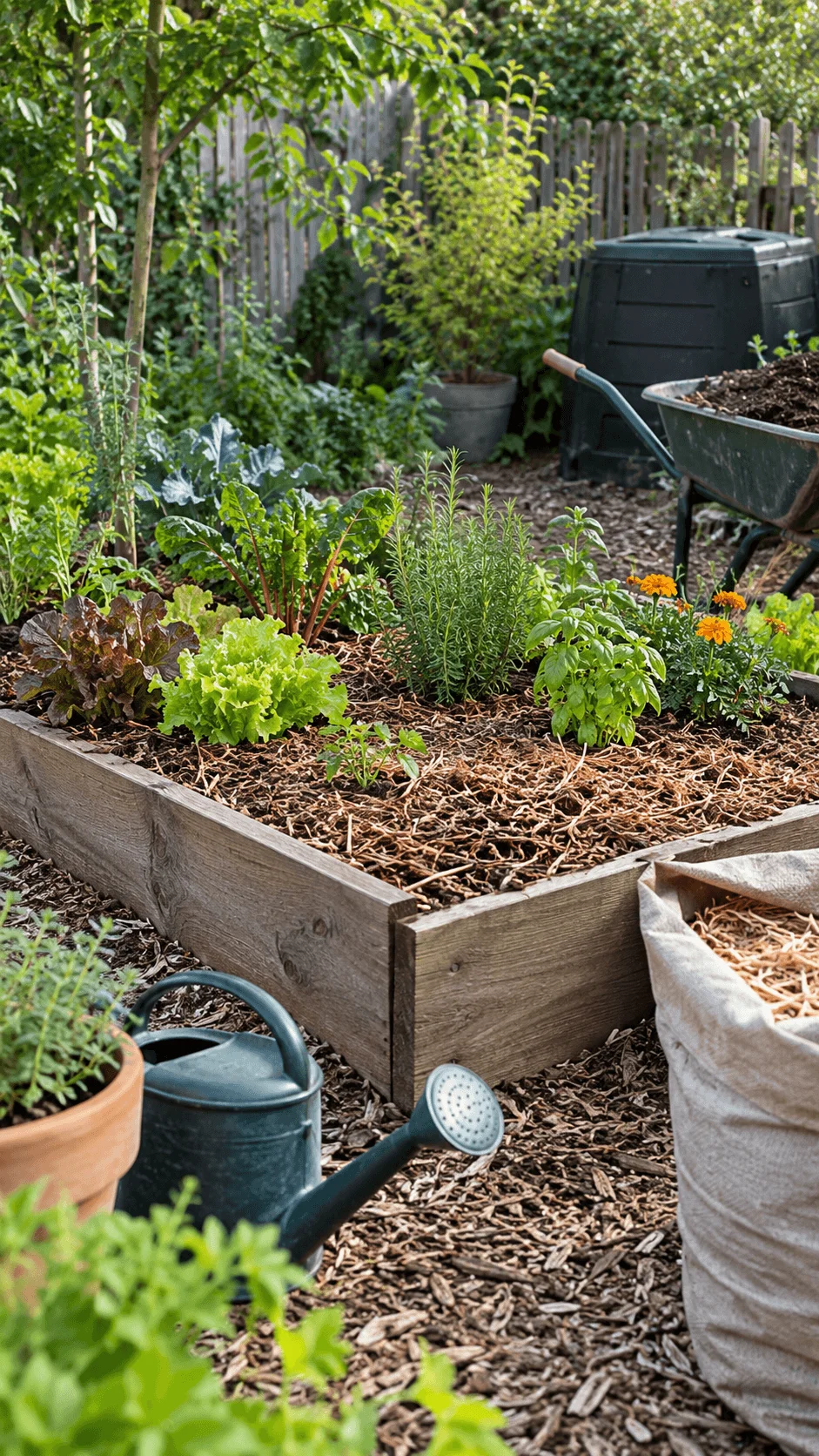
Mulch can also play an important role. A suitable organic mulch can cover exposed soil, help retain moisture and reduce opportunities for unwanted plants to establish. As the material breaks down, it can contribute organic matter to the soil.
No dig gardening does not mean that you never touch the soil. You may still need to plant, remove unwanted growth and make occasional adjustments. The benefit comes from avoiding unnecessary repeated soil disturbance.
Beginners can start with one small bed rather than changing the entire garden. Once they understand how the system works in their conditions, they can expand it gradually.
For people searching for low maintenance sustainable garden ideas, no dig beds offer a useful combination of soil focused gardening and reduced physical work.
9. Use Living Ground Covers for a Low Maintenance Eco Garden
Bare soil often creates an ongoing maintenance problem. Once soil remains exposed, unwanted plants can quickly establish themselves, especially when sunlight, moisture and suitable growing conditions are available.
Living ground covers offer a different approach. Instead of leaving the soil empty, homeowners can use suitable low growing plants to occupy spaces between larger specimens.
Ground covers can make a garden look fuller and more established. They can also create a transition between taller plants, pathways and other garden features.
The right plant depends heavily on the local environment. Some ground covers prefer full sun, while others perform better in shade. Some tolerate dry conditions, while others require consistent moisture. Always select species according to the actual conditions of the planting area.
Creeping thyme and sedum can work well in suitable environments, but they should not become automatic recommendations for every garden. Local native ground covers may provide a better long term choice in many regions.
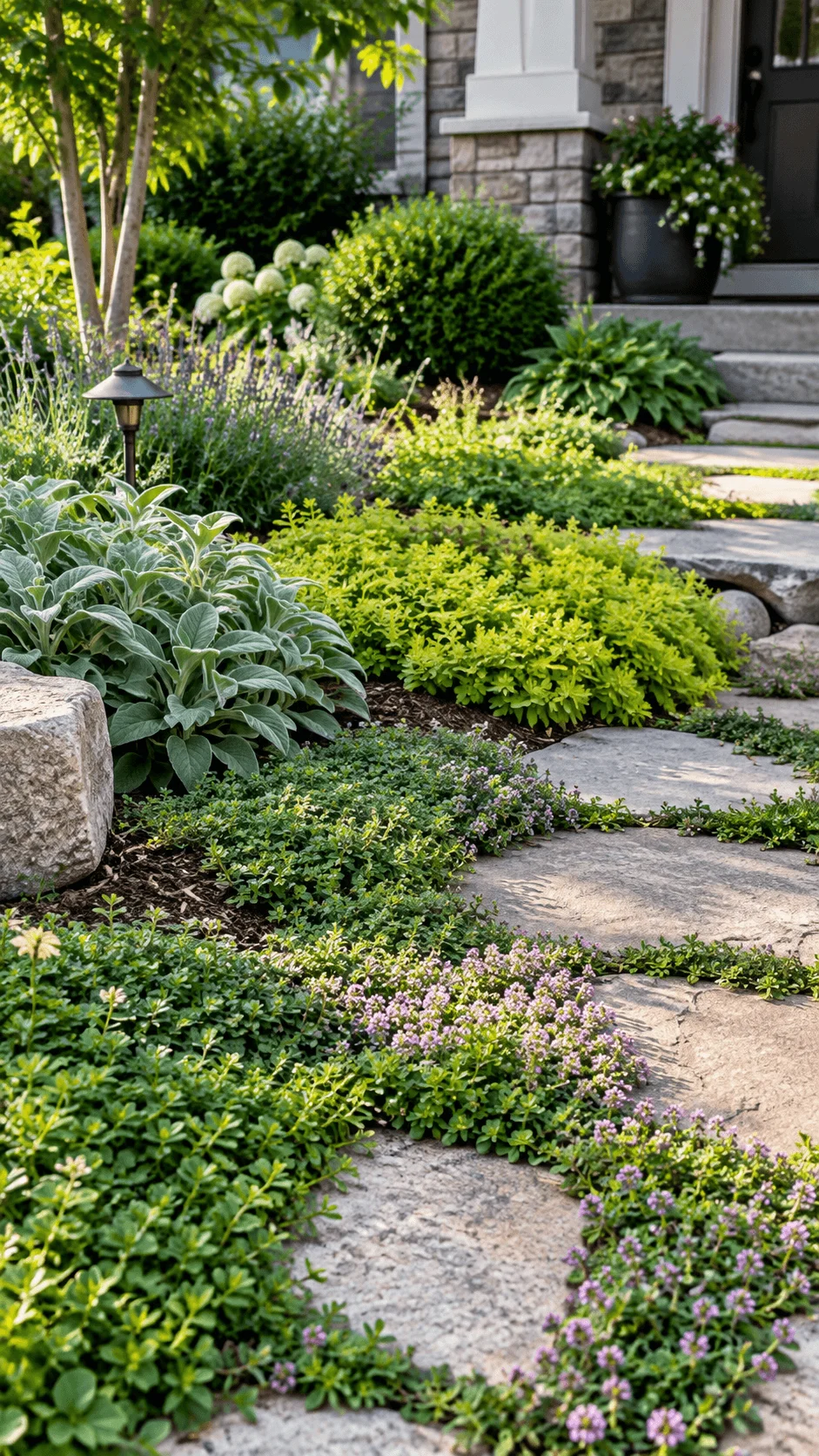
Ground covers can also help create a more cohesive landscape. Instead of having individual plants surrounded by large areas of exposed soil, you can allow lower growing plants to connect different sections of the garden visually.
However, avoid planting invasive species simply because they spread quickly. A plant that aggressively takes over an area may create more maintenance problems later.
Good spacing also matters. Give plants enough room to develop without overcrowding them. As they mature, they can gradually fill open areas.
This approach can become particularly useful in eco friendly garden ideas low maintenance because it replaces some of the repetitive work associated with exposed soil while adding living vegetation to the landscape.
10. Try the Green on Green Sustainable Garden Trend
Not every low maintenance garden needs large amounts of colorful flowers. One of the more interesting modern approaches focuses on foliage, texture and different shades of green.
The green on green garden style creates visual interest through differences in leaf shape, plant height and texture. Instead of depending on constantly changing flowers, the garden can maintain its character through foliage.
This makes the concept especially useful for homeowners who want a calm and natural outdoor space. A combination of broad leaves, narrow grasses, glossy foliage and softer textures can create depth without requiring a large number of flowering plants.
Evergreen plants can provide structure where the climate allows them to thrive. Ornamental grasses can add movement, while shrubs can create larger blocks of texture. Foliage focused perennials can fill the spaces between these structural plants.
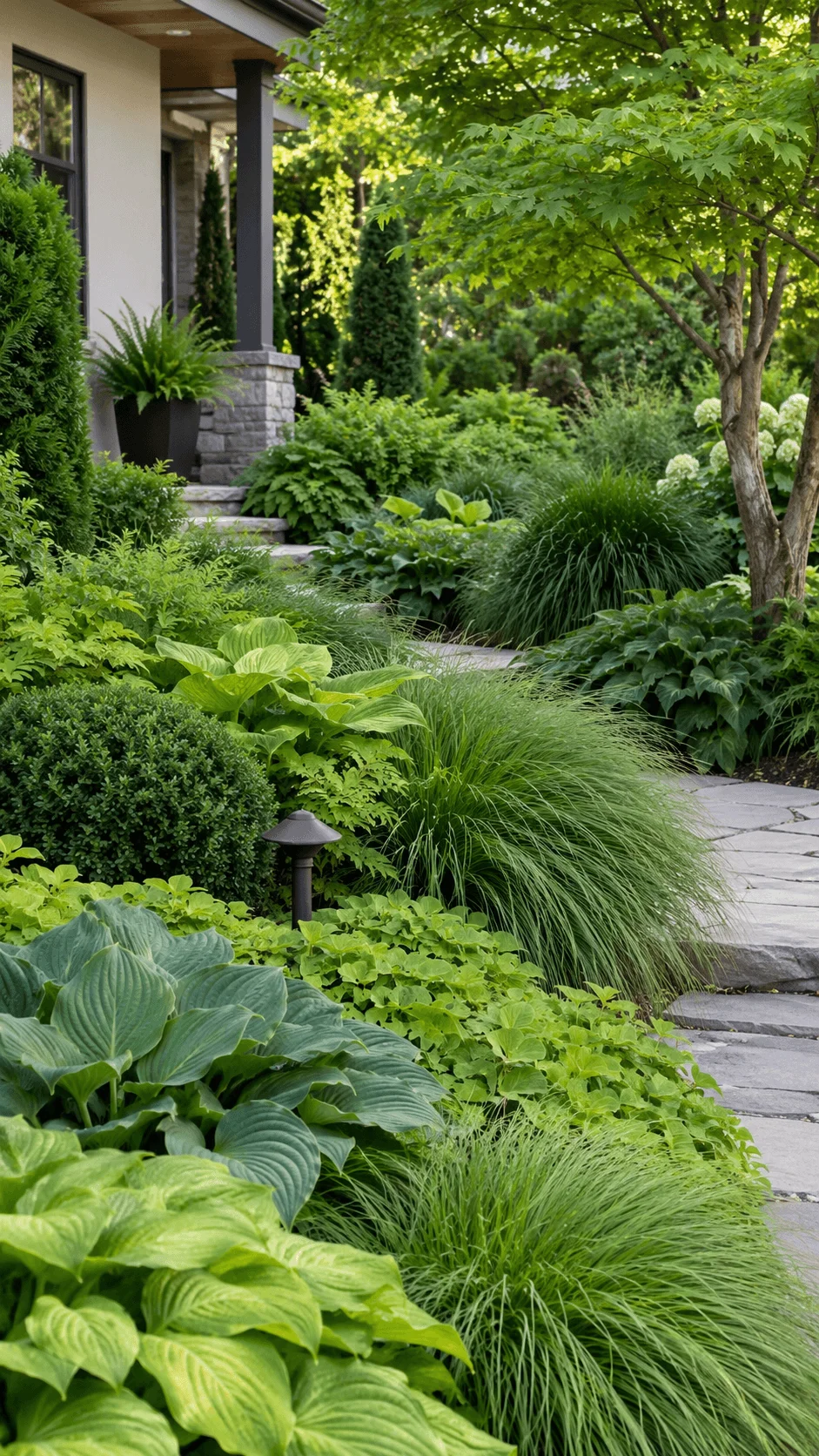
The secret is contrast. If every plant has the same height, shape and texture, the garden may appear flat. Instead, combine different forms while keeping the overall color palette relatively consistent.
You can also use repetition. Repeating the same plant in several areas can create a stronger visual connection than filling every space with a different species.
This approach can reduce the need for seasonal flower replacement. Instead of redesigning the garden every few months, homeowners can create a permanent framework that continues to look attractive throughout much of the year.
The green on green approach also works particularly well in smaller gardens because it can create a peaceful appearance without overwhelming the space.
For homeowners exploring low maintenance eco friendly garden ideas, this trend offers a stylish alternative to highly colorful gardens that require frequent seasonal changes.
11. Use Permeable Materials for Eco Friendly Garden Landscaping
Garden design involves more than plants. Paths, patios, seating areas and other surfaces can also influence how much maintenance a garden requires and how rainwater interacts with the landscape.
Traditional sealed surfaces can prevent water from moving naturally into the ground. Permeable materials provide an alternative where they suit the site and local conditions.
Gravel paths are one simple option. Stepping stones can create another attractive solution by leaving planted or permeable spaces between individual stones. Suitable permeable pavers can also work for patios and walking areas.
These materials can reduce the amount of lawn that homeowners need to maintain. Instead of mowing a narrow strip between planting beds, for example, you can create a practical pathway that connects different parts of the garden.
Natural materials can also complement sustainable planting. Stone, gravel and other suitable landscape materials can provide contrast against green vegetation while creating a simple and timeless appearance.
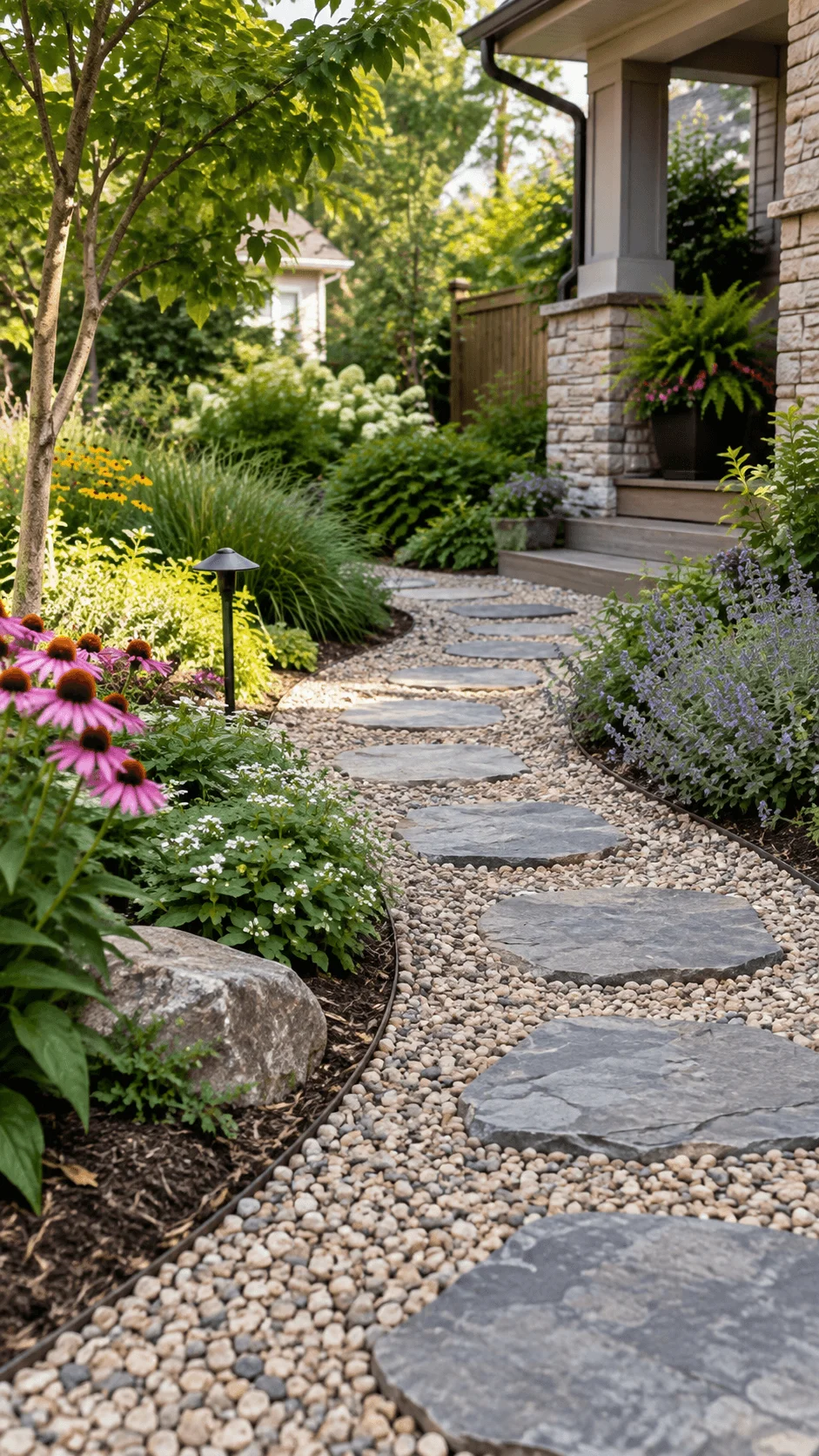
When planning paths, consider how people will actually move through the garden. A pathway should provide a practical route rather than simply becoming decorative space.
Drainage also deserves attention. Water should move safely through the garden without creating erosion or persistent pooling in unsuitable areas.
Combining permeable surfaces with planting can create a balanced landscape. A gravel path surrounded by native plants, for example, can reduce lawn while providing easy access to different parts of the garden.
This approach fits well with eco friendly garden landscaping ideas because it considers the entire outdoor space rather than focusing only on plant selection.
12. Design a Low Maintenance Wildlife Garden
A wildlife garden does not have to look chaotic. With careful planning, homeowners can create an attractive outdoor space that provides useful habitat while remaining relatively simple to maintain.
The foundation of this design involves plant diversity. Different plants provide different forms of food, shelter and structure. Instead of filling the garden with one type of plant, combine several layers.
Low growing plants can cover the ground. Perennials can provide flowers and seasonal interest. Shrubs can create shelter, while small trees can add height where the garden has enough space.
Native plants can make the design more suitable for local wildlife. Pollinators may benefit from suitable flowering plants, while shrubs and trees can provide additional shelter and food resources.
You do not need to create a huge wildlife reserve. Even a small garden can contain several useful planting zones.
Avoid making the garden unnecessarily complicated. Choose resilient plants that suit your conditions and repeat them throughout the landscape. Repetition can make the garden look more organized while simplifying maintenance.
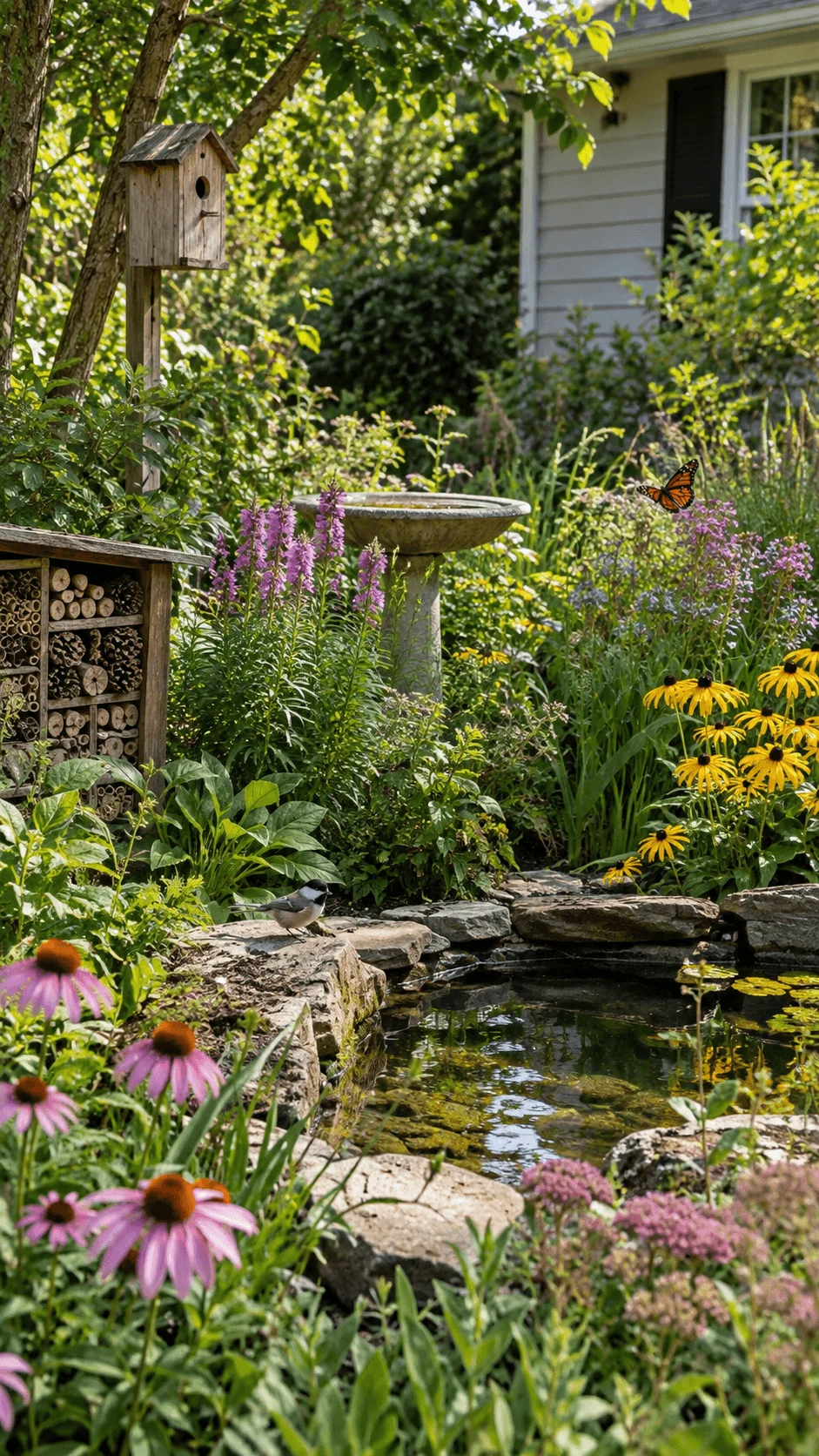
You can also reduce unnecessary cleanup. Some plant stems and seed heads can remain through part of the colder season where local conditions allow. They can provide structure and shelter while reducing the amount of cutting back required.
A wildlife friendly garden can therefore become one of the most rewarding low maintenance wildlife garden ideas for homeowners who want their outdoor space to support nature.
How to Make Your Eco Friendly Low Maintenance Garden Even Easier to Maintain
Good planning can prevent a large amount of future garden work. Before planting, consider how much time you realistically want to spend maintaining the space.
Start by choosing plants that naturally suit the garden. If a plant constantly struggles with heat, shade, poor soil or insufficient moisture, you may spend considerable time trying to keep it healthy. Choosing a better suited plant from the beginning can prevent that problem.
Plant spacing also matters. Avoid placing too many plants into a small area simply because the garden looks empty when they are young. Plants often expand considerably as they mature. Proper spacing can reduce overcrowding and excessive pruning later.
Mulching can help simplify routine care in suitable planting beds. It can protect exposed soil, support moisture retention and reduce opportunities for unwanted growth.
Water plants according to their actual needs rather than following a rigid schedule. Newly planted vegetation usually needs more attention while it establishes, whereas suitable established plants may require less supplemental water.
Grouping plants according to similar requirements can simplify everything. Plants that need similar amounts of water and sunlight can share the same planting zone, making irrigation easier.
Think about mature plant size when designing the garden. A shrub that eventually grows several feet wider than expected can become a constant pruning project if you plant it too close to a pathway or building.
It also helps to create clear garden zones. A simple lawn alternative, planting bed, pathway and seating area can be easier to maintain than a landscape filled with many small disconnected features.
The best sustainable low maintenance landscaping designs reduce work through planning rather than simply removing plants.
Common Mistakes When Creating Low Maintenance Sustainable Gardens
One common mistake involves choosing plants based on appearance alone. A plant may look perfect in a garden center but struggle once you place it in conditions that do not suit its needs. Always consider sunlight, soil, moisture and climate before making a selection.
Another mistake involves creating too much variety. A garden filled with dozens of different species may look interesting initially, but every plant can have different watering, pruning and care requirements.
Overwatering can also undermine a sustainable garden. More water does not automatically produce healthier plants. Water according to plant requirements and local conditions.
Some homeowners also replace lawn with plants without considering future growth. A planting bed can become difficult to manage when plants grow too close together.
Using invasive plants presents another problem. A fast spreading plant might appear attractive and easy to grow, but it can become difficult to control and may harm local ecosystems.
Hardscape can also become excessive. While gravel, stone and permeable materials can reduce maintenance, covering too much of the garden with hard surfaces can reduce planting opportunities and create an unbalanced landscape.
Finally, do not assume that a natural garden requires absolutely no maintenance. Every garden needs some attention. The goal is to eliminate unnecessary work and create a landscape where maintenance remains manageable.
How to Choose the Best Eco Friendly Garden Ideas for Your Space
The best garden design depends on your particular conditions. There is no single solution that works equally well for every homeowner.
Start with the climate. Consider temperature, rainfall and seasonal changes. If your area experiences dry periods, drought tolerant plants and efficient irrigation may become priorities.
Next, examine sunlight. Record which parts of the garden receive full sun and which remain shaded. This simple observation can prevent many plant selection problems.
Soil also matters. Some plants prefer well drained soil, while others tolerate heavier or wetter conditions. If you understand the existing soil, you can select plants that are more likely to thrive.
Think about water availability as well. A garden that depends heavily on supplemental irrigation may not remain low maintenance if water becomes difficult or expensive to provide.
Garden size should influence the design. Small spaces may benefit from foliage focused planting, permeable pathways and carefully selected ground covers. Larger properties can accommodate rewilded areas, layered wildlife gardens and larger native planting zones.
Most importantly, consider your available time. If you have very little time for gardening, prioritize resilient plants, simple layouts and permanent planting rather than complicated seasonal displays.
You also do not need to use every idea in this article. Select the approaches that complement each other. A homeowner might combine native plants with a gravel garden, efficient watering and living ground covers. Another might prefer a lawn free perennial garden with a small rewilded section.
The strongest results usually come from combining several simple choices instead of creating an unnecessarily complicated landscape.
Conclusion
Creating a sustainable garden does not mean sacrificing beauty or spending every weekend working outdoors. The best eco friendly garden ideas low maintenance approaches focus on making smart choices from the beginning. When homeowners select plants that suit their climate, reduce unnecessary lawn, improve soil, manage water efficiently and create space for biodiversity, the garden can become easier to care for while supporting a healthier environment.
The 2026 gardening trends show a growing interest in climate resilient planting, native gardens, rewilding, gravel landscapes, living ground covers, perennial planting and foliage focused designs. These approaches offer more than visual appeal. They can help homeowners move away from landscapes that depend on constant intervention.
A successful low maintenance eco garden does not need to look empty or artificial. It can contain flowers, grasses, shrubs, trees, wildlife habitat and attractive pathways while still remaining manageable. The key is to work with the natural conditions of the space rather than constantly trying to change them.
Start with one or two ideas that suit your garden and build from there. With thoughtful plant selection, efficient water management and a simple design, you can create an outdoor space that looks beautiful, supports nature and requires far less unnecessary work.