Eco Friendly Halloween Costume Ideas for Kids: 12 Creative Looks
Looking for eco friendly halloween costume ideas for kids that are fun, affordable, and easy to personalize? A wonderful Halloween outfit can begin with an old hoodie, a delivery box, or the scraps already sitting in a craft drawer. Families do not need to buy a complete new costume to help children feel imaginative and excited about October 31.
These twelve sustainable Halloween costume ideas combine closet basics, borrowed accessories, and creative reuse. Whether your child dreams of becoming a forest creature, a superhero, or an astronaut, you can make something recognizable while keeping comfort, safety, and future reuse in mind. Start with the outfit your child wants to wear, and treat every extra decoration as optional.
Cardboard Robot From Delivery Boxes
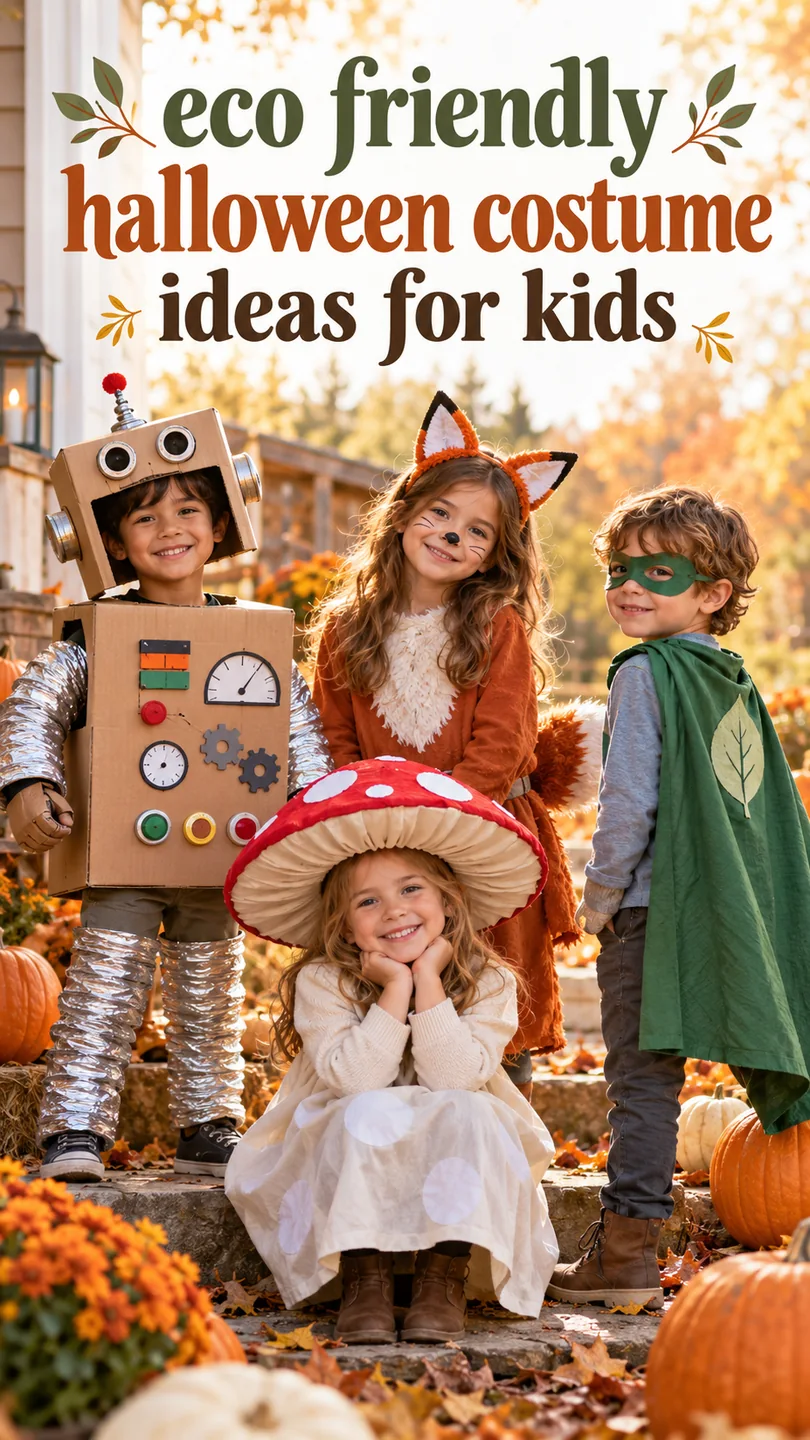
A cardboard robot is one of the most adaptable eco friendly halloween costume ideas for kids because the main material may already be waiting in your recycling pile. Choose a clean box that fits loosely around the torso and use smaller pieces for a control panel. Dress your child in comfortable leggings and a long sleeved shirt before adding the cardboard shell. A robot can look playful, futuristic, or wonderfully silly depending on the shapes and colors your child chooses.
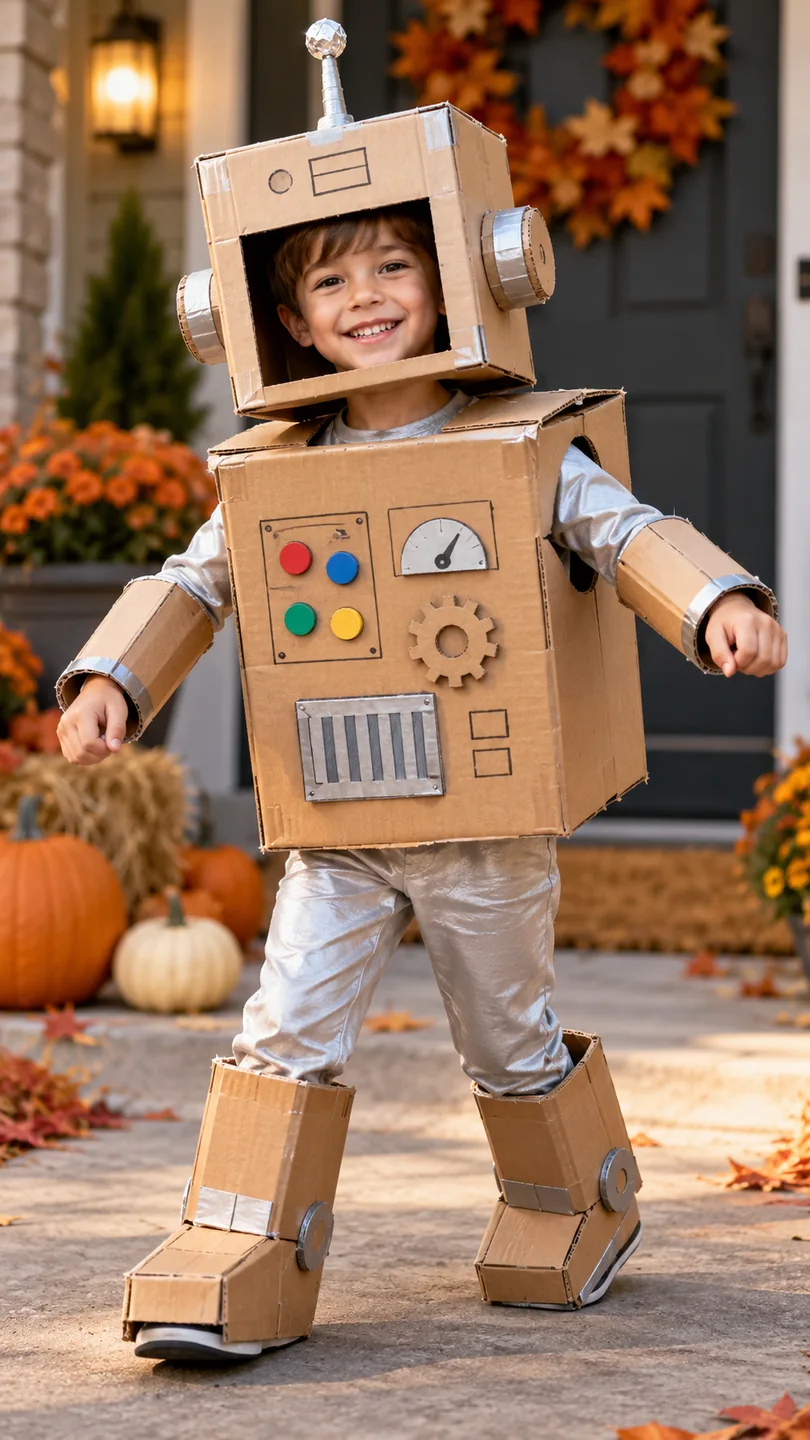
An adult should cut a generous opening for the head and arms, smooth every edge with paper tape, and make sure the box never presses against the neck. Paint the front with leftover washable paint or cover it in saved wrapping paper. Bottle caps can suggest buttons, but draw them on for younger children to avoid detachable small pieces. Reusable fabric straps can help support a lightweight design.
Woodland Fox With Reused Orange Clothes
A woodland fox costume begins with ordinary orange or rust colored clothing rather than a full costume purchase. Look through drawers for a sweater, hoodie, or comfortable outfit that your child already loves. Pair it with darker pants and use a piece of old white fabric to create a fox shaped chest patch. The earthy color palette feels especially suitable for autumn photographs and outdoor celebrations.
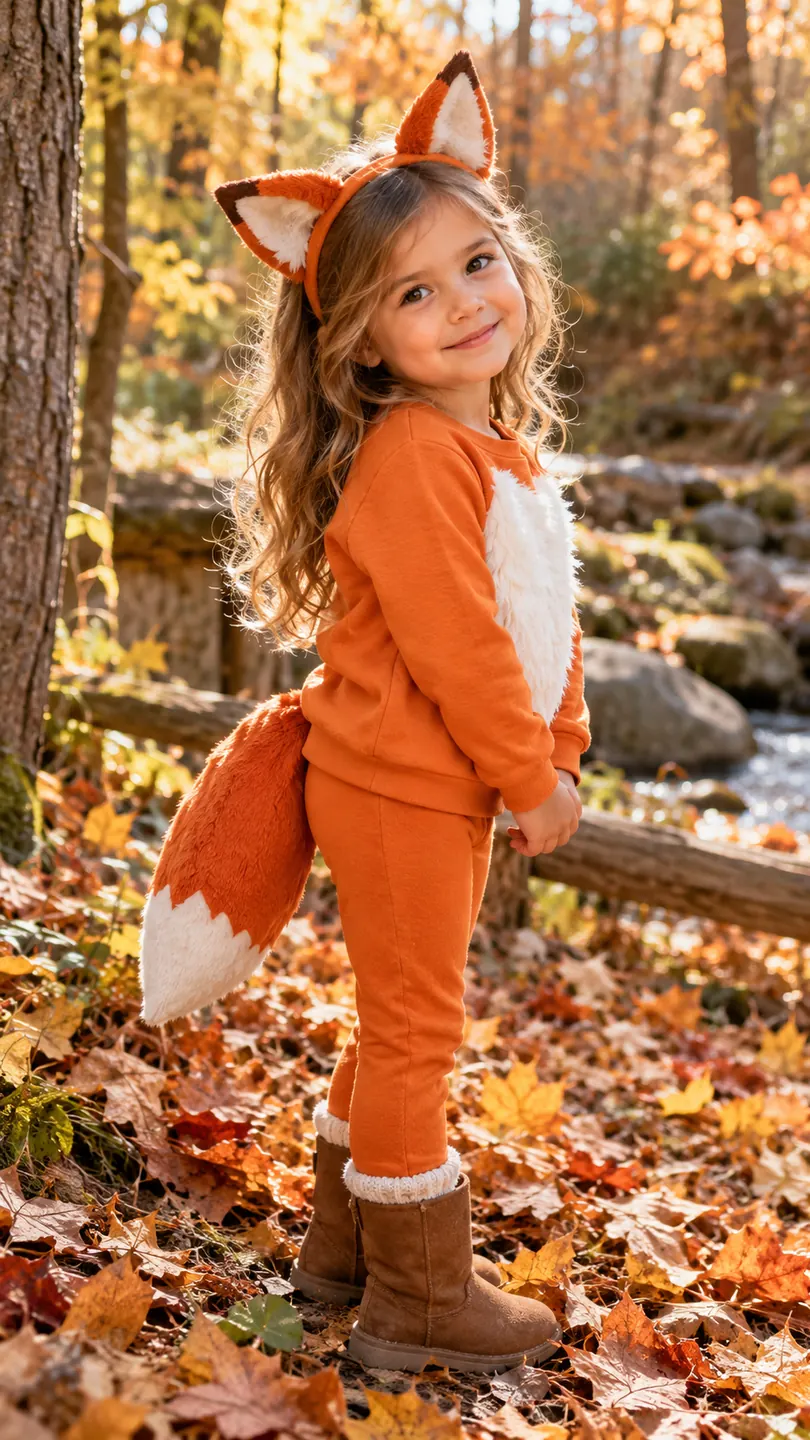
Make two soft triangular ears from fabric scraps and attach them securely to a comfortable headband that does not squeeze. A lightweight tail can be sewn from an unwanted sleeve and loosely filled with spare fabric scraps. Attach it to the back of the outfit with stitches that can be removed later. Keep the tail short and soft so it cannot catch on chairs or trip anyone.
Children can help select the fabric and invent a story about their forest character. When the evening ends, undo the temporary details and return the main clothing to everyday use. For siblings, the same method can create a deer, bear, or rabbit using whatever colors are already in the closet.
Garden Mushroom With a Repurposed Sun Hat
A cheerful mushroom costume makes an imaginative choice for children who enjoy nature and fantasy. Start with a broad but lightweight hat that fits your child securely without blocking sight. Cover the crown with leftover red fabric and add large white circles cut from an old T shirt. A cream colored top and brown pants can represent the mushroom stem while remaining comfortable enough for a long Halloween evening.
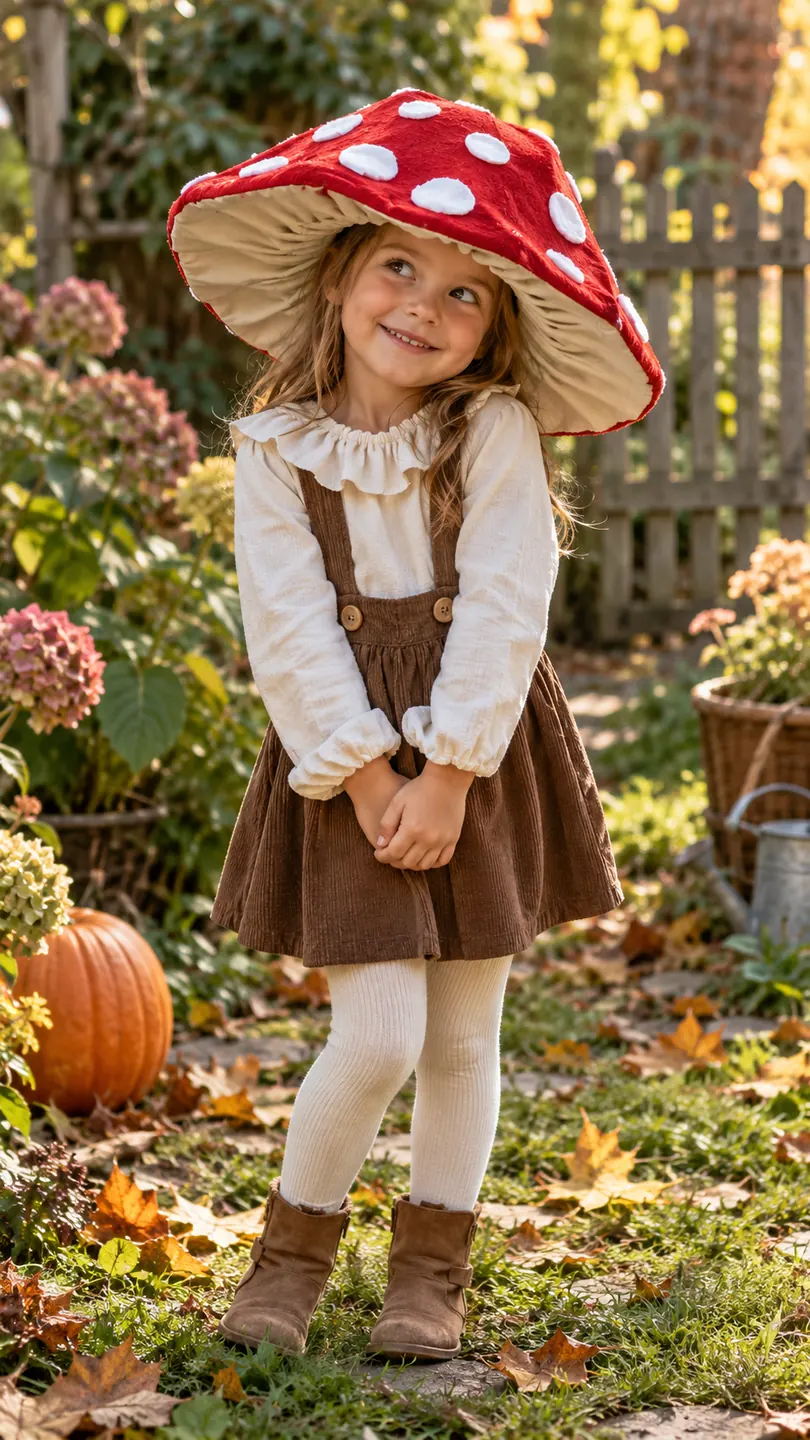
Use hand stitching or removable fabric ties when possible so the hat can return to its original purpose. Keep the brim proportionate to your child’s height and the space they will move through. A mushroom costume should never be so large that it bumps into other children or covers peripheral vision. Avoid loose decorations that could detach easily.
Classic Ghost From an Old White Sheet
A simple ghost remains a recognizable Halloween favorite and can be created with fabric that is already past its best use as bedding. Instead of placing a sheet over a child’s head, make a ghost inspired tunic worn over regular clothing. Fold an old white sheet into a loose poncho shape and let an adult make an opening that fits comfortably around the shoulders and neck.
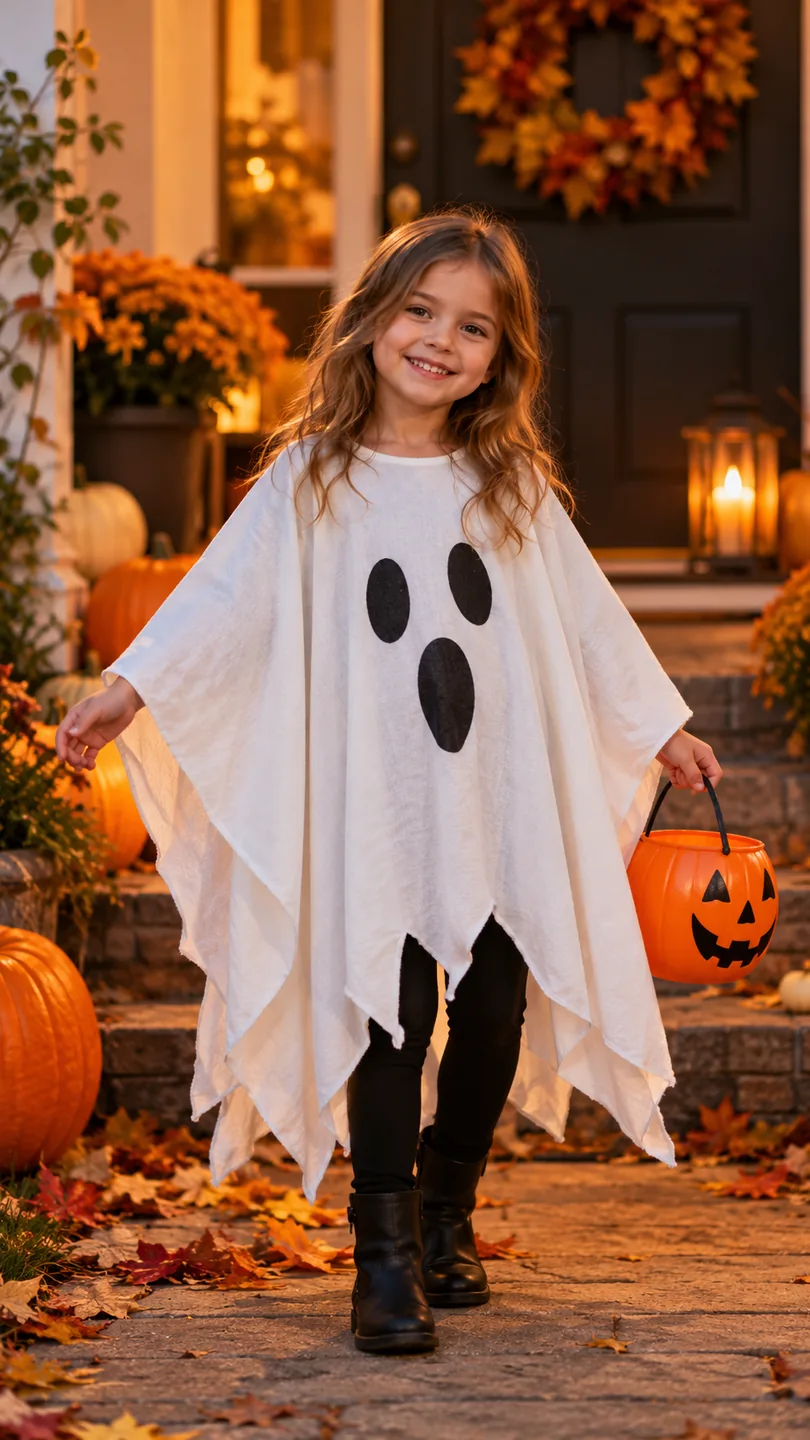
Keep the face entirely uncovered. Add expressive felt eyes to the front of the tunic, or cut a friendly face from dark leftover cloth and stitch it flat. Make sure the hem ends well above the shoes and the costume can be removed quickly. White clothing can be difficult for drivers to see after dark, so pair the outfit with reflective details and a brightly colored treat bag.
The finished ghost can look sweet, silly, or spooky simply by changing the facial expression. Because the fabric stays intact in large sections, it may later become cleaning cloths, craft fabric, or another costume. The important benefit is keeping useful textiles in circulation rather than purchasing a flimsy outfit for one evening.
Superhero Cape From an Unwanted T Shirt
Many children would rather invent their own superhero than dress as a particular movie character. That makes this one of the easiest reusable Halloween costumes to personalize. Use a clean, oversized T shirt or soft fabric remnant as the starting material for a cape. Pair it with regular clothes in two favorite colors and create a large symbol from leftover felt or paper.
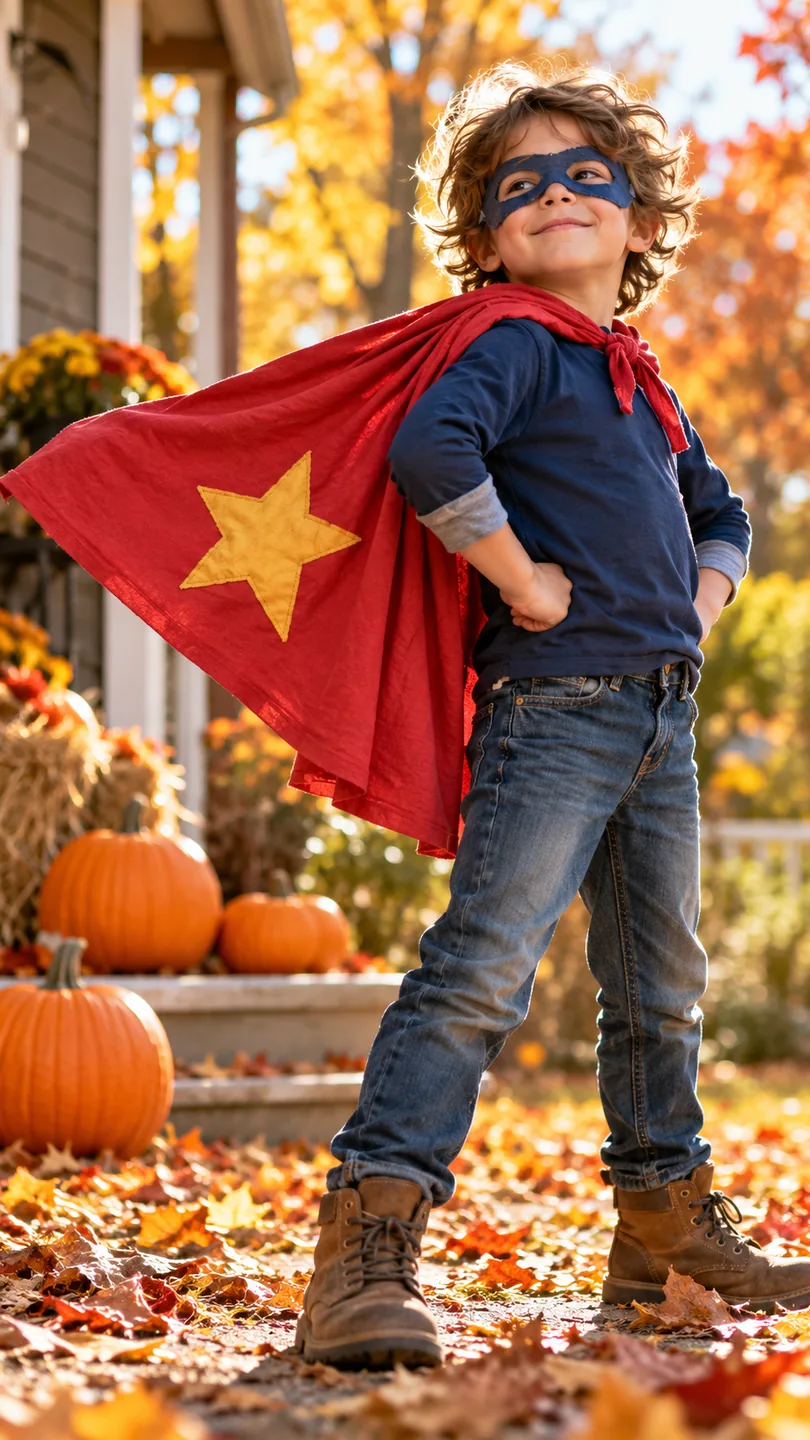
An adult can cut and hem the cape, but it is safer to attach the finished fabric at the shoulders with easily released closures instead of tying anything tightly around the neck. Keep it short enough that it cannot trail near shoes or bicycle wheels. A paper wrist emblem or a soft fabric belt can complete the character without needing hard accessories.
Invite your child to name their superhero and choose a power connected to kindness, nature, or imagination. A symbol representing clean oceans or protected forests brings an environmental twist without making the costume feel like a lesson. Remove the embellishments later and keep the cape for dress up games.
Butterfly With Fabric Scrap Wings
A butterfly costume offers bright color without the need for brand new synthetic wings. Begin with a plain shirt and leggings, then collect lightweight scraps from old pillowcases, damaged shirts, or previous sewing projects. Arrange the colors into a symmetrical pattern on two fabric panels. The panels should be soft and flexible rather than stretched over heavy frames.
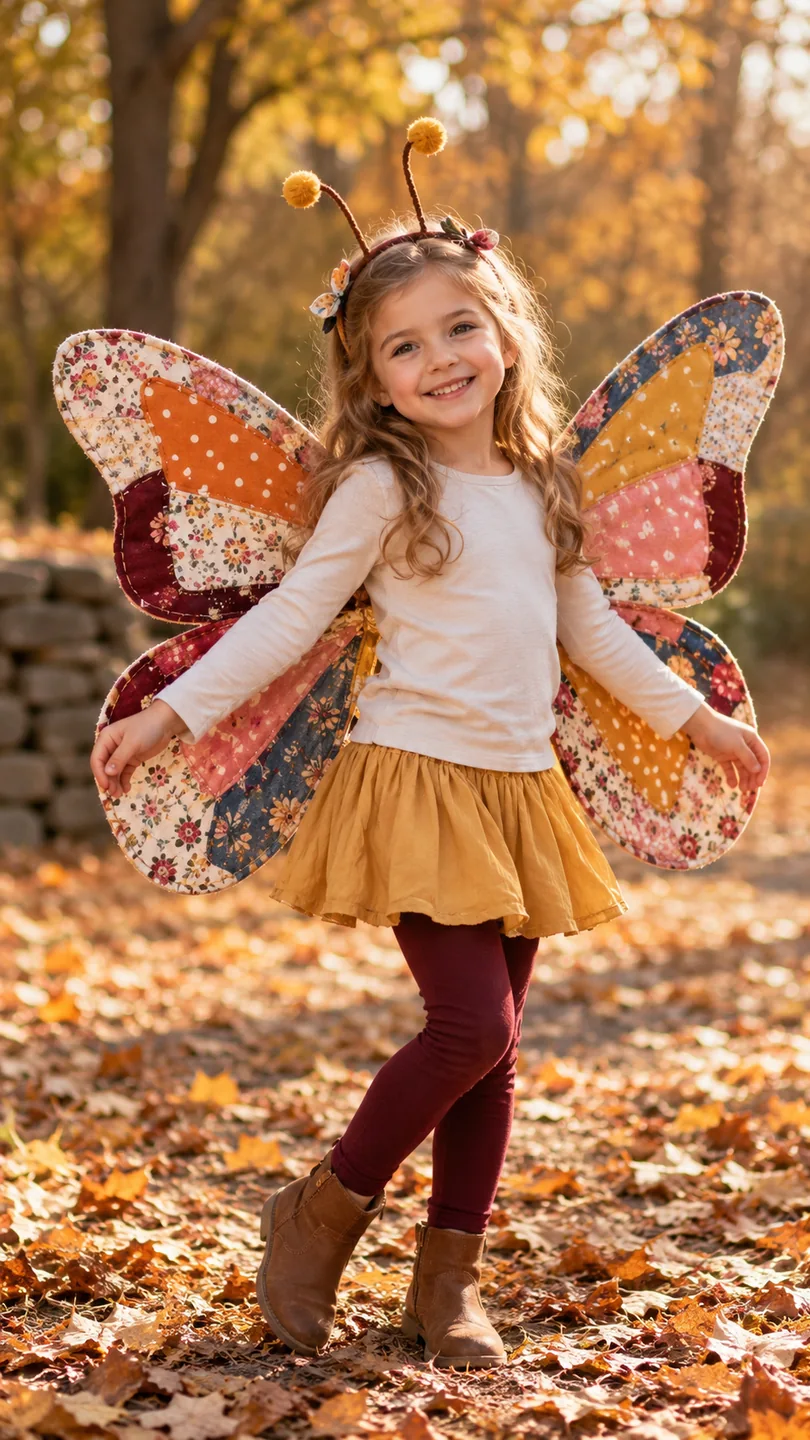
Attach the wings to a reusable fabric vest or add broad shoulder loops that an adult can check for comfort. Keep the wings narrower than the child’s outstretched arms so doorways and crowded hallways remain easy to navigate. Fabric circles and stripes create striking patterns, and a simple headband can suggest antennae without any rigid wires or sharp ends.
Astronaut With a Reused Silver Jacket
An astronaut outfit can begin with a pale sweatshirt, gray pants, or a secondhand jacket with a slightly metallic finish. Add a mission badge drawn on reclaimed cardboard and secured flat to the chest. This approach avoids buying a complete plastic spacesuit while still providing the familiar details that make an astronaut instantly recognizable.
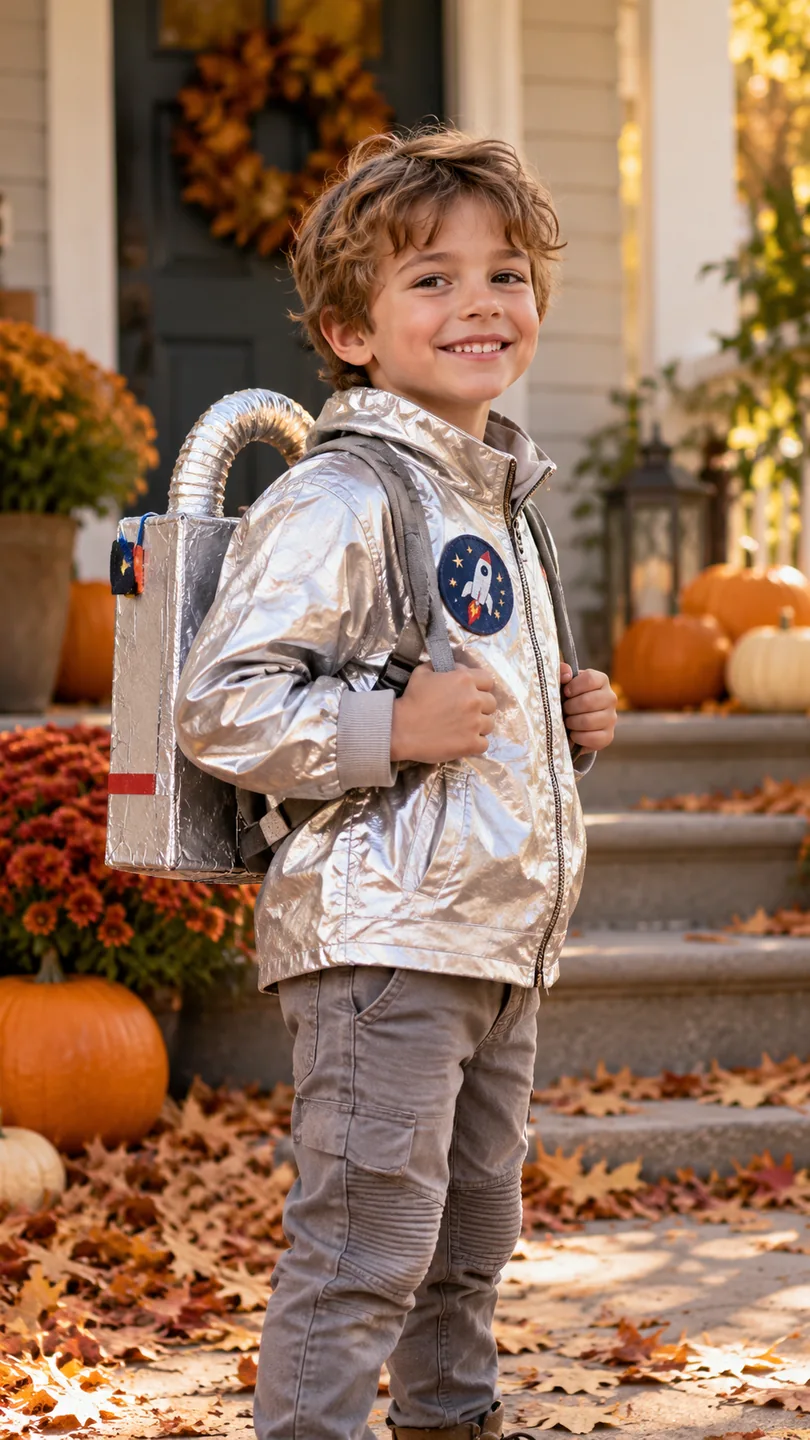
Create a lightweight mission pack from a small clean box, covered in leftover paper and attached securely to a short fabric vest. Avoid heavy containers and bulky packs. A soft cap can suggest a space helmet while leaving the whole face open for breathing and clear vision. Children can write the name of their imaginary spacecraft on a removable paper patch.
Scarecrow Using Thrifted Plaid and Denim
The scarecrow is a classic fall costume that naturally suits clothes already in the wardrobe. Look for a plaid shirt, denim overalls, a floppy cloth hat, or similar pieces at home or in a secondhand shop. Slightly mismatched colors make the outfit feel more playful rather than less convincing. A small patch of saved fabric on the knees or elbows adds character.
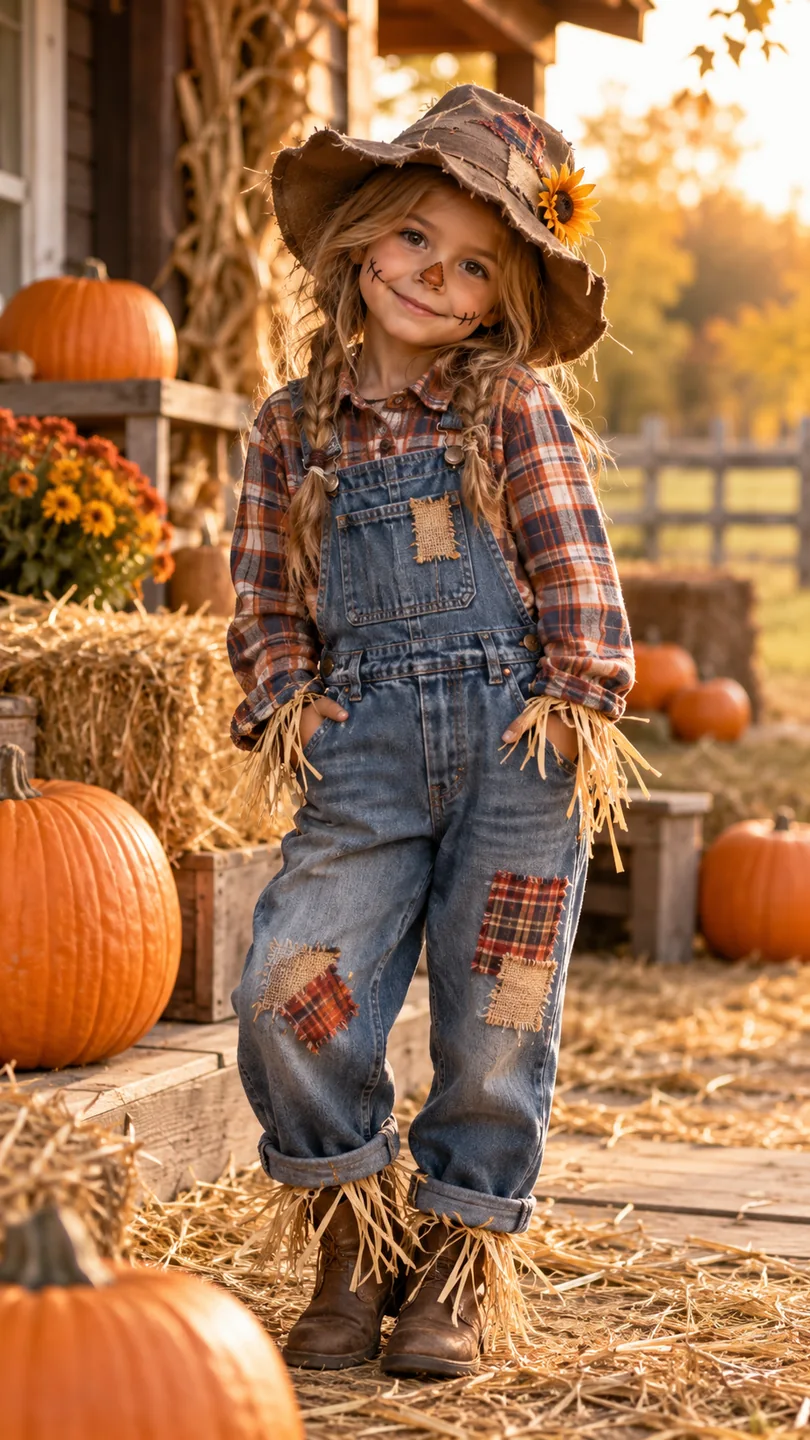
Instead of stuffing the sleeves with straw that may scratch skin, stitch or temporarily attach short fabric strips at the cuffs. Draw a few simple patchwork lines on a removable cloth patch rather than marking good clothing permanently. If you use face makeup, choose a product intended for children, test a small area beforehand, and keep makeup away from the eyes.
Choose layers based on the local October weather; a thin shirt works for warmer afternoons, while leggings and a sweater can go underneath for cold evening walks. When the costume comes off, the clothes remain practical. This is an especially easy idea for family parties, school gatherings, and last minute plans.
Rain Cloud With a Saved Gray Sweatshirt
A rain cloud makes a charming weather themed costume using an old gray hoodie or sweatshirt. Sew or pin fabric clouds onto a removable vest worn over the sweatshirt, and hang short blue fabric raindrops along the lower edge of the vest. Felt scraps, damaged blue shirts, and leftover ribbon can supply almost everything needed for the look.
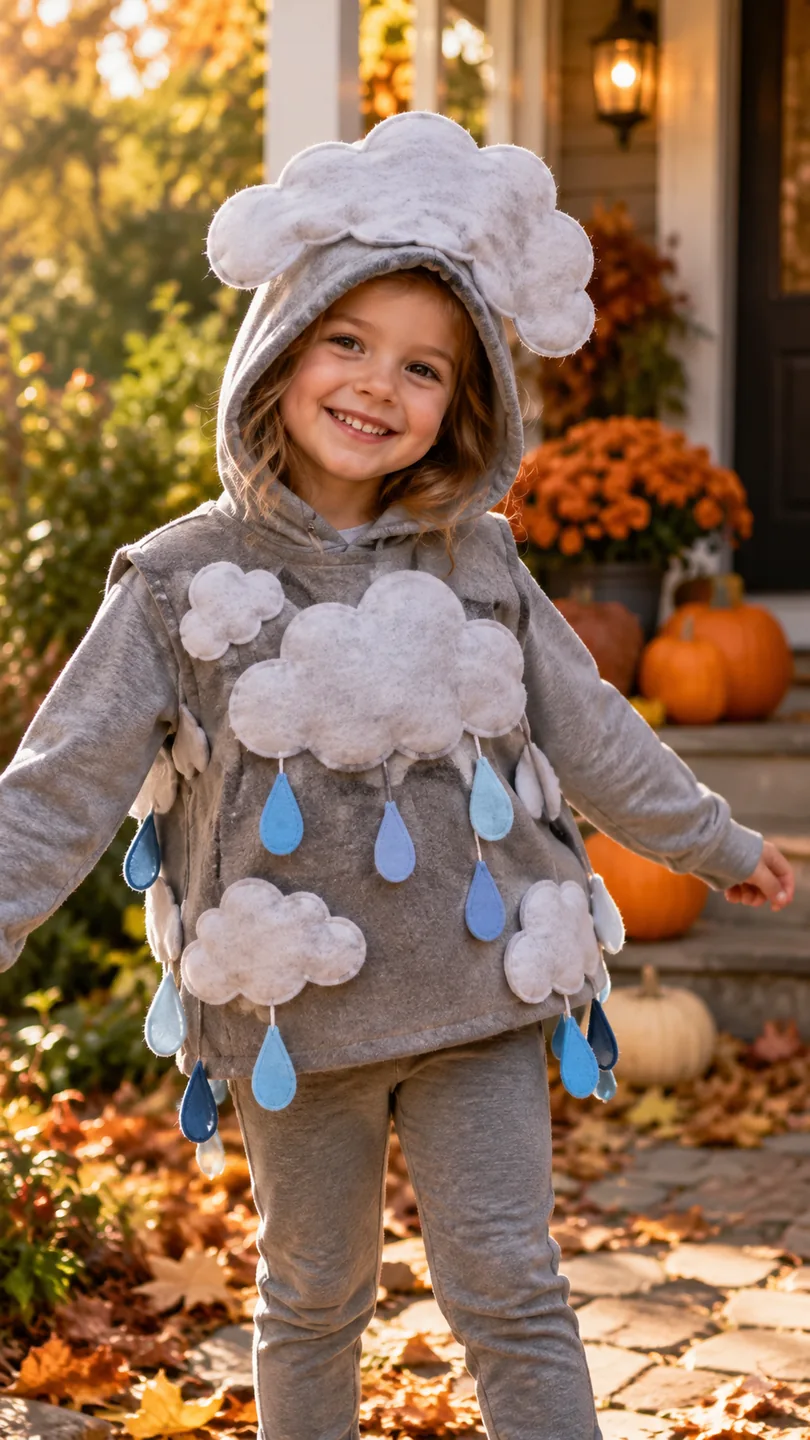
Keep all decorative drops short, soft, and close to the body. Do not place dangling strips near the neck, knees, or feet. A lightweight gray cap with flat fabric cloud shapes can finish the outfit, but leaving the head free is equally effective. Have your child practice putting on and removing the vest before wearing it to an event.
Rainbow Artist Using Existing Colorful Clothes
A rainbow artist costume is ideal for children who already own a colorful sweater, skirt, or mix of bright clothes. Rather than buying new pieces in seven colors, arrange the shades that are available and combine them with a thrifted beret or a soft hat. An oversized shirt can double as an artist’s smock over regular clothing.
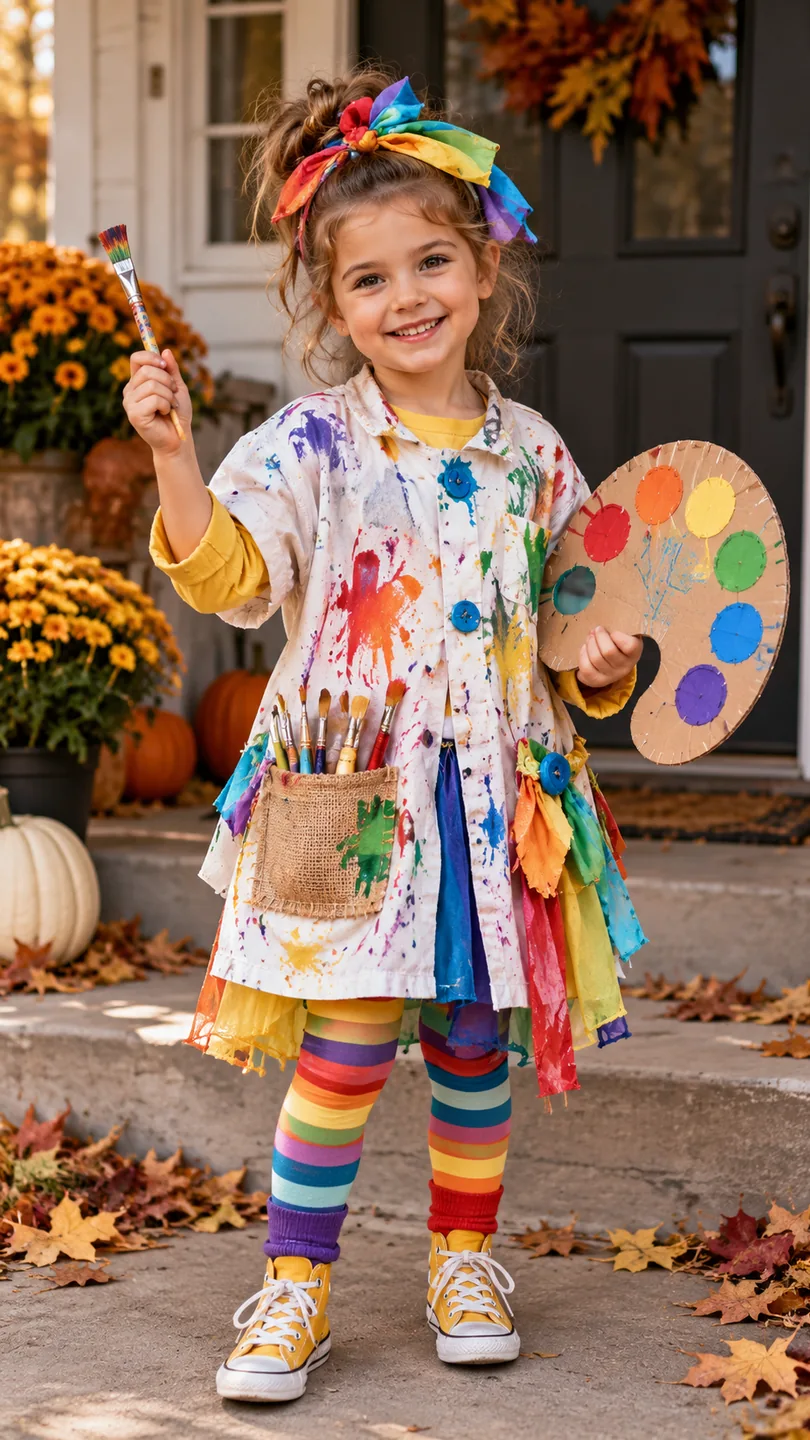
Make a flat cardboard paint palette with large painted circles and smooth edges. If carrying it becomes inconvenient, attach the palette securely to the front of the smock instead. A small paintbrush may be unnecessary for trick or treating, so your child can simply wear a badge reading artist. Avoid wet paint, sharp tools, or loose objects during the outing.
Children can help choose their color story and decorate a recycled paper name tag. The outfit looks lively in photos and can be adapted for a school parade where lightweight costumes are best. After Halloween, every clothing piece can be worn again, while the palette becomes a prop in a pretend art studio.
Little Tree With Brown Layers and Reused Leaves
A little tree is a wonderful nature inspired character and one of the more distinctive eco friendly halloween costume ideas for kids. Dress your child in brown pants and a matching top, or mix neutral clothes that resemble bark. Add a lightweight green fabric vest with leaf shapes cut from damaged clothing. Autumn colors can make the tree look ready for October.
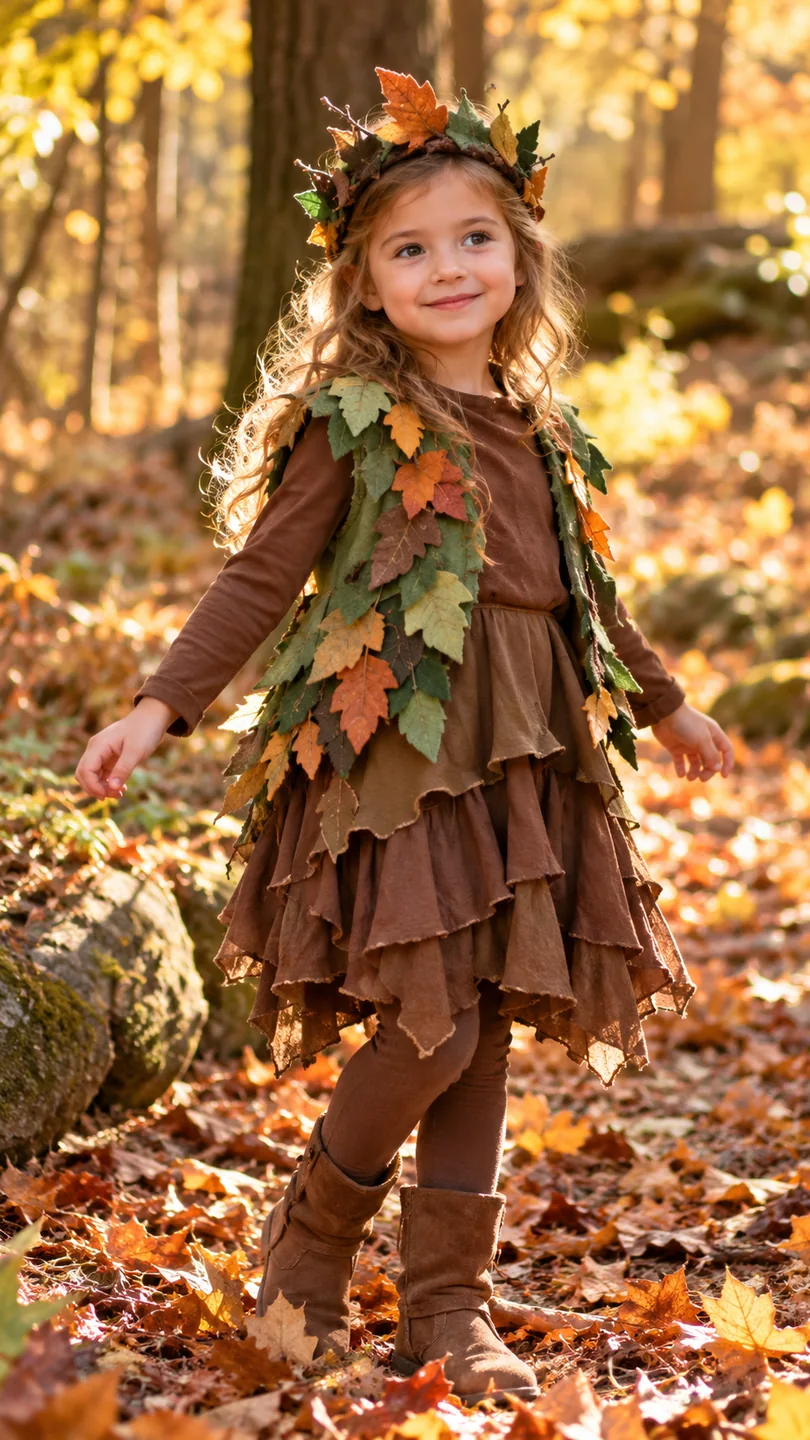
Arrange leaves across the shoulders and chest rather than building a tall headpiece. Real dried leaves may crumble or irritate sensitive skin, so soft fabric versions are often easier to wear and reuse. If you want a woodland feel, add a fabric apple or tiny bird shape stitched flat to the vest. Keep everything light enough for children to run and move naturally.
The little tree pairs well with a woodland fox, mushroom, or butterfly for a family group. When the celebrations are over, hang the leafy vest in a dress up corner and put the ordinary clothes back in the drawer. The design can spark enjoyable conversations about forests and why caring for trees matters.
Recycled Book Character From Closet Basics
A favorite storybook character can become a sustainable costume when you focus on familiar colors and a single recognizable detail. A red cardigan might suggest a curious explorer, while striped clothing could represent an adventurous storybook traveler. Let your child choose a character from a book they genuinely enjoy, then identify what they can recreate with clothes already at home.
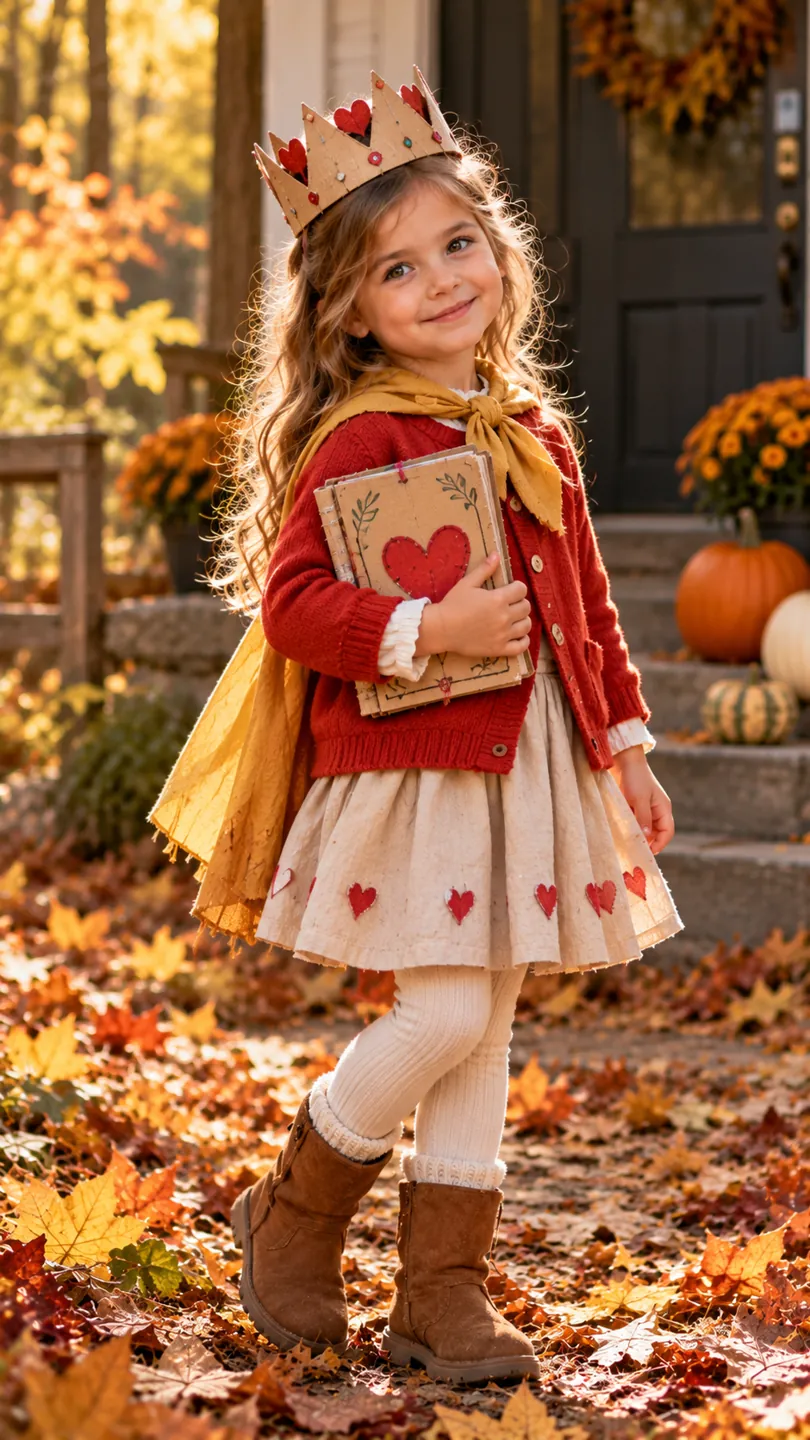
Start with the outfit and make just one accessory from reclaimed cardboard or fabric, such as a paper crown, a soft scarf, or a small illustrated book cover. Avoid copying complicated accessories that make the costume expensive, restrictive, or uncomfortable. Borrow a missing hat or jacket from a friend when possible rather than purchasing a new item for one event.
How to Choose Materials Without Buying More
The simplest way to lower the waste associated with Halloween costumes is to begin with what already exists. Ask your child which character interests them, inspect the closet, and then gather clean fabric scraps, delivery boxes, and supplies from the craft drawer. Borrowing from friends, using a costume swap, or shopping secondhand can fill genuine gaps without automatically purchasing a complete new outfit.
Consider whether the base clothing will still fit and feel comfortable after the celebration. Materials that survive washing or can be separated into reusable pieces usually offer more value than decorations attached permanently to brand new clothing. Keep expectations realistic: using a recycled box does not make every other supply environmentally harmless, so prioritize fewer purchases and repeated use.
Keep Homemade Costumes Comfortable and Safe
Comfort matters as much as creativity, especially when children move between crowded sidewalks, classroom activities, and chilly outdoor events. Check visibility in every direction, allow plenty of breathing room, and make sure hems cannot catch under shoes. Avoid hard or sharp props, heavy headpieces, long trailing fabric, small detachable parts for younger children, and decorations near open flames.
For evening outings, add reflective tape to clothing or a treat bag and use bright accessories for visibility. The American Academy of Pediatrics recommends considering flame resistant labels, unobstructed vision, and safer face decorating options instead of restrictive masks. Adults should handle cutting tools, hot adhesive, and any sewing work that requires sharp equipment. Always test the completed outfit with a short walk before Halloween.
Reuse, Swap, and Store the Costume After Halloween
Once the celebration ends, separate reusable clothing from temporary decorations and assess what can serve another purpose. Wash garments according to their labels, fold fabric accessories into a labeled box, and keep clean cardboard props only when there is space and a realistic plan to reuse them. Recycle what your local collection program accepts, since rules for painted or coated materials can differ.
Children can help trade costumes with neighbors or contribute clean, wearable pieces to a community swap. A fox tail may become a dress up accessory, while a rainbow smock can support art projects. A costume reused several times often avoids more purchases than a complicated new project.
Conclusion
The best eco friendly halloween costume ideas for kids begin with imagination rather than a shopping list. From a cardboard robot to a woodland fox or colorful rainbow artist, each design can celebrate your child’s interests without relying on a brand new packaged outfit. Keep construction simple, test safety and comfort, and choose materials that can be used again.
Invite children to choose their favorite concept, search the closet together, and enjoy making one memorable detail. Thoughtful reuse can make Halloween feel more personal while reducing unnecessary purchases. Save the parts worth keeping, share the rest where practical, and carry those creative habits into your next celebration.