Eco Friendly Terraced Backyard Ideas for 2026
Terraced backyards offer a unique opportunity to turn a challenging slope into a beautiful and productive outdoor space. With the right approach, eco friendly terraced backyard ideas can help you manage rainwater, support wildlife, conserve resources, improve soil, and create attractive areas for relaxing or growing food. Instead of completely reshaping a sloped property, sustainable landscaping works with the natural elevation and gives each level a useful purpose.
A successful terraced garden does more than look attractive. It considers how water moves through the property, which plants suit each level, how much maintenance the garden will require, and which materials can reduce environmental impact. Natural stone, native plants, permeable surfaces, drought tolerant planting, edible crops, and wildlife friendly areas can all become part of the design.
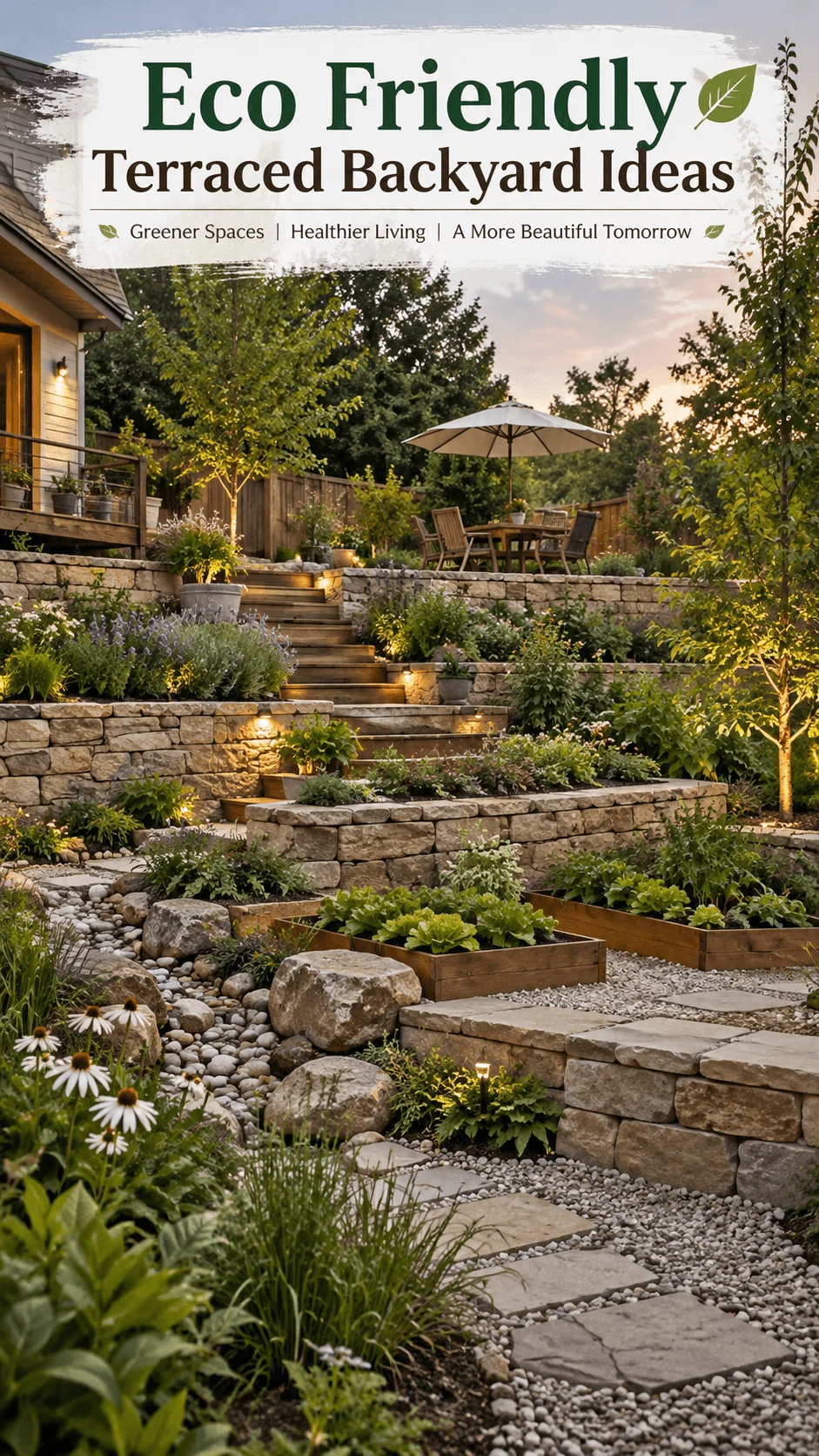
The following ideas explore practical ways to create a terraced backyard that feels natural, functional, and environmentally responsible while also reflecting some of the latest garden design trends.
1. Eco Friendly Terraced Backyard Ideas for Climate Resilient Planting
Climate resilient planting is one of the smartest ways to approach a terraced backyard because every level can experience slightly different growing conditions. The upper part of a slope may receive more direct sunlight and dry out quickly, while lower terraces may collect more moisture. Wind exposure can also vary from one level to another.
Instead of choosing plants simply because they look attractive, study the conditions of each terrace first. Consider how much sunlight reaches the area, how quickly the soil dries, where rainwater collects, and how hot the surface becomes during summer.
A sunny upper terrace could support plants that tolerate heat and limited moisture. A partially shaded middle terrace could accommodate shrubs and flowering perennials that prefer moderate conditions. A lower terrace that naturally retains more moisture could support plants that appreciate consistently damp soil.
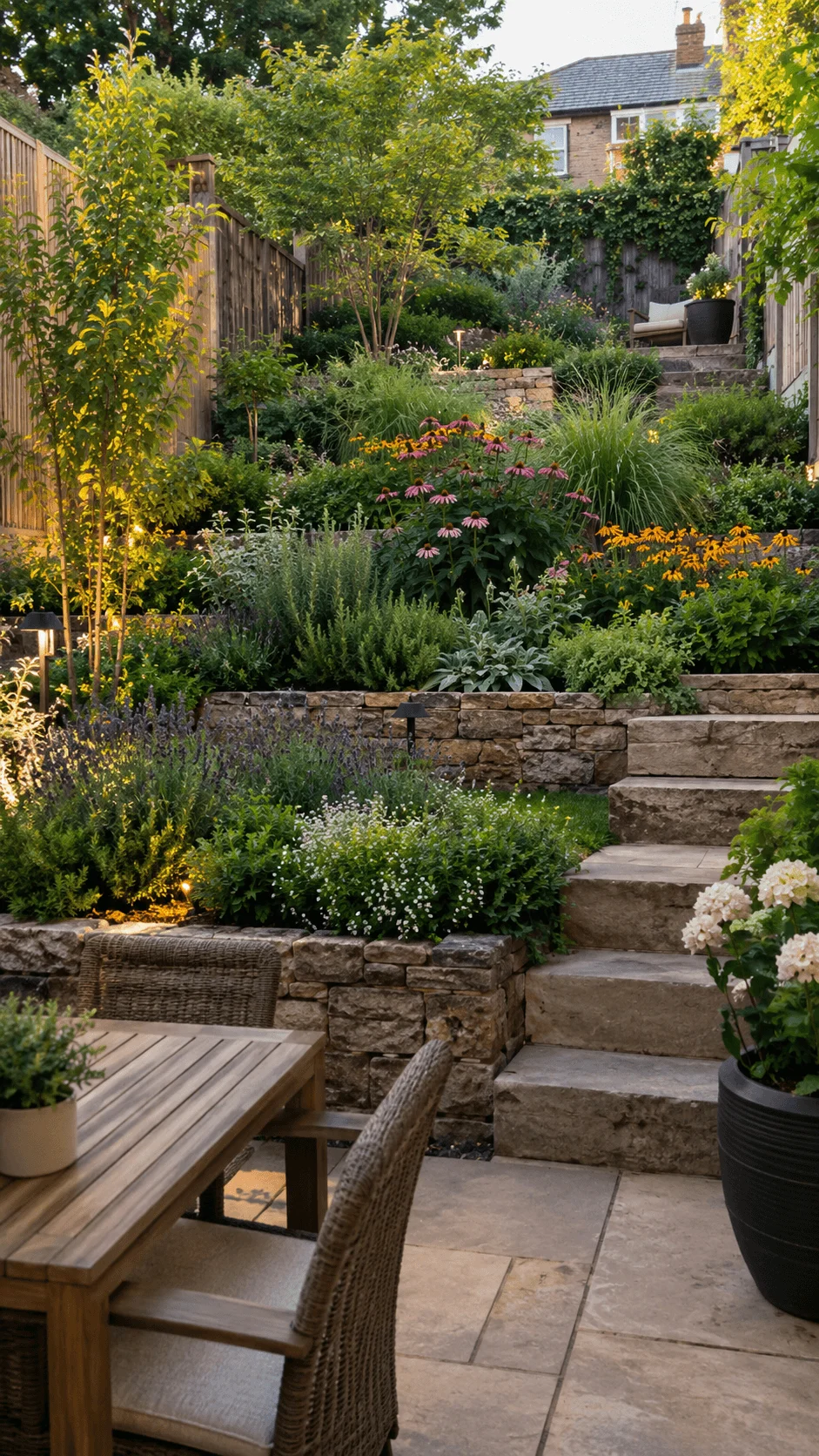
This approach reduces the need to constantly correct unsuitable growing conditions. Plants that naturally suit their location generally require less intervention than plants that struggle with heat, poor drainage, or insufficient sunlight.
Climate resilient planting can also make the garden more attractive throughout changing seasons. Choose a mixture of plants with different heights, textures, flowering periods, and foliage characteristics. Evergreen plants can provide structure, while seasonal flowers can add temporary bursts of color.
The most sustainable approach involves observing the backyard before making major planting decisions. Your existing slope already provides useful information about sunlight, drainage, moisture, and soil. Use those natural characteristics as part of the design rather than trying to eliminate them.
2. Sustainable Terraced Garden Ideas With Native Plants
Native plants can give a terraced backyard a strong ecological foundation. These plants have developed within particular regional conditions and often provide valuable resources for local insects, birds, and other wildlife.
Instead of filling every terrace with the same ornamental plants, create different planting communities across the levels. Taller native shrubs or small trees can provide structure on an upper terrace, while flowering plants and grasses can occupy middle levels. Lower terraces can feature ground covers and smaller plants that create a soft transition toward pathways or seating areas.
Native planting does not mean the garden has to look untidy. Repetition can create a polished appearance. For example, repeating several native grasses along a retaining wall can establish visual continuity. Groups of flowering plants can then add seasonal interest without making the garden feel chaotic.
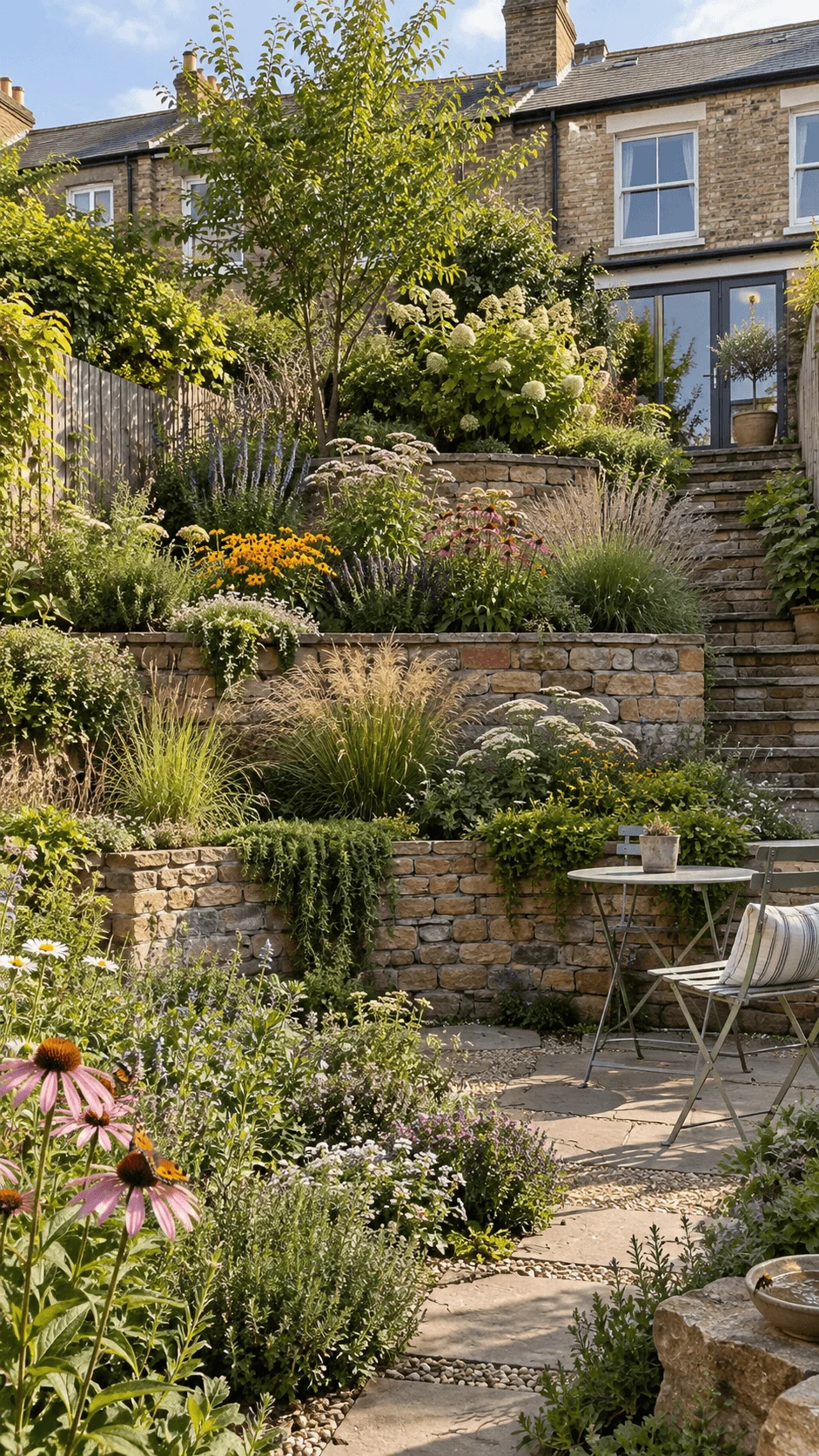
Native plants can also help create habitat. Flowers provide food for pollinating insects, while shrubs and trees can offer shelter for birds and other small animals. A mixture of plant heights creates more opportunities for wildlife than a garden containing one uniform layer of vegetation.
Before selecting specific plants, homeowners should research species that naturally occur or perform well in their region. A plant that works beautifully in one climate may struggle in another.
This is where sustainable terraced garden ideas become particularly valuable. Rather than treating the entire backyard as one growing environment, you can create several small habitats that respond to the conditions found on each level.
3. Eco Friendly Sloped Backyard Ideas With Terraced Rain Gardens
Water management deserves special attention in a sloped backyard. Rainwater naturally moves downhill, and fast flowing water can carry soil away, create muddy areas, and place pressure on drainage systems.
A terraced rain garden can help turn this challenge into a landscape feature. Instead of allowing rainwater to travel rapidly from the highest point to the lowest point, carefully designed planting areas can help slow its movement and encourage infiltration where conditions allow.
Each terrace can play a different role in the overall water management system. A higher level might capture some runoff, while lower planting areas can receive water gradually. Plants with suitable moisture requirements can thrive in areas where rainfall naturally collects.
The design should always account for local soil and drainage conditions. A rain garden works best when the location, soil, and planting have been considered together. Simply creating a depression without understanding how water moves through the property can create drainage problems instead of solving them.
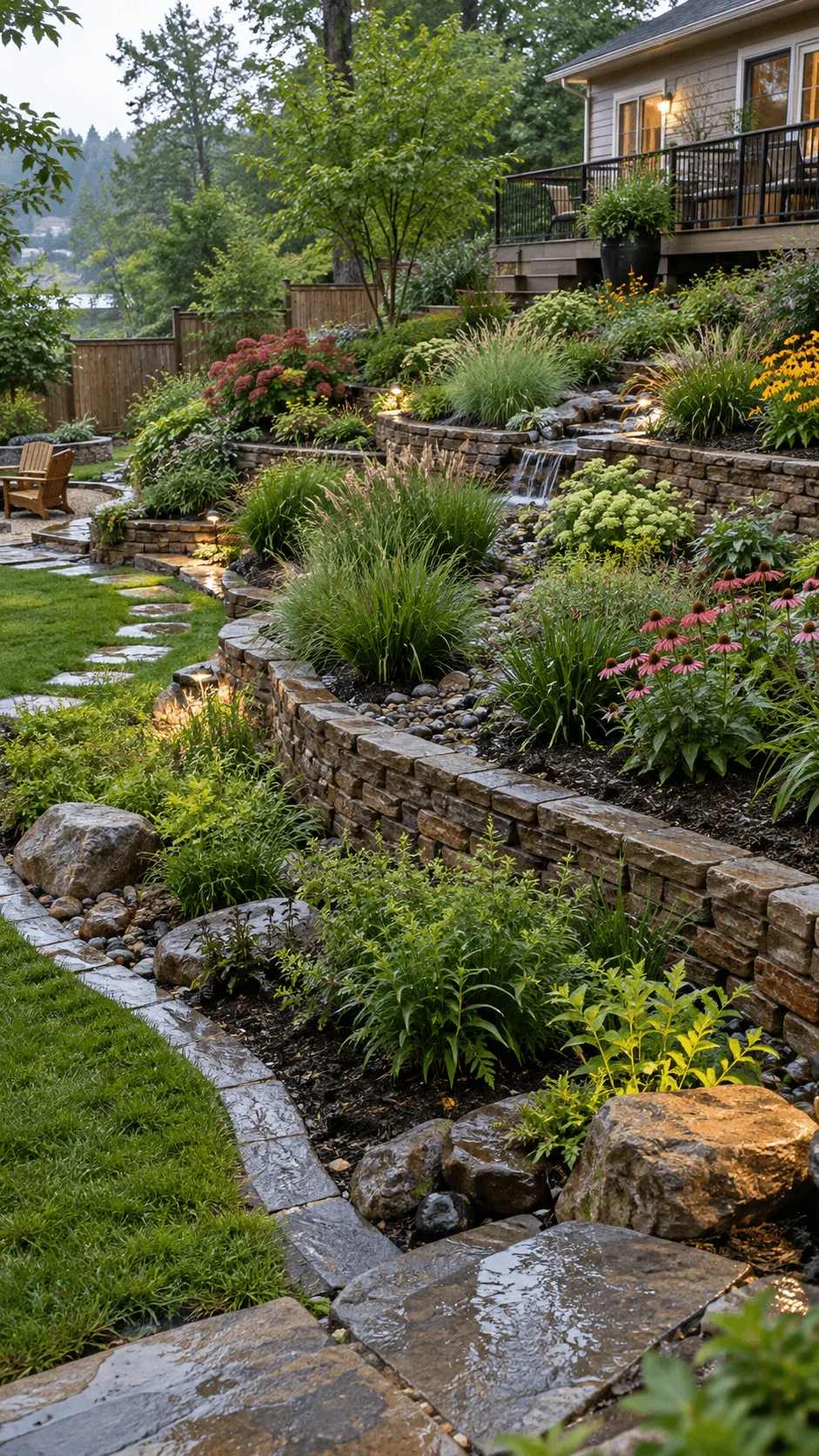
Plant selection also matters. Choose plants that can tolerate periods of moisture while also handling the drier conditions that may occur between rainfall events. Native species that naturally grow in wet or seasonally moist environments can be especially useful.
A terraced rain garden can also become visually attractive. Curved planting beds, stones, grasses, flowering plants, and natural transitions can make water management look intentional rather than purely functional.
For homeowners dealing with runoff, this is one of the most practical eco friendly sloped backyard ideas because it connects beauty with responsible water management.
4. Natural Terraced Garden Design With Dry Creek Beds
A dry creek bed can add character to a terraced backyard while helping direct water through the landscape. The concept uses stones, gravel, and carefully arranged planting to create the appearance of a natural stream channel that remains dry when there is no significant rainfall.
The feature can follow the natural slope and visually connect several terrace levels. Instead of appearing like an isolated decoration, it can become part of the backyard’s overall structure.
Varying stone sizes creates a more natural appearance. Larger stones can establish the edges, while smaller stones and gravel can fill the central channel. Plants placed around the edges can soften the transition between the creek bed and surrounding garden areas.
Curves often look more natural than perfectly straight channels. However, appearance should never take priority over proper drainage. A dry creek bed needs to suit the actual water movement of the property.
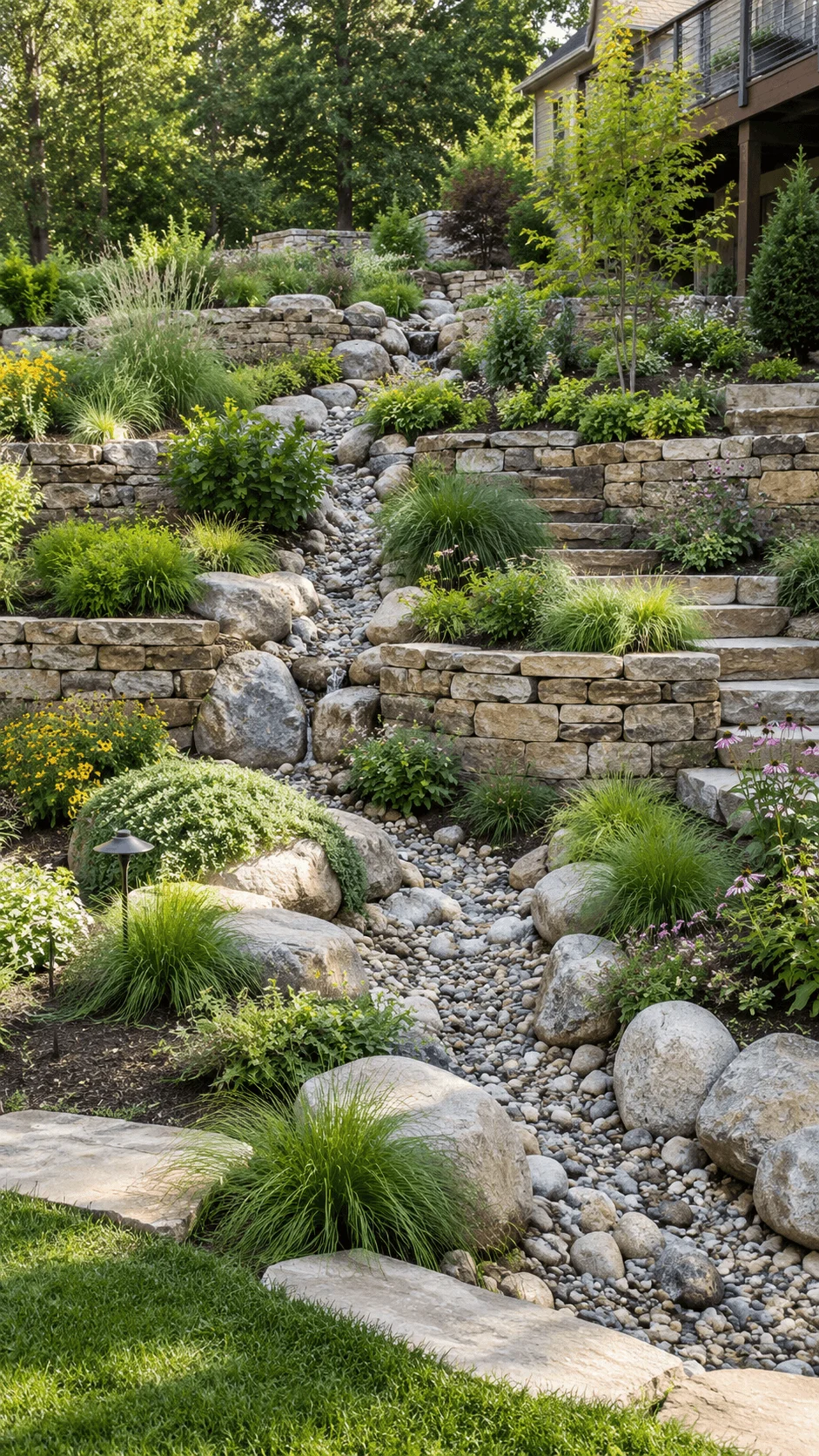
Planting near the creek can also make the feature more attractive. Grasses, ground covers, shrubs, and other suitable plants can create a transition between hard stone surfaces and the softer garden.
This approach works particularly well when several terraces already create natural changes in elevation. The creek bed can visually guide the eye from the highest level toward the lower garden while giving rainfall a planned route through the landscape.
5. Sustainable Terraced Backyard Ideas Using Permeable Paths
Paths are essential in a terraced backyard because they allow people to move comfortably between different levels. However, covering large areas with conventional hard surfaces can increase runoff and reduce the amount of rainwater that reaches the soil.
Permeable materials can provide a more environmentally conscious alternative in suitable locations. Gravel, stepping stones, and appropriate permeable paving can create attractive walkways while allowing some water to move into the ground.
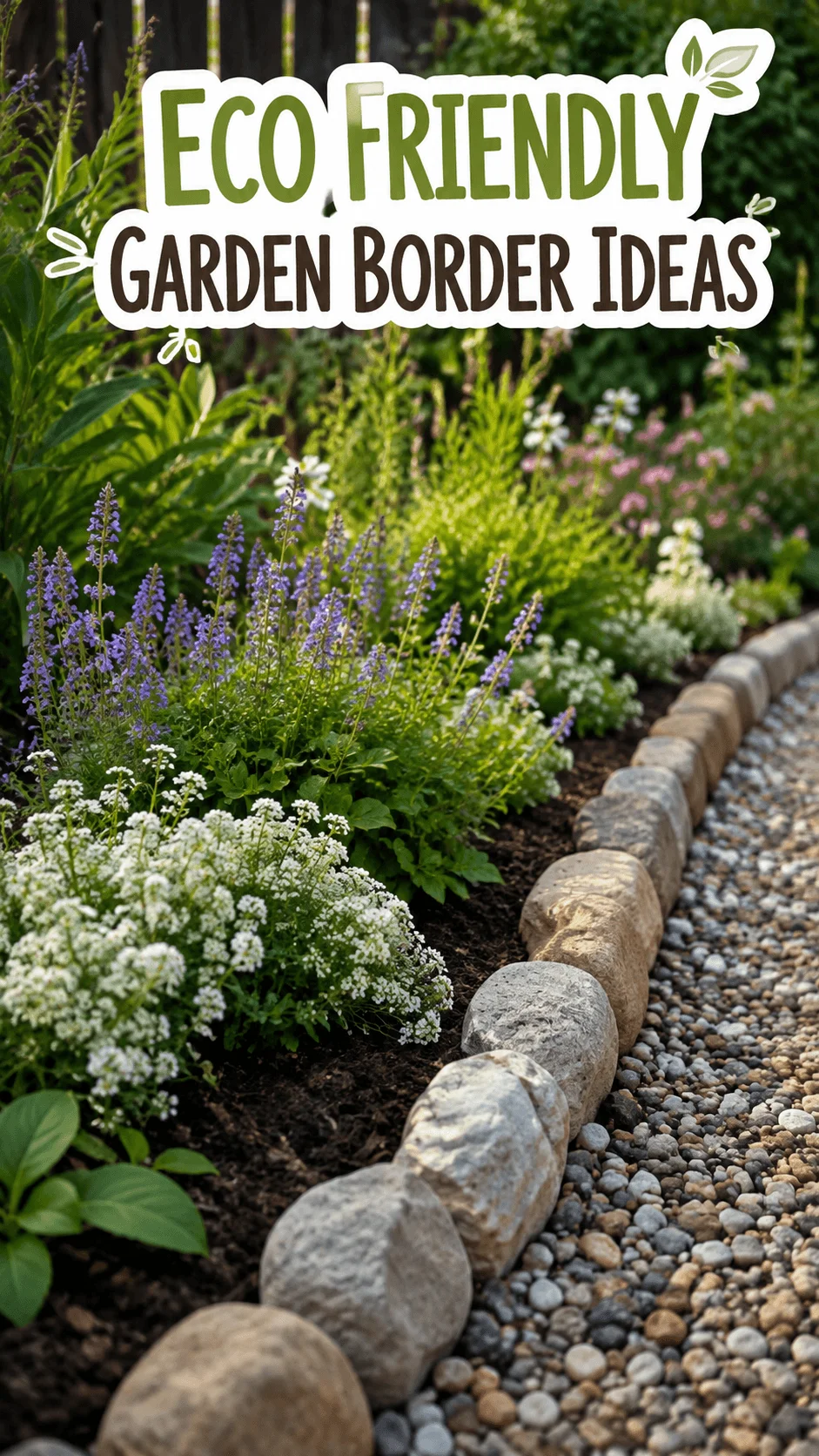
Gravel is particularly useful for informal garden paths because it has a relaxed appearance and works naturally with planting. Stepping stones can create a more structured pathway while leaving planting or permeable surfaces between individual stones.
The pathway should also respond to the shape of the property. Instead of forcing a completely straight route across the slope, a gently changing path can follow the natural contours of the garden.
Planting alongside the path can make it feel integrated into the landscape. Low growing plants can soften the edges, while taller vegetation can create a sense of enclosure.
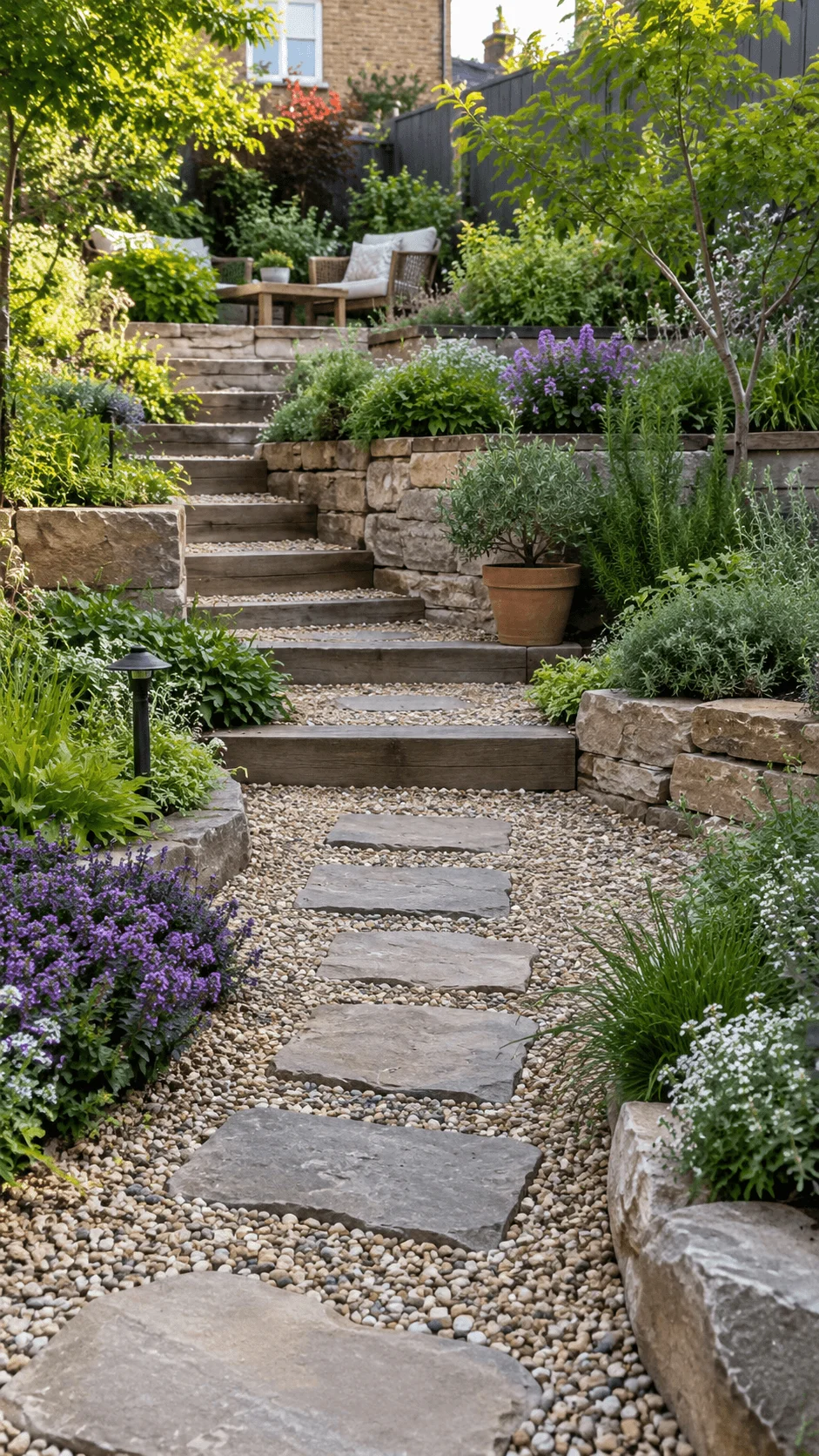
Accessibility should remain an important consideration. Terraced gardens often require stairs or changes in elevation, so pathways should be designed carefully for comfortable movement. Good drainage and stable surfaces are particularly important on slopes.
A well designed path does not need to dominate the backyard. It should connect each terrace while allowing plants, natural materials, and the existing landscape to remain the visual focus.
6. Green on Green Terraced Garden Design
The green on green garden trend offers an elegant way to create a sophisticated terraced landscape without relying on large quantities of brightly colored flowers. Instead, the design focuses on different shades of green, foliage shapes, textures, and plant heights.
This approach works especially well on multiple terrace levels because elevation naturally creates opportunities for layering.
Imagine taller shrubs forming the background on an upper terrace, ornamental grasses occupying the middle area, and low ground covers spreading across the lower level. Although all the plants share similar green tones, their different shapes and textures prevent the garden from looking flat.
You can also introduce subtle variations in foliage. Deep green leaves can sit beside lighter foliage, while silvery or blue green plants can provide gentle contrast.
Texture becomes particularly important in this style. Large leaves can contrast with fine grasses, while dense shrubs can balance delicate ground covers.
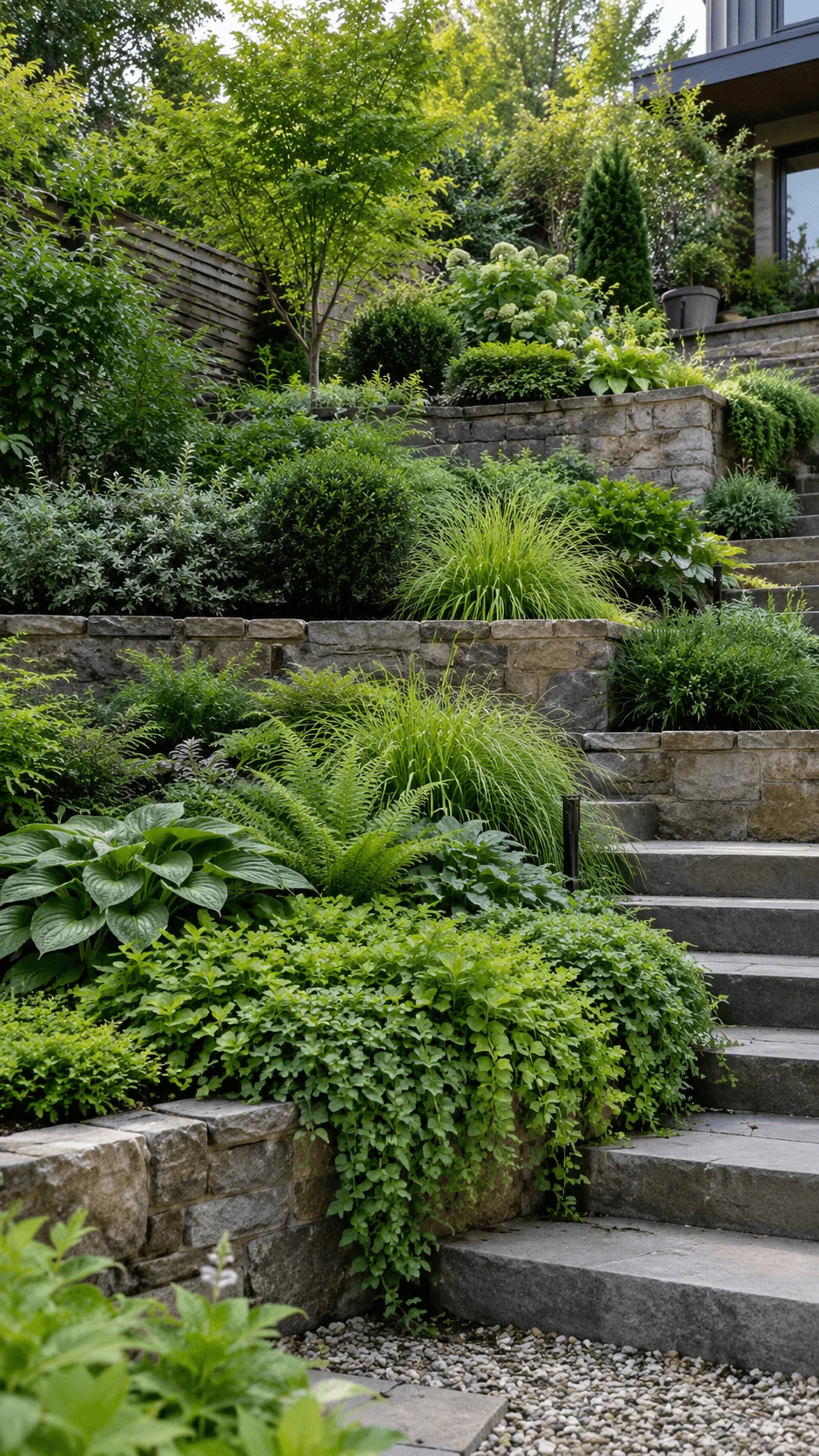
The result can feel calm and cohesive rather than overly busy. It also allows the natural architecture of the terraces to become more noticeable.
A green on green design can work particularly well around natural stone retaining walls. The contrast between foliage and stone creates visual interest without requiring excessive decorative elements.
This approach also gives homeowners an opportunity to focus on plants that provide structure beyond a short flowering season. Evergreen foliage, grasses, shrubs, and attractive ground covers can keep the garden visually interesting for much longer.
For a contemporary backyard, combining this planting style with sustainable materials and native species can create a modern appearance without sacrificing environmental considerations.
7. Wildlife Friendly Terraced Backyard Ideas for Pollinators
A terraced backyard does not have to serve only human purposes. One of the most rewarding ways to use an unused terrace is to turn it into a small wildlife friendly garden.
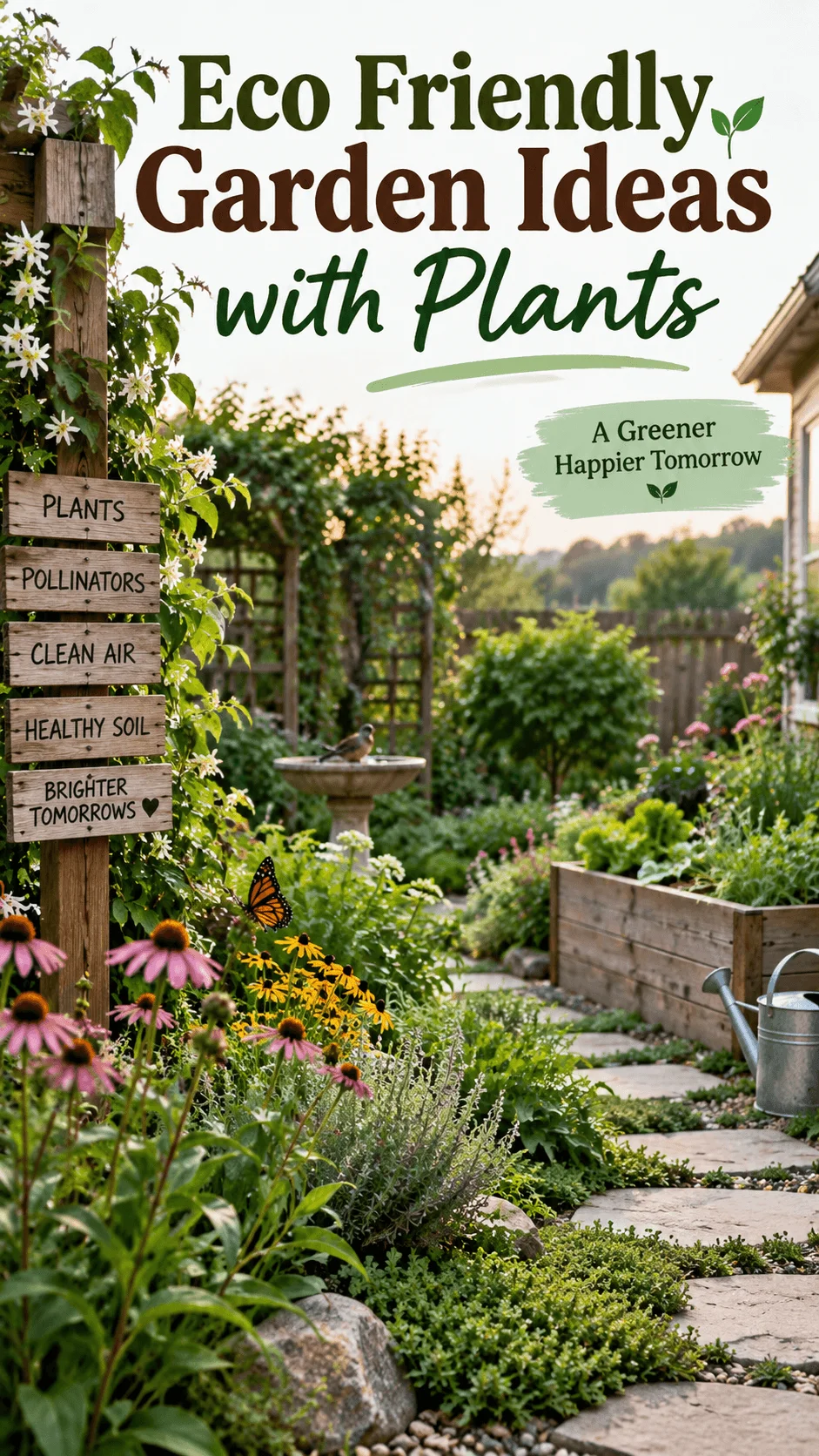
A pollinator terrace can contain flowering plants that provide food for bees, butterflies, and other beneficial insects. Native wildflowers and suitable grasses can create a more natural environment while adding seasonal beauty.
The terrace does not need to contain flowers everywhere. Mixing flowering plants with grasses, shrubs, and foliage creates a more diverse structure. Different plants can also flower at different times, helping the terrace maintain interest throughout the growing season.
Consider how the terrace connects with the rest of the backyard. A pollinator garden beside an edible terrace can support a broader ecosystem, while planting near native shrubs can create additional shelter.
Avoid making the space excessively tidy. Removing every fallen leaf or cutting plants immediately after flowering can reduce some of the habitat available to wildlife. A slightly more natural maintenance approach can make the garden more useful to insects and birds.
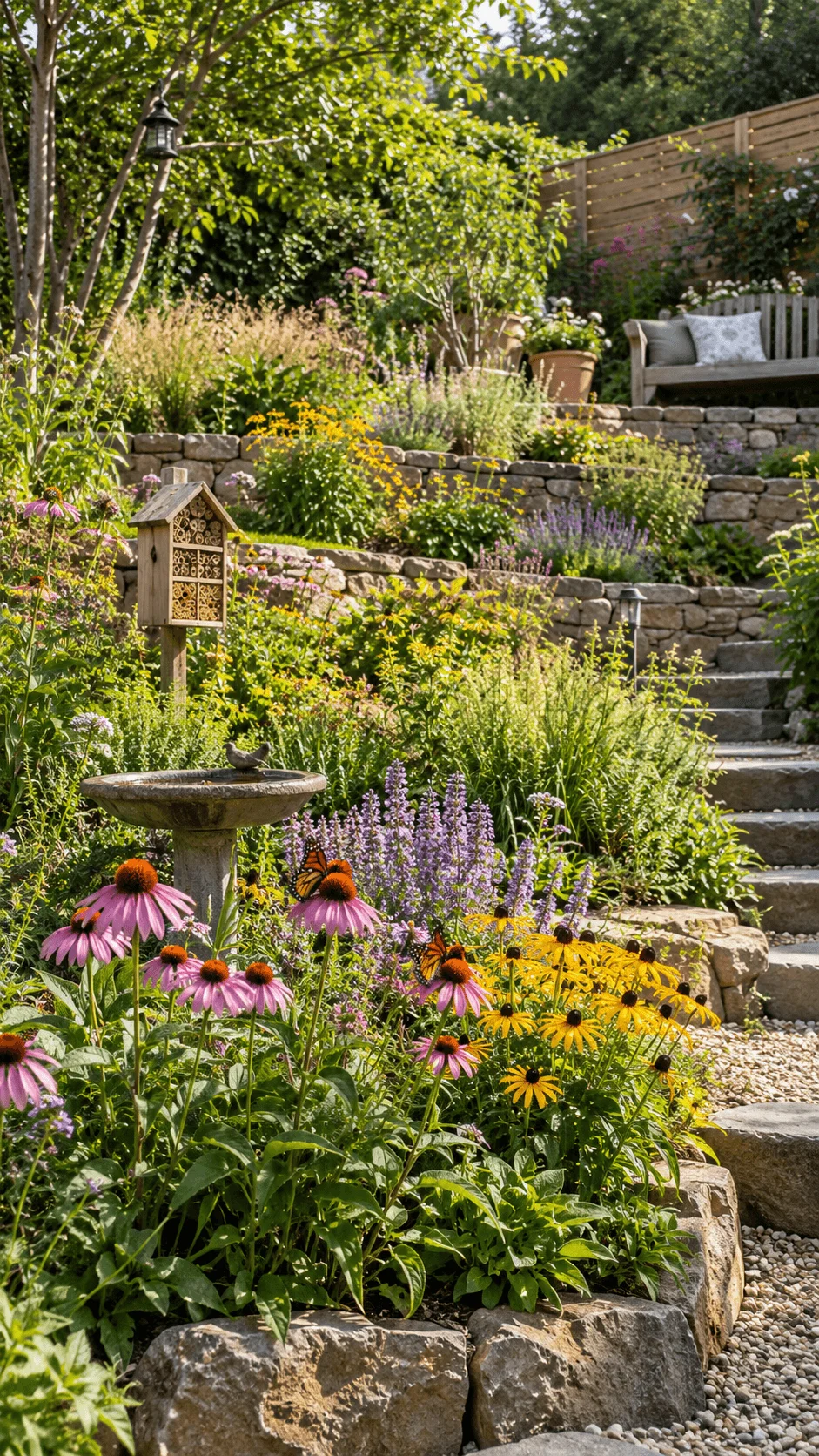
You can still create clear boundaries using paths, stones, or defined planting areas. This allows the pollinator terrace to feel intentional rather than neglected.
The result is more than a decorative flower bed. It becomes a small ecological space within the larger backyard, adding movement, seasonal changes, and biodiversity to the terraced landscape.
8. Sustainable Terraced Garden Ideas for Growing Food
A terraced backyard can become much more than an ornamental garden. Its different levels can provide excellent spaces for growing herbs, vegetables, berries, and fruit plants. Instead of dedicating the entire property to decorative landscaping, homeowners can turn selected terraces into productive growing areas.
Terracing can make edible gardening easier to organize because each level naturally creates a separate growing zone. One terrace could contain herbs close to the house, while another could provide space for vegetables that need more sunlight. A lower or partially shaded level could support crops that prefer gentler conditions.
Accessibility is another important advantage. Raised or terraced growing areas can make it easier to reach plants compared with trying to cultivate a steep slope. Well positioned paths and steps can provide convenient access for watering, harvesting, pruning, and seasonal maintenance.
Soil preparation deserves careful attention. Productive edible plants need suitable soil, and terraced beds provide an opportunity to improve soil gradually instead of trying to amend the entire backyard at once. Compost and organic matter can help improve soil structure while returning nutrients to the garden.
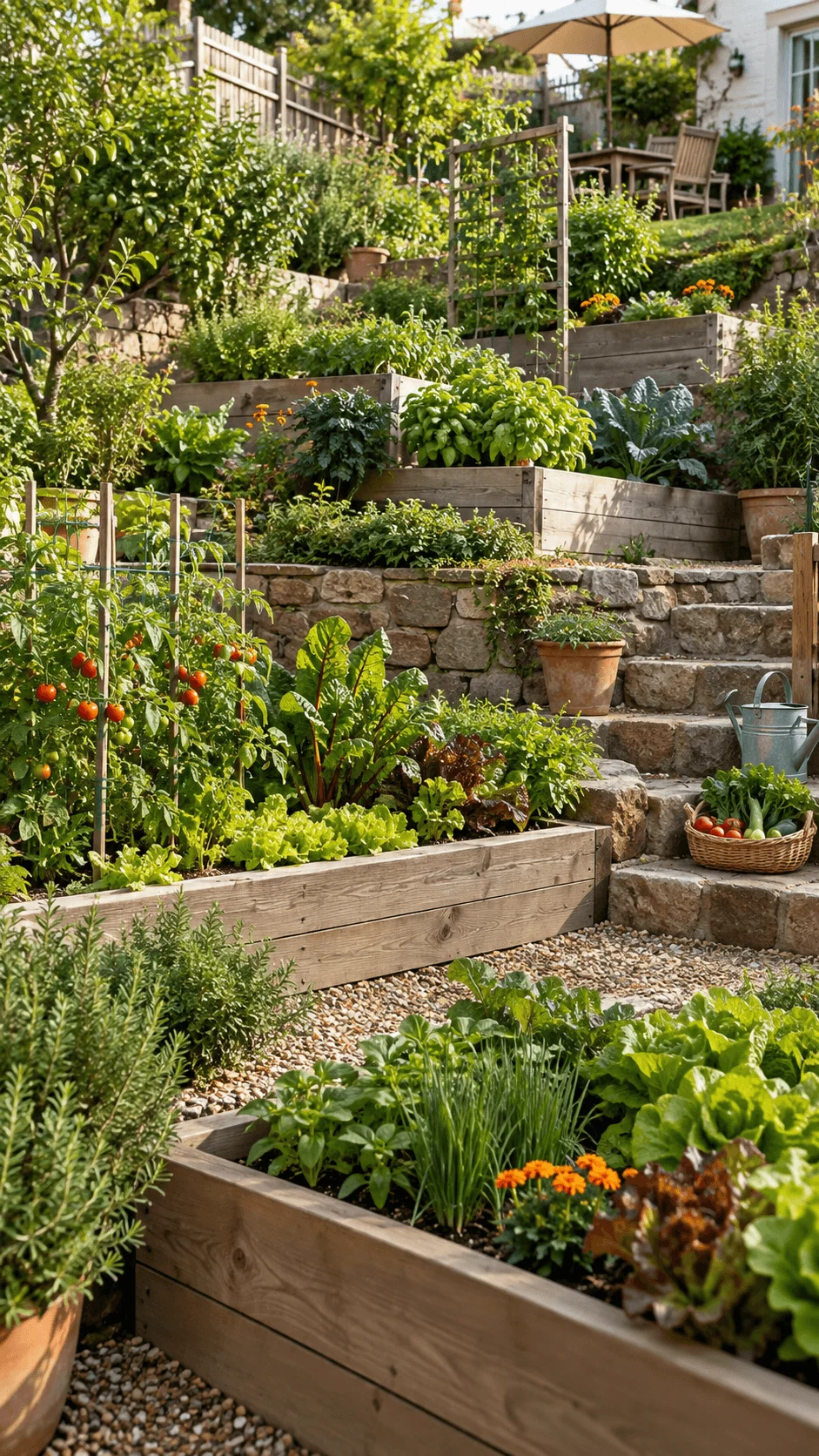
Watering should also match the needs of the crops. Rather than watering every terrace equally, group plants with similar moisture requirements together. This approach can reduce unnecessary water use and make the garden easier to maintain.
The edible garden can remain visually attractive by combining productive plants with ornamental planting. Herbs can grow beside flowering plants, while berry bushes can form attractive boundaries. Edible flowers can also add another layer of interest.
For homeowners interested in sustainable gardening, food production can make the backyard more useful while reducing the need to purchase every herb or vegetable from a store.
9. Natural Stone Retaining Walls for an Eco Friendly Terraced Backyard
Retaining walls provide the structural foundation for many terraced backyards. They hold soil in place and create usable levels across a slope, but their appearance can have a major influence on the overall garden.
Natural stone can create a softer and more organic appearance than highly uniform manufactured materials. When the stone complements the surrounding landscape, the retaining walls can look as though they belong naturally within the property.
Local materials can be particularly appealing when they are suitable for the project. Using materials that fit the regional landscape can create a stronger visual connection between the garden and its surroundings.
Planting can also soften the appearance of retaining walls. Low growing plants can spread along the base, while shrubs and grasses can rise behind the wall. Suitable planting pockets can add another layer of greenery and help reduce the visual dominance of large areas of stone.
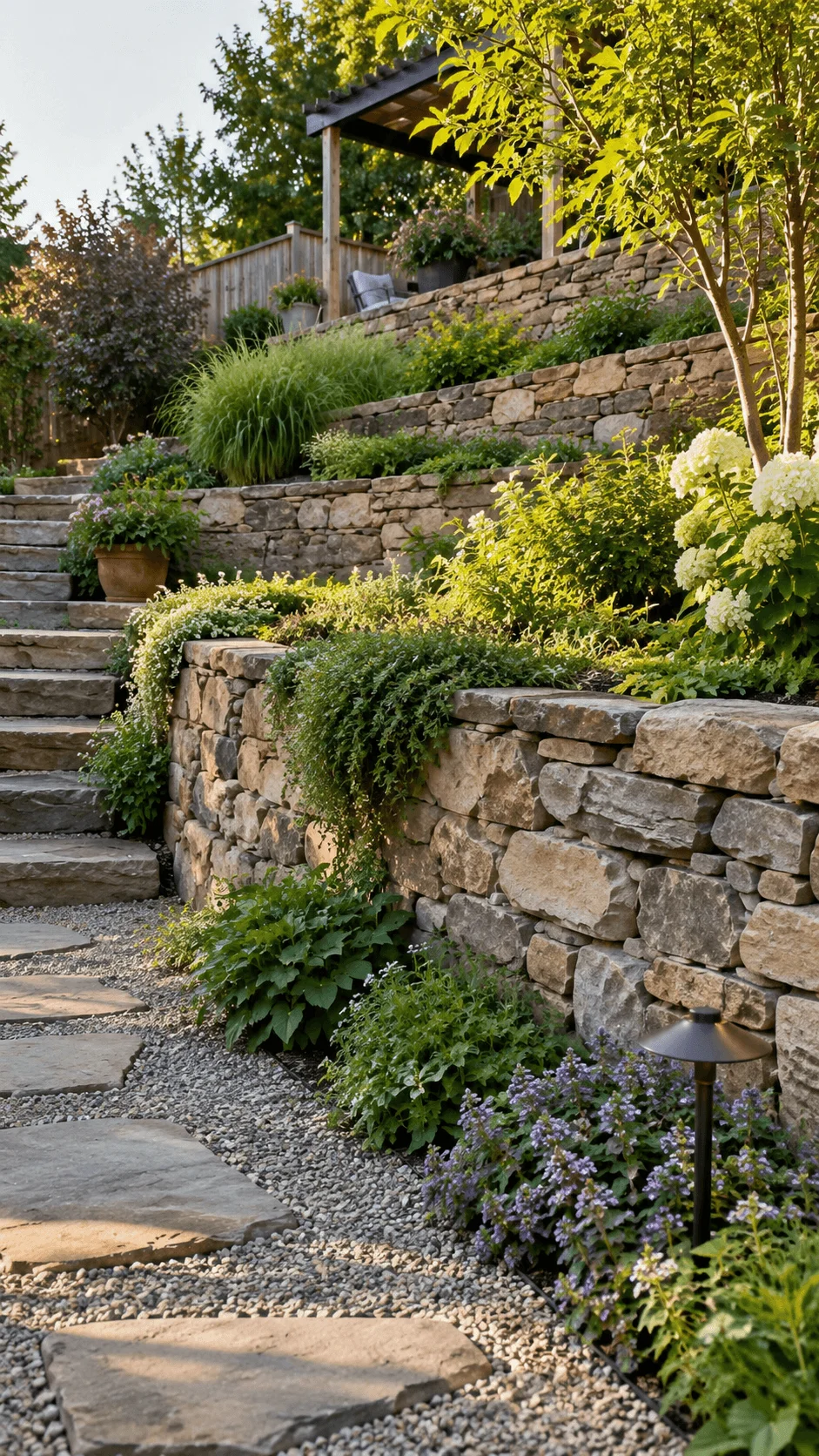
However, structural considerations must always come first. Retaining walls need appropriate construction, drainage, and support for the amount of soil they hold. A beautiful wall that fails to manage water properly can create serious problems.
Drainage behind retaining structures deserves particular attention because water pressure can affect the stability of a wall. Professional advice may be appropriate for larger or more complicated structures.
Once the structural side has been handled properly, the planting can transform the walls into an integral part of the garden.
Natural stone works especially well alongside gravel paths, native plants, dry creek beds, and green on green planting. These materials and planting styles share an organic appearance that can make the entire backyard feel cohesive.
The goal should not be to hide every retaining wall. Instead, use plants and natural materials to make the structure feel like part of the landscape.
10. Drought Tolerant Terraced Garden Ideas With Gravel
A sunny terrace can become one of the driest areas of a backyard, especially when it receives intense afternoon sunlight. Rather than trying to maintain thirsty plants across the entire surface, homeowners can create a drought tolerant terrace using gravel, rocks, and plants suited to dry conditions.
Gravel provides a simple foundation for this style of garden. It can cover open areas while creating a strong visual contrast with plants. Different sizes and textures can add depth without requiring elaborate decorations.
The planting scheme should remain the main focus. Select plants according to the local climate and growing conditions rather than assuming every drought tolerant plant will perform well in every region.
Ornamental grasses can introduce movement as they respond to wind, while shrubs can provide structure. Low growing plants can fill spaces around larger features and help prevent the terrace from appearing overly bare.
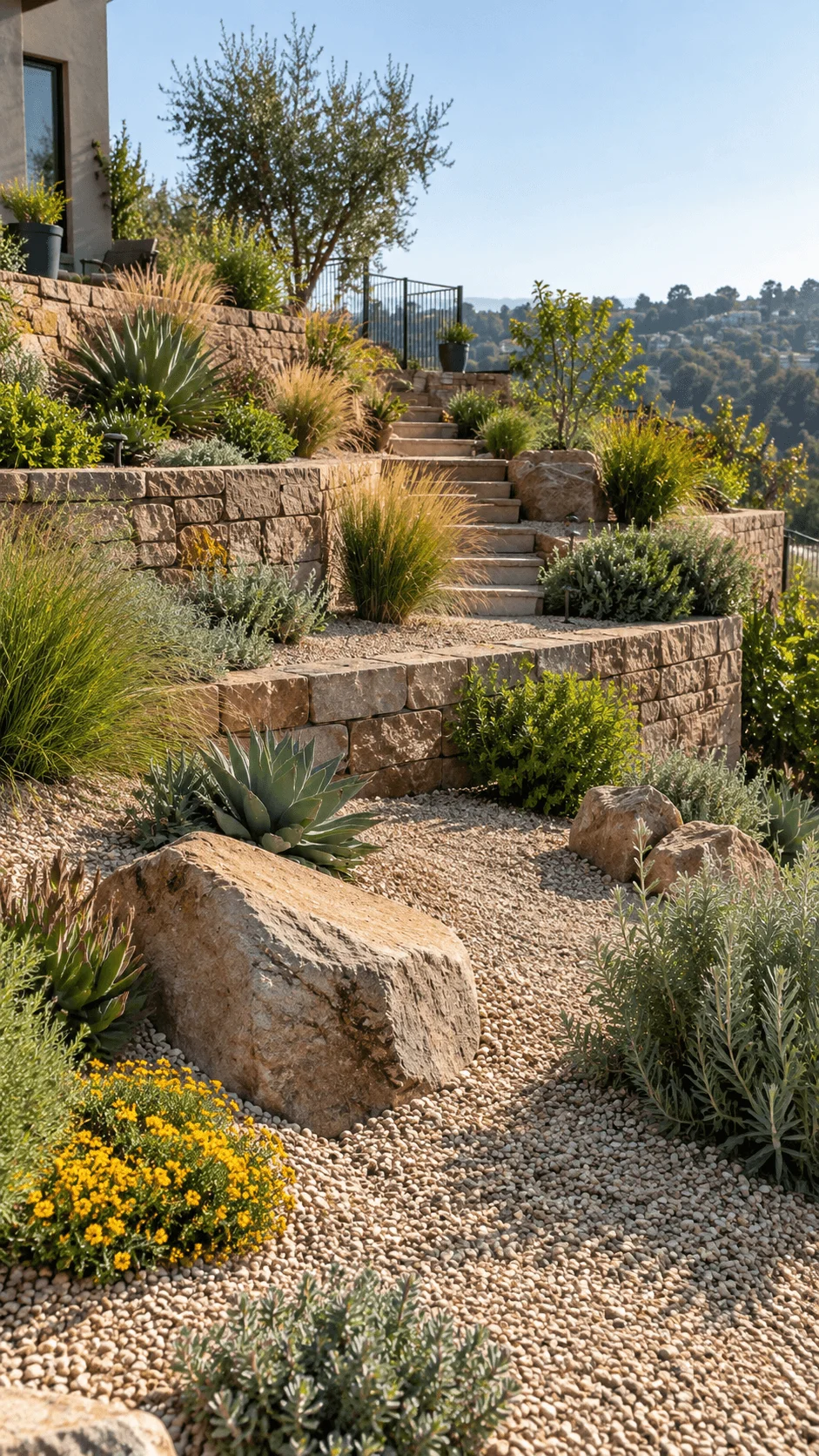
Spacing also matters. Avoid filling every available space with plants simply because the garden looks empty during its early stages. Many drought tolerant plants need room to grow, and overcrowding can increase competition for water and nutrients.
Large rocks can create focal points and help break up the visual repetition of gravel. A small number of carefully positioned natural features can often produce a stronger result than many decorative objects.
This type of garden can also reduce the amount of lawn that needs frequent watering and mowing. A gravel terrace can therefore serve as both a design feature and a practical way to reduce maintenance.
For homeowners searching for drought tolerant terraced garden ideas, this approach offers a particularly useful solution for sunny slopes where conventional planting may require significant irrigation.
11. Low Maintenance Terraced Backyard Ideas With Layered Shade
Not every terrace needs to receive full sunlight. Existing trees, neighboring structures, fences, and the orientation of the backyard can create areas of partial or full shade.
Rather than treating these spaces as difficult areas, turn them into layered shade gardens.
Trees and larger shrubs can form the highest layer. Smaller shrubs and ornamental plants can occupy the middle layer, while ground covers and shade tolerant plants can fill the spaces closer to the ground.
This layered structure can make a terrace feel deeper and more immersive. Visitors can move from an open sunny area into a cooler green space that feels almost like a small woodland garden.
Shade also changes throughout the day and across the seasons. A terrace that receives morning sunlight might become shaded in the afternoon. Understanding these changes can help you choose suitable plants.
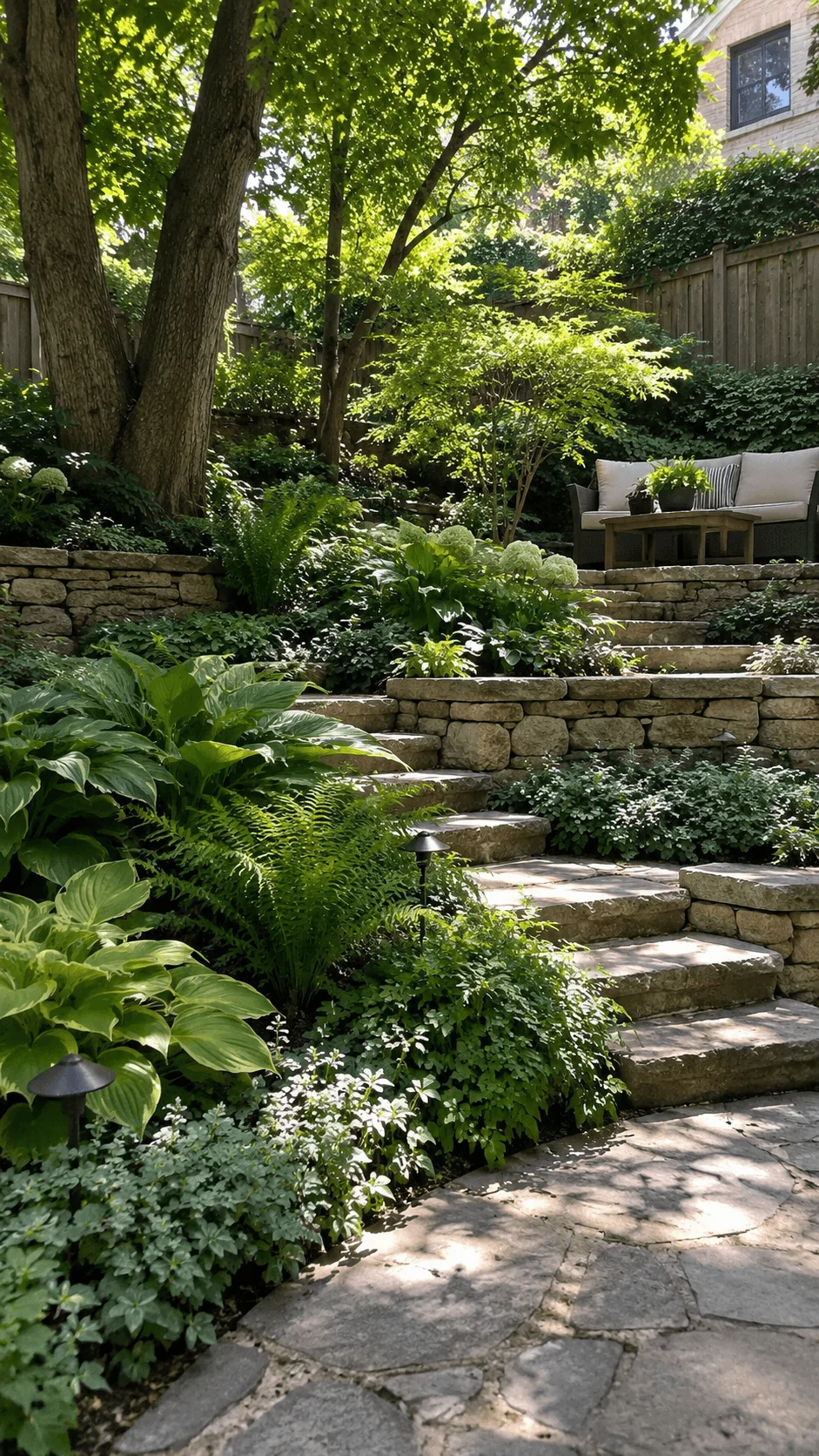
Avoid assuming that every shade tolerant plant has identical requirements. Some plants prefer consistently moist soil, while others tolerate relatively dry conditions beneath established trees.
Mulch can help protect soil and conserve moisture where appropriate. Organic material can also gradually contribute to soil improvement as it breaks down.
A shaded terrace can become particularly valuable during hot weather. Seating beneath trees or taller plants can provide a comfortable place to relax while the surrounding vegetation creates a sense of privacy.
This is one of the most practical low maintenance terraced backyard ideas because it uses existing shade instead of trying to eliminate it. The landscape works with the conditions already present on the property.
12. Sustainable Multi Level Garden Rooms
One of the most creative ways to approach a terraced backyard is to think of each level as an outdoor room.
Instead of trying to make every terrace look identical, give each level a specific purpose. One terrace might become a native planting area, another could contain an outdoor dining space, and another could become a productive vegetable garden.
This approach makes the slope feel intentional.
The upper terrace could provide a quiet planting area with shrubs and small trees. The middle level could become the main social area with comfortable seating. A lower level could contain pollinator planting or an edible garden.
Paths and stairs then become the connections between these outdoor rooms. Natural materials can help maintain a consistent appearance throughout the property.
Plant repetition can also connect the different levels. If a particular grass, shrub, or ground cover appears on several terraces, the entire backyard can feel like one connected landscape rather than a collection of unrelated spaces.
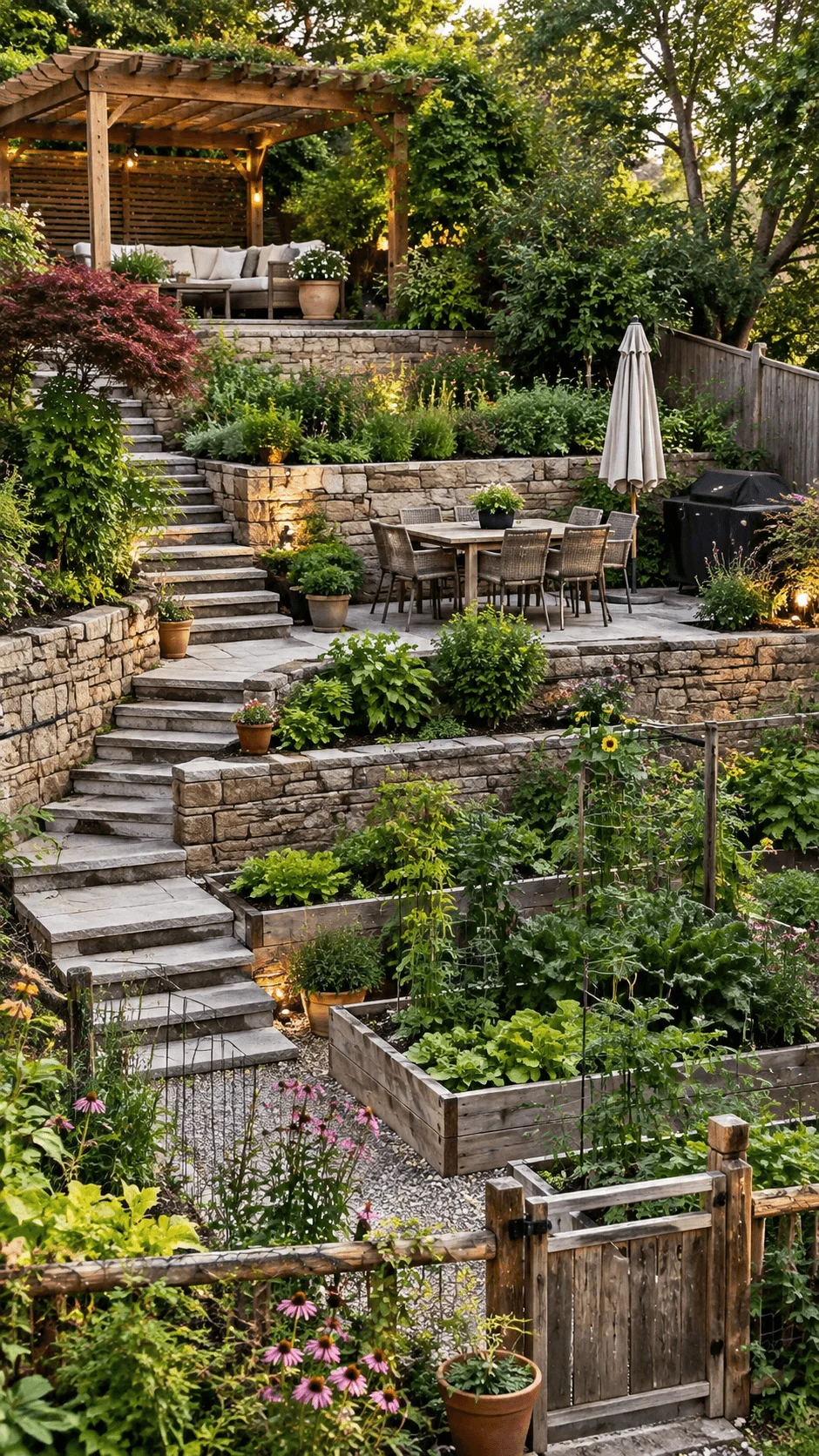
Shade structures can create another layer of functionality. A suitable pergola or natural shade provided by trees can make an outdoor room more comfortable while adding vertical interest.
The important principle is to avoid excessive construction simply because the property has several levels. Work with the existing slope wherever practical. This can help preserve established vegetation and reduce unnecessary disturbance.
A multi level garden can therefore provide places for relaxation, food production, wildlife, planting, and entertainment without requiring every part of the backyard to perform the same role.
How to Combine Eco Friendly Terraced Backyard Ideas Into One Design
You do not need to choose just one sustainable feature for your backyard. The strongest designs often combine several ideas so that different elements support each other.
Imagine a backyard with three main terraces. The upper terrace could contain climate resilient native plants and a few strategically positioned trees. These plants could provide habitat while eventually creating shade for portions of the garden below.
The middle terrace could contain an edible garden with herbs, vegetables, and berry plants. A permeable path could run alongside the growing beds, allowing easy access without covering the entire terrace with conventional paving.
The lower terrace could become a relaxing outdoor room surrounded by pollinator friendly planting. A dry creek feature could visually connect the upper and lower areas while helping direct water through the landscape.
Natural stone retaining walls could provide structure throughout the backyard. Repeating the same stone in paths and selected garden features would create visual consistency.
This type of design demonstrates how sustainable backyard landscaping can work as a complete system. Plants provide habitat and shade, terraces organize different uses, permeable surfaces help manage rainfall, and carefully planned drainage responds to the slope.
The most important step is to plan the entire property before installing individual features. Think about how people will move between levels, how water will travel, how mature plants will look, and how much maintenance you can realistically manage.
How to Make a Sustainable Terraced Backyard Easier to Maintain
A sustainable garden should not require constant attention. Good planning can significantly reduce maintenance as the landscape becomes established.
Start by choosing plants that naturally suit the conditions of each terrace. When plants receive appropriate sunlight, moisture, and soil conditions, they generally require less intervention.
Mulching can help protect exposed soil and reduce moisture loss. Organic mulch can also contribute to soil health as it gradually decomposes.
Water plants according to their actual needs rather than applying the same watering schedule throughout the entire backyard. Newly planted areas may require more attention during establishment, while mature plants suited to the local climate may need less supplemental water.
Seasonal observation is also important. Walk through the garden after heavy rainfall and look for areas where water collects or moves too quickly. Check retaining structures and paths periodically and address small problems before they become larger ones.
Allowing some plants to mature naturally can also reduce unnecessary work. A garden does not need to look perfectly manicured every day to remain attractive.
Over time, you may discover that certain plants perform exceptionally well while others struggle. Replace unsuitable plants with species that better match the conditions instead of repeatedly trying to keep them alive.
This gradual approach can make the garden more resilient and easier to manage as it matures.
Common Mistakes When Creating Eco Friendly Terraced Garden Ideas
One common mistake involves choosing plants based entirely on appearance. A beautiful plant can still perform poorly if the terrace does not provide the sunlight, moisture, soil, or temperature it needs.
Ignoring drainage can create another serious problem. Sloped landscapes naturally move water downhill, so drainage should form part of the design from the beginning rather than becoming an afterthought.
Using too many hard surfaces can also undermine the environmental goals of the garden. Paths and patios have a place in a functional backyard, but covering every terrace with impermeable material can increase runoff and reduce planting opportunities.
Another mistake involves making every terrace identical. Different levels often have different conditions, so forcing the same planting scheme across the entire property can make the garden harder to maintain.
Some homeowners also underestimate how large plants will become. A small shrub may look perfectly proportioned when planted but eventually crowd a narrow terrace or block a pathway.
Overwatering is another issue. More water does not automatically produce a healthier garden. Plants need water according to their species, soil, climate, and stage of growth.
Finally, avoid creating a garden that looks sustainable but ignores structural requirements. Retaining walls, stairs, drainage systems, and other major landscape features need appropriate planning and construction.
Conclusion
A sloped backyard can become one of the most interesting parts of a property when its natural elevation becomes part of the design. The best eco friendly terraced backyard ideas combine beauty with practical environmental choices, creating spaces that support people, plants, soil, water, and wildlife.
Climate resilient planting can reduce unnecessary maintenance, while native plants can strengthen local biodiversity. Rain gardens and dry creek beds can help manage water, while permeable paths can reduce unnecessary runoff. Edible terraces can make the backyard productive, and pollinator gardens can introduce another layer of life.
Natural stone, gravel, layered planting, and green on green designs can also create a sophisticated appearance without relying on excessive decoration. Most importantly, each terrace can serve a different purpose while still connecting with the rest of the landscape.
You do not have to transform the entire backyard at once. Start with one terrace, understand its conditions, choose appropriate plants and materials, and gradually expand the design. With thoughtful planning, a difficult slope can become a beautiful, functional, and environmentally responsible garden that becomes more valuable as it matures.