Eco Friendly Photography Camera Ideas for 2026
Photography is changing in an interesting direction in 2026. While smartphones and advanced mirrorless cameras continue to produce extremely polished images, many photographers are becoming interested in older cameras, simpler equipment, nostalgic colors, natural looking photographs, and more intentional ways of creating images. At the same time, sustainability is becoming an important part of creative choices. An eco friendly photography camera does not necessarily mean a camera that carries an environmental label. It can also mean choosing equipment that lasts longer, reusing older technology, repairing useful gear, and creating beautiful photographs without constantly buying something new.
The combination of sustainability and aesthetic photography creates an opportunity for photographers to approach their equipment differently. Instead of asking which camera has the newest specifications, photographers can ask which camera gives them the visual character they want and can remain useful for many years. This approach has become especially interesting as retro digital cameras and compact point and shoot models continue attracting attention in 2026. Current photography coverage shows strong interest in simple compact cameras, nostalgic designs, and older digital cameras that create a look modern smartphones do not naturally reproduce.
What Makes an Eco Friendly Photography Camera Different?
The phrase eco friendly photography camera can sound as though it refers to one specific type of camera. In reality, sustainability can involve many different decisions surrounding photography.
A camera can become a more environmentally conscious choice when a photographer keeps it for a long time rather than replacing it whenever a newer model appears. Buying a functioning second hand camera can also give existing equipment another useful life. Repairing a camera, reusing accessories, taking care of batteries, and choosing durable equipment can all contribute to a more thoughtful photography setup.
This perspective is particularly relevant to aesthetic photography because photographers do not always need the newest technology to achieve an interesting visual result. An older compact camera may produce exactly the soft colors, direct flash, lower resolution, or nostalgic appearance that a photographer wants.
The renewed interest in older cameras demonstrates this change in attitude. Recent photography coverage has highlighted how vintage CCD cameras have returned to attention because photographers enjoy their distinctive color and nostalgic appearance.
12 Eco Friendly Photography Camera Trends Shaping 2026
Retro Digital Cameras Are Bringing Old Technology Back
One of the most noticeable trends in aesthetic photography during 2026 is the return of retro digital cameras. Photographers and casual creators are looking beyond modern smartphones and expensive professional equipment and rediscovering compact digital cameras from the 2000s and early 2010s.
These cameras appeal because they create photographs that often feel less processed. Their images can contain unusual color responses, direct flash, softer details, visible noise, and imperfect highlights. Instead of treating those characteristics as technical weaknesses, today’s photographers often treat them as part of the creative style.
This makes a retro digital camera particularly interesting from a sustainability perspective. If a photographer finds a working camera that someone else no longer uses, they can give that piece of technology another purpose. Rather than purchasing a completely new device simply to achieve a nostalgic effect, they can explore equipment that already exists.
The aesthetic appeal also comes from the experience of using the camera. Compact cameras are easy to carry and can encourage spontaneous photography. A photographer can take the camera to a family gathering, local park, street, café, or creative project without building a complicated setup around it.
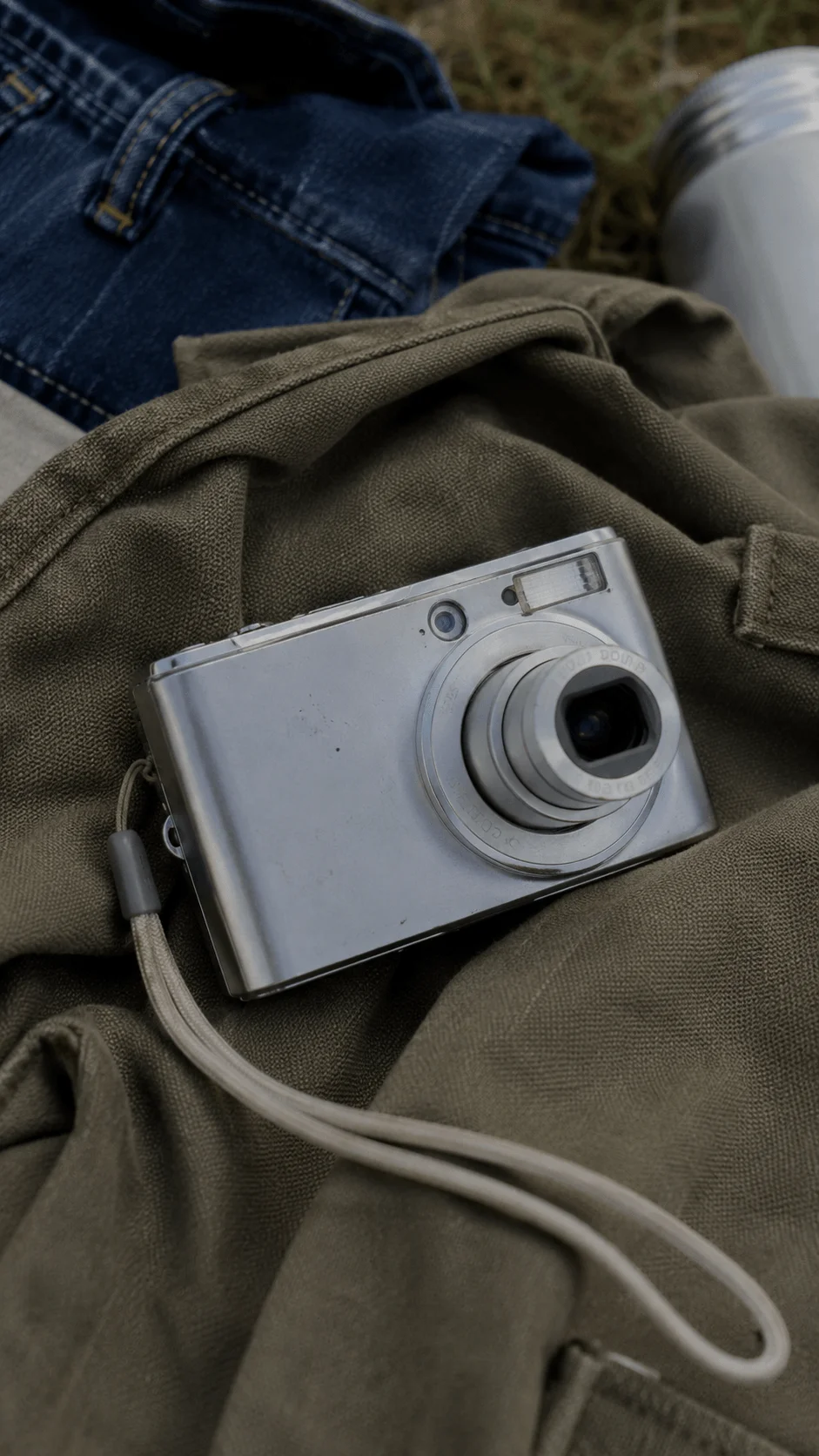
Current 2026 coverage shows that the compact camera revival continues to grow, with affordable and retro styled models attracting significant interest. In Japan, several compact models have performed strongly, showing that consumers still appreciate simple dedicated cameras even when smartphones offer technically impressive photography.
For someone searching for an eco friendly photography camera, an older compact model can therefore offer two different benefits. It can provide a distinctive visual identity while also encouraging the photographer to reuse technology that might otherwise remain unused.
Screen Free Cameras Encourage More Intentional Photography
Another interesting development is the growing popularity of screen free cameras. These cameras deliberately remove some of the conveniences that photographers normally expect from digital devices.
The idea is simple. Instead of taking a photograph and immediately looking at it on a large display, the photographer takes the picture and continues experiencing the moment. This changes the relationship between the camera and the person using it.
The trend fits naturally into the growing interest in digital minimalism. Many people spend large amounts of time looking at screens, checking notifications, editing images, and evaluating photographs immediately after taking them. A simpler camera can remove some of that pressure.
Recent 2026 coverage of the Camp Snap 2 shows how screen free cameras are gaining attention because of their combination of nostalgic design, simple operation, and distraction free photography. Its Y2K inspired styling also connects directly with the broader revival of early digital aesthetics.

For sustainable photography, the important idea is not that every screen free camera automatically qualifies as an eco friendly photography camera. Instead, the value comes from changing the way photographers think about equipment. A simpler camera may encourage someone to focus on using one device creatively instead of continually searching for more advanced features.
This can also make photography more enjoyable. When there is no immediate screen review, photographers may pay greater attention to light, composition, movement, expressions, and the surrounding environment.
Reusable Film Cameras Offer a More Thoughtful Alternative
Film photography has also benefited from the renewed interest in slower and more intentional image making. Younger photographers in particular have shown strong interest in analog photography because it provides an experience that feels different from smartphone photography.
The appeal is not only the appearance of film. It also comes from the process. Photographers cannot instantly inspect every image, and each exposure encourages greater attention before pressing the shutter.
There is an important sustainability distinction between reusable film cameras and disposable cameras. A reusable camera body can remain in use for years, allowing photographers to continue enjoying film photography without repeatedly replacing the entire camera.
The continued popularity of disposable film photography shows how strong the analog revival has become. Recent 2026 reporting describes continued interest in disposable cameras among younger photographers, with simplicity and the opportunity to stay present during photography contributing to their appeal.
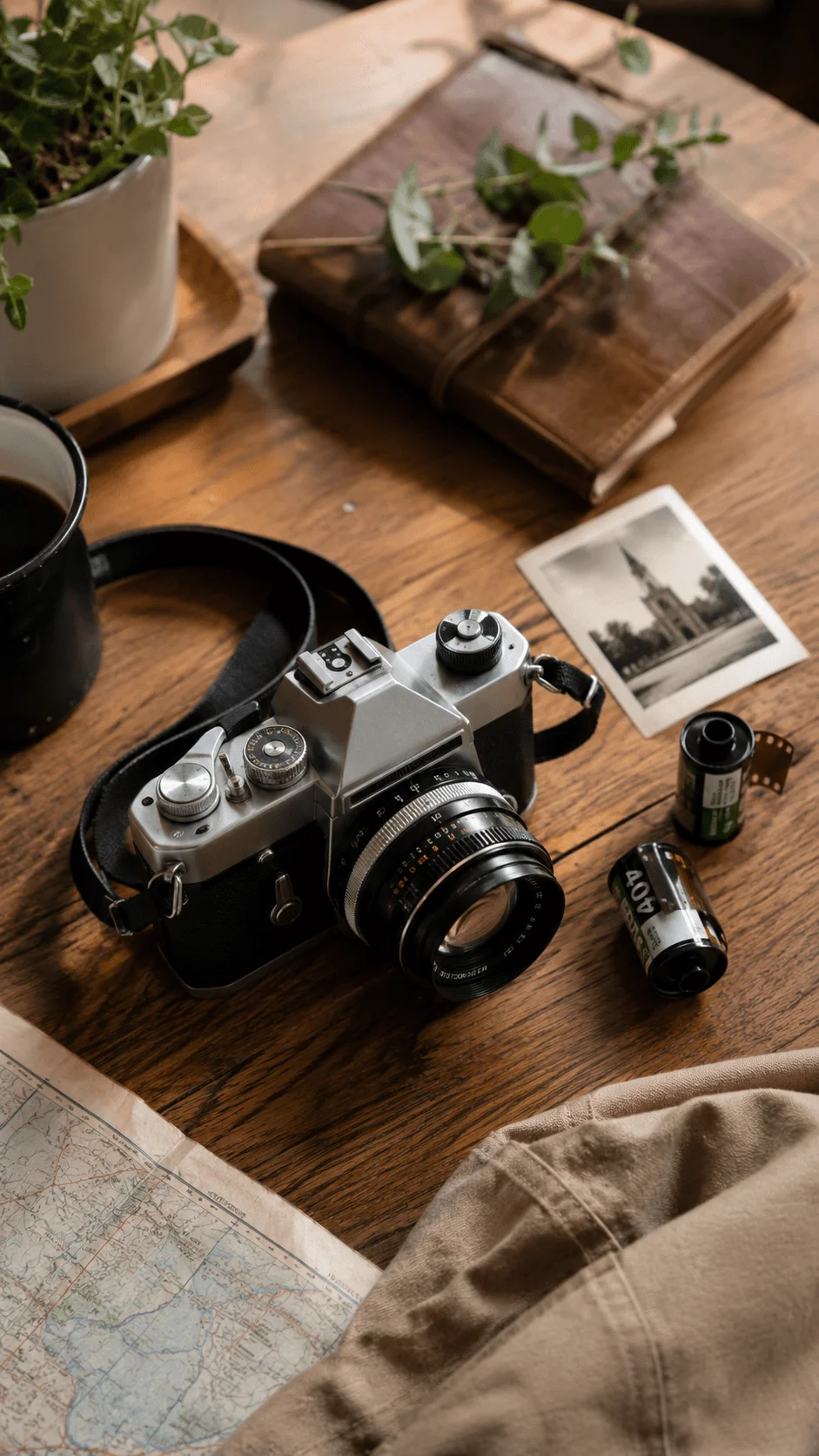
However, photographers interested in sustainability can take the idea further by choosing reusable equipment where practical. A reusable film camera can become a long term creative tool rather than something used once and discarded.
This makes reusable film photography an important part of the wider sustainable photography camera conversation. The aesthetic comes from the film process, while the sustainability opportunity comes from keeping the camera itself in use.
Second Hand Cameras Give Existing Equipment a New Life
Buying second hand equipment is another major idea behind sustainable photography. Instead of treating an older camera as outdated simply because newer models exist, photographers can evaluate whether the existing equipment still performs the job they need.
This approach works particularly well for aesthetic photography because the newest technology is not always the goal. A photographer searching for a vintage appearance may actually prefer the image produced by an older compact camera.
Second hand equipment can also introduce photographers to models they might never consider when shopping only for current releases. Older cameras can have distinctive lenses, unusual color rendering, physical controls, and compact designs that give photographs their own character.
The growing popularity of vintage CCD cameras demonstrates this point. Current 2026 photography coverage describes photographers rediscovering older CCD cameras after finding them in thrift shops and other second hand markets. The distinctive images then helped fuel wider interest in the cameras.

The sustainability benefit comes from extending the useful life of equipment. A camera that remains functional does not automatically become useless when a new generation arrives. With proper care, an older device can continue serving a photographer for many years.
For anyone searching for an eco friendly photography camera, this is one of the most practical concepts to understand. Sustainability does not always require purchasing something specifically marketed as sustainable. Sometimes the more sustainable decision is simply making better use of something that already exists.
CCD Cameras Are Turning Imperfections Into an Aesthetic
The CCD camera revival has become one of the defining visual trends of 2026. Older CCD based cameras can produce photographs with characteristics that differ noticeably from the highly processed appearance of modern smartphone images.
Photographers are increasingly attracted to warm colors, direct flash, visible texture, softer details, and the slightly unpredictable appearance associated with older digital cameras. The result can resemble photographs from an earlier era even though the photographer is using a digital device.
Current 2026 photography content specifically identifies the CCD look as a major reason behind the renewed interest in older digicams. Photographers are often more interested in the character of the image than the number of megapixels a camera offers.
This trend challenges the traditional idea that better photography always means sharper photographs and more advanced technology. Sometimes the imperfections create more emotional impact.
The CCD aesthetic also fits beautifully into the concept of an eco friendly photography camera because photographers can explore an older visual style using existing equipment. Rather than buying a new camera to imitate nostalgia through software, some photographers are choosing the original technology that created the look.

Of course, not every older CCD camera creates the same result. The lens, processing system, exposure settings, lighting, and condition of the camera all influence the final image. The goal is therefore not to find a technically perfect camera but to discover equipment whose natural characteristics fit the photographer’s creative vision.
Y2K Camera Aesthetics Are Still Influencing Photography
The Y2K aesthetic continues to influence photography in 2026, particularly among creators who want photographs that feel spontaneous, nostalgic, and distinctly different from polished smartphone imagery.
Early digital cameras have become closely associated with this visual culture. Small bodies, simple controls, built in flashes, compact lenses, and straightforward digital files can all contribute to the feeling.
The appeal extends beyond photography itself. Y2K camera aesthetics connect with fashion, design, music, social media culture, and nostalgia for early digital technology. Modern creators can use these cameras to make photographs that feel connected to the visual language of the early 2000s.
Current 2026 camera coverage continues to describe Y2K inspired designs and compact cameras as part of the ongoing retro technology revival. New screen free cameras are even adopting transparent and nostalgic designs that deliberately reference early digital technology.
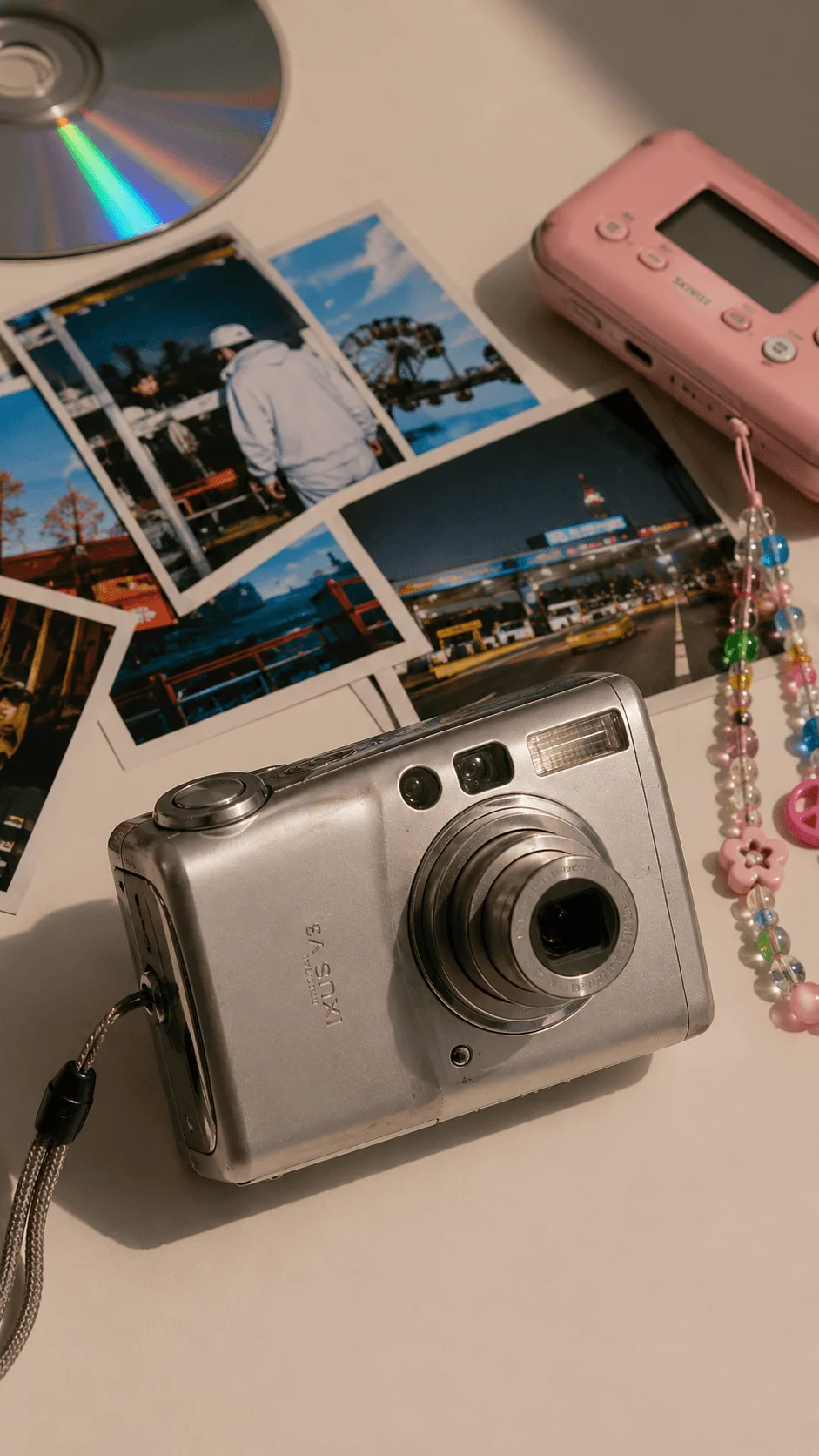
For an eco friendly photography camera approach, the most interesting part is that photographers can explore this aesthetic without chasing the newest professional specifications. A camera does not need enormous resolution or dozens of advanced features to create a memorable photograph.
The Y2K trend therefore represents something larger than nostalgia. It demonstrates that photographic value can come from character, limitations, and creative intention rather than technological perfection.
Minimalist Cameras Are Encouraging Slower Photography
The growing interest in minimalist cameras reflects a broader change in how people think about photography. Modern cameras can provide enormous numbers of features, advanced autofocus systems, multiple shooting modes, sophisticated video capabilities, and extensive customization. These features can be valuable, but they do not always make photography more enjoyable or meaningful.
Minimalist photography takes a different approach. Instead of focusing on having every possible feature, photographers can choose equipment that gives them the essential tools they actually need. A simple camera can encourage greater attention toward composition, light, timing, perspective, and the subject itself.
This idea connects strongly with the concept of a sustainable photography camera. Buying equipment that genuinely serves a photographer’s needs can reduce the temptation to replace it every time manufacturers introduce a new model. If a camera continues producing photographs that satisfy the photographer, there may be little reason to upgrade simply because another model has more features.
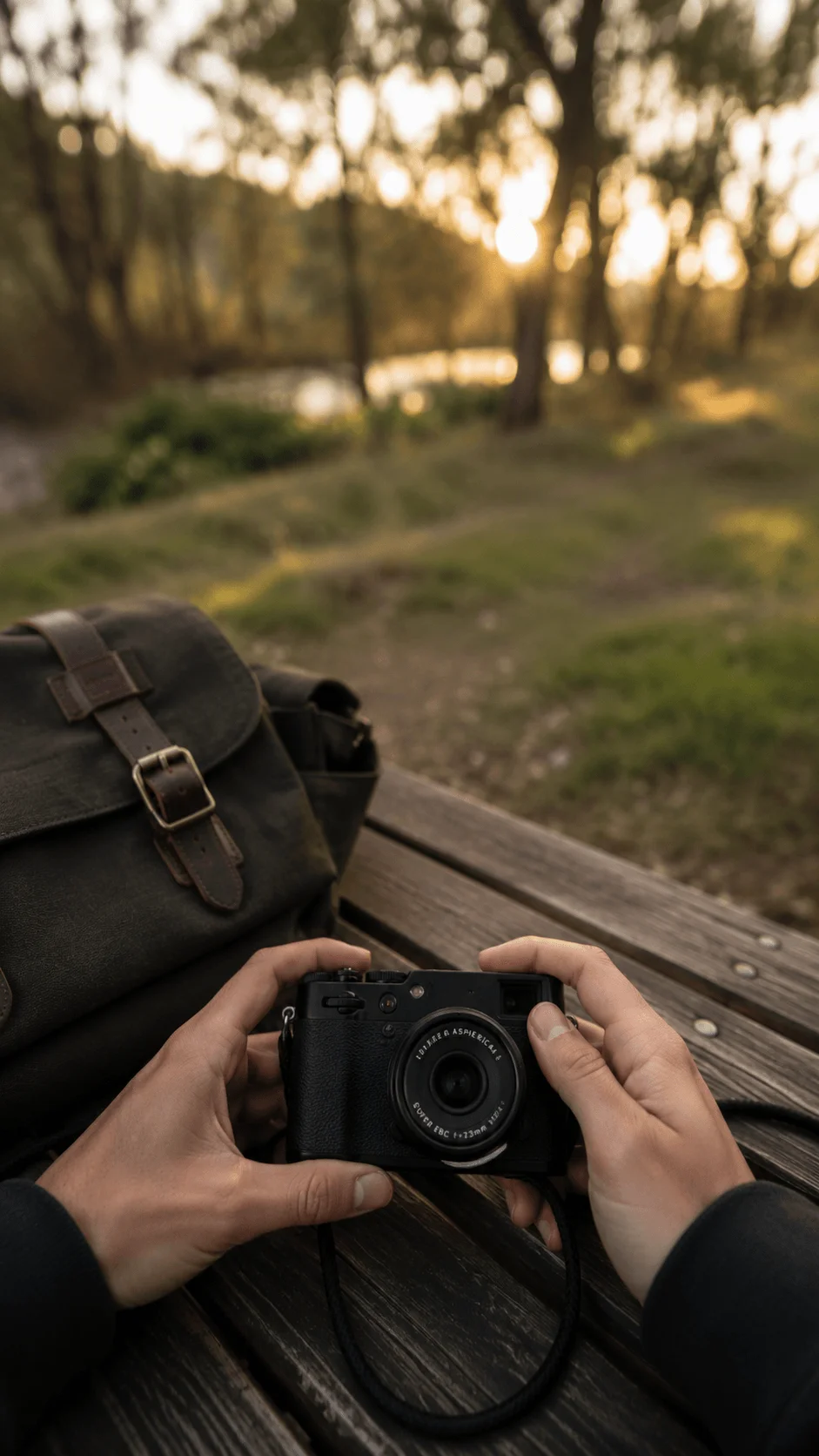
Minimalism can also influence the visual style of photography. When photographers stop relying on complicated equipment, they may become more experimental with ordinary environments. A wall, window, shadow, reflection, street corner, or garden can become an interesting subject.
The result can be a more personal photography style. Instead of allowing technology to determine what kind of photographs are possible, the photographer begins to make creative decisions based on observation.
This does not mean professional cameras are unnecessary. Rather, it encourages photographers to consider whether additional technology genuinely improves their creative work. An eco friendly photography camera can be any camera that provides lasting value and receives consistent use instead of being replaced unnecessarily.
Authentic Photography Is Becoming More Valuable in the Age of AI
Artificial intelligence has changed the visual landscape dramatically. Creators can now generate images, alter environments, change lighting, remove objects, and create scenes that never existed. These tools can be useful for creative work, but they have also increased interest in photographs that document something that actually happened.
Authenticity is therefore becoming an important part of contemporary photography.
A photograph taken in a real location contains information about a particular moment, environment, light condition, and perspective. Even when the photograph contains imperfections, those imperfections can communicate something genuine.
This makes authentic photography particularly interesting for aesthetic creators. A photograph does not always need perfect skin, perfect lighting, perfect colors, or a flawless background to become visually appealing. Sometimes the small imperfections make an image feel more personal.
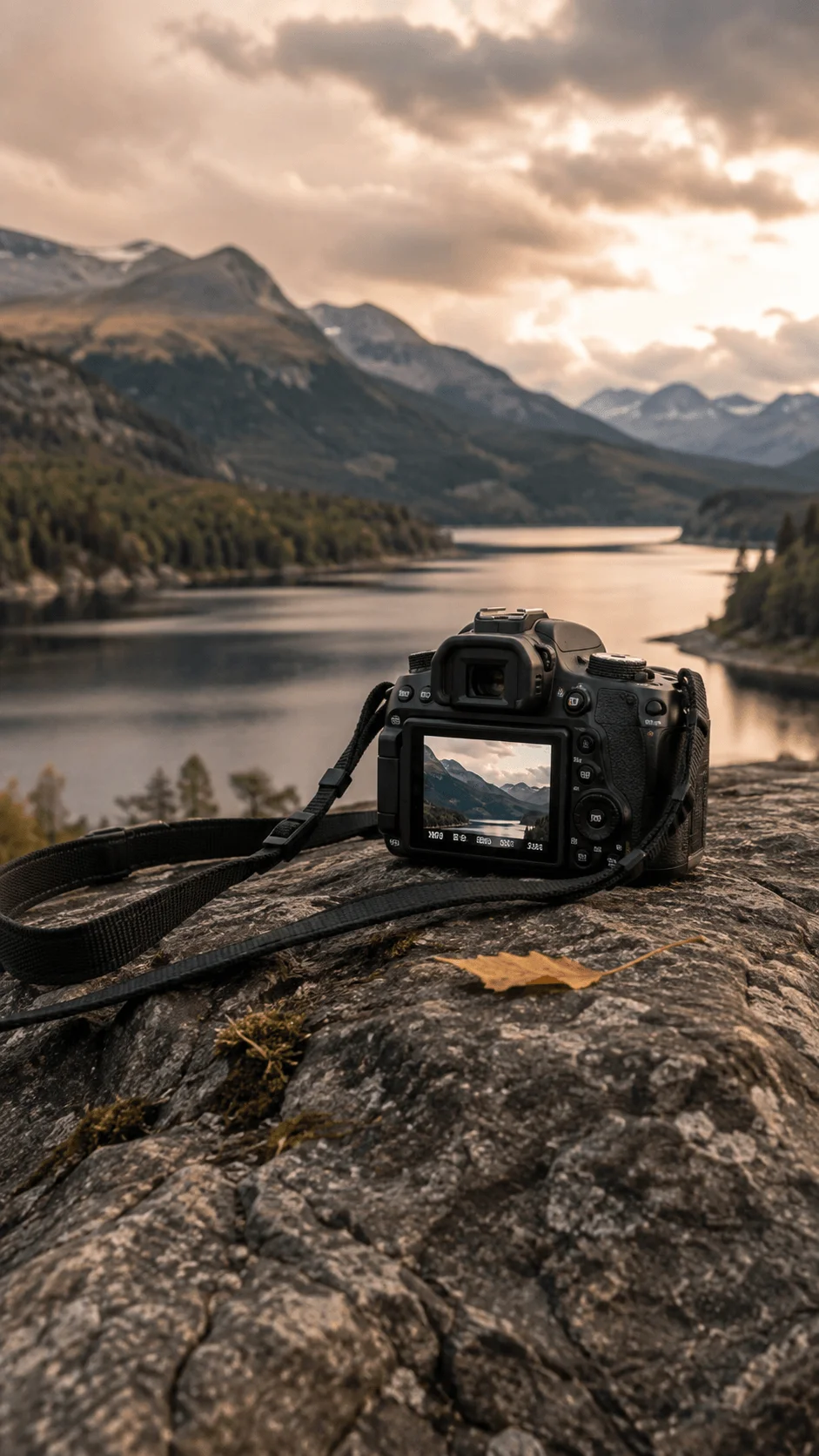
Current photography discussions in 2026 increasingly examine the relationship between traditional photography and AI generated imagery, particularly around authenticity and the value of real photographs.
The sustainability connection comes from the way photographers approach the creative process. Instead of constantly searching for new equipment, effects, and artificial environments, photographers can focus on observing the world around them.
An eco friendly photography camera can become a tool for documenting real places and genuine moments. The value comes from the photographer’s ability to notice interesting details rather than from the camera’s ability to create increasingly complex effects.
This approach can also make photographs feel more timeless. Trends in editing software can change quickly, while a photograph based on genuine observation can remain meaningful long after a particular visual effect becomes outdated.
Natural Light Creates Aesthetic Images With a Simpler Setup
Lighting plays one of the biggest roles in the appearance of a photograph. While professional photographers sometimes use large lighting systems and extensive studio equipment, beautiful aesthetic images can also come from simple environmental light.
Natural light offers countless possibilities. Morning sunlight can produce soft and gentle photographs, while late afternoon light can create warmth and depth. Window light can produce a quiet indoor atmosphere, while overcast conditions can create soft shadows and even illumination.
The creative possibilities become even broader when photographers pay attention to reflections. Glass, water, mirrors, metallic surfaces, pale walls, and even sidewalks can redirect light into a scene.
This approach fits well with eco friendly photography equipment because photographers can create interesting results without continually adding more equipment to their setup. A camera, an appropriate lens, and an understanding of available light can provide enormous creative possibilities.
Natural light also encourages photographers to work with the environment rather than attempting to completely control it. Instead of forcing a particular lighting arrangement, the photographer can observe where the light naturally falls and build a composition around it.

This can lead to a more organic aesthetic. Shadows become part of the photograph rather than something that needs to be removed. Reflections become creative elements. Changes in weather can transform an ordinary location into something visually interesting.
The most sustainable approach is not necessarily to avoid every piece of artificial equipment. Instead, photographers can ask whether they really need additional equipment for a particular project. Sometimes better observation can replace another purchase.
Local Photography Can Create a Stronger Visual Identity
Photography does not always require an expensive trip to an exotic location. Some of the most interesting aesthetic photographs can come from places photographers already know.
Local streets, neighborhood buildings, parks, gardens, cafés, markets, public spaces, old signs, architecture, textures, shadows, and everyday objects can all become photographic subjects.
This approach has two major advantages. First, it encourages photographers to discover visual opportunities that other people may overlook. Second, it reduces the need to travel long distances solely to create photographs.
Sustainable photography discussions increasingly encourage photographers to consider the environmental impact of travel and to explore local environments more thoughtfully. Responsible photography can begin in the photographer’s own neighborhood rather than requiring an international destination.

Local photography can also produce a more distinctive visual identity. A photographer who repeatedly explores the same area may begin noticing seasonal changes, unusual lighting, hidden textures, architectural details, and small cultural moments.
Over time, this creates a body of work that feels connected.
An eco friendly photography camera becomes especially useful in this situation because portability and simplicity matter more than having an enormous amount of equipment. A small camera can be carried during ordinary walks, allowing the photographer to capture unexpected moments without planning an entire production.
This can turn everyday life into a continuous creative project.
Ethical Nature Photography Puts Responsibility Before the Perfect Image
Sustainable photography is not only about equipment. It is also about how photographers behave around the subjects they photograph.
Nature and wildlife photography can create beautiful images, but photographers need to remember that animals and natural environments exist independently of the camera. A photograph should never become more important than the welfare of the subject.
Responsible nature photography means maintaining appropriate distance, respecting restricted areas, following local regulations, avoiding unnecessary disturbance, and allowing wildlife to behave naturally.
Photographers should also think carefully before sharing information that could expose sensitive habitats to excessive visitors. A beautiful location can become vulnerable when large numbers of people suddenly travel there because they saw it online.
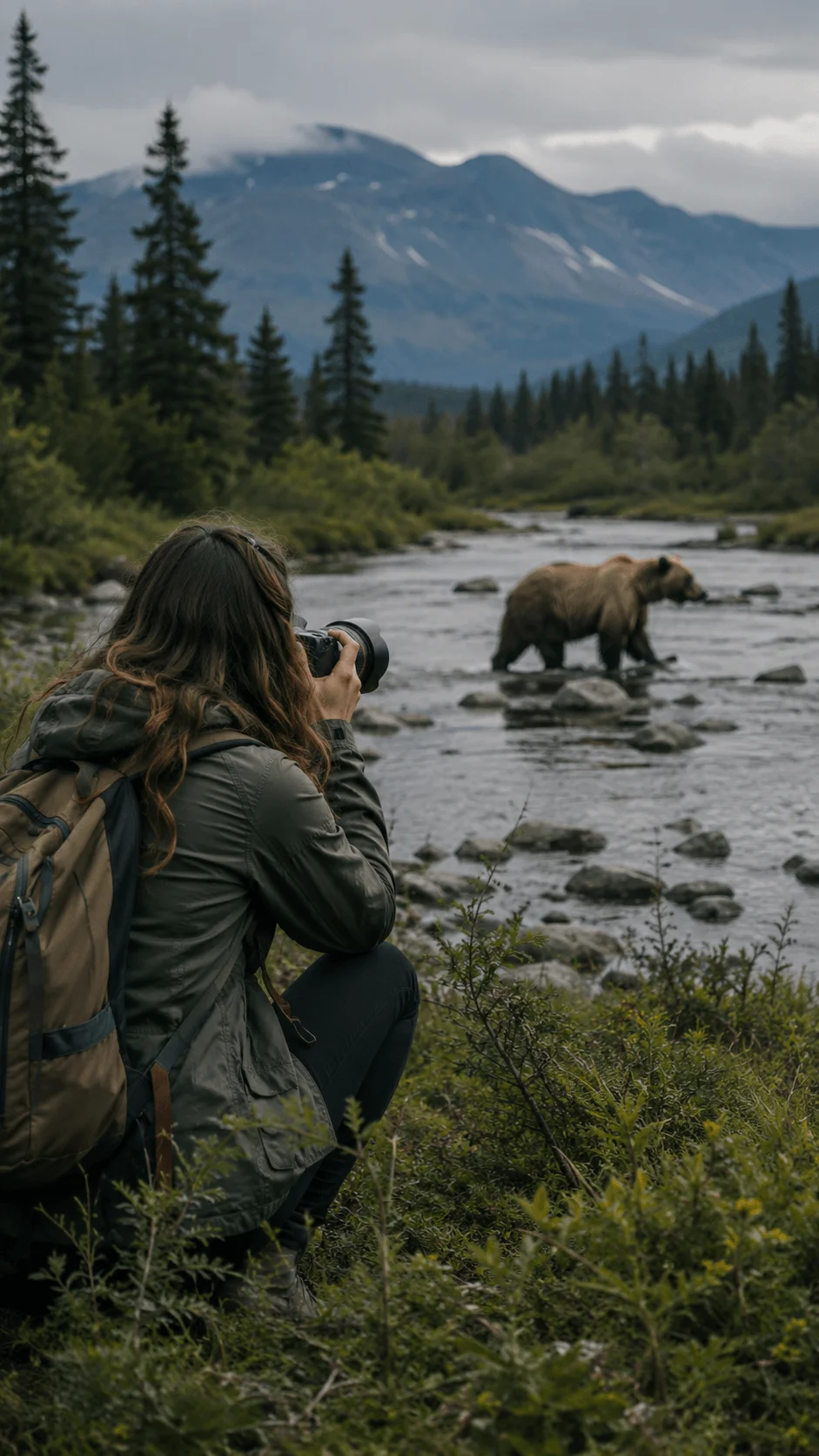
Current sustainability guidance for photographers emphasizes responsible wildlife behavior, ethical travel, respect for habitats, and minimizing disturbance while photographing natural environments.
This approach creates a deeper meaning behind sustainable aesthetic photography. The goal is not simply to make an attractive image. The goal is to create that image while respecting the environment that made it possible.
Nature photography can also become more meaningful when photographers spend time observing rather than rushing to capture a photograph. Watching how light changes across a landscape or how animals naturally move can produce better results than attempting to force a particular scene.
A responsible photographer understands that sometimes the best decision is to put the camera down.
Sustainable Camera Accessories Can Matter Too
Photographers often focus heavily on the environmental impact of the camera body while overlooking everything around it. Bags, straps, tripods, storage equipment, batteries, memory cards, filters, lighting accessories, and other products can all become part of a photography setup.
A more sustainable approach starts with buying fewer unnecessary accessories and choosing equipment that can remain useful for a long time.
Durability is particularly important. A cheap accessory that breaks quickly may require repeated replacement, while a well made product can remain in use for years. Modular equipment can also be useful because photographers can replace or upgrade individual components rather than discarding an entire setup.
Current sustainability discussions within photography equipment increasingly emphasize durable materials, modular systems, repairability, and longer equipment lifecycles.
This does not mean photographers need to purchase expensive accessories. The more important principle is to think carefully before buying.
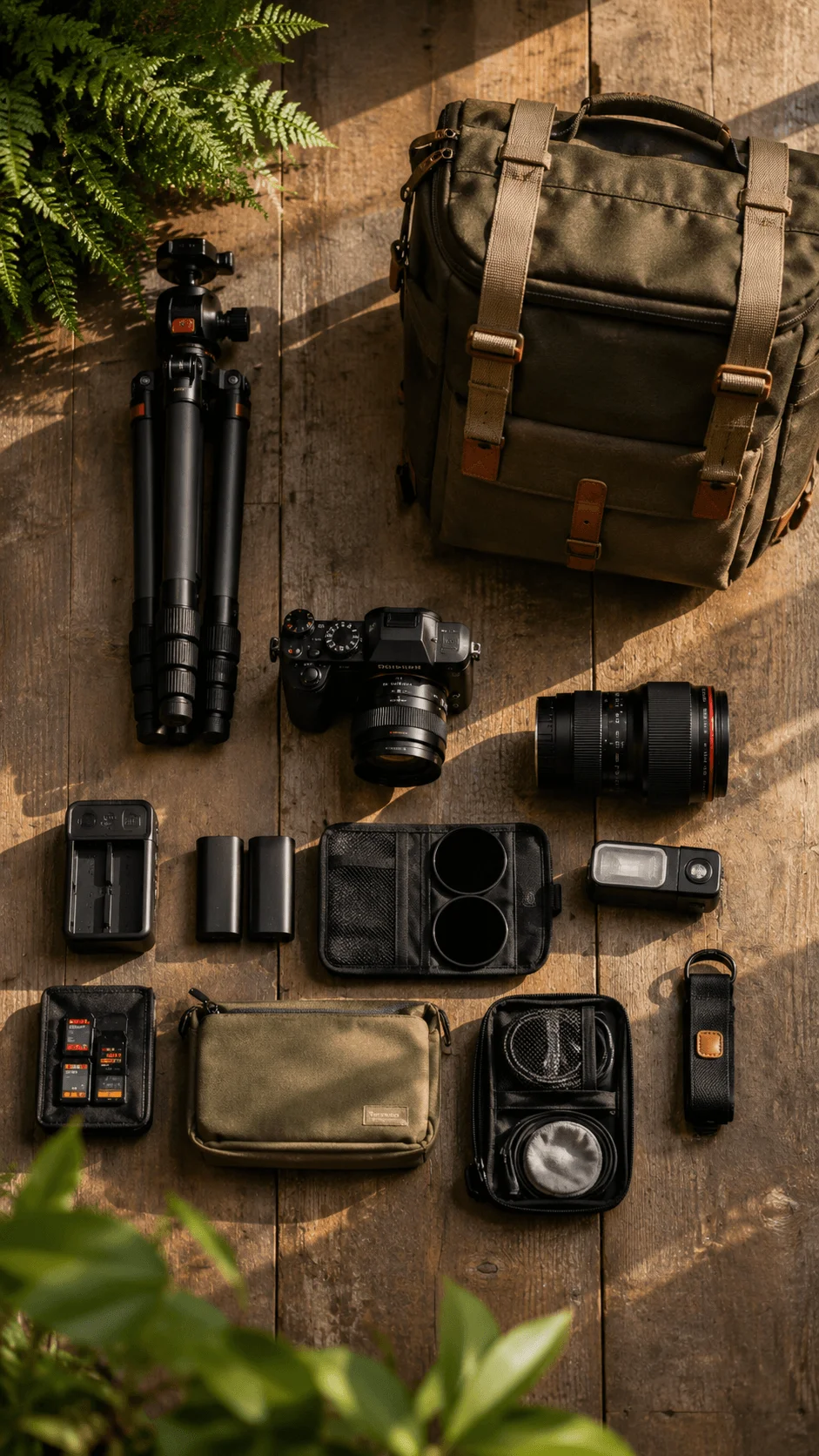
Ask whether an accessory solves a genuine problem. Consider whether an existing item can perform the same job. If a replacement becomes necessary, choose something that fits the photographer’s long term needs.
The same philosophy applies to camera bags. A durable bag can protect equipment and remain useful for many years. Instead of buying several bags for different trends, photographers can choose one practical option that suits their regular work.
The idea of eco friendly camera gear therefore extends beyond the camera itself. Every piece of equipment can be considered through the lens of longevity and usefulness.
The Future of Eco Friendly Aesthetic Photography
The future of sustainable photography is likely to involve a combination of old and new ideas.
Retro digital cameras may continue attracting photographers because they provide a visual character that modern devices often struggle to reproduce naturally. Screen free cameras may continue appealing to people who want a less distracting photography experience. Reusable film cameras can maintain their position among creators who enjoy analog processes.
At the same time, sustainability may increasingly influence how photographers think about equipment ownership.
The industry does not need to move toward a world where everyone uses the same type of environmentally friendly camera. Instead, photographers can make more individual choices based on longevity, repairability, reuse, durability, and actual creative needs.
The continued revival of compact cameras demonstrates that photographers do not always want the newest technology. Recent reporting on the camera market has also highlighted strong renewed consumer interest in dedicated cameras, reinforcing the idea that physical cameras still have an important place in modern visual culture.
This could make the future of eco friendly photography cameras less about creating completely new categories and more about changing how existing equipment is used.
A photographer who keeps a camera for many years, repairs it when practical, buys used equipment, explores local environments, uses natural light, and photographs nature responsibly can create a much more thoughtful photography practice.
The aesthetic side makes this movement even more interesting. Sustainability does not have to mean sacrificing creativity. In many cases, limitations can actually encourage creativity.
Conclusion
The idea of an eco friendly photography camera goes far beyond finding a camera advertised as environmentally friendly. Sustainable photography is ultimately about making thoughtful decisions about equipment, consumption, creativity, and the environments we photograph.
The renewed popularity of retro digital cameras, CCD cameras, Y2K aesthetics, reusable film cameras, screen free cameras, and minimalist photography shows that photographers are increasingly willing to explore alternatives to technological perfection. Older equipment can produce distinctive images, while second hand cameras can give existing technology another useful life.
At the same time, sustainable photography depends on behavior. Taking care of equipment, repairing useful gear, avoiding unnecessary upgrades, choosing durable accessories, exploring local locations, using natural light, and respecting wildlife can all contribute to a more responsible creative practice.
The most exciting part is that sustainability and aesthetic photography do not have to compete. They can strengthen each other. A photographer can use the limitations of an older camera to create a distinctive visual style while extending the life of existing technology. They can explore their local environment rather than constantly traveling for photographs. They can choose authentic moments over artificial perfection.
Ultimately, the best eco friendly photography camera may be the camera that you genuinely enjoy using and continue using for years. When photographers focus less on constant consumption and more on creativity, observation, care, and longevity, photography can become both more personal and more sustainable.