12 Eco Friendly Waste Sorting and Handling Ideas for 2026
Eco friendly waste sorting and handling has become much more important in 2026 as households, businesses, schools, and communities look for better ways to reduce contamination, recover useful materials, and keep harmful waste out of ordinary bins. Waste management no longer starts when a collection truck arrives. It begins when people decide whether an item should be reused, repaired, returned, composted, recycled, or handled separately. A thoughtful sorting system can make these decisions easier while helping valuable materials stay useful for longer.
Modern waste systems are also changing because the materials inside everyday rubbish have become more complicated. Packaging can combine paper, plastic, foil, adhesives, and coatings. Small electronics often contain rechargeable batteries. Clothing may contain several different fibres. Food residue can quickly contaminate otherwise recyclable materials. These challenges have pushed sustainable waste sorting toward better source separation, clearer information, smarter collection systems, and greater attention to reuse.
Technology now plays a larger role as well. Artificial intelligence can help identify waste materials, sensors can monitor container capacity, and digital tracking can provide more information about where waste goes after collection. However, technology does not replace good habits. In many homes, simple changes such as clearer labels, separate containers, and a reuse area can improve eco friendly waste sorting and handling without expensive equipment.
The following ideas combine practical household strategies with emerging 2026 trends to create a more organized and sustainable approach to everyday waste.
Create a Four Stream Sustainable Waste Sorting Station at Home
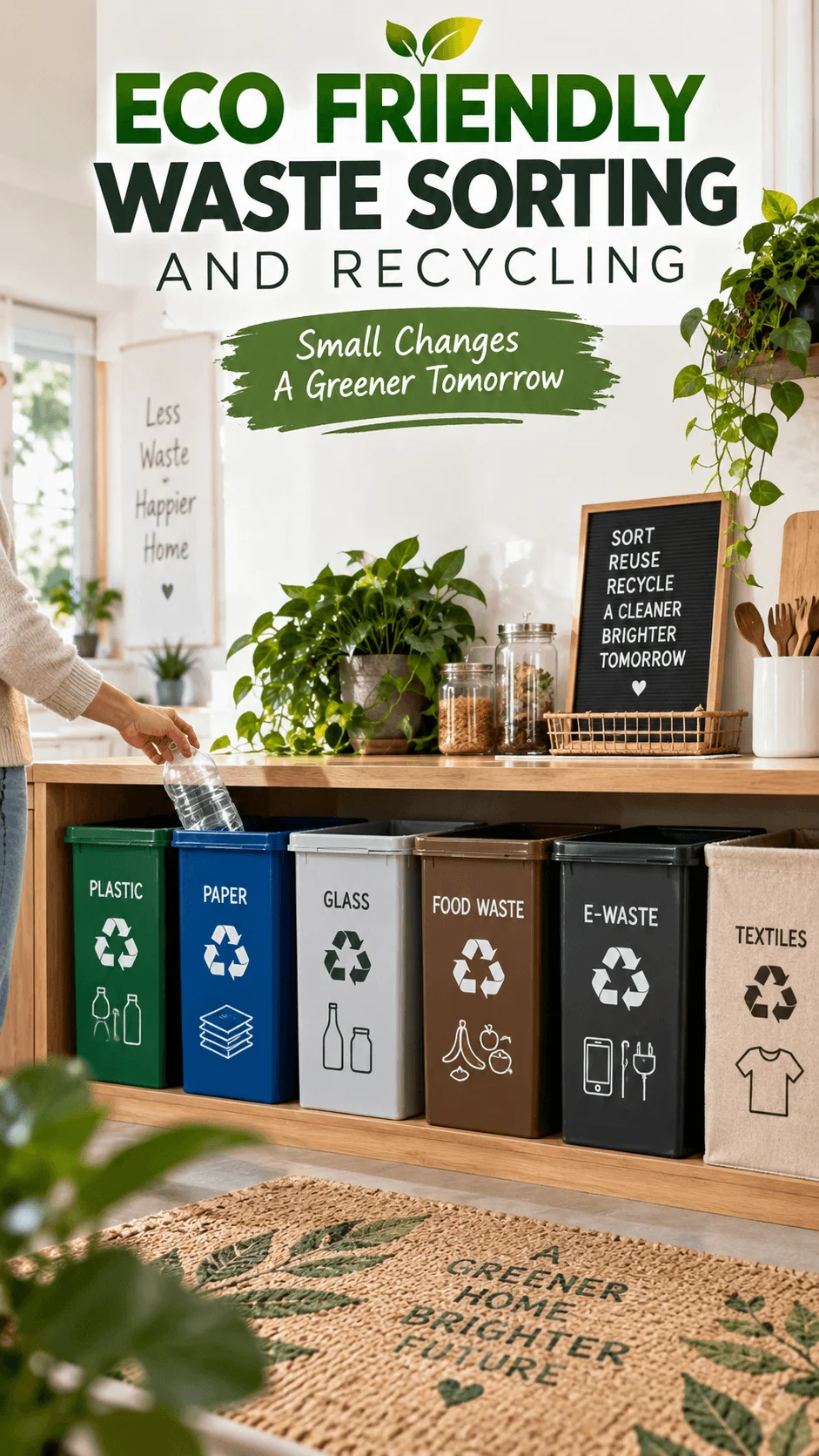
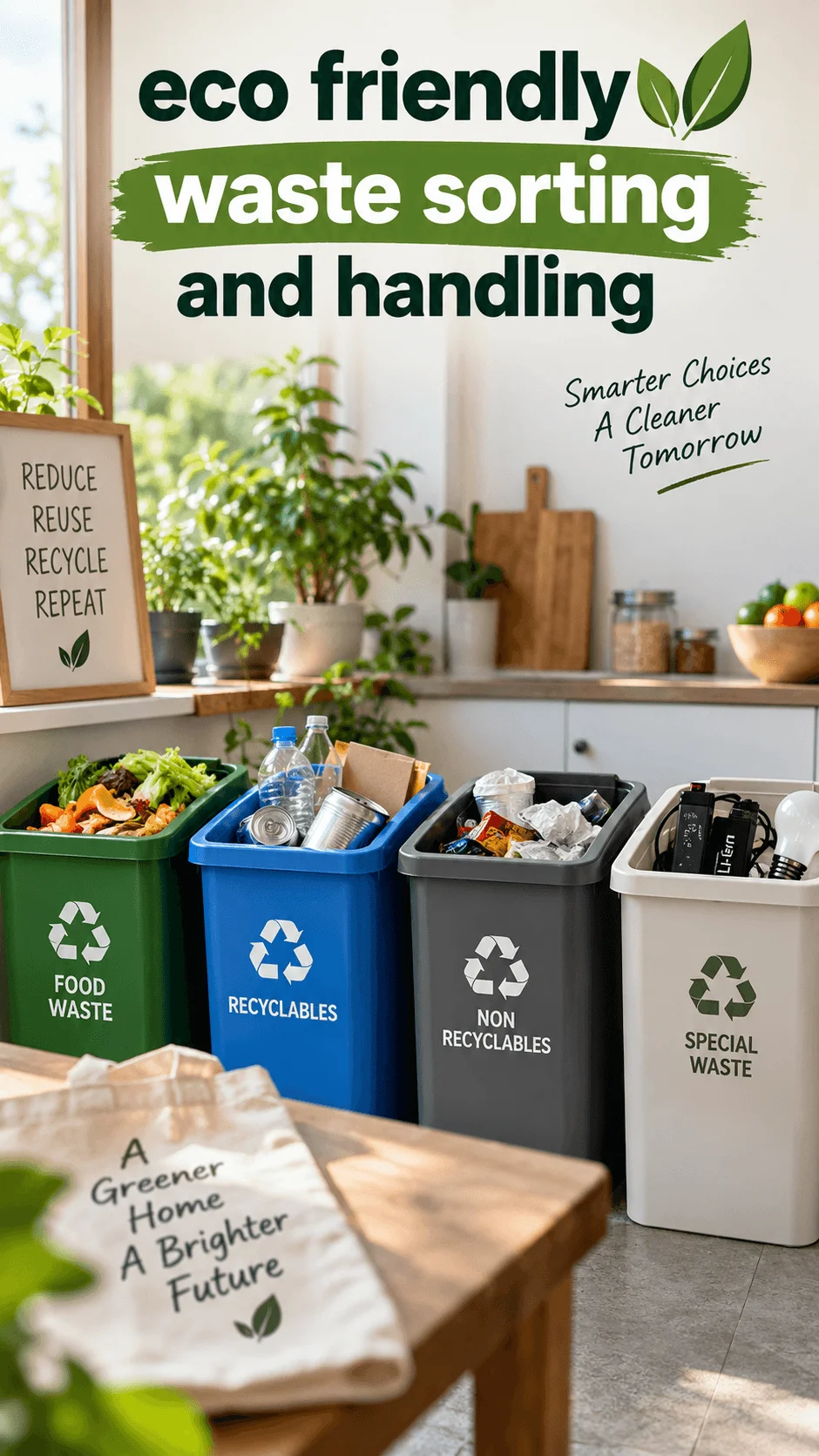
One of the most useful changes a household can make is to sort waste at the point where it is created. A four stream system can separate wet waste, dry waste, sanitary waste, and special care waste where local collection services support those categories. This approach can reduce unnecessary mixing and make later handling more efficient.
Wet waste usually includes suitable food scraps and other organic material, while dry waste can include recyclable packaging and other clean materials depending on local rules. Sanitary waste needs separate handling because it may contain material that should not enter ordinary recycling. Special care waste can include items such as batteries, certain electronics, bulbs, or other materials that require dedicated collection.
The key to successful household waste segregation is convenience. If every container sits far from the place where people generate waste, they may ignore the system. A kitchen can hold containers for food waste and recyclable materials, while a utility room or secure cupboard can store batteries and other special items.
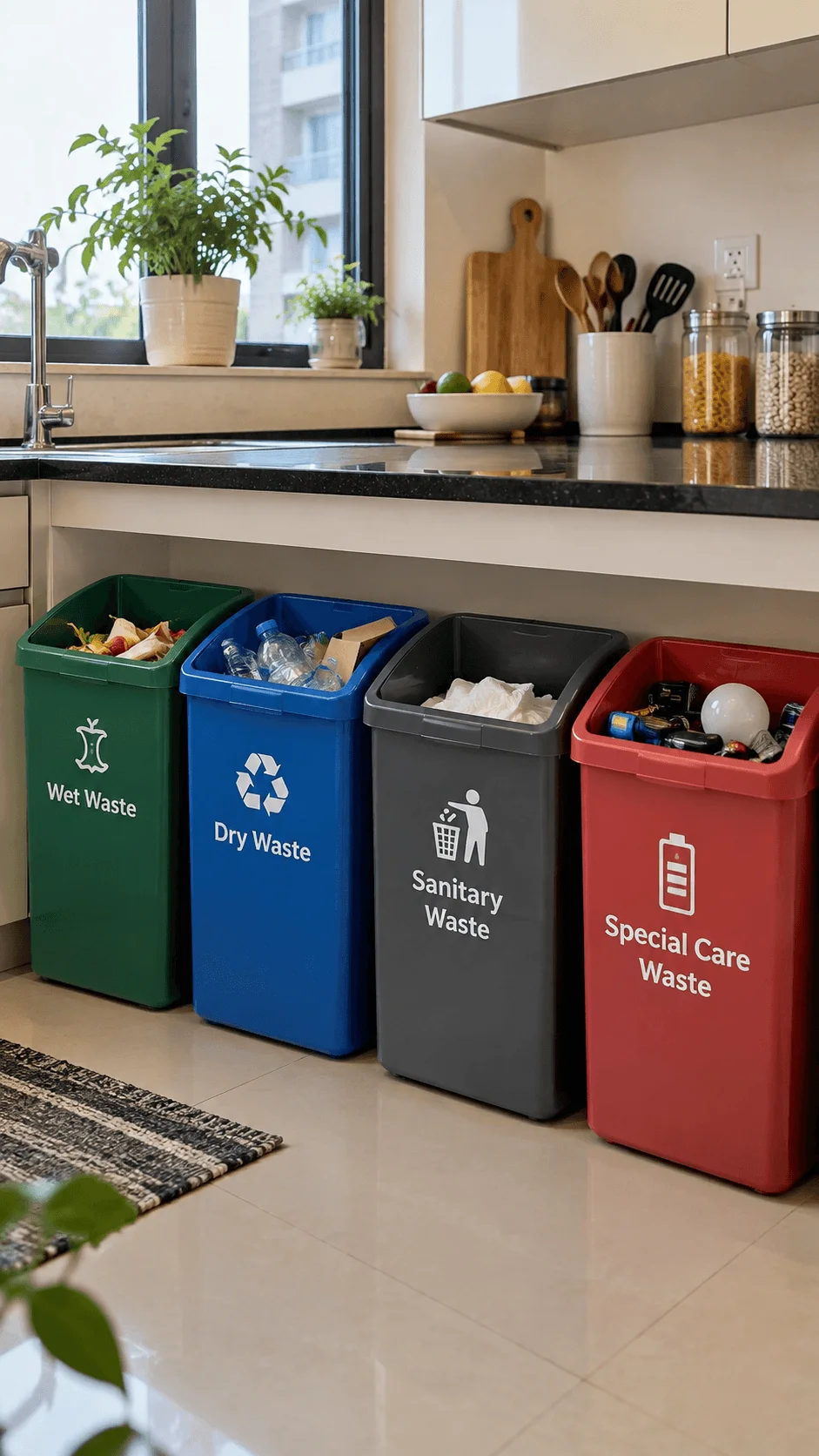
Small homes do not need four large bins. Compact containers, stackable boxes, or clearly marked storage areas can work just as well. The goal is to make waste segregation at source simple enough that household members can follow it every day.
Eco friendly waste sorting and handling becomes much easier when the home has a clear structure from the beginning. A good sorting station prevents confusion before waste reaches a collection point.
Explore AI Assisted Smart Waste Sorting
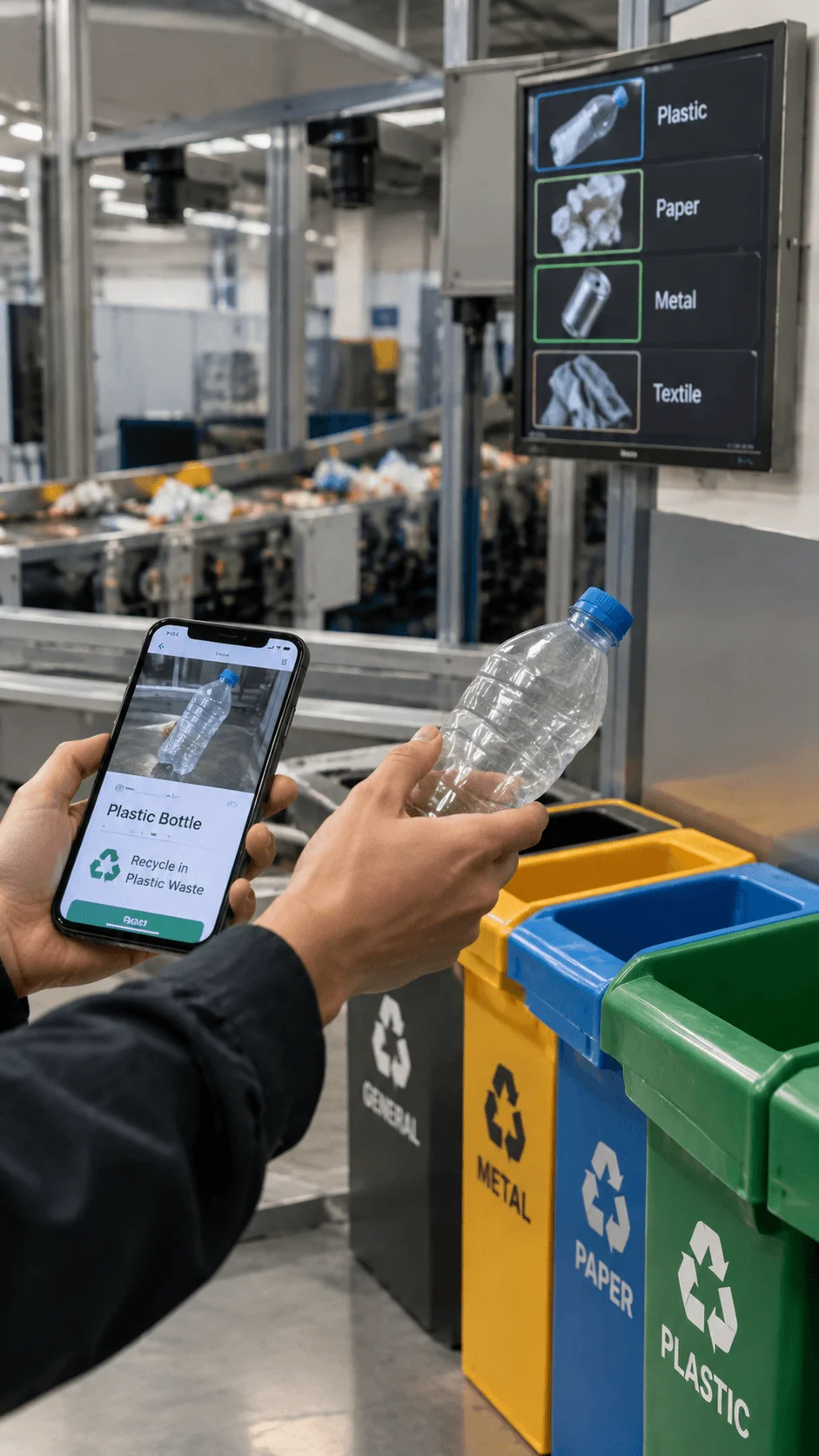
Artificial intelligence has become one of the most discussed developments in modern waste management. Recycling facilities can use cameras, sensors, and computer vision to identify objects and separate different material types more accurately.
An AI waste sorting system can examine shape, color, texture, and other visual characteristics. In large facilities, automated equipment may help distinguish plastic containers, paper, metals, textiles, and mixed packaging. These systems can process large volumes of material more quickly than traditional manual sorting alone.
The technology also has potential beyond industrial facilities. Smart disposal stations could eventually identify an object and suggest the correct waste stream. A phone based tool might allow someone to scan unfamiliar packaging and receive disposal guidance. This could reduce uncertainty for products that do not fit obvious categories.
Smart waste sorting at home could become especially useful as packaging grows more complicated. Consumers often struggle with objects made from several materials, and visual recognition tools could make those decisions easier.
However, AI should not become a reason to make waste systems more complicated. Equipment requires energy, maintenance, software, and reliable data. A clearly organized household station may still work better than an expensive smart bin for many people.
Eco friendly waste sorting and handling should use technology where it solves a genuine problem rather than adding technology simply because it is available.
Improve Responsible Waste Handling With Digital Labels and QR Codes
Physical recycling symbols often provide limited information. A package may contain several materials, but the label may only give one general instruction. Digital labels and QR codes can offer more detailed guidance.
A consumer could scan a code and learn which parts of the package belong in recycling, which parts require separate handling, and whether the container can return to the retailer. Digital product information can also provide instructions about repair, reuse, refill options, or responsible disposal.
This idea becomes more useful when local waste rules change. Printed packaging remains fixed, while digital guidance can change more easily. A digital system could potentially provide instructions based on location, product type, or available collection services.
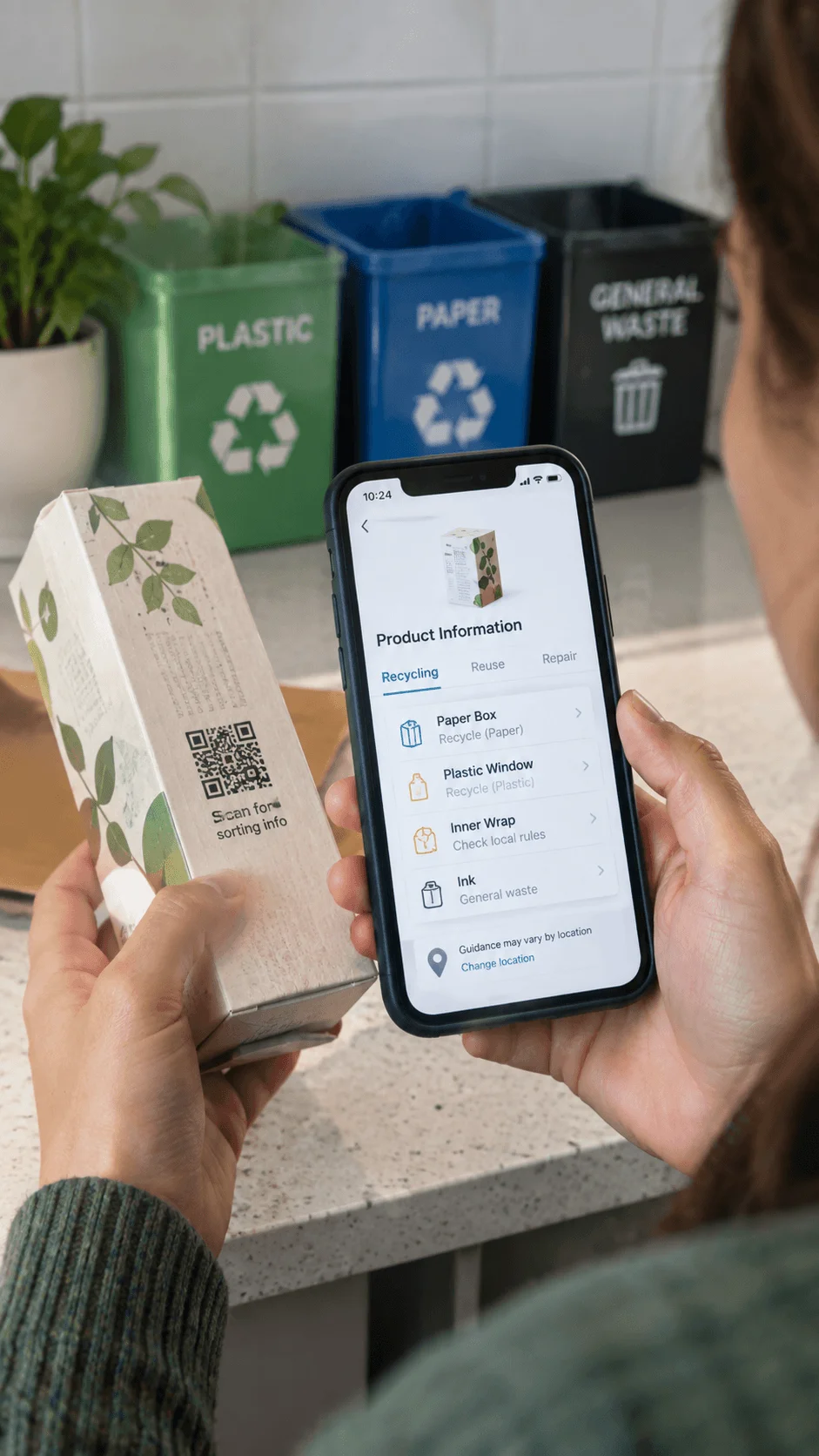
Digital product passports may also become more relevant as manufacturers provide more information about materials, repairability, and end of life handling. This could support sustainable waste handling by giving consumers information that currently remains difficult to find.
However, digital guidance should complement simple physical labels. People should not need a phone for every basic disposal decision. Clear symbols and readable instructions still matter.
The best system combines physical clarity with optional digital detail. That balance can help people sort waste correctly without making the process inconvenient.
Separate Food Waste for More Sustainable Household Waste Management
Food waste deserves its own waste stream because it can quickly contaminate other materials. A piece of clean cardboard may have recycling value, but food residue, oil, or moisture can reduce that value and create problems during collection and processing.
Food waste sorting at home starts by keeping suitable organic material separate from dry recyclable materials. A small kitchen container can collect fruit scraps, vegetable trimmings, coffee grounds, and other accepted organics according to local rules.
Households with suitable outdoor space may use home composting. Community composting can offer another option where local programs exist. Some cities collect organic waste and send it to larger composting facilities or anaerobic digestion systems.
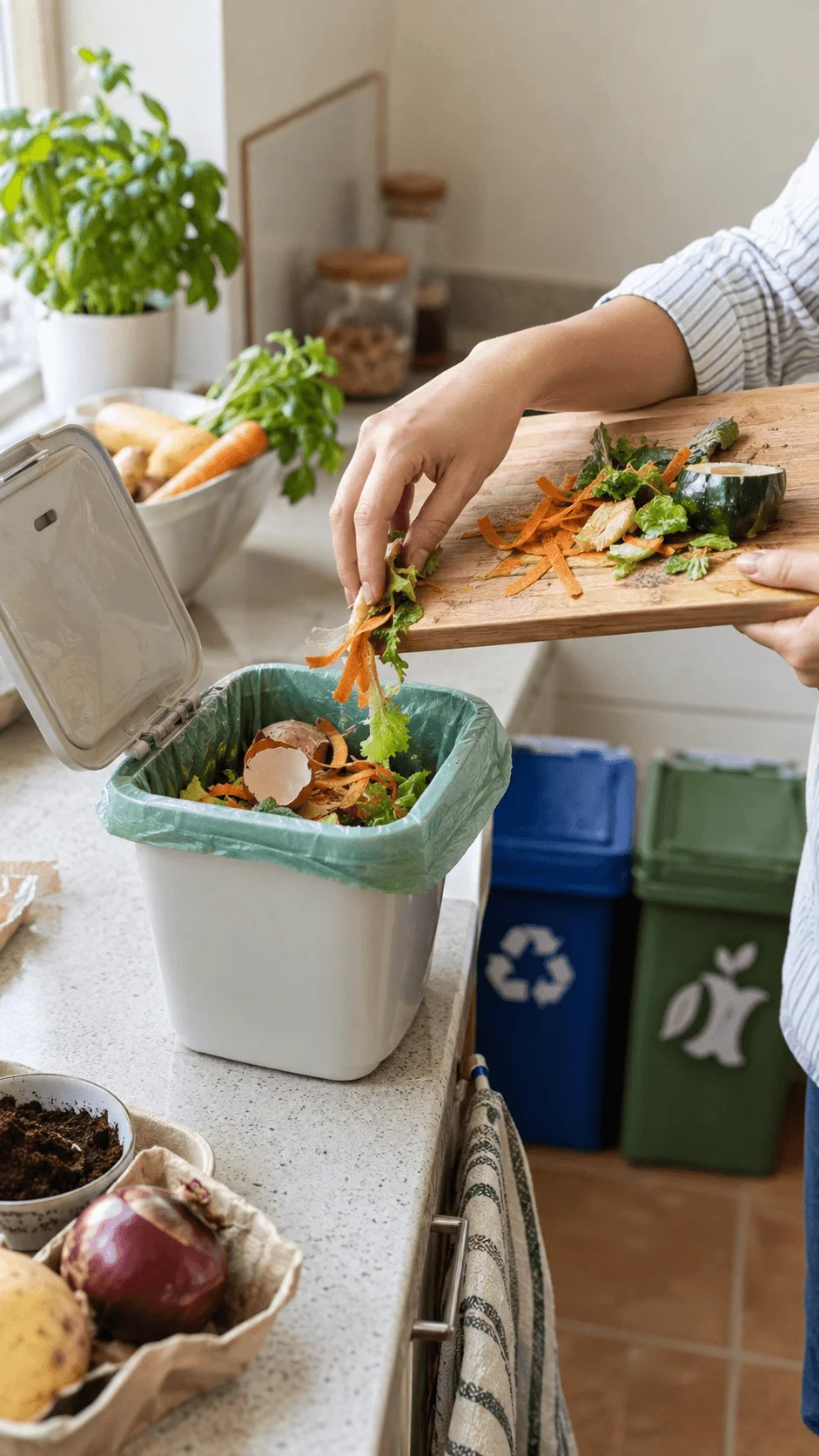
Good food waste handling also requires attention to moisture and odor. A container that sits too long can become unpleasant and discourage household members from using the system. Regular emptying, sensible container size, and basic cleaning can keep the process manageable.
Prevention remains even more important than sorting. Households can reduce edible food waste by planning meals, storing food properly, using leftovers, and avoiding unnecessary purchases.
This wider approach strengthens eco friendly waste sorting and handling because it reduces the amount of material that enters the waste system in the first place.
Keep Batteries and Electronics Separate for Safer Waste Handling
Modern homes contain more rechargeable products than ever before. Phones, power banks, wireless accessories, electronic toys, small appliances, and portable devices can all contain batteries that require careful handling.
Throwing batteries into ordinary household waste can create safety problems. Collection vehicles and processing equipment can crush or damage them, which may increase the risk of fire. Batteries can also contain materials that deserve proper recovery rather than uncontrolled disposal.
A simple household collection box can help. People can keep used batteries and small electronics in a secure, dry place until they can take them to an approved local collection point.
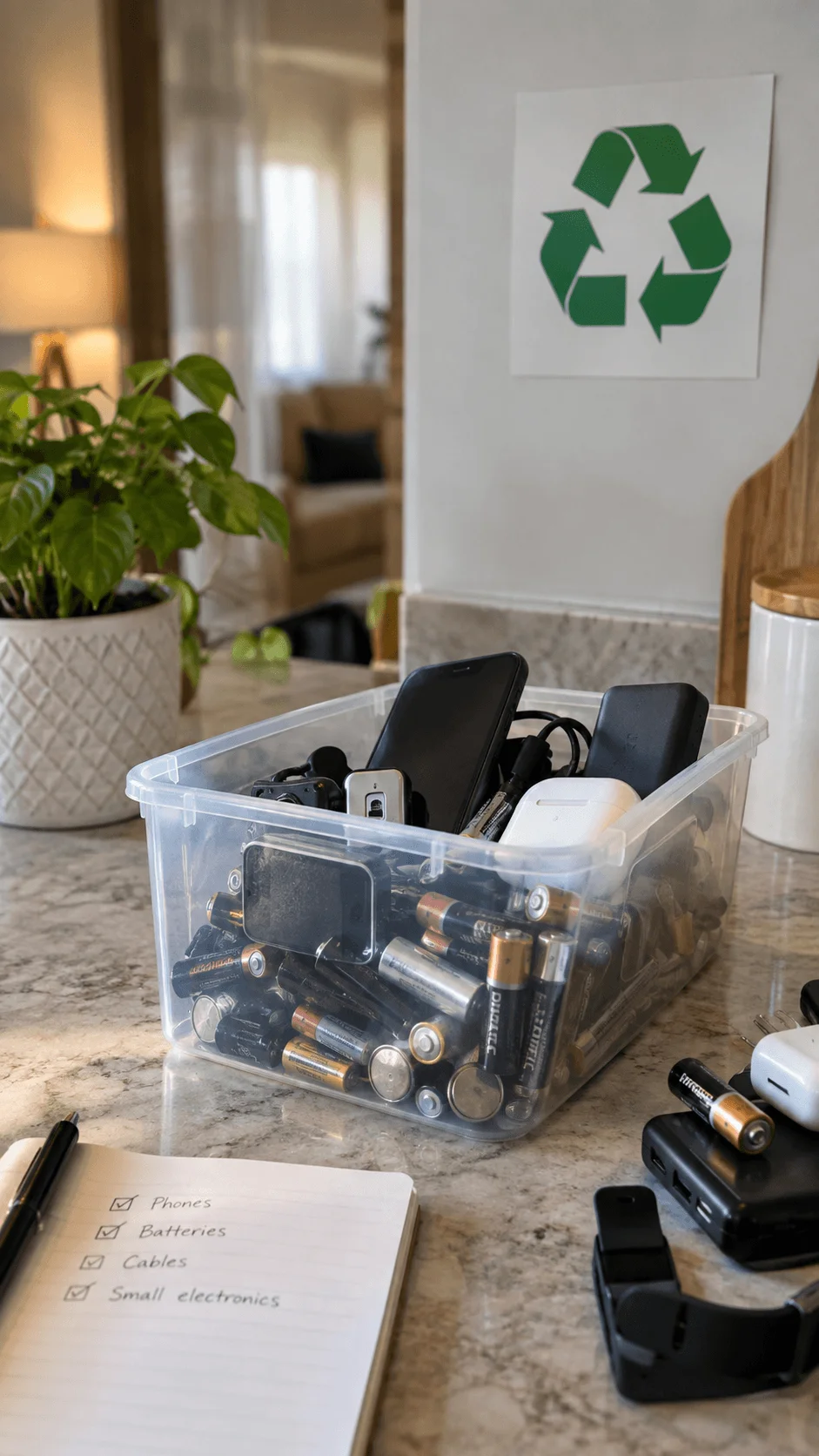
Safe battery disposal at home does not mean storing large amounts for long periods. The goal is temporary separation from ordinary waste.
Local requirements vary, so people should always follow collection guidance in their area. Different battery types and electronic products may follow different routes.
Separating batteries also makes eco friendly waste sorting and handling safer for waste workers and processing facilities. It shows why responsible waste management involves more than maximizing recycling volume. Safety matters just as much as recovery.
Create a Textile Reuse and Recycling Stream
Clothing and household textiles often end up in general waste even when they still have potential value. A better system treats textiles as a separate category and considers several possible destinations before disposal.
A household can first decide whether an item can remain in use. Clothing may need only a small repair, adjustment, or cleaning. Other items may suit resale, donation, creative reuse, or repurposing.
Damaged textiles may still have value if local recycling services accept them. Some textile recovery systems separate materials by fibre type, although blended fabrics remain challenging. A single garment may contain cotton, polyester, elastane, buttons, zippers, adhesives, and decorative parts.
Newer textile sorting technology can help identify fibre composition more accurately, which may improve future recycling systems. These developments make textile waste sorting at home increasingly relevant.

Consumers can also reduce textile waste by keeping clothes in use longer and choosing repair when practical.
This approach supports eco friendly waste sorting and handling because it treats clothing as a resource with several possible uses instead of immediate rubbish.
Reduce Recycling Contamination With Better Pre Sorting
Recycling contamination remains one of the biggest problems in household sorting. People often place an item into a recycling container because they hope it can be recycled, even when local facilities do not accept it.
This behavior sometimes creates more problems than benefits. Food residue, liquids, plastic films, mixed packaging, and unsuitable materials can reduce the quality of a recycling stream.
A simple pre sorting area can help. Before placing uncertain packaging into recycling, household members can check local instructions, separate removable components where appropriate, and make sure the item meets local requirements.
Reducing recycling contamination requires quality rather than quantity. A full recycling container does not automatically represent good environmental behavior if many items inside cannot be processed.
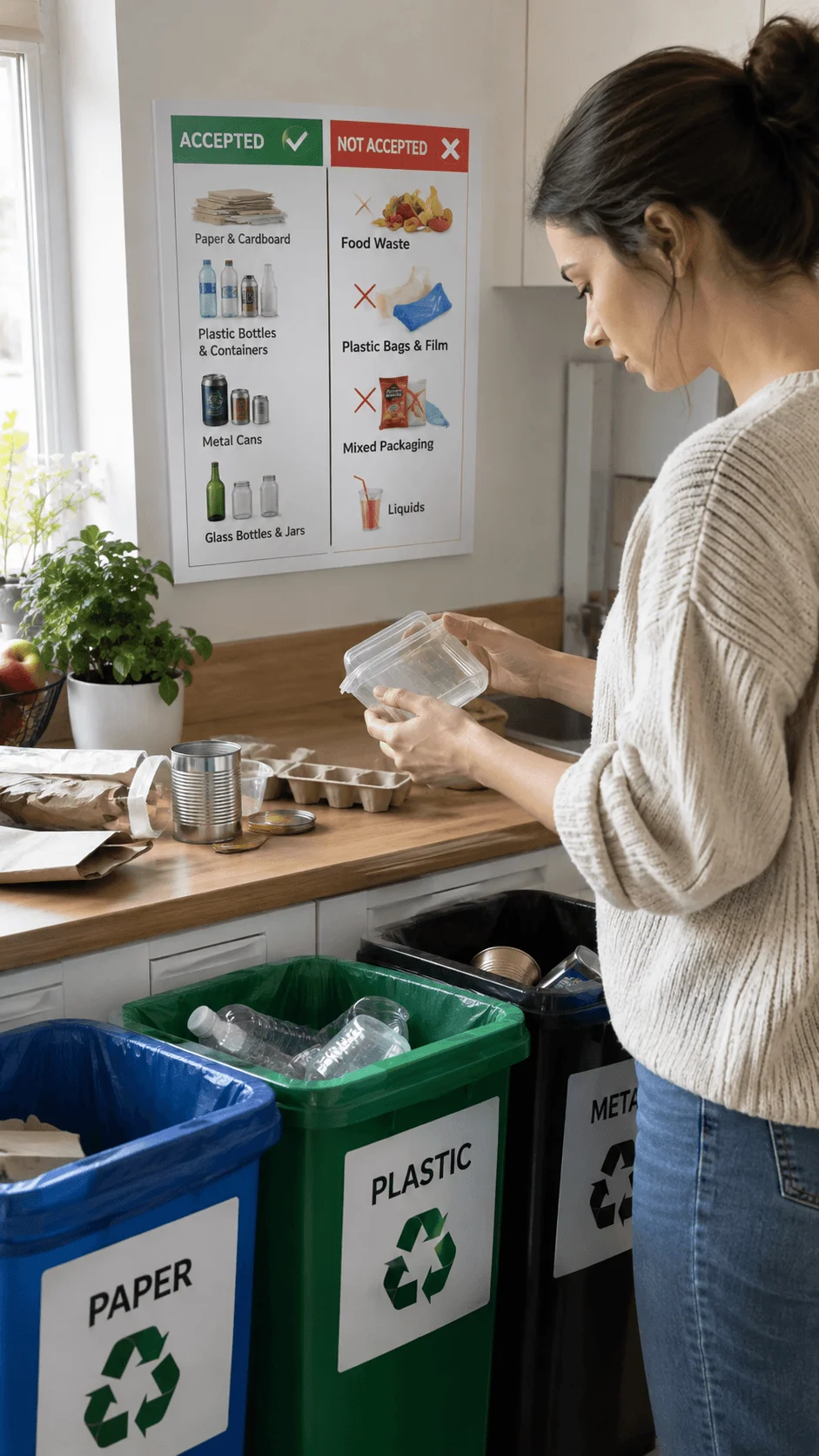
Clear labels can also prevent common mistakes. Households can place examples of accepted and rejected materials near the sorting area.
Sustainable recycling practices work best when people know exactly what their local system can handle. Eco friendly waste sorting and handling should therefore focus on accurate separation rather than hopeful disposal.
Use Smart Bins for More Efficient Waste Collection
Smart waste bins use sensors to monitor how full a container becomes. This technology can help businesses, apartment buildings, universities, public spaces, and municipalities improve collection schedules.
A fixed schedule may send a collection vehicle to a nearly empty container while another location overflows. Fill level data can help operators respond to actual demand.
This can improve route planning, reduce unnecessary trips, and identify areas where waste builds up quickly. Data may also help facilities understand how different locations generate different waste volumes.
Smart bins can support sustainable household waste management in larger residential developments where shared containers serve many households.
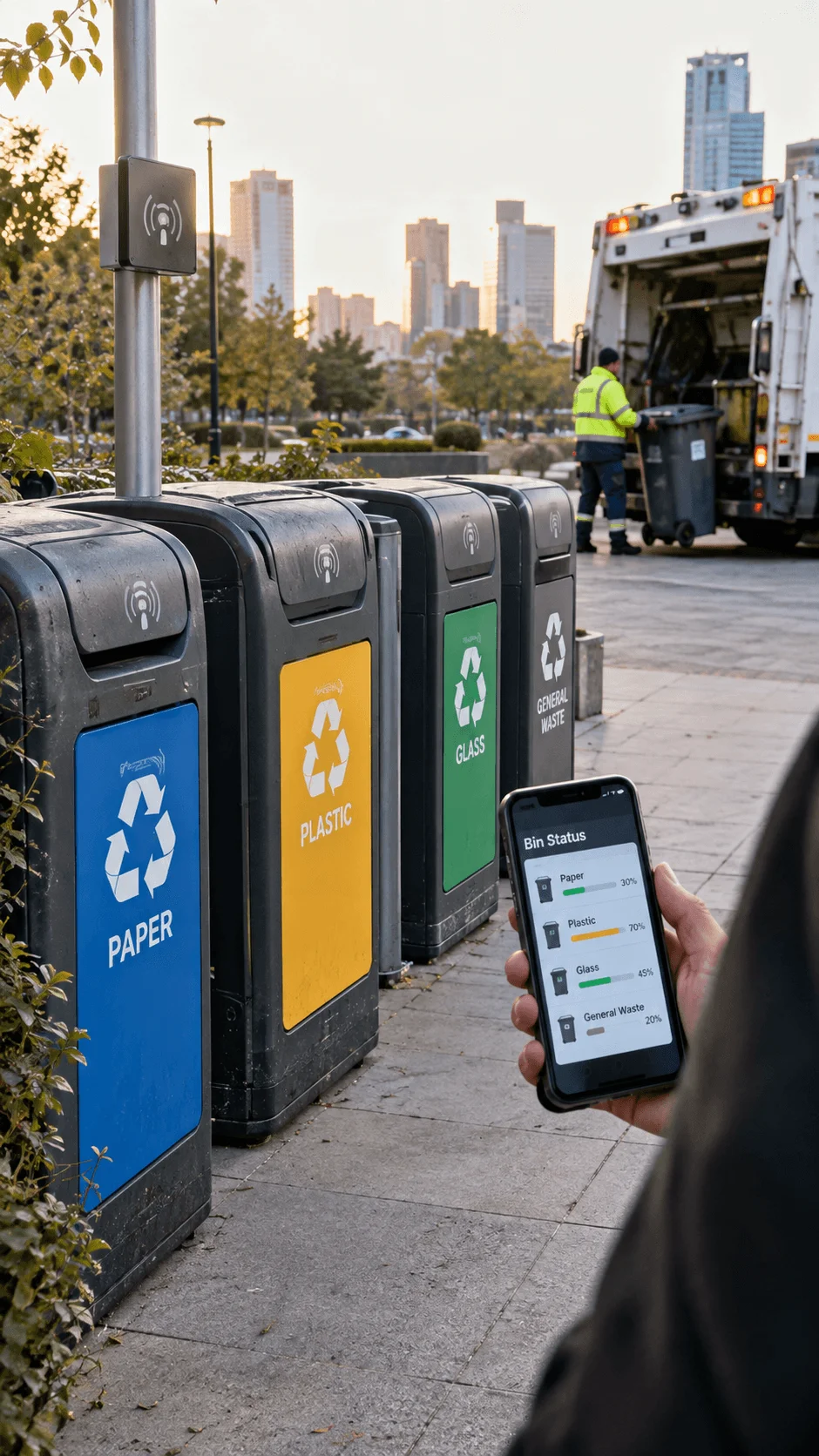
However, the technology has its own environmental and financial costs. Sensors require electronic components, energy, connectivity, and maintenance.
The greatest value appears when smart technology solves a real collection problem. Adding electronics to every household bin would not automatically improve sustainability.
Eco friendly waste sorting and handling works best when technology supports a clear purpose, such as reducing overflow, improving collection timing, or lowering unnecessary transport.
Put Reuse and Repair Before Recycling
Recycling often receives the most attention, but an unwanted item may still have several useful stages before recycling becomes necessary.
Households can create a temporary reuse and repair area for items that no longer have an immediate purpose. Clothing, furniture, tools, books, toys, containers, and household accessories may still work perfectly well.
The first question should not always be whether something can enter a recycling bin. People can ask whether they can continue using it, repair it, share it, sell it, donate it, refill it, or repurpose it.
Reuse before recycling ideas connect directly with circular economy principles. A product that remains useful for several more years does not require immediate replacement.
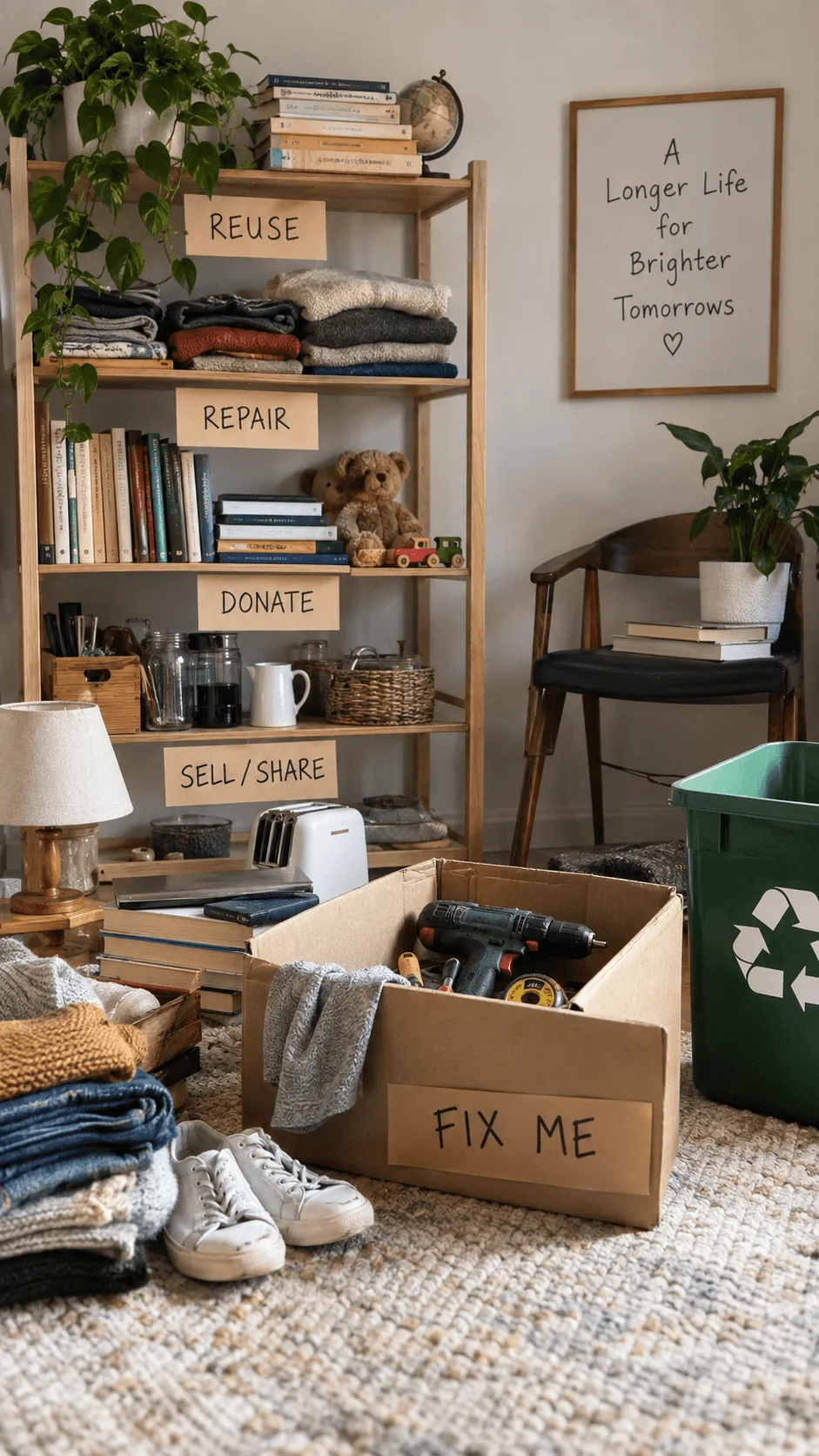
Repair also helps people recognize the value already contained in existing products. However, safety should remain important. Damaged electrical equipment, contaminated products, or structurally unsafe items may require professional handling.
This idea adds depth to eco friendly waste sorting and handling because it expands sorting beyond material type. The household also sorts according to future usefulness.
Build Reusable Packaging Into Eco Friendly Waste Management
Reusable packaging creates a different waste sorting category. Instead of sending a container directly to recycling, consumers may return it to a retailer, refill station, delivery service, or collection point.
Deposit return systems already use this principle for certain containers. Other systems may involve refillable household products, reusable takeaway packaging, or returnable delivery containers.
A successful reusable packaging system needs more than a durable container. People need convenient return points, clear instructions, efficient cleaning, and reliable redistribution.
A household can make this process easier by keeping a small return area near the main waste station. Bottles, containers, and reusable packaging can remain there until the next shopping trip.
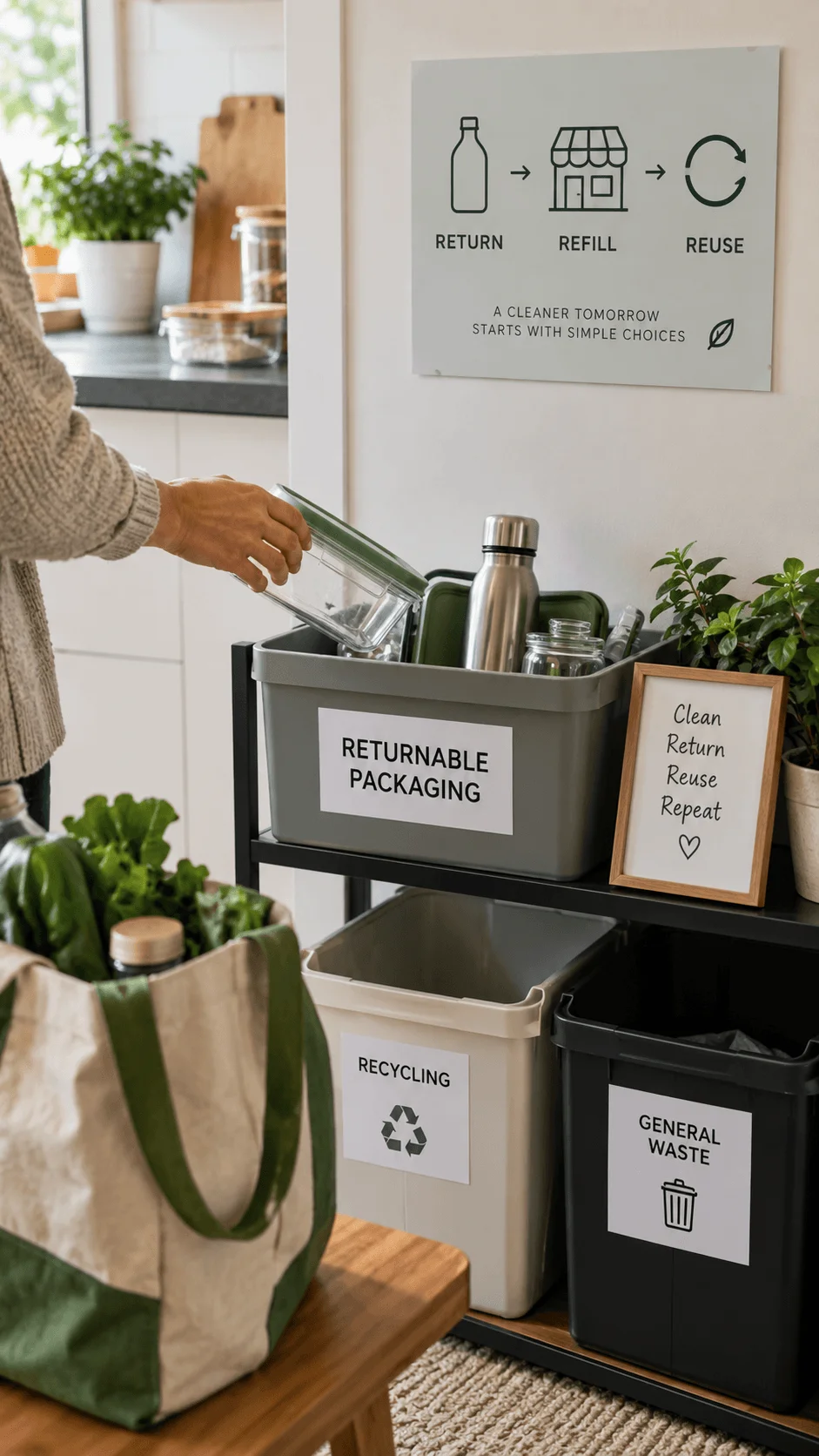
This prevents returnable items from accidentally entering general waste or recycling.
Reusable packaging can support eco friendly waste sorting and handling when the system actually keeps containers in circulation for repeated use. Convenience remains essential because people are less likely to participate when returns require extra effort.
Use Digital Waste Tracking for Greater Transparency
Most people lose sight of waste after collection. A bag leaves the home, a truck takes it away, and the final destination remains invisible.
Digital waste tracking can create greater transparency. Businesses, municipalities, institutions, and waste operators can record where materials go during collection, transportation, sorting, processing, recovery, and disposal.
This information can help identify contamination problems, inefficient routes, low recovery rates, or unusually high waste generation.
Digital waste tracking systems may also help organizations compare different sites and improve operational decisions.
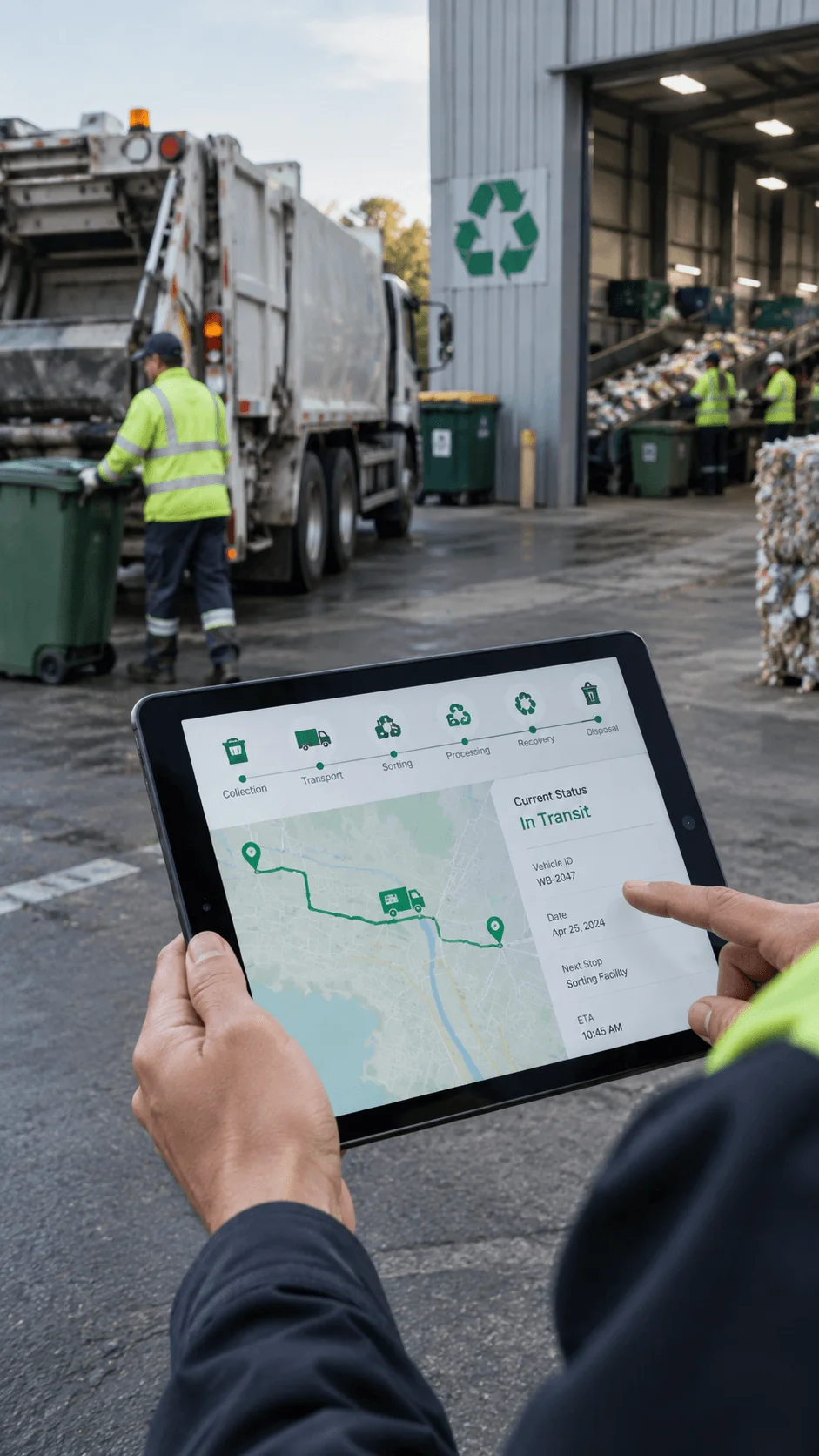
Households may not need detailed tracking for every bag, but greater transparency can still influence trust. People often want to know whether carefully separated materials actually reach appropriate facilities.
Data alone does not create sustainability. Organizations must use the information to improve real decisions.
As tracking tools continue to develop, they can strengthen eco friendly waste sorting and handling by connecting household separation with the wider journey of materials after collection.
Make Sustainable Waste Sorting Easier With Clear Labels
People often make sorting mistakes because instructions feel inconsistent or difficult to remember. Better labels can solve many of these problems without advanced technology.
A useful label can show photographs or simple illustrations of common items. Instead of relying only on words such as dry waste or mixed recycling, the label can show bottles, cans, paper, food scraps, batteries, or other materials accepted by the local system.
Placement also matters. A perfectly designed label has little value if the container sits in an inconvenient location.
Schools, offices, apartment buildings, and workplaces can adapt labels to the waste they generate most often. A kitchen needs different guidance from an office printing area.
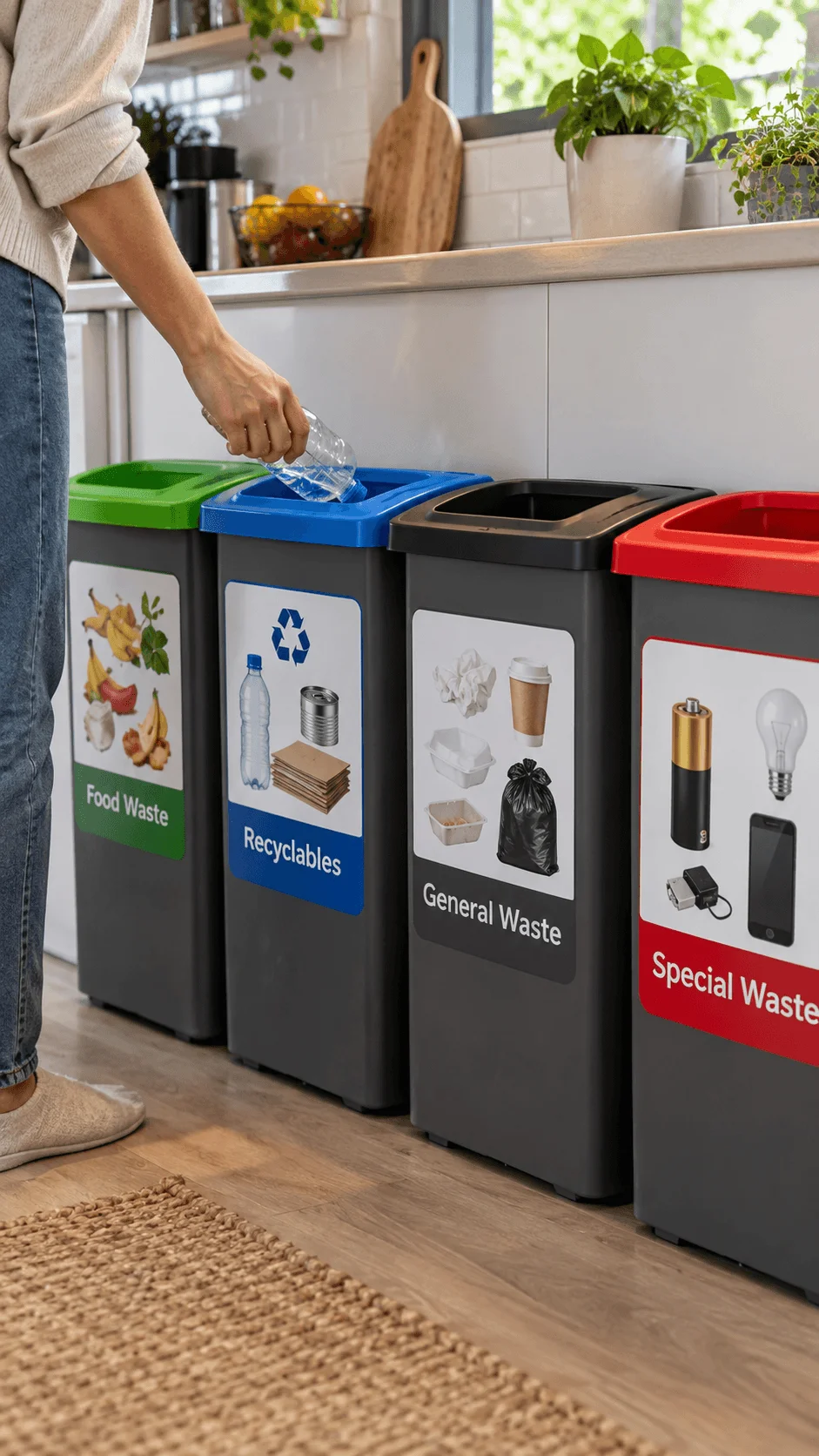
Waste sorting labels for home can also include examples of common mistakes. This helps household members remember which items need special handling.
Behavior matters because sustainable waste sorting should feel easy. People should not need to solve a complicated puzzle every time they dispose of something.
Clear visual guidance makes eco friendly waste sorting and handling more practical because it turns responsible behavior into an obvious everyday action.
Conclusion
Eco friendly waste sorting and handling in 2026 has moved far beyond the idea of placing recyclable materials in one container and everything else in another. A more effective system looks at the entire life of a product and asks whether people can avoid waste, extend product life, recover useful materials, separate organic matter, protect workers, and keep difficult materials out of inappropriate waste streams.
Technology will continue to influence this process. Artificial intelligence can improve material identification, smart bins can provide better collection data, digital labels can offer clearer disposal guidance, and tracking systems can increase transparency. These tools may become more common, but households do not need advanced equipment to begin making meaningful improvements.
Simple organization can have a major practical effect. Separate food waste before it contaminates recyclable materials. Keep batteries and electronics out of ordinary bins. Set aside textiles for reuse or recovery. Check uncertain packaging before recycling it. Create a place for repairable objects and returnable containers. Use clear labels that match local collection rules.
The most successful eco friendly waste sorting and handling system makes responsible choices easier rather than more complicated. It gives every material a better chance of reaching the most suitable next destination.
Waste management starts long before disposal. It begins with what people buy, how long they keep it, whether they repair it, whether they can reuse it, and how carefully they handle it when they no longer need it. As waste systems become smarter in 2026, those everyday decisions will remain at the center of sustainable household waste management.