Eco Friendly Aesthetic Photography for Beginners
Eco friendly aesthetic photography combines beautiful visual storytelling with thoughtful choices that reduce unnecessary waste and environmental impact. For beginners, eco friendly aesthetic photography offers a refreshing way to create attractive images without expensive equipment, excessive props, or constant travel. Instead, this style focuses on natural light, earthy colors, reused materials, local surroundings, authentic moments, and simple compositions that allow the beauty of everyday life to become the main subject.
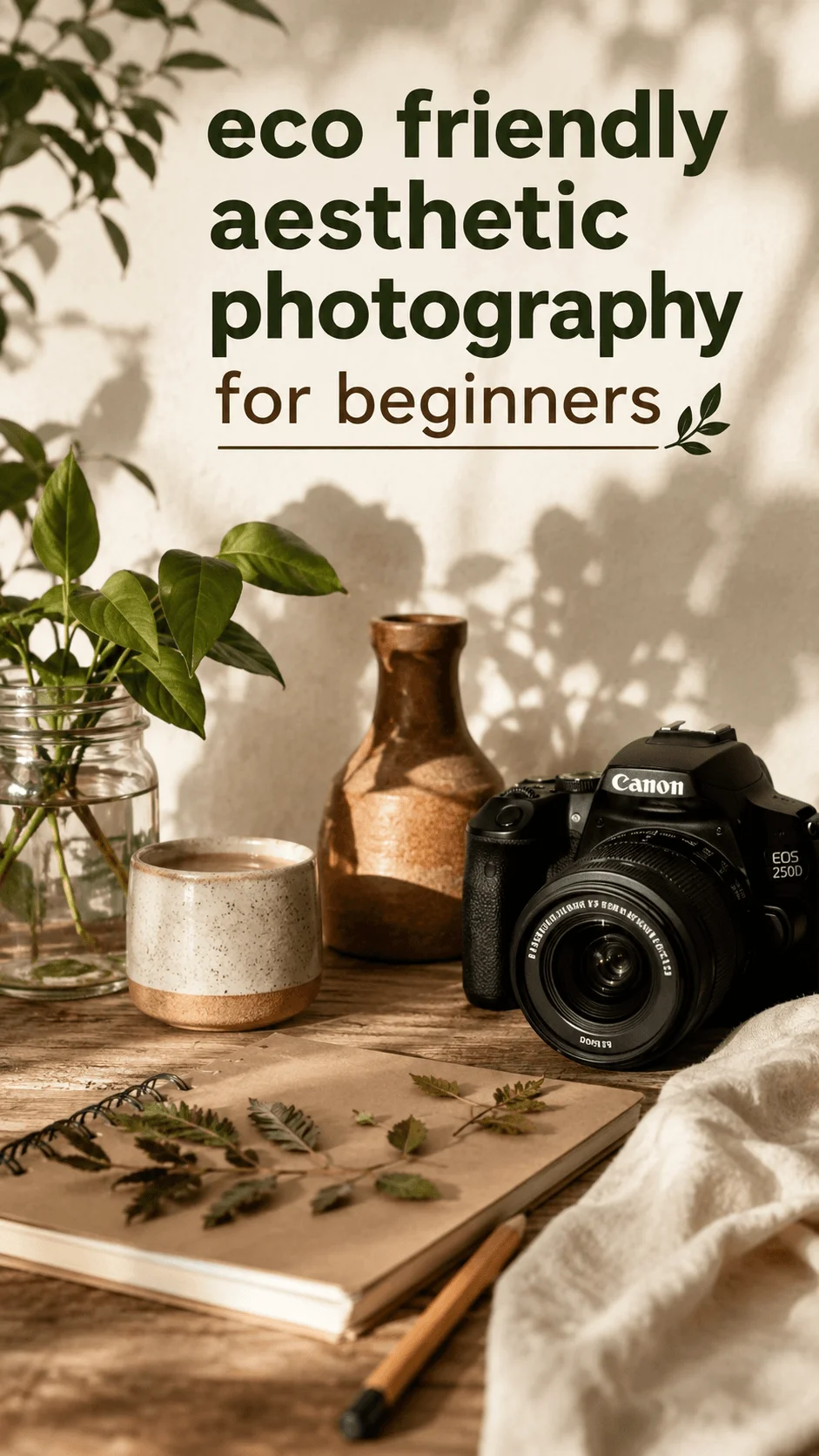
Photography does not need to become complicated to look beautiful. A smartphone, a window, a few household objects, and an interesting natural environment can provide everything a beginner needs to start experimenting. The real skill comes from learning how light, texture, color, composition, and storytelling work together.
What Is Eco Friendly Aesthetic Photography?
Eco friendly aesthetic photography is a visual approach that combines an appealing photographic style with environmentally conscious creative choices. It does not represent one strict photography genre. Instead, it describes a way of creating photographs while paying attention to both visual quality and environmental responsibility.
Traditional aesthetic photography sometimes depends heavily on purchased decorations, elaborate backgrounds, new clothing, artificial sets, and frequent trips to visually impressive locations. Eco conscious photography takes a different approach. It asks how you can create an equally interesting image using resources that already exist around you.
A wooden table can become a beautiful background. An old glass jar can become a prop. A plant growing beside your window can provide texture and color. Morning sunlight can replace complicated lighting equipment. A nearby park can provide enough inspiration for an entire photography project.
The aesthetic often works particularly well with natural and muted colors. Soft green, olive, beige, cream, brown, terracotta, gray, and natural wood tones can create a calm visual atmosphere. Natural textures also play an important role. Rough bark, linen, stone, leaves, paper, ceramics, soil, and wood can make an image feel more connected to the environment.
However, sustainability should not become an excuse for ignoring photographic quality. A strong photograph still needs good composition, thoughtful lighting, an interesting subject, and a clear visual intention.
The most successful sustainable aesthetic photography makes responsible choices feel like part of the creative process rather than an obvious restriction.
Why Sustainable Aesthetic Photography Is Trending in 2026
Photography trends continue to move toward images that feel natural, personal, and less manufactured. Many creators are becoming interested in visual styles that communicate calmness, authenticity, simplicity, and connection with everyday environments.
This shift has created more space for nature inspired photography and slow living imagery. Instead of filling every frame with decorations, photographers often allow a small number of meaningful objects to create the composition.
Natural light also remains particularly useful for this style. Window light and outdoor sunlight can create soft shadows and subtle changes in color that artificial lighting may struggle to reproduce naturally.
Another important change involves the way photographers think about equipment. Beginners often assume that improving their photography requires a new camera, a collection of lenses, professional lights, expensive backgrounds, and specialized accessories. An environmentally conscious approach challenges that assumption.
Before buying something new, photographers can experiment with what they already own. They can learn their camera or smartphone more thoroughly, improve composition, practice editing, and explore nearby locations.
This approach also connects with the growing interest in authentic visual storytelling. People often respond strongly to photographs that feel real rather than excessively polished. Small imperfections, natural textures, ordinary environments, and genuine moments can give an image more personality.
For beginners, this makes the trend especially accessible. You do not need a studio or expensive equipment to experiment with an earthy visual style.
Eco Friendly Aesthetic Photography Ideas for Beginners
The best way to understand this style is to experiment with different visual approaches. Each idea below can work independently, but you can also combine several techniques in one photograph.
Earthy Minimalist Photography
Earthy minimalist photography focuses on simplicity, natural colors, and carefully selected subjects. Instead of filling the frame with numerous objects, you create interest by allowing a few elements to work together.
Imagine a ceramic cup sitting on a wooden table beside a small green plant. A soft beam of morning light falls across the table while the rest of the frame remains relatively empty. The photograph does not need anything else. The wood provides texture, the plant introduces color, and the light creates atmosphere.
This approach works because minimal compositions give each element more visual importance. The viewer can notice the texture of the wood, the shape of the cup, and the subtle contrast between the different materials.
Beginners can create earthy aesthetic photography with ordinary objects already available at home. Look around for materials with natural textures rather than purchasing decorative items specifically for a photoshoot. A piece of linen can provide a soft background, while an old wooden board can create a rustic surface.

Color plays an important role here. Try combining similar tones instead of placing many bright colors together. Cream can work with beige, brown can work with muted green, and terracotta can complement natural wood.
You can also experiment with negative space. Leaving part of the frame empty gives the photograph a calmer appearance and makes the main subject stand out.
Natural Light Eco Photography
Natural light is one of the easiest tools for beginners because it costs nothing and can produce an enormous range of visual effects. A simple window can become your primary light source for indoor photography.
Start by placing your subject close to a window. Move it closer to the glass for stronger light or farther away for softer illumination. You can also change the angle of the subject to see how the shadows move across the surface.
Morning light can create a gentle and peaceful appearance, while stronger afternoon sunlight can produce more defined shadows. Outdoor shade can create soft illumination without the harsh contrast that direct sunlight sometimes produces.
Natural light also works particularly well with earthy materials. Place a leaf, ceramic object, handmade item, or piece of fruit near a window and observe how the light interacts with its surface.
You do not need professional reflectors for every setup. A light colored wall can bounce some light back toward the subject. A simple piece of white cardboard can also help brighten a darker side of the composition.
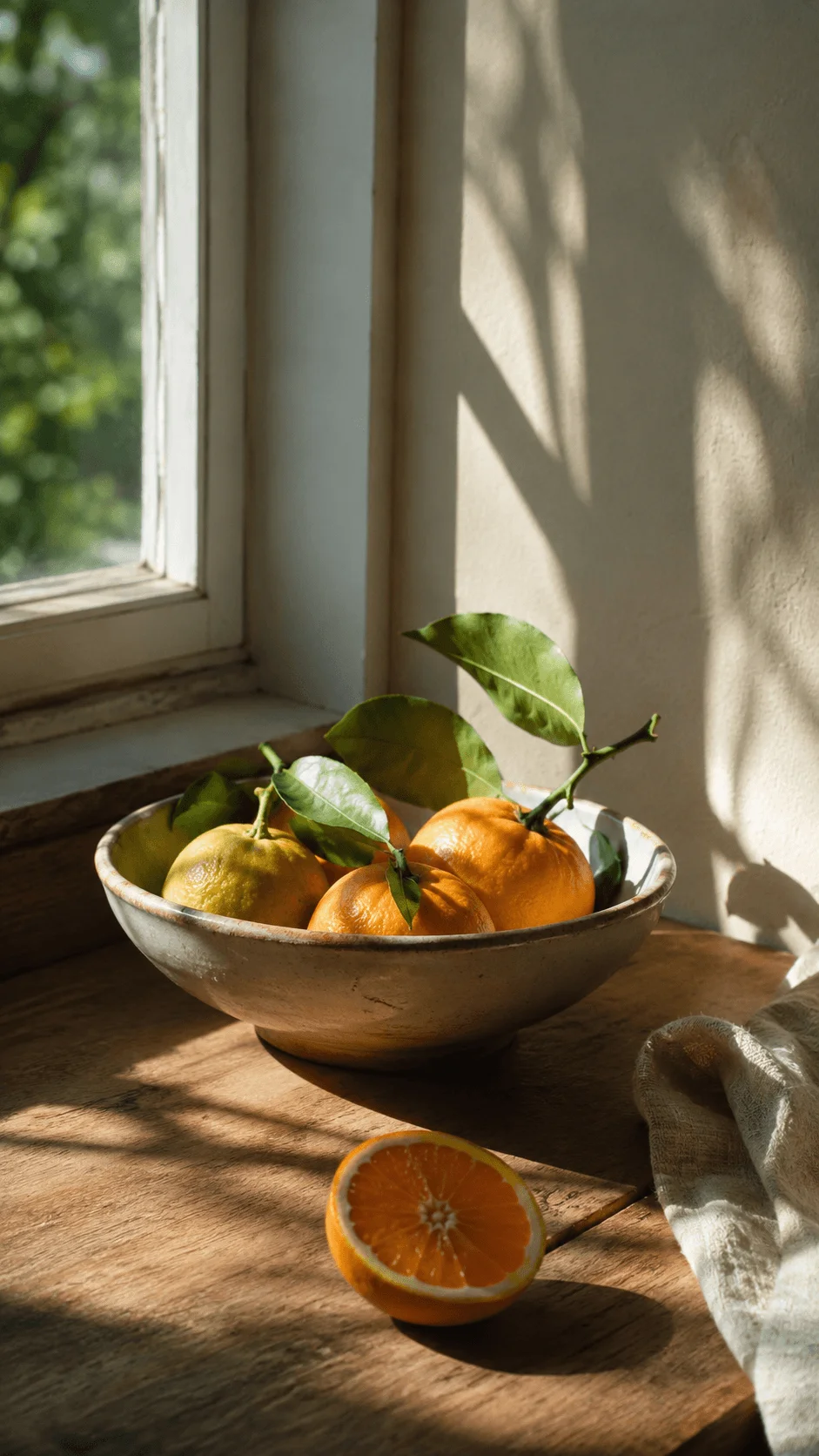
Experiment with backlighting as well. Position your subject between the camera and the window so that the light comes from behind. This can create a soft glow around translucent objects such as leaves and flowers.
The important lesson is to observe the light before taking the photograph. Instead of immediately pressing the shutter, look at the direction of the shadows, the brightest area, and the way the light changes the colors of your subject.
This makes natural light eco photography both simple and educational for beginners.
Vintage Film Inspired Nature Photography
Vintage inspired photography has a nostalgic quality that works beautifully with natural environments. You do not need an old film camera to experiment with this look. Digital cameras and smartphones can also produce photographs with a softer, nostalgic character through thoughtful shooting and editing.
The visual style often includes gentle contrast, slightly muted colors, warm tones, subtle grain, and a preference for ordinary subjects. A quiet garden path, an old wooden chair, dried flowers, a weathered wall, or sunlight passing through leaves can all work well.
The secret is to avoid making the image look excessively processed. Heavy filters can quickly make a photograph feel artificial. Instead, make small adjustments to contrast, saturation, warmth, and grain.
Composition also matters. Try photographing subjects from unusual angles rather than always placing them directly in the center. Leave some surrounding environment visible so that the image feels like a moment discovered rather than a scene constructed entirely for the camera.
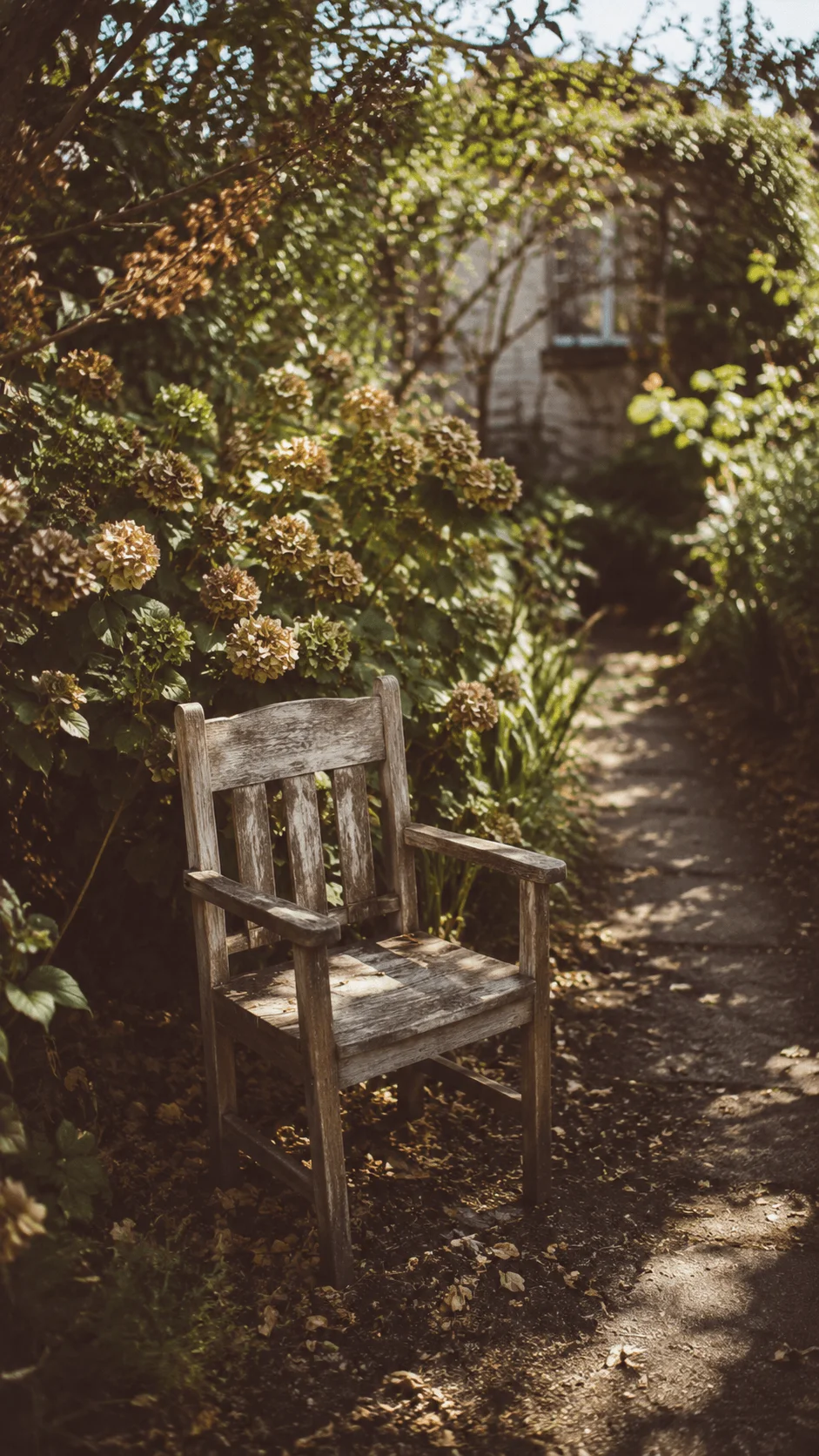
Vintage nature photography can also encourage beginners to appreciate imperfections. Slightly uneven textures, weathered surfaces, fading paint, and naturally aged objects can add character.
This approach fits the principles of eco friendly aesthetic photography because you can create a nostalgic visual style using existing environments instead of purchasing new decorative materials.
Upcycled Prop Photography
Upcycled photography props can transform ordinary household objects into creative elements within your photographs. This idea is particularly useful when you want to create attractive still life images without purchasing new decorations.
Look for objects that already have interesting shapes, textures, or colors. Old jars can hold flowers or dried plants. Recycled paper can provide a textured background. A worn wooden board can create a rustic surface. An old fabric piece can become a backdrop.
The creative possibilities become much larger when you stop thinking about objects according to their original purpose.
A glass bottle does not have to remain a bottle in your photograph. You can use it as a light catching element, a container for flowers, or part of a larger still life arrangement. A cardboard box can become a platform for small objects. A fabric scrap can create folds and shadows behind a subject.
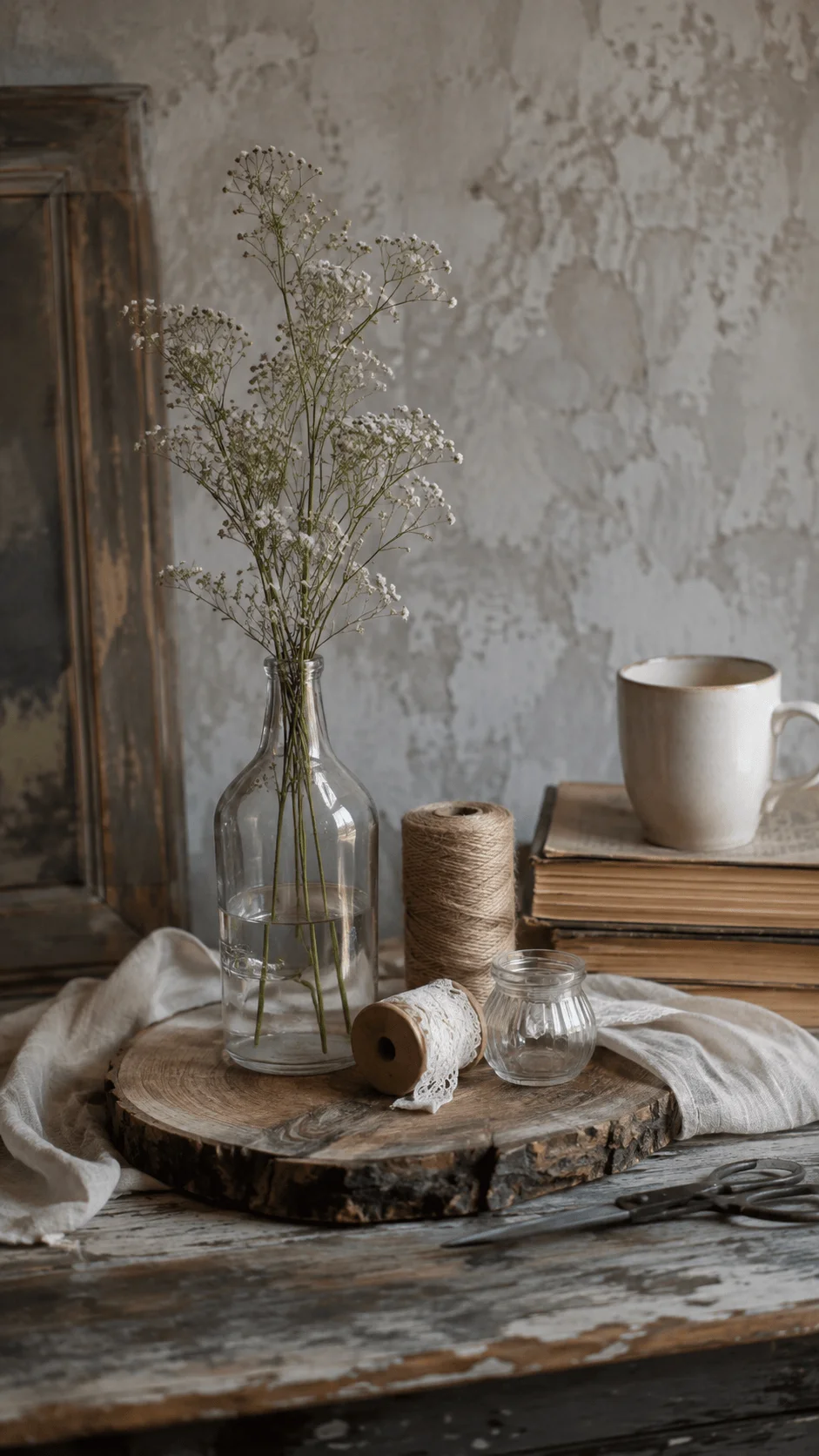
Try photographing the same object in several different arrangements. Change its position, lighting, background, and relationship with other objects. This exercise teaches composition while reducing the temptation to purchase something new for every shoot.
Upcycled props can also add storytelling. An old object may show signs of age, use, or craftsmanship that a brand new decoration cannot reproduce. Those details can make an image feel more personal.
Zero Waste Still Life Photography
Still life photography provides one of the easiest ways for beginners to explore an environmentally conscious aesthetic because you have complete control over the scene.
You can photograph everyday objects such as fruit, vegetables, reusable containers, handmade ceramics, cloth bags, plants, books, wooden utensils, or flowers. The goal is not to display as many objects as possible. Instead, arrange a small number of items so their colors, textures, shapes, and shadows complement one another.
Food photography can work particularly well with this approach. Fresh produce naturally provides vibrant shapes and textures. A group of vegetables on a wooden surface can create a visually rich scene without any artificial decoration.
You can also create a quieter composition by photographing one object against a simple background. For example, a handmade ceramic bowl beside a few leaves can communicate warmth and simplicity.
Pay attention to height and depth. Place some objects closer to the camera while keeping others slightly farther away. This can prevent the composition from looking flat.
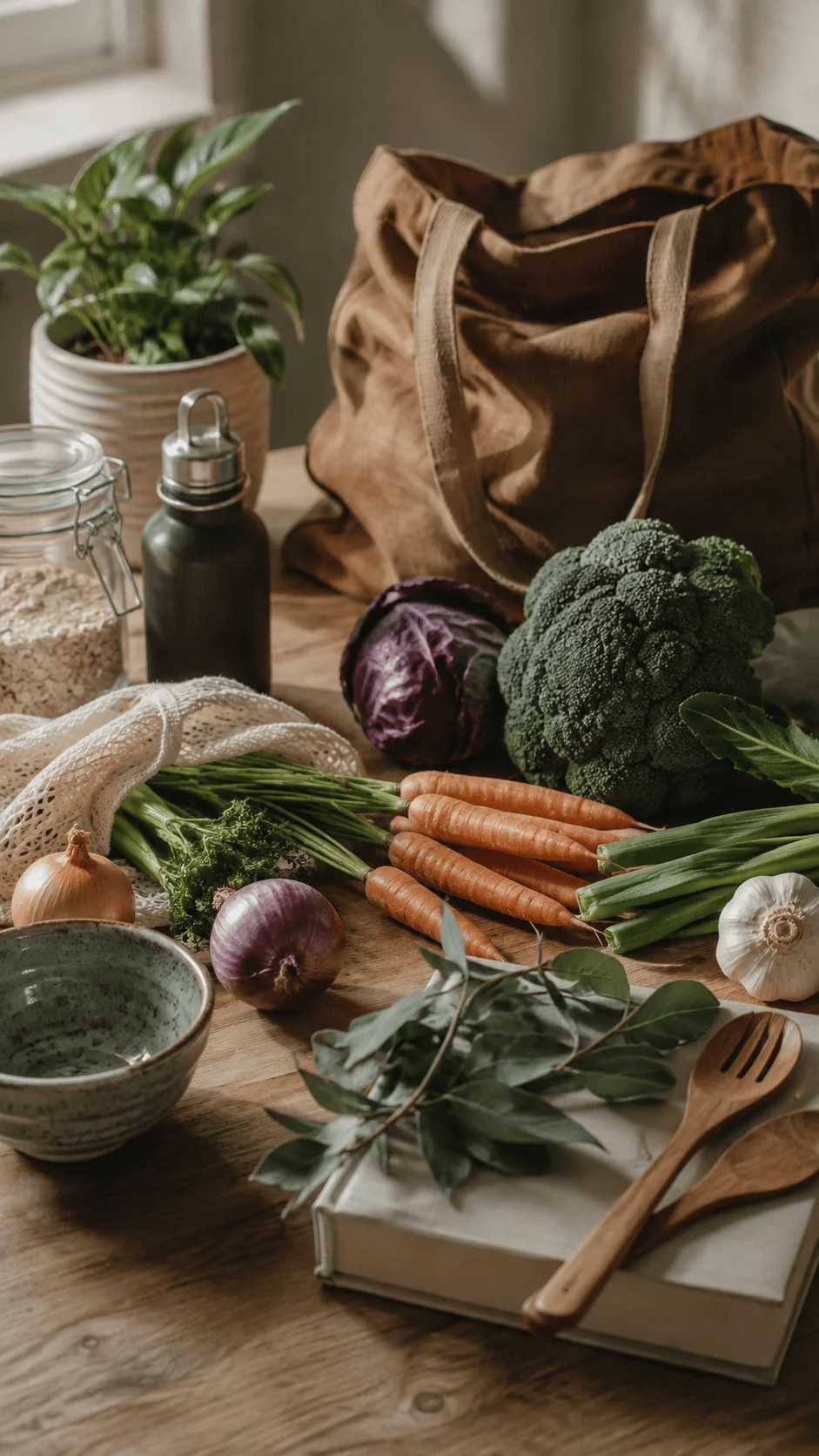
Texture is another important element. Combine smooth ceramics with rough wood, soft fabric with hard stone, or glossy glass with matte paper.
Natural light can then bring these materials to life. Place the arrangement near a window and observe how the shadows change as you move the objects.
Zero waste still life photography can therefore become more than a photography exercise. It can teach you to see creative potential in everyday materials while encouraging more thoughtful consumption.
Botanical Shadow Photography
Plants can create some of the most interesting natural patterns available to a beginner photographer. When sunlight passes through or around leaves, it creates shadows that can become part of the composition.
You can experiment with botanical shadows indoors by placing a plant near a sunny window. Position a wall, fabric, paper, or another surface where the shadows fall. Move the plant closer to the light source and then farther away to see how the pattern changes.
The distance between the plant and the surface affects the appearance of the shadow. A plant positioned close to the wall can produce a more recognizable shape, while greater distance can create softer and less defined patterns.
You can also place an object within the shadow. A ceramic cup, perfume bottle, book, handmade product, or piece of jewelry can become more visually interesting when leaves cast patterns across it.
Try photographing only the shadow rather than the plant itself. This creates an abstract image that encourages the viewer to interpret the shapes.
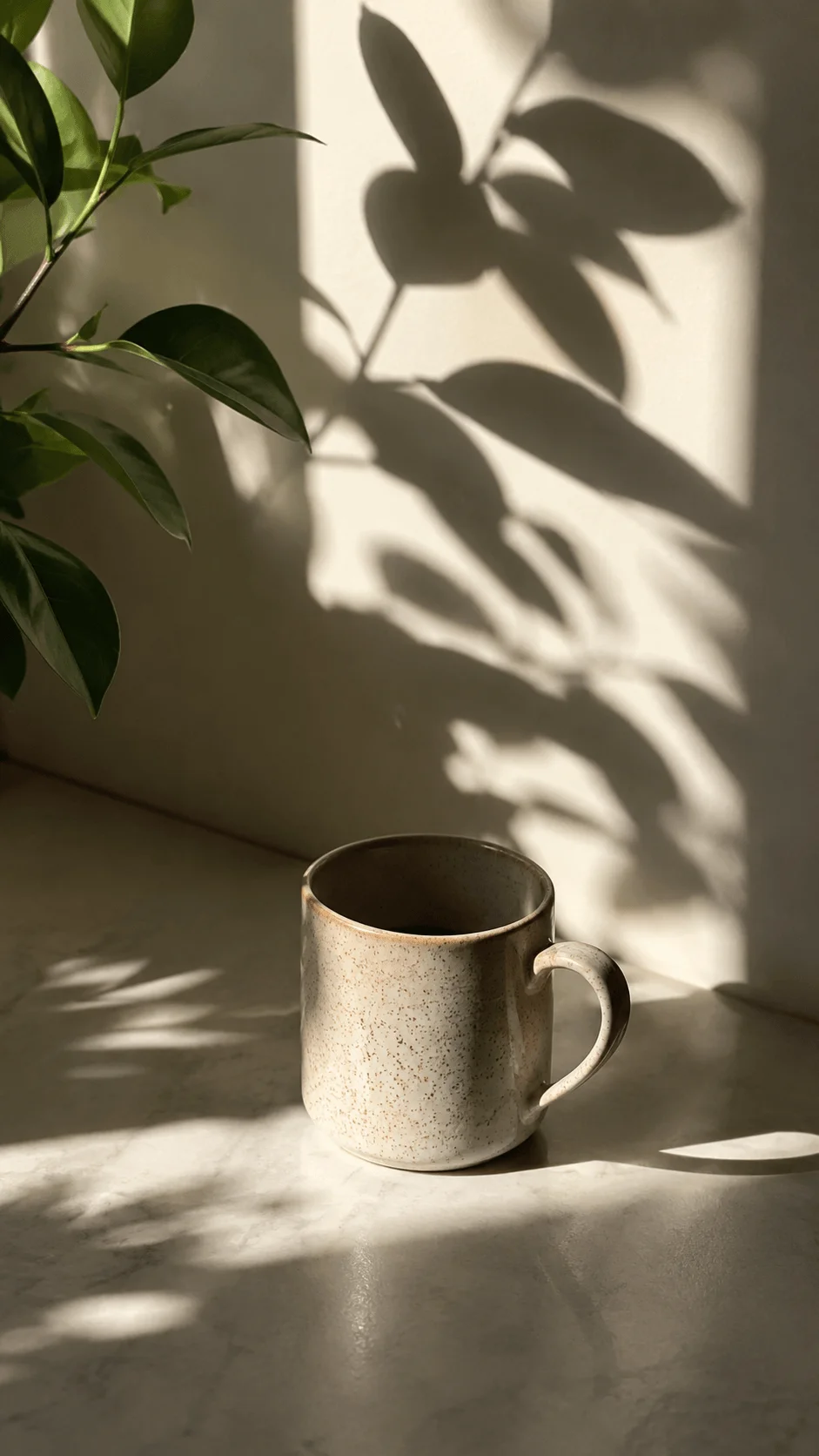
Different plants produce different patterns. Large leaves can create bold shapes, while smaller leaves can produce intricate textures.
The beauty of botanical shadow photography comes from using something already growing around you. You do not need elaborate backgrounds or lighting equipment. A plant and natural sunlight can provide the entire visual concept.
Environmental Storytelling Photography
Environmental storytelling focuses on the relationship between a subject and its surroundings. Instead of photographing an object in isolation, you show where it belongs and what it represents.
For example, a handmade ceramic item becomes more meaningful when photographed inside the workshop where someone created it. A gardener becomes part of a stronger visual story when photographed among the plants they care for. Someone repairing an old object can communicate the value of reuse more effectively than a photograph of the repaired object alone.
This approach gives photography a narrative quality.
Think about what you want the viewer to understand after looking at the image. Perhaps you want to communicate craftsmanship, reuse, local production, connection with nature, or a slower way of living.
The environment provides clues. Tools on a workbench can suggest craftsmanship. Soil on gardening gloves can suggest hands on work. Plants surrounding a person can establish a connection with nature.
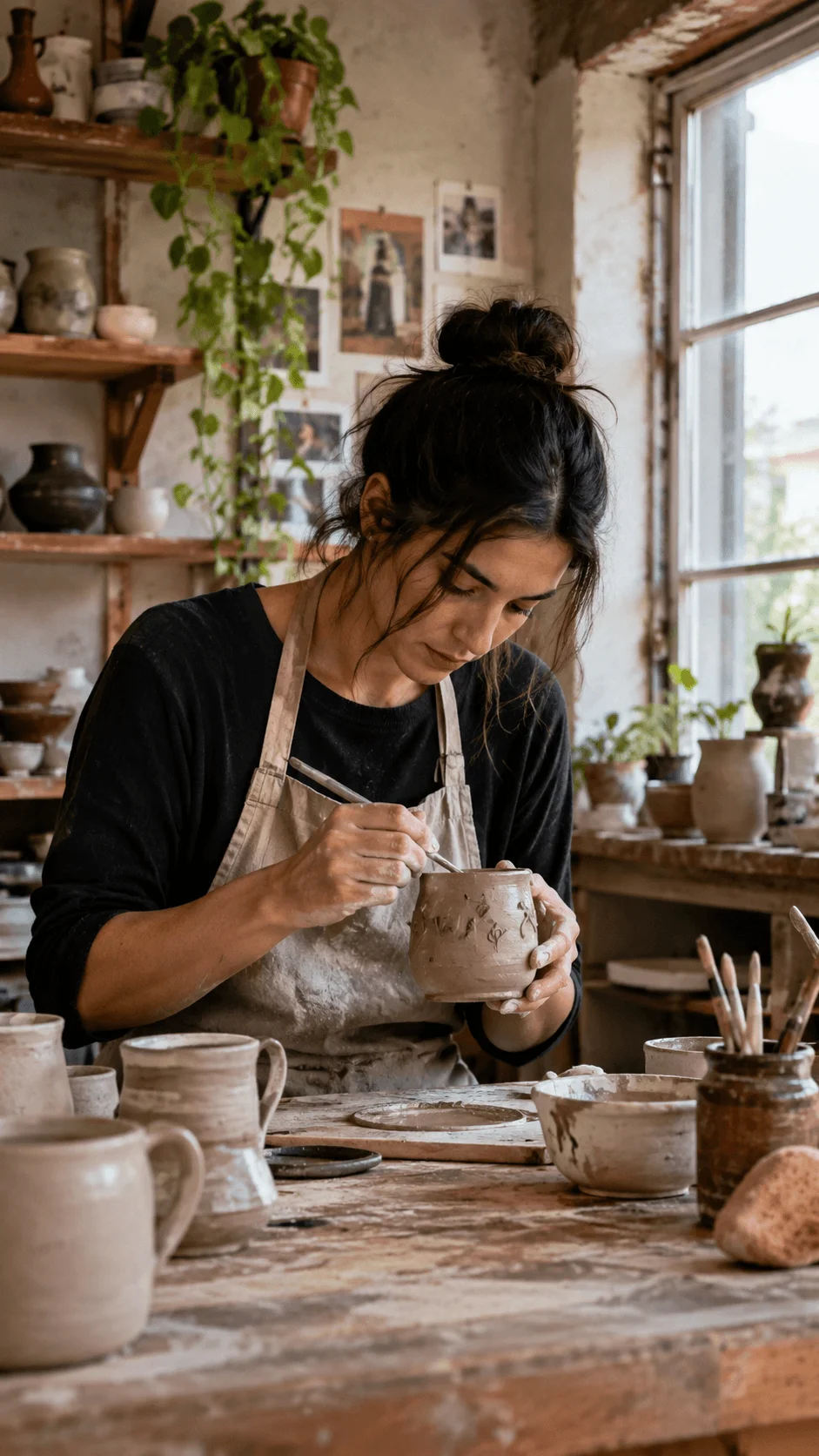
Composition becomes particularly important because the surroundings should support the subject rather than distract from it. Look for backgrounds that provide useful context while keeping the main point of the photograph clear.
Environmental storytelling is also an excellent way to practice observation. Instead of searching for a perfect isolated subject, you start looking for relationships between people, objects, places, and natural environments.
This makes sustainable photography more meaningful because the photograph can communicate an idea rather than simply displaying an attractive aesthetic.
Eco Friendly Natural Flat Lay Photography
Eco friendly flat lay photography gives beginners an easy way to create carefully arranged images while using materials they already have. The basic idea involves photographing objects from above, but the real creative opportunity comes from choosing objects that create a natural visual story.
Start with a simple surface such as a wooden table, stone surface, plain fabric, or recycled paper. You do not need a special photography background. An old piece of linen can create a softer mood, while unfinished wood can introduce warmth and texture.
Choose a small group of objects that naturally belong together. A reusable cup, notebook, dried leaves, handmade ceramic piece, fruit, book, or plant can create a simple scene. Think about the relationship between the objects rather than simply filling the available space.
Spacing matters considerably in flat lay photography. When objects sit too close together, the image can feel crowded. When you leave too much empty space, the composition may lose its visual connection. Move each item slightly until the arrangement feels balanced.
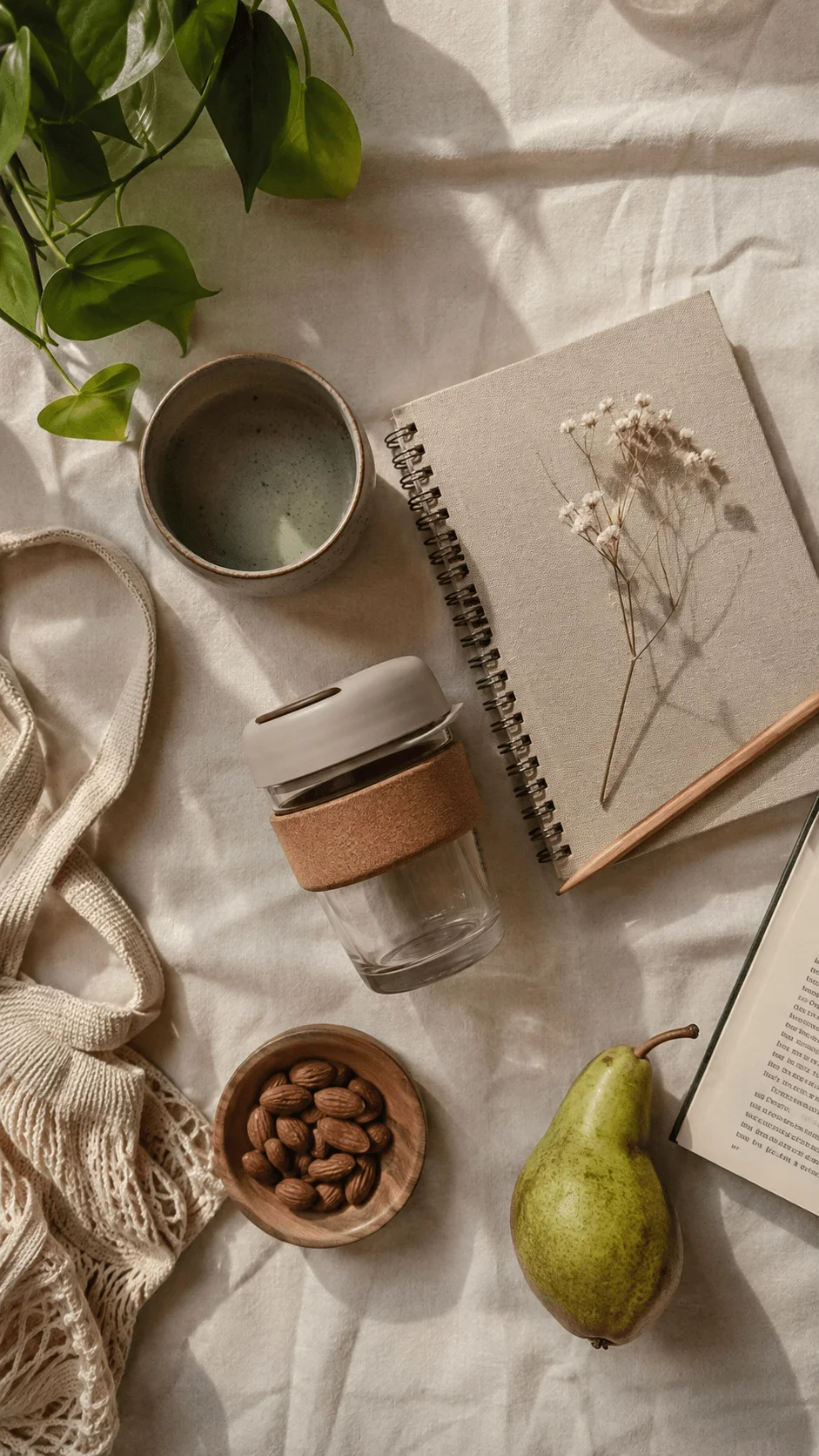
Color also influences the mood. Natural greens, beige, cream, brown, muted yellow, terracotta, and soft gray can create a calm environmental aesthetic. You can introduce one stronger color as a focal point without overwhelming the entire frame.
Texture makes a flat lay more interesting. Combine smooth ceramic with rough wood, soft fabric with paper, or glossy glass with leaves. These differences become particularly noticeable when natural light creates gentle shadows.
Try photographing the arrangement from directly above first. Then experiment with slight angles to discover another perspective. You can also remove one object at a time and compare the photographs. This teaches you how much each element contributes to the composition.
The most important principle remains simplicity. A successful flat lay does not need dozens of decorative objects. A small number of thoughtfully selected materials can create a much stronger photograph.
Slow Living Photography Ideas
Slow living photography focuses on ordinary moments that communicate calmness, simplicity, and connection with everyday life. This makes it an excellent direction for eco friendly aesthetic photography because you can create meaningful photographs without elaborate sets or distant travel.
Think about activities that naturally happen around you. Reading beside a window, preparing a meal, watering plants, writing in a notebook, making tea, arranging flowers, repairing an old item, creating something by hand, or simply spending time outdoors can all become photographic subjects.
The important part is to avoid making every scene look overly staged. Allow the environment to remain visible. A slightly messy desk, an open book, a used gardening tool, or a cup placed naturally beside someone can make the image feel more believable.
Natural light works particularly well here. Morning sunlight can create a peaceful atmosphere, while softer afternoon light can produce warmer and more intimate photographs.
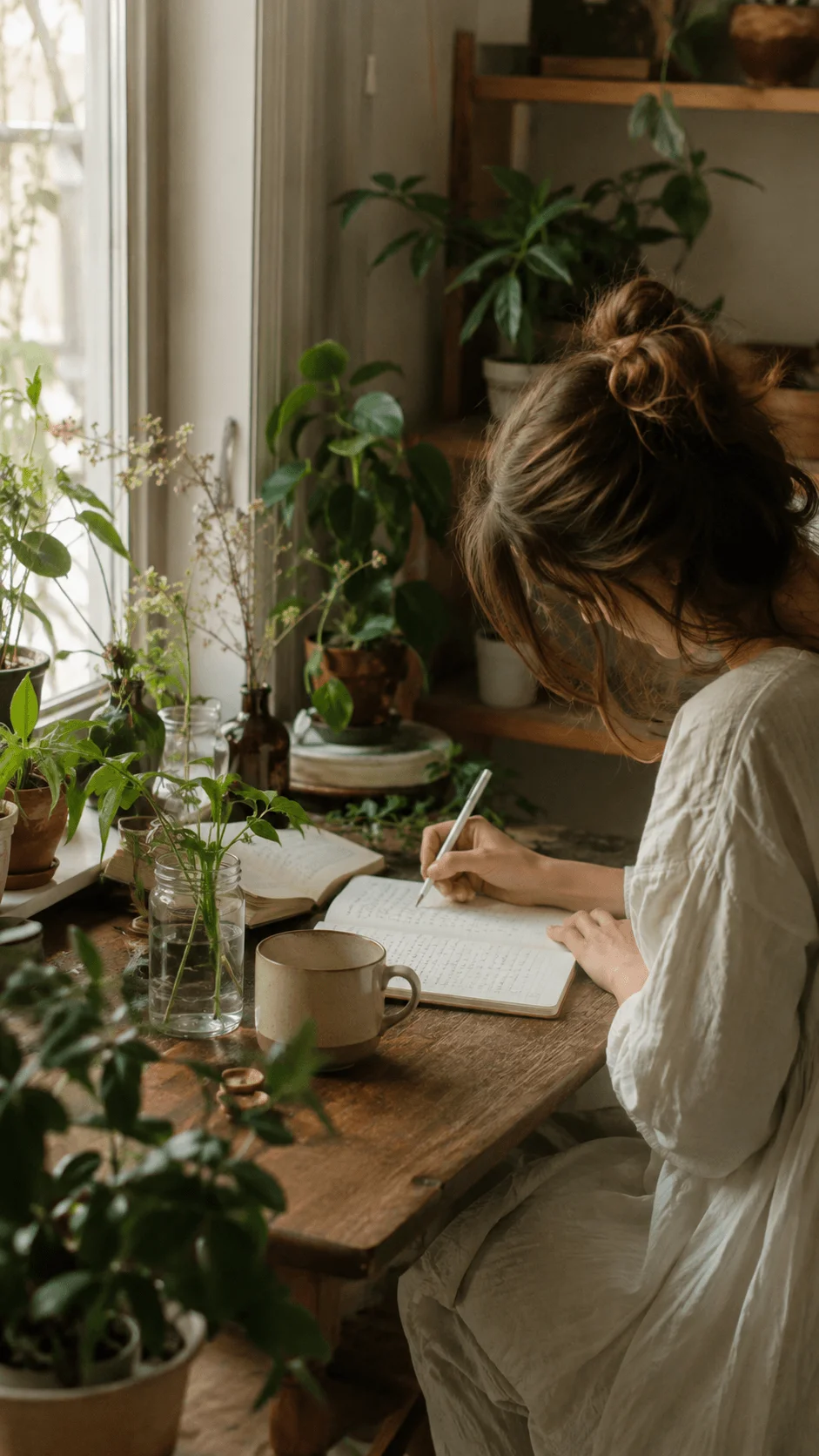
Try photographing actions rather than only finished objects. Instead of photographing a cup of tea by itself, photograph someone preparing it. Instead of photographing a plant, photograph someone caring for it. These small changes turn an aesthetic image into a story.
Slow living photography also encourages patience. Rather than taking hundreds of photographs from the same position, observe the scene and wait for an interesting moment. Watch how the light changes, how shadows move, and how the subject interacts with the surroundings.
This approach can help beginners improve their photography because it teaches them to notice details that they might otherwise ignore.
Nature Texture and Macro Photography
You do not need a spectacular landscape to create an impressive nature photograph. Sometimes the most interesting subjects exist only a few centimeters away.
Nature texture photography focuses on small details such as bark, moss, leaves, petals, stones, seeds, soil, tree surfaces, water, and flowers. These subjects can create abstract patterns that look completely different when photographed closely.
Look for repetition first. A group of similar leaves can create a pattern. Tree bark can produce strong lines. Moss can provide a soft surface. Pebbles can create repeating shapes and subtle color differences.
Lighting changes how texture appears. Side lighting can emphasize raised surfaces and create stronger shadows. Soft overcast light can reveal subtle colors without producing harsh contrast.
A smartphone can work surprisingly well for close up experiments. Move slowly toward the subject until you find the distance where the camera focuses clearly. If your phone has a dedicated close up or macro mode, experiment with it.
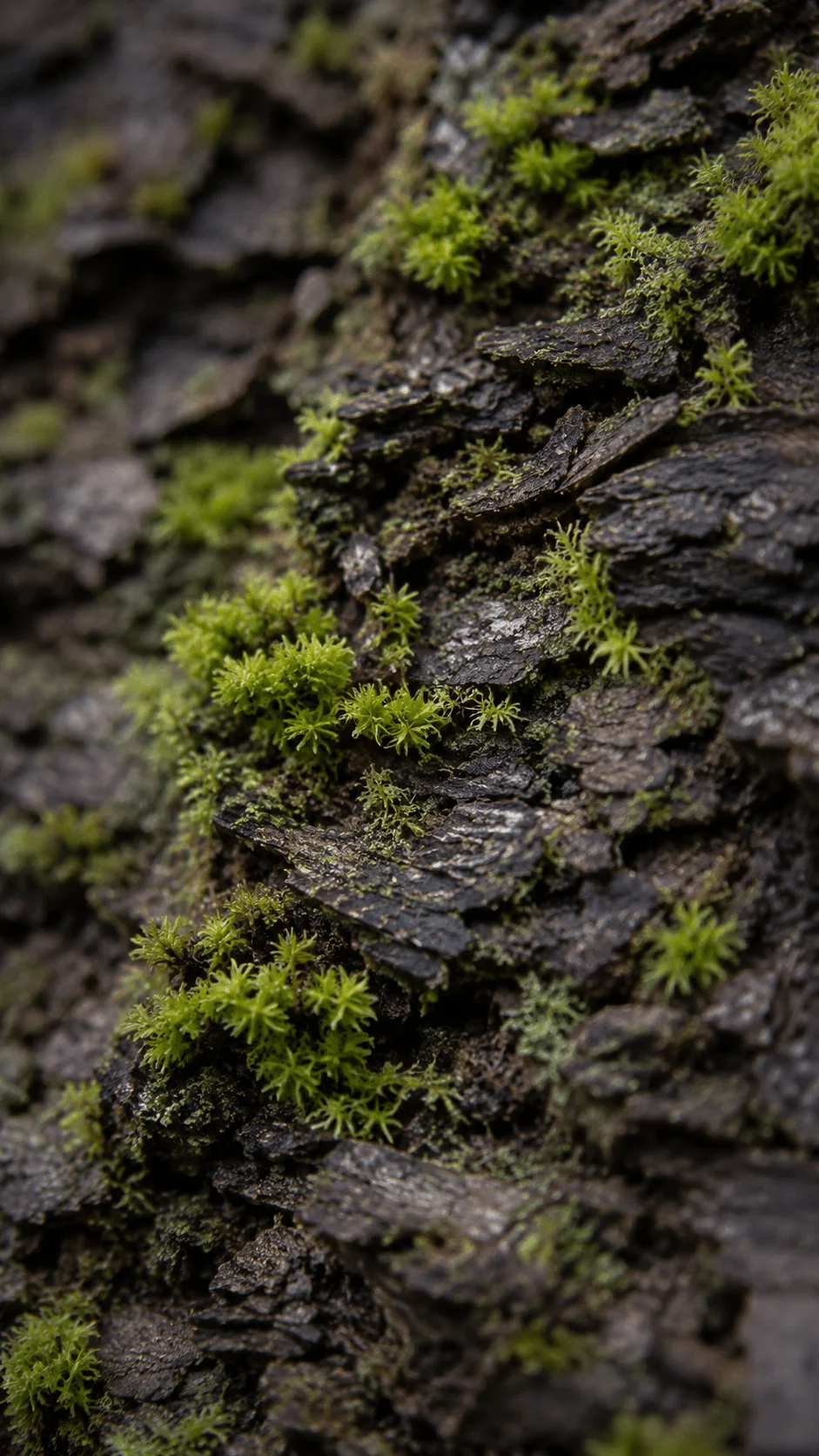
With a camera, pay attention to depth of field. A wide aperture can isolate a small part of the subject while allowing the surrounding texture to become softer. A smaller aperture can keep more of the surface in focus.
You can also photograph natural textures as abstract compositions. Instead of showing that you photographed tree bark, frame the image so tightly that the viewer sees only lines, shapes, and colors.
This creates a strong visual connection with nature without requiring travel to famous locations.
Imperfect and Authentic Photography
Modern visual culture often presents highly polished images with carefully controlled lighting, flawless surfaces, and extensive editing. Authentic photography takes another direction by allowing real details to remain visible.
A slightly wrinkled piece of fabric, weathered wood, natural skin texture, uneven leaves, faded paint, or a genuine expression can add character to a photograph.
The goal is not to make technically poor photographs. Good focus, thoughtful composition, and appropriate exposure still matter. The difference comes from allowing natural imperfections to contribute to the story instead of removing everything that looks slightly unusual.
For example, an old wooden table may contain scratches and marks. Rather than hiding them, you can use those details as part of the composition. They communicate age and history while giving the image a stronger sense of place.
The same idea applies to outdoor photography. A natural environment does not need to look perfectly clean or symmetrical. Fallen leaves, uneven stones, small branches, and changing textures can make the scene feel authentic.

Editing should support this approach. Instead of increasing saturation and contrast dramatically, try making smaller adjustments that preserve the natural appearance of the scene.
Subtle grain can sometimes add character, particularly when you want a vintage inspired aesthetic. However, restraint matters. The photograph should still look believable.
Authenticity also applies to people. Genuine gestures and natural expressions often communicate more emotion than carefully posed movements.
This makes authentic aesthetic photography especially valuable for beginners because it encourages them to work with reality instead of trying to control every detail.
Local Nature and Nearby Storytelling Photography
Beautiful photography does not require an expensive trip to a famous destination. Your local environment can provide an enormous amount of material if you learn how to observe it carefully.
Explore nearby gardens, parks, streets, markets, balconies, backyards, community spaces, and natural areas. Visit the same location at different times of day and during different seasons.
You may notice that a familiar location changes dramatically depending on the light. Morning can reveal soft shadows and fresh colors, while late afternoon can create warmer tones. After rainfall, surfaces may become darker and more reflective.
Repeated visits also help you notice small changes. A plant may begin flowering. Fallen leaves may change the color of a pathway. A wall may develop new textures. People may use a public space differently at different times.
These details can become the foundation of local nature photography ideas.
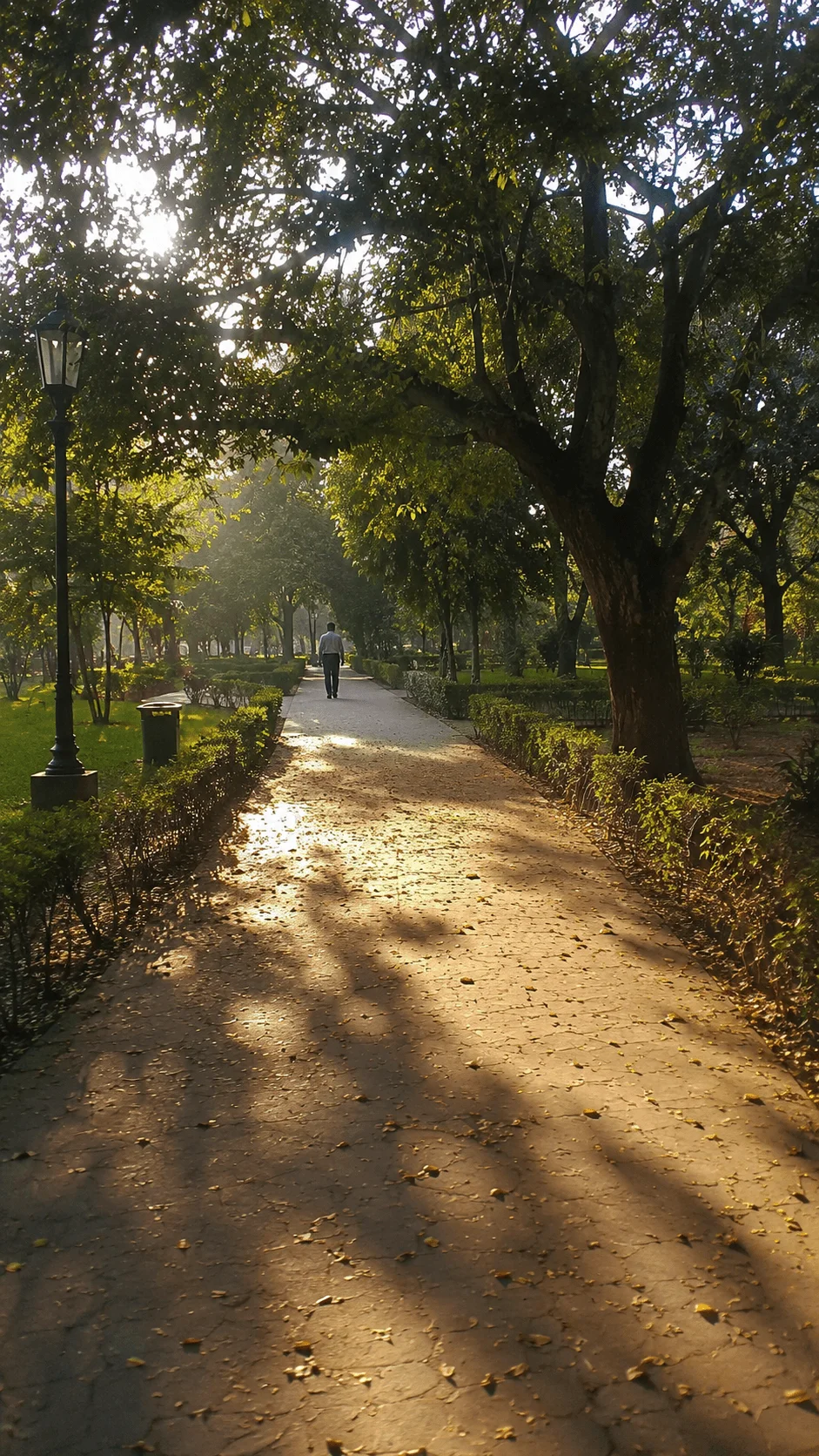
You can also create a long term photographic story around one location. Photograph the same tree throughout the year, document changes in a local garden, or explore the relationship between people and a nearby natural area.
This approach has an environmental advantage because it reduces the need for unnecessary travel. It also gives beginners more opportunities to practice.
Instead of spending an entire day traveling for one photograph, you can take a short walk and return with several new observations.
Local photography can eventually become a personal visual record of your surroundings. The more familiar you become with an environment, the easier it becomes to notice unusual compositions and interesting moments.
How to Create an Eco Friendly Photography Setup at Home
Creating an attractive photography setup does not require a dedicated studio. A small area near a window can provide enough space for many different experiments.
Begin with a clean surface. A wooden table, desk, shelf, floor, or plain piece of fabric can become a background.
Then look around your home for objects with interesting textures. Plants, books, ceramics, glass containers, wooden objects, paper, fabric, baskets, and everyday kitchen items can all become part of a scene.
Keep the setup simple. Start with one main subject and add only a few supporting elements. Take a photograph and then remove one item to see whether the composition becomes stronger.
Window direction can completely change the appearance of your setup. Front light can illuminate the subject evenly. Side light can emphasize texture and create shadows. Backlighting can produce a softer and more atmospheric effect.
You can also experiment with curtains. A thin curtain can soften strong sunlight and create more even illumination.
Instead of purchasing several backgrounds, use the same surface in different ways. Change the camera angle, lighting direction, subject arrangement, and color combination. You may discover that one ordinary table can produce dozens of different visual styles.
Common Mistakes Beginners Should Avoid
Beginners sometimes assume that an eco friendly aesthetic requires a large collection of natural decorations. In reality, buying excessive props can work against the purpose of the style.
Another common mistake involves making the composition too busy. Natural aesthetics usually benefit from breathing room, simple arrangements, and clear focal points.
Over editing can also reduce authenticity. Heavy filters, extreme saturation, excessive sharpness, and dramatic effects can make natural materials appear artificial.
Photographers should also respect outdoor environments. Avoid damaging plants, disturbing wildlife, removing natural materials unnecessarily, or entering restricted areas simply to obtain a photograph.
Unnecessary travel can create another environmental concern. Before planning a distant photography trip, explore what stories exist closer to home.
Finally, do not confuse sustainability with perfection. You do not need to create a completely waste free photography practice from the beginning. Focus on making practical improvements while developing your creative skills.
How to Develop Your Own Eco Conscious Photography Style
Developing a personal style takes time. Instead of copying every popular aesthetic, pay attention to the subjects, colors, textures, and lighting that consistently attract your attention.
Create small photography projects around one idea. You might spend a week photographing natural textures, another week experimenting with window light, and another exploring local plants.
Review your photographs afterward. Look for patterns in your choices. Perhaps you naturally prefer muted colors, strong shadows, close up details, or wide environmental scenes.
Once you identify these patterns, experiment with them intentionally.
Your editing style can also become part of your visual identity. Keep adjustments relatively consistent so that your photographs feel connected without making every image identical.
Do not worry about developing a recognizable style immediately. Beginners improve by experimenting, making mistakes, studying their results, and trying again.
The environmental aspect can become part of your identity as well. You might focus on local storytelling, reused materials, natural light, slow living, or nature textures.
Over time, these choices can create a visual language that feels personal rather than copied.
Conclusion
Eco friendly aesthetic photography gives beginners a practical way to explore creativity while becoming more thoughtful about equipment, materials, locations, and everyday photographic choices. You do not need an expensive camera, a professional studio, a large collection of props, or distant travel destinations to create beautiful photographs.
Start with what already surrounds you. Use a window for natural light, a wooden surface for texture, a plant for color, an old object for character, and your local environment for inspiration. Explore earthy minimalist compositions, botanical shadows, natural textures, slow living scenes, authentic moments, and environmental stories.
The most valuable part of this approach is learning to see creative possibilities in ordinary things. A familiar park can become a photography project. A discarded household object can become an interesting prop. A simple beam of sunlight can transform a quiet corner of your home.
As you practice, focus less on collecting equipment and more on improving your observation, composition, lighting, and storytelling skills. When you learn to create more with what you already have, sustainable photography becomes much easier and your creative style can become more distinctive.
Ultimately, the strongest sustainable aesthetic photography does not need to announce that it is sustainable. Its natural materials, thoughtful compositions, authentic environments, and intentional creative choices communicate that philosophy through the photograph itself.