Modern Eco Friendly House Design Ideas for Sustainable Living
Modern eco friendly house design has become one of the most influential trends in architecture in recent years. As climate change, environmental awareness, and rising energy costs continue to shape global conversations, more homeowners and architects are shifting toward sustainable housing solutions. Eco friendly homes are designed to minimize environmental impact while providing comfortable, healthy, and efficient living spaces.
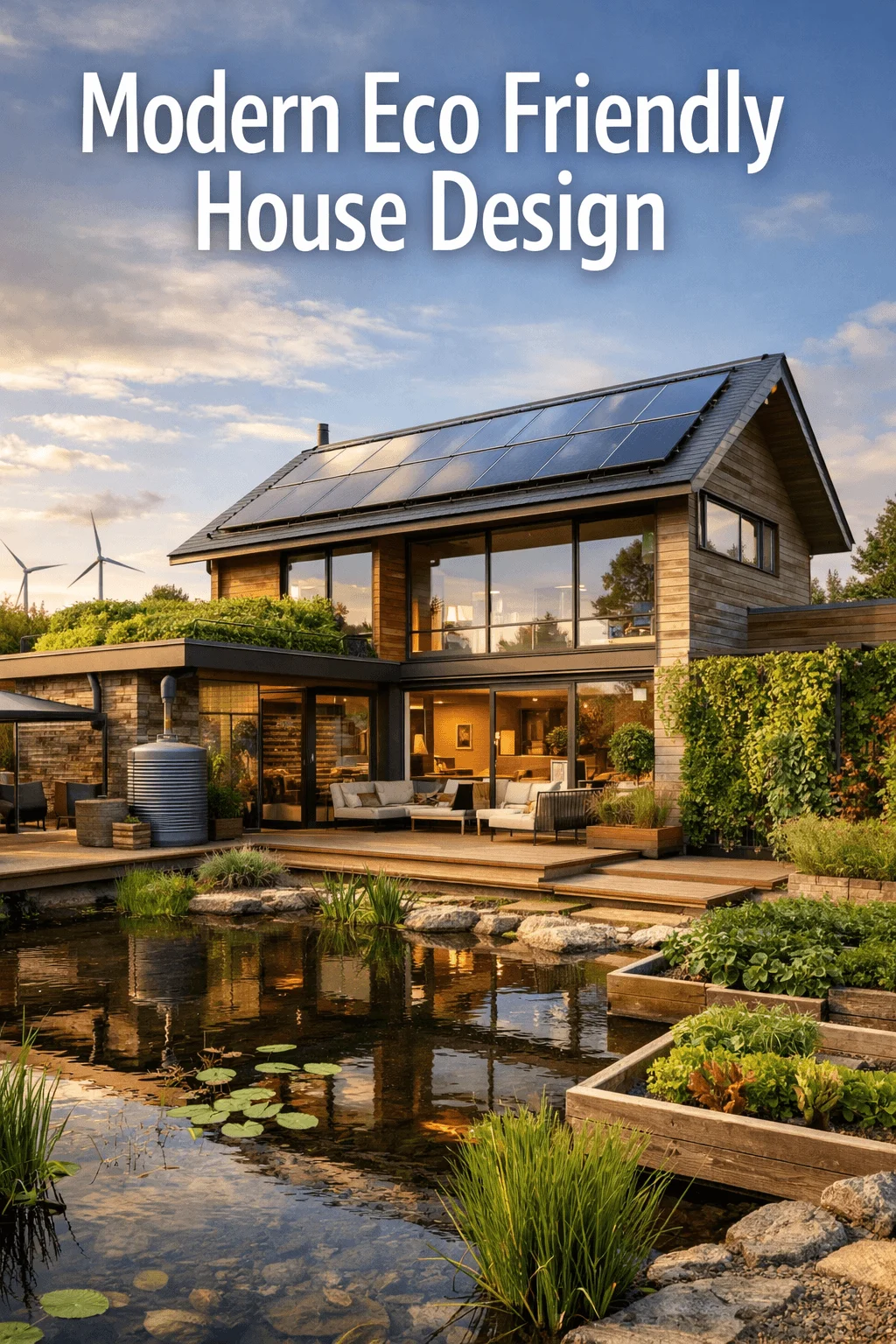
Unlike traditional homes that rely heavily on energy consuming systems and resource intensive materials, modern sustainable houses focus on intelligent design. They combine natural resources, renewable energy, advanced building techniques, and environmentally responsible materials to create homes that work with nature instead of against it.
Today sustainable houses are not only environmentally responsible but also visually impressive. Modern eco homes often feature clean architectural lines, open spaces, large windows, and a strong connection to the surrounding landscape. The goal is to create homes that are both beautiful and environmentally efficient while improving the quality of life for the people who live in them.
Net Zero Energy Homes
Net zero energy homes represent one of the most advanced forms of sustainable housing. These homes are designed to produce as much energy as they consume over the course of a year. This is achieved through a combination of energy efficient design and renewable energy systems.
The architecture of a net zero home focuses heavily on reducing energy demand. Walls, roofs, and floors are built with high performance insulation that prevents heat loss during winter and keeps interiors cool during summer. Windows are strategically placed to maximize natural daylight and reduce the need for artificial lighting.
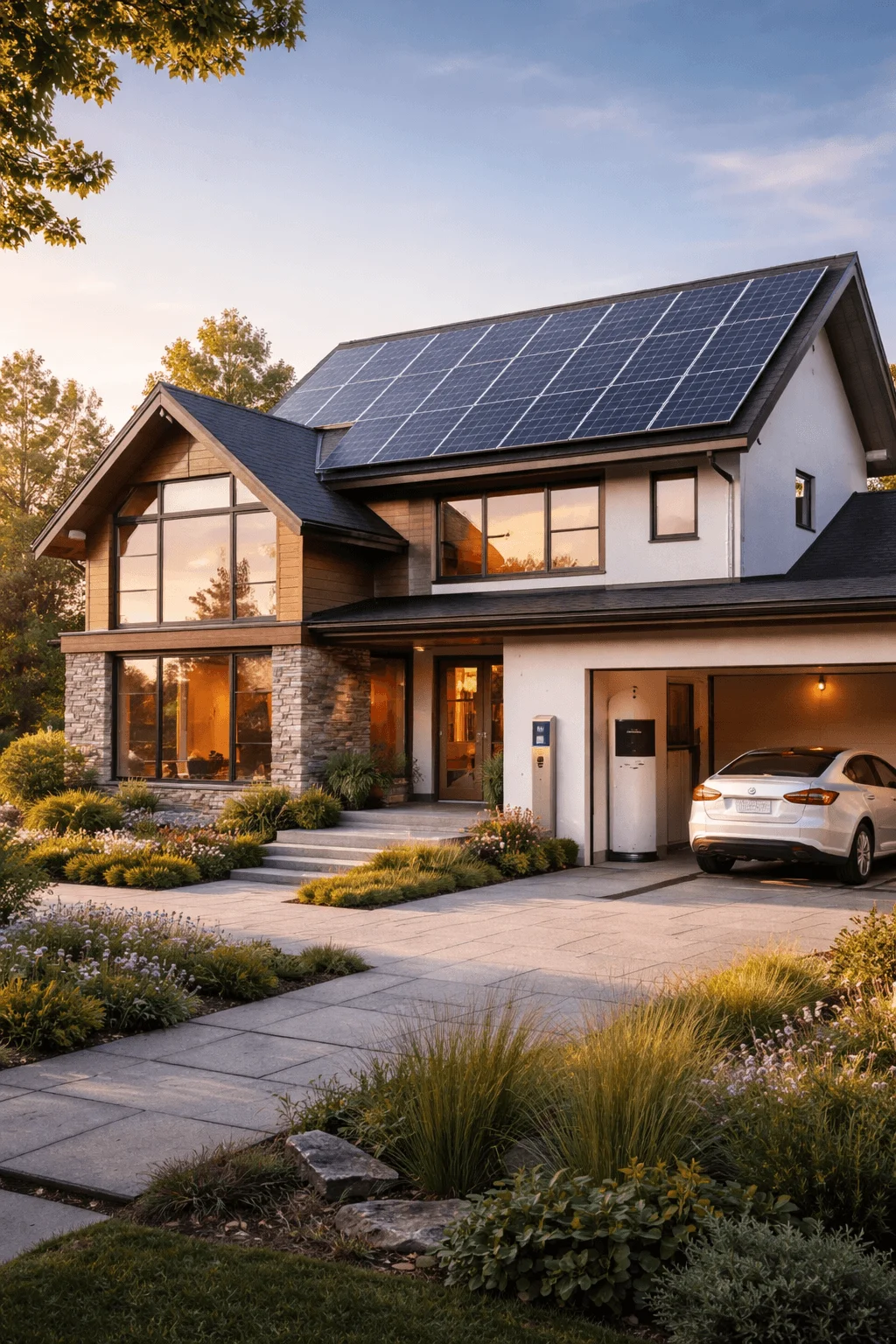
Renewable energy sources such as solar panels generate electricity for the home. When the house produces more energy than it consumes, the excess energy can be stored in batteries or returned to the electrical grid. Over time this balance allows the house to achieve net zero energy consumption.
Beyond energy savings, net zero homes also contribute to environmental protection by dramatically reducing carbon emissions. As renewable energy technologies continue to improve, these homes are becoming more common in modern residential architecture.
Passive House Architecture
Passive house architecture is another important concept in sustainable housing design. The goal of a passive house is to maintain comfortable indoor temperatures with minimal reliance on mechanical heating and cooling systems.
This design strategy focuses on creating a highly insulated building envelope. Walls, windows, and roofs are carefully constructed to prevent heat from escaping during colder months. At the same time, shading elements and ventilation strategies prevent overheating during warmer seasons.
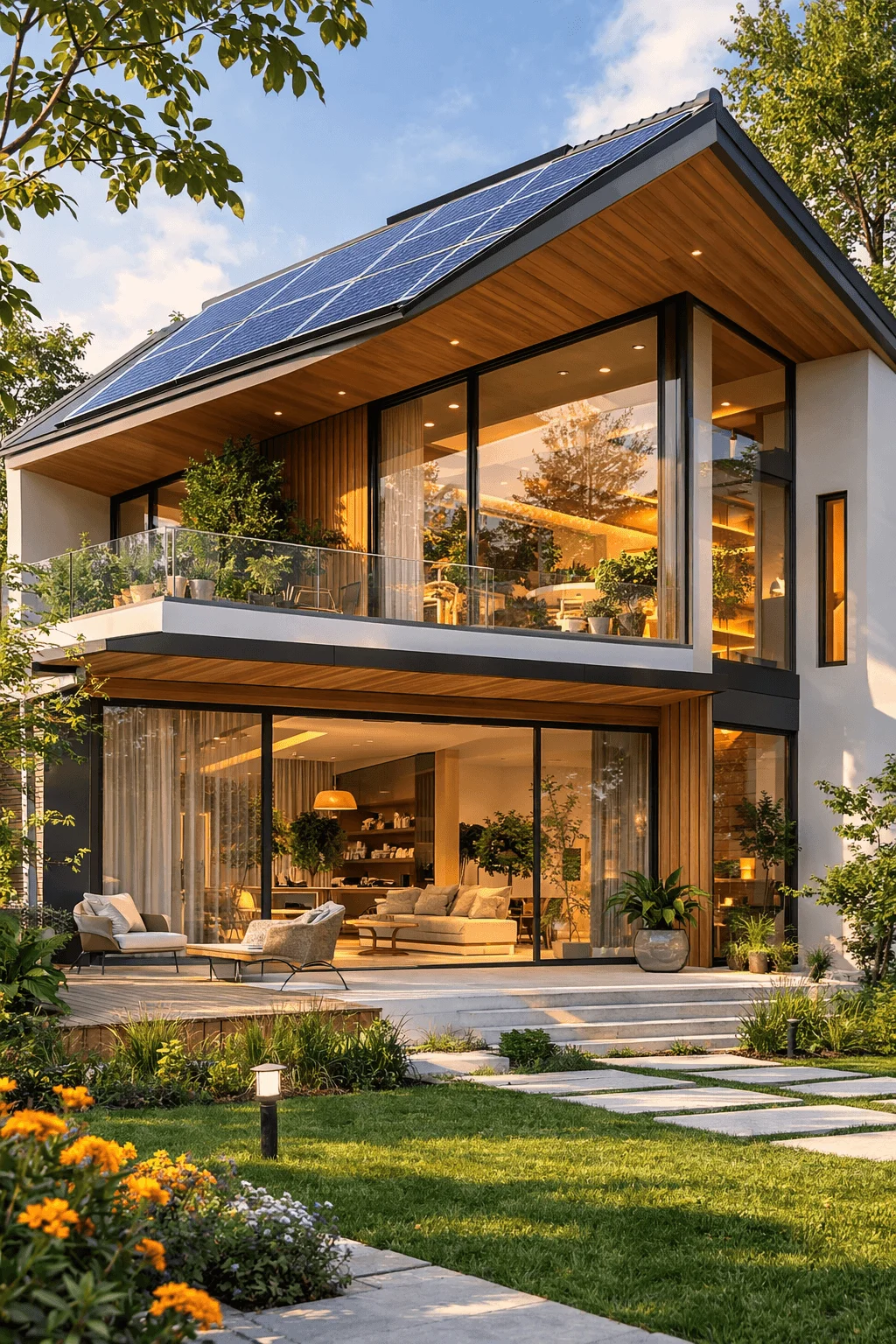
The orientation of the house also plays a crucial role. Architects position the building to capture sunlight during winter while minimizing direct sun exposure during summer. This natural temperature regulation significantly reduces energy consumption.
Passive houses often include advanced ventilation systems that maintain fresh indoor air without wasting energy. These systems recover heat from outgoing air and transfer it to incoming air, ensuring consistent indoor comfort.
Biophilic House Design
Biophilic design focuses on strengthening the connection between humans and nature. Modern eco friendly houses increasingly incorporate this concept by integrating natural elements into the living environment.
Large windows allow natural light to fill interior spaces while providing views of the surrounding landscape. Indoor plants, natural stone, wood surfaces, and water features help create a calming atmosphere that promotes relaxation and wellbeing.
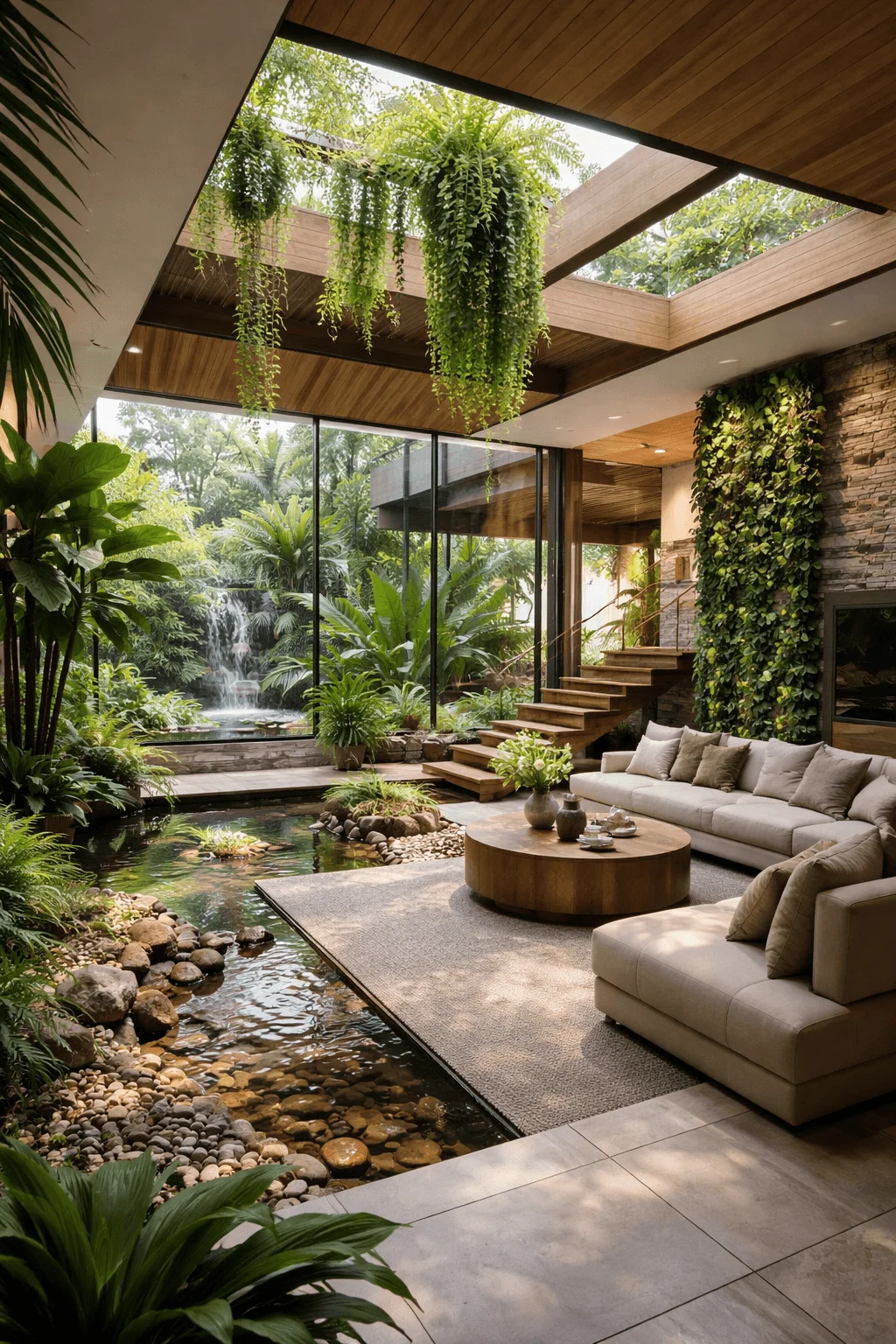
The presence of nature inside the home has been shown to reduce stress and improve mental health. For this reason many modern architects design homes with indoor gardens, open courtyards, and natural materials that create a seamless connection between indoor and outdoor spaces.
Biophilic homes are also energy efficient because they rely heavily on natural light and natural airflow instead of artificial lighting and mechanical ventilation.
Solar Roof Integration
Solar power has become one of the most recognizable features of eco friendly houses. Traditional solar panels are still widely used, but newer architectural trends integrate solar technology directly into roofing materials.
Solar roofs consist of specially designed tiles that generate electricity while functioning as a protective roof covering. This technology allows homeowners to produce renewable energy without affecting the visual appearance of the house.
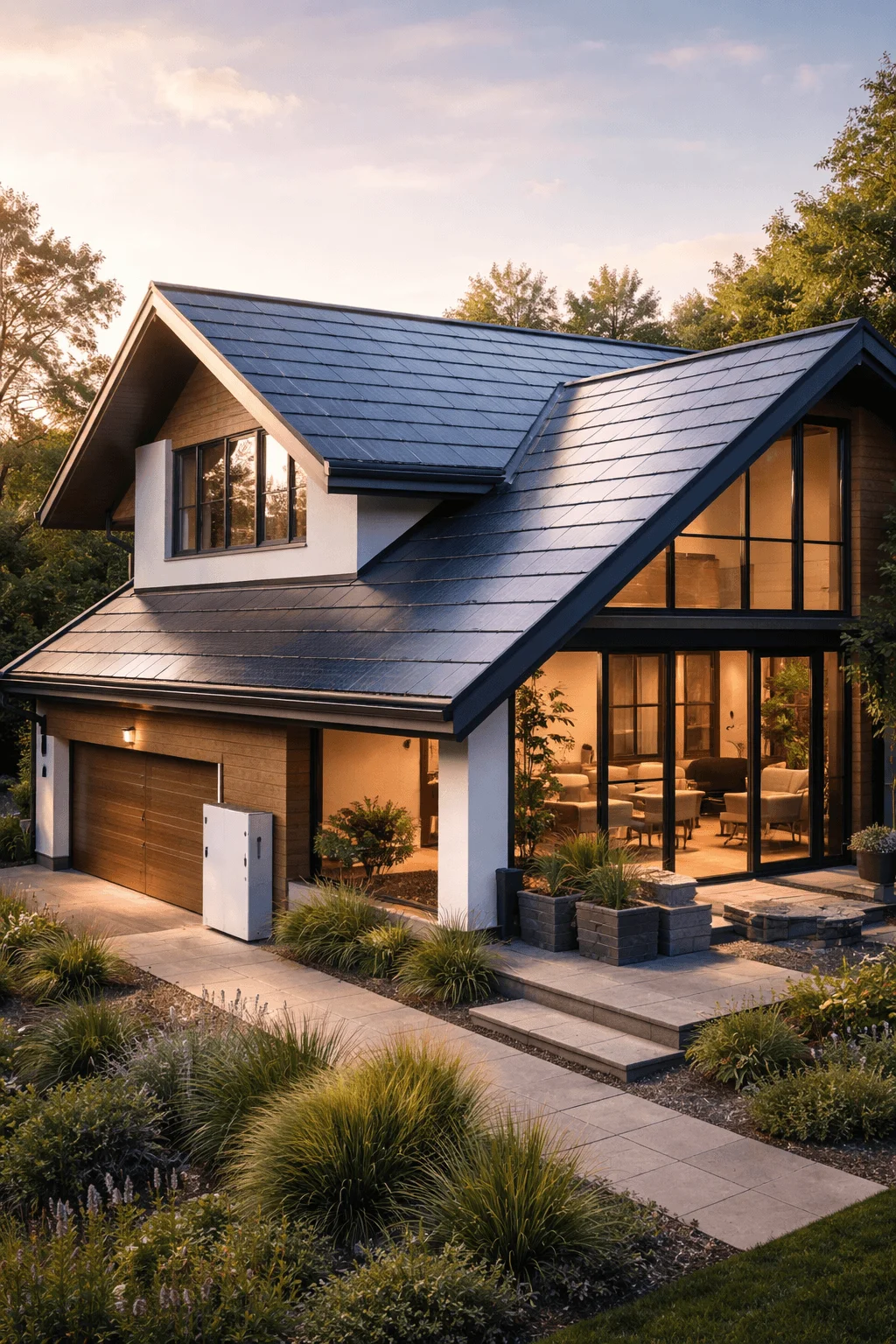
These systems can generate a significant portion of the home’s electricity needs. When combined with energy storage systems, solar roofs allow houses to operate independently from traditional power sources.
Solar technology continues to evolve rapidly. Modern solar materials are becoming more efficient, durable, and aesthetically appealing, making them a key component of future sustainable home design.
Green Roof Gardens
Green roofs are roofs that are partially or completely covered with vegetation. They provide multiple environmental benefits and have become increasingly popular in sustainable architecture.
A green roof acts as a natural layer of insulation that helps regulate indoor temperatures. During hot weather the vegetation absorbs sunlight and reduces heat buildup inside the house. In colder months the soil and plants help retain warmth.
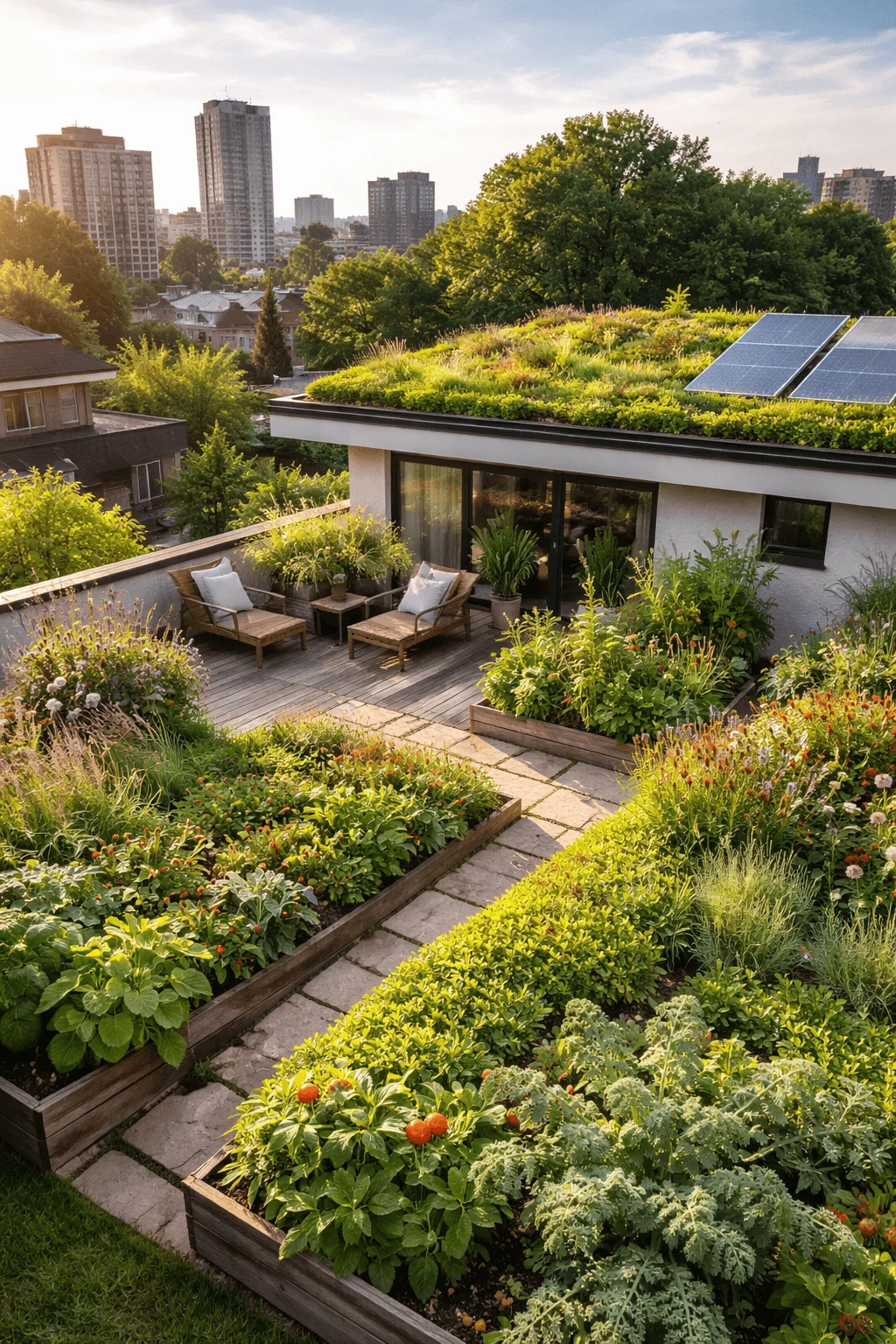
Green roofs also improve air quality by absorbing pollutants and producing oxygen. In urban areas they help reduce the heat island effect, where buildings and concrete surfaces trap excessive heat.
Many homeowners use green roofs as functional outdoor spaces where they can grow plants, vegetables, or small gardens. These rooftop gardens not only enhance sustainability but also create relaxing outdoor environments.
Rainwater Harvesting Systems
Water conservation is an important aspect of eco friendly house design. Rainwater harvesting systems collect rainwater from rooftops and store it for later use.
The collected water can be used for irrigation, cleaning, toilet flushing, and sometimes even filtered for household use. This reduces dependence on municipal water systems and conserves freshwater resources.
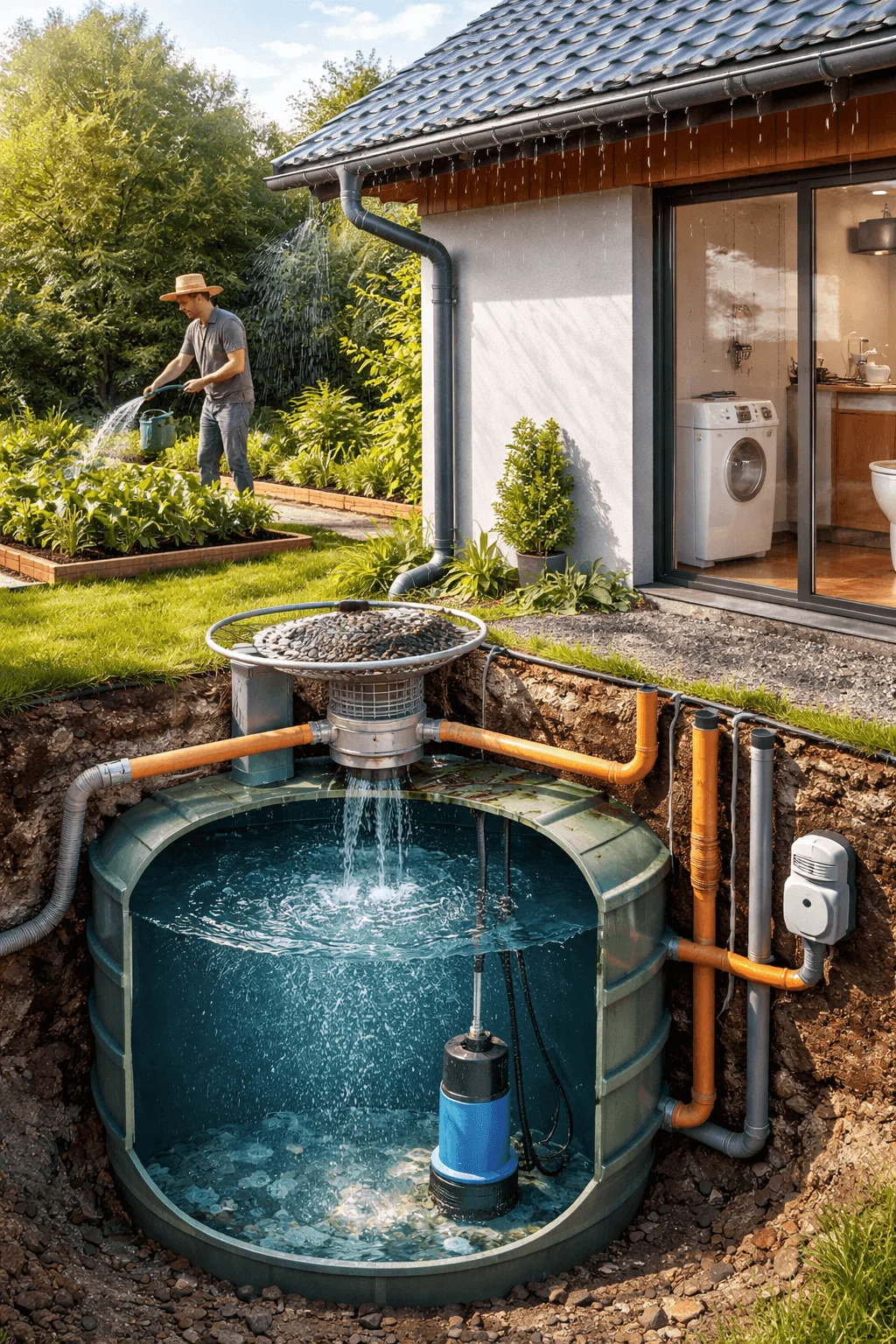
Rainwater harvesting systems also help manage stormwater runoff, which can otherwise lead to flooding and water pollution. By capturing rainwater directly on the property, these systems contribute to more sustainable water management.
Smart Energy Management Homes
Technology is playing an increasingly important role in sustainable homes. Smart energy management systems allow homeowners to monitor and control energy consumption throughout the house.
Smart thermostats automatically adjust temperature settings based on occupancy patterns and weather conditions. Lighting systems can turn off when rooms are empty or adjust brightness according to natural daylight.
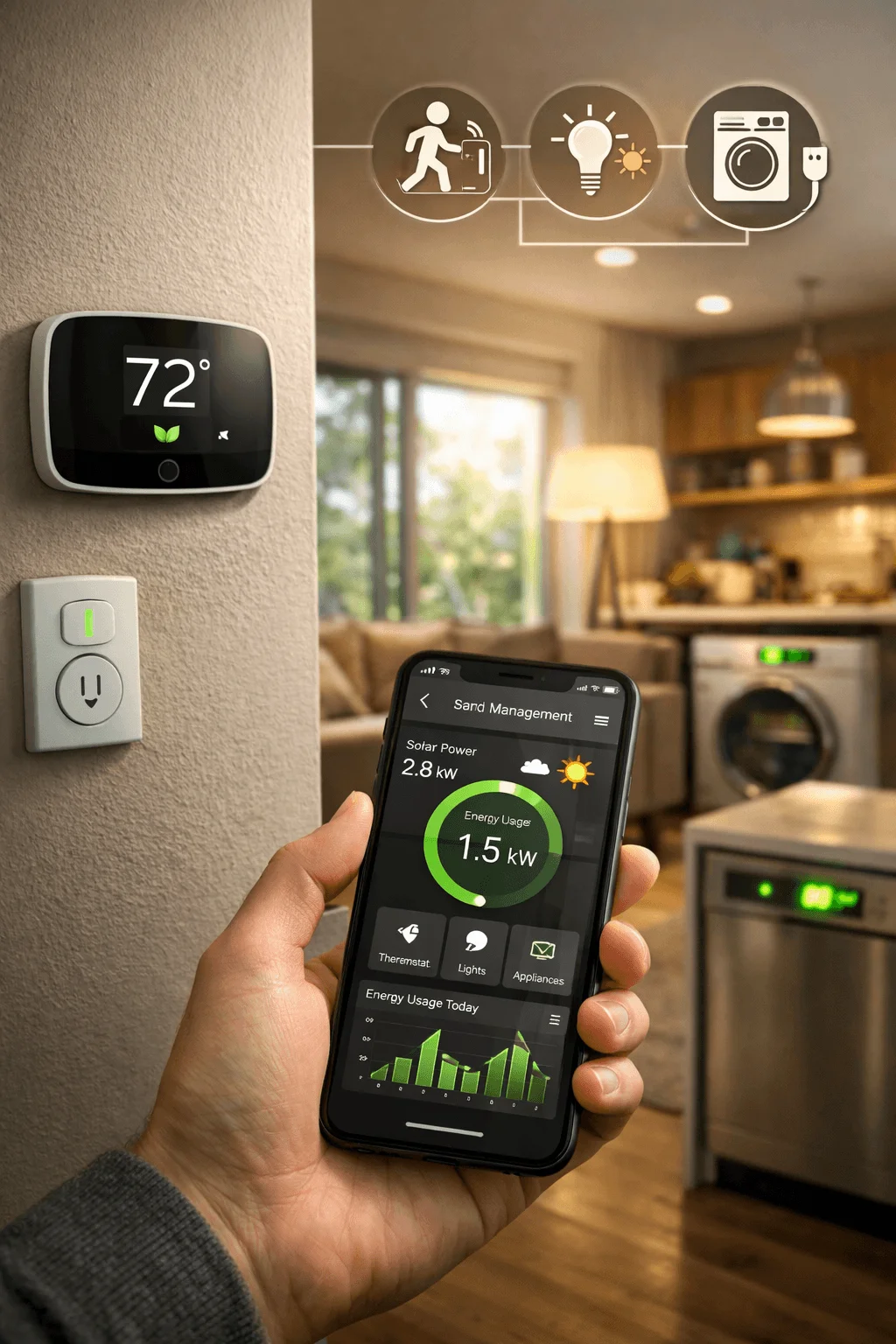
Appliances can also be connected to intelligent energy systems that optimize electricity usage during periods of lower demand. These technologies not only reduce energy consumption but also improve convenience and comfort for homeowners.
Recycled and Reclaimed Building Materials
Sustainable homes often incorporate recycled or reclaimed materials that reduce environmental impact. Materials such as reclaimed wood, recycled metal, and reused bricks give new life to resources that would otherwise become waste.
Using recycled materials reduces the demand for new raw materials and lowers the environmental footprint of construction projects. Many architects also appreciate the unique aesthetic qualities that reclaimed materials provide.
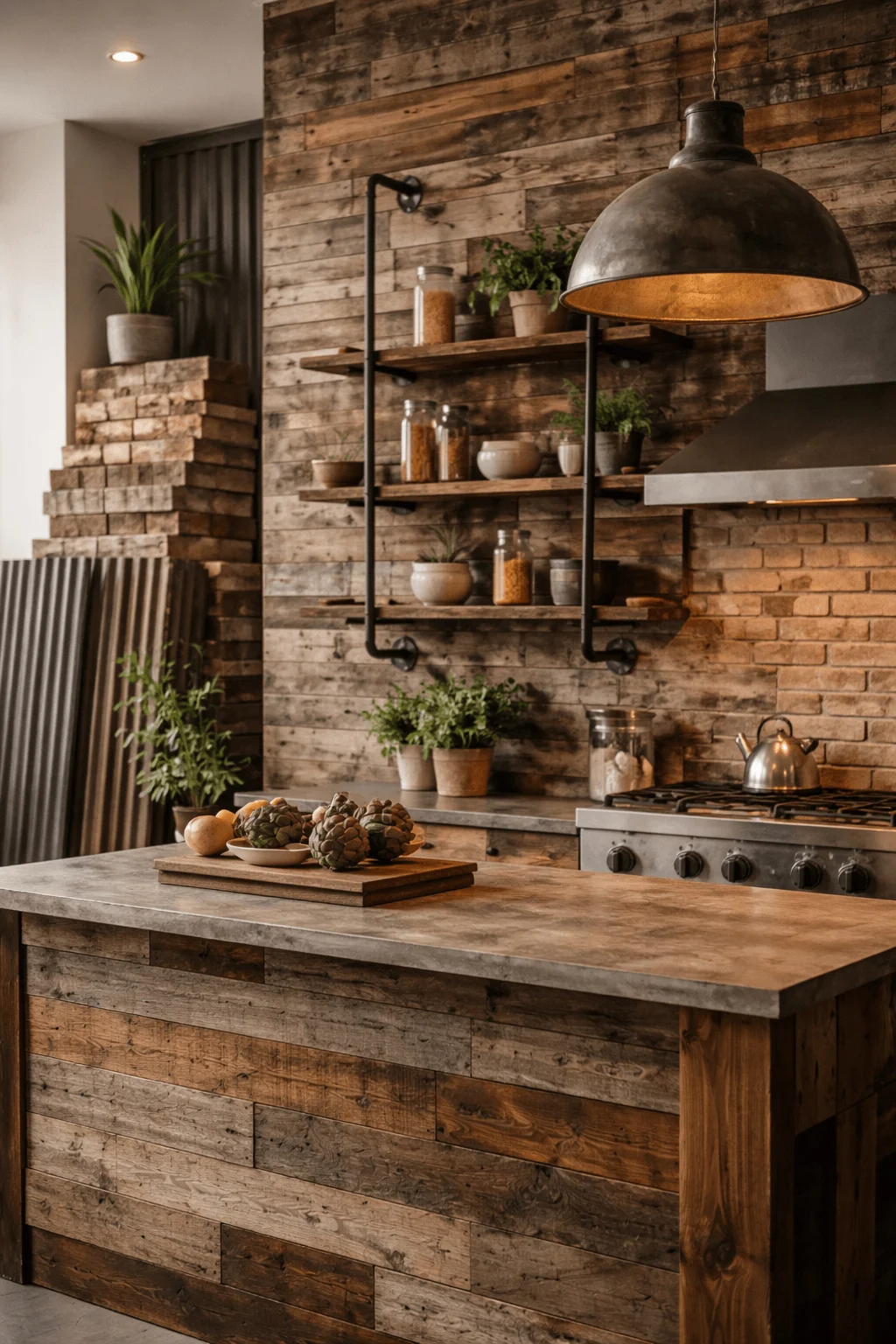
For example reclaimed wood can add warmth and character to modern interiors while recycled metal structures provide strength and durability. These materials allow sustainable homes to combine environmental responsibility with distinctive design.
Rammed Earth Construction
Rammed earth construction is an ancient building technique that has gained renewed interest in modern eco friendly architecture. The method involves compressing natural soil into dense walls that provide structural support and insulation.
Rammed earth walls have excellent thermal mass, meaning they absorb heat during the day and release it slowly at night. This natural temperature regulation reduces the need for artificial heating and cooling.
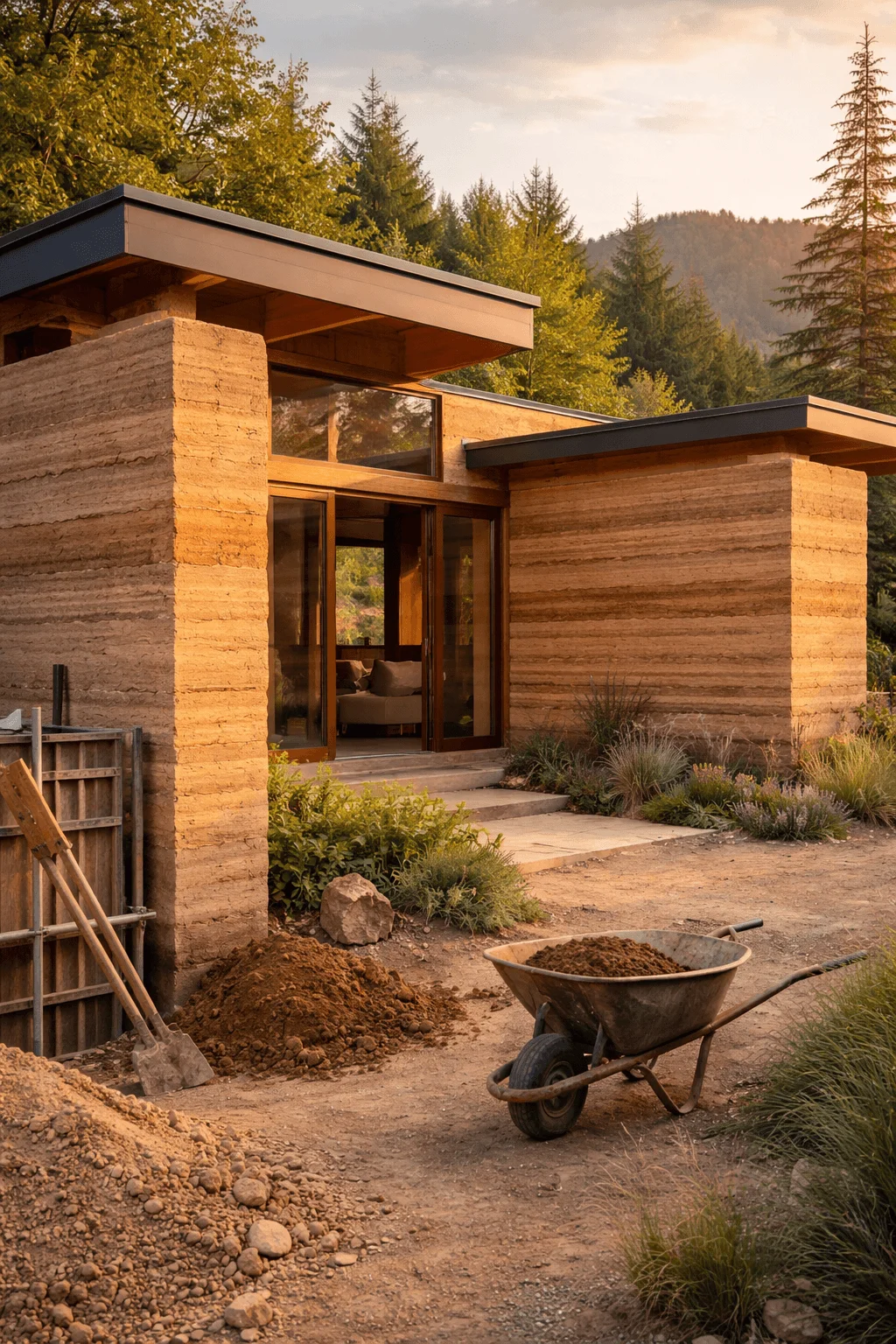
The materials used in rammed earth construction are often sourced directly from the building site, which minimizes transportation and environmental impact. The result is a durable and visually striking structure that blends naturally with the surrounding landscape.
Modular Eco Homes
Modular homes are built in sections within a controlled factory environment and then assembled on site. This construction method significantly reduces waste and shortens building time.
Because modular construction occurs in a controlled environment, materials can be used more efficiently and quality standards are easier to maintain. Many modular homes incorporate sustainable materials, energy efficient systems, and modern architectural designs.
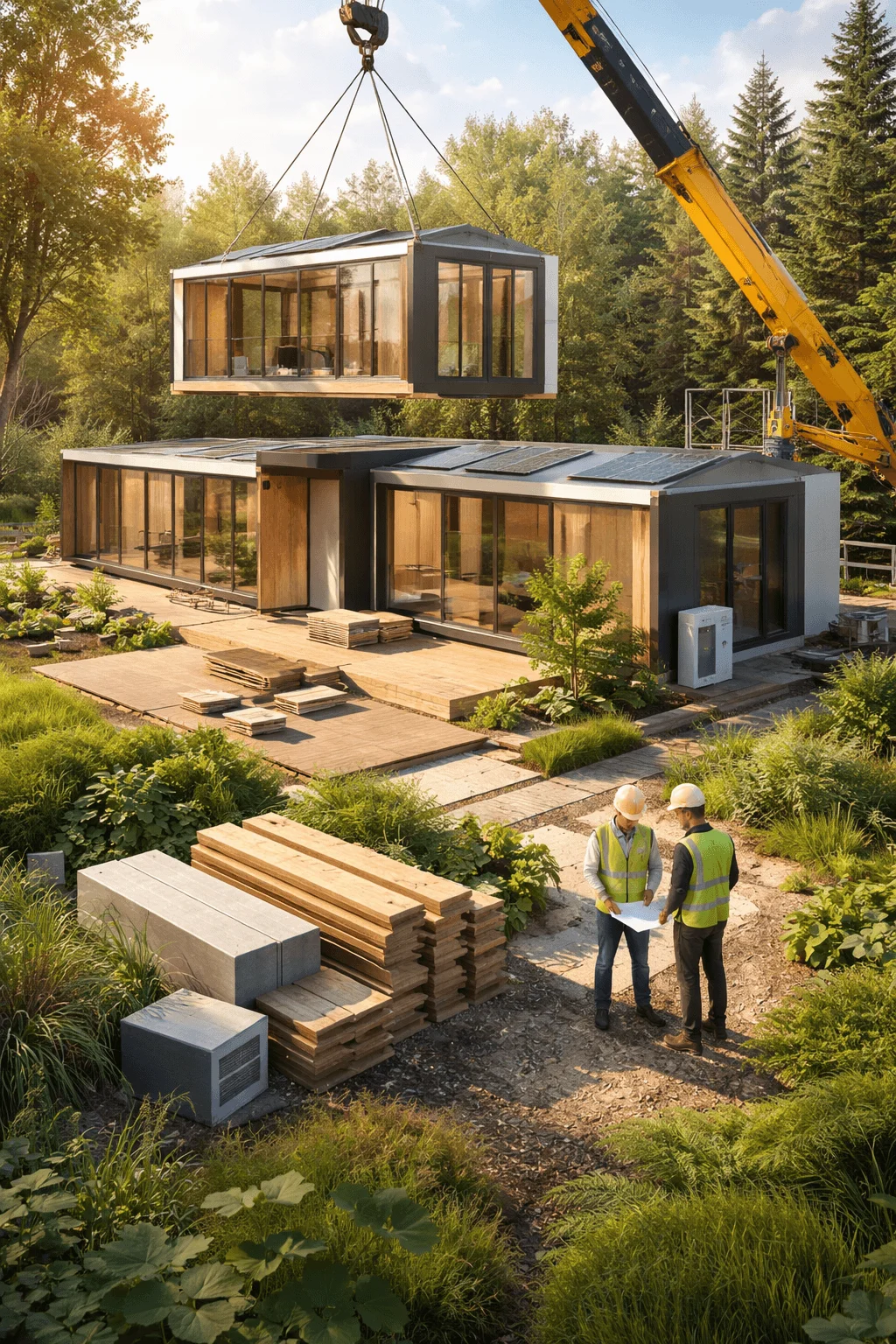
These homes are also highly adaptable. Additional modules can be added in the future as the needs of the homeowner change.
3D Printed Sustainable Homes
One of the newest innovations in eco friendly architecture is the use of 3D printing technology in home construction. Specialized machines can print building structures layer by layer using sustainable materials such as concrete mixtures or recycled composites.
3D printed homes require fewer materials and significantly reduce construction waste. The process is also faster than traditional construction methods, which helps lower costs and environmental impact.
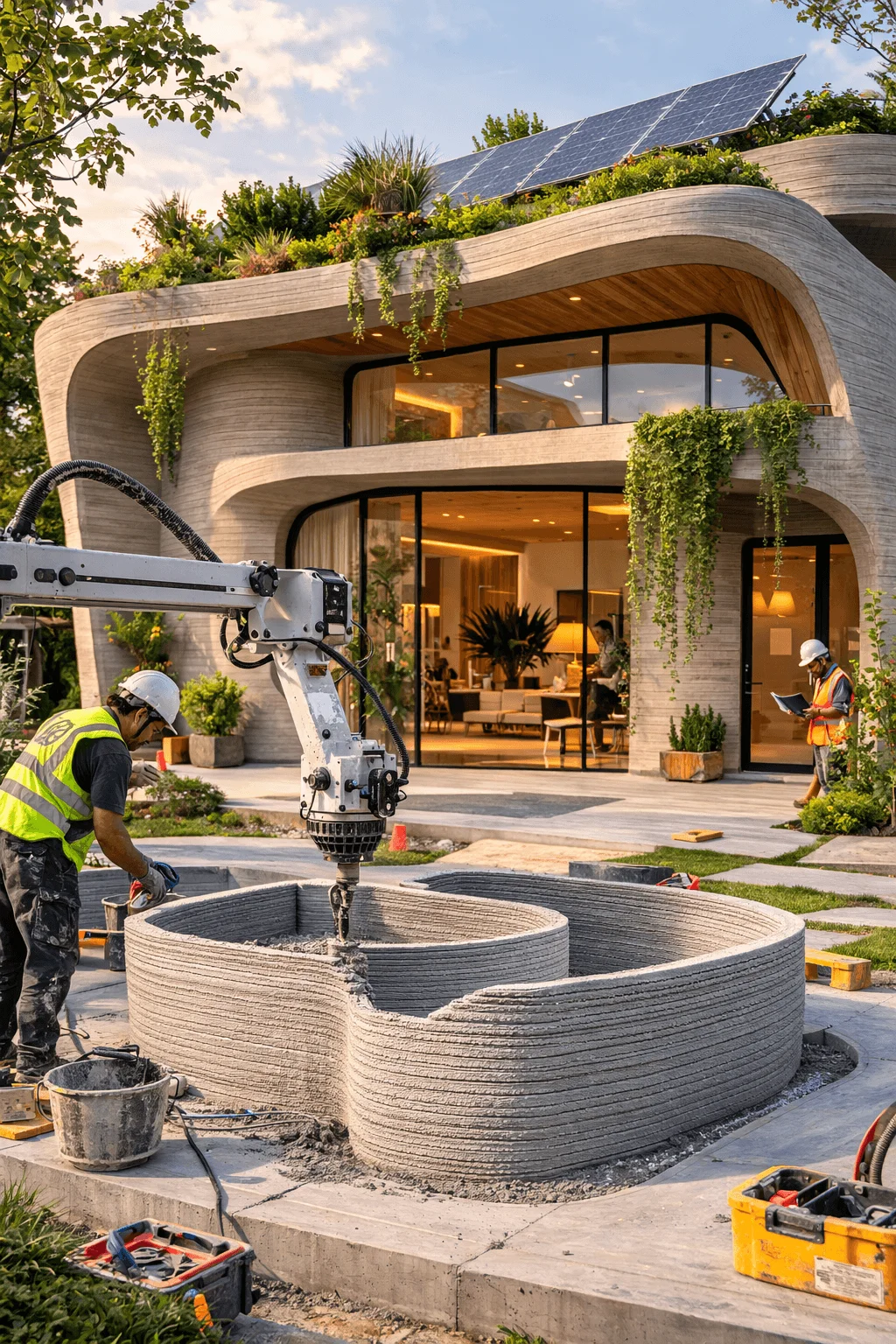
This technology allows architects to create unique architectural forms that would be difficult to achieve using conventional construction techniques.
Climate Responsive Architecture
Climate responsive architecture focuses on designing homes that respond to the local environment. Instead of relying heavily on mechanical heating and cooling systems, these houses use natural elements to regulate indoor temperatures.
Architects study sun patterns, wind direction, rainfall, and local climate conditions when designing the building layout. Overhangs, shading systems, ventilation openings, and building orientation help maintain comfortable indoor conditions throughout the year.
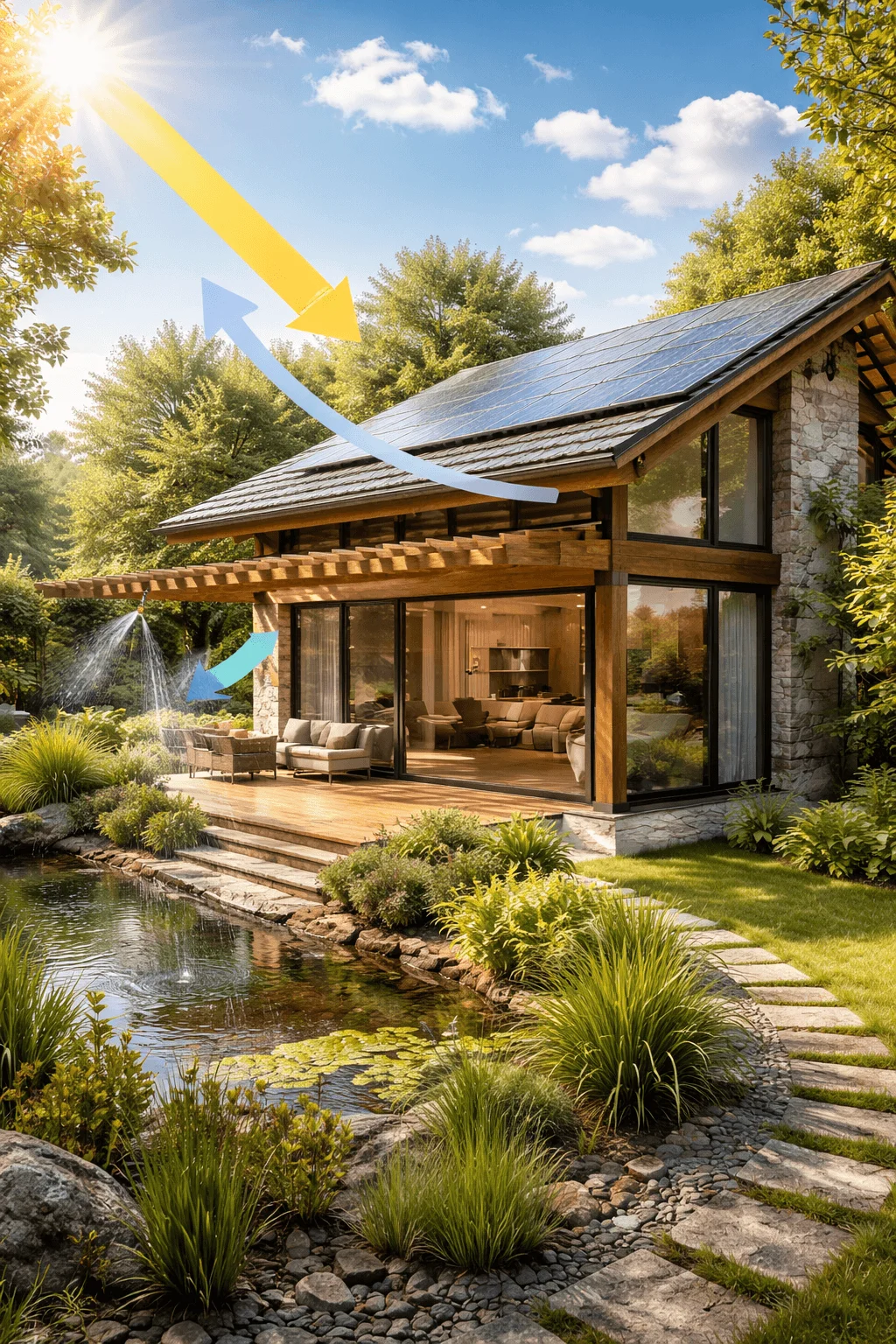
By working with nature rather than against it, climate responsive homes reduce energy consumption while improving comfort.
Living Walls and Vertical Gardens
Living walls are vertical surfaces covered with plants that grow directly on specially designed structures. These green walls can be installed both inside and outside the home.
Plants help improve air quality by absorbing carbon dioxide and releasing oxygen. They also act as natural insulation, reducing heat transfer through walls.
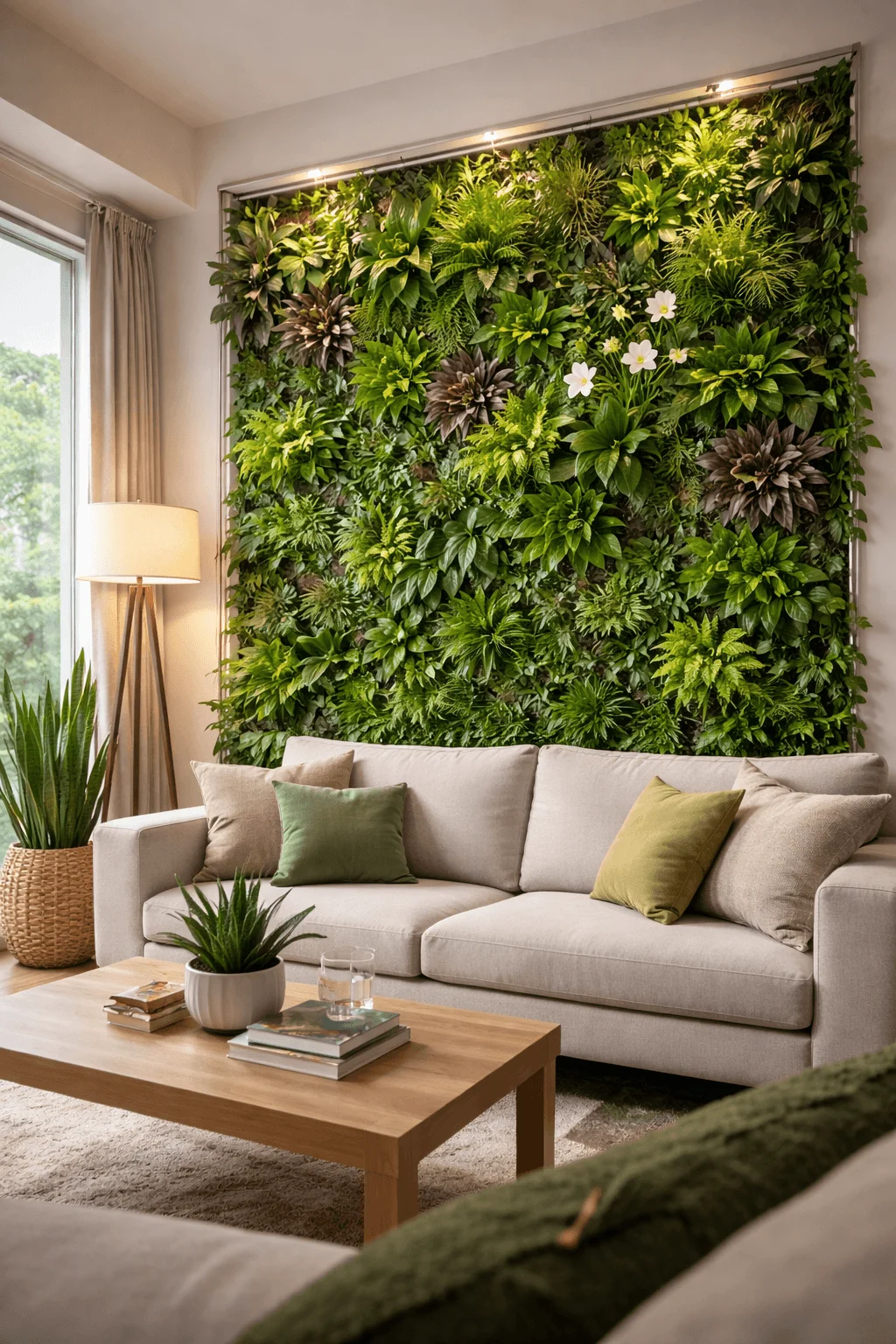
Vertical gardens are especially useful in urban areas where ground space is limited. They allow homeowners to introduce greenery into compact environments while enhancing the visual appeal of the building.
Wellness Focused Eco Homes
Wellness focused homes prioritize the physical and mental health of residents. These houses incorporate features such as natural daylight, fresh air circulation, natural materials, and quiet spaces designed for relaxation.
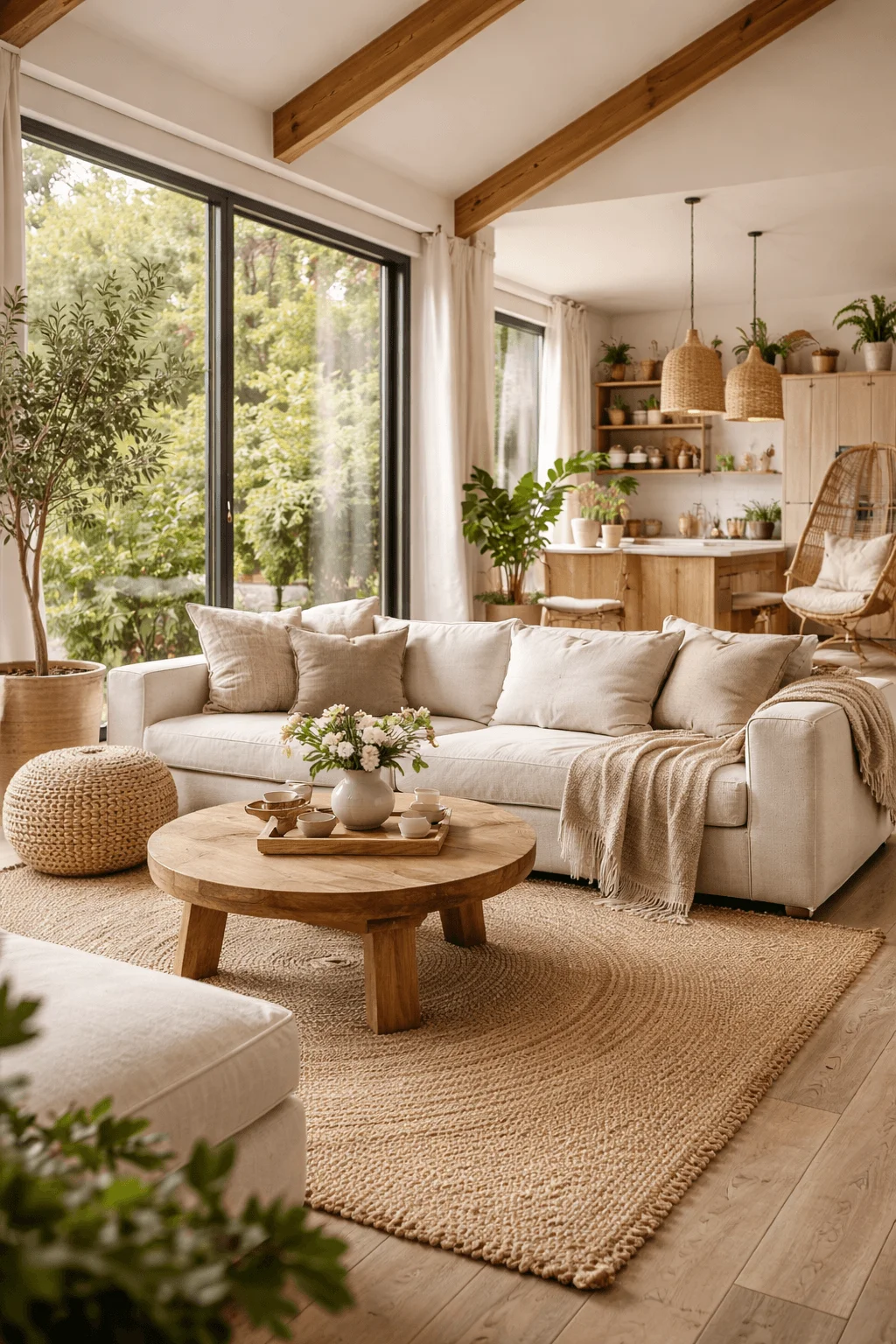
Sustainable materials reduce exposure to harmful chemicals commonly found in conventional building products. Large windows and open spaces help create bright and comfortable interiors that support wellbeing.
The goal of wellness focused design is to create homes that nurture both environmental sustainability and human health.
Multifunctional Outdoor Eco Spaces
Outdoor spaces are becoming an essential part of modern eco friendly homes. Gardens, shaded patios, and green courtyards create areas where residents can relax and connect with nature.
Many eco homes include vegetable gardens or small urban farms that allow homeowners to grow their own food. Outdoor spaces also help regulate the microclimate around the house by providing shade and improving airflow.
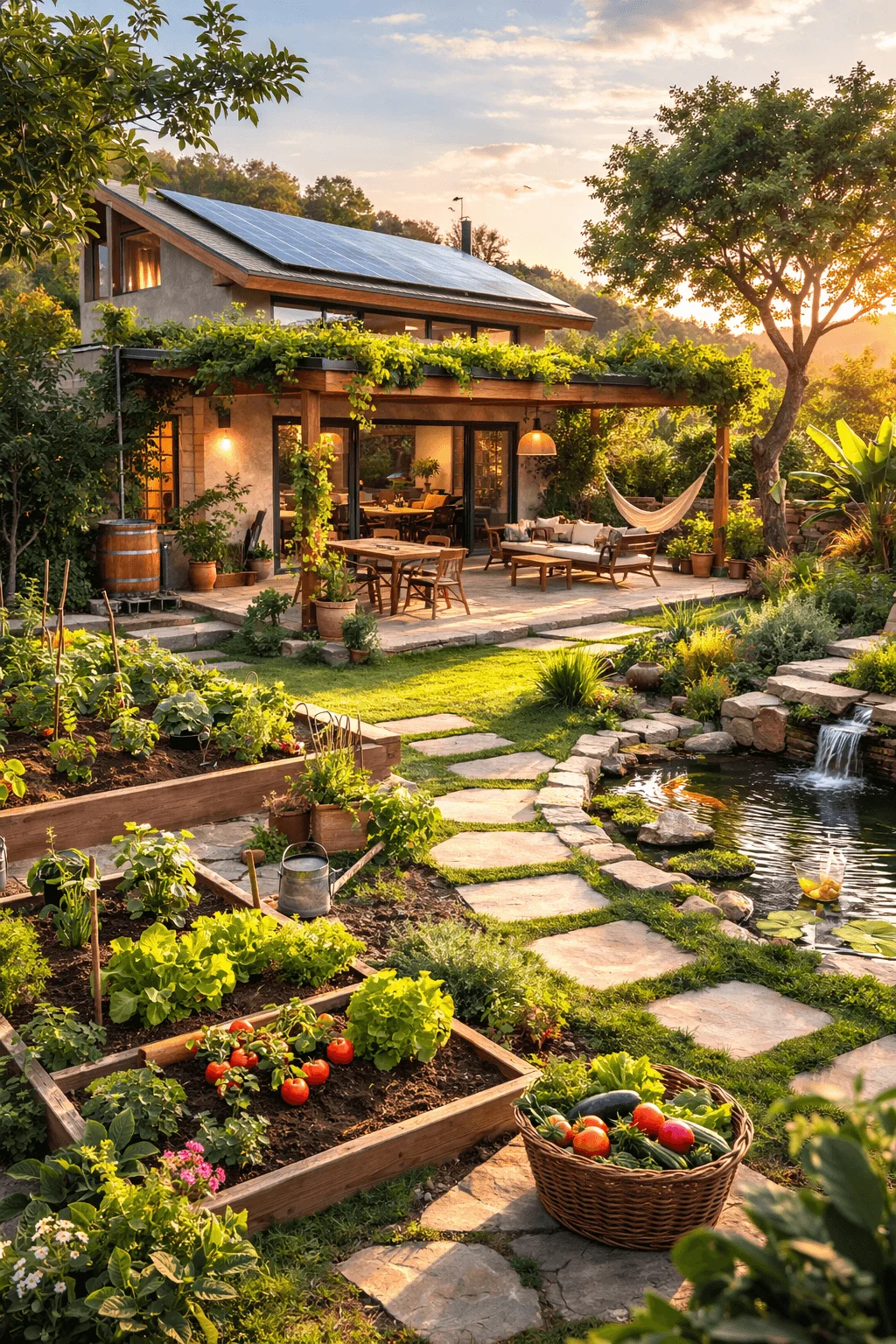
These multifunctional outdoor environments enhance sustainability while creating enjoyable living spaces that extend beyond the walls of the house.
Conclusion
Modern eco friendly house design is transforming the future of residential architecture. As environmental awareness continues to grow, architects and homeowners are increasingly embracing sustainable building practices that reduce energy consumption and protect natural resources.
From net zero energy homes and passive house architecture to green roofs, smart energy systems, and biophilic design, sustainable housing offers innovative solutions for modern living. These homes combine advanced technology with natural elements to create comfortable and environmentally responsible living spaces.
The shift toward eco friendly housing represents more than just an architectural trend. It reflects a broader commitment to sustainability, health, and responsible resource management. As technology continues to evolve and sustainable materials become more accessible, eco friendly homes will play an even greater role in shaping the future of housing and creating a more sustainable world.