12 Eco Friendly Waste Sorting Household Swaps for Every Home
A greener home starts with the choices you make before anything reaches the trash. These eco friendly waste sorting household swaps help you reduce everyday disposables, keep recyclable materials cleaner, and make household routines easier to follow. The aim is not to buy an entirely new collection of green products. It is to use what you already have more effectively and replace wasteful habits one at a time.
From kitchen scraps to bathroom packaging, a surprising amount of household waste becomes confusing because different materials end up together. A few well placed containers and thoughtful product changes can make a meaningful difference. The ideas below focus on prevention, reuse, and practical sorting, with reminders to check the rules that apply in your own community.
Replace One Large Trash Can With a Simple Sorting Station
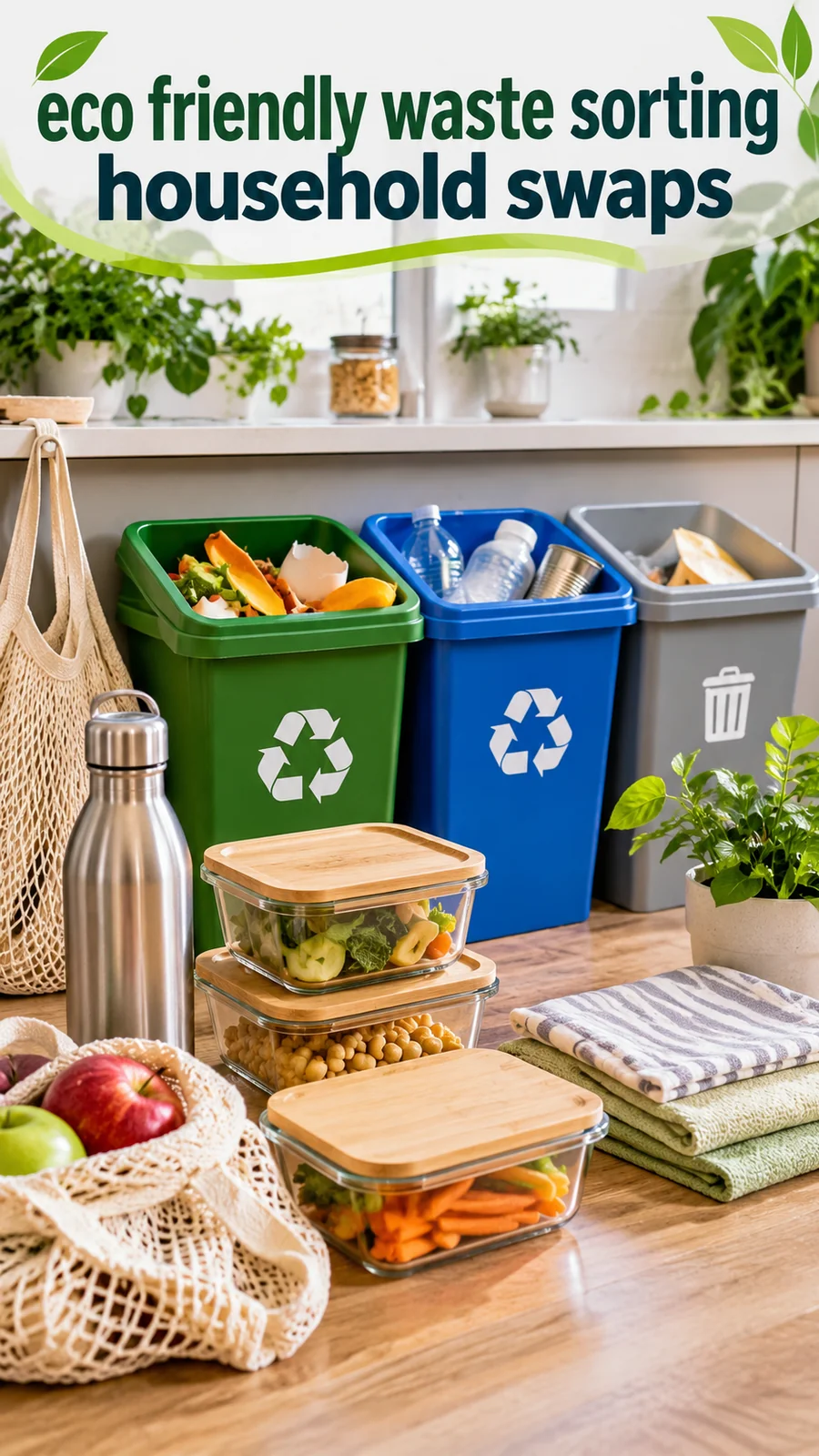
A single kitchen trash can makes it easy to mix paper, containers, food scraps, and everyday garbage. Instead, give each common waste stream its own clearly identified space. You do not need an expensive cabinet system. Existing buckets, washable baskets, or sturdy secondhand bins can work just as well. Start with the categories your local collection service actually accepts, then add a small container for special drop off items.
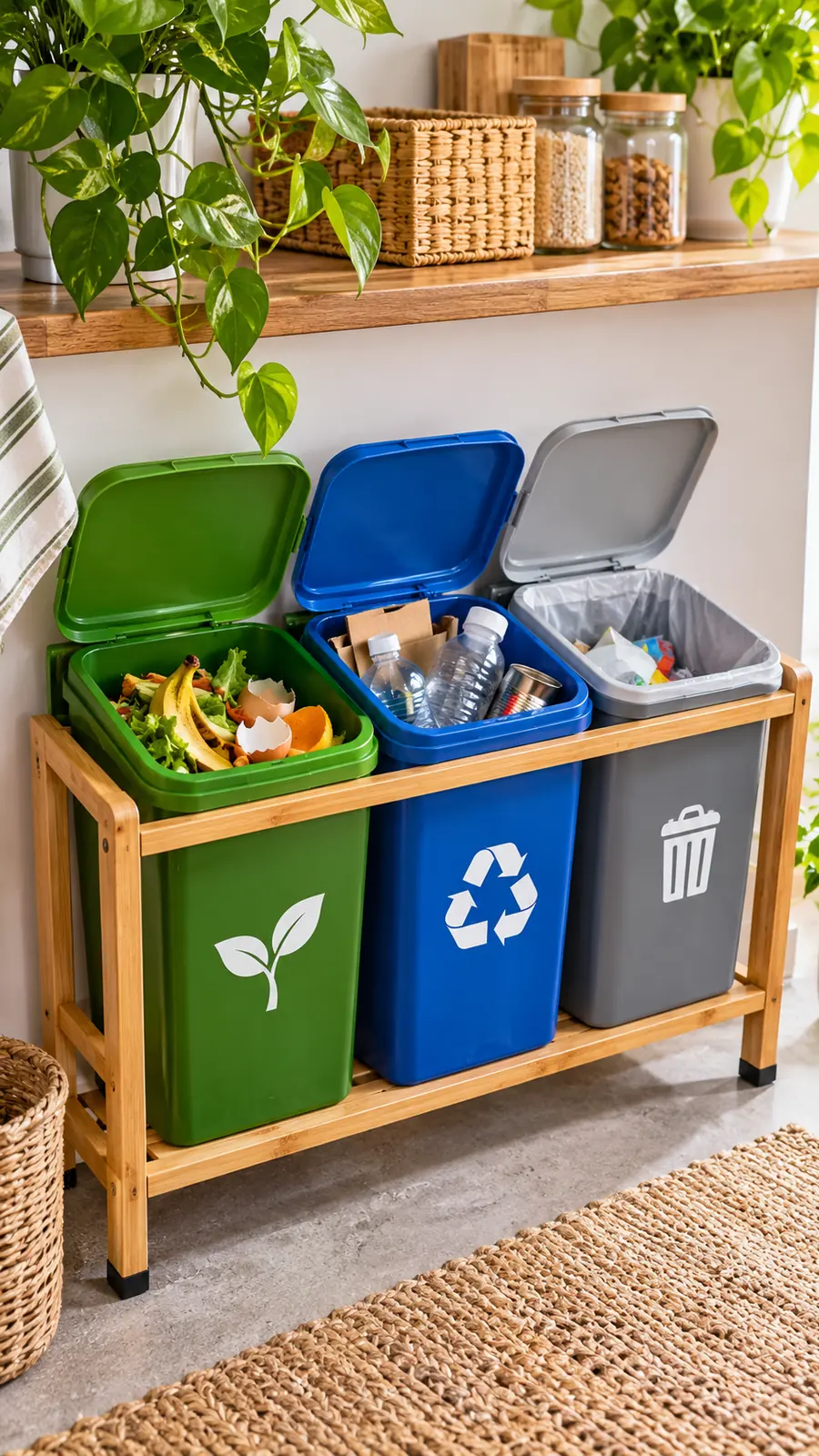
Place the station where people naturally open packaging, usually near the kitchen counter. Keep recycling loose rather than sealing it in plastic bags unless your collector specifically asks for bags. Give everyone in the household a quick tour of the setup. For small homes, use narrow stackable containers or place two small bins inside a cupboard. This is one of the most practical eco friendly waste sorting household swaps because it changes the decision at the moment waste appears, rather than relying on someone to sort a mixed bag later.
Swap Disposable Kitchen Towels for Washable Cloths
Paper towels are convenient, but many households reach for them even when a washable cloth would do the job. Keep a stack of cotton cloths, old clean T shirts, or reusable cleaning rags near the sink. Reserve separate cloths for dishes, counters, and messier cleaning tasks so it is easy to maintain good hygiene. Wash and dry them thoroughly between uses.
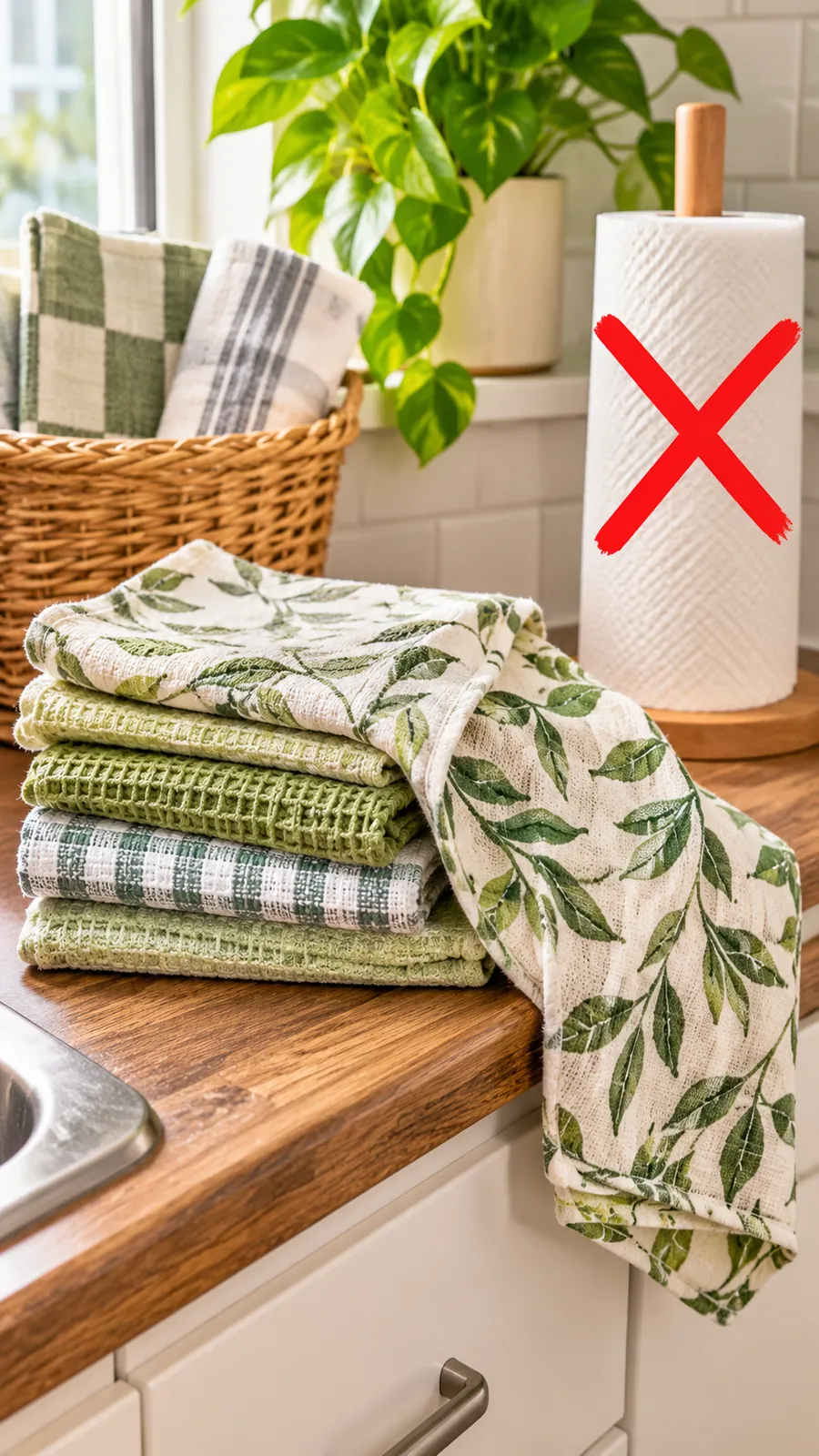
This swap reduces the amount of ordinary cleaning waste that needs sorting. It also makes your paper and cardboard recycling area easier to manage because wet, heavily soiled cleaning paper often cannot join the clean paper stream. When you truly need a disposable towel, check your local organics rules before putting it in a food waste bin. Some programs accept plain soiled paper, while others do not. A small washable hamper for used cloths makes the routine realistic, especially for busy families who want to reduce disposable supplies without adding daily work.
Trade Single Use Food Wrap for Reusable Containers
Leftovers, lunches, and chopped ingredients often create a steady flow of plastic film and small bags. Replace a portion of that packaging with durable containers you already own. Glass jars can store suitable dry ingredients, while properly cleaned food safe containers can hold refrigerated leftovers. Choose a size that fits your typical portions so food remains visible and gets eaten.
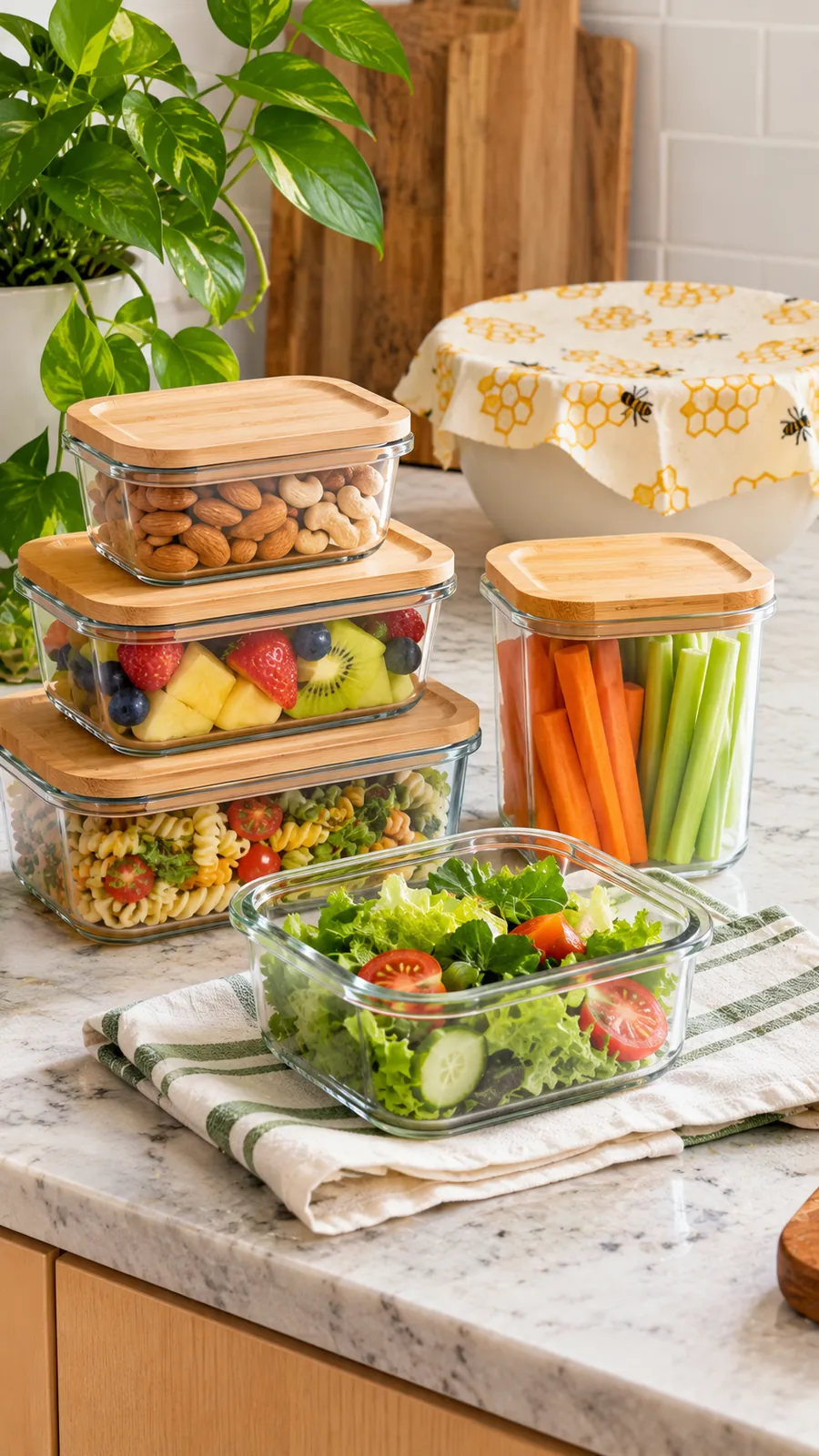
Label leftovers with the date and follow safe storage guidance. Avoid reusing containers that are damaged or never intended for repeated food contact. For wraps and bags that remain, set up a separate collection point only if a verified local store or service accepts them. Plastic film should not automatically go into curbside recycling, even if it carries a recycling symbol. The biggest benefit here comes from preventing packaging waste before it exists. That means less sorting at the bin and fewer confusing materials mixed into clean bottles and cans.
Use a Countertop Food Scraps Caddy
A small, lidded container makes it easier to keep vegetable peels, coffee grounds, and other eligible food scraps out of the general trash. Reuse a washable tub or choose a compact caddy that fits on the counter without blocking your workspace. Empty it often, rinse it regularly, and place it away from warm areas to help control odors.
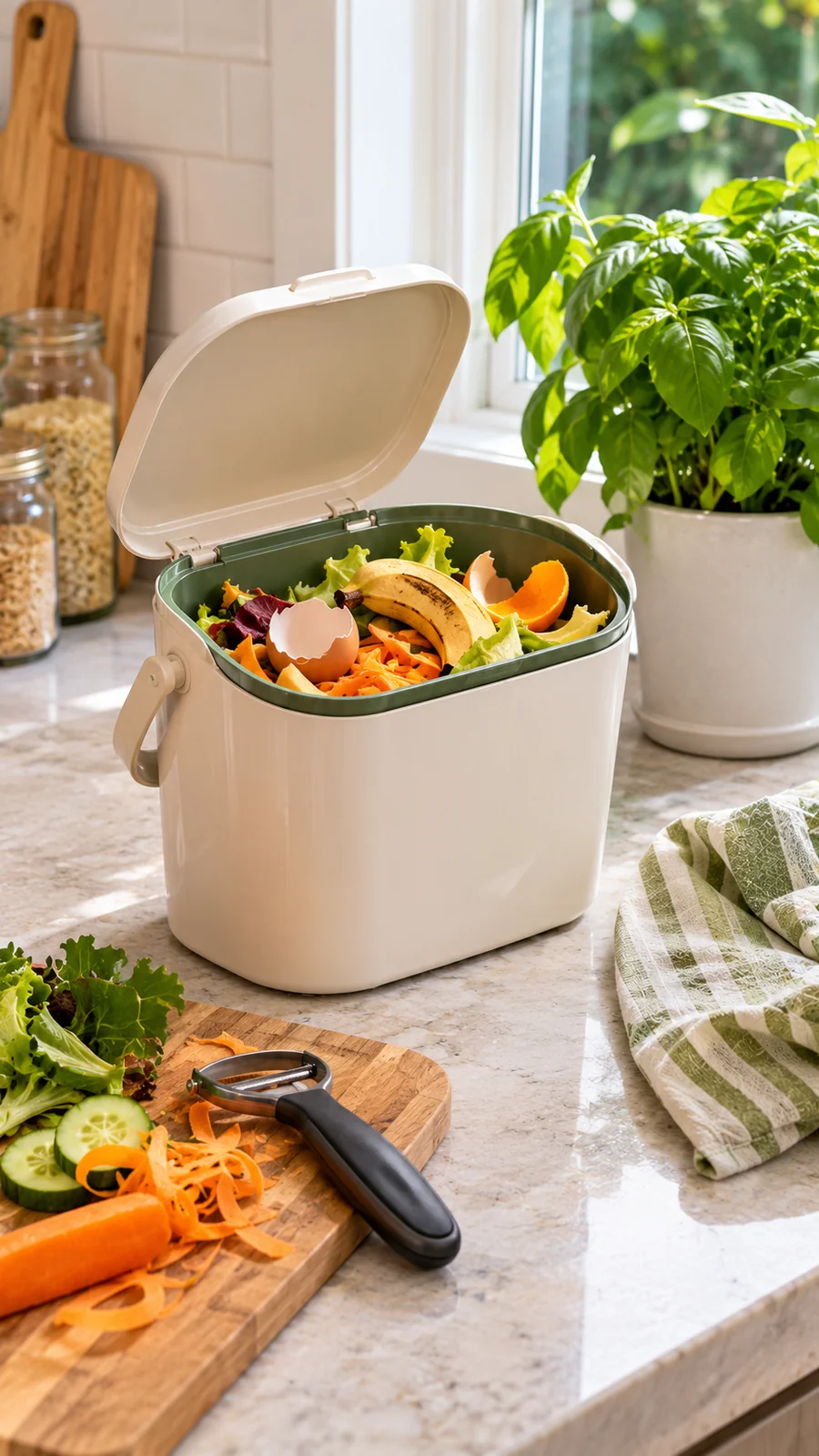
Before starting, check whether your area offers food waste collection, a community composting program, or a suitable home composting option. Accepted foods vary. Some municipal programs take cooked food, meat, and dairy, while many backyard compost systems work best with a more limited mix. Do not assume that a package marked compostable belongs in your caddy. The facility may not accept it. When the rules are clear, this simple setup helps everyone separate organic waste as they cook and supports more thoughtful meal planning.
Choose Refill Options for Cleaning Supplies
Replacing every spray bottle with a new eco branded product can create more packaging than necessary. First use the cleaning products you already have, then consider refill formats where they are available and appropriate. A durable bottle paired with a compatible refill can reduce repeated purchases of rigid packaging. Look at the actual refill material and the available disposal options rather than relying only on green marketing language.
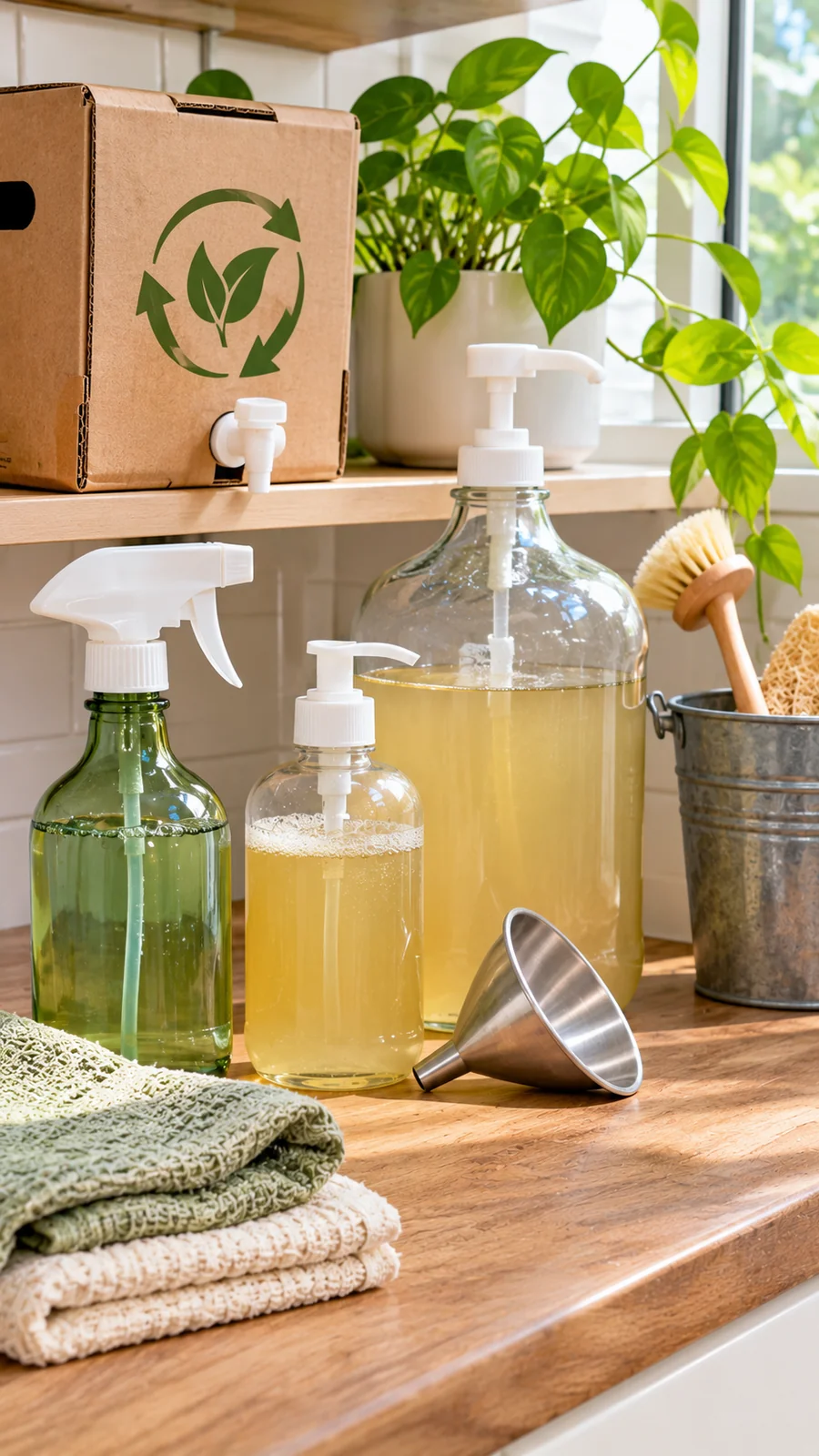
Keep product labels and follow the manufacturer instructions. Never mix cleaning chemicals or transfer them into unmarked food or drink containers. Once a bottle is empty, use the local recycling guide to decide whether it belongs with household containers. Some pumps or mixed material parts may need separate disposal. A dedicated spot for empty refill packs prevents accidental placement in paper recycling. These eco friendly waste sorting household swaps work best when they simplify purchases and disposal without creating unsafe storage habits.
Switch to Concentrated or Package Light Laundry Products
Laundry routines can generate bulky bottles, cardboard boxes, caps, and film wrappers. Rather than automatically choosing a product because it looks sustainable, compare the amount of packaging, the refill options, and whether you can use it correctly in your washing machine. Concentrated products sometimes require less packaging per wash, but they still need proper storage and accurate dosing.
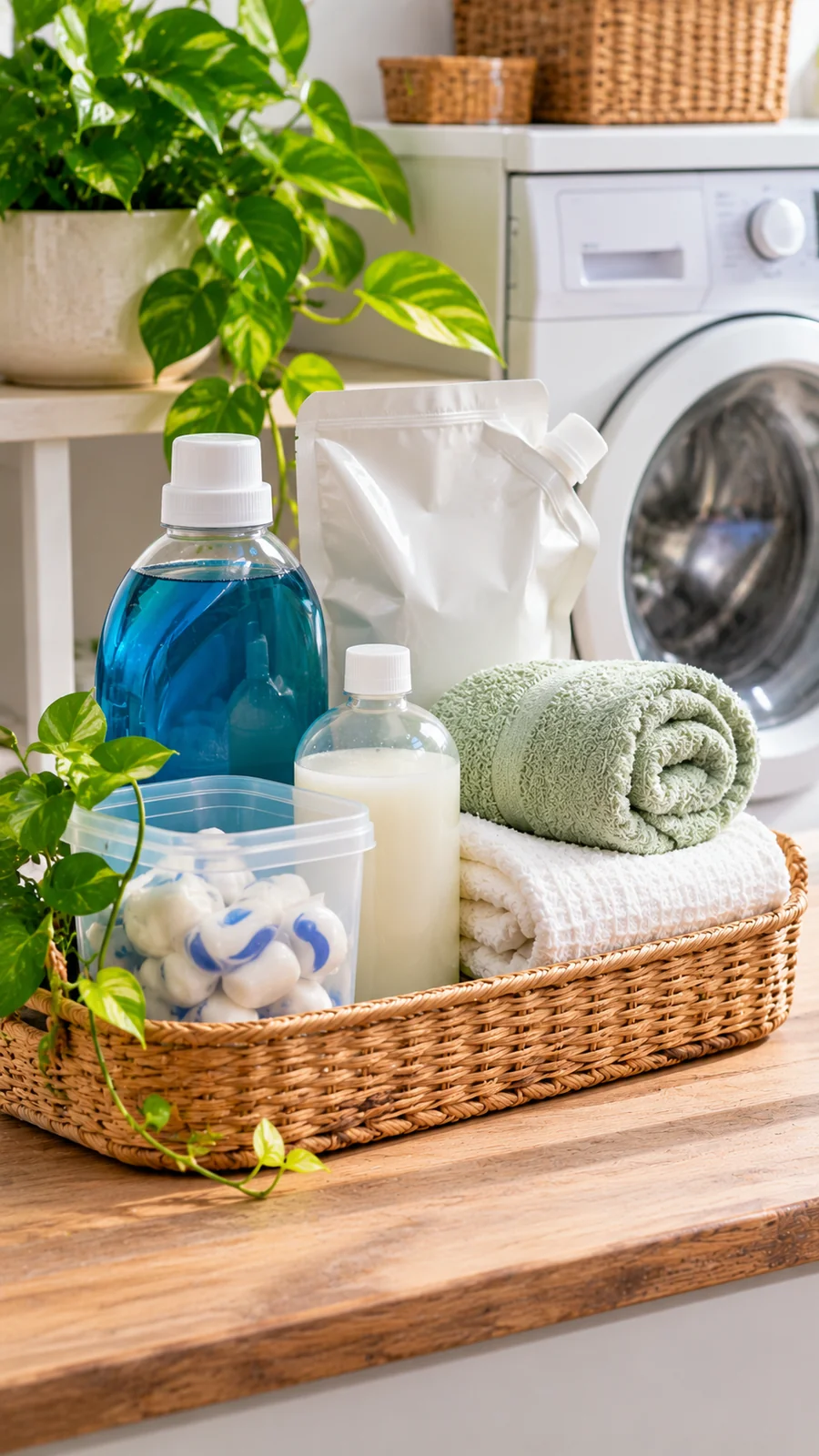
Keep detergents in their original labeled containers and away from young children. When a package is empty, check its material rather than assuming all laundry packaging goes in the same bin. Clean cardboard generally belongs in the paper stream if your program accepts it. Plastic bottles may be recyclable, while flexible refill pouches often need special handling or general waste disposal. Choosing one product that works well and using the proper amount is usually more practical than collecting several experimental alternatives. The goal is to prevent excess waste and make the remaining packaging easy to identify.
Replace Disposable Shopping Bags With Bags You Already Own
Reusable shopping bags help prevent a common household waste stream, but only when they are actually used. Gather the sturdy bags already hiding in drawers, choose a few favorites, and keep them near your front door or with the items you take shopping. A foldable bag in a backpack can cover unplanned errands without requiring another purchase.
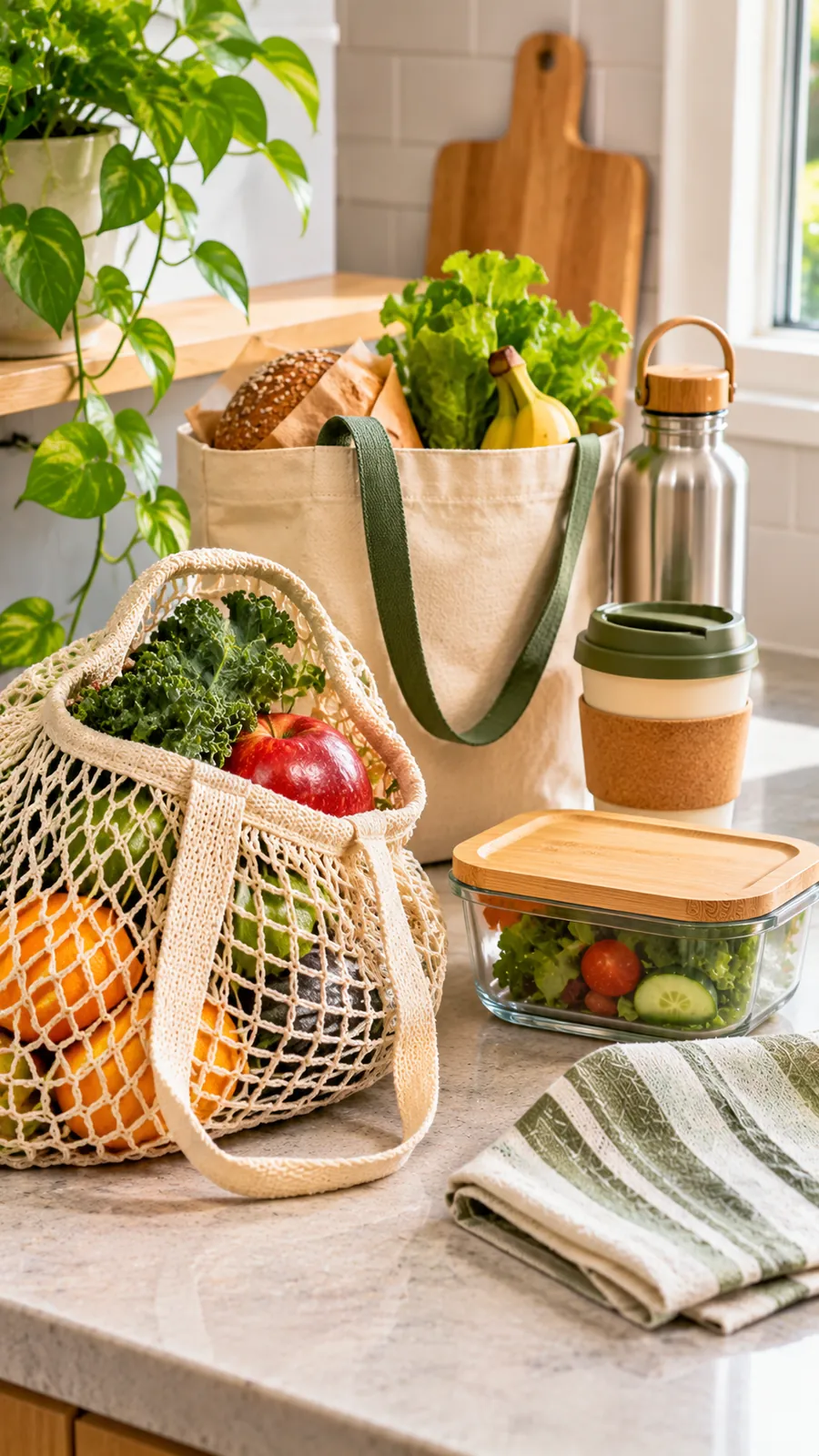
If you sometimes bring home plastic bags, reuse clean ones where suitable and find out whether a local retailer collects eligible flexible plastic. Do not add loose bags or film to household recycling unless the service explicitly allows it, because they can interfere with sorting equipment. Reusable bags also deserve occasional cleaning, especially after carrying food. This swap is particularly useful because it reduces waste before any sorting decisions are needed. A consistent habit matters more than owning a large collection of fashionable reusable bags.
Set Up a Dedicated Paper and Mail Recycling Tray
Paper can get buried under food packaging, tissues, and mixed trash. Create a shallow tray or upright box for clean paper, envelopes, flyers, and flattened cardboard. Place it close to the place where you normally open mail. Remove confidential information for secure destruction before recycling documents that contain it, and follow any local guidance for shredded paper.
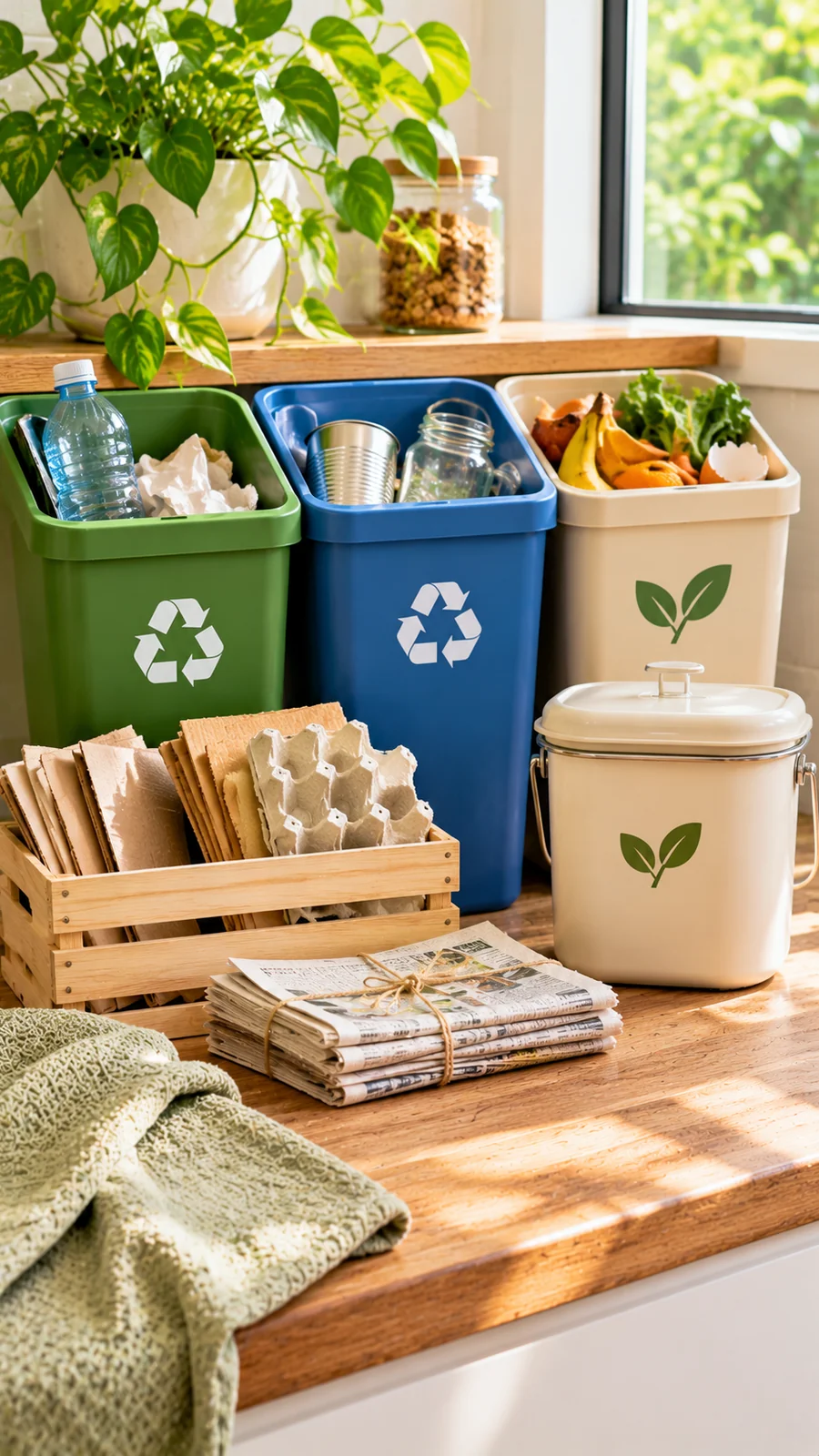
Keep the paper collection area dry. Greasy, coated, or heavily contaminated paper may need different treatment, so check the local list instead of guessing. Avoid collecting every small paper item indefinitely. Empty the tray on a regular day and break down boxes before they overwhelm the room. Another useful swap is choosing electronic receipts where practical rather than accumulating slips you do not need. Organized paper recycling keeps reusable materials clean while reducing the temptation to toss everything into the nearest general waste bin.
Swap Bathroom Disposables for Refillable Everyday Basics
Bathrooms are small but they can be difficult spaces for waste sorting. Consider refillable hand soap containers, durable razors with compatible replacement parts, washable face cloths, and larger products that you can finish before opening another. Make changes gradually as existing supplies run out. There is little environmental benefit in discarding a functional item simply to buy a greener looking replacement.
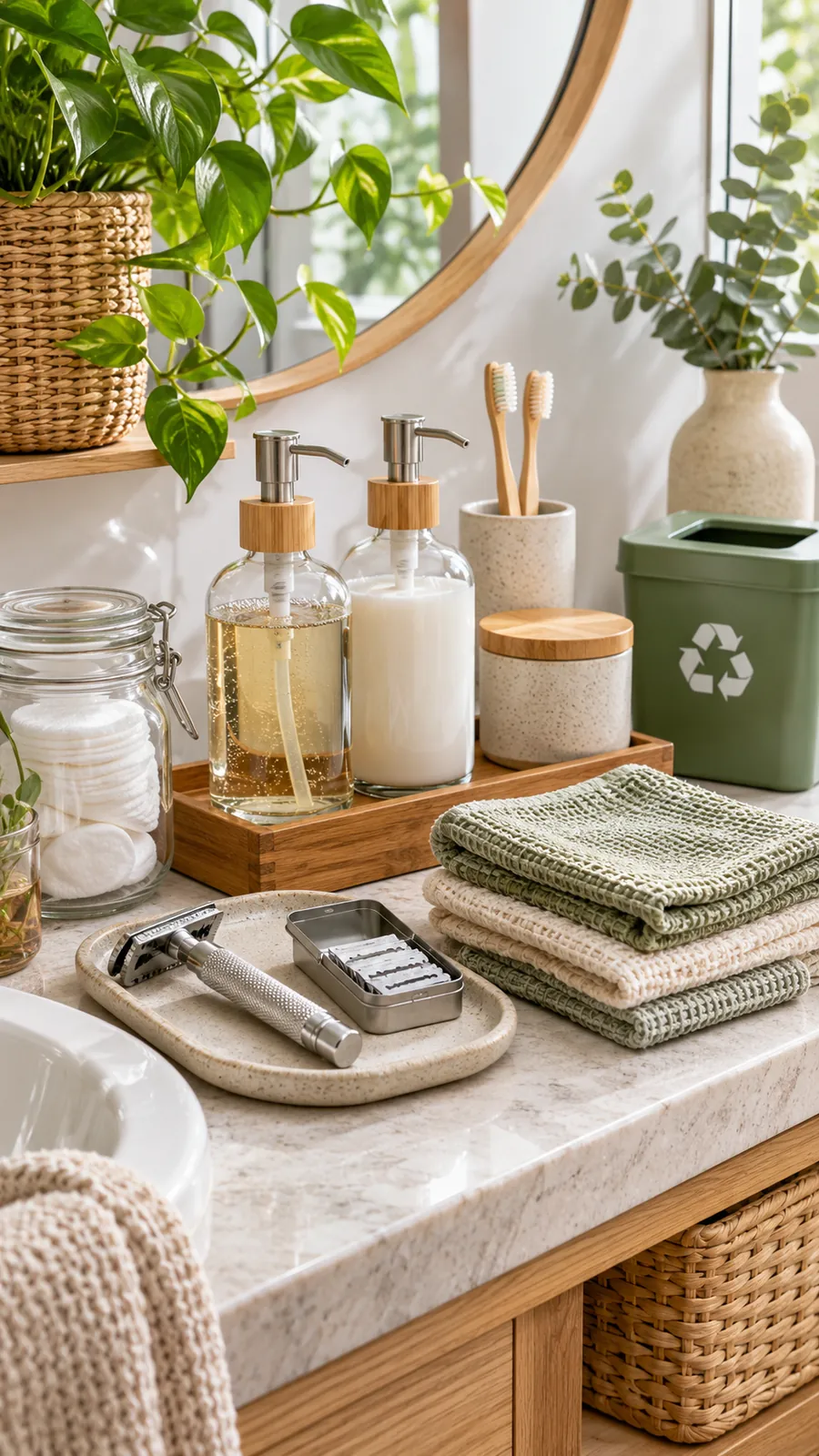
Add a narrow recycling container for clean, empty bottles and cardboard boxes when your local program accepts them. Separate any mixed material pump tops according to local guidance. Hygiene products, cotton swabs, and many cosmetic accessories generally do not belong in standard recycling. Medicines and sharp objects need appropriate collection routes rather than ordinary bins. Keeping a small, clearly labeled bathroom waste area turns confusing packaging into a manageable routine without pretending every bathroom item is recyclable.
Create a Safe Collection Box for Batteries and Electronics
Batteries, chargers, cables, and broken electronics should not disappear into the general trash or mixed recycling. Choose a secure, dry storage location for items awaiting an approved collection program. Keep damaged or swollen batteries out of the collection box and seek local professional disposal advice. Store batteries so their contacts cannot accidentally touch metal objects, following your collection provider’s instructions.
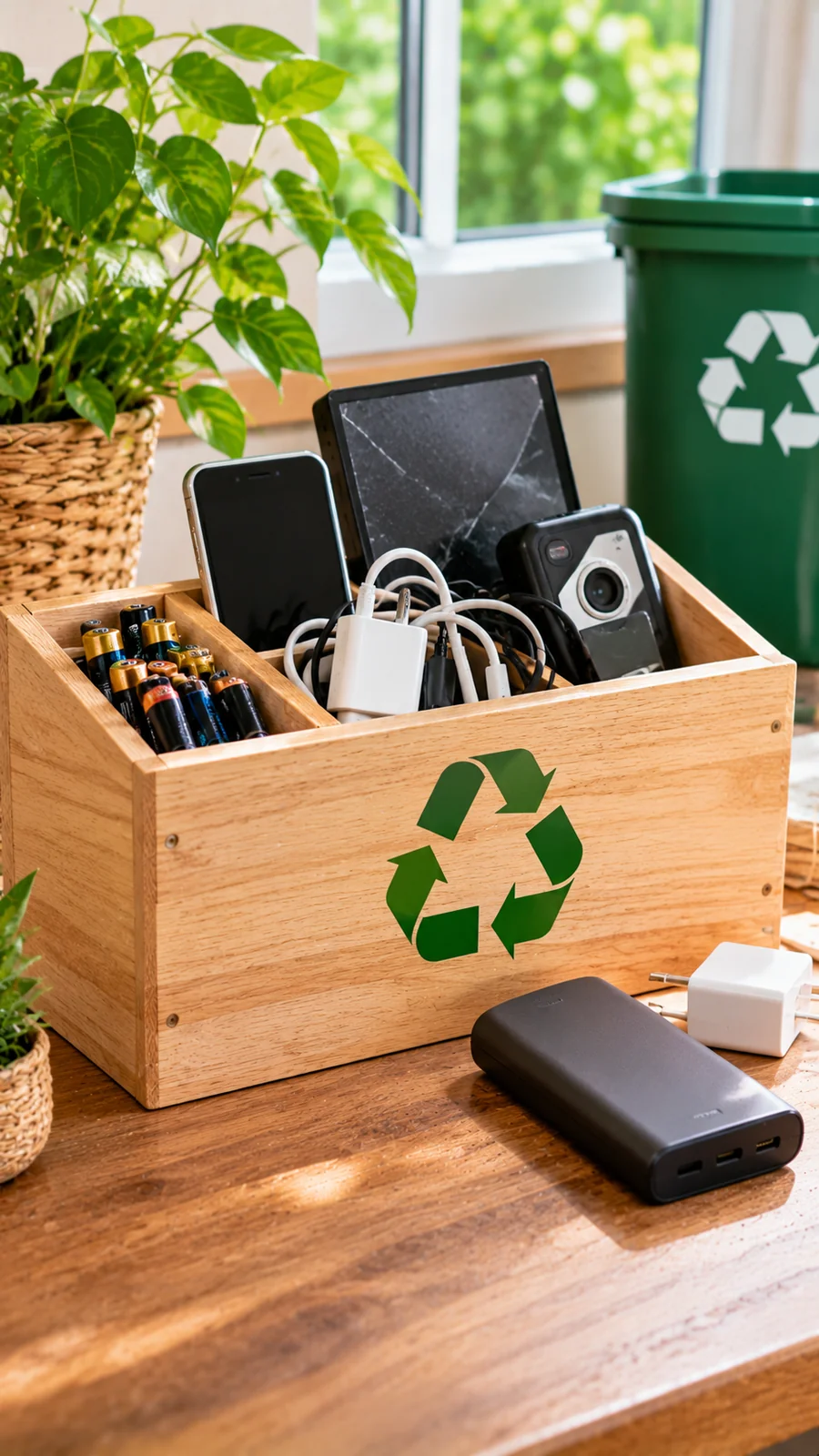
Research a municipal collection site, retailer program, or authorized recycling service before the box fills up. For devices that still work, consider repair, donation, or responsible resale after removing personal data. Do not dismantle batteries or electronic devices at home. This idea differs from an ordinary recycling bin because it creates a specific pathway for items needing special treatment. It also makes household waste sorting safer and prevents tempting but incorrect shortcuts when people are clearing drawers.
Replace Disposable Party Supplies With a Reuse Kit
Celebrations can create piles of mixed paper, plastic decorations, cups, and food waste in a single evening. Create a small party kit with reusable plates, cutlery, table coverings, and simple decorations that suit more than one occasion. Begin with what you already own and borrow additional items when a gathering is larger than usual.
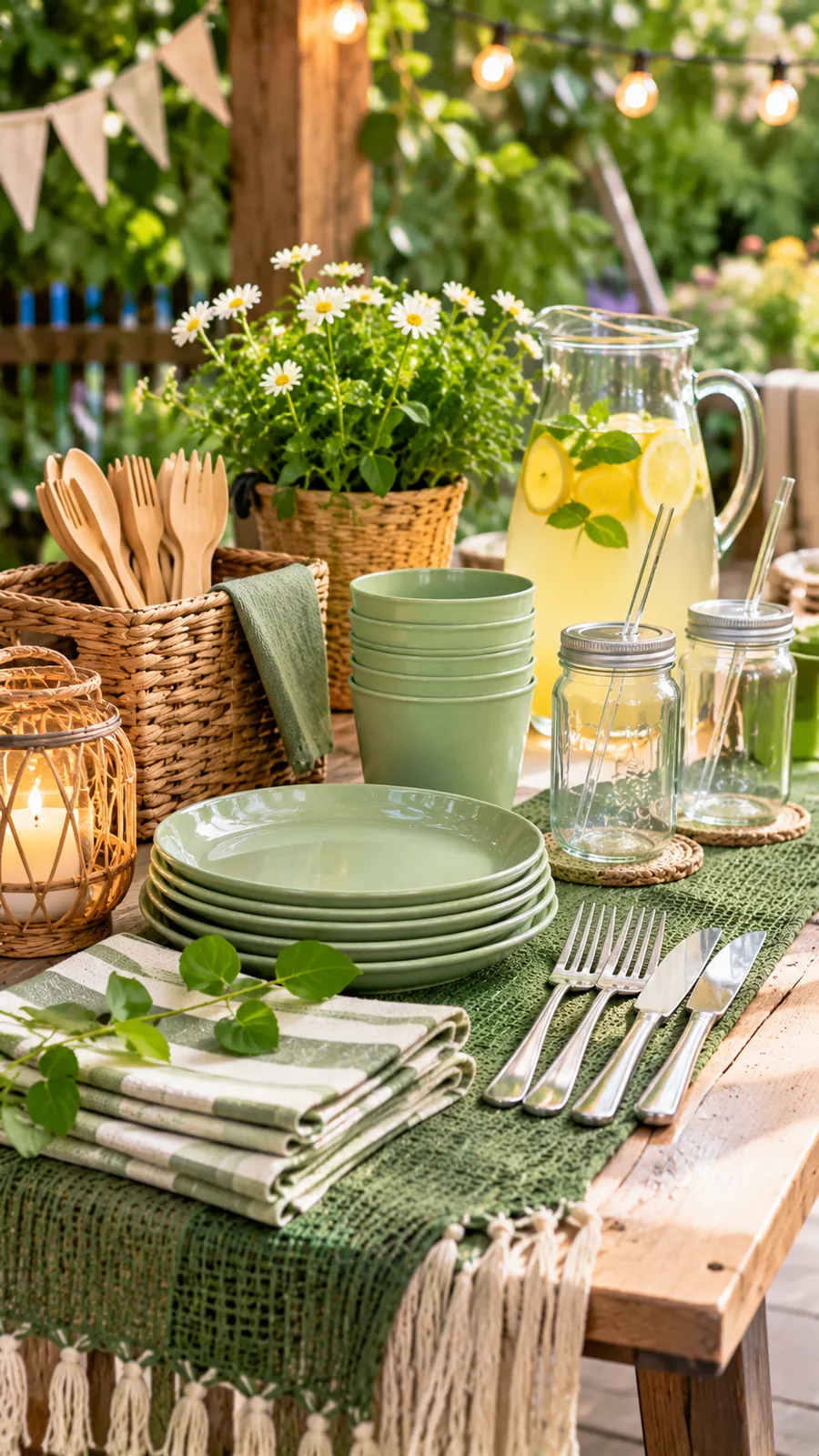
At the event, position recycling and garbage containers together so guests do not have to search for the right option. Put food scraps in a clearly identified caddy only when a suitable collection system is available. Keep packaging labels or a simple local sorting guide nearby for unusual products. Avoid assuming that paper plates or compostable cups are accepted in ordinary paper or food waste collection. After the event, wash, dry, and store the kit in one labeled box. Reuse makes cleanup simpler and cuts the number of unfamiliar disposable materials people must sort.
Build a Repair, Donate, and Reuse Corner
Not every unwanted household object should become waste. Create one designated shelf or box for useful items that need minor repairs, donation, or a new owner. This can include books, reusable containers, small household accessories, and clean clothing. Add a second small container for materials that genuinely require recycling, rather than letting the two categories blur together.
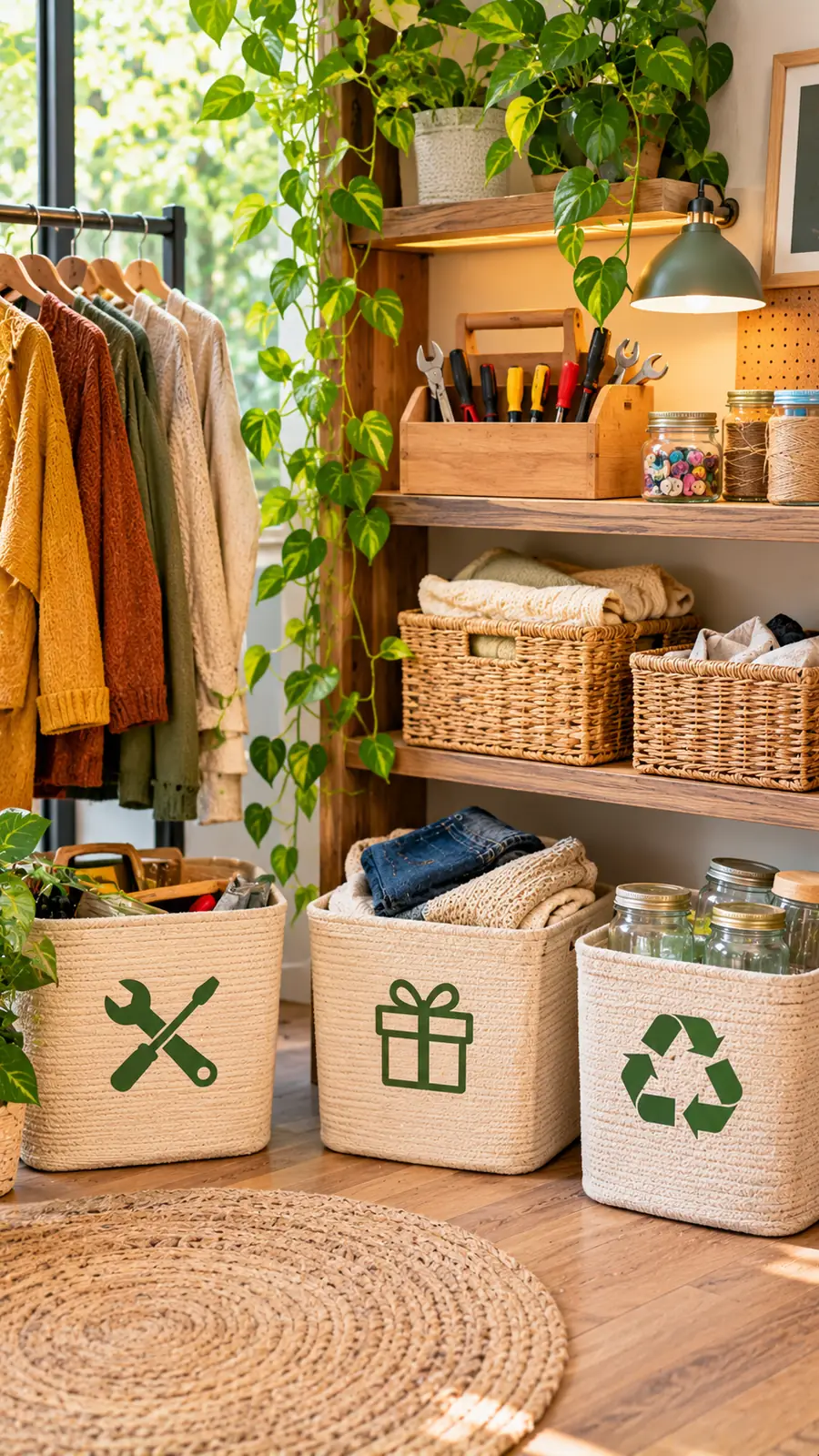
Set a realistic deadline for evaluating the items so the corner does not become permanent clutter. Inspect donations for cleanliness and condition, and check the receiving organization before dropping anything off. For broken products, compare whether a repair will extend their useful life at a reasonable cost. The waste hierarchy places preventing waste and reusing things ahead of recycling whenever practical. By building reuse into your sorting routine, you preserve useful objects and keep recyclable streams cleaner, all without buying a new organizer or complicated equipment.
How to Set Up a Sorting Routine That Actually Lasts
Before replacing household products, learn the collection rules where you live. In the United States, requirements can vary by city or hauler. In the United Kingdom, councils provide local collection details, and in Canada requirements can differ by municipality or program. Look up accepted containers, paper, food waste, and special collection items. Print a short guide or save it on your phone.
Start with the two waste types your household produces most often. Keep bins close to the activity that creates the waste, make labels large enough for visitors to understand, and review the setup after a week. If a collection stream keeps attracting the wrong items, move it or clarify the label instead of blaming anyone. Good eco friendly waste sorting household swaps are built around everyday habits, not perfection.
Common Sorting Mistakes to Avoid
A recycling logo is not a promise that your local service can process an item. Keep food and liquid out of recycling wherever your collection program requires clean containers. Do not place batteries or electronics into curbside recycling unless an official program specifically instructs you to do so. Avoid putting plastic film into paper or rigid container recycling by guesswork.
Also consider whether an eco alternative actually solves the problem. Replacing working products early can waste resources, and buying multiple special bins may add clutter. Reuse what you own first, confirm collection rules, and make changes at a pace your household can maintain. When unsure, ask your local service instead of contaminating an entire bin with wishful recycling.
How to Keep Household Swaps Affordable
Sustainable habits do not need an expensive shopping list. Begin with jars, cloths, boxes, and bags already around the house. Buy a replacement only when a current item has reached the end of its useful life or an essential function is missing. Secondhand bins and storage containers are often enough for a sorting station.
Track which disposables you purchase frequently and test a reusable replacement in that one category. Sometimes a low cost refill or washable option will fit your routine; sometimes the simplest improvement is using less. The strongest household waste strategy combines careful purchasing, practical reuse, and accurate local sorting rather than focusing on branded sustainable products.
Conclusion
The most effective eco friendly waste sorting household swaps are the ones you will keep using. A simple sorting station, washable cloths, reusable storage, and a plan for special waste can make a home easier to manage without requiring a complete lifestyle overhaul. Choose one area that creates frequent waste and improve it first.
As routines settle, add another swap and check the local collection guidance whenever an unfamiliar material appears. Preventing waste, reusing useful products, and sorting the rest correctly work together. Small, repeatable choices can build a calmer home and a more responsible approach to everyday consumption.