Ethical & eco-friendly alternatives to Amazon
Online shopping has transformed modern consumer behavior. Large ecommerce platforms have made it easy to buy almost anything within minutes and receive it quickly at home. While this convenience has changed the retail world, it has also raised concerns about environmental impact, worker conditions, packaging waste, and the growing dominance of large corporations over small businesses.
Because of these concerns, many consumers are now looking for ethical alternatives to Amazon. People are increasingly interested in supporting sustainable ecommerce platforms that prioritize fair labor, environmentally responsible production, and transparency in supply chains. Ethical online marketplaces aim to provide the same convenience of digital shopping while reducing environmental harm and supporting responsible businesses.
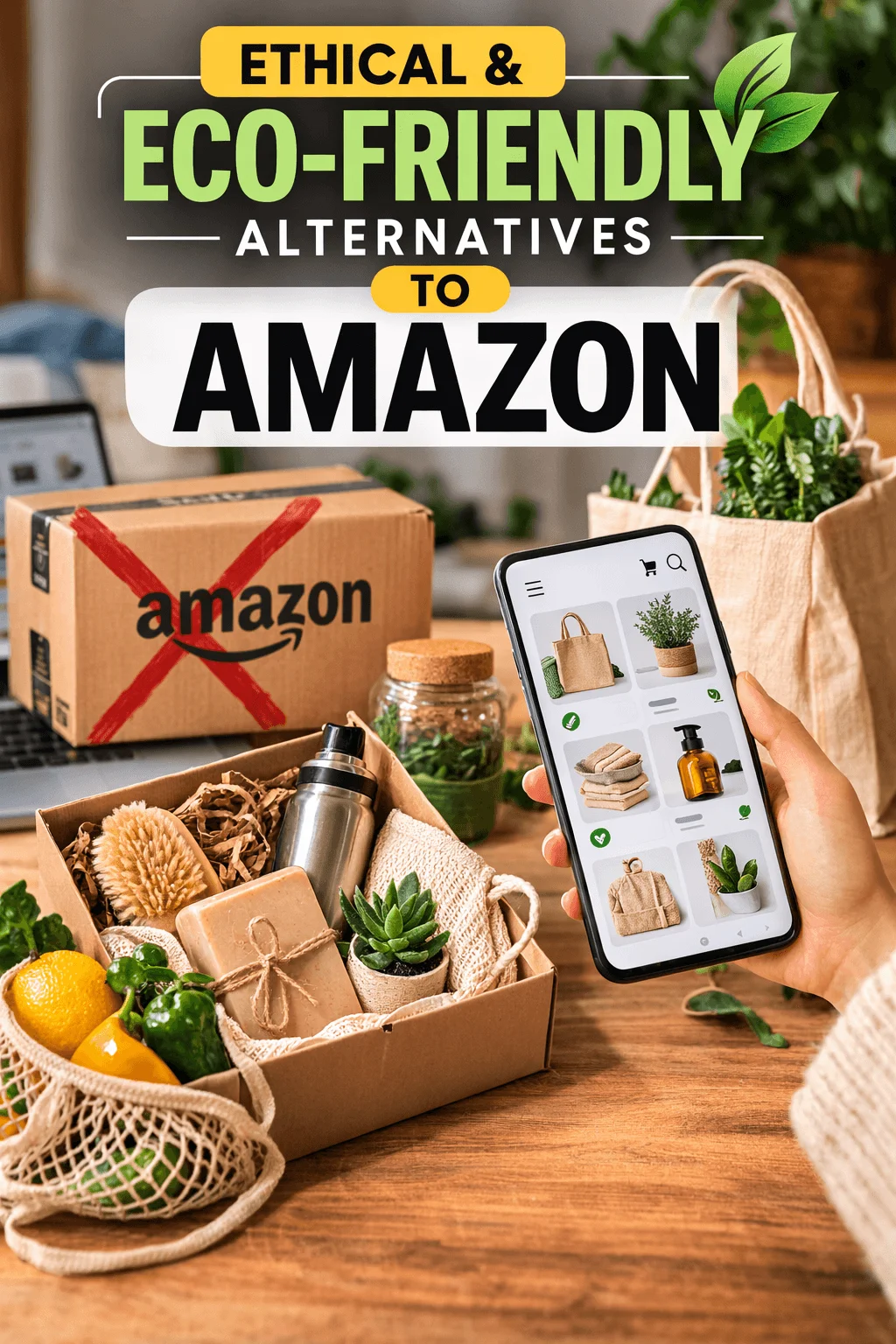
A new generation of ecommerce platforms is emerging that focuses on sustainability, circular economy models, and ethical production. These alternatives encourage shoppers to think about where products come from, how they are made, and how their purchasing decisions affect the planet.
This article explores ethical and eco friendly alternatives to Amazon and highlights many of the emerging models that are reshaping the future of online shopping.
Why Consumers Are Searching For Alternatives To Amazon
Many people are reconsidering their shopping habits because of concerns about environmental sustainability and corporate practices. The logistics systems used by large ecommerce platforms require vast networks of transportation, warehouses, and packaging materials. These systems contribute to carbon emissions and waste generation on a global scale.
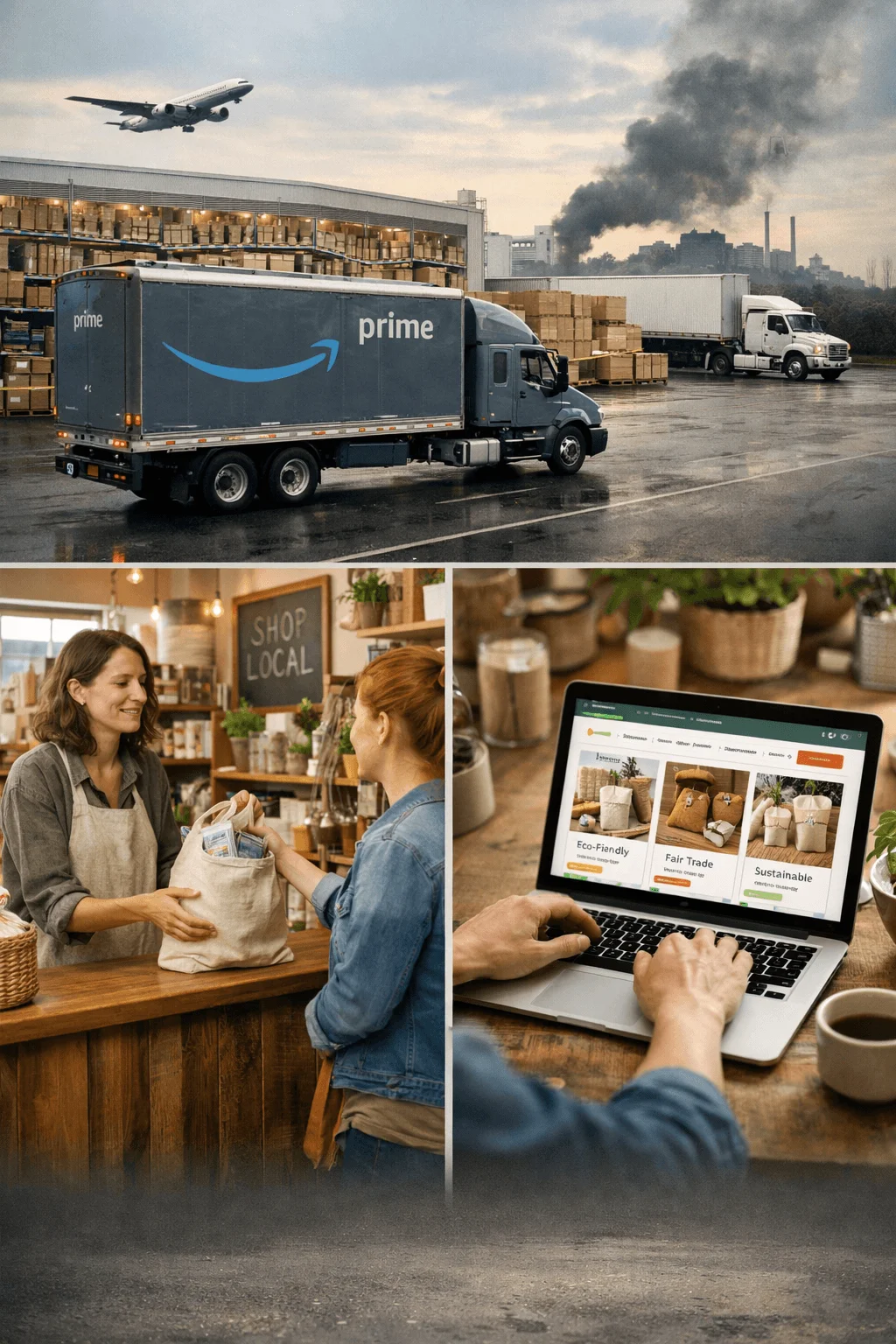
Consumers are also becoming more aware of the importance of supporting independent businesses. Small retailers and local producers often struggle to compete with large online marketplaces that dominate search visibility and pricing structures.
Ethical shopping platforms provide an opportunity to support businesses that align with environmental and social values. As consumer awareness grows, these platforms are gaining attention as viable alternatives to traditional ecommerce giants.
What Makes An Ecommerce Platform Ethical
An ethical ecommerce platform typically focuses on responsible sourcing, fair labor practices, and environmentally friendly operations. Products sold through these platforms often use sustainable materials and follow transparent production processes.
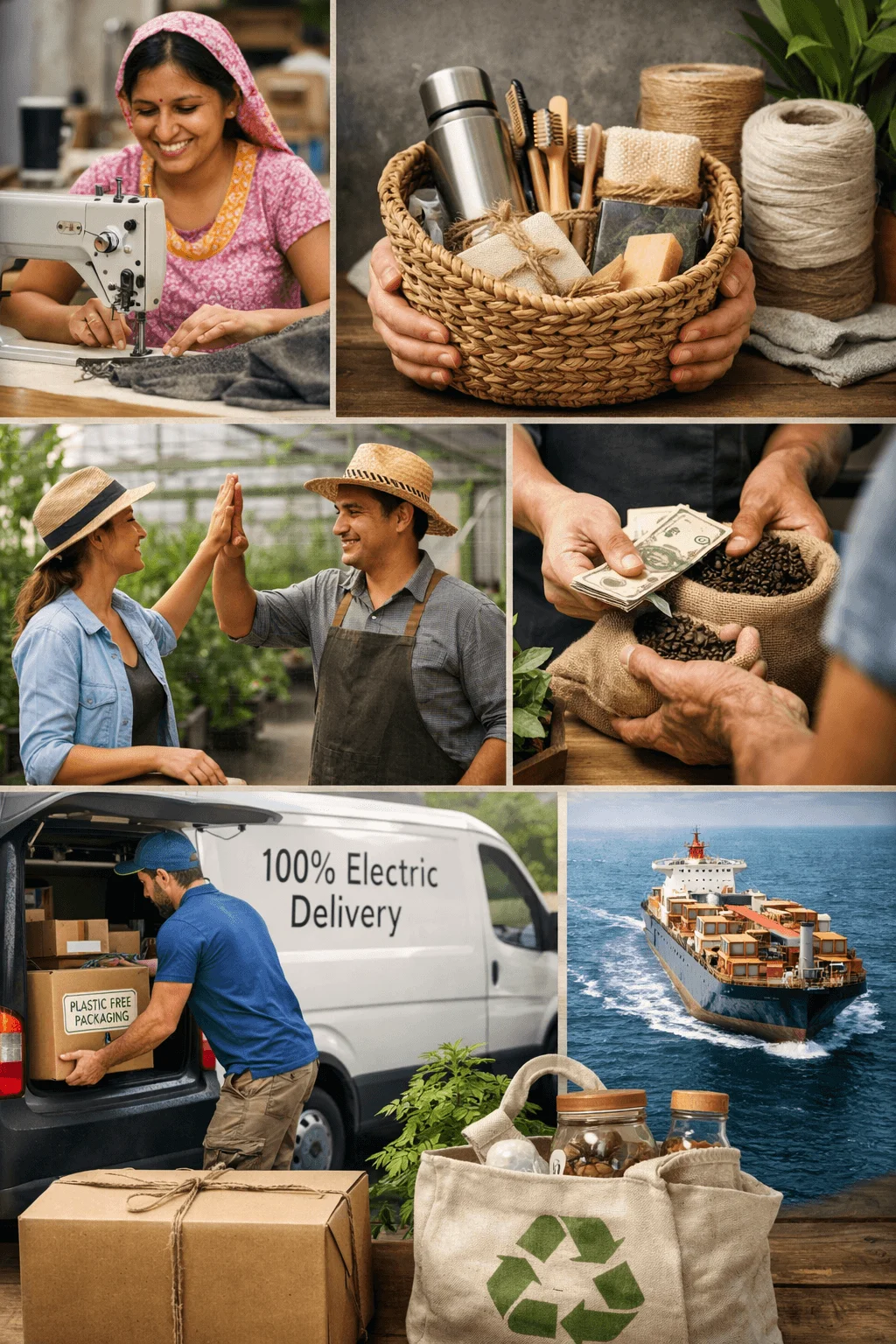
Ethical marketplaces also emphasize fair treatment of workers and producers. They often collaborate with brands that provide safe working conditions and fair wages.
Environmental sustainability is another defining factor. Many platforms encourage eco friendly packaging, reduced shipping emissions, and responsible resource use.
What Makes An Ecommerce Platform Eco Friendly
Eco friendly ecommerce platforms attempt to minimize their environmental footprint by reducing waste and promoting sustainable materials. They often use recyclable packaging, renewable energy, and carbon offset programs.
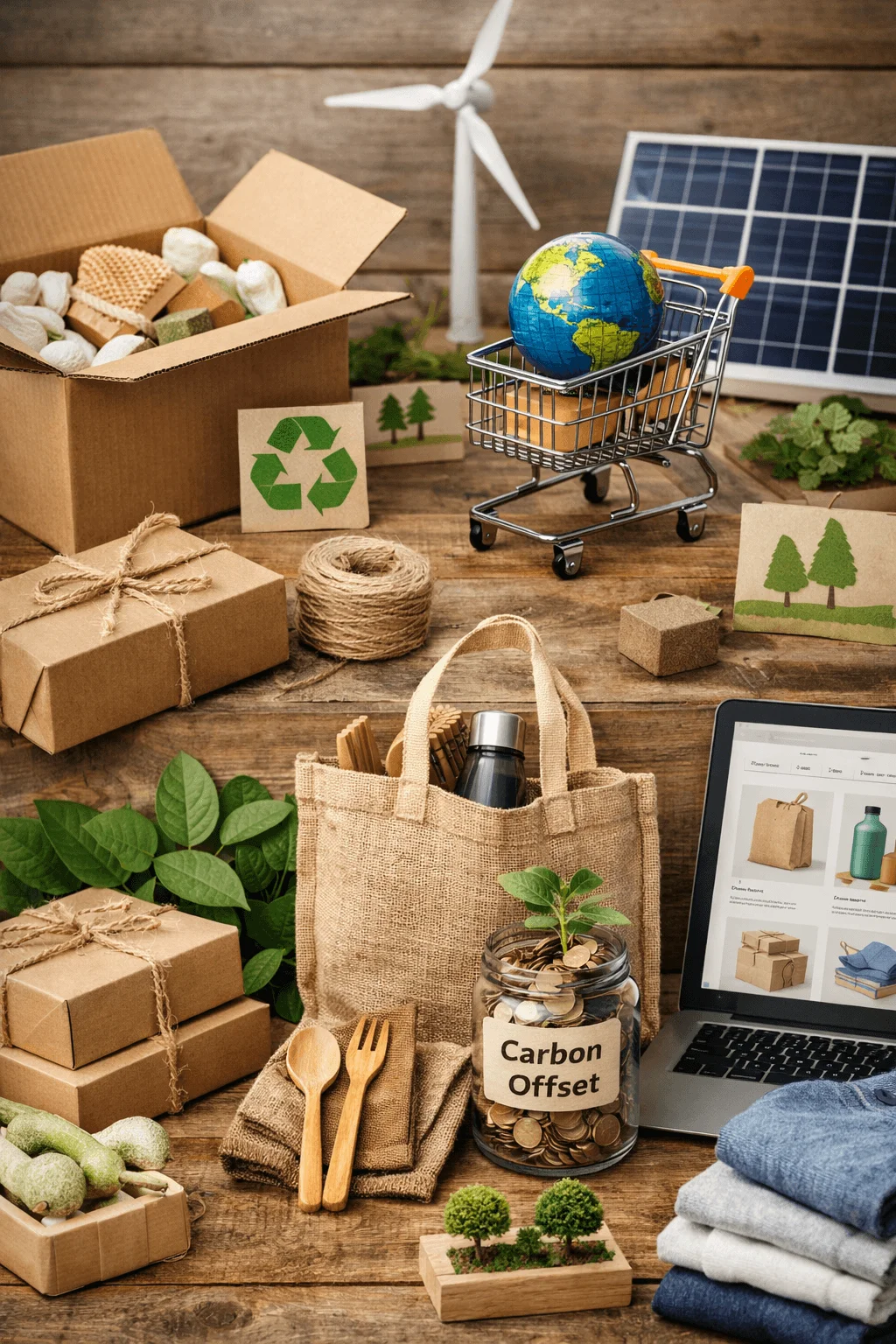
These platforms may also prioritize products designed for durability and reuse. By encouraging responsible consumption, eco friendly marketplaces help reduce the environmental impact associated with disposable products.
The Rise Of Sustainable Ecommerce Platforms
Sustainable ecommerce is growing rapidly as consumers demand more responsible shopping options. Many startups are building marketplaces that only allow environmentally responsible brands.
These platforms help consumers discover products that meet ethical standards without needing to research every item individually.

Curated Sustainable Marketplaces
Curated marketplaces carefully select brands based on environmental and ethical criteria. This model helps build trust with consumers who want assurance that the products they purchase meet sustainability standards.

Curated platforms often highlight brands that use organic materials, recycled components, and responsible manufacturing processes.
Zero Waste Online Stores
Zero waste online stores focus on products that reduce or eliminate disposable materials. They sell reusable household items, refillable containers, and plastic free alternatives to everyday products.
These stores help consumers reduce the amount of waste generated by their daily routines.

Ethical Subscription Marketplaces
Subscription based marketplaces deliver sustainable products regularly to customers. These services often provide organic groceries, eco friendly household supplies, or environmentally conscious personal care items.
Subscriptions also allow companies to reduce packaging waste by planning shipments more efficiently.

Secondhand And Recommerce Platforms
Secondhand marketplaces extend the life cycle of products by allowing them to be reused instead of discarded. Clothing, electronics, and furniture can all be resold through digital platforms.
Recommerce is one of the most effective ways to reduce the environmental impact of consumer goods.

Artisan And Handmade Marketplaces
Artisan marketplaces connect consumers directly with independent creators and craftspeople. Handmade products often involve smaller production runs and traditional crafting techniques.
Supporting artisan marketplaces helps preserve creative industries and supports small entrepreneurs.

Fair Trade Online Marketplaces
Fair trade platforms ensure that producers receive fair compensation for their work. Many of these platforms collaborate with farmers, artisans, and cooperatives in developing regions.
Fair trade marketplaces emphasize ethical labor conditions and sustainable production methods.

Carbon Conscious Ecommerce Stores
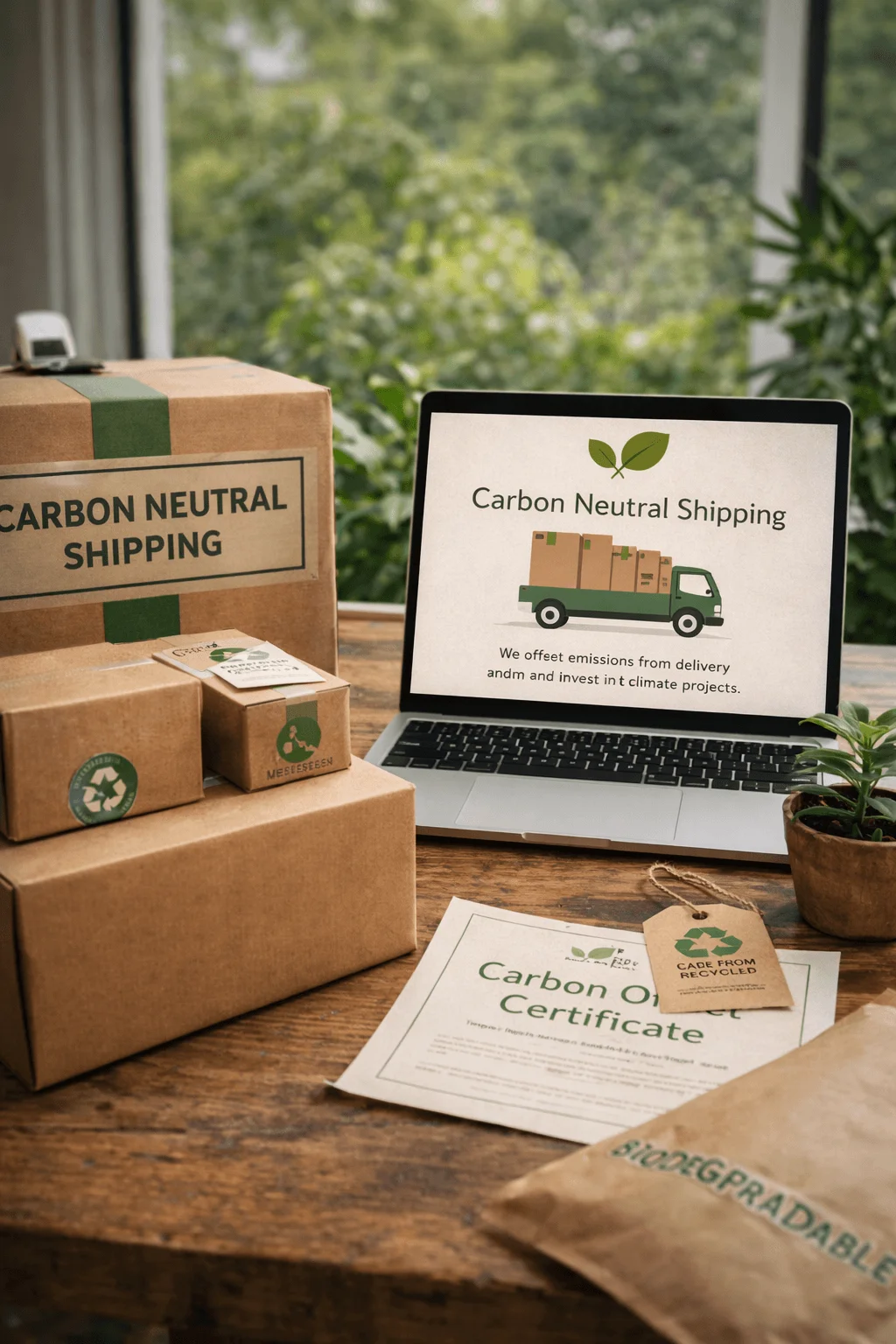
Some online retailers focus specifically on reducing their carbon footprint. These companies measure emissions from shipping and logistics and invest in projects that offset their environmental impact.
Carbon conscious ecommerce stores often communicate their sustainability efforts transparently to consumers.
Local Online Shopping Platforms
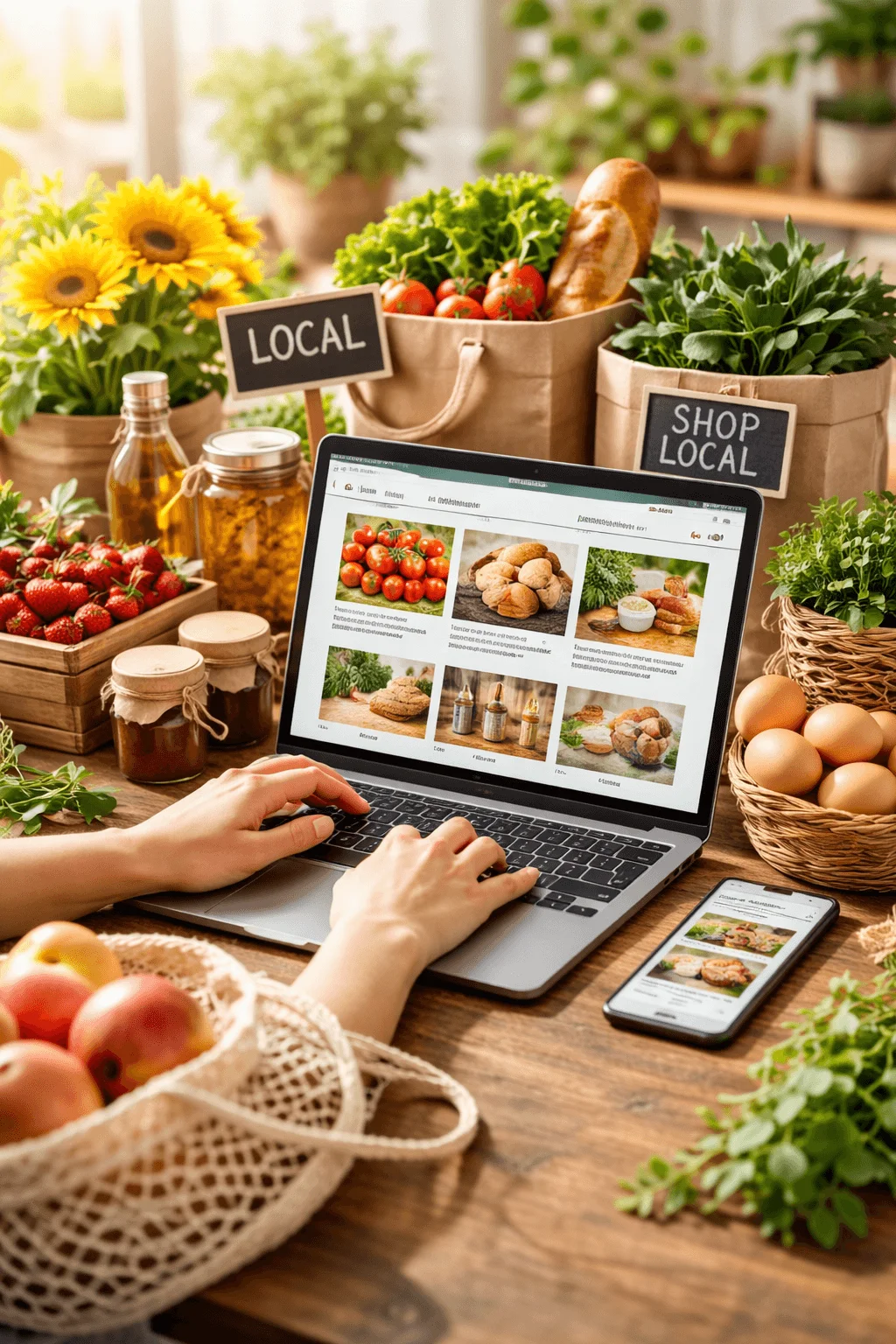
Local ecommerce platforms connect customers with nearby retailers and producers. By shortening supply chains, these platforms reduce shipping distances and support local economies.
Local online marketplaces are becoming increasingly popular as consumers seek to support businesses within their communities.
Refill And Reuse Ecommerce Models
Refill based ecommerce allows consumers to purchase products without repeatedly buying new packaging. Cleaning supplies, cosmetics, and food items can be refilled using existing containers.
This model significantly reduces packaging waste and promotes sustainable consumption habits.

Sustainable Fashion Marketplaces
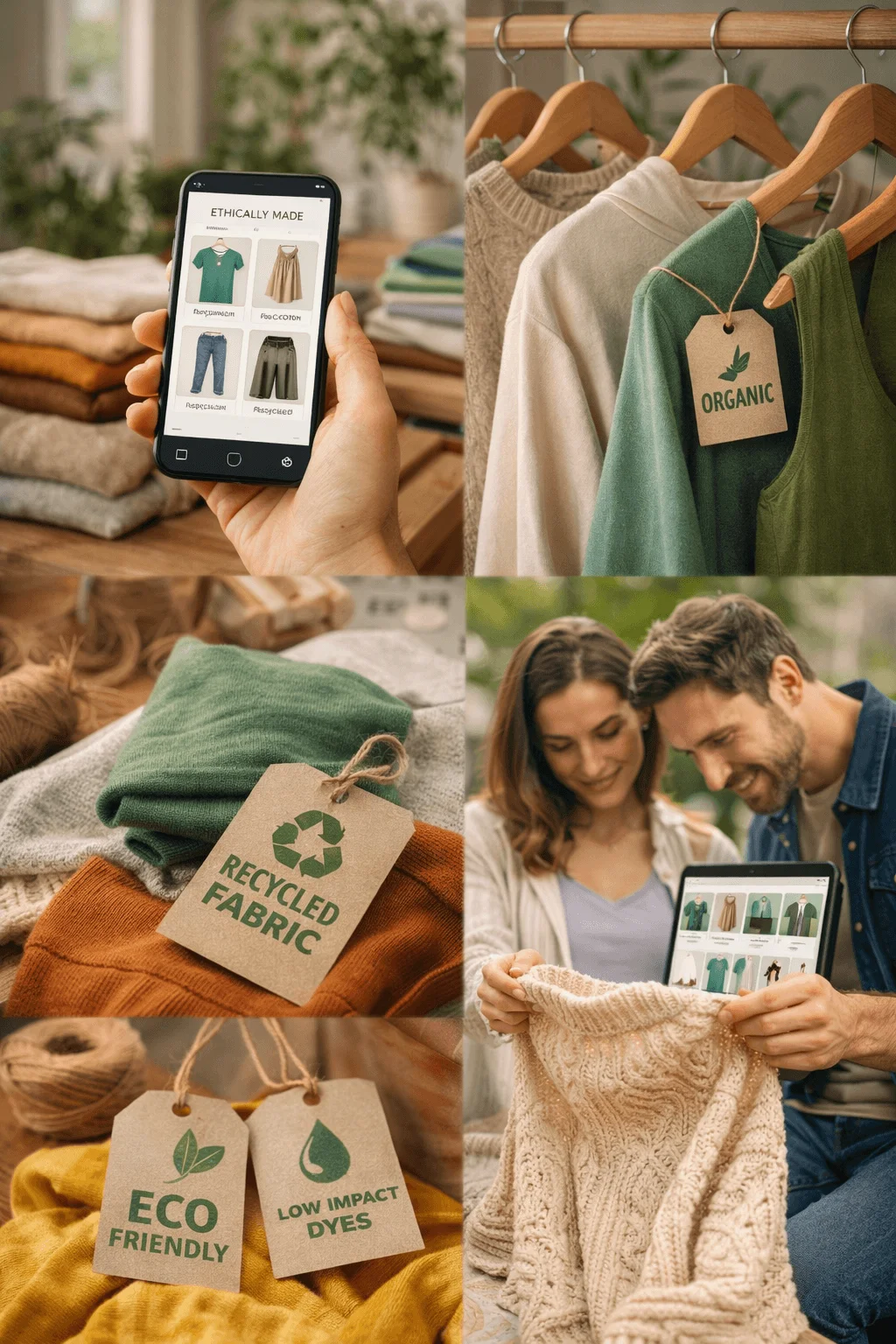
Sustainable fashion platforms promote clothing brands that focus on ethical manufacturing and environmentally friendly materials. Organic cotton, recycled fabrics, and low impact dyes are commonly used in these products.
These marketplaces encourage consumers to choose durable clothing instead of fast fashion items that quickly end up in landfills.
Ethical Bookstore Platforms
Independent bookstore platforms provide alternatives to large online book retailers. These platforms often distribute profits to small bookstores and independent publishers.
Supporting ethical bookstores helps maintain diversity in the publishing industry.

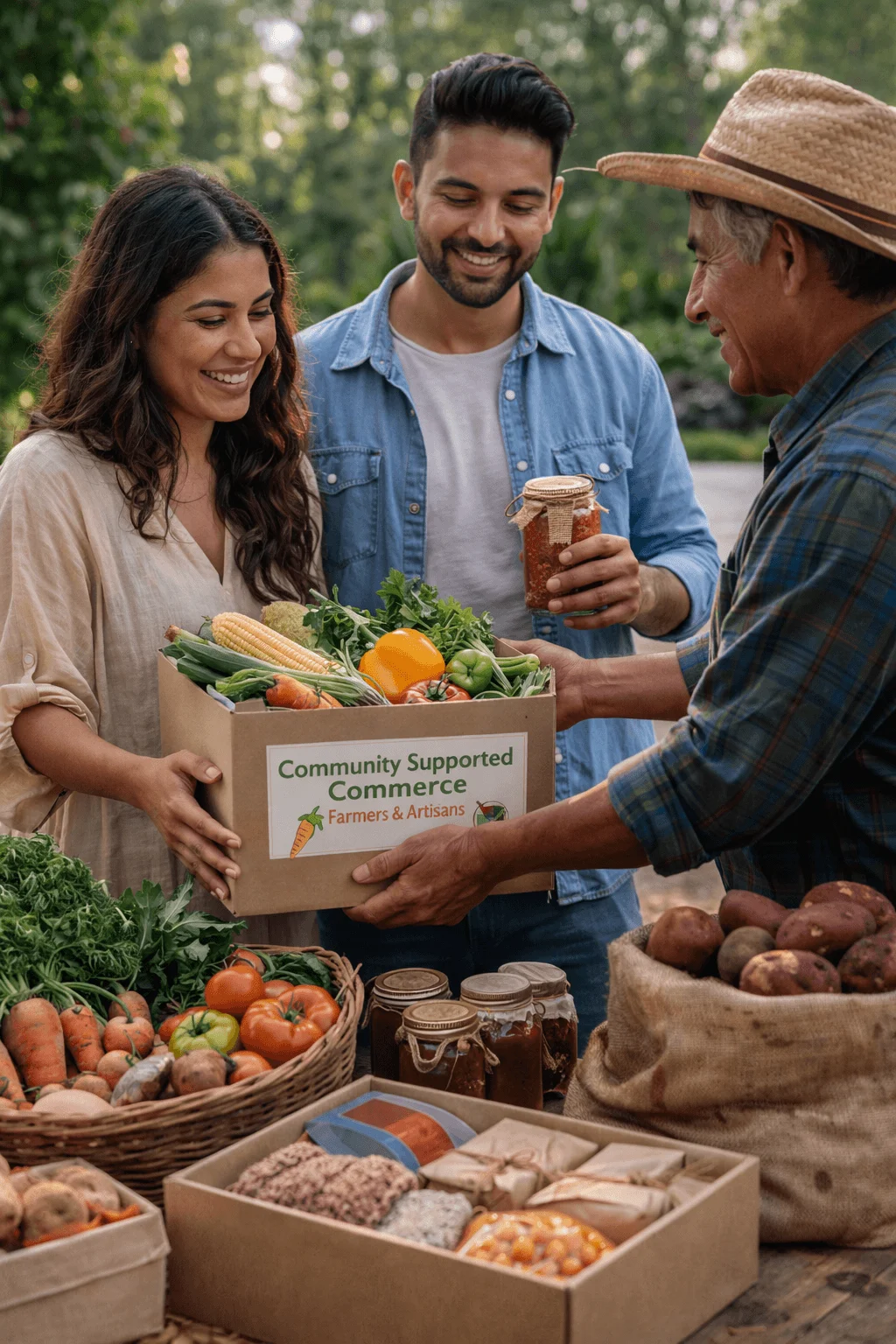
Community Supported Commerce Platforms
Community supported commerce allows consumers to support producers directly through memberships or subscriptions. Farmers, artisans, and cooperatives benefit from stable income while customers receive fresh or locally made products.
This model strengthens local economic networks and promotes transparency in production.
Ethical Product Discovery Platforms
Product discovery platforms help consumers find brands that meet ethical and sustainability standards. These websites review products and evaluate companies based on environmental impact and labor practices.
They act as guides for consumers who want to make responsible purchasing decisions.

Direct From Farmer Marketplaces
Direct from farmer platforms connect consumers with agricultural producers. This model removes many intermediaries from the supply chain and ensures farmers receive better compensation for their work.
Customers also gain access to fresher products and greater transparency about food production.

Repair And Refurbished Product Platforms
Repair and refurbishment marketplaces encourage people to fix products rather than replace them. Electronics, appliances, and tools can often be restored and reused.
This model reduces electronic waste and promotes a culture of maintenance instead of disposal.

Circular Economy Marketplaces
Circular economy platforms are designed to keep products and materials in use for as long as possible. Items are reused, repaired, or recycled rather than discarded.
This approach helps conserve natural resources and reduce environmental impact.

Blockchain Based Ethical Marketplaces
Some new platforms use blockchain technology to track the origin of products and verify ethical sourcing. This technology allows consumers to see where materials come from and how products were manufactured.
Transparency through digital tracking systems can increase trust between brands and consumers.

Conclusion
Ethical and eco friendly alternatives to Amazon are becoming an important part of the global ecommerce ecosystem. As awareness of sustainability grows, more consumers are seeking platforms that prioritize environmental responsibility and fair labor practices.
From curated sustainable marketplaces to circular economy platforms and artisan marketplaces, a wide variety of ethical ecommerce models are emerging. These platforms demonstrate that convenience and sustainability can exist together.