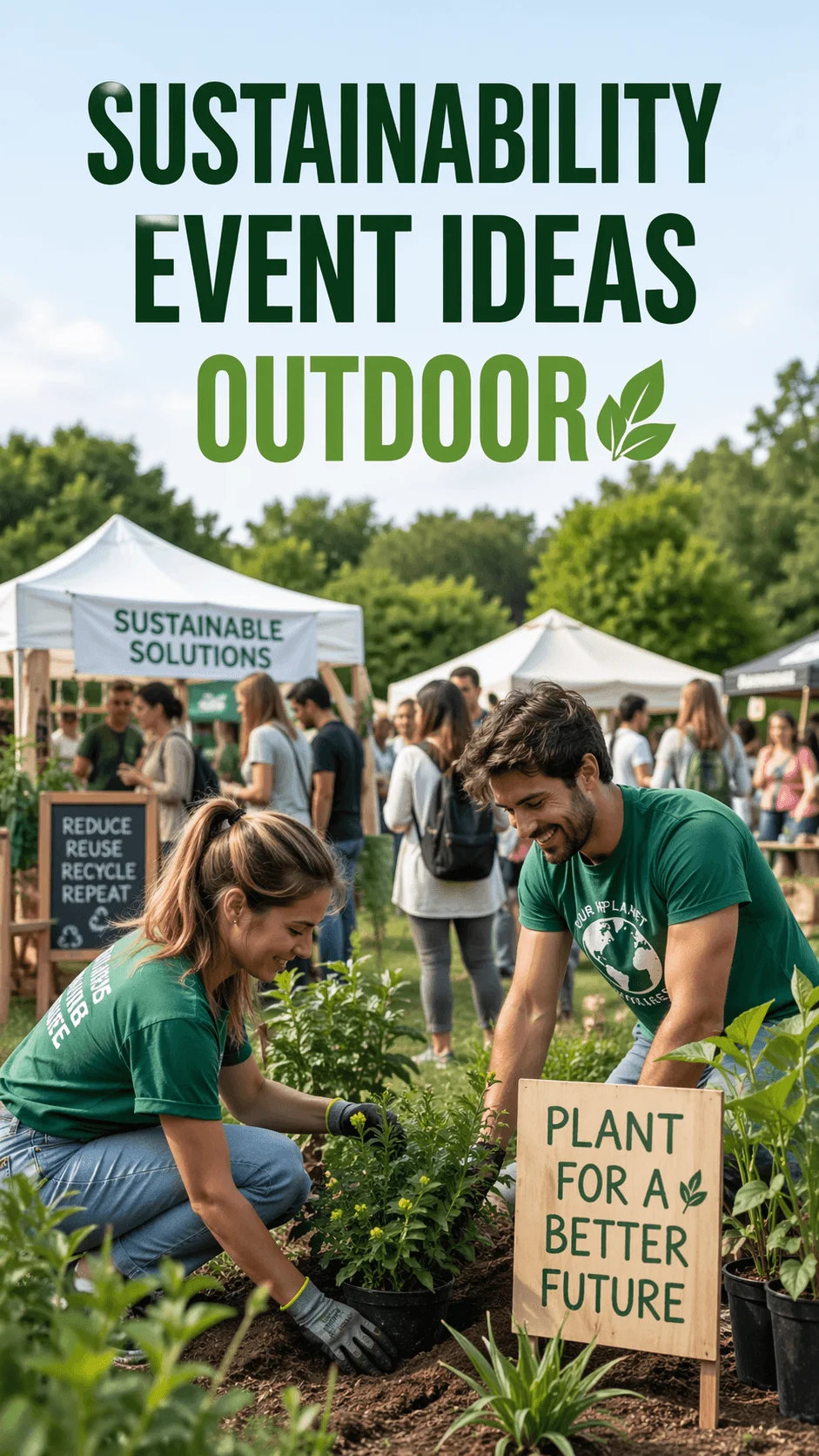
Fashion Sustainability Poster Design Trends 2026
Sustainable fashion is no longer a niche conversation. In 2026 it has become a powerful global movement that is reshaping how people think about clothing, creativity, and consumption. Poster design plays a major role in this shift because it turns complex ideas into visuals that people instantly understand and emotionally connect with.

A strong poster can stop someone mid scroll, make them rethink their habits, and even inspire them to change how they shop or dress. In the world of sustainable fashion, posters are not just promotional tools. They are visual stories that influence culture.
This article explores the latest trends and deeply creative ideas that you can use to design meaningful and high impact sustainable fashion posters.
Mixed Media Sustainability Posters
This idea focuses on layering different visual elements to create a complex and engaging composition. Imagine combining close up fabric textures, recycled materials, bold typography, and real photography into one single frame. The goal is to create a poster that feels rich with detail and meaning.

Instead of presenting sustainability in a clean and minimal way, this approach shows the chaos and reality of waste and consumption. For example, you can blend images of discarded clothing with luxury fashion elements to create contrast. This makes the viewer pause and think about the hidden story behind fashion.
This concept works because it mirrors the complexity of sustainability itself. It is not a simple issue, and the design reflects that depth.
Raw Aesthetic Posters
Raw aesthetic posters embrace imperfection. They move away from polished visuals and instead focus on rough textures, torn paper effects, uneven layouts, and handwritten text.
This idea is powerful because it feels human. In a world where digital perfection is everywhere, a raw poster stands out immediately. It feels authentic and honest, which aligns perfectly with the values of sustainable fashion.
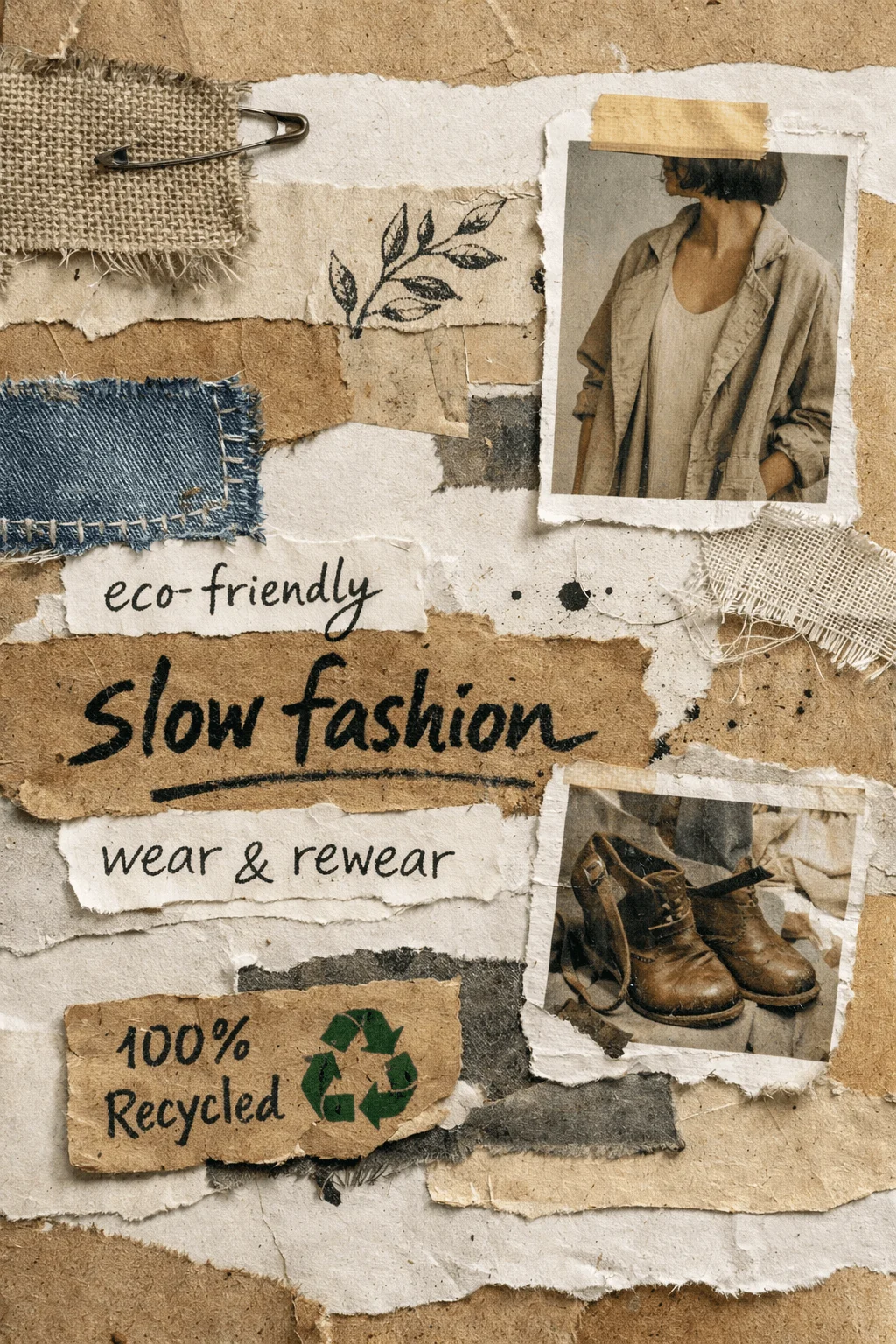
You can create a poster that looks like it was assembled by hand using recycled paper, fabric scraps, and ink marks. This not only communicates the message visually but also reinforces the idea of reducing waste and embracing imperfection.
Retro Sustainability Posters
Retro posters use vintage design elements to create a sense of nostalgia. This can include faded color palettes, grainy textures, classic typography, and layouts inspired by old magazines or advertisements.
The deeper idea behind this concept is to remind people of a time when fashion was slower and more meaningful. It creates an emotional connection that encourages viewers to rethink modern fast fashion habits.
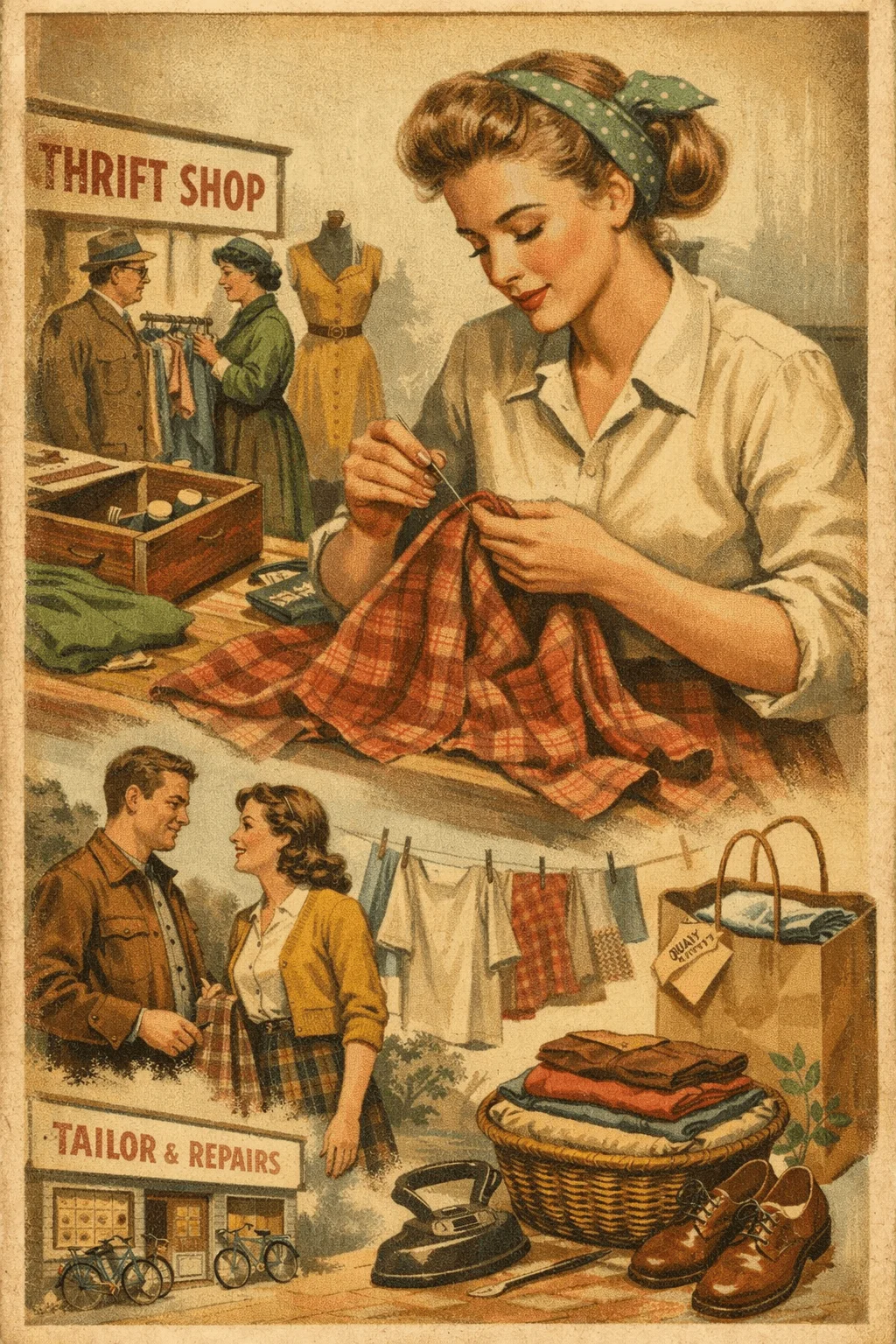
A retro sustainability poster can tell a story that feels timeless. It can make the message feel more trustworthy and grounded, which increases its impact.
Cinematic Storytelling Posters
Cinematic posters focus on storytelling and emotion. Instead of simply presenting information, they create a scene that feels like a moment from a film.
Imagine a model standing in a dramatic environment such as a landfill or a natural landscape, wearing a striking outfit. The lighting, composition, and mood all work together to tell a story about the relationship between fashion and the environment.
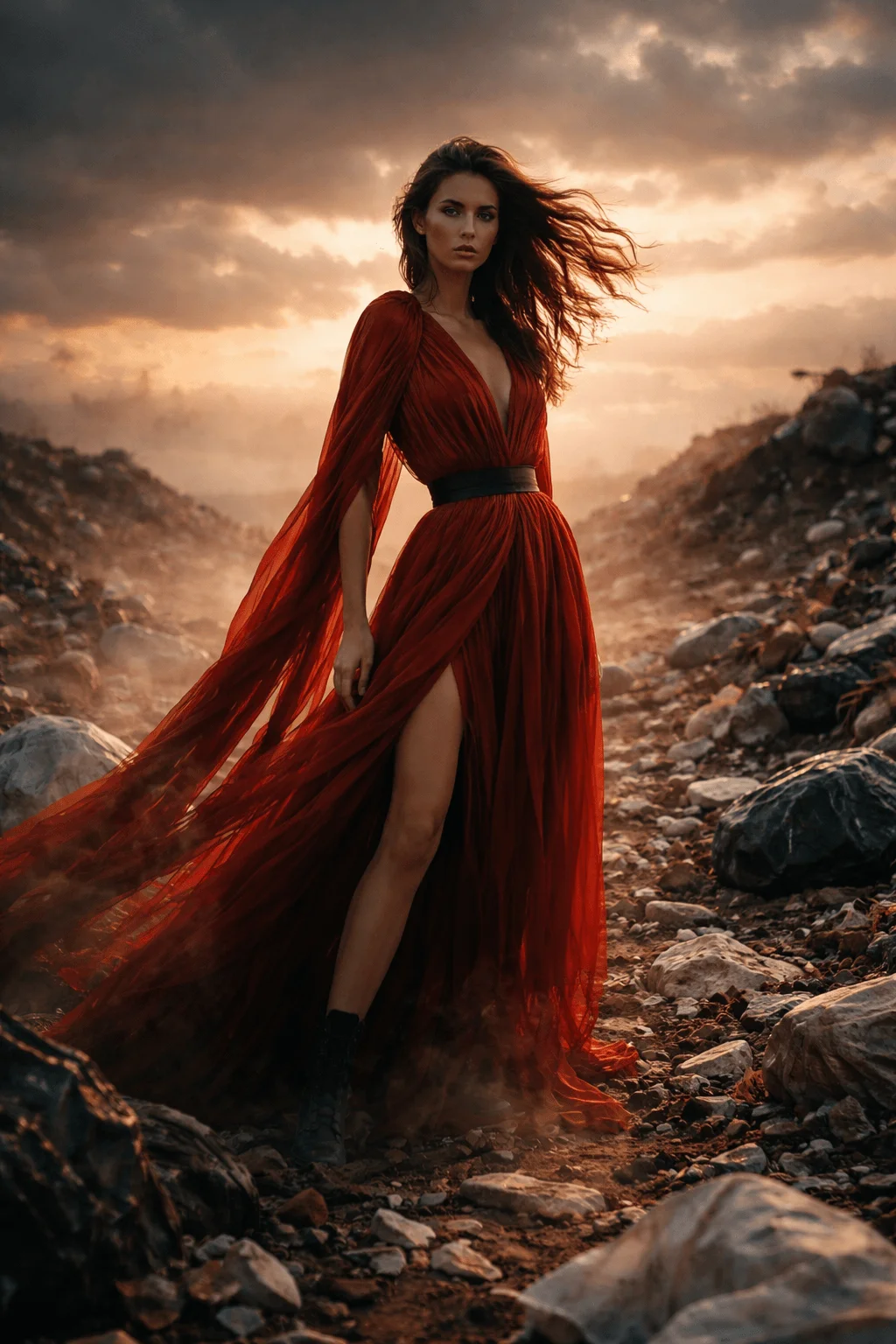
This idea works because people connect with stories more than facts. A cinematic poster invites the viewer to interpret the message and feel something deeper.
Art Class Aesthetic Posters
This concept draws inspiration from creative and playful art styles. It uses bright colors, abstract shapes, and a sense of controlled chaos to create a lively and energetic design.
The deeper value of this idea is its ability to make sustainability feel accessible and fun rather than serious and overwhelming. It appeals strongly to younger audiences who are drawn to expressive and unconventional visuals.
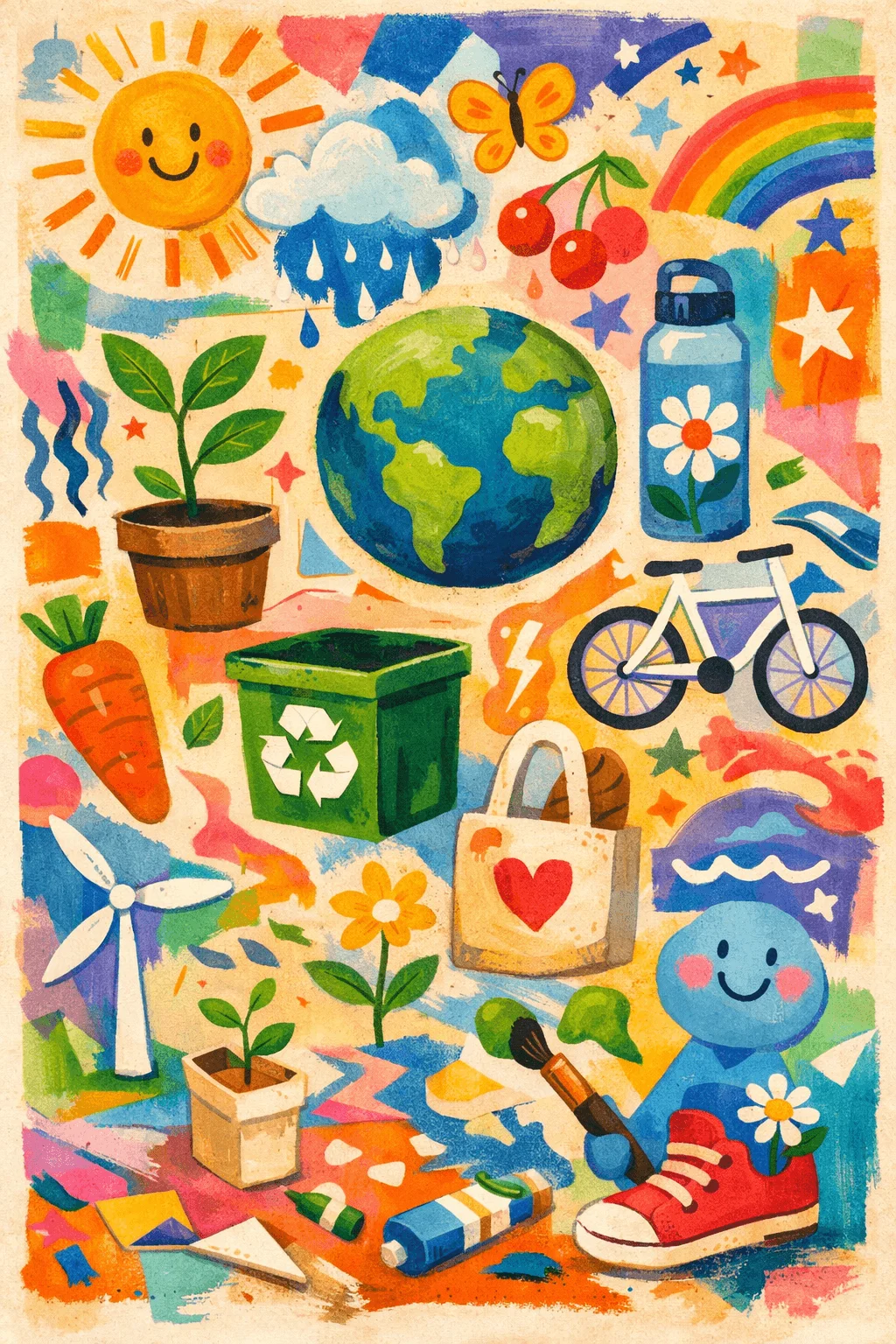
An art class aesthetic poster can feel like a burst of creativity that invites people to engage with sustainability in a positive way.
Zero Waste Pattern Posters
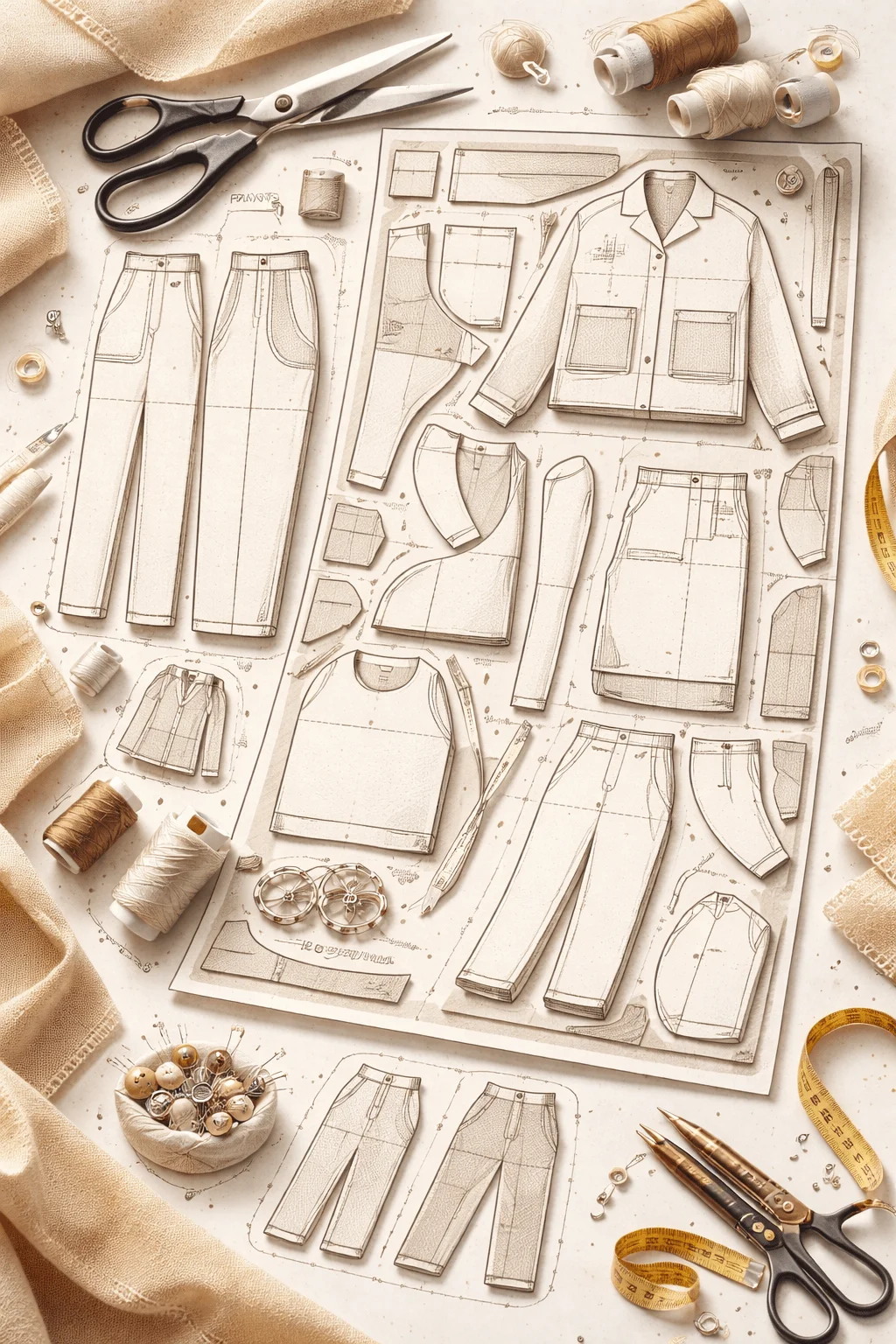
Zero waste pattern posters focus on the technical side of sustainable fashion. They visualize how fabric can be used efficiently without creating waste.
Instead of hiding the design process, this concept brings it forward. It shows pattern layouts, cutting techniques, and how garments are constructed in a way that eliminates leftover material.
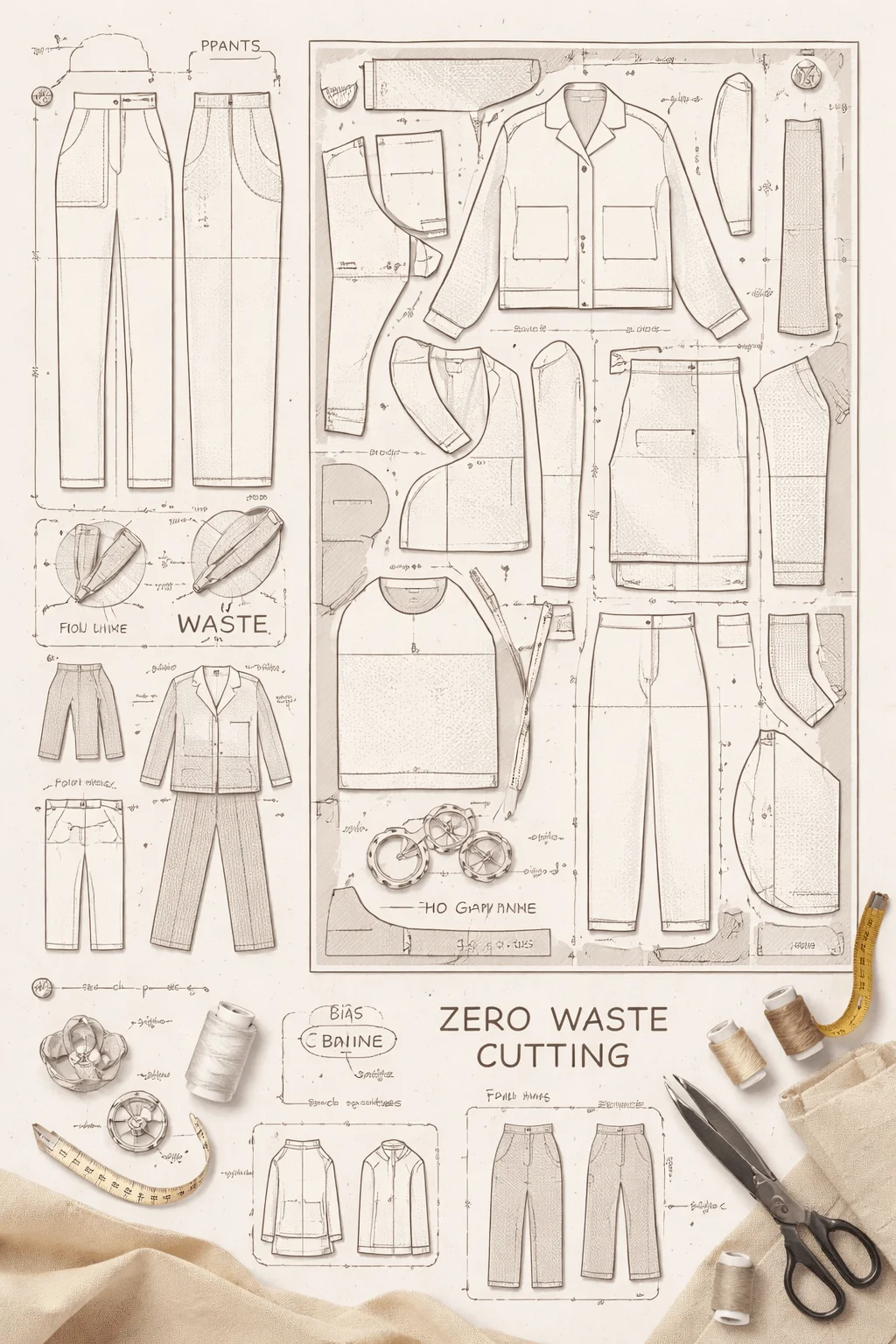
This idea works because it educates the audience while still being visually interesting. It reveals the intelligence and creativity behind sustainable design.
Circular Fashion Lifecycle Posters
This concept visualizes the journey of clothing from creation to reuse and recycling. It uses circular layouts and flow based designs to represent the continuous cycle of fashion.
The deeper idea here is to shift the audience mindset from linear consumption to circular thinking. Instead of seeing clothing as disposable, the poster encourages people to see it as part of an ongoing cycle.

This approach makes sustainability easier to understand and more actionable.
Upcycled Fashion Transformation Posters
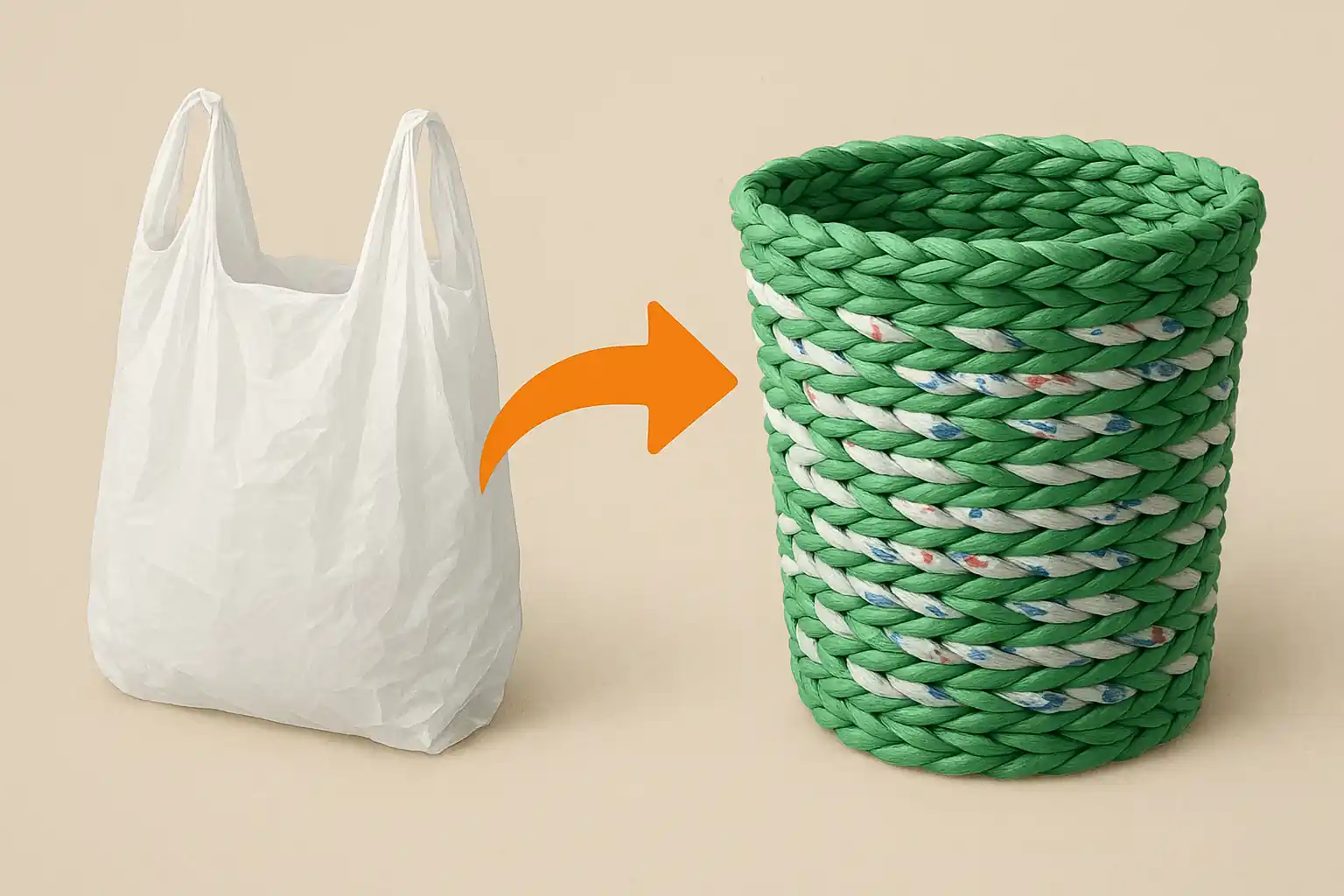
Upcycling posters focus on transformation. They show how old or discarded clothing can be turned into something new and valuable.
This idea often uses before and after visuals, but it goes beyond simple comparison. It tells a story of creativity and reinvention. It shows that waste is not the end of something but the beginning of something new.
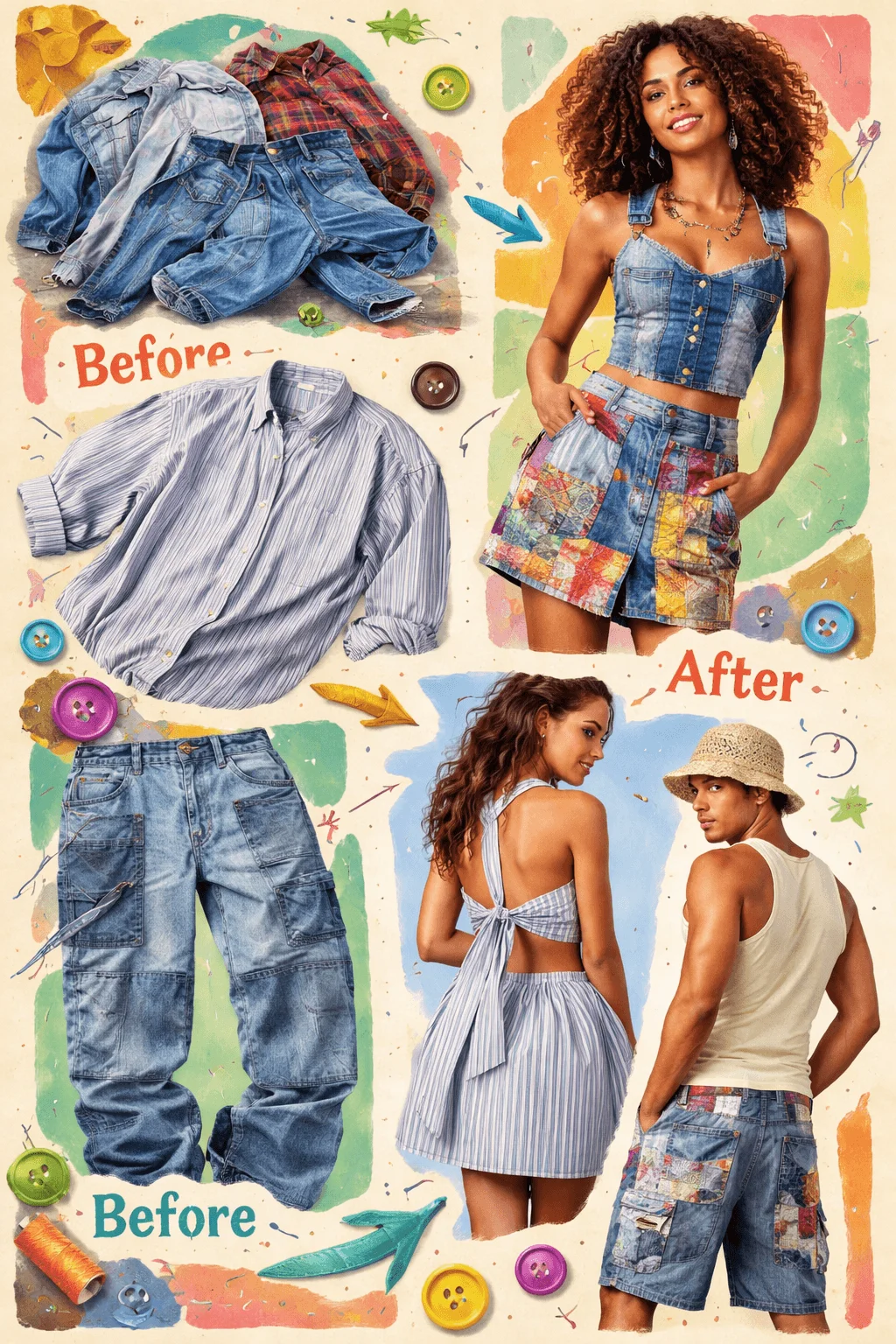
This concept is powerful because it inspires action. It makes sustainability feel achievable and creative.
One Outfit Multiple Looks Posters
This idea highlights versatility. It shows how a single garment can be styled in different ways for different occasions.
The deeper message is about reducing consumption by maximizing what you already own. It challenges the idea that you need new clothes for every situation.
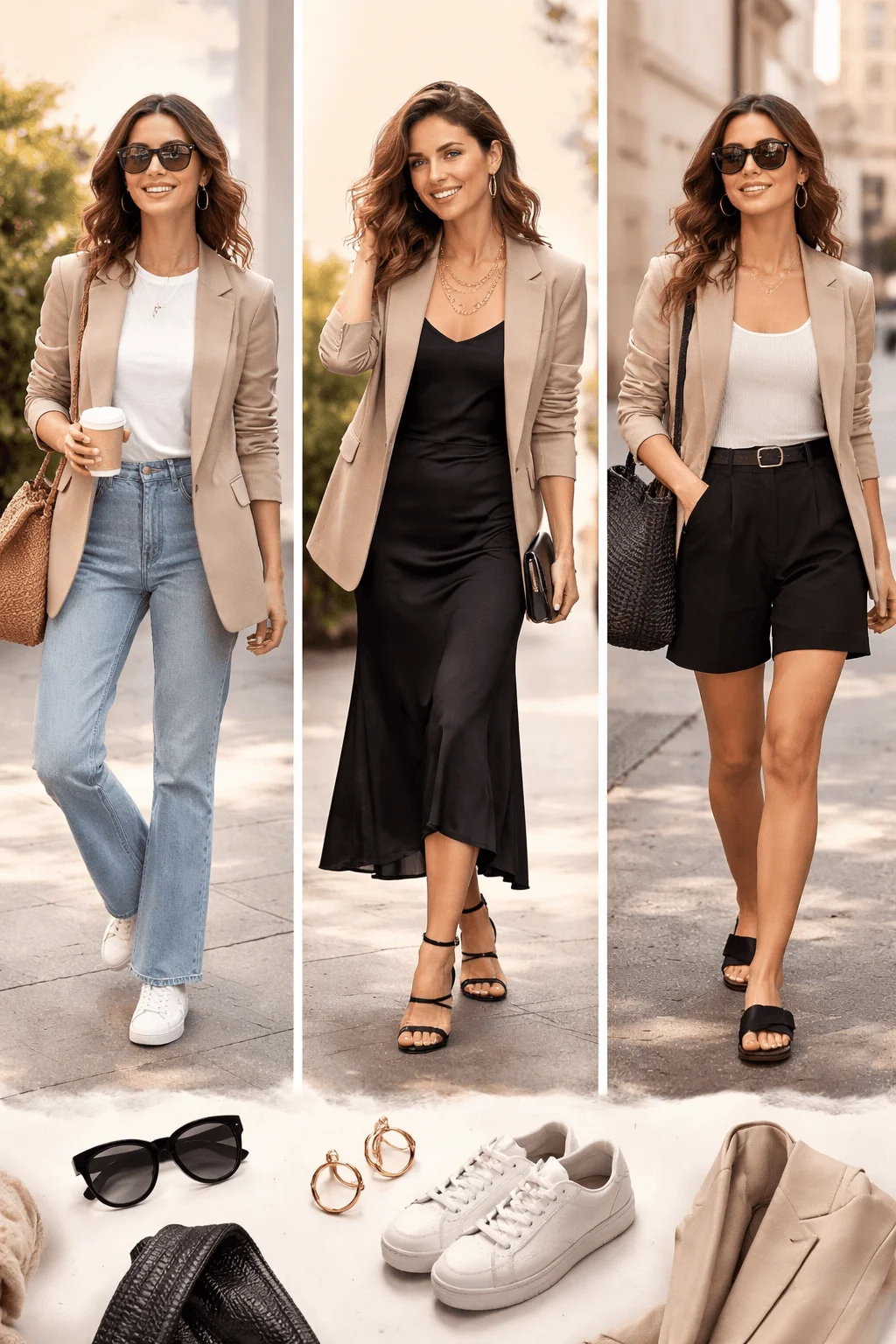
This concept works because it provides a practical solution to overconsumption while still celebrating fashion and creativity.
Sustainable Material Showcase Posters
These posters focus on the materials used in fashion. They highlight eco friendly fabrics such as plant based fibers and innovative textiles.
The visual approach often includes close up textures and detailed imagery that allows the viewer to appreciate the material itself.
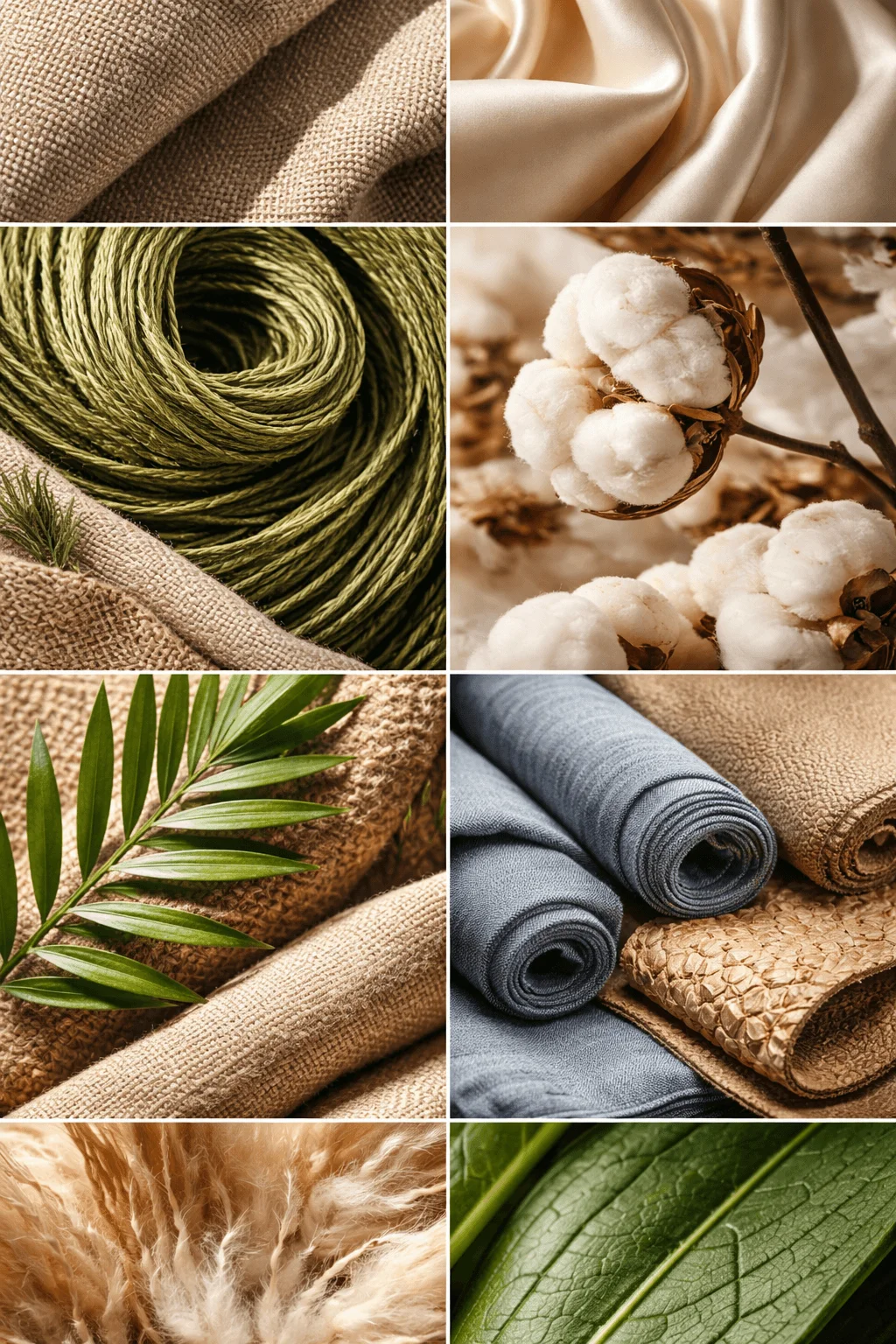
This idea works because it builds awareness and appreciation for the science and innovation behind sustainable fashion.
AI and Human Hybrid Posters
This concept explores the balance between technology and creativity. It combines AI generated visuals with human editing and artistic input.
The deeper idea is to use technology as a tool rather than a replacement. It shows that innovation and authenticity can coexist.

This approach is especially relevant in 2026 as audiences become more aware of the role of AI in design.
Interactive QR Code Posters
Interactive posters use QR codes to connect physical design with digital experiences. When scanned, they can lead to videos, stories, or detailed information about a product.
This idea transforms a static poster into a dynamic experience. It allows the audience to explore sustainability in a deeper and more engaging way.
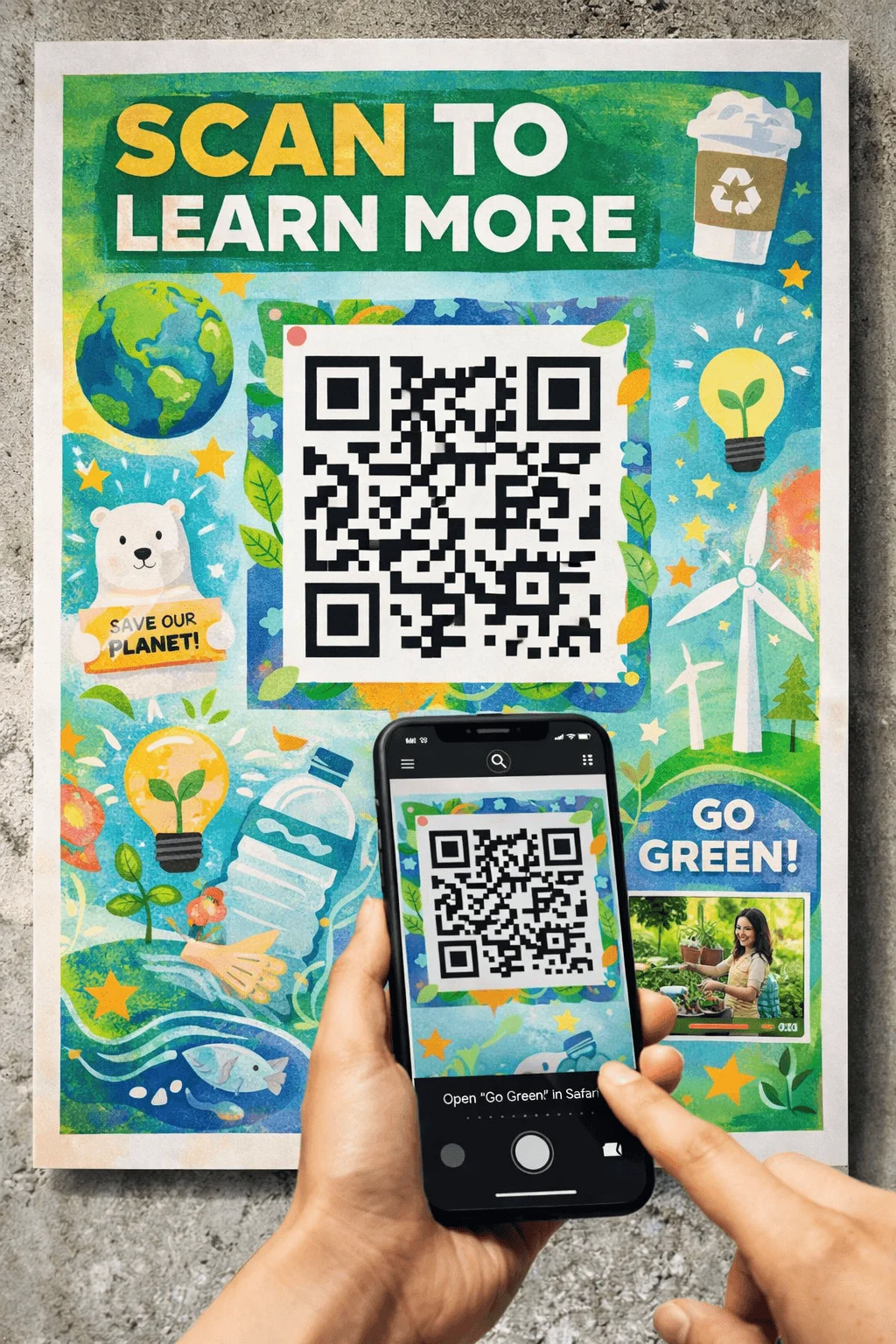
It works because it bridges the gap between awareness and action.
3D Depth Posters
These posters use visual depth to create a sense of immersion. Through layering, shadows, and perspective, elements appear to come forward from the surface.
The deeper idea is to make the poster feel alive and engaging. It captures attention and encourages viewers to spend more time exploring the design.
This approach works well in crowded digital spaces where attention is limited.
Multi Purpose Social Media Posters
This concept focuses on adaptability. A single design is created in a way that it can be used across multiple platforms such as print, social media, and websites.
The deeper value is efficiency and consistency. It allows brands to maintain a strong visual identity while reaching different audiences.
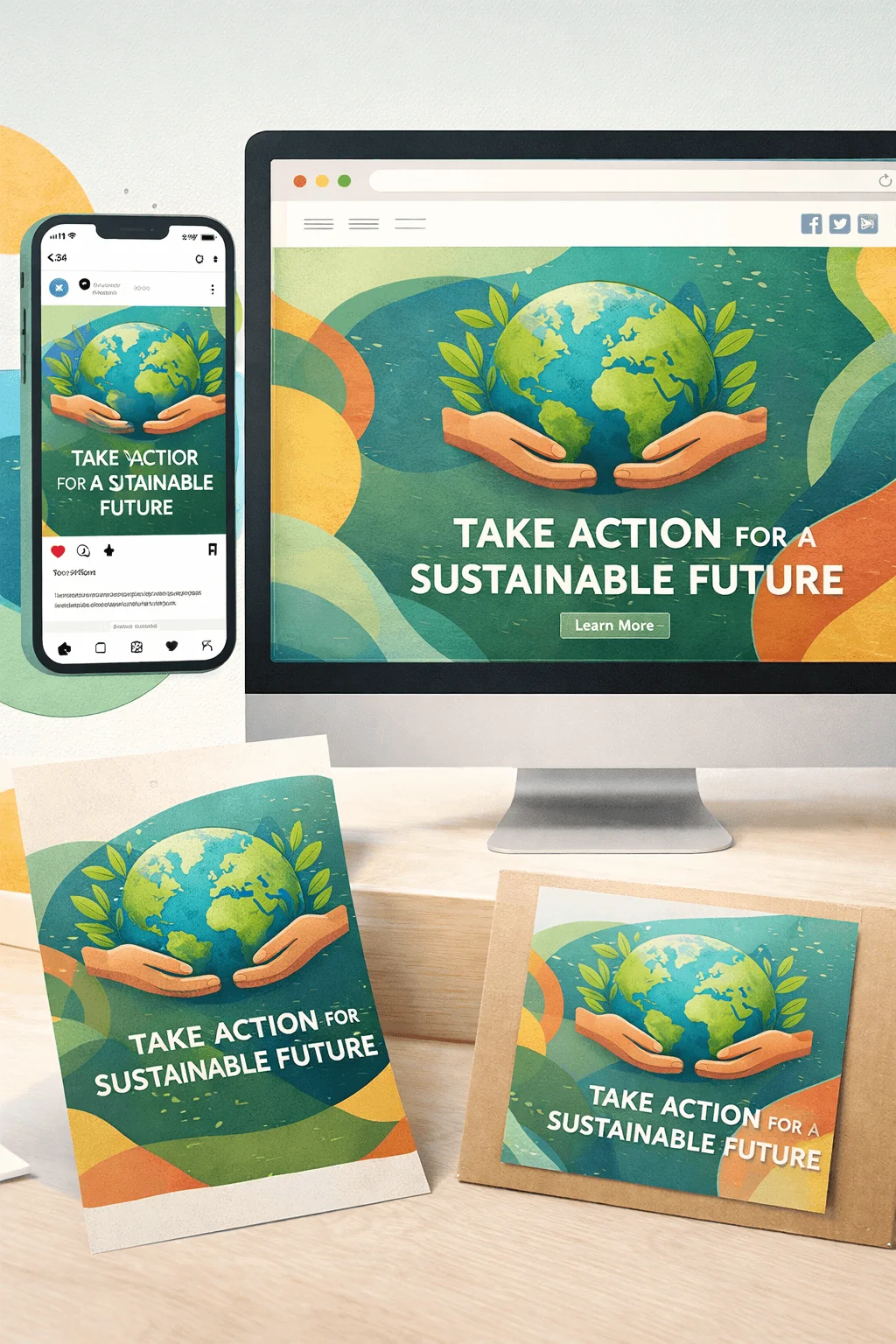
This idea is practical and essential in modern content driven environments.
Activism Message Posters
Activism posters focus on bold and direct messaging. They use strong typography and simple visuals to communicate powerful ideas.
The deeper purpose is to provoke thought and inspire change. These posters are not just informative but also emotional and urgent.
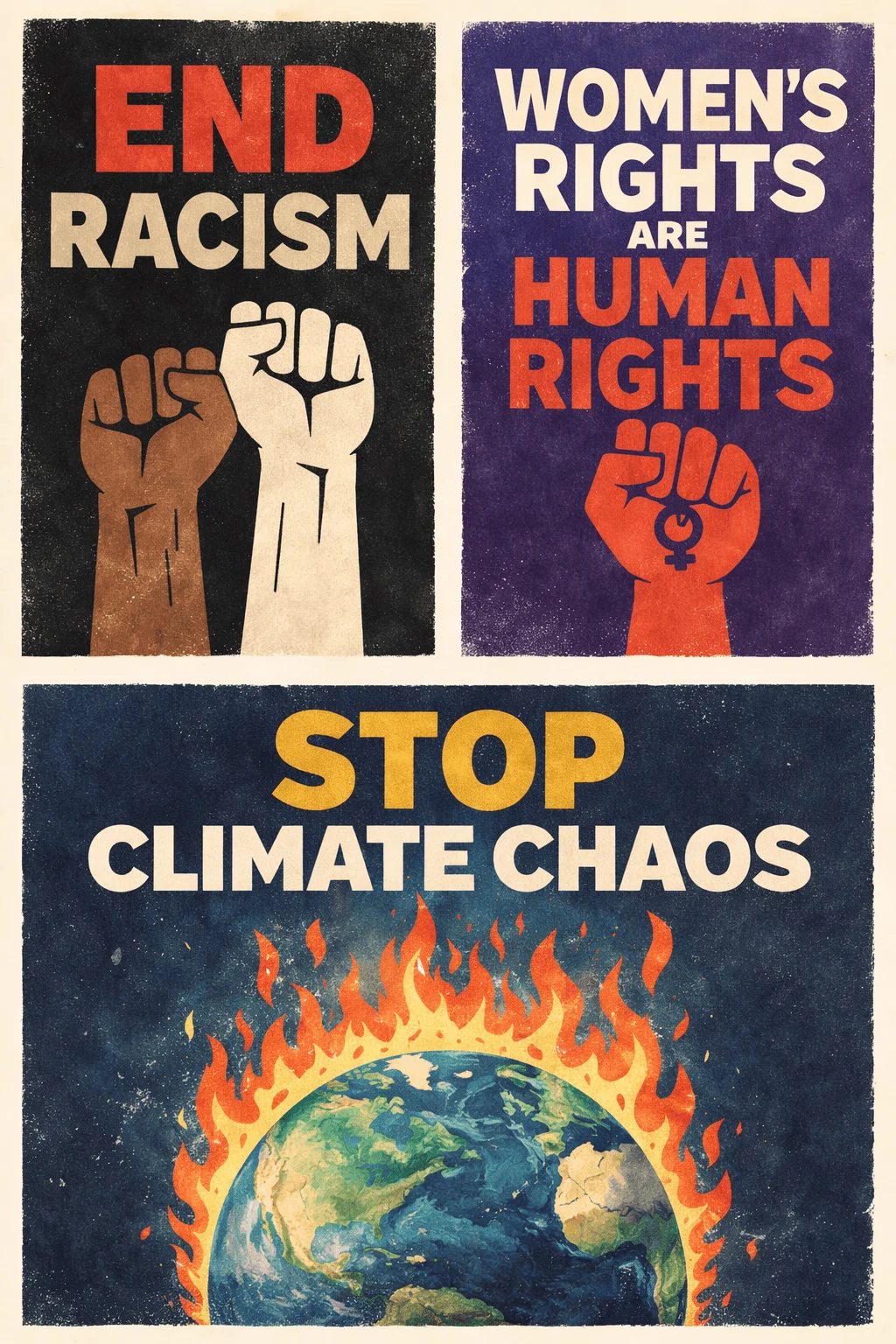
They work because they cut through noise and deliver a clear message that people remember.
Conclusion
Sustainable fashion poster design in 2026 is about more than aesthetics. It is about storytelling, awareness, and meaningful communication. The most effective posters are the ones that combine creativity with purpose and inspire people to think differently about fashion.
As the movement continues to grow, designers have the opportunity to shape how people understand sustainability. By exploring these ideas and trends, you can create posters that do more than look good. You can create designs that influence behavior, spark conversations, and contribute to a more conscious future.
The future of fashion is not just about what we wear. It is about the stories we tell and the choices we inspire through design.