Modern Sustainability Report Cover Ideas That Stand Out
A sustainability report is no longer just a formal requirement or a document created for compliance. It has evolved into a powerful reflection of how an organization thinks about its role in the world. The cover of this report plays a defining role because it shapes the first impression before any content is explored. It communicates values, builds trust, and sets expectations about the depth and honesty of the report itself.
In 2026, sustainability report cover design has moved beyond visual decoration. It has become a strategic layer of communication where every design choice carries meaning. The cover is expected to convey clarity, authenticity, and purpose while also aligning with the organization’s broader environmental and social commitments. This shift has introduced new creative directions that blend storytelling, data, and design intelligence.
The Evolution of Sustainability Report Cover Design
In earlier years, sustainability report covers were often predictable. Designers relied heavily on safe visual choices such as greenery, leaves, or abstract environmental textures. While these elements created an immediate association with sustainability, they rarely communicated anything specific about the organization’s actual impact or direction.
Over time, expectations have changed. Stakeholders are now more informed and more critical. They look for evidence, transparency, and clarity rather than symbolic representation. This has pushed designers to rethink the purpose of the cover. Instead of acting as a decorative surface, it now functions as a message driven interface.

Another major transformation comes from the shift toward digital consumption. Reports are frequently viewed on screens, shared across platforms, and previewed as thumbnails. This has influenced cover design to become more focused, readable, and adaptable. The emphasis is no longer on filling space but on delivering a strong idea that works across multiple formats.
Climate Storytelling as a Visual Entry Point
One of the most defining trends in 2026 is the use of climate storytelling directly on the cover. Rather than showing generic nature scenes, designers are focusing on specific environmental narratives that reflect real challenges or solutions. A cover might highlight renewable energy infrastructure, water conservation efforts, or ecological restoration projects.
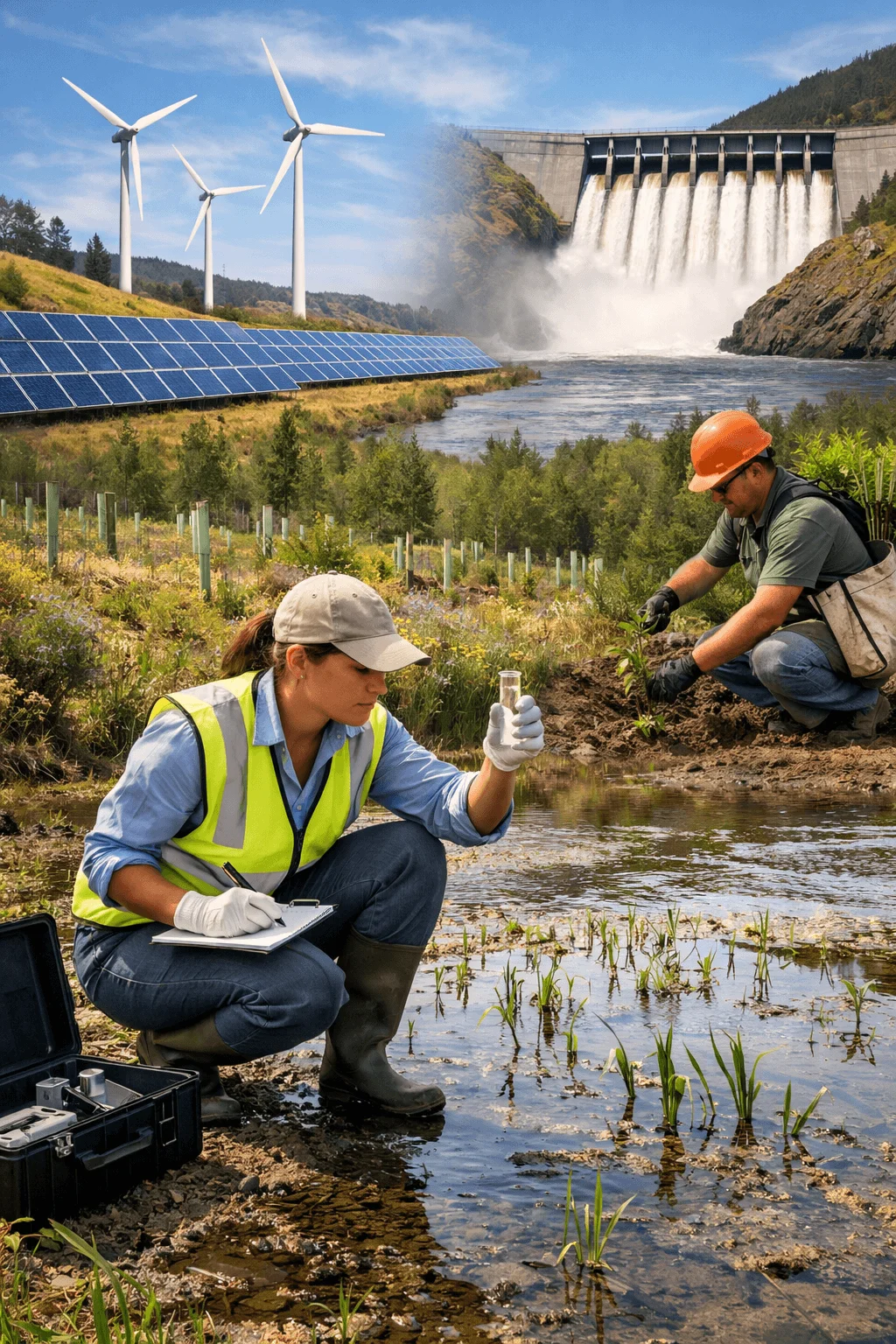
This approach transforms the cover into a meaningful entry point. It allows the viewer to immediately understand what the organization is addressing and why it matters. It also creates an emotional connection by linking the design to real world issues. When done effectively, climate storytelling positions the report as relevant and grounded rather than abstract or symbolic.
Minimalism with Intent and Clarity
Minimalism continues to be widely used, but in 2026 it is more thoughtful and intentional. It is no longer about removing elements for aesthetic simplicity alone. Instead, it is about focusing attention on a single powerful idea.
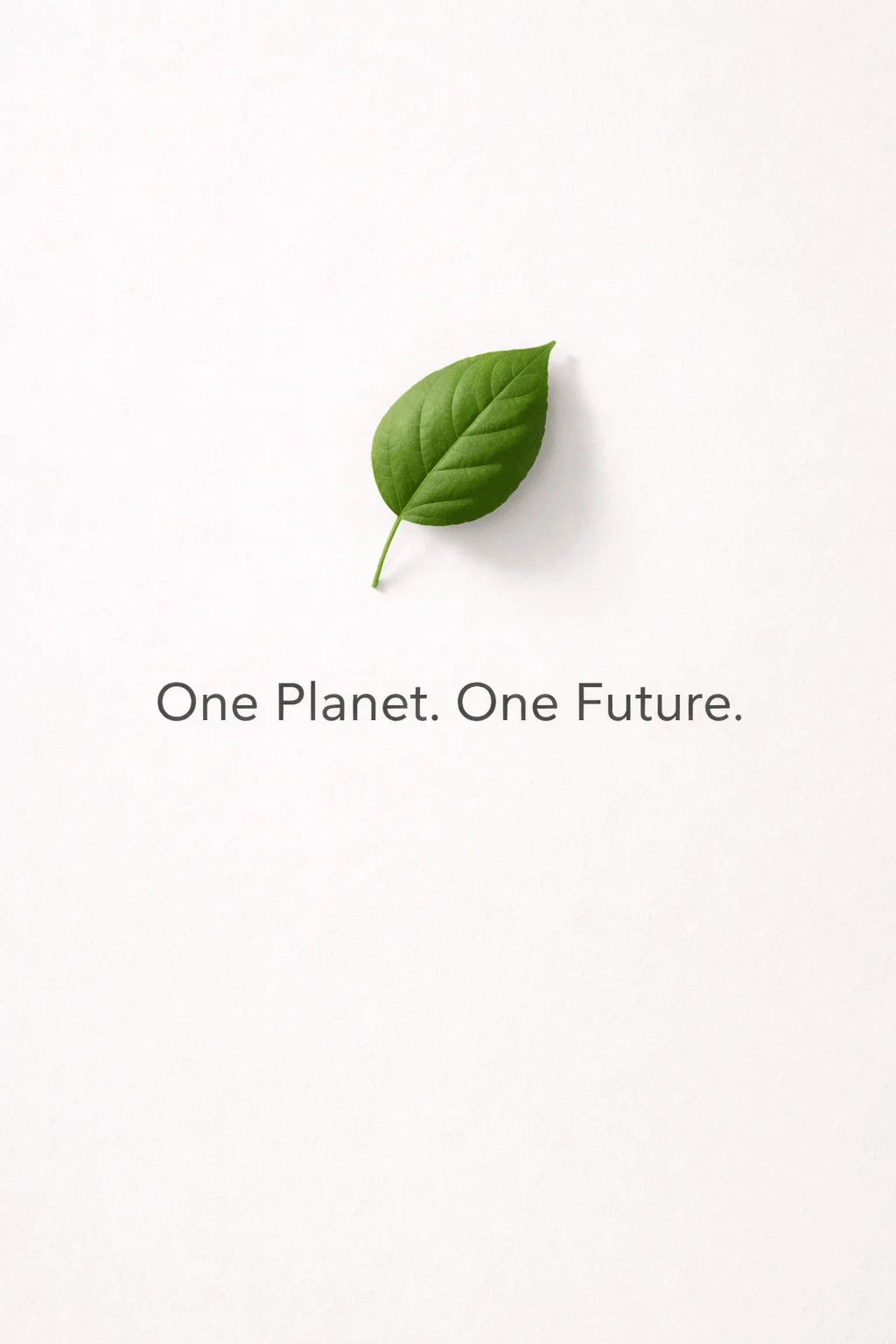
A minimalist sustainability report cover might feature one statement, one image, or one symbol that captures the essence of the organization’s sustainability strategy. This approach works because it reduces noise and allows the message to stand out clearly. It also reflects confidence, suggesting that the organization has a clear direction and does not need excessive visual support to communicate it.
Data as a Front Facing Design Element
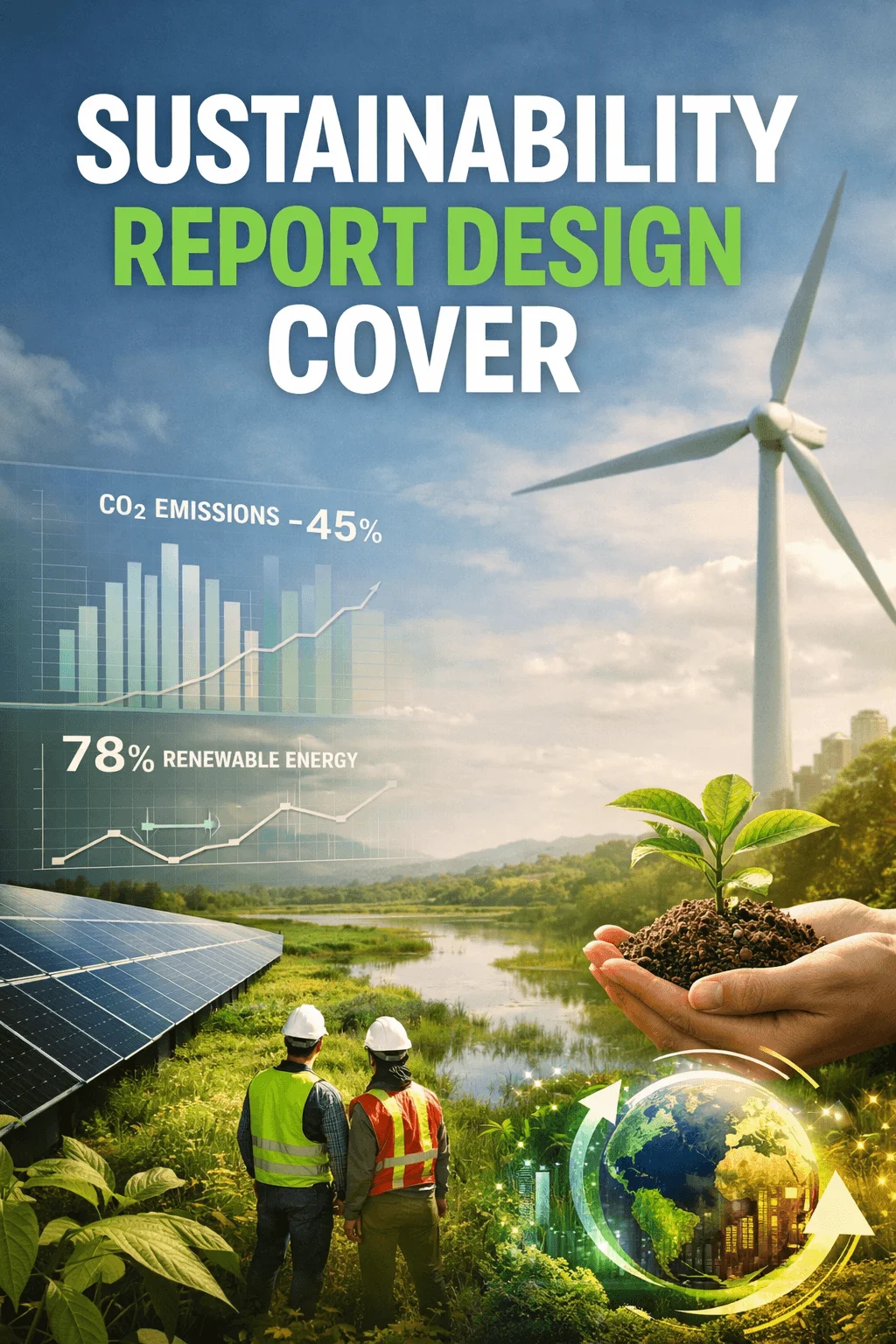
Another important shift is the integration of data into the cover itself. Traditionally, data was reserved for internal pages, but now key metrics are being brought forward. A cover might display emission reduction figures, renewable energy percentages, or long term sustainability targets.
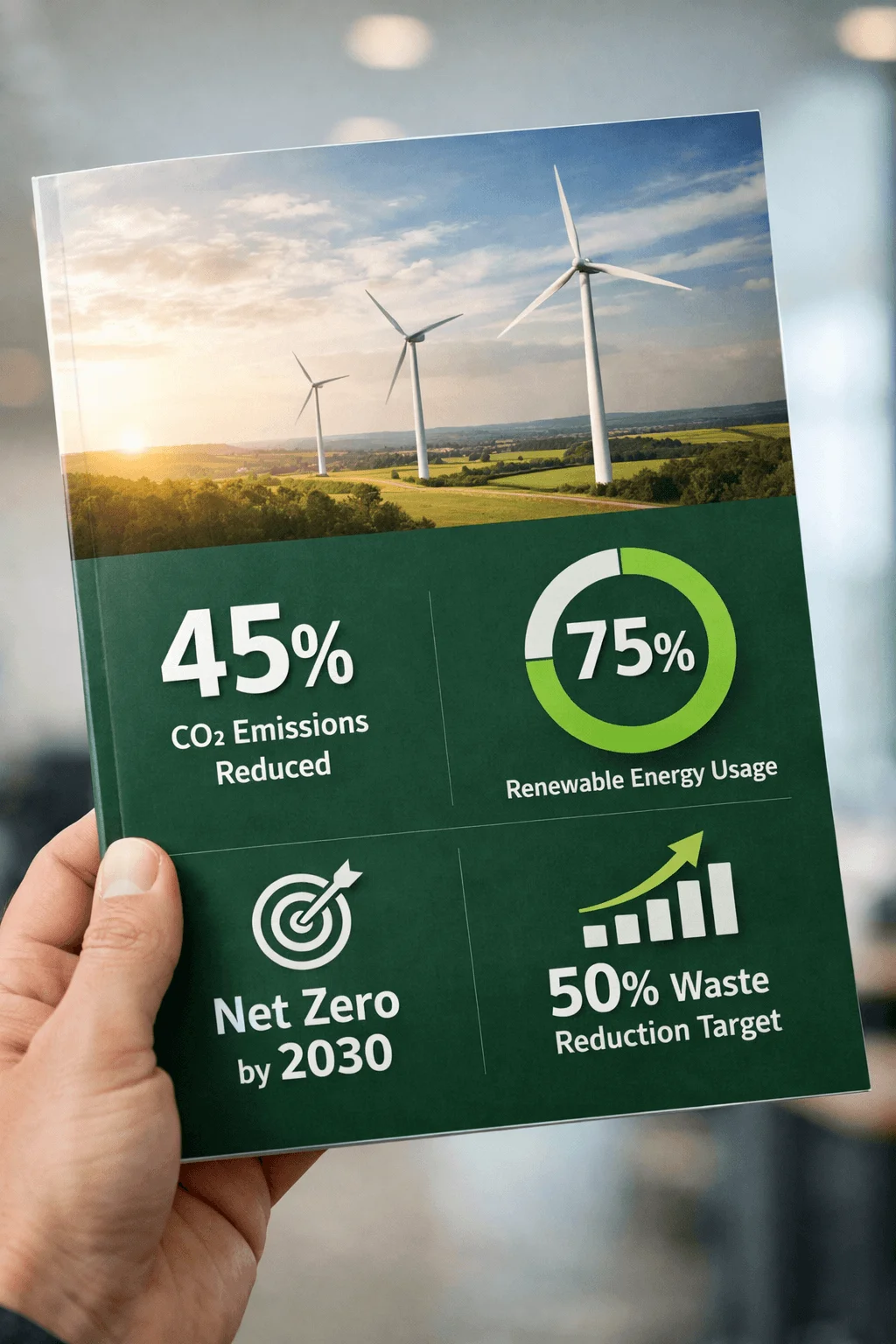
This approach changes how the cover is perceived. It becomes a statement of accountability rather than just an introduction. By presenting measurable outcomes upfront, organizations demonstrate transparency and seriousness. It also immediately answers the question of impact, which is often the primary concern of stakeholders.
Authentic Photography and Human Connection
Authenticity has become essential in sustainability communication. As a result, many organizations are moving away from generic visuals and embracing real photography. This includes images of employees, communities, and environments that are directly connected to their operations.

This shift adds depth and credibility to the cover. It shows that sustainability efforts are not abstract ideas but real actions involving real people. It also creates a sense of trust because the viewer can see genuine representation rather than constructed imagery. This human connection plays a significant role in making the report feel honest and relatable.
Blending Nature with Technology
Modern sustainability is closely tied to innovation. This relationship is reflected in cover designs that combine natural and technological elements. Designers are creating visuals where organic forms intersect with digital structures, suggesting a balance between environmental care and technological advancement.

This blend communicates a forward thinking mindset. It shows that sustainability is not about returning to the past but about building a future where nature and technology work together. The visual contrast between organic and structured elements also creates a compelling aesthetic that captures attention.
AI Generated Visual Exploration
The rise of generative design tools has introduced a new creative dimension. Designers are using artificial intelligence to create abstract visuals that represent complex systems such as climate patterns or energy flows. These visuals often have a unique and unexpected quality that distinguishes them from traditional design approaches.

AI generated covers allow for experimentation and originality. They can translate complex sustainability concepts into visually engaging forms that are difficult to achieve manually. This makes them particularly appealing for organizations that want to present themselves as innovative and forward looking.
Circular Thinking in Visual Form
Circularity is a core principle in modern sustainability strategies. This concept is increasingly being expressed through visual design. Circular shapes, continuous loops, and repeating patterns are used to symbolize regeneration, reuse, and long term sustainability.
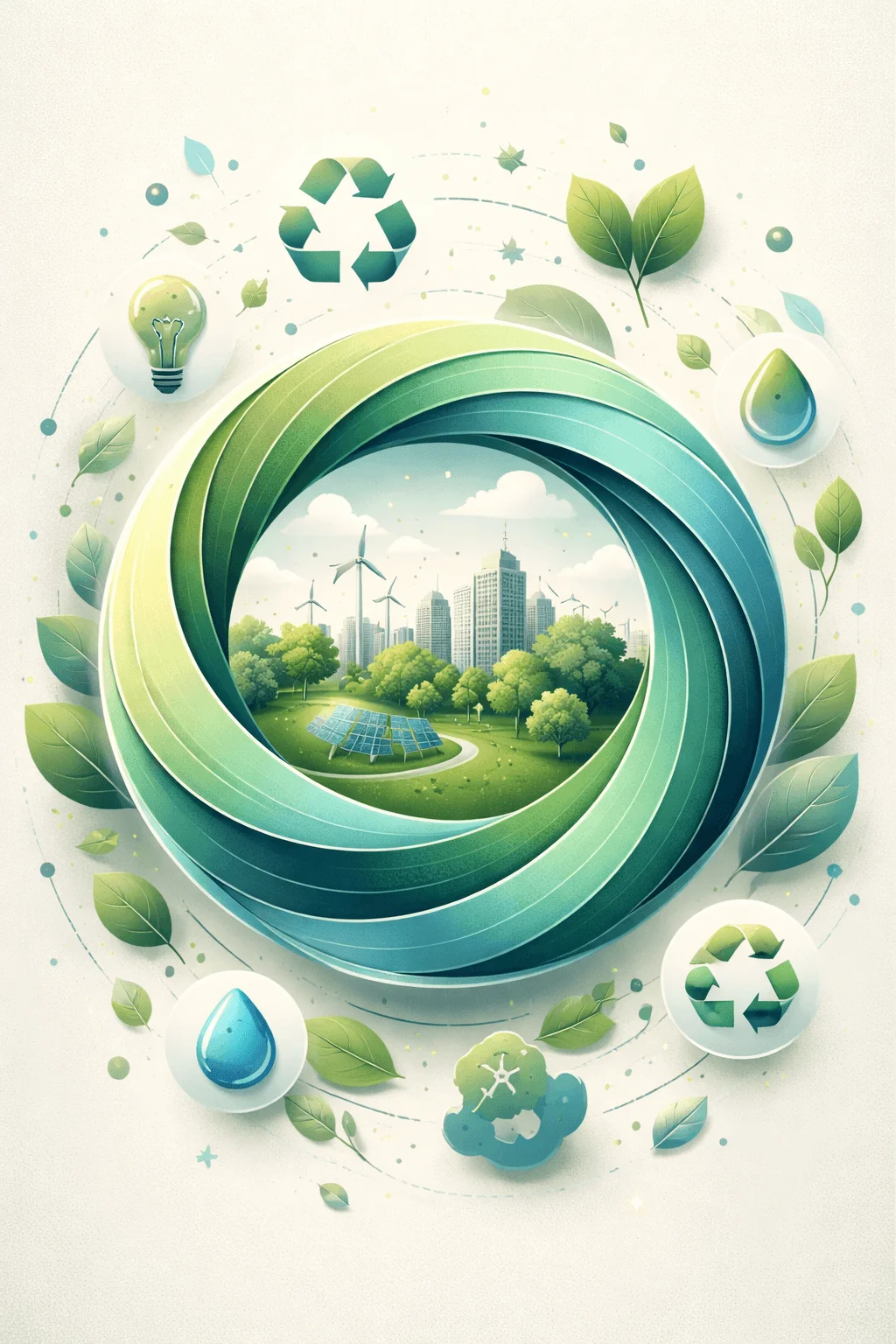
These elements are not just decorative. They represent systems that aim to reduce waste and create ongoing value. By incorporating circular forms into the cover, designers can communicate these ideas in a subtle yet effective way.
Typography as the Main Voice
Typography has taken on a more central role in sustainability report cover design. In many cases, it becomes the primary visual element. Large and bold text can convey a strong message without the need for supporting imagery.
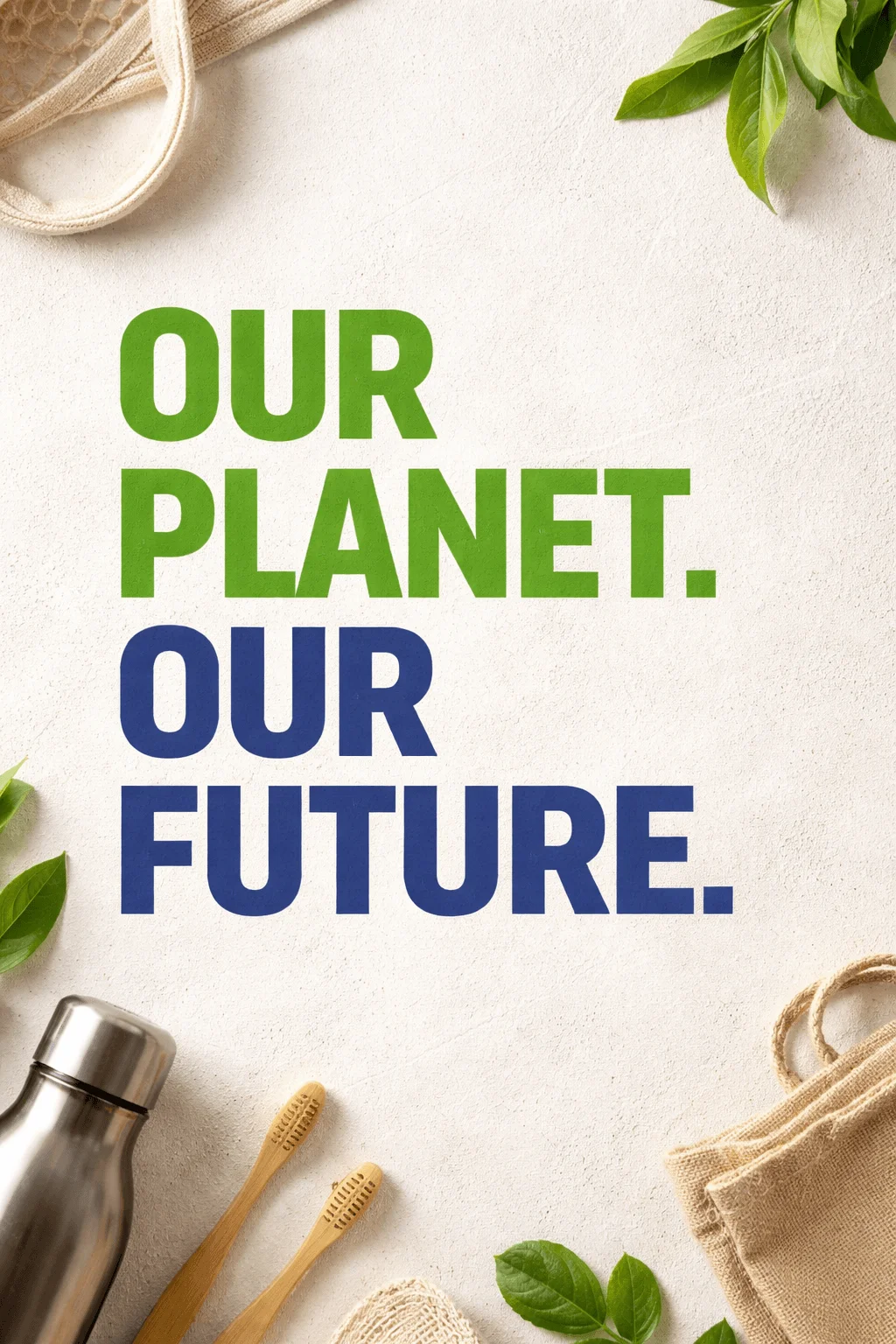
This approach is particularly effective when the organization has a clear statement or commitment to communicate. It allows the message to be direct and unmistakable. It also aligns with the broader trend of simplicity and clarity in design.
Transparency Through Layered Design
Layered visual techniques are being used to create depth and meaning. Overlapping elements, subtle gradients, and semi transparent shapes give the impression of openness and clarity.
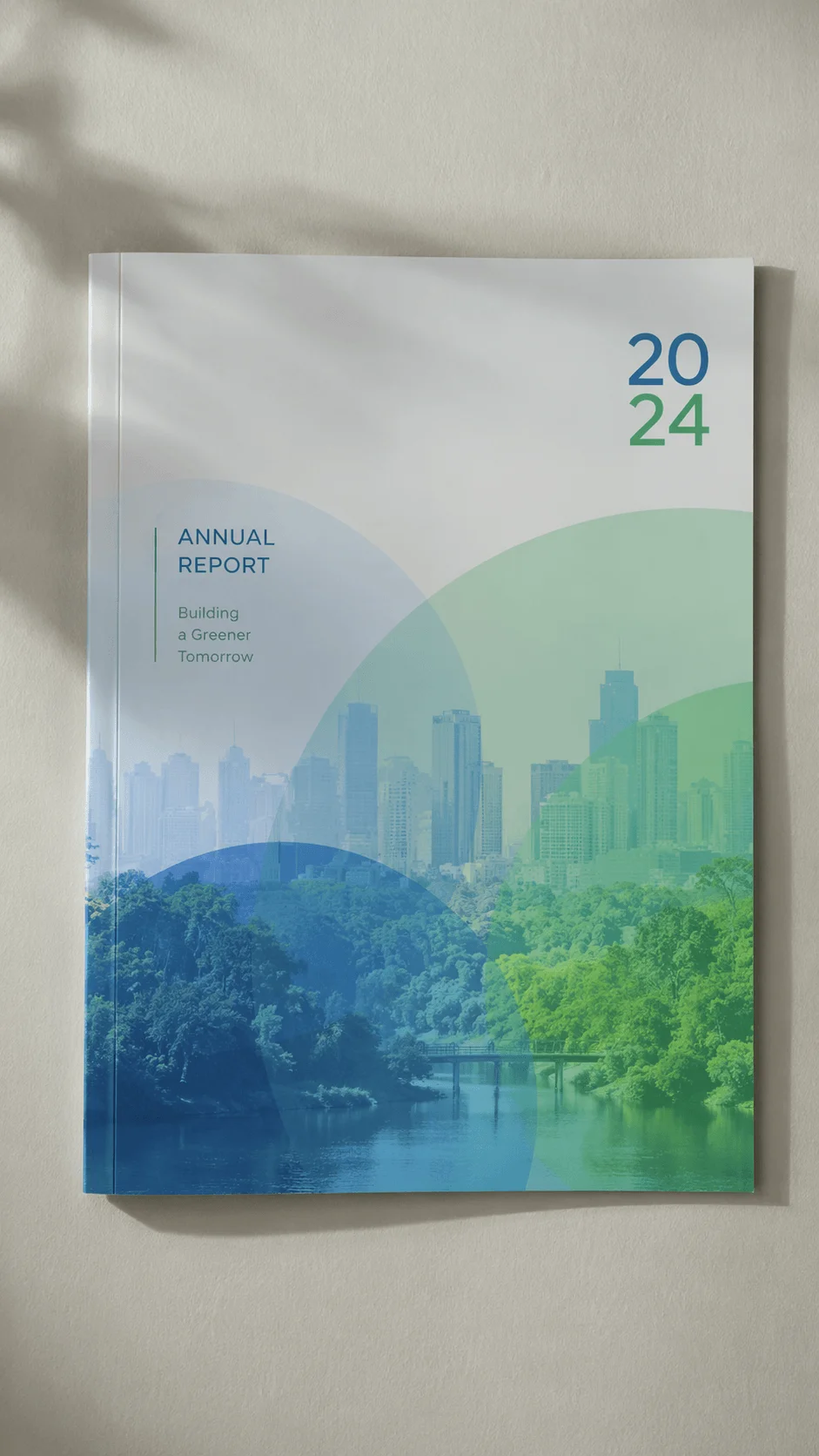
These design choices carry symbolic value. Transparency in visuals reflects transparency in communication. It suggests that the organization is open about its actions and willing to share information honestly. This alignment between visual style and message strengthens the overall impact of the cover.
Local Context and Real World Relevance
Another emerging direction is the focus on local impact. Instead of using global or abstract imagery, designers are highlighting specific locations, communities, or ecosystems that are directly connected to the organization’s work.
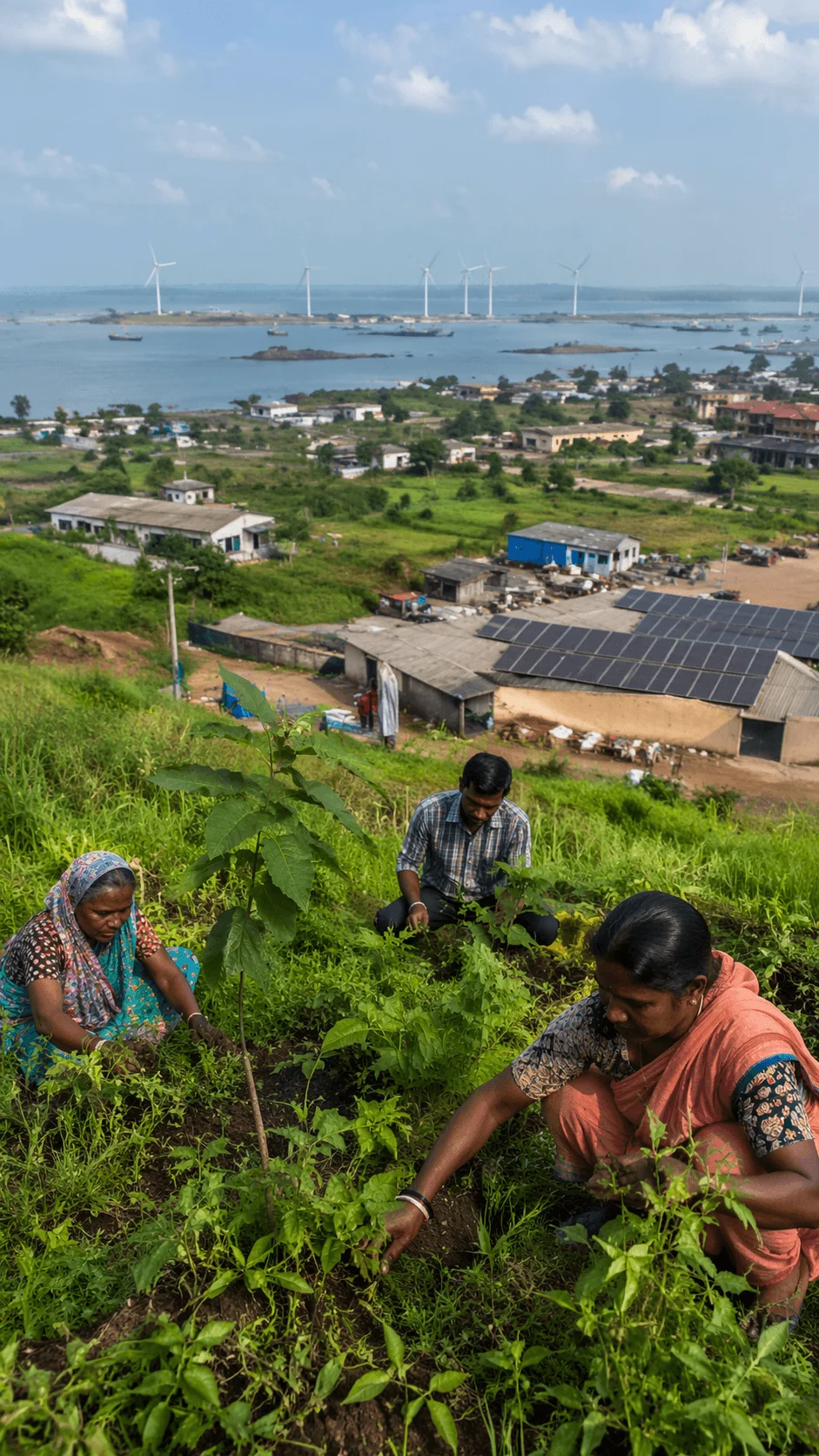
This approach makes the cover more grounded and relatable. It shows that sustainability is not just a broad concept but something that affects real places and people. It also helps differentiate the report by giving it a unique and authentic perspective.
Designing for Digital First Experiences
Sustainability report covers are now designed with digital platforms in mind. They need to perform well as thumbnails, social media previews, and interactive elements. This has led to a greater emphasis on clarity, contrast, and adaptability.
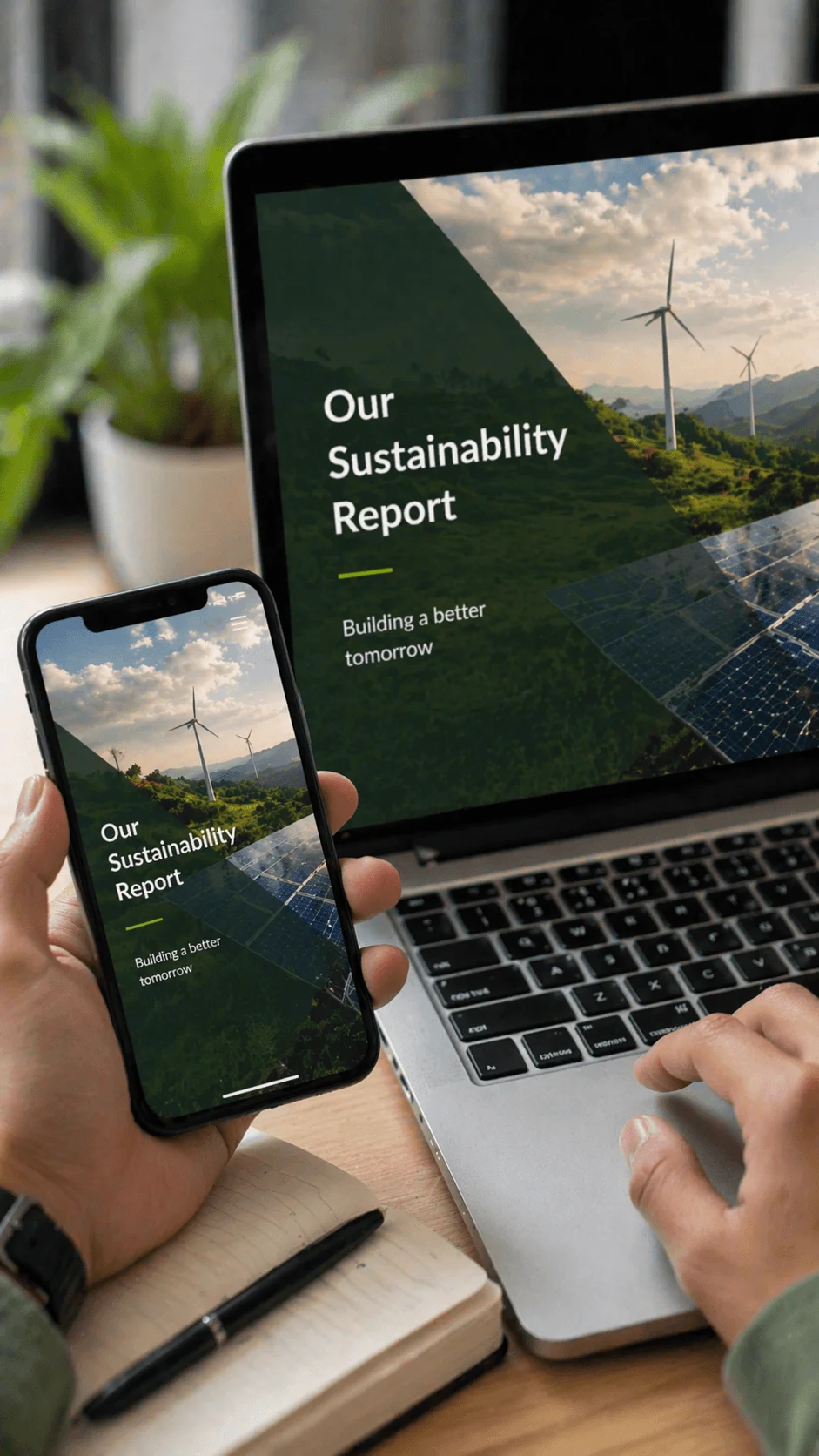
Designers are also thinking about how the cover might evolve in a digital environment. Even if the initial presentation is static, the concept often considers motion, interaction, and user engagement. This expands the role of the cover beyond a single image into a dynamic experience.
Controlled Color and Emotional Focus
Color usage has become more intentional and refined. Instead of using multiple bright tones, many designs focus on a limited palette. A single dominant color can create a strong emotional connection and reinforce the theme of the report.
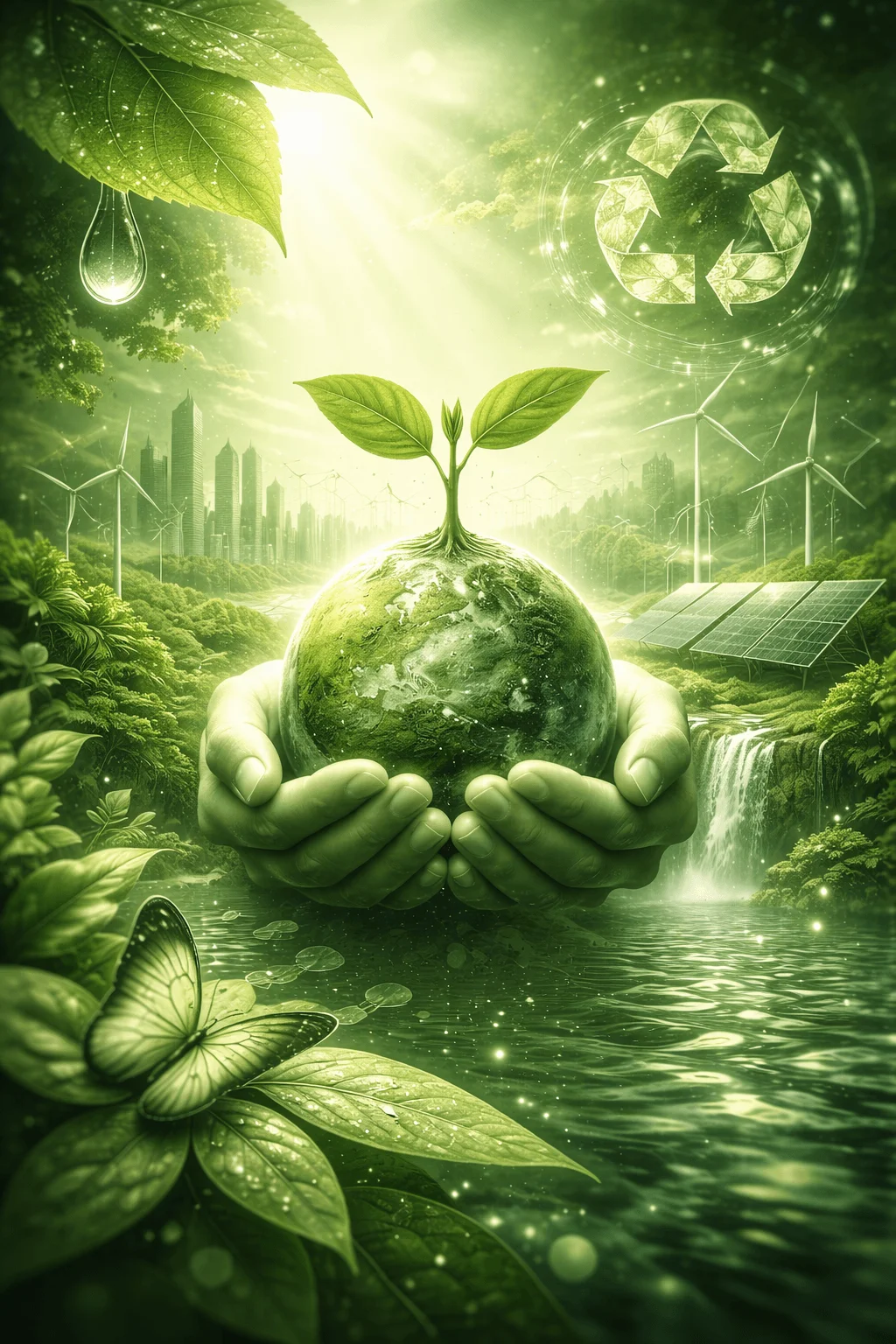
This approach also enhances visual consistency and sophistication. It allows the message to remain clear without being overwhelmed by competing elements. The choice of color becomes a strategic decision rather than a decorative one.
Symbolic Systems for Clarity
Symbols and icons are being used to communicate complex sustainability concepts in a simple and accessible way. These visual elements create a language that can be understood quickly and consistently.

When integrated into the cover, symbolic systems provide clarity without adding complexity. They help guide the viewer’s understanding and create a cohesive visual identity that can be extended throughout the report.
Future Oriented Conceptual Design
Sustainability is inherently about the future. This perspective is reflected in covers that explore conceptual and forward looking visuals. These designs may depict imagined sustainable environments or abstract representations of progress and innovation.
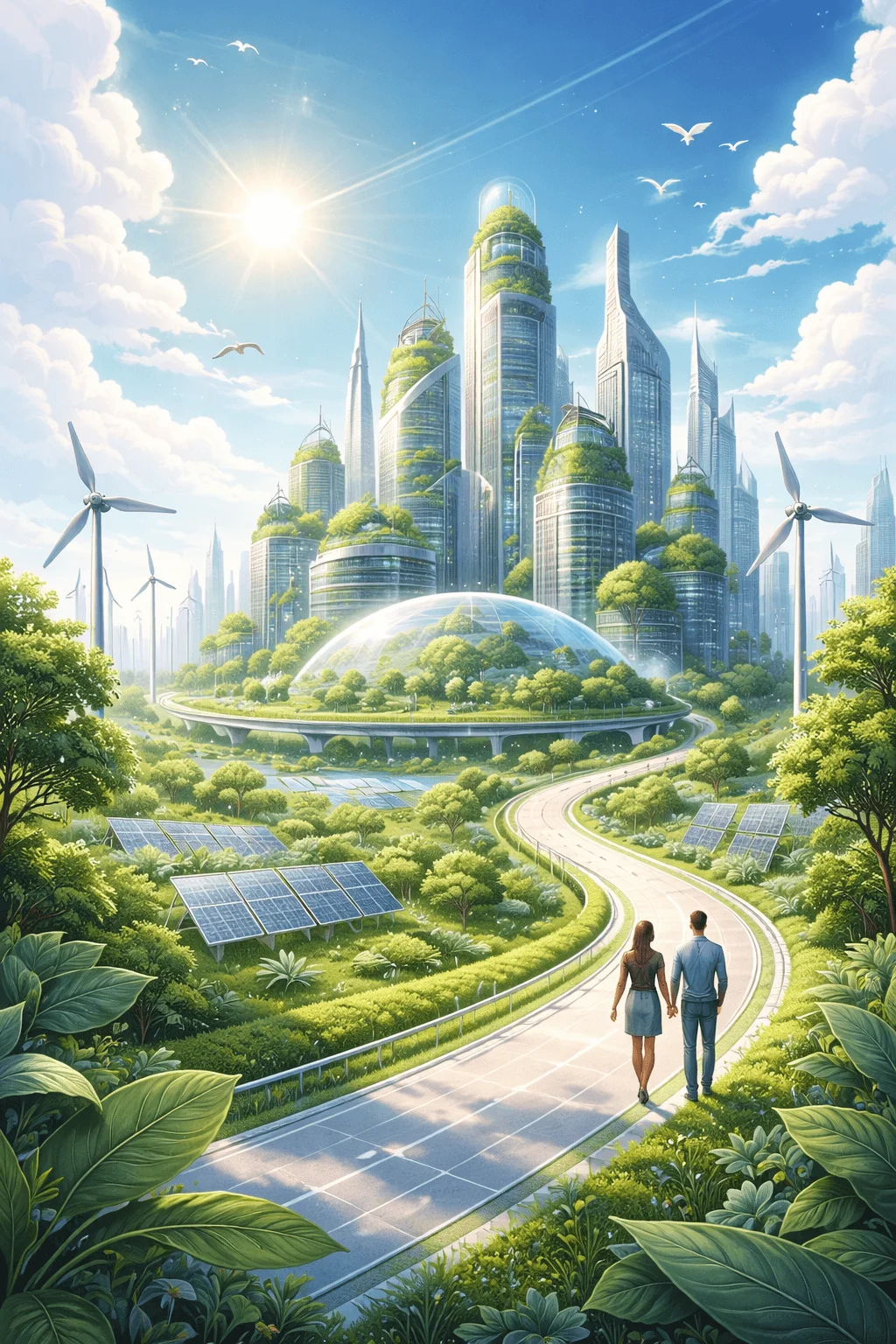
Such covers position the organization as visionary and proactive. They invite the viewer to think about possibilities rather than just current achievements. This sense of forward movement adds depth and aspiration to the design.
Conclusion
Sustainability report cover design in 2026 represents a shift toward purposeful and strategic communication. It is no longer about creating something visually appealing in isolation. It is about crafting a design that reflects values, communicates impact, and builds trust.
As sustainability continues to shape how organizations operate and communicate, the importance of thoughtful cover design will only grow. By embracing approaches such as climate storytelling, data integration, and authentic representation, designers can create covers that stand out while delivering real meaning.
A well designed sustainability report cover is not just an introduction. It is a statement of intent. It tells the viewer what the organization stands for and sets the stage for a deeper and more meaningful narrative.