12 Sustainable Living Projects for Kids That Teach Eco Friendly Habits in 2026
The world is facing increasing environmental challenges, and children today need more than simple awareness about nature. They need practical experiences that help them understand how their daily choices influence the planet. Sustainable living projects for kids are becoming an important way to introduce children to environmental responsibility, creativity, and problem solving through activities they can enjoy at home or in school.
In 2026, sustainability education is moving beyond traditional lessons about recycling and saving water. Modern children are exploring renewable energy, smart technology, biodiversity, food production, and innovative solutions for environmental problems. These activities allow children to become active participants instead of only learning about climate change through books.
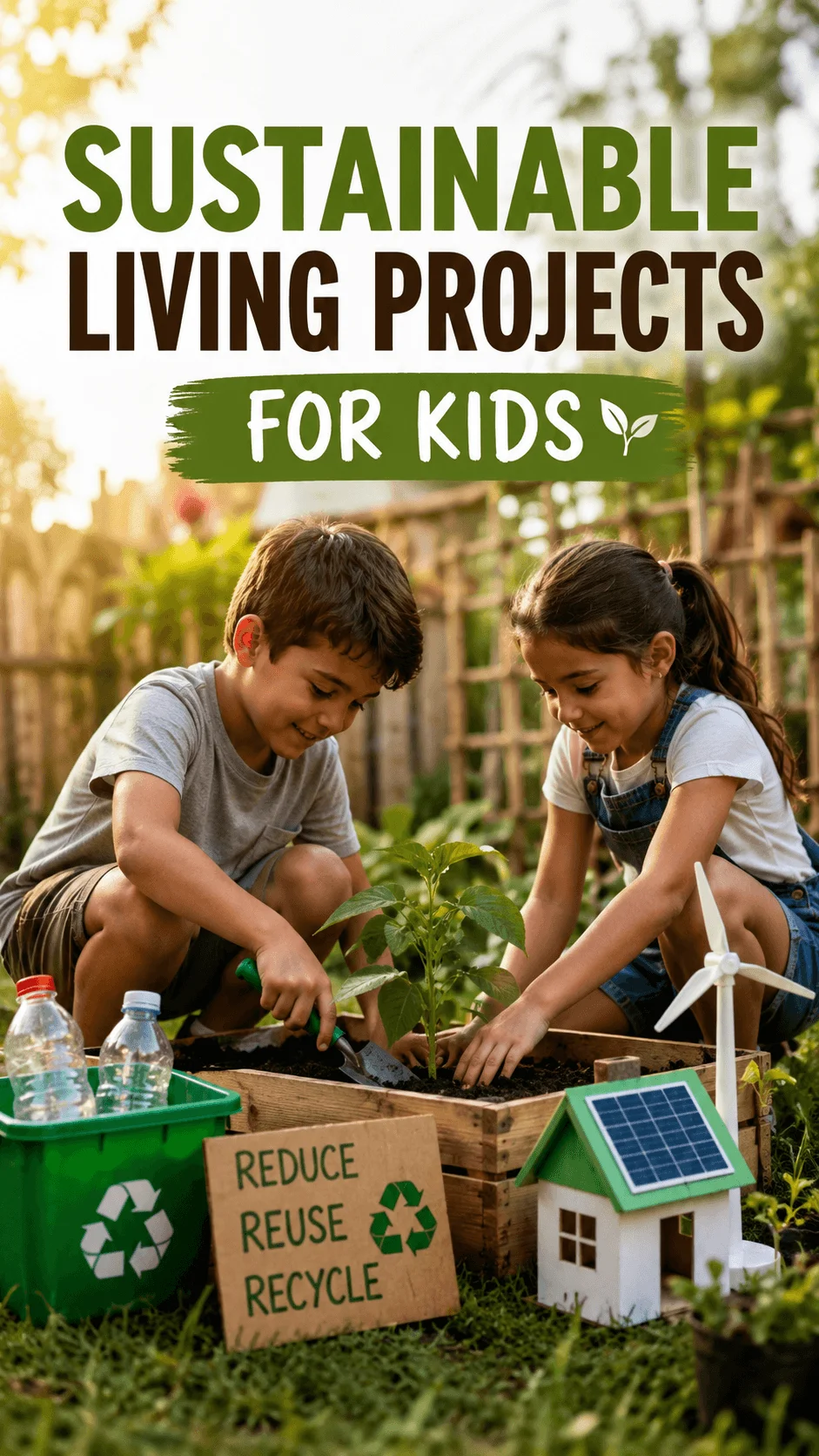
Hands on learning creates a stronger connection between children and the environment. When a child grows a plant, builds a solar model, creates something from waste materials, or designs a solution for a local problem, they develop a deeper understanding of sustainability. These experiences also improve creativity, scientific thinking, teamwork, and decision making skills.
Parents and teachers are increasingly searching for meaningful sustainability activities for children because young learners can develop habits that continue throughout their lives. A child who understands the importance of protecting resources today can become an environmentally responsible adult in the future.
This article explores twelve modern and creative ideas that combine science, technology, and environmental awareness. These sustainable living projects for kids are designed to inspire curiosity while helping children understand that even small actions can create positive changes for the planet.
Why Sustainability Activities for Children Are Important Today
Environmental education plays an important role in preparing children for future challenges. Climate change, pollution, resource shortages, and waste management problems require innovative thinkers who can create practical solutions. Teaching children about sustainability at an early age helps them understand their relationship with nature and encourages responsible decision making.
Traditional environmental lessons often focus on explaining problems, but practical projects allow children to explore solutions. When students participate in environmental projects for students, they experience the connection between their actions and real world outcomes. A composting activity, for example, helps them understand food waste, soil health, and natural recycling processes better than simply reading about these topics.
Another important benefit of sustainability activities is the development of critical thinking skills. Children learn to observe problems, ask questions, test ideas, and improve their solutions. These skills are valuable not only for environmental studies but also for future careers in science, technology, engineering, and innovation.
Modern sustainability education also connects strongly with STEM learning. Many projects combine biology, engineering, technology, and creativity. STEM sustainability projects encourage children to explore how scientific knowledge can solve environmental challenges. Building a simple solar device or designing a water conservation model introduces children to renewable energy and resource management concepts.
Sustainability activities also help children develop emotional connections with the environment. When children care for plants, observe wildlife, or reduce waste, they begin to understand that nature is not separate from human life. This connection encourages long term environmentally friendly habits.
The goal of teaching sustainability is not to create fear about environmental problems. Instead, it is about showing children that they have the ability to create positive change. Creative activities can transform environmental learning into an exciting experience where children become young innovators.
12 Sustainable Living Projects for Kids That Build Environmental Awareness
AI Powered Energy Saving Challenge for Kids
Technology is becoming an important part of modern sustainability solutions, and children can learn how smart systems help reduce environmental impact. The AI powered energy saving challenge is one of the newest ideas combining technology education with environmental awareness.
This project introduces children to the idea of monitoring energy use and finding ways to reduce unnecessary consumption. Children can observe how electricity is used in their homes or schools by tracking lights, fans, computers, and other appliances. They can record patterns and identify situations where energy is wasted.
For a more advanced version, children can explore how artificial intelligence analyzes information and provides suggestions. They can create simple charts showing energy usage or design imaginary smart home systems that automatically reduce electricity waste. This activity helps children understand how technology can support sustainable living.
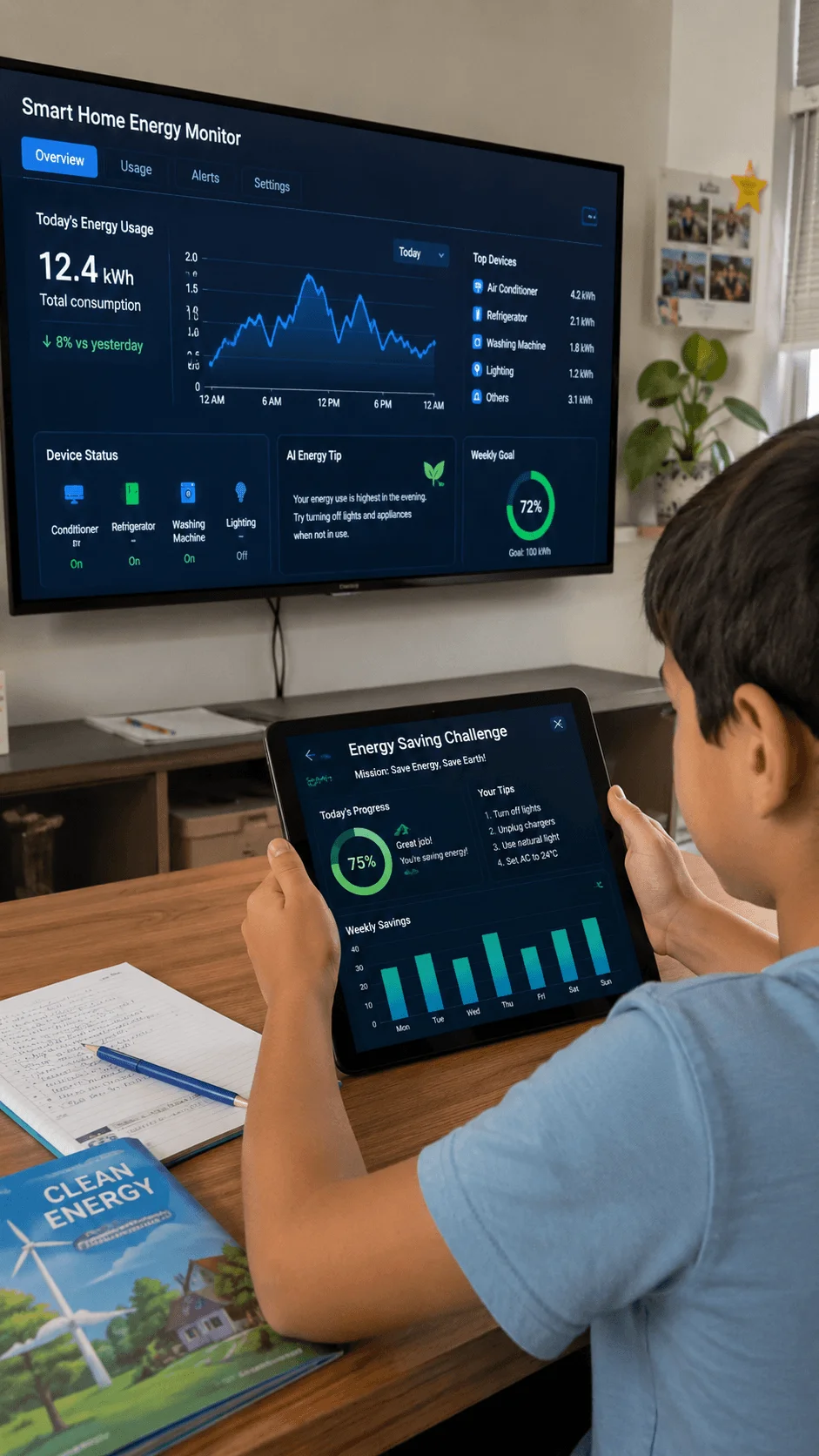
The project teaches several important skills. Children develop observation abilities, data analysis skills, and creative thinking. They also learn that technology is not only used for entertainment but can help solve environmental problems.
Parents and teachers can make this activity more engaging by turning it into a team challenge. Children can compare energy saving ideas, create presentations, and explain how their solutions could help families reduce energy consumption.
This type of activity represents the future of environmental education because it connects sustainability with artificial intelligence and innovation. As smart technology becomes more common, children who understand the relationship between technology and sustainability will be better prepared for future challenges.
Indoor Food Garden Project for Sustainable Living
Growing food at home has become one of the most popular green living activities for kids because it creates a direct connection between children and nature. An indoor food garden allows children to experience how plants grow while learning about food systems, health, and resource conservation.
Children can start with simple plants such as herbs, lettuce, mint, or microgreens. They can use recycled containers, small pots, or creative planting systems made from unused household materials. Even children living in apartments can participate because indoor gardens require very little space.
This project teaches children that food does not appear magically in stores. Every vegetable or herb requires water, sunlight, care, and time to grow. Understanding this process can encourage healthier eating habits and greater appreciation for farmers and natural resources.
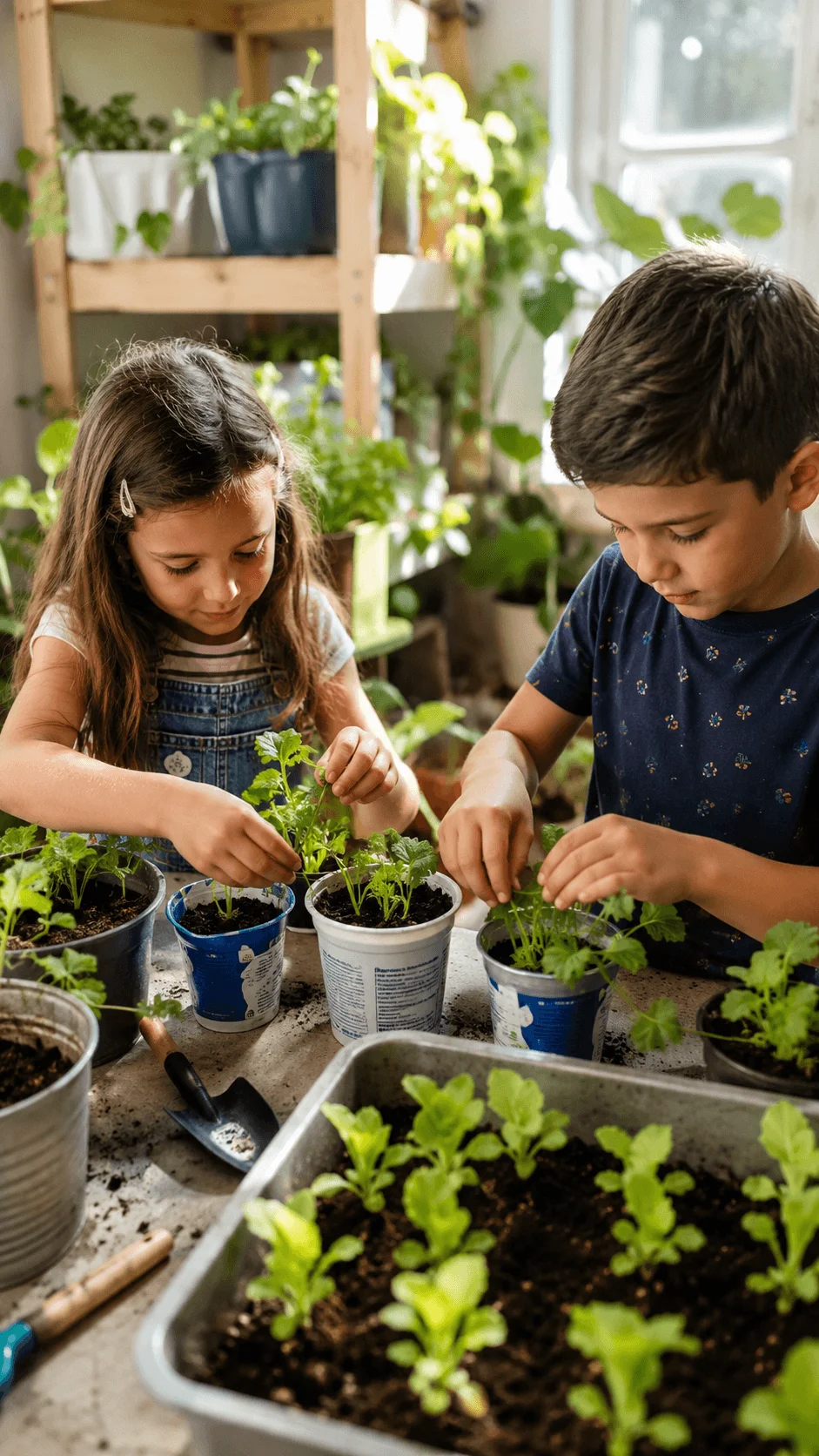
Indoor gardens also introduce children to important environmental concepts such as urban farming and sustainable food production. As cities continue to grow, finding efficient ways to produce food in limited spaces is becoming increasingly important.
Teachers can expand this activity by creating classroom gardens where students measure plant growth, record observations, and study plant biology. Children can learn about photosynthesis, ecosystems, and the importance of biodiversity through a simple gardening experience.
The project also encourages patience and responsibility. Taking care of a living plant teaches children that environmental progress requires consistent effort. These lessons create a foundation for responsible habits that extend beyond gardening.
Plastic Waste Transformation and Recycling Project
Plastic pollution remains one of the biggest environmental concerns, and children can learn about waste solutions through creative recycling projects for kids. Instead of viewing waste as something useless, this activity teaches children that many discarded materials can have a second purpose.
The project begins by collecting safe household waste materials such as plastic containers, packaging items, and old materials. Children can examine these items and think about how they can transform them into useful products.
They can create storage containers, plant holders, art pieces, or educational models. However, the main purpose of this project is not only making crafts. It is helping children understand the idea of a circular economy, where materials remain useful for longer periods instead of becoming waste.
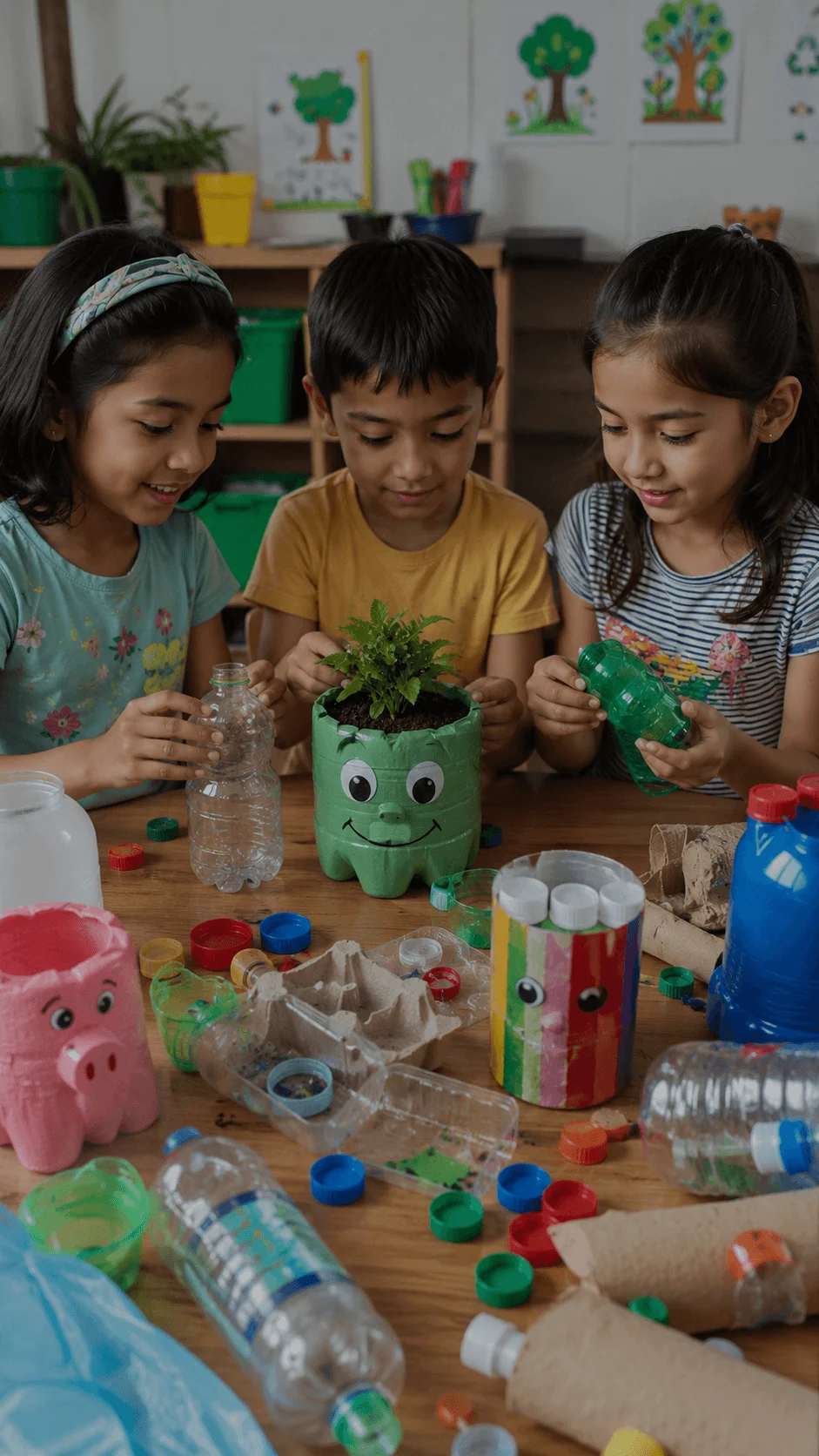
Through this activity, children learn why reducing consumption and reusing materials are important. They begin to question everyday habits and understand how small decisions can influence environmental health.
Teachers can connect this project with science lessons by explaining how plastics are produced, why they create environmental problems, and how recycling systems work. Students can also discuss alternatives to single use plastics and design campaigns to encourage waste reduction.
This project combines creativity with environmental responsibility. It allows children to become problem solvers who look for solutions instead of only identifying problems.
Renewable Energy Projects for Kids Using Solar Power
Renewable energy education has become a major part of modern environmental learning. As the world searches for cleaner energy sources, children can explore how solar power works through simple experiments and creative models.
Solar energy projects allow children to understand how sunlight can be converted into usable energy. They can create small solar powered models, explore solar ovens, or build demonstrations showing how renewable energy systems function.
These renewable energy projects for kids introduce important scientific concepts including energy conversion, heat transfer, and engineering design. Children learn that natural resources such as sunlight can provide alternatives to traditional energy sources.
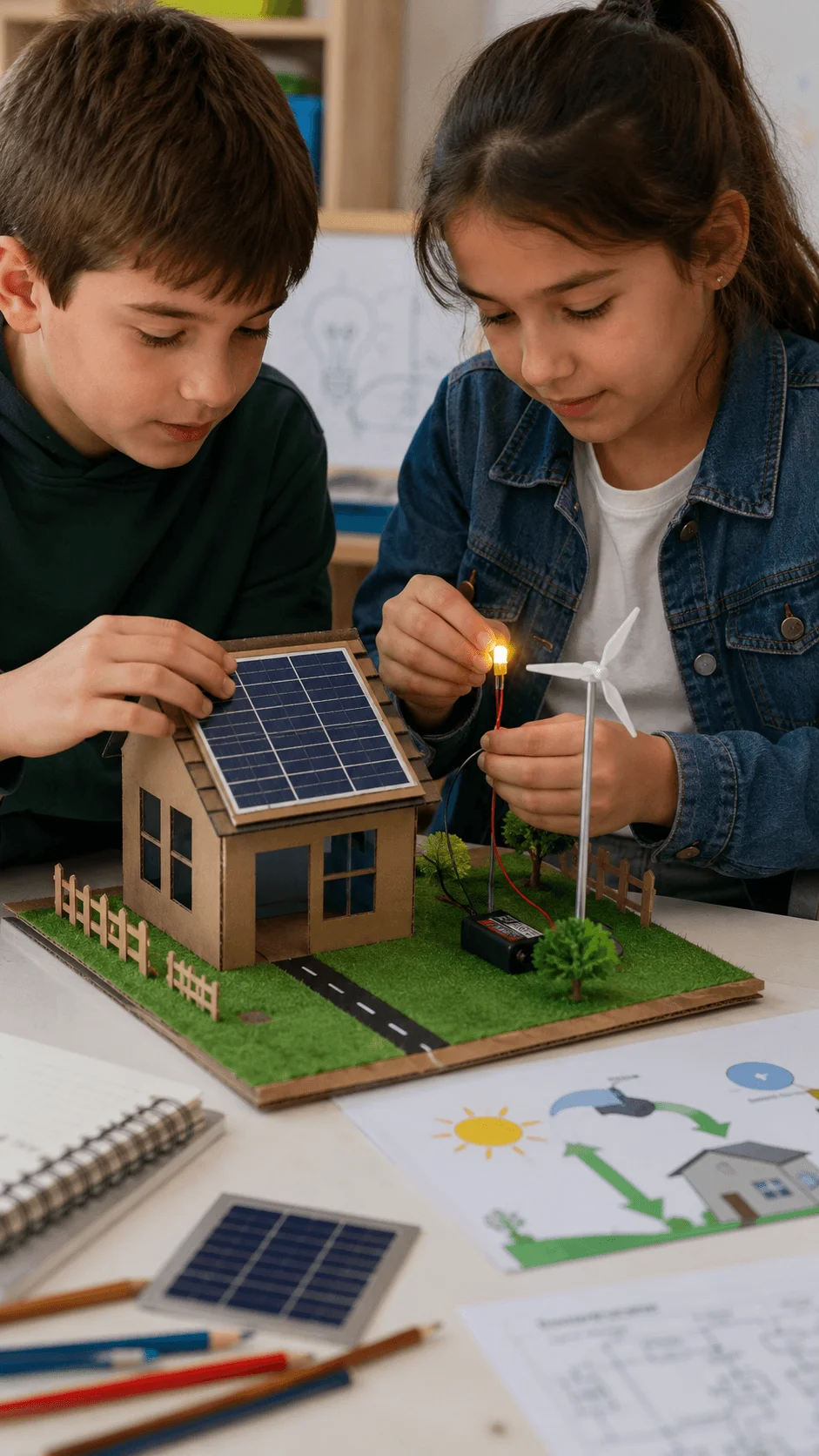
The activity also helps children understand why renewable energy matters. Fossil fuels create pollution and contribute to climate change, while renewable sources offer cleaner options for the future. Learning this difference helps children understand the importance of sustainable choices.
Teachers can turn solar projects into classroom competitions where students design creative energy solutions. They can explain their ideas and discuss how renewable technologies can improve communities.
Solar projects are especially valuable because they combine learning with imagination. Children are not only studying energy concepts but also thinking about how future cities and homes can become more environmentally friendly.
Smart Composting Activities for Children
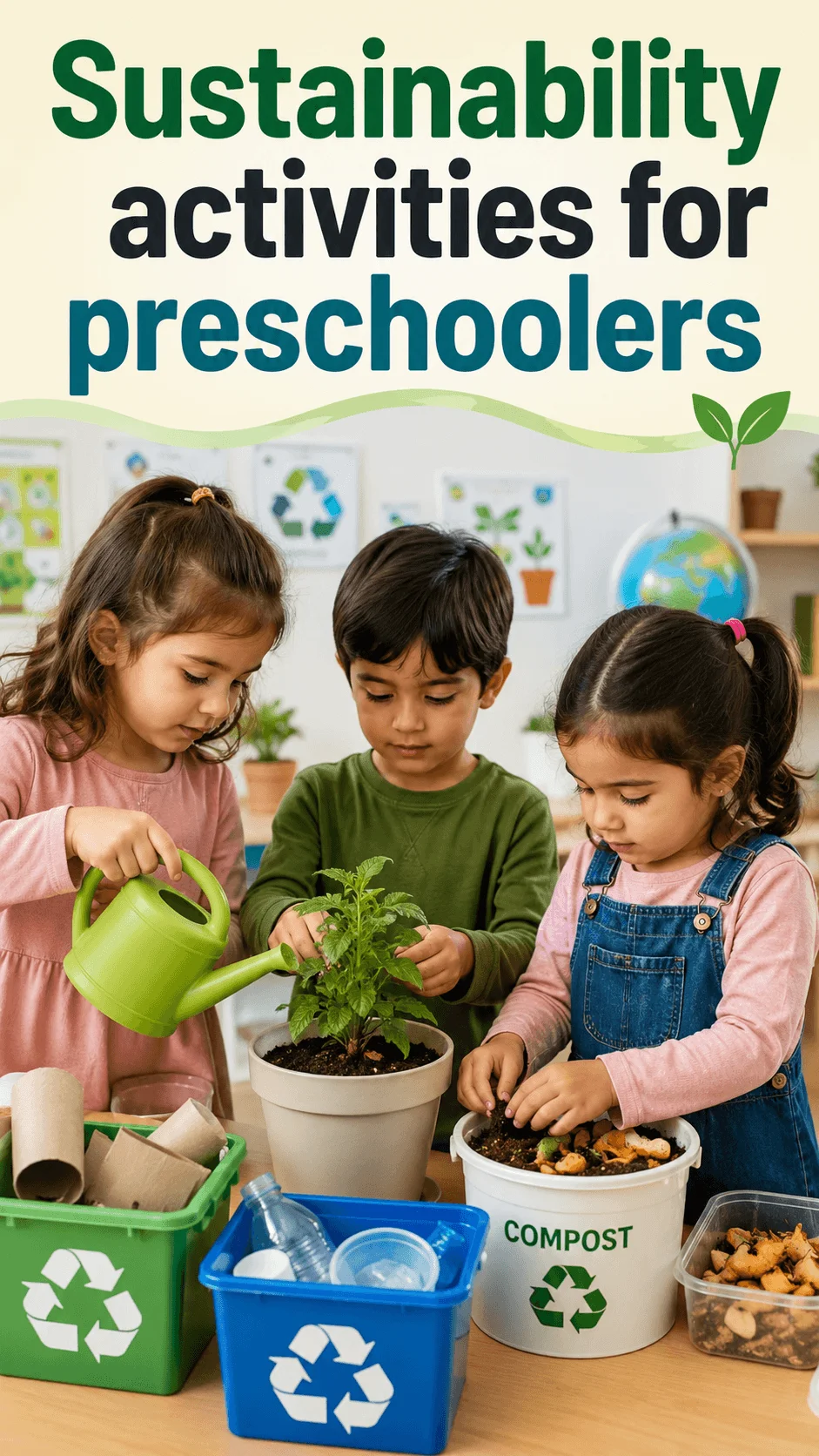
Food waste is a major environmental issue, but children can learn how natural systems recycle materials through smart composting activities. Composting projects help students understand how organic waste can become a valuable resource instead of ending up in landfills.
A smart composting project introduces children to the natural process of decomposition. They can create a small compost container using safe household materials and observe how food scraps, leaves, and other organic materials gradually break down into nutrient rich soil.
Unlike traditional composting activities, modern composting projects can include observation and tracking. Children can record changes in temperature, moisture, smell, and appearance over time. This encourages scientific thinking and helps them understand how microorganisms contribute to natural recycling.
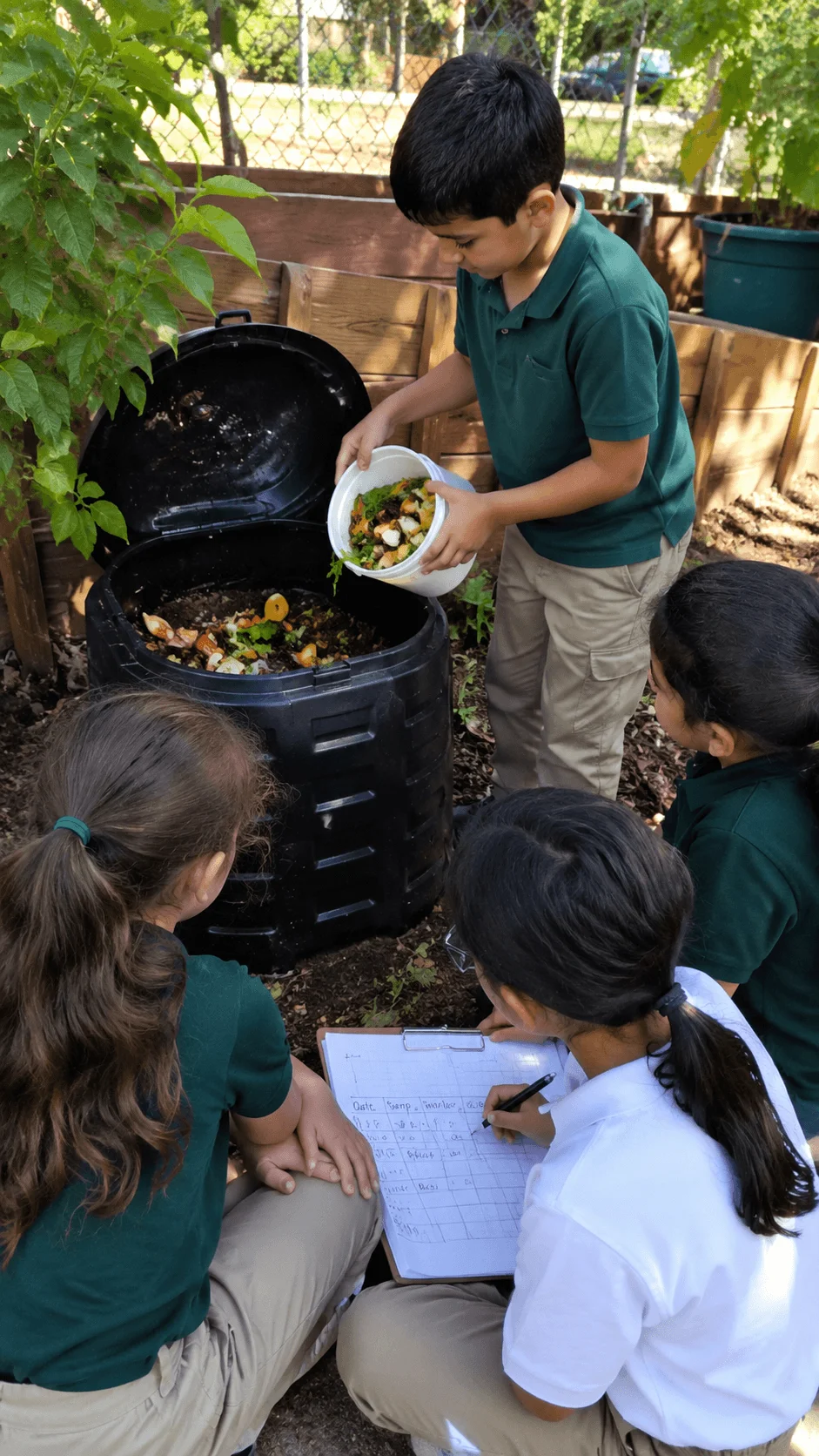
The project teaches children about the connection between food consumption and environmental impact. Many children do not realize that wasted food also wastes the water, energy, and resources used to produce it. Composting helps them understand how responsible choices can reduce environmental pressure.
Schools can introduce composting programs where students collect suitable food waste from classrooms and create a shared garden using the compost produced. This creates a complete learning cycle where children see how waste can support new plant growth.
Smart composting also develops responsibility because children must regularly care for the compost system. They learn that sustainability requires consistent actions rather than occasional efforts.
This activity is a valuable example of environmental science projects for kids because it combines biology, environmental awareness, and practical problem solving in one simple experience.
Biodiversity Projects for Children to Protect Nature
Protecting biodiversity has become an important part of sustainability education because healthy ecosystems depend on a wide variety of plants, insects, animals, and microorganisms. Biodiversity projects for children help young learners understand why every living organism has an important role in nature.
One creative activity is building small habitats for local wildlife. Children can create insect hotels using natural materials such as wood pieces, bamboo sections, and dry leaves. These structures provide safe spaces for beneficial insects such as bees and butterflies.
Children can also create bird feeding areas, observe local plants, or develop nature maps showing different species around their homes or schools. These activities encourage children to pay attention to the natural world around them.
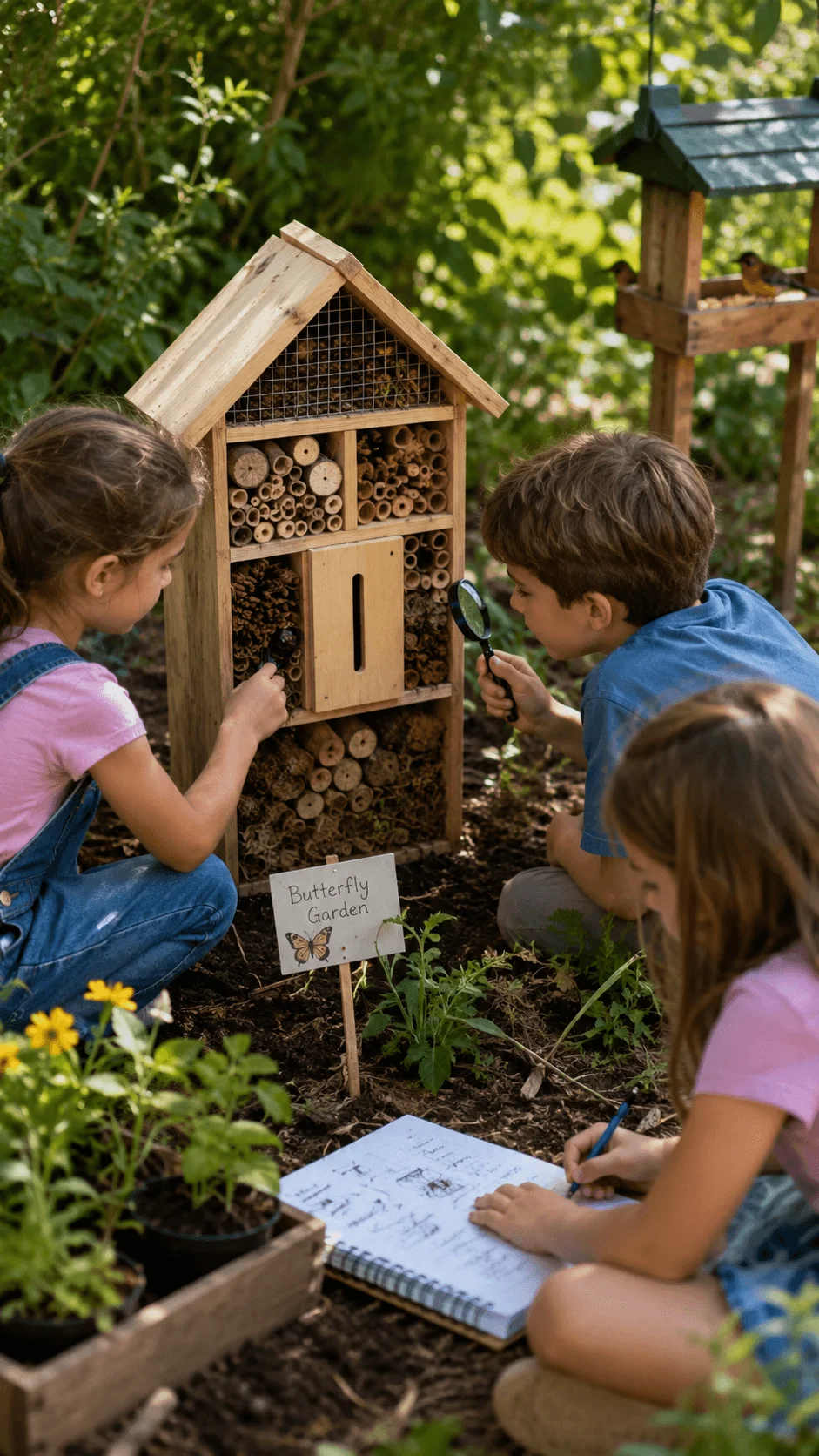
Biodiversity projects help children understand important environmental concepts such as pollination, food chains, and ecosystem balance. They learn that protecting small creatures can have a positive impact on larger environmental systems.
Teachers can expand this project by encouraging students to maintain observation journals. Children can record which birds, insects, and plants they discover over time. This turns a simple outdoor activity into a long term scientific investigation.
The project also develops emotional connections with nature. When children observe living organisms closely, they become more interested in protecting habitats and reducing activities that harm ecosystems.
These activities show children that environmental protection is not only about large global actions. Small efforts in local communities can contribute to preserving nature.
Rainwater Harvesting Model Project
Water conservation is becoming increasingly important as many regions experience changing weather patterns and water shortages. A rainwater harvesting model project helps children understand how communities can collect and manage water resources more effectively.
In this activity, children create a small model showing how rainwater can be collected from rooftops and stored for future use. They can use simple materials to demonstrate roofs, pipes, collection tanks, and filtration systems.
This project introduces children to the water cycle and explains why saving water is necessary. They learn that rainfall is a valuable resource that can be collected instead of wasted.
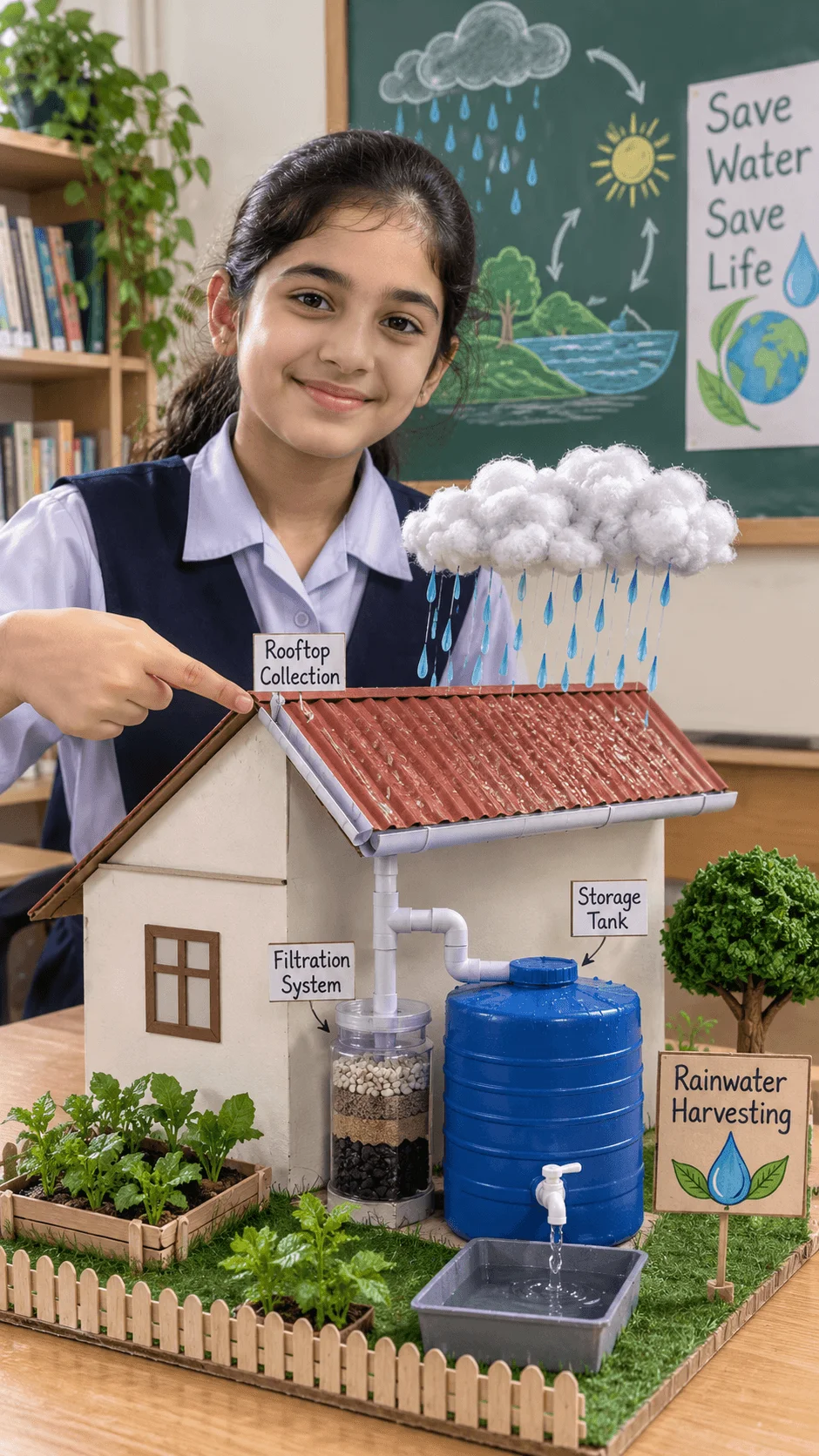
Children can explore how homes, schools, and communities can use rainwater harvesting systems for gardening, cleaning, and other purposes. They also learn how sustainable design can reduce pressure on natural water supplies.
Teachers can connect this project with geography and science lessons by explaining rainfall patterns, groundwater systems, and climate adaptation. Students can discuss how different communities around the world manage water challenges.
Rainwater harvesting models encourage children to think about future solutions. Instead of seeing water problems as impossible challenges, they begin to explore practical methods for managing resources responsibly.
Upcycled Fashion Design Challenge
The fashion industry creates significant waste, and children can learn about sustainable choices through creative upcycling activities. The upcycled fashion design challenge introduces the idea that old materials can become valuable products with creativity and imagination.
Children can use old clothes, fabric pieces, or unused materials to create new items such as bags, accessories, decorations, or redesigned clothing. The goal is not only to create something attractive but also to understand how reuse can reduce waste.
This activity teaches children about sustainable fashion and responsible consumption. They learn that buying new products is not always the only solution and that existing materials can often be transformed into something useful.
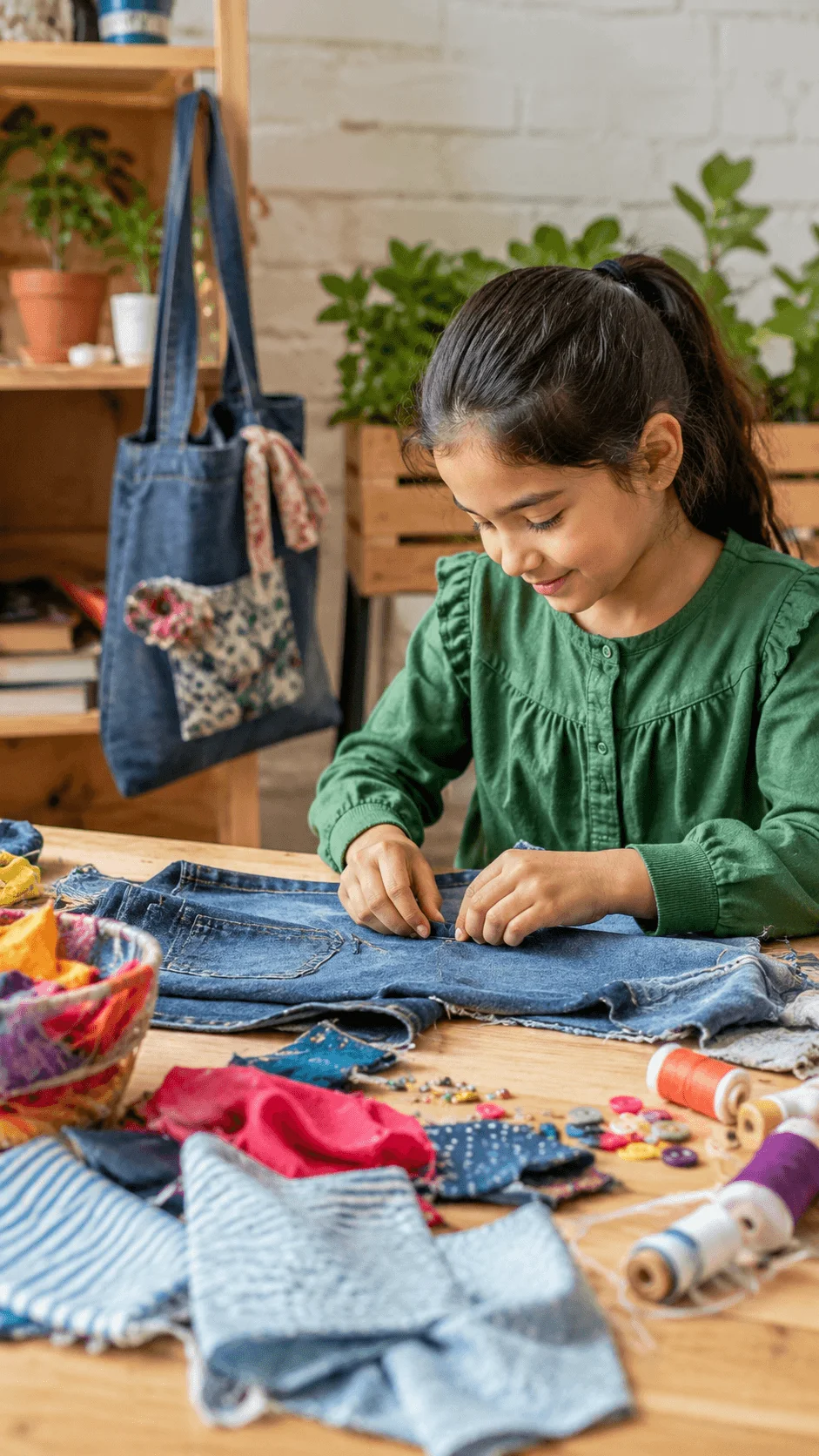
The project also encourages creativity because children must think differently about ordinary objects. A damaged shirt can become a new design, and leftover fabric can become a useful accessory.
Teachers can connect this activity with discussions about fast fashion, resource use, and environmental impact. Students can explore how clothing production requires water, energy, and raw materials.
Upcycled fashion projects are especially effective because children can immediately see the result of their efforts. They experience how creative thinking can contribute to environmental solutions.
Zero Waste Projects for Students
Reducing waste is one of the simplest ways children can contribute to sustainability. Zero waste projects for students help them understand how daily habits influence the amount of waste produced by families and communities.
A zero waste project can begin with a waste audit where students observe the materials they throw away during a normal day. They can identify common waste items and think about alternatives that create less environmental impact.
Children can explore solutions such as reusable lunch containers, refillable water bottles, recycling systems, and better food storage methods. These activities help students understand that preventing waste is often more effective than managing waste after it has been created.
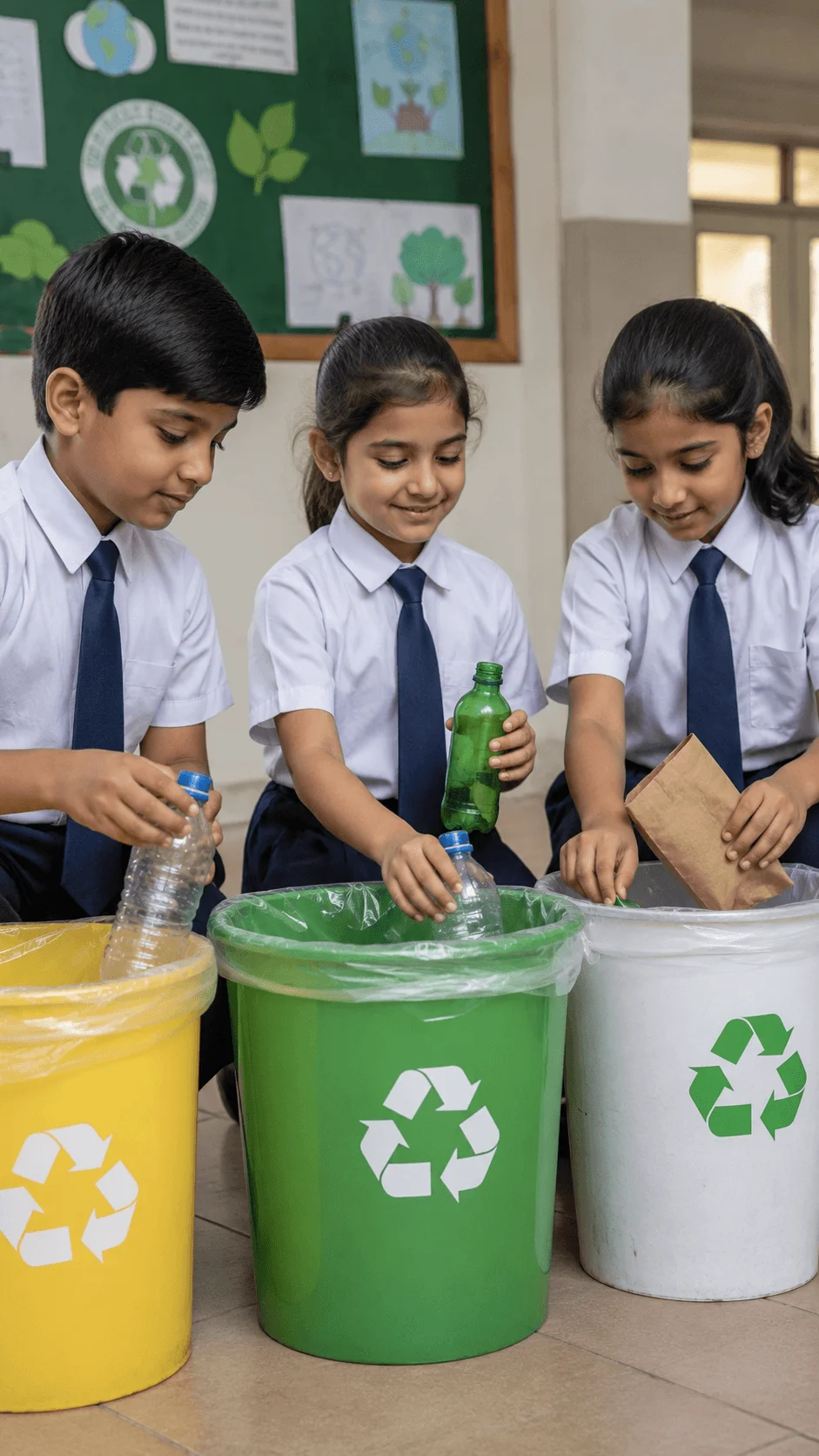
Schools can introduce zero waste challenges where students work together to reduce classroom waste. They can create awareness campaigns, improve recycling systems, and encourage responsible habits among classmates.
This project teaches children that sustainability is connected to everyday decisions. Simple choices such as avoiding unnecessary packaging or reusing materials can create meaningful environmental benefits.
Zero waste activities also encourage leadership because students can share their ideas with families and communities. Children become active participants in creating cleaner and healthier environments.
Environmental Science Projects for Kids
Science plays a major role in understanding environmental problems and developing solutions. Environmental science projects for kids allow children to explore sustainability through experiments, observation, and research.
Children can participate in activities such as creating natural dyes, testing water filtration methods, studying biodegradable materials, or comparing different recycling processes. These projects help students understand how scientific knowledge can solve real environmental challenges.
Water filtration experiments can teach children about clean water access and pollution prevention. Biodegradable material experiments help them understand why some products create less environmental harm than others.
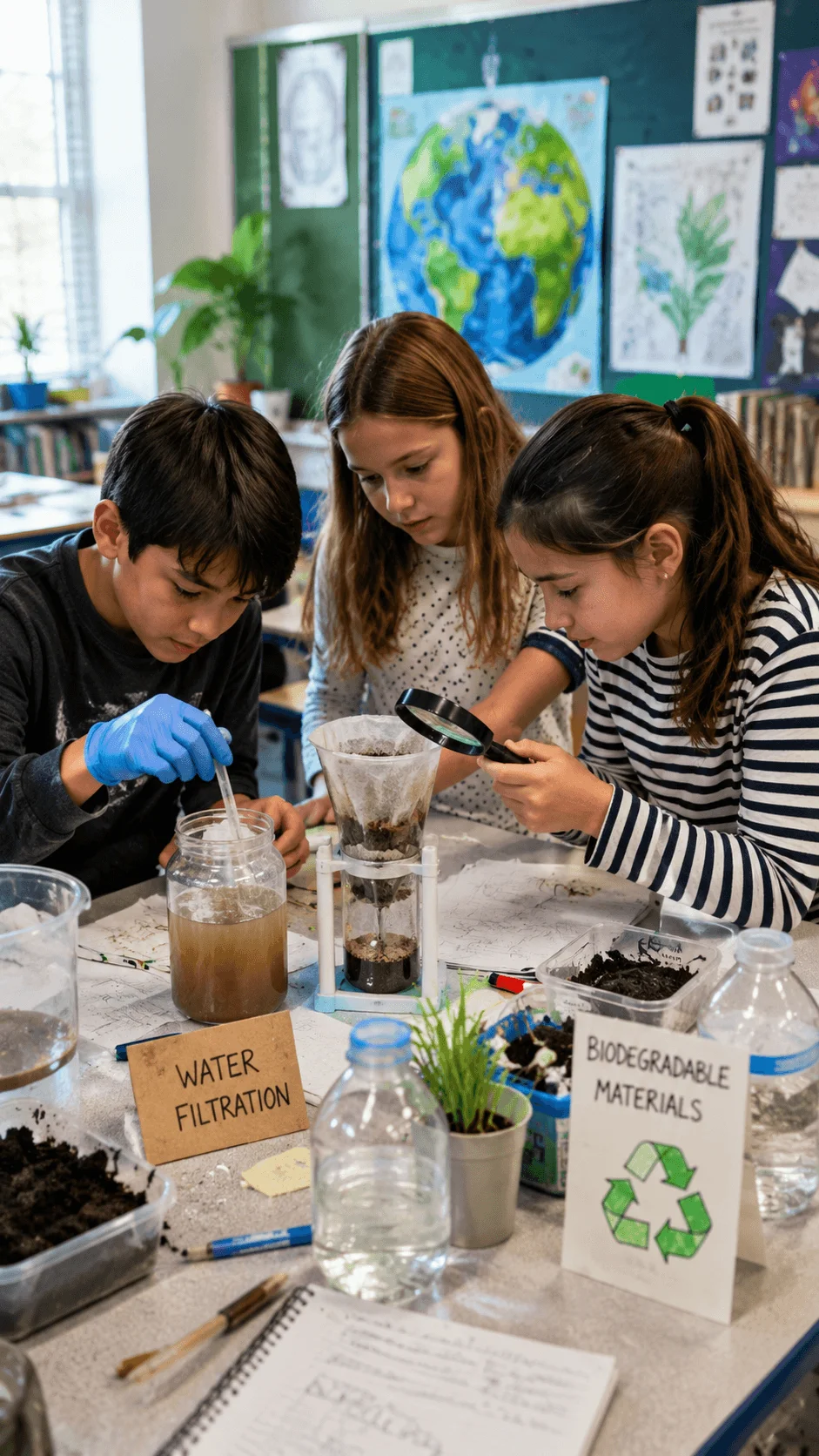
These projects encourage curiosity because children can ask questions, test ideas, and observe results. They learn that science is not only about memorizing information but also about discovering solutions.
Teachers can use these activities to connect classroom science with real world environmental issues. Students can understand how chemistry, biology, and physics influence sustainability.
Environmental science activities also prepare children for future careers in research, engineering, and environmental protection.
Climate Change Storytelling Activities for Children
Climate change can be a complex topic for children, but storytelling makes it easier to understand. Climate change activities for kids that involve creativity allow children to express ideas and communicate environmental messages.
Children can create stories, artwork, posters, videos, or presentations about climate challenges and possible solutions. Through storytelling, they learn how communication can inspire people to make positive changes.
This activity develops creativity while improving understanding of environmental issues. Children can explore topics such as changing weather patterns, protecting forests, reducing pollution, and conserving resources.
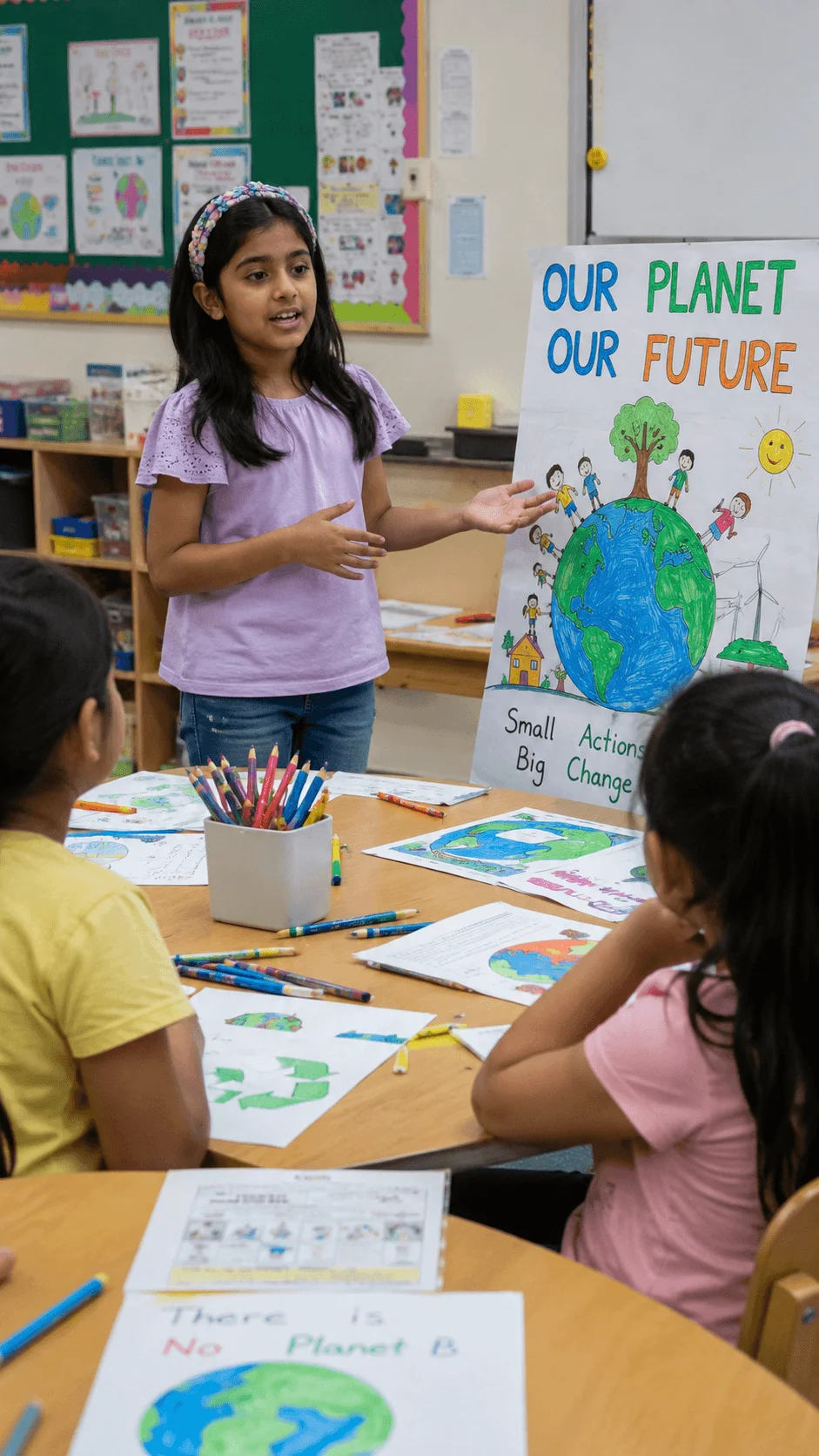
Teachers can encourage students to create stories about future communities where people use sustainable solutions. This allows children to imagine possibilities instead of only focusing on problems.
Storytelling also develops confidence because students share their ideas with others. They learn that their voices can contribute to environmental awareness.
Sustainable Innovation Projects for Students
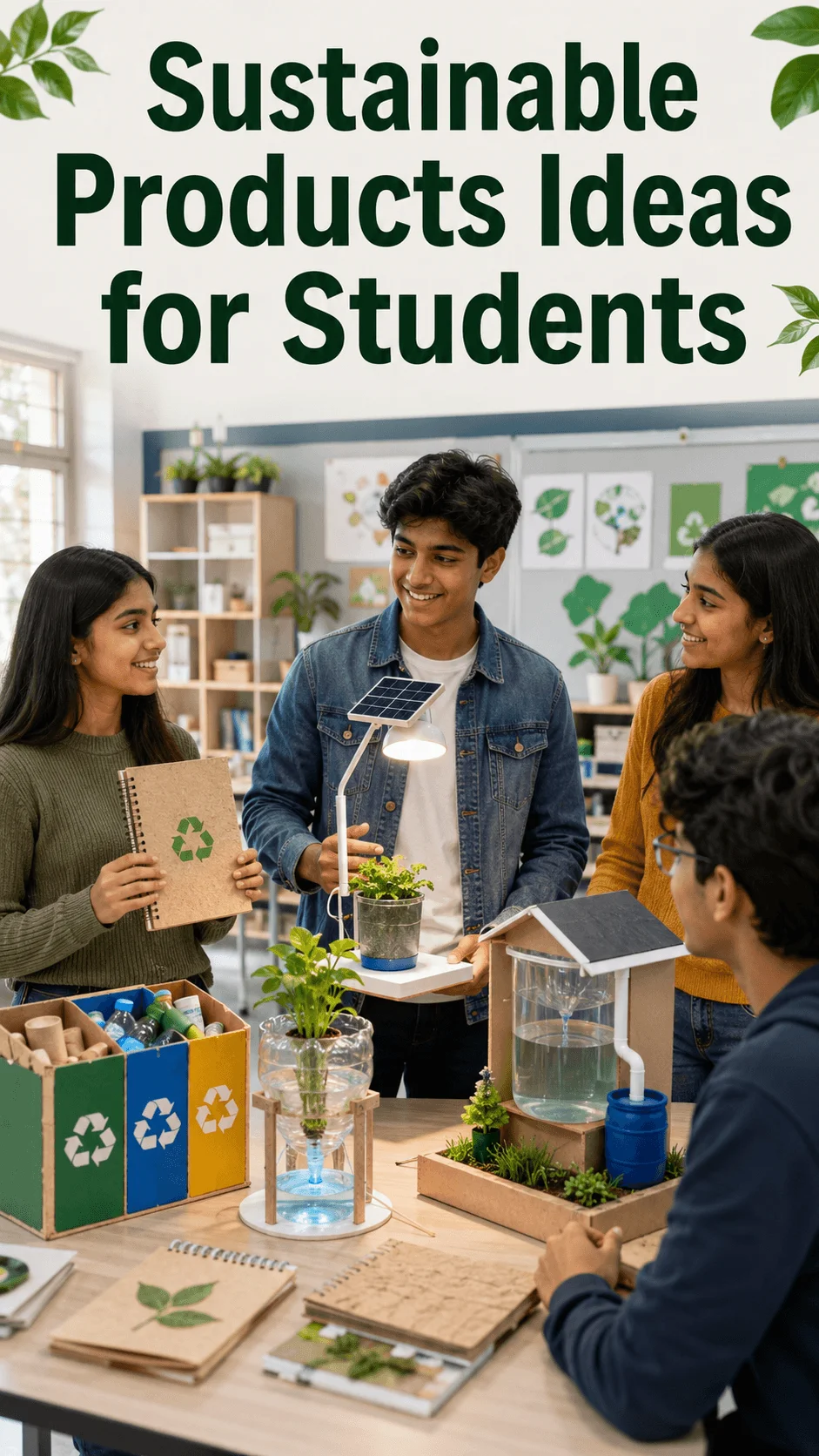
The future of sustainability depends on creative thinkers who can design new solutions. Sustainable innovation projects for students encourage children to identify environmental problems and develop ideas to solve them.
In this project, students choose a challenge such as plastic waste, energy consumption, water conservation, or pollution. They then design a possible solution using research and creativity.
Children can create models, drawings, presentations, or simple prototypes. The focus is not only on creating a perfect invention but on developing problem solving skills.
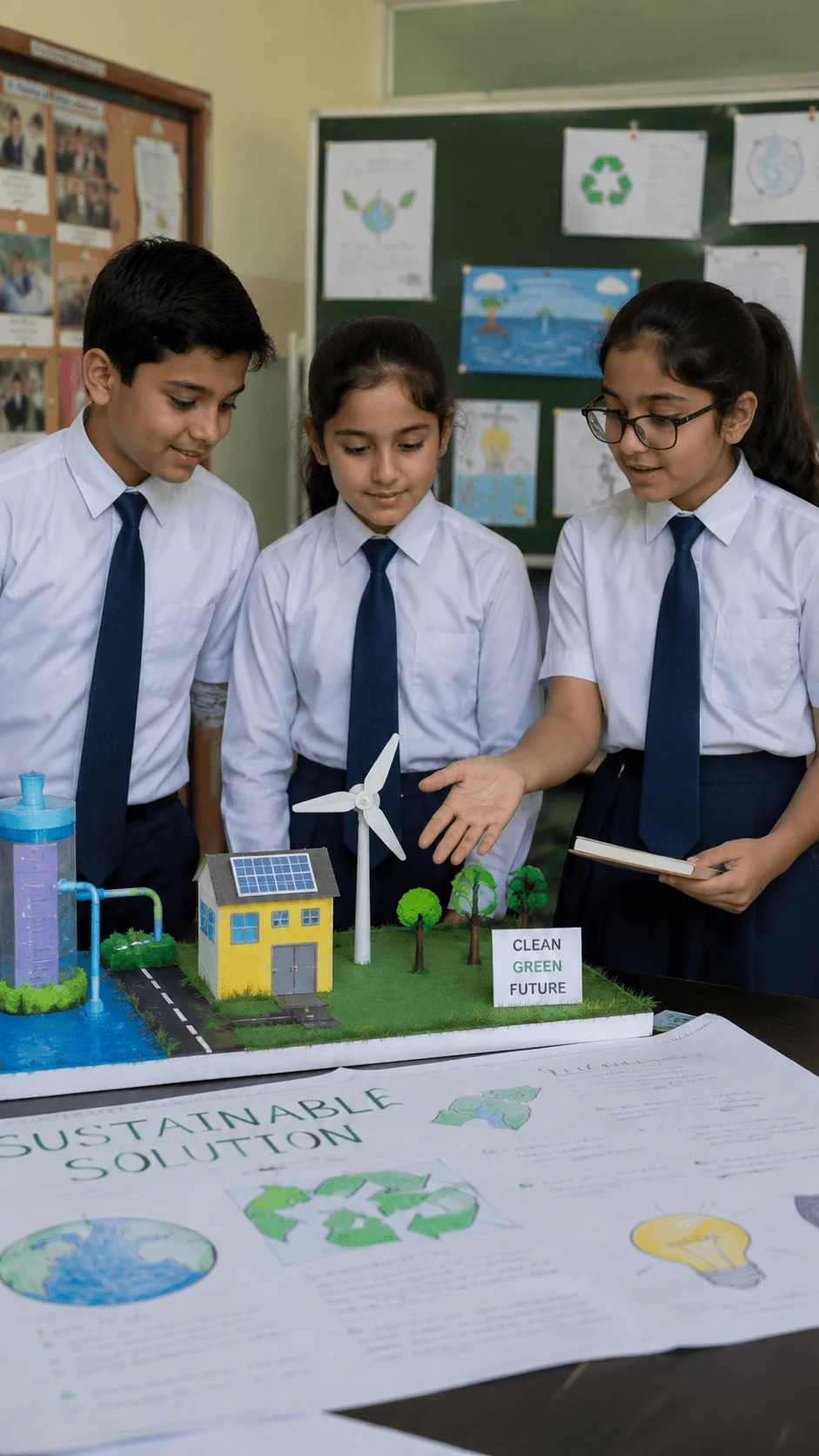
This activity represents the future direction of sustainability education because it encourages children to become innovators. Instead of only learning about environmental problems, they practice designing solutions.
Schools can organize innovation exhibitions where students present their ideas to classmates, teachers, and families. Such events encourage collaboration and confidence.
Sustainable innovation projects help children understand that every environmental challenge can inspire creative thinking and positive action.
How Schools Can Use Green Living Activities for Kids
Schools play an important role in developing environmental awareness because they provide children with opportunities to learn together. Green living activities for kids can become part of science lessons, environmental clubs, and community programs.
Teachers can include sustainability projects in classroom activities where students explore real problems and create solutions. These projects make learning more practical and help students understand the importance of environmental responsibility.
Schools can also organize sustainability exhibitions where children present gardening projects, renewable energy models, recycling ideas, and environmental research. These events encourage students to share knowledge and inspire others.
Project based learning creates stronger connections because students actively participate instead of only listening. When children see the results of their efforts, sustainability becomes a meaningful experience rather than just a lesson.
How Parents Can Support Eco Friendly Projects for Kids at Home
Parents have an important role in helping children develop sustainable habits. Simple actions at home can strengthen the lessons children learn through school projects.
Families can encourage gardening, recycling, energy saving, and responsible consumption. Parents can involve children in everyday activities such as separating waste, caring for plants, and reducing unnecessary resource use.
The most effective approach is making sustainability enjoyable. Children learn better when activities feel like exploration rather than strict rules.
By supporting environmental learning at home, parents help children understand that sustainability is part of daily life.
Benefits of Sustainability Activities for Children
Sustainability activities provide children with skills that extend beyond environmental knowledge. They improve creativity, curiosity, teamwork, and decision making abilities.
Through these projects, children learn how their actions influence the world around them. They become more aware of resources and develop habits that support a healthier planet.
These activities also prepare children for future challenges. As environmental issues become more important, young people with sustainability knowledge and problem solving skills will play a valuable role in creating solutions.
Conclusion
The future of environmental protection depends on the choices and ideas of younger generations. Teaching children through practical activities creates stronger awareness than simply explaining environmental problems. Sustainable living projects for kids provide opportunities for children to explore nature, technology, science, and creativity while developing responsible habits.
From indoor gardens and renewable energy experiments to biodiversity activities and innovation challenges, these projects show children that sustainability is not only a responsibility but also an opportunity to create positive change. Each activity encourages curiosity and helps children understand that small actions can contribute to larger environmental improvements.
Parents and teachers can use these ideas to make sustainability education more engaging and meaningful. When children participate in hands on learning, they develop confidence and become more connected with the environment.
By introducing these activities at an early age, communities can help create a generation that understands environmental challenges and actively searches for solutions. Sustainable living projects for kids are not just educational activities; they are investments in a cleaner, healthier, and more sustainable future.