Sustainable Urban Design Concepts 2026
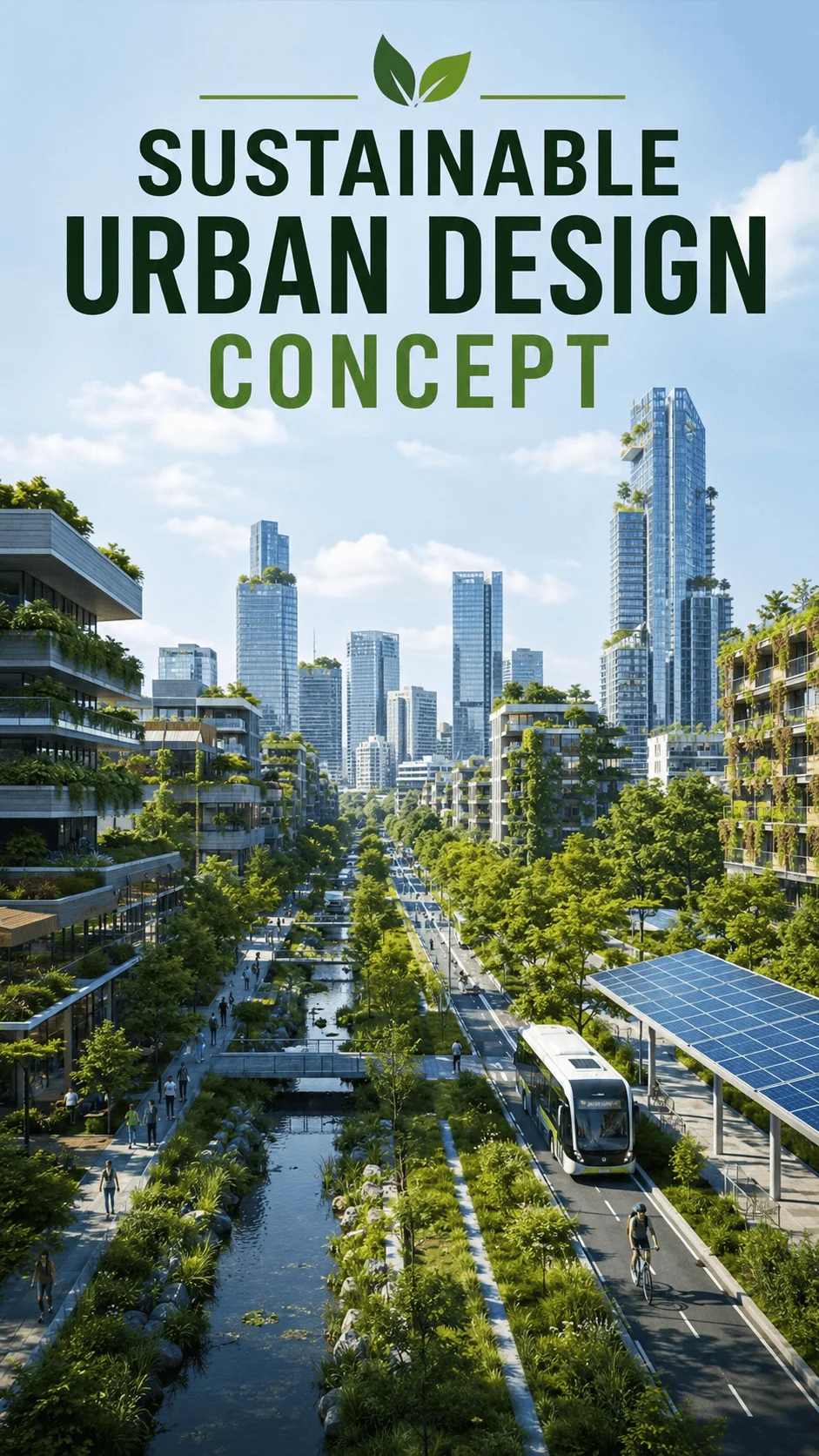
Sustainable urban design concepts 2026 are shaping a new vision for cities where environmental responsibility, human wellbeing, and smart technology work together. As urban populations continue to grow, planners and designers are focusing on smarter, greener, and more adaptive solutions. This shift is not just about reducing environmental damage but about creating cities that actively improve quality of life. Sustainable urban design concepts 2026 highlight how modern cities can become efficient, resilient, and future ready while staying deeply connected to people and nature.
Sponge Cities and Water Sensitive Urban Design
Sponge cities represent one of the most practical approaches in sustainable urban design concepts 2026. Instead of directing rainwater away through drainage systems, cities absorb and store it using natural and engineered solutions. Green roofs, permeable roads, and urban wetlands allow water to flow naturally into the ground.
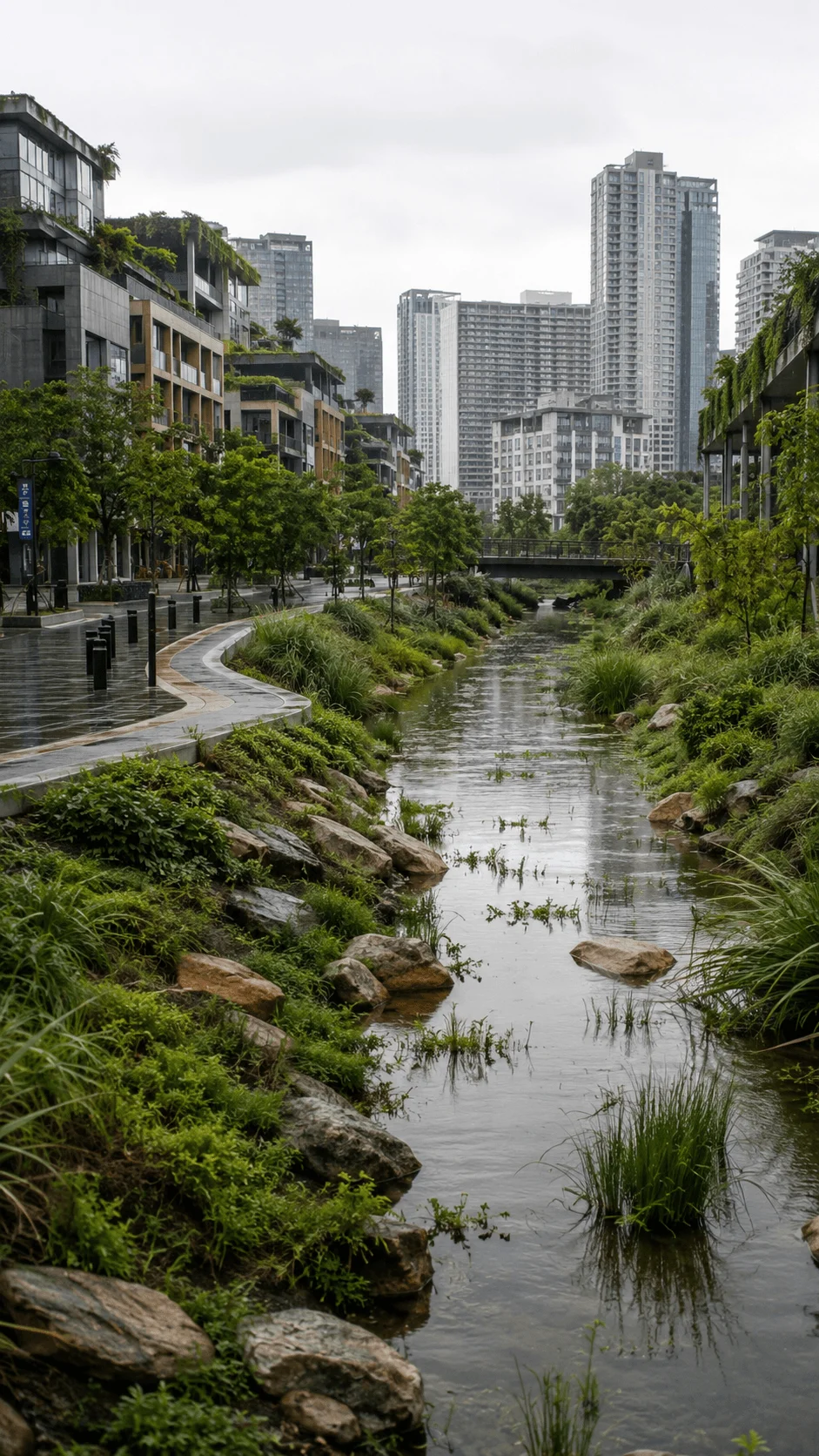
This concept improves water management while reducing flood risks. It also supports vegetation and enhances urban ecosystems. In regions facing both water scarcity and flooding, sponge city strategies provide a balanced solution. Cities adopting this approach create healthier environments and reduce long term infrastructure pressure.
AI Driven Planning and Digital Twin Cities
Smart technology plays a central role in sustainable urban design concepts 2026. Digital twin cities use virtual models to simulate real world conditions. Urban planners analyze traffic, energy use, and environmental impact before making decisions.
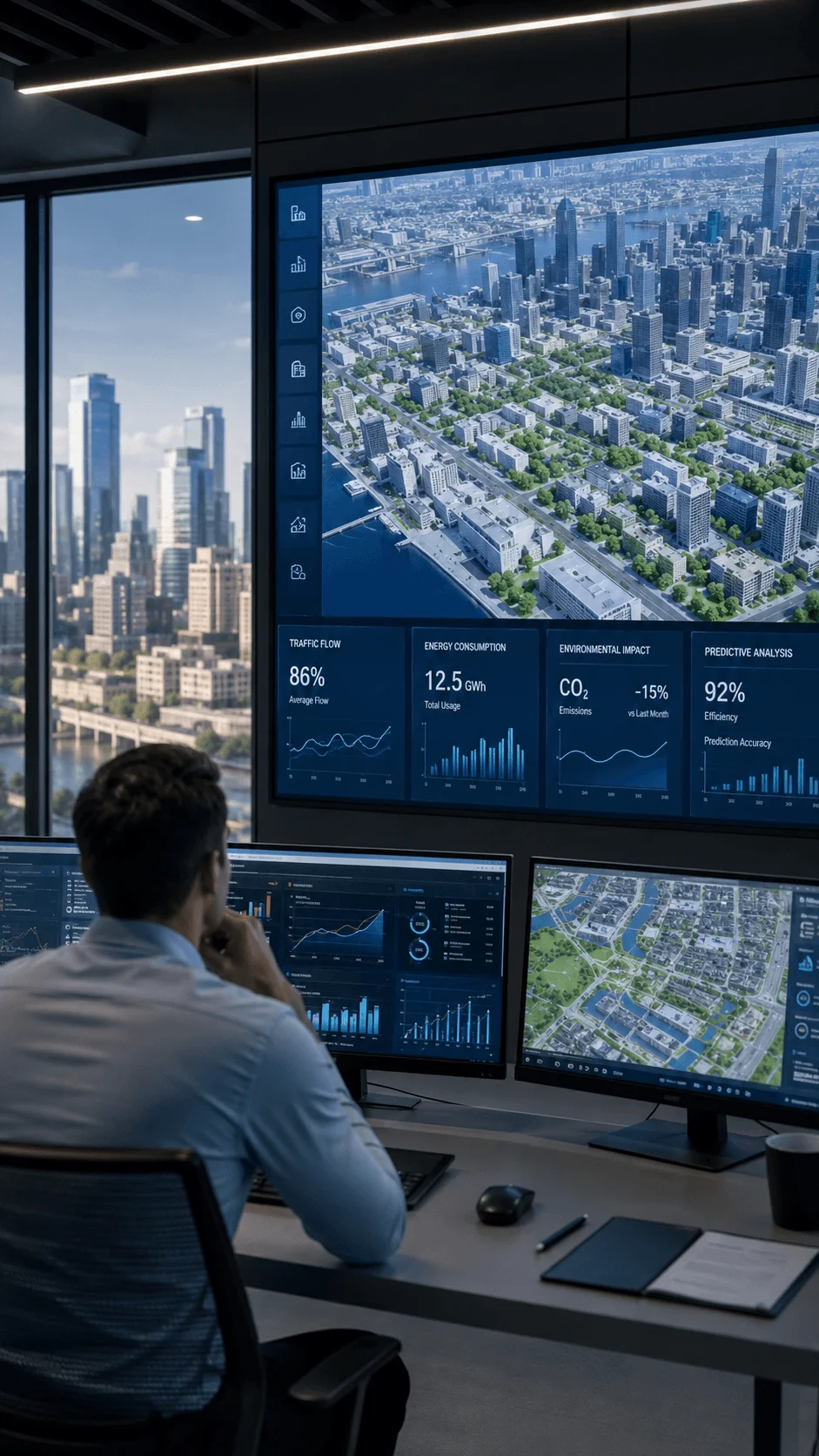
Artificial intelligence helps cities respond quickly to changing conditions. Instead of reacting to problems, planners can predict and prevent them. This approach increases efficiency and reduces waste. As cities become more complex, AI driven planning offers a powerful tool for sustainable growth.
Neuro Urbanism and Human Centered City Design
Human wellbeing has become a key focus in sustainable urban design concepts 2026. Neuro urbanism studies how urban environments affect mental health. Designers now create spaces that promote calmness, focus, and social interaction.
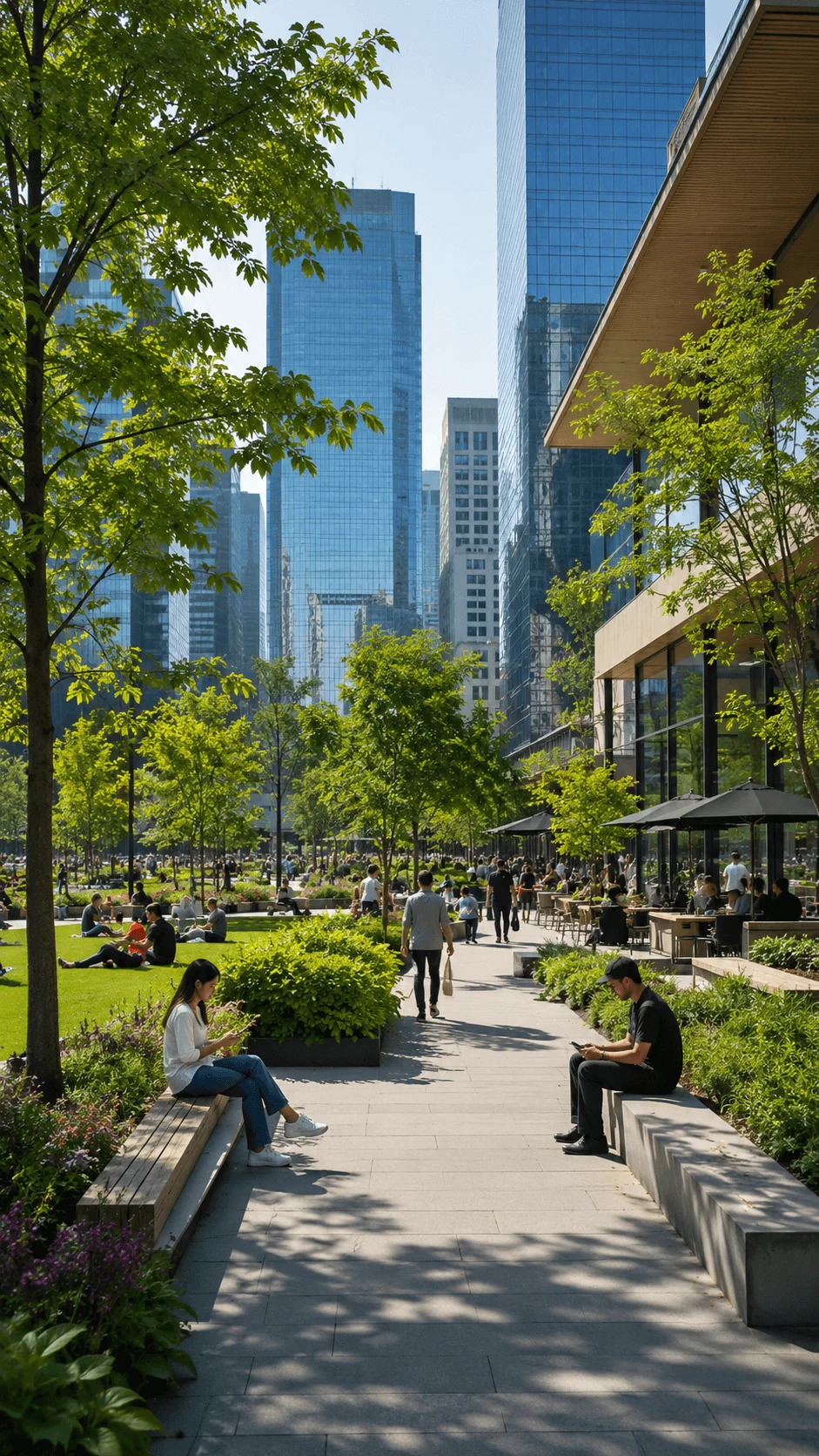
Natural light, greenery, and open spaces play an important role in this concept. Cities that prioritize mental wellbeing often see improved productivity and stronger communities. This approach ensures that urban development supports both physical and emotional health.
15 Minute Cities and Local Living Models
The idea of local living stands at the core of sustainable urban design concepts 2026. The 15 minute city model ensures that essential services remain within easy reach. Residents can access workplaces, schools, and daily needs within a short distance.
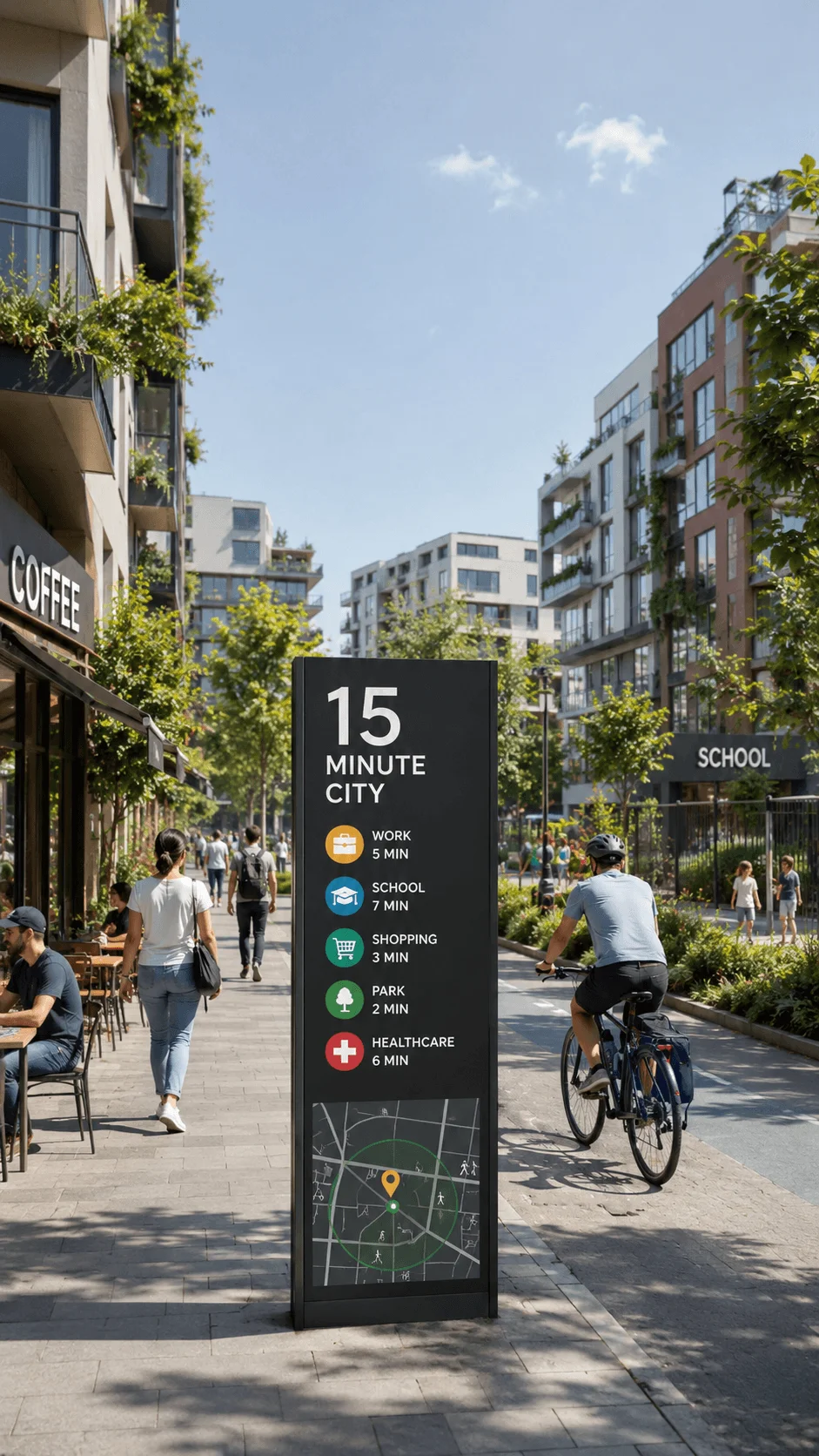
This reduces reliance on cars and lowers pollution levels. It also strengthens local communities by encouraging interaction within neighborhoods. Cities that follow this model become more efficient and enjoyable to live in.
Flexible Urban Planning and Post Zoning Development
Modern cities require flexibility, and sustainable urban design concepts 2026 reflect this need. Post zoning development removes rigid boundaries between residential, commercial, and industrial areas. Mixed use spaces allow people to live, work, and socialize in one area.
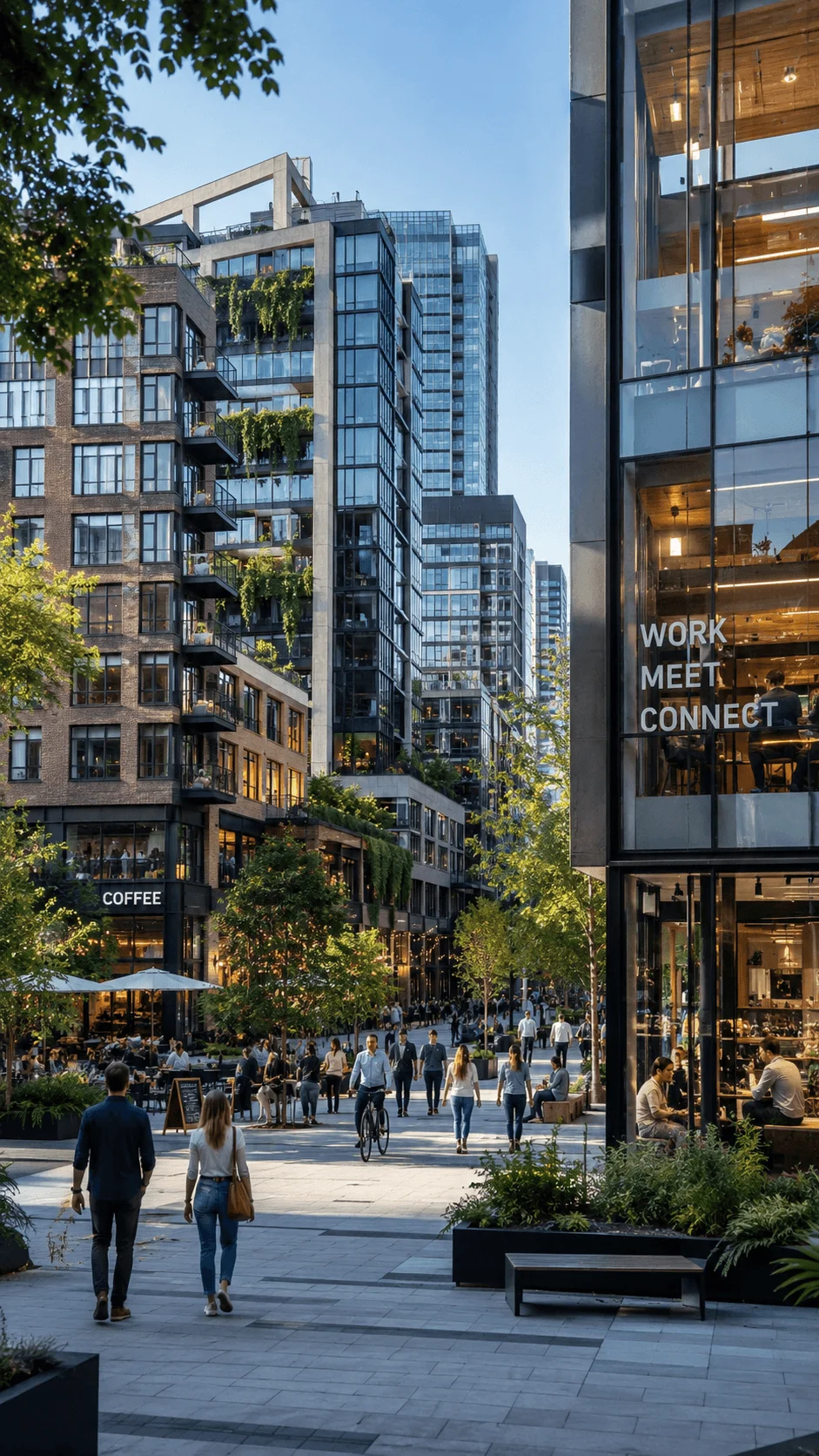
This approach reduces commuting and supports local economies. It also allows cities to adapt quickly to changing needs. Flexible planning creates dynamic urban environments that evolve over time.
Circular City Design and Resource Efficiency
Circular systems form a strong foundation in sustainable urban design concepts 2026. Instead of following a linear model of use and disposal, cities reuse and recycle materials. Buildings use modular components that can be repaired or replaced easily.
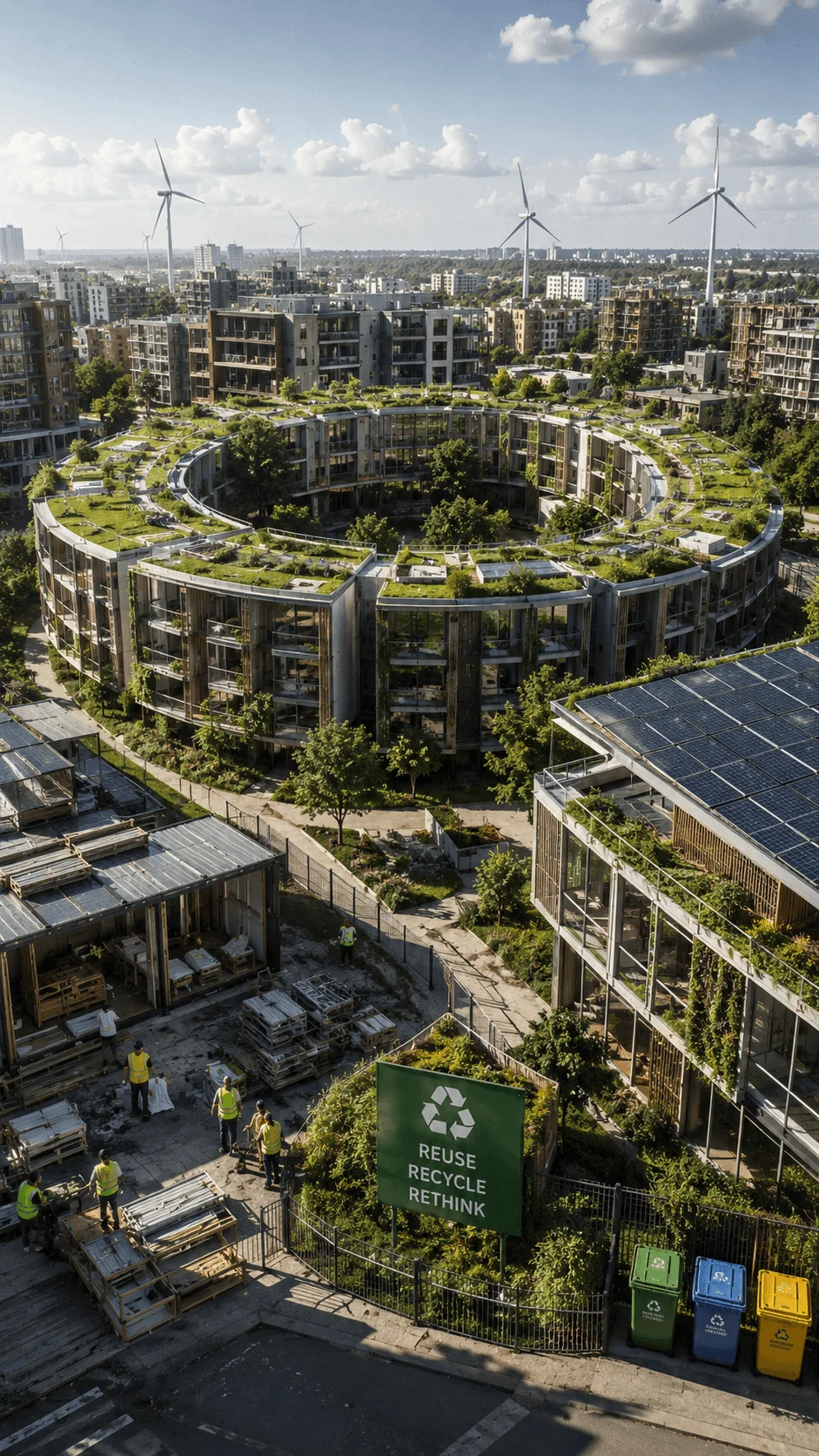
This reduces waste and extends the lifespan of infrastructure. It also lowers construction costs over time. Circular design supports long term sustainability while maintaining economic efficiency.
Climate Adaptive Infrastructure and Resilient Cities
Climate resilience is a major priority in sustainable urban design concepts 2026. Cities now face extreme weather conditions, including heatwaves and floods. Infrastructure must adapt to these challenges.
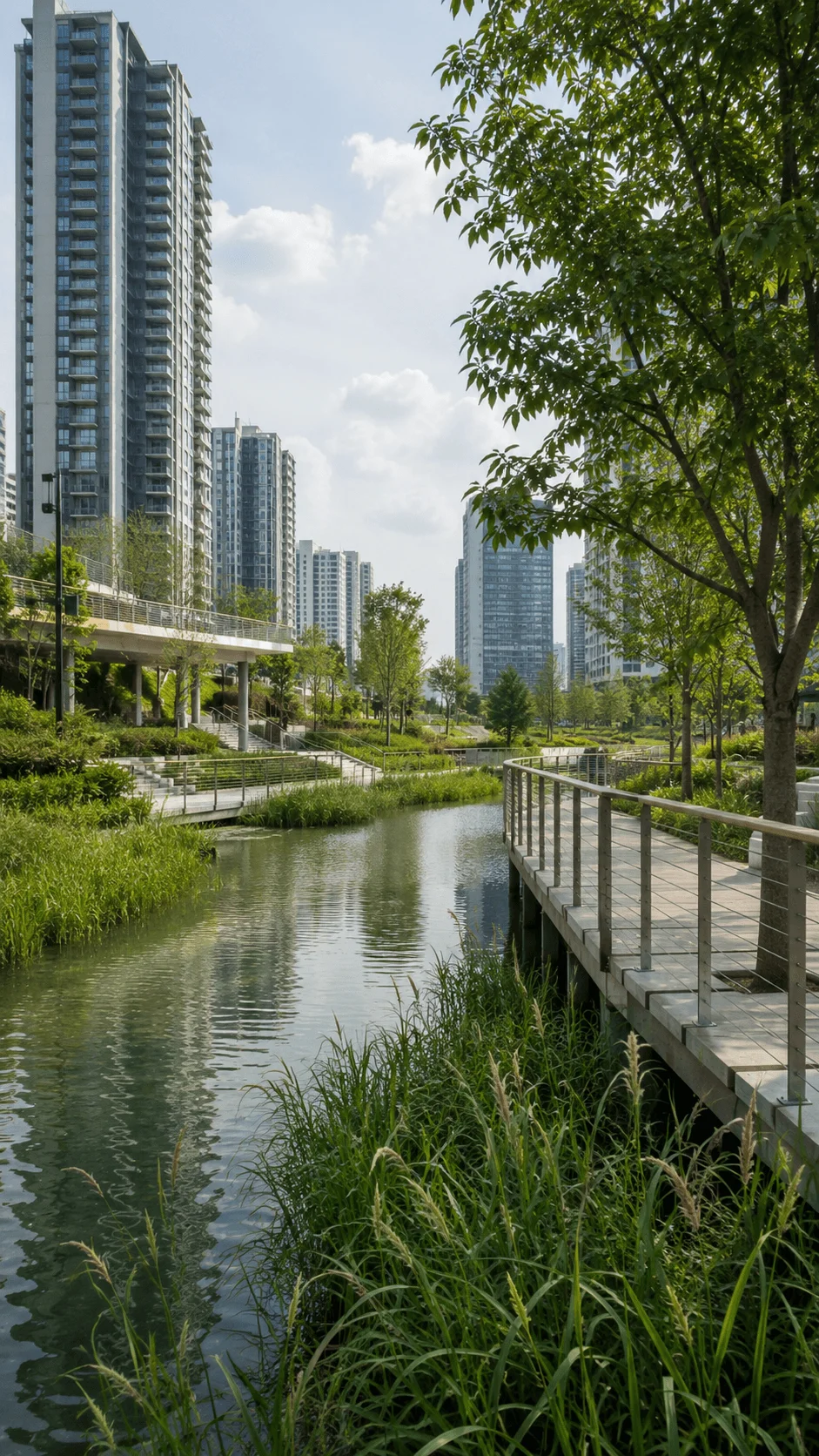
Designers use heat resistant materials, flood safe structures, and smart layouts to protect urban areas. These strategies ensure that cities remain functional during environmental stress. Resilient infrastructure protects both people and investments.
Passive Cooling Strategies in Modern Urban Design
Energy efficiency plays a critical role in sustainable urban design concepts 2026. Passive cooling reduces the need for mechanical systems by using natural airflow and shading techniques. Designers use building orientation, vegetation, and reflective materials to manage temperature.
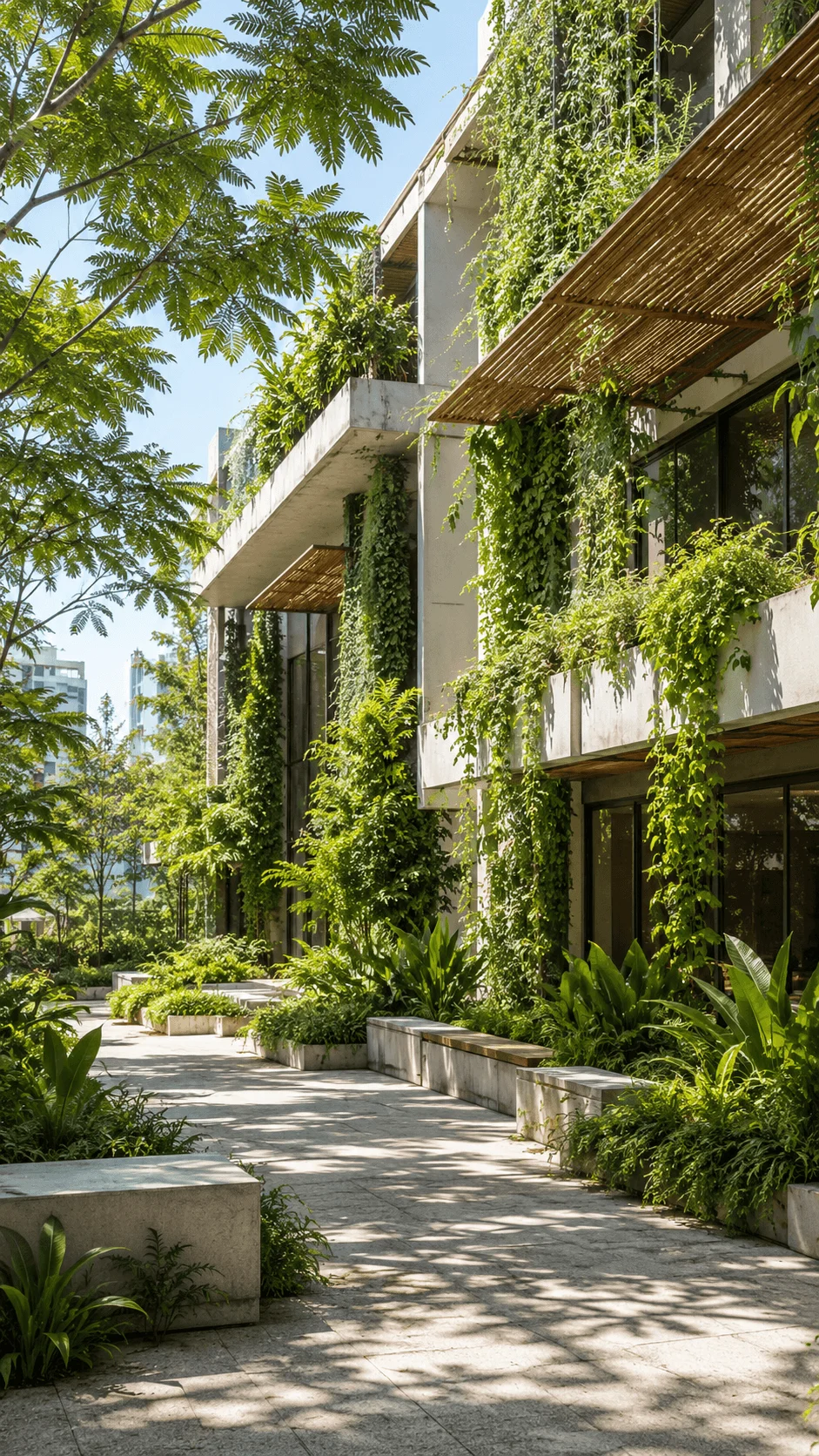
This approach works especially well in hot climates. It lowers energy consumption and reduces environmental impact. Cities that adopt passive cooling create more comfortable and sustainable living conditions.
Net Zero Districts and Energy Positive Communities
Energy systems continue to evolve within sustainable urban design concepts 2026. Net zero districts generate as much energy as they consume. Solar panels, wind energy, and smart grids support local energy production.
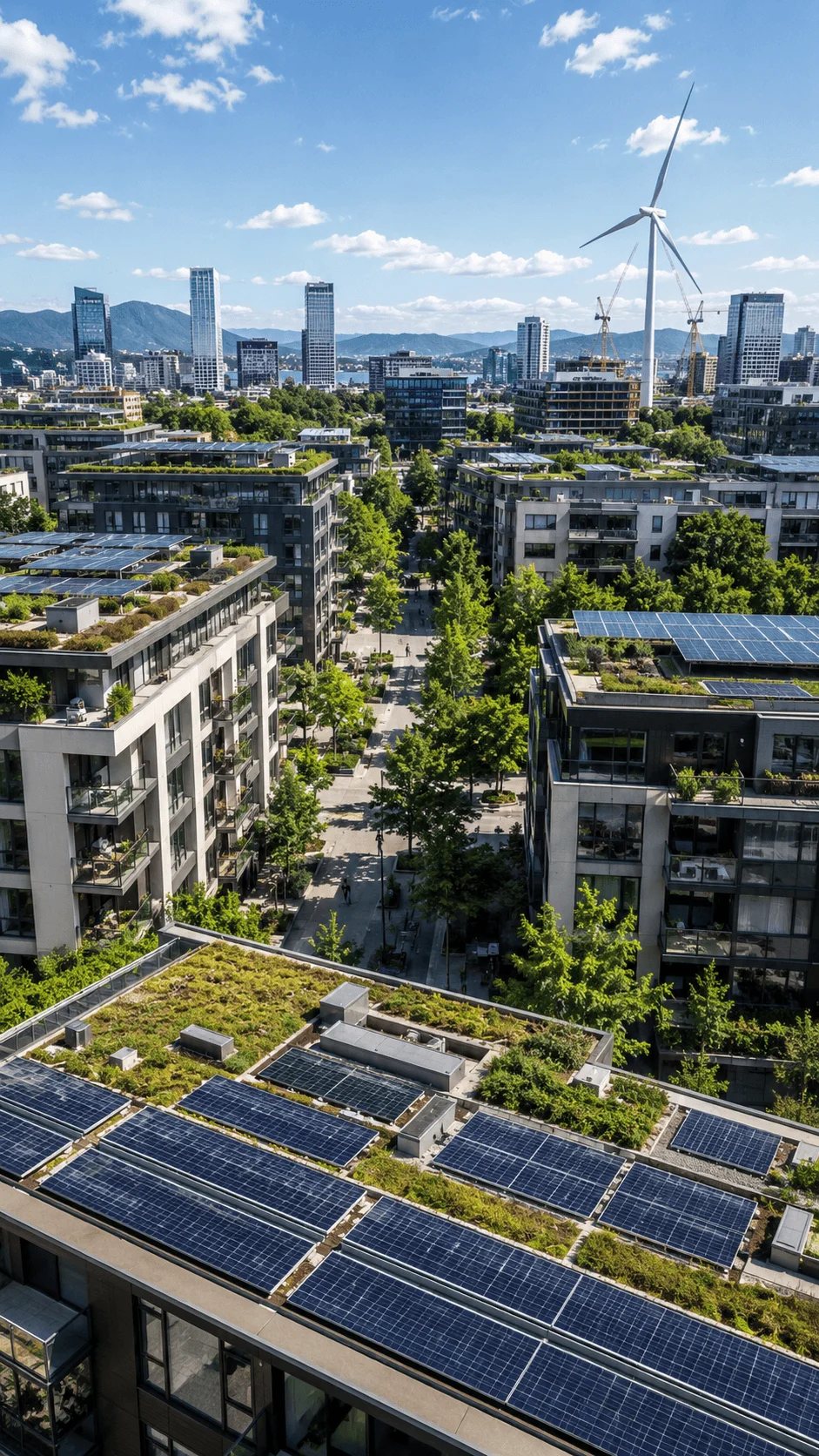
Efficient building design reduces energy demand. Smart systems manage distribution to avoid waste. This creates a balanced and self sufficient energy system that supports long term sustainability.
Walkable Cities and People First Streets
Urban mobility is changing under sustainable urban design concepts 2026. Walkable cities prioritize people over vehicles. Streets become safer and more accessible, encouraging walking and cycling.
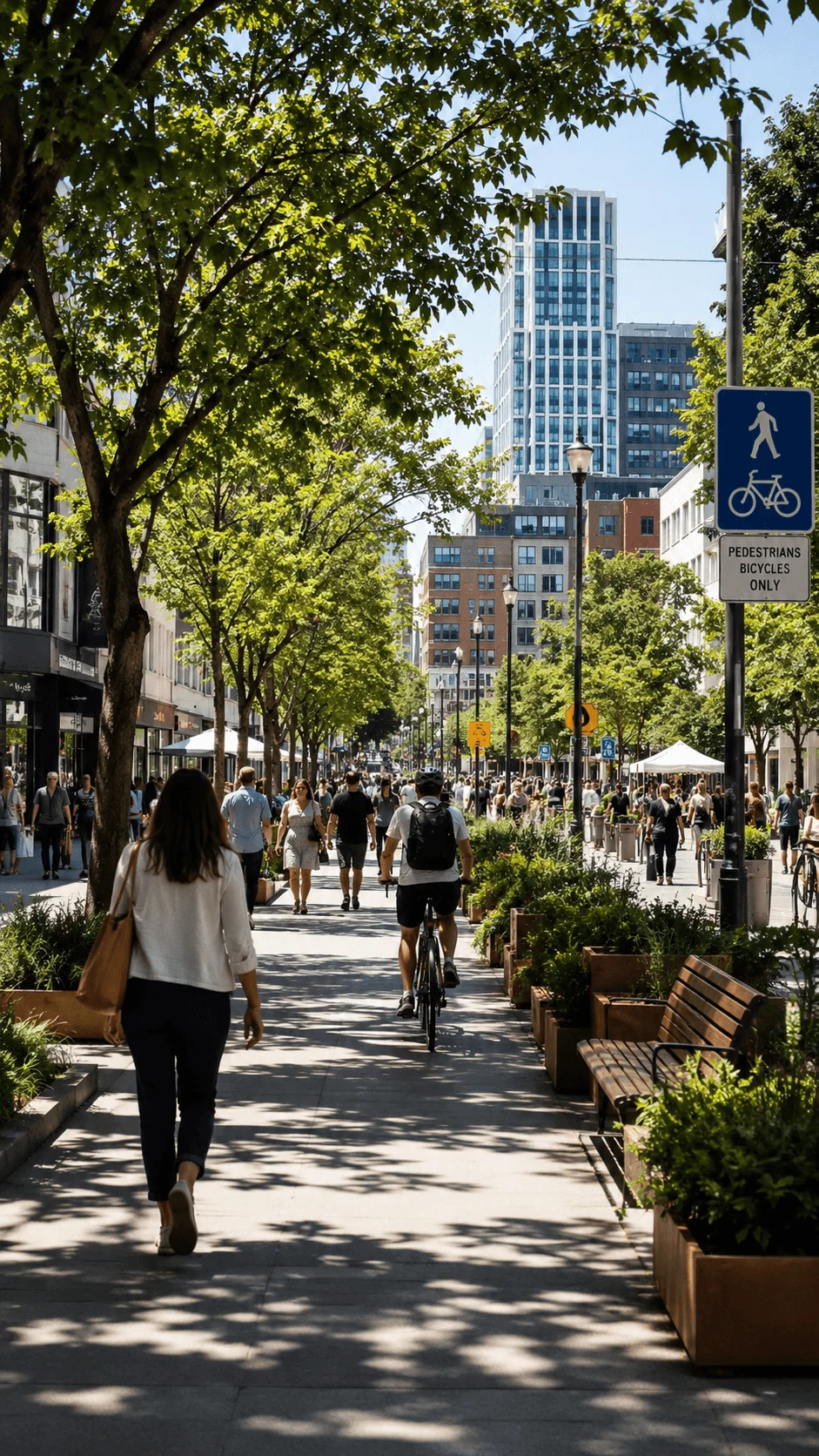
This shift improves public health and reduces pollution. It also creates lively public spaces where communities can interact. Walkability transforms cities into more inclusive and engaging environments.
Placekeeping and Cultural Identity in Urban Spaces
Cultural preservation plays an important role in sustainable urban design concepts 2026. Placekeeping focuses on maintaining the identity of communities. Instead of replacing existing environments, cities enhance what already exists.
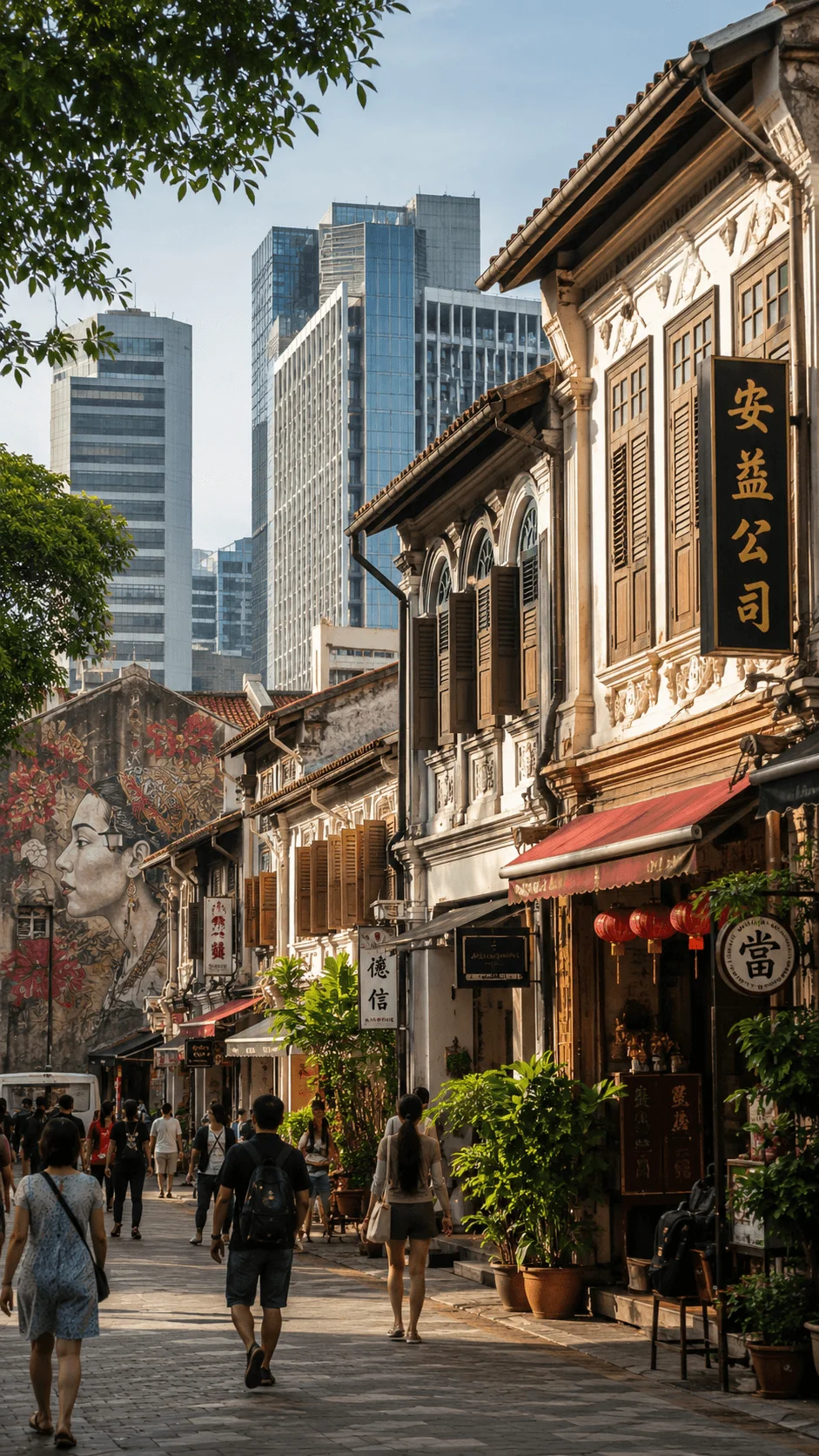
Historic buildings, local businesses, and traditions remain central to development. This approach ensures that growth does not erase cultural heritage. Cities that value placekeeping create stronger and more meaningful connections with residents.
Urban Biodiversity and Green Infrastructure
Nature plays a key role in sustainable urban design concepts 2026. Urban biodiversity integrates green spaces and natural systems into city environments. Parks, green corridors, and native plants support ecological balance.
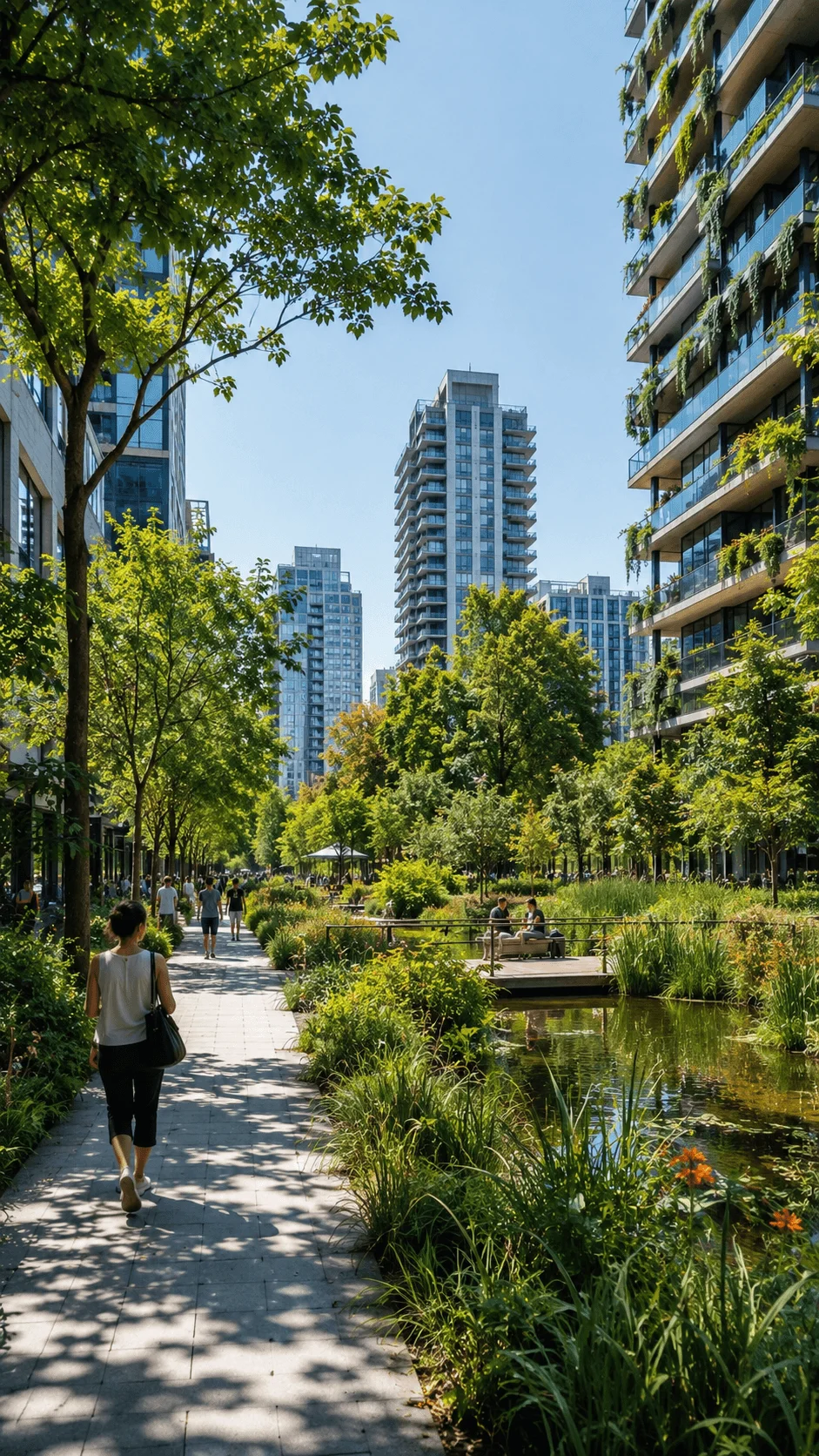
This improves air quality and reduces heat levels. It also provides spaces for recreation and relaxation. Cities that embrace biodiversity create healthier and more attractive environments.
Climate Migration and Future Urban Planning
Population movement due to climate change is influencing sustainable urban design concepts 2026. Cities must prepare for new residents while maintaining infrastructure stability. Planning must include housing, transportation, and essential services.
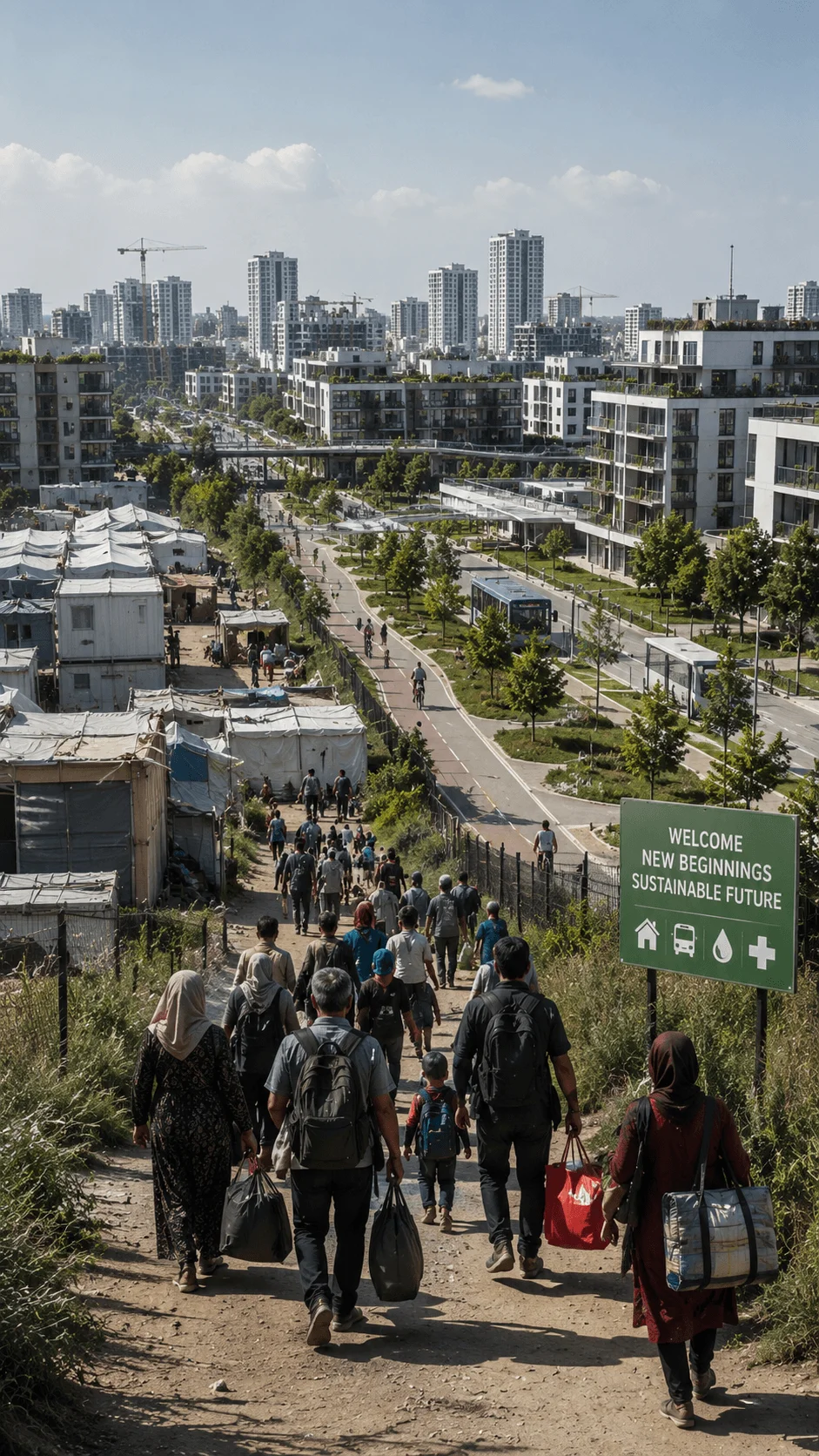
Flexible and scalable solutions help cities adapt to population changes. This ensures social stability and prevents overcrowding. Addressing climate migration is essential for long term urban sustainability.
Smart Data Governance and Ethical City Systems
Data plays a growing role in sustainable urban design concepts 2026. Cities collect large amounts of information related to traffic, energy, and public services. Managing this data responsibly is crucial.
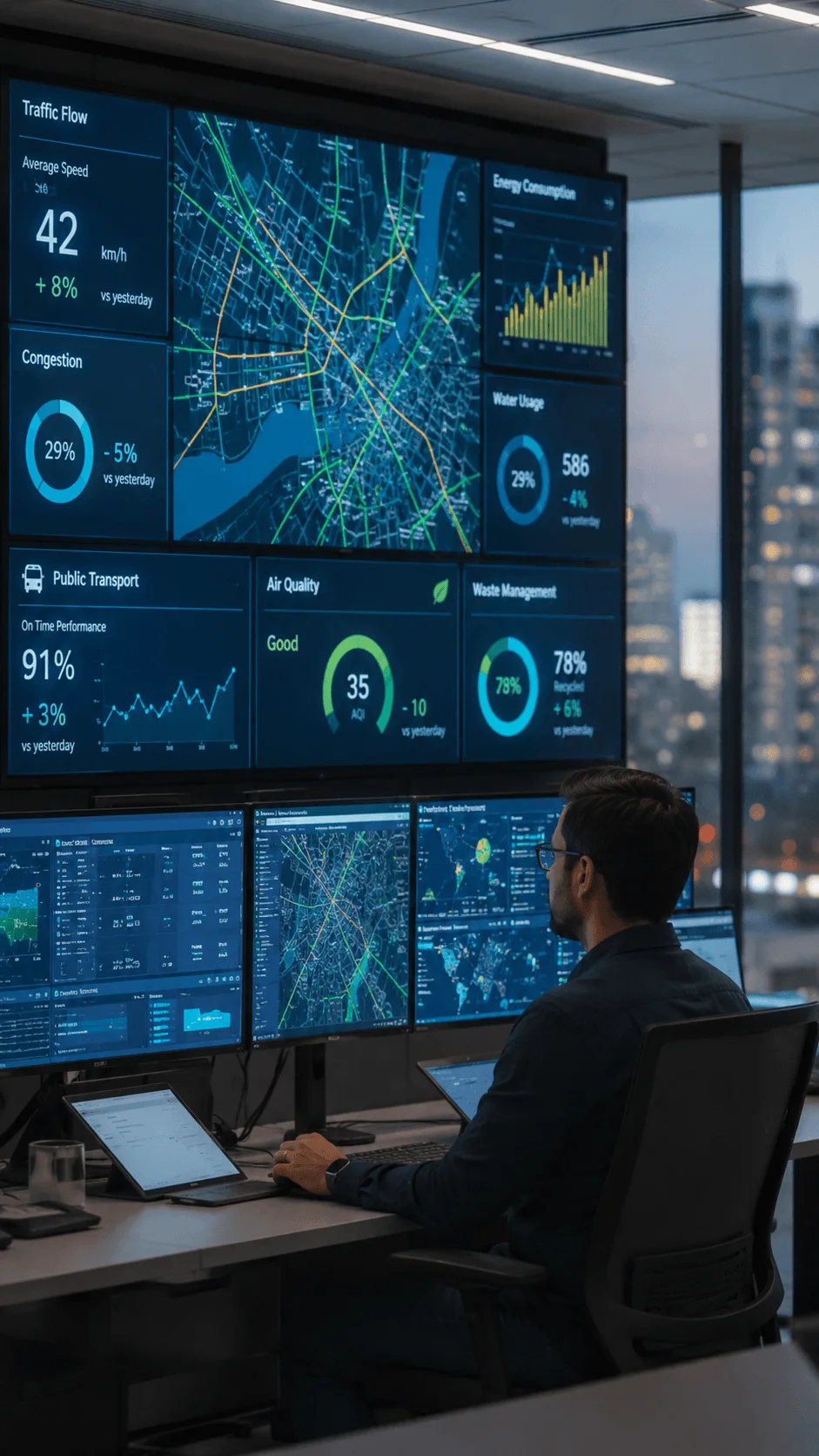
Smart data governance ensures privacy and transparency. It also helps planners make informed decisions. Ethical use of data strengthens trust and improves urban management.
Community Resilience and Social Sustainability
Strong communities form the backbone of sustainable urban design concepts 2026. Community resilience focuses on preparing cities for challenges such as disasters and economic shifts. Social support systems and local engagement play key roles.
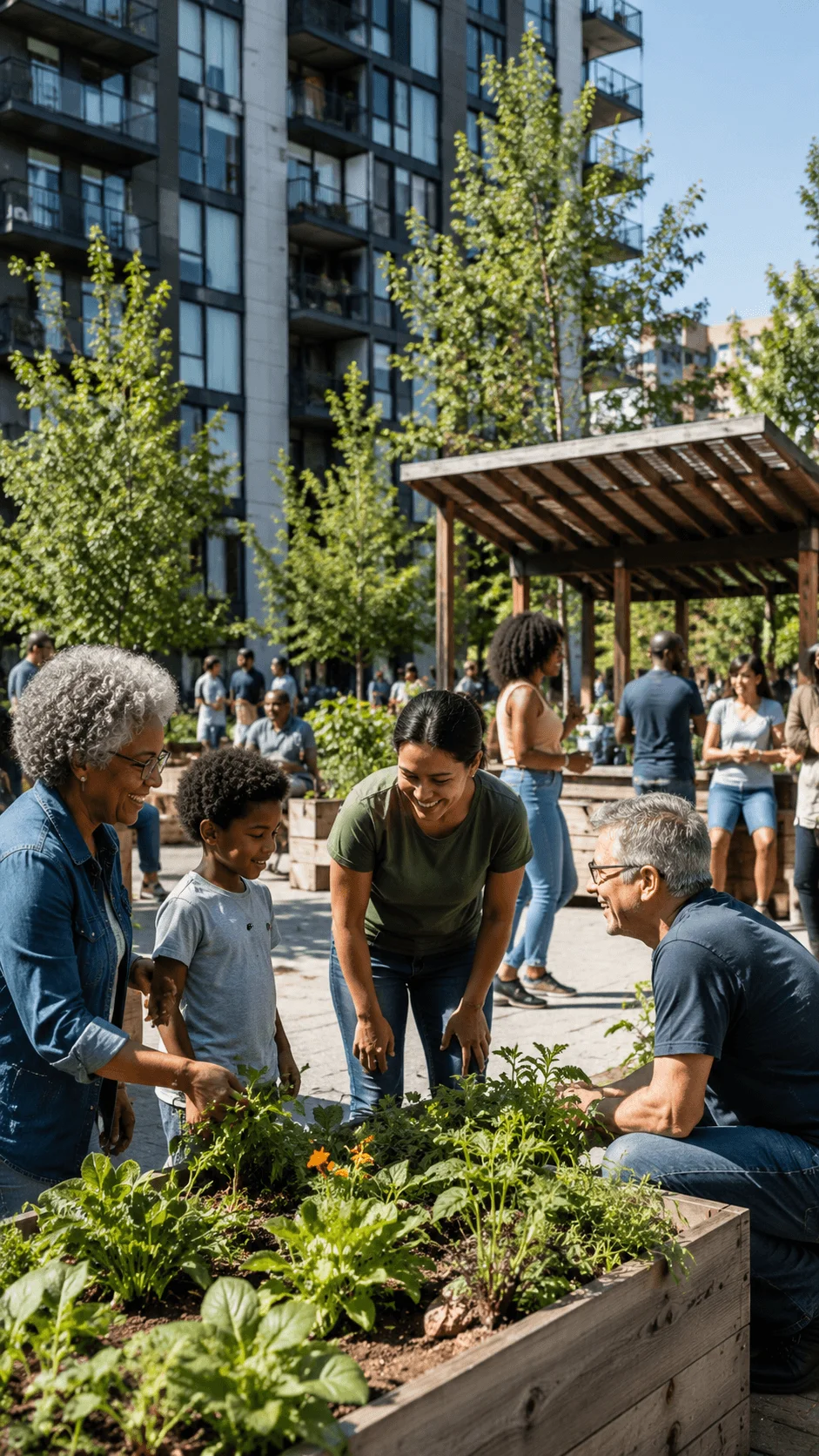
Resilient communities recover faster and adapt better to change. This approach ensures long term stability and sustainability. Urban design must support both physical infrastructure and social networks.
Conclusion
Sustainable urban design concepts 2026 define a new direction for city development. These concepts combine innovation, sustainability, and human focus to create better living environments. By adopting these strategies, cities can address current challenges while preparing for the future.
As urbanization continues, the importance of sustainable urban design concepts 2026 will grow even stronger. Cities that embrace these ideas will lead the way in building a more resilient, efficient, and balanced world.