Eco Friendly Waste Sorting Gift Wrap Alternatives: 12 Ideas
Beautiful presents do not have to leave behind piles of discarded paper, plastic bows, and tangled tape. Exploring eco friendly waste sorting gift wrap alternatives can help you give thoughtful gifts while making smarter choices about the materials that surround them. The best options usually begin with things you already have, including fabric, boxes, bags, and sturdy household containers.
A successful gift presentation should suit the person receiving it, protect the contents, and remain easy to reuse or sort afterward. These twelve ideas are practical for birthdays, holidays, teacher appreciation, and everyday celebrations in the United States, United Kingdom, and Canada. You will also learn how to handle leftover wrapping materials without guessing what belongs in recycling.
Reusable Fabric Squares for Beautiful Gifts
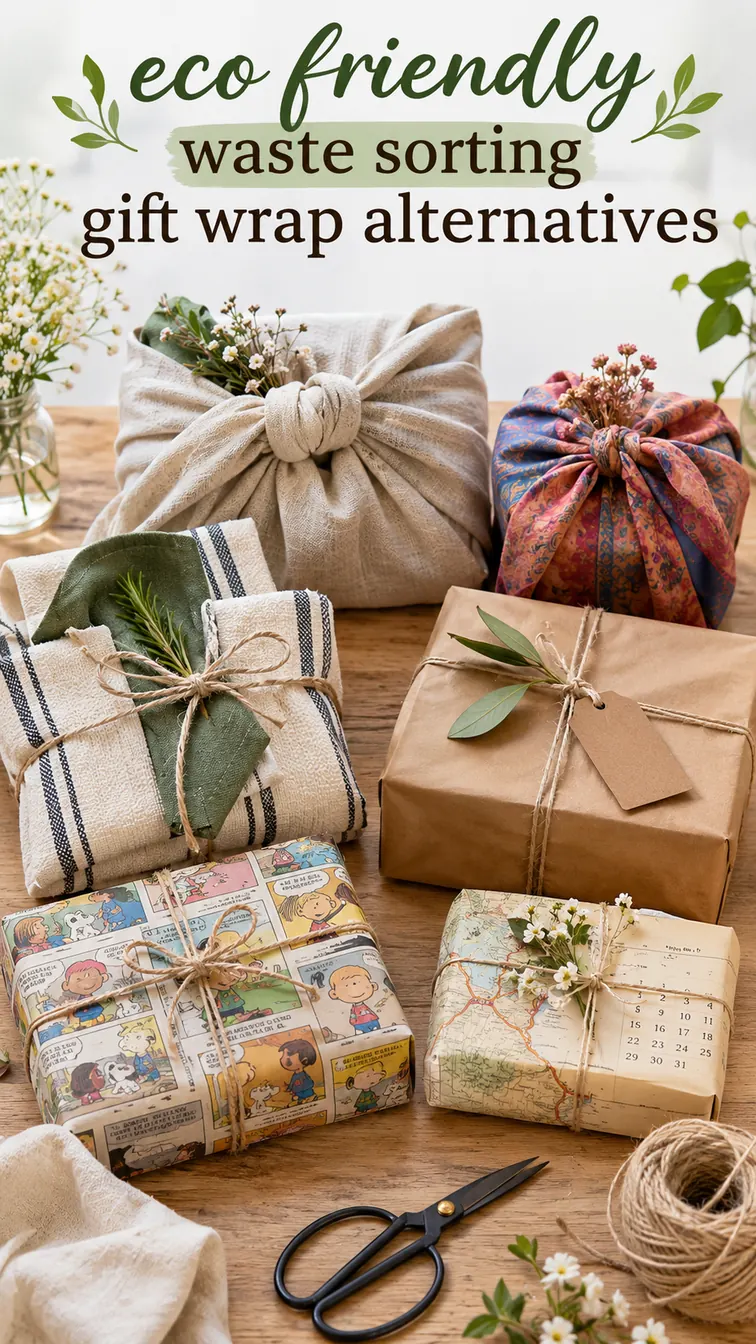
Fabric squares offer a flexible alternative to disposable wrapping paper, especially when the recipient can reuse the cloth. Look through clean scarves, old pillowcases, cotton remnants, or neatly hemmed napkins before buying anything new. A simple square can cover a book, a candle box, or several small presents. Lay the fabric flat, place the gift in the center, bring opposite corners together, and secure them with a firm knot. The finished parcel looks thoughtful without needing tape or plastic ribbon.
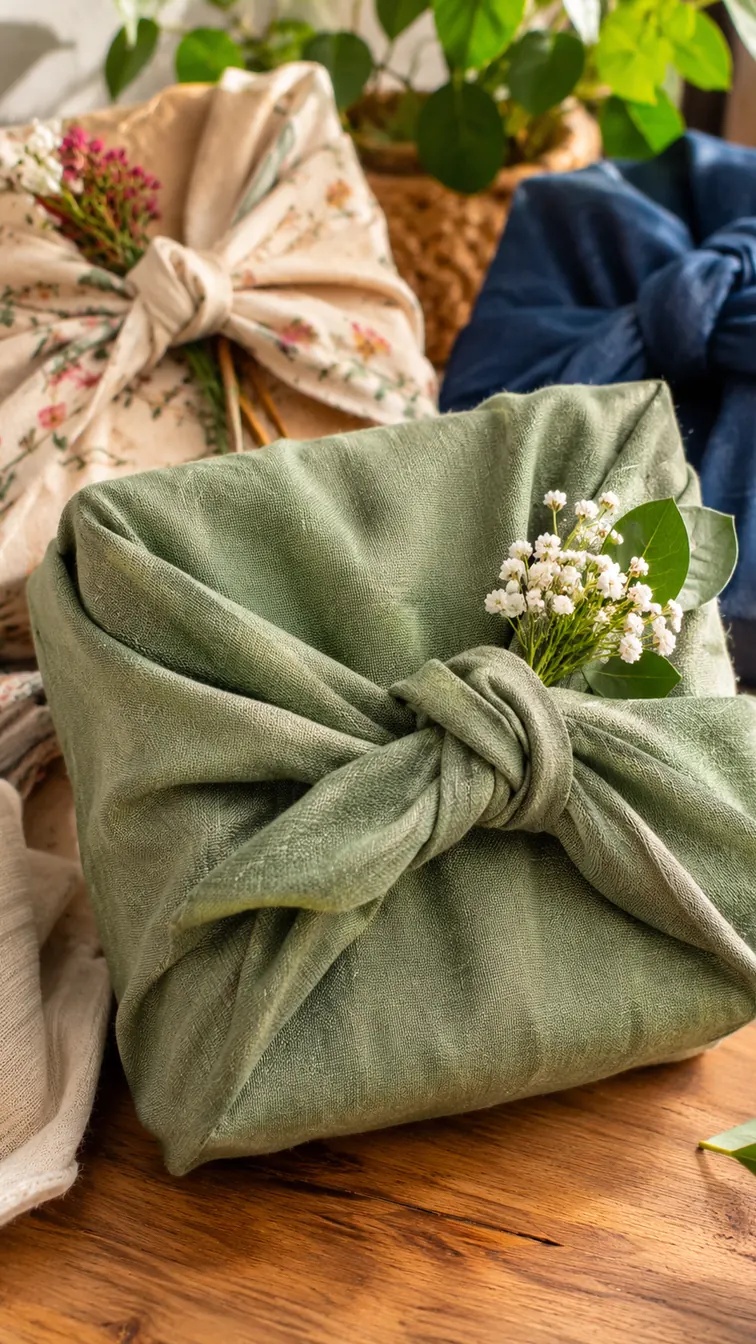
Choose material that already exists in your home rather than purchasing fabric solely for one occasion. If you are gifting to someone who enjoys sewing or decorating, tell them that the cloth is theirs to keep. Otherwise, invite family members to pass the same wrapping cloth back and forth at celebrations. This makes fabric wrapping an ongoing habit rather than another item to store. For delicate objects, use a rigid reused box underneath the fabric so the wrapping remains attractive while protecting the gift.
Secondhand Scarves as Part of the Present
A soft scarf can act as both decorative packaging and a useful gift. Check a thrift store, your closet, or a collection of accessories that you no longer wear. Choose a clean scarf in a color the recipient genuinely likes. Fold it around a small box, tie the ends neatly, and tuck a handwritten note beneath the knot. This method works well for birthdays, teacher gifts, and winter holidays.
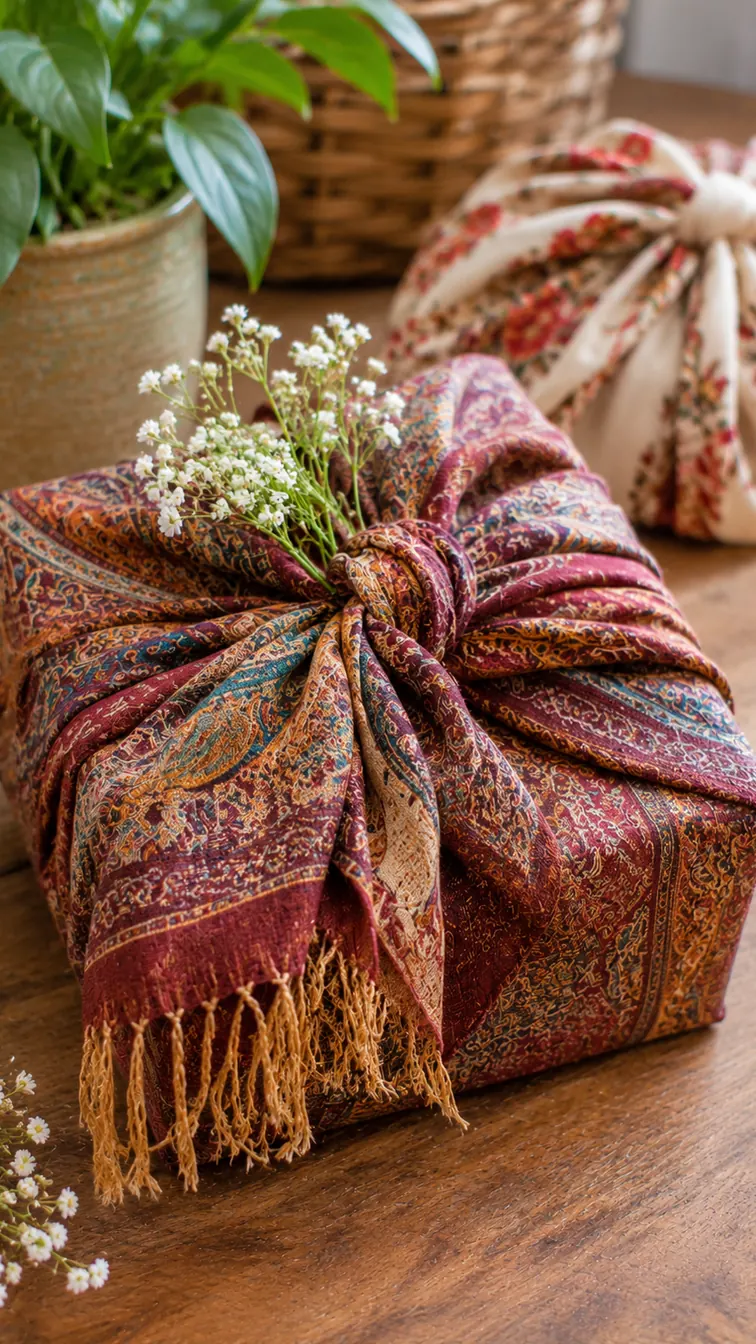
The important distinction is whether the recipient will actually use the scarf. A beautiful accessory that sits unused is not automatically a better choice than ordinary paper. Consider the person’s style, fabric sensitivities, and laundry preferences before deciding. If a scarf feels too personal, select a simple bandana or handkerchief that can serve multiple purposes. Skip extra decorations unless you already own them. After the gift is opened, the scarf becomes part of everyday life instead of heading straight into a disposal bin.
Tea Towels and Cloth Napkins for Kitchen Gifts
Tea towels make practical gift wrap for cookbooks, baking tools, mugs, and other kitchen presents. A clean towel can cushion fragile pieces and keep multiple smaller items together. For a cookbook, place it in the center of the unfolded towel, fold in the long sides, and tie the remaining corners. For a jar or mug, start with a compact reused box and wrap the towel around the outside.
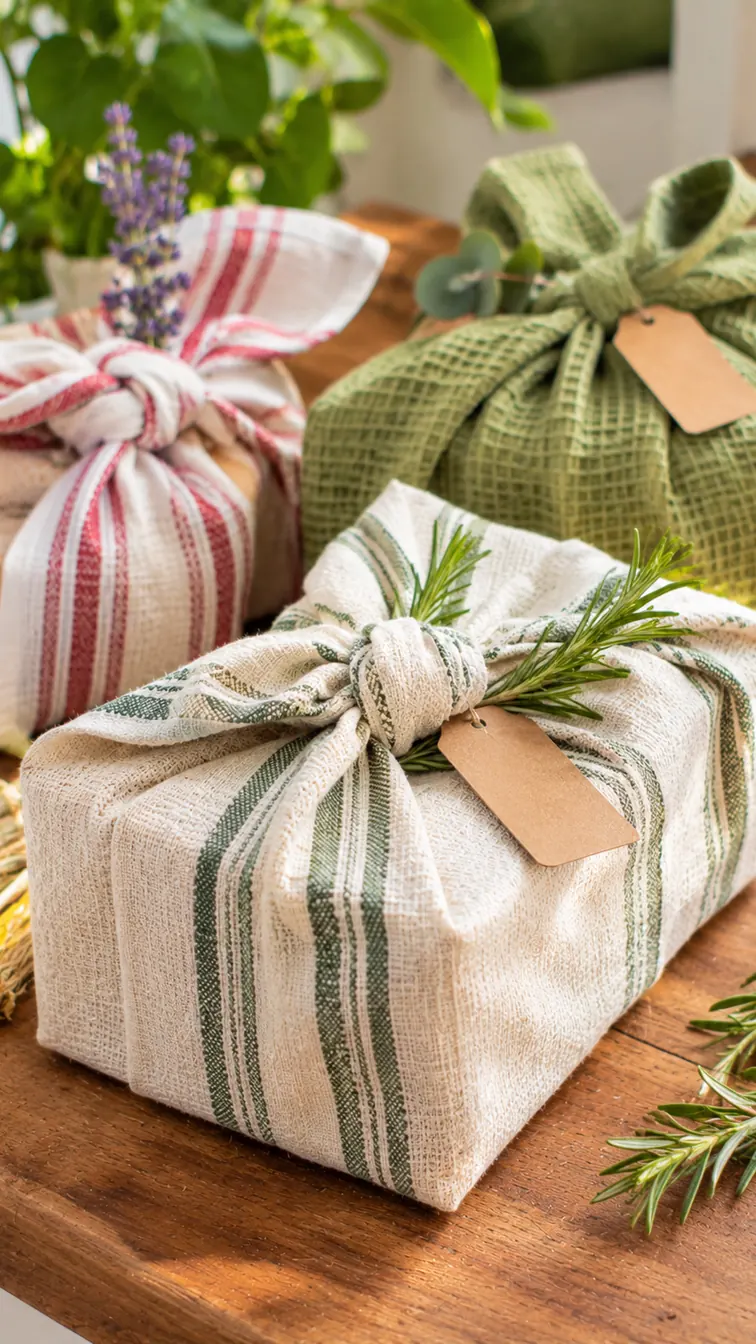
Select an absorbent towel that will work in the recipient’s kitchen instead of a decorative cloth that can only be displayed. For food gifts, keep the food in its own suitable, food safe container; an old towel is not a substitute for hygienic food packaging. A coordinating cloth napkin can also serve as a soft pocket for cutlery or a small kitchen accessory. This approach demonstrates how eco friendly waste sorting gift wrap alternatives can connect packaging decisions with an item the recipient will use long after the occasion.
Saved Paper Shopping Bags Turned Into Wrap
Sturdy paper shopping bags are often hiding in closets and kitchen drawers. Rather than sending them directly to recycling, turn them into a fresh wrapping surface. Cut carefully along one side seam and the bottom, unfold the bag, and use the clean reverse side as plain paper. A small retail logo can stay hidden inside the package. Decorate the outside with a handwritten message or a few simple shapes drawn with pencils.
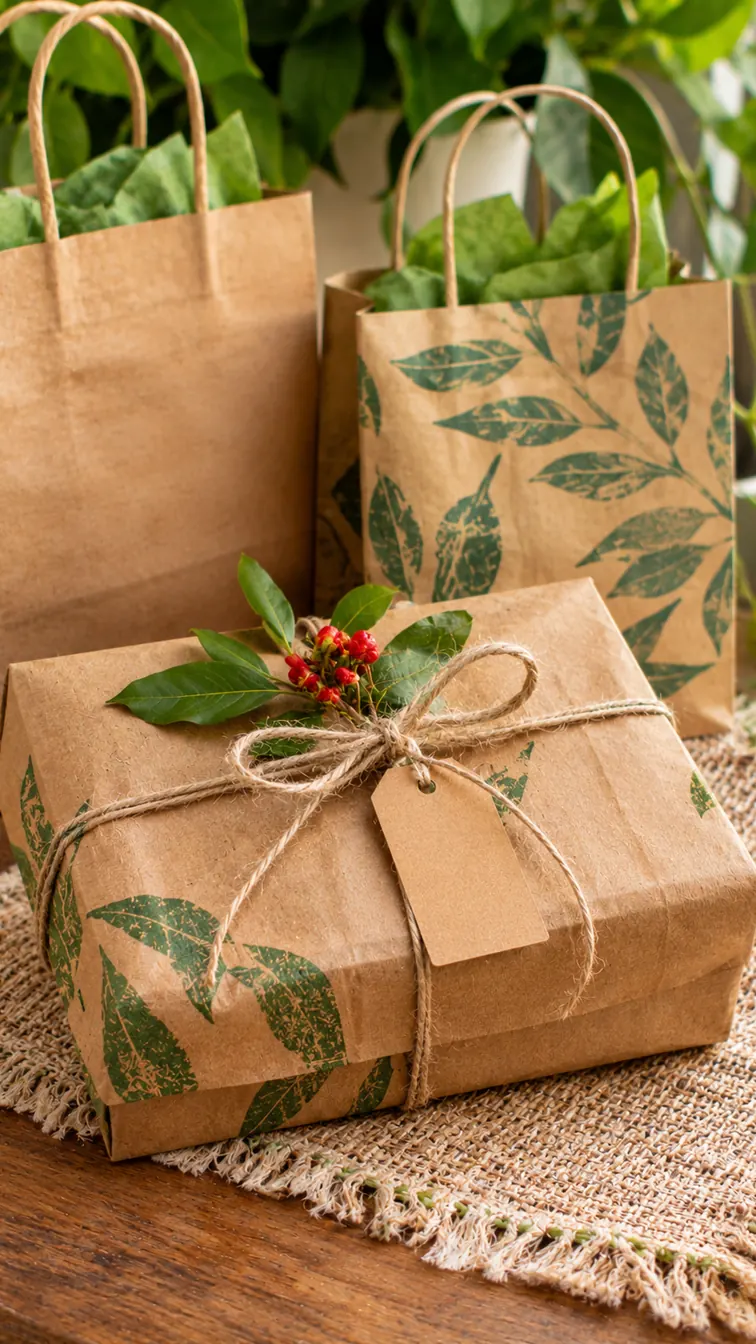
You can also keep the bag intact and use it as a gift bag. Fold the top over once or twice and secure it with existing string instead of adding new tissue or tape. Remove any loose plastic window or ornamental piece before sorting it later. Some gift bags contain plastic coatings, synthetic handles, or glitter, so their recycling options vary. Reusing the whole bag is usually the simplest first choice. When it finally wears out, check local paper collection rules and separate any nonpaper components that your program requires.
Newspaper Comics and Puzzle Pages
Old newspapers can give a present character while avoiding a purchase of fresh gift wrap. The comics section adds color to a child’s birthday gift, while a crossword or puzzle page suits someone who enjoys word games. Use intact, dry sheets and place the printed side outward. Newspaper tears more easily than commercial wrap, so it works best around a box with smooth edges.
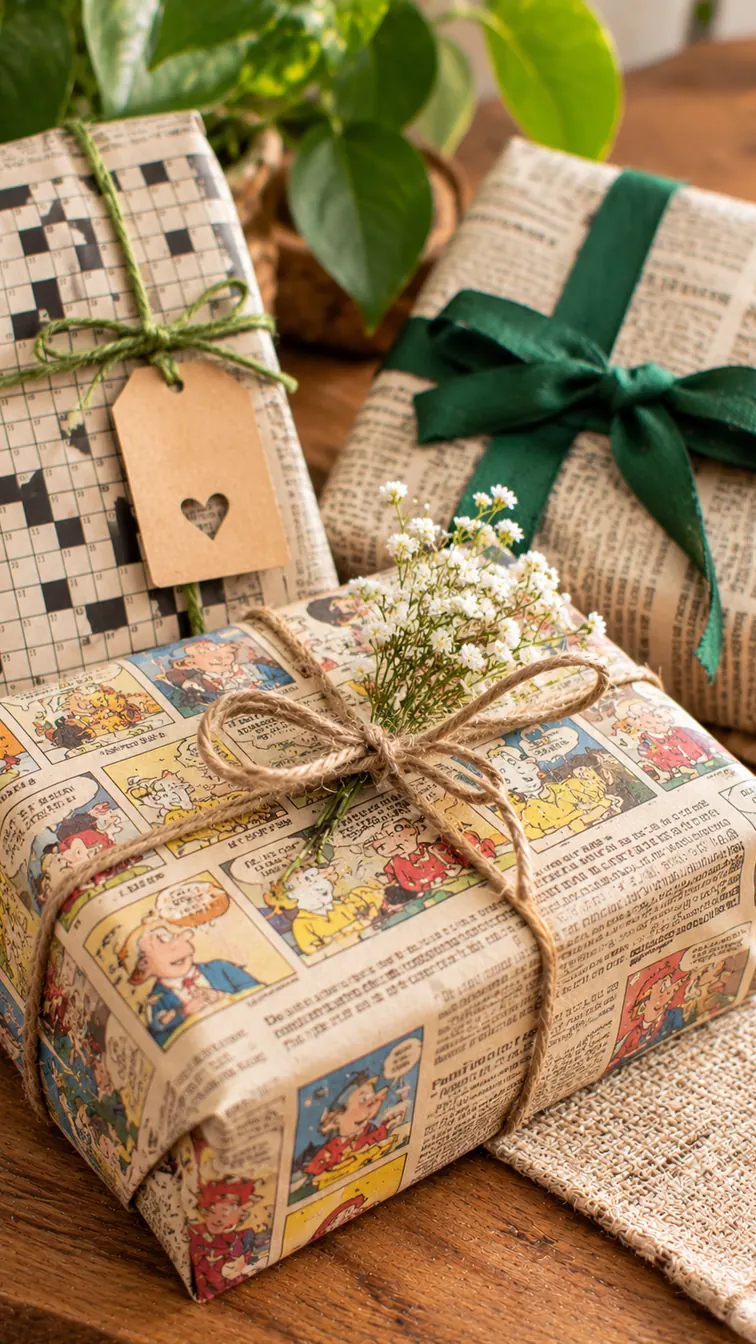
If the recipient might want to read the puzzle later, wrap loosely or use a larger sheet to avoid cutting the page. Do not use heavily soiled paper or assume newspaper belongs in every recycling stream after it has touched food. Tie the package with reusable string to limit adhesive residue. You can also layer two sheets for better opacity around brightly colored packaging. This is one of the easiest low cost ideas because it takes advantage of material already in circulation. After unwrapping, encourage the recipient to reuse clean sheets for crafts or follow local paper recycling guidance.
Old Maps and Calendar Pages with Personality
Outdated road maps and last year’s calendars can become memorable gift coverings. A map of a favorite vacation destination adds a personal story, while a calendar page with flowers or landscapes can suit a birthday present. Pick pages that are no longer needed and check that they are large enough to cover the gift without excessive seams. Their natural patterns often provide all the decoration a package needs.
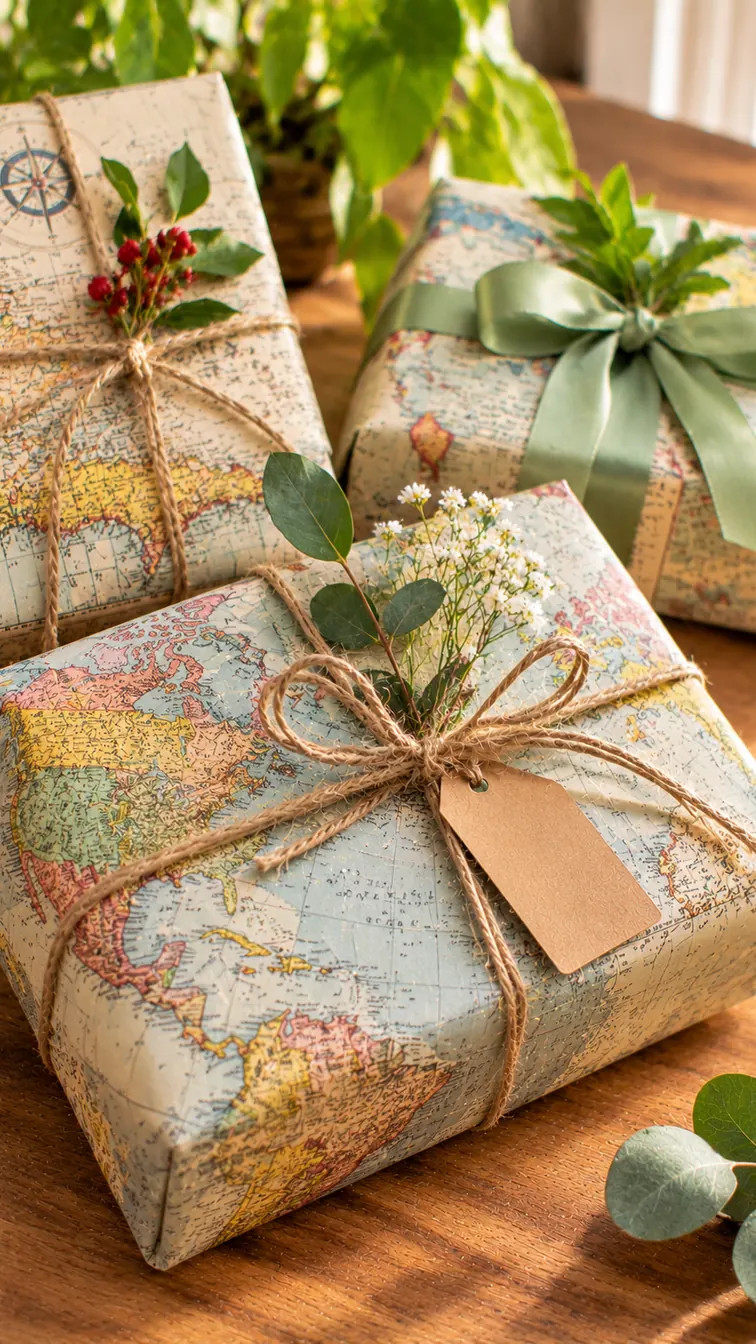
Some maps and calendars have glossy coatings or plastic lamination, so do not automatically treat them as recyclable paper. Reuse them first, and inspect the material before disposal. Avoid tearing up maps with sentimental value or books that somebody still uses. If the image matters to the recipient, consider wrapping a smaller box so the design remains visible and intact. A note explaining the place or memory turns discarded paper into a conversation starter. This makes the presentation personal without buying matching paper, plastic bows, and commercial tags.
Children’s Artwork as Meaningful Gift Paper
Drawings that have already been enjoyed can provide colorful gift wrapping for relatives and close friends. Choose artwork that the child is happy to share rather than taking something important without asking. Large paintings work especially well for books and board games. Smaller pictures can wrap a box lid or become a tag. Allow paint and glue to dry completely before folding the page.
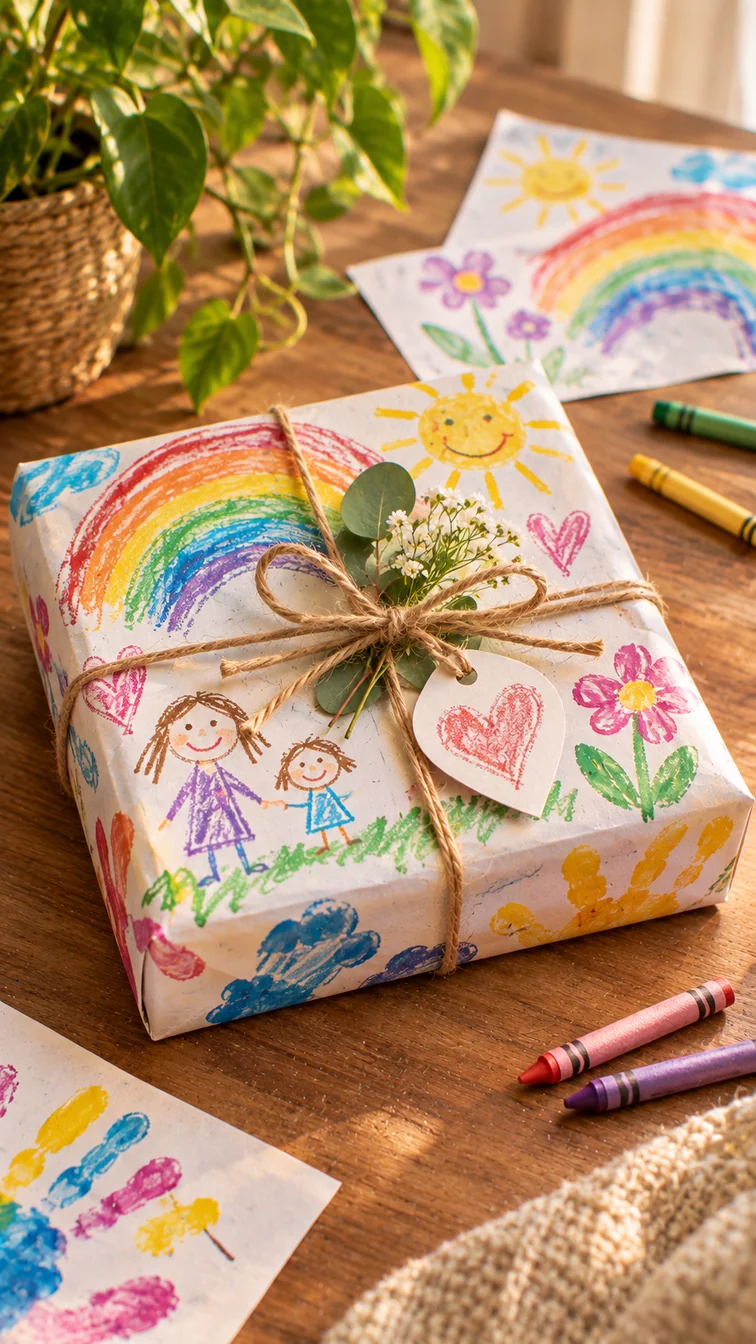
This idea works best when the picture itself has meaning. A drawing made for a grandparent’s birthday can make an ordinary present feel more personal, even if the paper is uneven or lightly creased. To avoid creating more waste, use artwork already destined for storage or recycling instead of producing stacks of new pictures simply for wrapping. Heavy glitter, foam stickers, and laminated surfaces may complicate recycling, so prioritize ordinary paper and washable art supplies. Save a particularly special design as a keepsake rather than expecting it to be discarded immediately after the gift is opened.
Reused Shipping Boxes with Simple Decoration
Delivery boxes can become neat gift boxes with only a little preparation. Choose a clean, undamaged box that is strong enough for the gift, remove old delivery labels, and cover any visible personal information. Turn the box inside out if its construction allows it, or leave the plain cardboard visible. A small hand drawn illustration and a reused ribbon can make it look intentional rather than improvised.
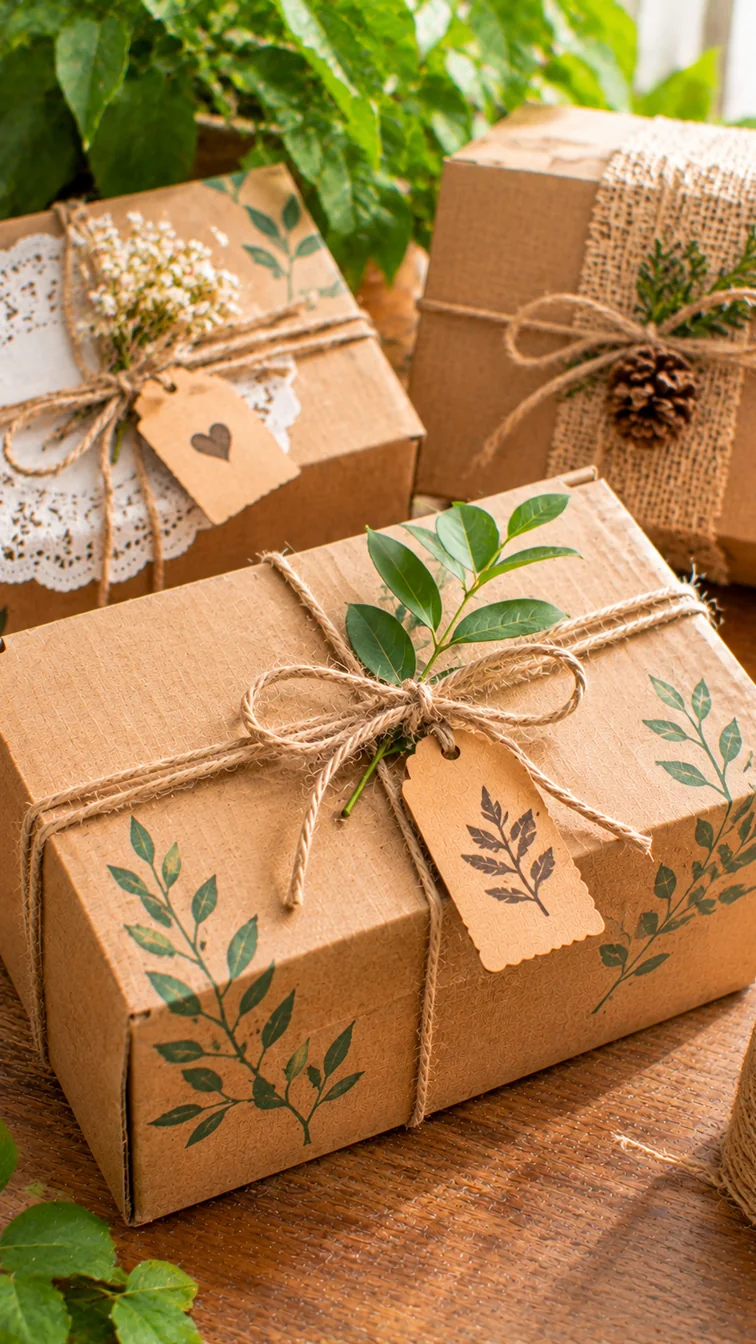
When a box is oversized, try finding a better fitting one rather than filling the empty space with newly purchased packaging. Save clean crumpled packing paper from previous deliveries for cushioning. If the gift is fragile, add enough padding to stop movement and close the box securely. Before recycling the box later, remove nonpaper inserts and flatten it if your local program requests that. Corrugated cardboard is widely collected, but acceptance still depends on location and contamination. Reusing a box once more delays disposal and reduces the need for new presentation materials.
Reusable Tins for Small Treasures
A clean metal tin can be attractive packaging for jewelry, stationery, sewing supplies, or other small gifts. Biscuit tins and tea tins often have colorful patterns, so they need little decorating. Wash and dry the container thoroughly, check for dents and sharp edges, and add a clean fabric scrap to keep the contents from rattling. Attach a small note explaining how the recipient might reuse the tin afterward.
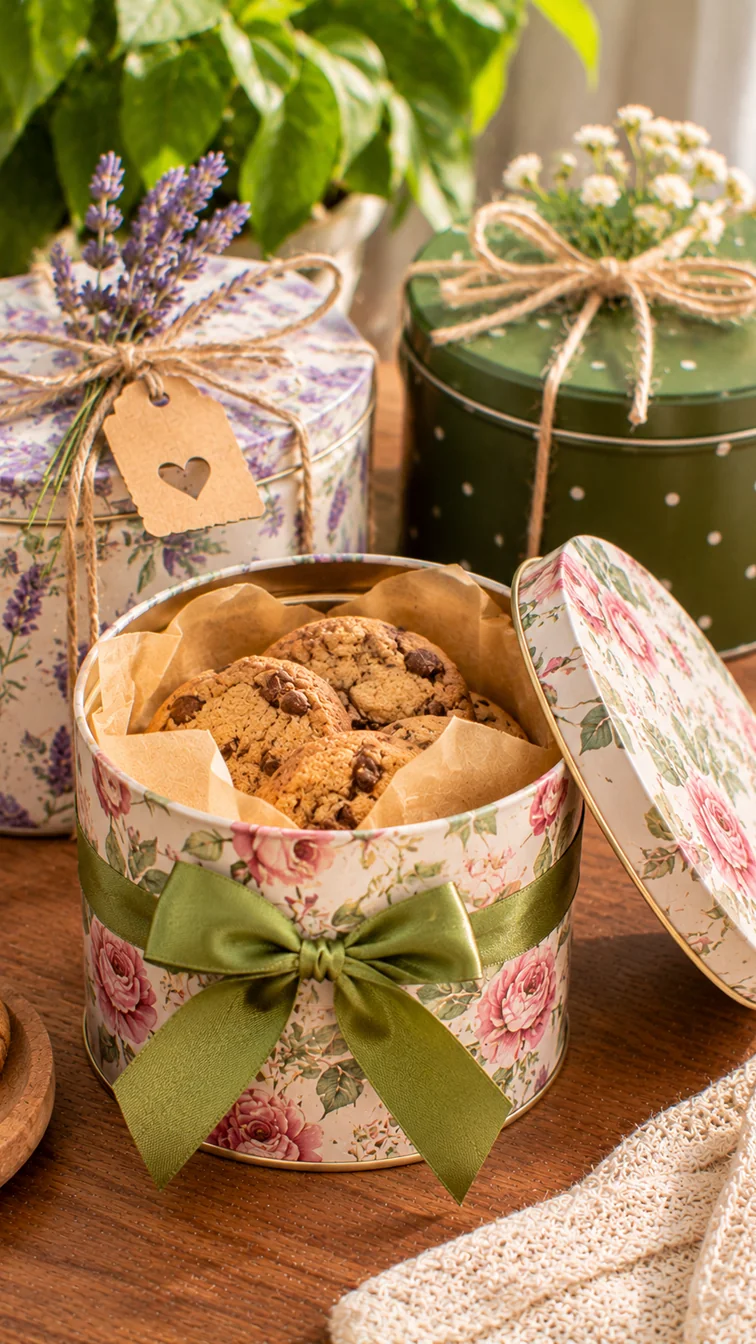
Choose the container carefully for edible gifts. An old tin should not contact unpackaged food unless it is known to be suitable for that purpose and is in good condition. Use appropriate food packaging when necessary. For nonfood gifts, tins are especially convenient because they offer durable protection and open without tearing. A collection of tins does not need to become clutter: use only one when it genuinely fits the gift and recipient. If the tin is damaged beyond reuse, local metal recycling rules determine whether and how it can be collected.
Glass Jars for Compact Gift Sets
Glass jars can hold craft supplies, folded notes, small accessories, or other lightweight presents. Start with a jar that is free of chips and cracks, wash it carefully, and let it dry completely. Fill it with neatly arranged objects and use a saved cloth scrap around the lid for a gentle finishing touch. A simple paper label can explain the gift without additional packaging.
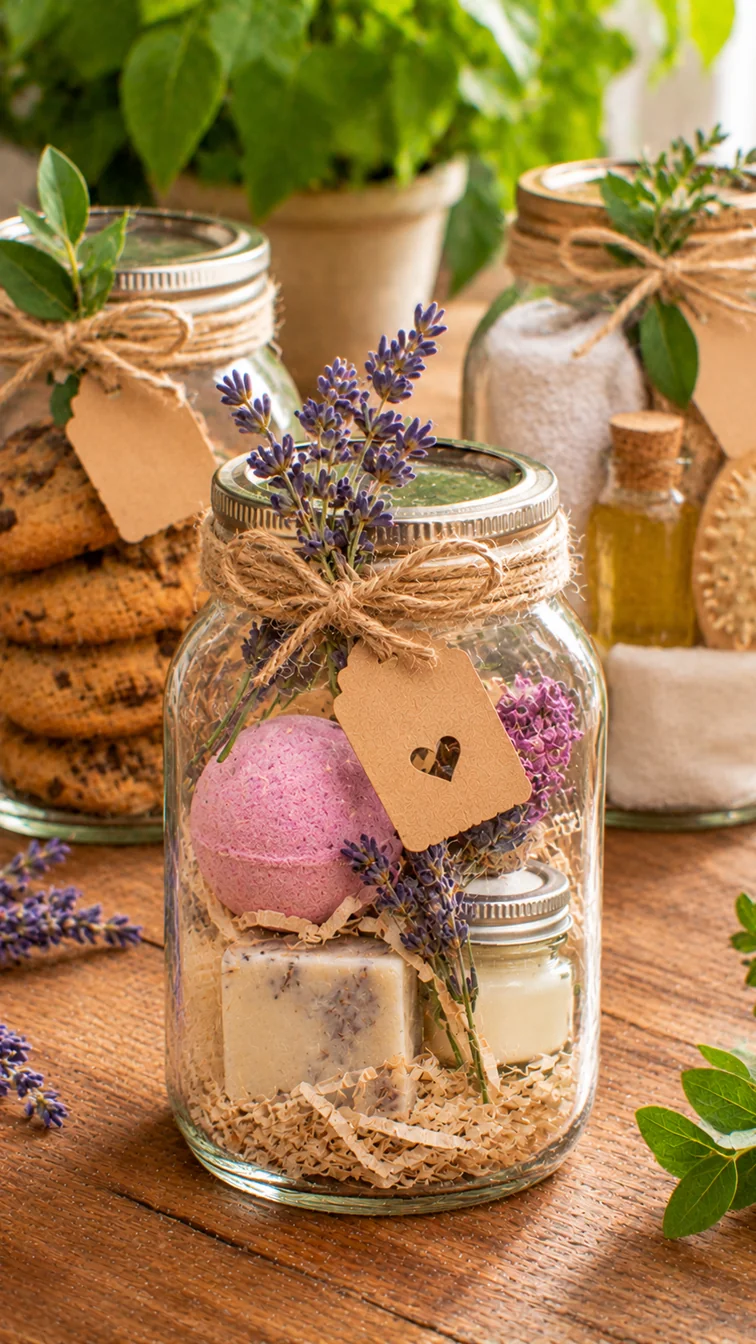
Do not assume every reused jar is suitable for homemade food. Food safety depends on the container, its lid, cleaning, and the food being stored. A jar that once held food may still be unsuitable for home canning or particular preservation methods. For nonfood gifts, the jar can later organize buttons, pencils, or sewing supplies. If glass eventually breaks, do not place it into a recycling bin without checking local guidance; many collection services distinguish containers from other glass. This wrapping idea is especially useful when a transparent presentation adds to the excitement instead of hiding the contents.
Reusable Baskets and Household Containers
A small basket can transform several modest gifts into a coordinated set without layers of cellophane. Gather items around a theme such as gardening, reading, or relaxation, then arrange them inside a basket the recipient can reuse. A clean woven basket works well for dry goods, while a washable storage container may be more practical for a student or a family with limited space.
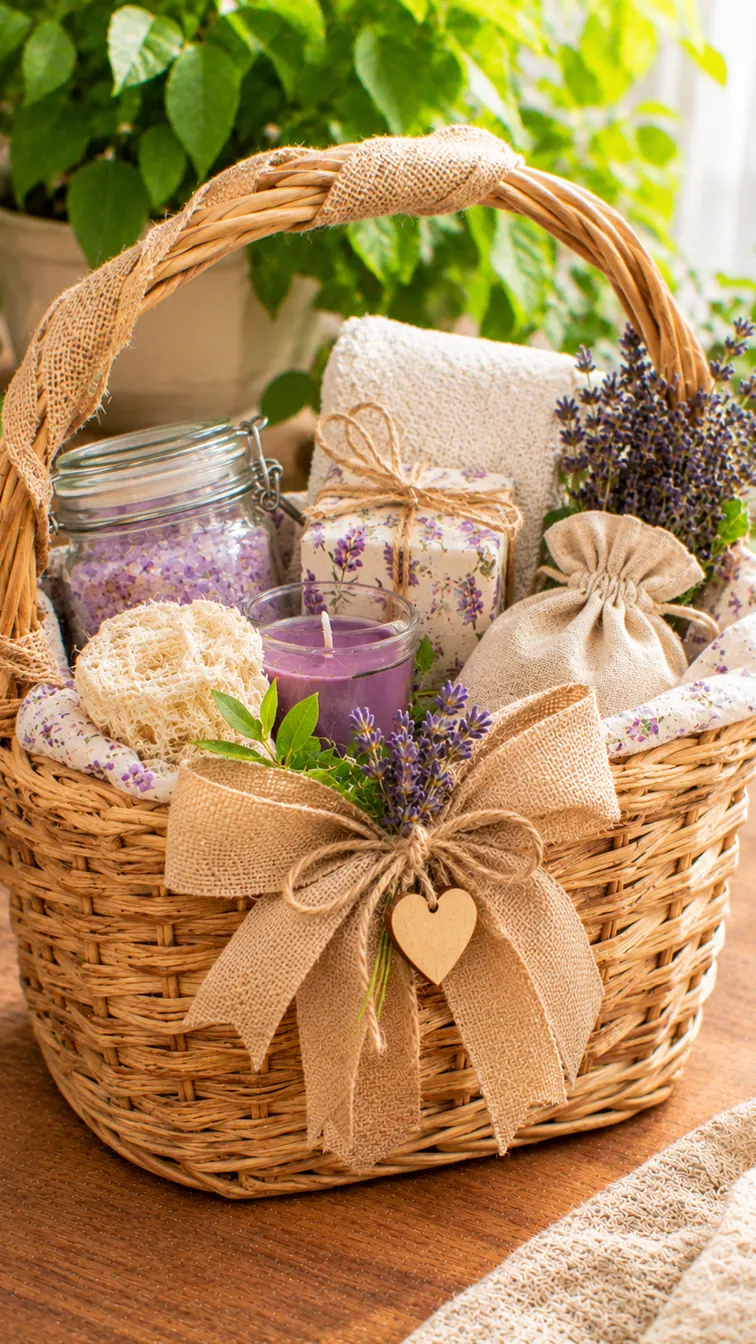
Resist the urge to buy a large basket simply to create an impressive display. Look around your home or choose a secondhand one in excellent condition. Instead of plastic filler, place a folded tea towel or saved packing paper underneath the objects. Make sure everything is supported, especially if the basket will be carried. For mailing, use proper protective outer packaging and do not rely on an open basket alone. The recipient can then use the container for organization, which gives the gift presentation a clear purpose beyond a single celebration.
No Wrap Gifts with a Thoughtful Reveal
Sometimes the most effective alternative is to skip wrapping entirely. A beautiful plant in an existing pot, a book with a handwritten note, or a homemade craft can look special without an extra layer. For a family celebration, hide the gift in a safe location and offer a few simple clues. For a practical occasion, present it in its original protective packaging and add a personalized card.
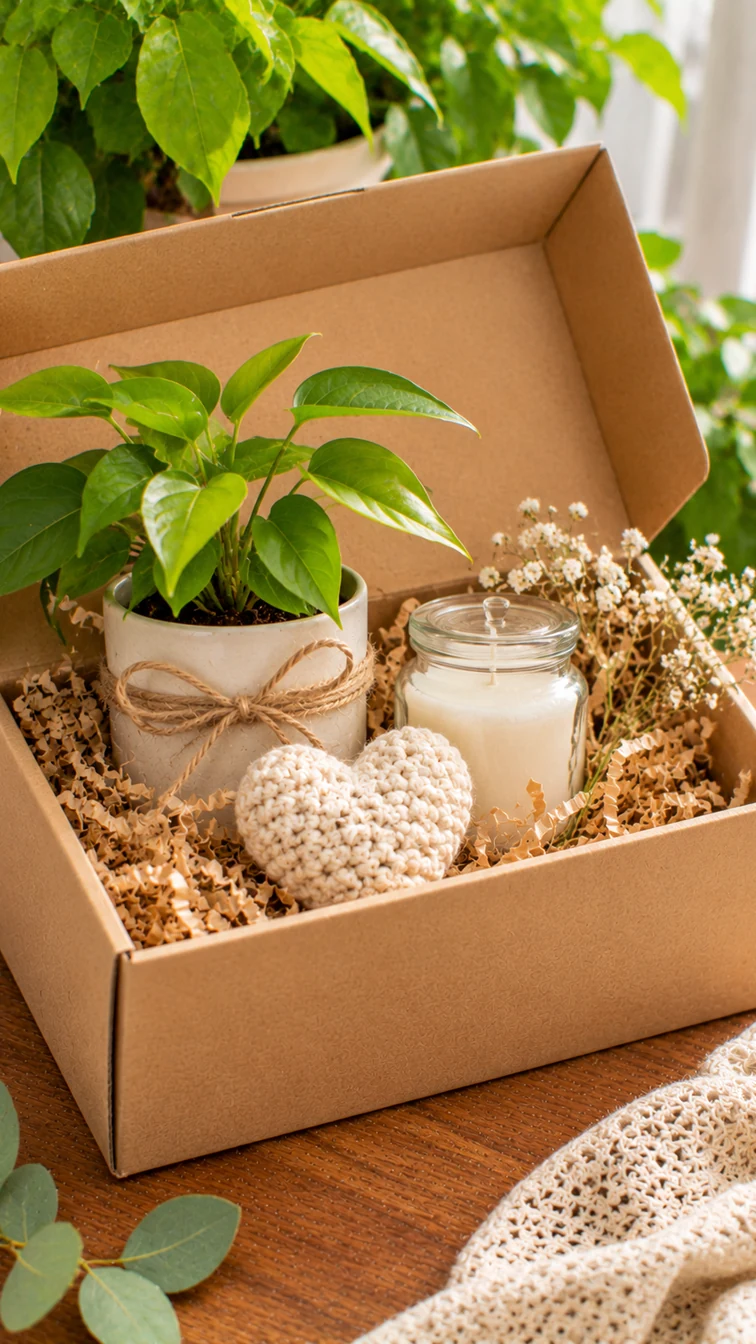
This option is especially effective for large or awkward objects that would otherwise require several sheets of paper. It also avoids creating packaging that will be removed within seconds. Consider the recipient’s expectations and whether privacy matters; a gift that reveals its contents immediately might not suit every surprise. Keep the reveal creative without making it difficult or embarrassing. When choosing among eco friendly waste sorting gift wrap alternatives, remember that preventing waste often beats finding a more complicated way to recycle it later.
How to Sort Gift Wrapping Waste After Opening
Set up three simple destinations before unwrapping begins: items worth reusing, accepted recyclables, and materials that your local system cannot process. Keep gift bags, intact fabric, boxes, and ribbons that are still useful. Flatten clean cardboard and collect plain paper separately if your municipal program accepts it. Tape, glitter, plastic lamination, and metallic coatings can change whether wrapping paper is recyclable.
Rules vary by community in the United States, United Kingdom, and Canada. In some places, plain wrapping paper belongs in household recycling; other programs exclude gift wrap altogether. A paper scrunch test may suggest whether a sheet contains ordinary paper fibers, but it never replaces the instructions from your local collector. Remove bows and strings because they can tangle sorting equipment. When in doubt, check the local recycling guide rather than placing questionable materials into a mixed recycling bin.
How to Choose Materials That Truly Reduce Waste
Begin with what you already own. A saved scarf, shipping box, or clean shopping bag generally avoids the need for another purchase. Then think about how the recipient will use or discard the material. Reusable packaging is most beneficial when it actually gets reused, while paper made for a single celebration may have a shorter life even if recycling is possible.
A Simple Gift Wrap Station for Every Celebration
Create a small dedicated space for reusable presentation supplies. Keep folded fabric, tidy gift bags, a few good boxes, paper scraps, and reusable string in separate sections. Inspect materials before storing them; throw away dirty or damaged pieces rather than keeping everything indefinitely. A clearly organized collection prevents duplicate purchases and makes last minute wrapping easier.
Conclusion
The most useful eco friendly waste sorting gift wrap alternatives are not necessarily products labeled green. They are familiar materials that you can reuse confidently, from a cloth napkin to a clean delivery box. Start with one approach that fits your gift and recipient, then pay attention to what happens after the wrapping comes off.
Save materials worth using again, keep recyclable items clean, and follow your local collection rules for everything else. Small, repeatable habits make gift giving feel more personal and create less unnecessary packaging at the same time.