Fun Environmental Games for All Ages
Environmental awareness is no longer limited to classrooms or documentaries. In 2026 sustainability has become interactive, creative, and deeply social. Families are looking for meaningful weekend activities. Teachers are searching for low cost environmental activities for classrooms that truly engage students. Communities want events that inspire action instead of passive listening. This is where fun environmental games for all ages make a powerful difference.
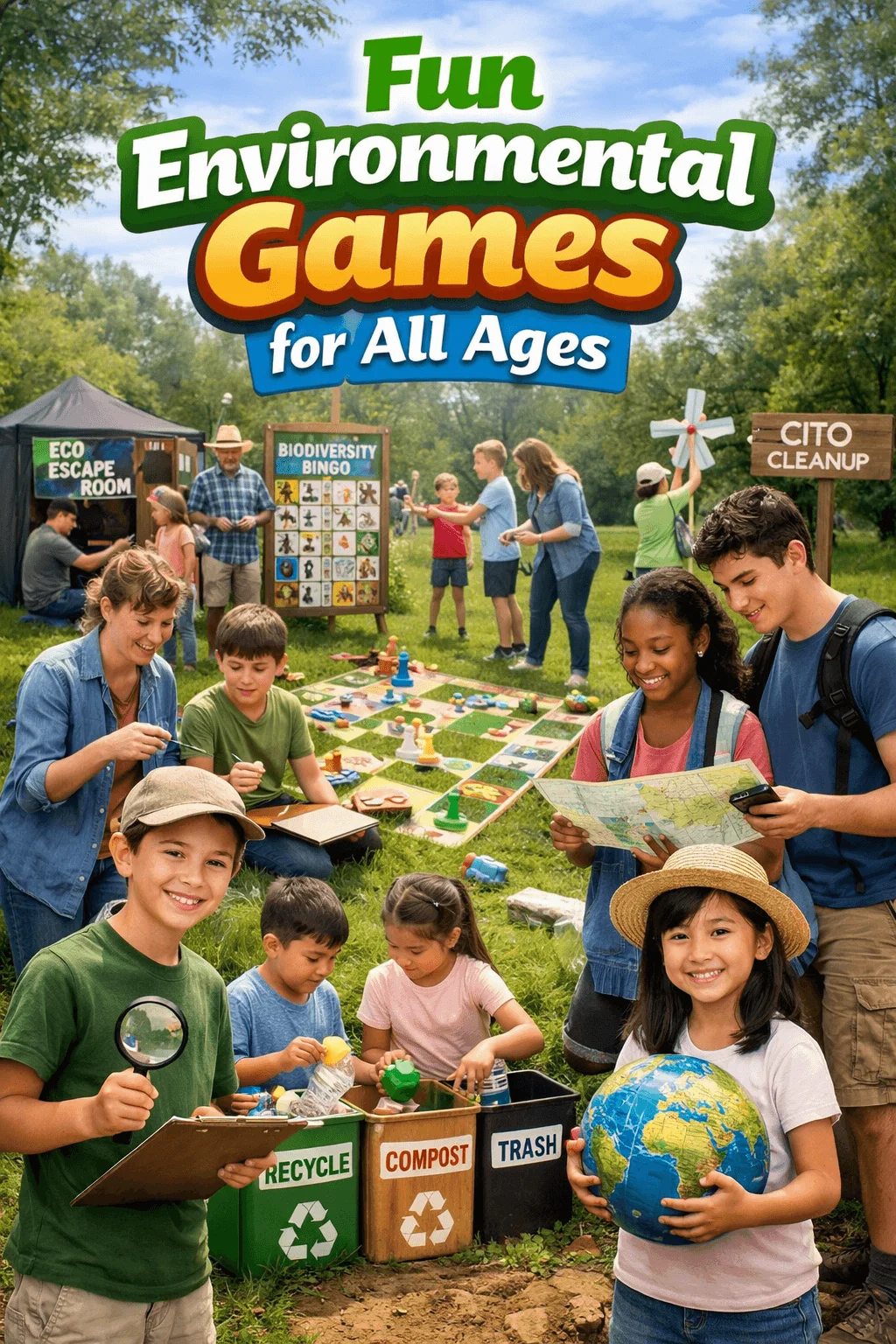
Games transform climate education into something memorable. When people move, build, compete, collaborate, and solve problems together, they develop emotional connections to the environment. These connections often lead to lasting behavior change. Whether you are planning the best eco games for families at home or organizing outdoor environmental games for kids and teens, the ideas below are practical, adaptable, and trending this year.
Green Scavenger Hunt with Citizen Science Tasks
A green scavenger hunt becomes much more meaningful when it goes beyond simply finding objects. In this updated version, participants search for natural elements such as native plants, insects, birds, or signs of healthy soil. Players document what they find by taking photos or submitting observations to a citizen science platform.

To run a community eco scavenger hunt, begin by identifying safe boundaries and selecting specific observation tasks. Include items like identify three pollinators, photograph a native tree, or record evidence of composting. Participants earn points not only for finding items but for correctly identifying and documenting them.
This game builds observation skills, increases biodiversity awareness, and introduces players to real scientific contribution. It is one of the best eco games for families at home because it turns a simple walk into an educational adventure.
CITO Geocaching Cleanup Challenge
This activity combines treasure hunting with environmental action. CITO stands for Cache In Trash Out, a movement within the geocaching community. Participants search for geocache locations while collecting litter along the way.
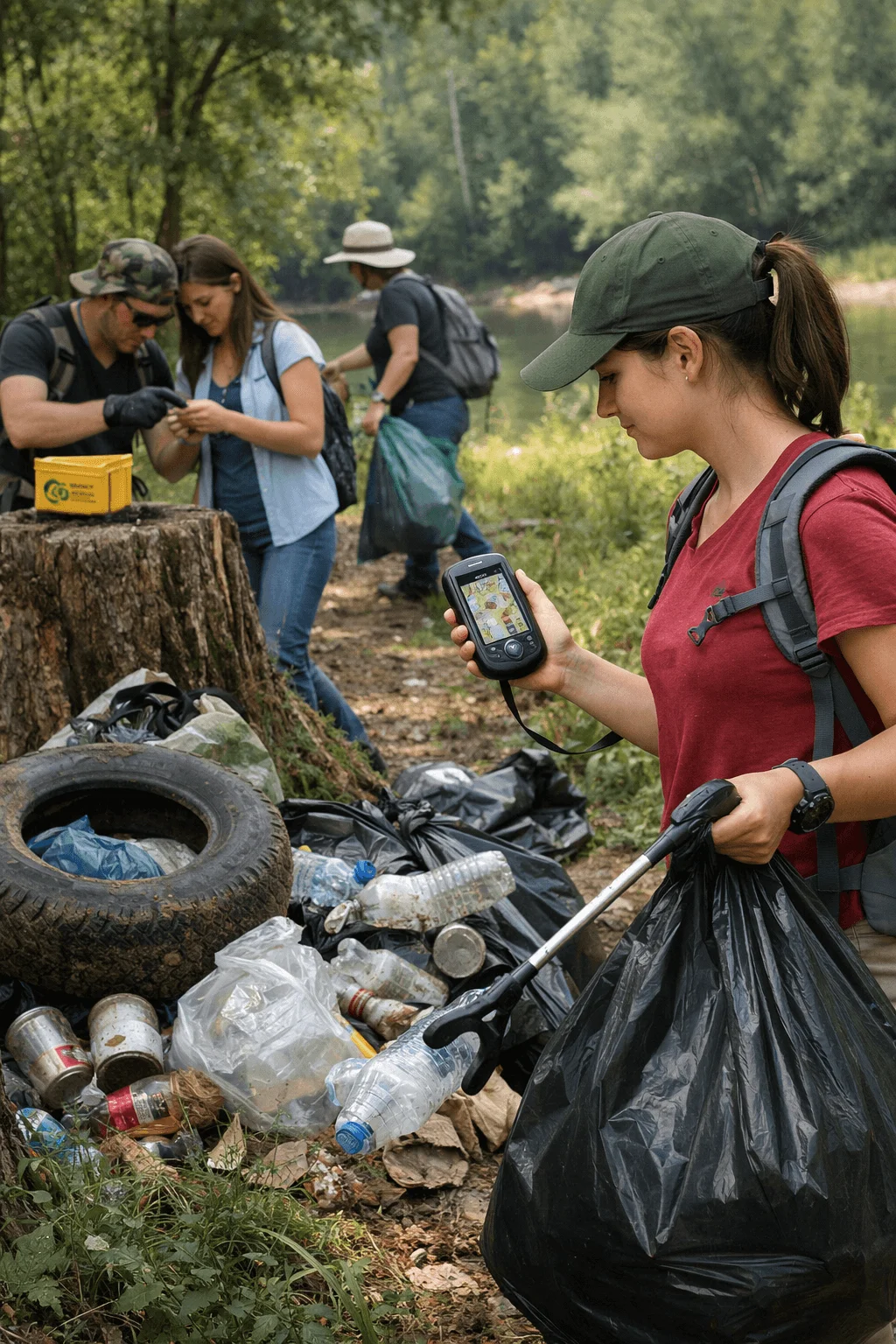
Organizers can create a point system where teams earn points for each cache found and for the volume or type of litter collected. This game works especially well for teens and adults who enjoy technology and exploration. It transforms cleanup work into an engaging mission rather than a chore.
Beyond waste removal, this challenge reinforces responsibility for shared spaces and demonstrates how recreation can align with sustainability.
Eco Escape Room Experience
An eco escape room challenges participants to solve environmental puzzles to unlock clues and complete a mission. The storyline might involve restoring a polluted river, saving a threatened habitat, or balancing a city energy grid.
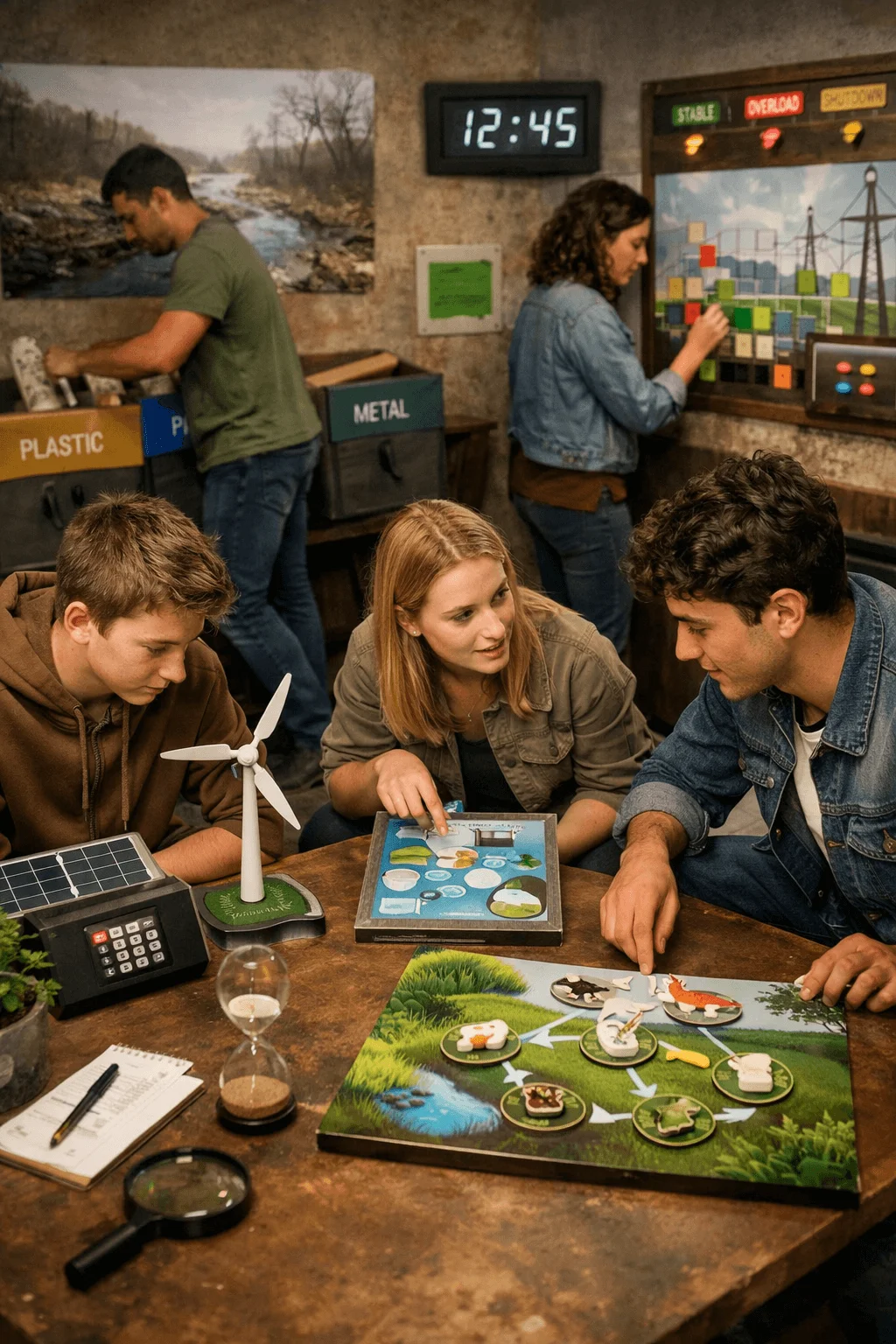
Each puzzle can focus on a concept such as renewable energy, waste sorting, food chains, or water cycles. Players must collaborate, communicate, and think critically under time pressure.
This format is especially effective for older children, teens, and adults. It turns abstract environmental concepts into tangible problems that require creative thinking and teamwork.
Seed Bomb Relay
Seed bomb making has become popular in urban greening efforts. In this game, teams prepare seed balls using clay, compost, and native seeds. Once prepared, teams compete in a relay format to place their seed bombs in designated areas.

The competitive element makes planting exciting, while the educational component teaches about native plants and pollinators. Over time participants can return to see the results of their effort, reinforcing the connection between action and ecological improvement.
Carbon Budget Board Game
The carbon budget game for teens printable version can be adapted for classrooms and youth workshops. Players act as leaders of a town or country. They must allocate funds to transportation, housing, food systems, and energy while reducing emissions.
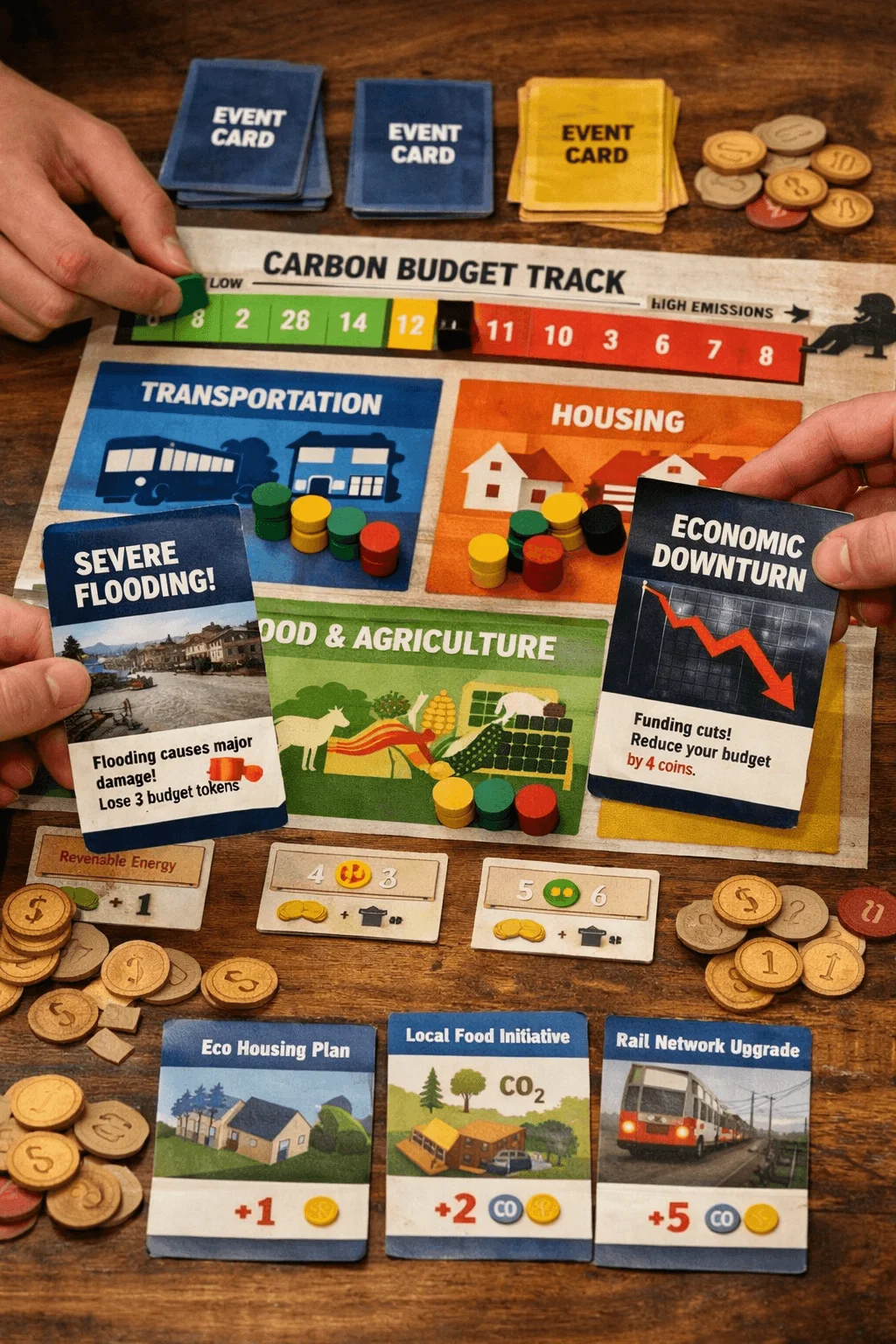
Random event cards introduce challenges such as extreme weather or economic shifts. Participants learn that every decision has trade offs. This game encourages strategic thinking and illustrates the complexity of climate policy in an accessible way.
Reverse City Builder Rewilding Challenge
Unlike traditional city building games, this challenge begins with a damaged or degraded landscape. Players must restore ecosystems by introducing native species, wetlands, forests, and green corridors.
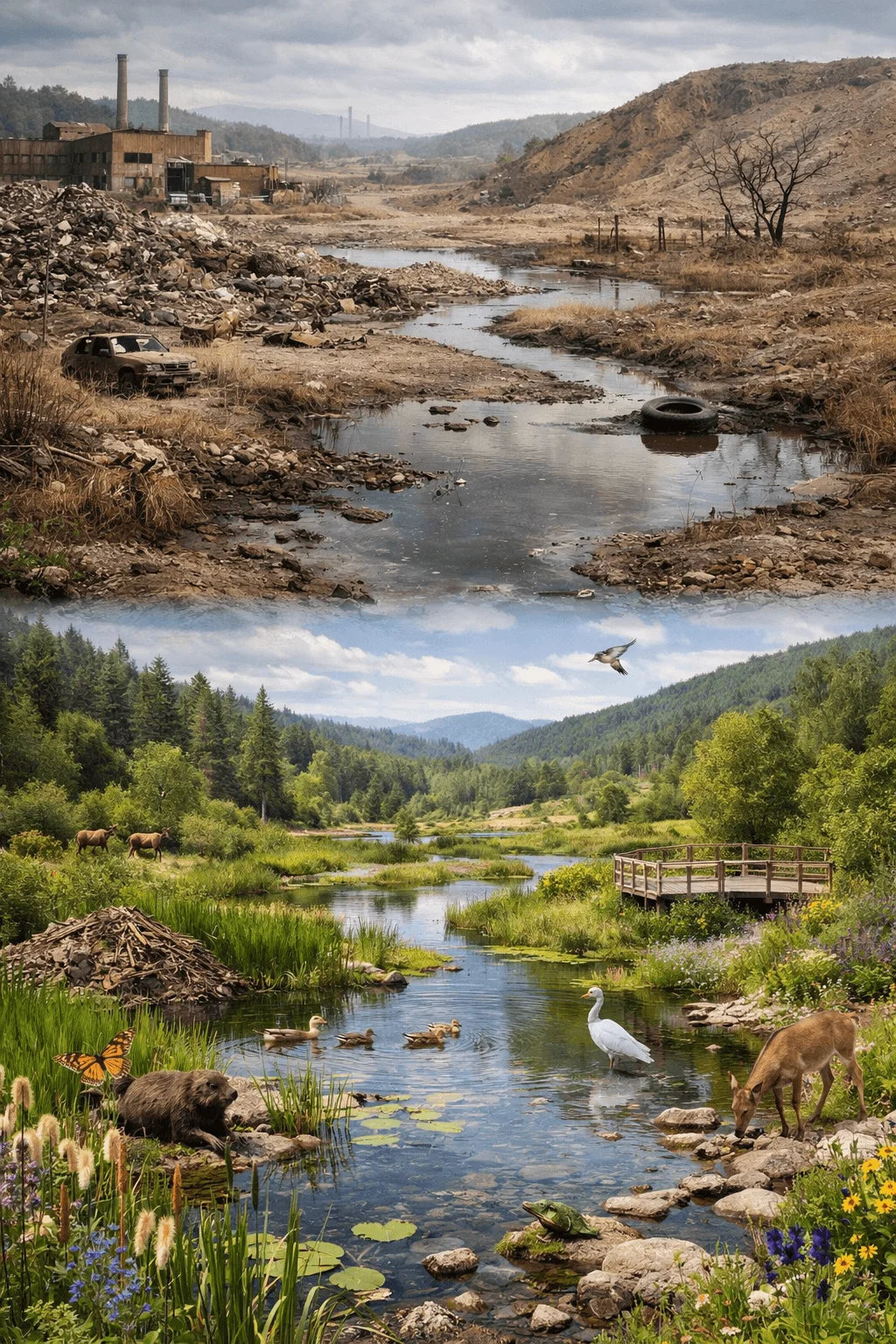
The objective is to increase biodiversity, stabilize soil, and improve ecosystem resilience. Participants learn about interdependence within ecosystems and how restoration can reverse environmental damage.
Climate Role Play Negotiation
In this simulation, players take on roles such as government officials, industry leaders, environmental activists, or community members. They must negotiate climate agreements and balance economic and environmental priorities.

This game works particularly well for high school students and adults. It builds empathy by helping participants understand different perspectives. It also demonstrates how collaboration and compromise are necessary for meaningful change.
Energy Switch Relay
This fast paced game combines physical movement with renewable energy education. Stations are set up around a field or classroom. At each station participants complete a task related to energy efficiency or renewable sources.
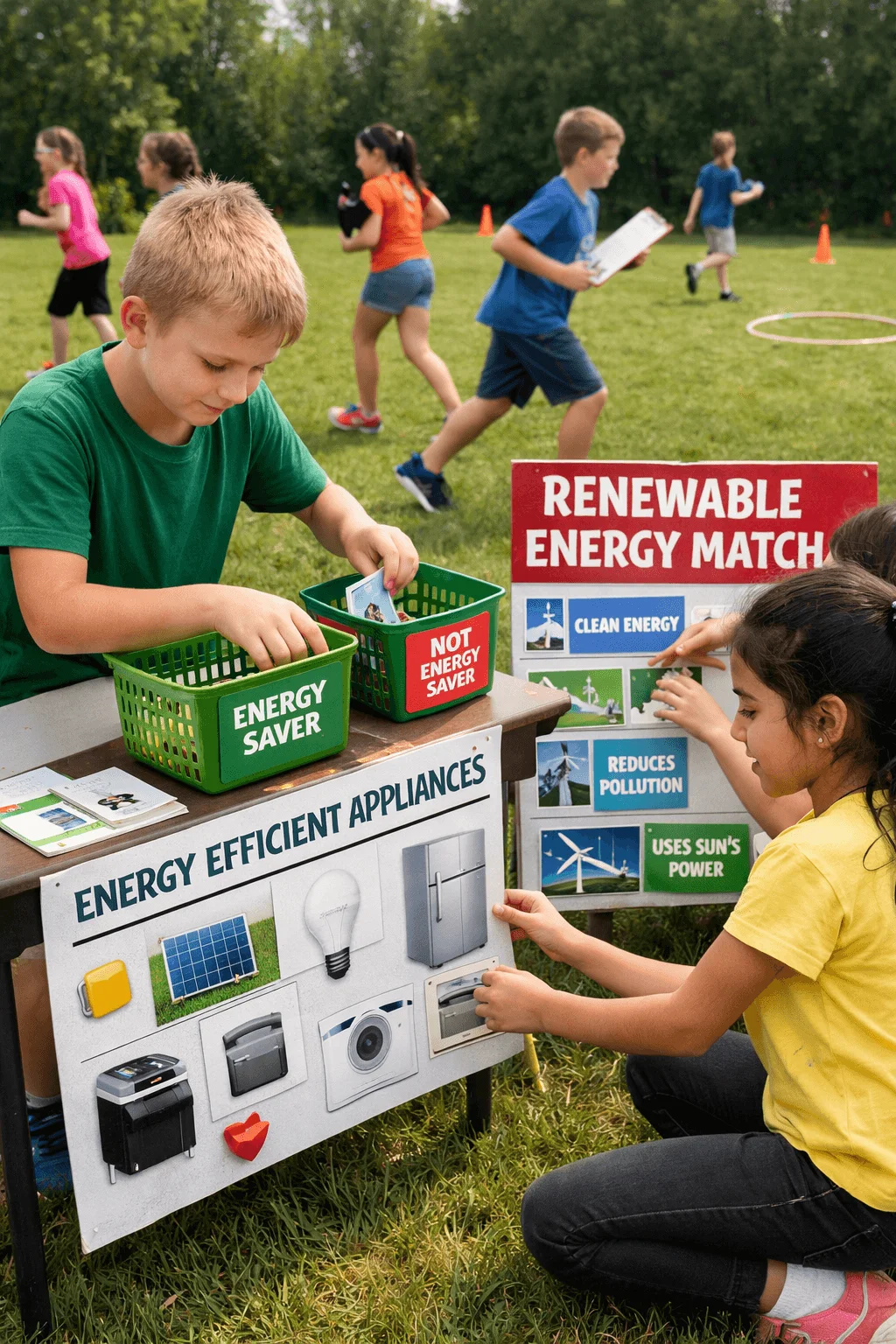
For example, one station might require identifying energy saving appliances, while another focuses on matching renewable sources to their benefits. Teams race to complete all stations accurately.
The energy switch relay is excellent for younger children because it keeps them active while reinforcing practical knowledge.
Plastic Sorting Race
Waste sorting is an essential skill, yet many people remain unsure about correct recycling practices. In this game, mixed items are placed on a table. Teams compete to sort items into correct recycling, compost, and landfill categories.
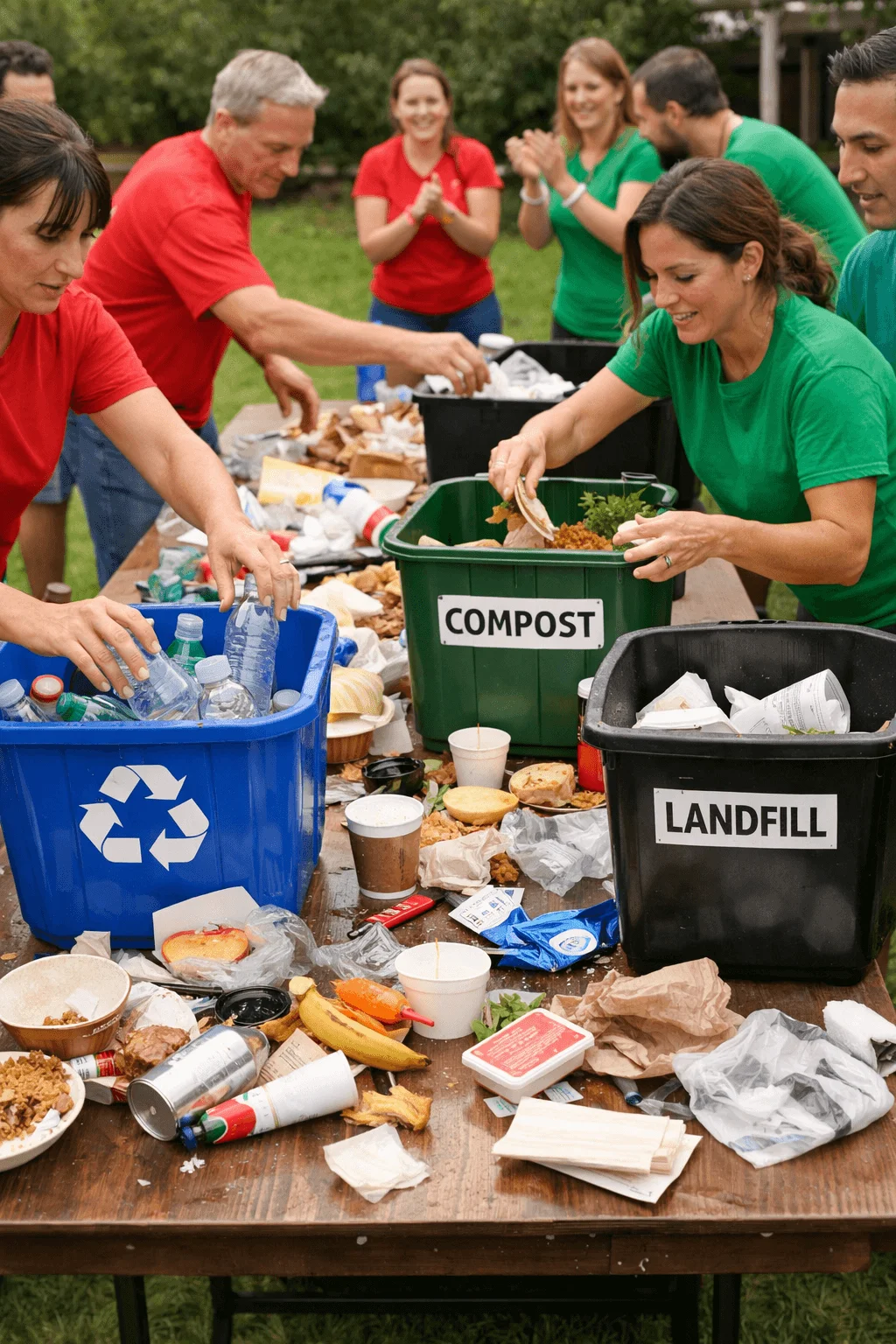
Points are awarded for both speed and accuracy. After the race, facilitators review common mistakes and clarify misconceptions. This simple activity is one of the most effective household waste audit challenge instructions tools for building awareness.
Micro Habit Sustainability Challenge
This seven day challenge encourages participants to adopt one small eco friendly habit each day. Tasks might include reducing food waste, avoiding single use plastics, conserving water, or choosing plant based meals.
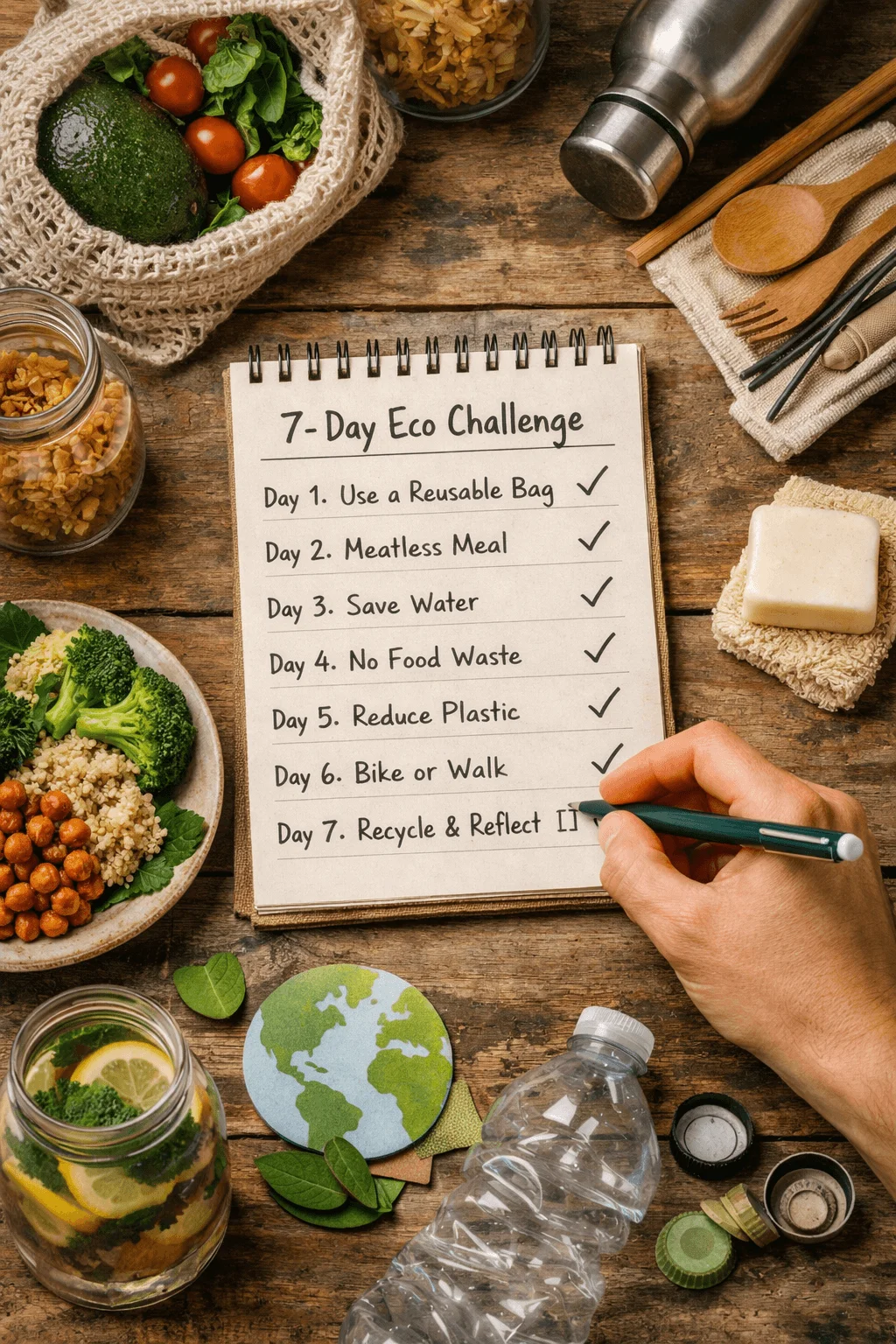
Participants track their progress and reflect on how these micro actions influence their mindset. Over time these small habits build confidence and reinforce that individual actions matter.
Water Cycle Live Action Game
Players physically move between stations labeled evaporation, condensation, precipitation, and collection. Each station includes a short explanation or task.
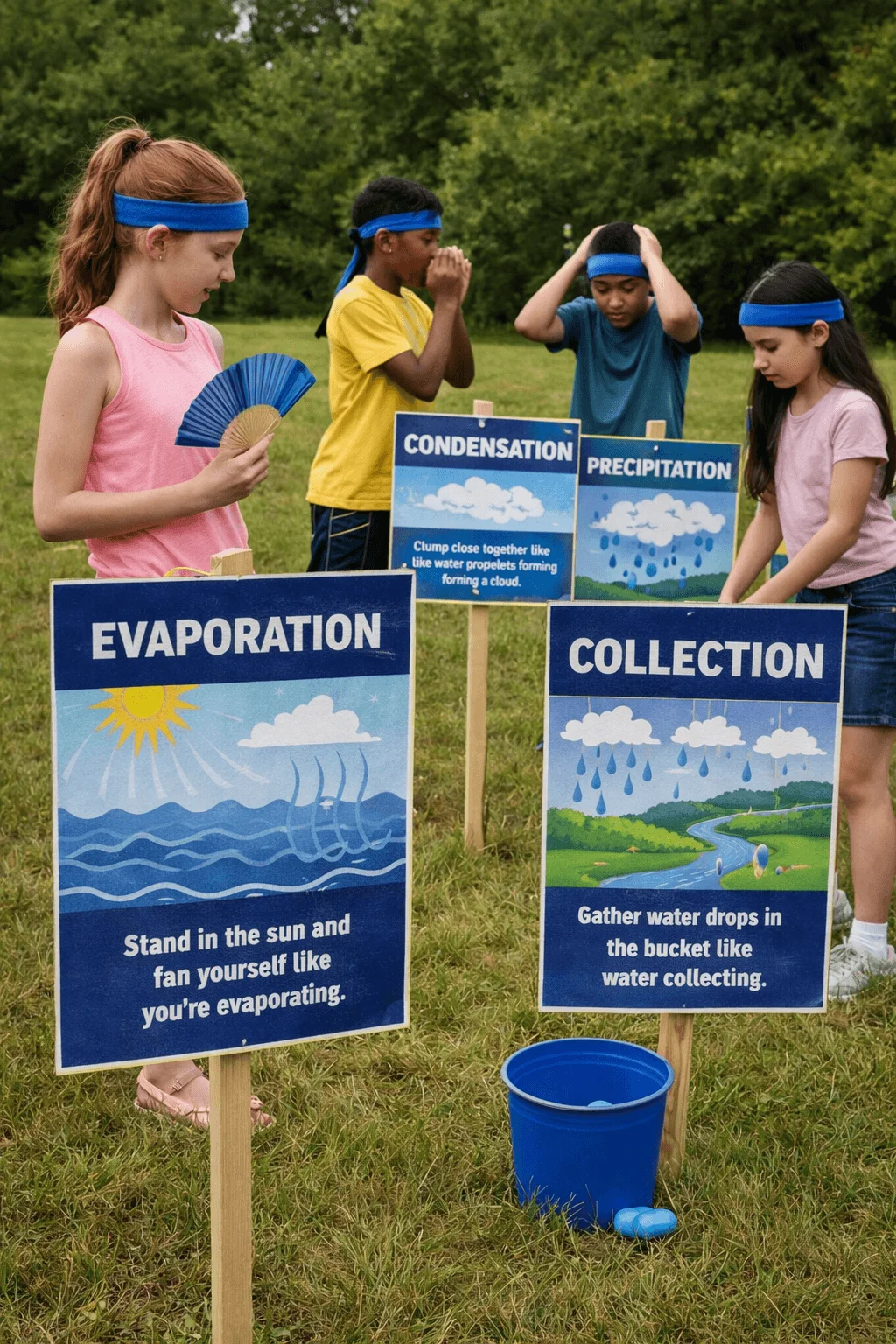
By acting as water molecules traveling through the cycle, participants understand the continuous and interconnected nature of water systems. This game is particularly effective for younger learners who benefit from movement based learning.
Biodiversity Bingo
Biodiversity bingo printable cards free versions can be customized for local species. Instead of numbers, each square features a plant, insect, or animal common to the region.
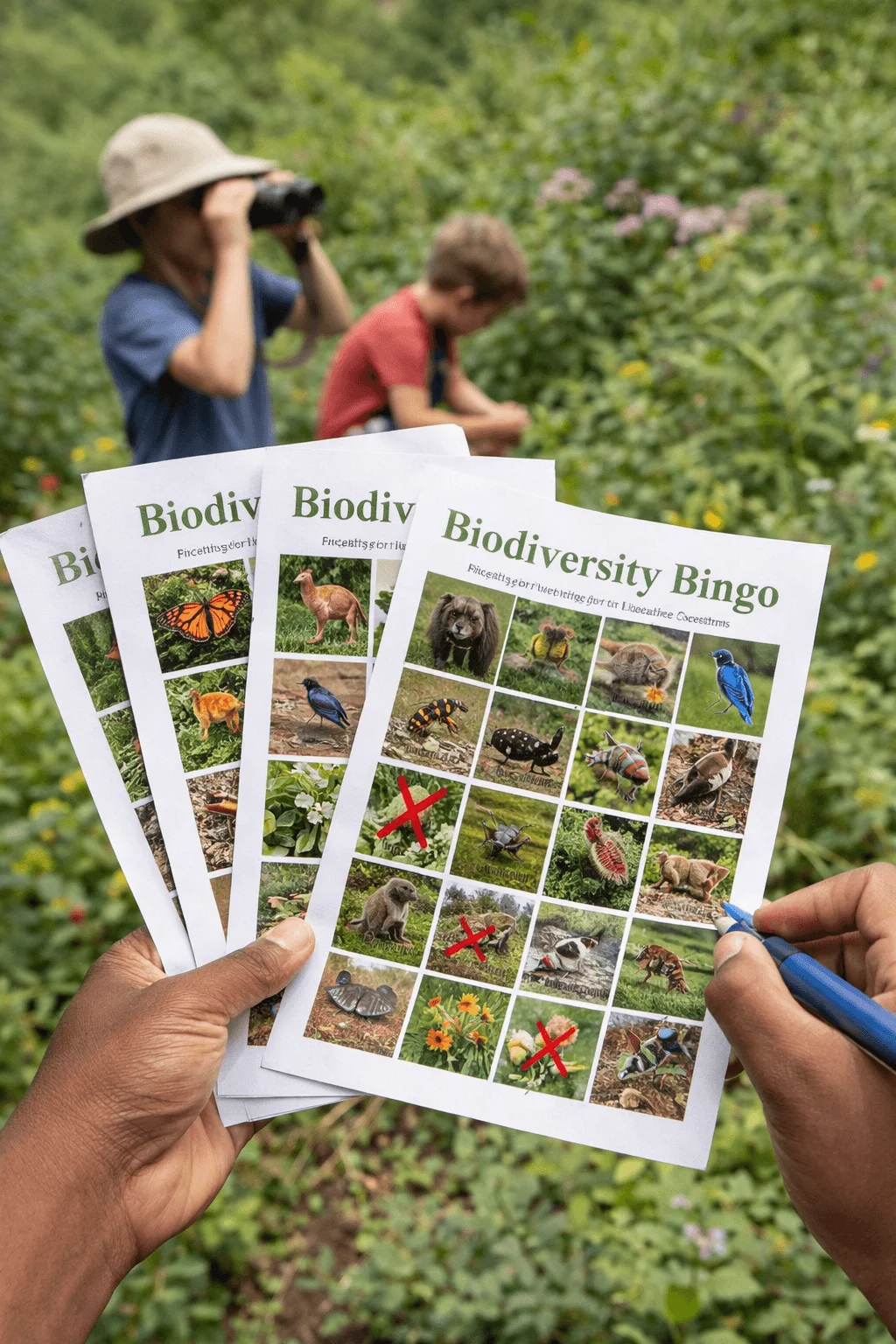
Participants explore outdoor spaces and mark species they observe. This game increases familiarity with local ecosystems and fosters appreciation for often overlooked organisms.
Eco Startup Simulation
In this activity, teams design an environmentally responsible product or service. They must consider cost, impact, feasibility, and scalability. Each team presents their idea to a panel or group.
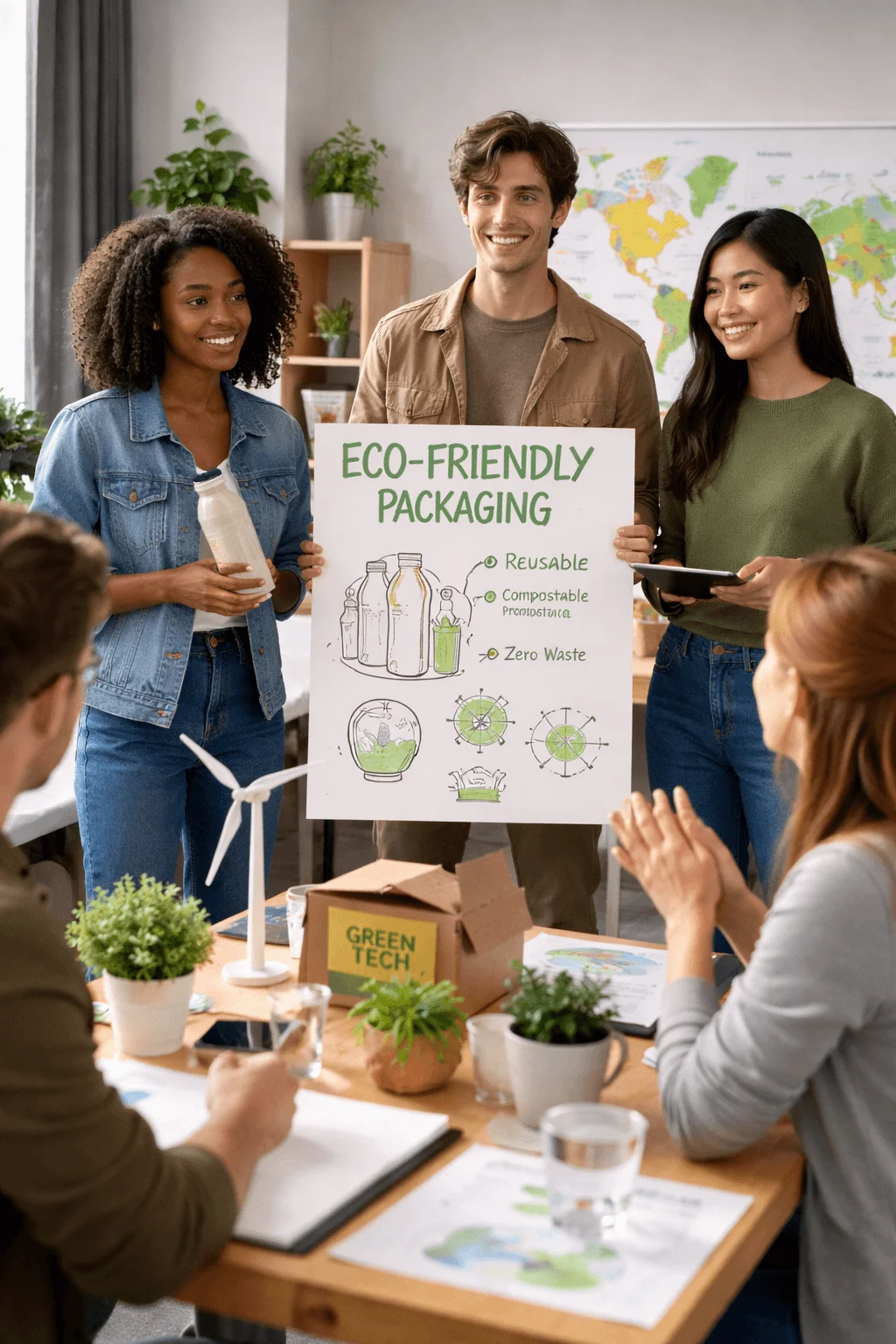
The eco startup simulation empowers teens and adults to think like innovators. It reinforces that sustainability is not just about reducing harm but also about creating positive solutions.
Interactive Climate Trivia Live Quiz
A live trivia format energizes audiences at events or in classrooms. Questions can cover climate science, conservation efforts, sustainable living tips, and local environmental facts.
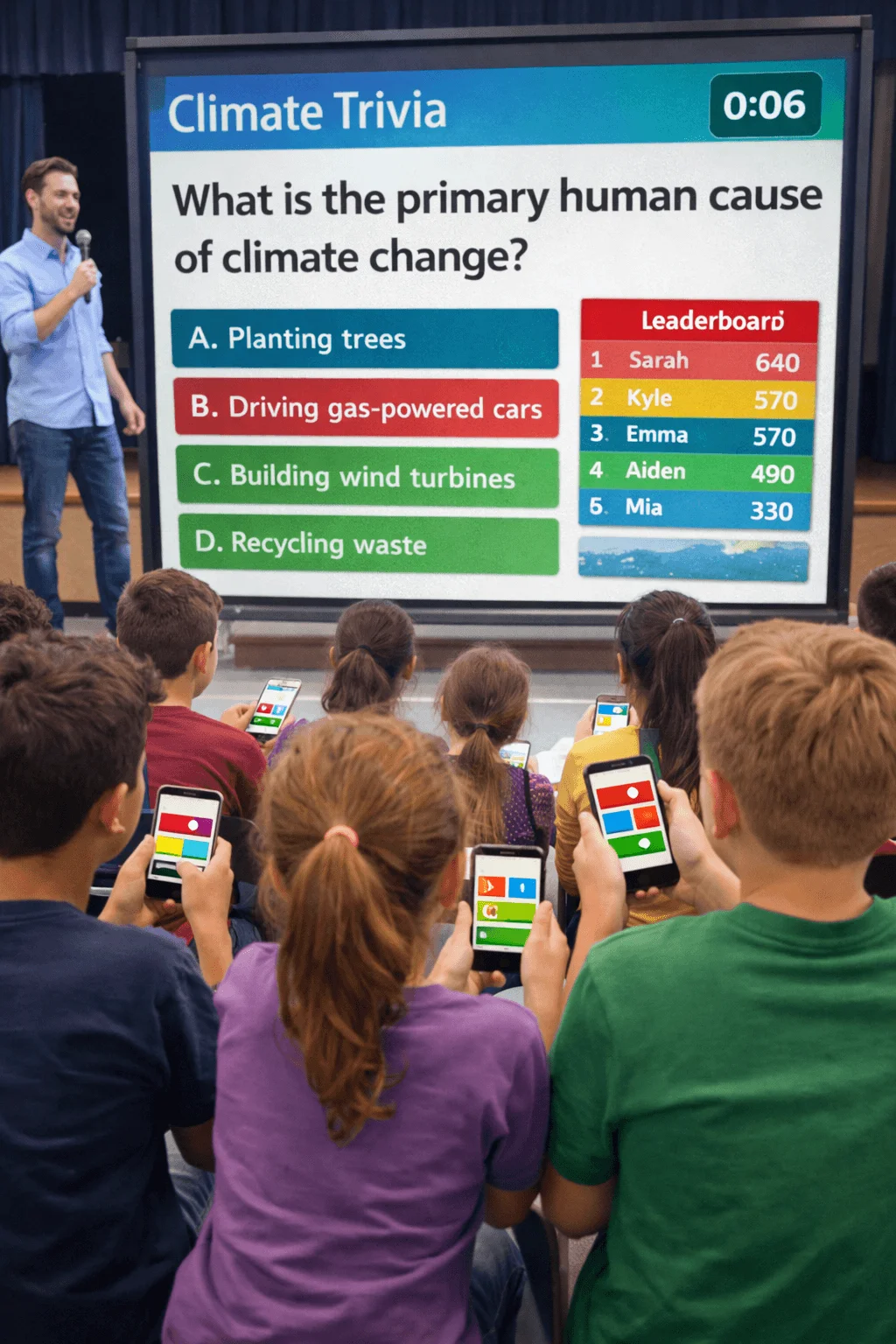
Adding a leaderboard and timed responses increases excitement. This game is adaptable for all ages and encourages friendly competition while expanding knowledge.
Restore the Reef Digital Mini Game
In this digital concept, players make choices that affect coral reef health. Decisions about pollution, fishing practices, and marine protection determine the reef outcome.
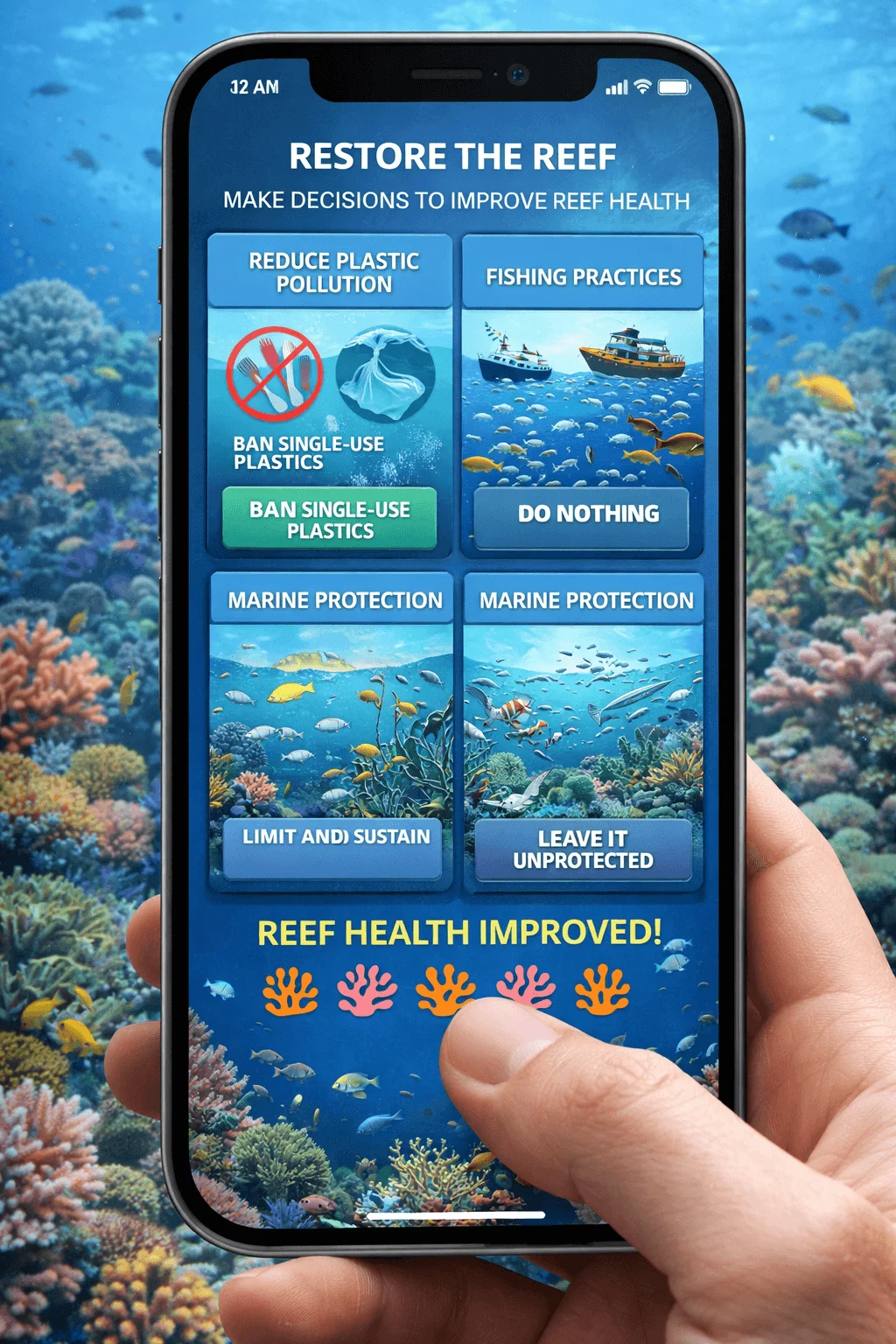
This game introduces marine conservation in an accessible way. It is particularly effective for visual learners and can complement classroom lessons about oceans and biodiversity.
Household Waste Audit Challenge
Participants track their waste for one week, measuring categories such as recyclables, compostables, and landfill waste. At the end of the week, they analyze patterns and identify areas for reduction.
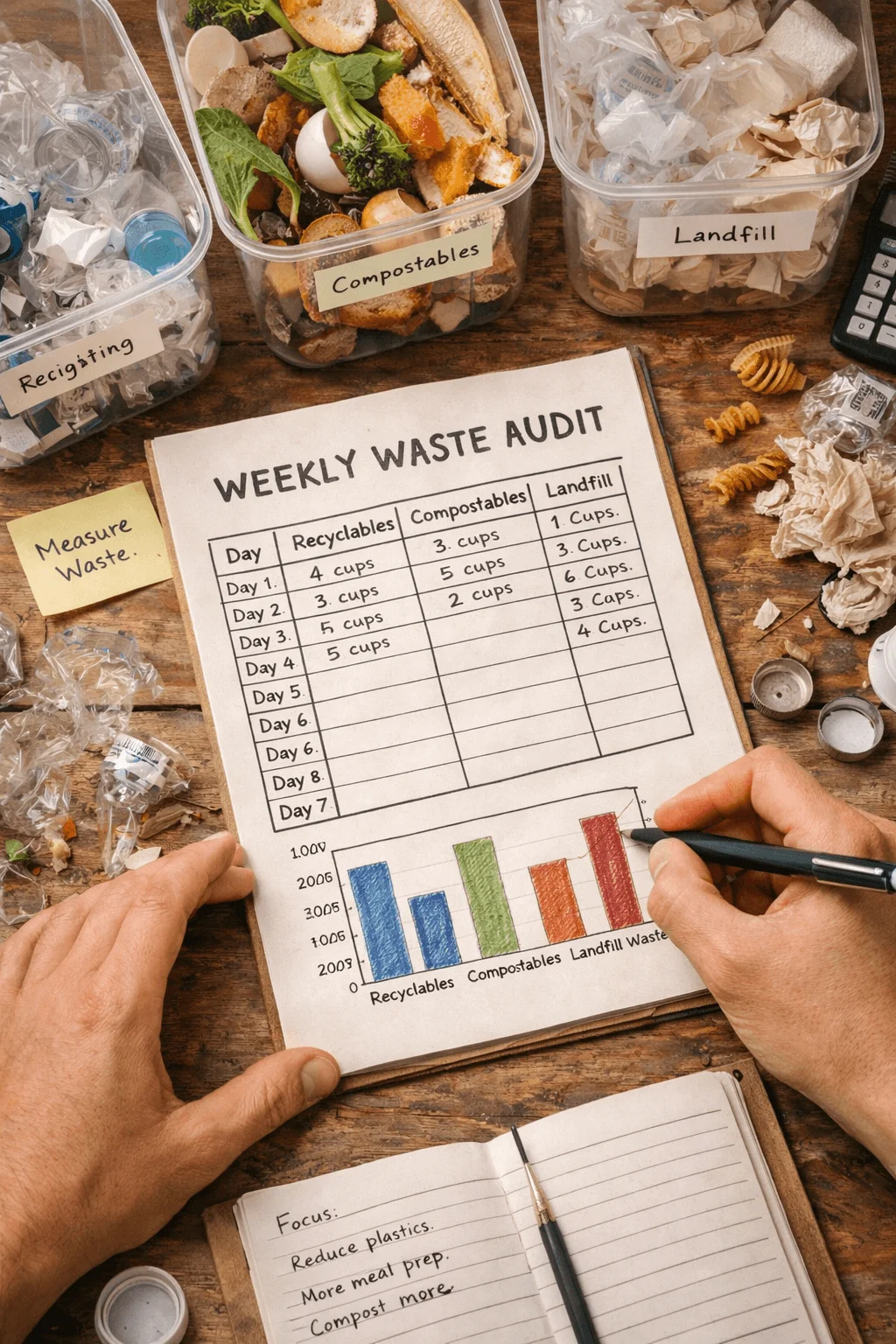
This challenge turns abstract waste discussions into measurable data. It is practical, eye opening, and often leads to immediate behavior changes.
Green Game Jam Showcase
A local green game jam invites participants to design simple eco themed games within a limited time frame. These can be board games, card games, or digital prototypes.
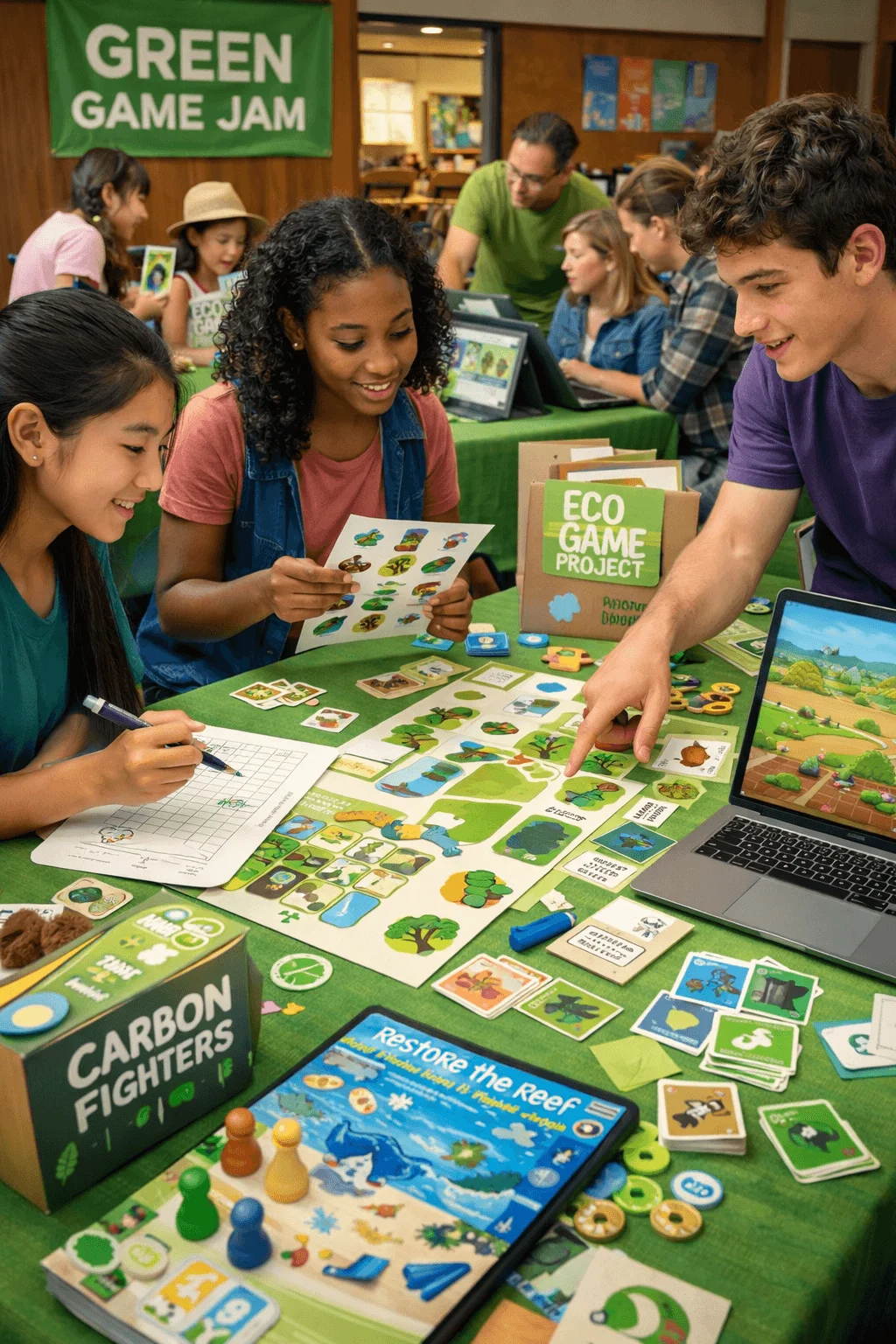
The collaborative atmosphere fosters creativity and community spirit. It also demonstrates how entertainment can be a vehicle for environmental storytelling.
Nature Journaling Relay
Teams explore an outdoor area and record observations in journals. Each participant adds a drawing or fact before passing the journal to the next teammate.
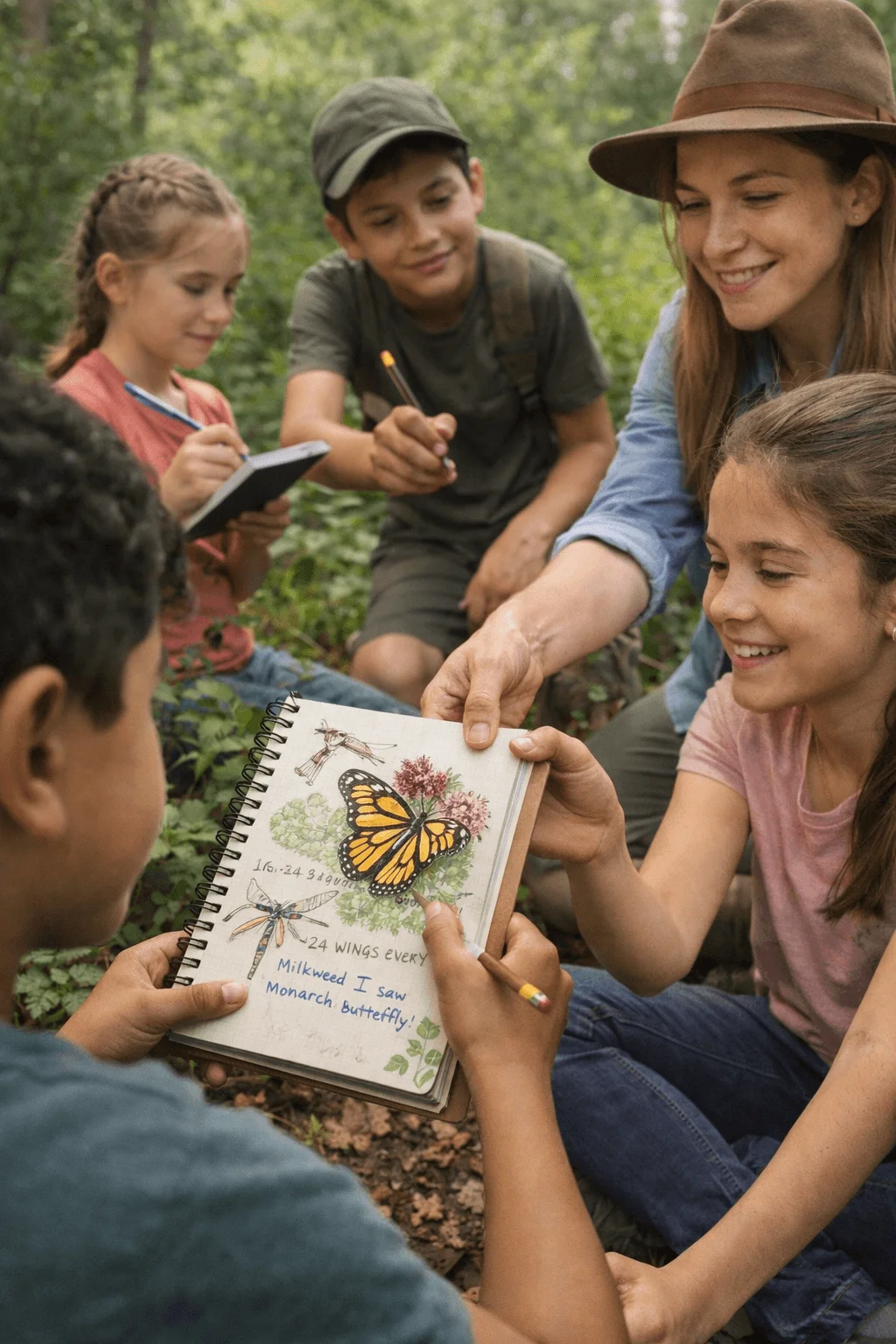
This activity blends art and science. It strengthens observation skills and encourages mindfulness in natural spaces.
Pollinator Path Design Challenge
In this pollinator garden game for kids printable style activity, teams design a map that connects green spaces to support bees and butterflies. They must select native plants and ensure habitat continuity.
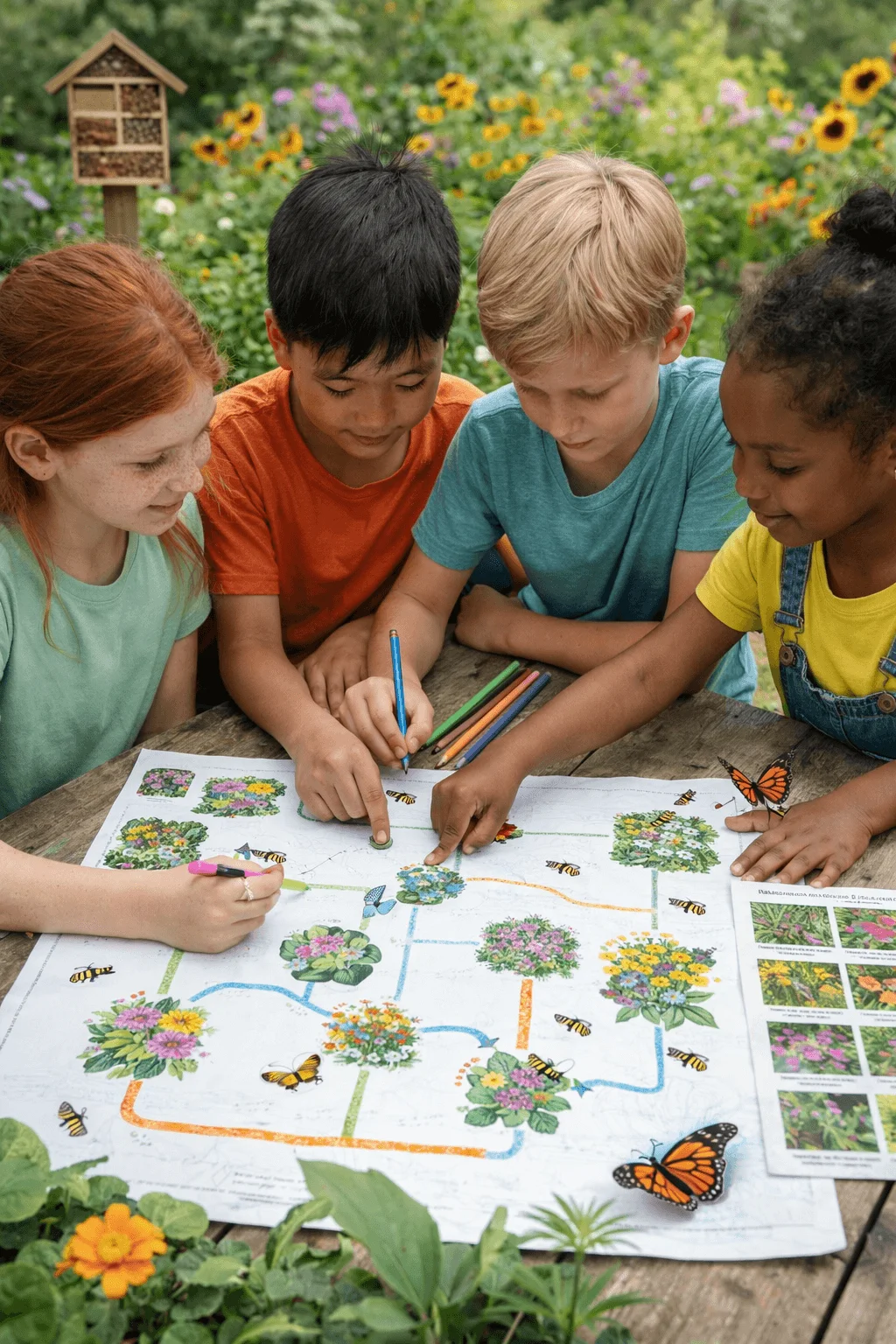
This challenge teaches ecological connectivity and highlights the importance of supporting pollinators in both urban and rural settings.
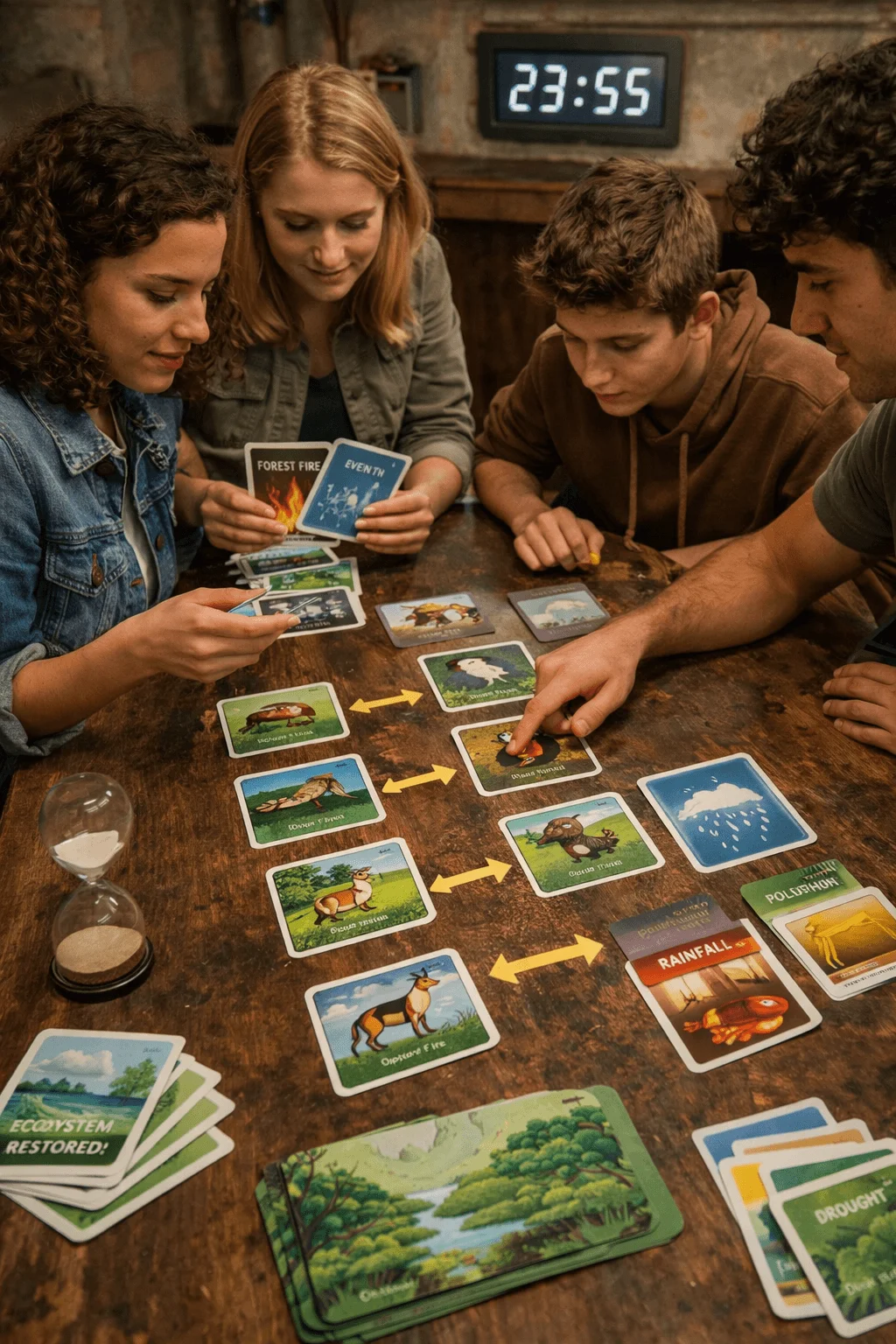
Fix the Food Chain Cooperative Card Game
Players work together to rebuild a disrupted food chain. Cards represent species and environmental events. The goal is to restore balance before time runs out.
This cooperative format reinforces the idea that ecosystems rely on interconnected relationships. It also emphasizes teamwork rather than competition.
Conclusion
Environmental education in 2026 is dynamic, creative, and community driven. Fun environmental games for all ages provide an effective way to transform awareness into action. Whether you are organizing outdoor environmental games for kids and teens, planning the best eco games for families at home, or designing low cost environmental activities for classrooms, these twenty ideas offer flexible and meaningful options.
The most powerful aspect of environmental games is not the competition or the points. It is the sense of responsibility and possibility they inspire. When people actively engage with sustainability through play, they begin to see themselves as part of the solution. Start with one game, adapt it to your setting, and watch how curiosity turns into commitment.