Sustainability Interior Design Ideas 2026
Sustainability in interior design has transformed into something far more meaningful than a passing trend. In 2026, it represents a shift in mindset where homes are designed not only for comfort and beauty but also for responsibility and long term impact. People are no longer satisfied with spaces that simply look modern. They want environments that reflect their values, support their well being, and contribute positively to the planet.
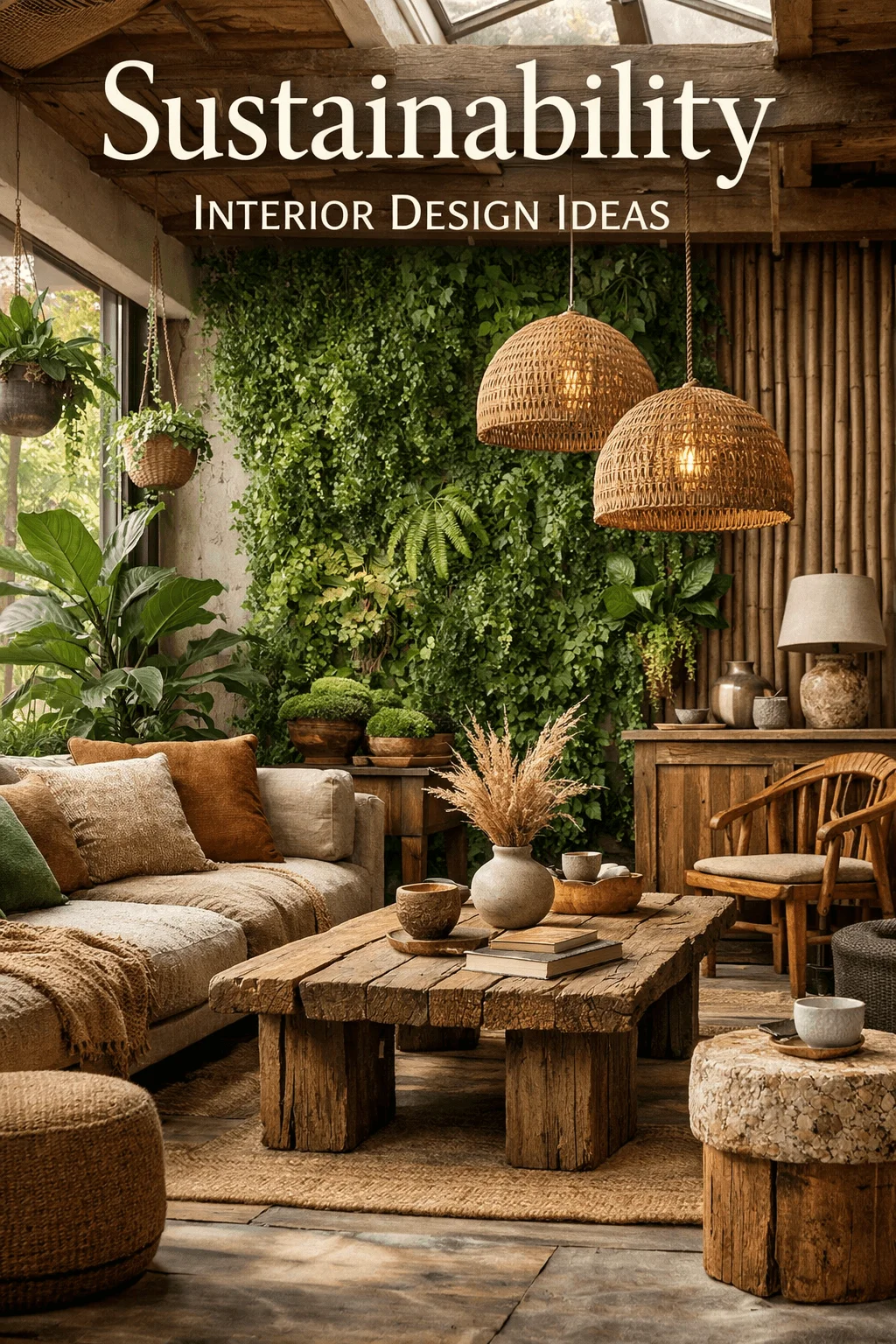
This new approach to interior design is driven by awareness. Climate concerns, rising waste, and the desire for healthier living spaces have pushed designers to rethink every detail. From materials and layouts to lighting and furniture, every choice now carries intention. The result is a new generation of interiors that feel more human, more natural, and more connected to the world outside.
Regenerative Interior Design That Gives Back More Than It Takes
One of the most advanced ideas shaping 2026 is regenerative interior design. This concept moves beyond reducing harm and focuses on actively improving the environment. It changes the role of a home from a passive space into a living system that contributes to ecological balance.
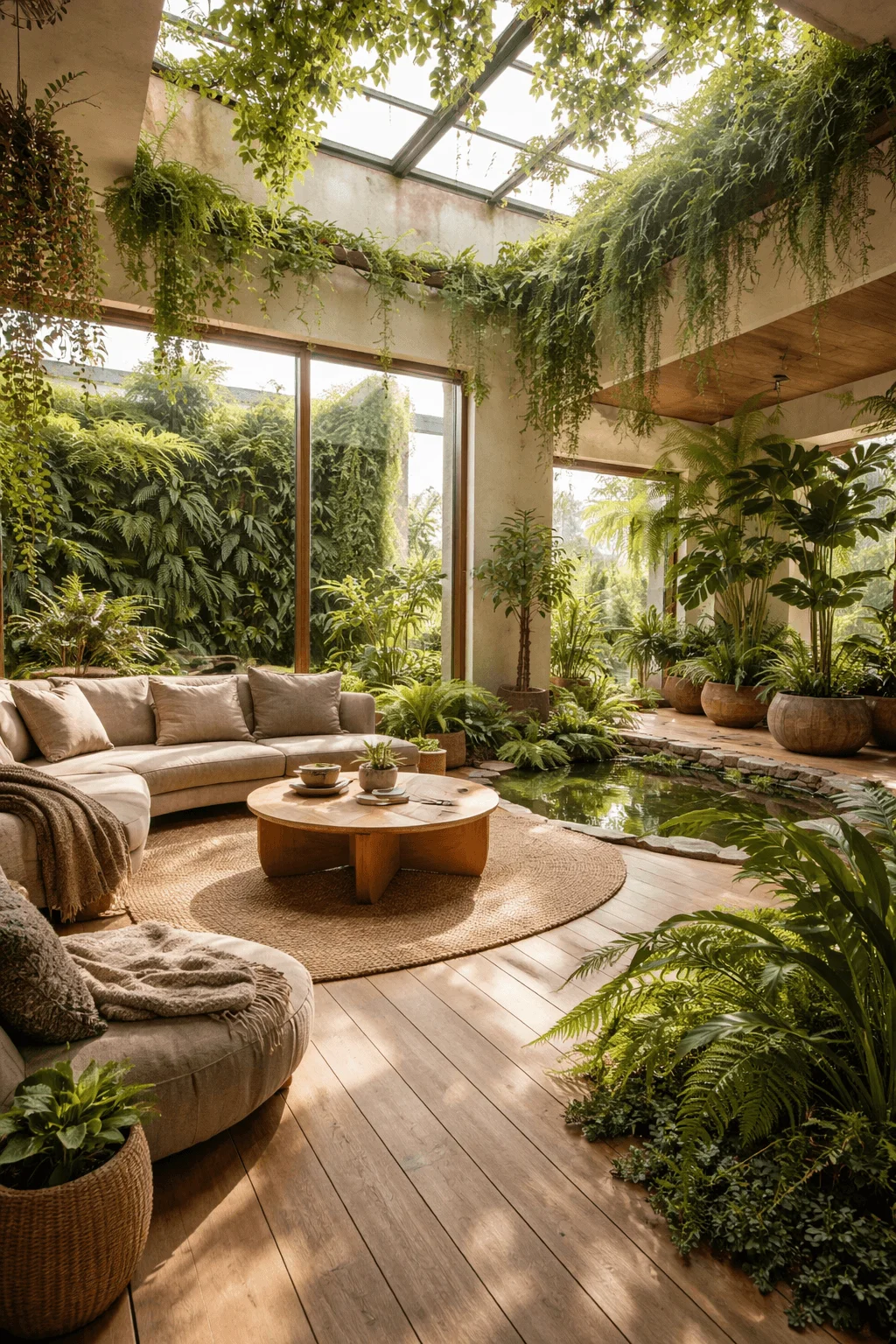
Designers are incorporating elements such as indoor vegetation systems, natural airflow strategies, and materials that capture carbon. These features do not just exist for aesthetics. They serve a real purpose by improving air quality, reducing energy use, and creating a healthier indoor climate. The deeper idea behind this approach is that a home can become part of the solution rather than part of the problem. It reflects a future where design is responsible, intelligent, and regenerative at its core.
Bio Based Materials Redefining What Interiors Are Made Of
The materials used inside a home have a significant impact on both the environment and human health. In 2026, there is a strong movement toward bio based materials that come from renewable natural sources. These materials are changing how interiors are built and experienced.
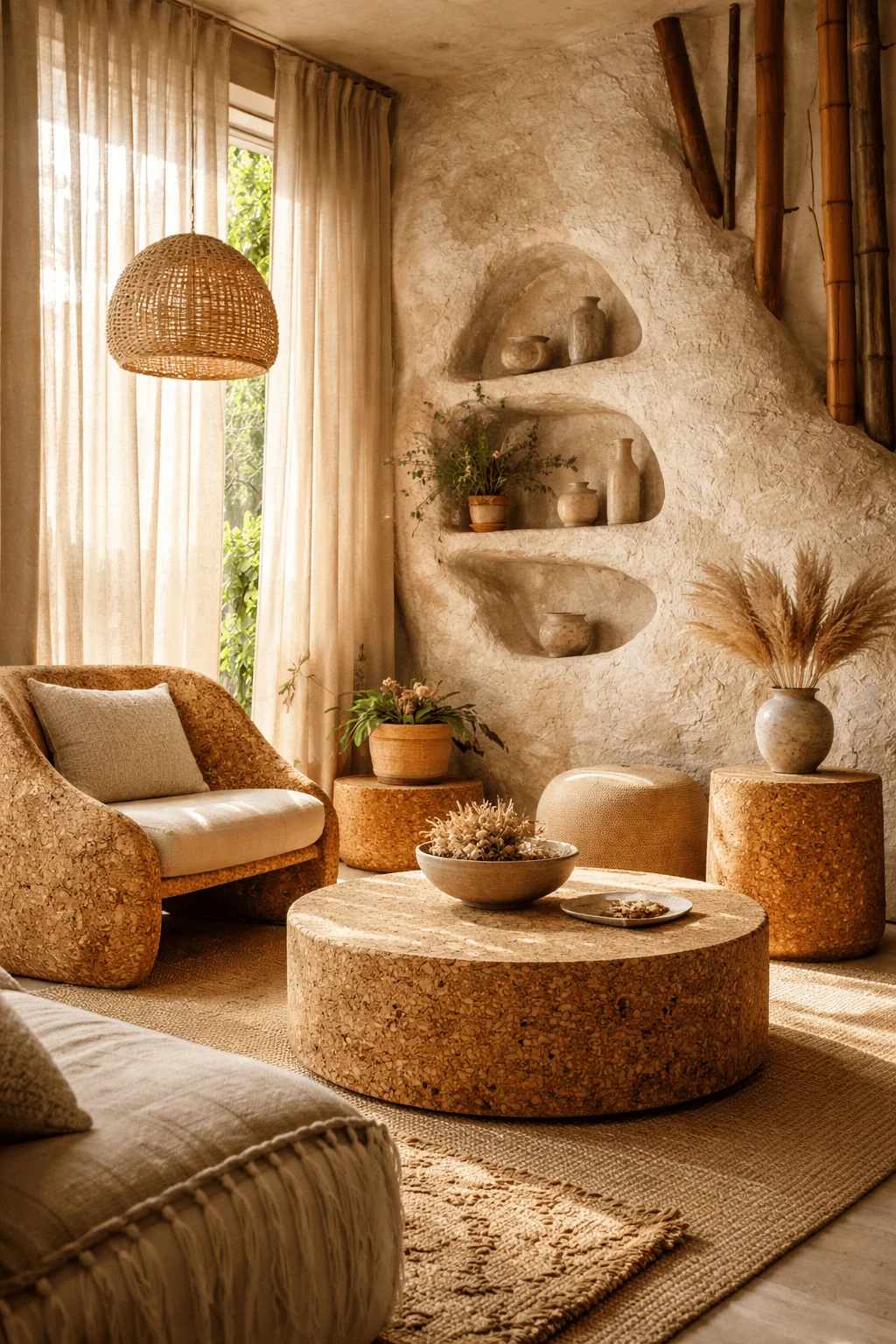
Options such as mycelium, cork, bamboo fiber, and plant derived textiles are gaining attention because they are biodegradable and require less energy to produce. Beyond their environmental benefits, these materials bring a unique texture and warmth that synthetic materials often lack. They introduce a sense of authenticity and natural beauty into interiors. This trend shows that sustainability does not limit creativity. Instead, it opens new possibilities for innovative and visually rich design.
Warm Earth Tones Creating Emotional Depth and Comfort
Color trends in 2026 reflect a desire for emotional comfort and grounding. Interiors are moving away from cold and overly minimal palettes and embracing warm, earthy tones inspired by nature. These colors have a strong psychological effect and play a key role in how a space feels.
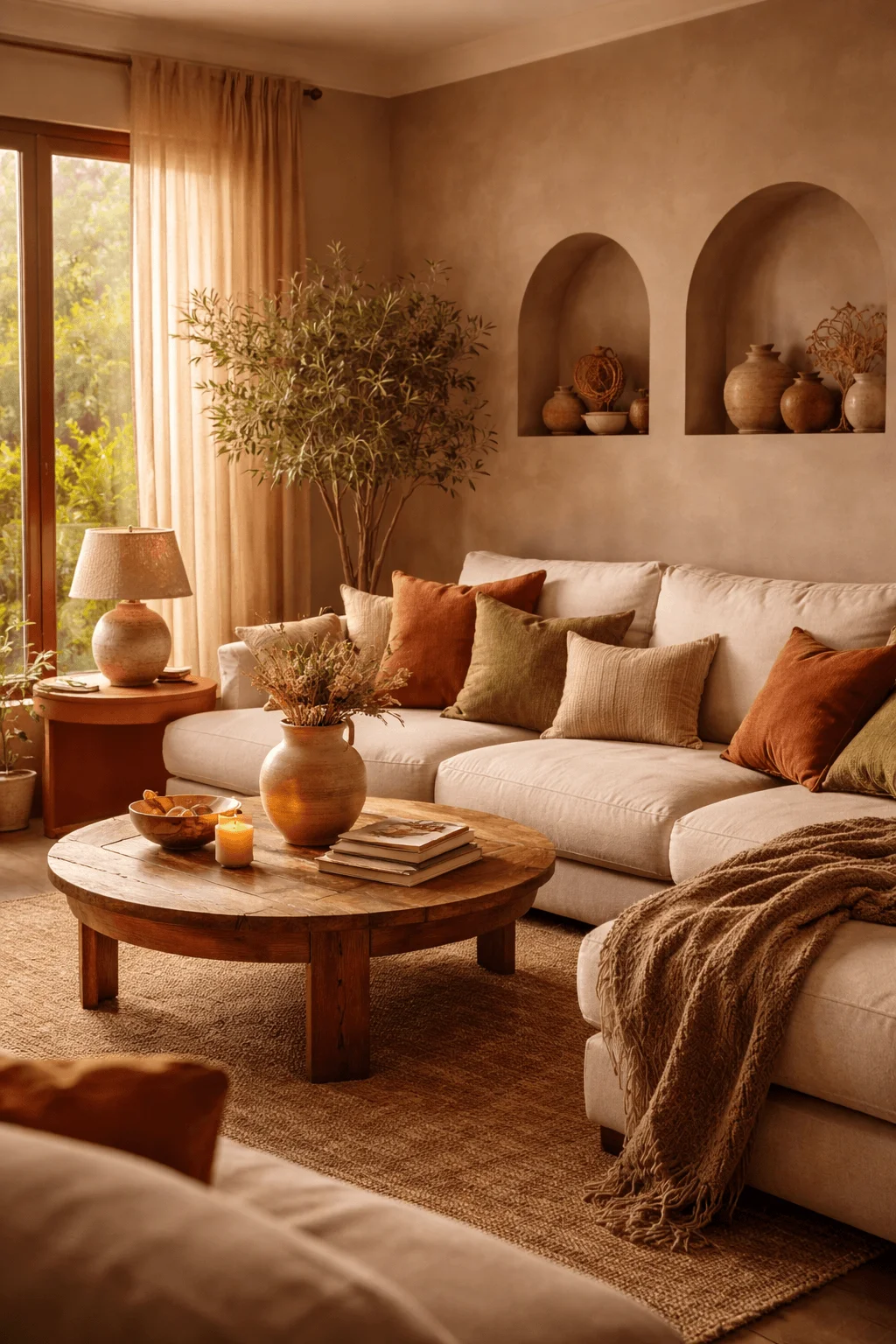
Shades like terracotta, olive green, soft beige, and deep brown create a sense of calm and stability. They make spaces feel more inviting and lived in. This shift is not only about aesthetics. It is about creating environments that support mental well being and provide a sense of balance in a fast paced world. The use of natural colors also strengthens the connection between indoor spaces and the outdoor environment.
Vintage and Reclaimed Furniture Adding Story and Meaning
The growing popularity of vintage and reclaimed furniture reflects a deeper change in consumer behavior. People are moving away from disposable culture and embracing pieces that have history and character. This approach adds a unique layer of meaning to interior spaces.
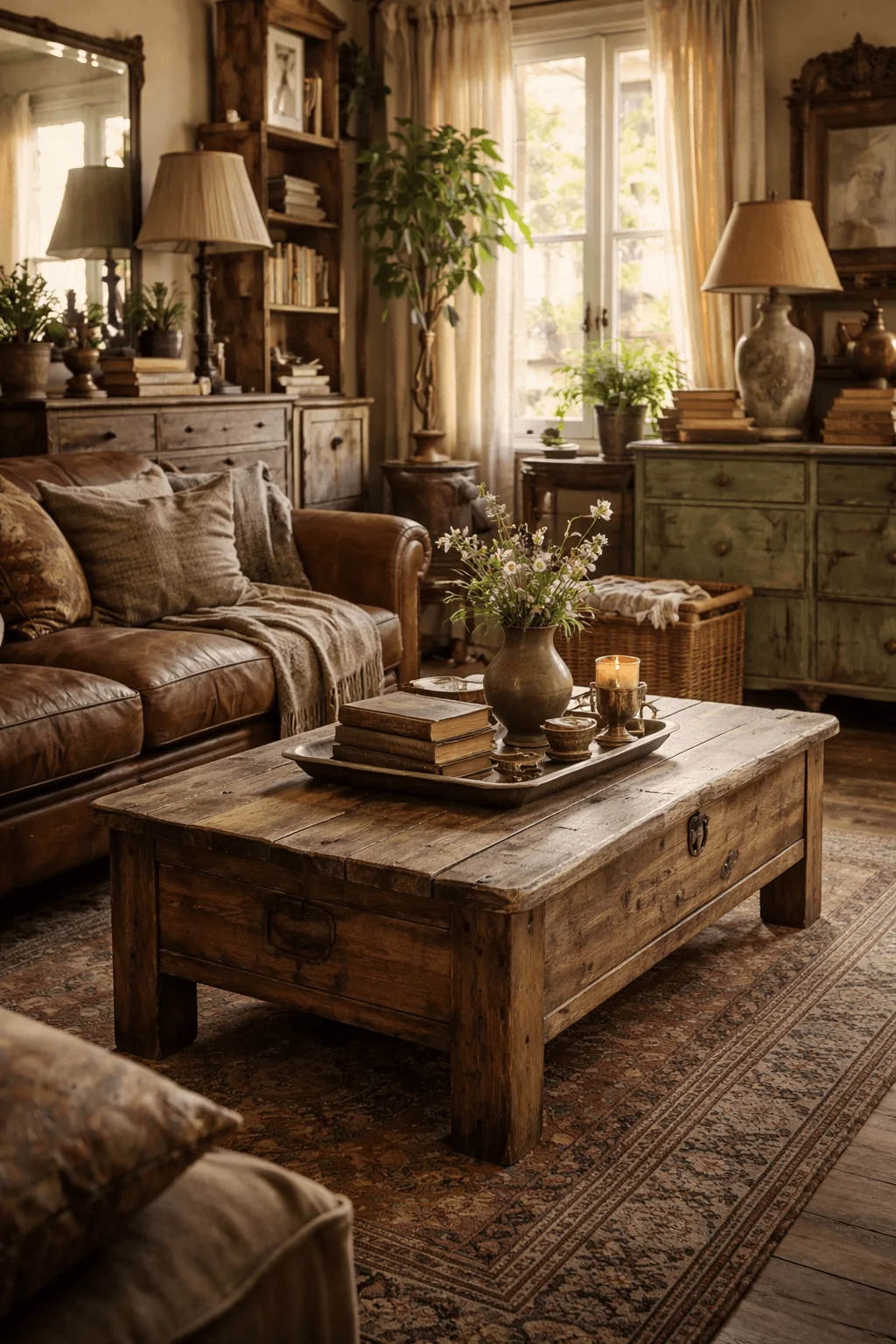
Reclaimed wood furniture, restored antiques, and second hand finds bring individuality into a home. Each piece carries a story that cannot be replicated by mass produced items. This makes interiors feel more personal and authentic. At the same time, it reduces waste and supports a more sustainable way of living. The focus shifts from constant consumption to thoughtful selection and preservation.
Non Toxic Interiors Prioritizing Health and Safety
As awareness of indoor pollution grows, non toxic interior design has become a major priority. Many traditional building materials and finishes release harmful chemicals that can affect health over time. In response, designers are choosing safer alternatives that create cleaner indoor environments.
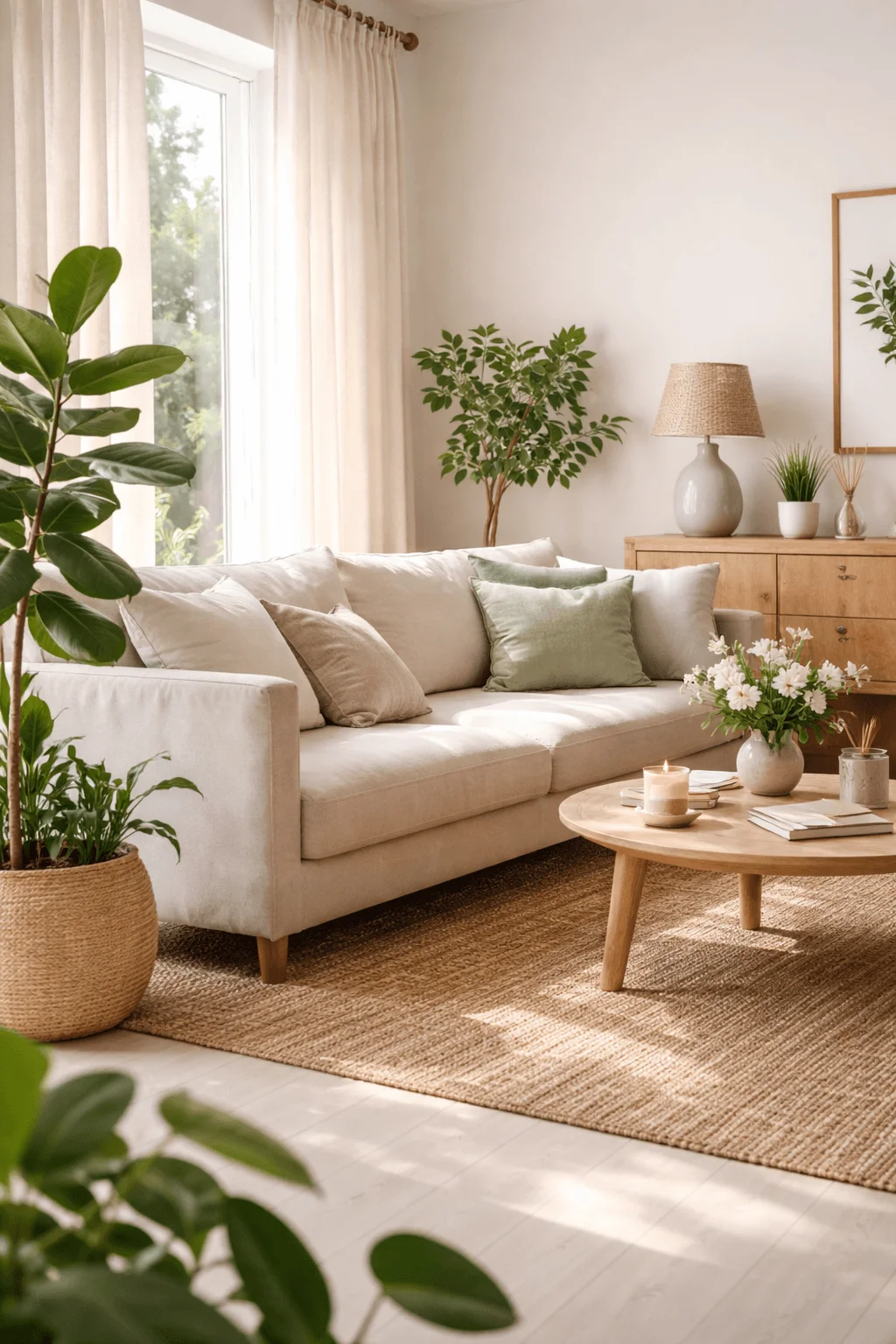
Low emission paints, natural fabrics, and chemical free finishes are now widely used. These choices improve air quality and reduce the risk of long term health issues. The importance of this trend goes beyond sustainability. It highlights the connection between design and well being. A truly sustainable home is one that supports both the planet and the people living in it.
Gentle Clutter Bringing Warmth and Personality Back Into Spaces
The idea of perfect minimalism is gradually fading, making way for a more relaxed and personal approach known as gentle clutter. This concept celebrates the presence of meaningful objects and collections within a space.
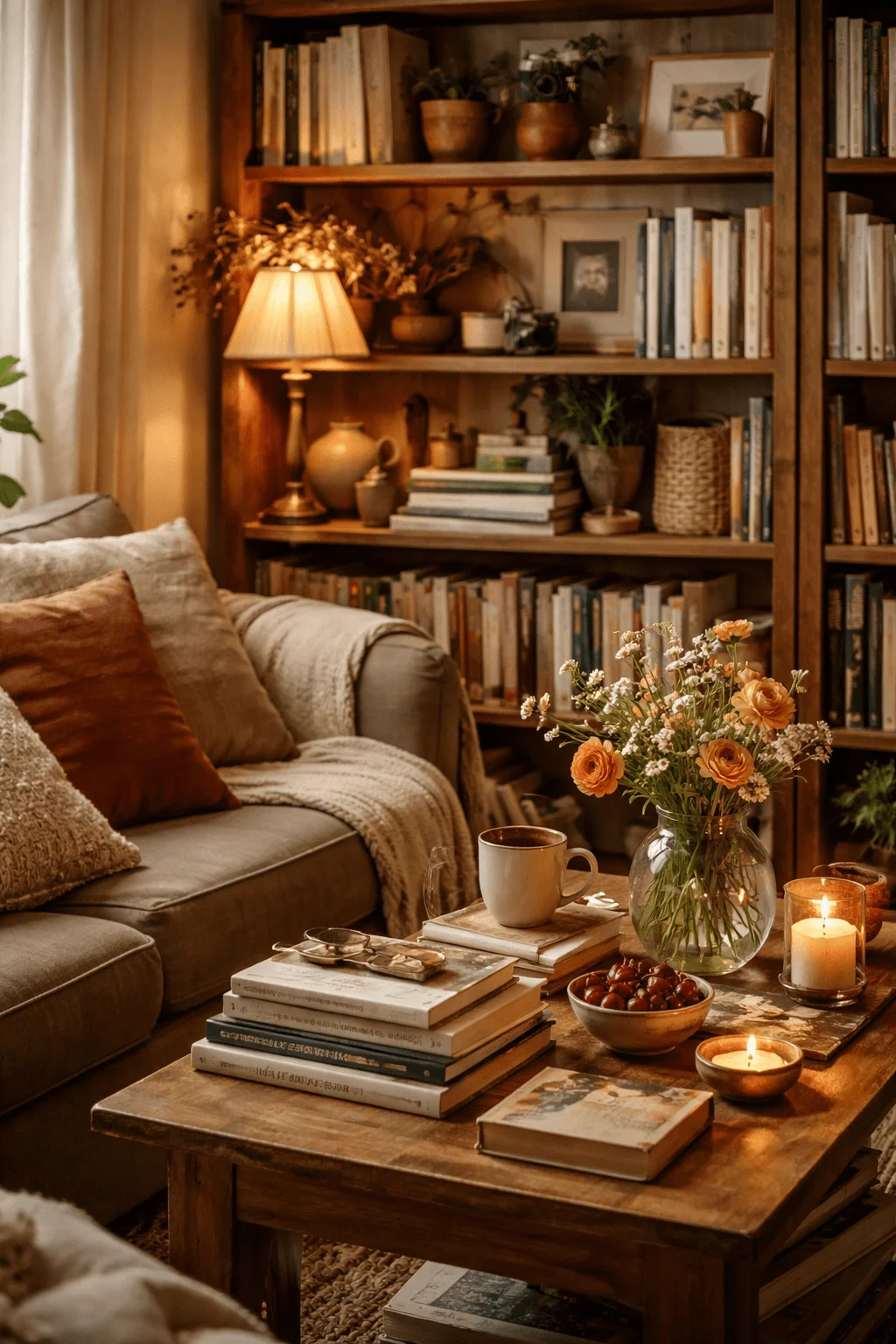
Homes are now designed to reflect the lives of the people who live in them. Books, handmade items, and personal collections are displayed in a way that feels natural and intentional. This approach creates a sense of warmth and authenticity that minimalism often lacks. It also encourages people to value what they already own instead of constantly seeking new items. In this way, it supports both emotional connection and sustainability.
Wellness Focused Interiors Supporting Everyday Balance
Modern homes are increasingly being designed as spaces for healing and relaxation. Wellness focused interiors aim to support both physical and mental health through thoughtful design choices.
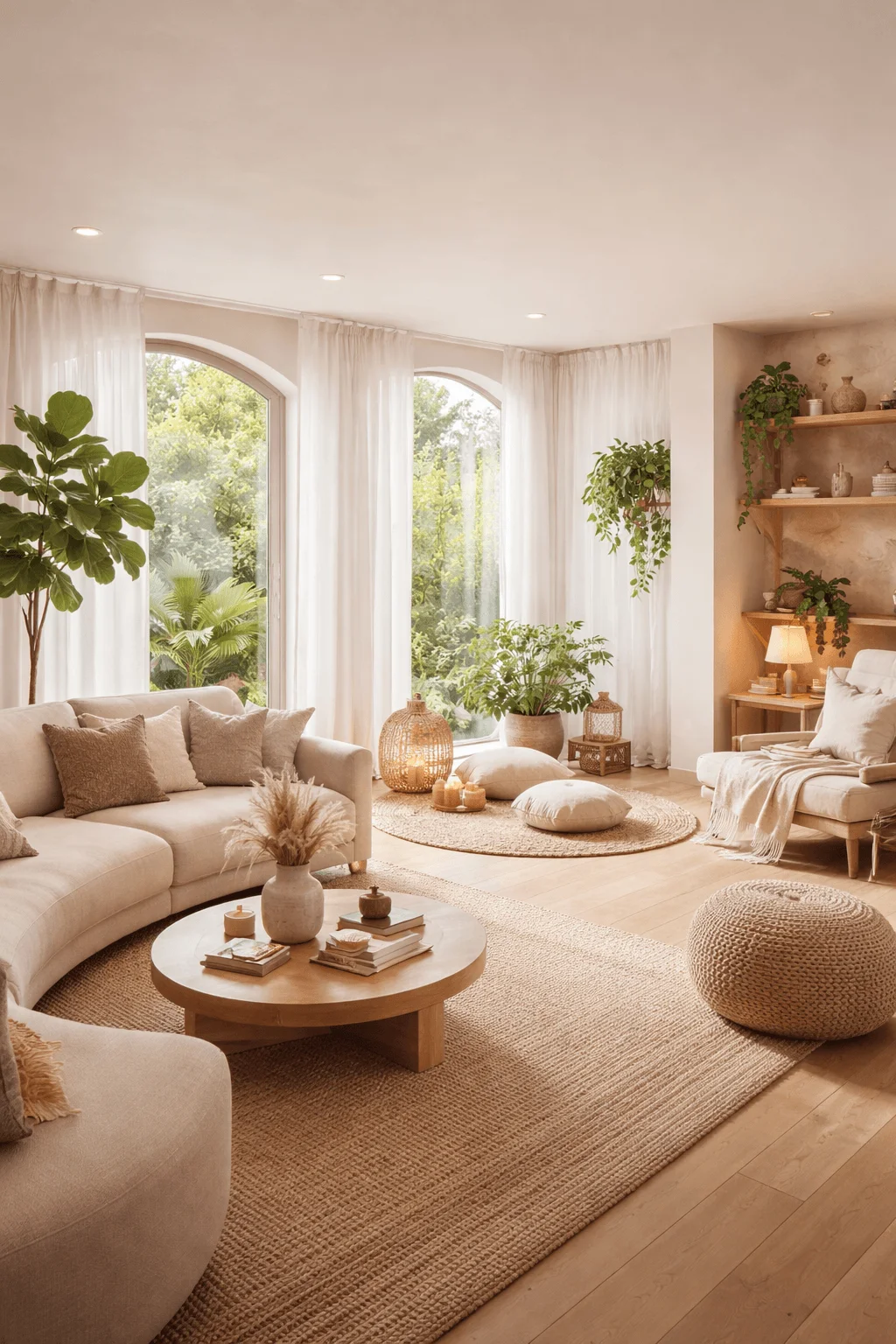
This includes creating dedicated areas for relaxation, improving natural light, and using calming materials and colors. The goal is to make the home a place where people can disconnect from stress and reconnect with themselves. This trend reflects a growing understanding that design has a direct impact on well being. It emphasizes the importance of creating environments that nurture and restore.
Invisible Smart Technology Enhancing Sustainable Living
Technology is becoming an essential part of sustainable interior design, but it is now integrated in a subtle and seamless way. Invisible smart systems are designed to improve efficiency without disrupting the visual harmony of a space.
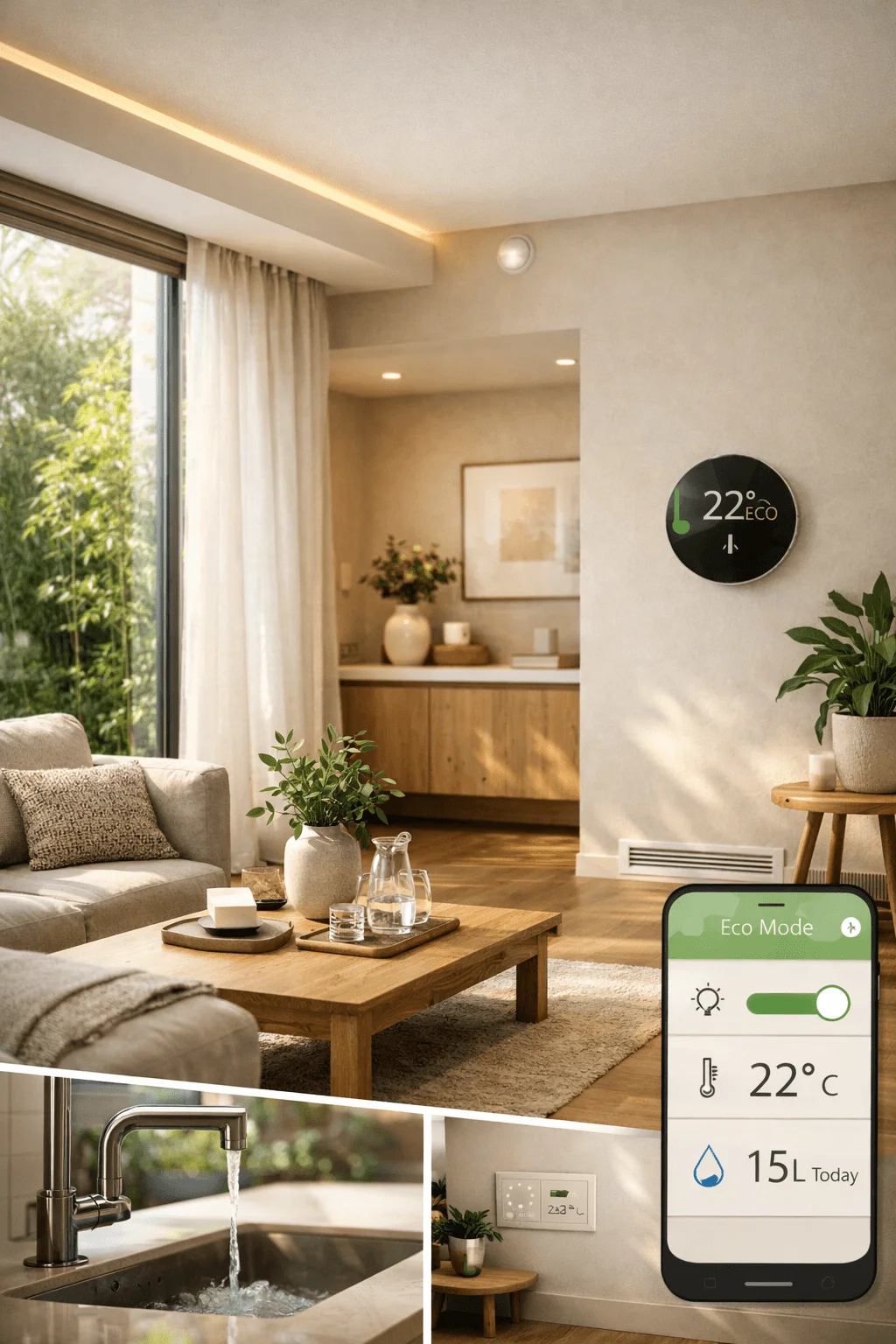
Features such as automated lighting, temperature control, and water management systems help reduce energy consumption and waste. These technologies work quietly in the background, making homes more efficient and comfortable. The key idea is that sustainability can be enhanced through innovation without compromising design aesthetics.
Organic Shapes Creating a Softer and More Natural Environment
The shift toward organic shapes reflects a desire for more natural and fluid interiors. Straight lines and sharp edges are being replaced by curves and soft forms that feel more inviting and harmonious.
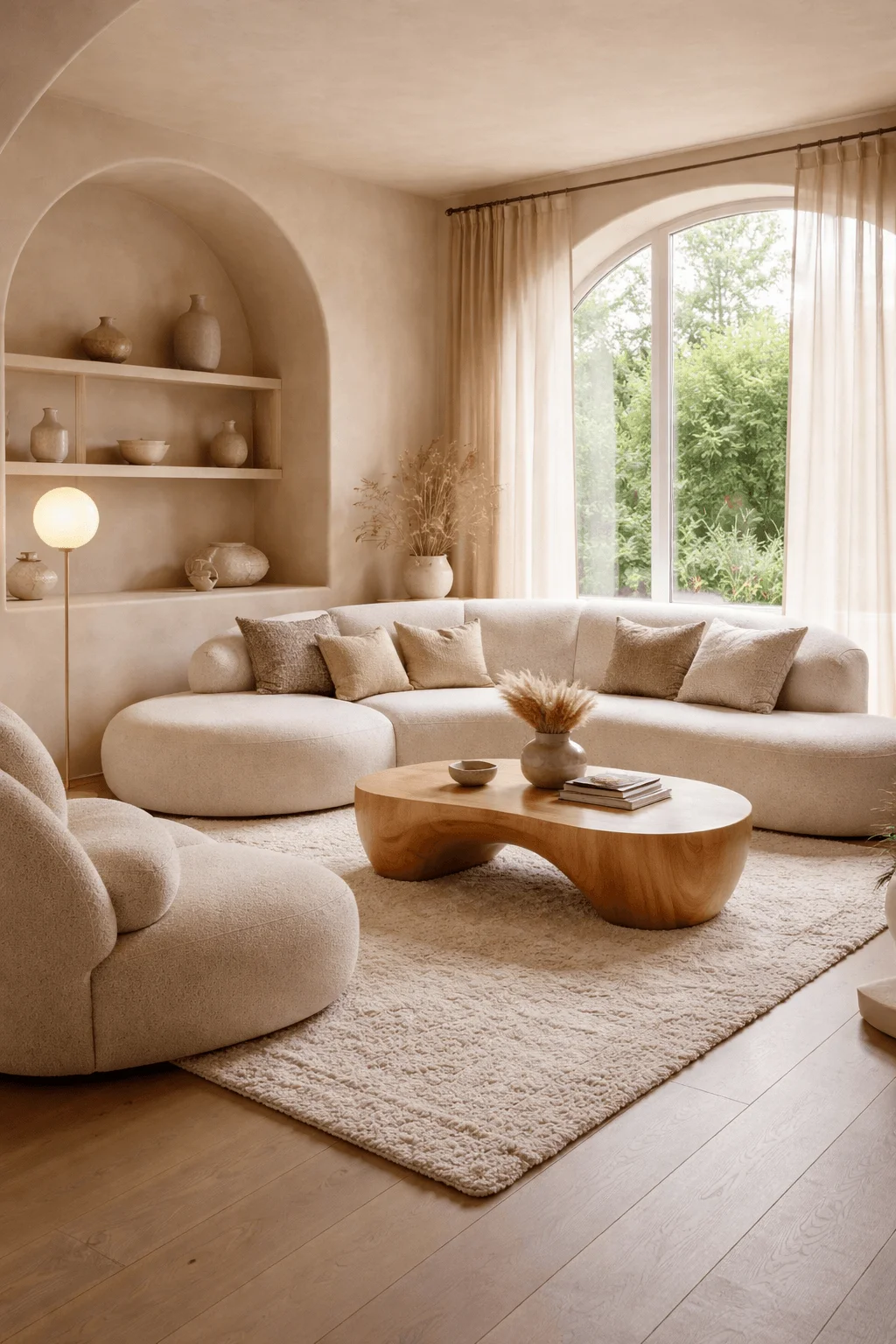
Curved furniture, rounded corners, and flowing layouts create a sense of movement and comfort. These shapes are inspired by nature and help create a more relaxed atmosphere. They also work well with other sustainable elements such as natural materials and earthy colors. This trend shows how form and function can come together to create spaces that feel both modern and timeless.
Modular Furniture Encouraging Flexibility and Longevity
Flexibility is becoming a key aspect of sustainable design. Modular furniture allows spaces to adapt to changing needs without requiring constant replacement. This makes it a practical and environmentally friendly choice.
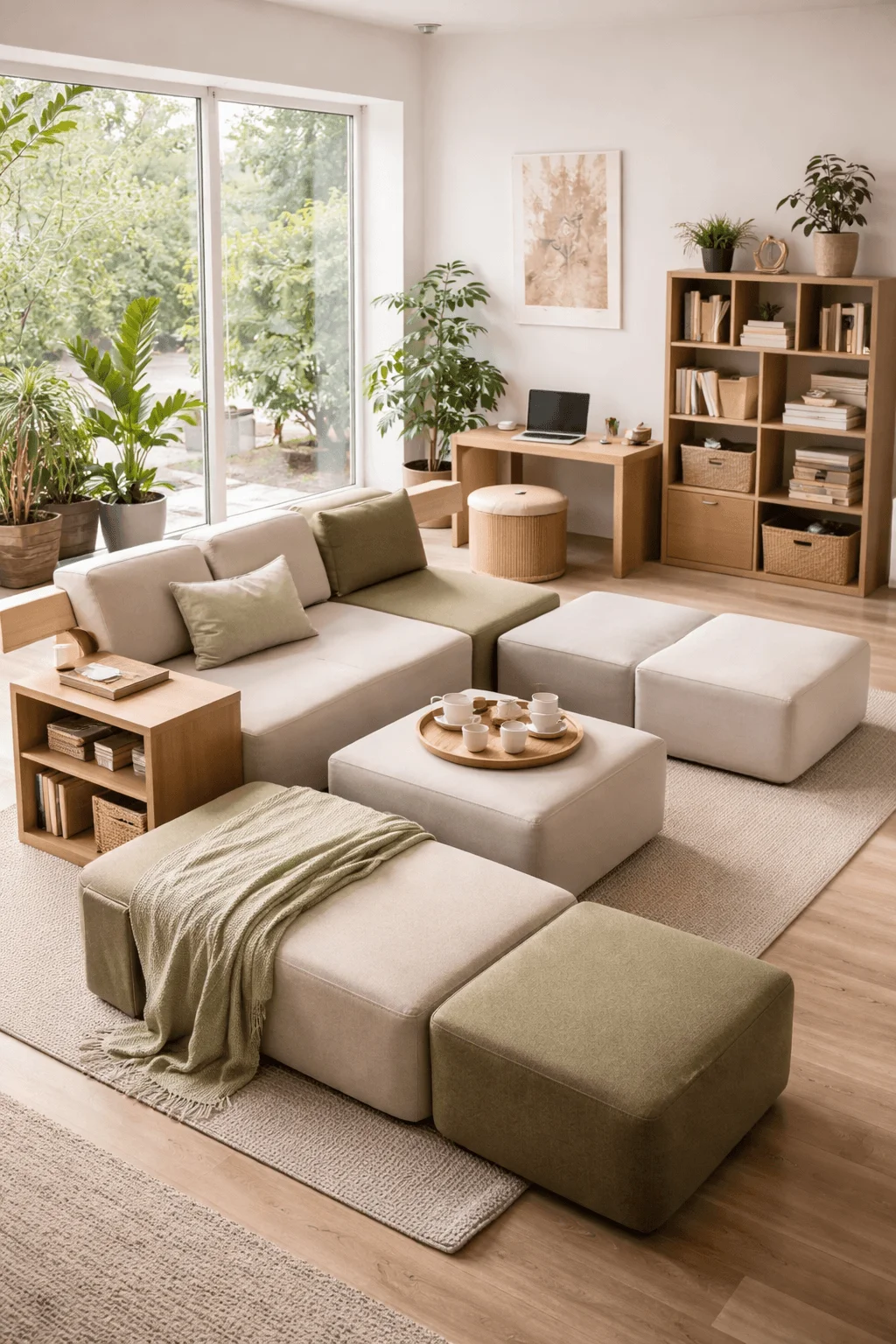
Furniture that can be rearranged, expanded, or repurposed extends its lifespan and reduces waste. It also supports a more dynamic way of living where spaces can evolve over time. This approach reflects a shift toward long term thinking in design. Instead of focusing on short term trends, it prioritizes durability and adaptability.
Sustainable Luxury Redefining Modern Elegance
Luxury in 2026 is defined by quality and responsibility rather than excess. Sustainable luxury focuses on materials and craftsmanship that are both beautiful and ethical.
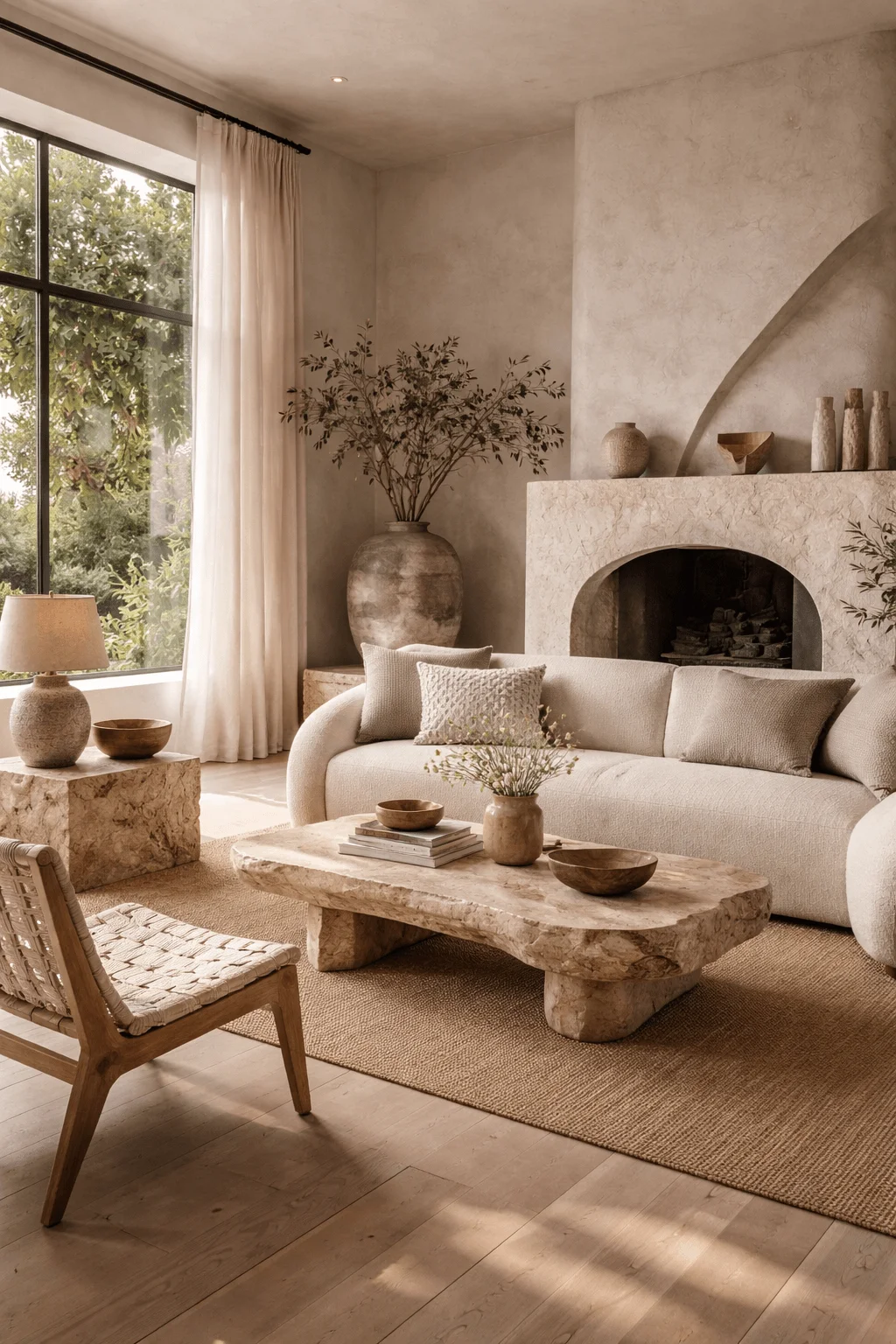
High quality natural materials, handcrafted furniture, and timeless designs create interiors that feel refined and enduring. This approach values longevity over trends and emphasizes the importance of making thoughtful choices. It proves that sustainability does not mean compromising on style. Instead, it enhances it by adding depth and meaning.
Textured Surfaces Adding Depth and Sensory Experience
Texture plays a crucial role in creating engaging and dynamic interiors. In 2026, there is a strong focus on materials that can be seen and felt, adding a sensory dimension to design.
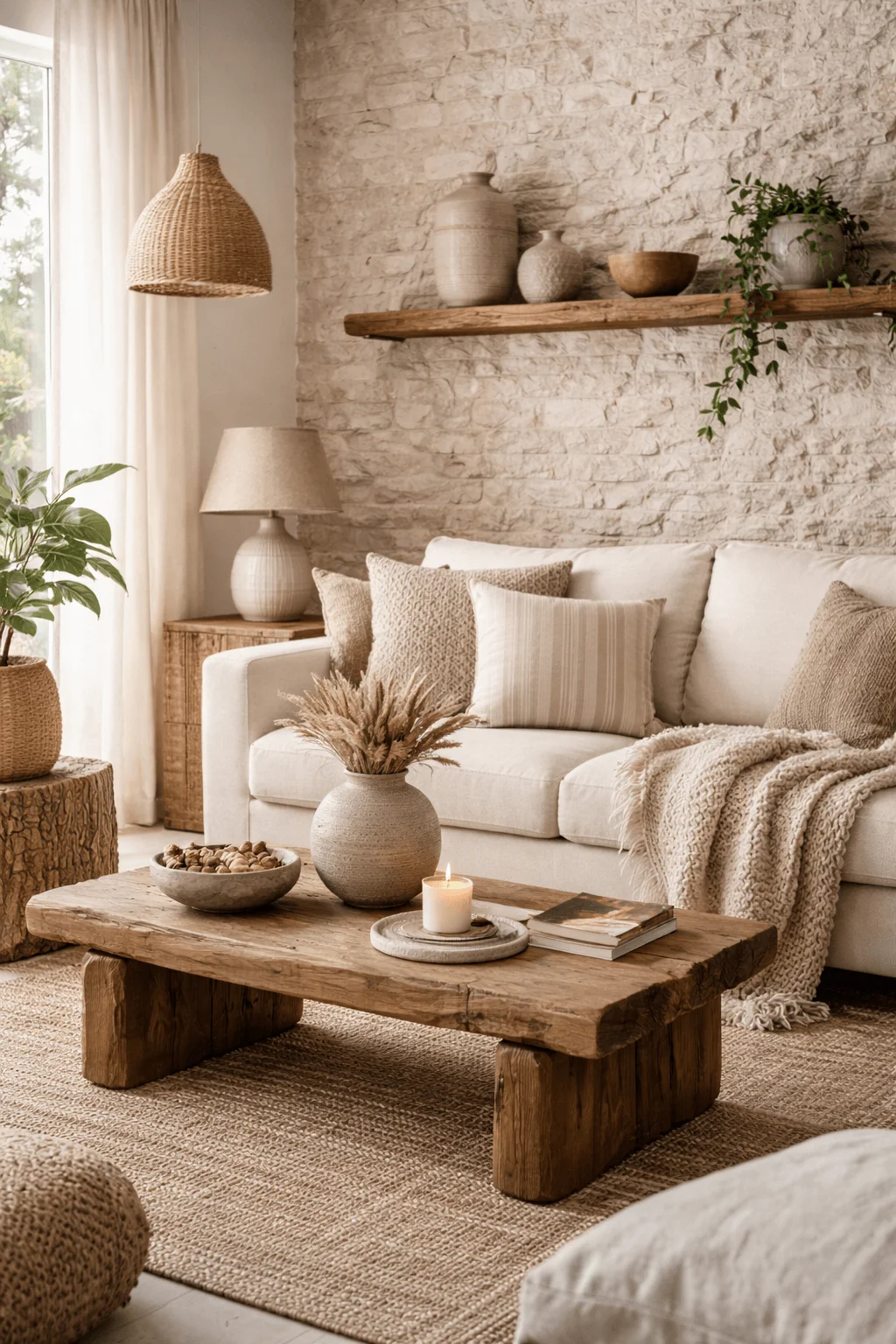
Natural materials such as wood, stone, clay, and linen are used to create layers of texture. These elements make spaces feel more grounded and authentic. They also highlight the beauty of natural imperfections. This trend moves away from flat and uniform surfaces and embraces a richer and more tactile approach to design.
Handcrafted Elements Celebrating Human Touch
There is a growing appreciation for handmade items that reflect skill and individuality. Handcrafted design brings a human element into interiors, making them feel more personal and unique.
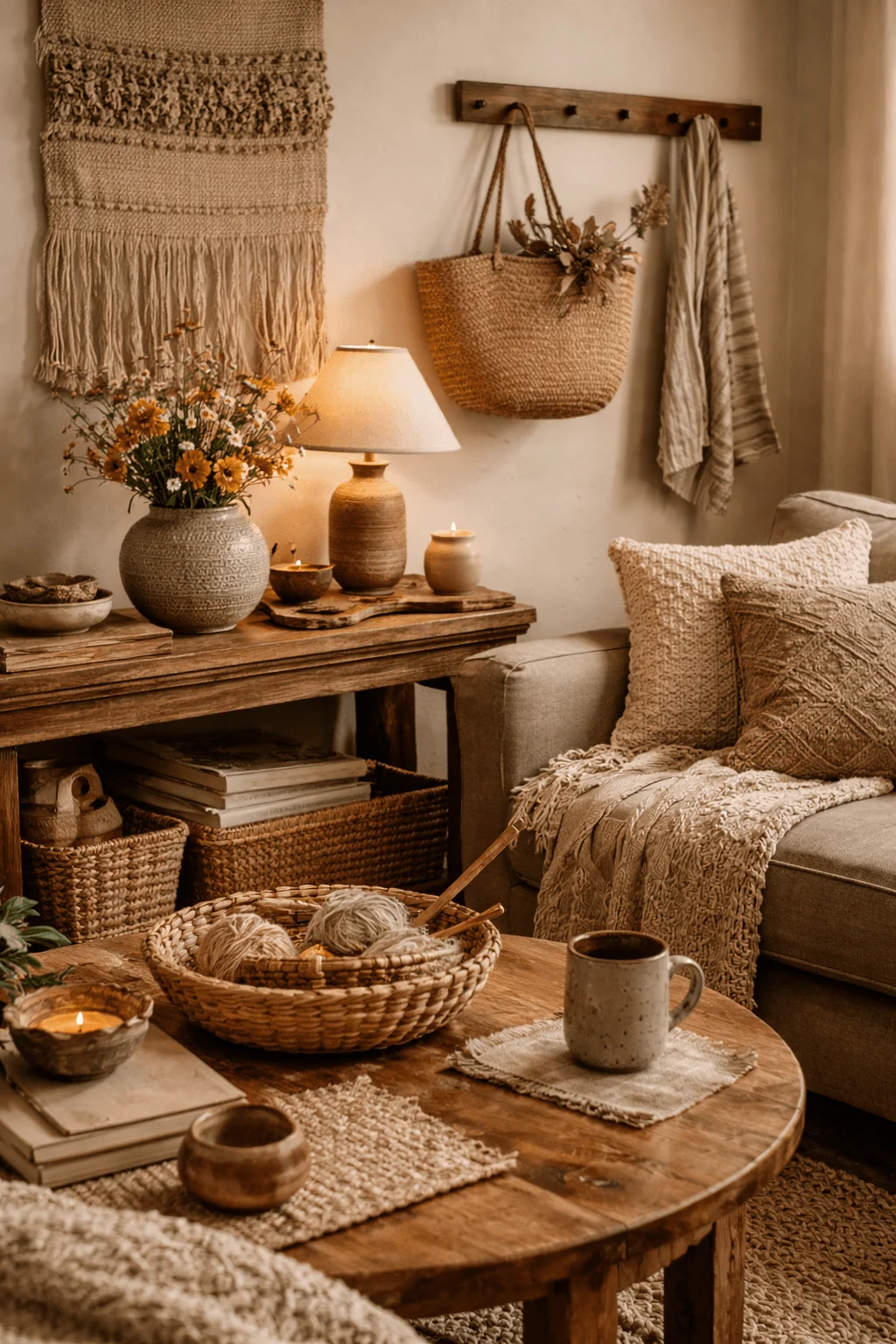
Artisan made furniture, ceramics, and textiles add character and authenticity to a space. These items often have a story behind them, which enhances their value. Supporting craftsmanship also promotes sustainability by encouraging quality over mass production. This trend highlights the importance of preserving traditional skills while creating meaningful modern interiors.
Biophilic Design Strengthening the Connection With Nature
Biophilic design continues to evolve as one of the most important aspects of sustainable interiors. It focuses on creating a strong connection between indoor spaces and the natural world.
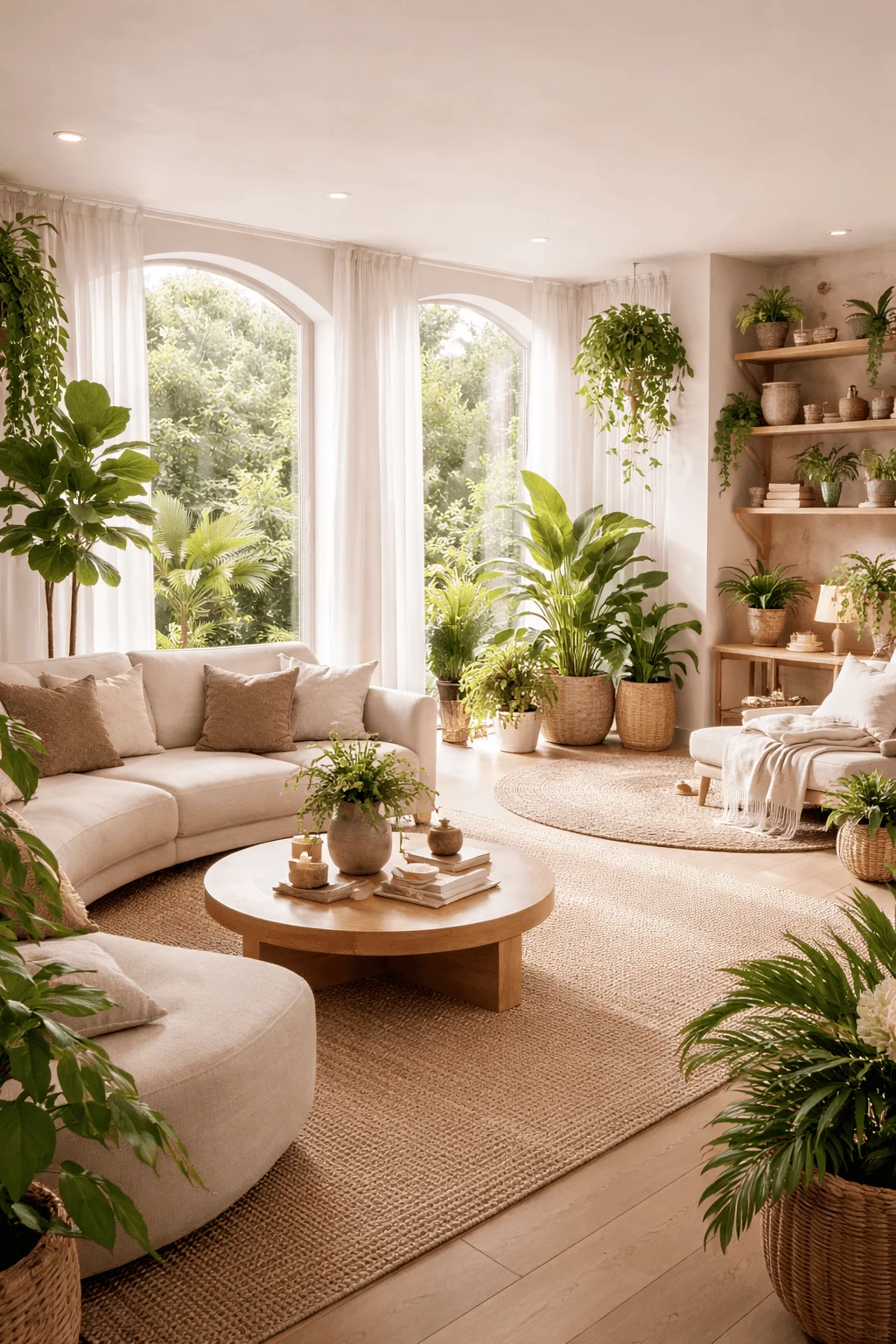
This includes maximizing natural light, improving ventilation, and incorporating plants and natural materials. The goal is to create environments that feel alive and refreshing. This connection to nature has been shown to improve mood, productivity, and overall well being. It reinforces the idea that humans thrive in spaces that reflect the natural environment.
Longevity Focused Design Changing How We Consume
One of the most impactful shifts in sustainable interior design is the focus on longevity. Instead of constantly replacing items, people are choosing designs that are built to last and can be maintained over time.
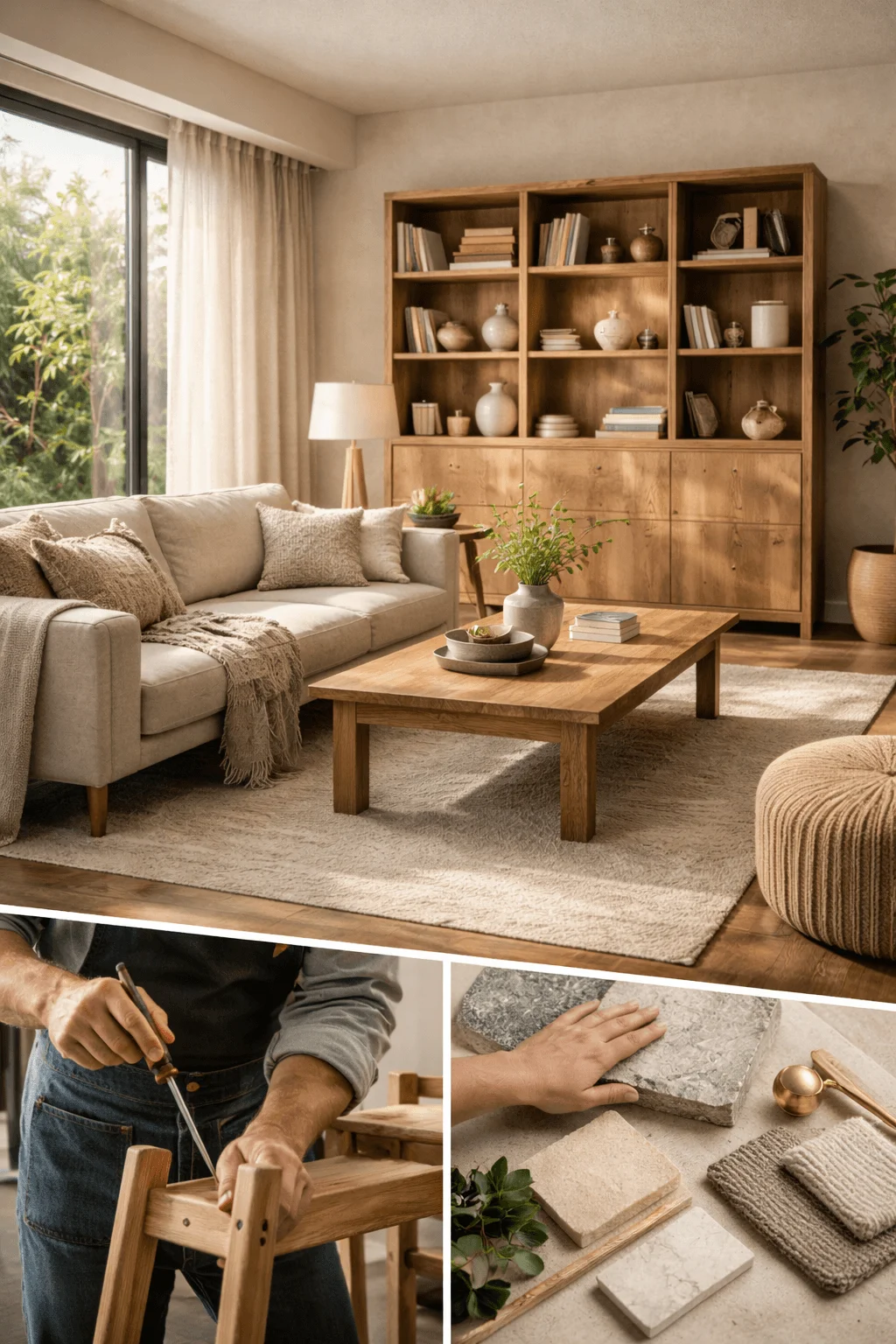
Durable materials, timeless styles, and repairable furniture are becoming standard choices. This approach reduces waste and encourages a more mindful way of living. It represents a move away from fast consumption and toward a more sustainable and thoughtful lifestyle.
Conclusion
Sustainability in interior design is no longer a niche concept. It is becoming the foundation of how modern homes are created and experienced. The ideas shaping 2026 show a clear movement toward spaces that are not only visually appealing but also meaningful and responsible.
These trends highlight a deeper connection between design, nature, and human well being. They encourage a shift in perspective where every choice matters and every detail contributes to a larger purpose. As this approach continues to grow, the future of interior design will be defined by balance, innovation, and care for both people and the planet.