Sustainability Campaign Graphic Design Ideas 2026
Sustainability is no longer a side conversation. It is now a central force shaping how brands communicate and how people make everyday decisions. Yet there is a clear gap between awareness and action. People understand environmental issues, but they often do not change their behavior. This is where design becomes powerful.
Sustainability campaign graphic design ideas in 2026 are focused on influence rather than decoration. The goal is not just to inform but to shift perception and inspire action. Designers are now thinking like strategists. They are combining psychology, storytelling, and technology to create campaigns that feel personal, urgent, and meaningful.
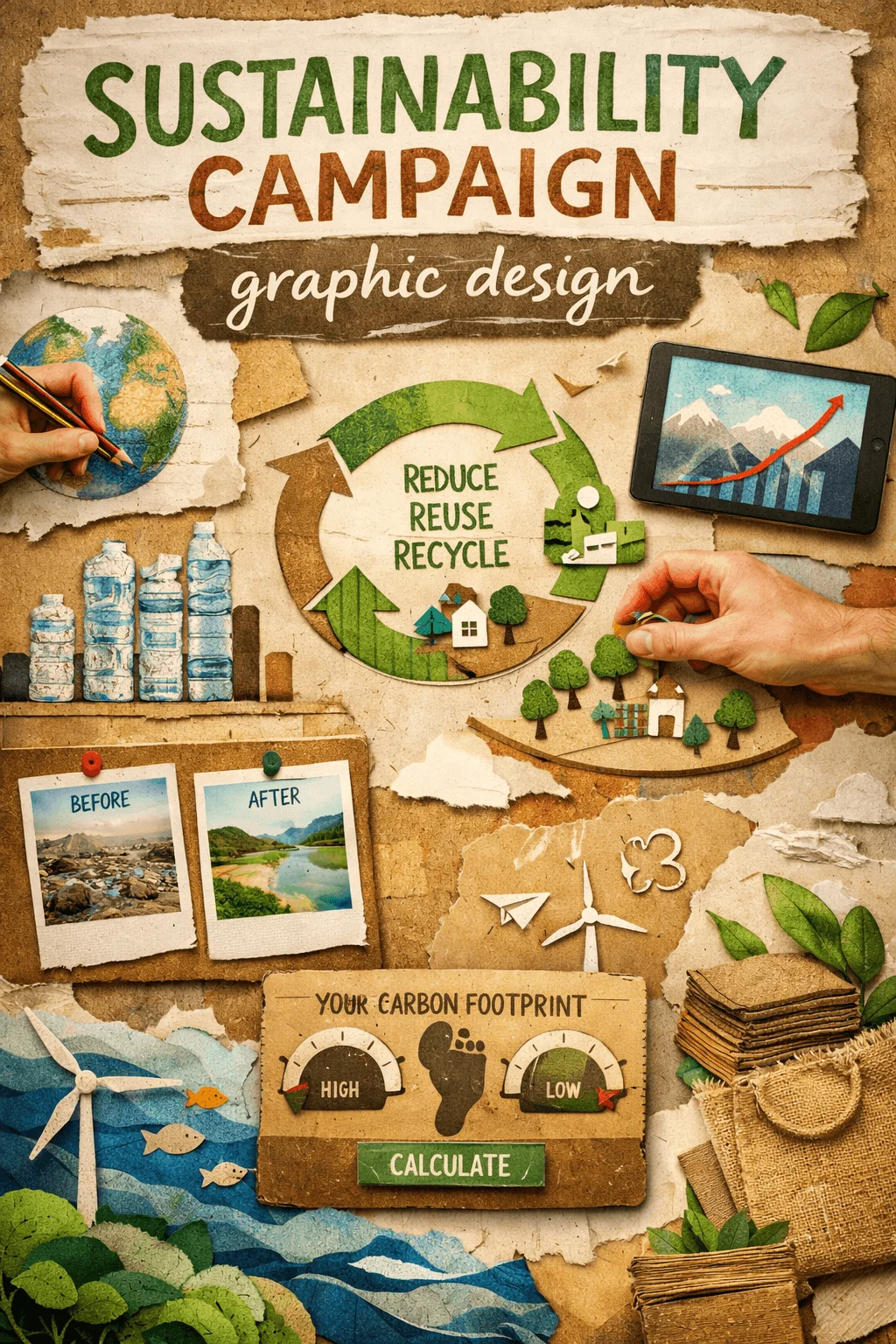
This article explores the most important eco campaign design trends 2026 and explains how each idea works in real campaign situations. It goes deeper into the thinking behind the visuals so you can create work that stands out and performs better than typical content.
Anti AI Handcrafted Visual Direction
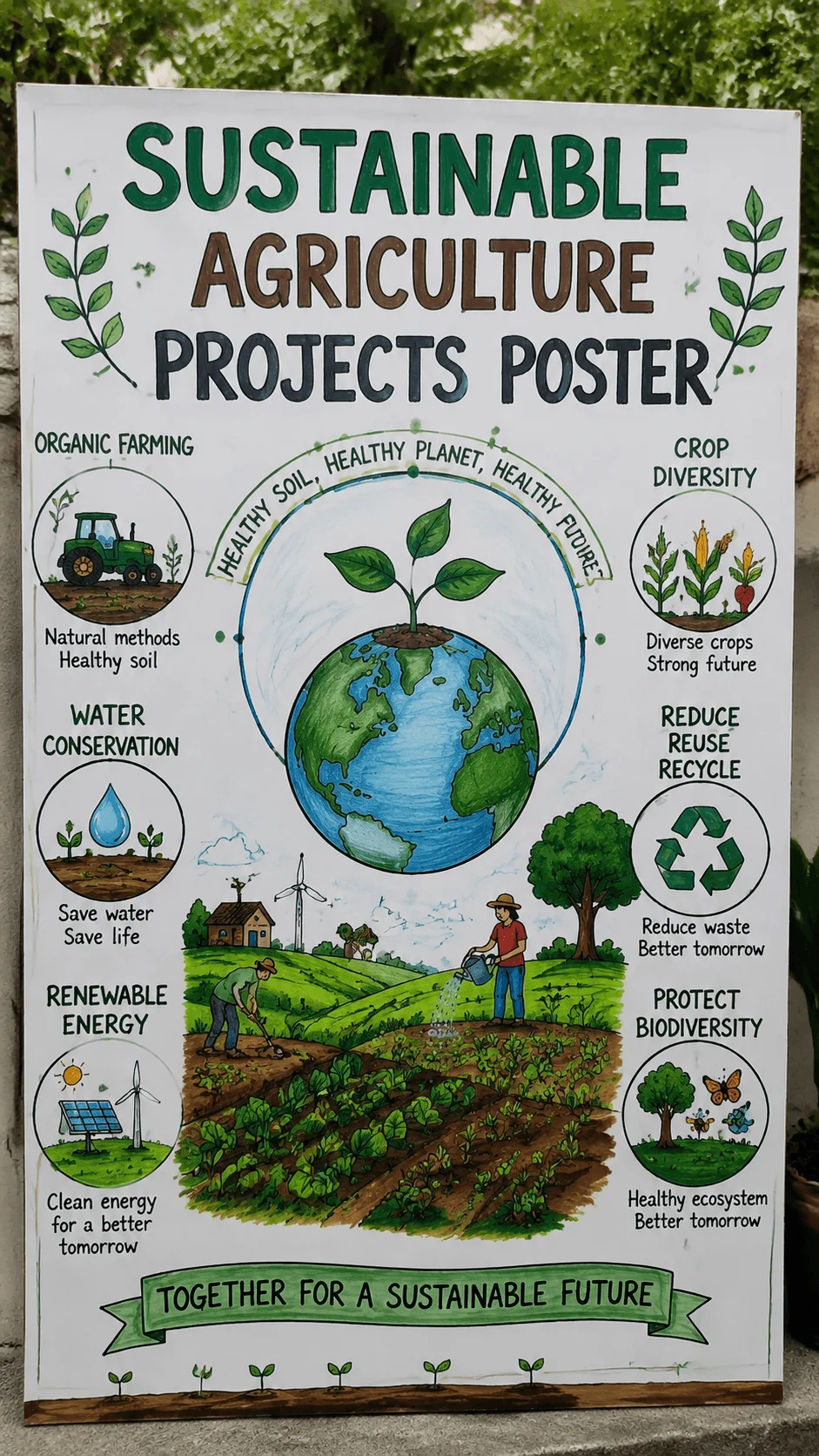
One of the most interesting shifts in 2026 is the return of human imperfection. As AI generated visuals become more common, audiences are starting to question authenticity. Perfect visuals can feel artificial and distant.
Handcrafted design introduces warmth and honesty. Rough textures, uneven lines, and imperfect compositions create a sense of real human effort. This is especially important in sustainability campaigns because trust is everything.
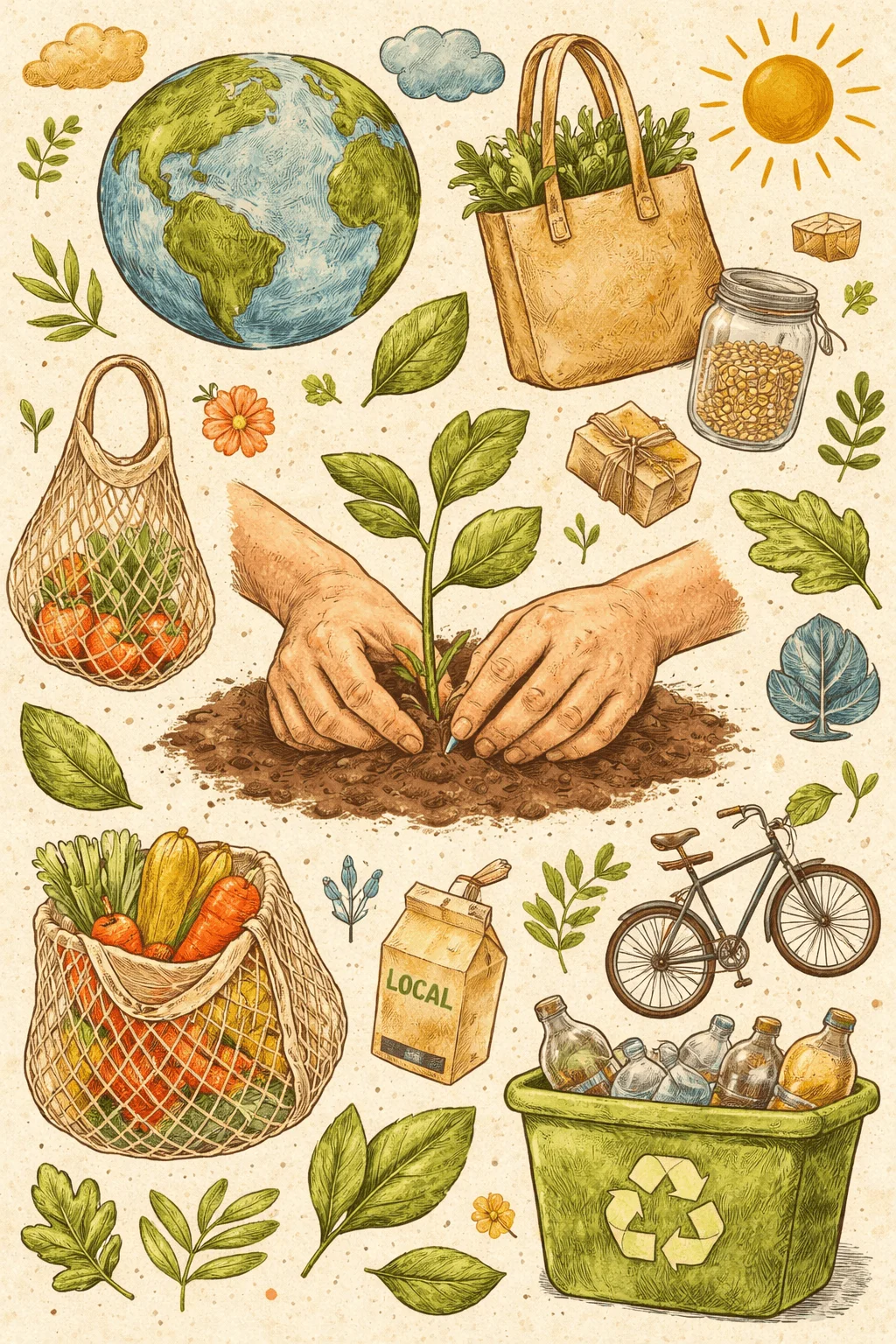
This approach also reflects the idea of slowing down consumption. It visually represents care and intention. When people see handcrafted elements, they subconsciously associate them with responsibility and ethics.
Data Driven Environmental Storytelling
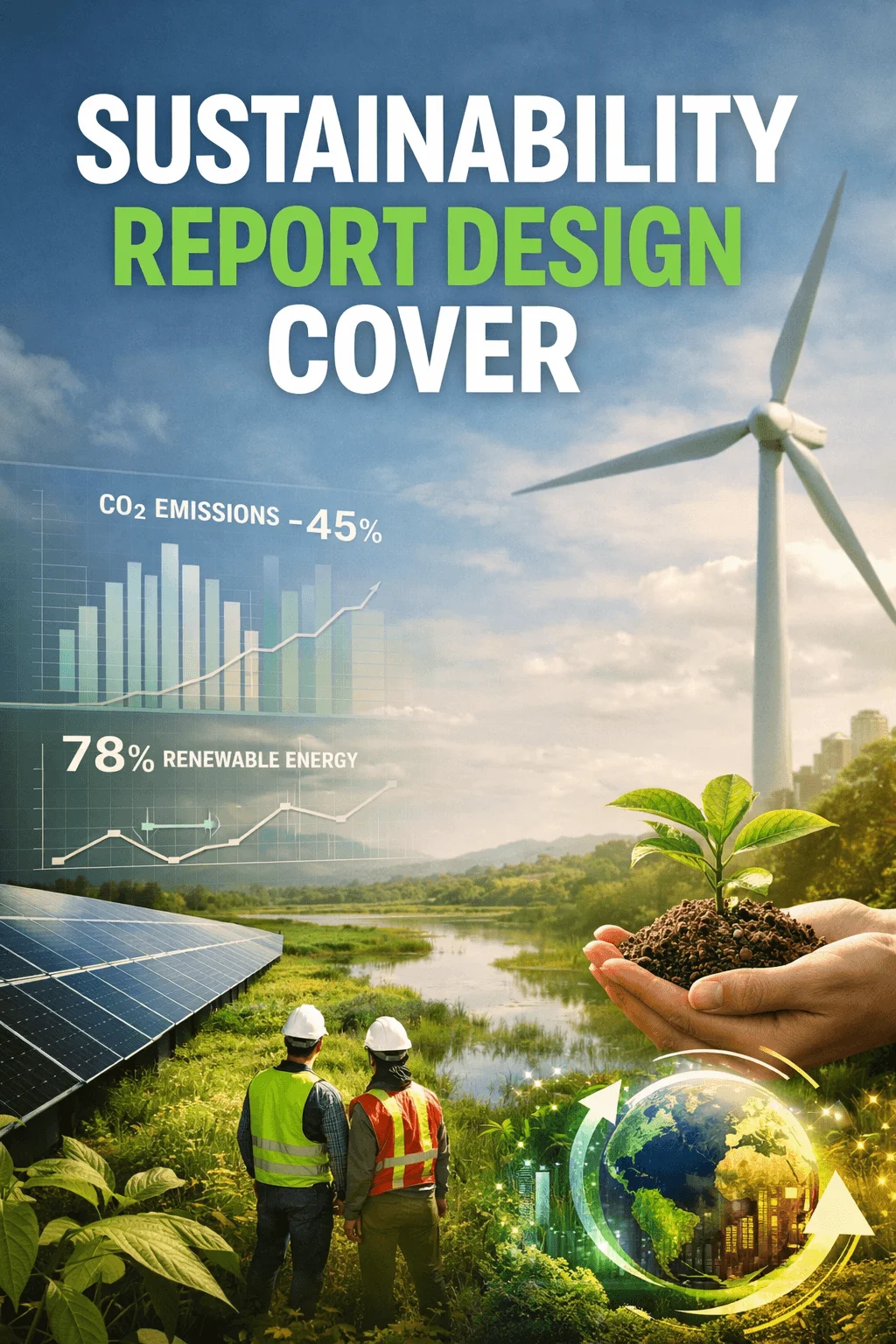
Data alone does not change behavior. People often ignore numbers unless they are presented in a meaningful way. This is why data driven storytelling has become a core part of eco awareness campaign graphics examples.
Designers are transforming statistics into narratives. Instead of showing a percentage, they show what that percentage looks like in real life. For example, visualizing daily plastic waste as a growing pile creates a stronger reaction than simply stating a number.
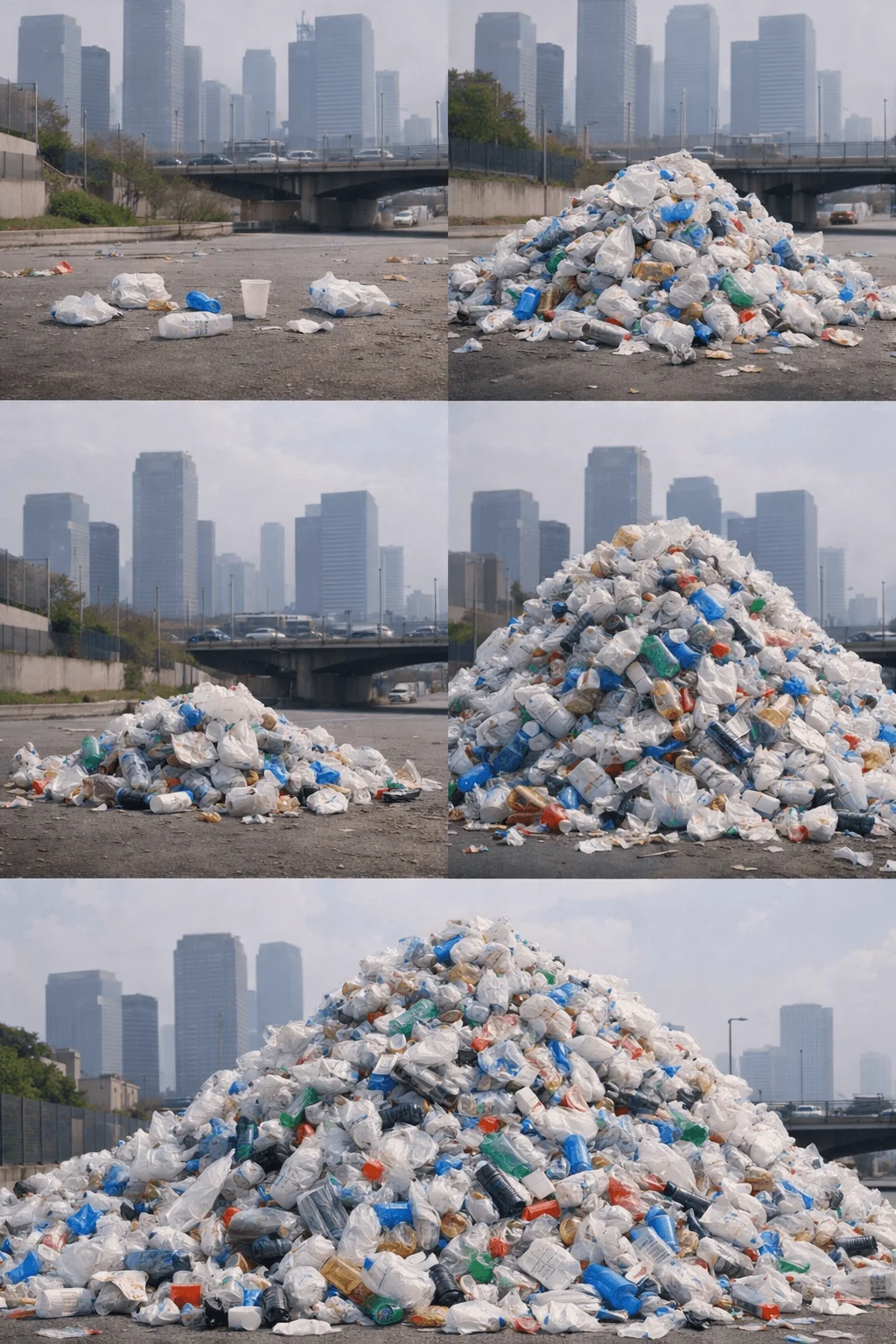
Animated data is especially effective. Movement adds life to information and makes it easier to understand patterns and trends. When users can see change happening in front of them, the message becomes more real.
Interactive Campaign Experiences
Static design is no longer enough. People want to interact with content. Interactive campaigns allow users to explore sustainability issues in a more personal way.
Scroll based storytelling is a strong example. As users move through a page, the story unfolds visually. This creates a sense of progression and discovery. It also increases the time people spend engaging with the content.
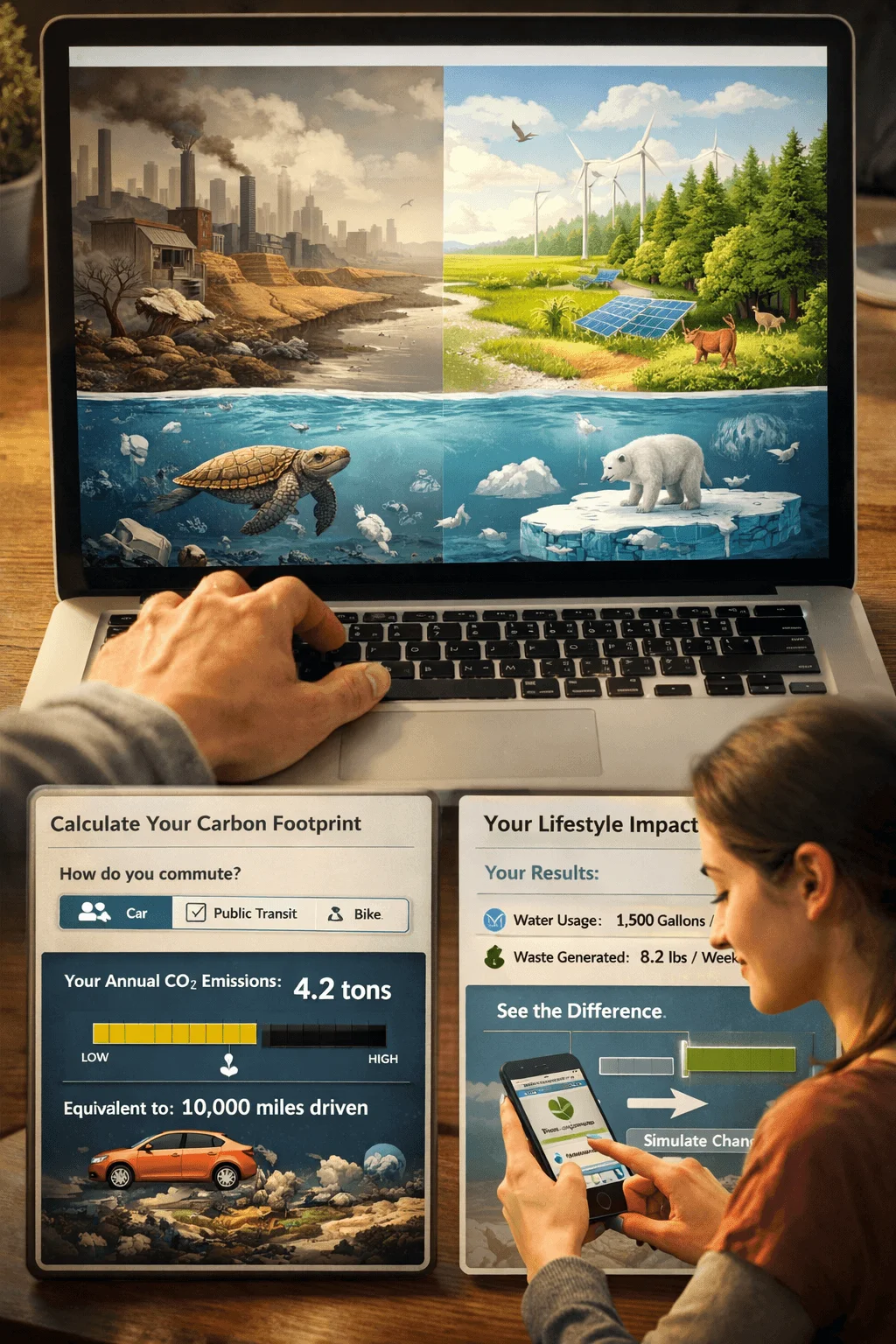
Interactive tools such as carbon calculators or impact simulators make the experience even more personal. When users see how their own actions affect the environment, the message becomes directly relevant to them.
Sensory Inspired Digital Visuals
Design is evolving beyond flat visuals. Sensory inspired design creates the illusion of texture and physical presence. This makes digital content feel more immersive.
For sustainability campaigns, this approach helps bridge the gap between digital and real world experiences. For example, visuals that mimic natural materials such as wood or fabric can evoke a sense of connection to nature.

Lighting, shadows, and depth also play a role. These elements make visuals feel more realistic and engaging. When users feel like they can almost touch what they see, they become more emotionally involved.
Hyper Local Visual Communication
Global messages often feel distant. People care more about issues that affect their immediate environment. This is why hyper local design is becoming essential.
Designers are creating campaigns that reflect local culture, language, and environmental challenges. This makes the message feel relevant and urgent.
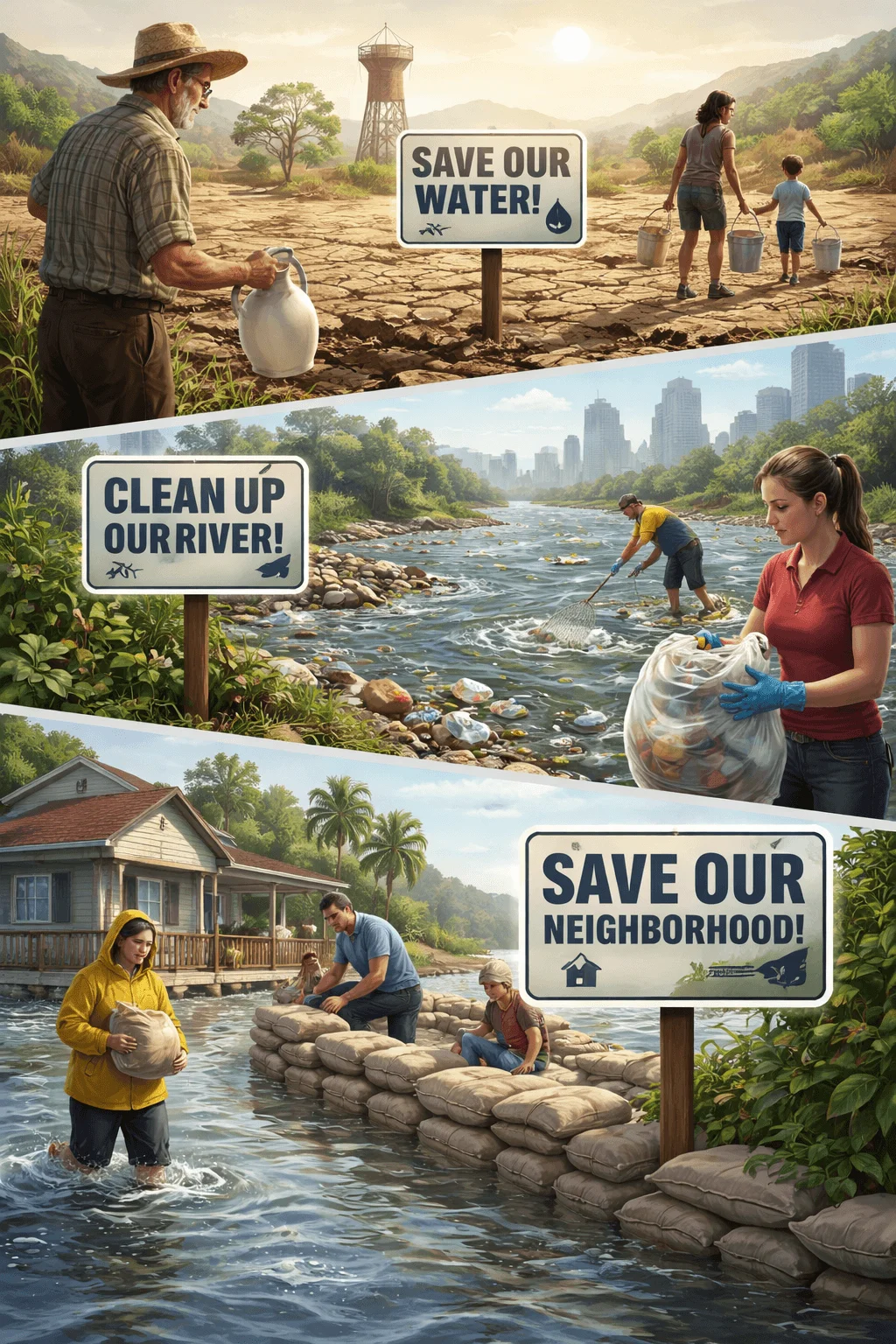
For example, a water conservation campaign in one region might focus on drought, while another might focus on pollution. By tailoring visuals to local realities, designers increase engagement and trust.
Before and After Visual Narratives
Comparison is one of the most powerful tools in design. Before and after visuals create immediate clarity. They show change in a way that words cannot.
In sustainability campaigns, this technique highlights both problems and solutions. It can show the damage caused by environmental neglect or the positive impact of sustainable practices.
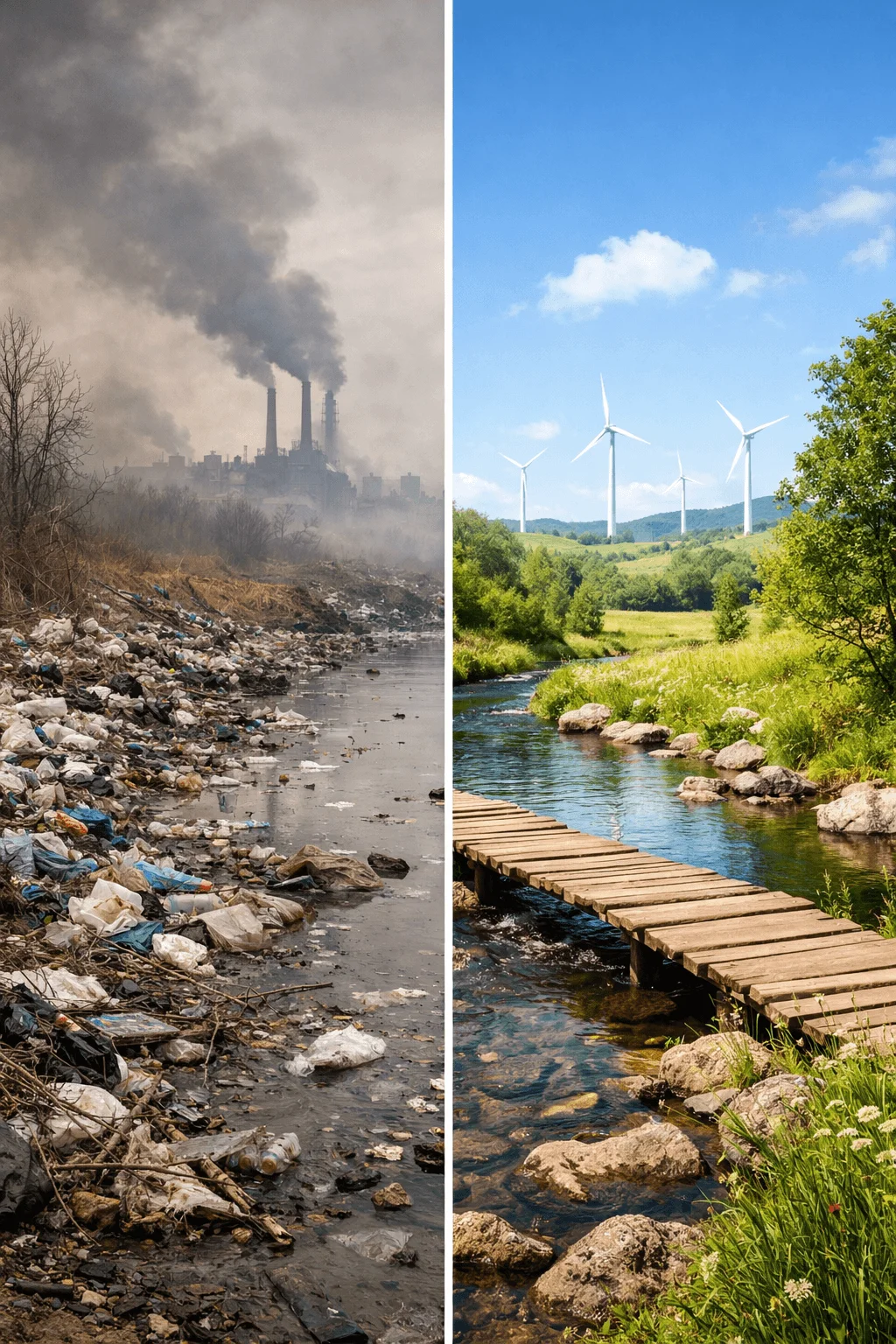
These visuals are also highly shareable. They are easy to understand at a glance and often create a strong emotional response.
Purpose Driven Minimalism
Minimalism is no longer just about aesthetics. It is about focus and intention. In sustainability campaigns, simplicity helps deliver a clear message.
Cluttered designs can dilute meaning. A minimal approach ensures that every element serves a purpose. Large typography, strong contrast, and clean layouts make messages easier to absorb.

This approach also reflects sustainability itself. It communicates the idea of using only what is necessary and avoiding excess.
Eco Aesthetic Visual Systems
Green branding campaign visuals are becoming more refined. Instead of using generic green colors, designers are building complete visual systems inspired by nature.
This includes earthy tones, organic shapes, and natural textures. The goal is to create a consistent identity that feels authentic and grounded.
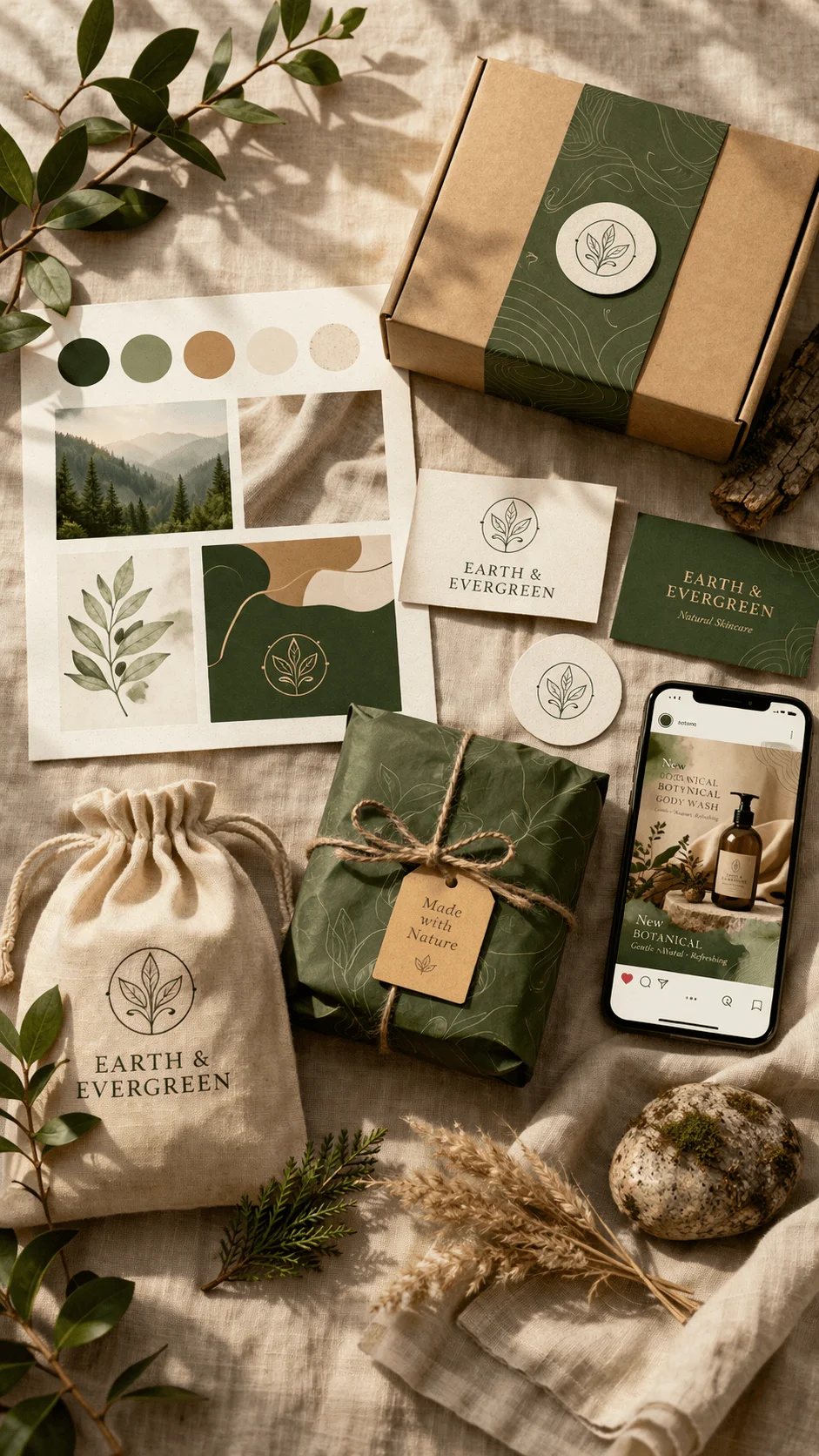
These systems also help campaigns remain recognizable across different platforms. Consistency builds trust and reinforces the message over time.
Motion Driven Storytelling
Motion adds energy to design. It captures attention quickly and keeps users engaged longer.
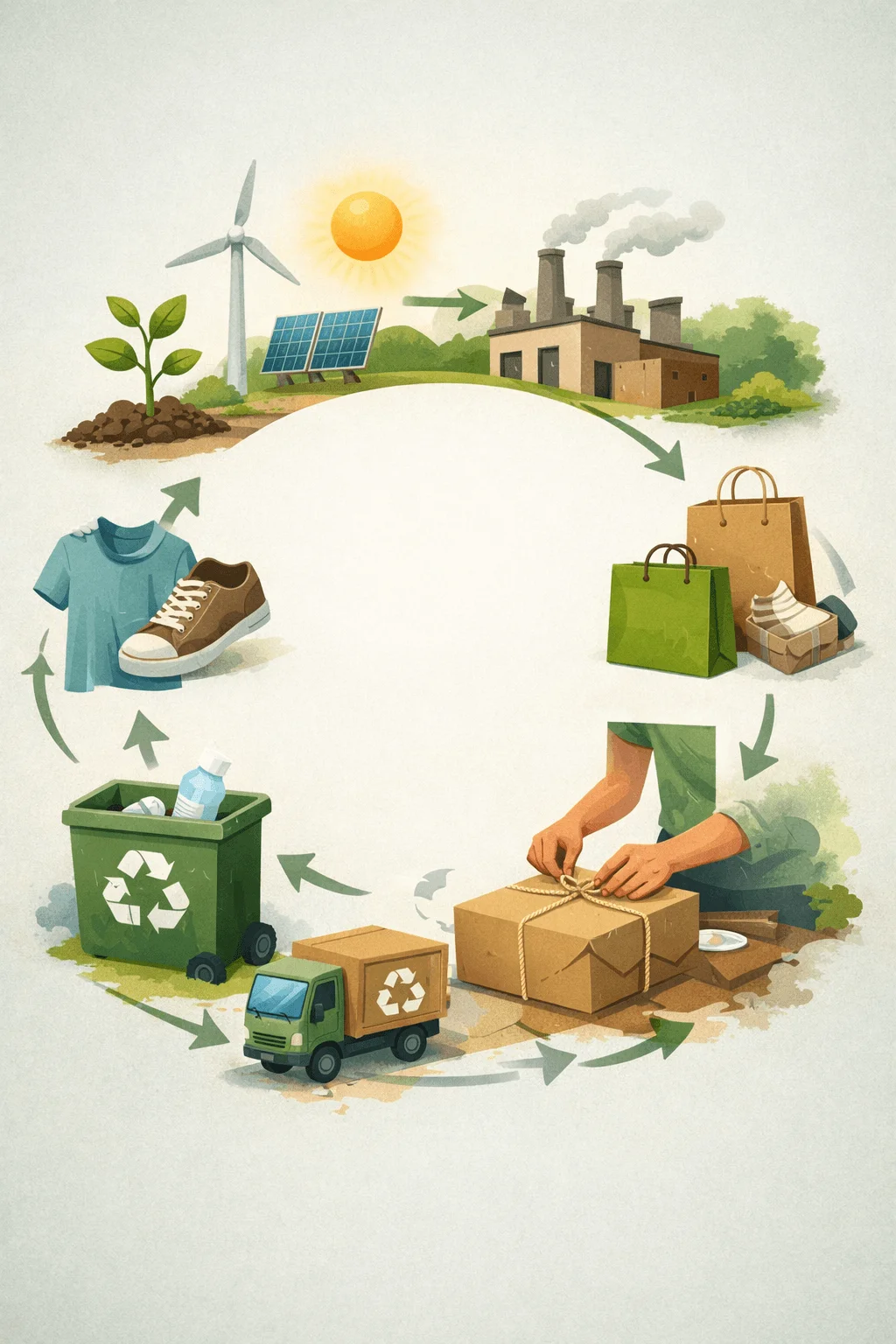
In sustainability campaigns, motion can illustrate processes that are difficult to show in static form. For example, showing the lifecycle of a product through animation helps users understand the concept of a circular economy.
Short and subtle animations are often more effective than complex ones. They enhance the message without overwhelming the viewer.
Gamified Sustainability Campaigns
Gamification transforms passive viewers into active participants. It introduces challenges, rewards, and progress tracking.
This approach works because it taps into human motivation. People enjoy achieving goals and seeing their progress. When sustainability actions are turned into challenges, they become more engaging.
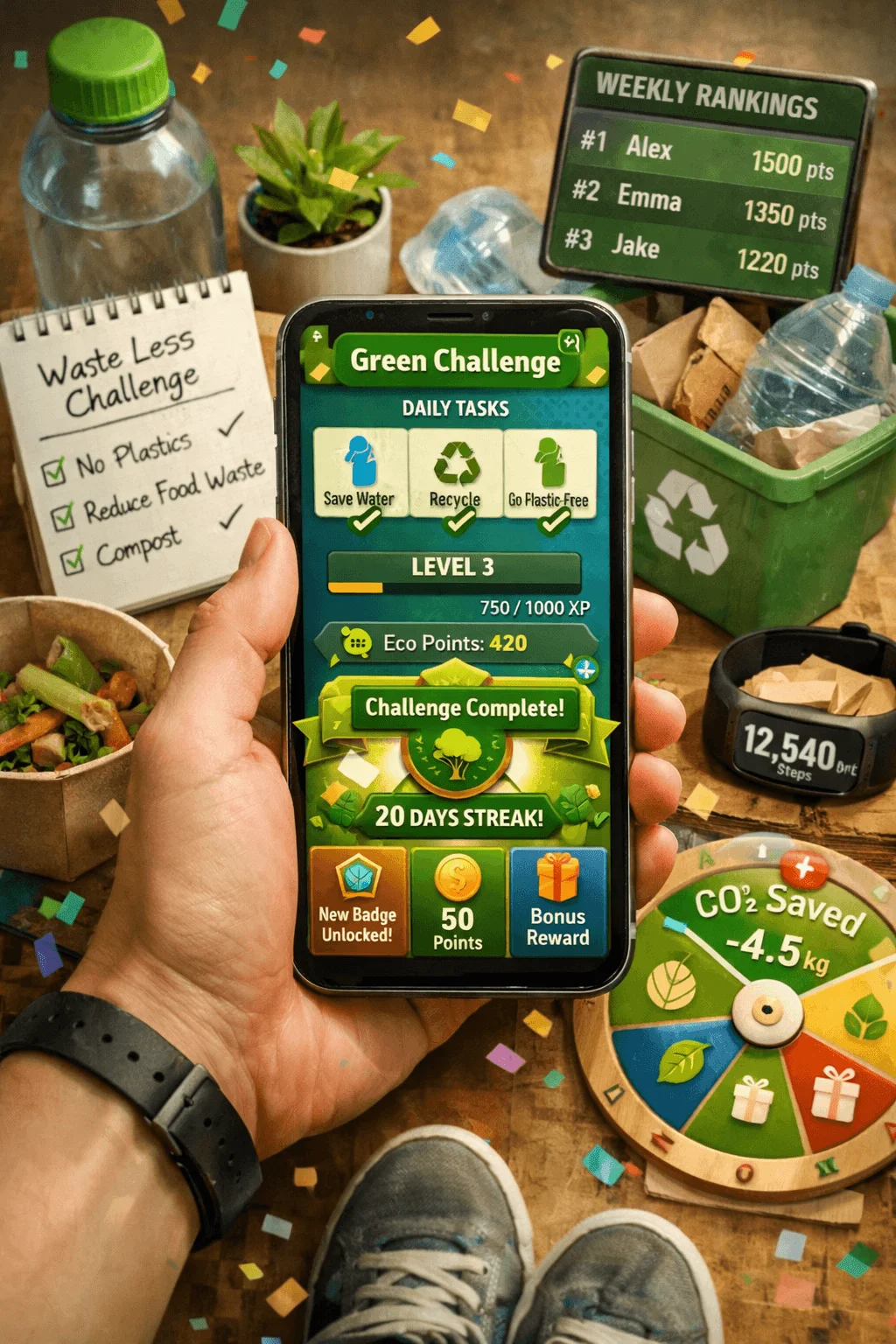
For example, tracking daily habits or reducing waste can become part of a larger interactive experience. This encourages long term behavior change.
Surreal Visual Metaphors
Some environmental issues are difficult to communicate directly. Surreal visuals offer a creative solution.
By exaggerating reality, designers can highlight problems in a more impactful way. For example, showing a city floating in pollution creates a striking image that stays in memory.
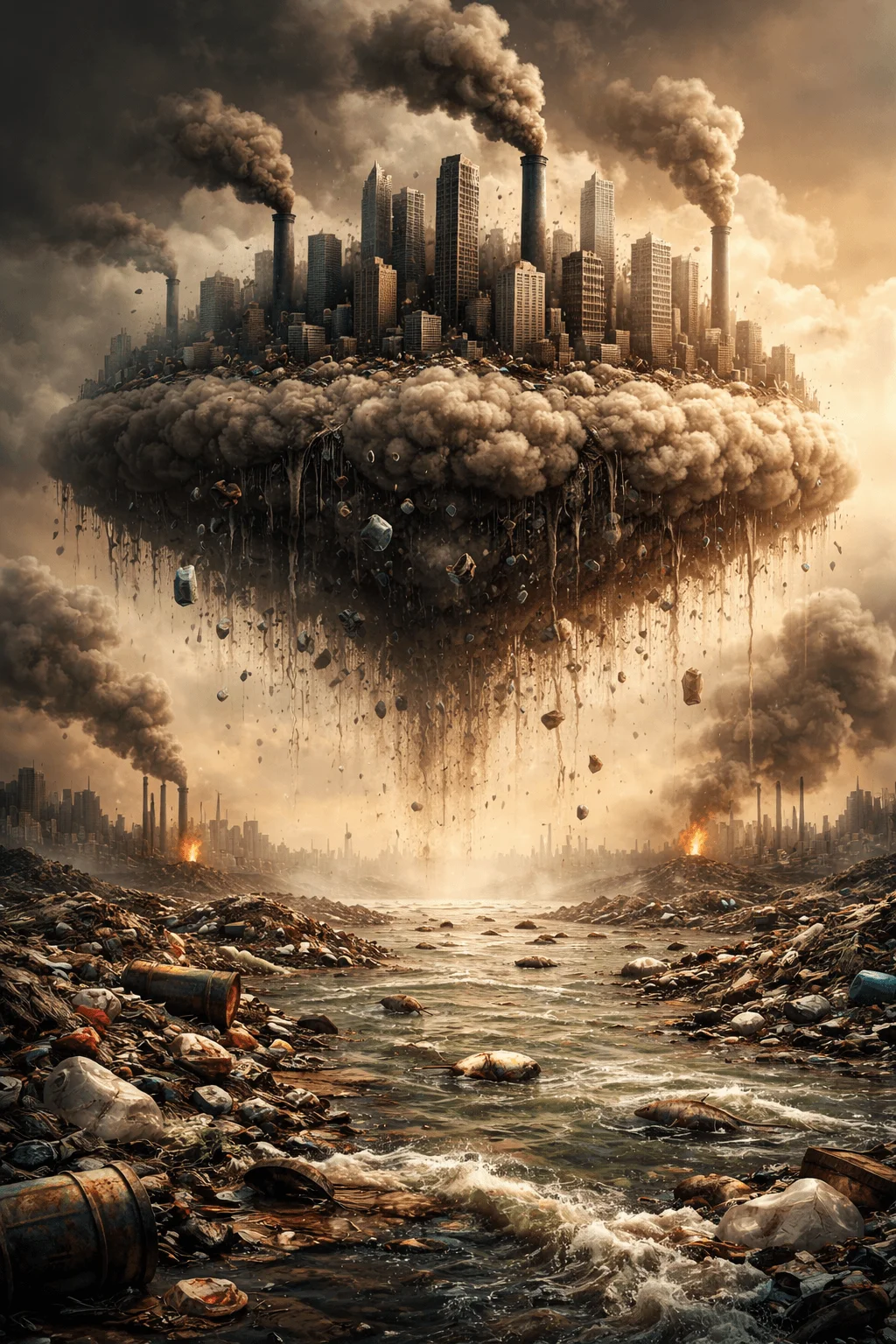
These visuals are not meant to be realistic. They are meant to provoke thought and emotion. This makes them highly effective for awareness campaigns.
Low Carbon Digital Design Thinking
Sustainability is not just about the message. It is also about the process. Designers are now considering the environmental impact of their own work.
Low carbon graphic design strategies include optimizing images, reducing file sizes, and creating efficient digital experiences. These choices reduce energy consumption and support sustainability goals.
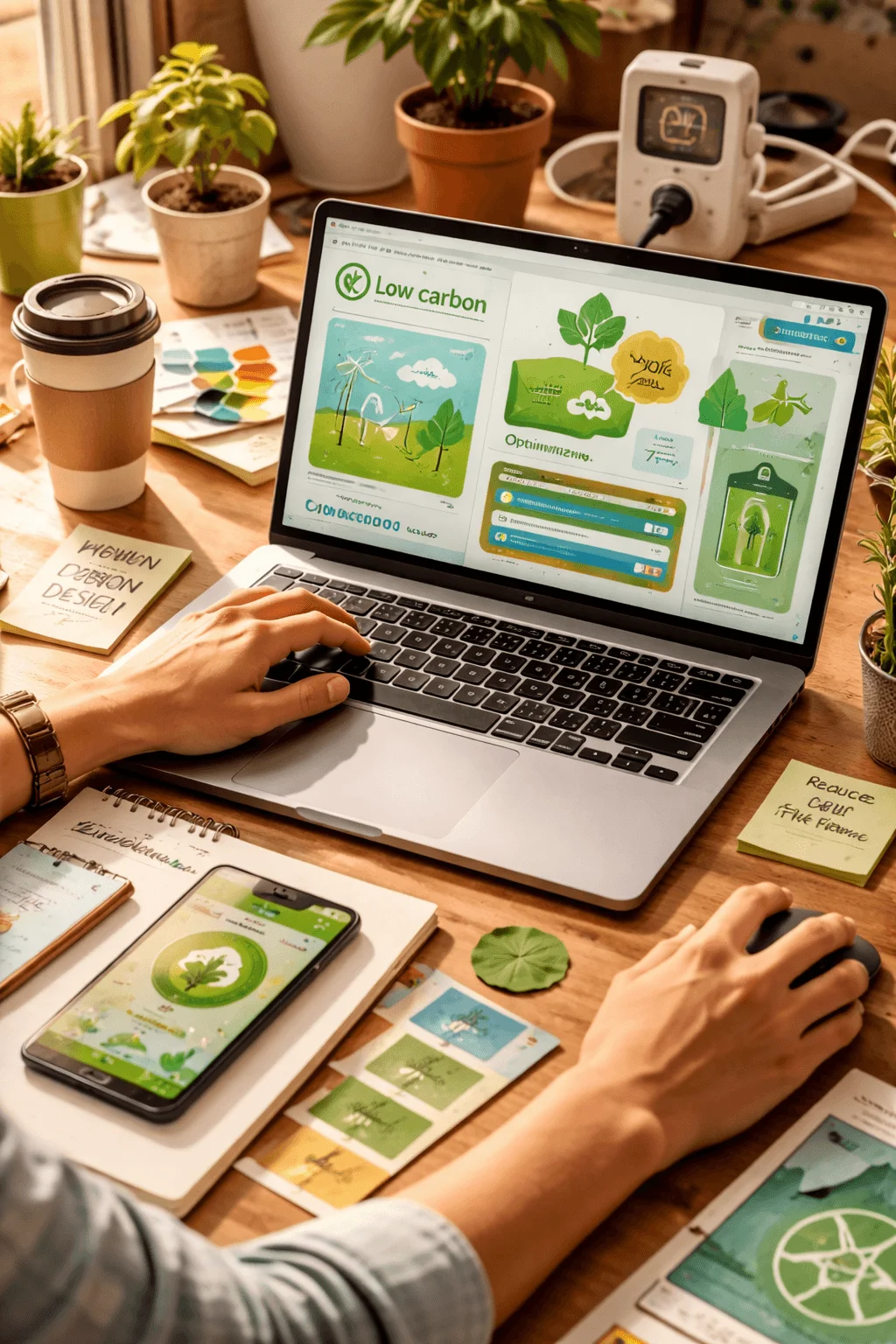
This approach also aligns with the values being promoted. It ensures that the design itself reflects the message of the campaign.
Community Driven Campaign Visuals
People trust people more than brands. This is why community driven content is becoming important.
Campaigns that include user generated visuals feel more authentic. They show real experiences and perspectives.
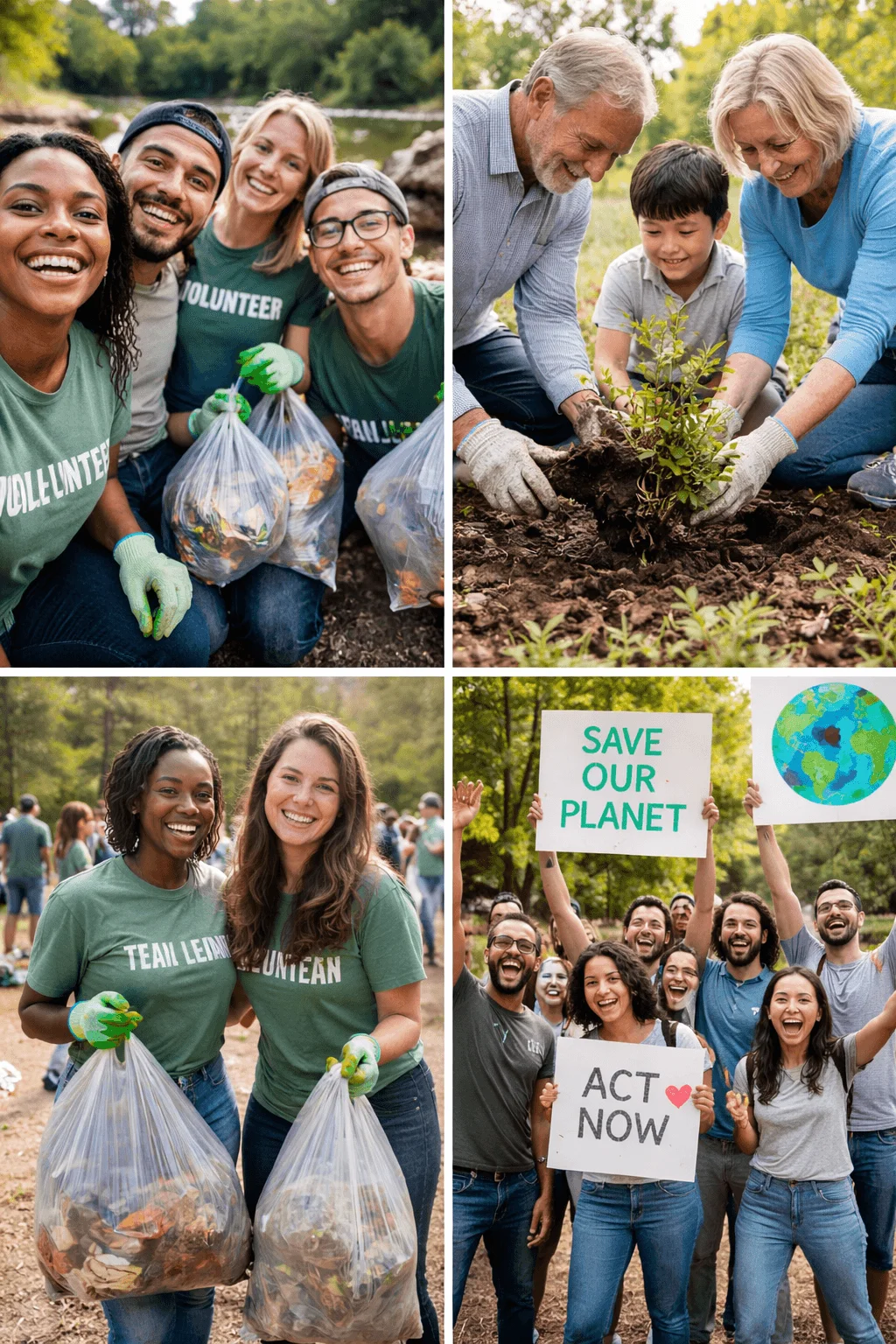
This approach also creates a sense of belonging. When people see themselves represented, they are more likely to engage and share the message.
Circular Economy Visual Narratives
The concept of reuse and recycling is evolving into a broader idea of circular systems. Designers are visualizing these systems to make them easier to understand.
Instead of showing a linear process, they show cycles. This helps audiences see how products and materials can be reused continuously.
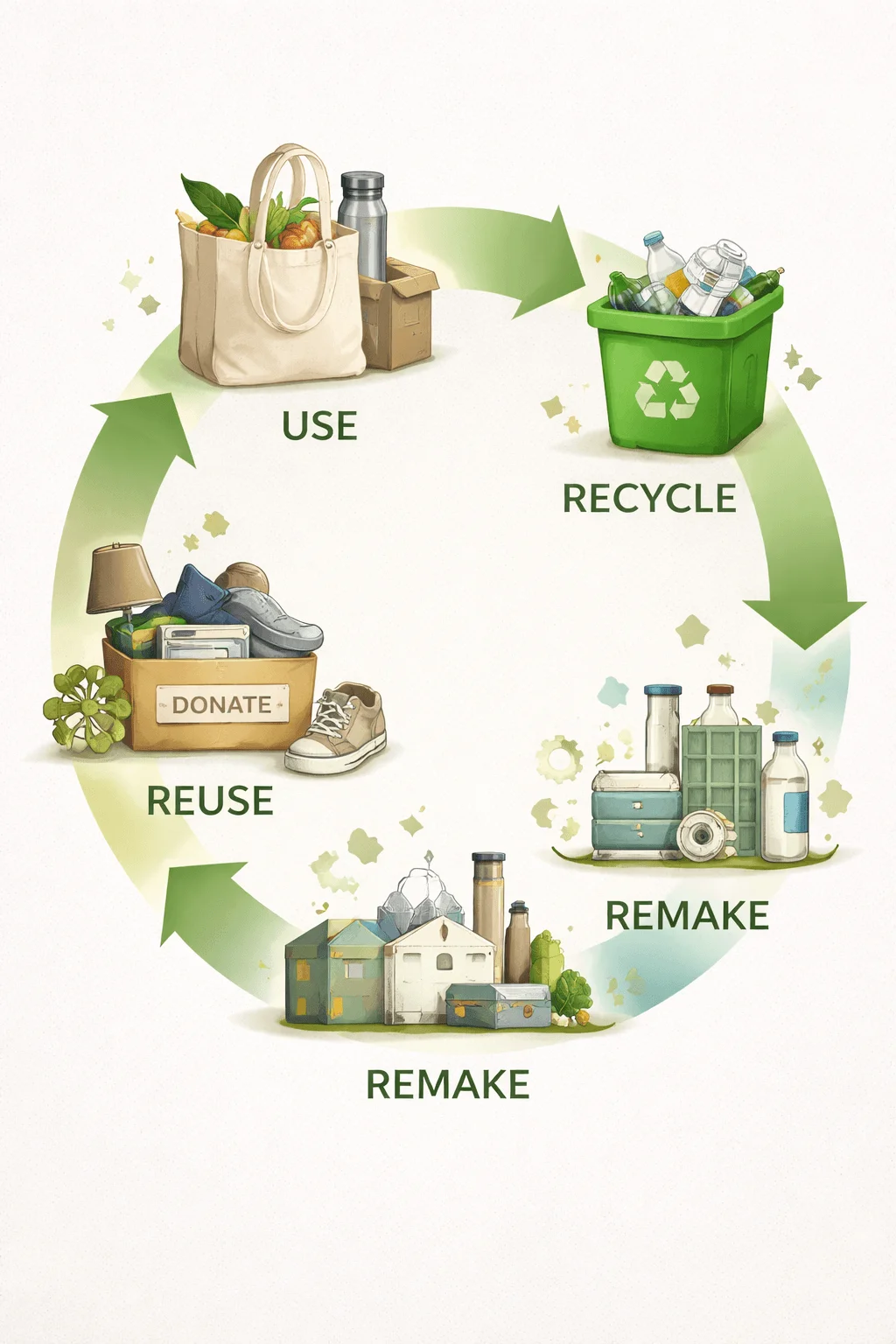
These visuals are both educational and persuasive. They encourage more responsible consumption patterns.
Emotional Color Storytelling
Color is a powerful tool for influencing perception. Different colors evoke different emotions.
In climate change campaign design inspiration, designers are experimenting with color to guide reactions. Warm tones can create urgency, while cooler tones can suggest calm and stability.
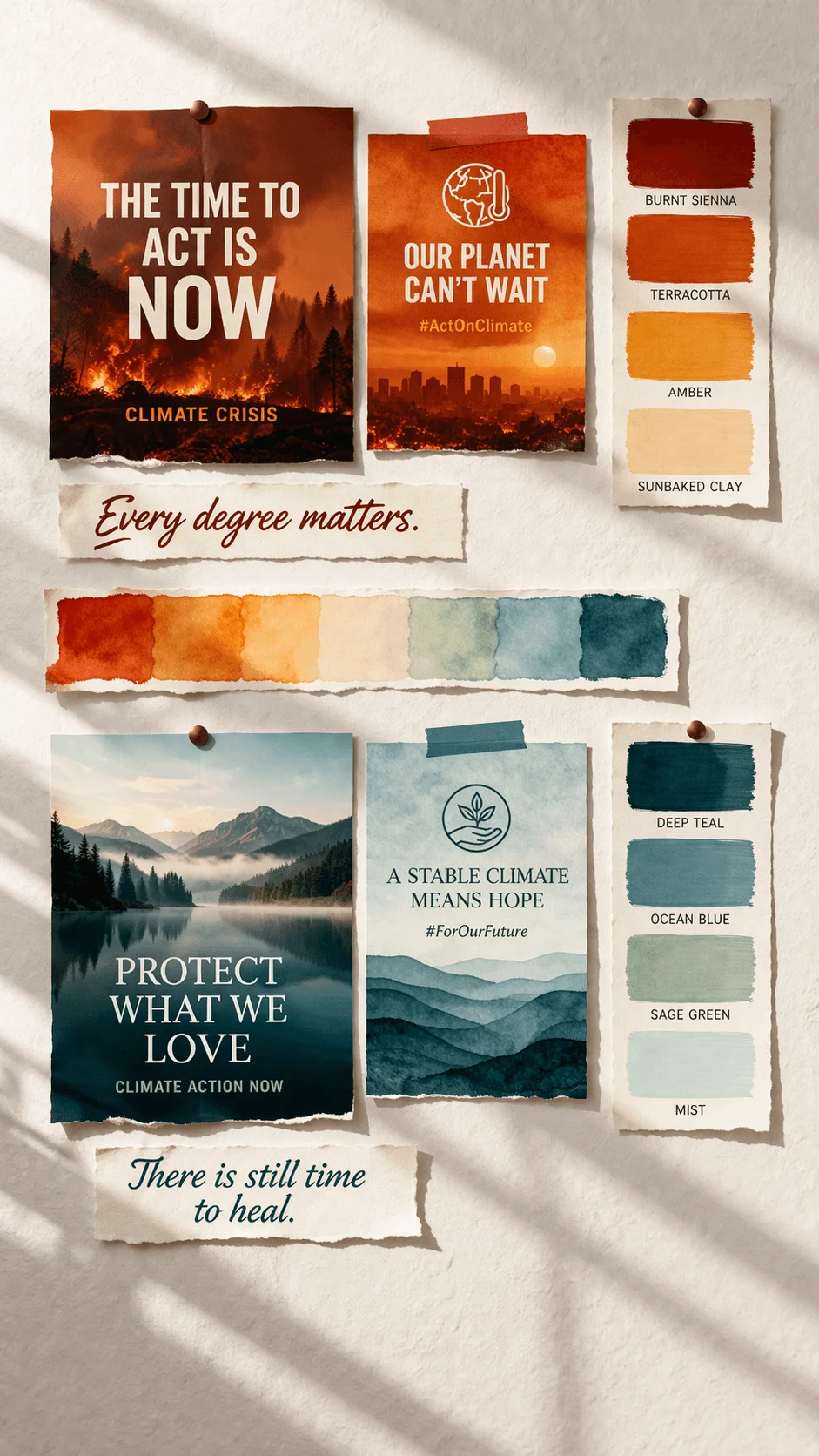
The key is to use color intentionally. It should support the message and enhance the emotional impact.
Conclusion
Sustainability campaign graphic design ideas in 2026 are moving toward deeper engagement, stronger storytelling, and more meaningful impact. The focus is no longer just on visuals but on experiences that influence behavior.
From handcrafted aesthetics to interactive storytelling and low carbon design practices, each trend reflects a shift toward more thoughtful and intentional design. These approaches are not just creative choices. They are strategic tools for driving real change.
Designers have the ability to shape how people think and act. By using design responsibly and creatively, they can contribute to a more sustainable future and create campaigns that truly make a difference.